
Porsche has built some of the most respected performance cars in automotive history, and the period from 1980 to today includes many of its greatest achievements.
During these decades, the company transformed the 911 from an already famous sports car into a global benchmark, created legendary homologation specials, introduced groundbreaking supercars, and proved that modern performance could work with hybrid and electric technology.
Ranking Porsche models is difficult because each car was created for a different purpose. Some were built to dominate racing circuits, while others were designed to deliver speed with comfort, reliability, and everyday usability.
A few became rare collector icons because of limited production, while others earned their status through years of development and a driving experience that competitors struggled to match.
This list focuses on Porsche cars produced from 1980 onward. The ranking considers engineering importance, performance, motorsport influence, driving character, design, rarity, and long-term impact on the brand.
It includes iconic 911 variants, limited-production supercars, and modern machines that changed expectations for what a Porsche could achieve.
The cars are ranked from tenth to first, but every entry has earned a place in Porsche history. Some models became legends immediately, while others gained greater appreciation as time passed. The first two entries show why Porsche’s best work has never been limited to one engine layout or one kind of driver.
Also Read: 10 Cars With the Most Comfortable Seats for Bad Backs
10. Porsche 911 Carrera RS 3.8
The Porsche 911 Carrera RS 3.8 arrived in 1993 as one of the most serious road-going 911s of its era. Based on the 964-generation 911, it was developed with motorsport in mind and built in limited numbers for buyers who wanted a car that felt much closer to a race machine than a normal road coupe.
Its naturally aspirated flat-six engine was enlarged to 3.8 liters and produced 300 horsepower. That figure may not sound extreme beside modern turbocharged sports cars, but the Carrera RS 3.8 was light, direct, and highly focused.
It had a stripped-back interior, firmer suspension, wider bodywork, lightweight components, and a large rear wing that made its intentions clear.
What makes this Porsche special is its purity. There were no complicated hybrid systems, adaptive driving modes, or large digital displays. The driver had to work with the car through the steering wheel, manual gearbox, brakes, and engine. It rewarded skill and concentration, especially on a demanding road or race circuit.
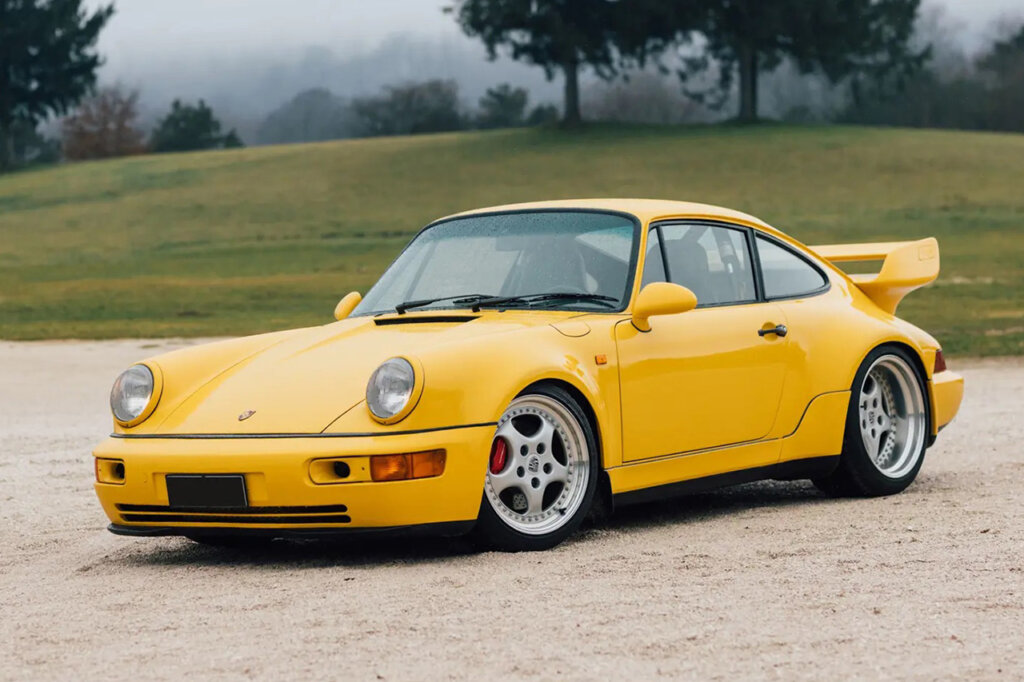
The RS 3.8 also has strong collector importance because Porsche produced only a small number. Its wide-body shape, distinctive rear wing, and motorsport connection have made it one of the most desirable air-cooled 911s.
It helped prove that Porsche could create a limited-production road car with serious racing influence while still keeping the familiar 911 identity intact.
- Engine: 3.8-liter naturally aspirated flat-six
- Torque: 266 lb-ft
- Horsepower: 300 hp
- Length/Width: 168.3 inches / 69.9 inches
9. Porsche 911 GT3 RS 4.0
The Porsche 911 GT3 RS 4.0 represented the final and most extreme version of the 997-generation GT3 RS. Introduced in 2011, it was built as a celebration of Porsche’s naturally aspirated motorsport engineering before turbocharging became more common across high-performance cars.
At its heart was a 4.0-liter flat-six derived from Porsche racing technology. It produced 500 horsepower and revved to 8,250 rpm, creating an experience that felt mechanical, intense, and deeply connected to the driver.
The six-speed manual gearbox made the car even more special because every acceleration run required precise shifts and full driver involvement.
Porsche used lightweight components throughout the GT3 RS 4.0. Carbon-fiber body panels, lightweight glass, race-inspired suspension parts, and aerodynamic upgrades helped reduce weight and improve high-speed stability.
The car also had a wider track and larger rear wing than a standard 911, giving it a purposeful appearance without becoming visually excessive.
Only 600 examples were built, which helped turn it into an immediate collector car. However, rarity is not the only reason it is remembered so strongly. The GT3 RS 4.0 captured a moment when Porsche combined a manual transmission, rear-wheel drive, naturally aspirated power, and track-focused engineering in one road-legal package.
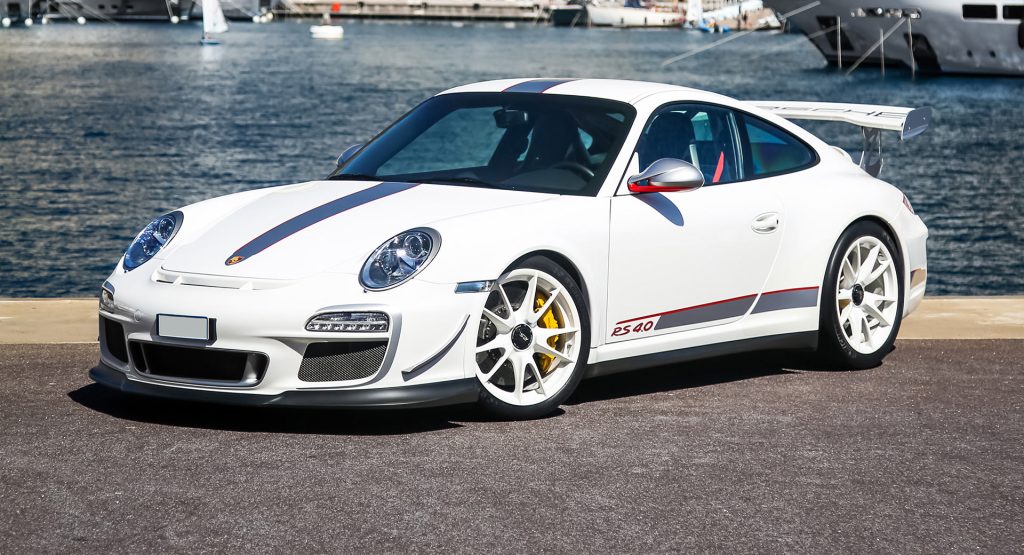
Modern 911 GT3 RS models are faster and more technologically advanced, but the 997 GT3 RS 4.0 remains special because of its analog feel. It is one of the last great Porsche models for drivers who value engine sound, manual shifting, and pure feedback above everything else.
- Engine: 4.0-liter naturally aspirated flat-six
- Torque: 339 lb-ft
- Horsepower: 500 hp
- Length/Width: 174.3 inches / 71.2 inches
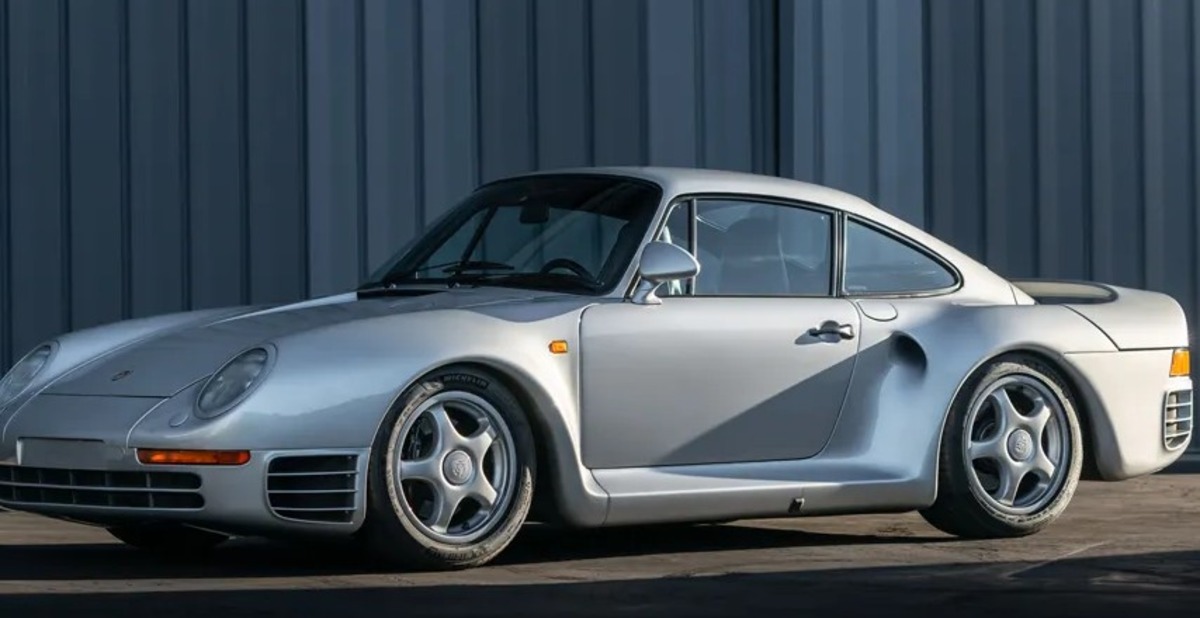
8. Porsche 959
The Porsche 959 was one of the most advanced performance cars of the 1980s and remains one of the most important Porsche models ever built.
Introduced in 1986, it was created during a period when Porsche wanted to prove that a road car could combine supercar speed, advanced electronics, all-wheel drive, and genuine everyday usability.
Its 2.85-liter twin-turbocharged flat-six engine produced 444 horsepower, an extraordinary figure for the era. The engine used water-cooled cylinder heads, air-cooled cylinders, sequential turbochargers, and sophisticated engine management.
This allowed the 959 to deliver huge performance while remaining more manageable than many other supercars of its time.
The all-wheel-drive system was another major achievement. Porsche called it PSK, short for Porsche-Steuer Kupplung. It could vary the torque distribution between the front and rear wheels based on traction conditions. That made the 959 far more stable in wet weather and at high speeds than many rear-wheel-drive supercars from the same period.
Its body was built with lightweight materials, including aluminum and composite panels. Aerodynamic shaping helped it reach a top speed close to 200 mph, making it one of the fastest production cars in the world when new. The car also had adjustable suspension, tire-pressure monitoring, and other technology that seemed far ahead of its time.
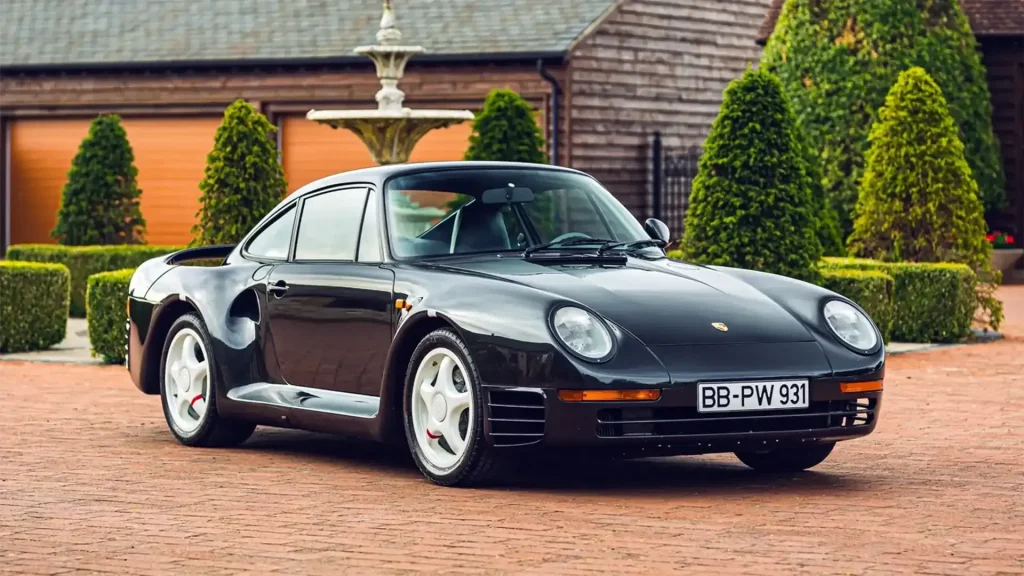
Only a limited number of 959s were produced, and it has become one of Porsche’s most valuable collector cars. Its importance is not limited to rarity.
The 959 established ideas that later appeared in modern Porsche models, including advanced all-wheel-drive systems, turbocharged performance, and intelligent traction management.
- Engine: 2.85-liter twin-turbocharged flat-six
- Torque: 369 lb-ft
- Horsepower: 444 hp
- Length/Width: 168.9 inches / 72.0 inches
7. Porsche Carrera GT
The Porsche Carrera GT arrived in 2003 with an engine that gave it a unique place in supercar history. Its 5.7-liter naturally aspirated V10 was originally developed for racing, and Porsche adapted it for a road car after the company changed direction with its motorsport program. The result was a machine that felt dramatic, raw, and uncompromising.
The V10 produced 605 horsepower and revved to 8,400 rpm. It was paired with a six-speed manual transmission and a lightweight ceramic clutch.
The clutch required careful control at low speeds, making the Carrera GT demanding in traffic, but that challenge was part of its character. It was not designed to make every driver feel comfortable immediately. It required skill and respect.
Carbon fiber played a major role in the Carrera GT’s construction. Its monocoque chassis, subframe, body panels, and aerodynamic elements were built to reduce weight while maintaining rigidity. Porsche also used carbon-ceramic brakes, pushrod suspension, and a rear wing that rose automatically at speed.
The Carrera GT became famous for its intense driving experience. It had no traction control and limited electronic assistance compared with modern supercars. The combination of a high-revving V10, manual gearbox, rear-wheel drive, and low weight made it one of the most demanding road cars Porsche has ever sold.
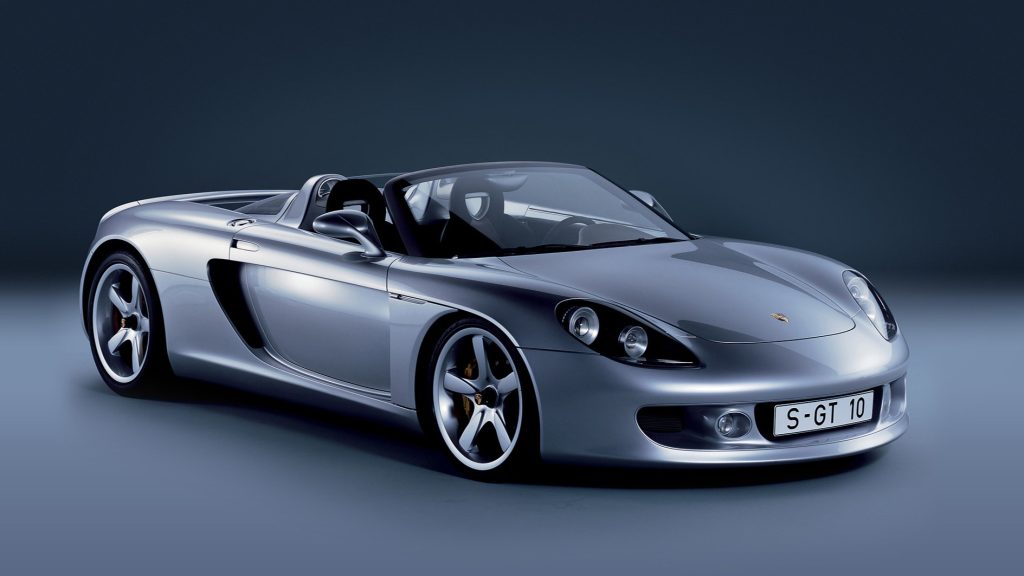
Its appearance has also aged exceptionally well. The low body, exposed carbon-fiber details, center-mounted exhaust pipes, and wide rear stance still make it look special more than two decades later.
The Carrera GT is not simply a fast Porsche. It represents a rare moment when Porsche put a racing-derived V10 into a manual, road-legal supercar.
- Engine: 5.7-liter naturally aspirated V10
- Torque: 435 lb-ft
- Horsepower: 605 hp
- Length/Width: 181.6 inches / 75.2 inches
6. Porsche 911 Turbo S (992)
The Porsche 911 Turbo S represents the modern interpretation of the everyday supercar. It does not rely on extreme styling or a difficult race-car setup to deliver extraordinary speed. Instead, it combines brutal acceleration, all-weather traction, a refined cabin, and the usability that has made the 911 such a successful formula for decades.
Its 3.7-liter twin-turbocharged flat-six produces 640 horsepower and 590 lb-ft of torque. Power reaches all four wheels through an eight-speed PDK dual-clutch transmission, allowing the Turbo S to launch from 0 to 60 mph in about 2.6 seconds.
That makes it faster than many dedicated supercars while remaining comfortable enough for commuting, long-distance travel, and normal city driving.
The engineering behind that speed is just as impressive as the numbers. Porsche Traction Management continuously manages torque between the front and rear axles, while Porsche Active Suspension Management adjusts damping to suit road conditions and driving style.
Rear-axle steering helps make the car feel more agile in tight corners while improving stability at higher speeds.
Unlike many extreme performance cars, the Turbo S does not force its driver to accept a cramped interior or poor visibility.
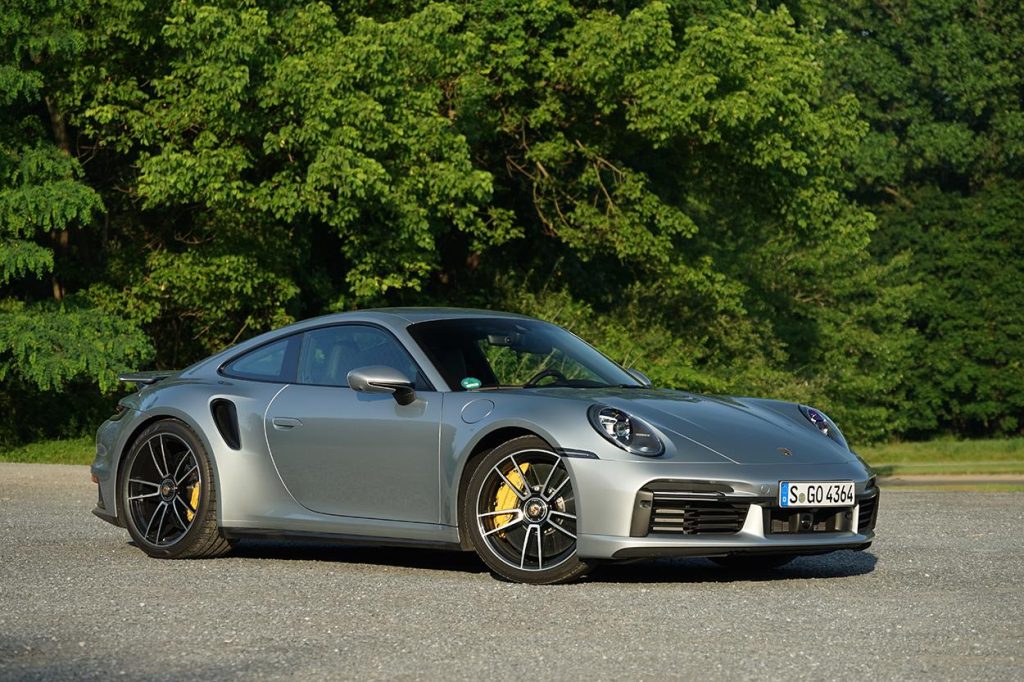
It has a usable front trunk, small rear seats, modern infotainment, climate control, and a ride quality that can remain comfortable on ordinary roads. This ability to blend speed with practicality is central to its appeal.
The Turbo S may not have the limited-production rarity of a Carrera GT or 959, but its impact comes from how complete it feels. It shows how far Porsche has developed the 911 platform, turning a familiar sports car shape into a machine capable of supercar acceleration in nearly any weather.
- Engine: 3.7-liter twin-turbocharged flat-six
- Torque: 590 lb-ft
- Horsepower: 640 hp
- Length/Width: 178.6 inches / 74.0 inches
5. Porsche 911 GT2 RS (991)
The Porsche 911 GT2 RS is one of the most extreme 911 models ever produced. Based on the 991-generation 911, it took the turbocharged power of the Turbo S and sent it only to the rear wheels. That decision created a car with immense performance, a demanding personality, and a reputation as one of the fastest road-going Porsches of its time.
Its 3.8-liter twin-turbocharged flat-six produced 700 horsepower and 553 lb-ft of torque. With a seven-speed PDK transmission, the GT2 RS could reach 60 mph in about 2.7 seconds and continue to a top speed of 211 mph.
Porsche also developed an optional Weissach Package that reduced weight through carbon-fiber components, magnesium wheels, and lighter interior details.
The GT2 RS was not created for casual driving. Its rear-wheel-drive layout, enormous power, aggressive aerodynamics, and track-focused suspension demanded careful inputs from the driver. On a circuit, it could produce astonishing lap times.
In 2017, a GT2 RS set a production-car lap record at the Nürburgring Nordschleife, completing the course in 6 minutes and 47.3 seconds.
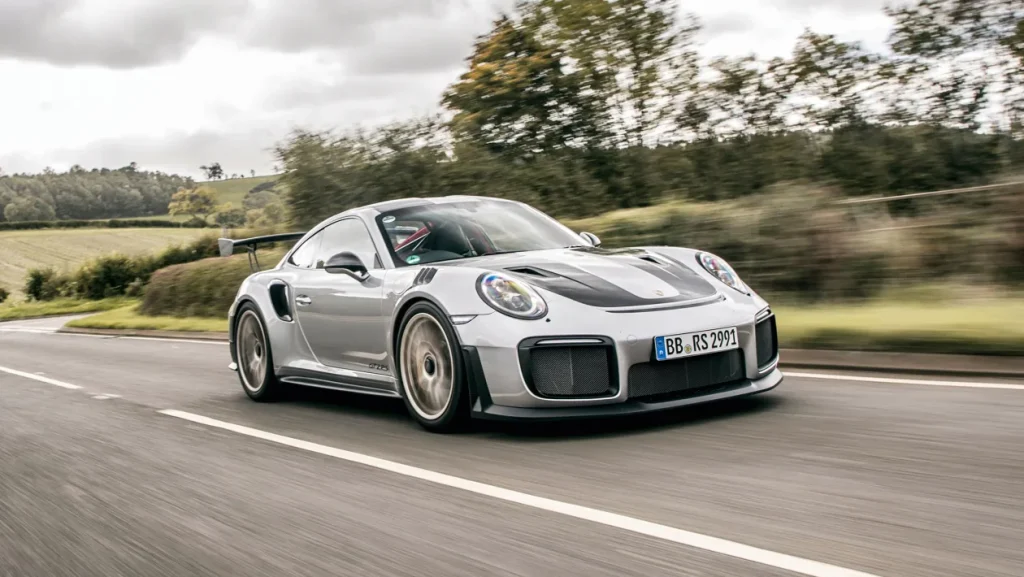
Despite its extreme nature, it still carried the familiar 911 shape and a level of engineering precision that made its performance usable in the right hands. Porsche designed the cooling system, aerodynamics, brakes, and chassis to manage the demands of repeated high-speed track use.
The GT2 RS earns its place because it pushed the 911 platform close to its limits. It delivered hypercar-level performance while retaining the recognizable identity of Porsche’s most famous model.
- Engine: 3.8-liter twin-turbocharged flat-six
- Torque: 553 lb-ft
- Horsepower: 700 hp
- Length/Width: 178.9 inches / 74.1 inches
4. Porsche 918 Spyder
The Porsche 918 Spyder changed the idea of what a Porsche supercar could be. Introduced in 2013, it arrived during the same era as the McLaren P1 and Ferrari LaFerrari, yet it followed its own engineering path.
Rather than treating hybrid technology as a way to reduce performance, Porsche used electric power to make the car faster, sharper, and more versatile.
At the center of the 918 Spyder was a 4.6-liter naturally aspirated V8 derived from Porsche’s RS Spyder racing program. It worked with two electric motors, one at the front axle and another at the rear. Together, the system produced 887 horsepower.
The result was astonishing acceleration, with the 918 capable of reaching 60 mph in about 2.5 seconds while also offering an electric-only driving mode for short distances.
Its engineering was far more complex than a conventional supercar, but the layout had a clear purpose. The front electric motor gave the car all-wheel-drive traction, while the rear motor added instant response during acceleration.
The battery pack was mounted low in the chassis, helping the car maintain balance through corners. Porsche also used rear-wheel steering, carbon-ceramic brakes, and active aerodynamics to make the 918 feel controlled at speeds that could overwhelm less advanced machines.
The 918 Spyder became especially famous after recording a 6-minute, 57-second lap at the Nürburgring Nordschleife in 2013. It was the first production car to break the seven-minute barrier there, a moment that confirmed Porsche’s hybrid system was not merely a technical experiment.
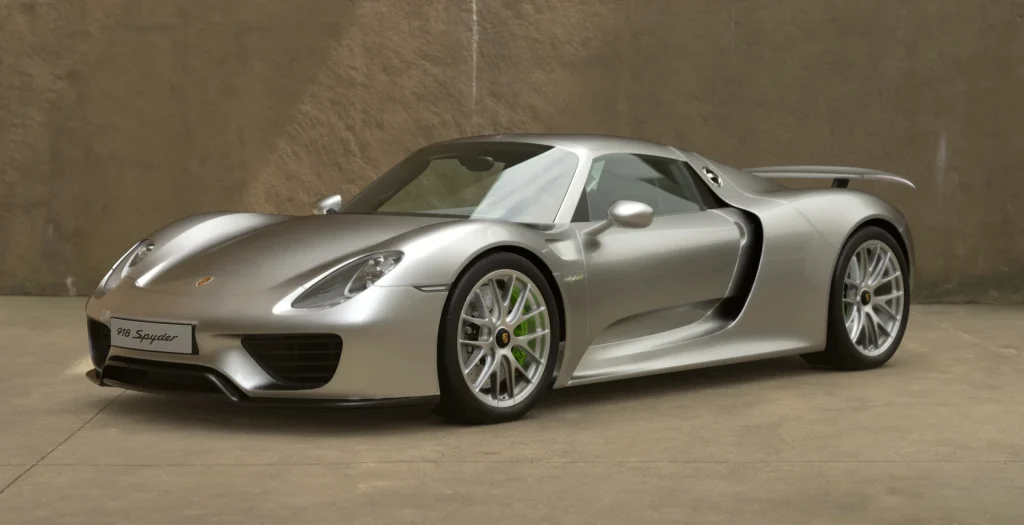
Only 918 examples were built, which gives the car extra collector importance. Its real legacy comes from proving that electrification could enhance a supercar’s character instead of making it less exciting.
- Engine: 4.6-liter naturally aspirated V8 with dual electric motors
- Torque: 944 lb-ft
- Horsepower: 887 hp
- Length/Width: 182.8 inches / 76.4 inches
3. Porsche 911 GT3 RS (992)
The Porsche 911 GT3 RS of the 992 generation is the closest modern road-going 911 has come to functioning like a race car with number plates. It does not rely only on huge power figures to earn its place.
Its defining achievement is aerodynamic engineering, with active components and extreme downforce levels that change how the car behaves at speed.
Its 4.0-liter naturally aspirated flat-six produces 518 horsepower and revs to 9,000 rpm. Power reaches the rear wheels through a seven-speed PDK dual-clutch transmission.
That sounds familiar, besides earlier GT3 RS models, but Porsche completely transformed the rest of the package. The suspension, cooling system, bodywork, and rear wing were all designed around circuit performance.
The giant swan-neck rear wing is not a decoration. It includes an active drag-reduction system that can flatten on straights to reduce drag, then return to a high-downforce position for braking and cornering.
At high speed, the GT3 RS can generate more downforce than many purpose-built race cars. Its front radiators, side vents, wheel-arch openings, and underbody elements all work together to control airflow.
Inside, the car remains recognizably Porsche, but the focus is clear. Carbon-fiber seats, a roll cage on selected versions, track-oriented controls, and a driver-centered layout remind occupants that this is not a normal luxury sports car.
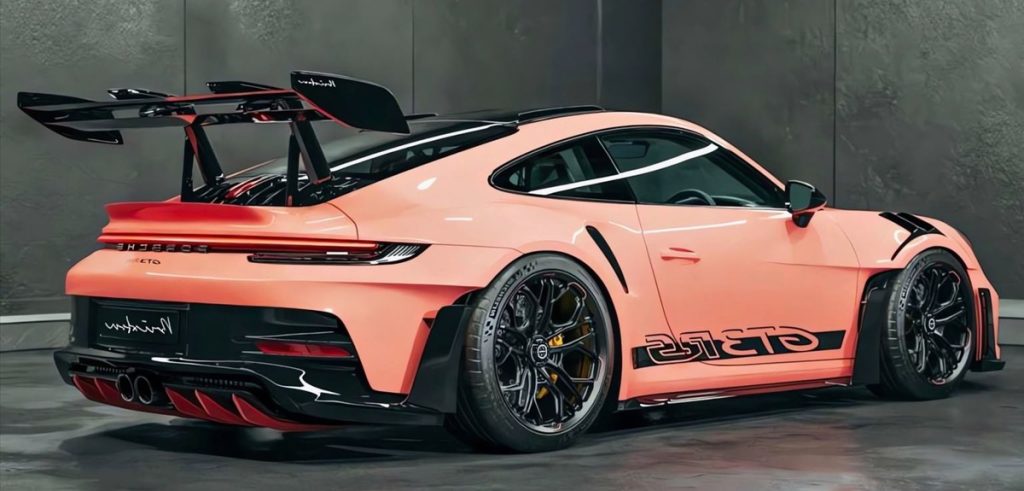
Even the suspension settings allow the driver to adjust compression and rebound damping from the steering wheel.
The 992 GT3 RS is extraordinary because it shows that Porsche can still make a naturally aspirated, rear-wheel-drive 911 feel relevant in an era of electric hypercars. It is loud, precise, visually extreme, and engineered for drivers who want one of the most capable track cars ever made.
- Engine: 4.0-liter naturally aspirated flat-six
- Torque: 343 lb-ft
- Horsepower: 518 hp
- Length/Width: 180.4 inches / 74.8 inches
2. Porsche 911 GT1 Straßenversion
The Porsche 911 GT1 Straßenversion was created because of racing rules, but it became one of the wildest road cars Porsche has ever produced. In the late 1990s, GT1 regulations required manufacturers to build a small number of road-legal versions of their racing machines.
Porsche responded by creating a car that looked like a 911 from the front but used a far more extreme mid-engine layout beneath its bodywork.
Its 3.2-liter twin-turbocharged flat-six produced 544 horsepower and sent power to the rear wheels through a six-speed manual transmission. The engine sat behind the driver rather than in the traditional rear-engine position associated with the 911.
That layout gave the GT1 Straßenversion a very different balance and helped it share much of its architecture with Porsche’s race car.
The body used carbon-fiber and composite materials, while the suspension, brakes, and aerodynamic elements came directly from Porsche’s competition knowledge.
It could accelerate from 0 to 60 mph in around 3.6 seconds and reach a top speed close to 192 mph. Those numbers were extraordinary in the 1990s, but the GT1’s importance comes from more than raw speed.
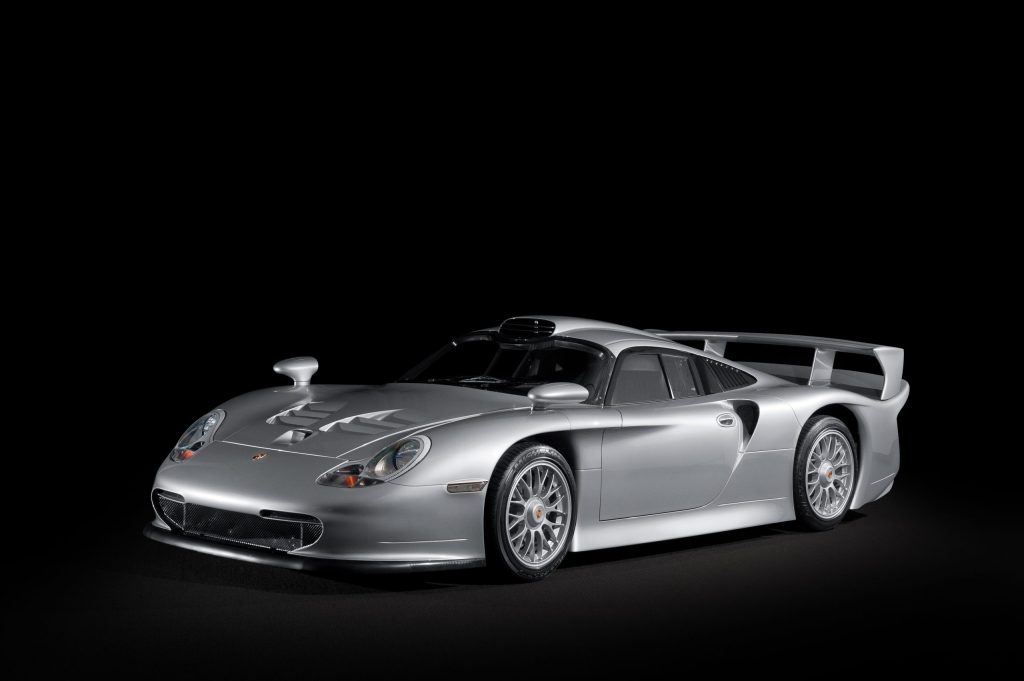
Porsche built only a tiny number of road cars, making the GT1 Straßenversion one of the rarest models in the company’s history. Its racing connection is equally important. The GT1 program helped Porsche return to the top level of endurance competition, and the 911 GT1 race car went on to win the 24 Hours of Le Mans in 1998.
The GT1 Straßenversion deserves its place near the top because it was not simply inspired by racing. It was effectively a race car adapted for public roads, with an extraordinary level of rarity and a driving experience few road cars could match.
- Engine: 3.2-liter twin-turbocharged flat-six
- Torque: 442 lb-ft
- Horsepower: 544 hp
- Length/Width: 186.0 inches / 77.2 inches
1. Porsche 911 GT3 (996)
The Porsche 911 GT3 of the 996 generation deserves the top place because it created a formula that still defines Porsche’s most respected modern road cars.
Introduced in 1999, it was the first 911 officially given the GT3 name, and it established the link between Porsche’s road-going sports cars and its endurance-racing knowledge.
Later GT3 models became faster, more advanced, and more expensive, but the 996 GT3 was the car that started the modern legend.
Instead of using the standard 996 Carrera engine, Porsche fitted the GT3 with a 3.6-liter naturally aspirated flat-six derived from the engine used in the 911 GT1 racing program. It produced 360 horsepower in early form, sent to the rear wheels through a six-speed manual transmission.
The engine had a dry-sump lubrication system, allowing it to cope with high cornering forces during track use while also delivering the sharp throttle response enthusiasts expect from a naturally aspirated Porsche.
The GT3 was designed to be more focused than a normal 911 without becoming unusable on public roads. It had firmer suspension, stronger brakes, a lower ride height, improved aerodynamics, lightweight components, and a fixed rear wing.
Yet it retained a usable cabin, good visibility, and the compact proportions that made the 911 practical enough for regular driving.
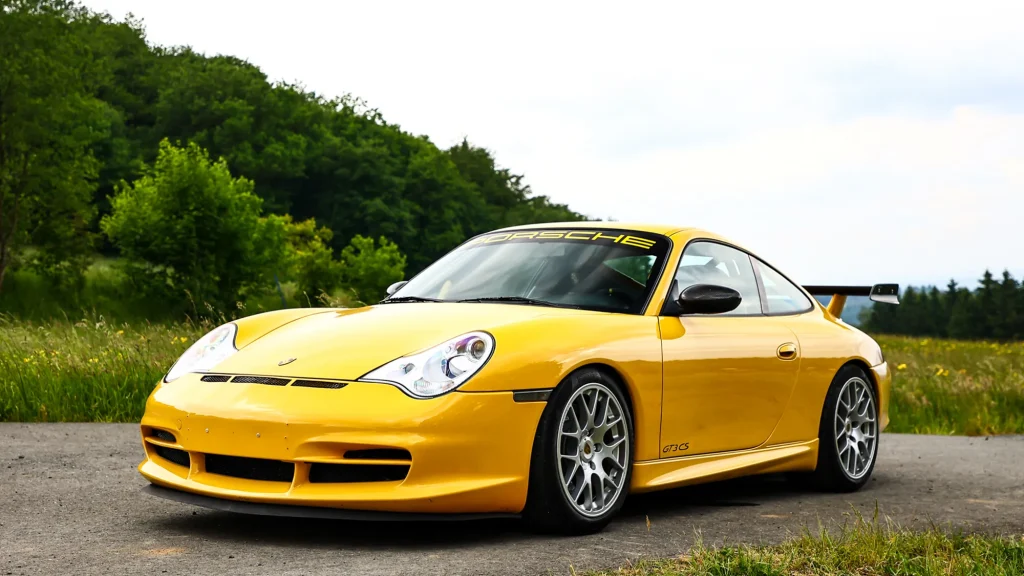
Its importance became even clearer at the Nürburgring, where the 996 GT3 became the first production Porsche to lap the Nordschleife in under eight minutes. That achievement helped define the GT3 as a serious track machine rather than simply a higher-performance 911 trim.
The 996 GT3 remains one of Porsche’s greatest achievements because it combined race-derived engineering, a manual gearbox, rear-wheel drive, and everyday usability in a package that created an entirely new Porsche icon.
- Engine: 3.6-liter naturally aspirated flat-six
- Torque: 273 lb-ft
- Horsepower: 360 hp
- Length/Width: 174.5 inches / 69.5 inches
Also Read: 10 All New 2027 SUVs Worth Waiting For
