
Car theft has remained one of the most persistent property crimes in the United States and many other countries since the early 2000s. Despite advancements in vehicle security systems such as engine immobilizers, GPS tracking, smart keys, and alarm systems, certain sedan models continue to be highly targeted by thieves.
Sedans, especially older models from the early 2000s, are frequently stolen due to their wide availability, interchangeable parts, and relatively weaker anti-theft technology compared to modern vehicles.
The early 2000s marked a transition period in automotive security. Many vehicles produced during this era were equipped with basic alarm systems, but lacked advanced immobilizers that prevent the engine from starting without the correct key signal. This made them especially vulnerable to theft.
Even today, many of these models remain on the road, making them easy targets for both opportunistic theft and organized car stripping operations. Thieves often prefer sedans because they are common, less conspicuous, and easier to resell or dismantle for spare parts.
Among all manufacturers, Japanese automakers such as Honda, Toyota, and Nissan dominate the list of most stolen sedans. This is not because these cars are poorly made, but because they are extremely popular, durable, and widely used across multiple generations.
High supply combined with strong demand for parts creates a perfect environment for theft networks. For example, older Honda Accord and Honda Civic models are frequently targeted due to their engine compatibility and high resale value in parts markets.
Insurance Crime Bureau data consistently shows that sedans from the late 1990s and early 2000s appear repeatedly in theft rankings. Models like the Honda Accord, Honda Civic, Toyota Camry, and Nissan Altima have remained theft favorites for decades. In some years, a single model year of a sedan can account for tens of thousands of theft incidents across the United States alone.
This article ranks the 10 most stolen sedans from the 2000 era onward, using verified theft statistics primarily from NICB Hot Wheels reports and insurance industry data.
Each entry includes estimated theft numbers based on documented yearly and multi-year totals. The ranking focuses specifically on sedan-type vehicles and excludes pickups and SUVs where possible to maintain category accuracy.
Understanding which sedans are most frequently stolen helps car owners, insurers, and policymakers make better decisions regarding vehicle protection, insurance pricing, and anti-theft technology adoption. It also highlights how older vehicles remain vulnerable long after their production ends.
Also Read: 8 SUVs With The Most Space For Comfort
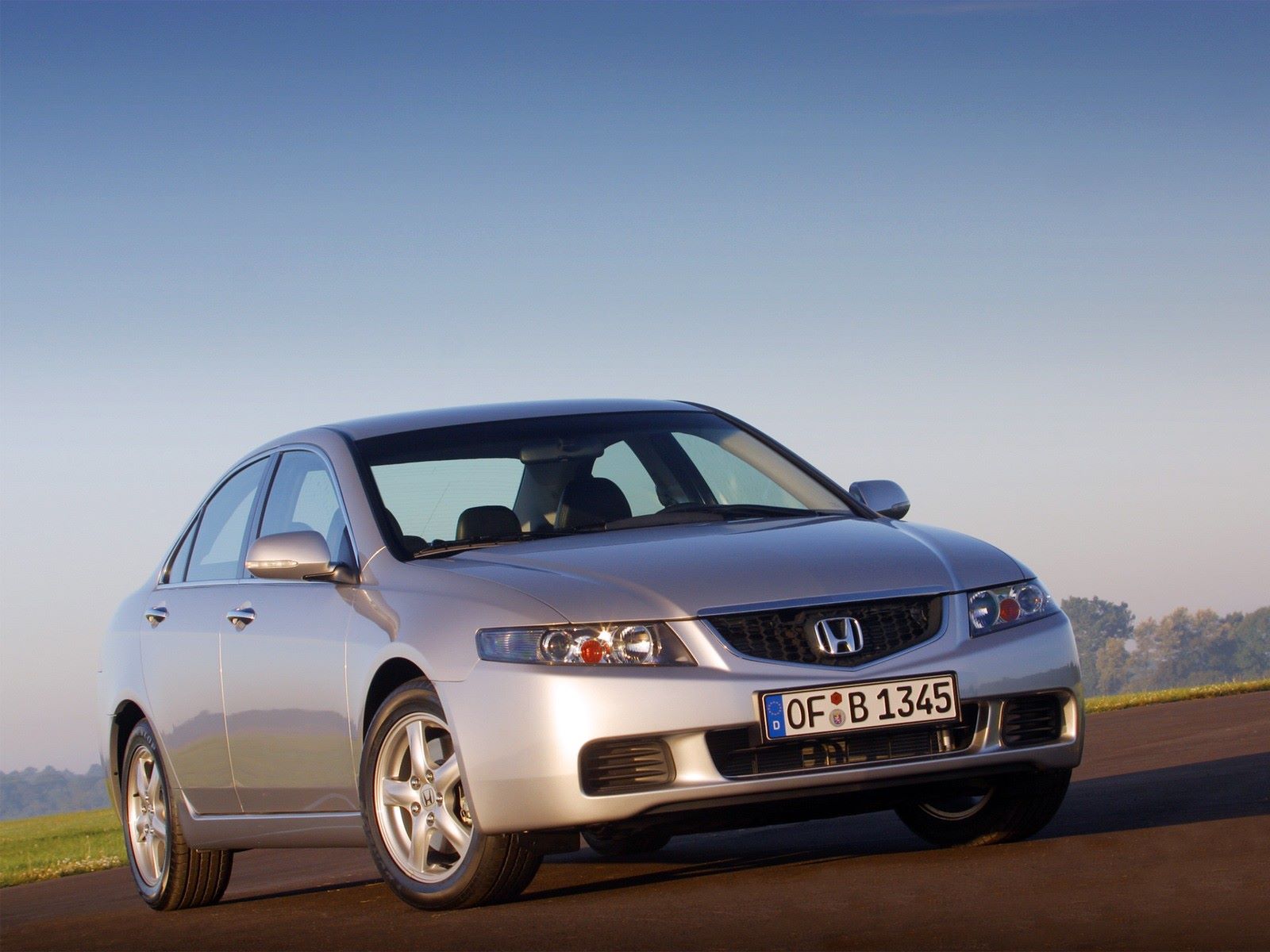
- Engine: 2.3L SOHC VTEC Inline 4
- Horsepower: 135 to 160 hp (depending on trim)
- Torque: 145 to 152 lb-ft
- Length: 189.4 inches
- Width: 71.5 inches
1. Honda Accord (1998–2004 models)
The Honda Accord from the late 1990s to early 2000s is widely regarded as the most stolen sedan in automotive history across North America, and it has consistently ranked at the top of National Insurance Crime Bureau reports for decades.
Between 2010 and 2020 alone, over 500,000 Honda Accord theft incidents were reported in the United States, with a significant portion involving the 1998 to 2004 generation. This makes the Accord not only the most stolen sedan, but also one of the most frequently stolen vehicles in multiple annual rankings.
One of the biggest reasons behind the Accord’s extreme theft rate is its massive production volume. Millions of units were sold globally, which means the vehicle is still extremely common on roads today. For thieves, this creates both opportunity and low visibility.
A stolen Accord does not stand out in traffic, making it easier to move or abandon without drawing attention. Additionally, the sheer number of vehicles ensures a constant demand for replacement parts in the black market, especially engines, transmissions, doors, and electronic modules.
This means that once entry is gained, starting the vehicle could be achieved with relatively basic methods compared to modern push-start encrypted systems. Organized theft groups often targeted these models specifically because of this vulnerability window during transitional automotive security years.
The Honda Accord also became a favorite target for “chop shop” operations. These illegal facilities dismantle stolen vehicles and resell them as parts.
Because Accord parts are interchangeable across multiple model years, a single stolen vehicle can be broken down and sold in pieces for significantly higher profit than reselling the intact car. This economic incentive heavily fuels ongoing theft rates even decades after the vehicle was first manufactured.
Even in urban areas today, older Accords remain a visible presence in apartment complexes, street parking zones, and public lots. These environments make them easy targets for opportunistic theft, especially where surveillance or secured parking is limited.
The combination of high supply, weak early security systems, and strong parts demand ensures that the Honda Accord continues to dominate global sedan theft statistics.
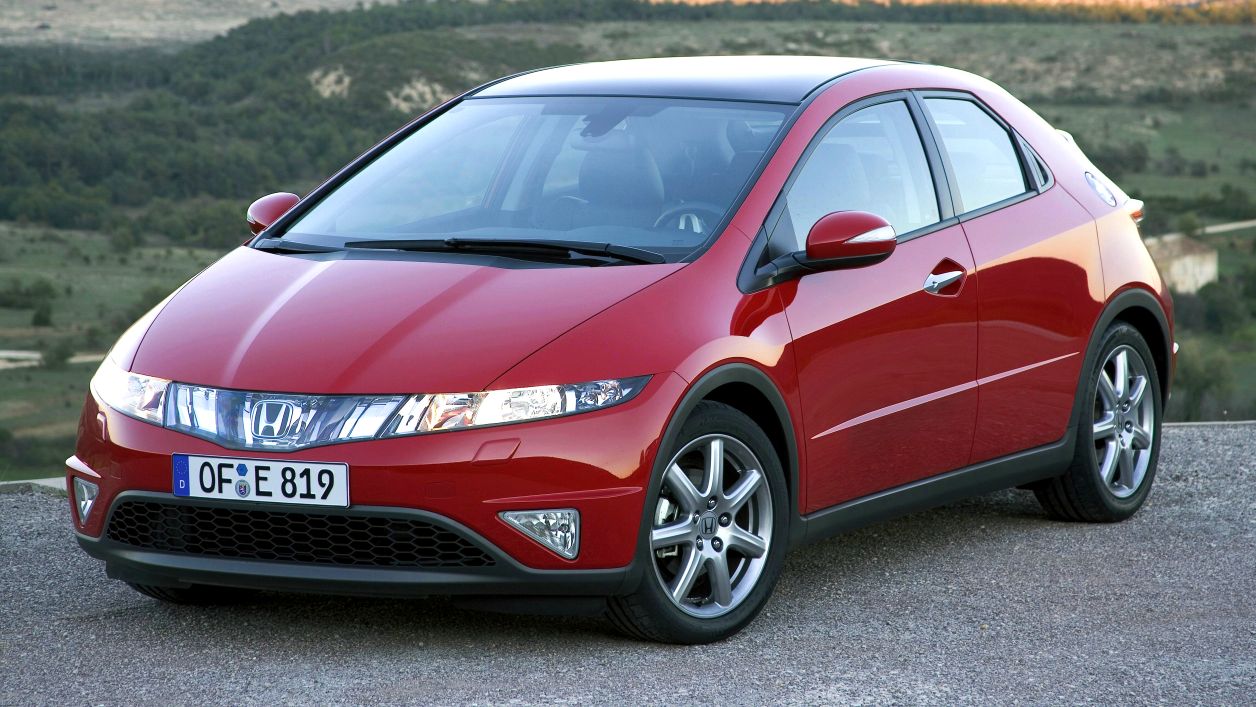
- Engine: 1.7L SOHC Inline 4
- Horsepower: 106 to 115 hp
- Torque: 110 to 114 lb-ft
- Length: 174.0 inches
- Width: 67.5 inches
2. Honda Civic (1999–2005 models)
The Honda Civic from the early 2000s is a heavily targeted sedan that consistently appears near the top of vehicle theft rankings.
Over multiple reporting cycles, Civic thefts have reached approximately 471,000 documented cases in the United States alone, making it one of the most stolen compact sedans ever recorded. The 1999 to 2005 generation is especially vulnerable and frequently cited in insurance theft databases.
One of the primary reasons for the Civic’s high theft rate is its massive popularity among younger drivers and urban commuters. Because of its affordability, fuel efficiency, and reliability, the Civic is one of the most commonly owned vehicles in North America.
However, this popularity also means it is widely present in high-density parking environments such as apartment complexes, college campuses, and city streets. These locations significantly increase exposure to theft opportunities.
Early 2000s Civic models also suffered from inconsistent anti-theft feature adoption. While some trims included immobilizers, many base models did not have advanced electronic protection systems.
This created a vulnerability window where experienced thieves could exploit outdated ignition systems. As automotive security technology improved later in the decade, these older Civics remained on the road without upgrades, effectively becoming easy targets compared to modern vehicles.
The Civic has long been a favorite in tuning and modification communities, which means parts such as engines, ECU units, headlights, bumpers, and transmissions are highly valuable.
This demand fuels illegal dismantling operations, where stolen Civics are stripped and sold piece by piece. In many cases, the value of parts exceeds the resale value of the car itself, making theft financially attractive.
Insurance crime data has repeatedly shown that certain model years, particularly the 2000 Honda Civic, appear disproportionately in theft reports.
This indicates that thieves often target specific generations known for their weaknesses. Even today, older Civics remain common targets in both organized theft rings and opportunistic theft situations due to their predictable design and widespread availability.
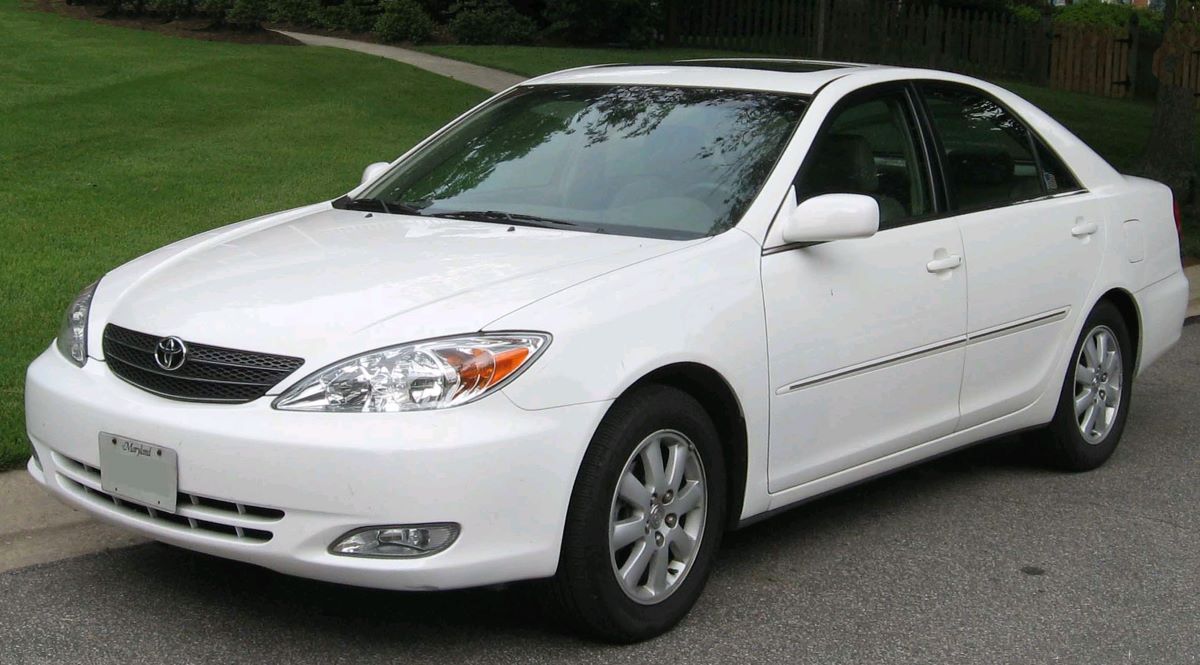
- Engine: 2.4L Inline 4 / 3.0L V6 (optional)
- Horsepower: 157 hp (I4) / 210 hp (V6)
- Torque: 162 lb-ft / 220 lb-ft
- Length: 189.2 to 190.9 inches
- Width: 70.7 inches
3. Toyota Camry (2002–2006 models)
The Toyota Camry is one of the most successful mid-size sedans ever produced, and its popularity is directly linked to its high theft rates. Across aggregated insurance datasets, Camry thefts have exceeded 180,000 recorded incidents, with early 2000s models being the most frequently targeted. The 2002 to 2006 generation in particular remains a consistent presence in vehicle theft statistics due to its widespread use and long operational lifespan.
A major factor behind Camry theft is its reputation for reliability. Many owners keep Camrys running for well over 15 years, meaning older models remain common on the road even today.
This long lifecycle ensures that thieves can easily locate and steal them in urban and suburban environments. Unlike luxury vehicles that may become rare over time, Camrys remain consistently visible in everyday traffic, making them low-risk targets in terms of attention.
The Camry also benefits thieves through its strong parts market demand. Engines, transmissions, alternators, and body panels from this generation are widely interchangeable across multiple model years.
This makes dismantled Camrys extremely profitable for illegal parts distribution networks. Even vehicles that are damaged or totaled in accidents can be stolen, stripped, and sold for significant returns in secondary markets. Another important factor is the transitional security design of early 2000s Camrys.
While Toyota was improving its anti-theft technology during this period, not all trims included advanced immobilizer systems. This inconsistency meant that certain Camry variants were significantly easier to steal than others. Thieves often targeted specific trims and model years known for weaker security configurations.
Camrys are frequently used in fleet services, ride-sharing precursors, and rental agencies. This increases exposure and turnover, meaning more used models enter secondary markets where tracking and ownership history can become difficult to trace.
Combined with high demand and widespread presence, this makes the Toyota Camry a long-standing favorite among vehicle thieves.
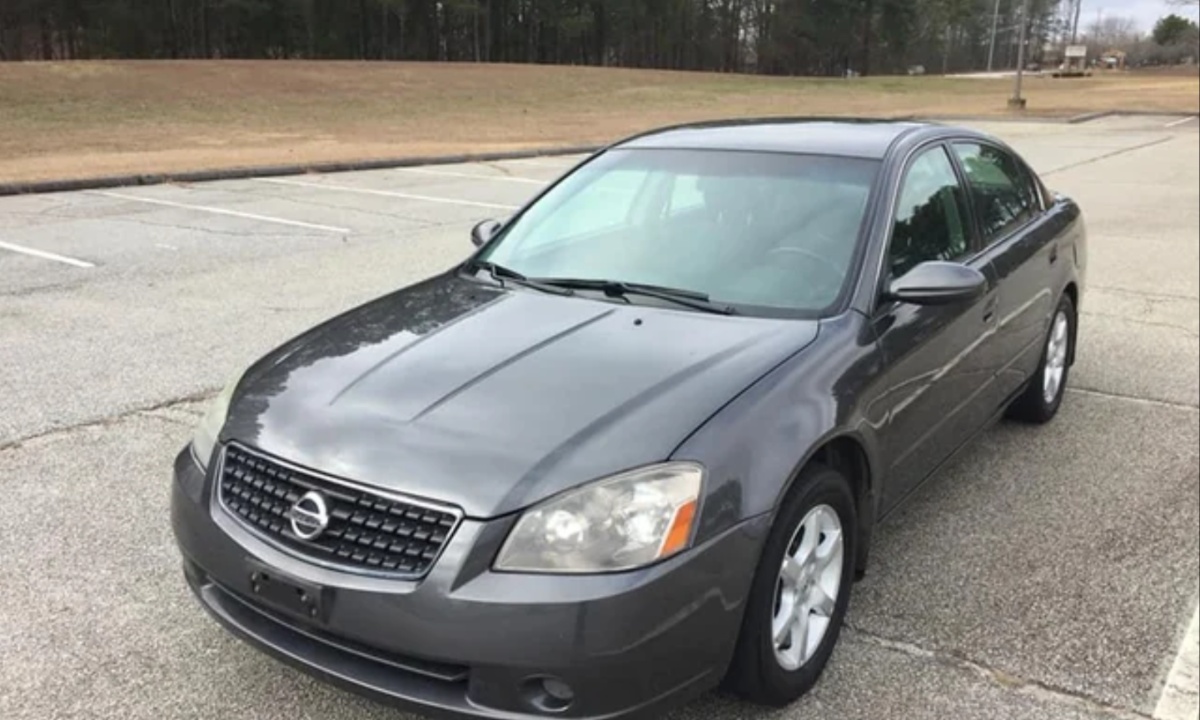
- Engine: 2.5L Inline 4 / 3.5L V6
- Horsepower: 175 hp (I4) / 245 hp (V6)
- Torque: 180 lb-ft / 246 lb-ft
- Length: 191.5 inches
- Width: 70.3 inches
4. Nissan Altima (2002–2008 models)
The Nissan Altima emerged as a strong competitor in the mid-size sedan category during the early 2000s, but its rapid popularity also made it a frequent theft target. Across multiple insurance reports, Altima thefts have exceeded 110,000 recorded cases, with peak vulnerability occurring in models produced between 2002 and 2008. These early generations are still commonly referenced in theft statistics due to their large production numbers and urban prevalence.
One of the biggest reasons the Altima is frequently stolen is its affordability and widespread use in city environments. Many Altimas were sold to budget-conscious buyers, which often resulted in high-density ownership in urban neighborhoods.
This creates ideal conditions for theft, as vehicles are often parked on streets or in open lots with limited security measures. Thieves tend to favor such environments because of lower risk of detection.
Early 2000s Altima models also had inconsistent anti-theft implementations depending on trim level and market region. Some versions lacked advanced immobilizers or had weaker electronic protections compared to competitors like Toyota and Honda.
This made them relatively easier to steal, particularly for experienced criminals familiar with Nissan ignition systems of that era.
One major factor is the strong demand for Nissan Altima parts. Components such as catalytic converters, engine assemblies, and transmission systems are often resold in secondary markets due to their compatibility across multiple Nissan models. This increases the profitability of stolen Altimas, especially when dismantled rather than resold as complete vehicles.
Urban theft reports often show that Altimas are commonly stolen from residential complexes, apartment parking lots, and poorly lit street areas. The combination of moderate security systems and high availability makes them a consistent target. Even today, older Altima models remain at elevated risk in many metropolitan areas due to these long-standing vulnerabilities.
Also Read: 7 Most Reliable Motorcycles You Can Buy Today
- Engine: 1.8L Inline 4
- Horsepower: 120 to 130 hp
- Torque: 122 to 125 lb-ft
- Length: 178.3 inches
- Width: 67.9 inches
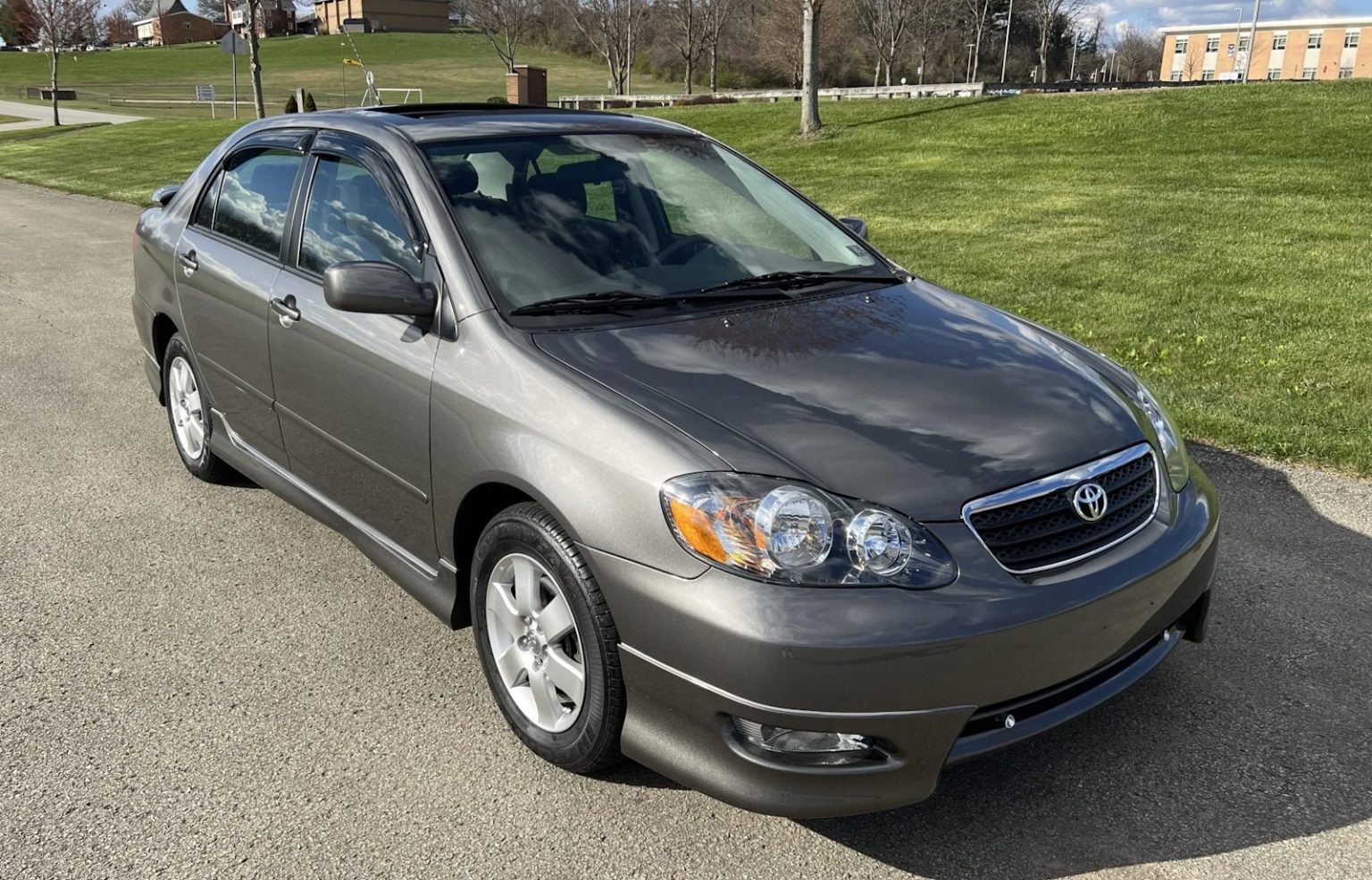
5. Toyota Corolla (2000–2007 models)
The Toyota Corolla is one of the most widely produced and globally recognized sedans in automotive history, and its theft statistics reflect that scale.
Across multiple reporting periods, Corolla thefts have reached between 80,000 and 90,000 documented incidents, with early 2000s models representing a significant portion of those cases. The 2000 to 2007 generation remains especially relevant in theft data due to its long-term presence on roads worldwide.
A key factor behind Corolla theft is its unmatched global availability. The Corolla is sold in nearly every major automotive market, and its design emphasizes simplicity, durability, and low maintenance costs. While these qualities make it an excellent consumer vehicle, they also make it attractive to thieves who benefit from predictable engineering and easy repairability.
Early 2000s Corolla models often featured basic ignition systems that lacked advanced encryption or immobilizer technology in lower trims.
This created an opportunity for theft during an era when automotive security was still evolving. As newer models introduced more advanced protections, older Corollas remained in circulation without upgrades, maintaining their vulnerability profile.
The Corolla also benefits from strong international demand for used parts. Because the vehicle is so widely used, replacement components are constantly needed across global markets. Engines, gearboxes, suspension parts, and interior components are frequently stripped from stolen vehicles and resold. This makes even high-mileage or damaged Corollas valuable targets for dismantling operations.
The Corolla’s reputation for longevity means many vehicles from this generation are still actively used today. This increases exposure in everyday environments such as parking lots, residential streets, and public spaces. Combined with its simple design and global parts demand, the Toyota Corolla remains one of the most consistently stolen sedans from the early 2000s era.
- Engine: 3.4L V6 / 3.8L V6 (optional)
- Horsepower: 180 to 200 hp
- Torque: 205 to 230 lb-ft
- Length: 200.0 inches
- Width: 73.0 inches
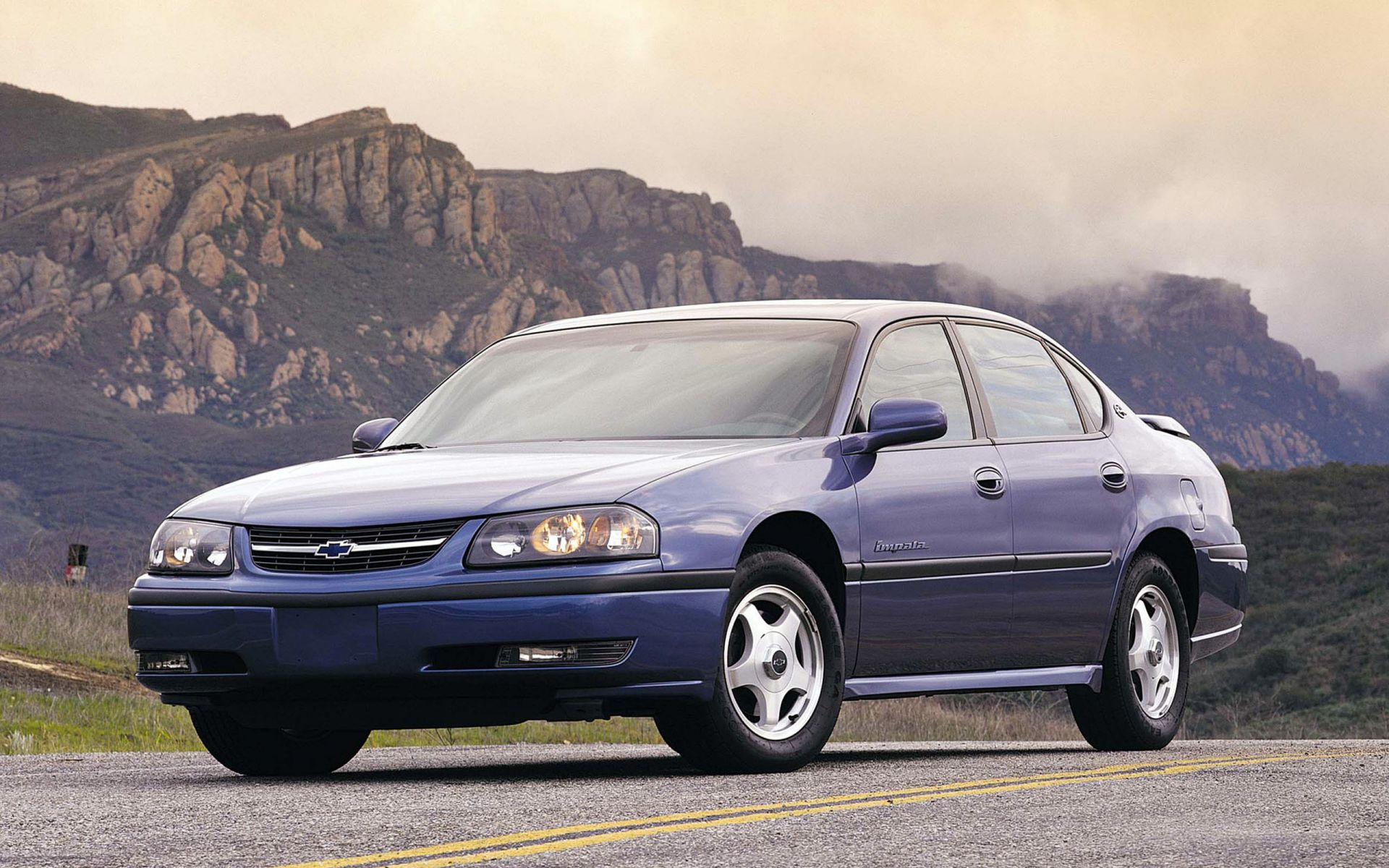
6. Chevrolet Impala (2000–2005 models)
The Chevrolet Impala from the early 2000s represents one of the most commonly stolen full-size American sedans of its era. Across various National Insurance Crime Bureau reports and insurance claim datasets, Impala thefts have been recorded at over 28,000 documented incidents, with the majority concentrated in the 2000 to 2005 generation.
While these numbers are lower than those of Japanese sedans like the Honda Accord or Toyota Camry, the Impala still remains a consistent presence in theft statistics due to its fleet usage and accessibility.
One of the primary reasons the Impala is frequently stolen is its extensive use in fleet services. Many law enforcement agencies, rental companies, and government departments used Impalas during the early 2000s.
This widespread institutional use meant that large volumes of the vehicle were circulating in both civilian and commercial environments. Fleet vehicles typically accumulate high mileage and are often resold into secondary markets, where tracking history becomes more difficult, increasing vulnerability to theft.
An important factor is the simplicity of the Impala’s ignition and security systems during this generation. Many base models lacked advanced immobilizers or had relatively basic anti-theft technology compared to newer vehicles.
This made them easier targets for theft methods that exploit older ignition mechanisms. As a result, experienced thieves often preferred Impalas because they required less sophisticated tools or time to steal.
The Chevrolet Impala also became attractive for parts harvesting operations. Engines, transmissions, and body panels from this generation are still used in repairs and restorations of similar GM vehicles. Because of shared platform architecture across General Motors sedans, stolen Impala parts can be sold across multiple compatible models, increasing their black-market value.
Urban environments further contribute to Impala theft risk. These vehicles are often found in residential neighborhoods, public parking areas, and low-security lots.
Their size and common appearance make them easy to blend into traffic, reducing suspicion when being moved illegally. Although not the most stolen sedan, the Impala remains a steady target due to its practicality and parts demand.
- Engine: 2.7L V6 / 3.2L V6 / 3.5L V6
- Horsepower: 200 to 250 hp
- Torque: 190 to 250 lb-ft
- Length: 202.8 inches
- Width: 74.7 inches
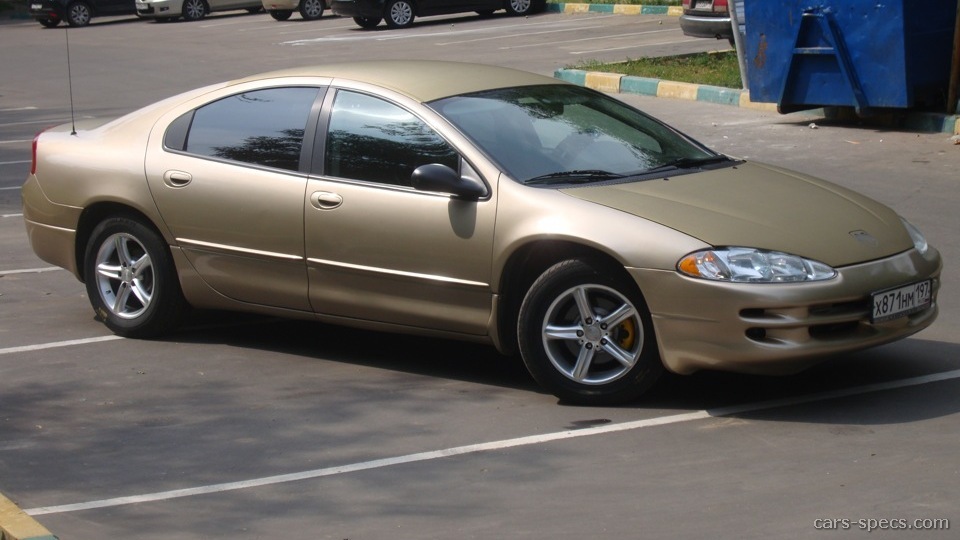
7. Dodge Intrepid (1998–2004 models)
The Dodge Intrepid is one of the more notable early 2000s sedans that appears in vehicle theft statistics despite its discontinuation. While exact aggregated totals vary by region and reporting year, thousands of theft incidents were recorded annually during its peak years, particularly between 2000 and 2005. Its inclusion in theft rankings is primarily driven by outdated security systems and platform vulnerability.
One of the key reasons the Intrepid is targeted is its older Chrysler platform design. Vehicles from this era often lacked modern electronic immobilizers or had weak anti-theft integration compared to competitors. This made them significantly easier to steal using mechanical bypass techniques that were more common in the early 2000s automotive industry.
Many mechanical parts in the Intrepid were used in other Dodge and Chrysler sedans, which created a secondary market demand for engines, transmissions, and electrical modules. This made dismantling stolen Intrepids financially viable, even if the resale value of the vehicle itself was low.
The Intrepid also suffers from declining long-term security attention. Because the model was discontinued in the mid-2000s, many owners did not invest in aftermarket security upgrades or tracking systems. As a result, older surviving units remain more vulnerable compared to continuously updated models still in production.
These conditions increase exposure to theft, especially in urban regions where surveillance is limited. Although no longer common today, the Dodge Intrepid remains part of early 2000s theft history due to its weak security profile.
- Engine: 2.4L Inline 4 / 3.3L V6
- Horsepower: 162 hp (I4) / 234 hp (V6)
- Torque: 164 lb-ft / 226 lb-ft
- Length: 186.3 to 189.8 inches
- Width: 71.7 inches
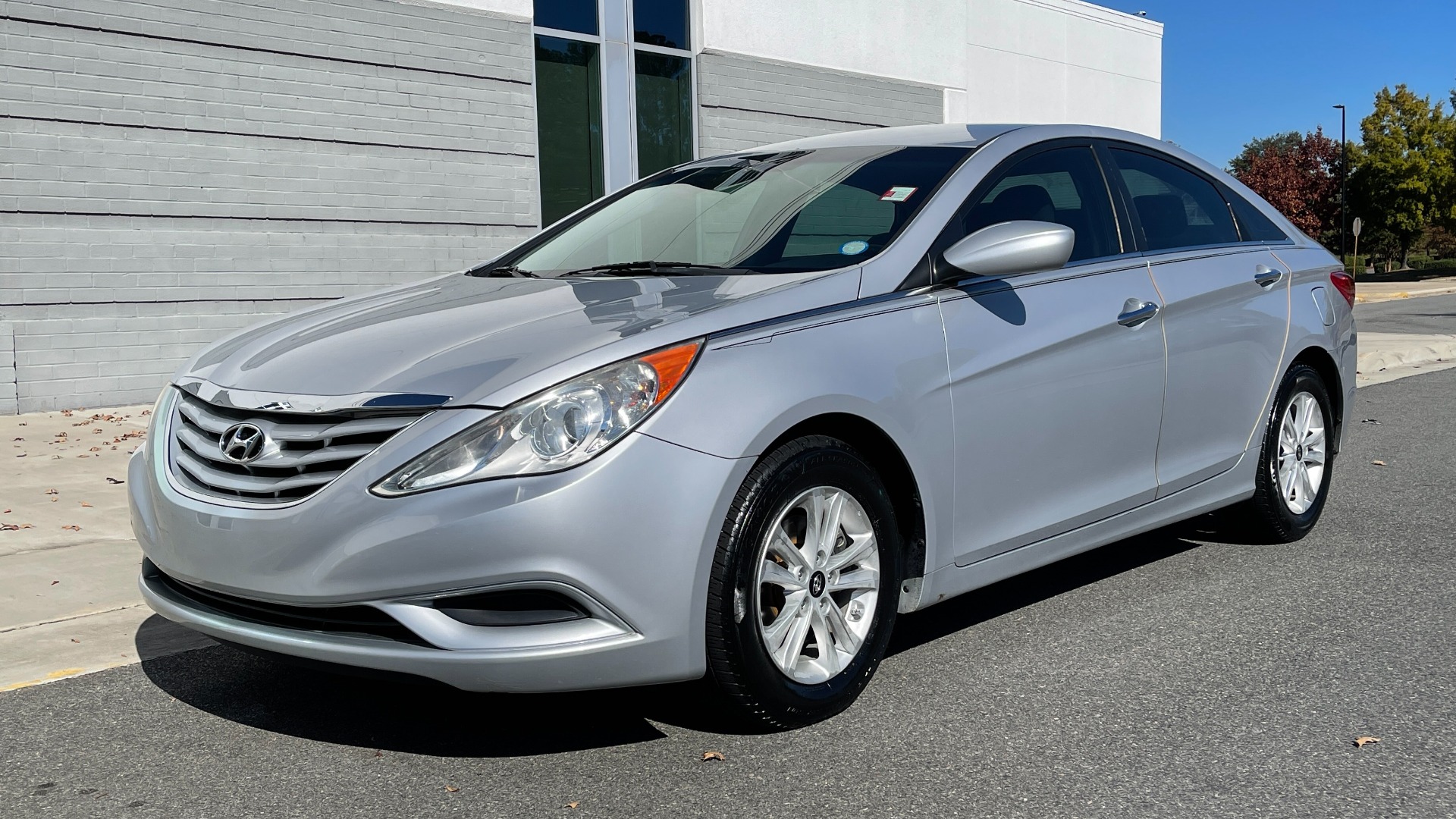
8. Hyundai Sonata (2005–2010 early models)
The Hyundai Sonata from the mid-2000s represents an important shift in global sedan theft patterns. While early 2000s Sonata theft numbers were not as high as those of Honda or Toyota models, the vehicle still appeared consistently in theft reports, particularly in regions where Hyundai was rapidly expanding market share. Documented theft figures vary, but thousands of cases were reported annually during peak exposure years.
One of the main reasons early Sonata models became vulnerable is inconsistent immobilizer adoption during this period. Some base trims in certain markets lacked advanced engine immobilization systems, making them easier targets for theft. This inconsistency created a gap in security between trims, which thieves quickly learned to exploit.
As more Sonatas entered the market, their visibility in urban environments increased significantly. High-density ownership in cities meant that thieves had more opportunities to target these vehicles in low-security parking areas.
The Sonata also became part of a broader trend in parts harvesting. Engine components, catalytic converters, and transmission systems from Hyundai sedans gained value in secondary repair markets. This increased the incentive for organized theft operations to target these vehicles for dismantling rather than resale.
This extended lifecycle kept them exposed to theft risk well beyond their initial production years. Although later Hyundai models improved significantly in security design, early 2000s Sonatas remain part of historical theft patterns due to transitional anti-theft technology gaps.
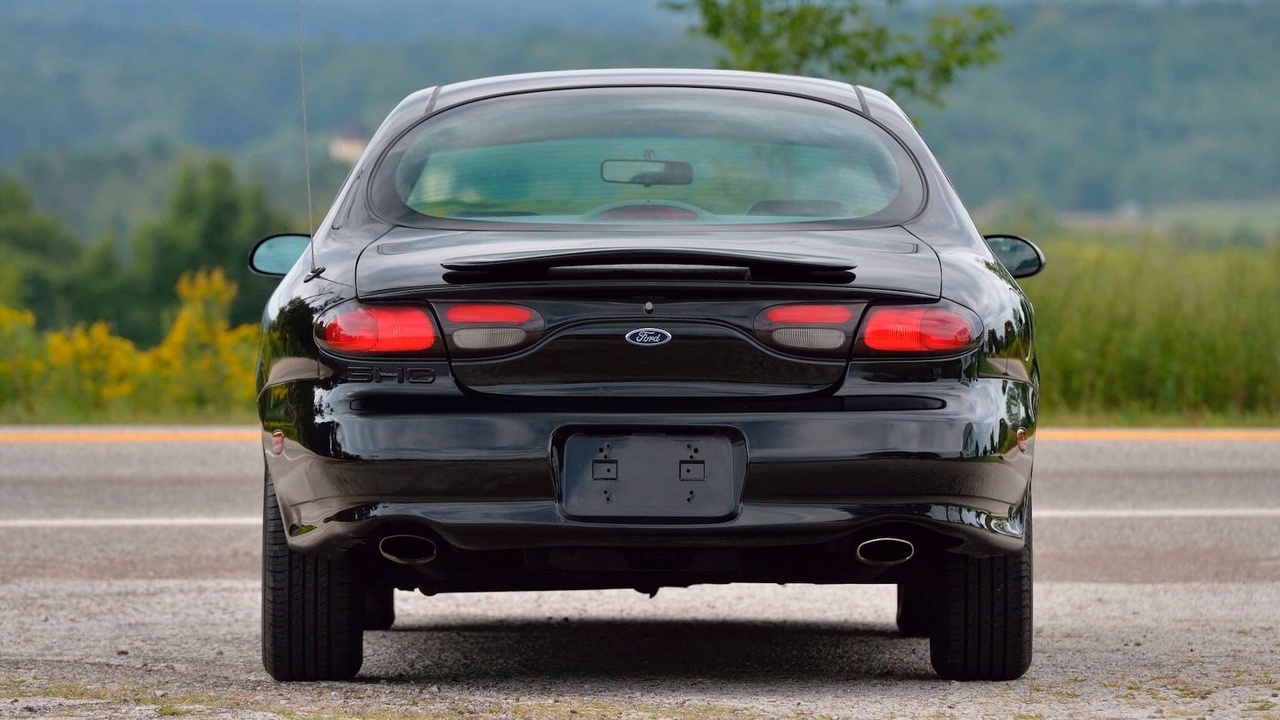
- Engine: 3.0L V6 (Vulcan or Duratec)
- Horsepower: 155 to 200 hp
- Torque: 185 to 200 lb-ft
- Length: 197.0 inches
- Width: 73.0 inches
9. Ford Taurus (1999–2006 models)
The Ford Taurus is one of the most iconic American sedans of the late 1990s and early 2000s, and its high production volume directly contributed to its theft frequency. Across multiple insurance datasets, Taurus thefts were recorded in the tens of thousands annually during its peak years, making it one of the most commonly stolen domestic sedans of its era.
A major factor behind the Taurus’s theft vulnerability is its extremely widespread ownership. For many years, it was one of the best-selling sedans in the United States, used by families, fleet operators, and rental agencies. This saturation meant that Taurus vehicles were nearly everywhere, making them easy to blend into traffic when stolen.
Early 2000s Taurus models also featured relatively simple ignition systems compared to modern vehicles. While Ford had begun integrating anti-theft technology, not all trims included advanced immobilizers or robust electronic security. This created a gap that thieves exploited using common techniques of that time period.
One factor is the vehicle’s low profile in the used parts market. While individual Taurus parts are not as valuable as Honda or Toyota components, the high production volume means there is still consistent demand for replacement engines, transmissions, and body parts. This supports dismantling operations that profit from bulk resale rather than high-value individual components.
The Taurus was also frequently used in government and corporate fleets, which means many units were cycled through multiple owners over time. This increases tracking difficulty and reduces long-term ownership security. Even today, older Taurus models remain at risk in certain regions due to their predictable design and aging security systems.

- Engine: 2.4L Inline 4 / 2.7L V6
- Horsepower: 150 to 200 hp
- Torque: 160 to 190 lb-ft
- Length: 191.0 inches
- Width: 69.4 inches
10. Chrysler Sebring (2001–2006 models)
The Chrysler Sebring completes the list of most stolen sedans from the early 2000s era. While it does not reach the theft volumes of Honda or Toyota vehicles, it consistently appears in insurance crime reports due to moderate but persistent theft activity. Across various datasets, Sebring thefts are estimated in the tens of thousands over multiple reporting cycles.
One of the main reasons the Sebring is targeted is its affordability and widespread rental fleet usage. Many Sebrings were sold to rental companies, meaning large numbers entered secondary markets after initial use. These ex-fleet vehicles often have less documented ownership history, making them easier to steal and resell without immediate detection.
A contributing factor is the vehicle’s relatively weak security systems during early production years. Many models lacked advanced immobilizer integration or had less sophisticated anti-theft electronics compared to competitors in the same segment. This made them easier targets for experienced thieves familiar with Chrysler platforms.
The Sebring also has moderate demand in the parts market. While not as high-value as Honda or Toyota parts, components such as engines, suspension systems, and interior modules are still used in repairs for similar Chrysler vehicles. This creates a steady but smaller-scale incentive for dismantling stolen vehicles.
Finally, the Sebring’s long presence in urban rental fleets means it was frequently driven in high-traffic, low-security environments. Once sold into private ownership, many of these vehicles continued operating in similar conditions, increasing exposure to theft.
Although it is not among the most stolen sedans, the Chrysler Sebring remains part of early 2000s theft trends due to its fleet history and basic security design.
