
The world of automotive performance has always been driven by innovation, engineering excellence, and the endless pursuit of more power. While every engine is designed with a specific purpose in mind, some have earned legendary status because of their incredible tuning potential.
A tunable engine is one that responds exceptionally well to modifications, allowing enthusiasts to extract significantly more horsepower and torque than the factory originally intended.
Whether through simple bolt on upgrades, turbocharger enhancements, improved engine management systems, or complete internal rebuilds, these powerplants have repeatedly demonstrated that they can deliver extraordinary performance without sacrificing reliability when properly built and maintained.
Over the decades, manufacturers from Japan, Germany, and the United States have produced engines that became icons in motorsport, drag racing, drifting, circuit racing, and street performance. Their popularity has also been fueled by the widespread availability of aftermarket parts, strong community support, and proven engineering that can withstand substantial increases in power.
Some engines have comfortably doubled or even tripled their original output with the right modifications, making them favorites among professional tuners and hobbyists alike.
From turbocharged inline six engines that dominate high horsepower builds to naturally aspirated V8s capable of remarkable gains with forced induction, the automotive industry has produced several masterpieces that continue to influence performance culture around the globe.
Choosing the most tunable engines involves considering factors such as factory strength, aftermarket support, ease of modification, reliability under increased stress, motorsport heritage, and the engine’s proven ability to handle substantial horsepower gains.
This article explores ten of the most tunable engines ever built, examining what makes each one special, why enthusiasts continue to choose them decades after their introduction, and how these legendary powerplants have shaped modern automotive tuning.
Whether your passion lies in Japanese sports cars, German engineering, or American muscle, these engines represent some of the finest examples of performance engineering and remain benchmarks for what is possible when exceptional design meets creative tuning.
Also Read: 8 SUVs With The Most Space For Comfort
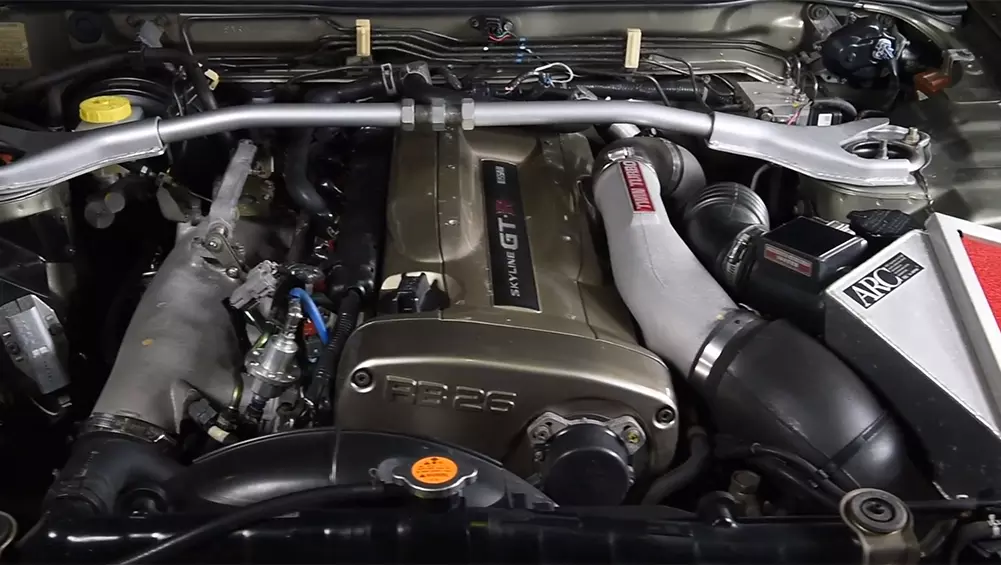
1. Nissan RB26DETT
The Nissan RB26DETT has earned its reputation as one of the greatest tuning engines in automotive history. Introduced in the late 1980s for the Nissan Skyline GT R, this 2.6 liter twin turbocharged inline six was engineered with motorsport success in mind.
Featuring a cast iron block, forged crankshaft, aluminum cylinder head, and an advanced twin cam design, the RB26DETT was built to withstand high engine speeds and increased boost pressure.
Although officially rated at 276 horsepower because of Japan’s gentleman’s agreement, the engine produced more power in reality and offered tremendous headroom for additional performance. Its robust construction quickly made it a favorite among tuners seeking reliable horsepower increases.
One of the biggest strengths of the RB26DETT is its exceptional bottom end durability. Stock internal components can often support power levels between 500 and 600 horsepower with proper tuning, fuel upgrades, and improved turbochargers.
Enthusiasts seeking even greater performance commonly install forged pistons, stronger connecting rods, upgraded bearings, and reinforced head studs to safely exceed 1,000 horsepower. High-quality aftermarket engine management systems also allow precise control over ignition timing, fuel delivery, and boost pressure, maximizing both performance and reliability.
The aftermarket ecosystem surrounding the RB26DETT is one of the largest in the automotive world. Performance companies manufacture virtually every component imaginable, including larger turbocharger kits, intake manifolds, exhaust systems, intercoolers, fuel injectors, camshafts, cylinder heads, and complete stroker kits.
This vast selection of parts allows builders to customize the engine for street driving, drag racing, time attack competition, drifting, or endurance racing. The engine’s popularity has also encouraged extensive technical documentation, making it easier for enthusiasts to learn proven tuning strategies.
Motorsport success further cemented the RB26DETT’s legendary status. The Skyline GT R dominated Japanese touring car racing during the early 1990s, earning the nickname Godzilla because of its overwhelming competitiveness.
Tuned RB26DETT engines have since powered countless record setting drag cars, championship winning drift machines, and high-speed street builds around the world. The engine continues to be celebrated for its unique exhaust note, impressive durability, and remarkable ability to produce enormous horsepower while maintaining excellent drivability.
Despite increasing prices for Skyline GT R models and original RB26DETT engines, demand remains exceptionally strong. Enthusiasts appreciate not only the engine’s raw performance but also its historical significance and engineering excellence.
More than three decades after its introduction, the RB26DETT continues to inspire new generations of tuners and remains one of the most respected and capable performance engines ever created.
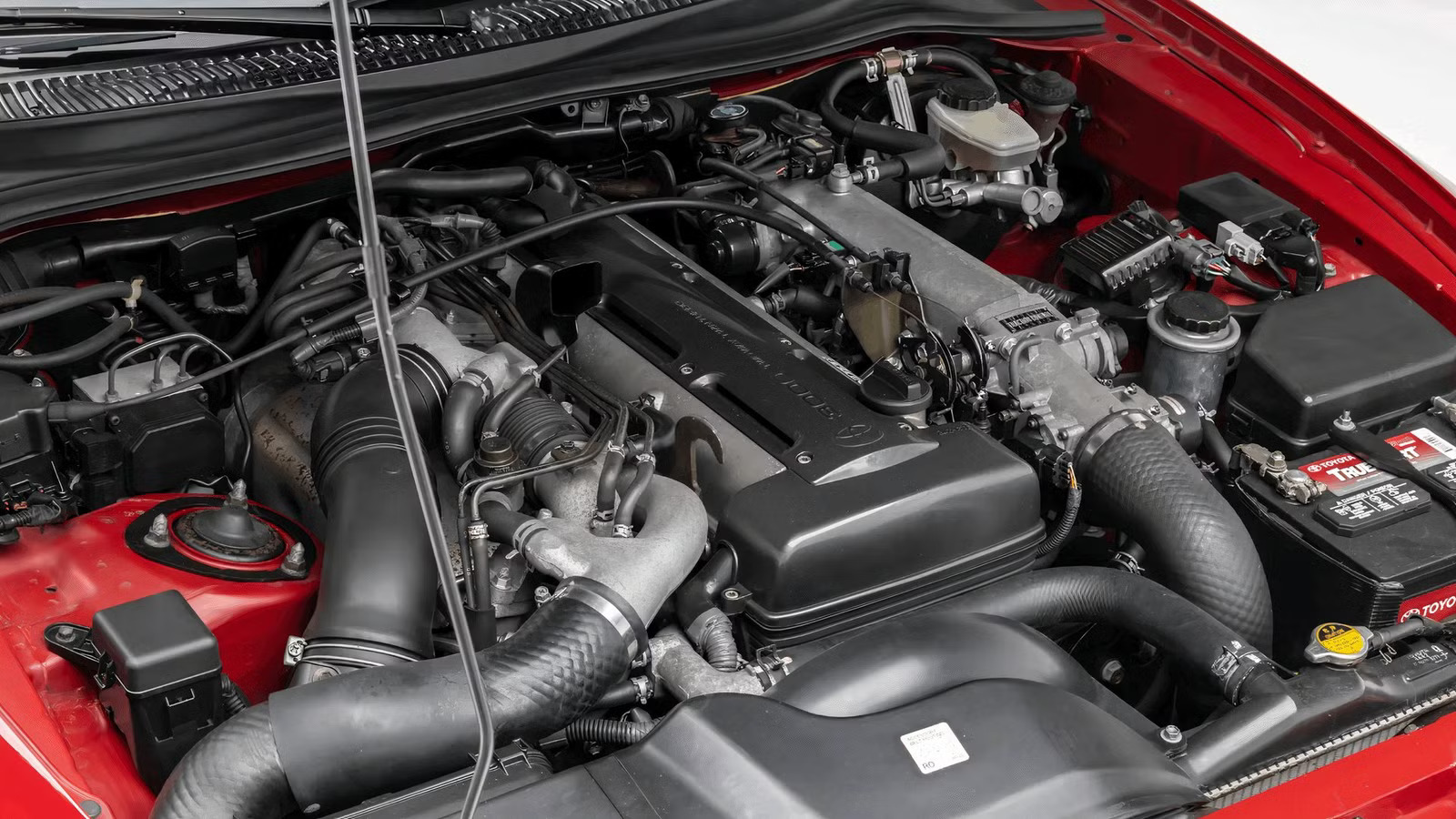
2. Toyota 2JZ GTE
The Toyota 2JZ GTE is widely regarded as one of the strongest and most tunable engines ever produced, earning a legendary reputation in the global performance community. Introduced in the early 1990s and most famously used in the Toyota Supra MK4, this 3.0 liter inline six engine was designed with a focus on durability, smooth power delivery, and long-term reliability.
Built with a cast iron block and a strong closed deck design, the engine was engineered to handle far more power than its factory output suggested.
While officially rated at around 276 horsepower in Japan due to regulatory limitations, real world performance often exceeded this figure, and the engine quickly became a favorite among tuners who discovered its massive internal strength.
One of the most impressive aspects of the 2JZ GTE is its ability to handle extreme horsepower levels on stock internals. Many builds have reliably produced 600 to 800 horsepower with minimal internal modifications, provided that fueling, cooling, and tuning are properly addressed.
The forged crankshaft and strong connecting rods contribute significantly to its durability, allowing the engine to withstand high boost pressures without catastrophic failure. With upgraded turbochargers, fuel injectors, and engine management systems, the 2JZ GTE can be pushed far beyond its original design limits, making it one of the most forgiving platforms for high-performance builds.
The aftermarket support for the 2JZ GTE is one of the most extensive in the automotive world. Almost every component of the engine has been redesigned or upgraded by performance manufacturers, including single turbo conversion kits, high flow intake manifolds, performance cylinder heads, camshaft upgrades, and reinforced internal parts.
This ecosystem allows builders to achieve anything from mild street performance setups to extreme drag racing configurations exceeding 1,500 horsepower. The engine’s modular design and strong community support have made it a staple in tuning culture across the United States, Japan, and Europe.
In motorsport and street racing culture, the 2JZ GTE has achieved almost mythical status. Its association with the Toyota Supra MK4, made famous in racing games and automotive media, has further elevated its popularity.
Professional tuners and racing teams have consistently demonstrated the engine’s capability in drag racing, drifting, and high-speed competition. Its smooth inline six configuration also contributes to excellent balance and drivability, even at high power levels, making it suitable for both competitive and street driven applications.
Even decades after its release, the 2JZ GTE remains one of the most sought-after engines in the world. Its combination of factory strength, aftermarket availability, and proven high horsepower capability ensures its continued dominance in the tuning world.
As engine swapping and performance modification continue to evolve, the 2JZ GTE stands as a benchmark for what a truly tunable engine can achieve.
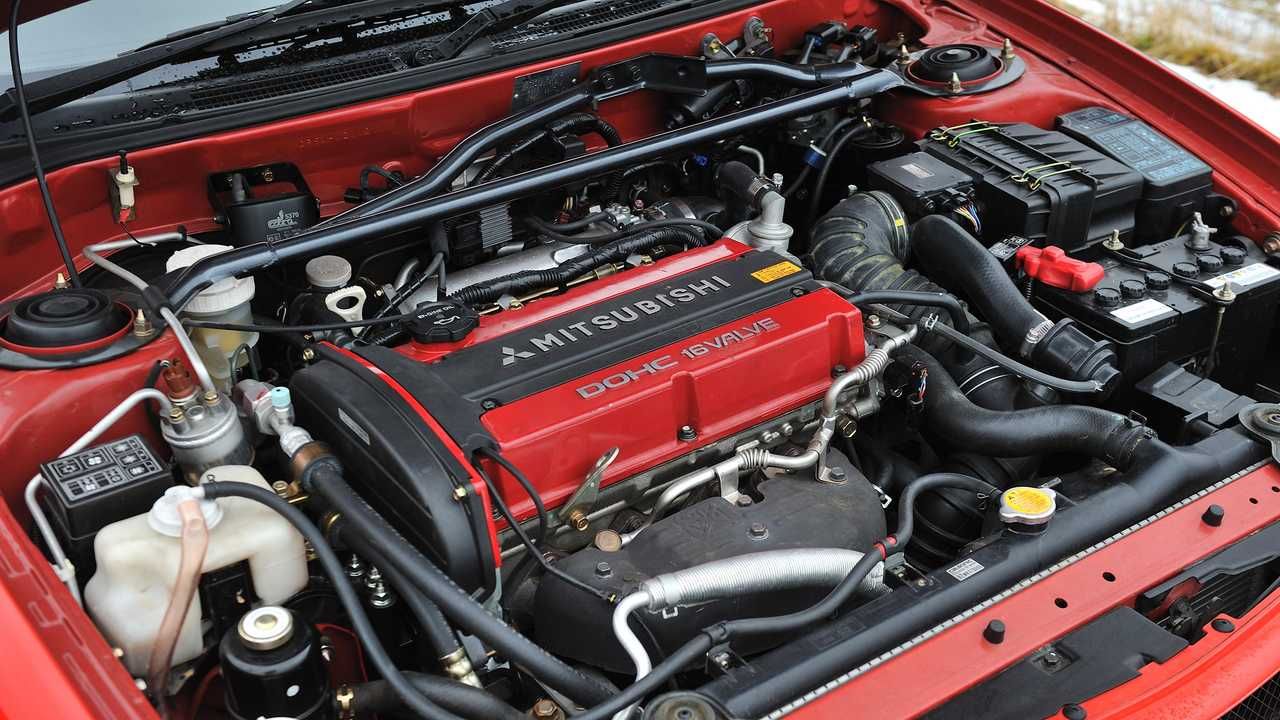
3. Mitsubishi 4G63T
The Mitsubishi 4G63T is a iconic engine that has earned its place among the most tunable engines ever built. Known primarily for its use in the Mitsubishi Lancer Evolution series, this 2.0 liter turbocharged inline four engine has become a cornerstone of rally inspired performance tuning.
Built with a cast iron block and a robust design focused on forced induction, the 4G63T was engineered to withstand the harsh conditions of rally racing while delivering strong and consistent power output. Its reputation for durability and responsiveness made it a favorite among both professional racers and aftermarket enthusiasts.
A key strength of the 4G63T lies in its exceptional ability to handle increased boost pressure. Even in stock form, the engine is capable of handling moderate power increases with proper tuning and supporting modifications.
Many enthusiasts have achieved 350 to 450 horsepower with bolt on upgrades such as upgraded turbochargers, intercoolers, exhaust systems, and fuel delivery enhancements. With forged internals and upgraded head components, the engine is capable of producing well over 600 horsepower, making it one of the strongest four-cylinder platforms ever created.
The aftermarket support for the 4G63T is extensive and well established, thanks to decades of rally competition and tuning development. Performance parts are widely available, including high-performance turbo systems, reinforced engine internals, camshaft upgrades, and advanced engine management solutions.
This allows tuners to build engines tailored for a variety of applications, including rally racing, drag racing, street performance, and track day use. The engine’s design also allows for relatively straightforward modifications, making it accessible for both experienced builders and enthusiasts learning engine tuning.
Motorsport success played a significant role in the engine’s legendary status. The Mitsubishi Lancer Evolution series dominated rally stages in the 1990s and early 2000s, competing fiercely against rivals such as the Subaru WRX STI.
The 4G63T powered these victories with its combination of torque, reliability, and tuning flexibility. Its ability to perform consistently under extreme conditions helped establish Mitsubishi as a serious force in performance motorsport during that era.
The 4G63T continues to be highly respected in the tuning community. Even as newer engines have emerged, it remains a go to platform for enthusiasts seeking a reliable and powerful four-cylinder engine. Its balance of affordability, strength, and aftermarket support ensures its place among the greatest tunable engines ever built.
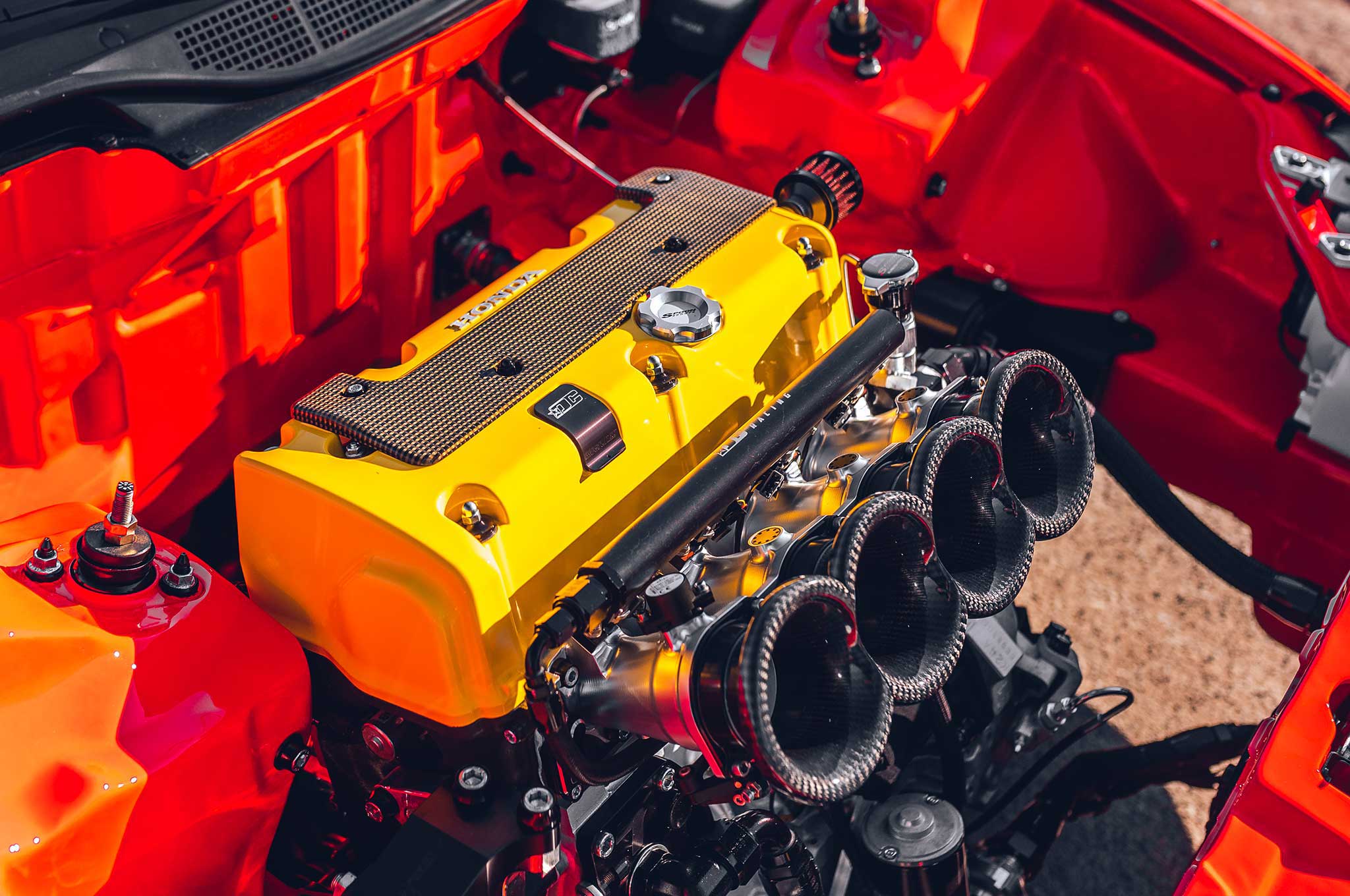
4. Honda K20 Series
The Honda K20 engine series is one of the most respected four cylinder platforms ever created, especially within the world of high revving performance builds. Introduced in the early 2000s, this 2.0 liter naturally aspirated engine quickly gained attention for its advanced engineering, lightweight construction, and exceptional ability to respond to modifications.
Found in vehicles like the Honda Civic Type R and Acura RSX, the K20 was designed with efficiency and performance balance in mind, but enthusiasts soon discovered that it had far more potential than its factory specifications suggested.
One of the defining traits of the K20 is its ability to operate at very high engine speeds without sacrificing reliability. The valvetrain design, combined with a well balanced rotating assembly, allows it to rev far beyond many competing engines in its class.
When paired with intake, exhaust, and ECU upgrades, the engine responds sharply, delivering noticeable gains even with basic modifications. Forced induction setups, especially turbocharging, transform the K20 into a serious performance unit capable of producing several times its original output while maintaining manageable drivability.
The aftermarket industry surrounding this engine is extremely mature. Builders have access to everything from forged pistons and connecting rods to high lift camshafts and advanced fuel systems.
Turbo kits designed specifically for K series engines have made it possible to achieve 500 to 800 horsepower setups that still retain street usability. This flexibility has made the K20 a favorite among drag racers, time attack competitors, and street performance enthusiasts who value both speed and reliability.
One reason for its popularity is its lightweight design and compact size, which makes it ideal for engine swaps. Many builders install K20 variants into older Honda chassis, creating lightweight machines with outstanding power to weight ratios.
The engine also benefits from strong ECU tuning support, allowing precise control over ignition timing and fuel delivery, which is essential when pushing performance boundaries.
The K20 remains one of the most adaptable four-cylinder engines ever produced, combining modern engineering with incredible tuning potential that continues to attract enthusiasts worldwide.
5. Nissan SR20DET
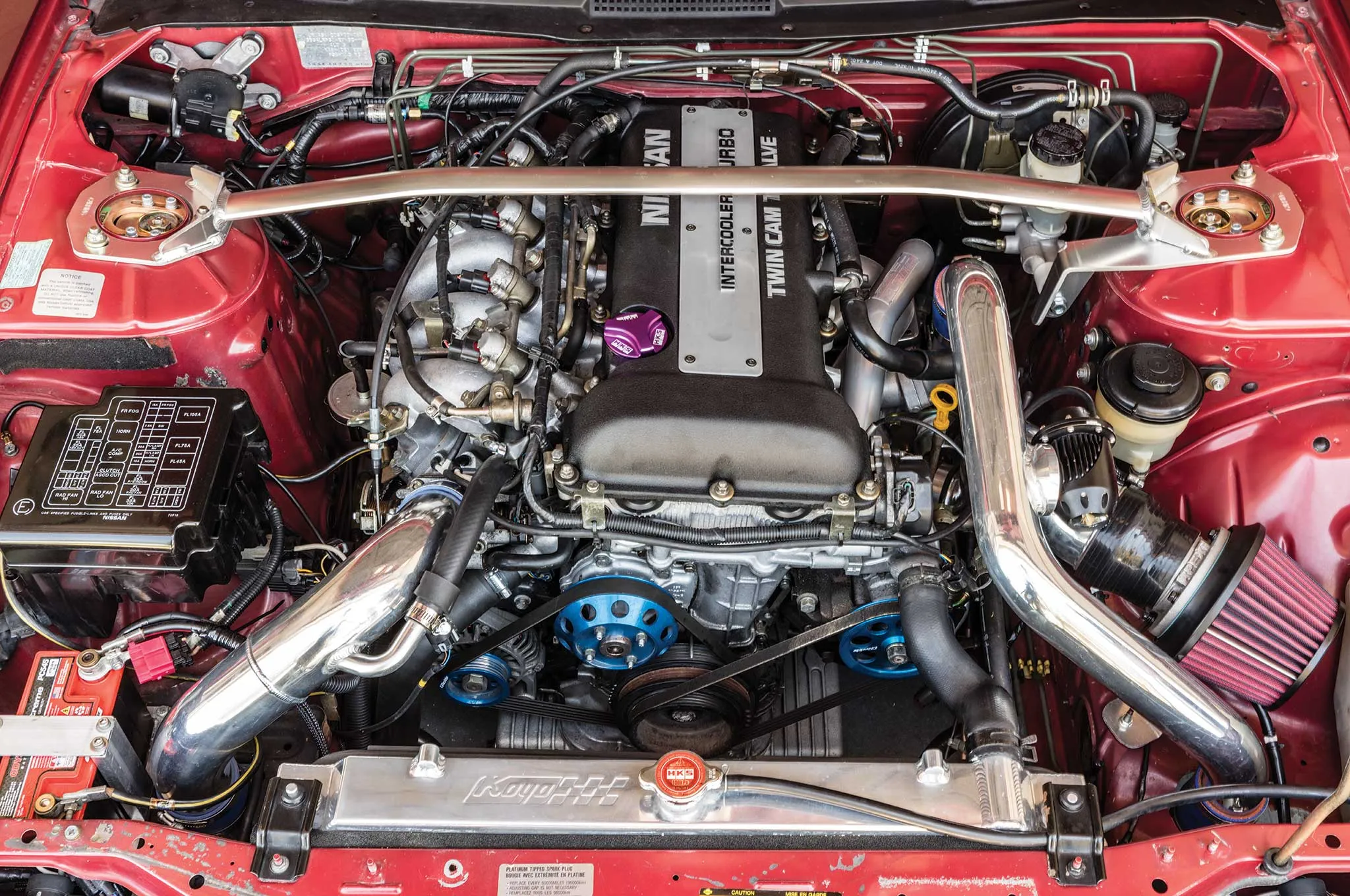
The Nissan SR20DET has long been a staple in the tuning world, especially among drift and street performance communities. This 2.0 liter turbocharged inline four engine was widely used in Nissan vehicles such as the Silvia, 180SX, and Pulsar GTI R.
Designed with a strong iron block and a responsive turbo setup, the SR20DET quickly gained recognition for its balance of affordability, durability, and modification potential.
What makes this engine particularly appealing is its simplicity. The mechanical layout is straightforward, making it easy to work on and modify.
With basic upgrades like improved turbochargers, intercoolers, exhaust systems, and fuel injectors, the engine can produce significantly more power than its stock output. Many well tuned setups achieve around 300 to 400 horsepower on stock internals, while reinforced builds can exceed 600 horsepower without major reliability concerns.
The SR20DET benefits from a massive aftermarket presence, with parts availability remaining strong even decades after its release.
Performance camshafts upgraded turbo systems, standalone engine management, and internal strengthening kits allow builders to tailor the engine to a wide range of performance goals. This adaptability has made it a go to choice for drift builds due to its predictable power delivery and ability to handle repeated high stress driving.
In motorsport culture, the SR20DET became especially famous in drifting. Its lightweight nature and turbocharged torque delivery make it ideal for controlled slides and sustained sideways driving. It also played a major role in grassroots racing scenes, where affordability and reliability were essential for competitive participation.
The engine’s popularity is a result of its proven track record and ease of modification. Even as newer engines emerge, the SR20DET remains a trusted platform for enthusiasts who value mechanical simplicity combined with strong tuning potential.
Also Read: 7 Most Reliable Motorcycles You Can Buy Today
6. Chevrolet LS Series (LS1, LS2, LS3)
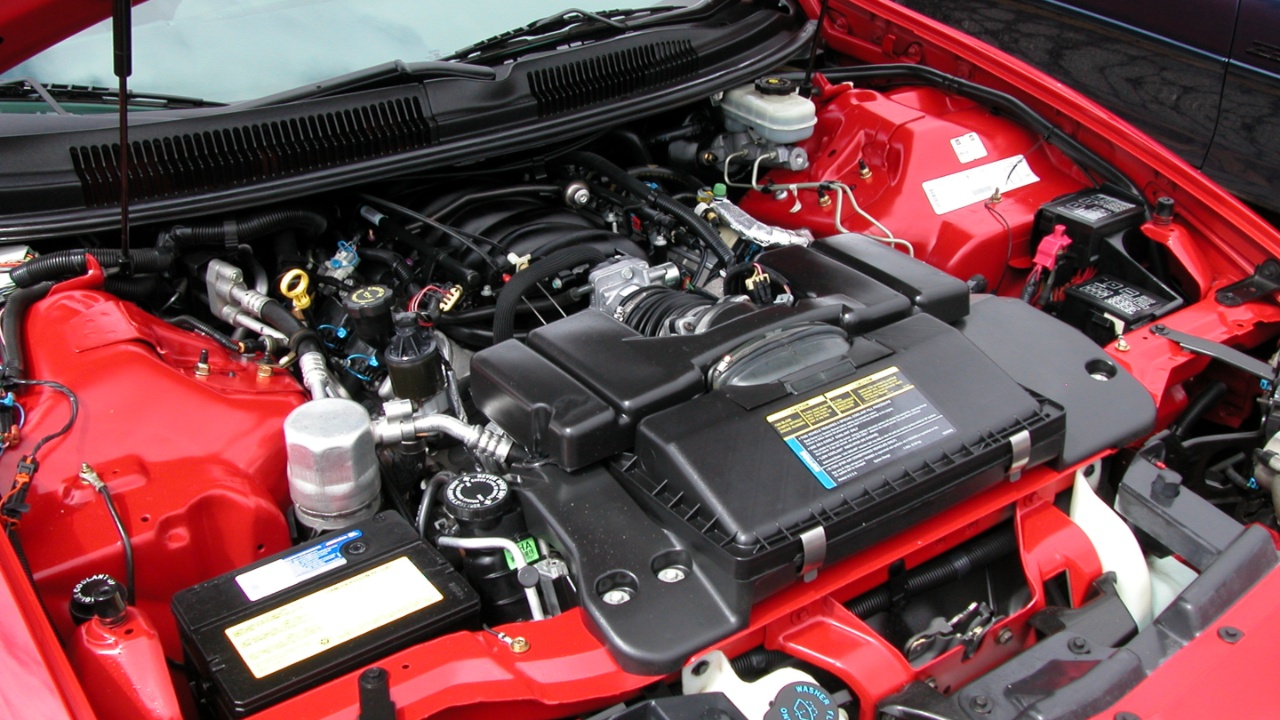
The Chevrolet LS engine family is one of the most influential V8 platforms ever created in American automotive history. Introduced in the late 1990s, the LS series revolutionized performance tuning with its compact design, lightweight aluminum construction in later variants, and enormous power potential.
Found in vehicles ranging from the Chevrolet Corvette to the Camaro and various GM trucks, the LS engines quickly became the foundation for countless performance builds.
A major reason for the LS engine’s popularity is its incredible strength relative to cost. Even stock variants are capable of handling significant power increases, especially when paired with forced induction systems like turbochargers or superchargers.
With basic upgrades, many LS engines can comfortably produce 500 to 700 horsepower, while fully built versions regularly exceed 1,000 horsepower in drag racing applications.
The aftermarket support for the LS platform is unmatched. Almost every component has been reengineered by performance manufacturers, including high-performance cylinder heads, camshaft kits, intake manifolds, and forged internal parts. This widespread availability makes it one of the easiest engines to build for high horsepower applications, regardless of budget or experience level.
An advantage is its compact V8 design, which allows it to be swapped into a wide variety of vehicles, including older muscle cars, drift builds, and even non GM platforms. This flexibility has made it a favorite among custom builders looking for reliable power with minimal complexity.
In motorsport, the LS engine has proven itself in drag racing, road racing, and endurance events. Its combination of torque, durability, and affordability has solidified its reputation as one of the most versatile performance engines ever made.
7. Toyota 1JZ GTE
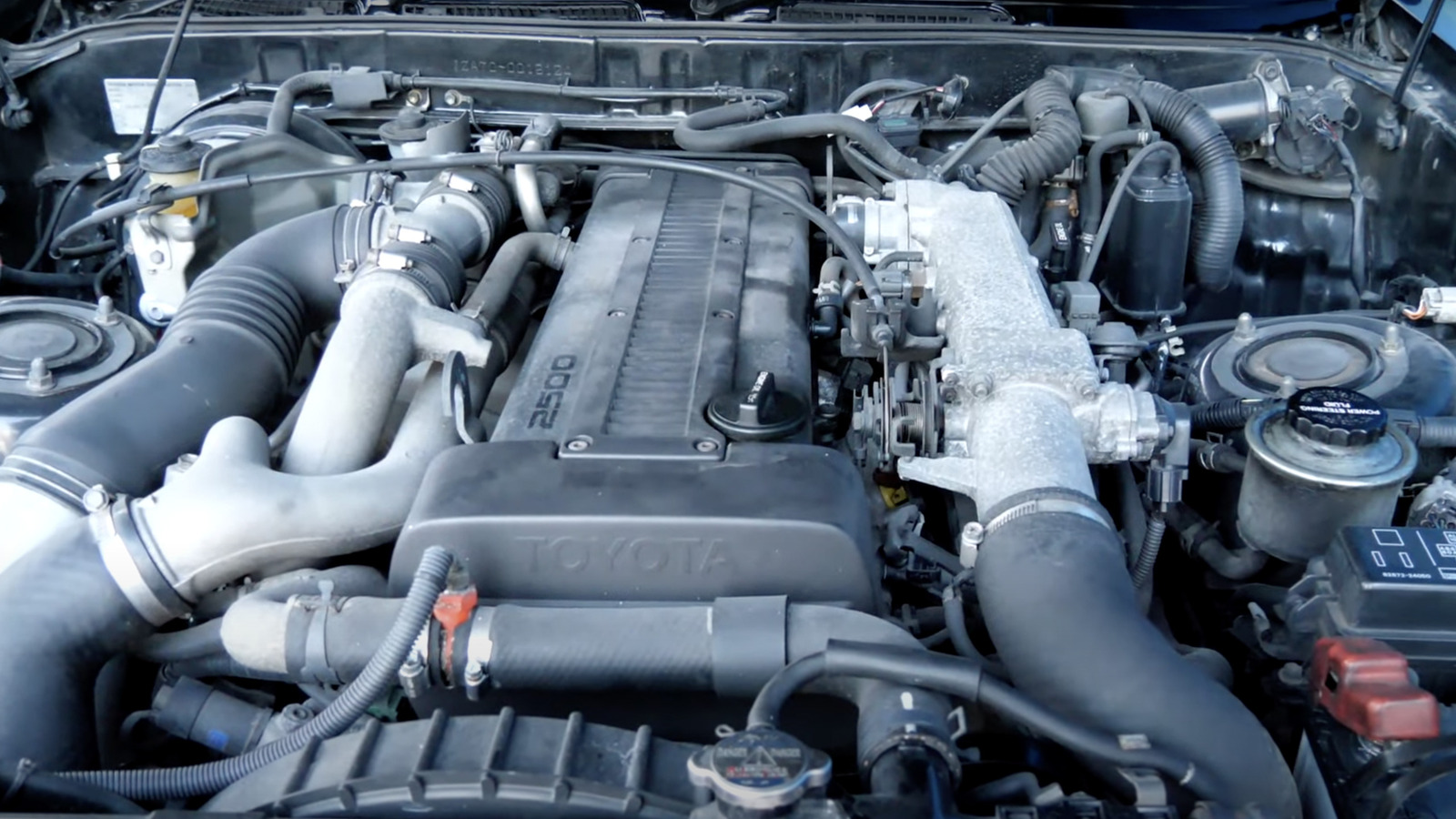
The Toyota 1JZ GTE is often seen as the slightly smaller sibling of the legendary 2JZ, but it holds its own as an extremely capable tuning platform.
This 2.5 liter inline six twin turbo engine was used in vehicles such as the Toyota Chaser, Mark II, and Soarer. Built with a strong iron block and a well-balanced design, the 1JZ GTE was engineered for both performance and reliability.
Despite its smaller displacement, the engine responds exceptionally well to modifications. With upgraded turbo systems and fuel components, it can easily reach power levels far beyond its original specifications. Many builds achieve 400 to 600 horsepower with relative ease, while fully built versions can approach four-digit output levels.
The aftermarket support for the 1JZ is extensive, especially in Japan and Australia, where it has been widely used in drift and street racing scenes. Components such as single turbo conversions, upgraded camshafts, and reinforced internals allow builders to push the engine far beyond factory limits.
Its smooth inline six configuration provides excellent balance, making it ideal for drifting and high-speed applications. The engine’s durability under sustained load has made it a popular alternative to the more expensive 2JZ platform.
The 1JZ GTE is a respected choice among enthusiasts who want strong performance without the high cost associated with its larger counterpart.
8. Subaru EJ20 / EJ25
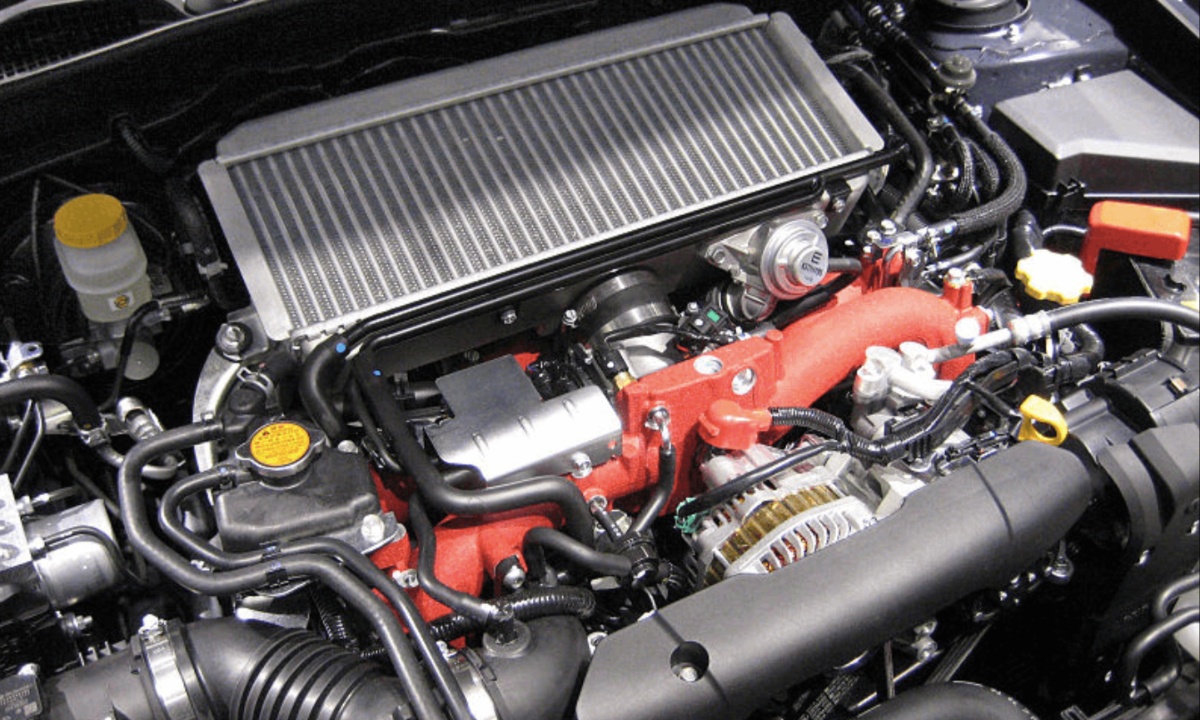
The Subaru EJ series engines, particularly the EJ20 and EJ25, are central to the brand’s performance identity. Found in vehicles like the Subaru WRX and WRX STI, these flat four boxer engines are known for their distinctive sound, low center of gravity, and strong rally heritage.
One of the key advantages of the EJ platform is its turbocharged design combined with all wheel drive systems, which creates excellent traction and acceleration characteristics. With basic upgrades such as improved turbochargers, intercoolers, and exhaust systems, these engines can produce significantly higher output than stock configurations.
However, tuning the EJ engines requires careful attention to detail, especially regarding cooling and internal strength. When properly built with forged components and improved head studs, they can reliably produce 400 to 600 horsepower, with extreme builds going beyond that range.
The aftermarket support for Subaru EJ engines is extensive, particularly in rally and time attack communities. Performance parts are widely available, allowing builders to tailor setups for competitive motorsport or street performance.
Their success in the World Rally Championship helped establish Subaru as a dominant force in rally racing, and the EJ engine played a major role in that legacy.
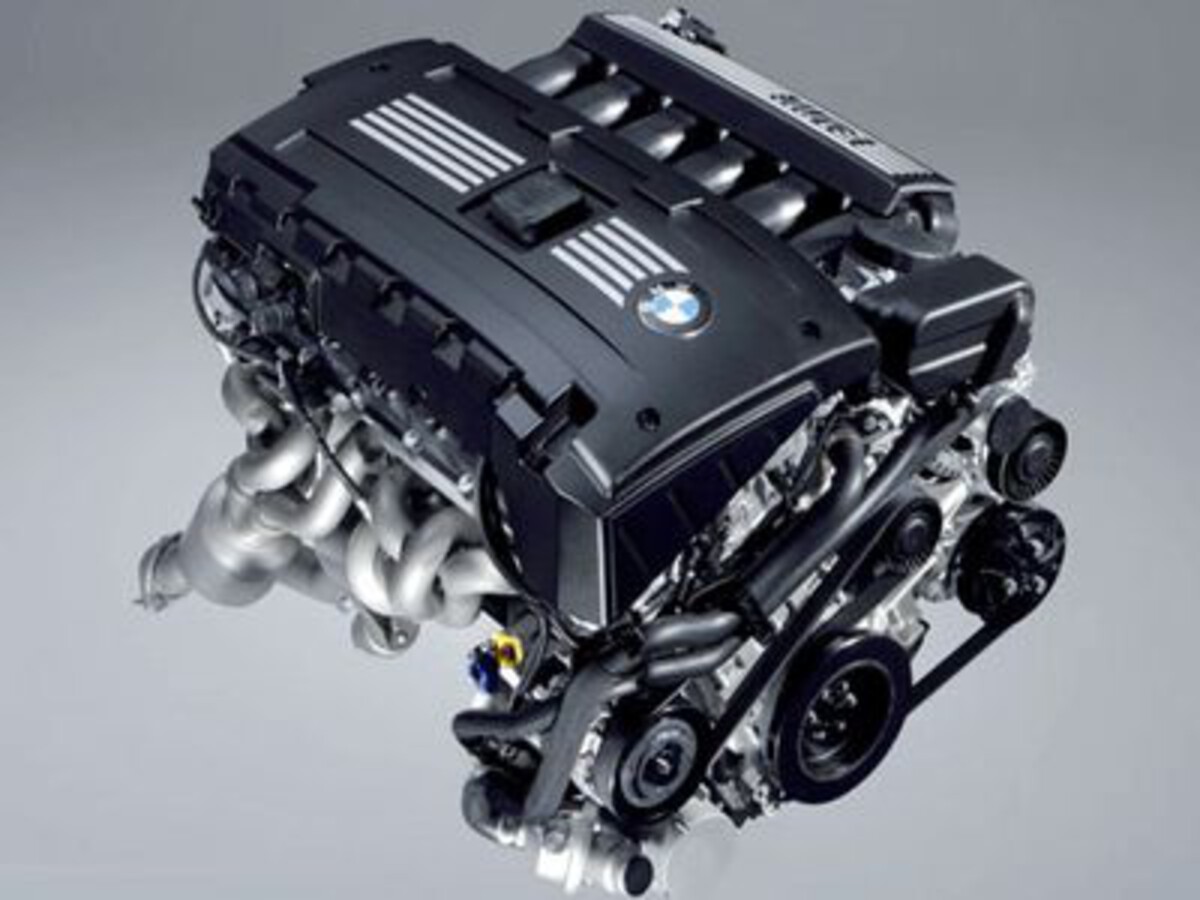
9. BMW N54
The BMW N54 engine is a 3.0-liter twin turbocharged inline six that marked a major shift in BMW’s modern performance strategy. Introduced in the mid 2000s, it powered models such as the 335i and 135i, delivering strong performance with smooth power delivery.
One of the most impressive features of the N54 is its ability to gain significant horsepower through software tuning alone. Simple ECU remaps can unlock substantial power increases, while supporting modifications such as upgraded intercoolers, fuel systems, and turbochargers can push the engine far beyond factory limits.
With proper upgrades, the N54 is capable of producing 500 to 700 horsepower reliably, and even higher in fully built configurations. Its twin turbo setup provides excellent response and flexibility across the powerband.
The aftermarket scene for this engine is extremely active, with tuning companies offering everything from bolt on upgrades to full single turbo conversions. This has made it a popular choice among BMW enthusiasts seeking high performance without switching platforms.
Despite some known maintenance considerations, the N54 remains one of the most tunable modern BMW engines ever produced.
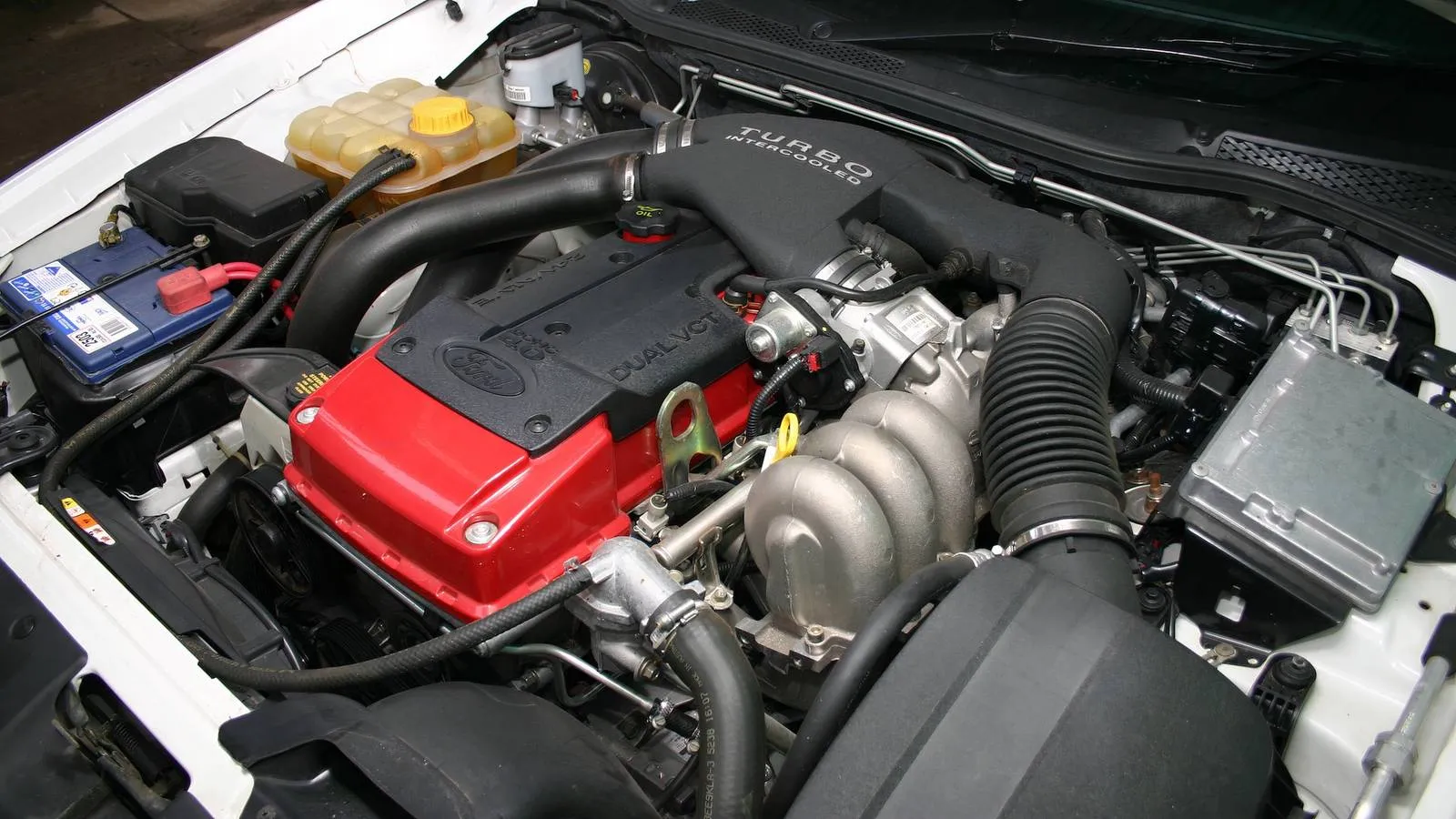
10. Ford Barra 4.0 Turbo
The Ford Barra 4.0 liter turbocharged inline six is one of Australia’s most legendary performance engines. Found in vehicles like the Ford Falcon XR6 Turbo, it is known for its exceptional strength and tuning capability.
Built with a robust iron block and strong internal components, the Barra engine is capable of handling extremely high-power levels with relatively minor modifications. Even stock setups can support impressive gains with proper tuning and supporting upgrades.
With forged internals and upgraded turbo systems, the Barra can easily exceed 600 to 800 horsepower, and extreme builds have pushed well beyond 1,000 horsepower, making it one of the strongest factories six-cylinder engines ever produced.
Its aftermarket support has grown significantly, especially in Australia, where it has become a favorite for drag racing and high-performance street builds. The engine’s smooth power delivery and durability under stress make it highly desirable for serious tuning projects.
The Barra’s reputation grows globally as enthusiasts discover its potential, and it stands as one of the most underrated, yet powerful tuning platforms ever built.
