

Owning a car brings convenience, independence, and comfort, but it also comes with responsibility. Many drivers assume that maintaining a vehicle requires expensive visits to the workshop or advanced mechanical knowledge.
In reality, a significant number of routine maintenance tasks can be handled at home with basic tools, a bit of patience, and an understanding of how your vehicle works. Learning these simple tasks not only reduces long-term expenses but also helps you become more confident and aware of your car’s condition.
Modern vehicles are designed with user-friendly systems, meaning everyday maintenance is more accessible than ever before. Tasks such as checking fluids, replacing filters, or inspecting tires do not require professional expertise.
They only require consistency and attention to detail. When these small duties are ignored, they often lead to larger mechanical problems that could have been prevented early on.
One important benefit of handling basic car maintenance yourself is safety. A well-maintained vehicle performs more reliably on the road, reducing the chances of unexpected breakdowns.
It also improves fuel efficiency, extends the life of key components, and ensures smoother driving performance. Even something as simple as maintaining correct tire pressure can significantly influence how your car handles and brakes.
Many car owners also find satisfaction in taking care of their own vehicles. It creates a better understanding of how different systems work together, from the engine to the braking system.
This awareness makes it easier to detect unusual noises, leaks, or performance changes before they become serious issues. Over time, these small habits build a stronger connection between driver and machine.
This article explores eight essential car maintenance jobs that anyone can do without professional training. Each task has been chosen for its simplicity, practicality, and impact on vehicle health. Whether you are a new driver or someone who has been on the road for years, these maintenance steps can help you save money, improve safety, and keep your car running smoothly for a longer time.
Also Read: 8 SUVs With The Most Space For Comfort
1. Checking and Changing Engine Oil
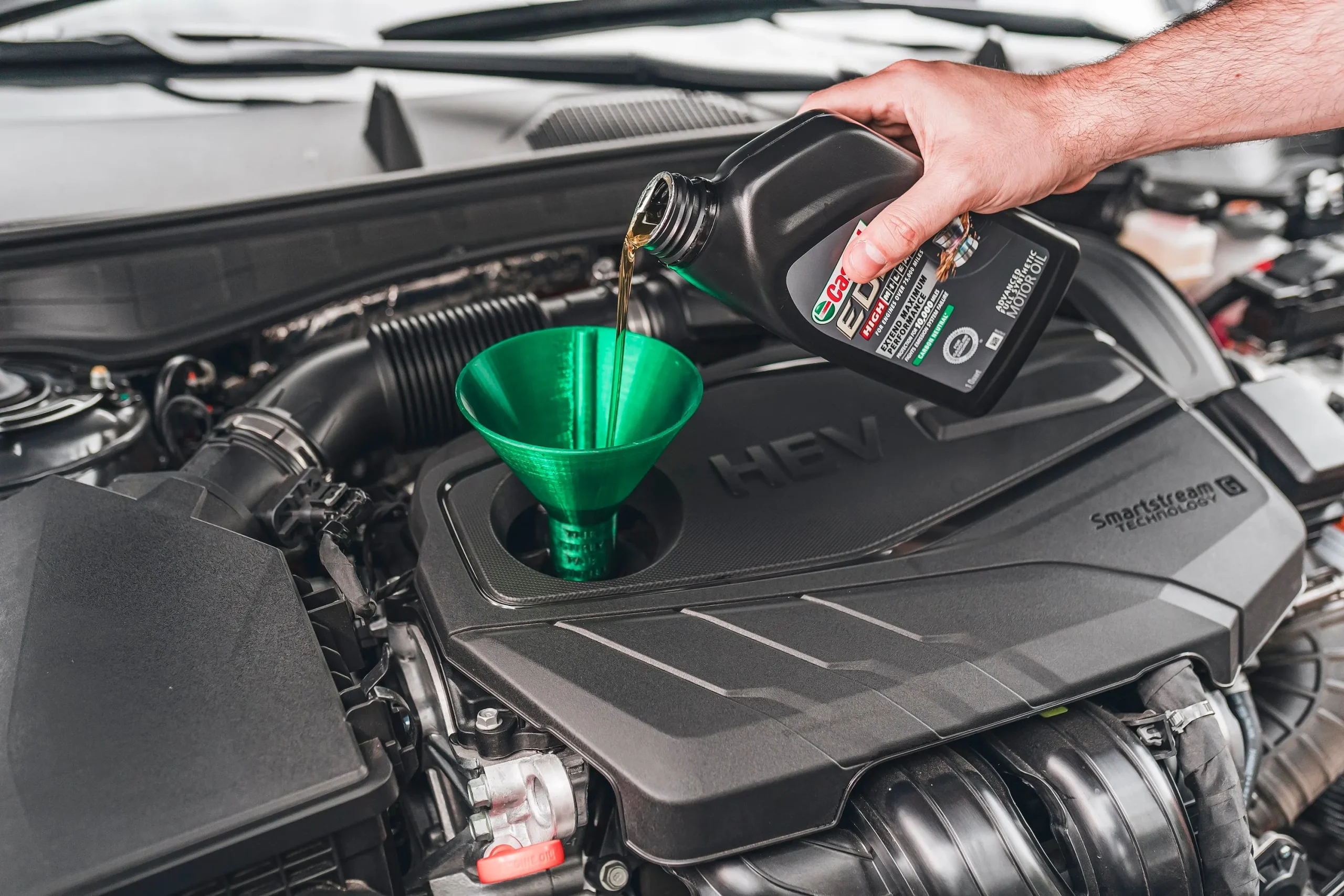
Engine oil plays a crucial role in keeping your car running smoothly by lubricating moving parts and reducing friction inside the engine. Without proper oil levels or quality oil, the engine can overheat, wear out faster, and eventually suffer serious damage. Fortunately, checking and changing engine oil is one of the easiest maintenance tasks you can perform at home with minimal tools and effort.
The process begins with understanding your car’s dipstick system. By parking your vehicle on a flat surface and allowing the engine to cool, you can safely pull out the dipstick, wipe it clean, reinsert it, and check the oil level.
This simple action tells you whether the oil is within a healthy range or needs topping up. The color and texture of the oil also matter. Clean oil is usually amber, while dark or gritty oil indicates it is time for a change.
Changing engine oil at home requires a bit more preparation, but it is still manageable. You need a jack, an oil drain pan, a wrench, and the correct type of oil recommended by your vehicle manufacturer.
Once the old oil is drained and the filter is replaced, fresh oil is poured in carefully. The entire process teaches you a lot about how your engine operates and how vital lubrication is for performance.
Many drivers underestimate how often oil should be checked. Ideally, it should be inspected every few weeks, especially before long trips. Regular monitoring prevents sudden engine issues and keeps fuel consumption efficient. A well-lubricated engine also runs quieter and responds better during acceleration.
Over time, this simple habit can save you from expensive repairs. Engine replacement or major servicing costs far more than routine oil maintenance. By taking a proactive approach, you ensure your vehicle remains in good condition and performs reliably in different driving conditions.
2. Replacing Air Filters
Air filters may seem like small components, but they play a significant role in maintaining engine health and cabin comfort. Their primary job is to prevent dust, debris, and pollutants from entering the engine or interior system. When these filters become clogged, the car struggles to breathe properly, leading to reduced performance and lower fuel efficiency.
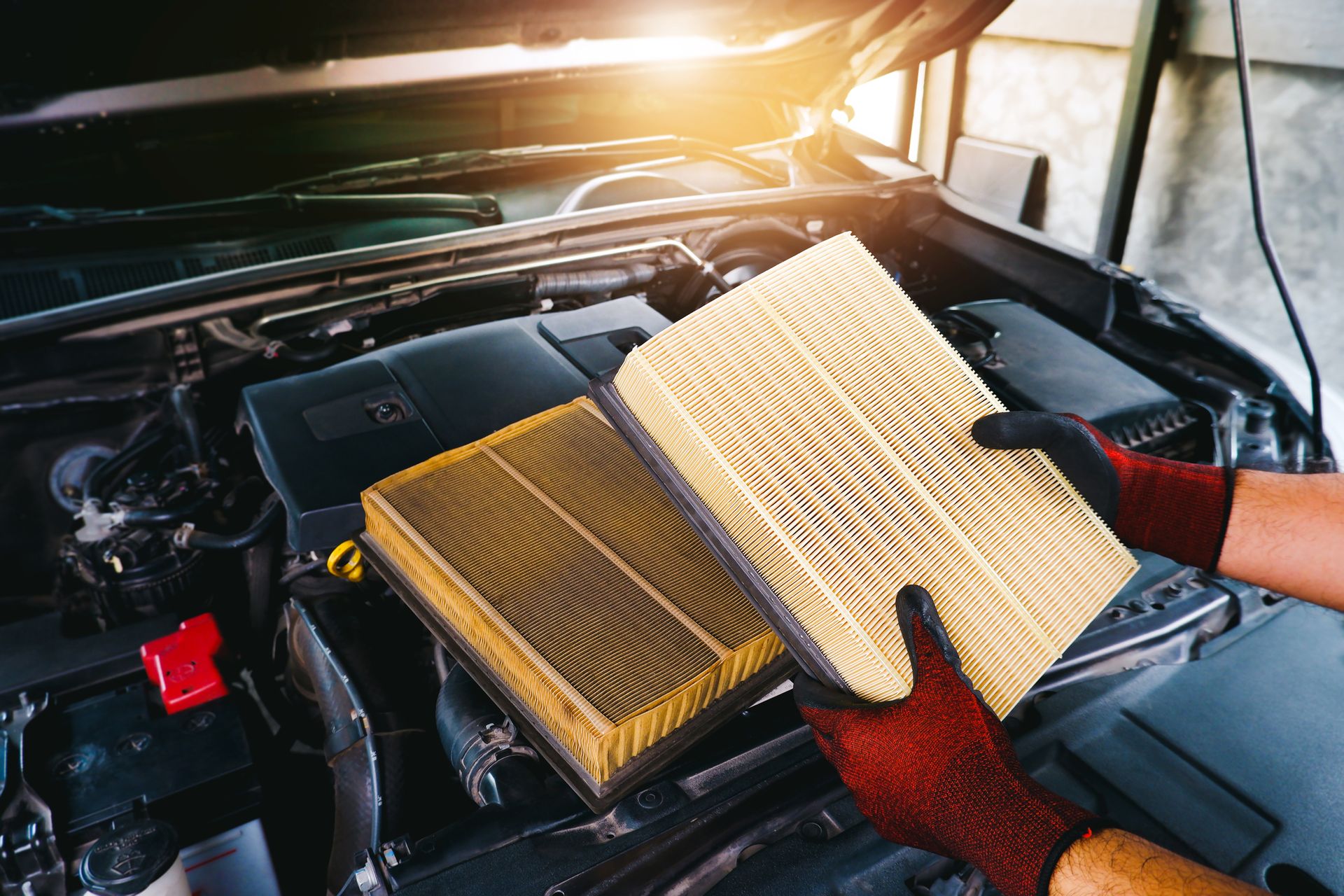
Replacing an air filter is one of the simplest maintenance tasks you can learn. In most vehicles, the engine air filter is located in a plastic housing under the hood. It usually requires no special tools to open.
Once removed, you can easily compare the old filter with a new one to see how much dirt has accumulated over time. A heavily clogged filter often appears dark and dusty, restricting airflow significantly.
A clean air filter improves combustion inside the engine, allowing it to perform more efficiently. This directly impacts acceleration and mileage. Drivers often notice smoother performance immediately after replacing it. The cabin air filter, on the other hand, ensures that the air inside the car remains clean and free from allergens, smoke, and dust particles.
Replacing these filters regularly also reduces strain on other components. When airflow is blocked, the engine compensates by working harder, which can lead to unnecessary wear. By keeping filters clean, you ensure that the engine operates under optimal conditions.
Most manufacturers recommend checking air filters every few months, depending on driving conditions. If you frequently drive in dusty environments or heavy traffic, replacement may be needed more often. This small step contributes greatly to long-term vehicle efficiency and comfort.
3. Checking and Maintaining Tire Pressure
Tire pressure has a direct impact on safety, fuel efficiency, and driving comfort. Underinflated or overinflated tires can affect handling, braking distance, and even tire lifespan. Despite its importance, many drivers neglect regular pressure checks, leading to avoidable risks on the road.
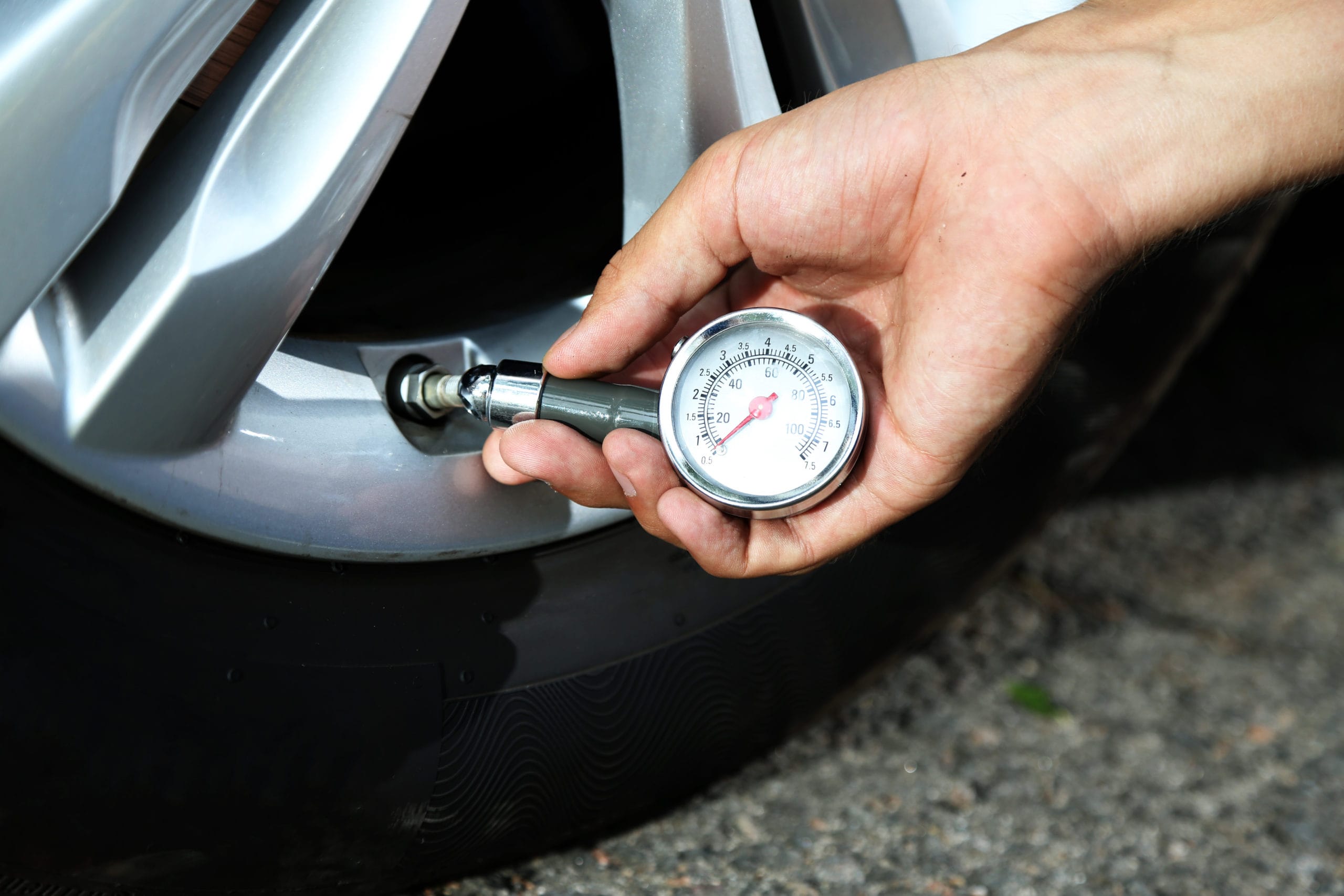
Maintaining proper tire pressure begins with knowing the recommended PSI for your vehicle. This information is usually found inside the driver’s door panel or in the owner’s manual. Using a simple tire pressure gauge, you can quickly measure the current pressure of each tire and compare it with the recommended value.
If the pressure is low, you can inflate the tire using a pump at a fuel station or a home compressor. If it is too high, releasing a small amount of air brings it back to normal. This simple balancing act ensures that the tire maintains optimal contact with the road surface.
Correct tire pressure improves fuel economy because the engine does not have to work harder to move the vehicle. It also reduces uneven wear, which extends tire life and saves money in the long run. More importantly, it enhances safety by improving grip and stability, especially during sudden braking or sharp turns.
Regular checks are essential because tire pressure naturally changes with temperature and usage. A quick inspection once every two weeks can make a noticeable difference in driving experience.
4. Replacing Windshield Wipers
Windshield wipers are one of those small components that quietly do a very important job until the moment they fail. Clear visibility during rain, dust, or fog depends heavily on the conditions.
When wiper blades start leaving streaks, skipping across the glass, or making squeaking noises, it is a clear sign that they are no longer performing effectively. Many drivers ignore these warnings, but replacing them is one of the simplest maintenance tasks you can handle on your own.
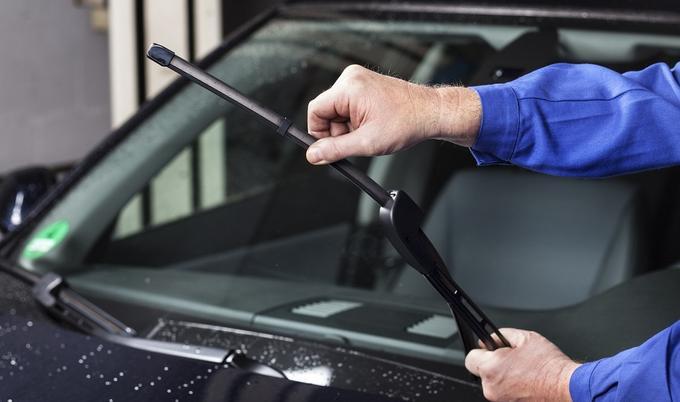
Modern wiper blades are designed for quick installation, often using clip-on mechanisms that require no special tools. You simply lift the wiper arm, press the release tab, and slide the old blade out. The new one clicks into place within seconds. This makes the entire process approachable even for someone who has never worked on a vehicle before.
Good quality blades improve driving confidence during harsh weather. In heavy rain, they ensure that water is cleared smoothly without leaving blurred patches. In dusty conditions, they help maintain a clean windshield surface, reducing eye strain during long drives. This small upgrade can significantly improve comfort and safety.
Wiper blades are often exposed to direct sunlight, heat, and dirt, which gradually weakens the rubber edge. Over time, this causes cracks and uneven movement. Regular inspection helps you catch these signs early. Most experts suggest replacing them once or twice a year, depending on usage and climate conditions.
Taking care of this component also protects your windshield from scratches. Worn-out blades can drag debris across the glass, leading to minor damage that may eventually require costly repair. By replacing them on time, you maintain clear visibility and preserve the condition of your front glass.
Also Read: 7 Most Reliable Motorcycles You Can Buy Today
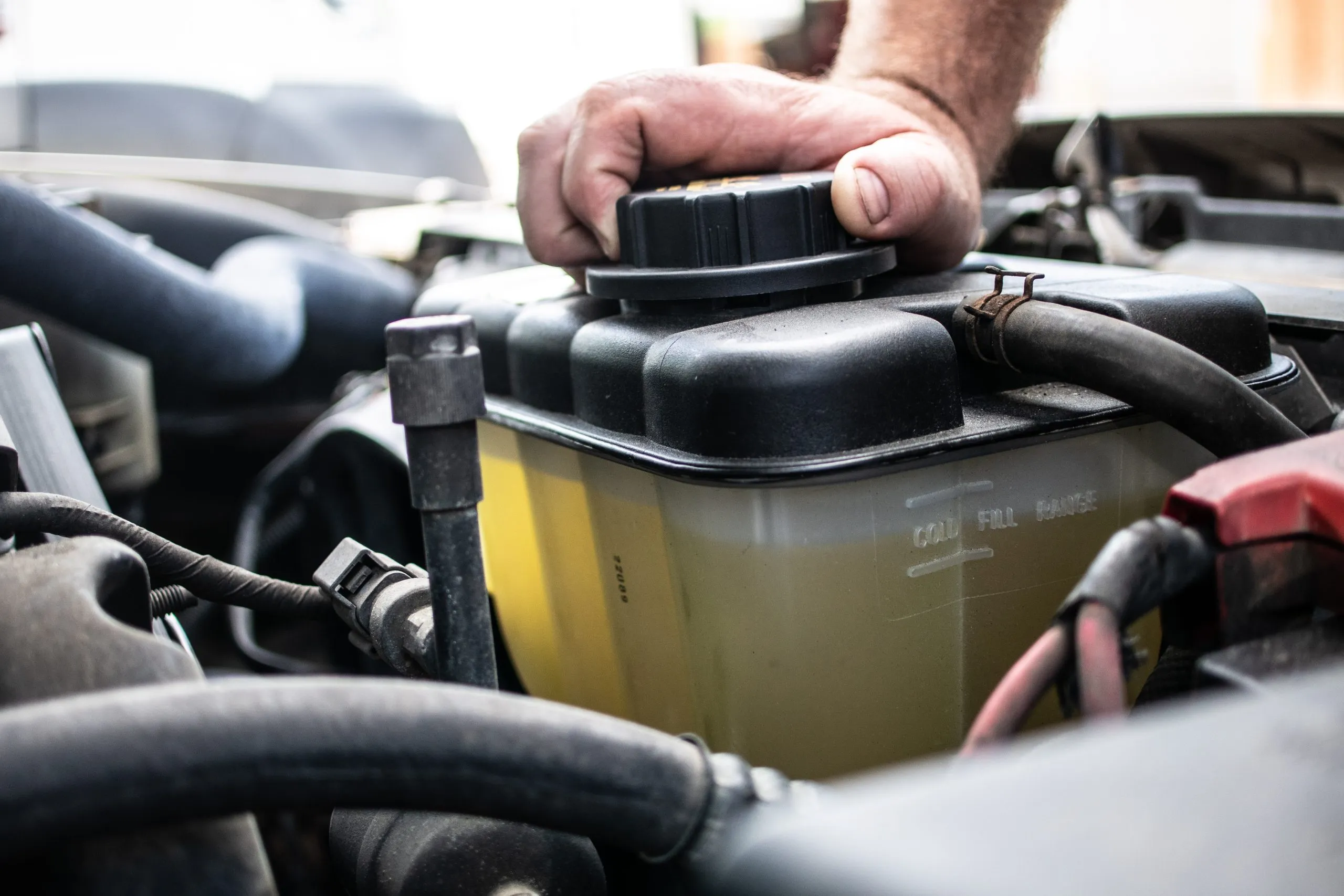
5. Checking and Topping Up Coolant
Coolant, also known as antifreeze, plays a critical role in regulating your engine temperature. It prevents overheating during long drives and protects the engine from freezing in colder conditions. Despite its importance, many vehicle owners rarely check coolant levels until a warning light appears on the dashboard.
The coolant reservoir is usually a transparent tank located under the hood. It has minimum and maximum markings that make it easy to check fluid levels without opening the radiator cap. When the level drops below the recommended line, topping it up becomes necessary to maintain proper temperature control.
Adding coolant is a straightforward process. You simply pour the recommended mixture into the reservoir until it reaches the correct level. However, it is important to ensure the engine is cool before doing this to avoid pressure-related injuries or damage. Using the right coolant type specified by the manufacturer also matters, as different engines require different chemical compositions.
Proper coolant levels ensure that heat is efficiently absorbed and dissipated through the radiator system. This prevents the engine from running too hot, which can lead to serious internal damage if ignored. It also helps maintain consistent performance during long journeys or in heavy traffic conditions where engines tend to work harder.
Regular coolant checks also allow you to spot potential issues early. If the level drops too quickly, it may indicate a leak in the system. Addressing such problems early can prevent costly repairs later. This simple habit keeps your engine stable, efficient, and protected throughout the year.
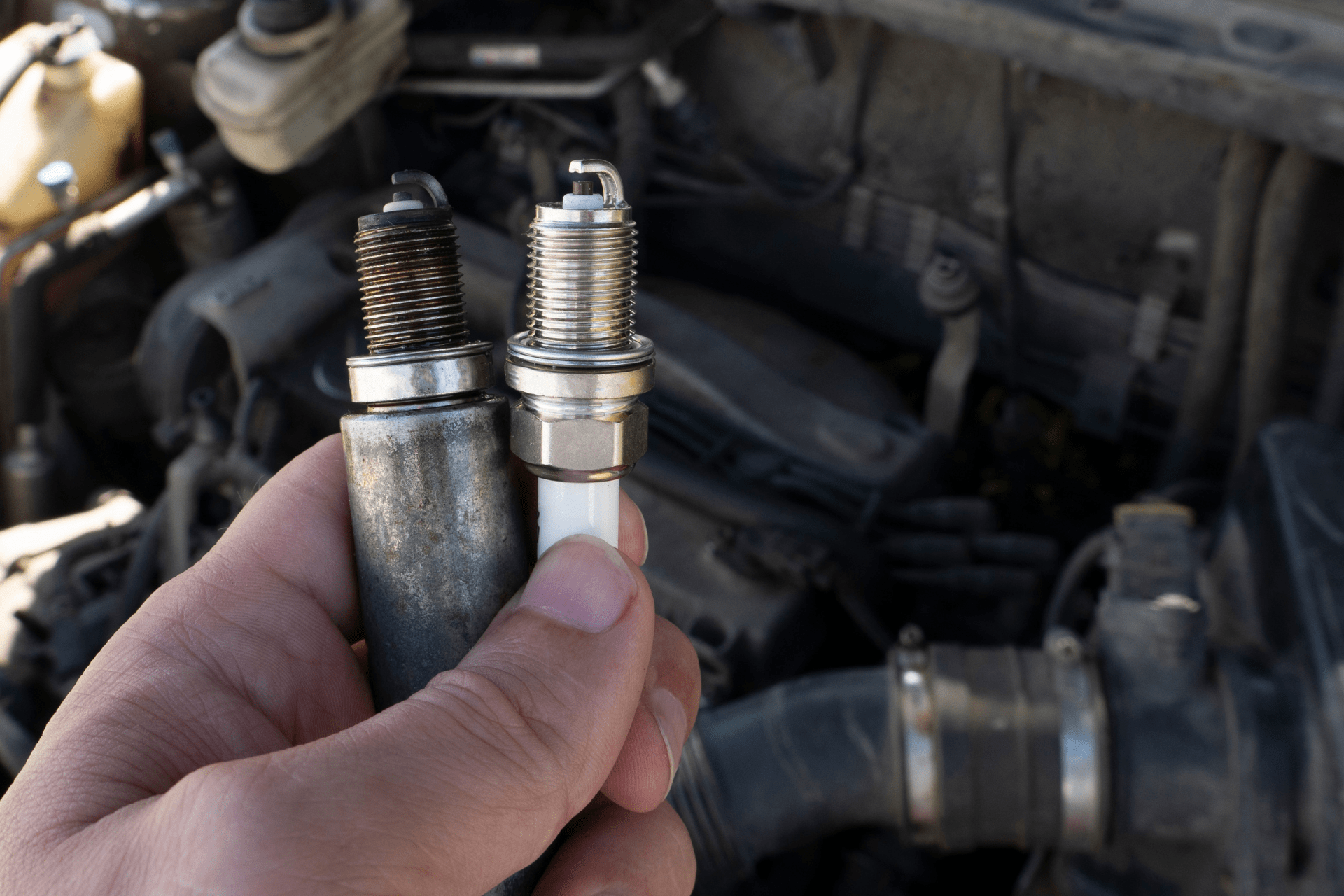
6. Replacing Spark Plugs
Spark plugs are essential components that ignite the air-fuel mixture inside the engine. Without them, the combustion process cannot occur, and the vehicle simply will not run. Over time, these small parts wear out due to constant exposure to heat and electrical activity, leading to reduced engine performance and inefficient fuel usage.
Replacing spark plugs is easier than most people assume. They are usually located on top of the engine and can be accessed by removing a few covers or ignition coils. With a basic spark plug socket wrench, you can carefully unscrew the old plugs and replace them with new ones. Each plug should be tightened properly to ensure stable ignition.
When spark plugs begin to fail, you may notice symptoms such as rough idling, difficulty starting the engine, or reduced acceleration. Fuel consumption may also increase because the engine is not burning fuel efficiently. Replacing them restores smooth combustion and improves driving responsiveness.
New spark plugs help the engine deliver consistent power. This results in better throttle response and more stable performance, especially during acceleration. The difference is often noticeable immediately after replacement, particularly in older vehicles where plugs may not have been changed for a long time.
Regular replacement also protects other engine components from unnecessary strain. When ignition is weak or inconsistent, the engine compensates by working harder, which can lead to long-term wear. By maintaining healthy spark plugs, you ensure smoother operation and longer engine life.
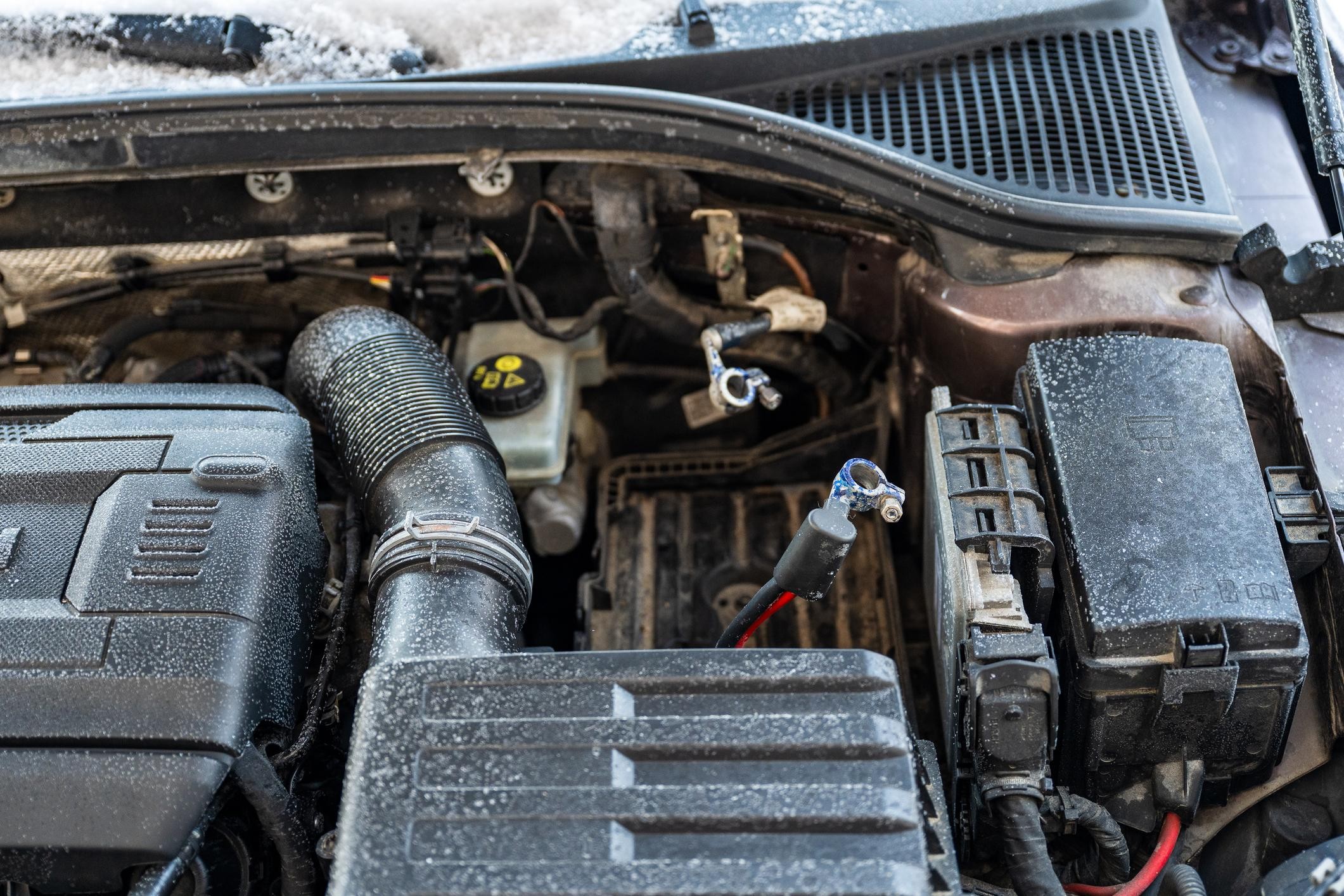
7. Cleaning Battery Terminals
A car battery is the heart of the electrical system, supplying power to start the engine and operate various electronic components. Over time, the metal terminals can accumulate corrosion, which appears as a white or bluish powdery substance. This buildup can interfere with electrical flow and cause starting issues or weak performance.
Cleaning battery terminals is a simple task that can restore proper connectivity. With the engine turned off, you can disconnect the battery cables and gently clean the terminals using a mixture of baking soda and water or a dedicated cleaning brush. Once the corrosion is removed, the terminals are wiped dry and reconnected securely.
This small maintenance step ensures that electrical current flows smoothly between the battery and the vehicle systems. It reduces the chances of unexpected starting problems, especially during cold mornings or after long periods of inactivity.
A clean battery connection also helps extend battery life. Corrosion creates resistance, which forces the battery to work harder than necessary. Over time, this reduces its efficiency and lifespan. By keeping terminals clean, you maintain stable electrical performance.
Regular inspection of the battery area can also help you detect early signs of wear or leakage. This allows you to replace the battery before it completely fails, avoiding inconvenient breakdowns.
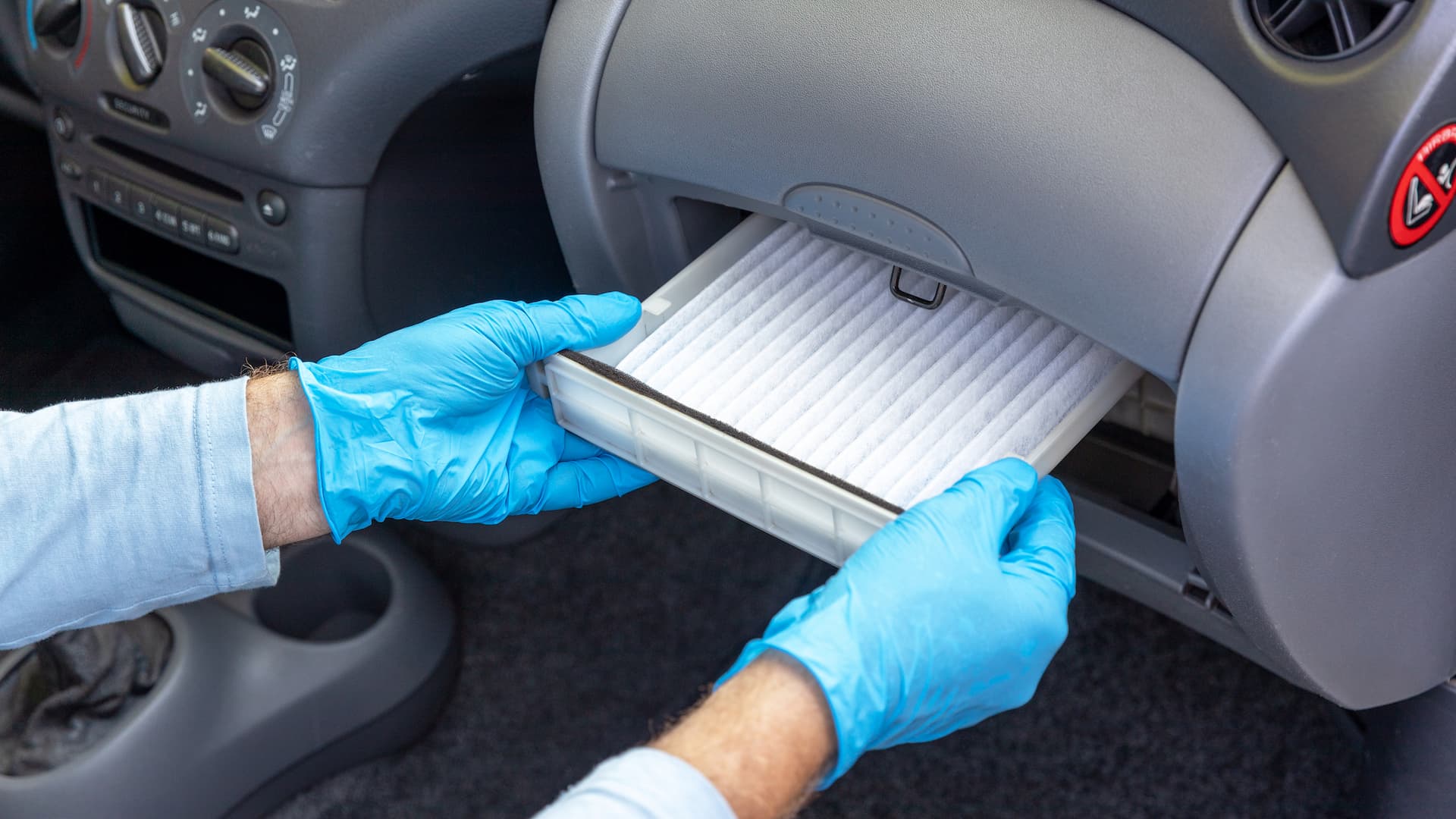
8. Replacing Cabin Air Filter
The cabin air filter is responsible for maintaining clean air inside the vehicle. It traps dust, pollen, smoke particles, and other airborne pollutants before they enter the cabin through the ventilation system. When this filter becomes clogged, airflow weakens, and the interior air quality begins to decline.
Replacing the cabin air filter is usually a quick and simple process. In most cars, it is located behind the glove compartment. By opening the compartment and releasing a few clips, you can slide out the old filter and insert a new one. The entire process typically takes only a few minutes.
A fresh cabin filter improves comfort during driving, especially for people sensitive to dust or allergies. It ensures that air conditioning and heating systems work efficiently by allowing proper airflow through the vents. This also helps reduce strain on the blower motor.
Over time, a clogged filter can cause unpleasant odors inside the car. Dirt and moisture trapped in the filter create conditions where bacteria may develop, affecting air freshness. Replacing it regularly keeps the interior environment clean and pleasant.
Manufacturers often recommend changing cabin air filters once a year, but frequency may vary depending on driving conditions. Urban traffic, construction areas, and dusty environments can require more frequent replacement. This simple habit significantly improves the driving experience.
