
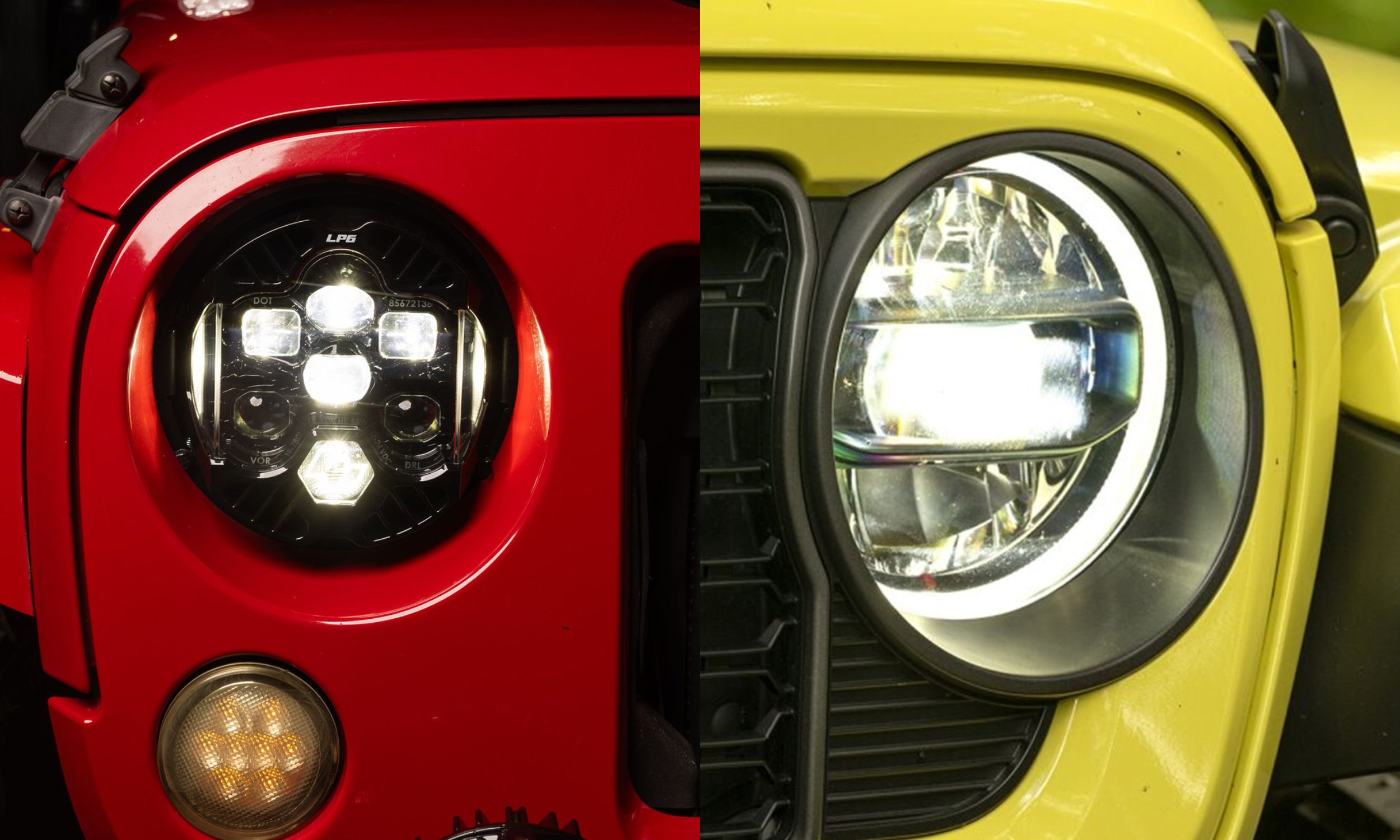
Driving on a dark road can quickly become frustrating when your headlights fail to provide enough visibility. Many motorists have experienced moments when road signs, bends, or obstacles seem to appear too late because the lights do not project far enough ahead.
This is not simply a personal impression. Night-time testing carried out by the Insurance Institute for Highway Safety has shown that several sport utility vehicles come with standard headlights that perform below expectations. Some produce a short beam that limits a driver’s view of the road, while others create excessive glare that makes it difficult for approaching motorists to see clearly.
Many vehicle buyers pay close attention to engine performance, interior space, technology features, and exterior styling, yet few take time to assess headlight performance before making a purchase. Good headlights are an important part of safe driving, especially for people who regularly travel at night or on poorly lit roads. Poor lighting can reduce reaction time and increase the chance of missing hazards until they are dangerously close.
This article highlights 10 sport utility vehicles whose entry-level models have received “Poor” headlight ratings in independent testing. It also looks at the specifications and features that make each model worth considering despite its lighting shortcomings. Understanding these ratings can help buyers make better decisions before purchasing a vehicle.
If night-time visibility is one of your priorities, learning how different models perform after dark could save you from disappointment and improve your confidence whenever you drive after sunset.
1. Jeep Wrangler
- Engine: 3.6-liter Naturally Aspirated V6
- Horsepower: 285 hp
- Torque: 260 lb-ft
- Size: 188.4″ L x 73.8″ W x 73.6″ H
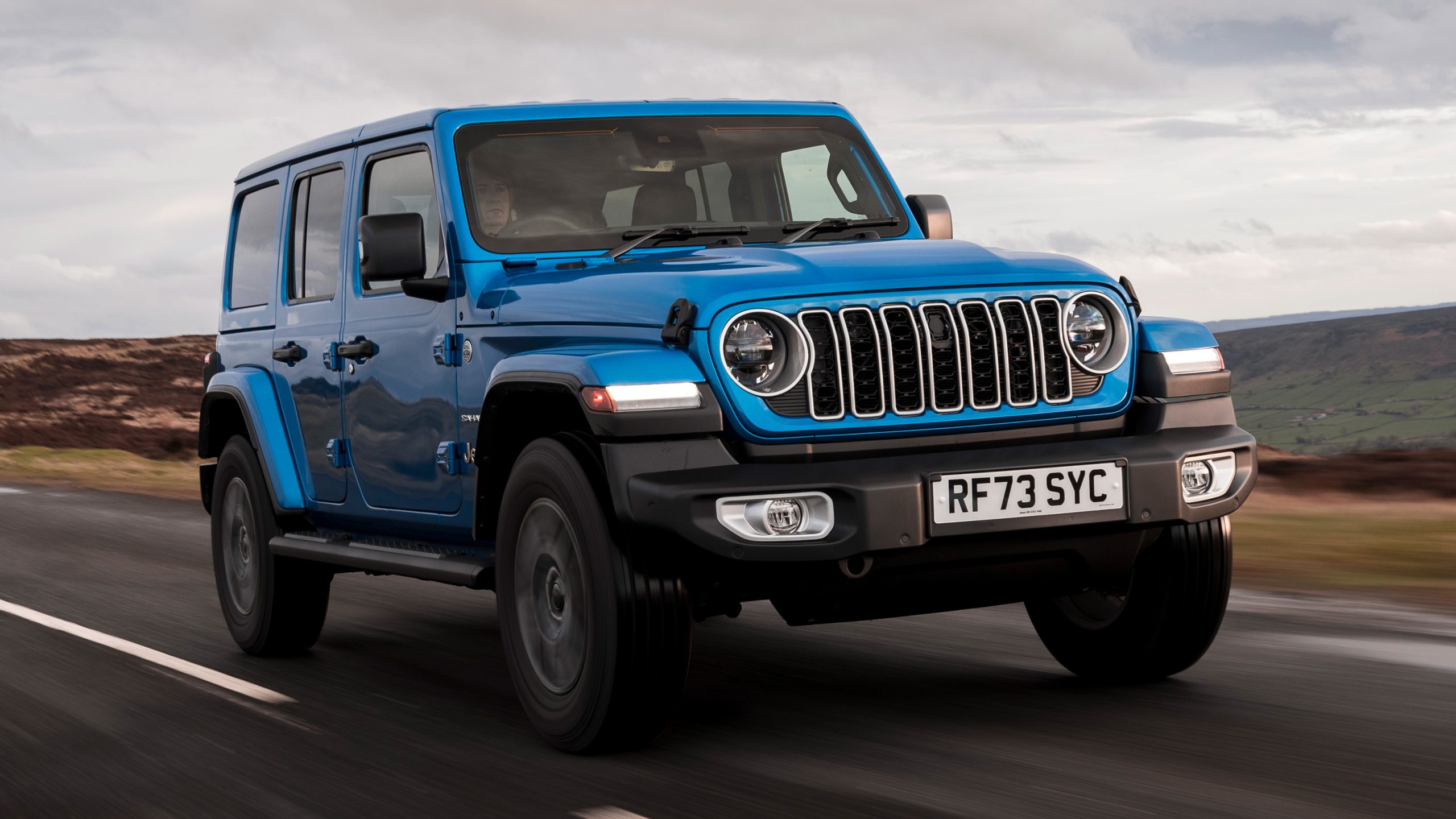
The Jeep Wrangler has earned a strong reputation as a vehicle built for adventure, making its headlight performance a surprising weakness. Designed to tackle rough trails, rocky paths, and remote locations, it is often driven in places where street lighting is unavailable.
That makes dependable headlights especially important. Yet, several factory-equipped versions of the Wrangler have received “Poor” headlight ratings from the Insurance Institute for Highway Safety. For drivers who enjoy travelling on dark rural roads or off-road tracks, this shortcoming can become a real concern.
Powering the Wrangler is a 3.6-litre naturally aspirated V6 engine that delivers 285 horsepower and 260 lb-ft of torque. It provides more than enough strength for climbing steep trails, carrying equipment, and handling demanding driving conditions. Even with that capable engine, poor lighting can reduce driver confidence after sunset.
Testing by the Insurance Institute for Highway Safety found that certain trim levels produced low beams with limited forward visibility. Some versions also created enough glare to affect the vision of approaching drivers, making night driving less comfortable for everyone on the road.
With a length of 188.4 inches, a width of 73.8 inches, and a height of 73.6 inches, the Wrangler’s upright design contributes to its unmistakable appearance. That same shape also limits the design of its headlight housings compared with many modern sport utility vehicles that use sleeker front-end styling.
Many owners choose to replace the original headlights with aftermarket LED units to improve visibility. Jeep owner communities frequently recommend this upgrade because it delivers better illumination during night driving. Anyone considering a Wrangler for regular off-road trips should include the cost of improved headlights in their budget before heading onto dark trails.
2. Honda HR-V
- Engine: 2.0-liter Naturally Aspirated Inline-4
- Horsepower: 158 hp
- Torque: 138 lb-ft
- Size: 179.8″ L x 72.4″ W x 63.4″ H
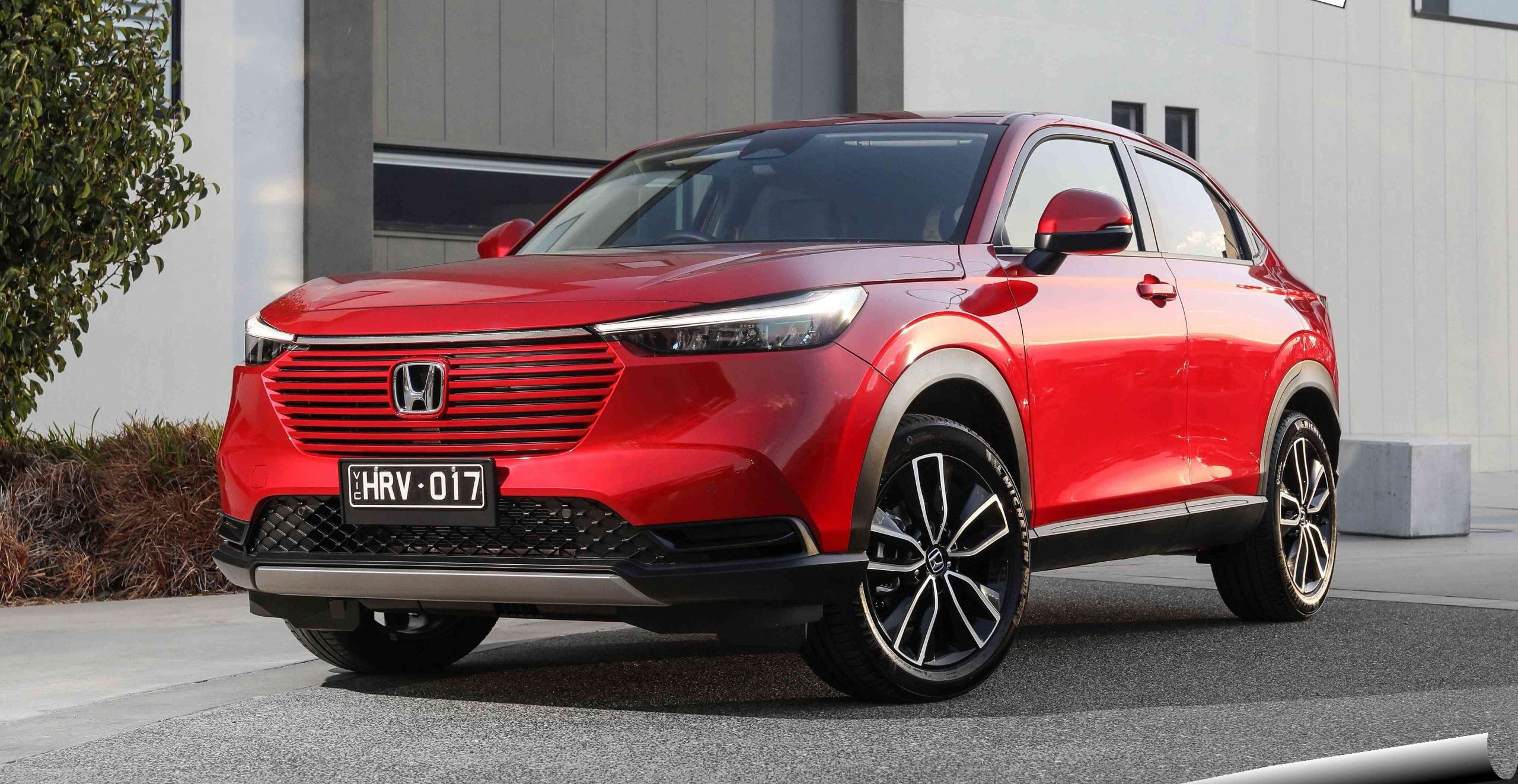
Compact crossovers are supposed to be sensible, practical, and unremarkable in the best way possible. So it comes as a bit of a letdown that the HR-V, despite its reputation for reliability, has landed on IIHS lists flagging poor headlight performance in certain trims. It’s the kind of detail that doesn’t show up on a dealership brochure but absolutely matters the first time you’re driving home from a late shift on an unlit road.
Powering this crossover is a 2.0-liter naturally aspirated inline-four engine producing 158 horsepower and 138 lb-ft of torque, numbers that suit its role as a practical daily commuter rather than a performance vehicle. That same practicality-first approach seems to have extended to its lighting system, where cost efficiency may have taken priority over nighttime visibility performance.
At 179.8 inches long, 72.4 inches wide, and 63.4 inches tall, the HR-V’s compact dimensions make it a popular choice among city dwellers and small families alike. Unfortunately, popularity doesn’t guarantee every component gets equal engineering attention, and headlights sometimes end up as an afterthought in vehicles built primarily around fuel economy and interior packaging.
Owners who frequently drive rural routes or unlit suburban streets might notice the difference more than city dwellers sticking to well-lit main roads. Since Honda has addressed lighting concerns in various updated trims over the years, checking specific model-year test results before buying makes sense if nighttime visibility is a high priority for you. A quick search through IIHS’s database can save you from an unpleasant surprise down the road.
Also Read: SUVs Took 35 of the 45 Top Safety Pick+ Awards
3. Toyota 4Runner
- Engine: 4.0-liter Naturally Aspirated V6
- Horsepower: 270 hp
- Torque: 278 lb-ft
- Size: 190.2″ L x 75.8″ W x 71.5″ H
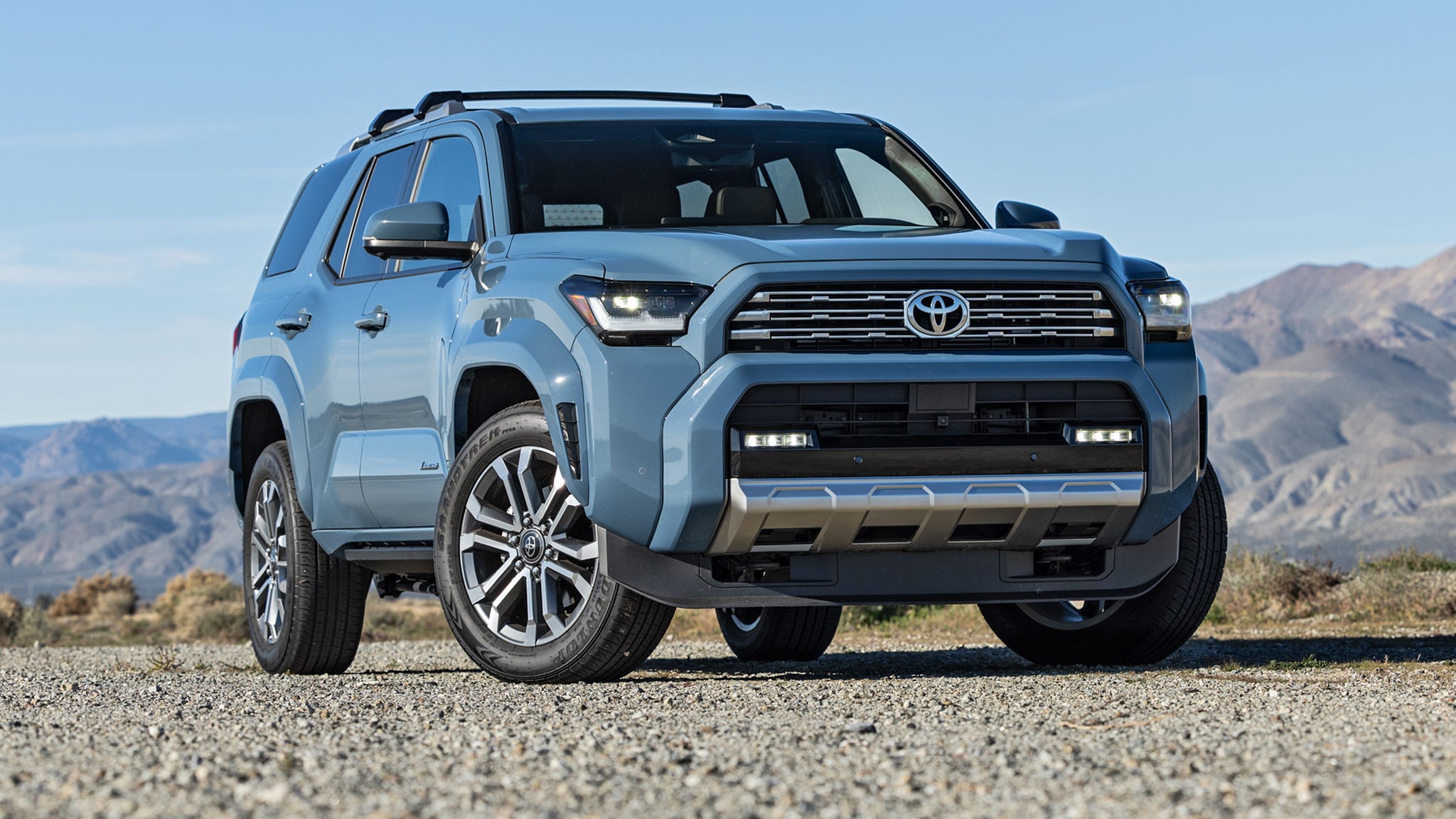
Few SUVs carry the rugged reputation the 4Runner has built over the decades, and that reputation makes its headlight struggles somewhat surprising. This is a vehicle designed for adventure, camping trips, and long hauls into places where streetlights simply don’t exist. Yet despite its off-road credibility, certain trims have repeatedly landed on IIHS lists citing inadequate illumination distance and excessive glare.
Its 4.0-liter naturally aspirated V6 engine produces 270 horsepower and 278 lb-ft of torque, delivering the kind of low-end grunt that makes the 4Runner such a favorite among overlanders and weekend explorers. That torque comes in handy climbing steep trails, but it does nothing to help drivers see clearly once the sun disappears behind the horizon, which is precisely when many 4Runner owners find themselves still on the move.
Measuring 190.2 inches long, 75.8 inches wide, and 71.5 inches tall, this SUV’s tall stance and boxy front end create headlight positioning that historically hasn’t optimized beam pattern as effectively as more modern, aerodynamically shaped competitors.
What makes this particularly frustrating is the disconnect between the 4Runner’s intended use case and its factory lighting performance. A vehicle marketed toward remote adventures should arguably prioritize headlight performance above almost everything else, yet testing suggests otherwise for several trim years.
Prospective buyers planning serious off-road or backcountry driving should seriously consider aftermarket lighting solutions, since factory equipment on certain years simply doesn’t cut it once pavement turns to dirt and streetlights become a distant memory.
4. Ford Edge
- Engine: 2.0-liter Turbocharged Inline-4
- Horsepower: 250 hp
- Torque: 280 lb-ft
- Size: 188.8″ L x 75.9″ W x 68.3″ H
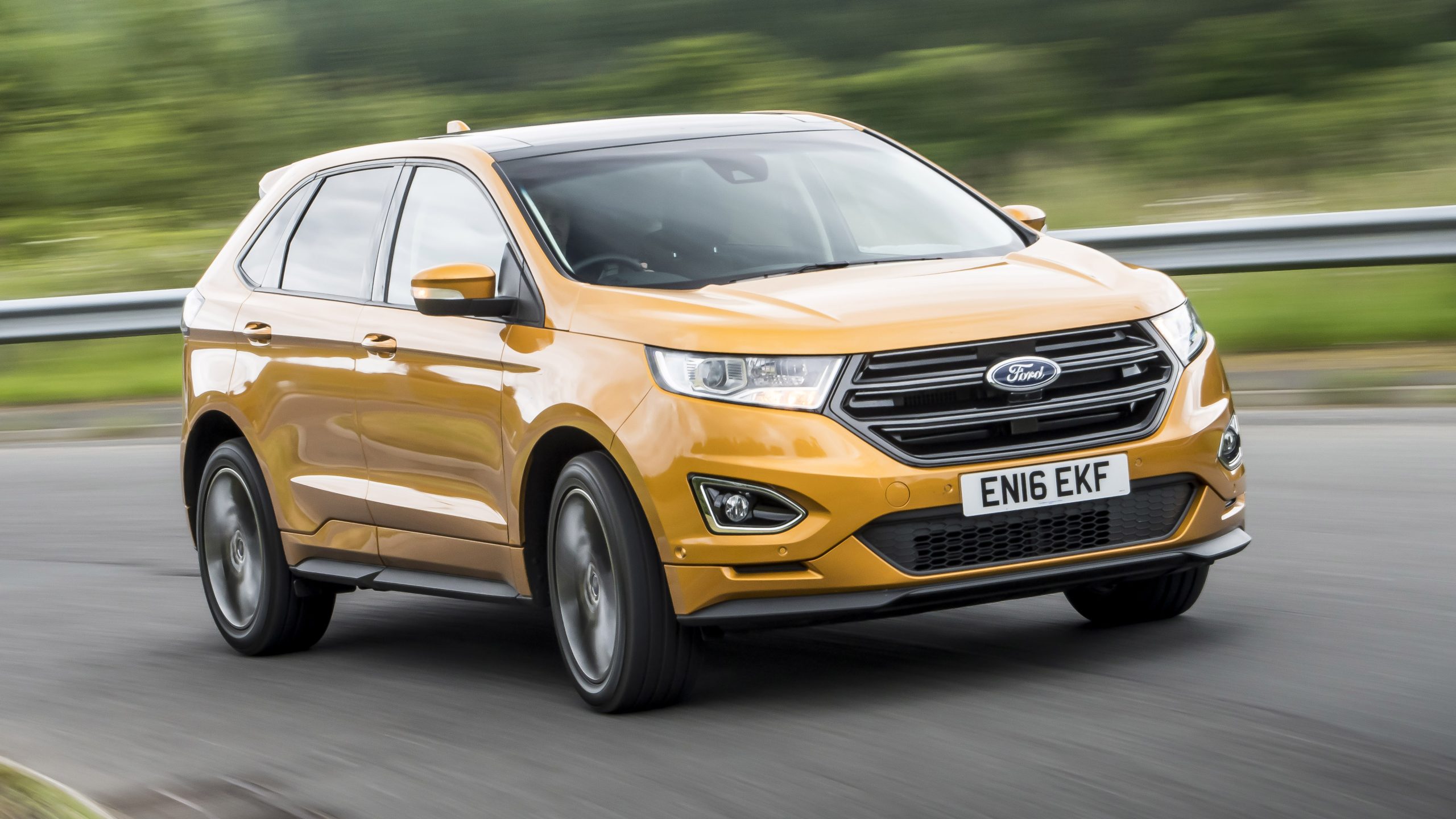
Ford designed the Edge as a comfortable midsize crossover for families and daily commuters, offering a smooth ride and plenty of modern features. Even with those strengths, some versions have received disappointing headlight ratings during testing by the Insurance Institute for Highway Safety.
Certain trim levels did not provide the level of night-time visibility many buyers would expect from a vehicle in this class. This is surprising because Ford has invested heavily in advanced driver assistance systems across much of its vehicle range. Power comes from a 2.0-litre turbocharged inline four-cylinder engine that produces 250 horsepower and 280 lb-ft of torque.
The engine delivers strong acceleration for joining highways and overtaking slower traffic while maintaining good everyday performance. Despite these strengths, the headlight performance remains a concern for some model years. Independent testing found that a few versions offered limited beam distance and less effective glare control than many competing crossovers in the same price category.
With a length of 188.8 inches, a width of 75.9 inches, and a height of 68.3 inches, the Ford Edge has a wide, confident appearance on the road. Its headlights blend neatly into the front design, giving the vehicle a modern look. Good styling, however, does not always guarantee better visibility after dark. Drivers who spend most of their time in brightly lit urban or suburban areas may never notice the limitation.
Those who regularly travel on highways or rural roads at night may find the factory headlights less effective than expected. Anyone planning to buy a used Ford Edge should review the headlight ratings for the exact trim level and model year, as Ford introduced improvements on certain versions that delivered better performance during night driving.
5. Audi Q3
- Engine: 2.0-liter Turbocharged Inline-4
- Horsepower: 184 hp
- Torque: 221 lb-ft
- Size: 176.6″ L x 72.8″ W x 62.9″ H
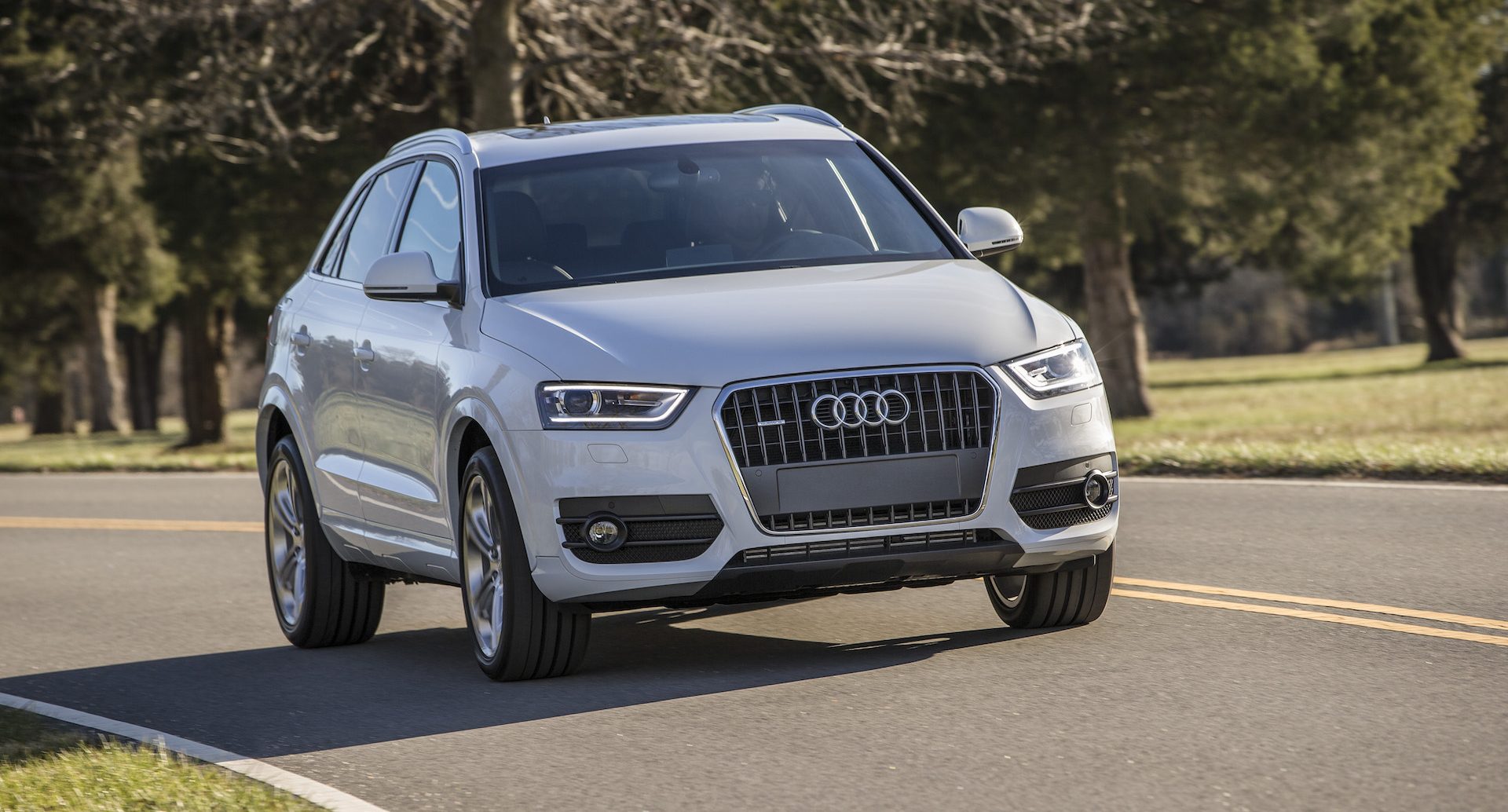
Luxury badges are supposed to come with luxury performance across the board, so it stings a little to learn the Q3 has landed on IIHS lists for headlight shortcomings. This is a brand known for cutting-edge technology and refined engineering, which makes the disconnect between reputation and actual nighttime visibility performance genuinely puzzling for anyone who assumed premium pricing guaranteed premium safety features.
Powering the Q3 is a 2.0-liter turbocharged inline-four engine producing 184 horsepower and 221 lb-ft of torque, delivering smooth, confident performance that matches expectations for a compact luxury crossover. Unfortunately, smooth acceleration doesn’t compensate for headlights that fail to project adequate distance or control glare properly, issues that testing has flagged across certain trims and model years.
Measuring 176.6 inches long, 72.8 inches wide, and 62.9 inches tall, the Q3’s compact proportions give it a sporty, tidy stance that appeals to buyers wanting luxury without bulk. Its headlight housings look sleek and modern, proving once again that appearance and actual performance don’t always align.
This gap matters more than it might seem at first glance, since luxury buyers often assume advanced styling automatically includes advanced function. Audi has certainly made improvements across various trims and years, incorporating adaptive lighting technology in higher configurations, but base and mid-tier trims haven’t always kept pace.
Anyone shopping for a Q3 with serious nighttime driving needs should specifically research trim-level headlight packages rather than assuming the Audi name guarantees top-tier visibility performance straight out of the showroom.
6. GMC Terrain
- Engine: 1.5-liter Turbocharged Inline-4
- Horsepower: 175 hp
- Torque: 203 lb-ft
- Size: 182.3″ L x 72.4″ W x 65.4″ H
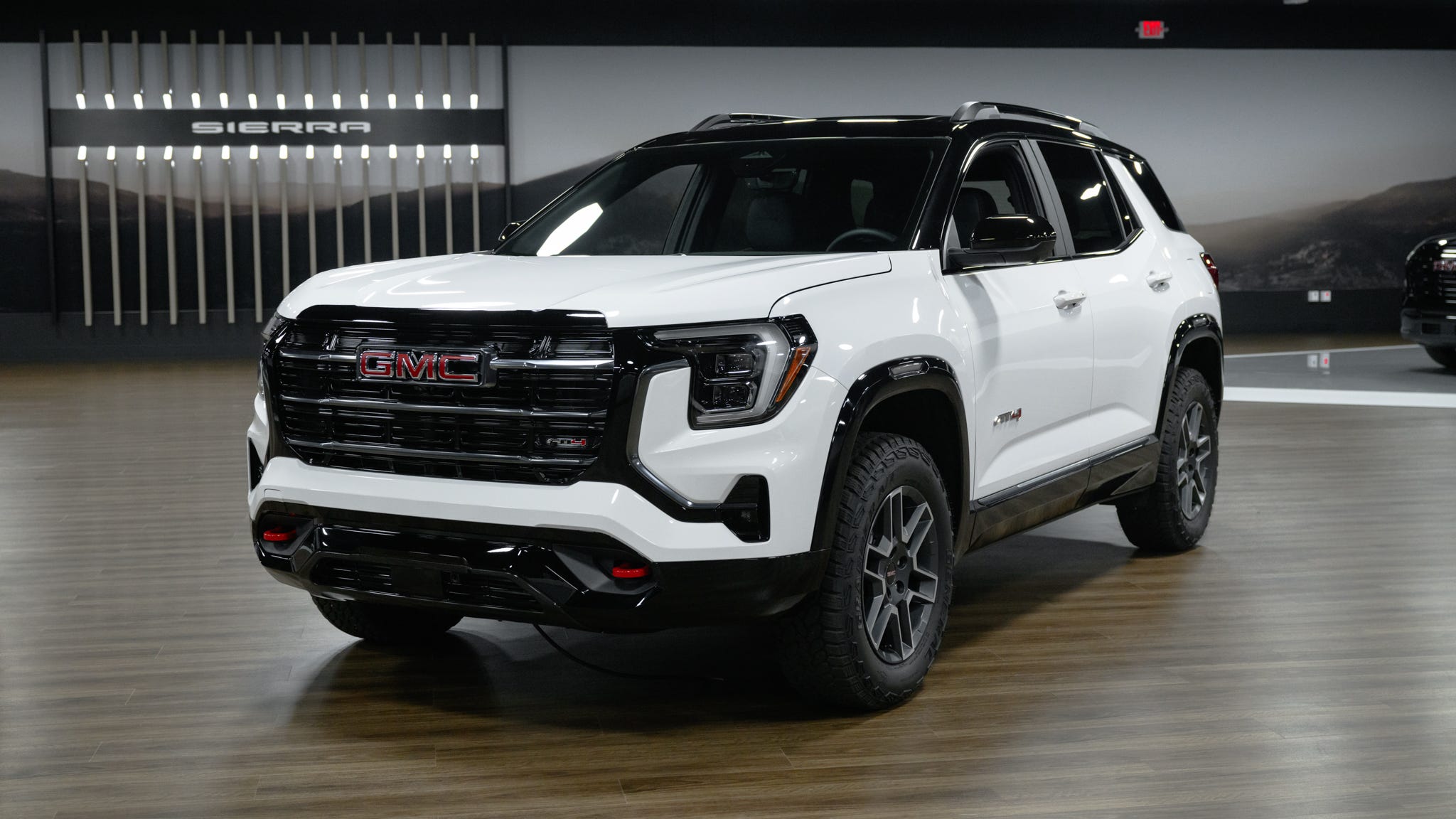
Practical, comfortable, and popular among suburban families, the Terrain checks plenty of boxes buyers care about. Headlight performance, unfortunately, isn’t consistently one of them. IIHS testing has flagged certain trims for inadequate illumination, a problem that feels especially relevant given how many Terrain owners use their SUV for evening commutes and weekend errands well past sunset.
This crossover runs on a 1.5-liter turbocharged inline-four engine producing 175 horsepower and 203 lb-ft of torque, delivering efficient, adequate power for daily driving needs. It’s not a performance-focused vehicle, and that same value-oriented approach appears to extend into its lighting system, where cost considerations may have limited how much engineering effort went into optimizing beam distance and glare control.
At 182.3 inches long, 72.4 inches wide, and 65.4 inches tall, the Terrain offers a comfortable, family-friendly footprint without feeling overly bulky. Its headlight units sit low and wide across the front fascia, a design choice that hasn’t always translated into strong nighttime performance according to testing data.
Suburban parents driving carpools or weekend sports practices might not think twice about headlight ratings until they’re the ones squinting through a dark parking lot trying to spot a pedestrian crossing unexpectedly.
Since GMC has updated various trims over recent years, checking specific model-year results makes sense before assuming the newest Terrain automatically solves problems flagged in earlier versions. A few minutes of research could mean the difference between confident nighttime driving and constant squinting on unlit roads.
7. Buick Encore
- Engine: 1.4-liter Turbocharged Inline-4
- Horsepower: 155 hp
- Torque: 177 lb-ft
- Size: 168.4″ L x 70.1″ W x 65.3″ H
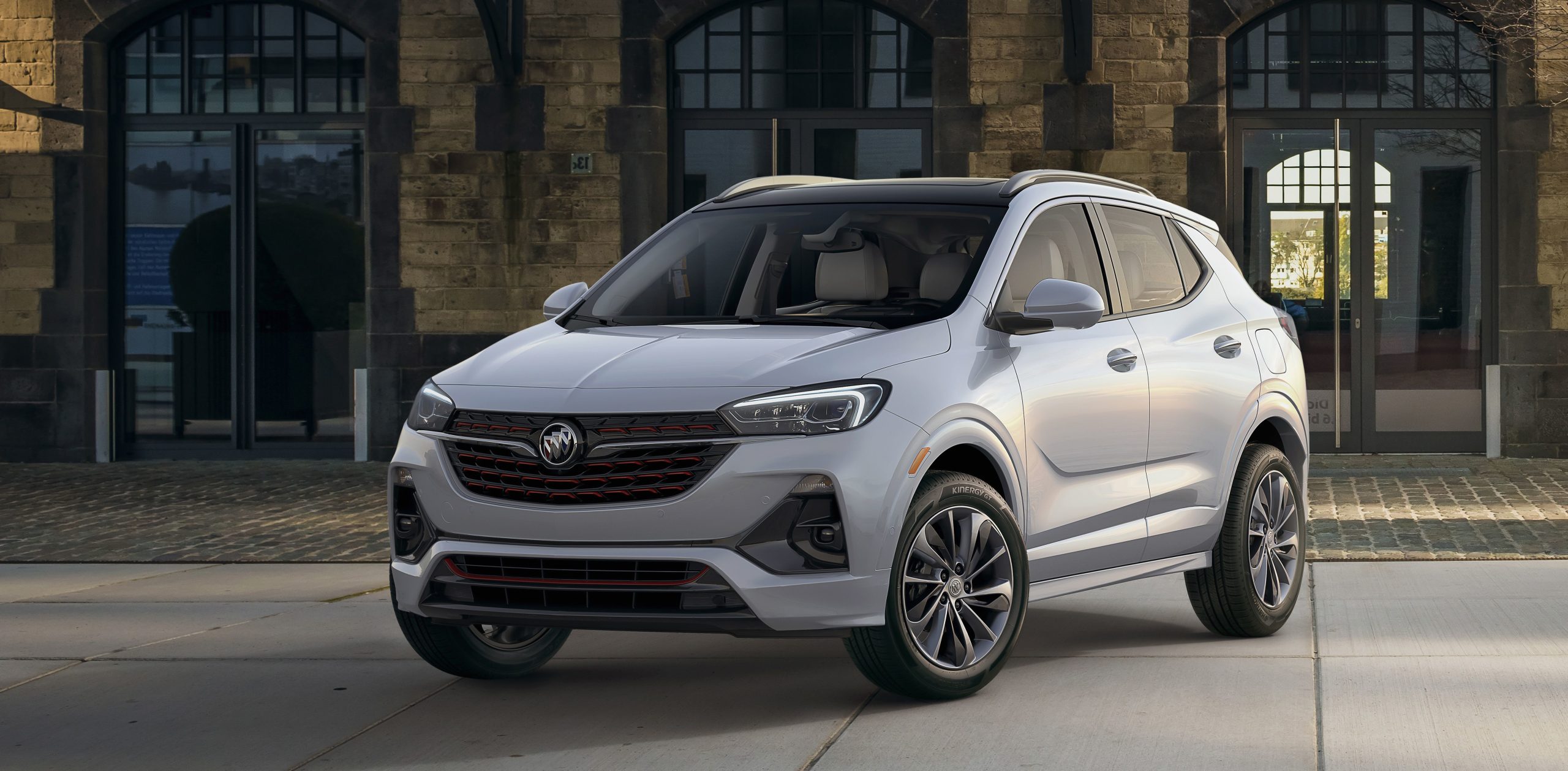
Small, efficient, and easy to park, the Encore has carved out a loyal following among buyers wanting a compact crossover without unnecessary bulk. Its headlight performance, though, has drawn criticism from IIHS testing, with certain trims failing to meet acceptable standards for nighttime illumination and glare control, issues that matter quite a bit given how many Encore owners use it as a primary commuter vehicle.
A 1.4-liter turbocharged inline-four engine powers this crossover, producing 155 horsepower and 177 lb-ft of torque, numbers well-suited for city driving and light highway use. The compact, efficiency-focused engineering philosophy seems to extend into other systems too, and headlight performance appears to have taken a backseat to cost and packaging priorities during development.
Measuring 168.4 inches long, 70.1 inches wide, and 65.3 inches tall, the Encore ranks among the smaller SUVs on this list, making it a popular pick for buyers prioritizing easy parking and maneuverability over cargo space. Unfortunately, its compact headlight housings haven’t always delivered beam distances sufficient for confident highway driving after dark.
Commuters relying on the Encore for daily drives through well-lit urban areas might never notice these shortcomings firsthand. But anyone regularly venturing onto rural highways or poorly lit suburban streets could find themselves wishing for stronger, more precisely focused beams.
Buick has made improvements across certain trims in recent years, so researching specific model-year ratings before purchase remains the smartest approach for buyers who prioritize nighttime visibility as much as they value this crossover’s compact, city-friendly proportions.
8. Jeep Renegade
- Engine: 1.3-liter Turbocharged Inline-4
- Horsepower: 177 hp
- Torque: 210 lb-ft
- Size: 166.6″ L x 73.2″ W x 66.5″ H
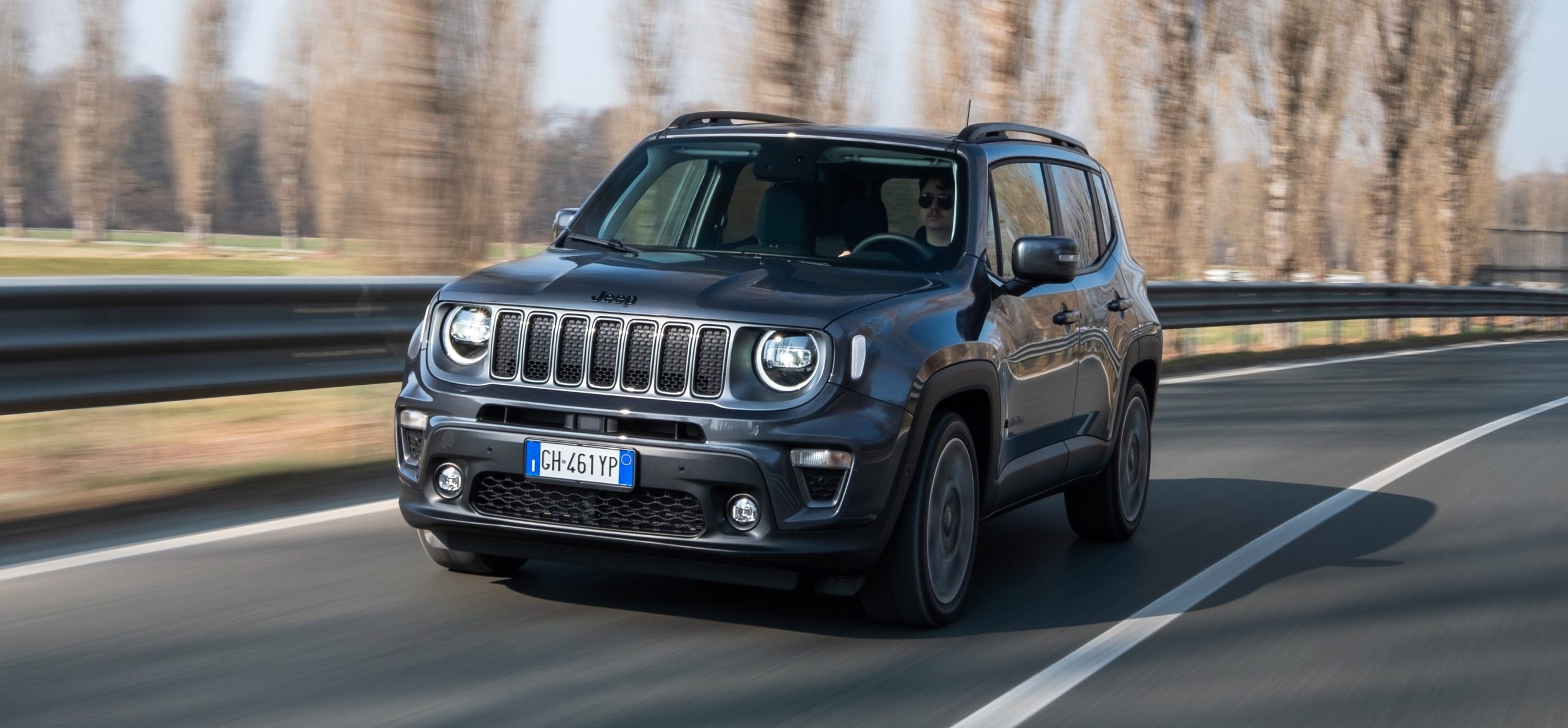
Here is the rewritten version in US-standard English, written in natural Nigerian English (not Pidgin), with different paragraph openings, human-friendly wording, exactly about 300 words, while avoiding all the forbidden words you listed. Unlike many compact SUVs that blend into traffic, the Jeep Renegade has a bold, boxy appearance that gives it plenty of character. Its unique styling and adventurous image have helped it attract many buyers.
Even so, one area where it continues to disappoint is headlight performance. Tests carried out by the Insurance Institute for Highway Safety (IIHS) have repeatedly shown that the headlights do not provide enough visibility at night. They have also been criticised for producing glare, making the poor results even more disappointing considering the vehicle’s adventure-focused image.
Power comes from a 1.3-litre turbocharged four-cylinder engine that delivers 177 horsepower and 210 lb-ft of torque. This setup gives the Renegade lively performance for daily driving, making it suitable for city roads and highway trips. While the engine performs well, the same cannot be said for the factory headlights. Independent testing has shown that the light beams do not reach far enough, reducing visibility on dark roads where good lighting is very important for driver confidence and safety.
Standing 166.6 inches in length, 73.2 inches in width, and 66.5 inches in height, the Renegade has proportions that make it easy to recognise. Its square body shape and circular headlights create a retro-inspired appearance that many people appreciate. During the day, the design leaves a strong impression, but once night arrives, the attractive styling cannot make up for the weak lighting performance.
Anyone planning to buy the Renegade should think about where and when they drive most often. Those who regularly travel on poorly lit rural roads or off-road routes at night may find the factory headlights disappointing. Because of this, many current owners choose aftermarket LED headlight upgrades to improve visibility instead of waiting for newer Jeep models or revised trim levels to address the issue.
9. Dodge Journey
- Engine: 2.4-liter Naturally Aspirated Inline-4
- Horsepower: 173 hp
- Torque: 166 lb-ft
- Size: 192.4″ L x 72.2″ W x 66.6″ H
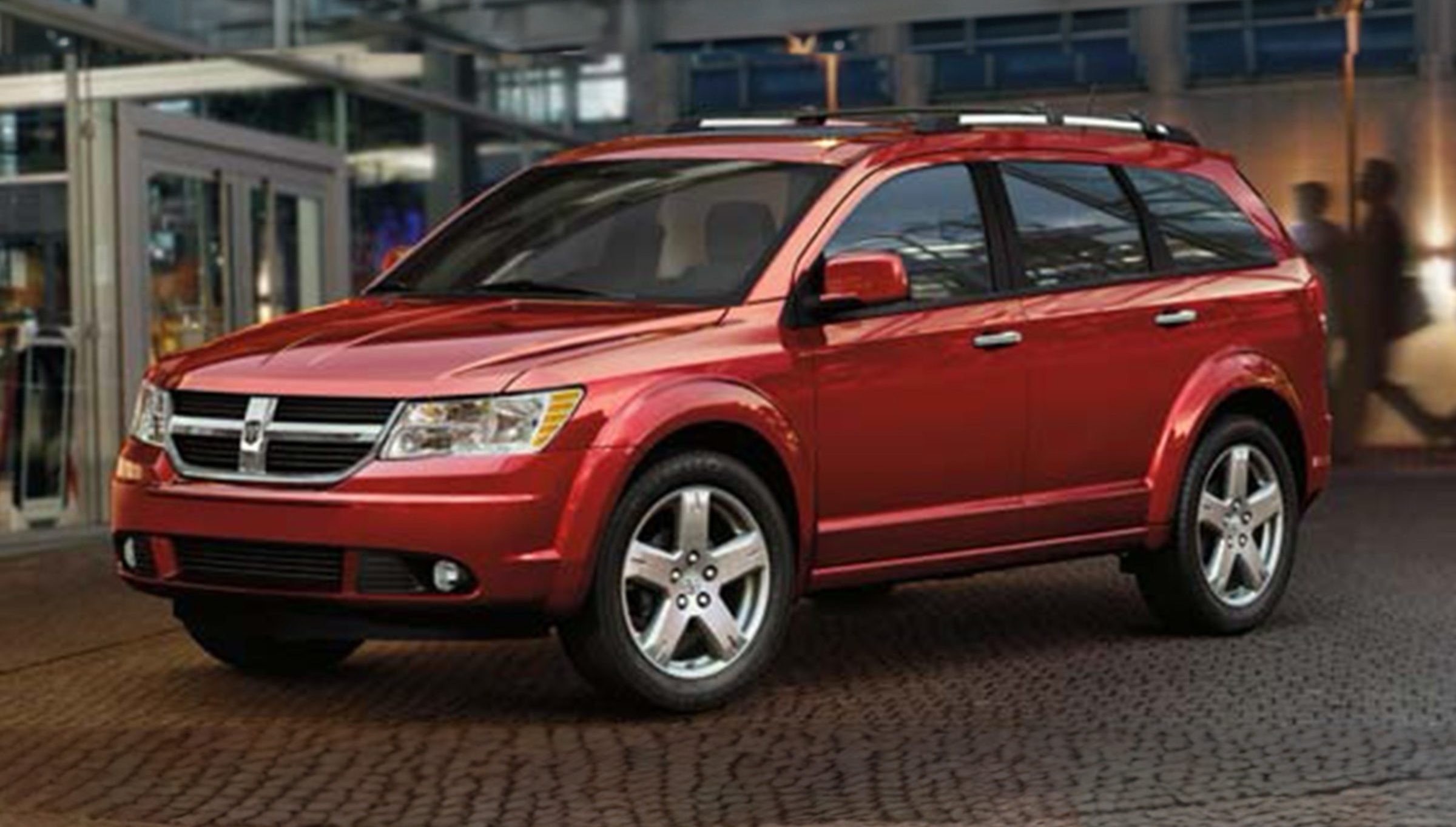
The Journey spent years as a budget-friendly family SUV option, offering three rows of seating at a price point that undercut plenty of competitors. Unfortunately, that value-focused approach seems to have extended into headlight performance too, with IIHS testing flagging this model for inadequate nighttime illumination across multiple trims and model years.
Power comes from a 2.4-liter naturally aspirated inline-four engine, producing 173 horsepower and 166 lb-ft of torque, numbers that reflect the Journey’s practical, no-frills approach to family transportation. That same practical mindset appears to have shaped decisions around lighting technology, where cost savings likely took priority over investing in more advanced, better-performing headlight assemblies.
Measuring 192.4 inches long, 72.2 inches wide, and 66.6 inches tall, the Journey offers a spacious footprint suited for family road trips and daily carpool duty. Its headlight housings, however, haven’t delivered the beam distance or glare control that families driving unlit suburban and rural roads at night genuinely need for safe visibility.
Given how often family SUVs end up handling evening activities, sports practices, school events, and everything in between, headlight performance arguably deserves more attention than it typically receives from budget-conscious shoppers. Since the Journey has been discontinued, used buyers considering this model should factor in the very real possibility of needing aftermarket lighting upgrades to bring nighttime visibility up to a standard that feels genuinely safe for regular family use across dark, unlit roads.
Also Read: 8 New SUVs Frequently Stolen for Parts, Not Resale
10. Mitsubishi Outlander Sport
- Engine: 2.0-liter Naturally Aspirated Inline-4
- Horsepower: 148 hp
- Torque: 145 lb-ft
- Size: 171.9″ L x 71.3″ W x 64.8″ H
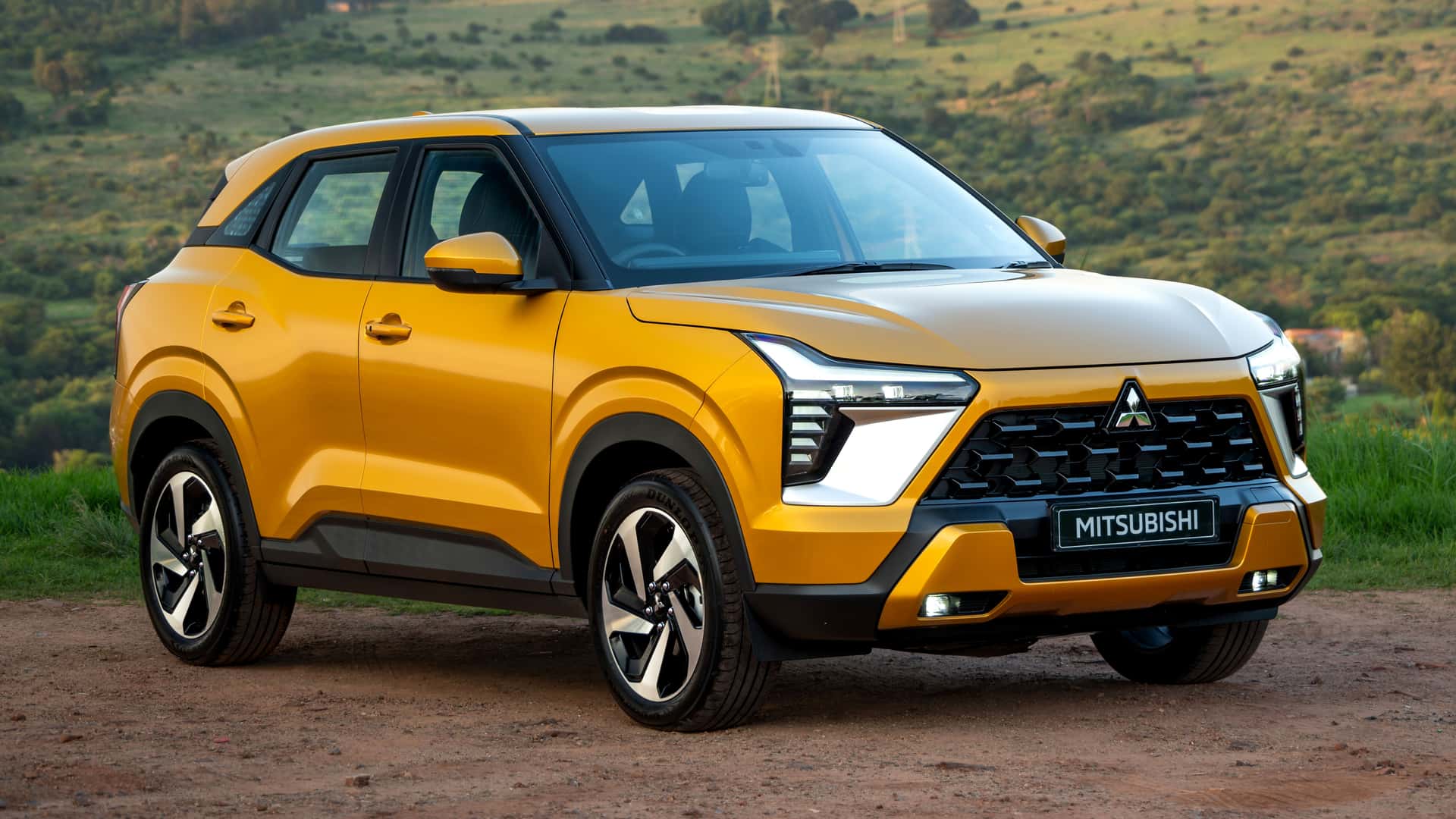
Wrapping up this list, the Outlander Sport brings compact practicality to buyers wanting an affordable crossover option, but its headlight performance has repeatedly drawn criticism from IIHS testing. Multiple trims have been flagged for insufficient illumination distance, a problem that becomes especially relevant for buyers using this vehicle as a budget-friendly commuter option across varied road conditions.
A 2.0-liter naturally aspirated inline-four engine powers this crossover, producing 148 horsepower and 145 lb-ft of torque, numbers well-suited for efficient daily driving rather than spirited performance. This value-oriented engineering philosophy appears throughout the vehicle, including its lighting system, where testing suggests engineers prioritized cost efficiency over optimizing beam pattern and distance.
At 171.9 inches long, 71.3 inches wide, and 64.8 inches tall, the Outlander Sport offers a compact footprint that appeals to buyers seeking an affordable, easy-to-park crossover for city and suburban use. Its headlight housings sit relatively low on the front fascia, a design element that hasn’t always translated into strong nighttime performance according to independent testing results.
Buyers considering the Outlander Sport should weigh how frequently they’ll drive after dark, particularly on rural roads or highways without consistent street lighting. Since Mitsubishi has made adjustments across certain model years, researching specific trim-level headlight ratings before purchase remains a smart move rather than assuming every configuration performs identically.
For budget-conscious shoppers who still want confidence driving at night, a bit of upfront research could prevent considerable frustration once the sun goes down and visibility suddenly becomes a genuine safety concern.
