
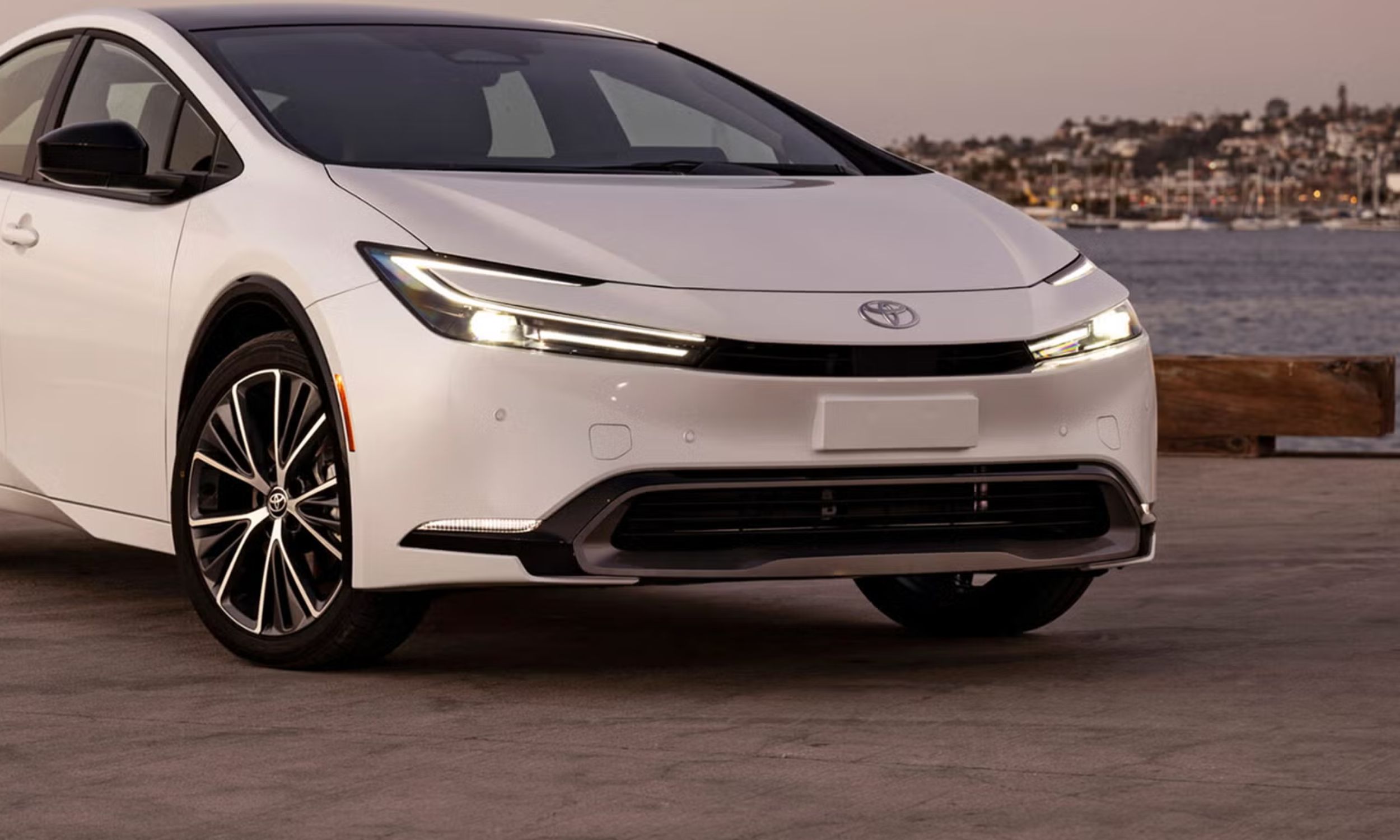
Gas prices have a way of making people pay attention, and right now, the hybrid segment is delivering results that are genuinely hard to ignore. Eight vehicles in 2026 are crossing the 50 miles-per-gallon mark on combined EPA ratings, and the list includes sedans, compact crossovers, and hatchbacks that carry real passenger space and modern features alongside those extraordinary efficiency numbers.
What makes today’s best hybrids different from earlier generations is how little you have to give up to get them. Older hybrid models asked buyers to accept sluggish acceleration, dated styling, and cramped interiors in exchange for fuel savings. Modern engineering has closed that gap entirely.
Pairing refined internal combustion engines with dual electric motors and regenerative braking systems, today’s top hybrids deliver fuel economy that used to belong exclusively to small motorcycles, wrapped in vehicles that families and commuters actually want to drive.
Whether you are trying to cut your monthly fuel budget, reduce your carbon footprint, or simply get more miles out of every tank on a long road trip, the vehicles on this list represent the best the hybrid segment has to offer in 2026. Each one is listed with four factory specifications and its official EPA combined fuel economy rating so you can compare them directly.
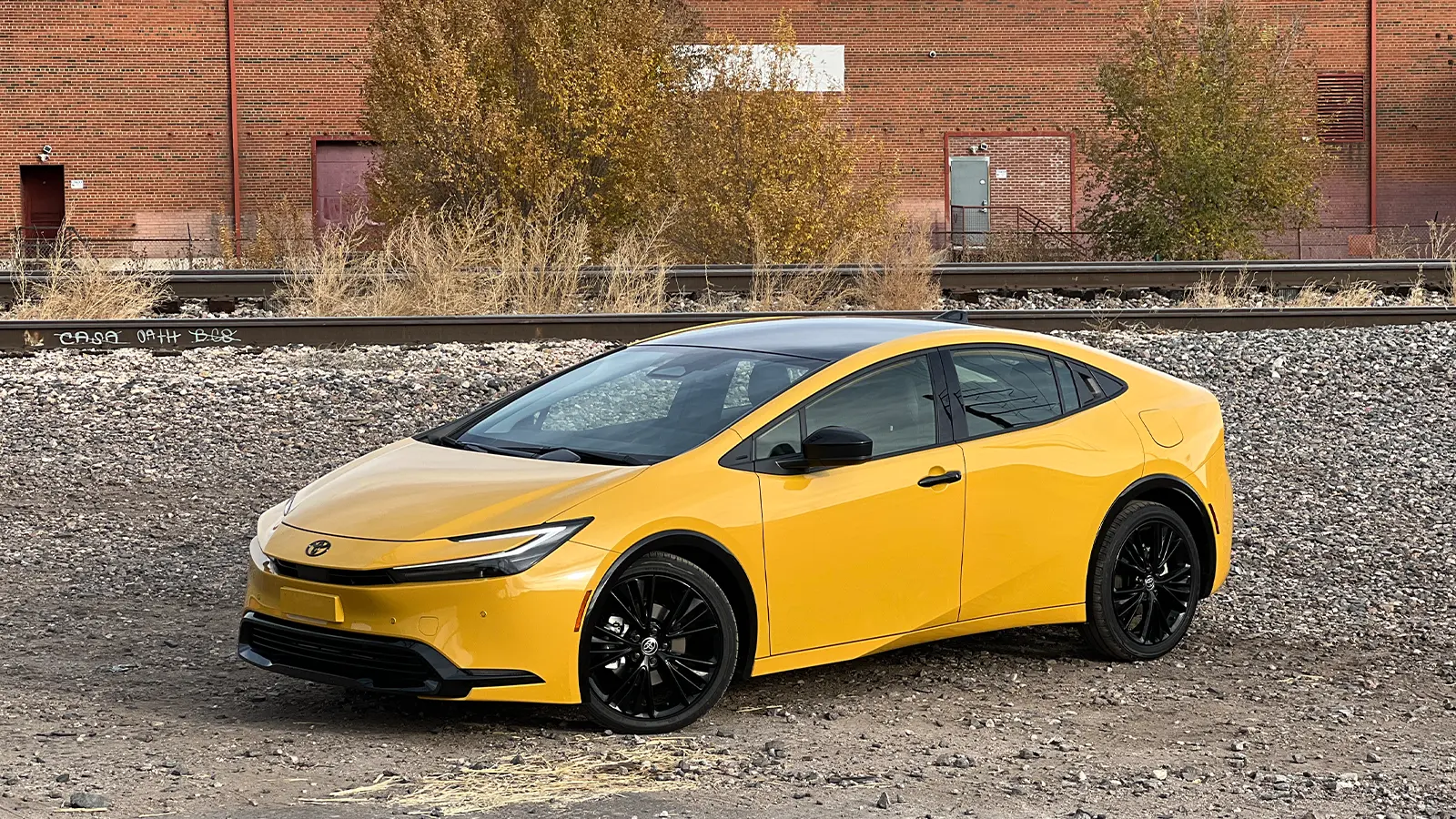
1. Toyota Prius
Maximum Fuel Economy: 57 MPG Combined (57 City / 56 Hwy in LE FWD trim)
- Engine: 2.0L 4-Cylinder Hybrid
- Horsepower: 194 hp to 196 hp
- Torque: 139 lb-ft (engine torque)
- Size: 181.1 in Long x 70.2 in Wide
At 57 MPG combined, the Toyota Prius sits at the top of this list and defends its position as the most fuel-efficient non-plug-in hybrid passenger car available in 2026. Toyota completely redesigned the current generation Prius from the ground up, and the result is a vehicle that looks nothing like the awkward, anonymous appliance the name used to bring to mind.
Sharp styling, a low roofline, and a wide stance give the current Prius a genuinely attractive presence that would not look out of place parked next to a sports coupe. Powering it is a 2.0-liter four-cylinder hybrid system producing between 194 and 196 horsepower, depending on trim, which is a meaningful improvement over previous generations.
Measuring 181.1 inches long and 70.2 inches wide, it is a compact sedan with a practical interior that seats five adults without forcing the rear passengers to fold themselves into place. Toyota’s hybrid system pairs the gas engine with two electric motor-generators and a nickel-metal hydride or lithium-ion battery pack, depending on trim level, all managed by Toyota’s fifth-generation Hybrid System control logic.
At 57 city and 56 highway in the LE front-wheel-drive trim, the Prius achieves fuel economy figures that translate directly into real-world savings. A driver covering 15,000 miles per year in a Prius LE burns roughly 263 gallons of gasoline annually. That same driver in an average 30 MPG sedan burns 500 gallons.
The annual savings at current national average gas prices easily exceed $700, and over five years of ownership, the cumulative difference becomes a compelling financial argument on its own. Buyers who want the absolute best combined fuel economy from a hybrid sedan without plugging anything in will not find a better answer than the 2026 Toyota Prius.
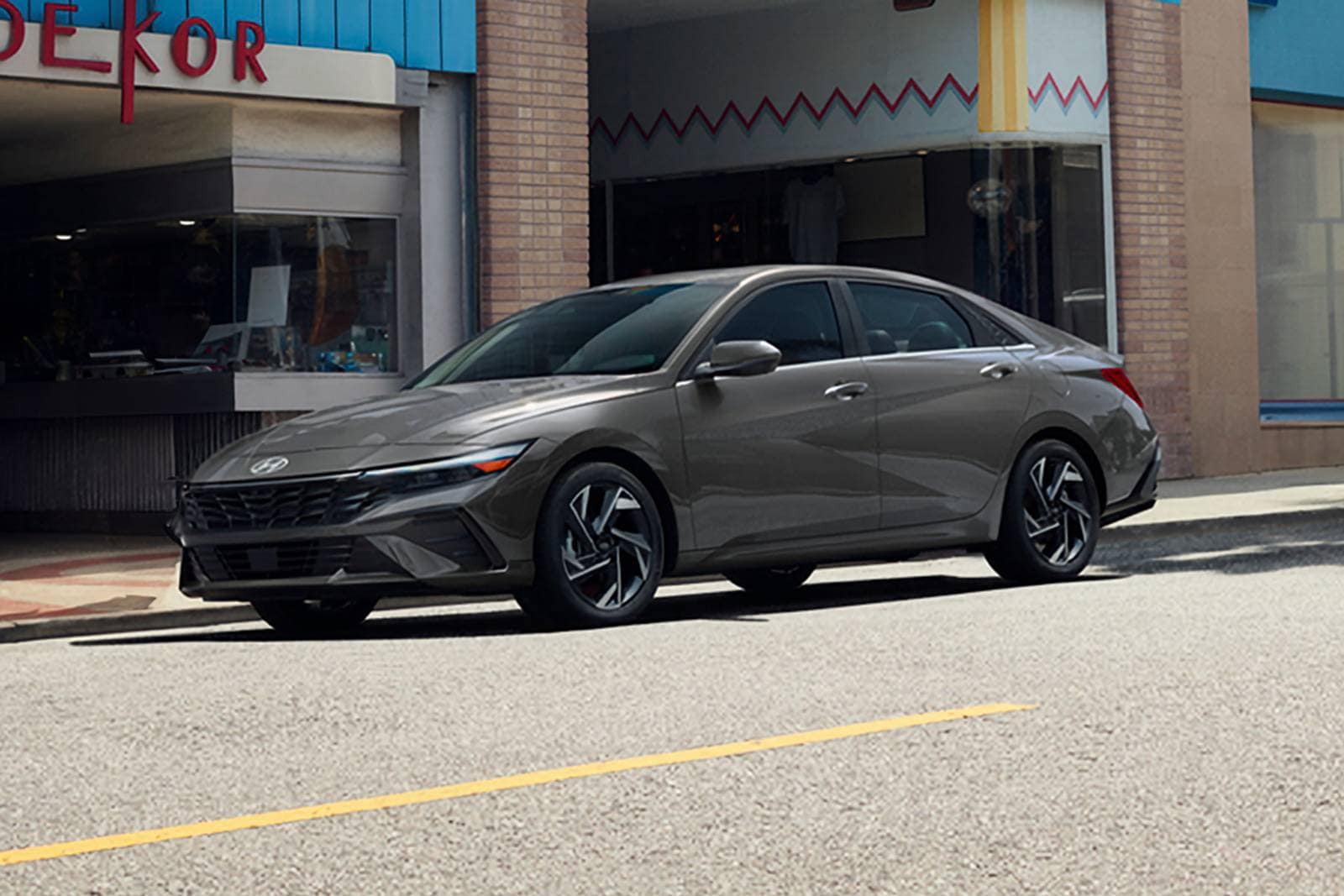
2. Hyundai Elantra Hybrid
Maximum Fuel Economy: 54 MPG Combined (51 City / 58 Hwy in Blue trim)
- Engine: 1.6L 4-Cylinder Hybrid
- Horsepower: 139 hp
- Torque: 195 lb-ft (combined system max torque)
- Size: 184.1 in Long x 71.9 in Wide
Hyundai’s Elantra Hybrid earns its 54 MPG combined rating with a particularly impressive highway number that separates it from most competitors on this list. Achieving 58 miles per gallon on the highway in Blue trim is a figure that changes how useful this car is for road trip planning.
Most hybrids do their best efficiency work in city traffic where regenerative braking can constantly recover energy. At 58 MPG on the open highway, the Elantra Hybrid delivers real savings exactly where long-distance drivers spend most of their time.
Hyundai pairs a 1.6-liter four-cylinder engine with an integrated starter-generator and a six-speed dual-clutch automatic transmission in this hybrid setup. Combined system torque reaches 195 lb-ft, which gives the Elantra Hybrid noticeably better low-speed responsiveness than its 139 horsepower figure might suggest. Measuring 184.1 inches long and 71.9 inches wide, it is a properly sized compact sedan with enough interior room to carry four adults on a long trip without anyone feeling cramped.
Hyundai also built the Elantra Hybrid with one of the most competitive starting prices in the hybrid sedan segment, keeping the upfront cost accessible for buyers who are calculating their payback period on the hybrid premium. Blue trim, which earns the top 54 MPG combined rating, represents the base configuration. That means buyers who want maximum efficiency do not need to pay for premium features they may not want.
They can simply choose the most fuel-focused trim and enjoy the full efficiency benefit from day one. For commuters who cover heavy highway mileage each week, the Hyundai Elantra Hybrid Blue makes an exceptionally strong financial case.
Also Read: 8 Hybrids Where the Gas Version Is Actually Better
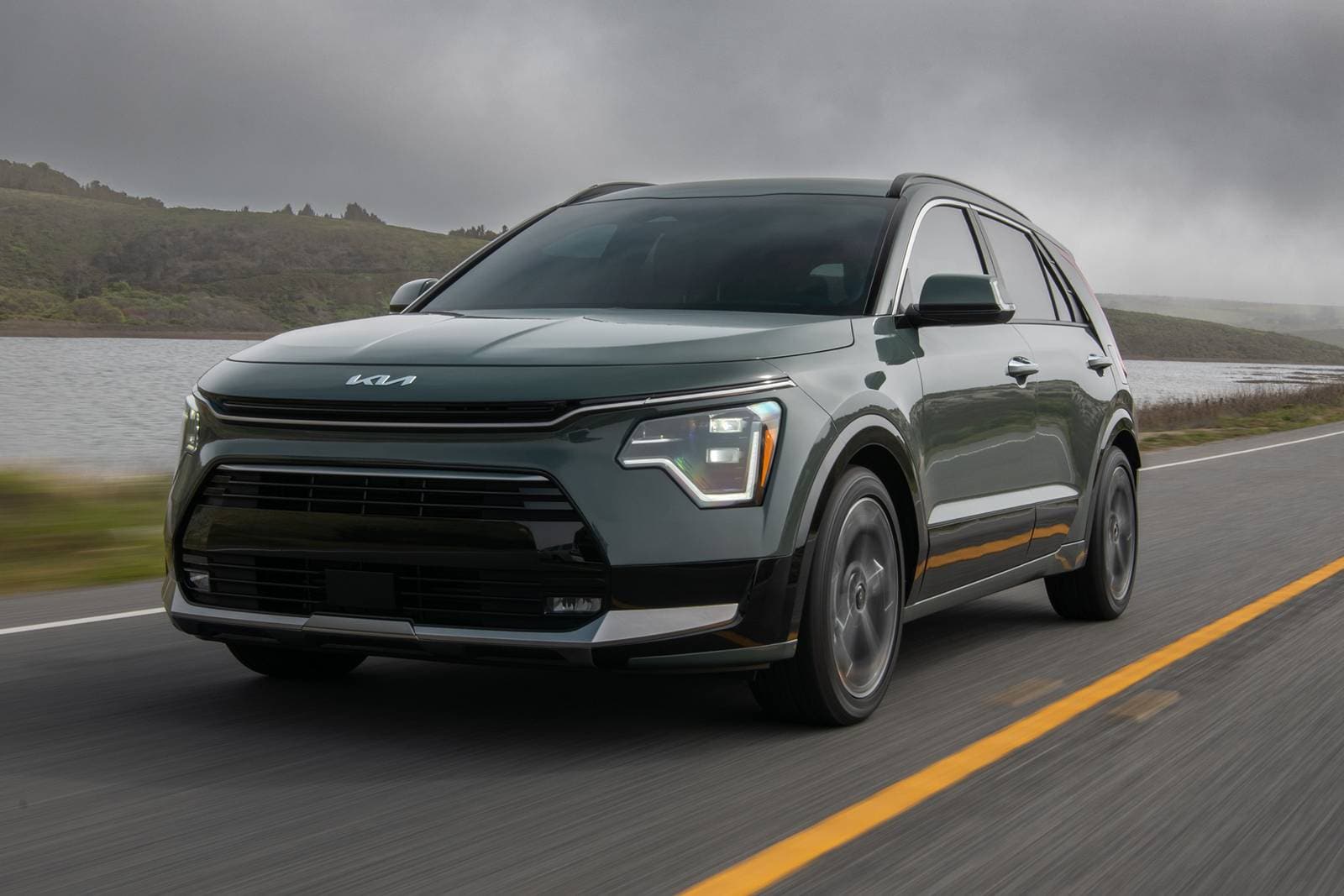
3. Kia Niro Hybrid
Maximum Fuel Economy: 53 MPG Combined (53 City / 54 Hwy in EX and SX trims)
- Engine: 1.6L 4-Cylinder Hybrid
- Horsepower: 139 hp
- Torque: 195 lb-ft (combined system max torque)
- Size: 174.0 in Long x 71.1 in Wide
Shoppers who move from sedans to crossovers usually accept lower fuel mileage as part of the trade. Extra height, added weight, and a boxier shape tend to reduce efficiency. The Kia Niro Hybrid was designed to challenge that expectation. It delivers an EPA-rated 53 miles per gallon combined while still giving drivers a higher seating position, flexible cargo access, and the visual appeal many people want from a small crossover.
That blend allows efficiency-focused buyers to avoid giving up everyday practicality. Full model details are available at Kia. Under the hood, the Niro Hybrid uses the same 1.6 liter hybrid system found in the Hyundai Elantra Hybrid, producing a combined 195 lb ft of torque. Kia pairs that proven drivetrain with a body style shaped for versatility.
At 174.0 inches long and 71.1 inches wide, the Niro fits comfortably in tight parking spaces while offering a rear cargo area that handles groceries, sports equipment, and short trip luggage with ease. That interior flexibility gives it an advantage over traditional sedans that rely on smaller trunk openings. Hyundai vehicle information can be found at Hyundai.
Fuel ratings of 53 mpg in the city and 54 mpg on the highway show how evenly matched the Niro Hybrid is across driving conditions. That consistency benefits drivers whose schedules include both daily commuting and regular highway travel. Kia also sells plug-in hybrid and electric versions, yet the standard hybrid stands out for buyers who prefer not to plug in. It delivers strong real-world efficiency without requiring charging equipment, making it a compelling option for practical, fuel conscious crossover shoppers.
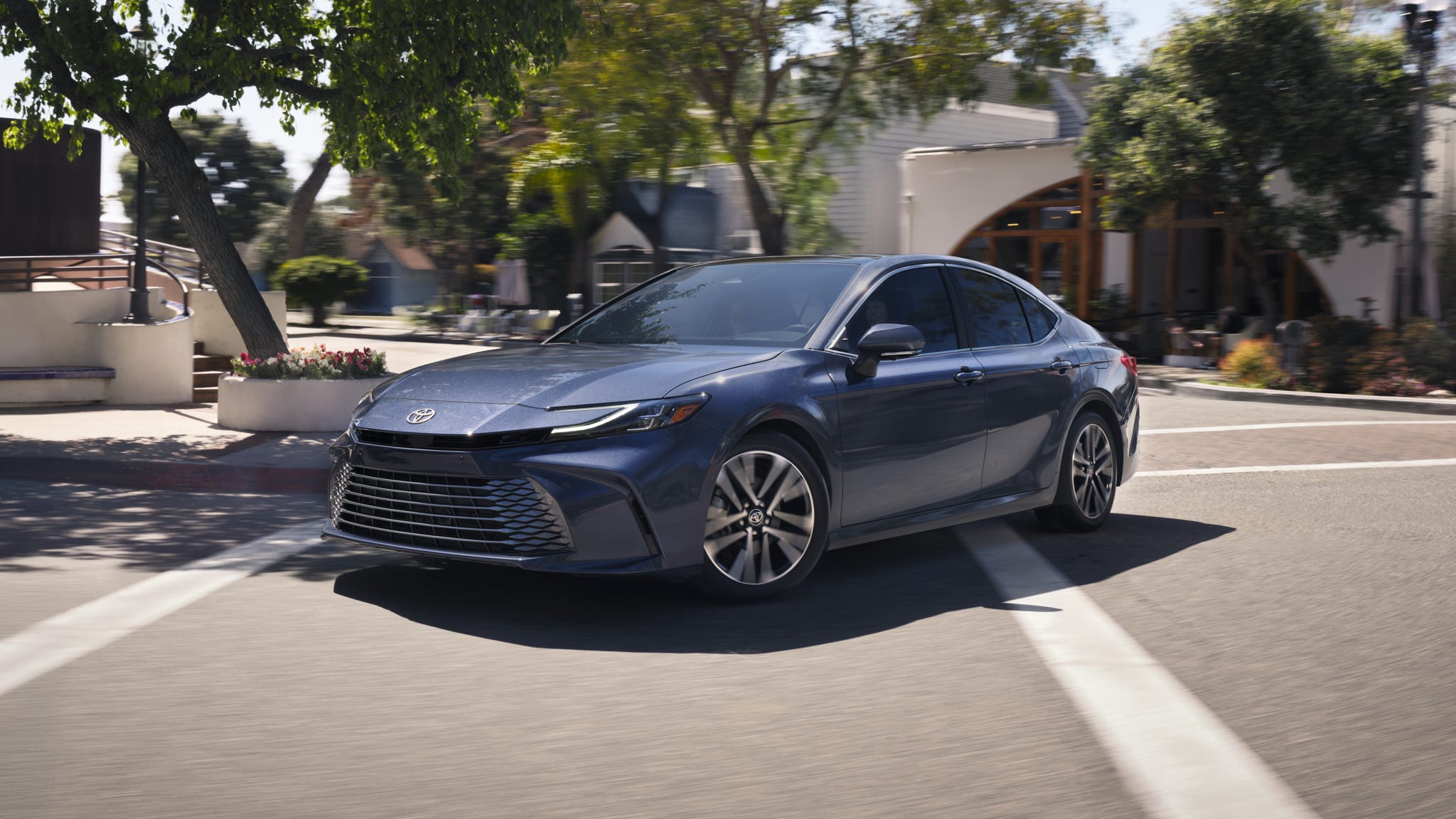
4. Toyota Camry Hybrid
Maximum Fuel Economy: 51 MPG Combined (53 City / 50 Hwy in LE FWD trim)
- Engine: 2.5L 4-Cylinder Hybrid
- Horsepower: 225 hp to 232 hp
- Torque: 163 lb-ft (engine torque)
- Size: 193.5 in Long x 72.4 in Wide
Strong fuel mileage paired with real performance is unusual in the midsize sedan category, which is why the Toyota Camry Hybrid stands out. This car reaches a combined 51 miles per gallon while offering up to 232 horsepower and comfortable seating for five adults.
Long before hybrid technology entered the picture, the Camry earned trust for long service life, a smooth ride, and relaxed highway manners. The hybrid system builds on that foundation by lowering fuel costs without changing the traits drivers have relied on for decades. Full manufacturer information is available from Toyota at Toyota.
Interior space is another reason this model continues to appeal to families and commuters alike. At 193.5 inches long and 72.4 inches wide, the Camry Hybrid feels noticeably larger inside than compact hybrid sedans. Rear seat passengers benefit from ample legroom, while the trunk provides 15.1 cubic feet of storage, enough for groceries, luggage, or daily work gear.
Cabin materials and assembly quality feel refined and well thought out, creating a more upscale experience than many buyers expect in this price range. The 2.5-liter hybrid setup delivers steady power, allowing for stress-free passing and confident highway merges during long trips.
Urban driving highlights the Camry Hybrid’s efficiency advantage. City ratings climb to 53 miles per gallon, helped by a regenerative braking system that recovers energy during frequent stops. That translates to lower fuel expenses for commuters without sacrificing comfort or quiet operation.
Buyers searching for a spacious family sedan that combines trusted Camry comfort with fuel numbers that cross the 50 mpg mark will find this model hard to ignore. The 2026 Camry Hybrid proves that strong mileage and generous passenger space can work together in one well-rounded sedan.
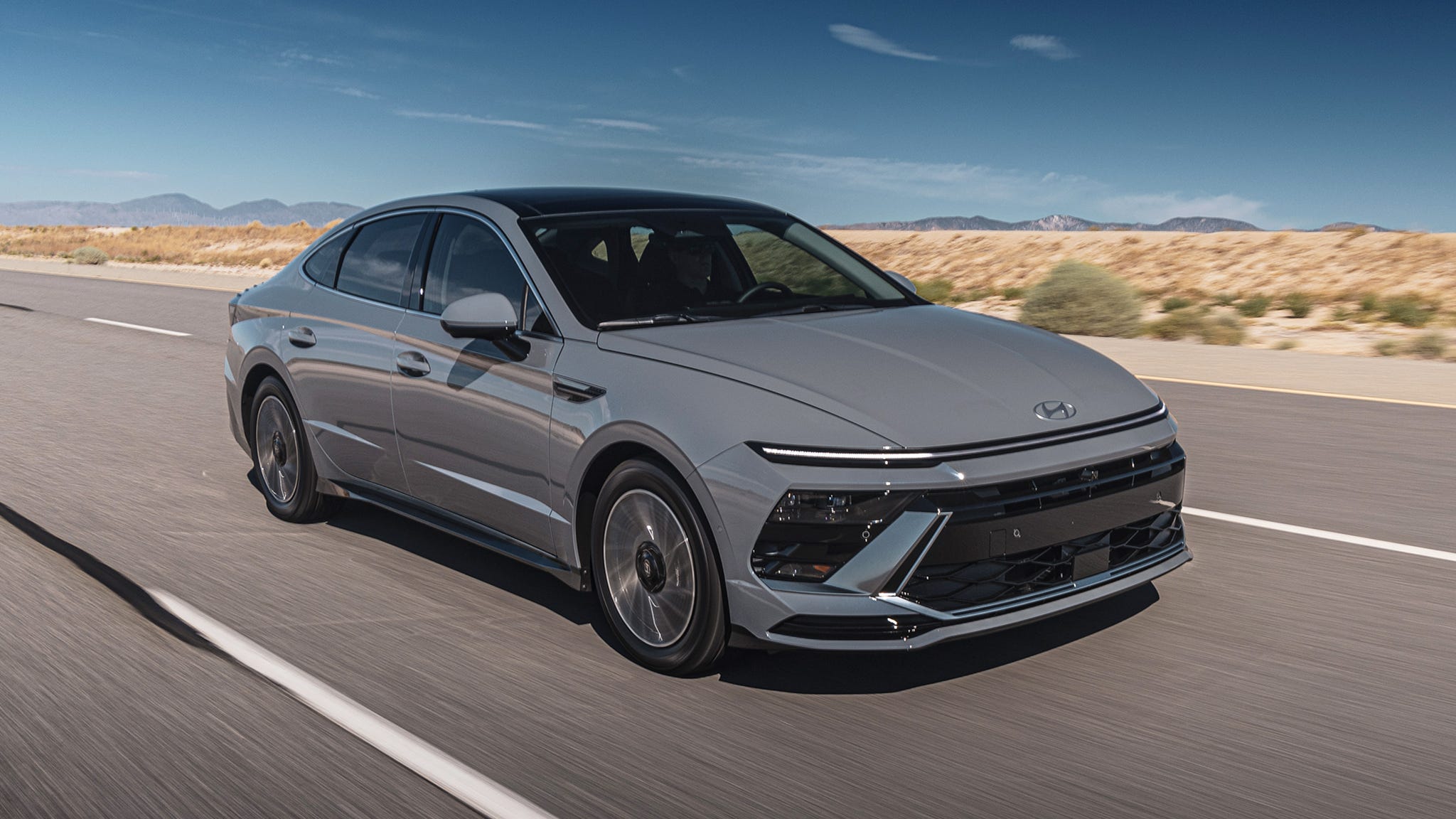
5. Hyundai Sonata Hybrid
Maximum Fuel Economy: 51 MPG Combined (51 City / 53 Hwy in SEL trim)
- Engine: 2.0L 4-Cylinder Hybrid
- Horsepower: 192 hp
- Torque: 151 lb-ft (engine torque)
- Size: 193.3 in Long x 73.2 in Wide
Hyundai’s Sonata Hybrid often gets overlooked in conversations about top-tier fuel economy because the Toyota Camry Hybrid carries more brand recognition in the midsize segment. That overlooked status works in the buyer’s favor. At 51 MPG combined in SEL trim, the Sonata Hybrid matches the Camry Hybrid’s top rating and surpasses it on the highway with a 53 MPG figure, all while offering a cabin that reviewers consistently praise for its upscale materials and thoughtful design.
Producing 192 horsepower from its 2.0-liter hybrid system and measuring 193.3 inches long by 73.2 inches wide, the Sonata Hybrid is a properly proportioned midsize sedan with excellent rear legroom and a trunk that accommodates real-world cargo loads. Hyundai’s solar roof panel, available on higher trims, supplements battery charging while the car sits parked during daylight hours, a feature that no direct competitor offers at this price point.
Highway efficiency is where the Sonata Hybrid shows its best numbers. Reaching 53 MPG on the highway is exceptional for a vehicle this size, and it means that long interstate trips in the Sonata Hybrid produce fuel costs that rival what most compact cars deliver.
For buyers who regularly drive 200 to 400 miles on weekend trips or long commutes, that highway number translates directly into meaningful savings at every fill-up. Hyundai pairs this efficiency with a longer warranty than most competitors, giving Sonata Hybrid buyers additional protection on the powertrain components that matter most.
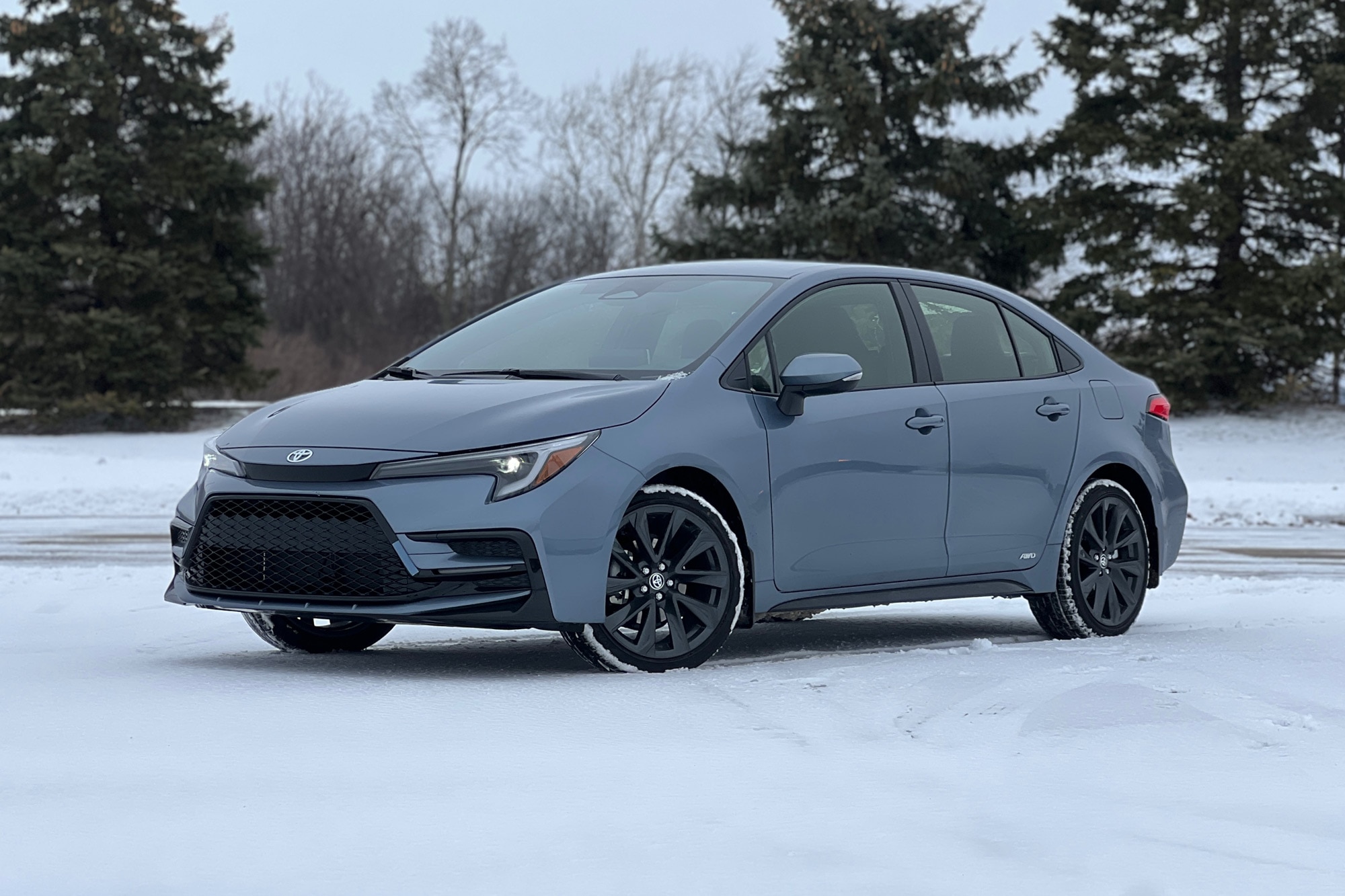
6. Toyota Corolla Hybrid
Maximum Fuel Economy: 50 MPG Combined (53 City / 46 Hwy in LE FWD trim)
- Engine: 1.8L 4-Cylinder Hybrid
- Horsepower: 138 hp
- Torque: 105 lb-ft (engine torque)
- Size: 182.3 in Long x 70.1 in Wide
At the 50 MPG mark, the Toyota Corolla Hybrid makes the efficiency milestone accessible at one of the most affordable entry prices in the hybrid segment. Buyers who want a fuel-efficient vehicle but cannot stretch to Prius or Camry Hybrid pricing will find the Corolla Hybrid delivers the core promise of 50 MPG combined without the premium cost that usually accompanies these numbers.
Toyota’s 1.8-liter hybrid system in the Corolla produces 138 horsepower, which is sufficient for normal commuting and city driving without feeling underpowered in everyday conditions. Measuring 182.3 inches long and 70.1 inches wide, it is a compact sedan sized appropriately for urban environments where parking space is limited and maneuverability matters. Interior space is honest rather than generous, seating four adults comfortably and five adults on shorter trips.
City efficiency is where the Corolla Hybrid earns its best numbers, achieving 53 MPG in urban driving. Urban commuters who spend most of their daily miles in stop-and-go traffic will see real-world efficiency that closely matches the EPA city rating, particularly in warmer climates where the hybrid battery operates at peak performance.
Highway efficiency drops to 46 MPG, which reflects the 1.8-liter engine working harder to maintain speed without the electric motor contributing as substantially at steady cruise. For primarily urban buyers who want a reliable, low-cost, fuel-efficient compact sedan from a brand with Toyota’s proven hybrid track record, the 2026 Toyota Corolla Hybrid is one of the most straightforward purchasing decisions in the entire segment.
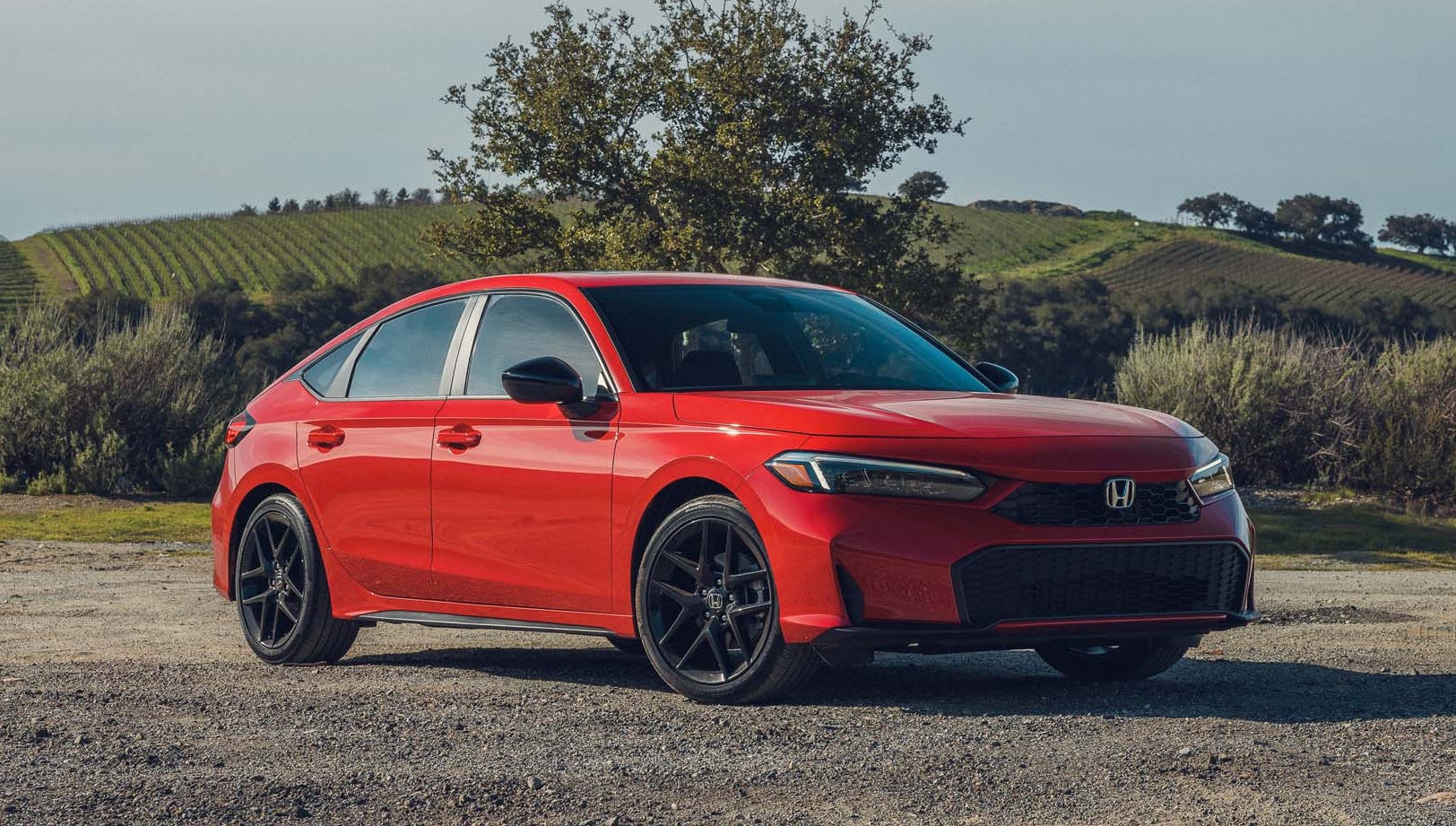
7. Honda Civic Hybrid
Maximum Fuel Economy: 49 MPG Combined (50 City / 47 Hwy in Sedan trims)
- Engine: 2.0L 4-Cylinder Hybrid
- Horsepower: 200 hp
- Torque: 232 lb-ft
- Size: 184.8 in Long x 70.9 in Wide
Honda’s Civic Hybrid lands just below the 50 MPG combined threshold in sedan form, hitting 50 MPG in city driving and averaging 49 MPG combined across the full EPA cycle. Including it here is straightforward: a vehicle that achieves 50 MPG in city conditions and sits one point below the combined threshold deserves recognition alongside the vehicles that clear it, especially given everything else the Civic Hybrid delivers alongside those numbers.
At 200 horsepower and 232 lb-ft of torque from its 2.0-liter two-motor hybrid system, the Civic Hybrid is by a wide margin the most powerful vehicle on this list relative to its size. Measuring 184.8 inches long and 70.9 inches wide, it feels genuinely quick in a way that no other vehicle at this fuel economy level can match.
Honda’s e:HEV two-motor hybrid system runs primarily on electric power at lower speeds, using the gasoline engine largely as a generator, which produces a smooth, nearly seamless power delivery that gives the Civic Hybrid a driving character more refined than its price class typically offers.
Buyers who have historically avoided hybrids because they felt slow, droning, or disconnected from normal driving will find the Civic Hybrid changes that assumption entirely. It drives like an engaging compact car that happens to return extraordinary fuel economy rather than a fuel economy appliance that occasionally manages to move briskly.
Honda’s build quality, the Civic platform’s reputation for long-term durability, and an interior that is genuinely well-designed at this price point make the 2026 Honda Civic Hybrid one of the most well-rounded compact vehicles available regardless of powertrain type.
Also Read: 8 Used Hybrids That Hold Value Better Than Their Gas Twins
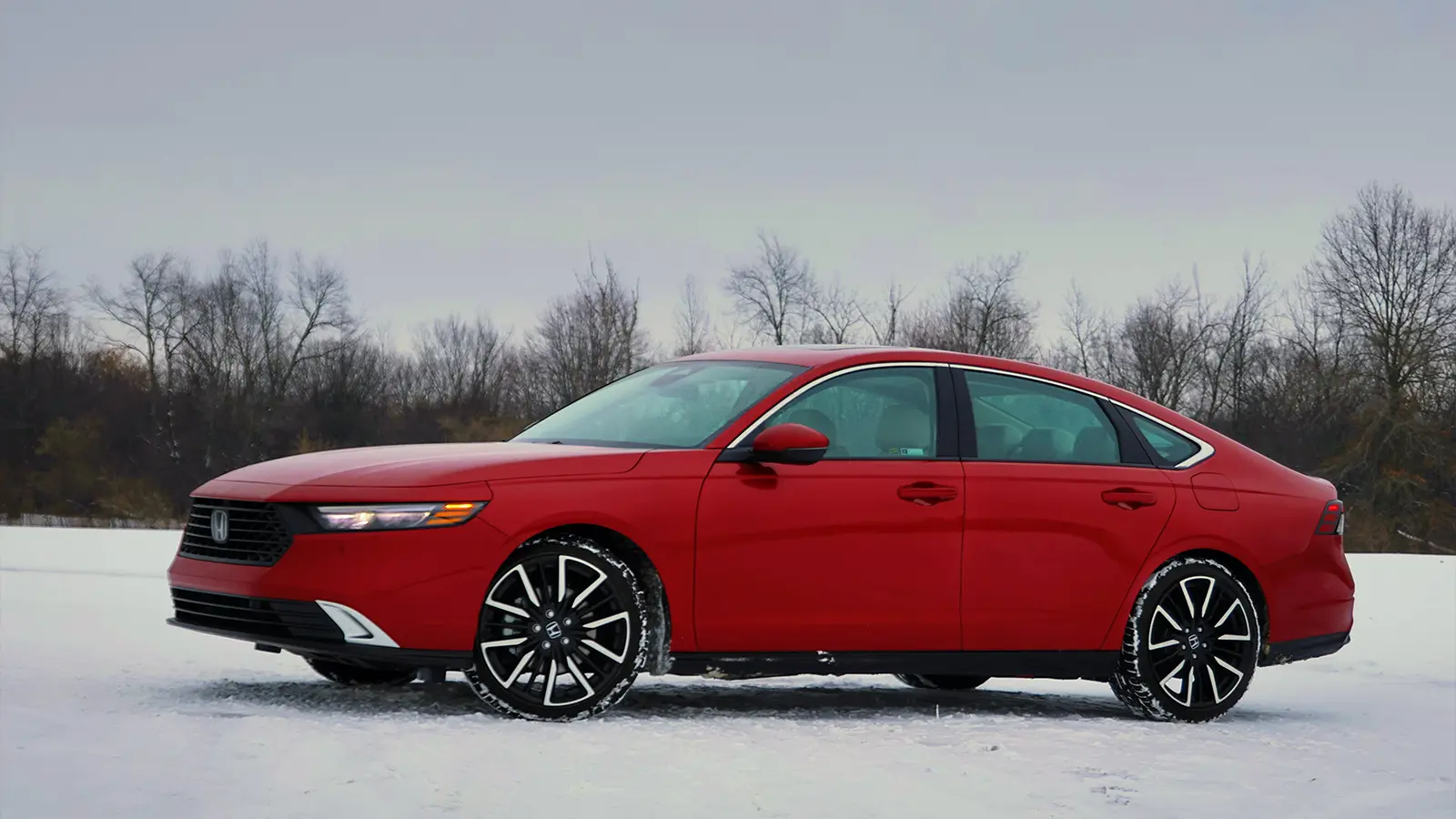
8. Honda Accord Hybrid
Maximum Fuel Economy: 48 MPG Combined (51 City / 44 Hwy in EX-L trim)
- Engine: 2.0L 4-Cylinder Hybrid
- Horsepower: 204 hp
- Torque: 247 lb-ft
- Size: 195.7 in Long x 73.2 in Wide
Closing out the discussion is the Honda Accord Hybrid, a large sedan that delivers impressive fuel savings without giving up interior comfort. Measuring 195.7 inches in length and 73.2 inches in width, this model stands among the biggest cars in its class. That size translates into generous rear legroom and front seat space that easily suits taller passengers. Drivers who spend long stretches behind the wheel benefit from added shoulder room, headroom, and a relaxed seating layout that compact hybrids struggle to match.
Power delivery is well-suited for everyday driving needs. The Accord Hybrid features a 2.0-liter, two-motor hybrid system that produces 204 horsepower and 247 lb-ft of torque. Throttle response is smooth and predictable, which is especially noticeable in stop-and-go traffic.
Urban driving brings out the system’s best results, with fuel economy reaching 51 miles per gallon as Honda’s e:HEV setup leans heavily on electric propulsion at lower speeds. During highway cruising, the gasoline engine plays a larger role, reducing fuel economy to about 44 miles per gallon and resulting in a combined rating of 48 miles per gallon.
Space-conscious buyers in urban and suburban areas often want efficiency without feeling cramped, and this sedan fills that role well. The cabin feels open and refined, making it suitable for families, commuters, and road trip drivers alike. Honda designs the Accord with longevity in mind, and the hybrid system reflects the same durability standards owners associate with earlier generations.
Achieving 51 miles per gallon in city driving from a sedan of this size shows that strong efficiency and passenger comfort can exist together. The 2026 Accord Hybrid from Honda delivers both in a way few rivals can match. Full specifications and trim details are available at Honda.
