
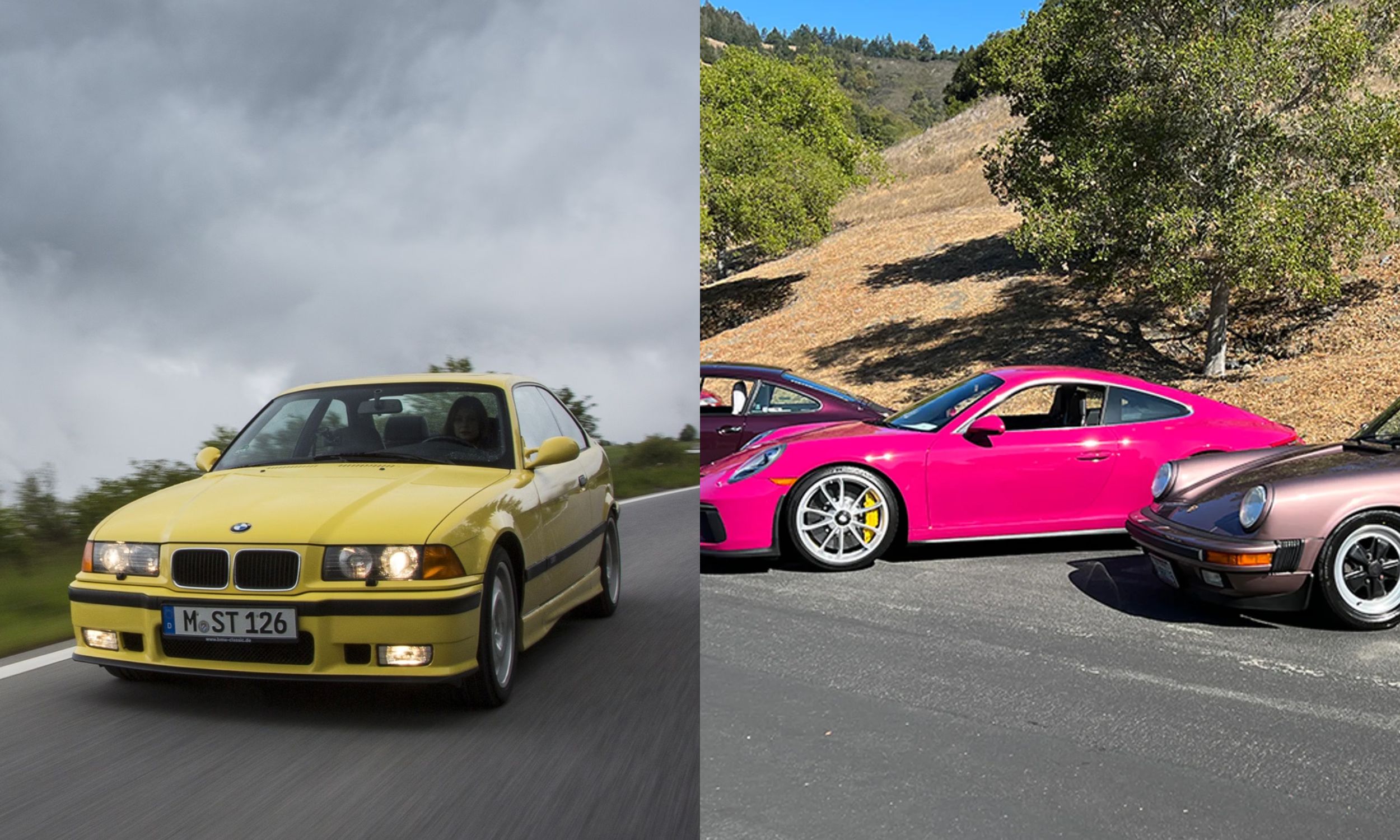
Vehicle paint often reflects the mood of a particular generation more than many people expect. Long before social media became a way to measure public opinion, the colors leaving American assembly lines already mirrored changing lifestyles and attitudes.
Years marked by economic uncertainty encouraged subdued paint choices, while periods of confidence brought brighter colors that appeared on family cars across the country. Every popular paint color has been influenced by real events rather than chance. Rising fuel prices encouraged buyers to embrace earthy brown shades that matched home design trends of the time.
Advances in paint technology introduced better finishes, while changing tastes for performance, fashion, and consumer electronics also shaped what people wanted on their vehicles. As preferences changed, manufacturers responded with colors that reflected the mood of each generation.
This collection highlights eleven paint colors that defined different decades across the last eighty years. Each color is paired with a vehicle that perfectly represents its period in American automotive history. From classic family sedans to performance cars and modern SUVs, these models show how changing preferences influenced vehicle styling.
Looking back at these colors offers a better understanding of how culture, technology, and everyday life shaped automotive design through the years across America.
1. The 1940s: Olive Green & Dark Maroon (Post-War Utility)
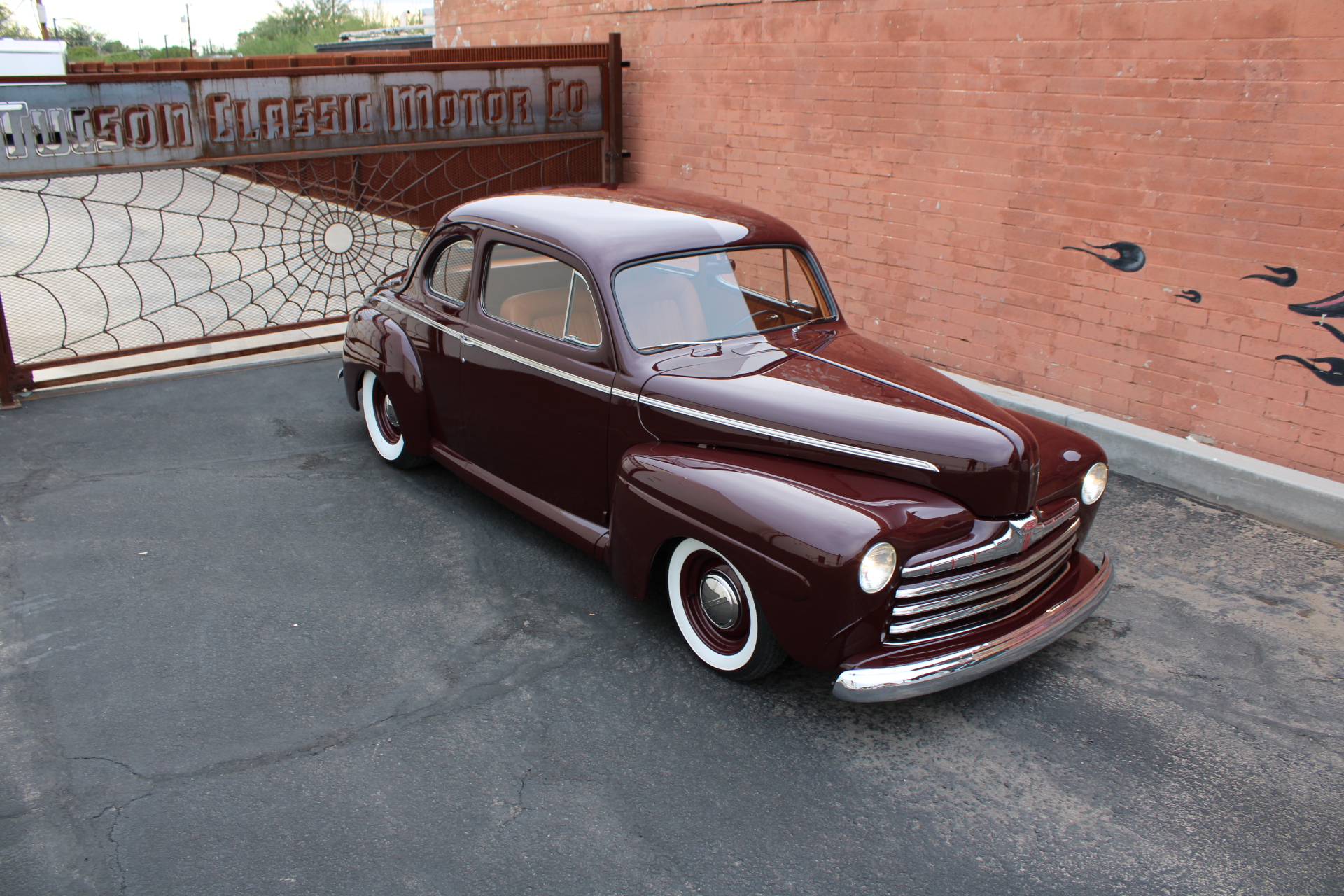
Best Car Example: 1948 Ford Super Deluxe in Dynamic Maroon
Following the end of World War II, American paint manufacturers had to adjust quickly to a completely different market. Factories that had spent years producing camouflage coatings for military tanks and aircraft suddenly returned to making paint for civilian vehicles. Production lines built for wartime demands had to be reorganized to meet the needs of everyday car buyers instead of military contracts.
At that time, paint technology placed many limits on the colors manufacturers could safely offer. Modern clear coat finishes were not yet available, so automakers depended on darker pigments that could withstand constant sunlight without fading too quickly. Their priority was producing finishes that remained attractive after years of regular use rather than offering a wide variety of bright colors.
Because of these limitations, olive green and deep maroon became common sights on American roads during the late 1940s. These colors were selected because their pigments held up better under harsh weather conditions. Lighter shades were more likely to lose their original appearance after prolonged exposure to the sun, making them a less practical option for most drivers.
The 1948 Ford Super Deluxe, finished in Dynamic Maroon, reflected the thinking of that period. Its paint choice was based largely on durability and dependable performance instead of changing fashion trends. Buyers appreciated a finish that could retain its appearance for many years with minimal fading.
During those years, reliability mattered far more than standing out. This practical approach reflected the attitude of many postwar families, who valued lasting quality, sensible spending, and dependable transportation above decorative styling or luxury.
2. Early 1950s: Bubblegum Pink & Seafoam Pastel (The Pastel Revolution)
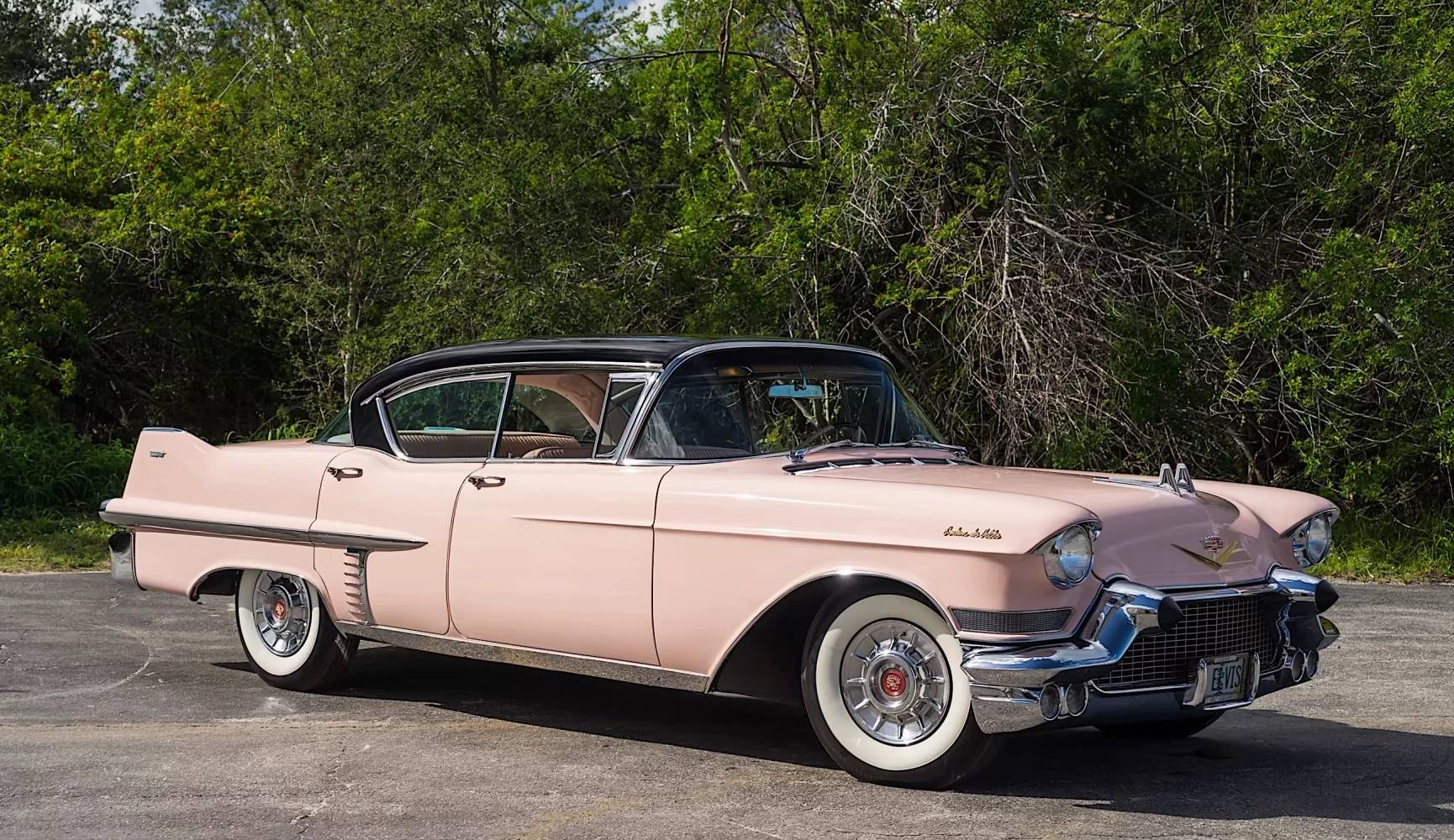
Best Car Example: 1955 Cadillac Series 62 in Mountain Laurel Pink
Everything about American life felt different by the early 1950s compared to the cautious years immediately following the war, and car paint reflected that change almost instantly. As the post-war global economy entered a genuine boom period, society embraced an extreme sense of optimism alongside a newly confident style of consumer expression that simply did not exist a decade earlier.
Chemistry caught up with that cultural mood at exactly the right moment. Paint companies achieved genuine advances that allowed them to integrate stable pastel tones into mainstream assembly lines for the first time in automotive history, opening up an entirely new color palette that previous manufacturing methods simply could not have supported reliably.
Marketing departments moved quickly to capitalize on this new chemical capability, heavily promoting these cheery, soft palettes specifically toward women and suburban households who were increasingly becoming central decision-makers in family car purchases throughout this prosperous decade.
Bubblegum pink and seafoam pastel shades suddenly represented something genuinely aspirational, signaling that a family had arrived comfortably into the booming American middle class. The 1955 Cadillac Series 62 finished in Mountain Laurel Pink stands as the defining example of this entire pastel revolution, wearing a color that would have seemed almost unthinkable on a serious automobile just ten years earlier.
This particular shade transformed a full-size luxury sedan into something that felt genuinely playful and optimistic, a visual statement matching the broader cultural confidence Americans felt during this uniquely prosperous stretch of the 1950s, when suburban expansion, consumer spending, and genuine economic optimism all reinforced each other simultaneously across the entire country.
Also Read: 10 Most Popular Car Colors That Is No Longer Available
3. Late 1950s: Two-Tone Turquoise & Ivory (The Jet Age)
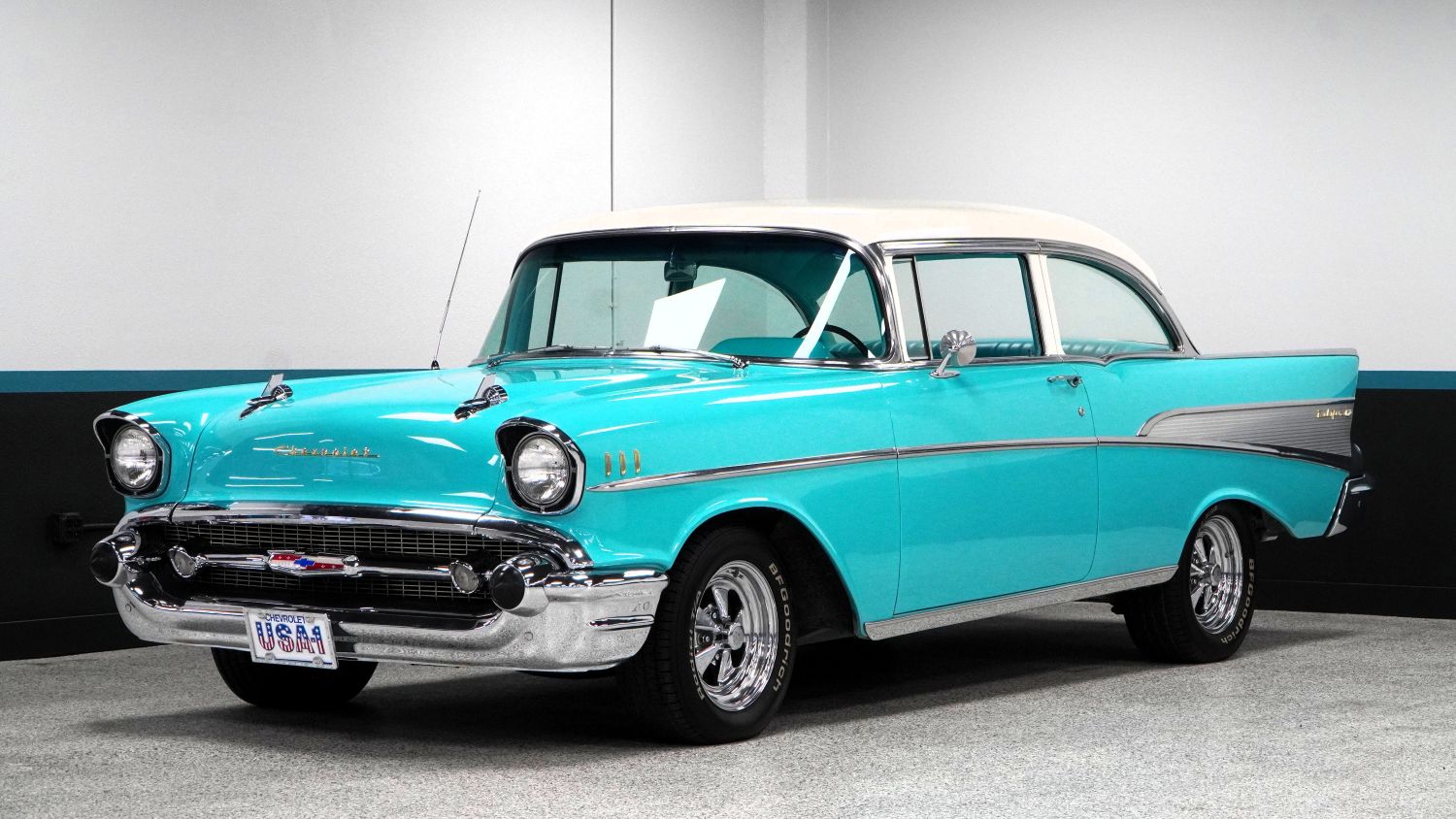
Best Car Example: 1957 Chevrolet Bel Air in Tropical Turquoise and India Ivory
By the late 1950s, Americans had become fascinated with space travel and commercial aviation. That excitement quickly found its way into the automotive industry, where designers across Detroit started taking inspiration from rockets and aircraft. Cars began featuring larger tail fins, flowing side trim, and generous amounts of chrome, giving everyday vehicles a futuristic appearance that reflected the mood of the era.
To make these bold styling features stand out, automakers moved away from the softer paint colours that had been popular only a few years earlier. They introduced eye-catching two-tone paint combinations that emphasized the sweeping body lines and bright chrome details. Instead of allowing a single colour to dominate the car’s appearance, the contrasting shades gave each styling feature its own visual presence.
This colour approach proved especially effective on cars with dramatic body designs. The combination of two different paint colours added depth and made the curves, fins, and trim pieces more noticeable from every angle. As a result, these vehicles looked more stylish and gave buyers the feeling that they were driving something modern and exciting.
One of the finest examples of this design direction was the 1957 Chevrolet Bel Air finished in Tropical Turquoise and India Ivory. The bright turquoise paired with the soft ivory highlighted the Bel Air’s famous tail fins and chrome accents beautifully. Parked in a suburban driveway or cruising through town, the car carried the same futuristic spirit that Americans admired in the jets and rockets shaping the dreams of that generation.
4. Early 1960s: Candy Apple Red & Deep Blue (The Muscle Car Era)
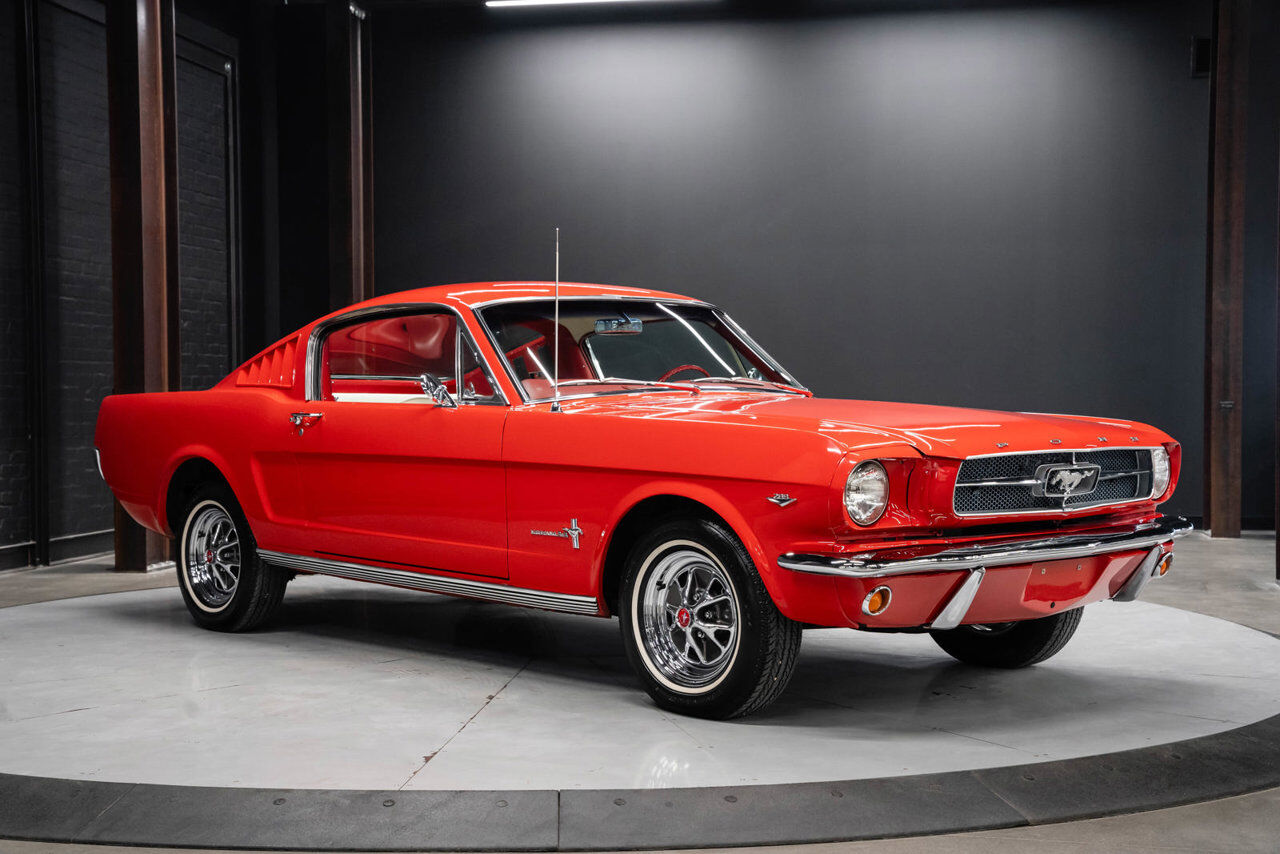
Best Car Example: 1965 Ford Mustang Fastback in Poppy Red
During the early 1960s, the arrival of the baby boomer generation into driving age changed the direction of American car culture. Young drivers had different interests from their parents, and this was reflected in the cars they bought. Their attention moved toward powerful engines, hot rods, and drag racing, leaving behind the calmer preferences that had shaped the previous decade.
As tastes changed, vehicle colours also took a different direction. The soft pastel shades that had once been popular quickly lost their appeal with younger buyers. Rich, bold colours became the preferred choice because they suited the sporty appearance of performance cars. Features such as hood scoops, larger engines, and muscular styling stood out much better when paired with stronger paint finishes.
Among the favourite colours of that period were candy apple red and deep blue. These shades reflected the youthful energy and excitement surrounding American performance cars. While pastel pink had once represented comfort and suburban family life, candy apple red became a symbol of speed, confidence, and a new generation determined to stand apart from the older crowd.
Nothing represented this period better than the 1965 Ford Mustang Fastback finished in Poppy Red. The striking paint complemented the car’s sleek fastback design and gave it a bold personality wherever it appeared. The colour and styling worked together perfectly, making the Mustang one of the strongest symbols of the muscle car era and the changing preferences that shaped American automotive history.
5. 1970s: Burnt Orange, Earthy Brown, & Harvest Gold (The Oil Crisis Era)
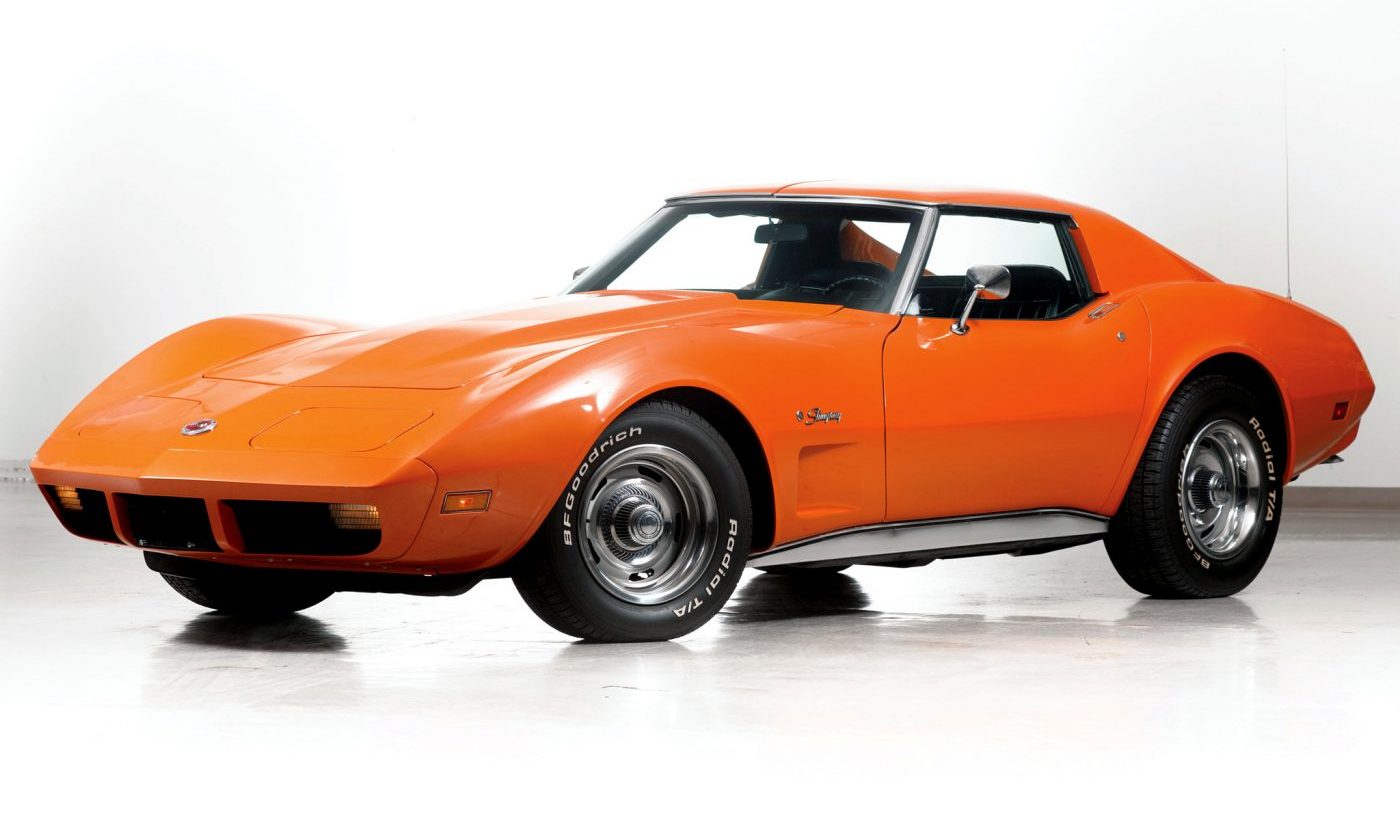
Best Car Example: 1974 Chevrolet Corvette in Corvette Orange
The 1970s brought a different outlook to car design as buyers began moving away from the bright, flashy colors that had dominated the previous decade. Public interest in conservation, rising fuel prices, and changing lifestyles encouraged automakers to introduce paint colors that felt warmer and more natural.
Browns, burnt oranges, and other earthy shades became common choices because they reflected the mood of the time. These colors gave vehicles a more relaxed appearance while matching the design preferences seen across many households.
Rising fuel costs also changed the direction of the automotive industry. Car manufacturers placed less attention on bold styling and high-powered muscle cars, choosing instead to build vehicles that felt practical and approachable. Paint selections followed the same pattern.
Warm orange, copper, tan, and brown finishes became popular on sedans, pickup trucks, and sports cars alike. Similar shades appeared on furniture, kitchen appliances, carpeting, and home décor, creating a familiar style that many buyers appreciated.
The 1974 Chevrolet Corvette finished in Corvette Orange showed that even a performance car could embrace the decade’s changing taste. Rather than wearing the bright reds and blues often associated with sports cars, it adopted a deeper orange finish that reflected the design direction of the era.
The color complemented the Corvette’s bold body lines while giving it a distinctive appearance that stood apart without relying on bright, attention-grabbing paint. By the middle of the decade, warm earth-inspired colors had become a familiar sight in showrooms across the country.
They represented changing preferences, practical thinking, and a desire for designs that felt comfortable and timeless. The 1974 Corvette remains a memorable example of how automotive styling adapted to those changing tastes.
6. 1980s: Guards Red & Stark White (Yuppie Corporate Culture)
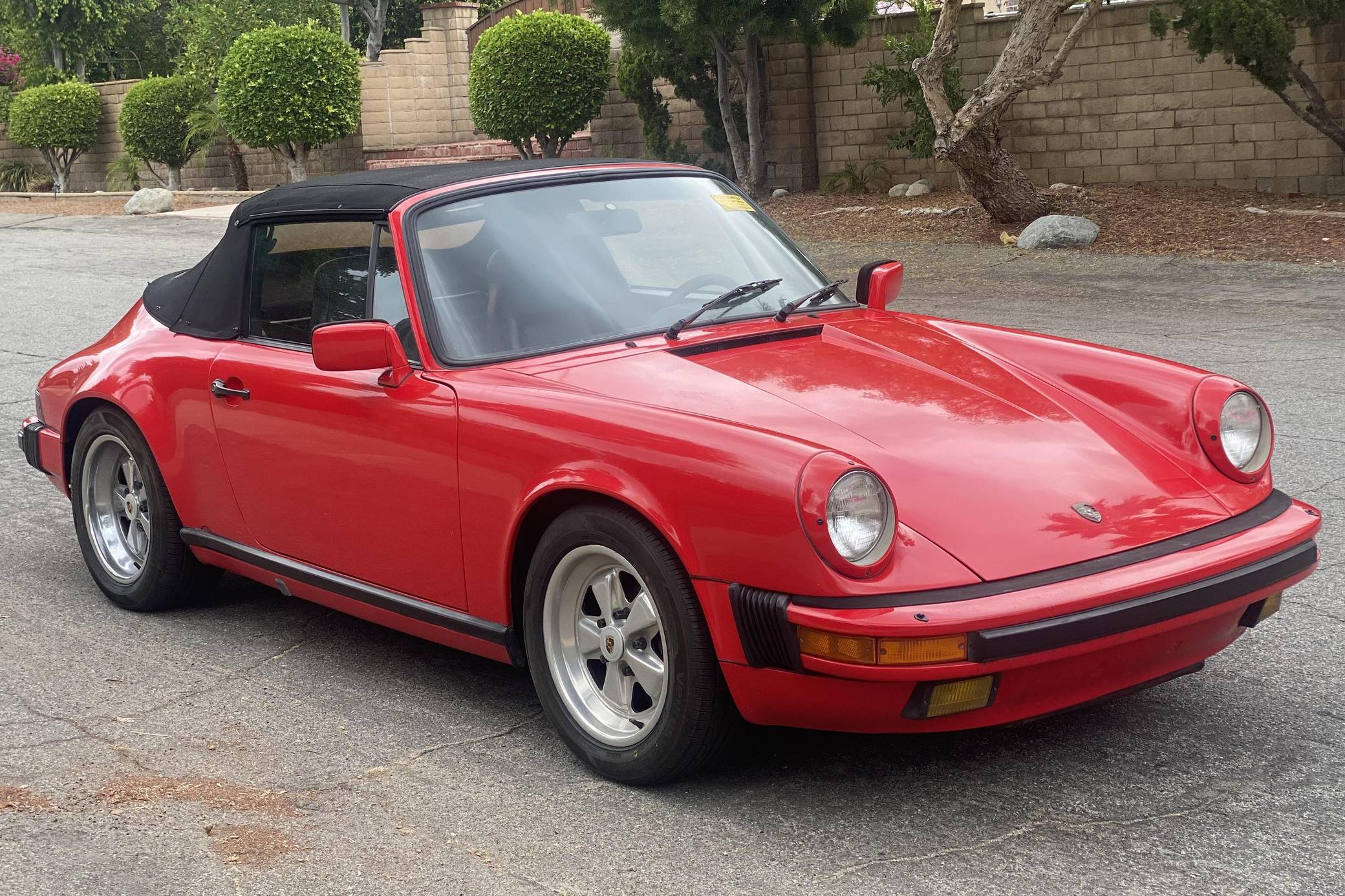
Best Car Example: 1986 Porsche 911 Carrera in Guards Red
Life in America changed rapidly during the 1980s, and those changes were easy to see in the vehicles people bought. A growing economy, expanding companies, and an increasing number of young professionals influenced vehicle styling preferences.
Paint colors became more than decorative finishes because they also reflected confidence, ambition, and a forward-looking attitude. White and bright red stood out as two of the most popular choices, each attracting a different group of buyers. Many drivers preferred white because it represented cleanliness and modern technology.
During that decade, personal computers, office equipment, and several electronic devices commonly came in white, giving the color a fresh and efficient image. Automakers carried the same idea into vehicle design, using white to highlight cleaner body lines and improved aerodynamics. Buyers appreciated its neat appearance and timeless appeal.
Bright red attracted people who wanted something bolder. Performance cars finished in vibrant red became symbols of success and excitement. The 1986 Porsche 911 Carrera in Guards Red perfectly reflected this trend. Its bold finish matched the coupe’s classic styling and strong performance, making it popular among buyers who wanted a car that attracted attention wherever it appeared.
By the late 1980s, white and red remained favorite choices, representing style, confidence, driving excitement, and lasting appeal across America.
7. Early 1990s: Metallic Teal & Emerald Green (The Eco-Wave)
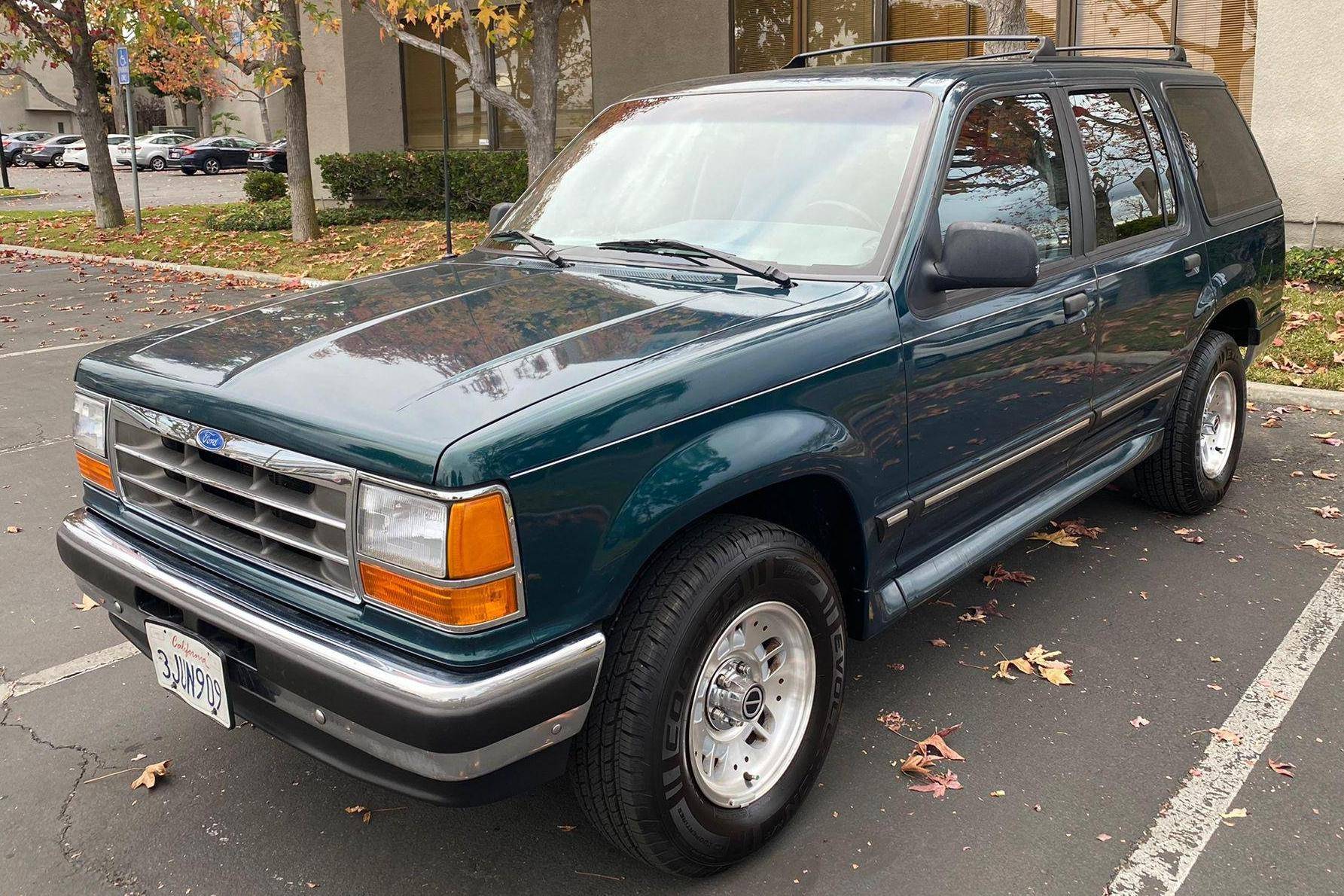
Best Car Example: 1995 Ford Explorer in Deep Jewel Green Metallic
Back in the early 1990s, green became one of the most preferred vehicle colors across North America. More than 20 percent of newly sold cars came in different shades of green, making it the strongest period the color had ever enjoyed in American automotive history. No other green paint trend has reached that level before or since.
Much of this popularity came from the growing public interest in environmental responsibility during that decade. As more people became aware of environmental issues, car manufacturers introduced many green-inspired paint options to match changing customer preferences. These colors reflected a stronger connection with nature and appealed to buyers looking for something fresh.
Car makers offered green finishes in many different styles. Some were deep forest shades that reflected the beauty of natural surroundings, while others featured brighter metallic teal and aqua tones with a cleaner, more modern appearance. This wide selection allowed buyers to choose colors that matched their personal taste.
One good example was the 1995 Ford Explorer finished in Deep Jewel Green Metallic. As SUVs gained wider acceptance among American families, this color complemented the vehicle’s rugged image. It also reinforced the outdoor character many buyers appreciated, even as these larger vehicles became a familiar sight in residential neighborhoods across the country.
8. Late 1990s: Liquid Silver (The Y2K Tech Boom)
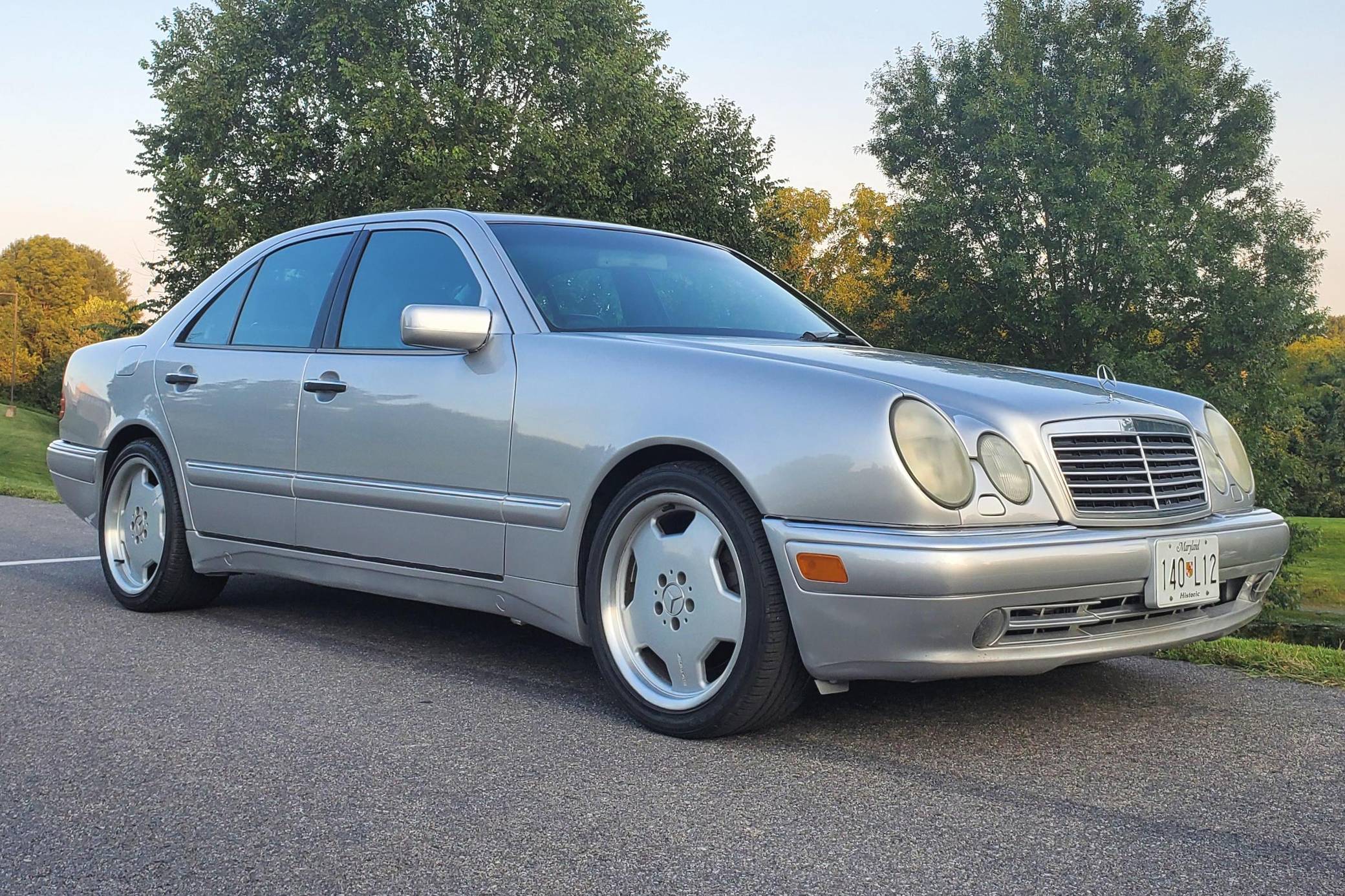
Best Car Example: 1999 Mercedes-Benz E-Class in Brilliant Silver Metallic
As the new millennium drew closer, Americans became deeply interested in futuristic ideas, digital technology, and the fast-growing influence of the internet. This growing interest affected many buying decisions, including vehicle colors. Green shades that had been popular a few years earlier gradually lost their appeal as more buyers preferred colors that reflected a cleaner, more modern image.
Car manufacturers quickly adapted to changing customer preferences by improving paint technology instead of simply giving existing colors new names. Advances in metallic paint production allowed manufacturers to create brighter silver finishes with a richer shine and better depth. These improvements delivered a polished appearance that earlier production methods could not achieve, making silver paint look more refined than before.
Beyond its modern appearance, metallic silver offered practical benefits that appealed to many owners. It complemented the technology-driven mood of the period while helping vehicles stay cleaner in everyday use. Dust and minor dirt were less visible on silver surfaces than on darker paint, making it an attractive option for drivers who wanted both style and convenience.
The 1999 Mercedes-Benz E-Class finished in Brilliant Silver Metallic perfectly reflected the design direction of that era. Its bright finish resembled the sleek appearance of computers and other digital devices that were becoming common in homes and offices. Combined with the sedan’s elegant styling, the color projected precision, innovation, and confidence, making it one of the defining luxury finishes of the period.
9. 2000s: Gloss Black (The Premium SUV Era)
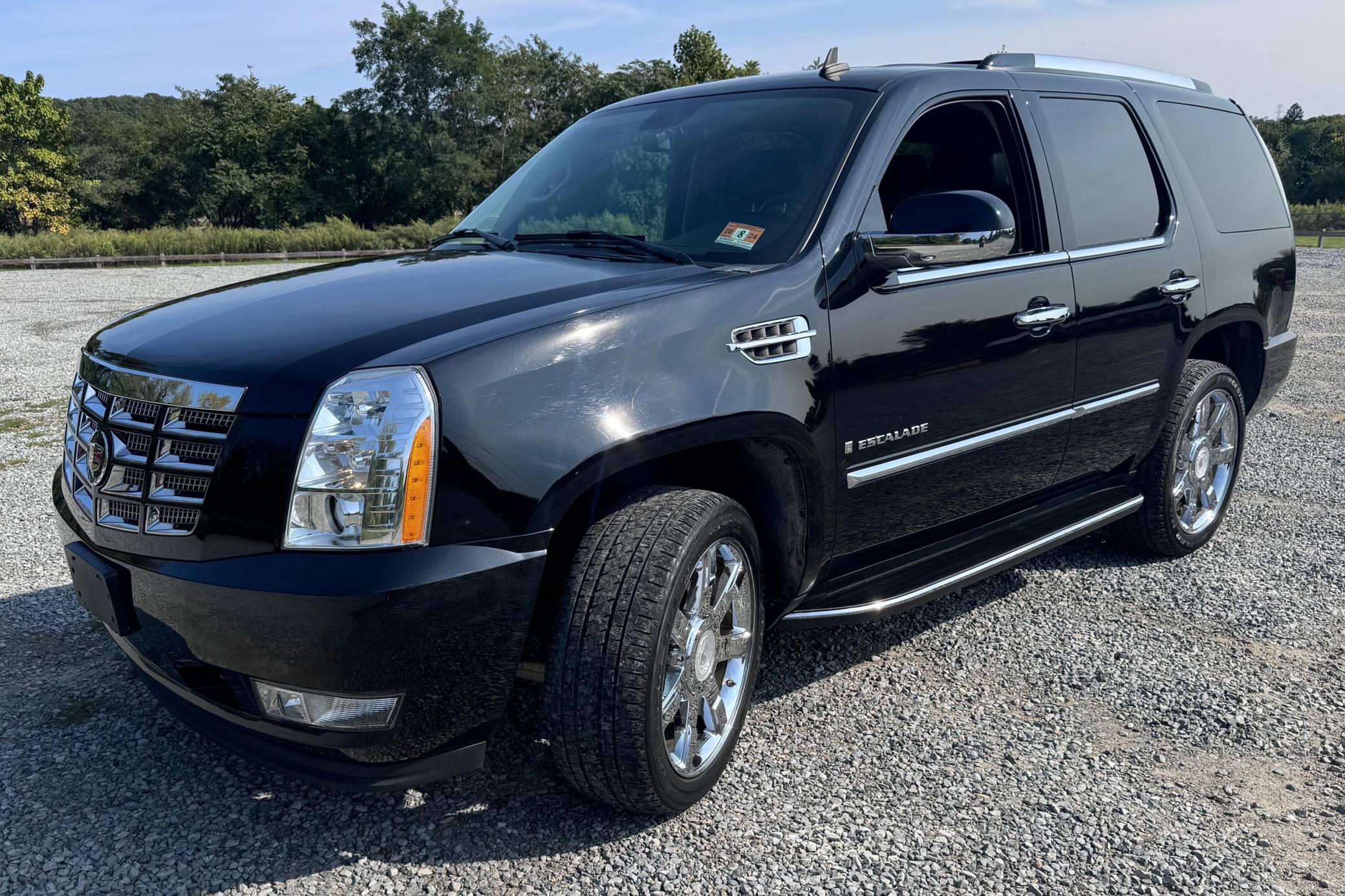
Best Car Example: 2007 Cadillac Escalade in Raven Black
The early 2000s marked a major change in the premium luxury SUV market, changing the type of vehicles many American buyers wanted to own. It also influenced how people expressed status through paint color. During this period, the silver finishes that had been popular in the late 1990s slowly lost their appeal as buyers began choosing colors that reflected a different image.
As preferences changed, many people leaned toward a cleaner and more refined appearance that suggested wealth and authority without looking too flashy. Glossy black quickly became the top choice for luxury SUVs and executive sedans. It offered a classy look that matched the taste of buyers who wanted their vehicles to make a strong impression without relying on bright or eye-catching colors.
Unlike the dull black shades seen on older vehicles, this richer finish carried a different meaning. It represented confidence, success, and a strong executive image instead of simple practicality. The color suited the large luxury SUVs that became popular during the decade, giving them a commanding road presence that naturally drew attention.
A perfect example of this trend was the 2007 Cadillac Escalade finished in Raven Black. The combination of its bold styling and deep black paint reflected what many luxury buyers wanted at the time. The finish added an extra layer of class to an already imposing SUV, making it appear even more powerful. It became a symbol of quiet confidence and financial success, matching the image that defined premium American luxury vehicles throughout much of the 2000s.
10. 2010s: Appliance White (The Monochrome Monarchy)
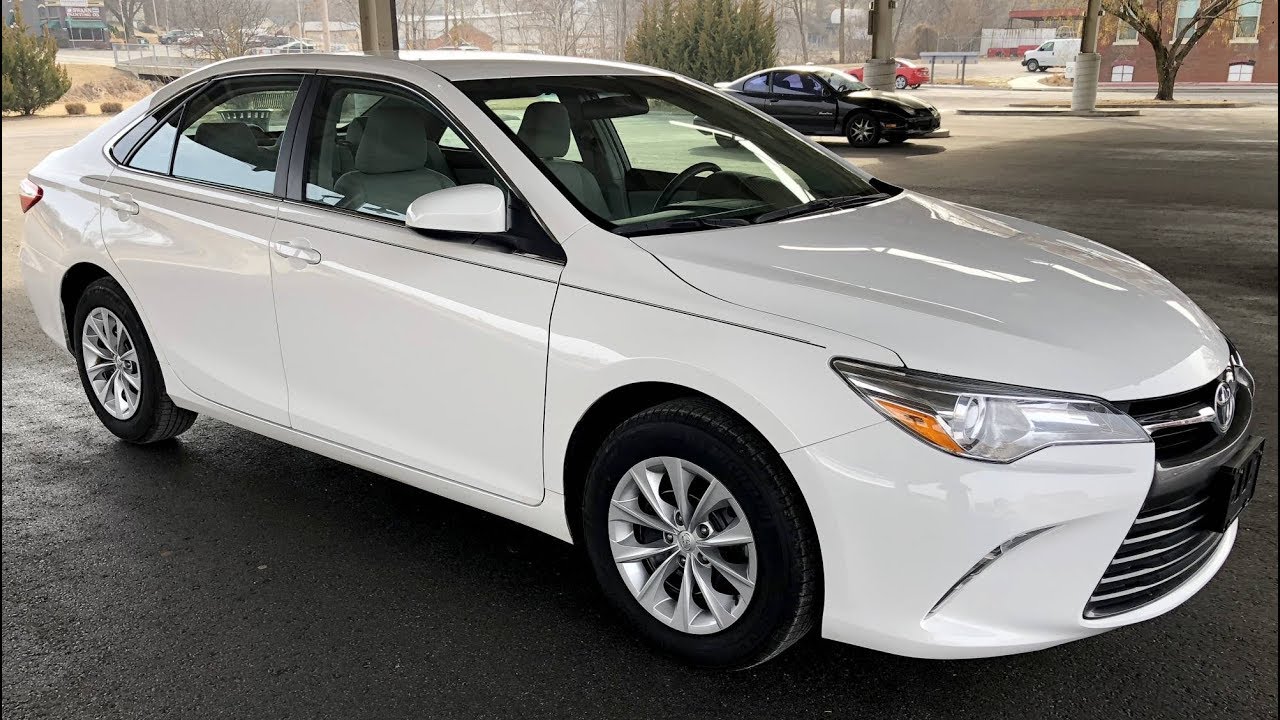
Best Car Example: 2015 Toyota Camry in Super White
By the beginning of the 2010s, white had become the paint color many vehicle buyers preferred. It climbed to the top of sales records in several countries by 2011 and remained the most selected option for more than ten years. During certain years, nearly 38 percent of newly purchased vehicles were finished in white. Buyers liked its neat appearance, timeless style, and ability to suit everything from family sedans to luxury cars.
Much of this demand was also influenced by changing design preferences in consumer electronics. Many smartphones, laptops, and other devices came in clean white finishes, encouraging buyers to appreciate the same style in their vehicles. White also reflected more sunlight than darker colors, helping to reduce heat inside the cabin during warm weather. Many owners believed it also improved resale prospects because it appealed to a wider range of used-car buyers.
The 2015 Toyota Camry finished in Super White perfectly represented this growing preference. As one of America’s best-selling midsize sedans, it attracted buyers looking for comfort, dependability, and value. The bright paint complemented the car’s simple styling while making routine maintenance easier. Its clean appearance, reduced heat absorption, and strong resale demand made white a favorite choice throughout the decade for many drivers.
Also Read: 10 Car Colors That Lose the Most Value in 3 Years
11. 2020s: “Nardo” Flat Gray & Earthy Greens (The Modern Tactile Era)
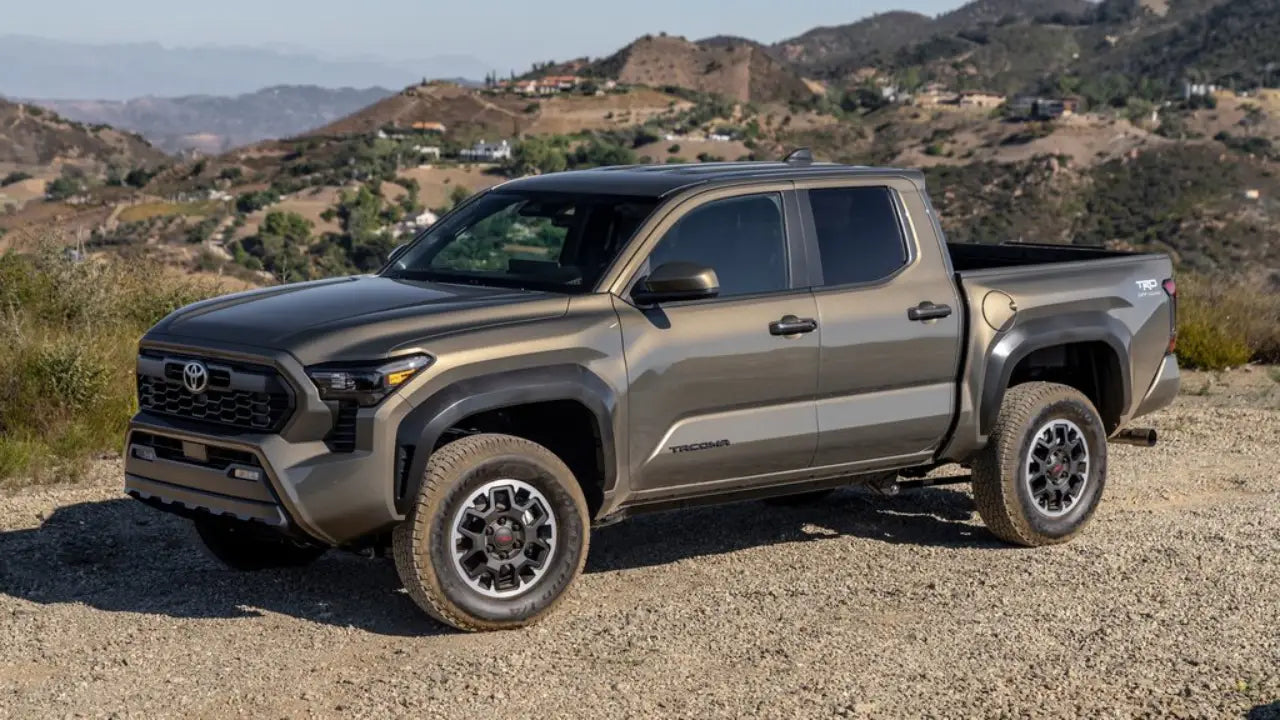
Best Car Example: 2024 Toyota Tacoma in Underground Gray or Bronze Oxide
Many people buying vehicles these days are choosing paint finishes that look simple and refined instead of the shiny metallic colors that were once very popular. Rather than going for bright, reflective shades, drivers now prefer colors that give trucks and SUVs a stronger, more practical appearance without drawing too much attention.
A growing number of buyers are selecting soft gray tones, muted greens, and earthy colors because they match the bold styling of modern vehicles. These shades create a clean look while giving the impression that the vehicle is built for daily duties and outdoor trips. They also suit drivers who value durability as much as appearance.
Modern truck and SUV designs pair well with these paint choices. Gray shades resemble concrete or brushed steel, giving the body a fresh and refined finish. Colors like bronze, tan, and olive green also blend well with outdoor settings while hiding dust and light dirt better than brighter paint. This makes them a sensible choice for owners who often drive on rough roads or visit camping areas.
Toyota reflects this preference with the 2024 Tacoma by offering colors such as Underground Gray and Bronze Oxide. These finishes give the truck a rugged personality while matching the growing demand for stylish, durable, and easy-to-maintain paint options.
