
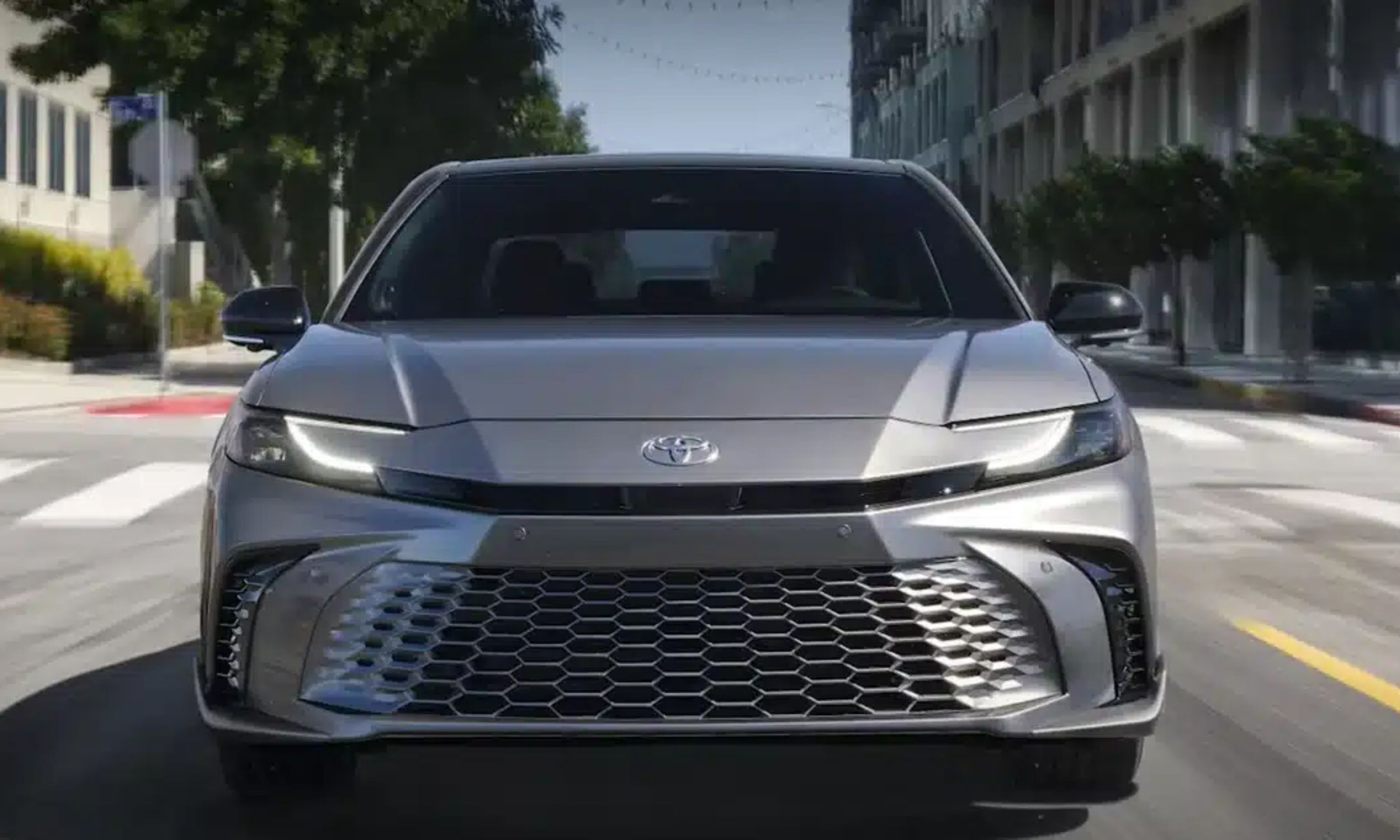
Toyota has built its reputation in the United States by producing vehicles that people trust year after year. While automotive trends have changed, buyer expectations have also grown. Drivers now want dependable transportation, modern technology, good fuel economy, comfortable interiors, and strong resale value in a single package. Toyota has consistently delivered on those expectations, helping many of its models remain sales leaders for decades.
Sedans, SUVs, pickup trucks, hybrids, and minivans all appear on Toyota’s list of best-selling vehicles, showing just how broad the brand’s appeal has become. Some models earned their place by serving commuters looking for affordable transportation, while others became favorites among families, outdoor enthusiasts, and truck buyers. A few even helped introduce entirely new segments that later became mainstream.
The list below ranks Toyota’s best-selling vehicles in the United States during the past 20 years based on estimated cumulative sales. Each model earned its position for different reasons, yet they all share Toyota’s long-standing reputation for durability, reliability, and low ownership costs. From the legendary Camry to the trail-ready 4Runner, these vehicles continue to shape Toyota’s success across the American market.
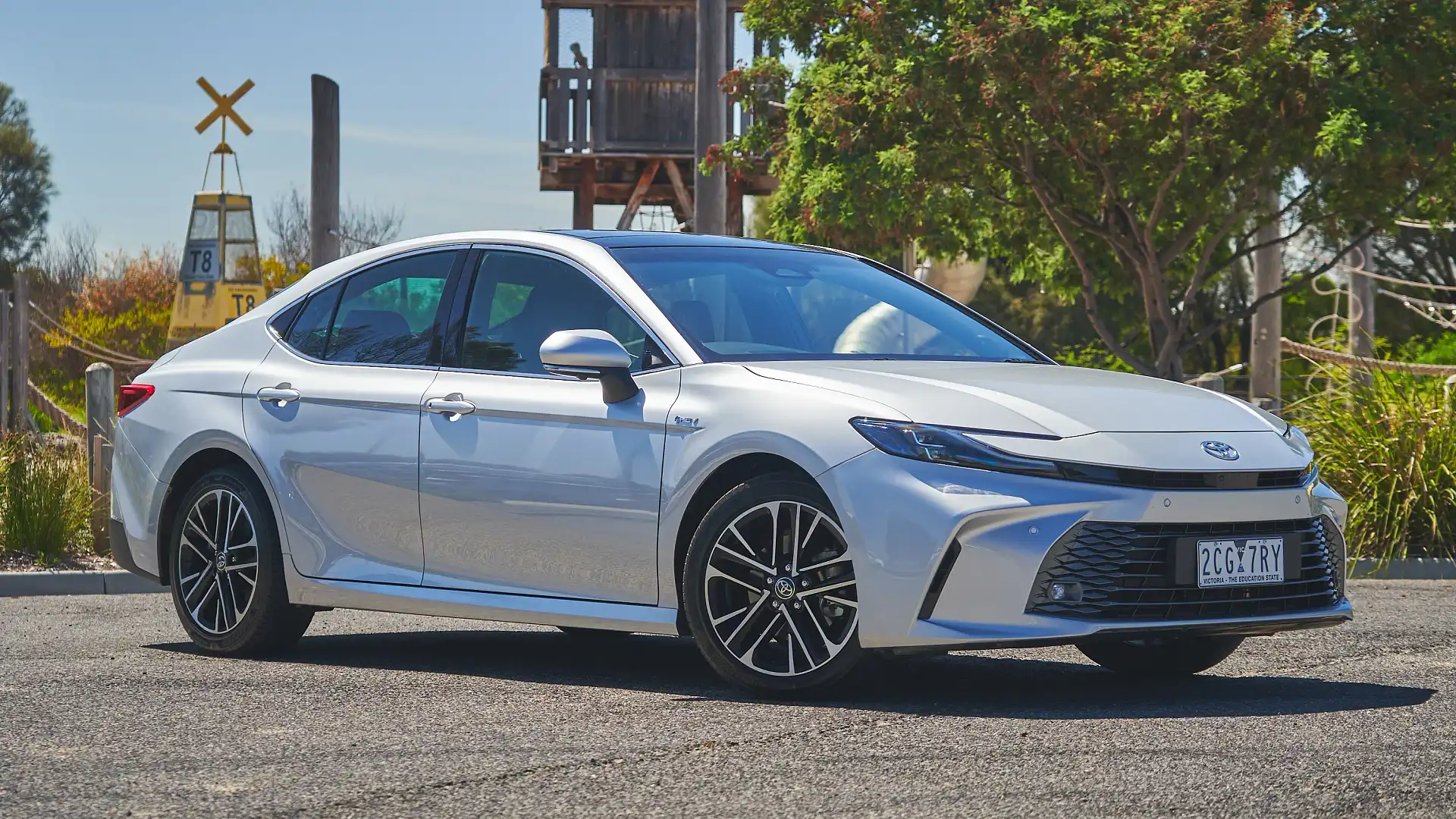
1. Toyota Camry
Estimated US Sales (2006-2026): About 7.1 million units
- Engine: 2.5L 4-Cylinder Hybrid
- Horsepower: 225 hp
- Torque: 163 lb-ft
- Size: 193.5 inches long × 72.4 inches wide
Few vehicles have influenced the American midsize sedan market like the Toyota Camry. For decades, it has been the default choice for commuters, families, retirees, and even first-time buyers looking for dependable transportation. While SUVs have become increasingly popular, the Camry continues to attract buyers who appreciate a comfortable ride, excellent fuel economy, and a reputation for lasting hundreds of thousands of miles with routine maintenance.
That steady demand explains why it has remained Toyota’s best-selling vehicle in the United States over the past two decades, with an estimated 7.1 million units sold. Toyota never relied on flashy styling alone to keep the Camry successful. Instead, each generation introduced practical improvements that mattered to everyday drivers.
Better safety technology, quieter cabins, smoother ride quality, and improved fuel efficiency kept owners returning whenever it was time to replace an older model. High resale values also made the Camry an easy financial decision for many households.
Its hybrid version strengthened that position even further by giving buyers excellent fuel savings without sacrificing comfort or everyday usability. Unlike many competitors, the Camry managed to balance efficiency with respectable performance, making it equally suitable for city driving, highway commuting, and long family trips.
Toyota’s steady refinement has allowed the Camry to remain one of America’s most trusted passenger cars across multiple generations.
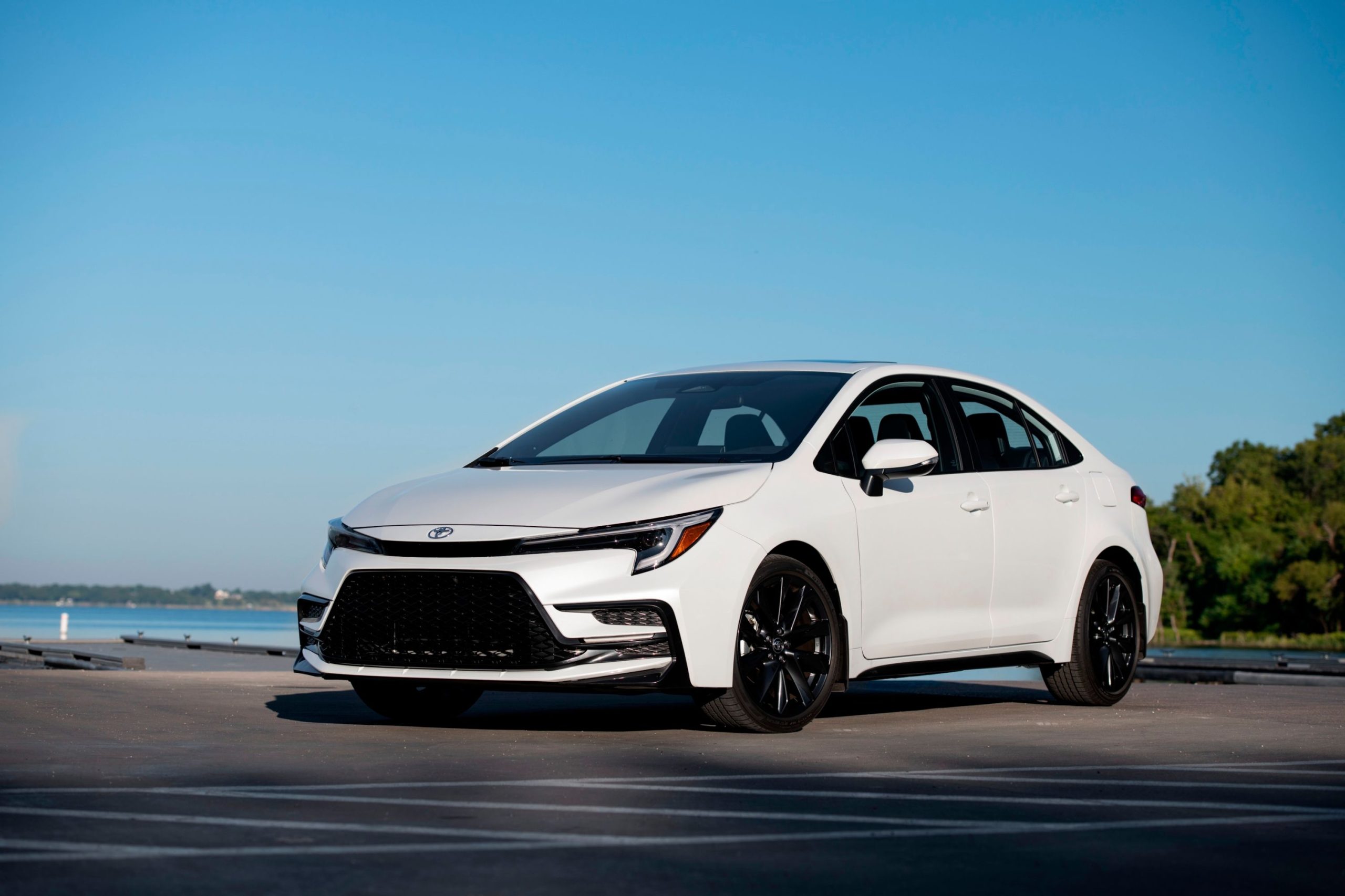
2. Toyota Corolla
Estimated US Sales (2006-2026): About 6.0 million units
- Engine: 2.0L Naturally Aspirated 4-Cylinder
- Horsepower: 169 hp
- Torque: 151 lb-ft
- Size: 182.5 inches long × 70.1 inches wide
Buying a Corolla has rarely been an emotional decision. Instead, millions of Americans have purchased one because it simply makes financial sense. Affordable pricing, dependable engineering, excellent fuel economy, and modest maintenance costs helped the Corolla become one of the most successful compact cars ever sold in the United States. During the last 20 years, estimated sales reached roughly six million units, placing it second among Toyota’s best-selling models.
The Corolla appeals to a remarkably broad audience. Students appreciate its affordability, young professionals enjoy its efficiency, and retirees value its dependable nature. That wide appeal has allowed Toyota to sell hundreds of thousands of Corollas almost every year without relying on dramatic redesigns or expensive marketing campaigns.
Toyota has steadily modernized the Corolla by improving safety systems, infotainment technology, ride comfort, and interior quality while keeping ownership costs low. Those upgrades allowed it to remain competitive even as compact SUVs attracted many traditional sedan buyers.
Its reputation for reliability also plays a major role in its popularity. Many Corolla owners keep their cars for well beyond 200,000 miles, reinforcing Toyota’s image as a manufacturer that builds vehicles designed for long-term ownership rather than short-term excitement.
The Corolla continues proving that dependable transportation never goes out of style, making it one of Toyota’s greatest success stories.
Also Read: 10 Cars That Hold Their Value Better Than a Toyota
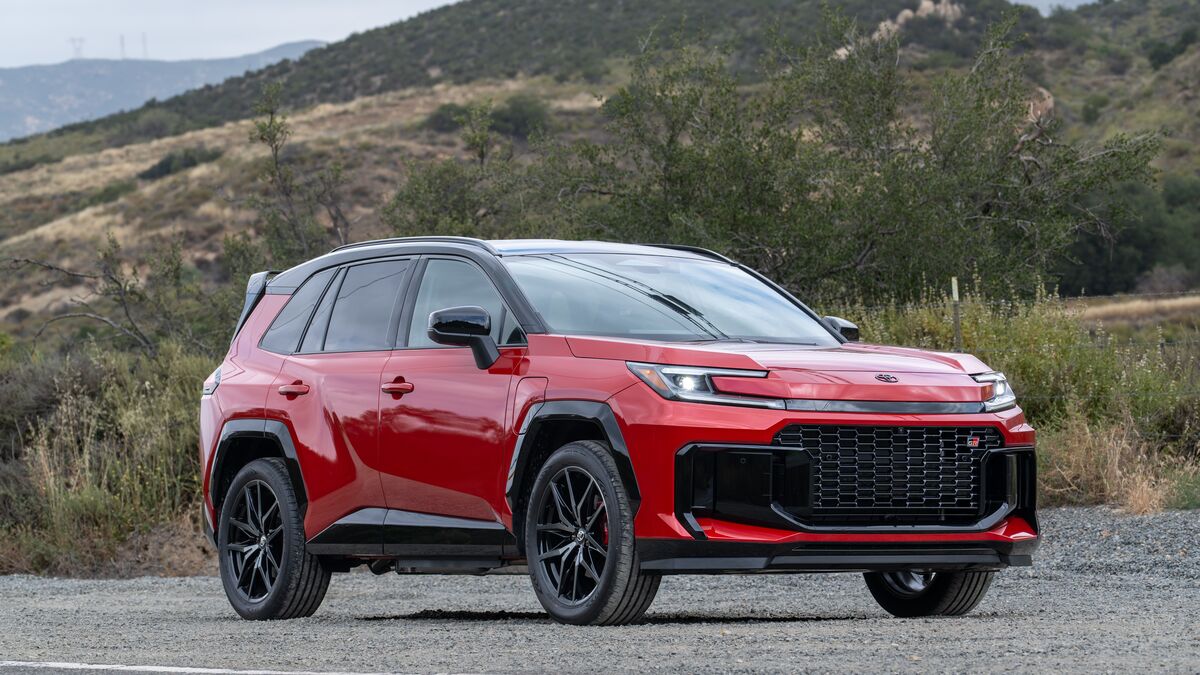
3. Toyota RAV4
Estimated US Sales (2006-2026): About 5.9 million units
- Engine: 2.5L Naturally Aspirated 4-Cylinder
- Horsepower: 203 hp
- Torque: 184 lb-ft
- Size: 180.9 inches long × 73.0 inches wide
Few vehicles have benefited from America’s growing preference for crossover SUVs as much as the Toyota RAV4. What started as a compact utility vehicle steadily grew into Toyota’s strongest annual seller, regularly moving more than 400,000 units in recent years. During the past two decades, estimated cumulative sales reached approximately 5.9 million units, placing it just behind the Corolla.
The RAV4 found the sweet spot between sedan comfort and SUV practicality. Drivers enjoyed a higher seating position, generous cargo space, available all-wheel drive, and fuel economy that remained competitive with many passenger cars. Families appreciated its roomy interior, while commuters found it easy to drive and park despite its utility-focused design.
Toyota also invested heavily in hybrid technology for the RAV4. Buyers quickly discovered they could enjoy SUV versatility without paying a heavy fuel economy penalty. That combination attracted an even broader range of customers, including those replacing traditional sedans with crossovers.
Strong safety ratings, dependable mechanical components, and excellent resale values strengthened the RAV4’s reputation even further. Many buyers who purchased one often returned to Toyota when replacing it years later, creating a loyal customer base that continues to grow.
The RAV4 represents how changing buyer preferences helped Toyota strengthen its position by offering practicality, efficiency, comfort, and everyday versatility in one highly successful package.
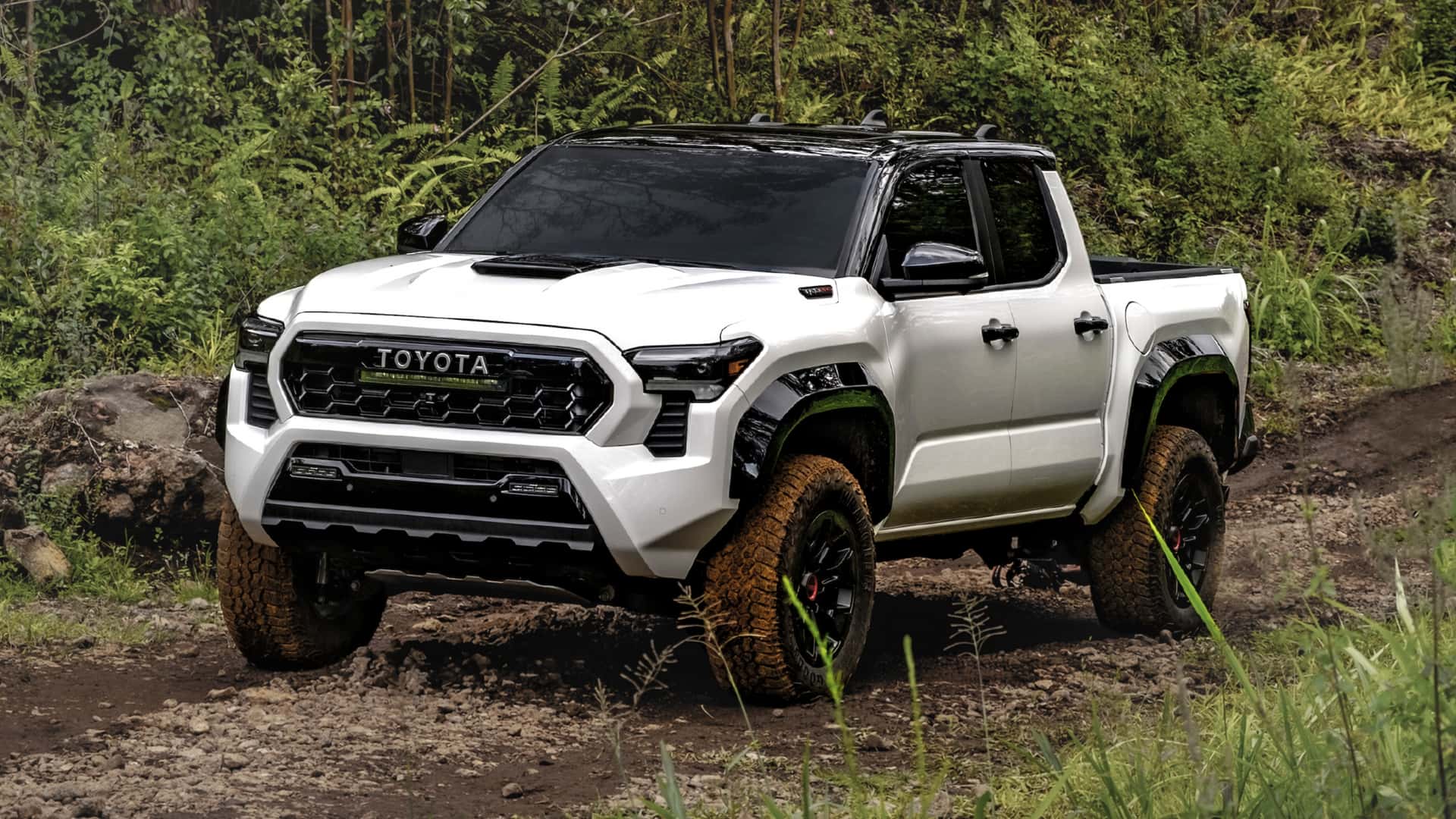
4. Toyota Tacoma
Estimated US Sales (2006-2026): About 3.8 million units
- Engine: 2.4L Turbocharged 4-Cylinder
- Horsepower: 228 hp to 278 hp
- Torque: 243 lb-ft to 317 lb-ft
- Size: 213.0 to 226.0 inches long × 76.9 inches wide
Among midsize pickup trucks sold in America, the Toyota Tacoma has built one of the strongest reputations for reliability and lasting value. Buyers have continued choosing it because it offers an excellent mix of everyday comfort and dependable capability.
It is easy enough to drive through busy streets and park in tight spaces, yet tough enough to handle demanding work, tow heavy loads, and support weekend outdoor activities. During the past 20 years, estimated US sales have reached about 3.8 million units, making it one of Toyota’s biggest success stories.
Rather than focusing only on luxury features, Toyota concentrated on building a pickup that owners could depend on for many years. The Tacoma earned praise for its durable engine, strong suspension, and ability to perform confidently on rough roads.
Many older models remain in daily use after covering hundreds of thousands of miles, giving buyers confidence that the truck is built to last. That reputation has encouraged many owners to stay loyal to the model whenever they decide to replace their vehicles.
Beyond daily transportation, the Tacoma appeals to people with very different lifestyles. Contractors appreciate its work-ready nature, while campers and outdoor travelers enjoy its off-road capability. Models such as the TRD Off-Road and TRD Pro include upgraded suspension systems, skid plates, and locking differentials that perform well on challenging trails.
This wide appeal has helped the truck remain popular across different age groups and driving needs. More recently, Toyota refreshed the Tacoma with a turbocharged engine, updated technology, a redesigned interior, and additional safety features while keeping the durability that made earlier versions successful.
Many dealerships still receive strong demand for popular trims. With dependable performance, excellent resale value, and remarkable versatility, the Tacoma continues to stand among America’s most respected midsize pickup trucks today.
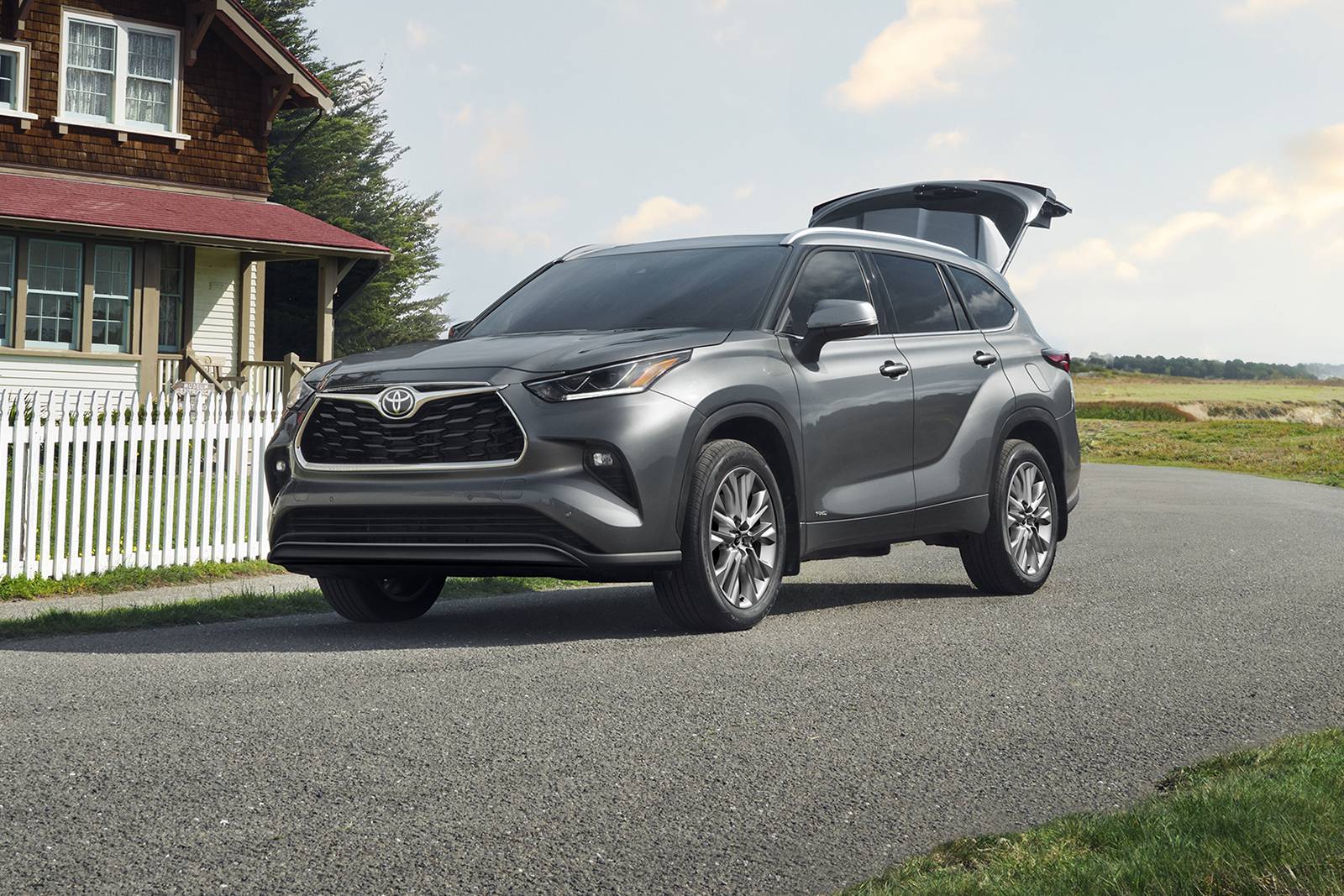
5. Toyota Highlander
Estimated US Sales (2006-2026): About 3.6 million units
- Engine: 2.4L Turbocharged 4-Cylinder
- Horsepower: 265 hp
- Torque: 310 lb-ft
- Size: 194.9 inches long × 76.0 inches wide
For buyers searching for a reliable three-row SUV, the Toyota Highlander has consistently ranked among the strongest choices. As one of the first midsize crossovers built on a car platform, it combined the smooth ride and easy handling of a sedan with the added space and versatility families wanted from an SUV.
Over the last two decades, estimated US sales have reached roughly 3.6 million units, making it one of Toyota’s most successful vehicles. The Highlander’s lasting appeal comes from its ability to satisfy a wide range of drivers. Families value its roomy interior, practical cargo space, and available third-row seating that helps accommodate larger households or extra passengers.
People with daily commutes also appreciate its comfortable ride, quiet cabin, and manageable size, making it easier to go through crowded streets and fit into parking spaces than many full-size SUVs. Depending on the trim level, the Highlander can carry up to eight occupants while still providing a comfortable cabin.
Toyota has continued refining the Highlander with every new generation. Improvements have included advanced driver-assistance technology, updated infotainment systems, better interior materials, and improved cabin insulation for a quieter driving experience. Hybrid versions have also become increasingly popular by delivering better fuel economy without sacrificing the practicality buyers expect from a family-focused SUV.
These steady upgrades have helped the Highlander remain competitive as buyer expectations continue to rise. Many customers also choose the Highlander because of Toyota’s well-earned reputation for long-term reliability and excellent resale value. Owners often return to purchase another Highlander after years of dependable service, confident that the newer model will deliver the same ownership experience.
With its balanced combination of comfort, fuel efficiency, everyday practicality, and dependable performance, the Toyota Highlander continues to stand out as one of the most trusted family SUVs available in the American market.
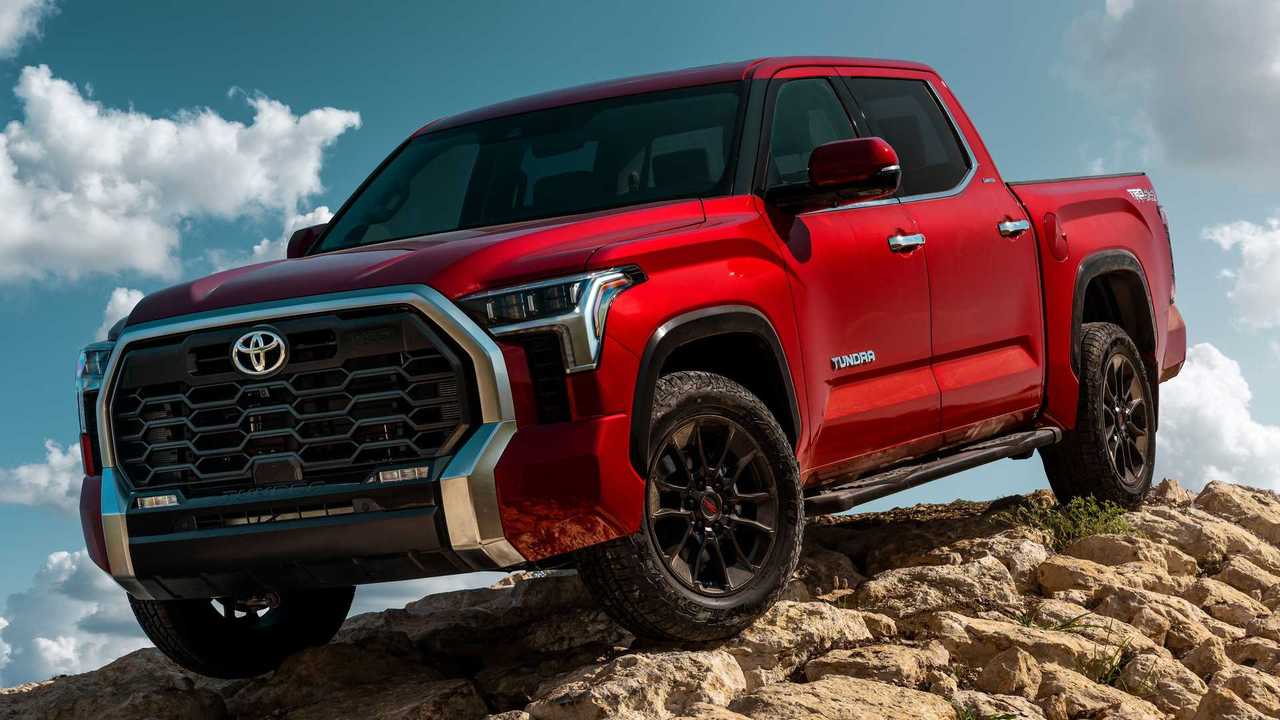
6. Toyota Tundra
Estimated US Sales (2006-2026): About 2.1 million units
- Engine: 3.4L Twin-Turbo V6
- Horsepower: 348 hp to 389 hp
- Torque: 405 lb-ft to 479 lb-ft
- Size: 233.6 to 252.5 inches long × 80.2 inches wide
Breaking into the American full-size pickup market has always been a difficult challenge, but the Toyota Tundra has carved out its own place by focusing on dependability instead of chasing the highest sales numbers. While long-established domestic brands continue to dominate the segment, Toyota has attracted buyers looking for a truck they can rely on for work, towing, recreation, and everyday driving.
During the past 20 years, estimated US sales have reached about 2.1 million units, proving the Tundra has built a loyal customer base. One of the biggest changes in the truck’s history came when Toyota replaced the familiar V8 engine with a twin-turbocharged V6.
Many longtime pickup owners questioned the decision at first, expecting the smaller engine to fall short. Once it reached customers, the new powertrain quickly demonstrated strong towing performance, impressive torque, and improved fuel efficiency. It also delivers smooth acceleration, making the truck comfortable for both demanding jobs and regular daily use.
Inside, the Tundra has grown into a much more refined pickup than earlier generations. Higher trim levels feature large touchscreen displays, premium cabin materials, advanced driver assistance technology, and modern connectivity features that make every trip more enjoyable. The quiet interior and supportive seats also make long hours behind the wheel much less tiring, whether driving across town or covering long highway distances.
Toyota’s reputation for reliability remains one of the biggest reasons buyers continue choosing the Tundra. Strong resale values add even more appeal for long-term ownership. By combining full-size capability with dependable engineering, modern technology, and everyday comfort, the Tundra continues to stand as a strong alternative to traditional American pickup trucks.
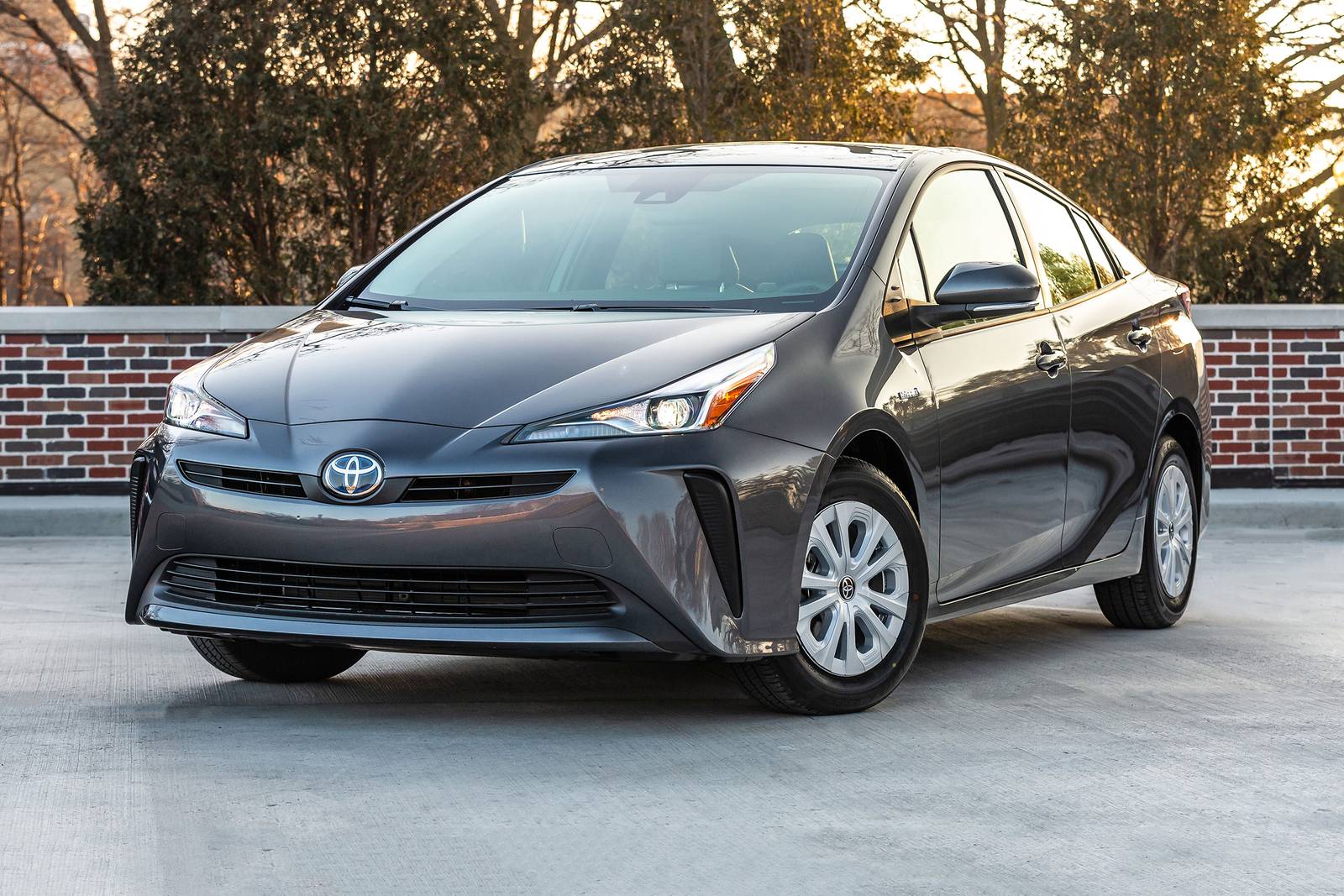
7. Toyota Prius
Estimated US Sales (2006-2026): About 2.0 million units
- Engine: 2.0L 4-Cylinder Hybrid
- Horsepower: 194 hp
- Torque: 139 lb-ft
- Size: 181.1 inches long × 70.2 inches wide
The Toyota Prius changed how many Americans viewed hybrid vehicles. When fuel prices climbed during the late 2000s and early 2010s, the Prius became the first choice for drivers who wanted excellent fuel economy without giving up everyday practicality. It proved that a hybrid could serve as a dependable daily driver rather than a niche product. During the last 20 years, estimated US sales reached about 2.0 million units, making it one of Toyota’s most successful passenger cars.
Toyota continuously refined the Prius instead of treating it as a one-time experiment. Every generation delivered better efficiency, improved driving manners, quieter cabins, and more technology. Buyers who once purchased the Prius strictly to save money on fuel also began appreciating its comfortable ride, generous cargo space, and low maintenance costs.
The latest generation introduced a much more stylish design while keeping the qualities that made the Prius famous. It delivers stronger performance than earlier versions, making it far more enjoyable to drive without sacrificing the fuel savings buyers expect. Toyota also upgraded the interior with modern digital displays, improved connectivity, and advanced safety systems.
Its influence extends far beyond sales numbers. The Prius helped normalize hybrid technology in the American market and paved the way for many of Toyota’s later electrified models. Even as hybrid choices have expanded across nearly every segment, the Prius continues to attract drivers who place efficiency and reliability at the top of their priorities.
The Prius remains one of the most recognizable hybrid vehicles ever built and continues to serve buyers looking for dependable transportation with excellent fuel economy.
8. Toyota Sienna
Estimated US Sales (2006-2026): About 1.9 million units
- Engine: 2.5L 4-Cylinder Hybrid
- Horsepower: 245 hp
- Torque: 176 lb-ft (engine only)
- Size: 203.7 inches long × 78.5 inches wide
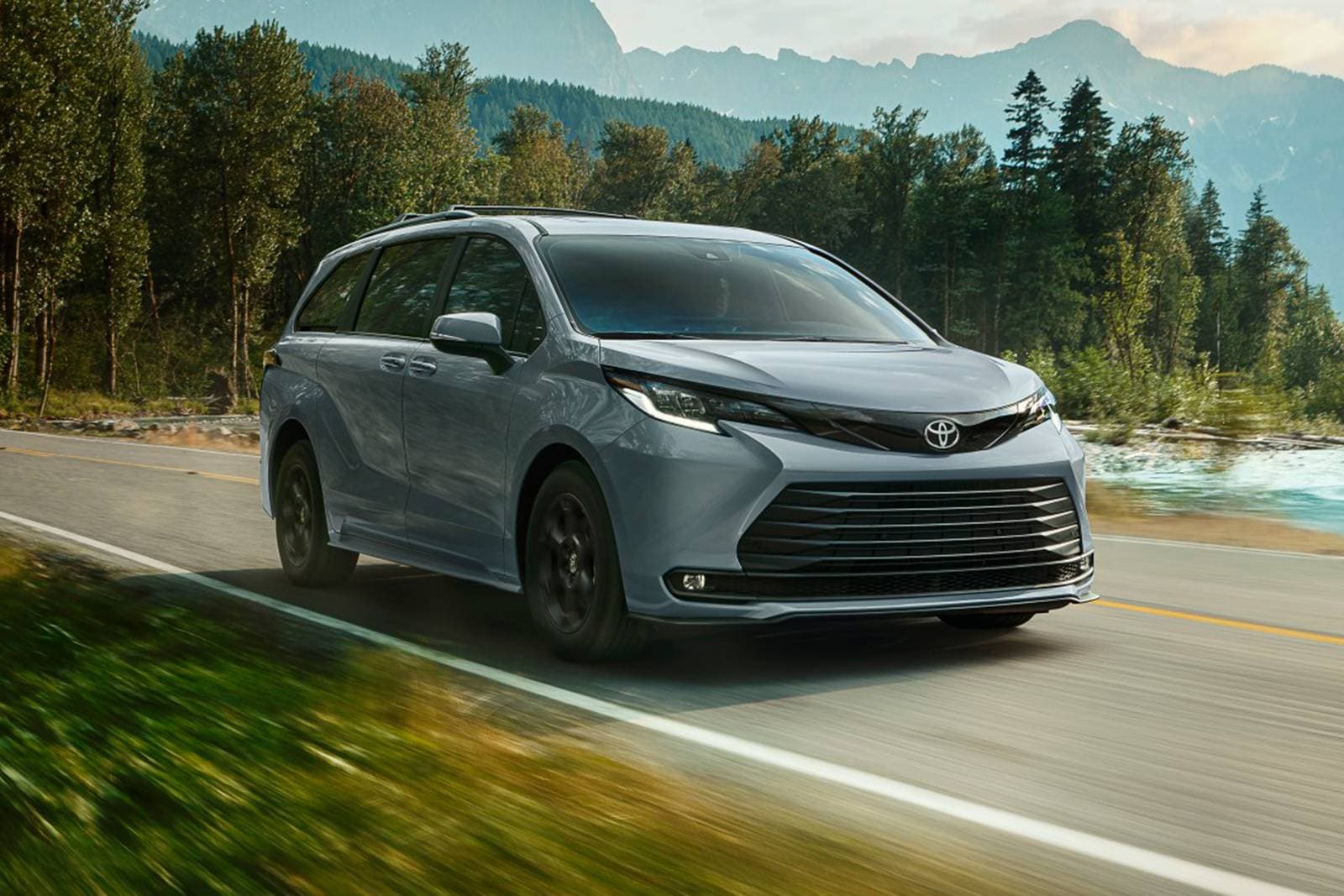
Although SUVs have become the preferred choice for many households, the Toyota Sienna continues to show why a minivan remains an excellent option for family transportation. Buyers looking for comfort, generous interior space, and everyday practicality have continued choosing the Sienna for years.
During the past two decades, estimated US sales reached about 1.9 million units, making it one of Toyota’s most successful family vehicles. A major reason for the Sienna’s continued popularity is Toyota’s decision to make every new model a hybrid.
This approach gives owners excellent fuel economy while preserving the space and versatility expected from a three-row minivan. Families, rideshare drivers, and even small business owners appreciate spending less on fuel without sacrificing passenger comfort or cargo capacity. It offers a practical solution for people who spend plenty of time on the road.
Inside the cabin, the Sienna delivers many features that make daily life easier. Wide sliding doors provide convenient access, especially in crowded parking lots where opening regular doors can be difficult. The spacious seating keeps passengers comfortable during long journeys, while the flexible interior allows owners to carry luggage, shopping, sports equipment, or bulky household items without much effort.
These practical touches continue to attract buyers who need a vehicle capable of handling busy family schedules. Toyota also equipped the Sienna with advanced safety systems, user-friendly infotainment technology, and higher-quality interior materials, particularly in upper trim levels.
These improvements allow it to compete confidently with many modern SUVs while offering advantages that crossovers cannot easily match. By combining efficiency, comfort, dependable performance, and outstanding passenger space, the Sienna remains a trusted choice for families across America.
9. Toyota 4Runner
Estimated US Sales (2006-2026): About 1.8 million units
- Engine: 4.0L Naturally Aspirated V6
- Horsepower: 270 hp
- Torque: 278 lb-ft
- Size: 190.2 inches long × 75.8 inches wide
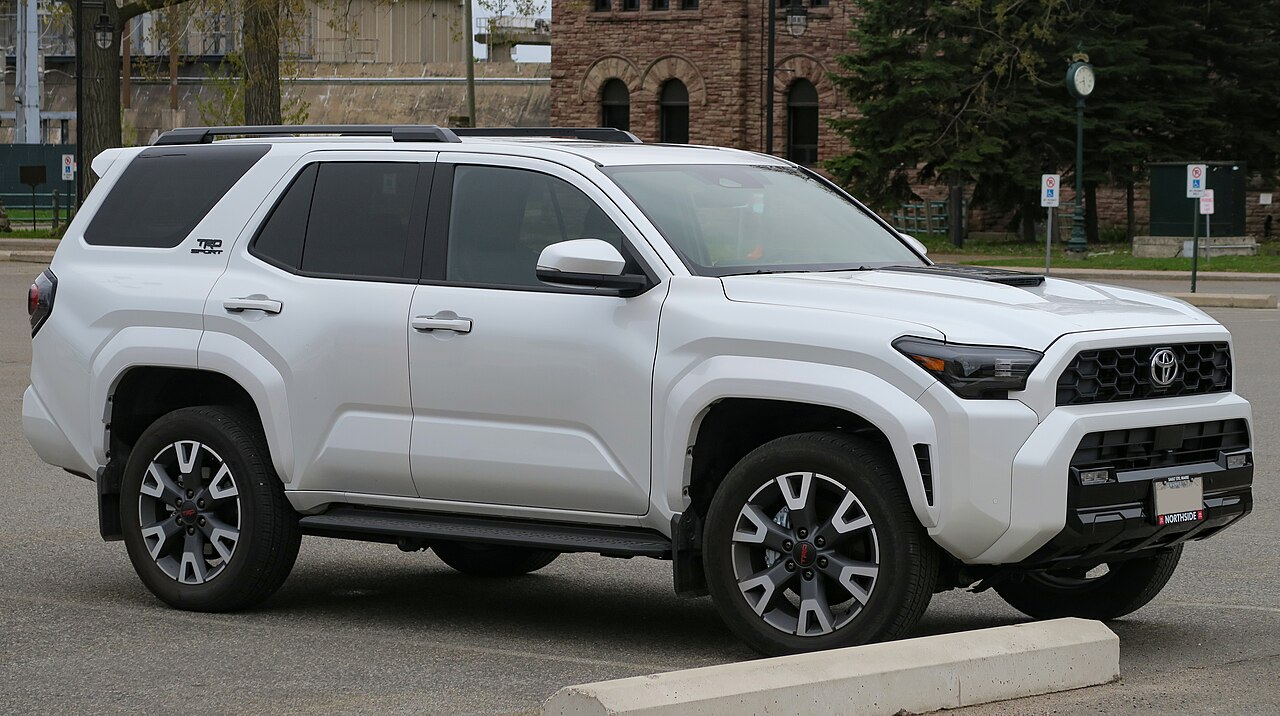
Many SUVs have become more refined and road-focused, yet the Toyota 4Runner has remained faithful to its rugged roots. That commitment has earned it an extremely loyal customer base. While many competitors adopted fully car-based designs, the 4Runner continued using body-on-frame construction, making it one of the few SUVs still built with serious off-road capability in mind. During the last 20 years, estimated US sales reached roughly 1.8 million units.
One of the most surprising parts of the 4Runner’s success is how little it changed for many years. The fifth generation stayed in production for well over a decade, yet demand continued to grow instead of slowing down. Buyers appreciated its proven mechanical components, dependable V6 engine, and reputation for lasting hundreds of thousands of miles with proper maintenance.
Outdoor recreation also helped drive sales. As camping, off-roading, and overlanding became increasingly popular, many buyers viewed the 4Runner as an ideal platform for weekend adventures. Its available four-wheel-drive system, generous ground clearance, and durable suspension made it well suited for trails while remaining comfortable enough for everyday driving.
Toyota gradually updated the interior with improved technology and added more safety features without changing the rugged character that owners appreciated. That careful approach allowed the 4Runner to remain highly desirable throughout its long production cycle.
The 4Runner continues attracting buyers who value durability, off-road ability, and long-term reliability above changing automotive trends.
Also Read: 10 Toyota Models Cheaper to Maintain Than the Same Brand’s Cheaper Cars
10. Toyota Avalon
Estimated US Sales (2006-2026): About 850,000 units
- Engine: 3.5L Naturally Aspirated V6
- Horsepower: 301 hp
- Torque: 267 lb-ft
- Size: 196.1 inches long × 72.8 inches wide
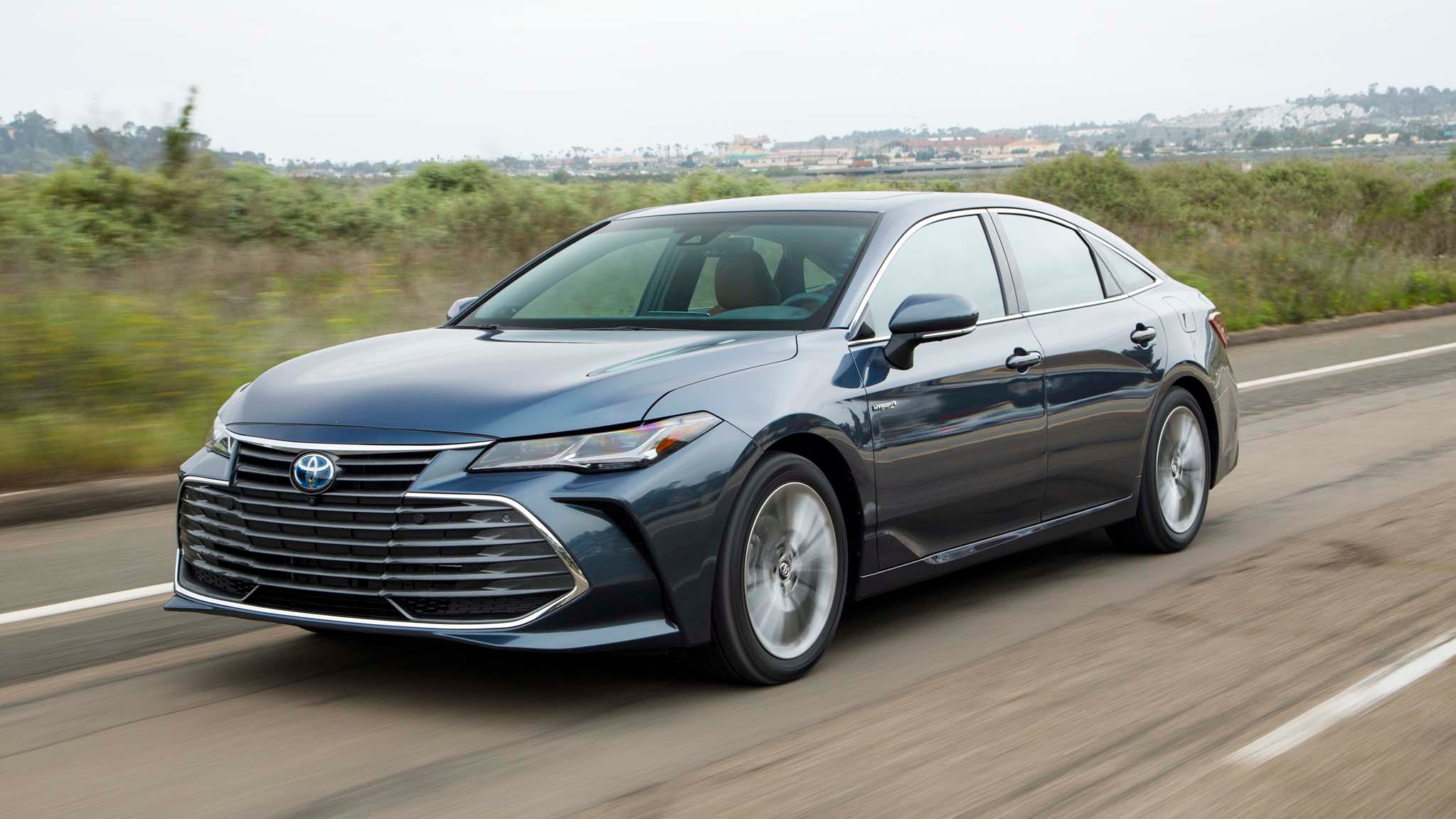
For many years, the Toyota Avalon served as the brand’s flagship sedan in the United States. It appealed to drivers who wanted a spacious cabin, a smooth ride, and premium comfort without moving into the luxury market. While midsize sedans attracted a larger audience, the Avalon quietly built a loyal customer base by delivering a refined driving experience backed by Toyota’s reputation for dependability.
During the past 20 years, estimated US sales reached about 850,000 units before production ended and the Toyota Crown took its place. The Avalon’s greatest strength was its focus on comfort. Wide, supportive seats, generous rear legroom, and a quiet cabin made it an excellent choice for long highway drives.
Many buyers appreciated its composed handling and soft ride, which reduced fatigue during daily commuting and extended road trips. The available V6 engine also provided smooth acceleration, giving the large sedan confident passing power without sacrificing refinement.
Toyota continued improving the Avalon through each generation by adding advanced safety features, larger infotainment screens, premium audio systems, and upscale interior materials. Hybrid models also became available, allowing buyers to enjoy excellent fuel economy while keeping the spacious cabin and comfortable ride that defined the nameplate.
Although consumer demand gradually moved toward SUVs and crossovers, the Avalon remained popular among drivers who preferred the traditional driving position and balanced handling that only a full-size sedan could provide. Its strong resale value and dependable ownership experience reinforced its reputation until the end of production.
The Avalon closed an important chapter in Toyota’s history as one of America’s most respected full-size sedans. It combined comfort, reliability, smooth performance, and long-term value, making it a favorite among buyers seeking an upscale driving experience without the higher ownership costs associated with luxury brands.
Even after leaving production, it continues to attract used-car shoppers looking for a dependable sedan that delivers premium comfort, generous interior space, and proven durability. Its legacy lives on through years of consistent customer satisfaction and Toyota’s continued commitment to building vehicles designed to last.
