
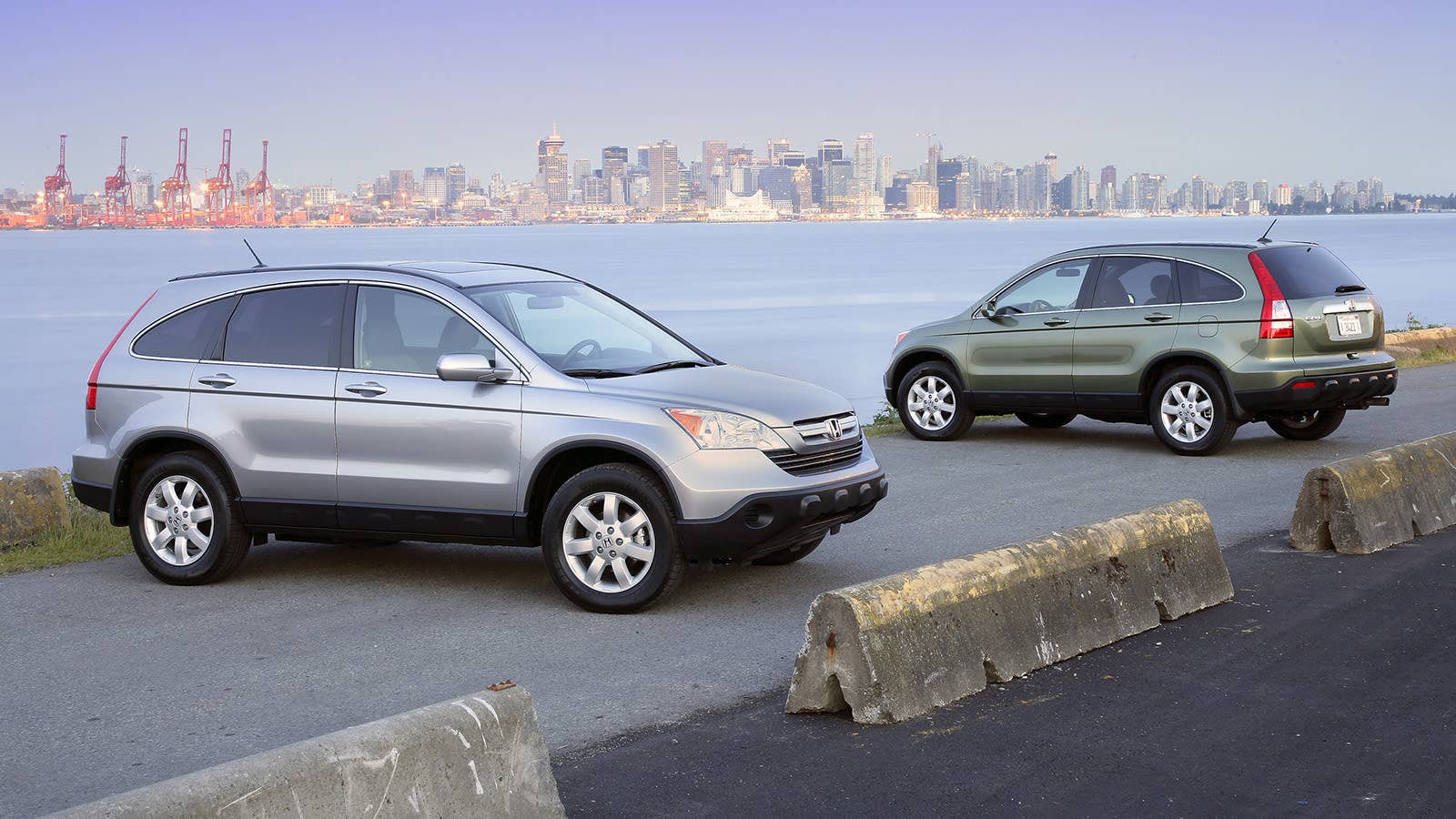
Compact SUVs have become the backbone of the global automotive industry. Models such as the Toyota RAV4, Honda CR-V, Hyundai Tucson, Chevrolet Equinox, Nissan Rogue, Mazda CX-5, Subaru Forester, and Ford Escape consistently rank among the best-selling vehicles in North America and many other markets.
Their popularity comes from offering a practical combination of passenger space, cargo capacity, fuel efficiency, and affordability, making them the default choice for millions of families.
Because these vehicles typically sell for $30,000 to $45,000, many buyers assume they cost manufacturers only a fraction of that amount to build. Others believe automakers make enormous profits on every SUV that leaves the assembly line.
The reality is much more complex. Building a modern compact SUV involves thousands of components, years of engineering, global supply chains, strict safety regulations, advanced electronics, and billions of dollars in research and development.
Although automakers rarely disclose the exact production cost of individual models, industry analysts, supplier reports, and financial filings provide a clear picture of where the money goes.
The manufacturing cost of a compact SUV is much higher than many consumers expect, while the final retail price reflects far more than simply the cost of assembling parts.
Also Read: 8 Cheapest Mercedes Cars Ever Made, Ranked
The Vehicle Itself Usually Costs Between $18,000 and $28,000 to build.
Industry analysts generally estimate that manufacturing a mainstream compact SUV costs approximately $18,000 to $28,000, depending on the model, powertrain, trim level, and production location.
That estimate includes:
- Raw materials
- Purchased components
- Factory labor
- Assembly operations
- Quality control
- Basic manufacturing overhead
Entry-level gasoline models assembled in high-volume factories typically fall near the lower end of the range.
Hybrid versions, all-wheel-drive models, and premium trims equipped with additional technology usually cost several thousand dollars more. This figure represents manufacturing cost rather than total corporate cost.
Raw Materials Make Up a Large Portion of the Budget
Every compact SUV begins with raw materials. These include:
- Steel
- Aluminum
- Plastics
- Copper
- Glass
- Rubber
- Paint materials
- Electronic materials
Steel remains the single largest material by weight because it forms much of the vehicle’s structure. However, aluminum usage continues to increase to reduce weight and improve fuel economy.
Copper has also become significantly more expensive as vehicles add electric motors, larger wiring harnesses, charging systems, and advanced electronics.
Fluctuations in global commodity prices can quickly change production costs by hundreds of dollars per vehicle.
Manufacturers closely monitor these markets because even small changes become significant when producing hundreds of thousands of vehicles annually.
Thousands of Parts Come From Suppliers
Automakers rarely manufacture every component themselves. Instead, suppliers provide much of the finished vehicle.
A typical compact SUV contains roughly 20,000 to 30,000 individual parts, many arriving from specialized companies.
Major supplier components include:
- Seats
- Headlights
- Airbags
- Infotainment systems
- Braking systems
- Suspension components
- Steering systems
- HVAC equipment
- Wiring harnesses
Companies such as Bosch, Denso, ZF, Magna, Continental, Lear, Aptiv, and many others manufacture components that eventually arrive at the final assembly plant.
Managing this enormous supplier network represents one of the industry’s biggest logistical challenges.
The Engine and Transmission Are Among the Most Expensive Components.
Powertrain costs vary widely depending on the vehicle. A naturally aspirated four-cylinder engine generally costs less to produce than the following:
- Turbocharged engines
- Hybrid systems
- Plug-in hybrid systems
Likewise, a conventional automatic transmission typically costs less than hybrid transaxles or dual-clutch gearboxes.
Combined, the engine and transmission frequently represent one of the largest single expenses in manufacturing a gasoline-powered SUV.
Hybrid versions add electric motors, inverters, battery packs, and additional cooling systems, increasing production costs even further.
Despite these higher costs, manufacturers often offset part of the expense through improved fuel economy and higher selling prices.
Electronics Have Become Surprisingly Expensive
One of the fastest-growing manufacturing expenses involves electronics. Modern compact SUVs now include dozens of computers controlling nearly every aspect of vehicle operation.
Typical electronic systems include the following:
- Infotainment displays
- Digital instrument clusters
- Radar sensors
- Cameras
- Parking sensors
- Blind-spot monitoring
- Automatic emergency braking
- Engine control modules
- Wireless connectivity
Many vehicles now contain more than 50 electronic control units (ECUs) connected through high-speed communication networks.
The global semiconductor shortage demonstrated just how dependent modern vehicle production has become on electronic components.
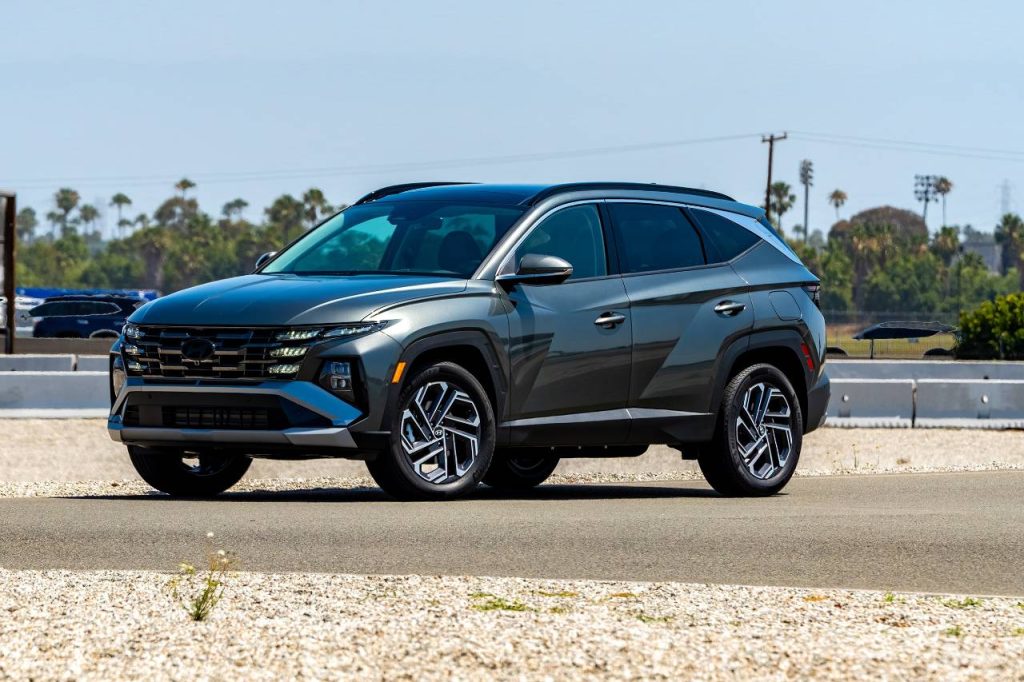
Even a small computer chip costing only a few dollars can prevent the completion of an entire vehicle if unavailable.
Safety Requirements Continue Raising Costs
Every new compact SUV must satisfy increasingly demanding crash standards. Manufacturers invest heavily in:
- High-strength steel structures
- Airbag systems
- Seatbelt pretensioners
- Crash sensors
- Side-impact protection
- Roof-strength reinforcement
- Pedestrian protection
Before reaching dealerships, vehicles undergo extensive crash testing covering frontal, side, rear, rollover, and offset impacts.
Developing these structures requires years of engineering, computer simulations, and physical testing.
Although consumers never directly see much of this work, it represents a significant portion of every vehicle’s development cost.
Factory Labor Is Only Part of the Picture
Many people assume labor accounts for most manufacturing expenses. In reality, labor generally represents a relatively modest percentage of total production cost. Modern assembly plants rely heavily on automation.
Robots perform many tasks, including:
- Welding
- Painting
- Material handling
- Adhesive application
- Precision assembly
Human workers remain essential for final assembly, quality inspection, electrical installation, interior fitting, and testing.
However, automation has dramatically reduced the number of labor hours required to build each vehicle.
Manufacturing efficiency continues to improve as factories adopt more advanced robotics and digital production systems.
Research and Development Is Spread Across Every Vehicle
Manufacturing cost alone does not reflect what it takes to create a compact SUV. Before production even begins, automakers invest billions of dollars in:
- Vehicle design
- Engineering
- Powertrain development
- Software
- Crash testing
- Emissions certification
- Durability testing
These expenses are eventually distributed across every vehicle produced during the model’s life cycle.
High-volume SUVs benefit because development costs are spread over hundreds of thousands of units.
That is one reason manufacturers prefer producing popular crossover models rather than niche vehicles.
Transportation Adds More Than Most Buyers Realize
Once assembled, vehicles still need to reach dealerships. Transportation expenses include:
- Rail shipping
- Truck transport
- Ocean freight
- Storage facilities
- Distribution centers
- Dealer preparation
Imported SUVs often travel thousands of miles before reaching customers. Even domestically built vehicles may move through multiple transportation stages before arriving at local dealerships.
Fuel prices, shipping capacity, and logistics disruptions all influence these costs.
Dealers Also Add Costs
The manufacturer’s production cost is not the same as the final selling price. Dealership operations include expenses such as:
- Showrooms
- Sales staff
- Advertising
- Financing
- Service departments
- Warranty administration
- Building maintenance
Dealers purchase vehicles from manufacturers and then sell them to consumers while covering their own operating expenses. This explains why retail prices remain substantially higher than manufacturing costs.
Manufacturer incentives, financing programs, and promotional discounts further affect final transaction prices.
How Much Profit Does the Manufacturer Make?
Profit varies considerably. Entry-level compact SUVs often generate relatively modest profit margins because competition remains intense.
Higher trims equipped with premium interiors, panoramic sunroofs, advanced technology packages, and all-wheel drive generally produce stronger margins.
Industry analysts estimate mainstream automakers may earn anywhere from $2,000 to $6,000 in operating profit per compact SUV under favorable market conditions. Luxury manufacturers typically achieve higher margins because of stronger pricing power.
However, those profits must also support future vehicle development, warranty expenses, corporate operations, marketing, and shareholder returns.
Electric and Hybrid SUVs Cost More to Produce
Electrification changes the equation considerably. Hybrid compact SUVs generally cost several thousand dollars more to manufacture because of the following:
- Battery packs
- Electric motors
- Power electronics
- Additional cooling systems
- More complex software
Fully electric compact SUVs cost even more, largely because the high-voltage battery remains the single most expensive component.
Battery prices have fallen substantially over the past decade, but they still represent a major portion of EV production costs.
Manufacturers continue investing heavily in battery technology to improve profitability as EV adoption expands.
Why Compact SUVs Remain So Important
Despite rising production costs, compact SUVs remain among the industry’s most profitable mainstream vehicles.
They appeal to an enormous range of buyers because they offer the following:
- Practical size
- Comfortable seating
- Strong resale value
- Available all-wheel drive
- Good fuel economy
- Family-friendly versatility
High sales volume allows manufacturers to recover development costs efficiently while maintaining competitive pricing.
This combination explains why nearly every automaker continues expanding its compact SUV lineup.
Building a modern compact SUV typically costs manufacturers between $18,000 and $28,000, but that figure reflects only the direct cost of producing the vehicle.
Raw materials, engines, transmissions, electronics, safety systems, supplier components, and factory assembly account for much of the expense, while billions of dollars in research, engineering, testing, logistics, and corporate operations must also be recovered through vehicle sales.
Although compact SUVs often sell for significantly more than their manufacturing cost, the difference is not pure profit. Automakers, suppliers, transport companies, and dealerships all play a role in bringing a vehicle from the design studio to the customer’s driveway.
The next time you see a compact SUV on the road, it represents far more than thousands of assembled parts. It is the result of a global manufacturing network involving years of engineering, millions of labor hours, and one of the most complex production processes in the modern economy.
Also Read: 8 Maintenance Items Owners Should Not Skip
