
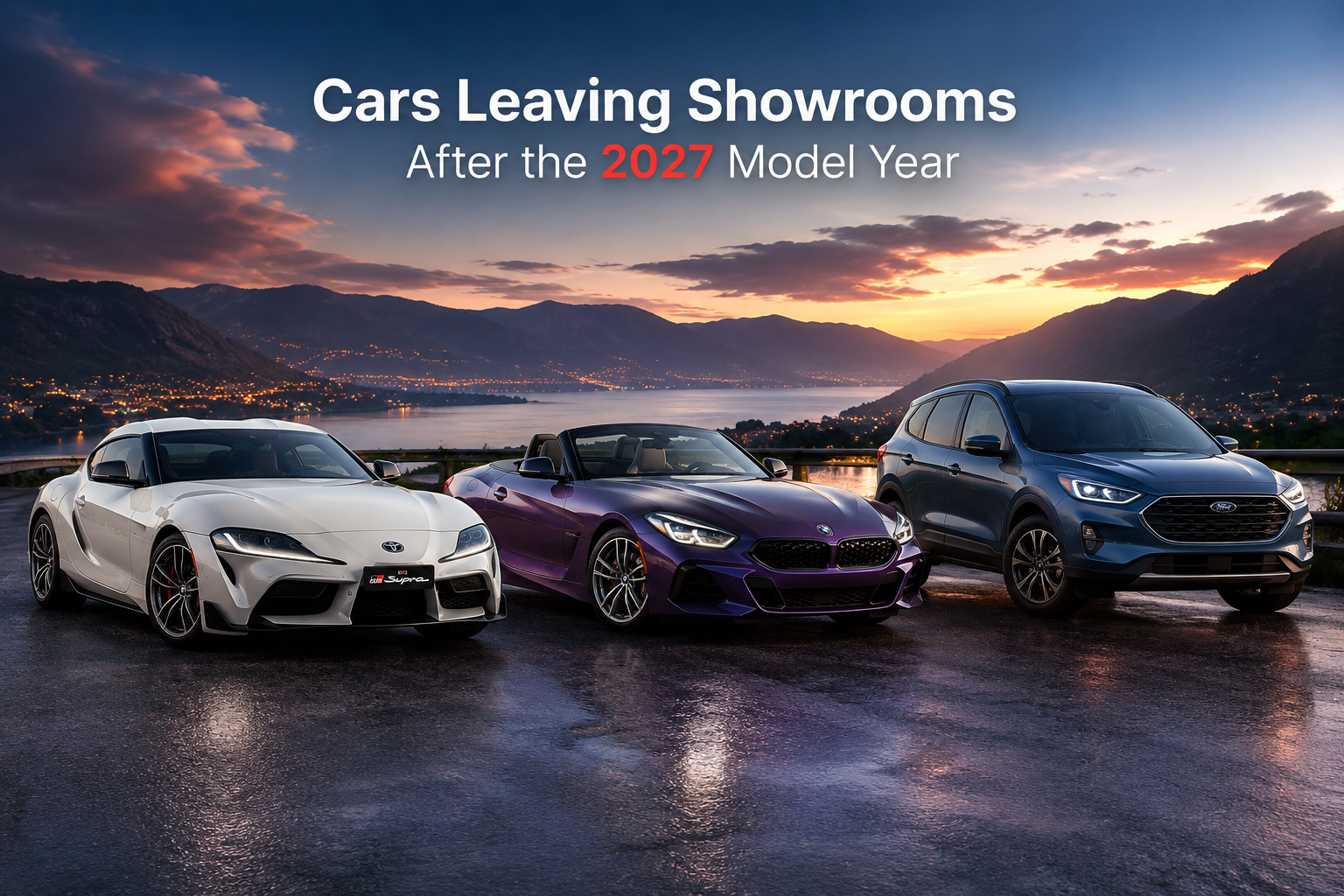
Say your goodbyes now, because some genuinely beloved nameplates are about to disappear from dealer lots for good. Automakers everywhere are trimming their lineups, chasing electric platforms, hybrid powertrains, and the SUVs that keep the profits flowing.
That means several familiar names, some sporty, some luxurious, and one a longtime family favorite, are wrapping up production with or shortly after the 2027 model year. If you’ve been putting off buying one of these, the clock is now officially ticking.
Once dealer inventory dries up, that’s it, no more new units rolling off the line, no more configuring your dream spec sheet from the factory. What’s left afterward will only exist on the used market, often at a premium once buyers realize what’s gone.
This list covers eight cars saying farewell after 2027, why each one mattered, and what made them worth a second look. If any of these catch your eye, now might be the moment to finally make the call before the window closes for good.
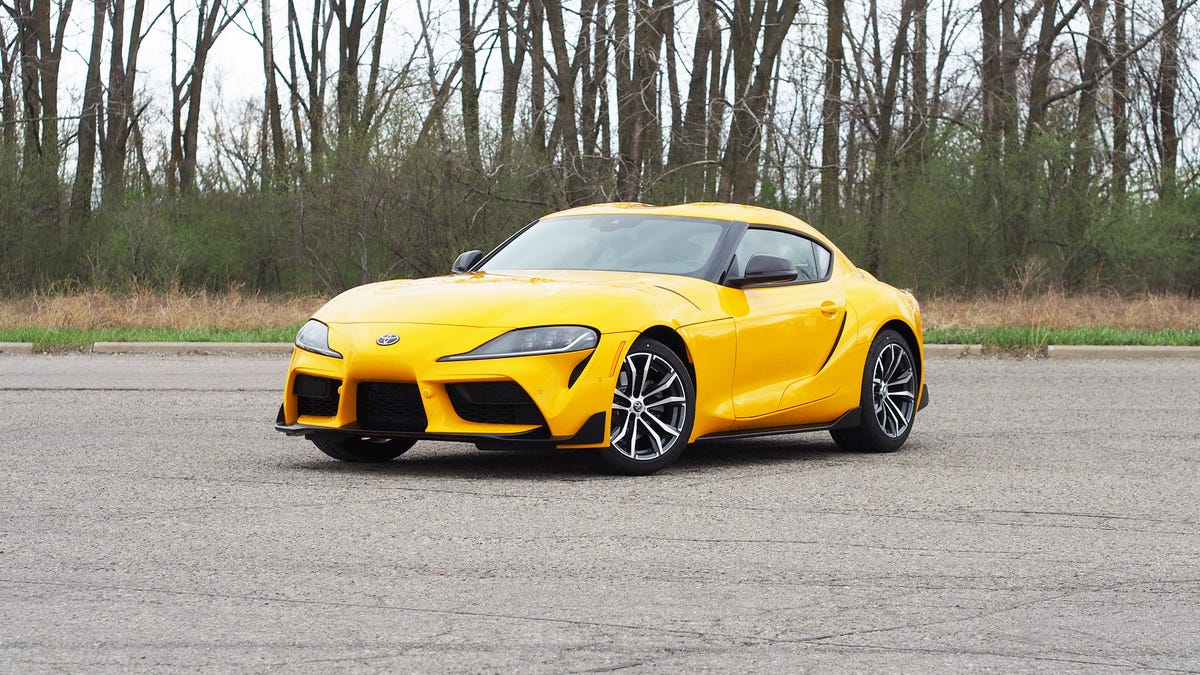
1. Toyota GR Supra
- Engine: 3.0L Turbocharged Inline-6
- Horsepower: 382 hp
- Torque: 368 lb-ft
- Size: 172.5″ L x 73.0″ W x 50.9″ H
Toyota’s decision to revive the Supra name attracted plenty of attention, especially because the car shared much of its engineering with BMW. At first, many long-time enthusiasts were unsure about that partnership, wondering if the new model could truly live up to the reputation built by earlier Supras.
Those doubts started disappearing as soon as people got behind the wheel. The BMW-sourced turbocharged inline-six engine delivered smooth, responsive power from low engine speeds, building steadily into strong acceleration that made every drive feel exciting.
After bringing the famous Supra badge back to life for a new generation of drivers, the model is now approaching the end of its production run. It marks the closing chapter for a sports car that generated plenty of discussion from the day it was introduced. Beyond the conversations, the GR Supra earned respect by proving itself on the road instead of relying only on its famous name.
One of the car’s biggest strengths is how well everything works together. Its low centre of gravity, rear-wheel-drive layout, carefully tuned suspension, and 382-horsepower engine create a driving experience that feels sharp and predictable.
Whether you are driving along a winding road or enjoying a track session, the Supra responds with confidence and precision. Reviewers consistently praised both its handling and acceleration, making it clear that this car offered much more than straight-line speed.
Inside, the cabin focuses almost entirely on the driver. The seating position, controls, and layout make it easy to concentrate on the road ahead, while the absence of rear seats is hardly a concern because practicality was never the main purpose of this car.
As production comes to an end, remaining stock is expected to disappear quickly. Buyers who have always wanted a modern Supra may want to make a decision soon, since finding a brand-new example will become much harder once dealership inventory is completely sold out.
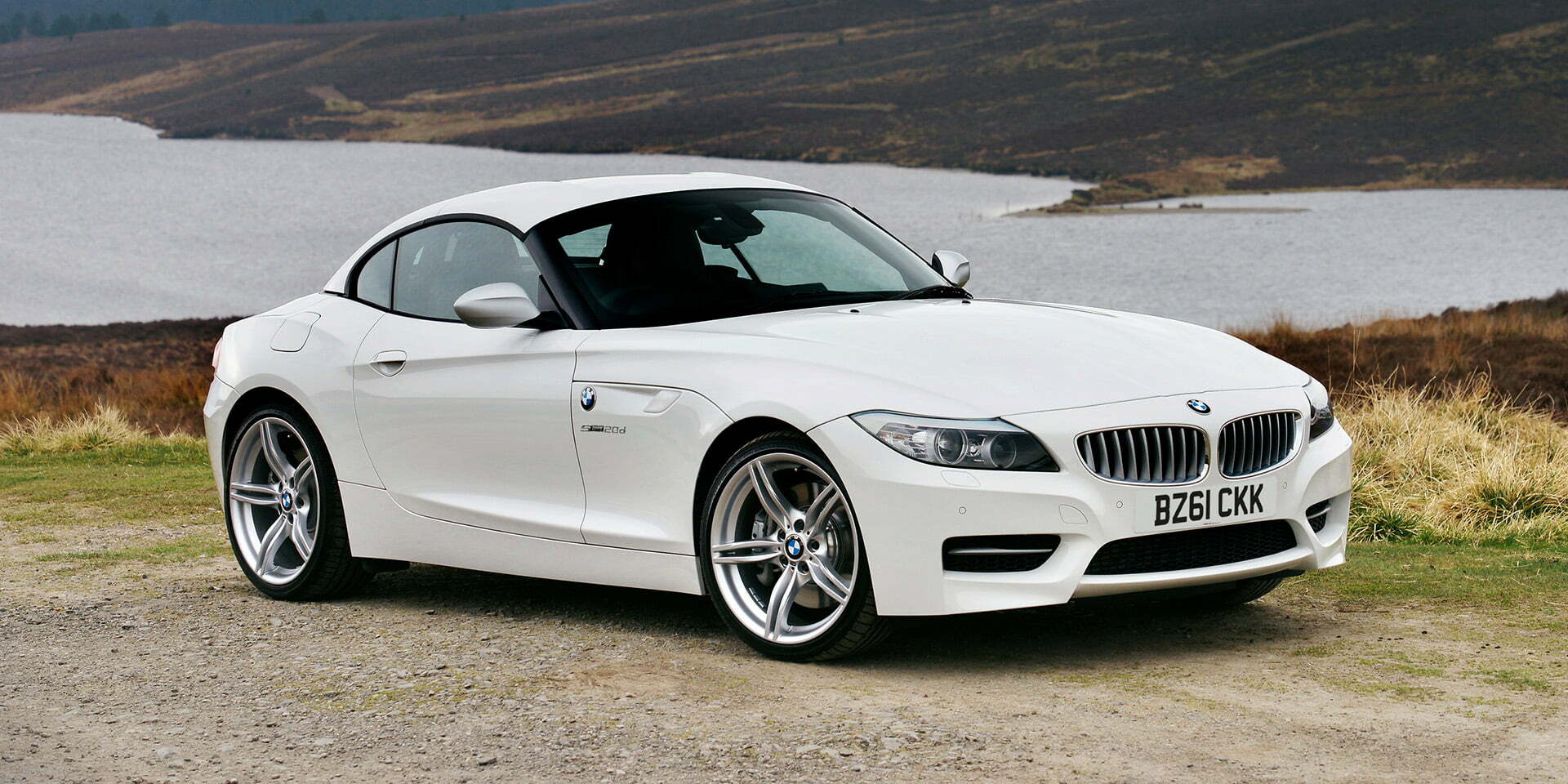
2. BMW Z4
- Engine: 2.0L Turbocharged 4-Cylinder (sDrive30i)
- Horsepower: 255 hp
- Torque: 295 lb-ft
- Size: 170.2″ L x 73.4″ W x 51.4″ H
Open-top roadsters have become increasingly rare in today’s automotive market, and the BMW Z4 is set to join the growing list of discontinued models. That makes its departure especially disappointing because this generation captured the qualities that have long defined a great convertible sports car. Responsive steering, a soft top that opens in seconds, and an engine with plenty of usable performance made it just as enjoyable on a daily commute as it was on a winding back road.
The sDrive30i configuration uses a turbocharged four-cylinder producing 255 horsepower and 295 lb-ft of torque, numbers that might not sound dramatic on paper but translate into a genuinely fun driving experience thanks to the car’s low weight and tight proportions. This isn’t a car built to win drag races. It’s built for a sunny afternoon with the top down and an empty road ahead.
Developed alongside the Toyota Supra through a shared platform partnership, the Z4 still managed to carve out its own identity, leaning more toward open-air comfort and touring capability while its Toyota sibling chased a sharper, more track-focused personality. Buyers cross-shopping the two often ended up choosing based on which philosophy matched their driving habits, not just badge preference.
Losing a car like this stings a little more than most, since two-seat convertibles have become a genuinely rare species across nearly every mainstream automaker’s showroom. Once production stops after 2027, buyers looking for a fresh, open-top BMW experience will need to look toward the used market or step up into a pricier alternative.
For anyone who’s always wanted one, the remaining window to order a new one is shrinking fast, and dealer allocations won’t last long once the news spreads.
Also Read: 10 Cars Disappearing From Showrooms After 2026
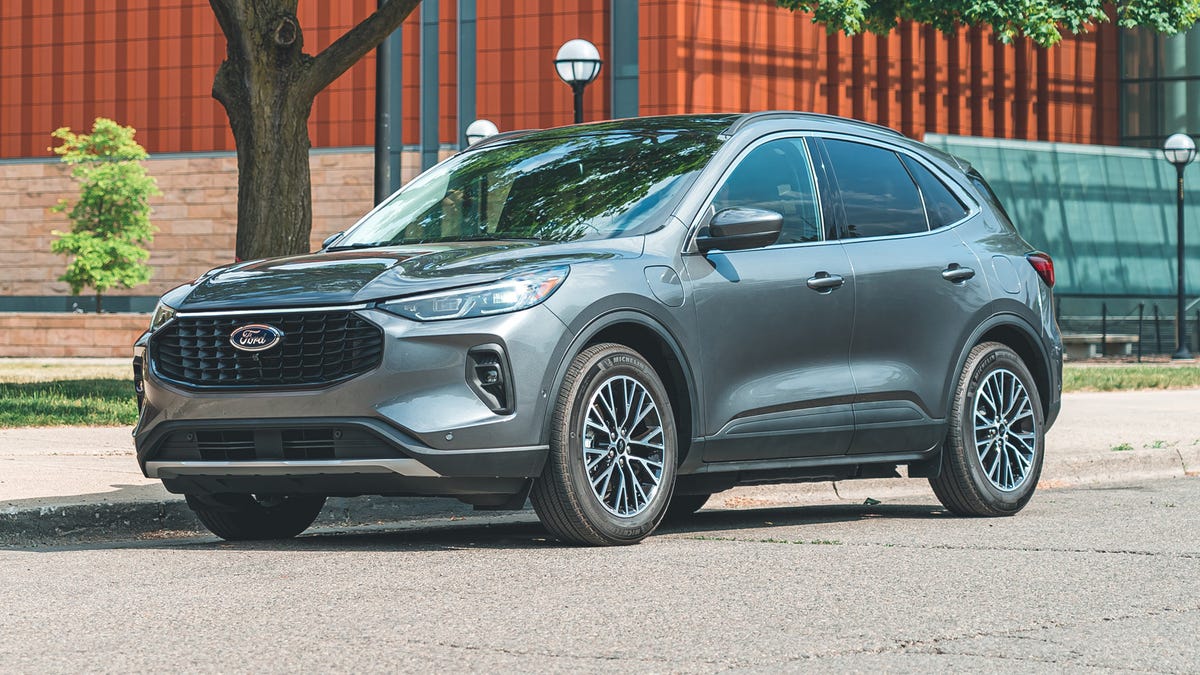
3. Ford Escape
- Engine: 1.5L Turbocharged 3-Cylinder
- Horsepower: 180 hp
- Torque: 199 lb-ft
- Size: 180.1″ L x 74.1″ W x 66.1″ H
Family favorites don’t stick around forever, and the Ford Escape’s departure proves that even a genuinely popular nameplate isn’t safe from a shifting lineup strategy. For years, this compact SUV served as a dependable choice for buyers who wanted practical space, respectable fuel economy, and a manageable price tag without stepping into luxury territory.
Power comes from a 1.5-liter turbocharged 3-cylinder engine producing 180 horsepower and 199 lb-ft of torque, numbers that prioritize efficient daily driving over outright excitement. That’s exactly the point. Buyers shopping this segment care far more about cargo space, comfortable seating, and predictable running costs than they do about acceleration times, and the Escape delivered consistently on all three fronts throughout its run.
Its departure fits into a broader pattern across Ford’s lineup, as the automaker leans harder into its electric offerings and reorganizes where resources get allocated across the compact SUV segment. Rather than continuing to split attention across multiple gas-powered crossovers, Ford appears to be consolidating around fewer, more focused nameplates, leaving the Escape as one of the names getting phased out along the way.
For loyal owners who’ve cycled through two or three generations of this SUV over the years, watching it disappear carries a certain sentimental weight, even if the reasoning behind the decision makes sense from a business standpoint.
Dealers will likely continue selling through remaining inventory for a while after production ends, so buyers still interested in a traditional gas-powered compact SUV from Ford have some time left, but that window won’t stay open indefinitely once word gets out.
4. BMW 8 Series (Gran Coupe)
- Engine: 3.0L Turbocharged Inline-6 (840i)
- Horsepower: 335 hp
- Torque: 369 lb-ft
- Size: 200.2″ L x 76.1″ W x 55.4″ H
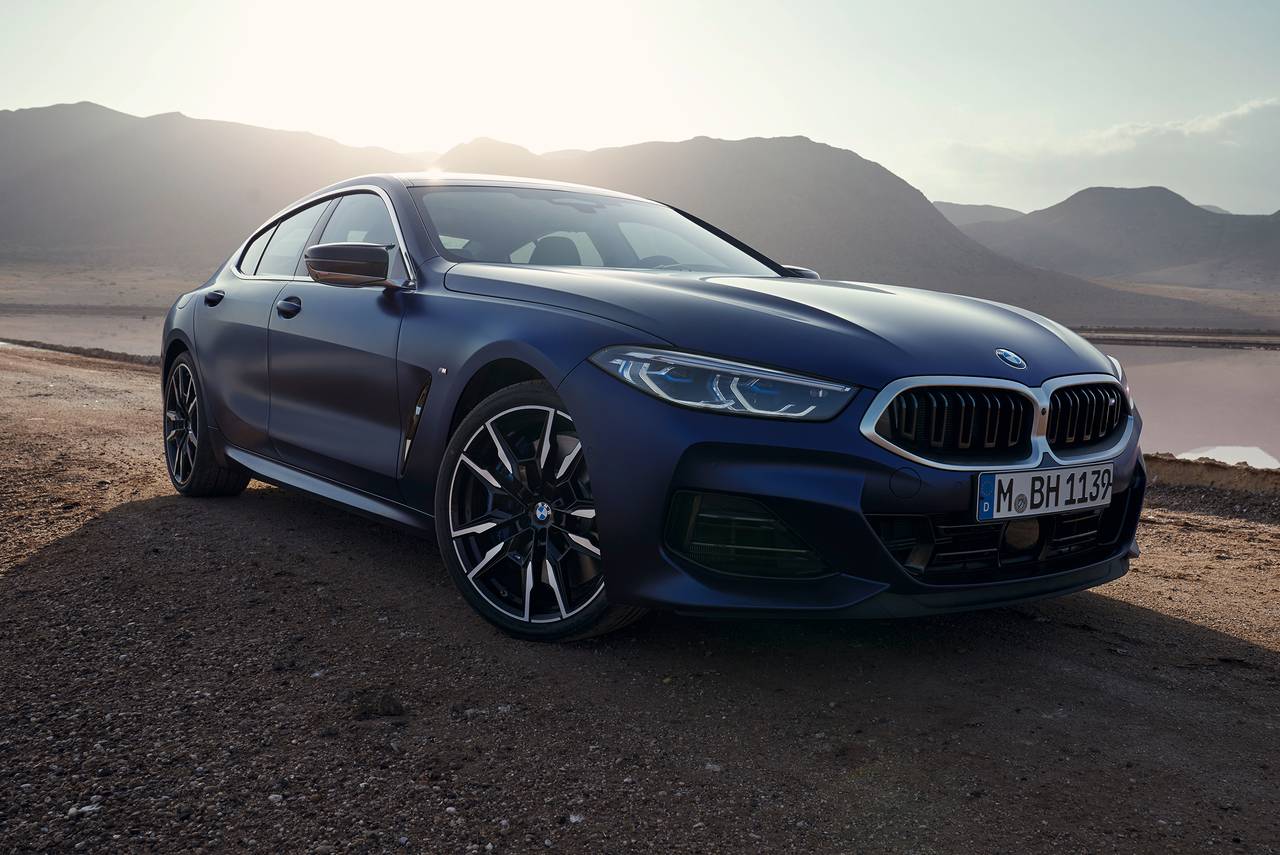
The BMW 8 Series Gran Coupe earned its place by blending luxury, style, and strong performance into one attractive package. It offered the practicality of four doors while keeping the sleek appearance of a coupe, making it appealing to buyers who wanted something more distinctive than a traditional luxury sedan.
Its design stood out without looking flashy, giving it an elegant character that suited both business and personal use. The 840i model is powered by a 3.0-liter turbocharged inline-six engine producing 335 horsepower and 369 lb-ft of torque. Acceleration is quick and effortless, while the engine delivers power smoothly in almost every driving situation.
Inside, the cabin reflects BMW’s attention to quality, with premium materials, supportive seats, and excellent sound insulation. Rather than relying on loud styling or aggressive behaviour, the Gran Coupe delivers a refined driving experience that feels comfortable on long journeys and enjoyable during spirited drives.
Measuring more than 200 inches in length, the 8 Series Gran Coupe comfortably sits among BMW’s largest passenger cars. Its wide stance and low roofline give it an appearance that attracts attention without trying too hard. Seeing one in person leaves a stronger impression than photographs, especially when parked beside more conventional executive sedans.
BMW has been reducing the number of large sedans and coupes in its lineup as customer demand continues to favour SUVs. That decision has placed the 8 Series Gran Coupe among the models approaching the end of their production run.
Anyone who has admired this car for years should consider buying one while new examples are still available. Once dealership stock is exhausted, buyers will have to rely on the used market, where well-maintained examples may become harder to find and more desirable.
5. Jaguar F-Pace
- Engine: 2.0L Turbocharged 4-Cylinder (P250)
- Horsepower: 246 hp
- Torque: 269 lb-ft
- Size: 186.8″ L x 81.5″ W x 65.6″ H
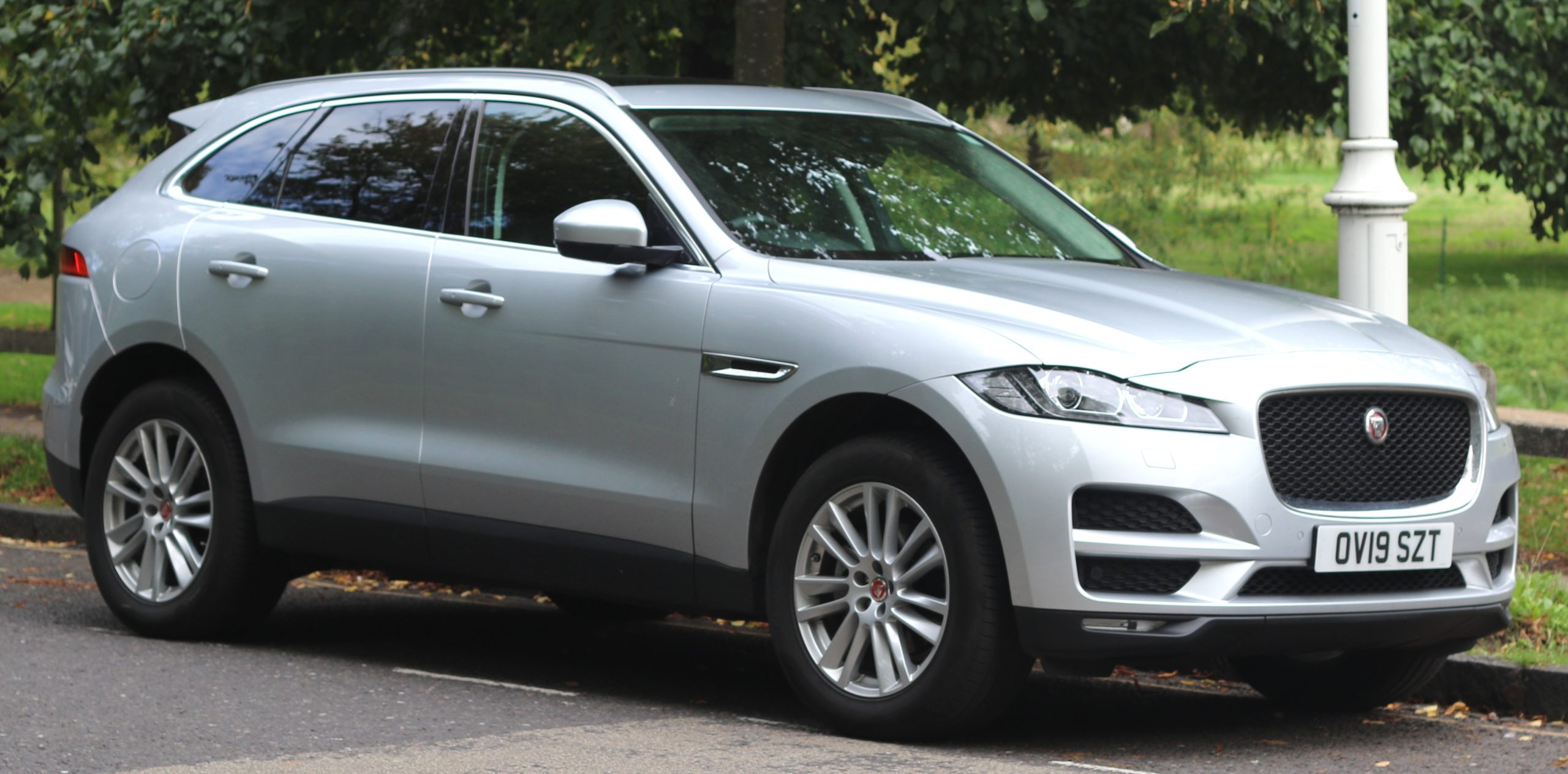
Jaguar’s only SUV for years now takes its final bow, closing out a run that helped keep the brand relevant during a period when nearly every luxury automaker rushed to build something similar. The F-Pace gave Jaguar a genuine foothold in the SUV segment, blending the brand’s traditionally sporty driving character with the practicality that modern buyers increasingly expect.
The P250 configuration uses a 2.0-liter turbocharged four-cylinder producing 246 horsepower and 269 lb-ft of torque, delivering enough punch for confident highway merging and spirited back-road driving without pushing into performance SUV territory reserved for the brand’s higher trim offerings. It struck a sensible middle ground, sporty enough to feel distinctly Jaguar, practical enough to handle daily family duty.
Design has always been one of the F-Pace’s strongest selling points, with flowing lines and a stance that looked genuinely athletic, parked next to boxier competitors from other luxury automakers. Inside, the cabin balanced upscale materials with a driver-focused layout that echoed Jaguar’s sedan lineup rather than feeling like an afterthought bolted onto a taller body.
Its departure lines up with Jaguar’s broader reinvention as a brand, one that’s steering hard toward an entirely new identity built around electric vehicles and a smaller, more focused model range going forward. Rather than continuing to update an aging platform, the automaker appears ready to start fresh, leaving the F-Pace as a genuine end of an era for gas-powered Jaguar SUVs.
Buyers drawn to its particular blend of style and everyday usability should act while dealer stock remains, since Jaguar’s next SUV chapter will look nothing like this one.
6. Lexus LC 500
- Engine: 5.0L Naturally Aspirated V8
- Horsepower: 471 hp
- Torque: 398 lb-ft
- Size: 187.4″ L x 75.6″ W x 53.0″ H
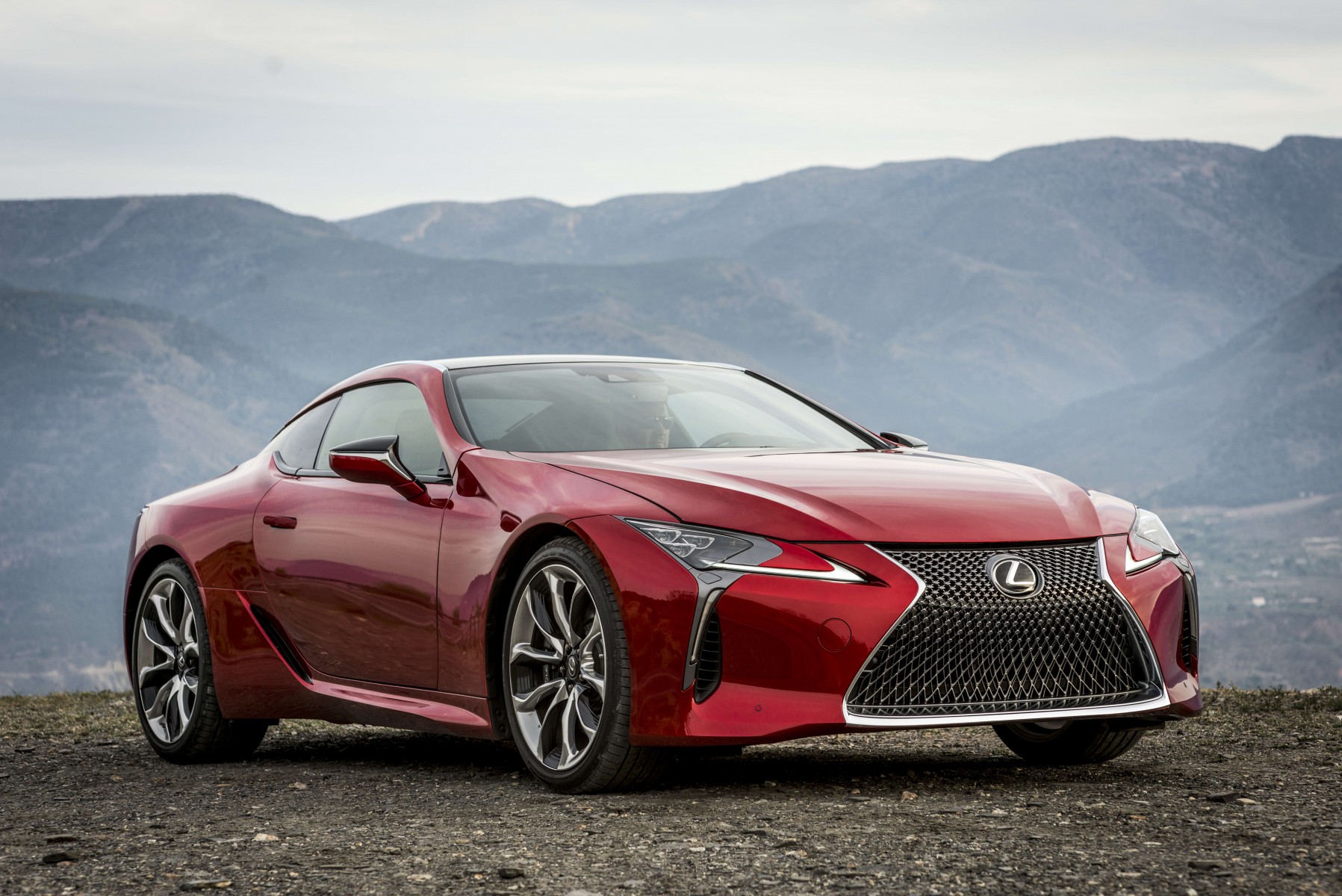
Naturally aspirated V8s are becoming an endangered species across nearly every manufacturer’s lineup, and the Lexus LC 500 stands as one of the last genuinely great examples before that engine format disappears entirely from mainstream showrooms. There’s something special about the way this 5.0-liter V8 builds power, no turbo lag, no artificial boost, just a linear, honest surge that climbs smoothly all the way to a genuinely thrilling redline.
Producing 471 horsepower and 398 lb-ft of torque, the LC 500 never needed forced induction tricks to feel exciting. That naturally aspirated character gives it a soundtrack and throttle response that turbocharged rivals simply can’t replicate, regardless of how impressive their spec sheets might look on paper.
Beyond the engine, this coupe represents some of Lexus’s finest design work in recent memory, with sculpted bodywork that turns heads in every parking lot and a cabin that blends genuine craftsmanship with details you won’t find anywhere else in this price range. Handmade trim pieces, meticulously stitched leather, and a driving position that feels perfectly tailored all contribute to an ownership experience that punches well above its price point.
As Lexus redirects its performance ambitions toward hybrid and electric platforms, keeping a low-volume naturally aspirated grand tourer in production simply doesn’t fit where the brand is headed anymore. It’s a rational business decision, even if it feels like a genuine loss for anyone who appreciates traditional engine character.
Buyers who’ve been considering an LC 500 should stop waiting. Once this generation of naturally aspirated V8s disappears from Lexus showrooms, nothing quite like it will take its place.
7. Lexus LS (LS 500)
- Engine: 3.4L Twin-Turbocharged V6
- Horsepower: 416 hp
- Torque: 442 lb-ft
- Size: 206.1″ L x 74.8″ W x 57.1″ H
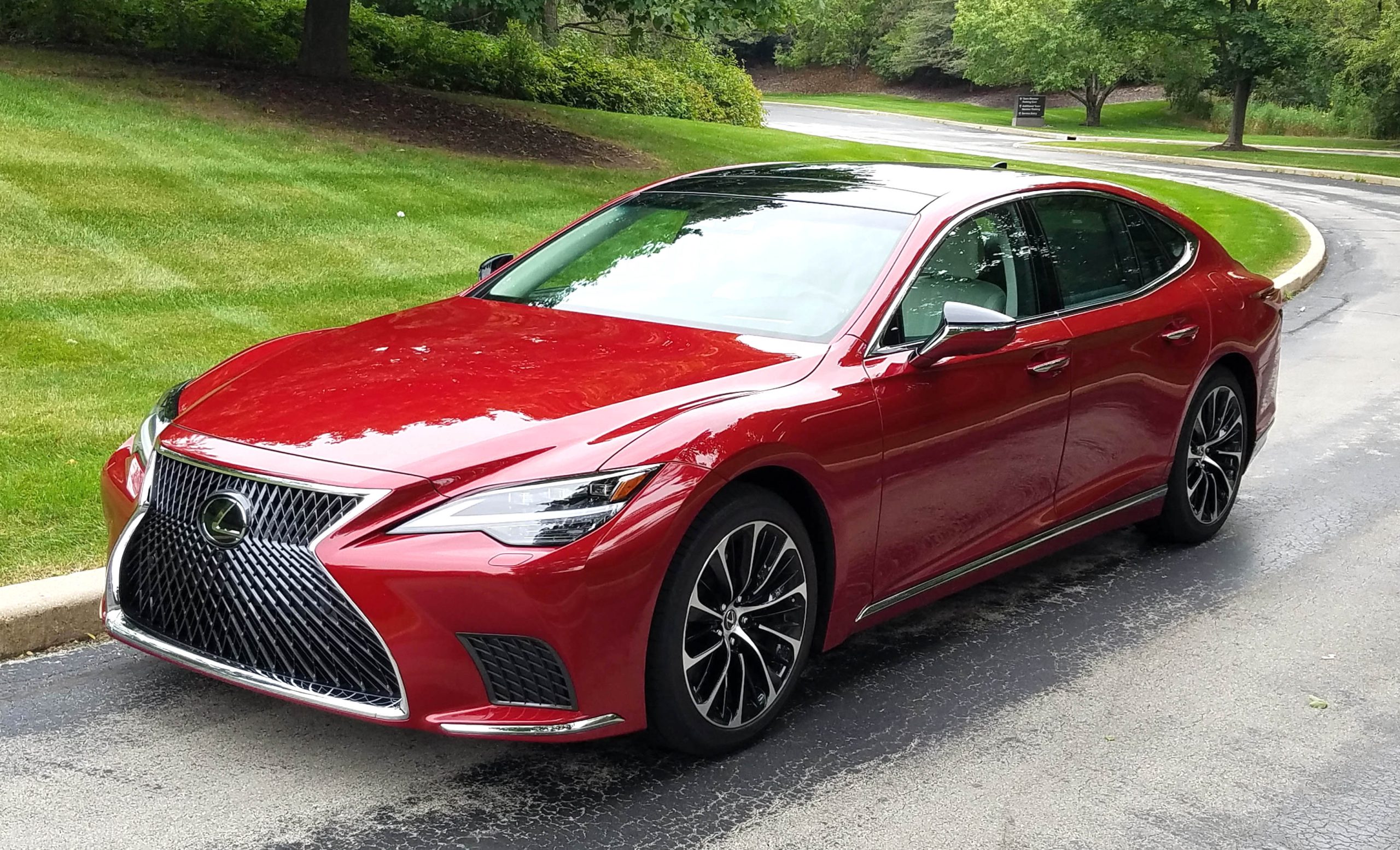
Luxury flagship sedans have been losing ground as more buyers choose SUVs, and the Lexus LS 500 is another example of this growing trend. Even though it remains one of the finest full-size luxury cars available, demand has continued to fall as customer preferences change. That is disappointing because this generation of the LS was designed to deliver a calm, refined driving experience that many rivals struggled to match.
Under the bonnet sits a 3.4-liter twin-turbocharged V6 engine producing 416 horsepower and 442 lb-ft of torque. It delivers strong acceleration with very little effort while keeping the ride smooth and refined. Unlike some German luxury sedans that focus heavily on sporty handling, the LS 500 places comfort at the centre of the driving experience. Power is always available when needed, yet the cabin remains quiet and relaxing throughout the journey.
Measuring more than 206 inches long, the LS 500 provides generous interior space for both front and rear passengers. The long-wheelbase version is especially appealing for those who spend plenty of time in the back seat. Lexus paid close attention to every detail, using premium materials, soft ambient lighting, and optional Kiriko glass trim inspired by traditional Japanese craftsmanship. The result is a cabin that feels elegant without being flashy.
Demand for large luxury sedans has continued to decline because many buyers now prefer SUVs, encouraging manufacturers to focus on those models instead. Lexus has also turned more attention toward electrified vehicles, making the future of the LS less certain.
Anyone who still appreciates the comfort, refinement, and timeless appeal of a traditional flagship sedan may want to consider the LS 500 while it is still available, as cars like this are becoming increasingly difficult to find.
Also Read: 10 Most Expensive Porsche Models Ever Made, Ranked
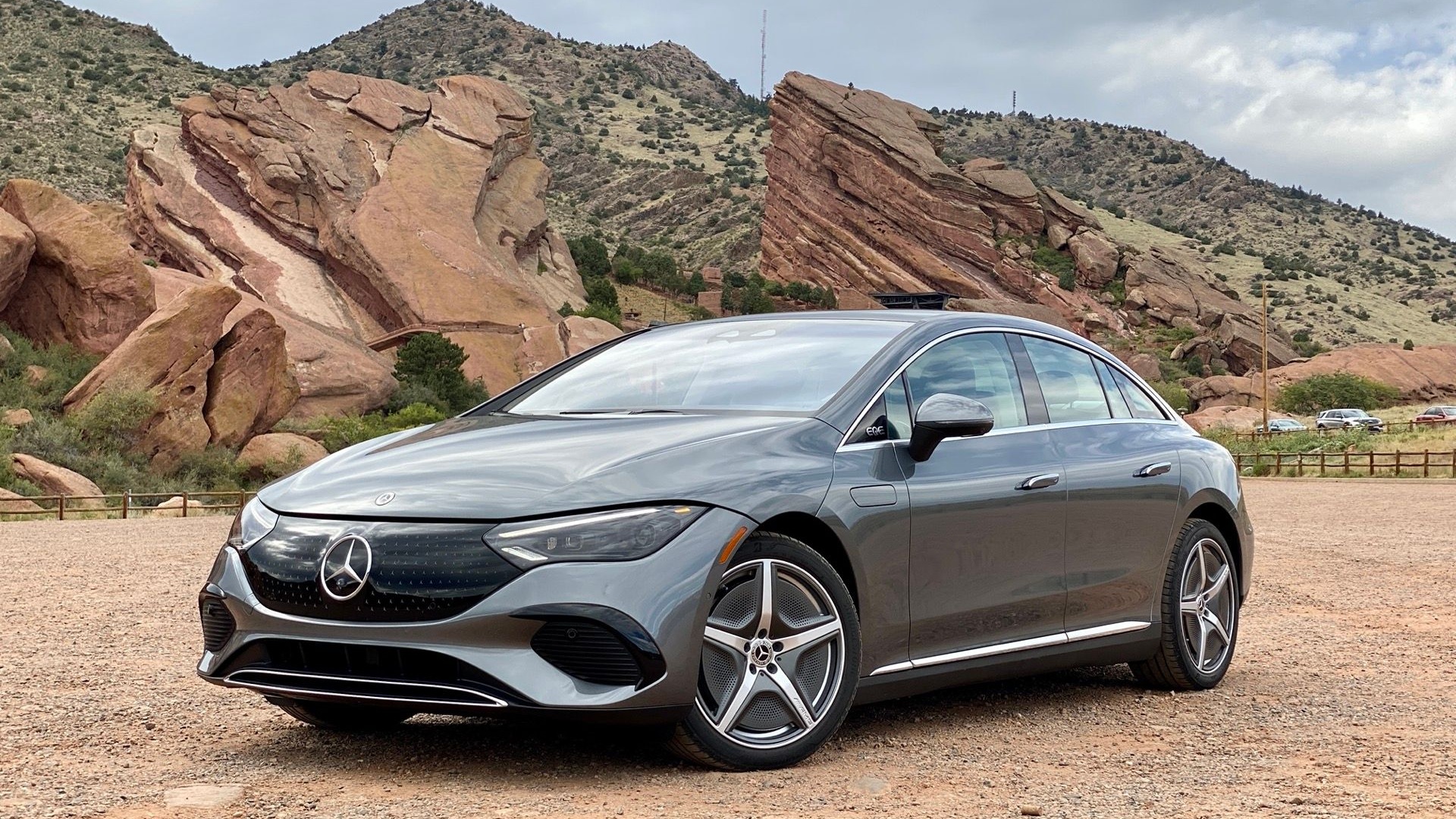
8. Mercedes-Benz EQE Sedan (EQE 350+)
- Engine: Single-motor Electric (90.6-kWh battery)
- Horsepower: 288 hp
- Torque: 417 lb-ft
- Size: 196.9″ L x 77.2″ W x 59.5″ H
Even electric vehicles aren’t immune to lineup consolidation, and the EQE Sedan’s departure proves that point clearly. Mercedes-Benz built this car to slot beneath the larger EQS, offering a smaller, more accessible entry into the brand’s electric sedan lineup, but shifting sales patterns and platform strategy are bringing this particular chapter to a close.
The EQE 350+ configuration uses a single electric motor paired with a 90.6-kWh battery pack, producing 288 horsepower and 417 lb-ft of torque. That torque figure delivers immediate, confident acceleration from a stop, a hallmark of electric power that continues to impress drivers stepping into an EV for the first time from a traditional gas-powered sedan.
Inside, the EQE leaned heavily into Mercedes-Benz’s tech-forward design language, with a massive available Hyperscreen display and a cabin that prioritized quiet, isolated comfort over sporty engagement. It was built as a genuine luxury sedan first, with the electric drivetrain serving as a mechanism rather than the entire personality of the car.
Its exit reflects a broader recalibration happening across Mercedes-Benz’s electric lineup, as the automaker reconsiders how many distinct EV sedans it needs to compete against its own SUV offerings for attention and sales volume. Rather than maintaining a crowded lineup spanning multiple similarly sized electric sedans, consolidation around fewer, more clearly differentiated models appears to be the new direction going forward.
Buyers interested in an electric Mercedes-Benz sedan with this particular size and configuration should take note before production wraps up. Once dealer inventory clears, this specific combination of size, range, and comfort will not carry forward into whatever replaces it.
