
When it comes to urban driving, size often matters more than power or luxury. Narrow cars are especially valuable in crowded American cities where parking space is limited, and traffic lanes can feel tight.
Over the years, several compact and ultra-efficient vehicles have made their way into the United States market, offering drivers an easier way to navigate dense streets, squeeze into small parking spots, and improve fuel efficiency. These vehicles are often designed with a focus on practicality rather than presence, making them popular among city commuters, students, and drivers who prioritize convenience over bulk.
Narrow cars are typically engineered for maximum space efficiency. Manufacturers reduce width while still trying to maintain comfort for passengers and essential safety standards. This balance creates vehicles that feel surprisingly usable despite their small footprint.
While many people think of compact cars as simply small in every dimension, width plays a crucial role in how easy a car is to maneuver in real-world driving conditions. A narrower car can make a noticeable difference when driving through tight alleyways, crowded parking garages, or dense downtown streets.
In the United States, where large SUVs and pickup trucks dominate the roads, these slim vehicles stand out as practical alternatives for specific driving needs.
Also Read: 10 Beginner Motorcycles That Hold Their Value Best
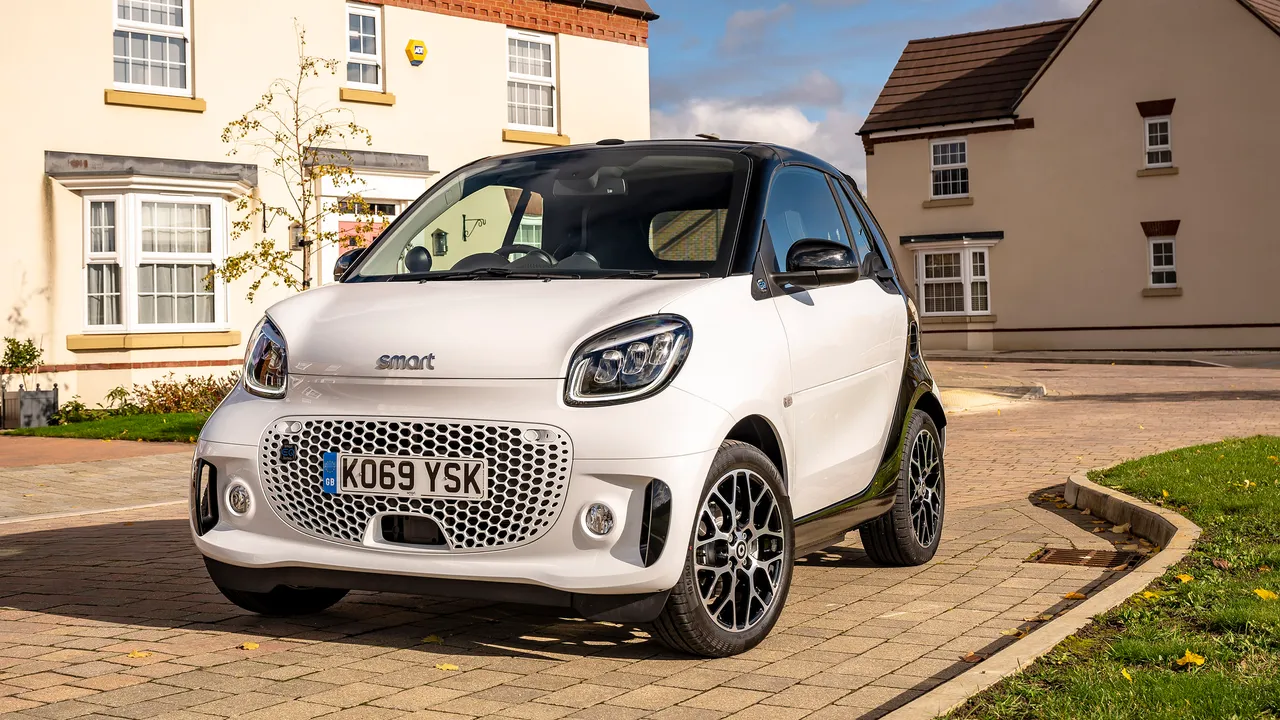
- Engine: 1.0L 3-cylinder petrol
- Horsepower: 70 hp
- Torque: 91 lb-ft (123 Nm)
- Length: 106.1 in (2695 mm)
- Width: 61.4 in (1560 mm)
1. Smart Fortwo and Ultra Compact City Design
The Smart Fortwo stands out as one of the narrowest and most recognizable microcars ever sold in the United States. Designed specifically for dense urban environments, it was built around the idea that parking and maneuverability matter more than traditional size expectations.
Its extremely compact width allows it to fit into spaces that most vehicles simply cannot attempt, especially in crowded city centers and tight residential streets. This design philosophy made it a practical choice for commuters who regularly dealt with limited parking options.
One of the most defining aspects of the Smart Fortwo is its two-seat layout. Instead of trying to maximize passenger capacity, engineers focused on optimizing space for a driver and one passenger while keeping the exterior footprint as small as possible.
This tradeoff allowed the car to maintain a very narrow stance without becoming unstable or impractical for everyday driving. It also contributed to its efficiency, as the lighter weight and smaller size naturally improved fuel economy compared to larger vehicles.
In real-world use, the Smart Fortwo became especially popular in cities like New York, Los Angeles, and San Francisco, where parking scarcity is a daily challenge.
Drivers appreciated the ability to slip into compact parallel parking spaces that would be impossible for most sedans or SUVs. However, its narrow design also meant compromises in comfort and cargo space, which limited its appeal for longer trips or family use. Despite this, it carved out a strong niche market.
Safety engineering also played a key role in its development. The car used a reinforced safety cell structure designed to protect occupants in a small frame. This allowed the vehicle to meet American safety standards despite its unusually small dimensions. The combination of safety, efficiency, and extreme compactness made it a unique entry in the American automotive industry.
Even though production has evolved and shifted over time, the Smart Fortwo remains a reference point whenever people discuss ultra-narrow cars designed for city living.
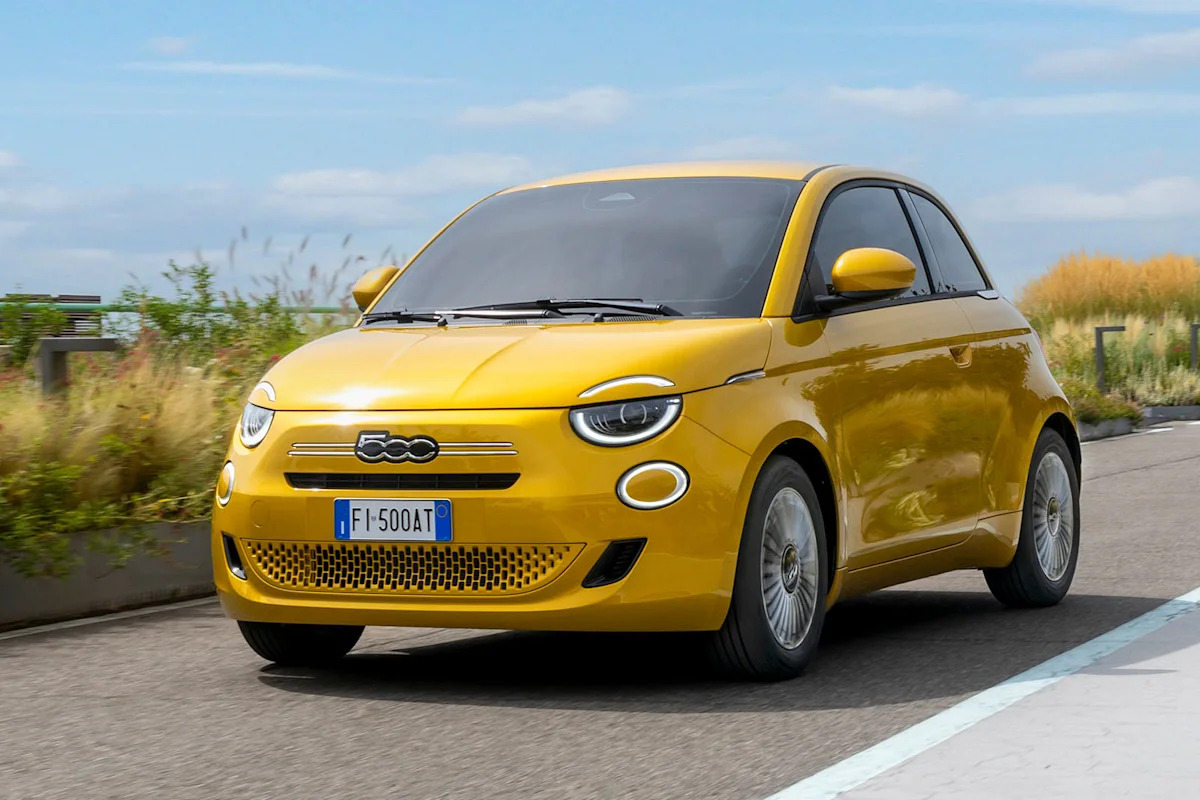
- Engine: 1.4L 4-cylinder MultiAir
- Horsepower: 101 hp
- Torque: 98 lb-ft (133 Nm)
- Length: 139.6 in (3546 mm)
- Width: 64.1 in (1628 mm)
2. Fiat 500 and European Narrow Styling
The Fiat 500 brought classic Italian design and narrow urban practicality to the American market. Its compact width is one of its defining traits, making it ideal for tight streets and dense parking conditions.
Unlike many small cars that focus purely on function, the Fiat 500 combines style with practicality, offering a distinctive personality that stands out in the subcompact category.
Its compact dimensions make it easy to position within a lane, especially in congested areas and older cities with narrow streets. Drivers also appreciate how effortlessly it fits into tight parking garages and confined residential roads compared with many wider compact sedans. This everyday practicality played a major role in the Fiat 500’s appeal among younger buyers and city commuters.
Inside the cabin, the Fiat 500 uses clever design to maximize available space despite its slim exterior. While rear seat room is limited, the front seating area feels more spacious than expected for such a narrow vehicle.
The dashboard layout also emphasizes simplicity and style, reflecting its European heritage. This design approach allowed it to compete effectively in the American subcompact market.
Fuel efficiency is an advantage that comes from its narrow and lightweight construction. The smaller frontal area reduces air resistance, contributing to better mileage in city driving conditions. This made it attractive during periods of rising fuel prices, when efficiency became a major purchase factor for many buyers.
The Fiat 500’s combination of narrow dimensions, iconic styling, and urban practicality ensured its place as one of the most recognizable small cars in America.
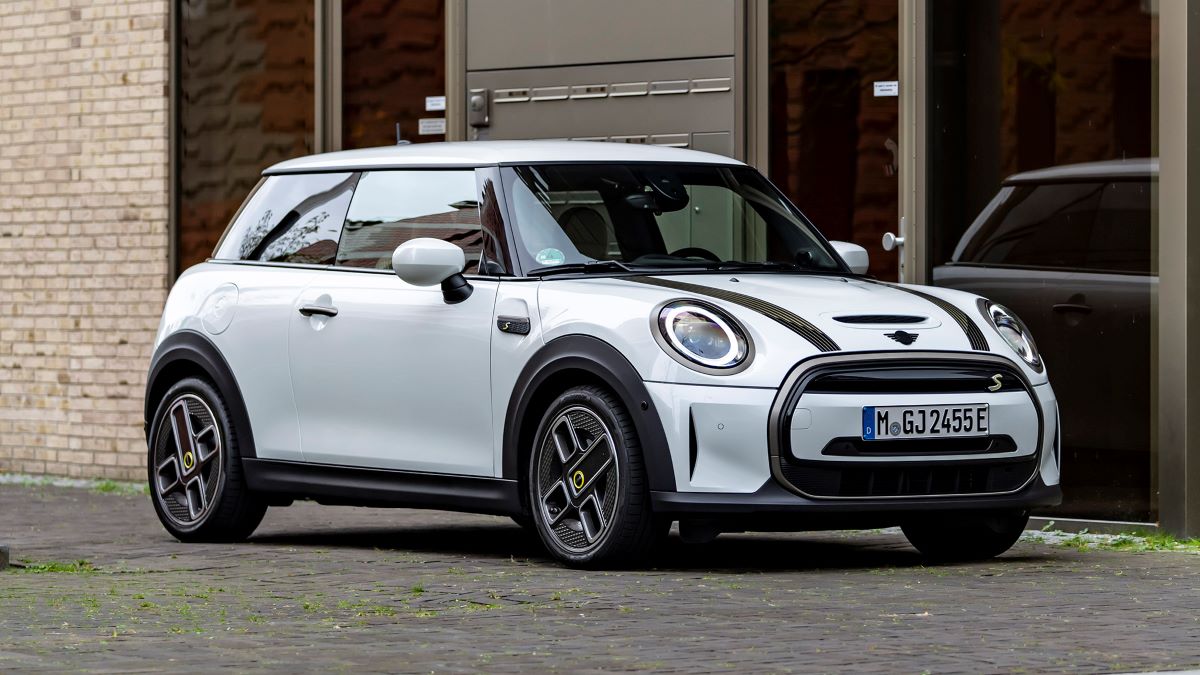
- Engine: 1.5L turbocharged 3-cylinder
- Horsepower: 134 hp
- Torque: 162 lb-ft (220 Nm)
- Length: 151.1 in (3837 mm)
- Width: 68.0 in (1727 mm)
3. Mini Cooper and the Sporty Narrow Hatchback
The Mini Cooper is one of the most iconic narrow cars ever sold in America, blending compact British heritage with modern driving dynamics. While it is known for its sporty handling and premium feel, one of its most practical traits is its relatively narrow body. This allows it to navigate tight urban streets with ease, making it a favorite in dense American cities where space is always limited.
The narrow stance of the Mini Cooper contributes directly to its agile driving character. It feels quick to steer and easy to place within a lane, especially in traffic conditions where larger vehicles struggle to maneuver comfortably.
Drivers often appreciate how confidently it fits into narrow parking spots, particularly in older city districts where parking design was never intended for modern vehicle sizes.
The Mini Cooper makes smart use of its limited width. The front seats are surprisingly comfortable, while the rear seating is more compact but still usable for short trips. The vertical design helps compensate for the narrow footprint, creating a cabin that feels more spacious than expected. This clever packaging is one of the reasons the car has remained popular in the United States.
Fuel efficiency and performance also play a role in its appeal. The car’s smaller size and narrow body reduce weight and improve responsiveness, especially in stop-and-go traffic. It delivers a driving experience that feels more connected to the road compared to many larger compact cars, which adds to its long-standing enthusiast following.
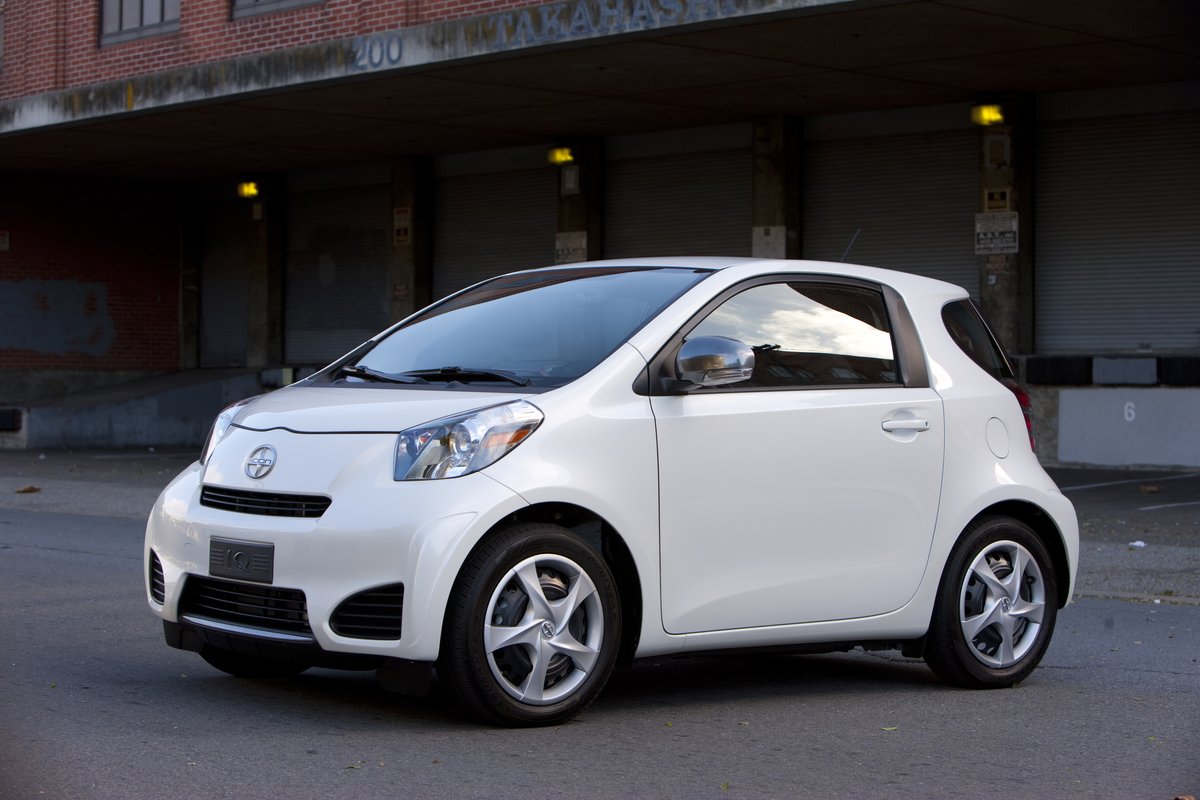
- Engine: 1.3L 4-cylinder
- Horsepower: 94 hp
- Torque: 89 lb-ft (121 Nm)
- Length: 120.1 in (3050 mm)
- Width: 66.1 in (1680 mm)
4. Scion iQ and Ultra Micro Engineering
The Scion iQ represents one of the most extreme examples of narrow car engineering ever sold in America. Designed with urban mobility in mind, it pushes the boundaries of how small and narrow a production vehicle can realistically be while still meeting safety and usability standards.
What makes the Scion iQ especially notable is its extremely tight packaging. It was designed to seat up to three passengers in certain configurations, despite being smaller than many traditional two-seat microcars. Its narrow width allows it to slip into parking spaces that even other compact cars would find challenging, making it highly effective for dense urban environments.
The engineering behind the iQ focused heavily on maximizing interior efficiency. Components were carefully arranged to reduce wasted space, resulting in a surprisingly functional cabin for such a small footprint. While rear passenger comfort is limited, the front seating position feels practical for everyday commuting.
The Scion iQ offers a light and confidence-inspiring driving experience. Its compact footprint makes it easy to drive through crowded city streets and heavy traffic, while its small size is especially useful in busy downtown areas. That same design, however, makes the iQ better suited to short daily commutes than extended highway trips.
Despite its niche appeal, the Scion iQ remains an important example of how automakers experimented with extreme compactness in the American market.
- Engine: 1.4L 4-cylinder
- Horsepower: 98 hp
- Torque: 94 lb-ft (127 Nm)
- Length: 143.1 in (3635 mm)
- Width: 62.8 in (1595 mm)
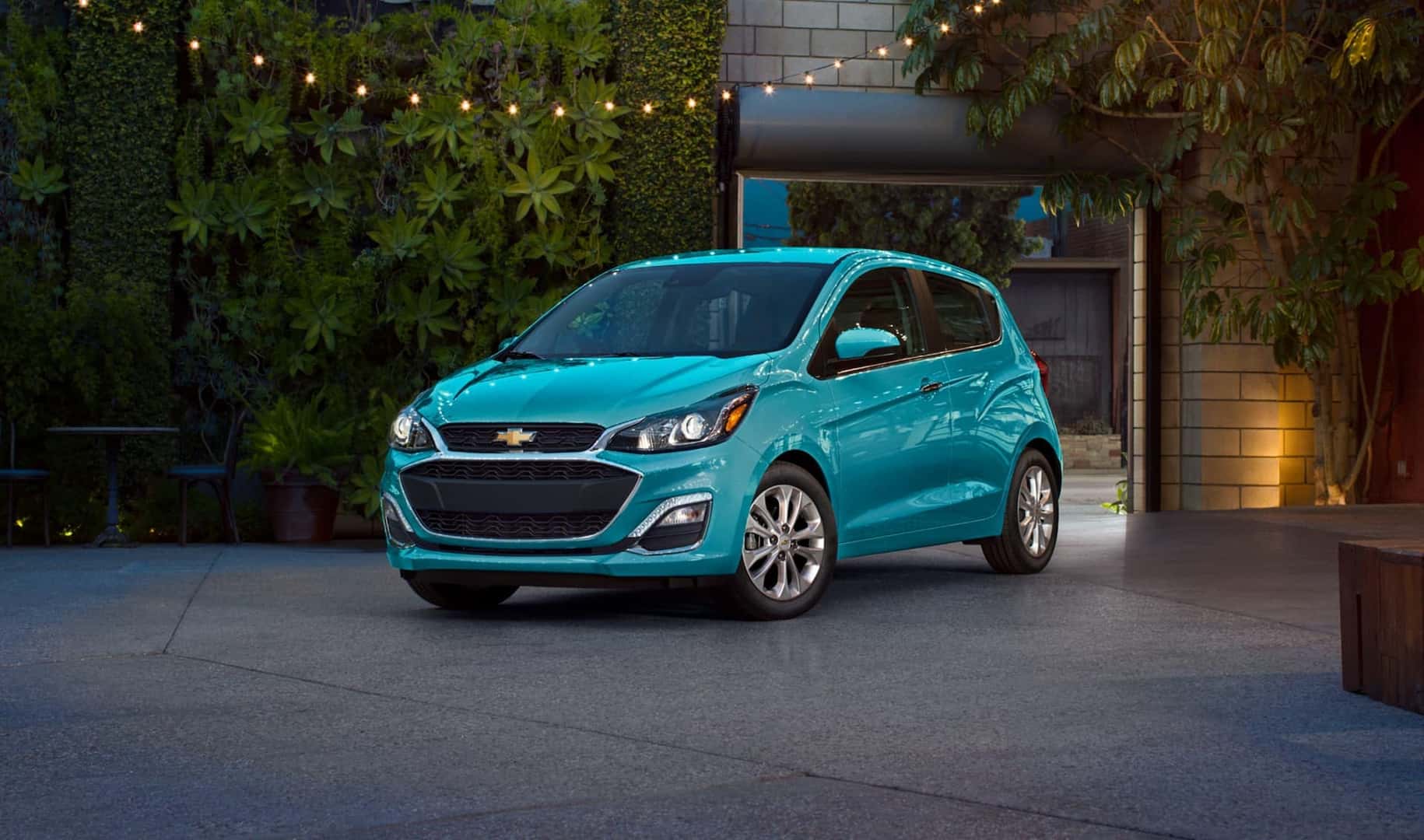
5. Chevrolet Spark and Practical Narrow Urban Mobility
The Chevrolet Spark is one of the most affordable and narrow hatchbacks sold in the United States. Built with city drivers in mind, it offers a slim profile that makes it easy to maneuver through tight streets, crowded parking lots, and heavy traffic conditions.
One of the key advantages of the Chevrolet Spark is its balance between narrow dimensions and usability. Unlike ultra microcars, it still provides seating for four passengers and a usable cargo area, making it more versatile for everyday tasks. Its narrow body ensures that it remains easy to handle even in challenging urban environments.
Drivers often choose the Spark because of its simplicity and efficiency. The car is lightweight, which helps improve fuel economy and makes it easier to control at low speeds. This is especially useful in cities where stop-and-go traffic is common. Its narrow frame also makes parking significantly less stressful compared to wider vehicles.
The Spark focuses on practicality rather than luxury. The cabin is simple but functional, with enough space for daily commuting needs. While it does not offer premium features, it compensates with affordability and ease of use, which are important factors for first-time car buyers or urban commuters.
The Chevrolet Spark remains a strong example of how narrow cars can still deliver everyday practicality without sacrificing too much comfort or usability.
- Engine: 1.2L 3-cylinder
- Horsepower: 78 hp
- Torque: 74 lb-ft (100 Nm)
- Length: 151.4 in (3845 mm)
- Width: 65.6 in (1665 mm)
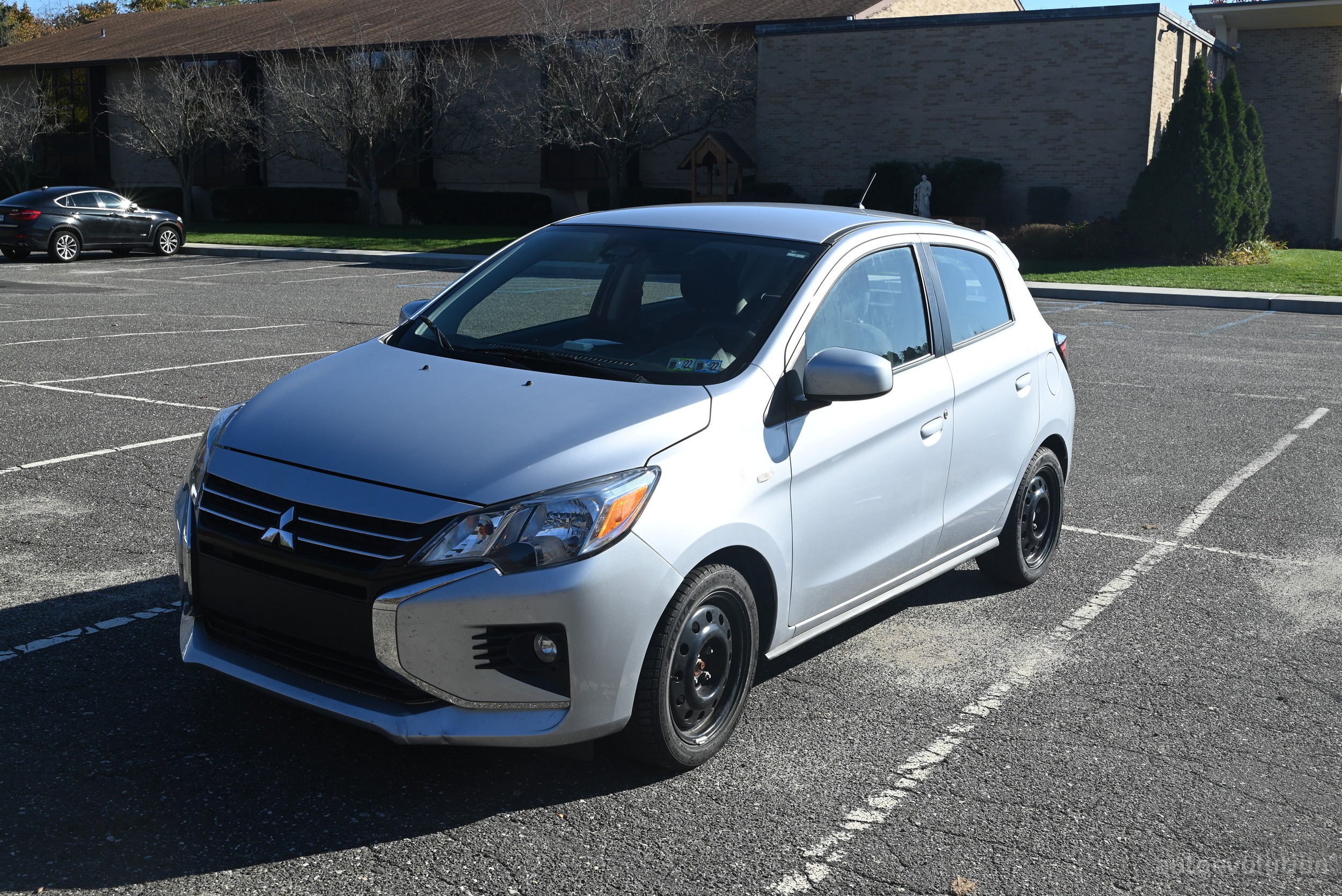
6. Mitsubishi Mirage and Lightweight Narrow Efficiency
The Mitsubishi Mirage is another standout in the narrow car category in the American market. Known for its lightweight build and compact dimensions, it is designed primarily for efficiency and affordability. Its narrow body allows it to excel in crowded urban settings where space is limited.
One of the strongest aspects of the Mirage is its exceptional fuel economy. Its small engine and lightweight frame work together to reduce fuel consumption, making it one of the most economical cars available. The narrow design also helps reduce drag, contributing to better efficiency during city driving.
The interior of the Mirage is simple but functional. While space is limited due to its narrow structure, it still accommodates passengers comfortably enough for daily commuting. The focus is clearly on practicality rather than luxury, which aligns with its target audience of budget-conscious drivers.
On the road, the Mirage feels easy to maneuver and park. Its narrow width makes it especially useful in tight urban areas, where larger vehicles often struggle. However, like many small cars, it is best suited for city driving rather than high-speed highway performance.
Despite its simplicity, the Mitsubishi Mirage continues to appeal to drivers who prioritize low running costs and easy urban mobility.
- Engine: 1.6L 4-cylinder
- Horsepower: 109 hp
- Torque: 107 lb-ft (145 Nm)
- Length: 163.7 in (4161 mm)
- Width: 66.7 in (1695 mm)
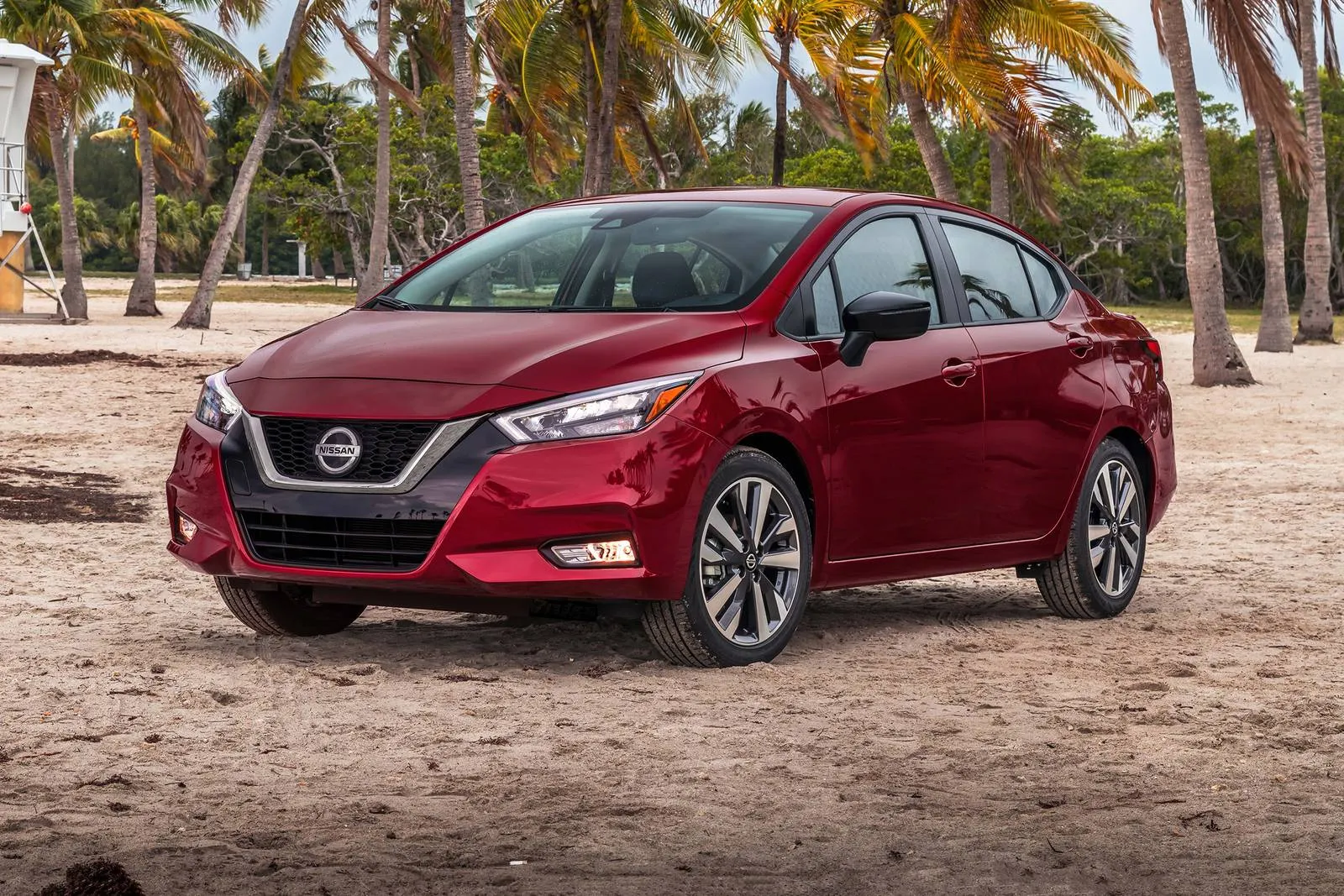
7. Nissan Versa Note and Balanced Narrow Design
The Nissan Versa Note offers a more balanced approach to narrow car design. While it is still compact enough to handle tight city streets with ease, it provides more interior space than many other vehicles in its category, making it a practical choice for a wider range of drivers.
One of the key strengths of the Versa Note is its efficient use of space. The narrow body allows it to remain easy to park and maneuver, while the interior design maximizes passenger comfort. This combination makes it appealing to small families and urban commuters who need versatility.
The car’s driving experience is smooth and predictable. Its narrow stance helps in tight traffic conditions, while its suspension is tuned for comfort rather than sporty performance. This makes it suitable for daily commuting and longer urban drives.
The Versa Note offers a surprisingly roomy cabin for its size. The rear seats provide more comfort than those of many competitors, and the cargo space is practical for shopping or small trips. This makes it one of the more usable narrow cars in its segment.
The Nissan Versa Note demonstrates how narrow vehicles can still offer practicality, comfort, and efficiency in a well-balanced package.
- Engine: 1.6L 4-cylinder
- Horsepower: 120 hp
- Torque: 113 lb-ft (153 Nm)
- Length: 172.6 in (4386 mm)
- Width: 68.1 in (1730 mm)
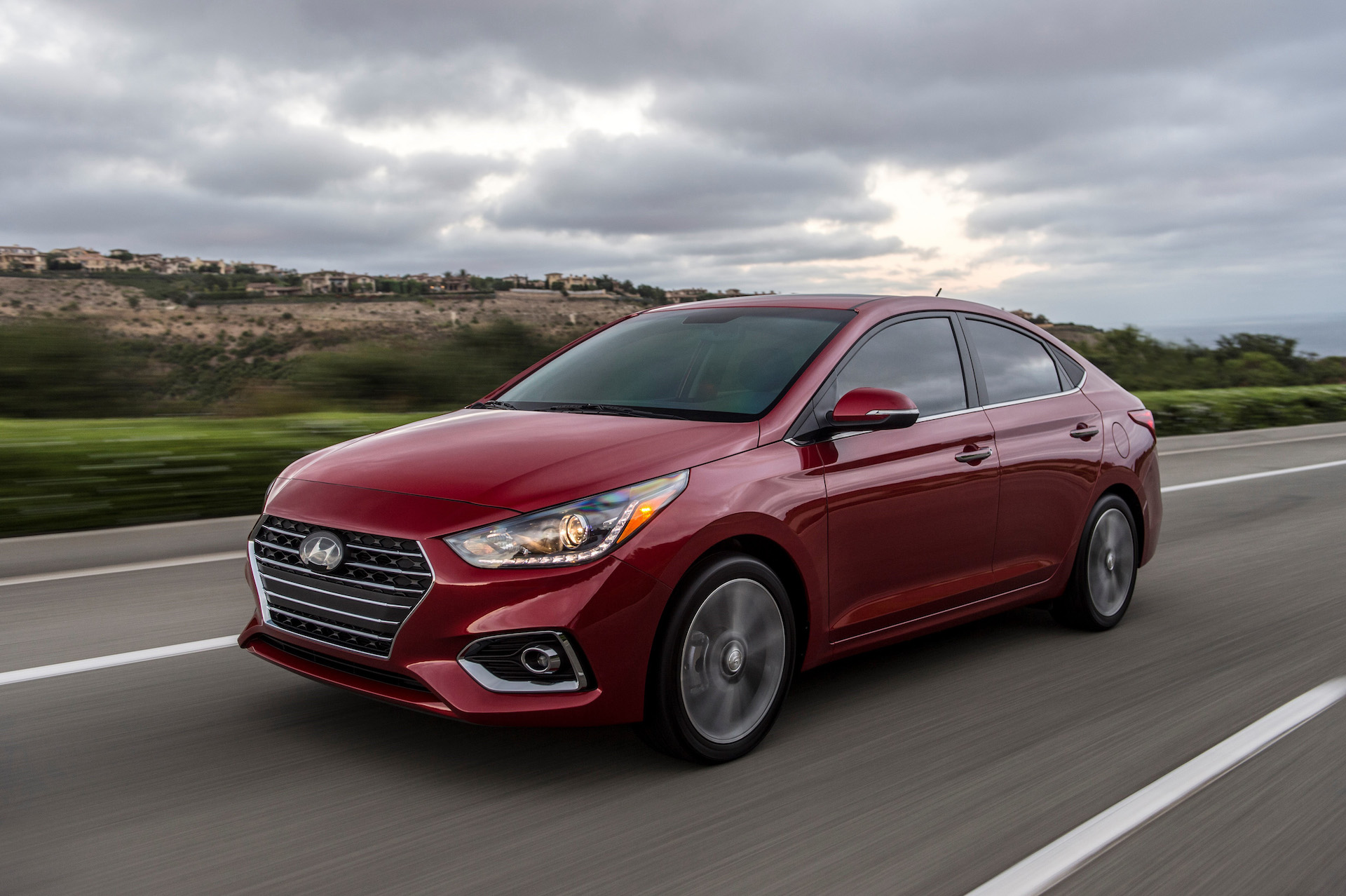
8. Hyundai Accent and Everyday Narrow Practicality
The Hyundai Accent has long been recognized as one of the most practical narrow subcompact sedans available in the American market. Designed with affordability and urban usability in mind, its relatively slim width makes it especially effective in crowded cities where parking space is limited, and traffic lanes often feel tight.
While it is not as extreme in design as microcars, it still benefits significantly from a compact footprint that prioritizes ease of use over size.
One of the Hyundai Accent’s biggest strengths is its ease of use in everyday driving. Its compact width gives new drivers added confidence in traffic and makes it easier to handle on narrow streets, through busy intersections, and in other confined urban spaces.
Parking is also much simpler compared to wider sedans and SUVs, which gives it a clear advantage in dense urban environments. This practical focus is one of the main reasons it has remained popular among budget-conscious buyers.
Inside the cabin, the Accent uses space efficiently despite its narrow structure. The seating layout is designed to maximize comfort for front and rear passengers within limited dimensions.
While it does not offer luxury-level space, it strikes a balance that works well for daily commuting and short trips. The interior materials are simple but durable, reinforcing its reputation as a reliable entry-level vehicle.
On the road, the Hyundai Accent feels stable and predictable. Its narrow stance makes it easy to position in traffic, while its lightweight construction contributes to fuel efficiency. This combination of efficiency and maneuverability has made it a dependable choice for city driving across the United States.
- Engine: 1.6L 4-cylinder
- Horsepower: 120 hp
- Torque: 112 lb-ft (152 Nm)
- Length: 172.6 in (4386 mm)
- Width: 67.9 in (1725 mm)
9. Kia Rio and Compact Narrow Versatility
The Kia Rio is a strong example of a narrow and efficient subcompact car that has been widely available in the United States. Known for its value-oriented design, the Rio focuses on delivering essential features in a compact and narrow package that suits urban driving conditions.
One of the key strengths of the Kia Rio is its balance between size and usability. While its narrow body makes it easy to maneuver in tight spaces, it still offers enough interior room for passengers and luggage. This makes it more versatile than many ultra-compact cars, especially for drivers who need a practical daily vehicle without stepping up to a larger sedan.
Driving the Rio in city environments feels straightforward and stress-free. Its slim width allows it to fit comfortably into tight parking spaces, while its responsive steering makes it easy to handle in stop-and-go traffic. These qualities make it particularly attractive for first-time car buyers and commuters living in dense urban areas.
The Rio provides a clean and functional cabin layout. It does not rely on luxury features, but instead focuses on usability and durability. The seating is adequate for everyday travel, and the controls are designed to be simple and intuitive. This makes it an easy car to live with, especially for drivers who prioritize practicality.
The Kia Rio continues to be a reliable choice for those seeking a narrow, efficient, and affordable vehicle that performs well in everyday American driving conditions.
- Engine: 1.3L 4-cylinder
- Horsepower: 94 hp
- Torque: 89 lb-ft (121 Nm)
- Length: 120.5 in (3060 mm)
- Width: 66.1 in (1680 mm)
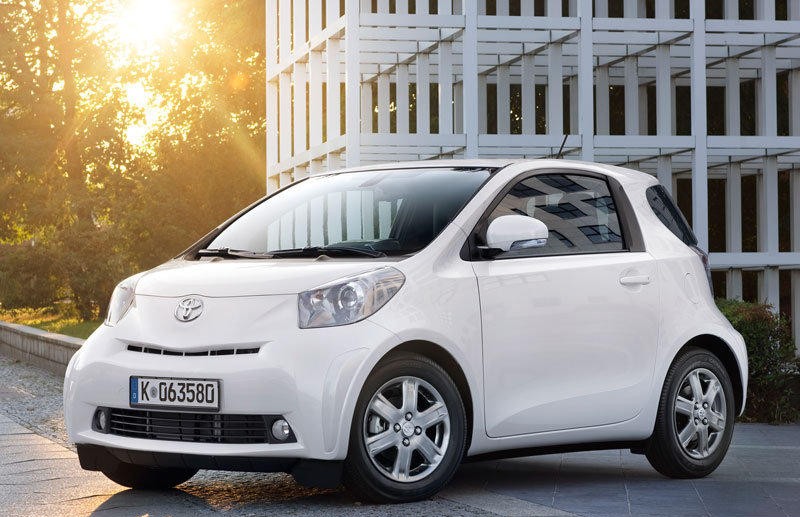
10. Toyota iQ and Extreme Space Efficiency
The Toyota iQ is one of the most innovative and narrow microcars ever introduced to the American automotive industry. Designed with a strong focus on space efficiency, it pushes the boundaries of how compact a road-legal vehicle can be while still maintaining safety and usability standards.
One of the most remarkable aspects of the Toyota iQ is its extremely efficient packaging. Despite its very small and narrow footprint, it was engineered to accommodate up to three passengers in certain configurations, along with a small luggage area. This required advanced design solutions that minimized wasted space throughout the vehicle.
The narrow width of the Toyota iQ makes it exceptionally easy to maneuver in tight urban environments. It can navigate narrow streets and fit into extremely compact parking spaces, making it ideal for dense city driving. This level of agility is one of its defining characteristics and sets it apart from most other subcompact cars.
The cabin design is highly optimized. Every inch of space is used strategically to maximize comfort and functionality within the vehicle’s limited dimensions. While it is not designed for long-distance travel or high-capacity use, it excels in short urban commutes where space efficiency is the top priority.
The Toyota iQ remains an important example of engineering innovation in the narrow car category, demonstrating how far manufacturers can push compact design while still meeting real-world driving needs in markets like the United States.
