

Fuel additives are one of those automotive products that spark constant debate among drivers, mechanics, and enthusiasts. Walk into any auto parts store or scroll through online marketplaces, and you will find shelves filled with small bottles claiming to clean engines, boost mileage, restore lost power, reduce emissions, and even extend engine life.
The marketing sounds convincing, especially for someone dealing with rising fuel costs or an older vehicle that does not run as smoothly as it once did. But the real question remains simple: do fuel additives actually do anything in real-world driving, or are they mostly clever marketing wrapped around basic chemistry?
At their core, fuel additives are chemical compounds blended into petrol or diesel either by fuel companies during refining or added later by vehicle owners. Their purpose is to modify certain properties of fuel or to clean parts of the fuel system, such as injectors, intake valves, or combustion chambers.
Some additives also aim to improve combustion efficiency or reduce carbon buildup over time. While this sounds technical, the concept is straightforward. Engines operate best when fuel burns cleanly and consistently, and deposits or impurities can disrupt this process. Additives attempt to solve or prevent those disruptions.
However, modern fuels are already engineered to strict standards. In most countries, including India, petrol and diesel sold at reputable fuel stations already contain detergent packages designed to keep engines reasonably clean.
This raises an important point: if fuel already contains additives, how much difference does pouring an extra bottle into the tank really make? The answer is not absolute because results depend heavily on the engine condition, driving habits, product quality, and expectations of the user.
Another factor that complicates the discussion is inconsistency in product claims. Some fuel additives are backed by genuine chemical engineering and are used in professional automotive maintenance. Others rely heavily on vague promises and exaggerated marketing.
This creates confusion for everyday drivers who may not know whether they are solving a real mechanical issue or simply spending money on something unnecessary.
Also Read: 8 Vehicle Recalls From 2026 You Should Never Ignore
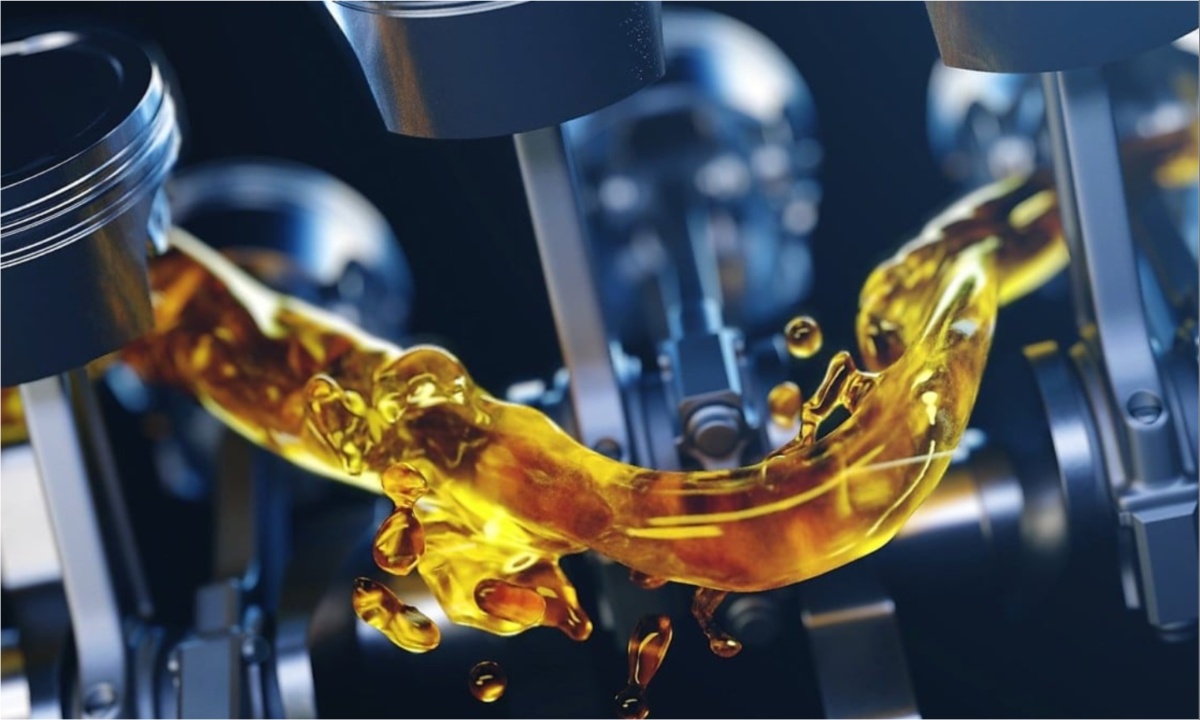
What Fuel Additives Are and How They Work
Fuel additives are chemical formulations designed to alter or enhance the properties of petrol or diesel. They are typically added in very small quantities compared to the volume of fuel in a tank, yet they can have targeted effects on combustion behavior, cleaning action, or fuel stability. The key idea is not to replace fuel, but to improve how it performs inside an engine.
One of the most common functions of additives is cleaning. Over time, carbon deposits can form inside fuel injectors, intake valves, and combustion chambers.
These deposits come from incomplete combustion of fuel and can gradually affect engine efficiency. Detergent-based additives contain chemicals that help break down or soften these deposits so they can be burned away during normal engine operation. This is why many products are labeled as injector cleaners or system cleaners.
Another function is improving combustion quality. Certain additives act as combustion modifiers, helping fuel burn more evenly or at a more controlled rate. This can theoretically reduce knocking, improve throttle response, and slightly enhance fuel efficiency. However, the impact is usually subtle and depends on the existing condition of the engine.
Some additives are designed for fuel stabilization, especially in diesel or in vehicles that sit unused for long periods. Fuel can degrade over time, especially when exposed to moisture or air.
Stabilizing additives slow down oxidation and prevent the formation of gums or varnish that can clog fuel systems. This is more relevant for stored equipment or seasonal vehicles rather than daily-driven cars.
Types of Fuel Additives
Fuel additives come in several categories, each designed to address a specific aspect of fuel or engine performance. Understanding these categories helps separate useful products from unnecessary ones.
The first and most widely used type is detergent or cleaning additives. These are found both in commercial fuels and in aftermarket products.
Their main purpose is to reduce carbon buildup in fuel injectors and intake systems. In modern engines with direct injection, this can be especially relevant because deposits can form more quickly in certain operating conditions. Cleaning additives are often the most legitimate and widely accepted category.
The second category is octane boosters for petrol engines or cetane improvers for diesel engines. Octane boosters claim to increase resistance to knocking, allowing smoother combustion in high-compression engines.
Cetane improvers aim to enhance ignition quality in diesel fuel, leading to more efficient and cleaner burning. While these additives can work chemically, the real-world improvement is usually small unless the base fuel quality is low or the engine is tuned for higher performance.

Do Fuel Additives Actually Improve Performance or Mileage
This is the question most drivers care about, and the answer is more nuanced than marketing claims suggest. Fuel additives can improve performance and mileage, but only under certain conditions, and usually to a limited degree.
If an engine has dirty injectors or mild carbon buildup, a good-quality detergent additive can restore some lost efficiency. In such cases, drivers may notice smoother idling, better throttle response, and slight improvements in fuel economy. However, this is not because the additive is boosting power beyond factory design, but because it is restoring performance that was lost due to deposits.
On the other hand, if the engine is already clean and well maintained, the impact of fuel additives is often negligible. Modern engines are designed to operate efficiently with standard fuels that already contain cleaning agents. In these cases, adding extra products rarely produces measurable gains in mileage or power.
Octane boosters are an area where expectations often exceed reality. While they can slightly increase octane levels, the improvement is usually small unless large quantities are used or the base fuel is of poor quality. High-performance engines that require premium fuel are already calibrated for specific octane ratings, so additives rarely provide a meaningful upgrade.
Mileage claims are particularly difficult to verify. Some users report improvements after using additives, but these results are often influenced by driving behavior, road conditions, or the placebo effect. Controlled tests generally show minimal change in fuel economy unless the vehicle has a specific issue that the additive helps resolve.
Where additives do show consistent value is in preventive maintenance. Regular use of quality cleaning additives may help reduce long-term deposit buildup, especially in engines prone to carbon accumulation. This can help maintain efficiency over time rather than dramatically improving it.
Fuel additives are not performance enhancers in the true sense. They are maintenance tools that can help restore or preserve engine efficiency under the right conditions, but they are not a substitute for proper servicing or mechanical repairs.
When Are Fuel Additives Useful?
Fuel additives can be useful in certain situations, particularly when dealing with older vehicles or specific engine problems. For example, if a car has been running on lower-quality fuel for an extended period, injector cleaning additives may help reduce rough idling or hesitation caused by deposits.
Similarly, diesel engines that experience cold starts or infrequent use may benefit from stabilizers or lubricity additives.
They can also be useful as part of preventive maintenance. Some drivers choose to use a cleaning additive every few thousand kilometers to keep fuel systems cleaner over time. While not strictly necessary for all vehicles, this approach can help maintain consistency in engine performance, especially in regions where fuel quality varies.
However, in many modern vehicles that are regularly serviced and driven with good quality fuel, additives are often unnecessary. Manufacturers design engines to run efficiently without requiring aftermarket chemical products.
In these cases, routine maintenance such as timely oil changes, air filter replacement, and using reputable fuel stations has a far greater impact on performance than any additive.
Another situation where additives are unnecessary is when drivers expect them to fix mechanical problems. If an engine has worn injectors, failing sensors, or compression loss, no chemical additive will resolve those issues. In fact, relying on additives instead of proper repairs can delay necessary maintenance and potentially worsen long-term damage.
Cost is a factor to consider. Regular use of additives can become expensive over time, and the benefits may not justify the expense for most drivers. In many cases, the same money spent on additives would be more effectively used on preventive servicing.
Fuel additives are situational tools. They are not essential for every vehicle, but they can provide value in specific conditions when used correctly and with realistic expectations.
