
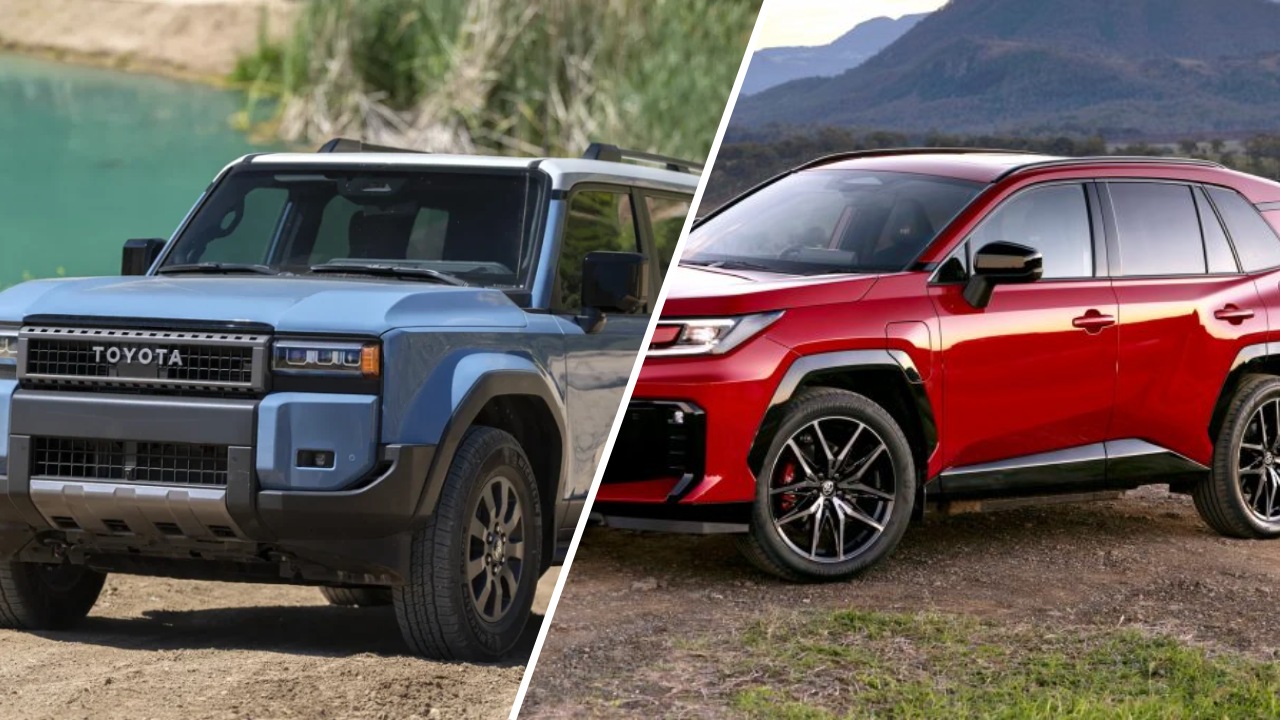
Toyota’s success in the United States developed over decades through vehicles that combined reliability, innovation, and strong value. Rather than relying on one breakthrough model, the company expanded its influence by introducing dependable sedans, capable SUVs, efficient hybrids, and iconic off-road vehicles that earned lasting customer loyalty.
The ten models featured here represent important milestones in Toyota’s American journey. Each helped shape the brand’s reputation, introduce new technology, or establish a lasting presence in the market. Together, they show how Toyota evolved from a small importer into one of the most influential and trusted automakers in the country.
Also Read: 10 Cars That Are Easiest to Repair Outside the Dealership
1. Toyota Corolla
Few automobiles have influenced Toyota’s global success as profoundly as the Corolla. Introduced to the U.S. market for the 1968 model year, the compact sedan quickly earned a reputation for dependable transportation at an affordable price.
During a period when fuel efficiency, reliability, and low ownership costs were becoming increasingly important, the Corolla offered a practical solution that appealed to a broad range of American buyers.
Across multiple generations, Toyota continually refined the Corolla without abandoning the qualities that made it successful. Improvements in fuel economy, ride comfort, safety, and manufacturing quality helped the model maintain its position as one of America’s most recognizable compact cars.
Rather than making dramatic changes with every redesign, Toyota focused on incremental engineering improvements that increased long-term durability and customer satisfaction.
The Corolla also introduced countless first-time buyers to the Toyota brand. Students, commuters, and families frequently selected it because of its reputation for dependable operation and modest maintenance costs.
This widespread ownership created lasting customer loyalty, with many buyers later moving into larger Toyota models while remaining within the brand.
Modern versions continue that tradition by offering advanced driver-assistance systems, efficient powertrains, hybrid availability, and strong crash-test performance while preserving the straightforward ownership experience that has defined the Corolla for decades.
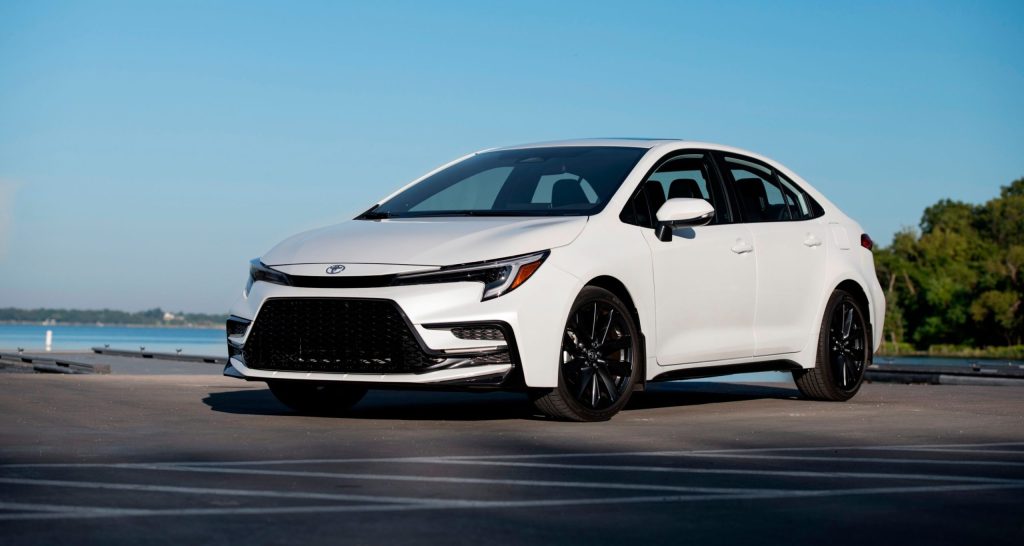
No other Toyota model better represents the company’s philosophy of consistent improvement, practical engineering, and lasting dependability. The Corolla remains one of the most important vehicles in automotive history and serves as the foundation upon which Toyota built its reputation in the United States.
Specifications (2026 U.S. Corolla)
- Engine: 2.0-liter Dynamic Force inline-four
- Torque: 151 lb-ft
- Horsepower: 169 hp
- Length/Width: 182.5 inches / 70.1 inches
2. Toyota Camry
If the Corolla established Toyota’s reputation, the Camry upgraded the company into the mainstream American family car market. Introduced in the United States for the 1983 model year, the midsize sedan steadily grew into one of the country’s highest-selling passenger vehicles by combining comfort, reliability, fuel efficiency, and excellent resale value.
The Camry’s development followed a strategy of gradual refinement rather than dramatic changes between generations. Toyota focused on improving key areas such as ride comfort, interior space, noise reduction, and safety while preserving the dependable and familiar driving experience that helped build its reputation.
This consistency became one of the model’s greatest strengths and helped establish extraordinary customer loyalty.
The Camry also reflected Toyota’s willingness to adapt to changing market demands. Over the years, buyers gained access to V6 engines, hybrid powertrains, advanced infotainment systems, all-wheel drive, and comprehensive Toyota Safety Sense technologies.
These additions allowed the Camry to remain competitive while preserving its reputation for dependable everyday transportation.
For decades, the Camry has consistently ranked among America’s best-selling passenger cars. Fleet operators, families, commuters, and retirees alike have embraced it because it balances operating costs, comfort, and long-term durability better than many rivals.
Independent reliability studies and owner satisfaction surveys have regularly placed the model near the top of its class.
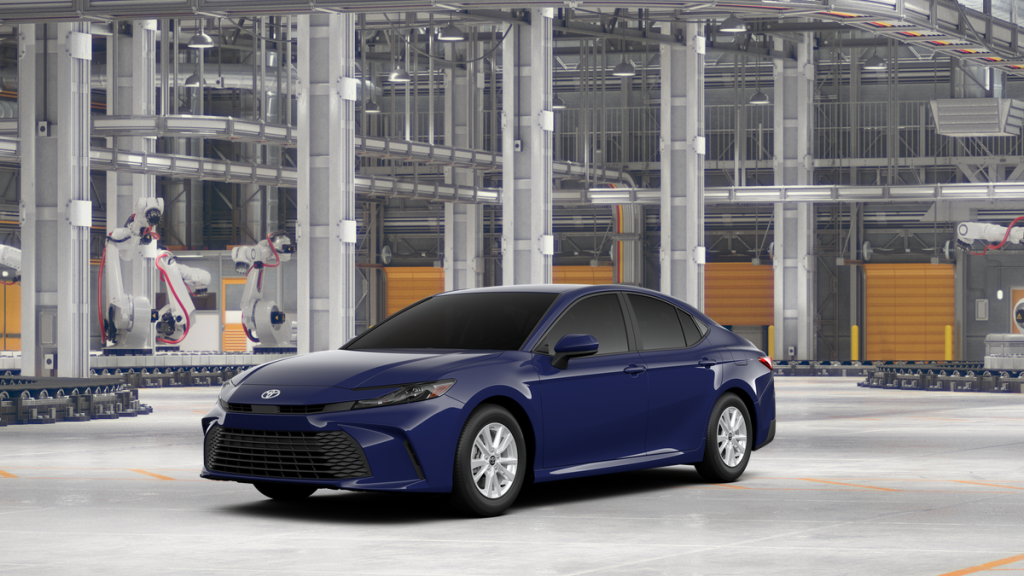
The Camry tells an important chapter in Toyota’s story because it demonstrated that dependable engineering could also deliver refinement, comfort, and broad consumer appeal. Its sustained success helped cement Toyota’s leadership in the U.S. automotive market.
Specifications (2026 U.S. Camry Hybrid)
- Engine: 2.5-liter hybrid inline-four
- Torque: 163 lb-ft (gas engine)
- Horsepower: 225 hp (combined FWD system)
- Length/Width: 193.5 inches / 72.4 inches
3. Toyota Land Cruiser
The Land Cruiser occupies a unique place in Toyota’s history because it established the brand’s reputation for durability long before Toyota became a household name in the United States.
First sold in America in the late 1950s, it was engineered to handle harsh environments where reliability mattered more than luxury. That philosophy helped the Land Cruiser earn a loyal following among ranchers, government agencies, explorers, and outdoor enthusiasts.
The Land Cruiser maintained its focus on durability and off-road performance even as the SUV market increasingly moved toward comfort-oriented designs. For decades, Toyota continued using a body-on-frame construction and advanced four-wheel-drive systems, giving the vehicle the strength, endurance, and reliability needed for demanding terrain and extended travel.
This reputation extended well beyond recreational use, as humanitarian organizations and commercial fleets around the world relied on the model in remote regions where dependable transportation was essential.
As the years passed, Toyota transformed the Land Cruiser into a premium SUV without abandoning its off-road roots. Modern versions gained advanced suspension systems, locking differentials, Multi-Terrain Select, crawl control, and high-end interior materials.
The latest U.S. model also adopted Toyota’s i-FORCE MAX hybrid powertrain, combining improved efficiency with strong low-end torque for towing and trail work.
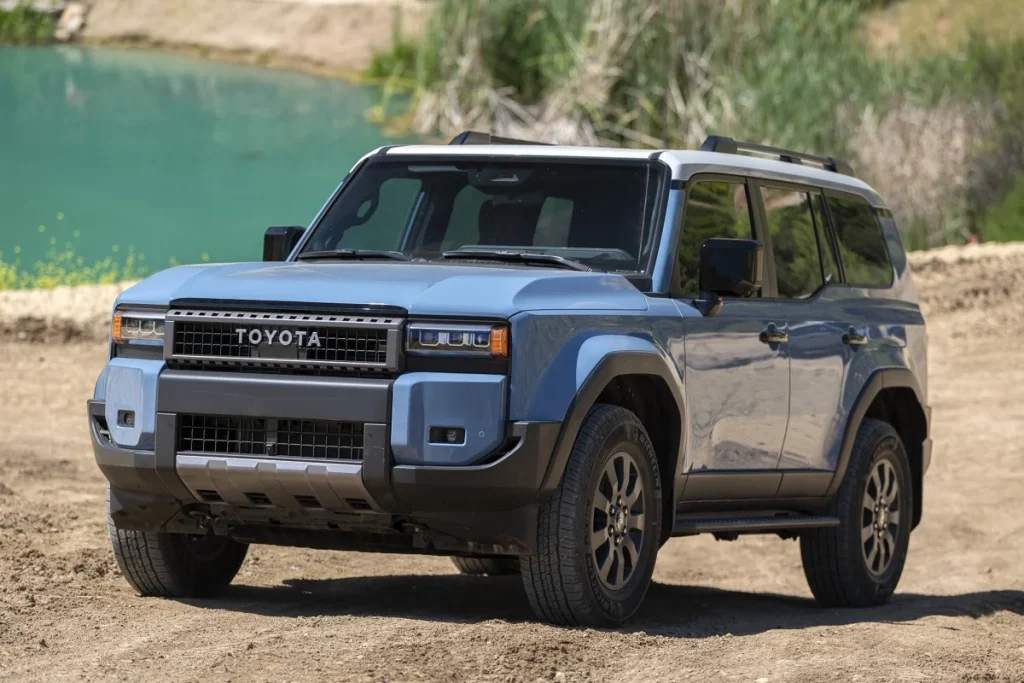
The Land Cruiser demonstrates Toyota’s ability to balance innovation with proven engineering. While the vehicle evolved substantially over several decades, it never lost the rugged character that defined its earliest generations.
That consistency has made it one of the most respected four-wheel-drive vehicles ever produced and an essential part of Toyota’s heritage.
Specifications (2026 U.S. Land Cruiser)
- Engine: 2.4-liter turbocharged hybrid i-FORCE MAX inline-four
- Torque: 465 lb-ft
- Horsepower: 326 hp
- Length/Width: 193.8 inches / 78.0 inches
4. Toyota Prius
When the Prius arrived in the United States for the 2001 model year, hybrid technology was still unfamiliar to most consumers. Rather than building a conventional compact sedan, Toyota introduced a vehicle centered on fuel efficiency and reduced emissions.
At the time, the decision seemed ambitious, but it ultimately changed both the company’s future and the automotive industry.
The Prius employed Toyota’s Hybrid Synergy Drive system, seamlessly combining a gasoline engine with electric motors to maximize efficiency.
As fuel prices increased during the following decade, more American drivers recognized the advantages of hybrid technology. The Prius quickly became the benchmark against which every competing hybrid was measured.
Its influence extended beyond fuel economy. The Prius demonstrated that electrified vehicles could deliver dependable daily transportation without requiring external charging infrastructure. Owners appreciated the smooth power delivery, low operating costs, and proven long-term reliability of Toyota’s hybrid system.
Those qualities encouraged Toyota to expand hybrid technology across much of its lineup, including the Camry, RAV4, Highlander, Corolla, and several Lexus models.
The Prius also became one of Toyota’s strongest technological showcases. Successive generations introduced lighter components, improved battery technology, greater efficiency, and more advanced driver-assistance systems while maintaining the practicality expected from a compact hatchback.
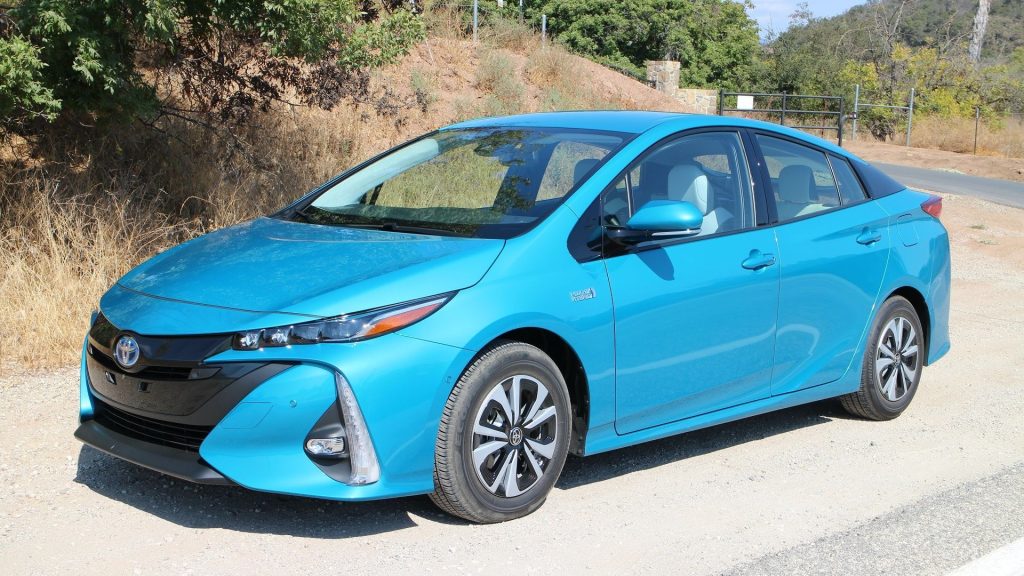
Few vehicles have altered public perception as dramatically as the Prius. It transformed hybrid power from a niche experiment into a mainstream technology and laid the groundwork for Toyota’s leadership in electrified vehicles.
Its importance extends well beyond sales figures because it permanently changed how millions of Americans viewed fuel-efficient transportation.
Specifications (2026 U.S. Prius)
- Engine: 2.0-liter hybrid inline-four
- Torque: 139 lb-ft (gas engine)
- Horsepower: 194 hp (combined FWD system)
- Length/Width: 181.1 inches / 70.2 inches
5. Toyota RAV4
When Toyota introduced the RAV4 to the U.S. market for the 1996 model year, compact crossover SUVs were still a relatively new concept. The vehicle blended the driving manners of a passenger car with the practicality of an SUV, creating a formula that would eventually dominate the American automotive landscape.
Although early sales were modest compared with today’s figures, the RAV4 laid the foundation for one of Toyota’s most successful nameplates.
Over successive generations, the RAV4 grew in size, capability, and refinement while remaining true to its mission as an efficient family vehicle. Toyota expanded the lineup with available all-wheel drive, more powerful engines, improved cargo space, and increasingly sophisticated safety technologies.
The fifth-generation model also adopted the Toyota New Global Architecture platform, delivering sharper handling, increased structural rigidity, and improved ride comfort.
Another defining milestone came when Toyota introduced hybrid and plug-in hybrid variants. The RAV4 Hybrid quickly became one of the best-selling electrified SUVs in the United States thanks to its combination of fuel economy, practicality, and strong performance.
The RAV4 Plug-in Hybrid, known as the RAV4 Prime in earlier model years, further demonstrated Toyota’s ability to combine electric driving capability with SUV versatility.
Today, the RAV4 consistently ranks among America’s highest-selling vehicles across all categories, not just SUVs. It appeals to commuters, families, outdoor enthusiasts, and first-time buyers alike because it successfully balances reliability, efficiency, safety, and resale value.
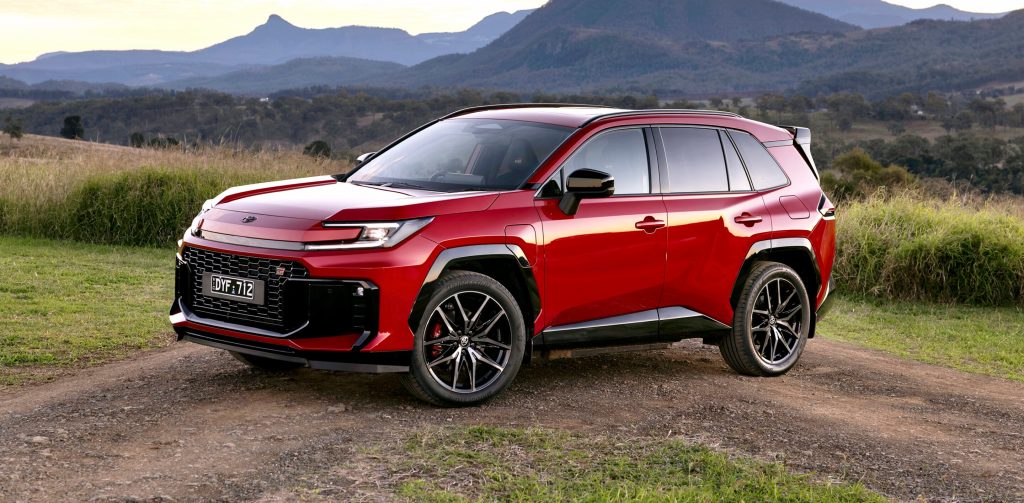
The RAV4 tells a critical chapter in Toyota’s story because it anticipated the crossover revolution years before many competitors. Its continued success illustrates Toyota’s ability to recognize changing consumer preferences and respond with thoughtful engineering rather than short-lived trends.
Specifications (2026 U.S. RAV4 Hybrid)
- Engine: 2.5-liter hybrid inline-four
- Torque: 163 lb-ft (gas engine)
- Horsepower: 236 hp (combined system)
- Length/Width: 180.9 inches / 73.0 inches
6. Toyota Tacoma
The Tacoma has become synonymous with midsize pickup trucks in America, but its significance goes beyond sales numbers. Introduced for the 1995 model year as the successor to Toyota’s Pickup, the Tacoma was developed specifically with North American buyers in mind.
It combined everyday usability with durability, creating a truck that earned an exceptional reputation for long-term dependability.
One reason the Tacoma stands apart is its versatility. Buyers can configure it for commuting, recreational off-roading, towing, or commercial use. Throughout multiple generations, Toyota has offered rear-wheel drive and four-wheel drive models, various cab configurations, and specialized trims such as the TRD Off-Road, TRD Pro, and Trailhunter.
These variants have helped the Tacoma appeal to everyone from construction professionals to overlanding enthusiasts.
The latest generation introduced substantial engineering improvements, including a fully boxed frame, modern suspension components, updated multimedia systems, and Toyota’s i-FORCE turbocharged engines.
Higher trims also gained the i-FORCE MAX hybrid powertrain, delivering considerably more torque for towing and off-road driving while improving responsiveness.
The Tacoma has also built one of the strongest resale value records in the pickup segment. Independent market analyses regularly place it among the leaders for retained value after several years of ownership, reinforcing its reputation as a smart long-term investment.
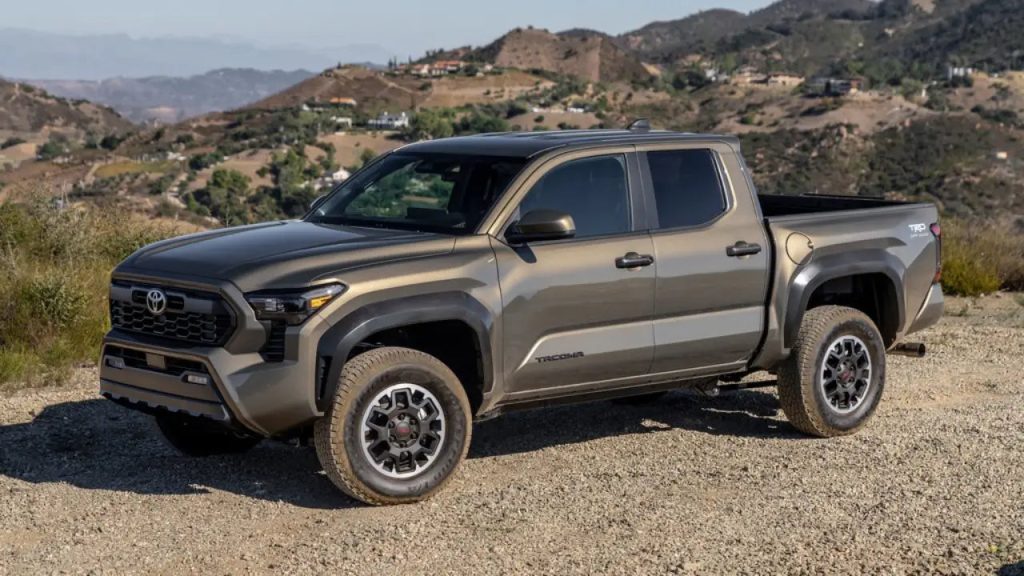
For Toyota, the Tacoma represents the company’s ability to compete successfully in one of America’s most demanding automotive segments. Its combination of reliability, capability, and strong owner loyalty has made it one of the defining vehicles in the brand’s modern history.
Specifications (2026 U.S. Tacoma i-FORCE MAX)
- Engine: 2.4-liter turbocharged hybrid i-FORCE MAX inline-four
- Torque: 465 lb-ft
- Horsepower: 326 hp
- Length/Width: 213.0 inches / 77.9 inches
7. Toyota 4Runner
Some Toyota models earned their reputation through fuel efficiency or everyday practicality. The 4Runner followed a different path by becoming one of America’s most respected body-on-frame SUVs.
Introduced in the U.S. for the 1984 model year, it has remained dedicated to genuine off-road capability while many competitors transitioned to car-based crossover platforms.
The 4Runner’s enduring appeal comes from its straightforward engineering. Throughout its history, Toyota retained a rugged ladder frame, dependable four-wheel-drive systems, generous ground clearance, and suspension designs capable of handling challenging terrain.
These characteristics attracted outdoor enthusiasts, campers, and buyers who regularly traveled beyond paved roads.
Toyota steadily modernized the vehicle without compromising its identity. Features such as multi-terrain select, crawl control, locking rear differentials, skid plates, and advanced traction management expanded its off-road capability.
At the same time, interior quality improved with larger infotainment screens, premium seating materials, wireless smartphone integration, and Toyota Safety Sense driver-assistance technologies on the newest generation.
Another reason the 4Runner tells Toyota’s story is its remarkable longevity. Few SUVs maintain strong resale values after years of ownership, yet the 4Runner consistently ranks near the top of industry value-retention studies. Owners frequently keep them for hundreds of thousands of miles, reinforcing Toyota’s reputation for durability.
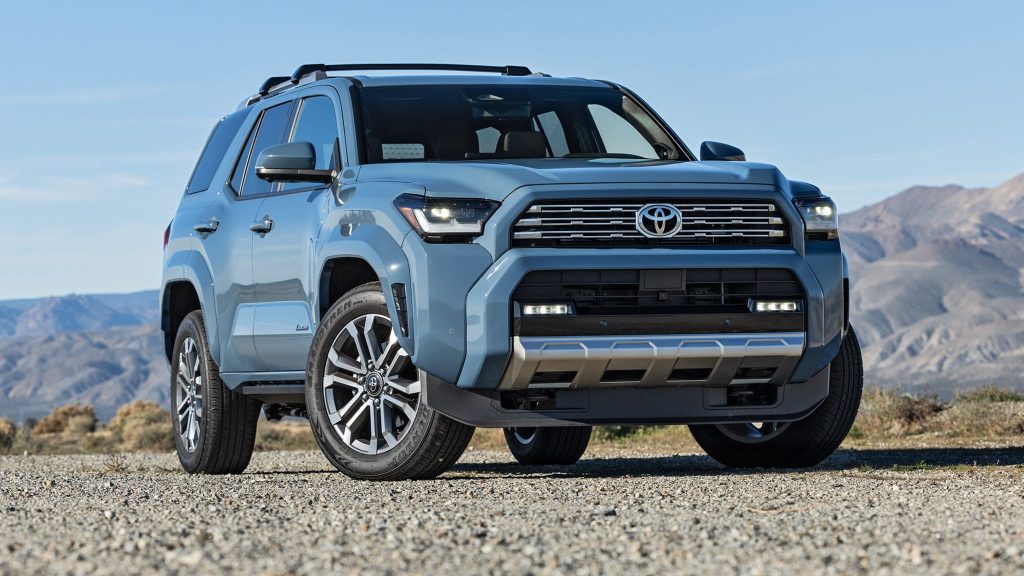
The latest generation also introduced Toyota’s modern turbocharged powertrain while preserving the SUV’s body-on-frame construction and trail-focused engineering. This balance between proven capability and contemporary technology ensures the 4Runner remains relevant in a market increasingly dominated by crossovers.
The 4Runner represents Toyota’s commitment to building vehicles that prioritize lasting durability and authentic capability instead of following every industry trend.
Specifications (2026 U.S. 4Runner)
- Engine: 2.4-liter turbocharged i-FORCE inline-four
- Torque: 317 lb-ft
- Horsepower: 278 hp
- Length/Width: 194.9 inches / 77.9 inches
8. Toyota Supra
Not every defining Toyota has been built around practicality. The Supra proved that the company could also produce a world-class sports car capable of competing with respected performance brands.
First introduced as a separate model in the United States for the 1986 model year, the Supra gradually evolved into Toyota’s flagship performance vehicle and became an icon among driving enthusiasts.
The fourth-generation Supra, launched for 1993 in the U.S., upgraded the model’s status dramatically. Powered by the legendary twin-turbocharged 2JZ-GTE inline-six, it delivered impressive acceleration, outstanding durability, and exceptional tuning potential.
Those characteristics earned lasting popularity in motorsports and automotive enthusiast communities, where the Supra became known for handling substantial horsepower increases while maintaining reliability when properly modified.
Following a lengthy production hiatus, Toyota revived the Supra for the 2020 model year through a partnership that allowed the company to re-enter the modern sports car market.
The current generation combines balanced rear-wheel-drive dynamics with turbocharged four-cylinder and inline-six engine options, adaptive suspension, sophisticated electronics, and a driver-focused cockpit.
Although sales volumes have never approached those of the Corolla or Camry, the Supra plays an equally important strategic role. It demonstrates Toyota’s engineering capabilities beyond mainstream transportation and reinforces the brand’s performance heritage alongside vehicles such as the GR86 and GR Corolla.
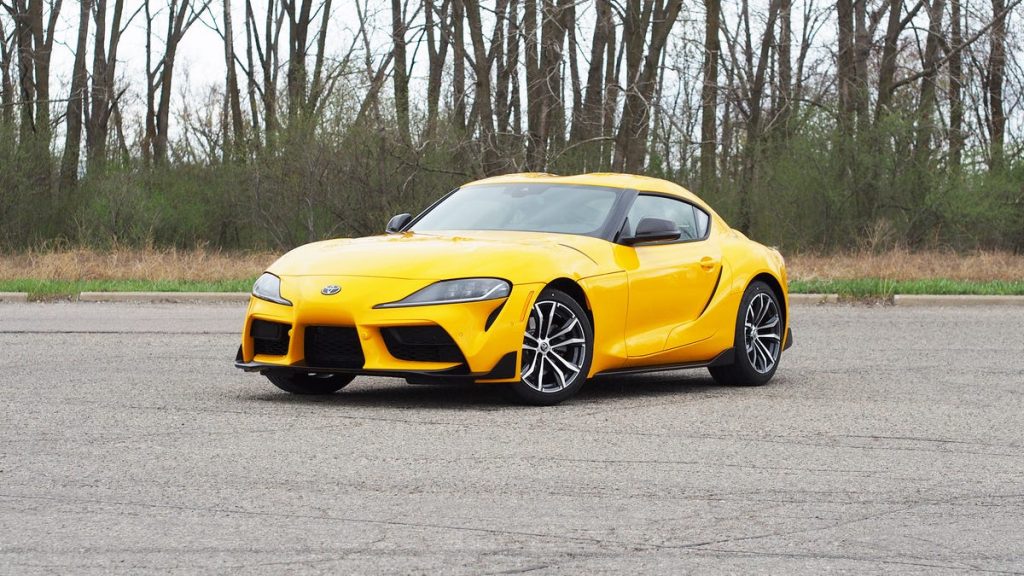
The Supra reminds enthusiasts that Toyota’s history is not defined solely by reliability and efficiency. It also includes genuine driver’s cars that have inspired generations of automotive fans.
Specifications (2026 U.S. GR Supra 3.0)
- Engine: 3.0-liter turbocharged inline-six
- Torque: 368 lb-ft
- Horsepower: 382 hp
- Length/Width: 172.5 inches / 73.0 inches
9. Toyota Hilux
Although the Hilux is not currently sold new in the United States, no discussion of Toyota’s history would be complete without it.
Before the Tacoma became Toyota’s dedicated midsize pickup for North America, the Hilux, marketed simply as the Toyota Pickup in the U.S. for many years, established the company’s reputation for building exceptionally durable trucks.
Its influence extends far beyond sales figures because it shaped how American buyers viewed Toyota’s engineering.
The Hilux arrived during a period when compact pickups were gaining popularity among consumers seeking affordable, fuel-efficient alternatives to full-size trucks. Toyota focused on straightforward mechanical design, dependable gasoline engines, and a chassis capable of handling daily work without unnecessary complexity.
That formula proved successful, helping Toyota steadily increase its presence in the American truck market throughout the 1970s and 1980s.
One reason the Hilux became legendary was its remarkable durability. Fleet operators, contractors, farmers, and recreational owners frequently reported extremely high mileage with routine maintenance. Independent durability tests and countless real-world examples further strengthened its reputation as one of the toughest pickups ever built.
The Hilux also laid the groundwork for future Toyota trucks. Lessons learned from decades of production directly influenced the Tacoma, Tundra, and Toyota’s modern truck engineering philosophy.
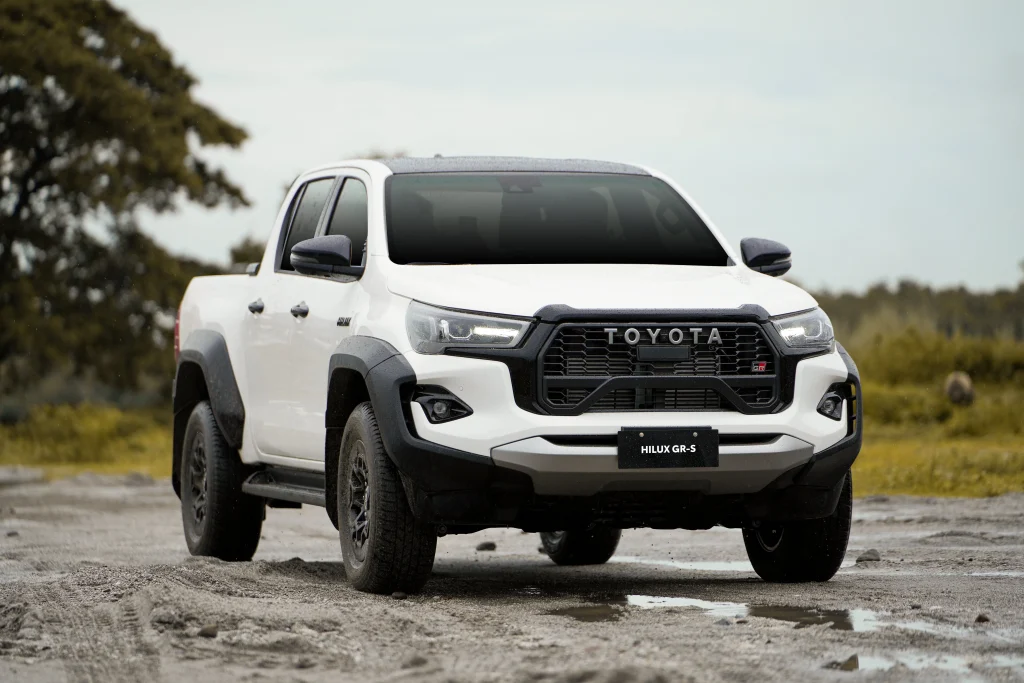
While the Tacoma eventually replaced the Hilux in the U.S. market beginning with the 1995 model year, the original pickup’s legacy continues to shape Toyota’s truck lineup today.
The Hilux represents Toyota’s early commitment to dependable engineering. It proved the company could compete successfully in America’s demanding pickup segment and established a standard for reliability that remains closely associated with the Toyota brand.
Specifications (1995 U.S. Toyota Pickup 4WD V6, the final U.S. Hilux-based model)
- Engine: 3.0-liter V6
- Torque: 180 lb-ft
- Horsepower: 150 hp
- Length/Width: 174.6 inches / 66.5 inches
10. Toyota Tundra
The Tundra tells the final chapter of Toyota’s growth in America because it represents the company’s determination to compete directly in the highly competitive full-size pickup segment. Introduced for the 2000 model year, the Tundra was Toyota’s first full-size pickup developed specifically for North American buyers.
Entering a market long dominated by domestic manufacturers required substantial investment and confidence in Toyota’s engineering capabilities.
The Tundra was engineered specifically around the needs of American truck buyers, offering the towing capability, payload capacity, cabin space, and long-distance comfort expected in the full-size pickup segment.
Successive generations expanded the truck’s capabilities, adding larger cabins, stronger frames, improved suspension systems, and increasingly powerful engines. Production in Texas further demonstrated Toyota’s long-term commitment to serving the U.S. market.
A major turning point came with the latest generation, which replaced the long-running naturally aspirated V8 with the twin-turbocharged i-FORCE V6 and the available i-FORCE MAX hybrid powertrain. These modern engines delivered substantially more torque while improving efficiency and maintaining impressive towing capability.
The truck also gained advanced features such as a large multimedia display, digital instrumentation, trailer backup technologies, and the latest Toyota Safety Sense driver-assistance systems.
Beyond specifications, the Tundra symbolizes Toyota’s willingness to challenge established competitors in one of America’s most demanding vehicle categories. It proved the company could apply its reputation for quality and reliability to a segment traditionally controlled by domestic brands.
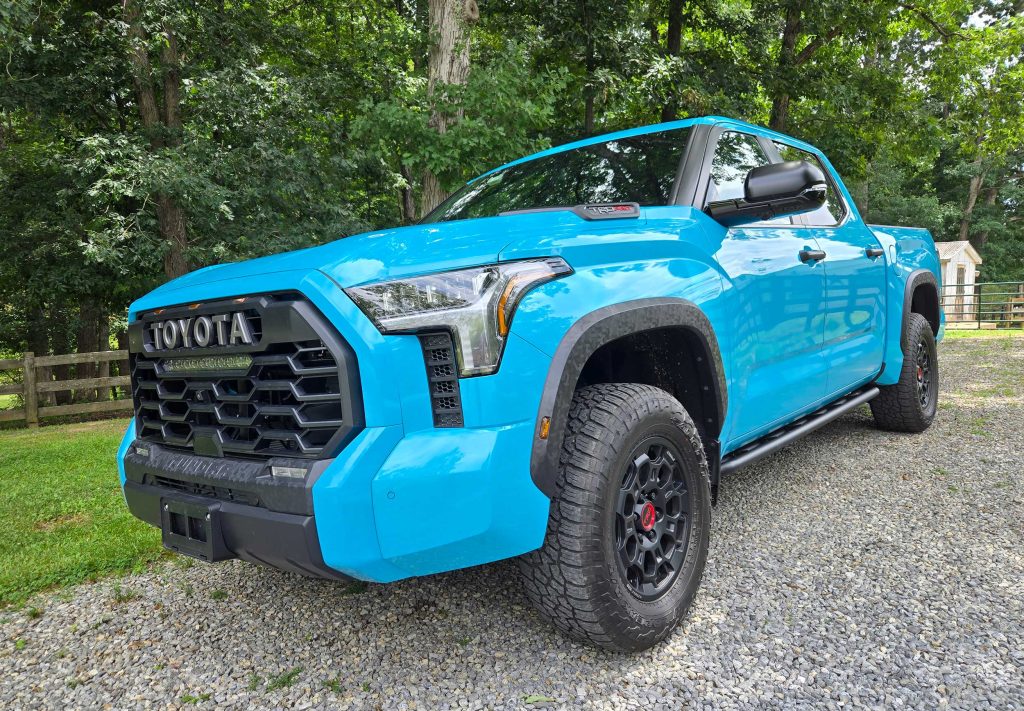
From the humble Corolla to the capable Tundra, Toyota’s history reflects decades of continuous engineering refinement. The Tundra completes that story by showing how the brand expanded into virtually every major vehicle segment while maintaining the qualities that earned the trust of millions of American drivers.
Specifications (2026 U.S. Tundra i-FORCE MAX)
- Engine: 3.4-liter twin-turbocharged V6 hybrid
- Torque: 583 lb-ft
- Horsepower: 437 hp
- Length/Width: 233.6 inches / 80.2 inches
Also Read: 10 Vehicles That Were Sold Under Three Different Brand Names
