

The steering rack is a vital part of a vehicle’s steering system, responsible for converting the movement of the steering wheel into the side-to-side motion needed to turn the wheels.
When the steering rack begins to fail, drivers may notice symptoms such as difficulty turning, unusual noises, steering wheel vibration, fluid leaks, or a loose feeling while driving.
Since the steering system directly affects vehicle control and safety, identifying common steering rack issues early can help prevent expensive repairs and reduce the risk of dangerous situations on the road.
Certain vehicles have gained attention among owners and mechanics for developing steering rack problems more frequently than expected. These issues can happen because of design limitations, component wear, manufacturing defects, driving conditions, or insufficient maintenance.
A faulty steering rack does not always mean a vehicle is unreliable, but understanding known trouble areas can help owners make informed repair decisions. This guide covers 10 cars that are commonly associated with steering rack problems, explains the typical failures, and highlights the warning signs drivers should watch for.
Also Read: 5 Best Toyota RAV4 Years vs 5 to Skip
- Engine: 2.0-liter turbocharged inline-4 petrol engine
- Horsepower: 252 hp
- Torque: 370 Nm (273 lb-ft)
- Length: 4,901 mm (193.0 inches)
- Width: 1,862 mm (73.2 inches)
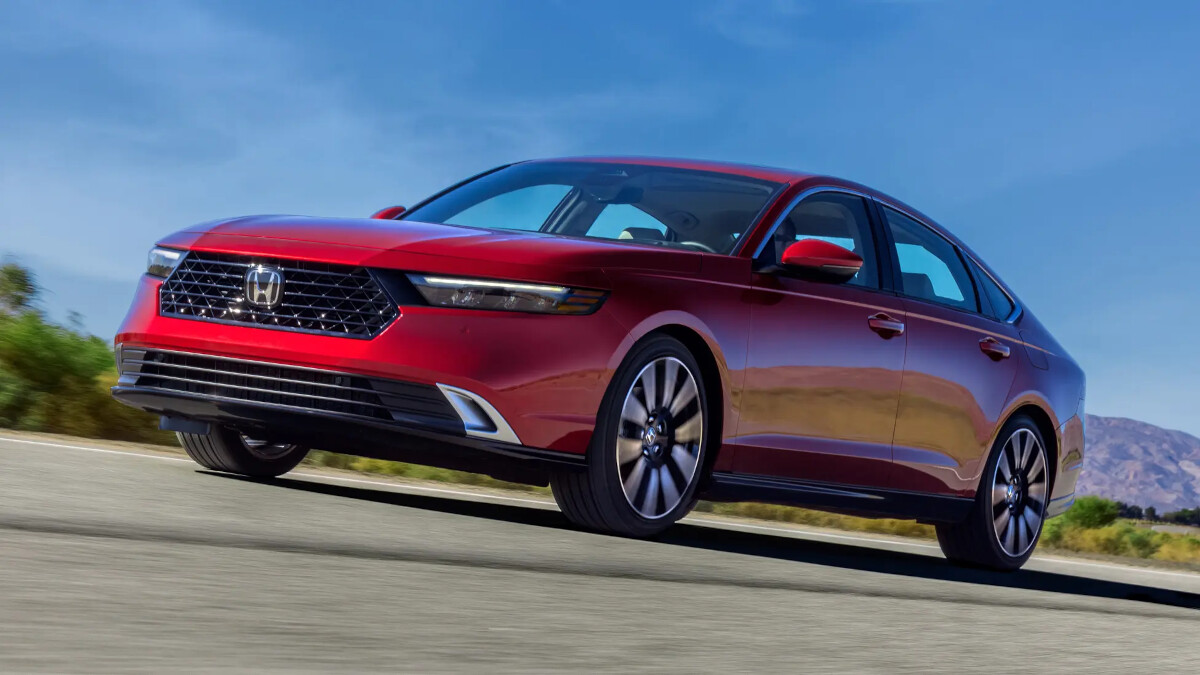
1. Honda Accord
The Honda Accord has earned a strong reputation for durability, comfort, and long-term reliability. However, some model years have experienced steering rack-related complaints from owners.
Problems often appear after many miles of use, especially in vehicles exposed to rough roads, frequent stop-and-go traffic, or poor maintenance habits. The steering rack assembly contains multiple moving components, and continuous stress can eventually lead to wear that affects steering performance.
A common complaint from Accord owners is a knocking or clunking sound when turning the steering wheel or driving over uneven surfaces.
This noise can sometimes come from worn steering rack bushings, loose mounting points, or internal rack components that have developed excessive play. Drivers may initially ignore these sounds because the vehicle still feels functional, but continued use can allow the problem to become more severe.
Another issue reported in some Accord models involves power steering fluid leaks. Hydraulic steering systems depend on fluid pressure to provide smooth steering assistance. When seals inside the steering rack deteriorate, fluid can escape and reduce system performance. Low fluid levels may cause heavier steering effort, especially during parking or low-speed turns.
Repair costs for a Honda Accord steering rack problem can vary depending on the model year, labor rates, and whether the rack can be rebuilt or requires complete replacement.
Some owners choose refurbished steering racks as a lower-cost option, while others prefer new components for longer service life. Proper diagnosis is important because similar symptoms can also come from tie rods, steering pumps, or suspension parts.
Regular inspections can help reduce the chance of major steering problems. Checking for fluid leaks, paying attention to unusual steering noises, and addressing worn suspension components can help protect the steering rack from additional stress.
While steering rack issues can occur in some Accord models, routine maintenance plays an important role in keeping the system operating correctly.

- Engine: 2.0-liter turbocharged inline-4 petrol engine
- Horsepower: 255 hp
- Torque: 400 Nm (295 lb-ft)
- Length: 4,709 mm (185.4 inches)
- Width: 1,827 mm (71.9 inches)
2. BMW 3 Series
The BMW 3 Series is widely recognized for its sporty handling and precise steering feel. The vehicle’s steering system is designed to provide quick response and strong road feedback, but this performance-focused setup can also make steering component wear more noticeable.
Certain BMW 3 Series models have experienced steering rack concerns related to electronic steering systems and mechanical wear.
Many newer 3 Series vehicles use electric power steering racks instead of traditional hydraulic systems. These systems rely on sensors, motors, and electronic controls to assist steering movement.
When problems occur, drivers may experience warning messages, inconsistent steering assistance, or changes in steering weight. Electronic faults can sometimes require specialized diagnostic equipment to identify accurately.
Mechanical wear is another concern in older BMW 3 Series models. Over time, internal components within the rack may develop play, leading to a loose steering sensation. Some owners report clicking noises, uneven steering response, or a feeling that the front wheels are not responding immediately to steering inputs.
The replacement process for a BMW steering rack can be more expensive compared with many mainstream vehicles because the components are more complex and often require programming after installation.
A replacement rack may need calibration with the vehicle’s electronic systems to ensure proper operation. Choosing an experienced technician familiar with BMW systems can help avoid installation problems.
Preventive care is especially important for vehicles with advanced steering technology. Regular inspections, maintaining proper tire pressure, and avoiding harsh impacts from potholes can reduce unnecessary strain on steering components.
The BMW 3 Series remains popular among driving enthusiasts, but owners should be aware of potential steering rack concerns as mileage increases.
- Engine: 2.0-liter turbocharged inline-4 petrol engine
- Horsepower: 245 hp
- Torque: 373 Nm (275 lb-ft)
- Length: 4,869 mm (191.7 inches)
- Width: 1,852 mm (72.9 inches)
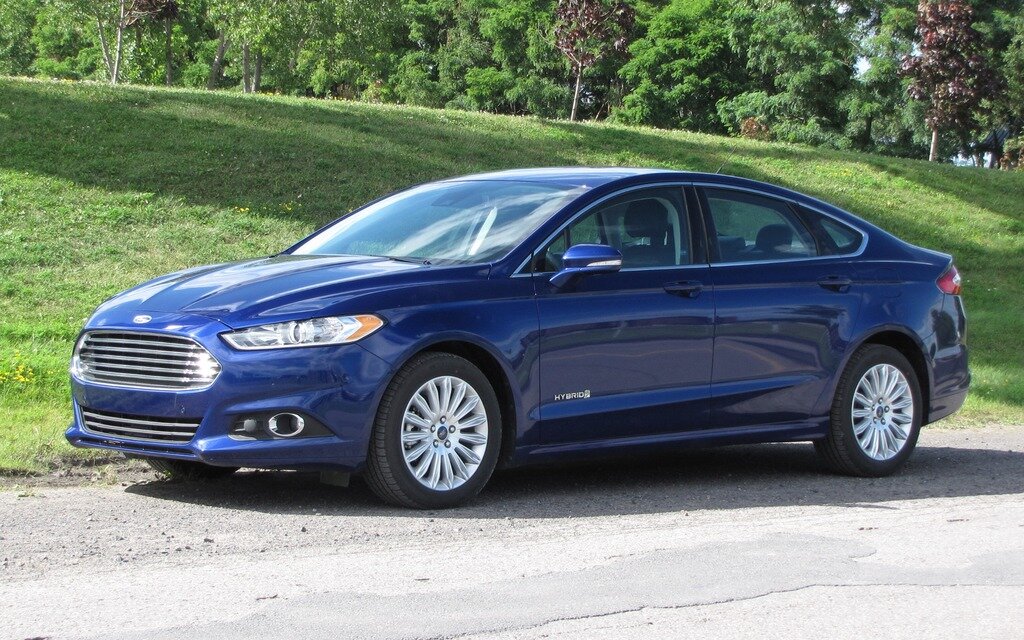
3. Ford Fusion
The Ford Fusion is known as a practical midsize sedan that offers comfortable driving, good fuel efficiency, and a wide range of engine options.
However, some Fusion models have been associated with steering rack problems, particularly those equipped with electric power-assisted steering systems. These issues have caused concerns among some owners because steering assistance failures can affect vehicle control and confidence behind the wheel.
A frequently reported problem with certain Ford Fusion models involves sudden loss of power steering assistance. When the electric steering system detects a fault, it may reduce or completely disable steering assistance.
Drivers may notice that the steering wheel becomes much harder to turn, especially at low speeds during parking or tight maneuvers. Warning messages related to the steering system may also appear on the dashboard.
The electric steering rack contains several important electronic and mechanical parts, including a motor, control module, sensors, and internal gears. A failure in any of these areas can affect the entire system.
Some problems are caused by electrical faults, while others develop from wear inside the steering rack assembly. Proper diagnosis is necessary because replacing the entire rack without confirming the cause can lead to unnecessary expenses.
Repair costs for Ford Fusion steering rack problems depend on the model year and the exact failure. Some vehicles may require software updates or electronic repairs, while others may need a complete steering rack replacement.
Since electric steering systems are more complex than older hydraulic designs, repairs often require specialized tools and knowledge.
Owners can reduce the risk of steering issues by keeping up with recommended inspections and addressing unusual symptoms early. Any sudden change in steering feel, warning light, or unusual noise should be checked promptly.
The Ford Fusion remains a widely used sedan, but certain steering rack concerns make regular maintenance especially important for long-term ownership.
- Engine: 2.0-liter variable compression turbocharged inline-4 petrol engine
- Horsepower: 248 hp
- Torque: 370 Nm (273 lb-ft)
- Length: 4,900 mm (192.9 inches)
- Width: 1,851 mm (72.9 inches)
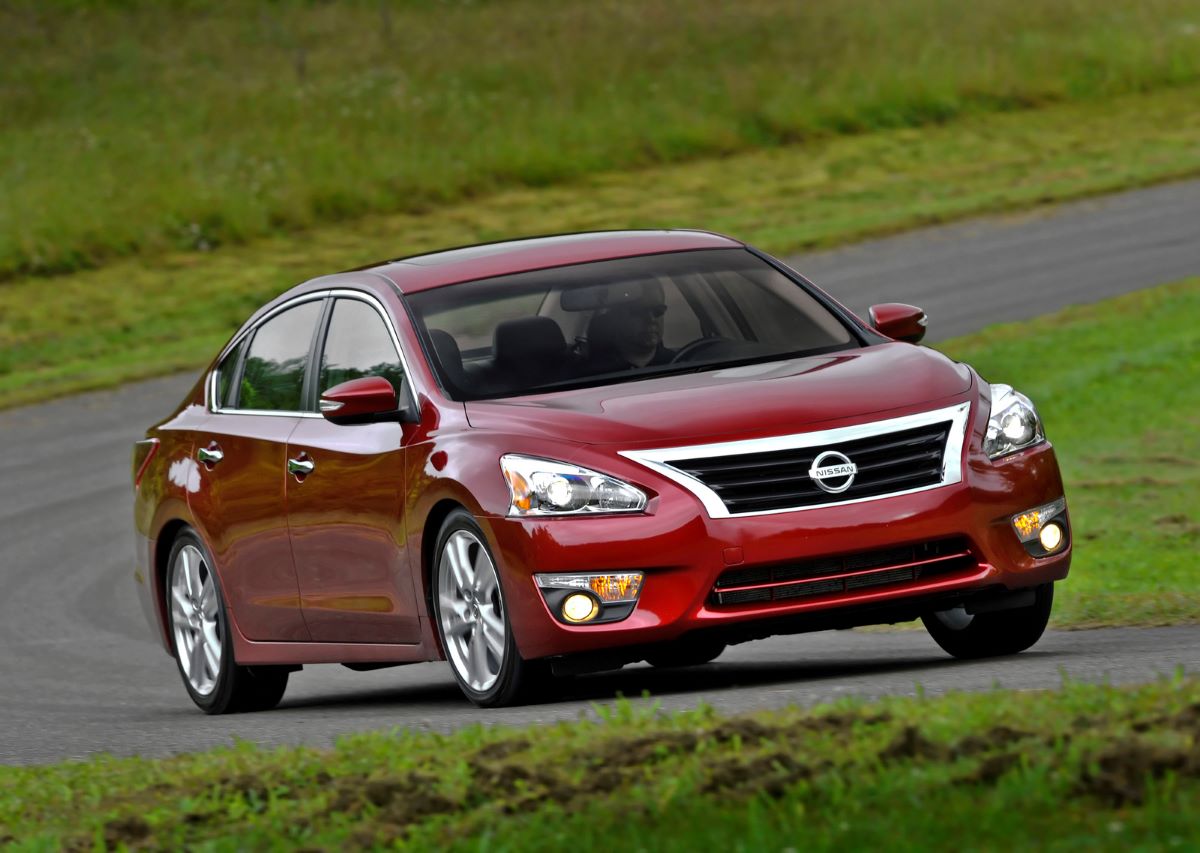
4. Nissan Altima
The Nissan Altima has been a popular choice among drivers looking for a comfortable and efficient midsize sedan. However, some Altima models have developed steering rack problems that affect steering quality and driving comfort.
These problems are often connected to wear in steering components, fluid leaks in hydraulic systems, or issues with electric steering systems used in newer versions. One common complaint from Altima owners is a loose or unstable steering feeling. Drivers may notice that the vehicle requires small steering corrections while traveling straight.
This sensation can come from internal wear inside the steering rack or related components such as tie rods and steering joints. A worn steering rack can reduce steering precision and make the vehicle feel less controlled.
Hydraulic power steering systems used in older Altima models can develop leaks as seals and internal components age. A leaking steering rack may leave fluid underneath the vehicle and cause the power steering system to work less effectively. Drivers may hear whining noises when turning the steering wheel, which can indicate low fluid levels or increased strain on the steering system.
Some newer Nissan Altima models use electric power steering technology. These systems offer improved efficiency but introduce additional electronic components that can fail. Problems with steering sensors, control modules, or electric motors may create inconsistent steering assistance. Diagnostic scanning equipment is often required to identify these faults correctly.
Routine maintenance can help extend steering system life in a Nissan Altima. Checking fluid levels where applicable, maintaining proper wheel alignment, and replacing worn suspension parts can prevent extra stress on the steering rack.
Drivers who notice steering changes should avoid delaying repairs because small issues can eventually lead to larger mechanical failures.
Also Read: 10 Cheapest Everyday Cars to Insure in 2026
- Engine: 2.0-liter turbocharged inline-4 petrol engine
- Horsepower: 250 hp
- Torque: 350 Nm (258 lb-ft)
- Length: 4,933 mm (194.2 inches)
- Width: 1,854 mm (73.0 inches)
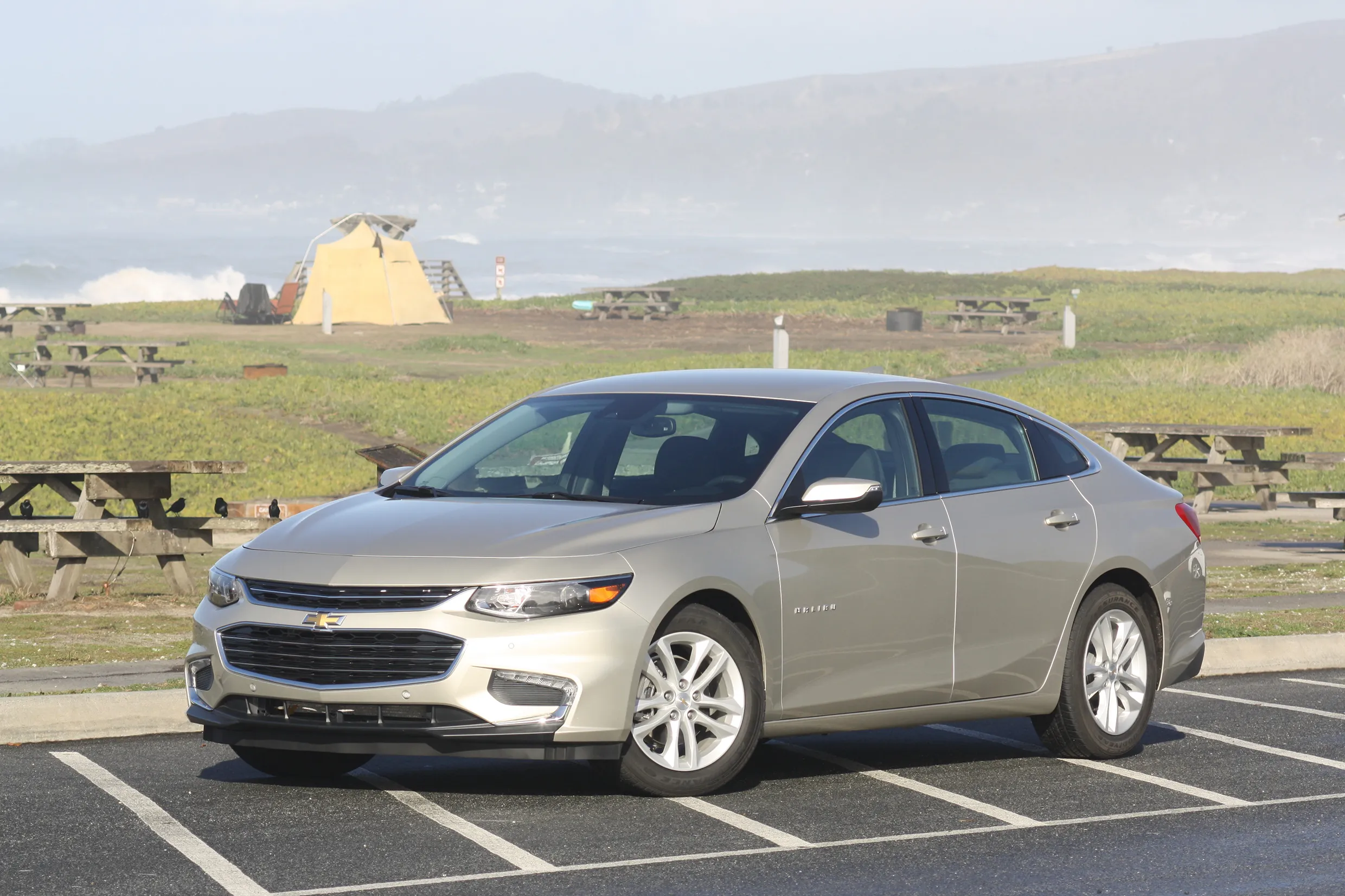
5. Chevrolet Malibu
The Chevrolet Malibu is a common family sedan that has been produced across multiple generations with different steering technologies. Some Malibu models have experienced steering rack-related complaints, including issues involving electric power steering systems. These concerns have mainly involved reduced steering assistance, unusual noises, and inconsistent steering response.
Electric power steering racks in certain Malibu models depend on precise communication between sensors, motors, and vehicle control systems. When a problem develops, drivers may experience heavier steering effort or warning messages indicating a steering system malfunction. These issues can appear suddenly, making early recognition important for safety.
Mechanical problems can also occur within the steering rack assembly. Internal gears and components can wear over time, especially when vehicles regularly travel on rough roads or experience impacts from potholes. A worn steering rack may produce knocking sounds, excessive steering movement, or uneven steering response.
Repairing a Chevrolet Malibu steering rack problem requires identifying whether the issue is mechanical, electrical, or related to another steering component. Sometimes a failing steering motor or sensor may create symptoms similar to a damaged rack. A professional inspection can prevent replacing expensive parts that are still functioning correctly.
Maintaining a Malibu’s steering system involves regular checks of tires, suspension parts, and alignment settings. Incorrect alignment can place additional pressure on steering components and accelerate wear. While not every Malibu develops steering rack issues, awareness of possible symptoms allows owners to address problems before they become major repairs.

- Engine: 2.0-liter turbocharged inline-4 petrol engine
- Horsepower: 174 hp
- Torque: 280 Nm (206 lb-ft)
- Length: 4,917 mm (193.6 inches)
- Width: 1,832 mm (72.1 inches)
6. Volkswagen Passat
The Volkswagen Passat is recognized for its refined driving experience, comfortable interior, and European engineering. Some Passat models have experienced steering rack issues related to both mechanical wear and electronic steering components.
Since Volkswagen often uses advanced steering systems, diagnosing problems can require specialized equipment and technical knowledge.
A common symptom reported by some Passat owners is unusual steering noise. Clicking, knocking, or grinding sounds while turning may indicate wear inside the steering rack or problems with connected steering components. These noises may become more noticeable during slow-speed driving, parking, or when traveling over uneven roads.
Electronic steering racks used in newer Passat models can experience faults involving sensors and control modules. A malfunction may trigger dashboard warnings or cause changes in steering assistance. In some cases, the vehicle may enter a protective mode that limits steering assistance until the issue is corrected.
Another possible concern involves water exposure and environmental damage. Steering components are located underneath the vehicle and can be affected by moisture, road debris, and harsh conditions. Over time, corrosion or damage to electrical connections may contribute to steering system failures.
Keeping a Volkswagen Passat in good condition requires regular inspections and timely repairs. Ignoring steering symptoms can allow minor problems to affect other parts of the steering system. Owners should pay attention to changes in steering feel, unusual sounds, and dashboard warnings to maintain safe vehicle operation.
- Engine: 2.5-liter naturally aspirated inline-4 petrol engine
- Horsepower: 206 hp
- Torque: 250 Nm (184 lb-ft)
- Length: 4,879 mm (192.1 inches)
- Width: 1,839 mm (72.4 inches)
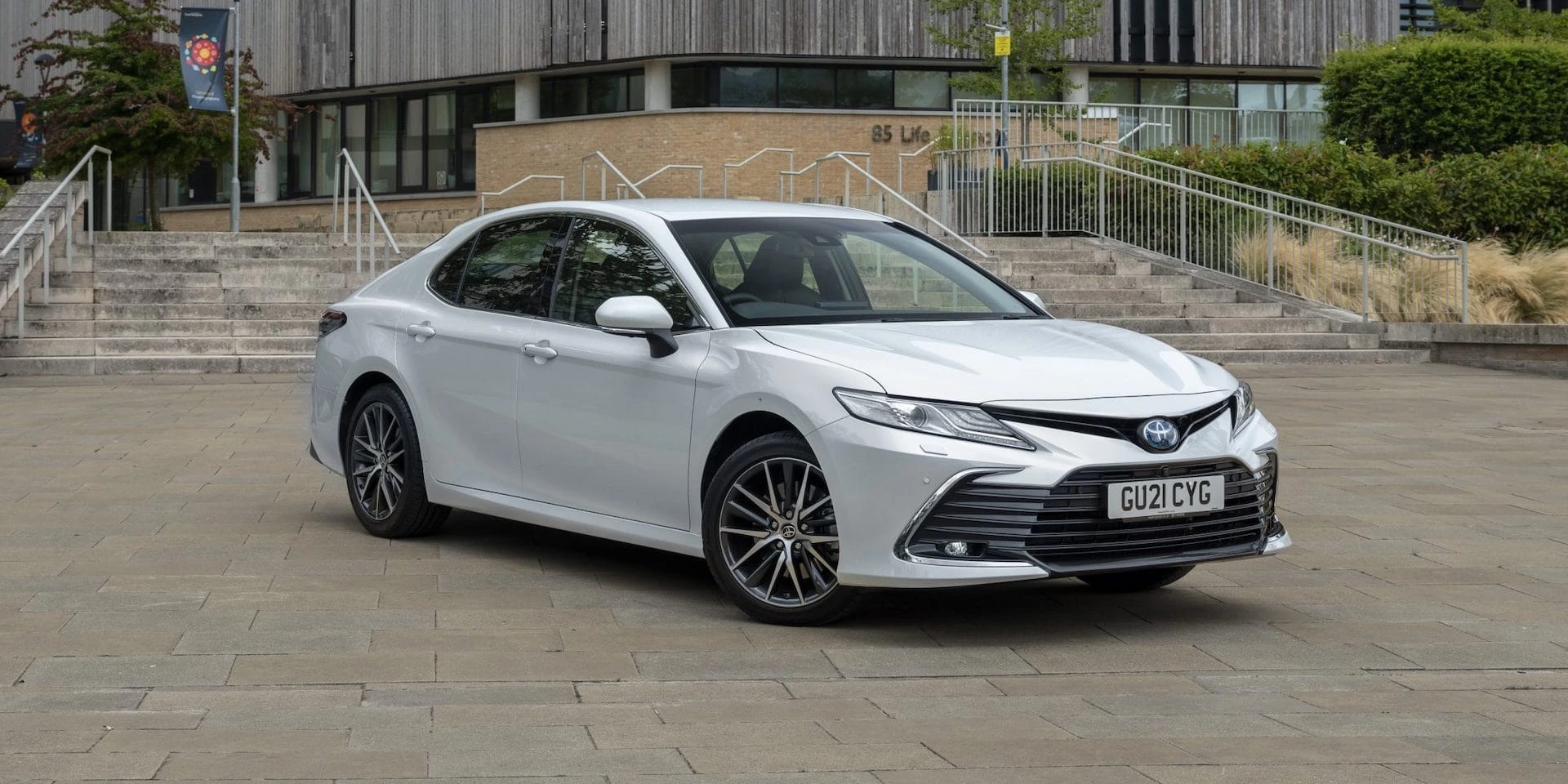
7. Toyota Camry
The Toyota Camry has long been recognized as a dependable midsize sedan with strong reliability ratings and a reputation for low ownership costs.
However, like any vehicle with thousands of moving parts, certain Camry models have experienced steering rack-related concerns. These problems are not common across every Camry generation, but some owners have reported symptoms connected to steering rack wear, particularly as vehicles accumulate higher mileage.
One issue that can appear in aging Camry models is excessive play within the steering system. Drivers may notice that the steering wheel feels less responsive than before or that the vehicle requires more correction while driving.
This can happen when internal steering rack components wear down or when related parts such as bushings and tie rods become loose. Since multiple components work together, proper inspection is needed to identify the exact source.
Some Camry models equipped with electric power steering systems may experience electronic faults affecting steering assistance. The electric motor and sensors inside the steering rack must communicate correctly with the vehicle’s control system.
If a sensor fails or the system detects an abnormal reading, drivers may experience changes in steering weight or warning indicators on the dashboard.
Noise from the steering area is another possible sign of a developing issue. A clunking sound when turning the wheel or driving over rough pavement may indicate worn rack mounts or internal wear. While some noises may come from suspension components, a damaged steering rack should be considered during diagnosis, especially if other steering symptoms are present.
Proper maintenance can help extend the life of a Toyota Camry’s steering components. Maintaining correct wheel alignment, checking suspension parts, and avoiding aggressive impacts from damaged roads can reduce stress on the steering rack.
The Camry continues to be a dependable vehicle for many owners, but recognizing early warning signs can prevent unexpected repair bills.

- Engine: 2.4-liter turbocharged flat-4 boxer petrol engine
- Horsepower: 260 hp
- Torque: 375 Nm (277 lb-ft)
- Length: 4,862 mm (191.4 inches)
- Width: 1,854 mm (73.0 inches)
8. Subaru Outback
The Subaru Outback is popular among drivers who want a practical vehicle with all-wheel-drive capability and strong performance in different road conditions.
Its steering system is designed to provide stability and control, but some Outback models have experienced steering rack concerns. These issues are often linked to wear, leaks, or problems involving electronic steering components.
Older Subaru Outback models with hydraulic power steering systems can develop fluid leaks as seals inside the steering rack age. A leaking rack may cause reduced steering assistance, fluid loss, or difficulty turning the steering wheel. Drivers may also notice a whining noise from the power steering system when the fluid level becomes low.
Newer Outback models use electric power steering systems that include electronic controls and sensors. These systems provide smooth assistance and improved efficiency, but failures can involve more complex repairs.
A malfunctioning steering motor or control unit may affect steering response and require diagnostic testing before repairs are performed.
Some Outback owners report steering looseness or unusual front-end sounds as mileage increases. These symptoms may come from worn steering racks, rack bushings, or other suspension components. Because Subaru vehicles are often driven on uneven roads, gravel paths, and outdoor terrain, additional stress can be placed on steering and suspension parts.
Regular maintenance is important for keeping an Outback’s steering system reliable. Checking for leaks, maintaining proper tire condition, and inspecting suspension components can reduce the chance of serious problems.
Drivers who frequently use their Outback in demanding conditions should pay close attention to any changes in steering performance.
- Engine: 2.5-liter turbocharged inline-4 petrol engine
- Horsepower: 250 hp
- Torque: 420 Nm (310 lb-ft)
- Length: 4,865 mm (191.5 inches)
- Width: 1,840 mm (72.4 inches)
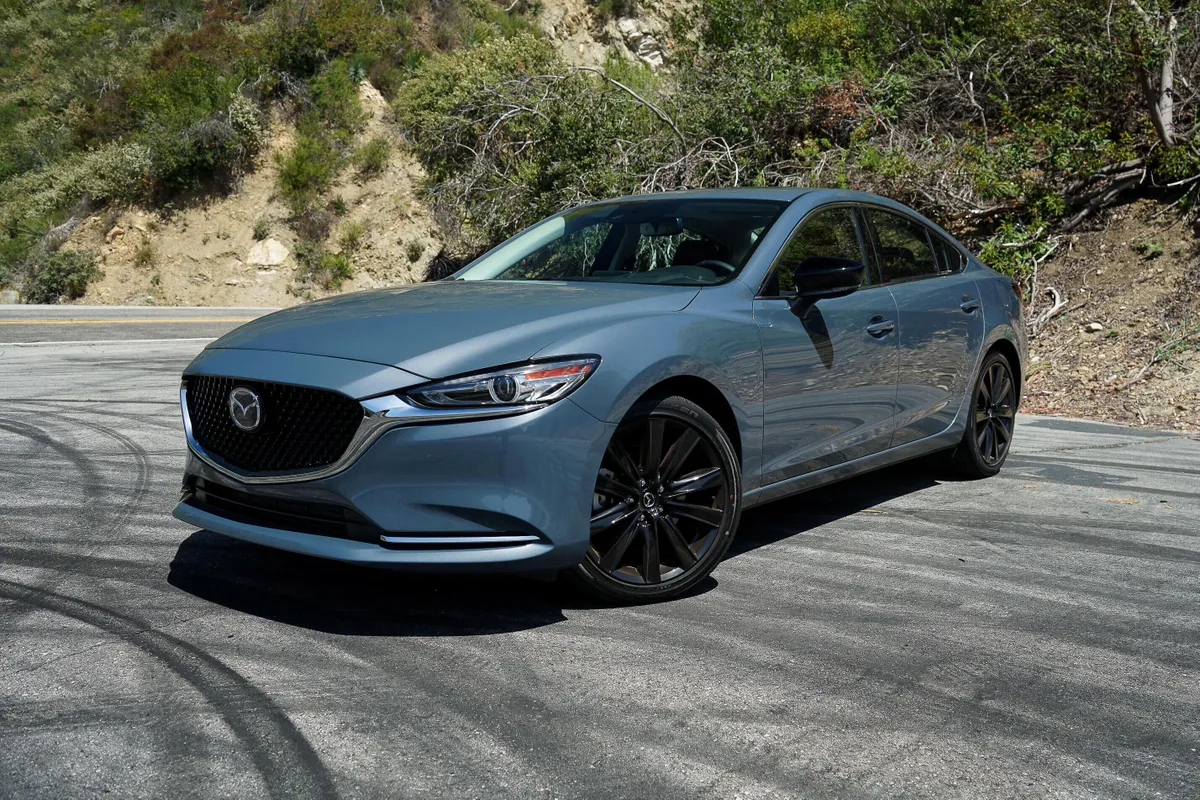
9. Mazda 6
The Mazda 6 is known for its responsive handling, comfortable ride, and engaging driving experience. The vehicle’s steering system is designed to provide accurate feedback, which means any steering rack problem can become noticeable quickly. Some Mazda 6 models have developed steering-related complaints involving wear, noises, and electronic assistance issues.
A common symptom associated with steering rack problems is a knocking or clicking noise when turning. This may happen because of worn internal components, loose rack mounts, or aging steering connections. While these sounds may begin as minor annoyances, they can indicate that the steering system requires inspection.
Certain Mazda 6 models use electric power steering systems that rely on electronic components for assistance. If the electric motor or related sensors experience problems, drivers may notice inconsistent steering effort. The steering wheel may feel heavier at certain times or warning lights may appear if the system detects a fault.
Another issue that can contribute to steering rack wear is improper wheel alignment. When wheels are not aligned correctly, the steering system must work harder to maintain proper direction. This added stress can accelerate wear on steering components, including the rack assembly.
Maintaining a Mazda 6 requires attention to both mechanical and electronic systems. Regular alignment checks, inspection of steering components, and addressing unusual noises early can help prevent larger problems.
The Mazda 6 remains appreciated for its driving characteristics, but owners should monitor steering performance as the vehicle ages.

- Engine: 2.0-liter turbocharged inline-4 petrol engine with mild-hybrid assistance
- Horsepower: 255 hp
- Torque: 400 Nm (295 lb-ft)
- Length: 4,751 mm (187.0 inches)
- Width: 1,820 mm (71.7 inches)
10. Mercedes-Benz C-Class
The Mercedes-Benz C-Class combines luxury features, advanced technology, and precise handling. Its steering system includes sophisticated components designed to deliver a smooth driving experience. However, some C-Class models have experienced steering rack problems connected to electronic systems, mechanical wear, and component failures.
Modern C-Class vehicles often use advanced electric steering racks that rely on motors, sensors, and control modules. When these components malfunction, drivers may experience warning messages, reduced steering assistance, or changes in steering response. Because the system is electronically controlled, identifying the exact cause often requires specialized diagnostic equipment.
Mechanical wear can also affect older C-Class steering racks. Over time, internal components may develop looseness, resulting in unusual noises or reduced steering precision. Drivers may notice vibrations through the steering wheel or a feeling that the vehicle does not respond as quickly as it should during turns.
Repair expenses for Mercedes-Benz steering rack problems can be higher compared with many other vehicles because replacement parts and labor costs are typically more expensive. Some repairs may also require software programming after installation. Choosing qualified technicians familiar with Mercedes systems can help ensure correct repairs.
Preventive maintenance plays an important role in protecting the steering system of a C-Class. Regular inspections, maintaining proper tire pressure, and addressing suspension issues can reduce unnecessary strain. While the C-Class offers advanced engineering and strong performance, owners should remain aware of possible steering rack concerns as mileage increases.
