
Water inside a vehicle cabin is more than a simple inconvenience. Moist carpets, fogged windows, mildew odors, electrical problems, and corrosion can quickly turn a reliable car into an expensive repair project.
In many cases, the leak is not caused by a failed windshield or damaged door seal. Instead, clogged sunroof drains, blocked air conditioning evaporator drains, deteriorated weatherstripping, cracked body seam sealant, or poorly designed cowl drainage systems allow rainwater to enter the interior.
Several vehicles sold in the United States have developed reputations for recurring cabin water leaks that have been documented through owner complaints, Technical Service Bulletins (TSBs), recalls, dealership repair procedures, and long-term reliability reports.
The following vehicles stand out because the leak patterns are well documented, the causes are understood, and owners have encountered the problems frequently enough for manufacturers to issue official repair guidance.
Also Read: 10 Cars That Reduce Blind Spots and Boost Driver Confidence
1. Ford Escape
The second-generation Ford Escape earned a solid reputation for practicality, but one issue repeatedly surfaced among owners across the United States: water intrusion into the passenger compartment.
Complaints commonly involved soaked passenger-side carpeting after heavy rain or automatic car washes. Many owners first noticed condensation on the inside of the windshield or a persistent mildew smell before discovering standing water beneath the carpet padding.
One of the most common sources was the sunroof drainage system. The drain tubes were intended to channel water from the sunroof cassette down through the body and safely outside the vehicle.
Over time, debris could clog the tubes or the hose connections could separate, allowing water to spill directly into the A-pillar and onto the front floor. Vehicles without a sunroof were not immune either.
Another well-documented issue involved the HVAC evaporator drain becoming restricted, preventing condensation from draining underneath the vehicle. Water instead accumulated inside the HVAC housing before overflowing into the cabin.
Ford also addressed windshield and cowl sealing concerns through dealership repair procedures for certain production years. Some owners experienced water entering around improperly sealed body seams near the firewall, particularly after years of temperature changes.
Ignoring the leak often resulted in corrosion beneath the carpet, damaged wiring connectors, malfunctioning airbag sensors, and mold growth inside the insulation. Since much of the carpet padding is thick foam, it could retain several gallons of water without the surface feeling completely wet.
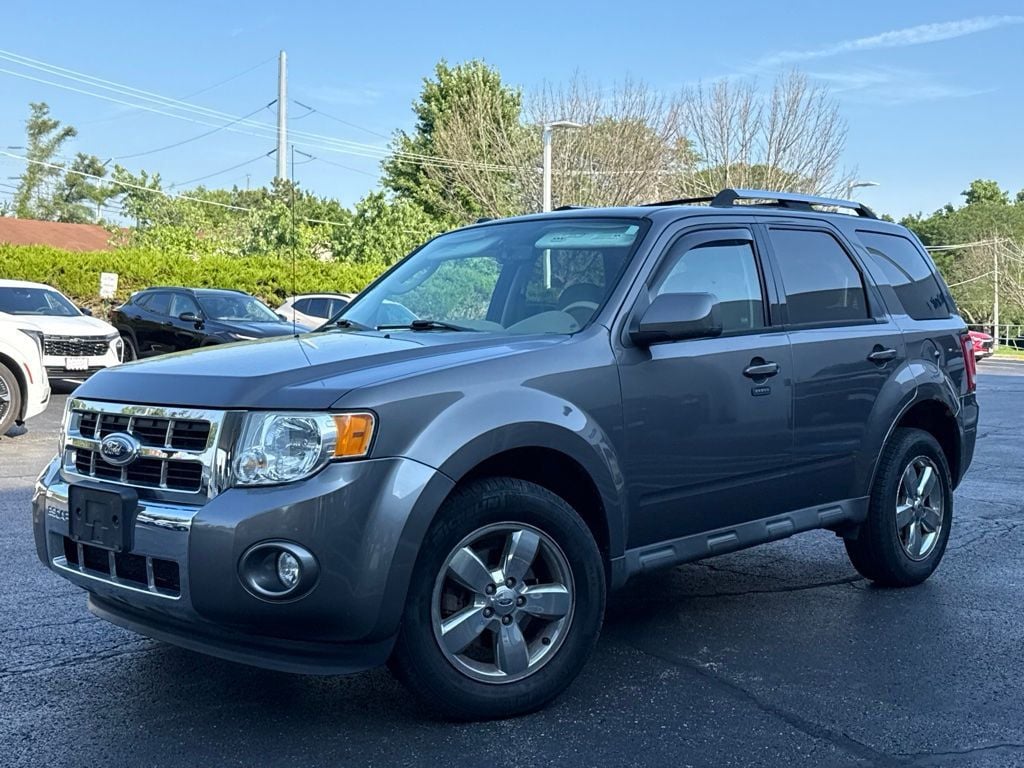
Repairing the problem generally requires identifying the exact leak source rather than simply drying the carpet. Cleaning drain tubes, resealing body seams, replacing deteriorated weatherstripping, or repairing evaporator drains typically solves the issue permanently when performed correctly.
Specifications
- Engine: 2.5-liter Duratec inline-four
- Torque: 171 lb-ft
- Horsepower: 171 hp
- Length/Width: 174.7 inches / 71.1 inches
2. Jeep Grand Cherokee
The fourth-generation Jeep Grand Cherokee combined premium features with genuine off-road capability, but it also became one of the most frequently discussed SUVs for recurring cabin water leaks.
Thousands of owner reports in the United States describe wet headliners, soaked carpets, and electrical faults that were eventually traced to water intrusion. Depending on the model year and equipment, several different leak paths have been identified.
Vehicles equipped with the dual-pane panoramic sunroof were especially susceptible when drain tubes became obstructed by leaves, pine needles, or dirt. Instead of directing rainwater outside the body, clogged drains caused water to overflow the sunroof tray and run down the
A-pillars or C-pillars before soaking the front or rear carpet. In some cases, drain hoses also became disconnected from their fittings, allowing water to empty directly into the interior.
Another commonly reported source involved the liftgate area. Worn weatherstripping or improperly sealed rear body components occasionally allowed water to collect in the cargo compartment before migrating beneath the rear seats. Some owners also experienced leaks around the windshield following replacement glass that was not sealed correctly.
The consequences extended beyond wet carpeting. Moisture reaching electrical modules beneath the seats sometimes triggered warning lights, intermittent power accessory failures, or battery drain. Persistent dampness also encouraged mold growth, creating unpleasant odors that were difficult to eliminate without removing the carpet and insulation.

Jeep dealerships have addressed these concerns through various Technical Service Bulletins covering drain inspection, hose routing, seal replacement, and body sealing procedures.
Successful repairs depend on locating the precise entry point because replacing weatherstripping alone rarely fixes every leak. Once repaired correctly, the cabin generally remains dry even during heavy storms.
Specifications
- Engine: 3.6-liter Pentastar V6
- Torque: 260 lb-ft
- Horsepower: 295 hp
- Length/Width: 189.8 inches / 76.5 inches
3. Honda CR-V
Unlike many vehicles where leaks originate from the roof, the third-generation Honda CR-V developed several water intrusion problems closer to the windshield and firewall.
Although Honda built the CR-V with an excellent reputation for reliability, numerous U.S. owners have reported water entering the cabin after prolonged rainfall, often without realizing the problem until the carpet padding became saturated.
One of the most recognized causes involved the cowl area beneath the windshield. Leaves and debris could accumulate around the drainage channels, slowing water flow during storms. As water levels rose, moisture sometimes found its way through seams or around components mounted along the firewall.
Another documented issue centered on deteriorated seam sealant near the front body structure. Even a small gap in factory sealant allowed rainwater to enter slowly over weeks or months.
Some CR-V owners also discovered leaks around the rear hatch or roof molding attachment points. Water could travel inside body cavities before emerging far from the original leak location, making diagnosis particularly challenging.
Because water often followed wiring harnesses, technicians frequently had to remove interior trim to identify the true entry point.
The symptoms usually started subtly. Windows fogged more frequently, a musty smell lingered after rain, and damp carpeting appeared near the passenger footwell. Left untreated, trapped moisture could damage under-carpet insulation, encourage rust on floor panels, and affect electrical connectors located beneath the seats.

Honda service departments have addressed many of these concerns by clearing drainage passages, resealing body seams, replacing weatherstripping where necessary, and verifying windshield sealing integrity.
When every potential entry point is inspected instead of focusing on a single seal, the repair is typically successful and prevents future interior water damage.
Specifications
- Engine: 2.4-liter DOHC inline-four
- Torque: 161 lb-ft
- Horsepower: 180 hp
- Length/Width: 177.9 inches / 71.6 inches
4. Chevrolet Equinox
For many American families, the second-generation Chevrolet Equinox offered a comfortable ride and generous cargo space. However, one issue appeared repeatedly in owner complaints and dealership service departments: unexplained water entering the cabin.
The problem did not stem from a single defective component. Instead, several different areas could allow moisture inside, making diagnosis more time-consuming than many owners expected.
One frequently documented culprit was the air conditioning evaporator drain. During normal operation, condensation forms on the evaporator core and exits through a drain tube beneath the vehicle.
If that drain became obstructed by dirt or debris, water accumulated inside the HVAC housing until it spilled onto the passenger-side floor. Drivers often assumed rainwater was entering the cabin when the actual source was air conditioning condensate.
Another common issue involved clogged sunroof drain tubes on models equipped with the available power sunroof. These drains are designed to carry rainwater down through the body structure, but blockages prevented proper drainage.
Water then overflowed the sunroof tray, traveled behind the headliner, and eventually soaked the front or rear carpeting. Some owners also encountered leaking windshield seals or deteriorated body seam sealant after years of exposure to changing weather conditions.
The leak itself was only part of the concern. The Equinox houses several electrical connectors and modules beneath the carpeting, and prolonged moisture exposure sometimes resulted in warning lights, power accessory malfunctions, or corrosion within the wiring harness.
Thick carpet padding also retained water for long periods, allowing mold and mildew to develop even after the visible surface appeared dry.
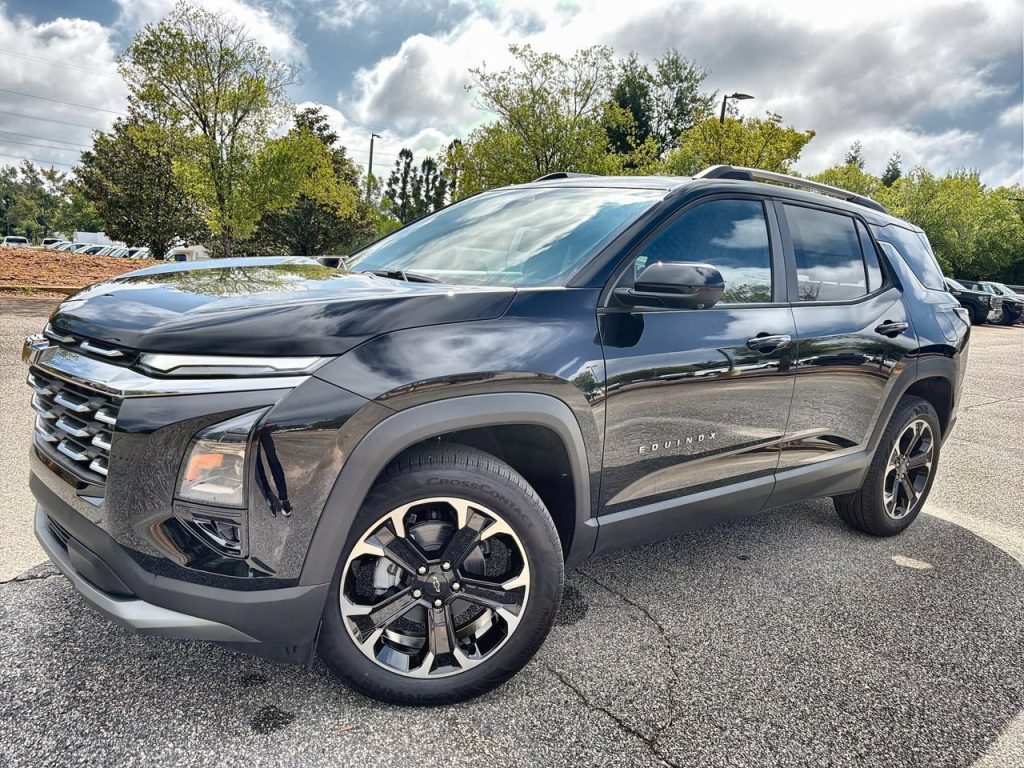
General Motors issued service information addressing several water intrusion scenarios, emphasizing systematic leak testing rather than replacing parts at random.
Technicians often use water testing equipment to isolate the exact entry point before repairing seals, cleaning drains, or resealing body seams. Once the correct source is identified and repaired, recurring leaks are typically eliminated.
Specifications
- Engine: 2.4-liter Ecotec inline-four
- Torque: 172 lb-ft
- Horsepower: 182 hp
- Length/Width: 187.8 inches / 72.5 inches
5. Volkswagen Passat
Owners of the North American-built Volkswagen Passat generally praised its spacious cabin and comfortable highway ride, but water intrusion became a recurring complaint for a noticeable number of vehicles.
Unlike leaks caused by accident damage, these cases often developed gradually and were tied to drainage or sealing issues that became more apparent as the vehicle aged.
One of the most widely recognized trouble spots involved the sunroof drainage system on equipped models. The sunroof frame is designed to channel water into drain tubes located in each corner.
If those tubes became blocked with leaves, pollen, or other debris, rainwater accumulated in the tray until it overflowed into the headliner. From there, water frequently traveled down the A-pillars or rear roof pillars before collecting beneath the carpet, making it difficult for owners to identify where the leak actually began.
Another documented source involved the plenum chamber beneath the windshield. This area is intended to drain rainwater away from the cabin air intake and surrounding components. When debris restricted the drainage paths, standing water could build up around the cowl area and eventually enter the passenger compartment.
Some vehicles also experienced leaks from aging door vapor barriers or deteriorated body seam sealant, particularly after years of temperature fluctuations.
The symptoms often appeared slowly. Windows fogged more often during humid weather, carpets remained damp long after rainfall, and an earthy odor developed inside the cabin. If the leak continued unchecked, moisture could reach electrical connectors mounted beneath the carpeting, increasing the risk of corrosion and intermittent electrical problems.

Volkswagen service procedures typically involve pressure-testing the drainage system, cleaning blocked drain channels, resealing door membranes when necessary, and confirming that body seams remain watertight.
Because water can travel a considerable distance before becoming visible, technicians generally inspect the entire drainage path rather than focusing only on the wet area. Correctly identifying the entry point is the key to a lasting repair.
Specifications
- Engine: 1.8-liter turbocharged inline-four
- Torque: 184 lb-ft
- Horsepower: 170 hp
- Length/Width: 191.9 inches / 72.2 inches
6. BMW 3 Series
Luxury sedans are expected to provide a quiet, well-sealed cabin, yet the BMW E90 3 Series has been associated with several well-documented water intrusion issues.
Independent repair shops and dealerships across the United States have routinely encountered wet carpets caused by blocked drainage systems and deteriorated sealing components rather than structural defects.
A major contributor is the cowl drainage area beneath the windshield. Leaves and organic debris can accumulate around the drain passages, slowing the flow of rainwater. As water levels rise, moisture may enter through the cabin air intake or nearby openings, eventually soaking the front passenger-side floor.
Another frequently reported issue involves the vapor barriers inside the doors. BMW uses adhesive-backed moisture barriers to prevent water from entering the interior after passing through the window seals. As the adhesive ages, gaps can develop, allowing water to bypass the barrier and run directly onto the cabin floor.
Models equipped with a factory sunroof have another potential leak source. Drain tubes can become obstructed or disconnected over time, permitting water to overflow the sunroof cassette and travel down the roof pillars.
Because the carpet insulation is exceptionally thick, a substantial amount of water can remain hidden beneath the surface for weeks.
Many owners first notice the problem through persistent window fogging, malfunctioning electronic accessories, or a damp smell after rainfall. If ignored, water may damage wiring connectors, seat control modules, and other electronic components mounted beneath the carpeting.
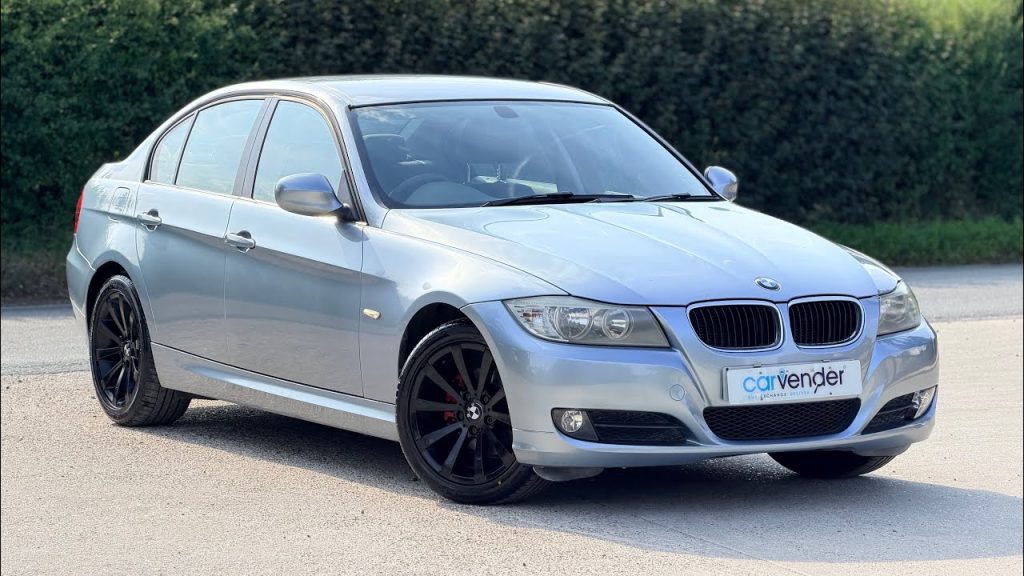
BMW service literature outlines diagnostic procedures that include checking cowl drains, inspecting door vapor barriers, verifying sunroof drain operation, and resealing affected components where necessary.
Proper repairs focus on restoring the designed drainage path rather than relying on sealants alone. Once these areas are corrected, the E90 generally remains dry through repeated rainstorms and regular washing.
Specifications
- Engine: 3.0-liter naturally aspirated inline-six (328i)
- Torque: 200 lb-ft
- Horsepower: 230 hp
- Length/Width: 178.2 inches / 71.5 inches
7. Dodge Journey
The Dodge Journey remained on the U.S. market for more than a decade with relatively few major design changes.
While its affordability attracted many families, one problem surfaced consistently in owner complaints, dealership inspections, and independent repair shops: water leaking into the cabin after rain or even after using the air conditioning.
Because several components could be responsible, diagnosing the source often required a methodical inspection instead of replacing seals at random.
One commonly identified cause involved the HVAC evaporator drain. During warm weather, condensation forms naturally on the evaporator core. If the drain tube became partially or completely blocked by debris, the accumulated water had nowhere to go except into the passenger compartment.
Owners frequently discovered damp carpeting on the front passenger side after running the air conditioner, even when there had been no rainfall.
Models equipped with a factory sunroof presented another possible leak point. The drain tubes running through the roof pillars could clog with dirt or organic material, causing water to overflow from the sunroof cassette and flow beneath the headliner before reaching the floor.
In addition, some Journeys experienced leaks around the liftgate weatherstrip or body seams near the rear cargo area, allowing rainwater to migrate forward beneath the carpet.
What made the problem especially troublesome was the amount of insulation beneath the carpet. The foam padding could absorb a significant volume of water while the visible carpet surface appeared only slightly damp.
Left untreated, trapped moisture encouraged mold growth, corrosion of the floor pan, and deterioration of electrical connectors mounted beneath the front seats.
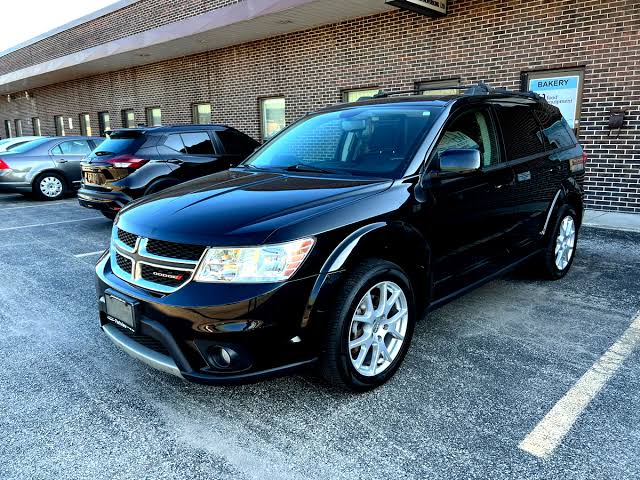
Successful repairs generally involve clearing evaporator drains, inspecting sunroof drain routing, replacing worn weatherstripping where necessary, and resealing body seams that show signs of deterioration.
Once the true source of the leak is eliminated and the insulation is thoroughly dried or replaced, recurring interior water intrusion is rarely an issue.
Specifications
- Engine: 3.6-liter Pentastar V6
- Torque: 260 lb-ft
- Horsepower: 283 hp
- Length/Width: 192.4 inches / 72.2 inches
8. Nissan Rogue
The second-generation Nissan Rogue became one of America’s best-selling compact SUVs thanks to its spacious interior, good fuel economy, and family-friendly design. Despite those strengths, numerous U.S. owners have reported cabin water leaks that often required dealership diagnosis because the water did not always appear near the actual point of entry.
A frequent source involved the sunroof drainage system on SL and Platinum models equipped with the panoramic moonroof. The drain tubes are designed to carry rainwater safely outside the body, but leaves, dirt, or disconnected hoses can interrupt that process.
When drainage is restricted, water spills from the sunroof tray into the roof structure before running down the A-pillars or B-pillars and soaking the front or rear floorboards.
Another documented issue concerns the HVAC evaporator drain. If the drain tube becomes obstructed, condensation produced during air conditioner operation backs up into the HVAC housing and eventually reaches the passenger-side carpet.
Some owners have also experienced leaks associated with windshield sealing or aging hatch weatherstripping after years of exposure to heat, freezing temperatures, and repeated opening and closing.
Owners commonly notice the problem through recurring window fog, a damp odor inside the cabin, or carpeting that never seems to dry completely after storms.

Since several electronic connectors are located beneath the carpet, prolonged exposure to moisture can contribute to corrosion, electrical faults, or malfunctioning convenience features. The thick insulation under the floor covering also traps water, making complete drying essential after repairs.
Nissan service procedures typically begin with controlled water testing to determine the precise leak path. Technicians then clean or reconnect drain tubes, inspect weatherstripping, reseal affected body areas if required, and verify that all drainage channels function properly.
Addressing the actual source instead of simply replacing carpet prevents repeated water intrusion and helps protect the vehicle’s electrical system for the long term.
Specifications
- Engine: 2.5-liter inline-four
- Torque: 175 lb-ft
- Horsepower: 170 hp
- Length/Width: 184.5 inches / 72.4 inches
Also Read: 10 Inline-Six Engines That Became Automotive Legends