
An alternator failure feels the same in every car. The battery light flickers on, the headlights dim, and eventually the engine just quits. But the repair bill afterward can look wildly different from one vehicle to the next. That gap has almost nothing to do with the alternator part itself, since most units cost somewhere between $150 and $400.
The real variable is engine bay layout. Some cars mount the alternator right on top of the engine, in plain sight, reachable with two hands and a socket wrench.
Others bury it behind the intake manifold, underneath the exhaust, or tucked against the firewall where a mechanic has to drop the subframe just to see it. That difference in access can turn a two-hour job into a six-hour job.
Labor is billed by the hour, so hidden alternators mean bigger invoices even when the part costs the same. Below are five cars known for quick, cheap alternator swaps, and five known for pushing the bill toward $1,100 because of how their engine bays are built. Each entry includes real specs so you can see how size, layout, and drivetrain style connect to the labor difficulty.
5 Cheap Ones
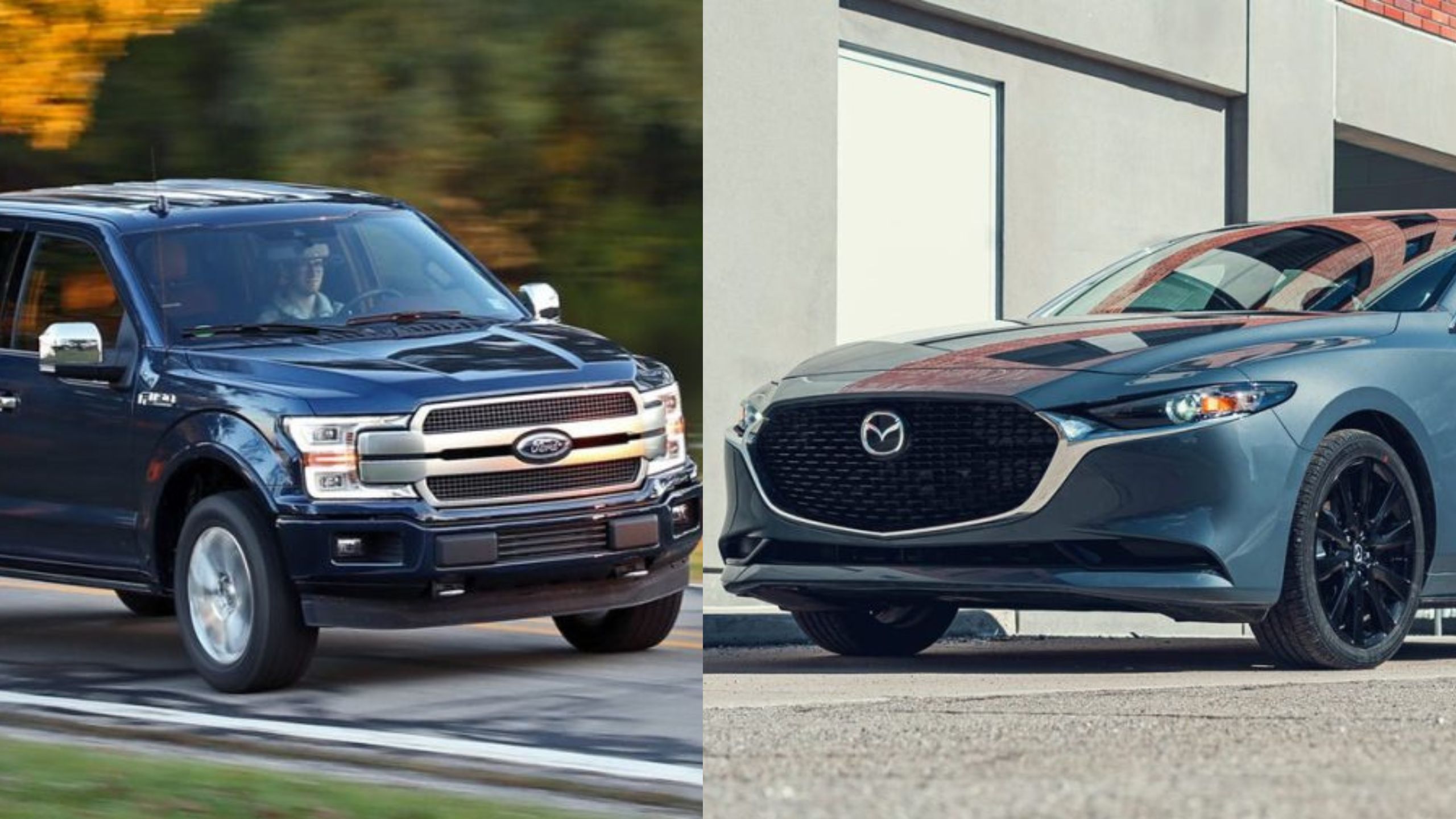
The Honda Civic, Toyota Corolla, and Mazda3 all place their alternators high and front-facing on compact four-cylinder engines, letting mechanics finish repairs in under an hour for $350–$600.
The Ford F-150 (5.0L V8) and Ram 1500 (5.7L Hemi) benefit from spacious truck engine bays, keeping labor to about an hour despite larger V8s. Across all five, simple access means no subframe drops, intake removal, or extra teardown just a belt, two bolts, and a straightforward swap.
1. Honda Civic
The Civic’s alternator sits high on the front of the engine block, facing the radiator. A mechanic can see it the moment the hood opens. There’s no need to remove the intake manifold or drop any subframe components. Most independent shops finish the job in under an hour of labor.
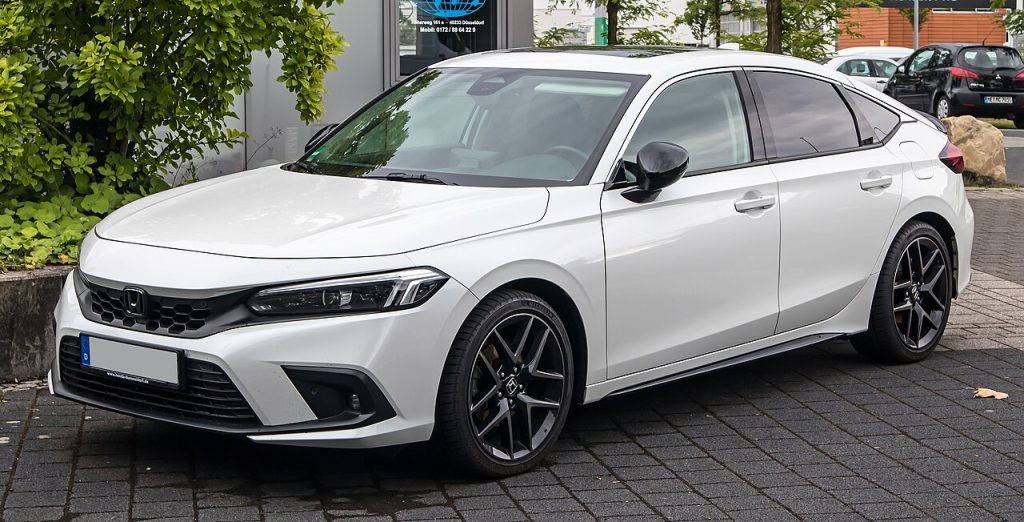
That efficiency keeps total repair costs typically between $350 and $550 with a quality aftermarket unit. The compact four-cylinder layout simply leaves the alternator exposed.
Specifications:
- Horsepower: 158 hp
- Torque: 138 lb-ft
- Length: 184.0 inches
- Width: 70.9 inches
The turbocharged 1.5L variant produces more torque but doesn’t change the alternator’s position. Access remains identical across trims. This is part of why Honda’s compact sedans have a reputation as cheap-to-own cars. Routine electrical repairs rarely turn into half-day ordeals.
2. Toyota Corolla
Toyota engineers place the Corolla’s alternator on the passenger side of the engine, bolted near the top of the block. It faces forward, away from the firewall clutter.
A technician typically removes the serpentine belt, disconnects two electrical connectors, then unbolts the unit directly. No plastic engine covers or intake components stand in the way.

Labor time usually runs 45 minutes to an hour at most shops. Combined with Toyota’s relatively affordable OEM alternator pricing, total cost rarely exceeds $500.
Specifications:
- Horsepower: 169 hp
- Torque: 151 lb-ft
- Length: 182.3 inches
- Width: 70.1 inches
Corolla owners also benefit from a huge secondary market of remanufactured alternators. That competition pushes part prices even lower than Civic equivalents in many regions. The straightforward four-cylinder layout, unchanged for over a decade, is the real reason this repair stays cheap generation after generation.
3. Ford F-150 (5.0L V8)
Full-size trucks have an advantage most sedans can’t match: sheer engine bay volume. The F-150’s 5.0L Coyote V8 sits low and centered, with the alternator mounted high on the driver’s side.
There’s ample clearance around the engine, so a mechanic doesn’t need to remove fenders, splash shields, or intake ducting. The whole job is closer to changing a serpentine belt than performing surgery.
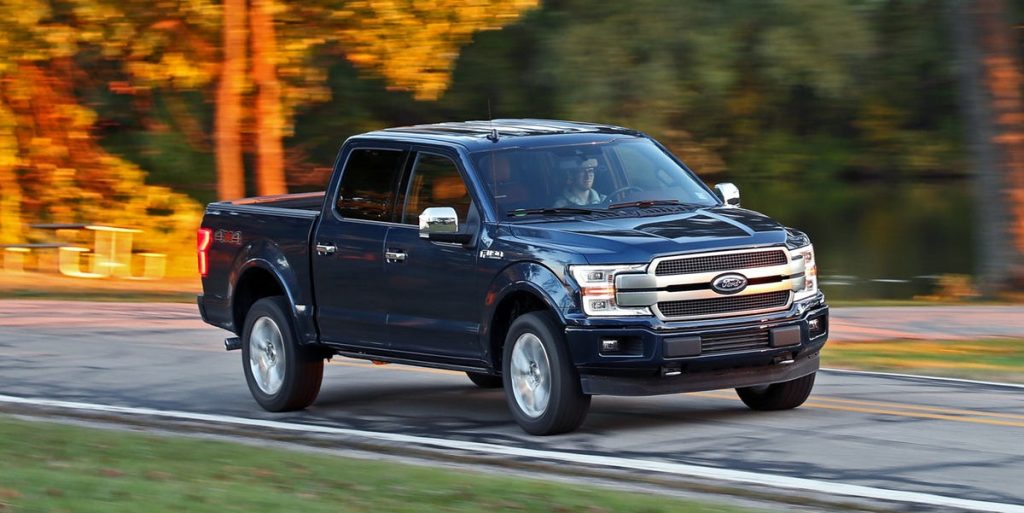
Shops typically quote one hour of labor for this truck. Parts run slightly higher than compact car alternators due to higher amperage output, but the total still lands under $600 most of the time.
Specifications:
- Horsepower: 400 hp
- Torque: 410 lb-ft
- Length: 231.7 inches
- Width: 79.9 inches (excluding mirrors)
The truck’s size actually works in the owner’s favor here. A bigger hood opening means more room to maneuver tools and hands. This is a recurring pattern with body-on-frame trucks. Their generous engine bays simplify almost every routine repair, alternators included.
4. Mazda3
Mazda’s Skyactiv four-cylinder engine keeps accessory placement logical and uncluttered. The alternator sits near the top-front of the engine, directly accessible once the plastic engine cover is popped off.
Technicians don’t need to remove the battery tray or any structural bracket to get a socket on the mounting bolts. The whole procedure typically takes about an hour.
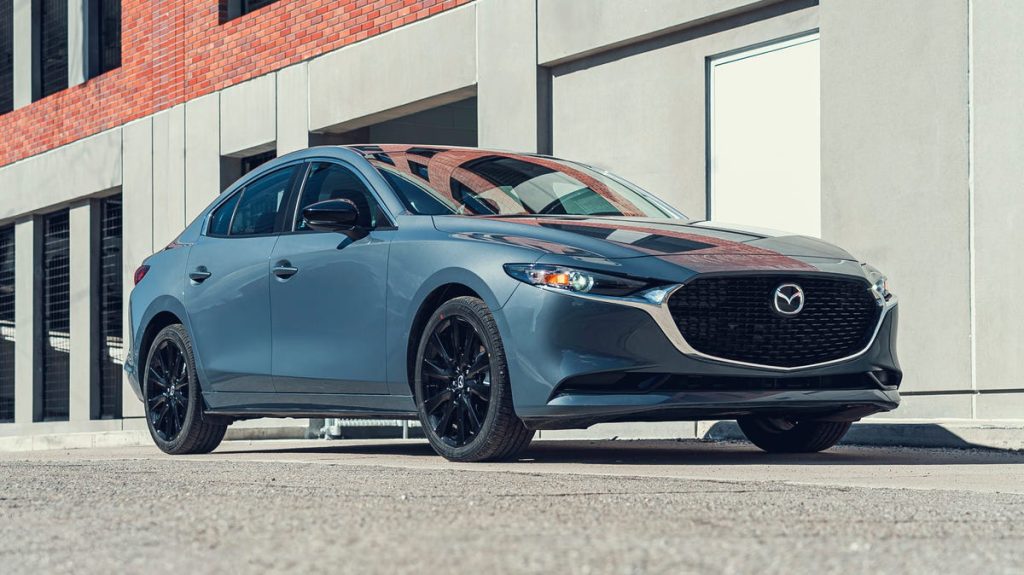
Because Mazda uses a fairly common Denso alternator across several models, replacement parts are inexpensive and widely stocked. Total repair costs generally stay between $400 and $600.
Specifications:
- Horsepower: 191 hp
- Torque: 186 lb-ft
- Length: 183.5 inches (sedan)
- Width: 70.7 inches
Mazda’s engineering philosophy emphasizes tidy, purposeful packaging even in a small footprint. That discipline shows up directly in repair simplicity. Owners consistently report this as one of the least stressful electrical repairs on any compact car. There’s little guesswork involved for a shop.
Also Read: Why Ignoring a Small Windshield Chip Gets Expensive Fast
5. Ram 1500 (5.7L Hemi)
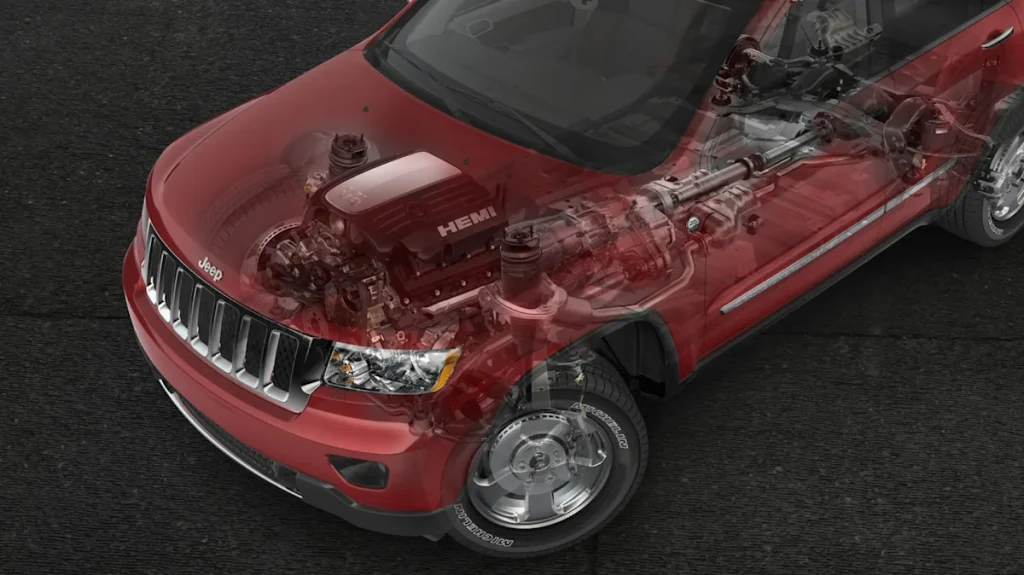
Like the F-150, the Ram 1500 benefits from a wide-open engine bay built around a V8. The 5.7L Hemi places its alternator on the front-facing side of the block, clear of exhaust piping and intake runners. A mechanic reaches the unit from above without disassembling anything else. Labor typically clocks in around 45 minutes to an hour.
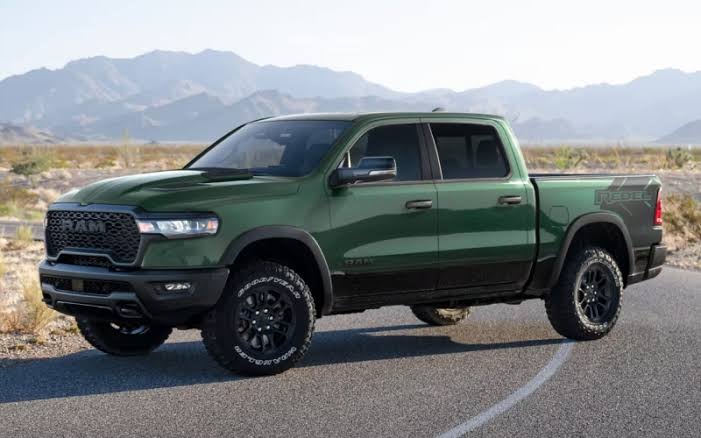
Because the truck platform is shared across millions of Ram, Jeep, and Dodge vehicles, aftermarket alternators are cheap and easy to source. Total bills usually land between $450 and $600.
Specifications:
- Horsepower: 395 hp
- Torque: 410 lb-ft
- Length: 232.9 inches
- Width: 82.3 inches (excluding mirrors)
Trucks built on these older-style frame layouts rarely bury components. There’s simply more physical room under the hood than a sedan allows. This is one reason truck owners often report lower long-term electrical repair costs. Size, ironically, works in their favor.
The Expensive Ones ($1,100 Range)
The Chevrolet Equinox/GMC Terrain (3.6L V6), Honda Odyssey (3.5L V6), and Chrysler Pacifica (3.6L Pentastar) bury their alternators against the firewall, often requiring subframe drops or intake removal, pushing labor past three hours.
The Ford Edge (2.0L EcoBoost) and Subaru Outback (2.5L Boxer) face similar issues from crowded turbo hardware or a low-clearance boxer layout. In each case, tight packaging not the part itself, drives repair bills toward $1,100.
1. Chevrolet Equinox / GMC Terrain (3.6L V6)
This is one of the most notorious alternator jobs in the mainstream car world. On the 3.6L V6 versions, the alternator sits low at the rear of the engine, wedged against the firewall.
Reaching it from above is nearly impossible in most trims. Many shops end up lowering the front subframe, or “cradle,” just to drop the engine slightly and create clearance.
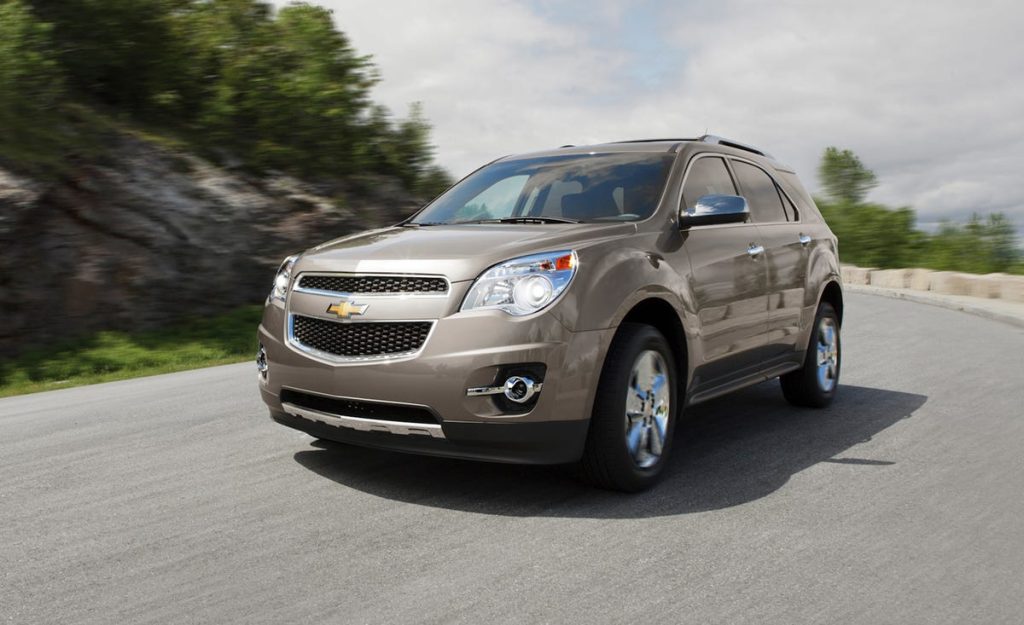
That process alone can add three to four hours of labor beyond the actual alternator swap. Total labor commonly runs five to six hours, which is why total bills often reach $1,100 or more.
Specifications:
- Horsepower: 301 hp
- Torque: 272 lb-ft
- Length: 187.8 inches
- Width: 72.5 inches
Owners of this generation frequently report shop quotes far above what a same-size Honda CR-V would cost for the identical repair. The V6 option was popular, so the problem affects a large population of vehicles.
Some independent mechanics have found shortcuts using extensions and universal joints to avoid the full cradle drop. Even so, most quotes remain well above average.
2. Honda Odyssey (3.5L V6)
Honda’s minivan crams a transverse V6 into a tight, front-wheel-drive engine bay. The alternator sits low and toward the back of the engine, partially obstructed by the intake manifold and accessory brackets.
Technicians often need to remove the passenger-side wheel, splash shield, or even a section of the front subframe for clearance. That’s a dramatically different job than Honda’s own Civic.
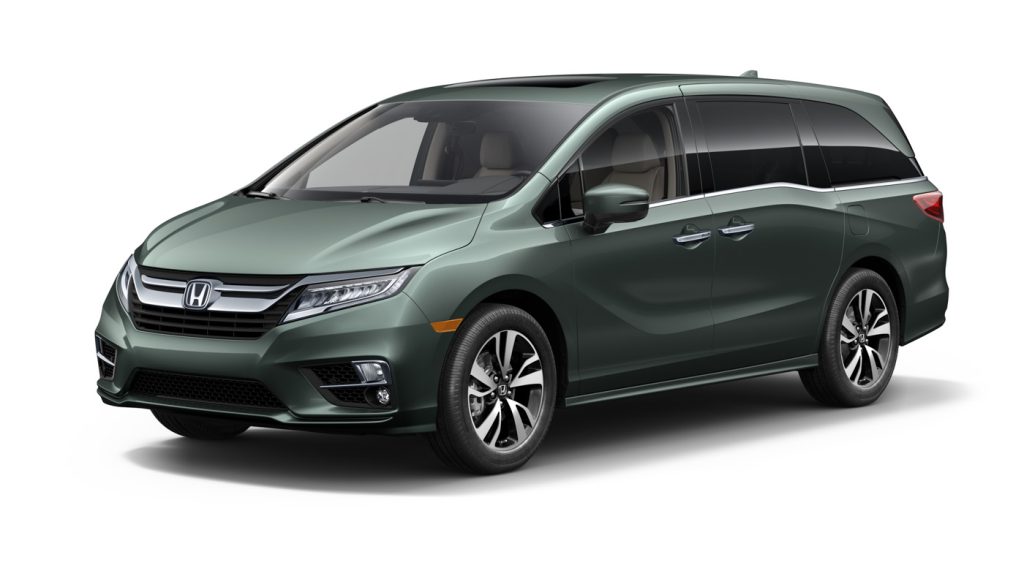
Labor commonly runs three to four hours. Combined with a higher-output V6 alternator part cost, total bills regularly land close to $1,100 at dealerships.
Specifications:
- Horsepower: 280 hp
- Torque: 262 lb-ft
- Length: 203.2 inches
- Width: 78.5 inches
The irony is that Honda’s four-cylinder cars are famous for cheap repairs, while its V6 minivan sits at the opposite extreme. Layout, not brand reputation, decides the outcome. Families relying on this van for daily transportation are often surprised by the price gap compared to their previous sedan.
3. Chrysler Pacifica / Town & Country (3.6L Pentastar)
The Pentastar V6, used across Chrysler and Dodge minivans, places its alternator near the back of the engine against the firewall. It’s one of the last components a technician can reach.
Getting to it typically means removing the upper intake plenum, several sensors, and sometimes part of the wiring harness conduit. This isn’t a quick belt-and-bolt job.
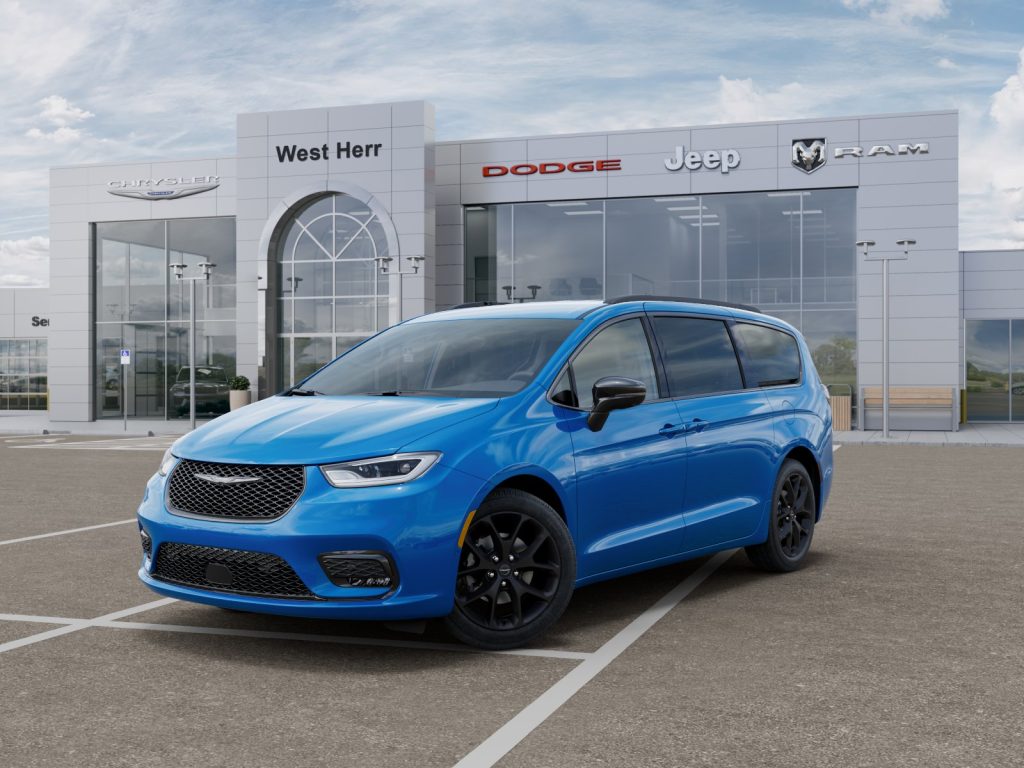
Labor alone can stretch past three hours at many shops. Parts and labor together frequently price out around $1,000 to $1,150.
Specifications:
- Horsepower: 287 hp
- Torque: 262 lb-ft
- Length: 203.8 inches
- Width: 79.6 inches
This same engine appears in Jeep Grand Cherokees and Dodge Durangos, where the alternator is somewhat easier to reach due to a different engine orientation. The minivan’s transverse mounting is what creates the real headache.
Owners who shop around sometimes find independent garages willing to remove less than dealership procedures require, trimming an hour off the bill.
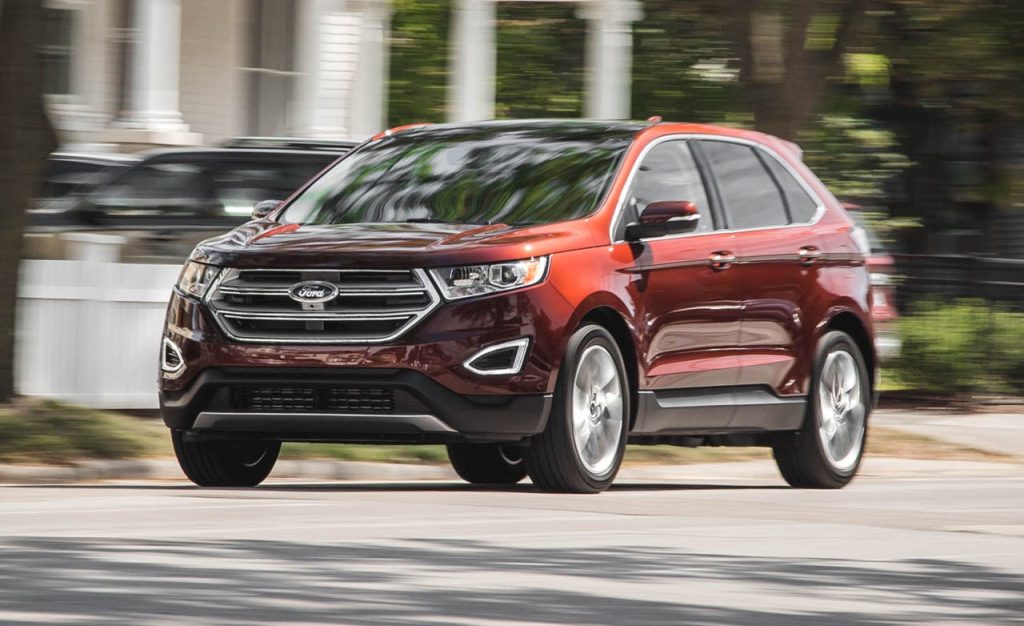
4. Ford Edge (2.0L EcoBoost)
Ford’s turbocharged four-cylinder crossovers pack a surprising amount of hardware into a tight transverse bay. The alternator sits low, crowded by the turbo’s intercooler piping and various brackets.
Technicians frequently need to loosen engine mounts or shift the engine slightly to create workable space. That’s a far cry from a top-mounted alternator on a naturally aspirated sedan.
Labor typically runs two and a half to three and a half hours depending on trim and drivetrain. With Ford’s OEM alternator pricing for turbo applications, totals often land near $1,000 to $1,100.
Specifications:
- Horsepower: 250 hp
- Torque: 275 lb-ft
- Length: 188.7 inches
- Width: 75.9 inches (excluding mirrors)
Turbocharged engines generally demand higher-output alternators to support their electronics and cooling fans. That pushes part costs up alongside the labor difficulty.
Shops sometimes recommend replacing the serpentine belt and tensioner in the same visit, since they’re already exposed. That add-on nudges the bill closer to the $1,100 mark.
5. Subaru Outback (2.5L Boxer)
Subaru’s horizontally opposed engine design is famous for a low center of gravity, but it’s brutal for accessory access. The alternator sits deep beside the engine block, squeezed against the frame rail.
Because the cylinders splay outward instead of sitting upright, there’s less vertical clearance above components. Many technicians must remove the front crossmember or splash shield to reach the mounting bolts.
Labor commonly runs three or more hours on these vehicles. Combined with Subaru’s dealership parts pricing, total bills frequently approach $1,100.
Specifications:
- Horsepower: 182 hp
- Torque: 176 lb-ft
- Length: 189.7 inches
- Width: 72.4 inches
The boxer engine’s flat profile is a major selling point for handling and safety. But it directly complicates almost any repair involving the lower engine bay.
Owners considering this repair often get quotes that seem out of proportion to the car’s modest four-cylinder output. The layout, not the engine size, drives the number up.
Also Read: 11 EVs That Are Easier to Live With Than a Tesla Model 3
