
Rear differential service is one of the most overlooked maintenance items on all-wheel-drive and four-wheel-drive SUVs, yet it plays a vital role in long-term drivetrain reliability.
Replacing the differential fluid at the recommended interval helps reduce gear wear, maintain proper lubrication, and extend the life of expensive internal components.
However, not every SUV costs the same to service. Some feature easily accessible fill and drain plugs with conventional gear oil, making maintenance quick and inexpensive.
Others require specialty lubricants, complicated fill procedures, or labor-intensive access that can push the bill beyond $700. This guide compares five affordable examples with five surprisingly expensive ones.
Also Read: 10 Sedans With Headlights That Yellow Before 60,000 Miles
5 SUVs With Cheap Rear Differential Service
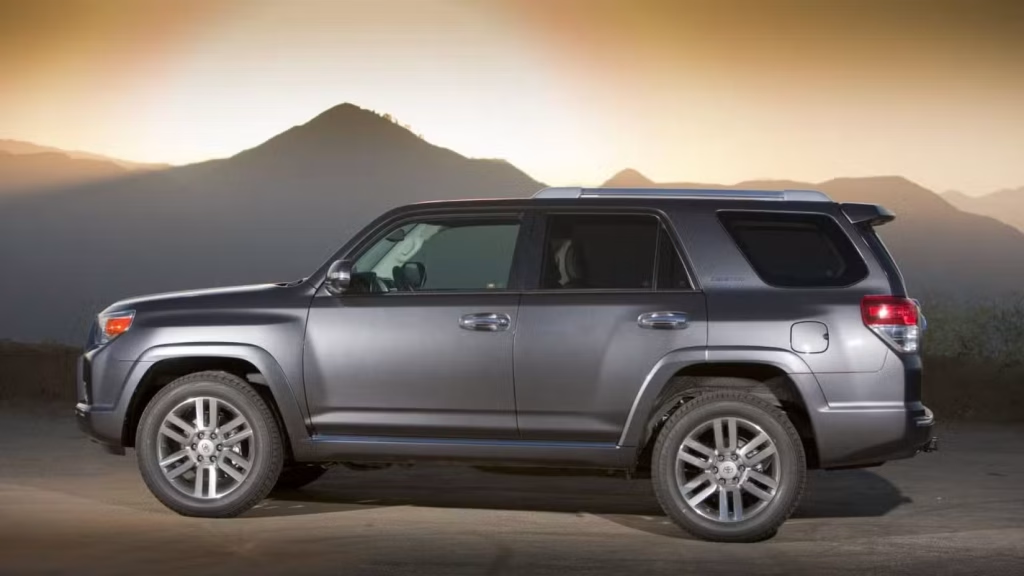
1. Toyota 4Runner (2010 to Present)
The Toyota 4Runner has built a loyal following among drivers who value durability just as much as off-road capability. One reason for its strong reputation is that routine drivetrain maintenance remains refreshingly straightforward.
Rear differential service is an excellent example. Toyota designed the solid rear axle with both the drain and fill plugs positioned in easily accessible locations, allowing technicians to complete the fluid replacement without removing suspension components or protective crossmembers.
The procedure begins by removing the fill plug first to verify that it can be opened before draining the old lubricant. After the used gear oil is emptied, the drain plug is reinstalled with the proper torque specification, and fresh gear oil is pumped through the fill opening until it reaches the correct level.
Because the fill plug is positioned at the proper height, no complicated measuring process is required.
Another advantage is Toyota’s fluid specification. Most fifth-generation 4Runners use high-quality SAE 75W-85 GL-5 gear oil, although some owners choose compatible premium synthetic alternatives that meet Toyota’s specifications. The required fluid quantity is modest, helping keep material costs relatively low.
Labor is equally reasonable because the differential housing is exposed beneath the rear axle, allowing excellent access on a standard vehicle lift. Many independent repair shops complete the service in less than one hour, making total maintenance costs considerably lower than those of luxury SUVs with electronically controlled differentials.
For owners who regularly tow, drive off-road, or travel long highway distances, replacing the differential fluid at the recommended interval provides inexpensive insurance against premature gear wear.
Combined with Toyota’s proven drivetrain durability, the simple service procedure makes the 4Runner one of the least expensive SUVs to maintain in this area.
Specifications
- Engine: 4.0-liter V6
- Torque: 278 lb-ft
- Horsepower: 270 hp
- Length: 190.7 in
- Width: 75.8 in
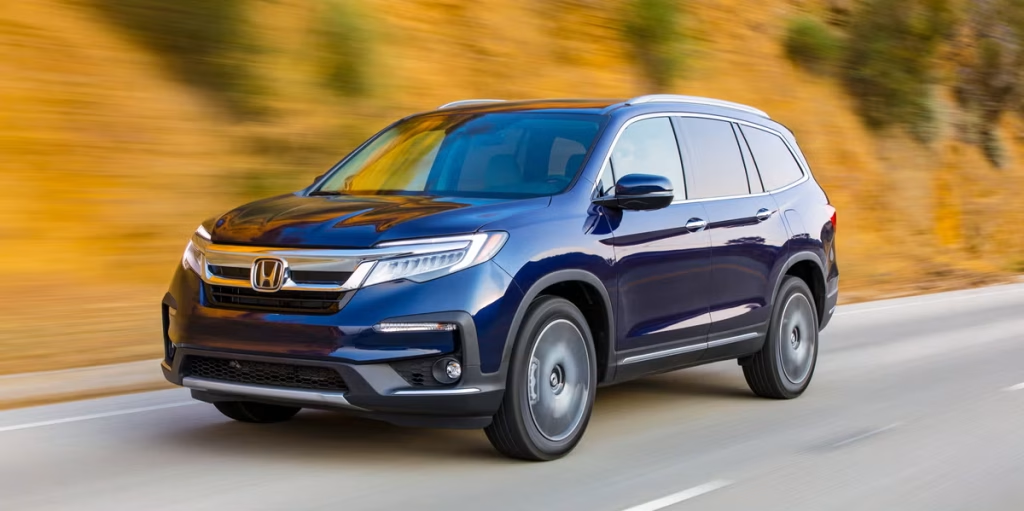
2. Honda Pilot (2016 to 2022)
Some SUVs keep maintenance costs low simply because the manufacturer avoided unnecessary complexity. The third-generation Honda Pilot is one of those vehicles. Although its Intelligent Variable Torque Management all-wheel-drive system is sophisticated in operation, routine rear differential service is surprisingly straightforward.
The differential housing is positioned where technicians can easily reach both the drain and fill plugs, allowing the service to be completed without removing suspension components or lowering protective shields.
Honda specifies its own Dual Pump Fluid II for earlier models and Honda AWD Differential Fluid for later applications, depending on model year and drivetrain. While the fluid is proprietary, the service itself remains uncomplicated because the differential requires only a modest amount of lubricant.
Once the old fluid is drained, technicians refill the housing through the fill port until the proper level is reached. No electronic calibration or computer programming is necessary after the service.
The Pilot also benefits from excellent service documentation and widespread familiarity among independent repair facilities. Since this generation has been on the road for years, technicians rarely encounter surprises during routine maintenance.
Labor typically ranges between 0.5 and 1.0 hour, keeping the total invoice comfortably below what many premium SUVs charge for the same procedure.
Ignoring the rear differential fluid can eventually lead to chatter during turns, increased gear wear, and unnecessary stress on the AWD system. Honda even recommends more frequent service for owners who regularly tow or drive in severe conditions.
Staying ahead of maintenance helps preserve the system’s smooth operation while avoiding much more expensive drivetrain repairs later.
The pilot proves that advanced all-wheel-drive technology does not automatically mean expensive maintenance. Accessible fill plugs, minimal labor requirements, and predictable servicing make rear differential fluid replacement one of the more affordable ownership expenses.
Specifications
- Engine: 3.5-liter V6
- Torque: 262 lb-ft
- Horsepower: 280 hp
- Length: 196.5 in
- Width: 78.6 in
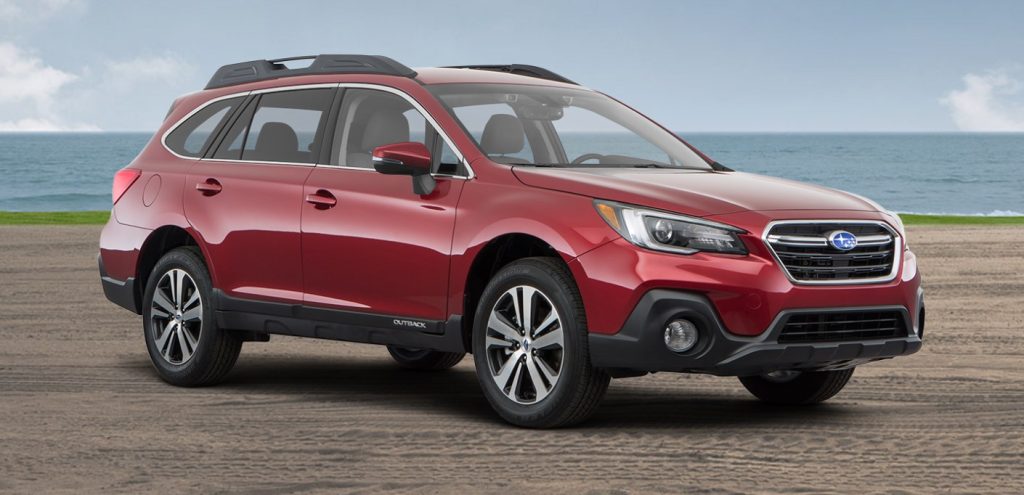
3. Subaru Outback (2015 to 2019)
The Subaru Outback is often recognized for its standard all-wheel-drive system, but another advantage receives far less attention: maintaining the rear differential is a relatively uncomplicated job.
Because Subaru designed the rear differential with accessible drain and fill plugs, technicians can perform the fluid change without removing the rear suspension or dropping large underbody panels. That efficient layout keeps labor costs low and makes the service attractive for owners who intend to keep their vehicles well beyond 150,000 miles.
Unlike many crossover SUVs that package drivetrain components tightly beneath the floor, the Outback provides sufficient working room around the differential housing. The service starts by confirming the fill plug can be removed before draining the old lubricant.
After the differential has emptied, the drain plug is tightened to specification, and fresh gear oil is added through the fill opening until it reaches the proper level. The process is simple, reducing the possibility of unnecessary labor charges.
Subaru specifies SAE 75W-90 GL-5 synthetic gear oil for the rear differential on most models of this generation. Since this specification is widely available from reputable lubricant manufacturers, owners are not restricted to expensive dealer-exclusive fluids.
Parts costs therefore remain reasonable, and the modest fluid capacity keeps the total service bill affordable.
Routine differential maintenance becomes especially important for drivers who regularly encounter snow, gravel roads, or towing duties. Fresh lubricant protects bearings and gears from premature wear while helping maintain the smooth operation of Subaru’s symmetrical all-wheel-drive system.
Most repair facilities complete the service in well under an hour, making it one of the least expensive drivetrain maintenance procedures on the vehicle.
The Outback combines dependable all-weather capability with practical maintenance costs. Its service-friendly differential design makes regular fluid replacement straightforward, helping owners avoid the much higher expense of differential repairs later in the vehicle’s life.
Specifications
- Engine: 2.5-liter Boxer 4-cylinder
- Torque: 174 lb-ft
- Horsepower: 175 hp
- Length: 189.6 in
- Width: 72.4 in
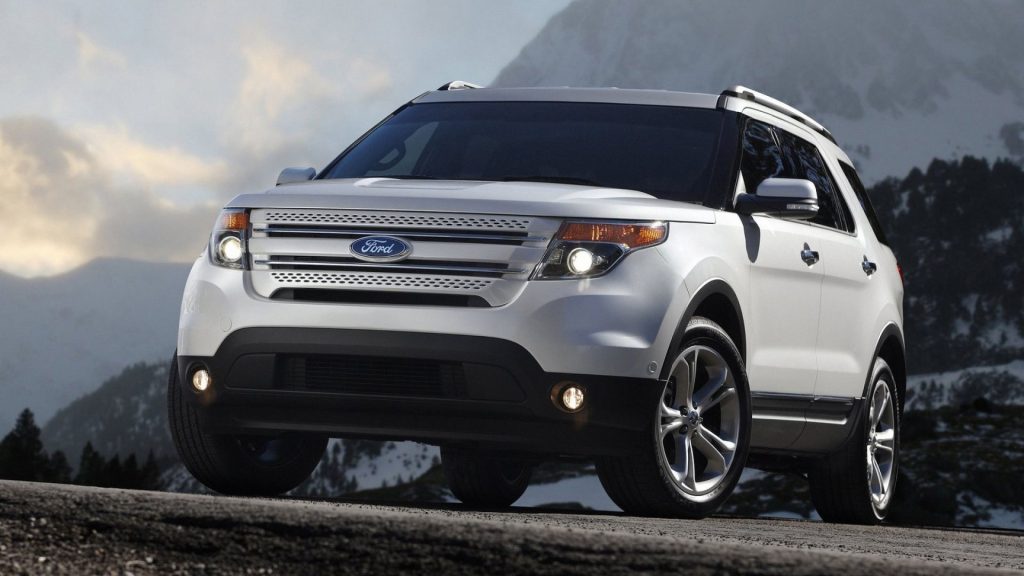
4. Ford Explorer (2011 to 2019)
Owners often focus on engine oil changes and transmission service while overlooking the rear differential. In the fifth-generation Ford Explorer, however, this maintenance item is both accessible and reasonably priced, making it worthwhile to perform at the recommended intervals.
The rear differential sits in a location that allows technicians to reach the drain and fill plugs without extensive disassembly, helping keep labor charges modest.
Ford engineered the differential housing so that servicing requires only basic shop equipment. After the old lubricant is drained, fresh fluid is pumped through the fill opening until it reaches the specified level.
Most naturally aspirated Explorer models use SAE 75W-85 Premium Synthetic Hypoid Gear Lubricant, while vehicles equipped with a limited-slip differential may also require the appropriate friction modifier if specified by Ford. Following the correct fluid specification is essential because it ensures proper lubrication and quiet gear operation.
The Explorer’s widespread popularity also works in the owner’s favor. Independent repair shops are thoroughly familiar with the service procedure, replacement fluids are easy to source, and the repair rarely presents unexpected complications.
Labor generally falls between 0.5 and 1.0 hour, keeping the total maintenance cost significantly below that of luxury SUVs with electronically controlled rear differentials.
Neglecting the fluid can eventually result in contaminated lubricant that loses its protective qualities. Over time, that may contribute to bearing wear, gear noise, and costly internal damage. Replacing the fluid on schedule is a simple investment that protects one of the most expensive drivetrain components.
For families seeking a practical three-row SUV with manageable maintenance expenses, the Ford Explorer remains a sensible option. Its straightforward rear differential service procedure helps reduce long-term ownership costs without sacrificing capability.
Specifications
- Engine: 3.5-liter Ti-VCT V6
- Torque: 255 lb-ft
- Horsepower: 290 hp
- Length: 197.1 in
- Width: 78.9 in
5. Jeep Grand Cherokee (WK2, 2014 to 2021)
A capable four-wheel-drive system does not always translate into expensive maintenance. The WK2-generation Jeep Grand Cherokee demonstrates this well, particularly on models equipped with the conventional rear differential rather than the electronic limited-slip unit found in some Trailhawk and high-performance trims.
For most V6-powered versions, routine rear differential fluid replacement is a relatively simple procedure that requires minimal labor and keeps ownership costs under control.
The rear differential housing is positioned where technicians can comfortably access both the drain and fill plugs from beneath the vehicle. Once the SUV is safely lifted, the service follows a straightforward sequence.
The fill plug is loosened first to ensure it can be removed, the old lubricant is drained completely, and fresh gear oil is added until it reaches the bottom of the fill opening. There is no need to remove suspension components or lower the rear axle, which keeps labor time short.
Jeep specifies SAE 75W-85 synthetic gear lubricant for many standard rear differentials, while Quadra-Drive II models equipped with an electronic limited-slip differential require a different Mopar-approved lubricant.
Owners should always confirm the correct specification using the vehicle identification number because using the wrong fluid can affect differential performance and durability.
Independent repair shops are very familiar with the WK2 platform, and replacement lubricants are widely available. Labor generally ranges from 0.5 to 1.0 hour, while the modest fluid capacity keeps material costs reasonable. Even at dealership labor rates, the service remains far less expensive than differential maintenance on many luxury SUVs.
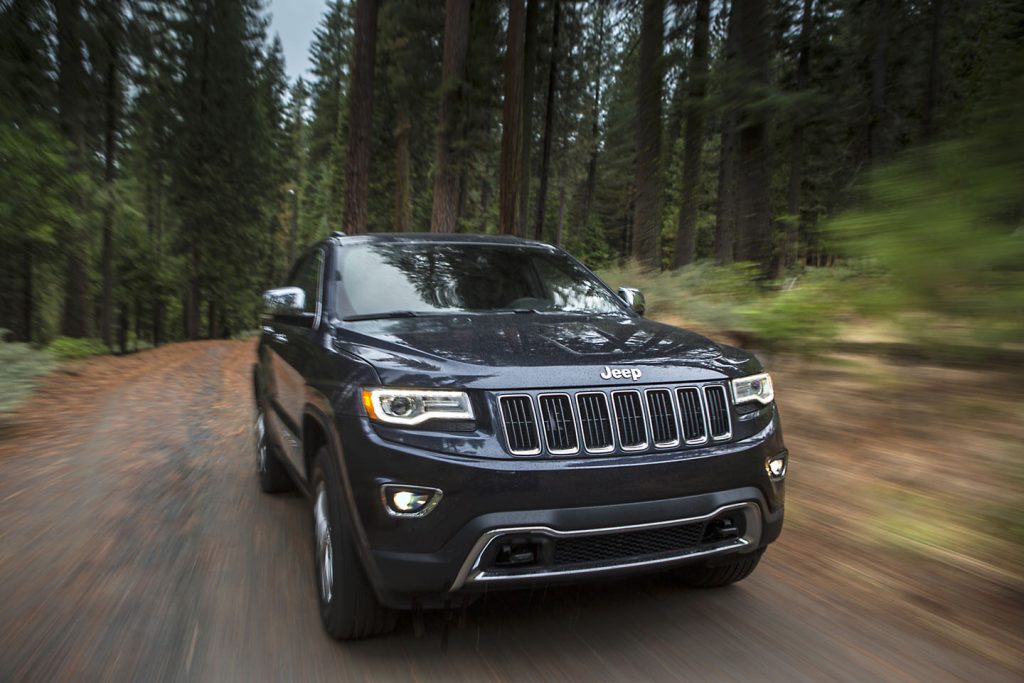
Routine fluid changes help remove microscopic metal particles that naturally accumulate during gear operation.
Keeping fresh lubricant inside the housing reduces wear on bearings and gears while preserving smooth power delivery to the rear wheels. For owners planning long-term ownership, this inexpensive maintenance item provides excellent value.
Specifications
- Engine: 3.6-liter Pentastar V6
- Torque: 260 lb-ft
- Horsepower: 295 hp
- Length: 189.8 in
- Width: 76.5 in
5 SUVs With Rear Differential Service Costs Over $700
1. Land Rover Range Rover Sport (L494, 2014 to 2022)
Luxury SUVs rarely prioritize service accessibility, and the Range Rover Sport is one of the clearest examples.
Its sophisticated full-time four-wheel-drive system, electronically controlled rear differential on many trims, and tightly packaged rear suspension create a service procedure that is considerably more involved than the simple drain-and-refill process found on mainstream SUVs.
Although the differential requires only a relatively small amount of lubricant, the labor needed to access and refill the unit is what pushes the final invoice well beyond $700 at many dealerships.
The rear differential is surrounded by underbody shields, suspension components, and portions of the exhaust system that often limit direct access to the fill plug. Technicians frequently remove protective panels before using specialized fluid transfer equipment to introduce the lubricant through the restricted opening.
On certain models equipped with an electronically controlled active locking differential, Land Rover specifies proprietary gear oil that costs substantially more than conventional synthetic differential fluid.
Another reason the service becomes expensive is the manufacturer’s detailed maintenance procedure. Repair facilities typically verify the fluid specification using the VIN because different driveline configurations require different lubricants.
Using the wrong oil can affect clutch-pack operation inside the electronic differential and may eventually lead to noise or premature wear.
Labor commonly ranges from two to three hours depending on engine choice and equipment level. Once premium factory lubricant, shop supplies, and dealership labor rates are included, invoices between $700 and $900 are not unusual.
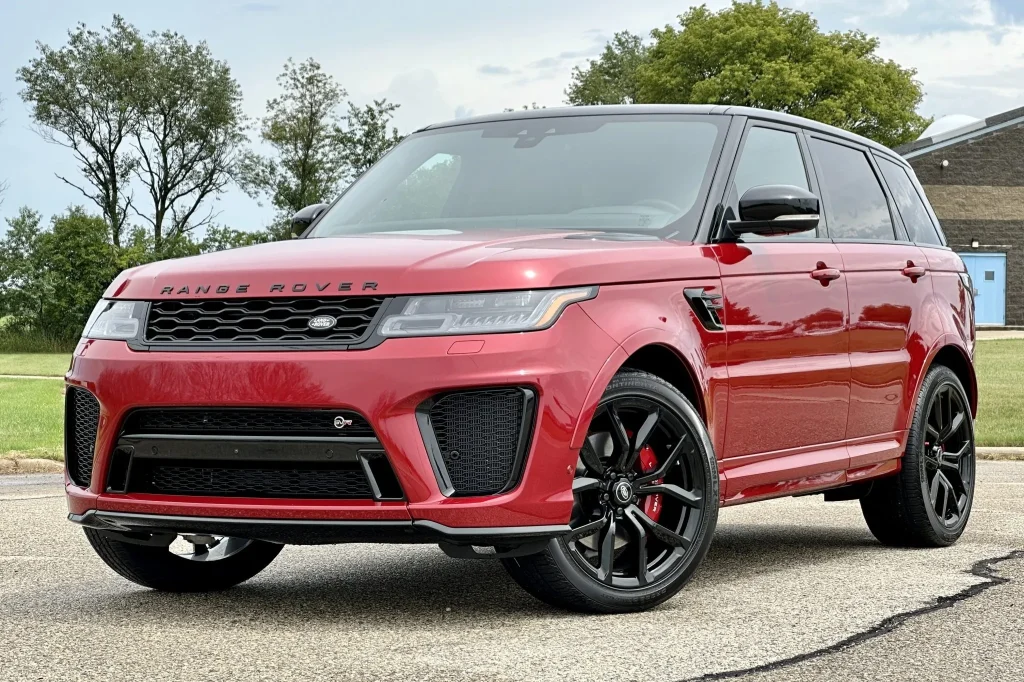
Despite these costs, regular differential service remains essential. Fresh lubricant protects gears, bearings, and electronic clutch packs from contamination while preserving the smooth torque distribution that gives the Range Rover Sport its outstanding on-road refinement and off-road capability.
Specifications
- Engine: 3.0-liter Supercharged V6
- Torque: 332 lb-ft
- Horsepower: 340 hp
- Length: 191.0 in
- Width: 78.1 in
2. BMW X5 xDrive (G05, 2019 to Present)
BMW’s latest X5 showcases advanced drivetrain technology, but that sophistication comes with higher maintenance costs. Models equipped with the xDrive all-wheel-drive system often feature electronically controlled rear differentials that demand precise servicing procedures and manufacturer-approved lubricants.
Unlike many conventional SUVs, the rear differential service is not simply a matter of replacing old fluid. Access, fluid specification, and workshop procedures all contribute to a significantly higher bill.
The differential housing is positioned within a tightly packaged independent rear suspension. Underbody aerodynamic panels must first be removed before technicians can reach the fill and drain plugs.
BMW also specifies specialized synthetic gear oil designed for the differential’s internal clutch mechanisms. Generic gear oil cannot be substituted because it may alter friction characteristics and affect torque distribution.
Proper filling is equally important. BMW’s service documentation specifies that the lubricant be added until it reaches the correct level under carefully controlled conditions. Some dealership procedures also involve checking vehicle ride height and ensuring the SUV remains perfectly level throughout the service to obtain the correct fill volume.
Although the fluid capacity is relatively modest, the lubricant itself is expensive, and labor generally ranges between two and three hours. With dealership labor rates frequently exceeding $200 per hour in metropolitan areas, complete rear differential service commonly totals $700 to $900.

Owners who postpone maintenance risk accelerated wear inside one of the vehicle’s most sophisticated drivetrain components. Considering that replacing an electronic rear differential can cost several thousand dollars, routine fluid replacement remains a worthwhile investment despite the higher initial expense.
Specifications
- Engine: 3.0-liter Turbocharged Inline-6
- Torque: 331 lb-ft
- Horsepower: 335 hp
- Length: 194.3 in
- Width: 78.9 in
3. Mercedes-Benz GLE 450 4MATIC (V167, 2020 to Present)
Mercedes-Benz engineered the latest GLE to deliver refined ride quality, advanced all-wheel-drive capability, and quiet highway performance. Those achievements come from a sophisticated drivetrain that is considerably more complex than the systems found in mainstream SUVs.
Rear differential service illustrates this perfectly. Although replacing the lubricant is considered routine maintenance, the procedure is neither quick nor inexpensive because of limited access to the differential housing and the use of premium factory-approved lubricants.
The rear differential is packaged tightly within the multilink rear suspension and surrounded by aerodynamic panels that improve efficiency. Before technicians can begin servicing the unit, these shields must be removed to expose the drain and fill plugs.
Access to the fill plug is restricted, requiring specialized fluid transfer equipment to introduce the lubricant without contaminating the differential housing.
Mercedes-Benz specifies a fully synthetic gear oil that meets strict factory standards for the 4MATIC drivetrain.
Models equipped with electronically controlled differentials may require a different lubricant than standard versions, making VIN verification an important part of the service process. Using the wrong specification can affect lubrication quality and long-term gear durability.
Labor generally falls between two and three hours. Once dealership labor rates, factory-approved gear oil, replacement sealing washers, and shop supplies are included, rear differential service frequently totals $700 to $900.
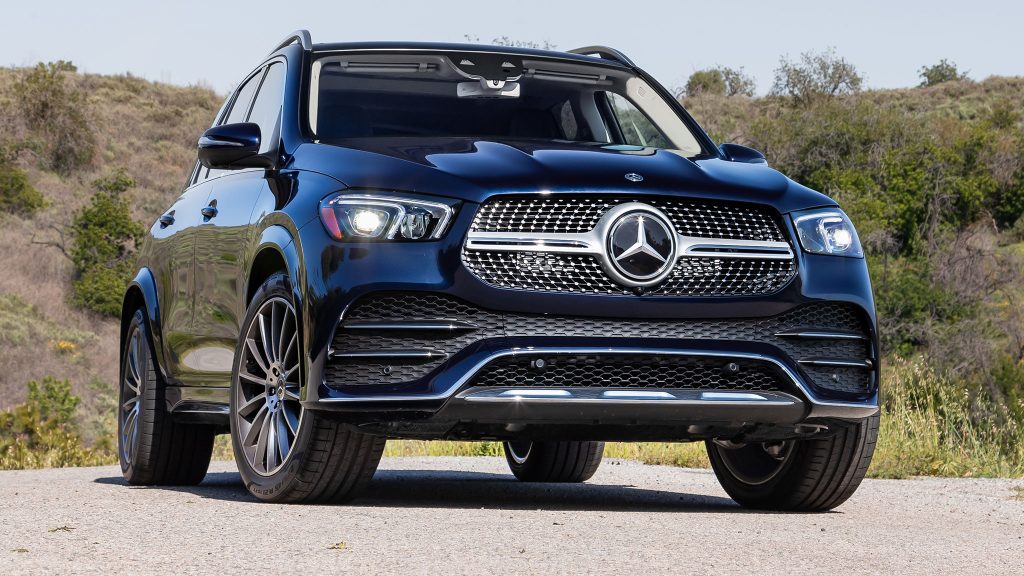
While independent European repair specialists may charge slightly less, the procedure remains substantially more expensive than servicing a conventional rear differential.
Despite the higher maintenance cost, replacing the differential fluid at the recommended interval protects bearings, gears, and clutch mechanisms from premature wear. Considering the high replacement cost of Mercedes-Benz drivetrain components, routine servicing remains an important investment in the SUV’s long-term reliability.
Specifications
- Engine: 3.0-liter Turbocharged Inline-6 with EQ Boost
- Torque: 369 lb-ft
- Horsepower: 362 hp
- Length: 194.3 in
- Width: 76.7 in
4. Porsche Cayenne (9Y0, 2019 to Present)
Performance engineering often creates maintenance procedures that demand far more precision than owners expect, and the Porsche Cayenne is an excellent example.
Its advanced all-wheel-drive system, combined with carefully packaged drivetrain components, makes rear differential service considerably more involved than the same job on a conventional midsize SUV.
Although the fluid capacity is relatively small, labor and specialized lubricants drive the total cost well beyond $700 in many service departments.
The rear differential sits within a densely packaged rear suspension assembly that leaves little room around the fill port. Technicians must first remove underbody panels before accessing the housing.
Depending on the powertrain configuration, additional braces or heat shields may also need to be loosened to provide adequate working clearance. These extra steps increase labor time before the actual fluid replacement even begins.
Porsche specifies premium synthetic gear oil formulated for its all-wheel-drive system, and some models equipped with torque-vectoring technology require an even more specialized lubricant.
Filling the differential correctly is equally important because Porsche outlines a precise procedure to ensure the lubricant reaches the proper level while the vehicle remains perfectly level on the lift.
Labor typically ranges from two to three hours, and the factory-approved fluid carries a premium price compared with conventional gear oil. Once parts, labor, and shop materials are included, dealership invoices commonly range from $750 to $950, with some high-performance variants exceeding that amount.
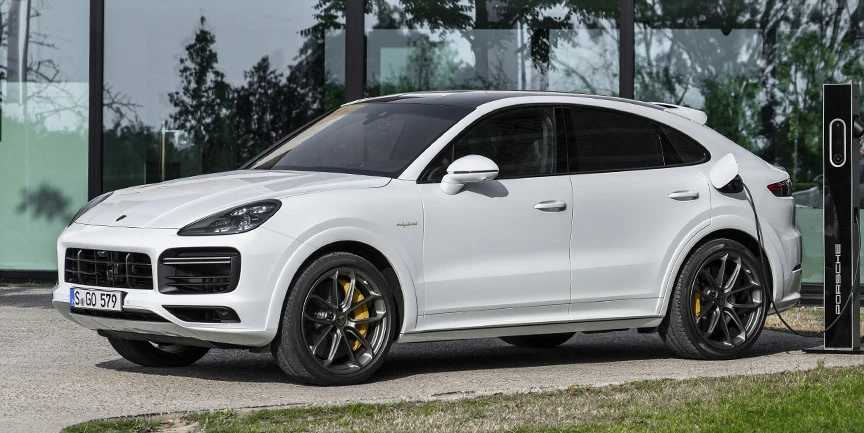
Although the service is expensive, it is far less costly than replacing or rebuilding a Porsche rear differential. Routine maintenance preserves smooth torque distribution, minimizes internal wear, and helps maintain the driving characteristics that define the Cayenne.
Specifications
- Engine: 3.0-liter Turbocharged V6
- Torque: 332 lb-ft
- Horsepower: 335 hp
- Length: 193.7 in
- Width: 78.1 in
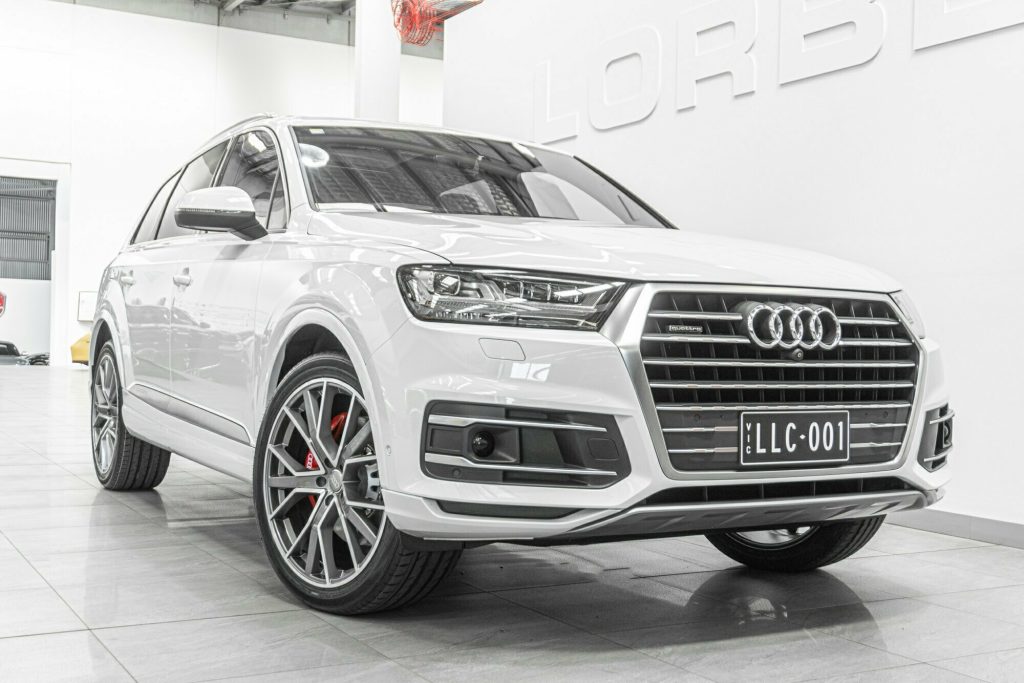
5. Audi Q7 Quattro (4M, 2017 to Present)
Audi designed the second-generation Q7 to deliver a blend of luxury, performance, and confident all-wheel-drive capability. While those qualities make it an outstanding family SUV, they also introduce maintenance procedures that are considerably more involved than they appear on paper.
Rear differential service is one of them. Although the differential requires only a few liters of lubricant, the combination of restricted fill plug access, proprietary fluid requirements, and higher dealership labor rates means the service frequently exceeds $700.
The rear differential is integrated into Audi’s Quattro drivetrain and sits within a tightly packaged independent rear suspension. Large aerodynamic underbody panels cover much of the drivetrain, so technicians must first remove these shields before reaching the differential housing.
Depending on the engine and trim level, additional braces or heat shields may partially obstruct access to the fill plug, adding time to what would otherwise be a straightforward maintenance task.
Fluid selection is equally important. Audi specifies synthetic hypoid gear oil that meets precise factory standards, while certain models equipped with a sport rear differential require an even more specialized lubricant.
Filling the unit is not simply a matter of adding fluid until it overflows. The vehicle must remain level throughout the procedure, and technicians follow Audi’s specified fill method to ensure the correct fluid volume is achieved.
Labor generally ranges from two to three hours. When combined with premium factory lubricant, replacement sealing hardware, dealership labor rates, and shop supplies, owners commonly receive invoices ranging from $700 to $950.
Vehicles serviced at independent European specialists may cost slightly less, but they remain significantly more expensive than mainstream SUVs.
The Q7 rewards owners with excellent road manners, refined ride quality, and dependable Quattro traction. Keeping the rear differential serviced with the proper lubricant helps preserve those characteristics while reducing the likelihood of expensive drivetrain repairs later in the vehicle’s life.
Specifications
- Engine: 3.0-liter Turbocharged V6
- Torque: 369 lb-ft
- Horsepower: 335 hp
- Length: 199.6 in
- Width: 77.6 in
Also Read: 10 Sedans That Pack More Than You’d Expect