
Reaching 100,000 miles is a serious achievement for any motorcycle. Unlike cars, bikes often use high-revving engines, carry relatively small oil capacities, and expose major components to heat, weather, and vibration.
Yet certain motorcycles have repeatedly demonstrated that six-figure mileage is possible when routine maintenance is handled correctly.
This list is based on documented high-mileage owner records, long-distance riding organizations, manufacturer specifications, and model histories in the U.S. market.
One useful source of real-world evidence is the BMW Motorcycle Owners of America mileage program, which recognizes riding milestones in 100,000-mile increments and maintains a high-mileage honor roll.
Long-distance riding communities and documented owner machines also provide examples of specific motorcycles continuing far beyond the mileage at which many recreational bikes are retired.
No motorcycle is guaranteed to reach 100,000 miles. Maintenance history, oil-change intervals, cooling-system care, valve servicing, storage conditions, and riding habits can dramatically affect longevity. A neglected touring bike may fail early, while a carefully serviced machine can travel several hundred thousand miles.
The following motorcycles have developed particularly strong high-mileage records. These are machines with mechanical designs and real-world histories that make 100,000 miles a realistic target rather than an extraordinary mechanical accident.
Also Read: 10 Things to Check During a Used Car Test Drive
1. Honda Gold Wing
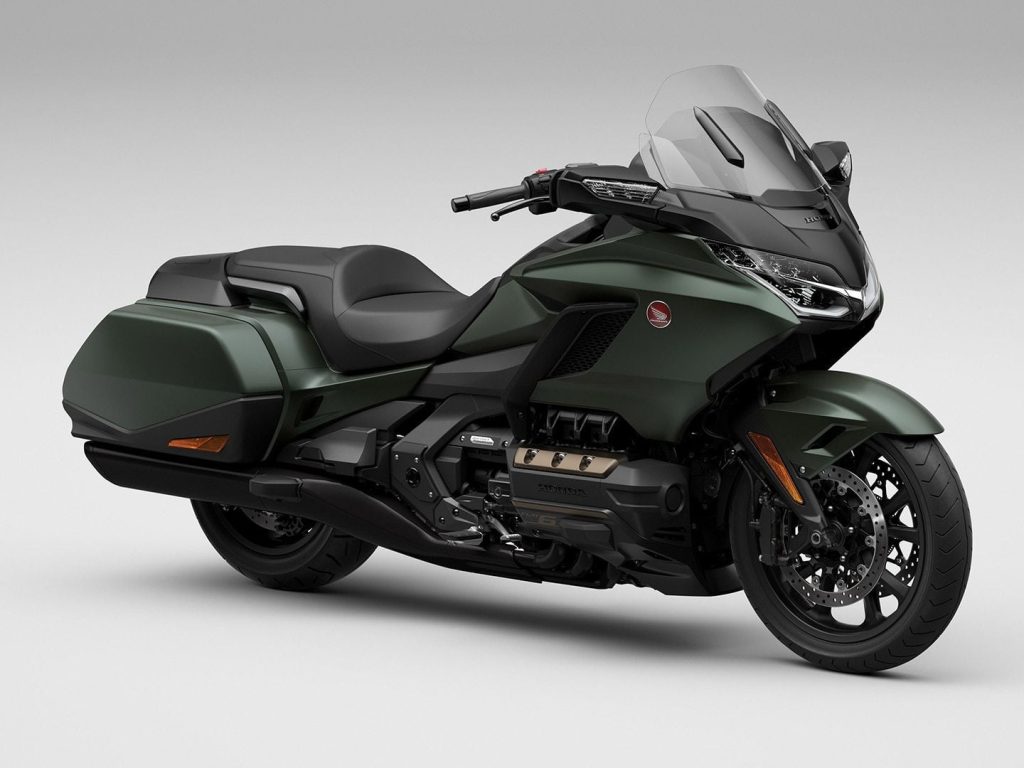
Few motorcycles are as closely associated with six-figure odometer readings as the Honda Gold Wing. The reason is not simply Honda’s reputation. Gold Wings have spent decades in the hands of American touring riders who routinely cover distances that would be unusual for most sport bikes or cruisers.
Real-world mileage records provide the strongest evidence. Long-distance Gold Wing owners have publicly documented motorcycles passing 100,000 miles, 200,000 miles, and considerably more.
The Gold Wing Road Riders Association historically recognized high-mileage riders, while individual machines with several hundred thousand documented miles have appeared in motorcycle publications and owner communities.
These examples do not guarantee identical results for every bike, but they establish that the platform is mechanically capable of extreme service life.
The engine design helps explain the pattern. Modern Gold Wing uses a 1,833cc liquid-cooled horizontally opposed six-cylinder engine. Its flat-six configuration delivers power smoothly, and the engine does not need the extremely high operating speeds associated with smaller performance motorcycles.
Honda also pairs the touring platform with a shaft final drive, removing the chain replacement and adjustment cycle found on many motorcycles.
Long-distance use can actually suit a Gold Wing better than repeated short trips. Sustained highway operation allows the engine to reach full temperature while reducing the constant cold-start cycles that can accelerate wear.
Maintenance still determines the result. Coolant, brake fluid, engine oil, final-drive oil, air filters, and scheduled inspections cannot be ignored. A used Gold Wing with 60,000 documented highway miles may be a more convincing longevity candidate than a lower-mileage example with missing service records.
For riders specifically chasing 100,000 miles, the Gold Wing remains one of the most proven motorcycle platforms available in the United States.
- Engine: 1,833cc liquid-cooled horizontally opposed six-cylinder
- Torque: Approximately 125 lb-ft
- Horsepower: Approximately 125 hp
- Length/Width: 97.3 inches / 35.6 inches
2. Yamaha FJR1300
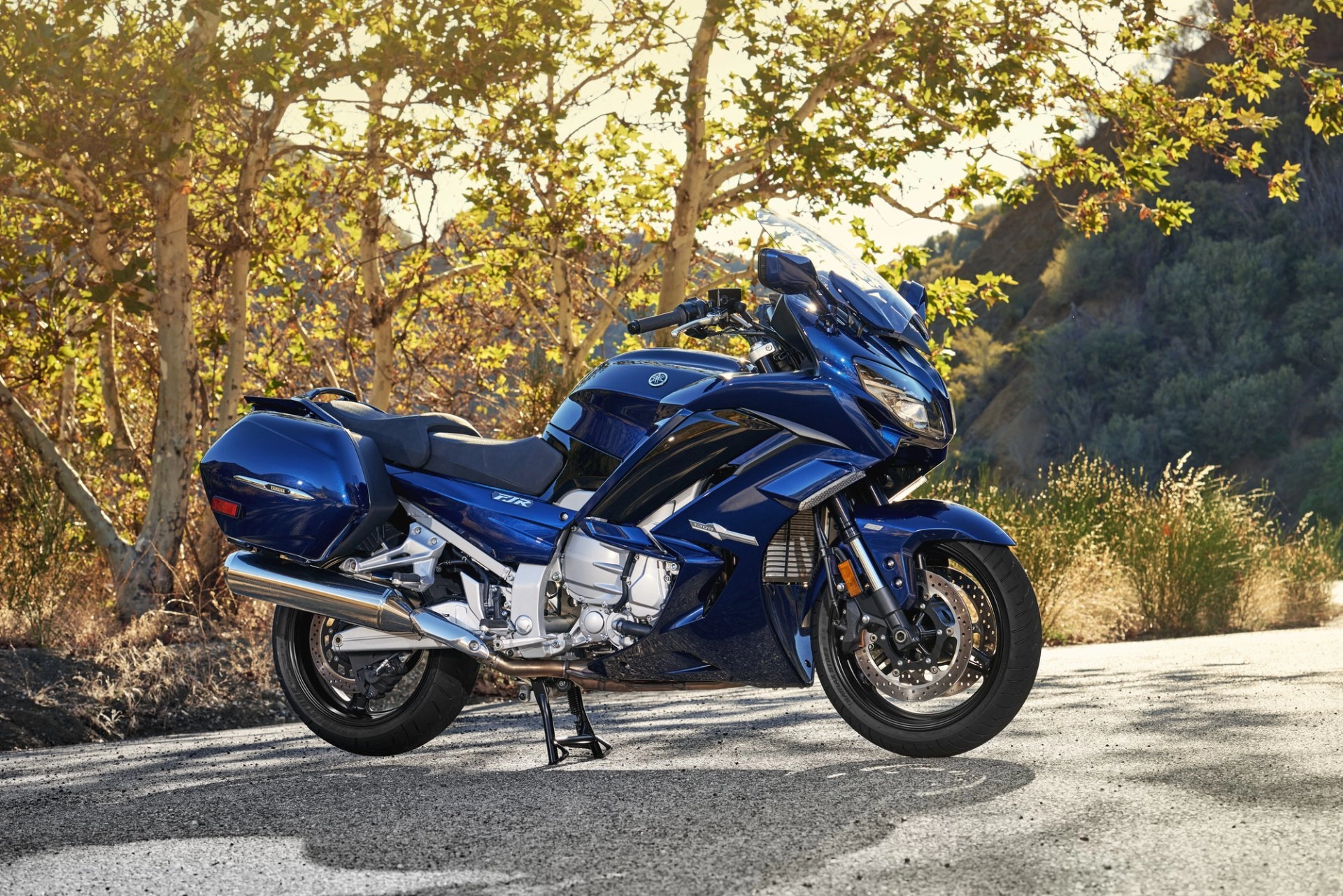
The Yamaha FJR1300 earned its high-mileage reputation in a completely different environment. Rather than functioning as a heavyweight luxury tourer, the FJR became a favorite among sport-touring riders who wanted to cover interstate distances quickly and continue riding when the road became more demanding.
Iron Butt Association riders provide valuable real-world context for the FJR’s durability. The organization certifies demanding long-distance rides, including the well-known SaddleSore 1000, which requires 1,000 documented miles within 24 hours.
FJR1300 motorcycles have been repeatedly used in Iron Butt events and endurance riding, exposing the platform to sustained mileage accumulation that many motorcycles never experience.
Mechanically, Yamaha gave the FJR several characteristics suited to this work. Its 1,298cc liquid-cooled inline-four uses fuel injection and a five-speed transmission on earlier U.S. models, with a six-speed gearbox arriving for the 2016 model year. The shaft final drive reduces routine drivetrain servicing compared with a chain-driven sport motorcycle.
The engine’s 10.8:1 compression ratio and broad power delivery allow riders to cover highway miles without constantly working the gearbox. Yamaha’sA shaft specifications for the later FJR1300ES list a 6.6-gallon fuel tank and 36 mpg estimated fuel economy, reinforcing the machine’s long-distance purpose.
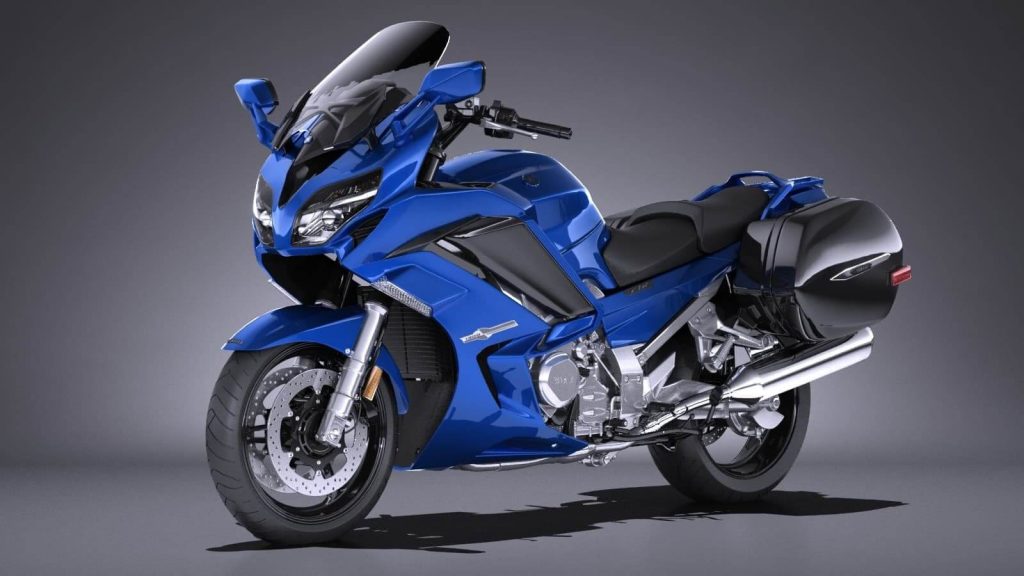
Examples of FJR1300s exceeding 100,000 miles regularly appear in long-distance rider records and established FJR owner communities. Some owners have documented 200,000-mile machines.
The recurring theme is not an engine that survives without attention. High-mileage riders tend to follow fluid changes, valve inspections, cooling-system service, and shaft-drive maintenance carefully.
Heat management and electrical condition also deserve attention in older examples. Buyers should inspect service records rather than judging an FJR solely by its odometer.
The FJR1300 demonstrates that 100,000 miles is not limited to slow, low-output touring motorcycles. Yamaha built a fast sport-tourer that has repeatedly endured serious long-distance use.
- Engine: 1,298cc liquid-cooled DOHC inline-four
- Torque: Approximately 102 lb-ft
- Horsepower: Approximately 141 hp
- Length/Width: 87.8 inches / 29.5 inches
3. Honda ST1300
The Honda ST1300 has accumulated the kind of real-world mileage evidence that makes a 100,000-mile claim easy to defend. Honda designed this sport-tourer for sustained road travel, and owners have repeatedly used it exactly that way.
Documented examples include an owner who bought an ST1300 new in 2009 and reached 100,000 miles by 2020 with mainly routine maintenance and relatively minor repairs.
More extreme owner records have also surfaced in established ST communities, where motorcycles with 150,000 to 200,000 miles are regularly discussed. Reports of ST-series bikes approaching 350,000 miles further demonstrate the long-distance potential of Honda’s touring architecture.
These owner records are not manufacturer guarantees, but they show a repeatable high-mileage pattern rather than one isolated motorcycle.
At the center of the ST1300 is a 1,261cc liquid-cooled longitudinal V4. The engine produces strong power without relying on an extremely high-strung configuration. Honda paired it with a five-speed transmission and shaft final drive, a combination well suited to riders covering thousands of highway miles each year.
Cooling-system maintenance deserves attention as these motorcycles age. Valve inspections, engine oil changes, final-drive service, and replacement of aging hoses or electrical components can also make the difference between a dependable high-mileage bike and an expensive neglected project.
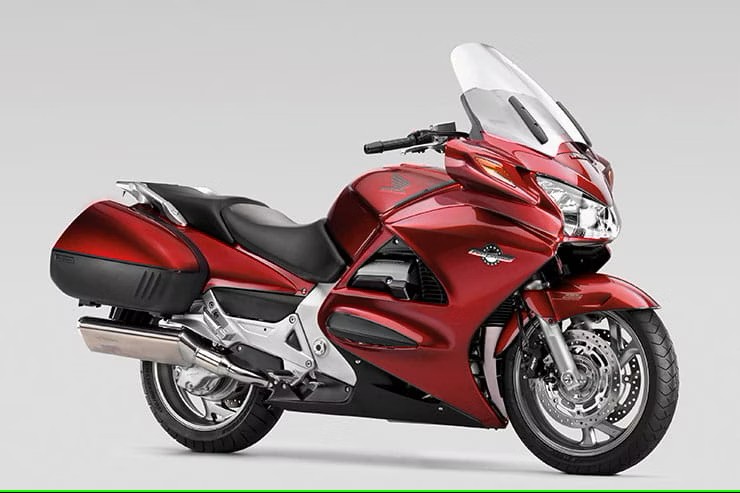
The ST1300 has been out of the U.S. market for years, so condition now matters more than odometer mileage alone. A carefully maintained 100,000-mile example can present a stronger ownership case than a low-mileage bike that spent years sitting unused.
For pure evidence of six-figure durability, the ST1300 has one of the strongest owner histories in sport touring.
- Engine: 1,261cc liquid-cooled longitudinal V4
- Torque: Approximately 85 lb-ft
- Horsepower: Approximately 116 hp
- Length/Width: Approximately 89.7 inches / 33.9 inches
4. BMW R 1200 GS
Mileage is only part of the BMW R 1200 GS story. This adventure motorcycle has been ridden through deserts, mountain routes, interstate highways, and long international journeys, giving its reputation for durability a much broader foundation than ordinary weekend use.
BMW itself has documented an R 1200 GS Adventure that traveled 308,000 kilometers, equal to more than 191,000 miles, during eight years of demanding riding.
The manufacturer’s account noted that the motorcycle stood up well to the extensive use, with a Cardan shaft problem occurring at approximately 28,000 miles and being replaced under warranty. That machine alone passed the 100,000-mile threshold by a substantial margin.
BMW Motorcycle Owners of America provides additional context through its mileage awards program. The organization recognizes miles ridden on BMW motorcycles in 100,000-mile increments, continuing all the way to two million miles. Dealer high-mileage records also show numerous BMW riders receiving 100,000-mile recognition.
The R 1200 GS’s boxer-twin engine contributes to its long-distance character. Depending on the model year, the 1,170cc engine used air and oil cooling or, later, air and liquid cooling. Shaft drive eliminates routine chain adjustment, although final-drive and driveshaft condition should never be ignored.
A high-mileage GS is not necessarily a maintenance-free motorcycle. Owners need to watch service history, valve-clearance checks, suspension components, electronic systems, and final-drive condition. Adventure use can also expose a bike to impacts and environmental wear that highway mileage does not reveal.
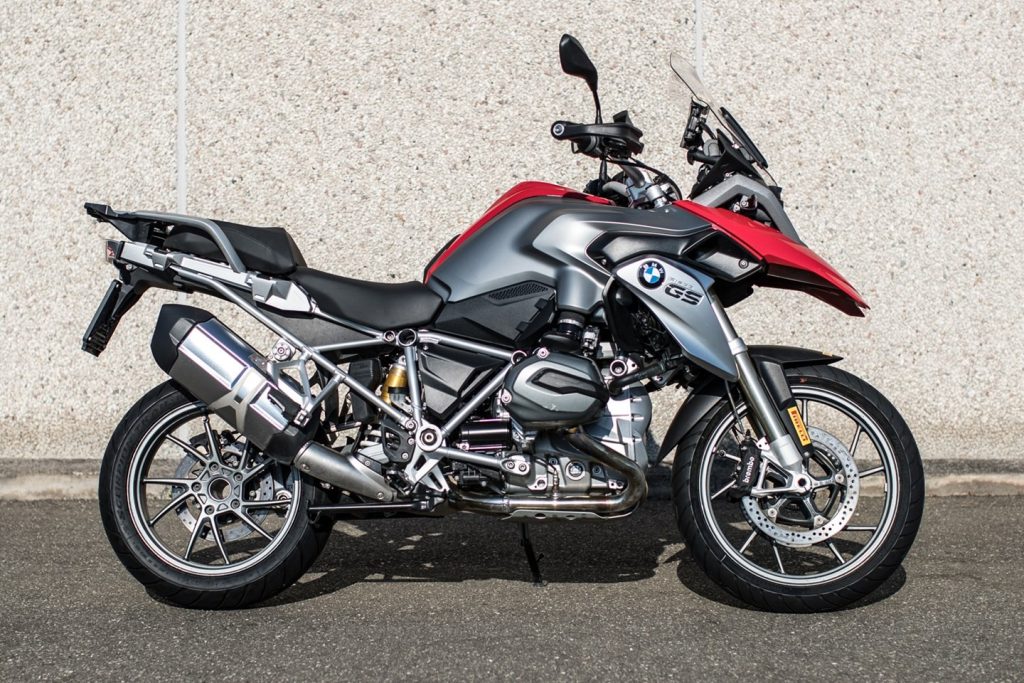
Still, the R 1200 GS has documented evidence of traveling well beyond 100,000 miles. For riders who want longevity without being limited to paved touring routes, BMW’s boxer-powered adventure bike has repeatedly shown its ability to accumulate serious distance.
- Engine: 1,170cc air/liquid-cooled boxer twin, later-generation R 1200 GS
- Torque: 92 lb-ft
- Horsepower: 125 hp
- Length/Width: Approximately 87 inches / 37.5 inches
5. Kawasaki Concours 14
The Kawasaki Concours 14 is proof that a motorcycle does not need a relaxed, low-output engine to accumulate 100,000 miles. Kawasaki built this machine around a 1,352cc liquid-cooled inline-four derived from the company’s high-performance architecture, then adapted the package for riders who routinely spend entire days covering highway miles.
Its durability record is closely connected with the long-distance riding community. Concours 14 owners have documented six-figure odometer readings, and the model has long been used for endurance riding and cross-country travel.
This kind of service is important evidence because a motorcycle repeatedly covering serious annual mileage faces thousands of heat cycles, starts, and hours of sustained engine operation.
The engine uses dual overhead camshafts, four valves per cylinder, fuel injection, and variable valve timing. Period road-test specifications placed output at approximately 156 horsepower at the crank with 100.3 lb-ft of torque.
Kawasaki also fitted a six-speed transmission and Tetra-Lever shaft final drive, creating a drivetrain designed for high-speed touring without routine chain adjustment.
High mileage does not mean the Concours can be ignored mechanically. Valve-clearance inspections are important, while cooling-system condition, engine oil, brake fluid, and final-drive lubricant require scheduled attention. Older bikes should also be checked for neglected electrical or suspension maintenance.
What separates the Concours 14 is its ability to combine serious performance with long-distance durability. Many motorcycles can reach 100,000 miles under ideal conditions, but this Kawasaki has been repeatedly selected by riders who intentionally accumulate huge distances.
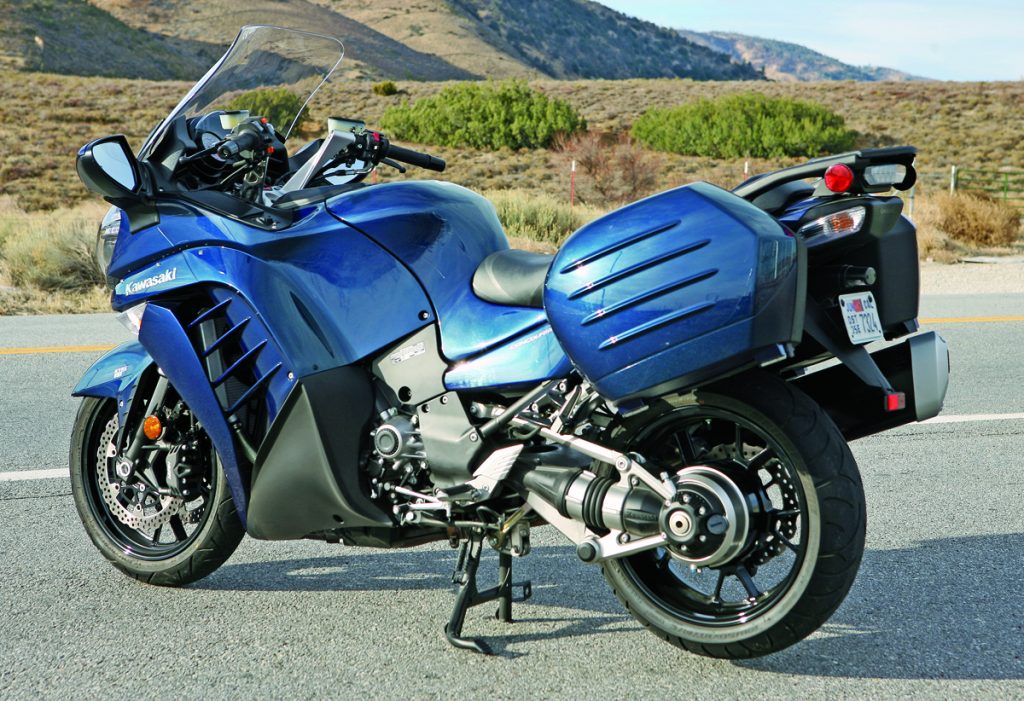
For a buyer considering a used example, detailed service records matter more than a low odometer reading. A maintained Concours with extensive highway mileage can be a more convincing purchase than one that spent years parked with old fluids and deteriorating seals.
- Engine: 1,352cc liquid-cooled DOHC inline-four
- Torque: Approximately 100.3 lb-ft
- Horsepower: Approximately 156 hp
- Length/Width: Approximately 87.8 inches / 31.1 inches
6. Harley-Davidson Electra Glide
A Harley-Davidson Electra Glide can accumulate mileage in a way that surprises riders who associate American V-twins mainly with weekend cruising. The Electra Glide was built for long American highways, and documented touring-bike ownership records show that 100,000 miles is far from an impossible target when maintenance remains consistent.
Harley touring motorcycles regularly appear in high-mileage owner discussions with six-figure odometers. Published longevity reporting specifically identifies the Electra Glide as a model that can reach the 75,000 to 100,000-mile range, while documented examples have continued beyond 160,000 miles.
The wider Harley high-mileage record is even more dramatic, with heavily traveled touring motorcycles showing how far these large-displacement V-twin platforms can go under dedicated owners.
The Electra Glide’s formula favors distance. Depending on the model year, engines range from earlier Twin Cam units to the Milwaukee-Eight. A 2021 Electra Glide Standard, for example, used the 107-cubic-inch Milwaukee-Eight V-twin.
Harley’s U.S. specifications list 110.6 lb-ft of torque, giving the motorcycle strong low-rpm pulling power without requiring the engine to live near extremely high revs.
Long life depends heavily on maintenance habits. Engine oil, primary fluid, transmission lubricant, drive-belt condition, wheel bearings, and charging-system health all deserve attention. High-mileage Harleys may also require seals, suspension parts, compensator components, or other wear items as the years accumulate.
The key difference between engine longevity and complete motorcycle longevity should not be ignored. Reaching 100,000 miles may involve replacing peripheral components even when the core engine remains serviceable.
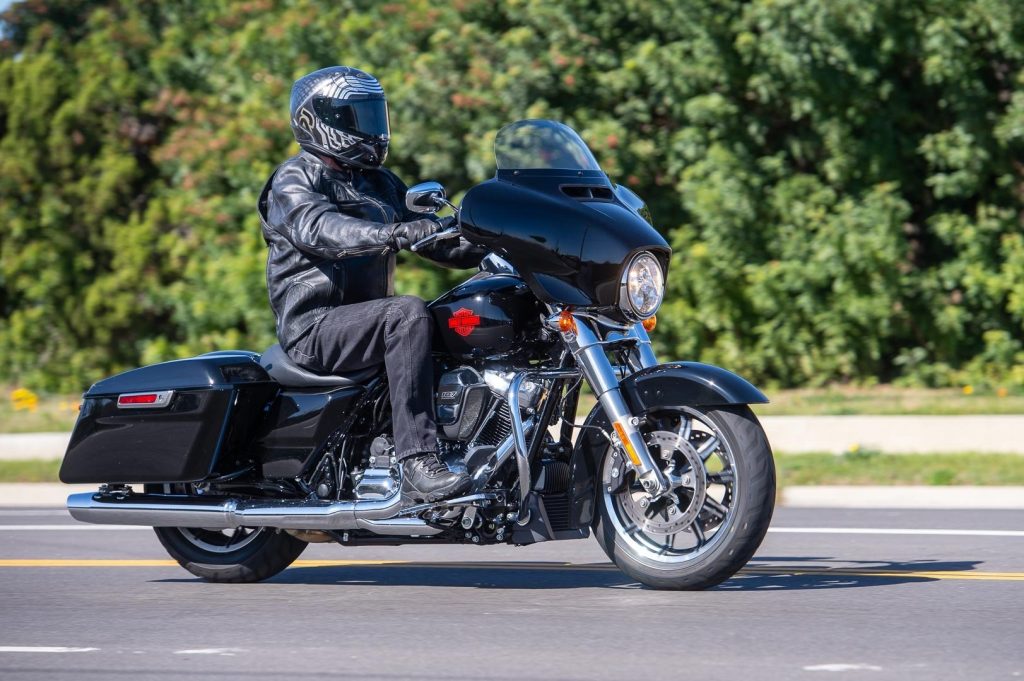
For riders willing to maintain rather than neglect their machines, the Electra Glide has decades of real-world touring use behind its six-figure-mile reputation. It was designed to cross state lines, and many owners have simply kept doing so year after year.
- Engine: 107-cu-in Milwaukee-Eight V-twin, 2021 Electra Glide Standard
- Torque: 110.6 lb-ft
- Horsepower: Approximately 89 hp
- Length/Width: 94.5 inches / 38.0 inches
7. Honda VFR800 Interceptor
The Honda VFR800 Interceptor earned its high-mileage reputation without being designed as a traditional heavyweight touring motorcycle. Its durability record comes from riders who used the VFR as a commuter, sport-tourer, and long-distance machine, often adding mileage year after year until the odometer passed 100,000 miles.
Documented owner examples provide useful evidence. VFR-focused communities contain multiple reports of motorcycles reaching six-figure mileage, while individual VFR800 owners have recorded more than 100,000 miles on original engines.
Motorcycle publications have also highlighted high-mileage VFRs that continued running after extensive daily and touring use. These examples support the model’s reputation for longevity, although maintenance history remains the deciding factor for any individual motorcycle.
Honda’s V4 engine is central to the VFR’s character. The later U.S.-market Interceptor used a 782 cc liquid-cooled 90-degree V4 with four valves per cylinder.
The 2014 model returned to the United States with Honda’s VTEC valve-control system and a six-speed transmission. Honda listed a 5.2-gallon fuel tank, while the bike’s combination of smooth power delivery and comfortable ergonomics made sustained highway travel realistic.
Unlike shaft-driven touring bikes elsewhere on this list, the VFR800 uses a chain final drive. That adds another maintenance requirement. Chain tension, lubrication, and sprocket wear become increasingly important when a rider is attempting to accumulate six-figure mileage.
Valve-clearance service also deserves attention, especially on VTEC-equipped generations. Cooling-system condition, charging-system health, and regulator or rectifier history should be checked carefully on older VFRs.
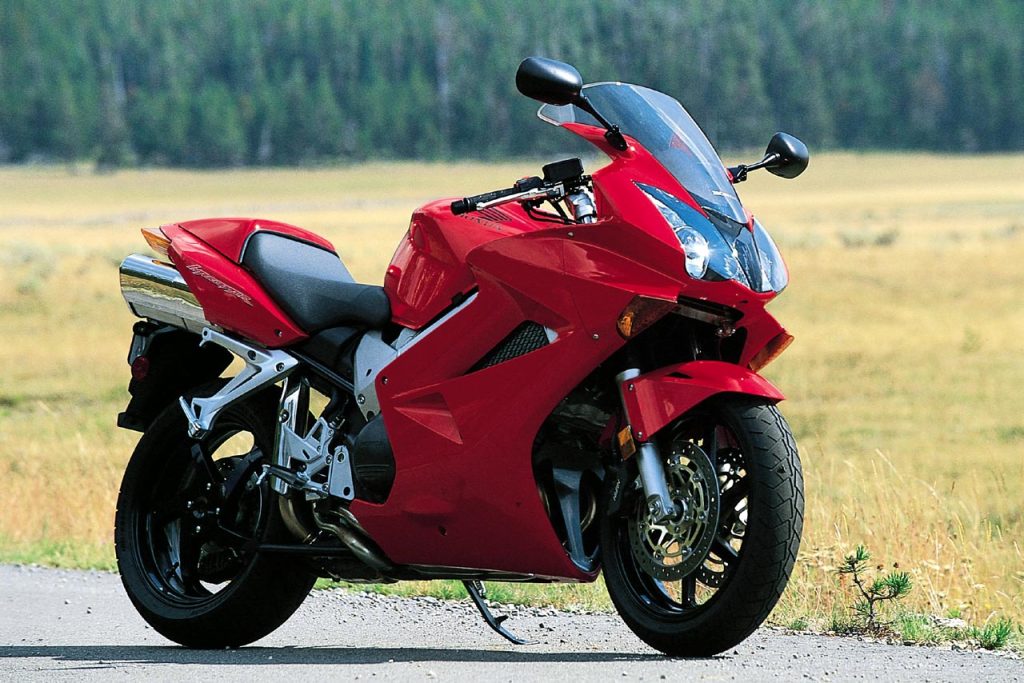
The Interceptor’s strength is its versatility. A rider does not need to own a 900-pound luxury tourer to chase 100,000 miles. With documented maintenance and consistent servicing, the VFR800 has repeatedly shown that a sporty V4 motorcycle can remain useful after many bikes have been retired.
- Engine: 782cc liquid-cooled 90-degree V4
- Torque: Approximately 55 lb-ft
- Horsepower: Approximately 104 hp
- Length/Width: 84.1 inches / 29.5 inches
8. Suzuki V-Strom 650
The Suzuki V-Strom 650 finishes this list with one of the most convincing formulas for motorcycle longevity: moderate engine output, proven mechanical architecture, and a large population of owners who actually use their bikes for serious travel.
High-mileage V-Strom examples are well documented within the riding community. Owners have reported DL650 motorcycles passing 100,000 miles, and some machines have continued beyond 200,000 miles.
One widely discussed V-Strom 650 accumulated more than 400,000 miles, although exceptionally high-mileage motorcycles should be viewed as demonstrations of mechanical potential rather than a typical ownership expectation.
Suzuki’s 645cc liquid-cooled 90-degree V-twin is the foundation of that reputation. The engine uses dual overhead camshafts, fuel injection, and four valves per cylinder.
In U.S.-market specifications, the V-Strom 650 was tuned for accessible midrange performance rather than extreme peak horsepower. Independent testing generally places output around 66 to 70 horsepower, depending on model year and testing method.
The smaller V-twin also avoids the weight and complexity of a large luxury touring motorcycle. Its chain final drive requires regular care, but replacement is straightforward compared with major shaft-drive repairs.
Oil changes, coolant service, valve inspections, air-filter maintenance, and proper chain adjustment remain essential for owners targeting 100,000 miles.
Long-distance riders also benefit from the V-Strom’s 5.3-gallon fuel tank and comfortable upright riding position. These practical qualities encourage owners to accumulate mileage instead of reserving the motorcycle for occasional weekend use.
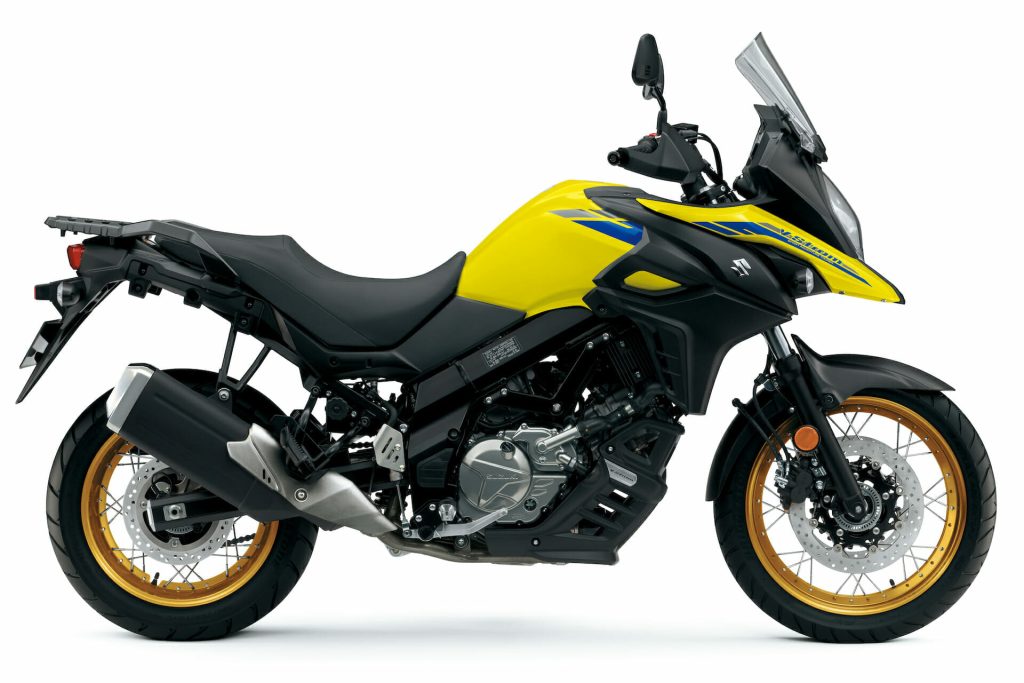
Perhaps the strongest argument for the V-Strom 650 is repetition. Six-figure owner stories are not limited to a single famous bike. Multiple riders have documented high-mileage examples across different model years.
The V-Strom 650 shows that longevity does not require the largest engine or the most expensive touring platform. Consistent maintenance and a durable, understressed design can be enough to carry a motorcycle beyond 100,000 miles.
- Engine: 645cc liquid-cooled DOHC 90-degree V-twin
- Torque: Approximately 46 lb-ft
- Horsepower: Approximately 66 to 70 hp
- Length/Width: Approximately 89.6 inches / 32.9 inches
Also Read: 10 Mercedes Cars Ranked by Total Sales Volume in the Last 5 Years
