
Rust is one of the most silent and destructive enemies a car owner can face. It creeps in slowly, eats through metal, and can completely destroy a vehicle’s structural integrity before you even notice it.
In the United States, rust is a massive concern. States that use road salt in winter like Michigan, Ohio, New York, and Pennsylvania are particularly brutal on a car’s underbody.
The difference between a car that lasts 20 years and one that falls apart in 8 often comes down to undercoating. Factory undercoating is the protective layer applied to a vehicle’s undercarriage during manufacturing to resist moisture, salt, and corrosion.
Some automakers take this incredibly seriously. They use thick rubberized coatings, wax injections into cavities, and multi-layer treatments that hold up for decades.
Other automakers cut corners badly. They apply thin, inadequate protection that starts failing within just a few years. This guide breaks down exactly who does it right and who lets you down. We’ll cover 6 cars with outstanding factory undercoating and 6 cars that are known rust magnets in the USA. Knowing this before you buy could save you thousands of dollars in repairs.
6 Cars with Great Factory Undercoating in the USA
These vehicles come equipped with high-quality factory undercoating and corrosion protection, designed to withstand harsh winters, road salt, and moisture exposure common across many parts of the United States.
Thick protective layers, sealed seams, and well-treated metal components help prevent rust from forming even after years of use. Owners often report solid underbodies and minimal corrosion, making these cars excellent choices for long-term durability in snowbelt regions.
1. Toyota Tacoma
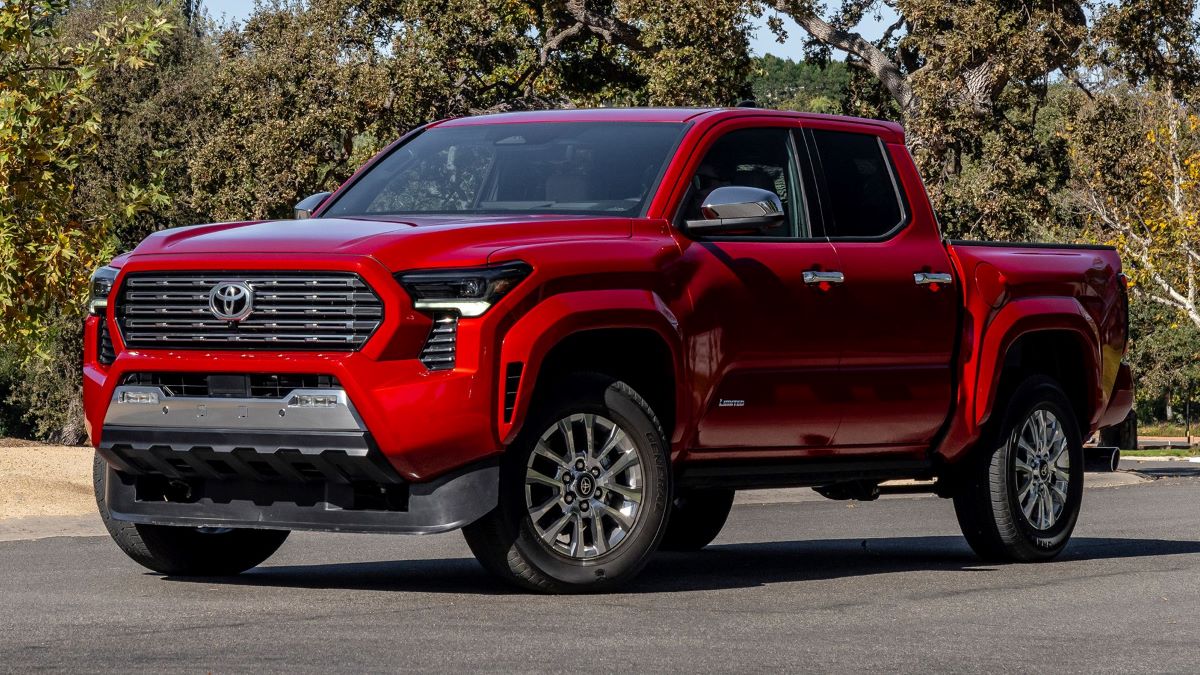
The Toyota Tacoma is widely considered one of the most rust-resistant trucks on the American market. Toyota has spent decades perfecting its corrosion protection process, and the Tacoma is the clearest example of that dedication.
From the factory, the Tacoma receives a multi-stage undercoating treatment. This includes a thick rubberized coating applied directly to the frame and undercarriage panels. The coating creates a near-impenetrable barrier against road salt, water, and debris.
Toyota also uses galvanized steel in key structural areas of the Tacoma. Galvanized steel is coated in zinc, which acts as a sacrificial layer — the zinc corrodes before the steel does. This dramatically slows down the rusting process even in harsh winter climates.
The frame of the Tacoma is one of its strongest features. Toyota applies additional anti-corrosion wax into the hollow frame rails through injection points. This wax coats the inside of the frame, where moisture tends to collect and rust begins.
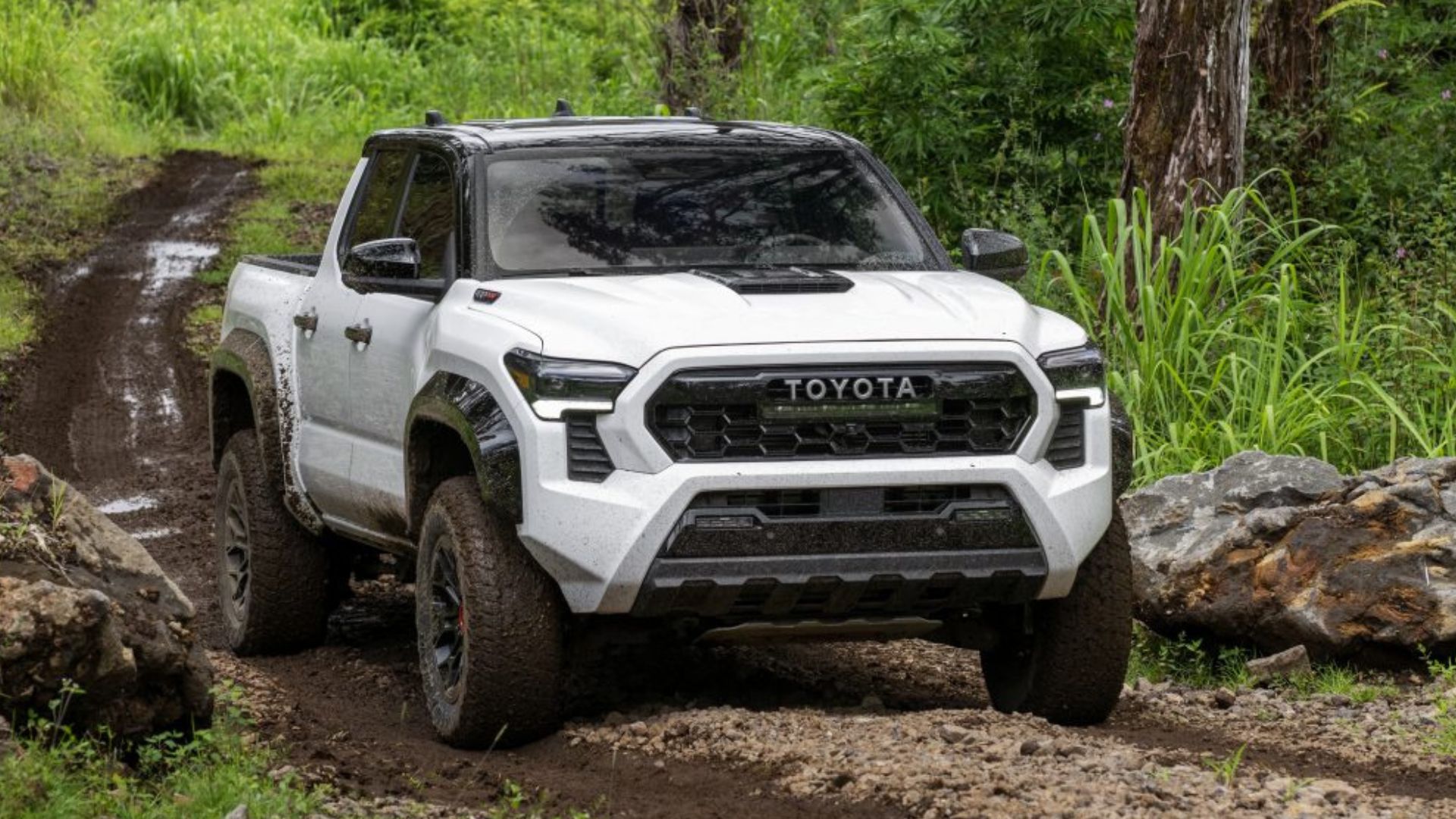
Many Tacoma owners in rust-belt states report minimal underbody corrosion even after 10 or 15 years of daily driving. This is a remarkable achievement for any vehicle exposed to heavy road salt year after year.
The bed of the Tacoma also benefits from strong factory protection. The wheel wells are heavily coated, and the underside of the bed receives extra attention during the manufacturing process.
Toyota’s E-coat process is another key part of the equation. The entire body is submerged in an electrically charged bath of anti-corrosion primer. This ensures every seam, joint, and cavity is fully protected before any other layer is applied.
The Tacoma’s reputation for rust resistance is not just marketing. Real-world ownership data consistently shows it outperforming most competitors in corrosion longevity. It is a truck built to genuinely last in the harshest American conditions.
Tacoma owners in coastal areas where salt air is a constant threat also report impressive results. The factory protection holds up not just against road salt, but against the humidity and chloride exposure that coastal environments bring.
If you live in a state that sees heavy snow and road salt, the Tacoma is one of the safest bets you can make. Its factory undercoating is not just good it is genuinely class-leading in the pickup truck segment.
2. Honda CR-V
The Honda CR-V is one of the best examples of rust resistance in the compact SUV category. Honda has consistently invested in corrosion protection technology, and the CR-V benefits from that engineering priority.
Honda uses a full galvanized steel body construction on the CR-V. Almost every exterior panel and structural component is made from zinc-coated steel. This gives the vehicle a strong first line of defense against moisture and oxidation.
The undercarriage of the CR-V receives a generous application of factory undercoating. The coating is applied as a rubberized, flexible compound. This flexibility is important it allows the coating to move with the vehicle without cracking, which is where many cheaper coatings fail.
Honda also applies a thorough wax injection treatment to the CR-V’s body cavities. Door sills, rocker panels, and frame rails are all injected with protective wax during assembly. These hidden areas are where rust typically starts first in lesser-protected vehicles.
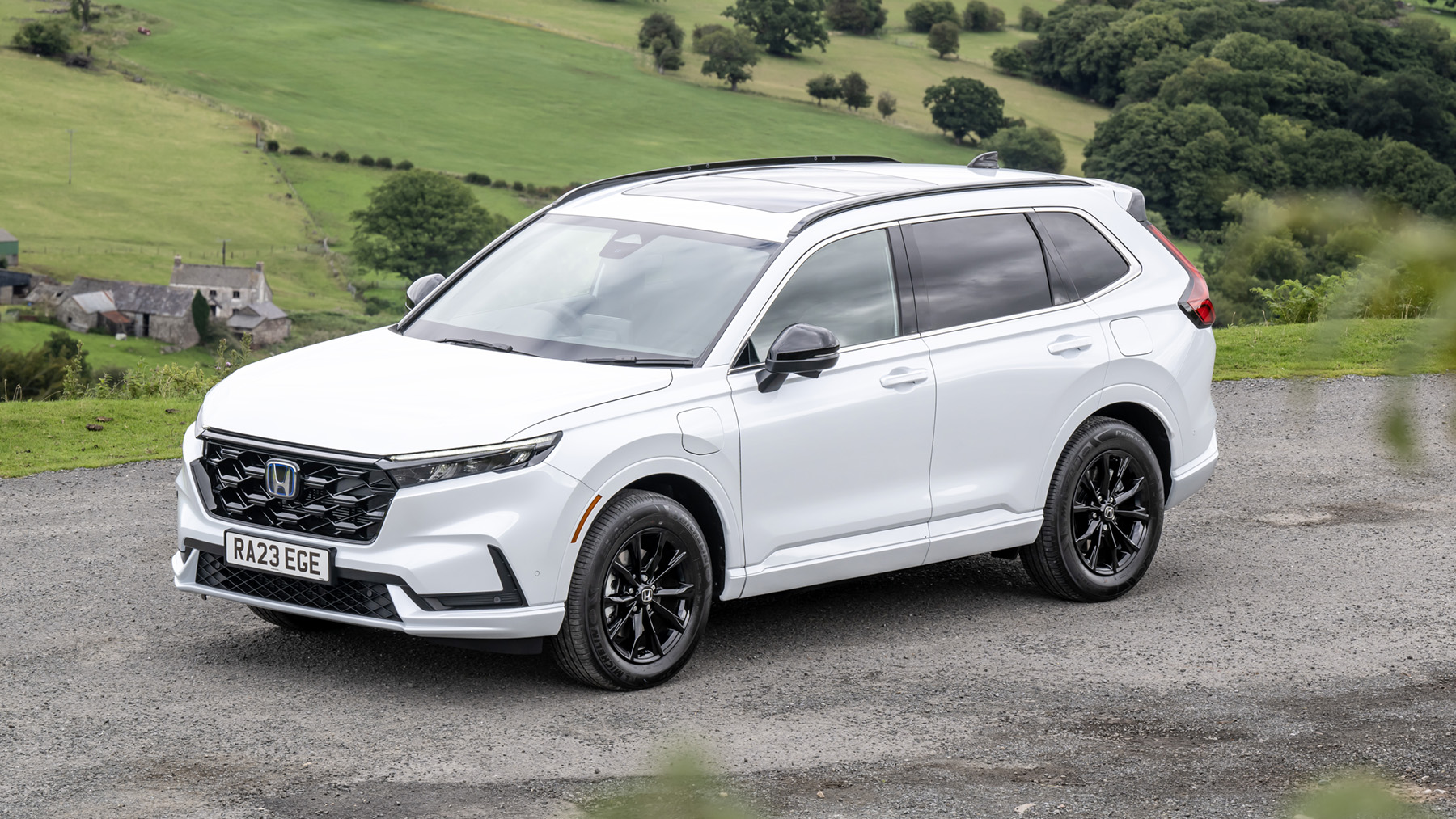
The CR-V’s wheel arches are particularly well-protected. Honda applies thick plastic cladding and undercoating compound in these high-impact zones. Stones and road debris are constantly hitting these areas, so the layered protection makes a major difference.
Long-term ownership data from rust-belt states paints a very positive picture for the CR-V. Owners in states like Wisconsin and Minnesota regularly report clean undercarriages even after a decade of winter driving. That kind of real-world performance is what truly matters.
Honda’s E-coat dipping process covers the entire body shell before any undercoating is applied. This base layer seals every micro-gap and weld seam. It ensures that even areas that are hard to reach with a spray gun are fully protected.
The CR-V also benefits from Honda’s ongoing refinement of its body manufacturing process. Each generation of the CR-V has improved on the rust protection of the previous one. Honda clearly listens to its customers and responds to corrosion complaints with engineering solutions.
For families in snow-prone regions of the USA, the CR-V represents a smart long-term investment. Its factory rust protection helps ensure the vehicle retains both its structural integrity and its resale value over many years.
3. Subaru Outback
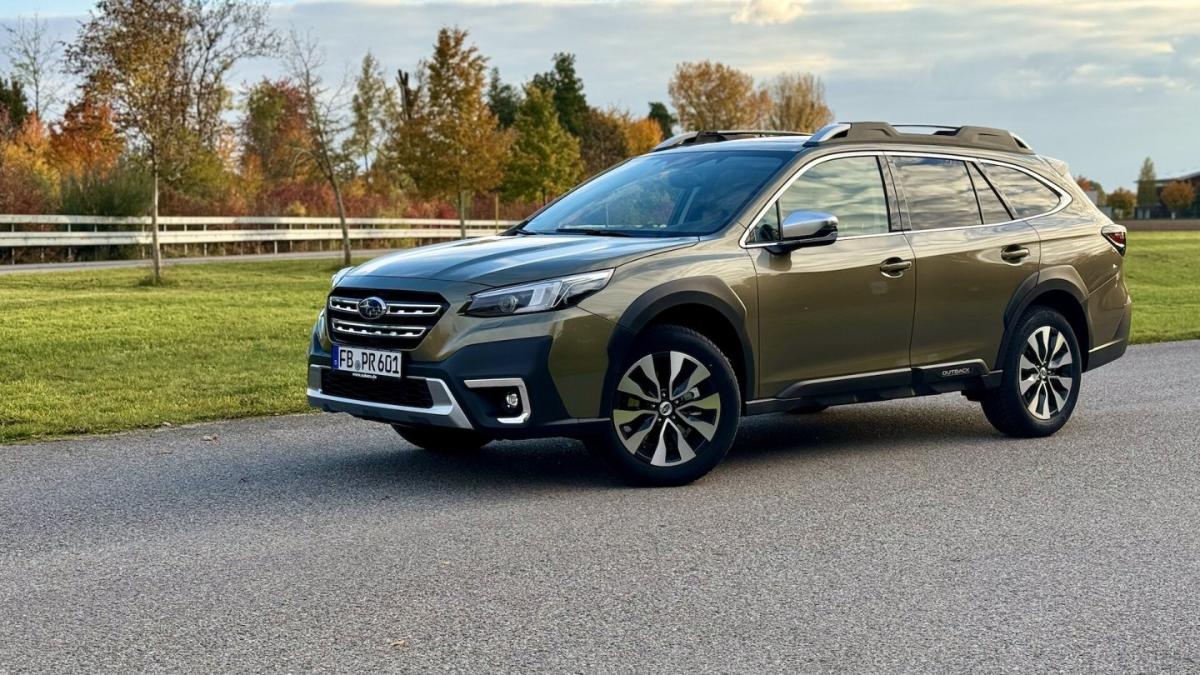
The Subaru Outback is built for adventure in all weather conditions. Subaru knows its customers drive in rain, snow, mud, and everything in between, which is why factory rust protection is taken very seriously.
The Outback’s entire body is constructed using galvanized steel panels. Subaru applies zinc coating to both sides of the steel — a process known as two-sided galvanization. This provides superior protection compared to single-sided coated panels used by many competitors.
The undercarriage of the Outback is coated with a heavy-duty rubberized undercoating from the factory. This material is applied thickly and evenly across the floor pan, frame rails, and suspension mounting points. These are the areas most exposed to road spray and salt.
Subaru also utilizes a full-body E-coat immersion process. The body shell is completely submerged in corrosion-inhibiting primer. This means every nook, cranny, and cavity receives protection even before the topcoat and undercoating are applied.
Cavity wax injection is another tool in Subaru’s arsenal. The inner door panels, rocker panels, and rear wheel arch liners all receive injected wax. This wax stays liquid enough to flow and re-coat surfaces even as the vehicle ages.
The Outback’s wheel arches are reinforced with thick plastic liners. These liners keep road debris from chipping away at the undercoating in the most vulnerable areas. They add an extra physical layer of protection on top of the chemical protection.
Subaru has specifically engineered the Outback for longevity in wet environments. Owners in Oregon, Washington, and the Pacific Northwest — areas with constant rain and wet roads frequently report excellent undercarriage condition after years of use.
The floor pan of the Outback is one of its strongest areas in terms of rust resistance. The thick factory coating combined with the E-coat base layer creates a very durable system. It takes considerably longer for rust to penetrate compared to average vehicles.
Resale value for the Outback stays strong in large part because of how well the body holds up. A clean undercarriage is a major selling point when it comes time to trade in or sell. Subaru’s investment in factory protection translates directly into financial value for owners.
4. Ford F-150 (Post-2015 Aluminum Body)
The Ford F-150’s switch to an aluminum body in 2015 was controversial at first. Many truck buyers were skeptical about aluminum replacing steel. However, from a rust-resistance perspective, the decision was a significant engineering win.
Aluminum does not rust in the same way that steel does. When aluminum oxidizes, it forms a thin layer of aluminum oxide on its surface. This oxide layer actually protects the metal beneath rather than destroying it, unlike iron oxide which causes steel to flake and deteriorate.
The entire cab, bed, and body panels of the post-2015 F-150 are made from military-grade aluminum alloy. This material is significantly lighter than steel but equally strong in structural terms. Its natural corrosion resistance removes one of the biggest vulnerabilities any truck faces.
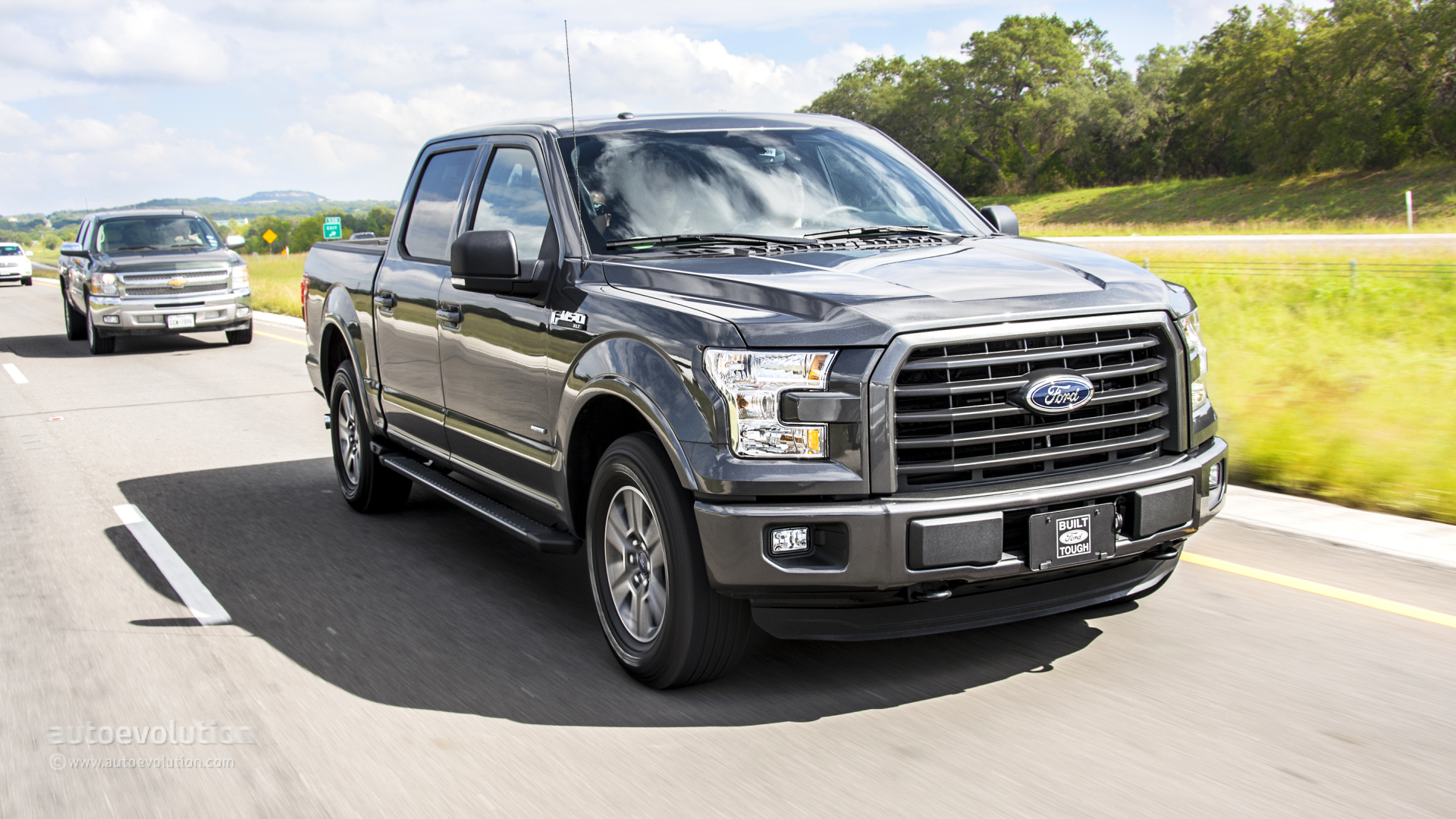
The frame of the F-150 is still made from high-strength steel, but Ford applies comprehensive underbody protection to it. The frame receives a thick coating of anti-corrosion compound. Ford also uses hydroformed frame sections that reduce welded joints, which are common entry points for moisture.
Ford’s factory undercoating on the F-150 includes anti-chip coating on the lower body panels. The lower doors and rocker panels areas that take constant debris impact are treated with tough stone-chip resistant material. This keeps the coating intact even under aggressive driving conditions.
The wheel wells of the F-150 are lined with thick plastic cladding. This protects the inner wheel arch from rock chips and salt spray. Combined with the aluminum body’s natural resistance, the wheel area stays clean for many years.
Ford has also improved the seam sealing on the F-150 extensively. Every joint and seam where panels meet is sealed with flexible compound. These joints were historically a weak point on trucks, but Ford’s attention to detail here is evident.
Long-term reviews from truck owners in salt-belt states have praised the post-2015 F-150. The body panels simply do not rust the way older steel-bodied trucks did. For buyers who plan to keep their truck for 10 or more years, this is a meaningful advantage.
The aluminum body has faced some criticism for being harder to repair after collisions. However, for rust prevention purposes, it represents a genuine leap forward. The F-150 earns its spot on this list through smart material engineering.
Also Read: 5 Used Luxury Sedans With Reliable Air Conditioning vs 5 Prone to Evaporator Leaks
5. Volvo XC90
Volvo is a brand synonymous with safety, and that commitment to longevity extends to rust protection. The XC90 is one of the most thoroughly rust-proofed luxury SUVs sold in the American market.
Sweden, where Volvo is headquartered, experiences harsh winters with heavy road salting. This means Volvo engineers understand corrosion from a deeply practical standpoint. They design vehicles to survive in exactly the kind of conditions found in the American rust belt.
The XC90 uses a fully galvanized steel body structure. Every panel and structural member is coated in zinc. Volvo applies this protection with exceptional thoroughness, covering areas that many other manufacturers leave partially unprotected.
The undercarriage of the XC90 is treated with a multi-layer protection system. First comes the E-coat immersion layer. Then a thick layer of anti-corrosion primer is applied. Finally, the rubberized undercoating compound is sprayed across all exposed underbody surfaces.
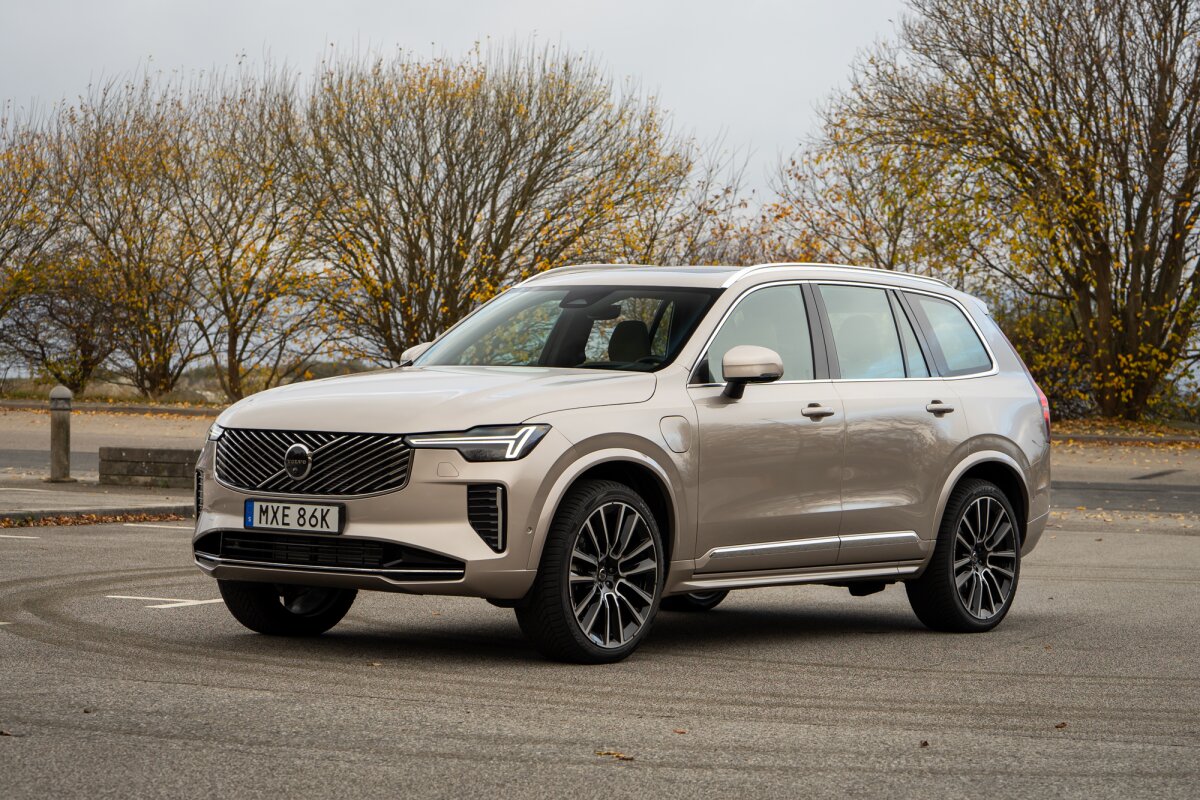
Volvo also makes extensive use of wax injection throughout the XC90’s body. Every cavity including the A-pillars, B-pillars, door sills, and roof rails — receives wax injection. This comprehensive approach leaves virtually no vulnerable hidden space untreated.
The XC90’s underbody panels are designed to be smooth and aerodynamic. This design choice also happens to minimize the amount of road debris and water that contacts the undercarriage directly. It is a case where performance design and rust protection align perfectly.
Paint quality on the XC90 is notably thick and well-adhered. Thin paint is a significant contributor to rust, because chips and scratches expose bare metal quickly. Volvo’s thick paint application means chips are less likely to reach bare metal and initiate corrosion.
The XC90 also benefits from Volvo’s comprehensive corrosion warranty. Volvo offers a 12-year corrosion perforation warranty in the USA. This long warranty period reflects genuine confidence in the factory protection systems applied to the vehicle.
Owners in New England and the Great Lakes region consistently report excellent long-term condition of their XC90s. The vehicle holds up remarkably well structurally, which is one reason Volvo maintains strong customer loyalty in those regions.
6. Toyota Land Cruiser
The Toyota Land Cruiser is legendary for its durability, and its factory rust protection is a key part of that legend. This SUV is built to tackle the most extreme environments on earth, and its corrosion resistance reflects that mission.
Toyota applies its most intensive factory protection processes to the Land Cruiser. The frame, body, and underbody all receive multiple layers of anti-corrosion treatment. Toyota treats the Land Cruiser as a vehicle that must survive decades, not just years.
The body panels of the Land Cruiser are constructed from galvanized steel with generous zinc coating. Toyota uses both electrolytic and hot-dip galvanization processes on different components. This layered approach ensures the best possible protection for each specific part.
The frame of the Land Cruiser is heavily coated with factory rubberized undercoating. Toyota also injects anti-corrosion wax into every hollow section of the frame. This internal protection is especially critical for box-section frame rails where moisture can become trapped.
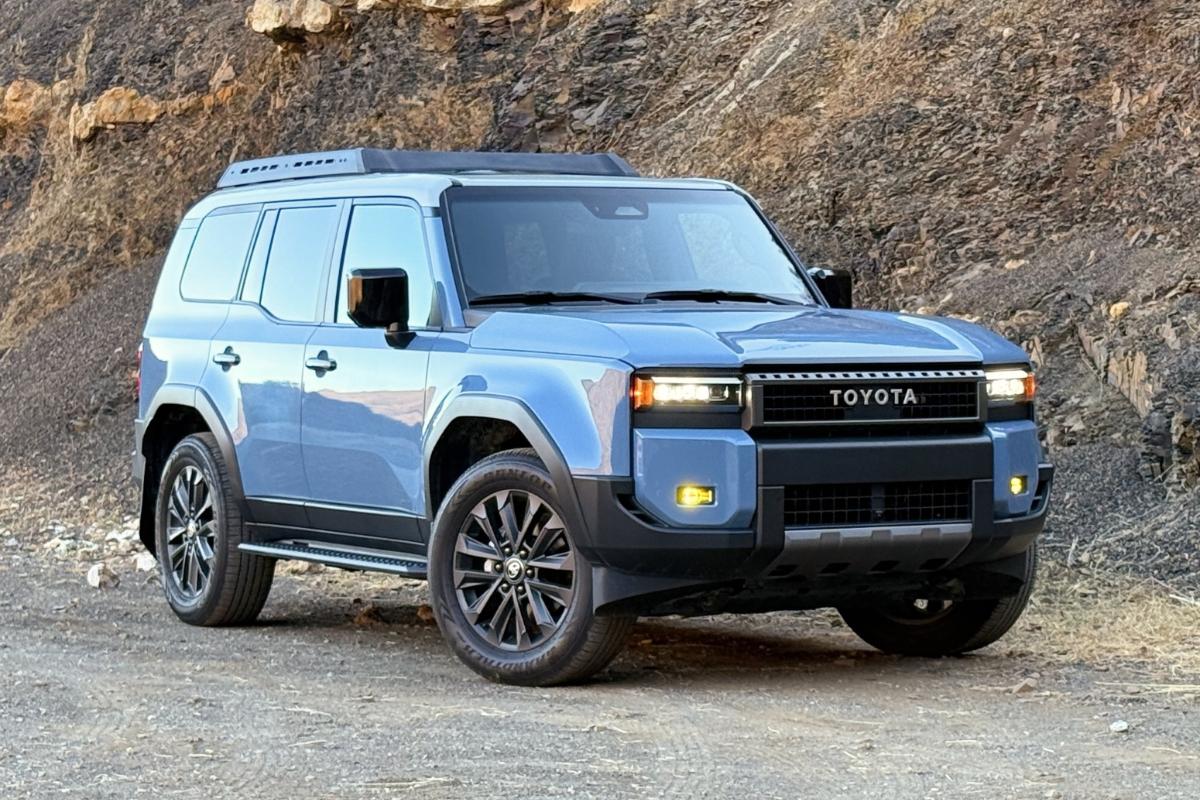
Toyota’s E-coat process on the Land Cruiser is particularly thorough. The entire body is submerged in the anti-corrosion bath for an extended period. This ensures maximum penetration of the primer into every seam, joint, and cavity.
The Land Cruiser’s wheel arches and rocker panels receive extra attention. Toyota applies additional undercoating compound in these high-stress areas. The protection here is noticeably thicker than on standard passenger vehicles.
Owners in Alaska and the northern USA report outstanding rust resistance from Land Cruisers even after 15 to 20 years. It is not uncommon to find a 20-year-old Land Cruiser with a completely clean undercarriage. This kind of longevity is almost unheard of from other manufacturers.
The Land Cruiser also benefits from Toyota’s strict quality control in the coating application process. Each vehicle is inspected for coating thickness and coverage before leaving the factory. This level of quality assurance ensures consistency across every unit produced.
The Land Cruiser’s resale value in the USA is extraordinarily high, and its rust resistance is a major factor in that. A vehicle that stays structurally sound and corrosion-free commands premium prices on the used market for decades.
6 Rust Magnets
These vehicles are often known for weak factory rust protection and minimal undercoating, making them highly vulnerable to corrosion over time. Exposure to road salt, humidity, and debris can quickly lead to rust forming on the underbody, wheel wells, and structural components.
As the corrosion spreads, it can weaken key parts of the vehicle and reduce resale value. For many owners, these cars become expensive to maintain in rust-prone climates, earning them a reputation as true rust magnets.
1. Jeep Wrangler
The Jeep Wrangler is one of America’s most beloved off-road vehicles. It is also, unfortunately, one of the worst performers when it comes to factory rust protection. The irony is painful a vehicle designed for outdoor adventure is highly vulnerable to one of nature’s most common forces.
Wranglers from the 2007 to 2018 era are particularly notorious for rust problems. Owners in rust-belt states have documented severe corrosion appearing in as little as three to five years. This is an extremely short timeline for such a significant and expensive problem.
The Wrangler’s body-on-frame design creates natural areas where moisture and debris collect. The junction between the body and frame is a constant trap for road salt and water. Without exceptional sealing and undercoating, these areas become rust incubators very quickly.
Jeep has historically applied only minimal factory undercoating to the Wrangler. The coating is thin compared to competitors, and coverage often leaves critical areas inadequately protected. Many owners discover large sections of bare or poorly coated metal when inspecting their undercarriage.
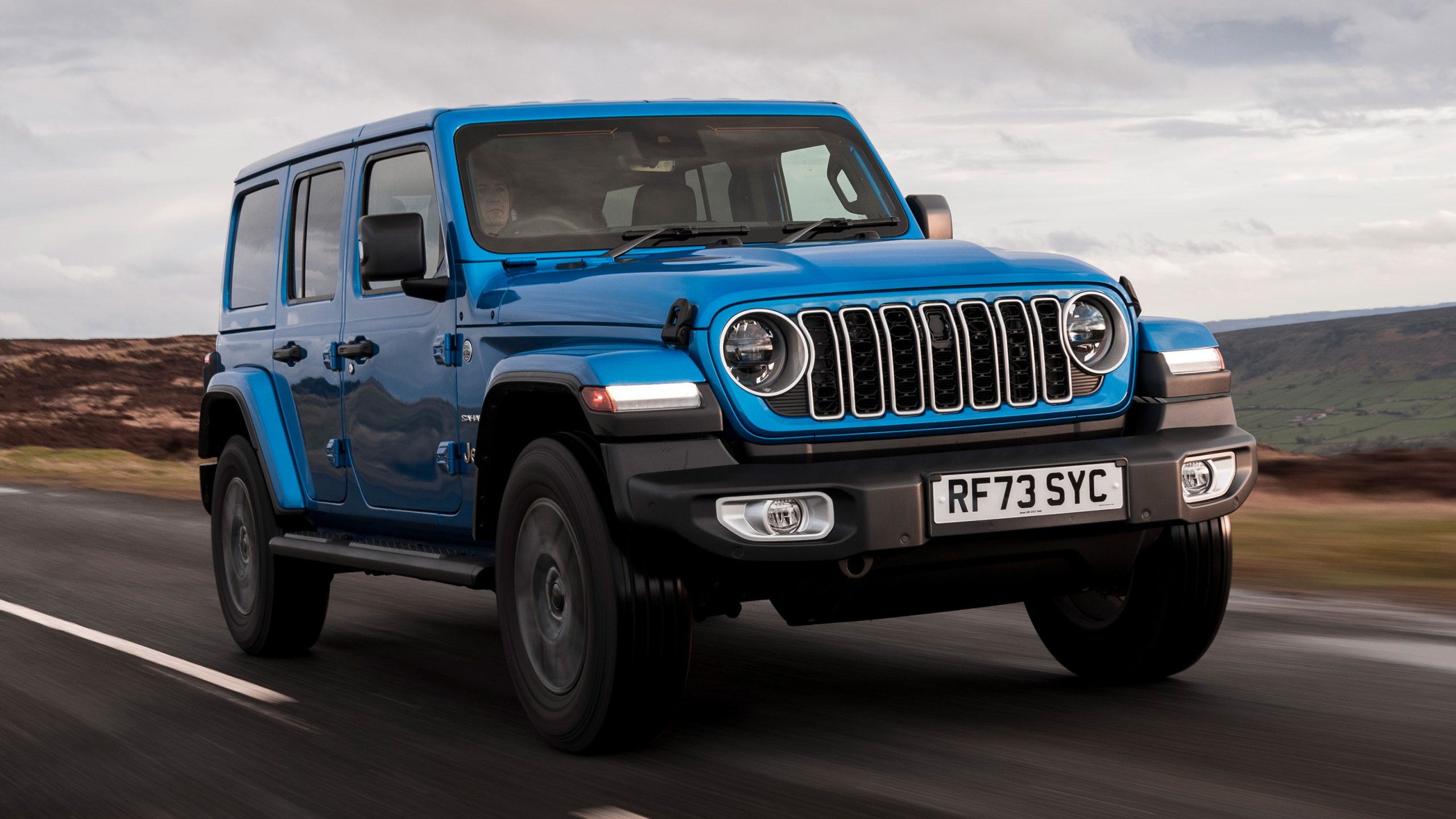
The floor pans of the Wrangler are one of the most commonly cited problem areas. Rust begins on the floor pans and can eat completely through the metal in just a few years in heavily salted environments. Some owners have discovered holes in their floor pans before the vehicle even reaches its fifth birthday.
The Wrangler’s removable doors and open-air design, while fun, also create unique rust challenges. The door hinges, body tub mounting points, and windshield frame hardware are all exposed to the elements in ways that fully-enclosed vehicles never experience.
The firewall area of the Wrangler is another chronic rust location. Water infiltration through the firewall combines with poor coating in that area to create severe corrosion. This is a structural area of the vehicle, making rust here particularly serious and expensive to repair.
Jeep’s frame on older Wranglers received very limited anti-corrosion treatment. Frame rust in northern-state Wranglers is a documented, widespread problem. Dealers in rust-belt states have reportedly refused to purchase used Wranglers because of how severe and predictable the frame corrosion becomes.
The newer JL-generation Wrangler has shown some improvements in rust protection. Jeep appears to have listened to the extensive criticism from the community. However, many experts and long-term owners still recommend aftermarket undercoating immediately upon purchase to supplement what the factory provides.
For buyers in snow states, purchasing a Wrangler without immediately investing in professional aftermarket undercoating is considered a serious risk. The factory protection simply does not meet the standard needed for rust-belt survival.
2. Ford Focus (2008–2018)
The Ford Focus of this era earned a troubling reputation for rust-related problems in the American market. What should have been a reliable, long-lasting compact car became a corrosion headache for many owners in northern states.
The most notorious rust issue on the Focus involves the rear suspension area. The rear beam axle mounting points and surrounding floor structure are particularly vulnerable. Rust in this area is not just cosmetic — it is a genuine structural and safety concern.
The underside of the Focus received only a basic factory undercoating during this era. Ford’s application was inconsistent and thin in many critical areas. Owners who inspected their vehicles after just a few years in salt-heavy environments found alarming levels of corrosion.
The door bottoms on the Focus are a well-documented rust location. Water infiltrates the bottom of the door panels and pools inside. Without adequate drainage and internal protection, the lower door structure rusts from the inside out, eventually bubbling through the paint.
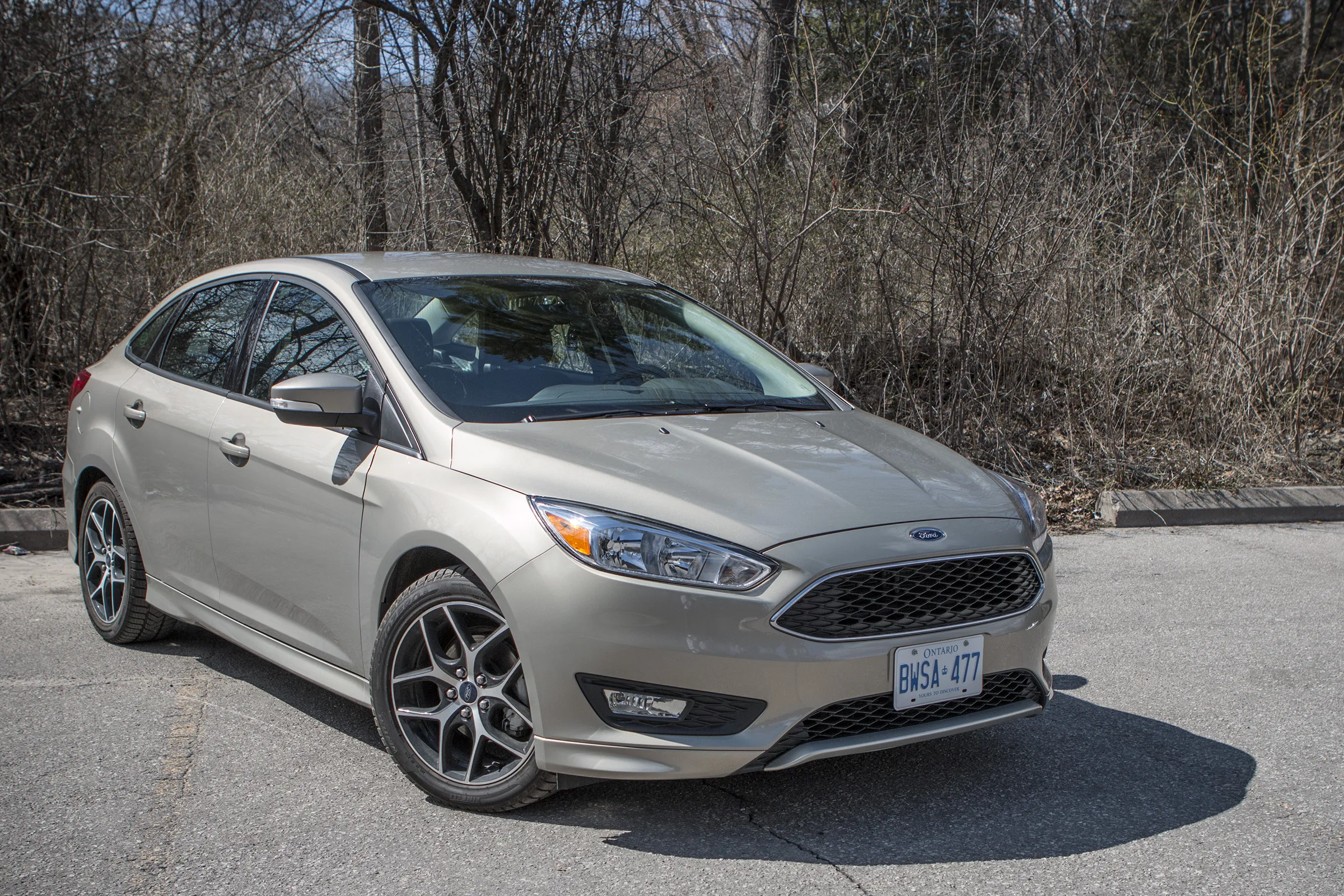
Wheel arches on the Focus are another chronic rust problem area. The inner arch liner does not provide sufficient protection from road salt and water intrusion. Rust spreads from behind the liner and eats into the wheel arch structure before it becomes visible from outside the vehicle.
The trunk floor of the Focus also shows vulnerability. Moisture intrusion into the spare tire well area leads to rust that can compromise the structural integrity of the rear floor pan. This is a particularly frustrating location because it is hidden under the trunk mat.
Ford’s body seam sealing on the Focus was not thorough enough. Seam sealer applied at the factory cracked and separated over time. Once seam sealer fails, moisture enters the joints between panels and begins the rusting process from within.
Consumer complaints about Focus rust were widespread enough to generate significant online documentation. Owners’ forums, owner groups, and automotive review sites all carry extensive photo evidence of early-onset corrosion. The pattern is too consistent to be dismissed as isolated incidents.
The Focus sold in Canada received better rust protection treatment in some model years than the US-spec versions. This suggests Ford was aware of the problem but chose different protection standards for different markets. That kind of inconsistency is deeply frustrating for American buyers.
Owners of this generation Focus in northern states are strongly advised to inspect the undercarriage thoroughly. Early intervention with aftermarket undercoating or rust treatment can slow the progression. However, if corrosion has already begun, the cost of proper repair can be substantial.
3. Chevrolet Silverado (1999–2006)
The first-generation GMT800 Silverado is one of the most rust-plagued trucks in American automotive history. Owners in rust-belt states have dealt with severe and premature corrosion that has become the defining legacy of this generation.
The most catastrophic rust issue on these Silverados involves the rear cab corners. The area where the cab meets the bed, and particularly the lower rear cab corners, is infamous for rotting away completely. Rust holes in this area are so common that entire repair kit industries have emerged around them.
The factory undercoating applied to these Silverados was simply inadequate. GM used a thin, spray-applied coating that provided minimal real-world protection. In the presence of road salt, this coating degraded rapidly and left bare metal exposed to the elements.
The rocker panels on the GMT800 Silverado are another devastated area. Rockers rust from the inside out, fed by moisture that enters from the wheel wells. By the time visible rust appears on the outside of the rocker, the internal structure is already severely compromised.
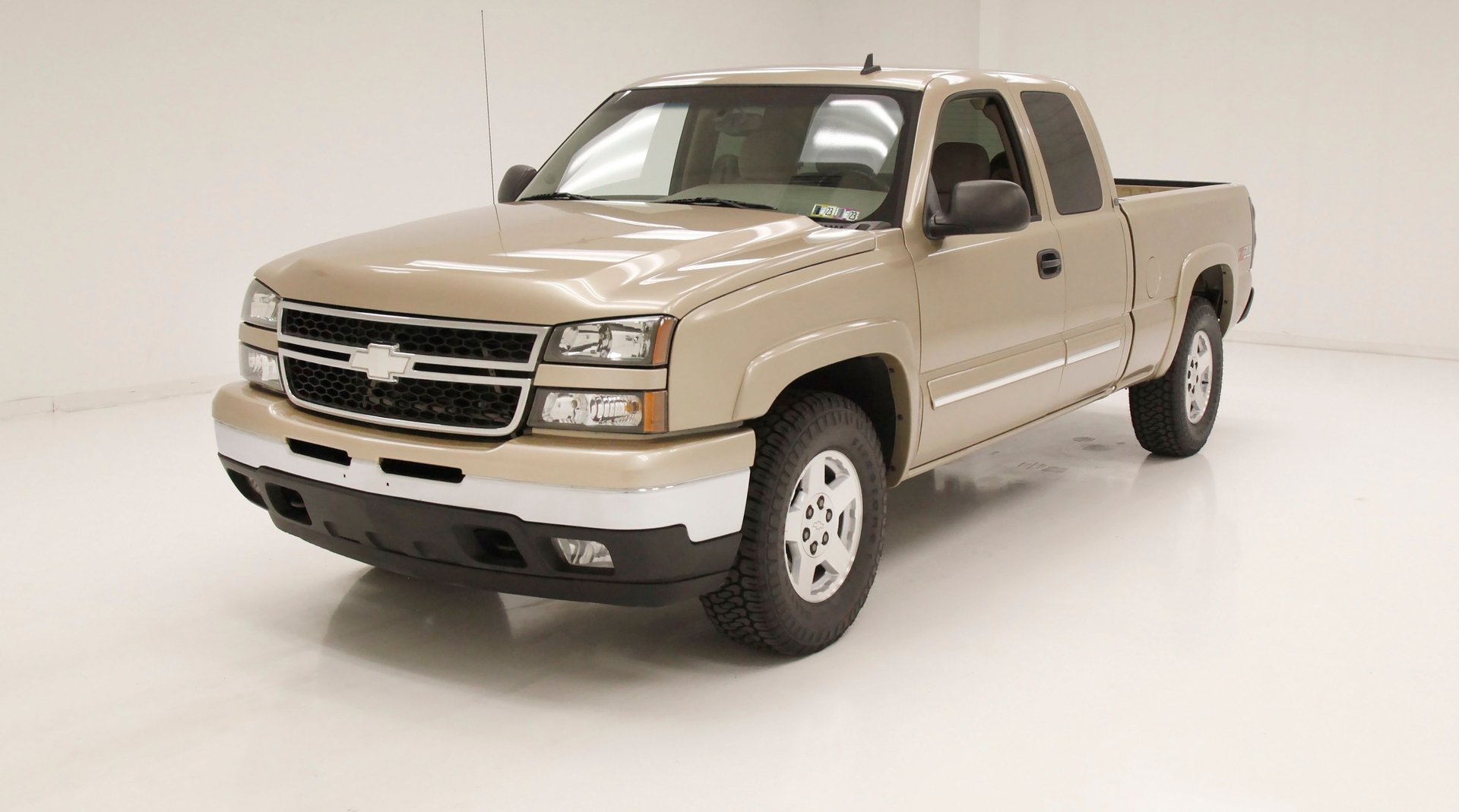
The rear wheel arches of these Silverados develop rust bubbles within just a few years in salt-heavy states. The arch flares are particularly vulnerable because they trap salt and moisture against the body. This concentrated exposure leads to deep, penetrating rust very quickly.
The tailgate of the GMT800 is also prone to significant rust. Water collects in the lower corners of the tailgate, and the thin factory coating fails rapidly. Rusty tailgates on this generation Silverado are an extremely common sight even on relatively low-mileage examples.
The bed floor on these Silverados is another commonly rust-damaged area. Even with a bedliner in place, moisture can get underneath and corrode the metal floor from below. Owners frequently discover rusted-through bed floors that require expensive replacement panels.
The inner structure of the cab is also vulnerable. The cab mounts and surrounding floor structure develop severe rust that is hidden under the carpet and interior trim. By the time owners discover rust in these areas, the damage is often extensive and expensive.
GM did improve rust protection significantly in subsequent Silverado generations. The later generations show considerably better corrosion resistance than the GMT800 trucks. But for buyers considering a used example of this era, a thorough rust inspection is absolutely non-negotiable.
4. Dodge Ram 1500 (2002–2008)
The second-generation Dodge Ram 1500 of this era developed a strong and well-deserved reputation as a serious rust problem in northern American states. Chrysler’s approach to factory corrosion protection during this period was notably inadequate.
The frame of the Ram 1500 from this era is ground zero for corrosion concerns. The frame receives only a basic factory coating that provides insufficient protection against road salt. Frame rust on these trucks is aggressive, widespread, and appears far earlier than it should.
The rear frame section of the Ram is particularly problematic. The area around the rear axle and behind the rear wheels collects enormous amounts of road salt and moisture. Without adequate protection, this section of the frame can rust severely within five to eight years in salt states.
The cab corners on the Ram 1500 suffer similarly to the Silverado of the same era. Water and salt accumulate in the lower cab corner area, and rust eats through from behind. Large rust holes in the cab corners are a defining visual characteristic of high-mileage northern-state Rams of this vintage.
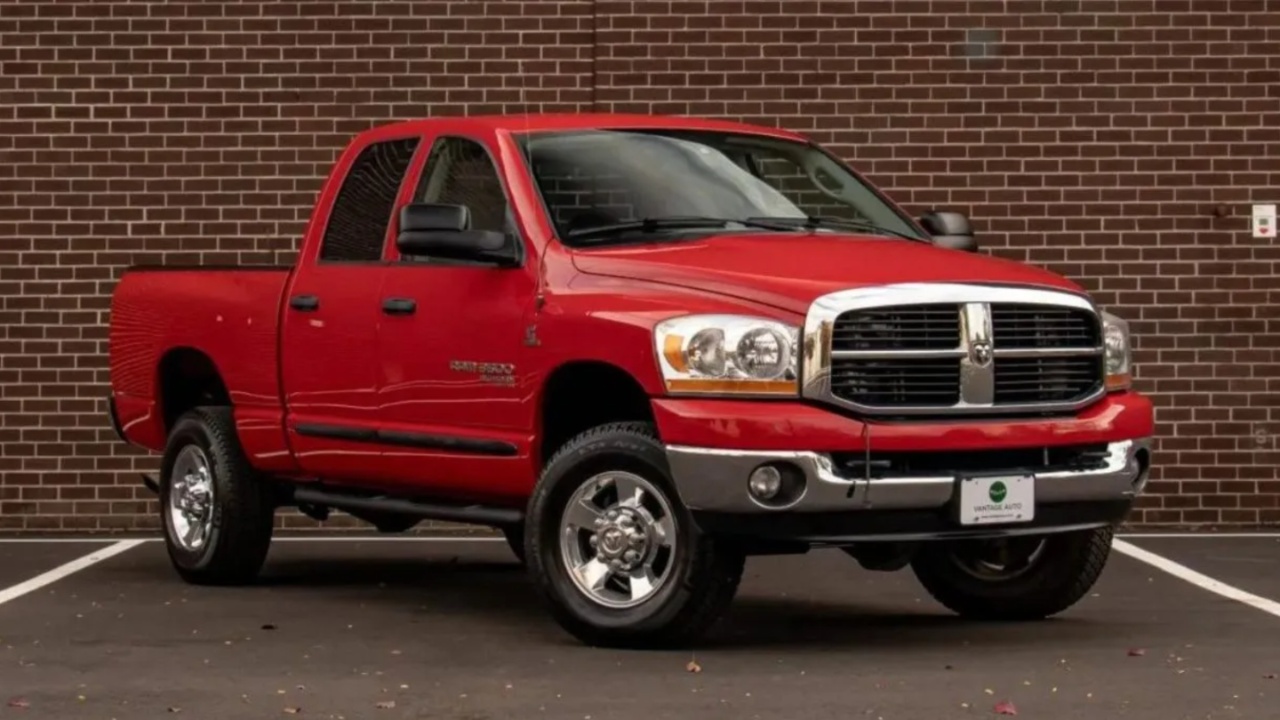
The floor pans on the Ram 1500 are vulnerable to perforation rust. Water infiltration from various points combines with minimal undercoating to create severe floor pan corrosion. Some owners have discovered that rust has eaten completely through the floor pan in multiple locations.
Rocker panels on these Rams rust predictably and aggressively. The inner structure of the rocker is poorly protected from the factory. Salt-laden water enters from the wheel wells and festers inside the hollow rocker panel, causing widespread internal rust before any external sign is visible.
The tailgate and lower door corners on the Ram 1500 also develop rust consistently. These are areas where paint chips combine with thin coating to create rapid rust initiation. Once started in these locations, rust spreads quickly without intervention.
The Ram 1500’s inner fenders and shock tower areas also develop significant corrosion. These structural areas are critical for the vehicle’s suspension geometry and crash performance. Rust in these locations raises serious safety questions beyond simple aesthetics.
Chrysler made notable improvements to rust protection in later Ram generations. The current Ram 1500 is a far better performer in terms of corrosion resistance. However, buyers shopping for used examples from the 2002-2008 era must conduct very thorough inspections.
5. Subaru Forester (Pre-2008 Generations)
While modern Subarus are well-protected against rust, older generations of the Forester tell a very different story. The pre-2008 Forester has earned a notorious reputation for severe and rapid corrosion in American rust-belt states.
The most alarming rust issue on pre-2008 Foresters involves the rear wheel arches. Rust bubbling begins at the edge of the wheel arch and spreads rapidly. In severe cases, the entire rear arch structure can be consumed by corrosion within ten years of the vehicle’s manufacture.
The factory undercoating on these older Foresters was thin and offered limited protection. Subaru’s coating application during this era was inconsistent. Many vehicles left the factory with inadequately protected areas that became predictable rust initiation points.
The unibody structure of the Forester created hidden rust problems. Moisture penetrates the seams of the unibody and causes corrosion from within the structure. By the time this rust becomes visible, significant structural damage has often already occurred.
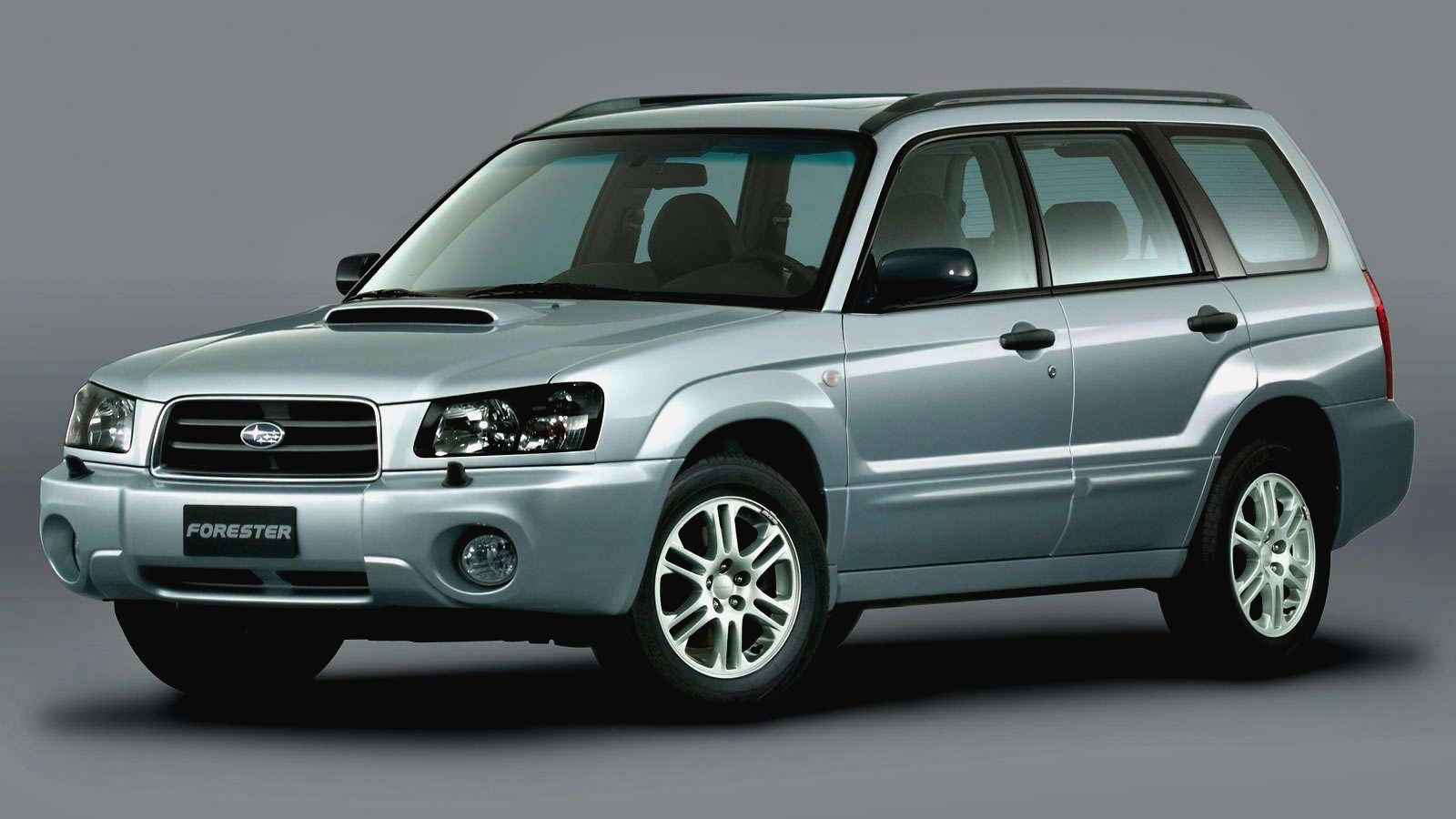
The rear floor pan area of the older Forester is a well-documented problem. Moisture accumulates inside the vehicle from leaking weather stripping and condensation. Combined with poor underside protection, the floor pan rusts severely from both above and below simultaneously.
The front strut towers on pre-2008 Foresters are vulnerable to significant corrosion. Rust in the strut tower area is a safety concern because it affects the vehicle’s ability to properly manage suspension loads. Damaged strut towers can fail catastrophically in high-stress driving situations.
The battery tray area of the older Forester is another notorious rust location. Batteries leak acid and create an extremely corrosive micro-environment. Combined with inadequate protection in this area, the battery tray and surrounding structure rust severely and quickly.
Subaru recognized these corrosion problems and took meaningful steps to address them in subsequent generations. From around 2008 onwards, Subaru significantly improved its galvanization process and undercoating application. The modern Outback and Forester are dramatically better in this regard.
For buyers seeking older used Foresters from the pre-2008 era, a professional undercarriage inspection is absolutely essential. Rust in the structural areas of these vehicles is common enough to make it a deal-breaking concern in many cases.
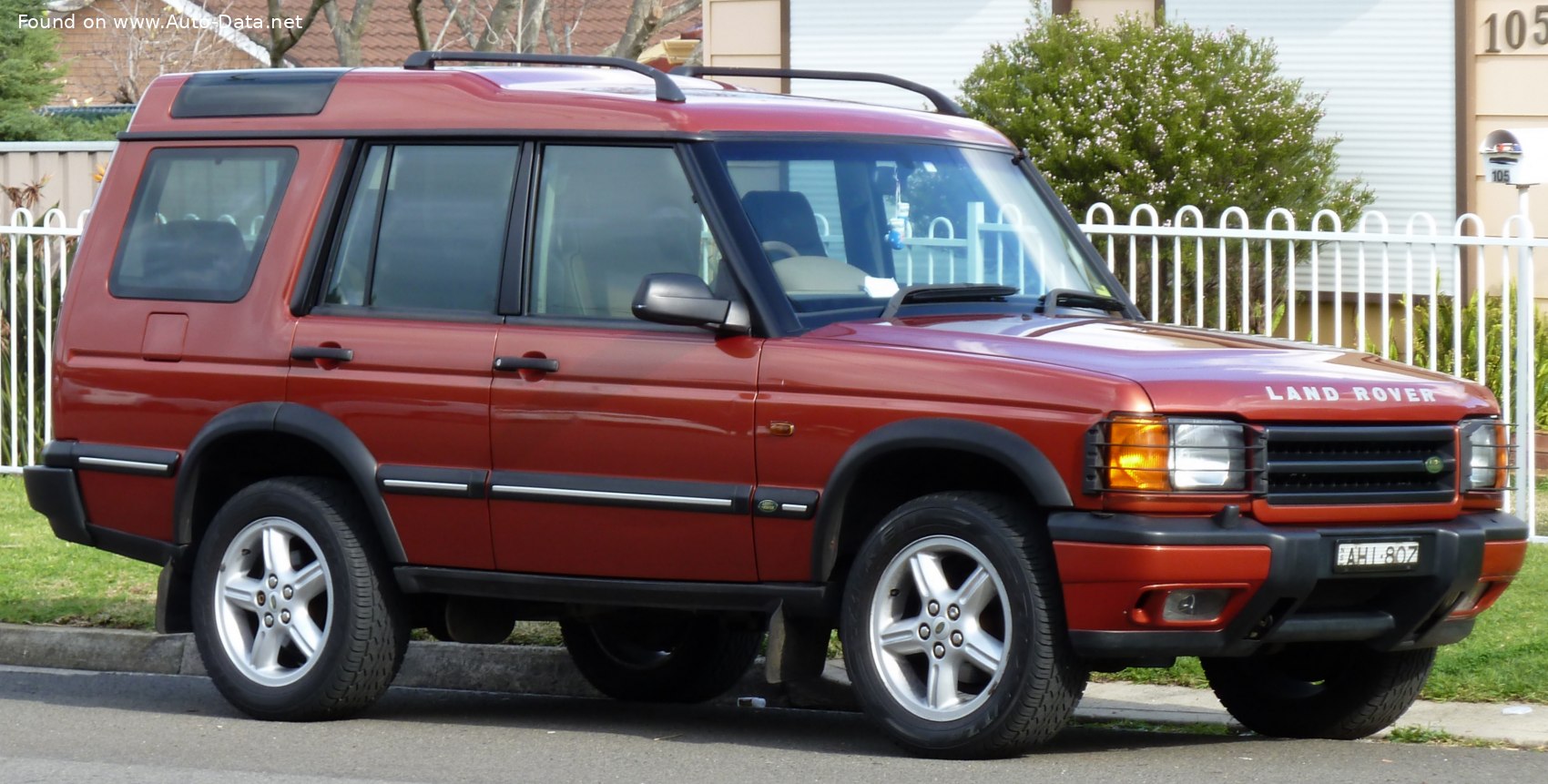
6. Land Rover Discovery (Series II, 1999–2004)
The Land Rover Discovery Series II is perhaps the most extreme rust case on this list. For a vehicle that costs significant money and promises premium capability, its factory corrosion protection is shockingly inadequate by any reasonable standard.
The chassis of the Discovery Series II is built from steel that received minimal anti-corrosion treatment. In northern American states with road salt, this chassis rusts with alarming speed and severity. Chassis rust on these vehicles is not just surface corrosion it penetrates deeply and compromises structural integrity.
The outriggers on the Discovery chassis the brackets that connect the body to the frame are particularly catastrophic rust locations. These outriggers can rust completely through, causing the body to separate from the chassis. This is a structural failure of the most serious kind.
The bulkhead of the Discovery Series II, which is the structural firewall between the engine bay and the cabin, is a notorious rust location. Rust eats through the bulkhead from the engine bay side. In severe cases, the footwell floors are compromised as a result.
The rear floor pan and rear load area of the Discovery suffer extensive rust. Water intrusion from the rear door seals and tailgate area combines with poor undercoating to create severe internal corrosion. The structural floor members beneath the load floor rust aggressively.
The sills and door bottoms on the Discovery Series II rot quickly. Salt-laden water collects in these areas and the thin factory protection fails rapidly. Rust in the sill areas is both structural and cosmetic, making repair complicated and expensive.
The rear cross-member under the Discovery’s rear axle is another chronic failure point. This structural component rusts severely and can fail entirely. Failure of this cross-member is a serious safety issue that affects the vehicle’s ability to safely manage suspension loads.
Land Rover’s quality control during this era was poor in general, and rust protection was no exception. The vehicles were engineered to be capable off-roaders but were let down badly by inadequate corrosion prevention. Many examples in the US rust belt have been scrapped due to chassis failure rather than mechanical failure.
Prospective buyers of Discovery Series II vehicles in the USA should approach with extreme caution. A thorough inspection by a knowledgeable specialist is mandatory. Rust remediation on these vehicles is possible but can cost more than the vehicle is worth on the open market.
Also Read: 5 Vehicles With Simple Hood Release Latches vs 5 Prone to Snapping
