
Beach days in Honolulu carry a rhythm that feels effortless at first glance, yet anyone who has coordinated transportation for a group knows how quickly logistics become the deciding factor between a smooth outing and a stressful one.
Luggage, coolers, surfboards, snorkeling gear, folding chairs, and friends with different arrival times all demand space, planning, and a vehicle that can keep everything and everyone aligned.
That is where the choice between high-capacity vans and tight coupes becomes more than a style preference; it becomes a practical decision that shapes the entire experience. On one side, large passenger vans bring room, flexibility, and the ability to move groups without splitting into multiple vehicles.
They handle beach traffic, parking challenges near Waikiki, and long coastal drives with steady predictability. On the other side, compact coupes prioritize personal driving feel, quick response in traffic, and compact dimensions that make them easy to park but difficult to imagine loading with beach gear for six people.
Honolulu adds its own character to this comparison. Narrow access roads near beach parks, crowded parking lots during peak hours, and scenic coastal routes all test how well a vehicle serves its purpose beyond appearance. A vehicle here is not just transportation; it becomes part of how the day flows from morning pickup to sunset return.
This discussion sets four high-capacity vans against four tight coupes, each with distinct strengths and limitations. The goal is to understand how design choices shape real use when the destination is sand, ocean breeze, and a group ready for a full beach day.
4 High-Capacity Vans for Beach Groups In Honolulu
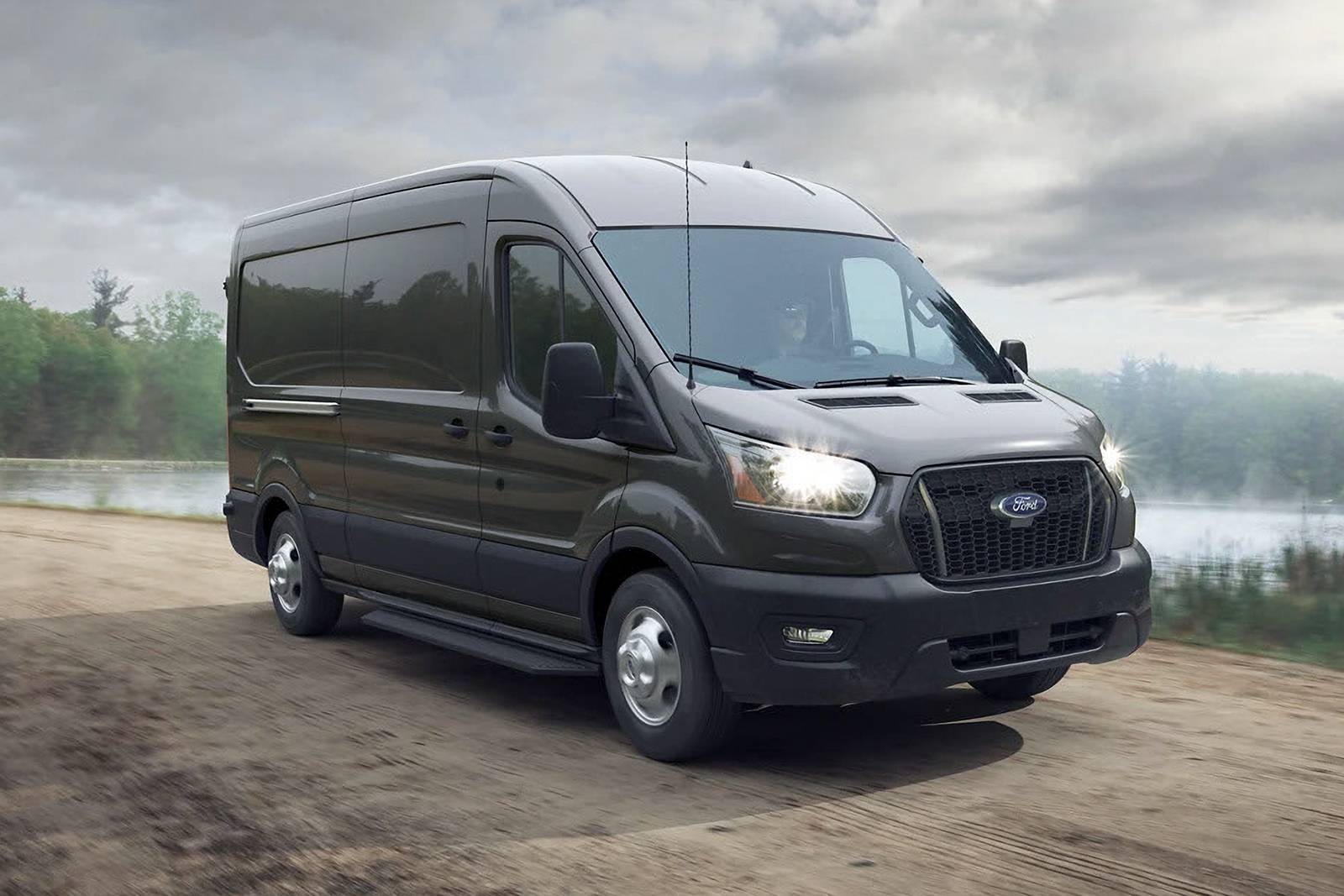
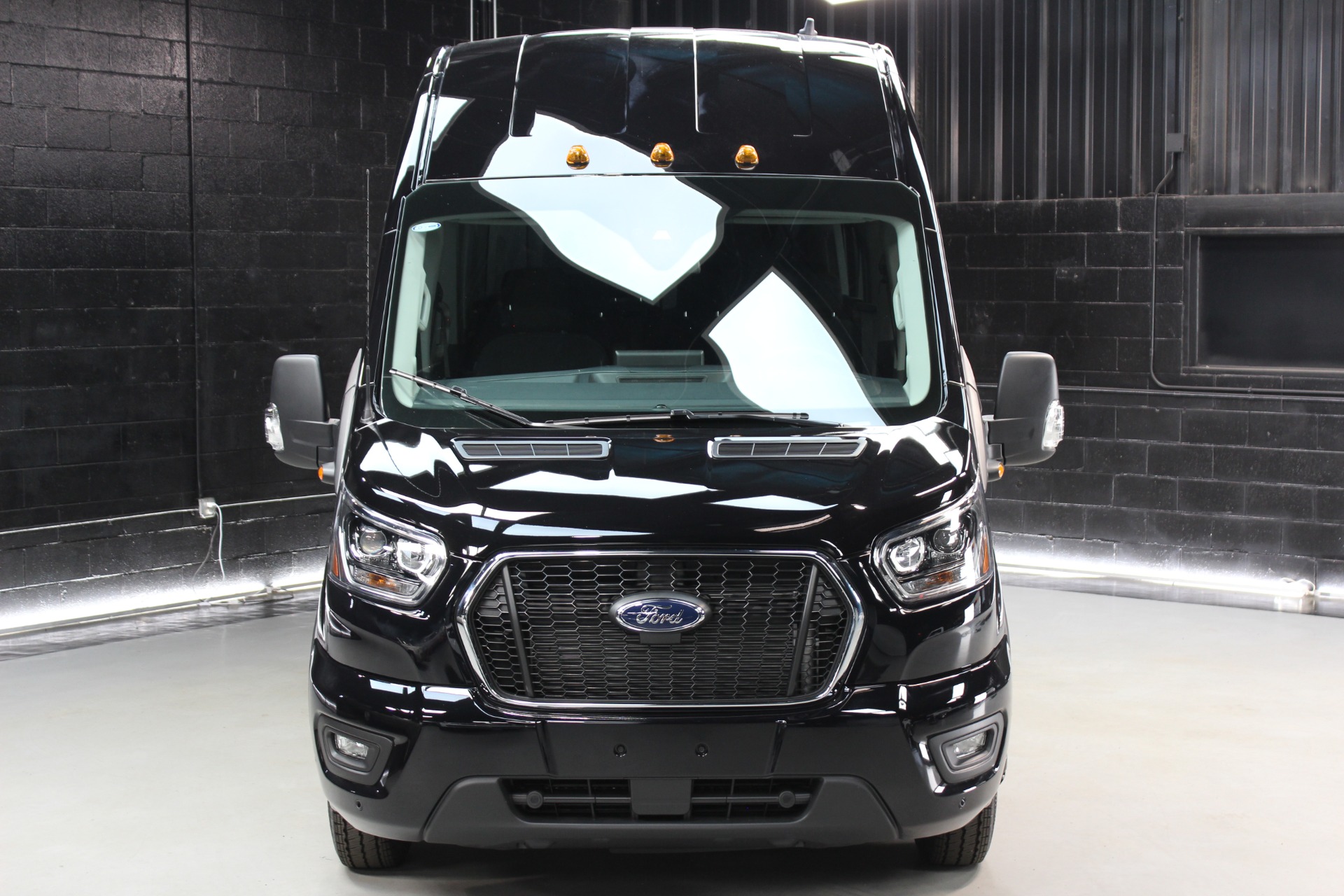
1. Ford Transit Passenger Van 350 XLT High Roof (2023 to 2024)
Space defines the Ford Transit Passenger Van 350 XLT High Roof before any other attribute enters consideration. Its long body, tall roofline, and extended wheelbase allow it to function as a mobile base for large beach groups traveling through Honolulu’s busy corridors. Seating configurations support multiple rows, allowing passengers to remain comfortable even when carrying bulky beach equipment alongside personal bags.
Driving this van through Honolulu introduces a steady rhythm rather than quick directional changes. Steering input requires measured action, especially when entering tighter coastal roads near Waikiki or driving through parking structures close to beach access points. The vehicle responds with deliberate motion, rewarding patience rather than urgency. That behavior suits group transport, where smooth movement matters more than sharp handling.
Cargo flexibility stands out when beach gear enters the equation. Folding seats create extended loading space for surfboards, coolers, umbrellas, and inflatable recreational items. Unlike smaller vehicles, there is no need to prioritize what gets carried and what must be left behind. Everything fits within reason, which reduces coordination stress among passengers.
High roof design adds practical comfort for boarding and exit. Passengers can stand upright inside, making entry and exit more convenient after long beach sessions. This feature becomes especially useful when groups include families with children or older passengers who prefer easier movement within the cabin.
Urban driving conditions in Honolulu require awareness of height restrictions in parking garages. The Transit’s dimensions limit access to certain enclosed structures, which means planning ahead becomes part of daily use. Street parking near beaches becomes the preferred option, though space availability varies with time of day.
Fuel consumption reflects its size, yet group travel offsets individual cost burdens. One vehicle replaces multiple cars, reducing coordination issues and simplifying beach day logistics. In practical terms, this van functions as a shared mobility hub rather than a standard passenger vehicle.
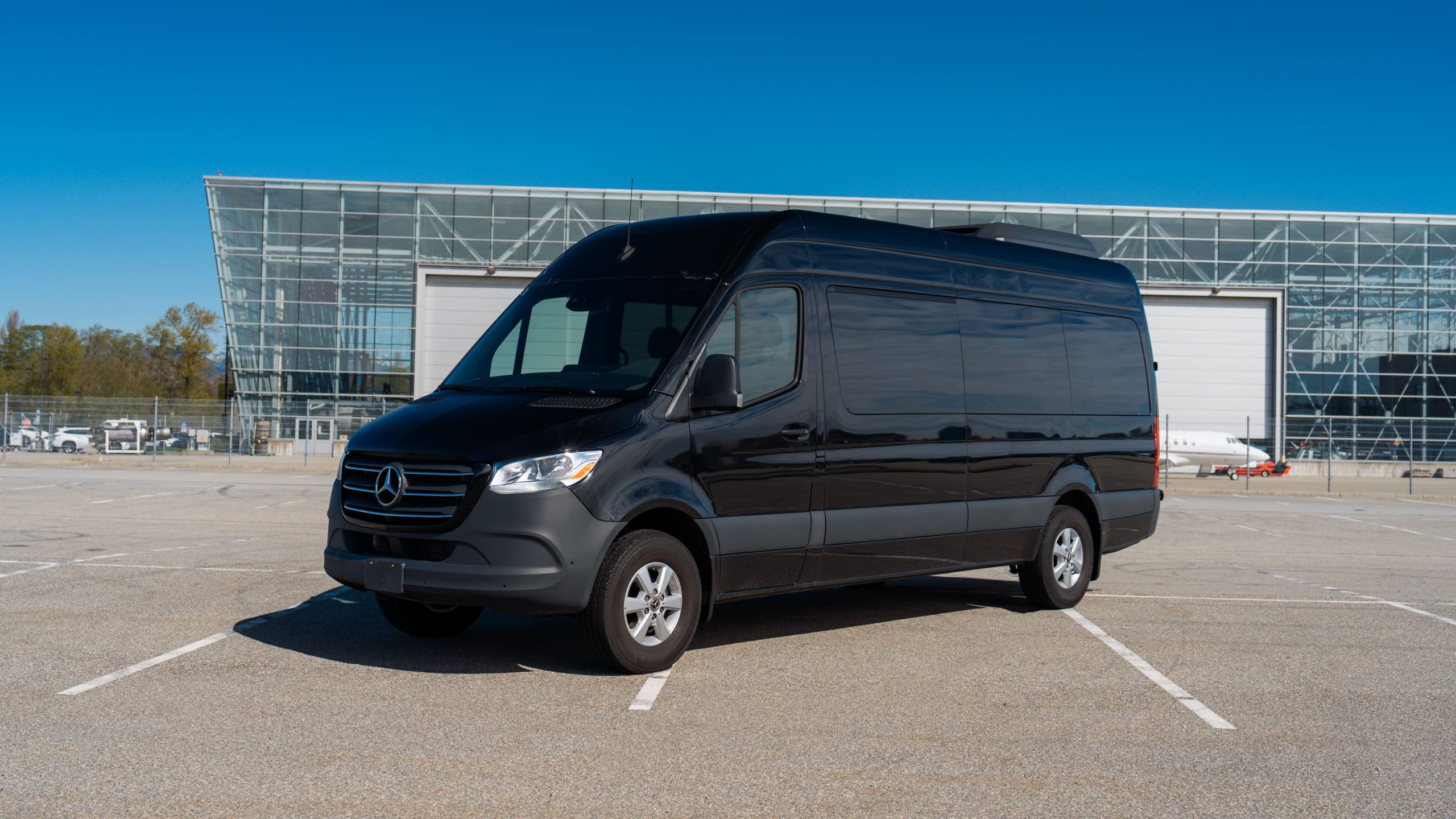
2. Mercedes-Benz Sprinter 2500 Passenger High Roof (2023 to 2024)
A strong sense of structure defines the Mercedes-Benz Sprinter 2500 Passenger High Roof, particularly when used for coordinated beach trips across Honolulu. Its tall frame and elongated cabin create an environment where group movement feels organized rather than crowded. Seating arrangements support multiple passengers with consistent comfort, even during longer drives along Oahu’s coastal routes.
Handling behavior reflects its commercial engineering foundation. Steering input feels steady, requiring anticipation when approaching tighter turns in urban districts or beach access roads with limited clearance. Drivers become more deliberate with positioning, especially when approaching parking areas near popular shoreline locations where space is limited.
Interior flexibility plays a central role in its appeal. Rows of seats can be adjusted or removed depending on passenger and cargo requirements. Beach equipment such as paddleboards, umbrellas, and folding tents can be arranged without creating unnecessary obstruction. The cabin becomes adaptable rather than fixed in purpose.
Comfort features inside the Sprinter make long group journeys. Elevated seating positions provide broad outward visibility, which helps during busy traffic periods in Honolulu. Air circulation systems maintain cabin comfort even when the vehicle is filled, which matters during warm coastal afternoons.
Parking considerations shape daily use. The Sprinter’s length requires careful selection of parking spaces, especially near Waikiki Beach or Ala Moana Beach Park. Open-air parking areas become the most practical option, while enclosed garages may impose restrictions due to height or turning radius limitations.
Despite its size, the Sprinter maintains a sense of order in motion. It does not rush; instead, it progresses steadily, allowing passengers to experience the journey without disruption. That consistency supports group cohesion, particularly when coordinating multiple stops during a beach-focused day.
In practical use, this vehicle behaves less like a personal transport option and more like a structured group carrier designed to keep people and equipment aligned throughout the day’s movement.
Also Read: 5 Rain-Ready Hatchbacks In Seattle vs. 5 RWD Sports Cars That Are Dangerous
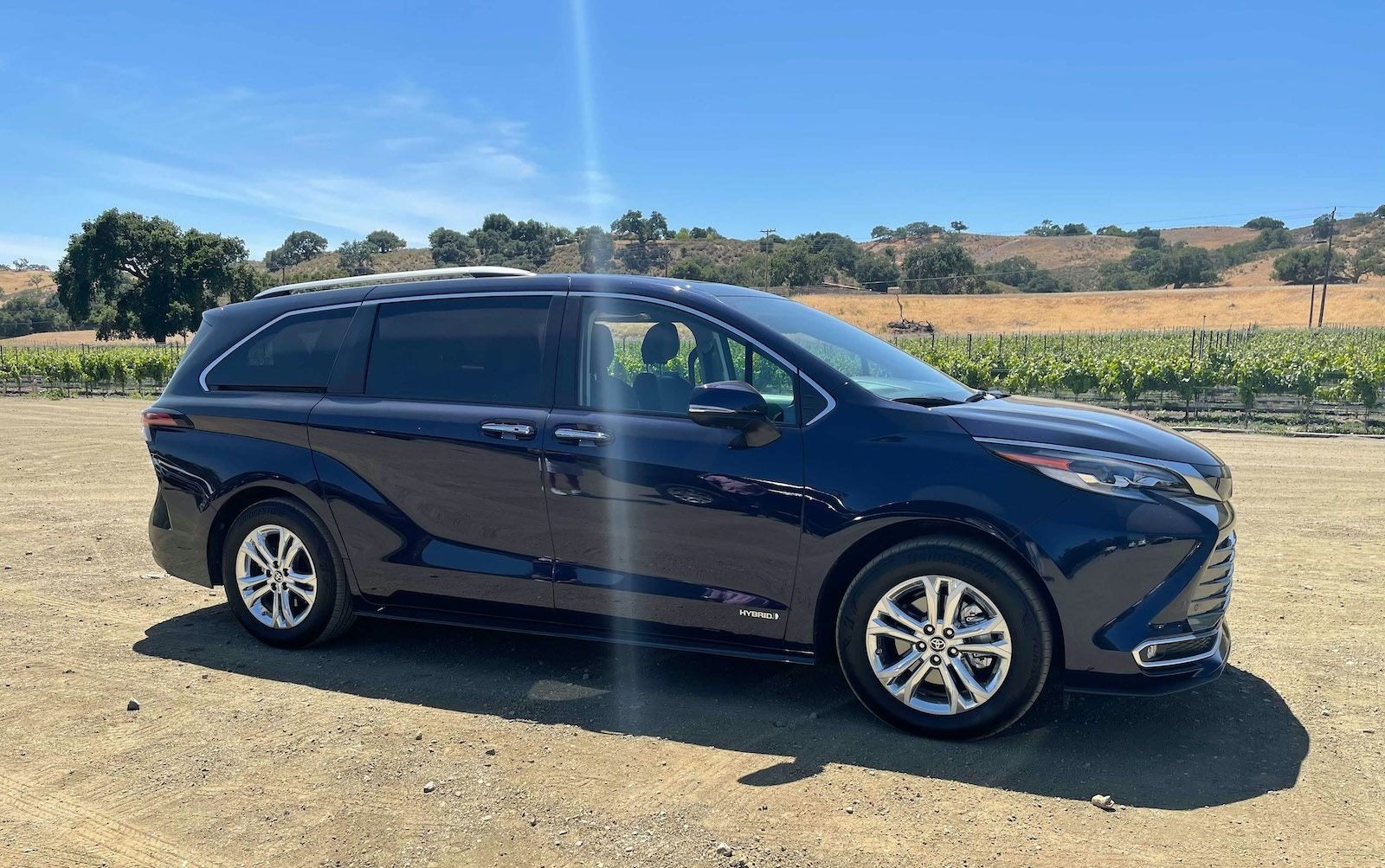
3. Toyota Sienna Platinum AWD (2021 to 2024)
Honolulu beach travel places demand vehicles that can carry multiple passengers, store equipment, and still feel manageable on crowded coastal roads. Toyota Sienna Platinum AWD approaches this demand through a hybrid-focused setup paired with a minivan structure built around passenger comfort.
Its presence in beach group travel comes from practical engineering choices rather than styling emphasis, giving it a steady and predictable character across varied driving conditions. The seating arrangement inside the cabin allows flexible adjustment for different group sizes. Middle-row captain seats provide comfort for longer rides, while the third row can be folded or adjusted depending on cargo requirements.
This adaptability proves useful when beach groups carry items such as umbrellas, snorkel gear, and insulated coolers. Each seating row is designed to support extended travel without forcing passengers into cramped positions, which becomes useful during traffic-heavy routes between Waikiki, Ala Moana, and North Shore destinations.
Sliding doors on both sides improve access in tight parking zones, especially near popular beach entrances where parking bays sit close together. Passengers entering or exiting do not require wide door clearance, reducing inconvenience during busy arrival periods. This design also reduces strain when managing children or heavy beach items, allowing smoother movement in and out of the vehicle during group outings.
Ride behavior remains steady across mixed road surfaces. Suspension tuning reduces harsh feedback from uneven coastal roads or small bumps near beach access points. This creates a calm environment inside the cabin, even when exterior conditions are less refined. Passengers experience less vibration during travel, which becomes useful for longer coastal drives that include multiple stops across Oahu.
Cargo capability supports beach-oriented usage through foldable rear seating that increases storage volume when needed. Items such as foldable chairs, surf bags, towels, and portable coolers can be arranged without disrupting passenger comfort in the front rows. While the Sienna does not function as a commercial cargo van, its interior layout allows efficient use of available space for recreational group travel.
Hybrid power delivery contributes to fuel control during repeated stop-and-go traffic common in Honolulu tourist corridors. Smooth acceleration reduces strain during congested driving conditions, particularly near Waikiki, where traffic density increases during peak hours. This system favors gradual power delivery, which suits relaxed coastal travel patterns.
Parking adaptability remains a strong advantage. The Sienna fits into standard parking spaces commonly found near beach parks, shopping areas, and hotel zones. This provides flexibility for spontaneous stops during group outings without requiring oversized parking areas. Drivers benefit from easier alignment in compact spaces compared to larger passenger vans.
Interior comfort supports longer travel durations. Seating materials, legroom distribution, and cabin insulation contribute to a relaxed environment for passengers spending full days moving between beaches and urban stops. The Sienna Platinum AWD maintains a consistent comfort profile that supports group coordination and steady travel flow across Honolulu’s coastal routes.
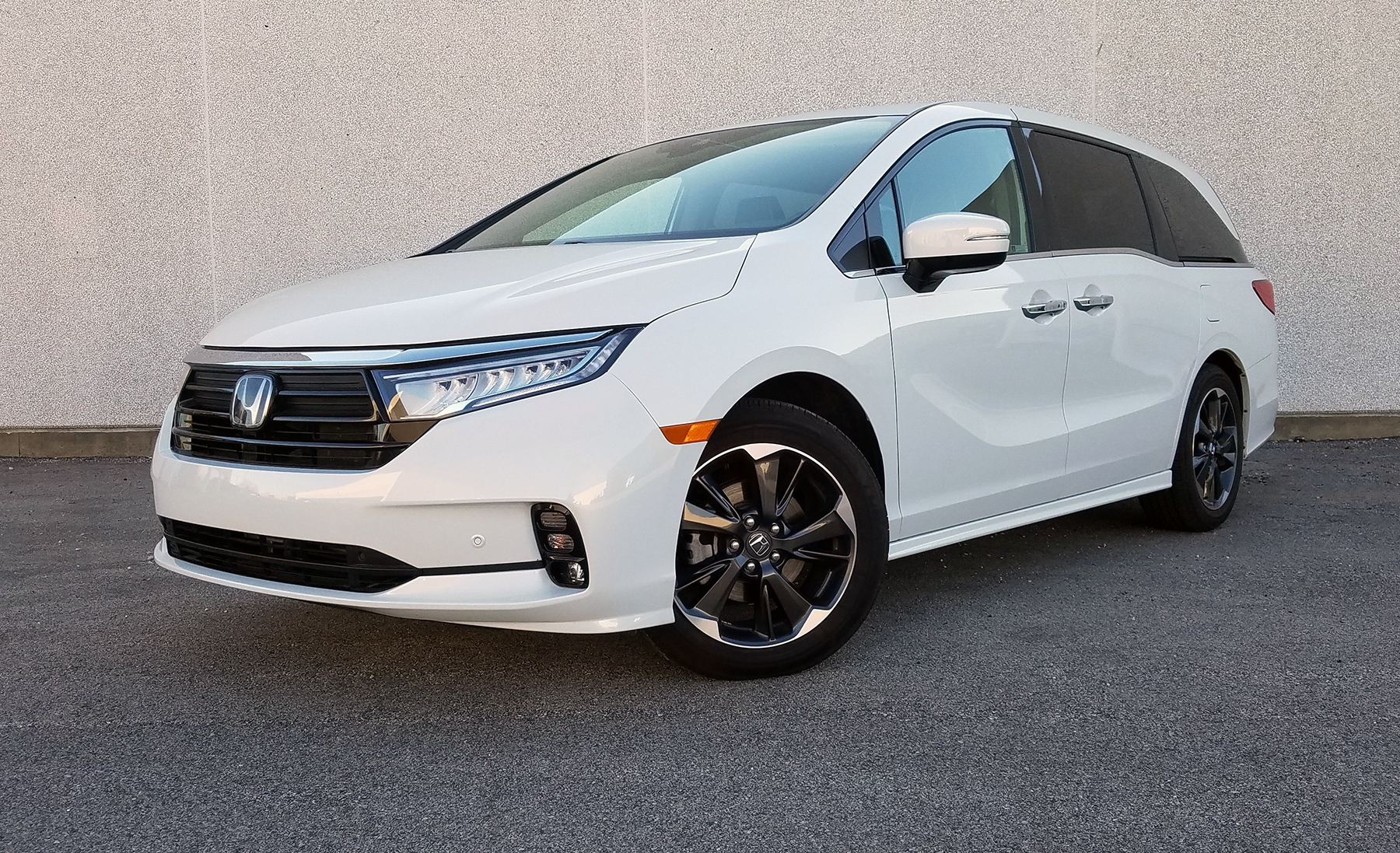
4. Honda Odyssey Elite (2021 to 2024)
Group beach travel across Honolulu often depends on vehicles that can manage passengers efficiently while maintaining predictable road behavior. Honda Odyssey Elite positions itself as a strong option through its emphasis on interior organization and passenger coordination. Its structure focuses less on styling presence and more on functional travel support for families and group outings.
Interior layout encourages interaction between passengers seated in different rows. Communication remains clear due to the cabin design that limits excessive separation between seating zones. This arrangement helps groups coordinate beach plans, manage stops, and organize equipment without requiring frequent exits from the vehicle. Seating flexibility allows adjustments depending on whether the priority is passenger count or cargo capacity.
Driving behavior remains steady during urban and coastal travel. Steering response is calibrated for controlled movement rather than rapid directional change. This suits Honolulu’s traffic patterns, where smooth driving is more practical than aggressive acceleration. Stability remains consistent even when the vehicle carries full passenger loads along routes connecting Waikiki, Hanauma Bay, and Ewa Beach.
Cargo adaptability provides useful flexibility for beach equipment. Rear seating can be repositioned or folded to increase storage volume for items such as surfboards, picnic supplies, and recreational gear. This arrangement supports mixed-use travel where passenger comfort and storage needs must be balanced within a single trip.
Entry and exit efficiency becomes a practical advantage during crowded beach hours. Sliding door design reduces space constraints in tight parking lots near coastal parks. Passengers can enter or exit without requiring additional clearance space, which improves movement flow during busy arrival or departure periods. This feature also assists when managing children or heavy items in outdoor environments.
Fuel usage remains controlled relative to the vehicle’s size class. Although not a hybrid, the Odyssey maintains steady efficiency levels suitable for repeated coastal travel. This allows groups to plan multiple stops without excessive fuel concerns during day-long beach activities.
Passenger comfort remains stable across all seating rows. Cushioning, seat spacing, and cabin design support longer travel durations without discomfort. This becomes relevant during full-day beach itineraries that include multiple destinations across Oahu’s coastline.
Odyssey Elite functions as a structured transport solution for organized beach groups that require predictable performance, adaptable seating, and consistent comfort during travel across Honolulu’s coastal network.
4 Tight Coupes
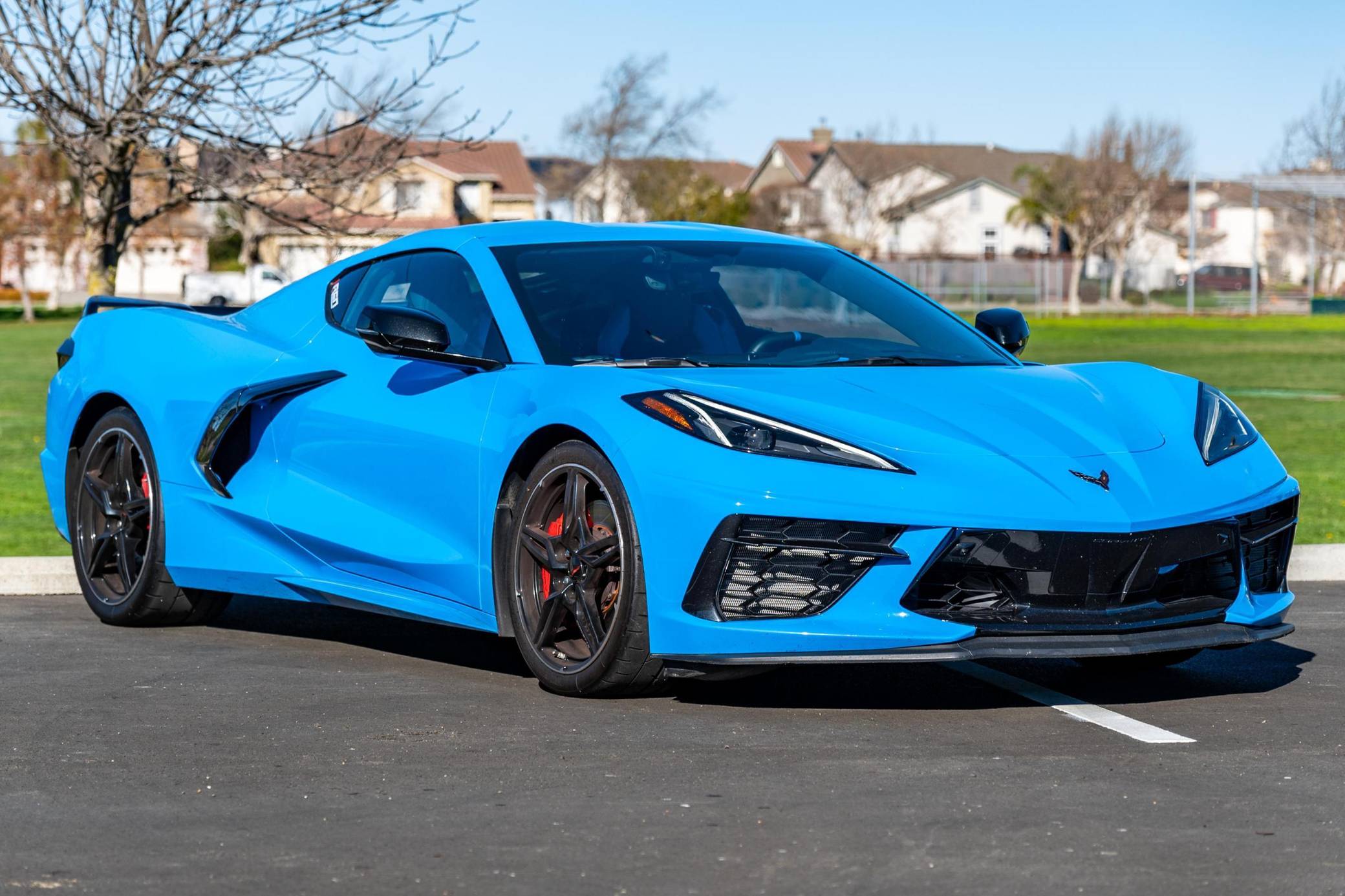
1. Chevrolet Corvette Stingray Coupe 3LT (C8 Generation, 2020 to 2024)
Mid-engine engineering defines the Chevrolet Corvette Stingray Coupe 3LT, giving it a driving character built around precision, acceleration, and road feedback rather than shared passenger practicality. In Honolulu’s coastal traffic environment, it behaves as a performance-focused machine designed for solo driving experiences along scenic routes such as Diamond Head Road and the coastal stretches toward Hawaii Kai.
Steering response delivers immediate feedback, allowing drivers to place the vehicle accurately through tight bends and lane changes in dense city traffic. Low seating position improves road feel but reduces outward visibility compared to taller vehicles, making awareness of surrounding traffic more reliant on driver attention rather than elevated sightlines.
Cabin layout focuses strongly on the driver. The cockpit arrangement, digital displays, and seat positioning reinforce a single-driver experience. Passenger accommodation is minimal, making group beach transport unrealistic. Even short journeys with additional passengers require compromise in comfort and space allocation.
Cargo capacity exists in a split storage arrangement behind the cabin and front trunk area, yet total volume remains limited. Beach equipment such as chairs, umbrellas, and coolers cannot be transported in meaningful quantity without external storage systems. This restriction separates the Corvette from practical group transport solutions.
Suspension tuning prioritizes performance stability during acceleration and cornering. Road feedback remains direct, especially on uneven coastal pavement sections. While this enhances driving engagement, it reduces comfort for passengers, reinforcing the vehicle’s role as a performance coupe rather than a utility carrier.
Parking convenience benefits from compact proportions, though low ground clearance requires careful entry and exit in uneven parking lots near beachfront areas. Narrow spaces in Honolulu’s urban districts can accommodate the Corvette, but visibility challenges require careful maneuvering.
Fuel consumption varies based on driving style, with performance use increasing demand. Controlled driving along coastal roads provides moderate efficiency, though the vehicle’s design prioritizes output rather than economy.
The Corvette Stingray Coupe 3LT functions best as a personal performance machine. Its engineering supports speed, precision, and driver engagement, while cargo and passenger limitations position it far from suitability for group beach transportation in Honolulu.
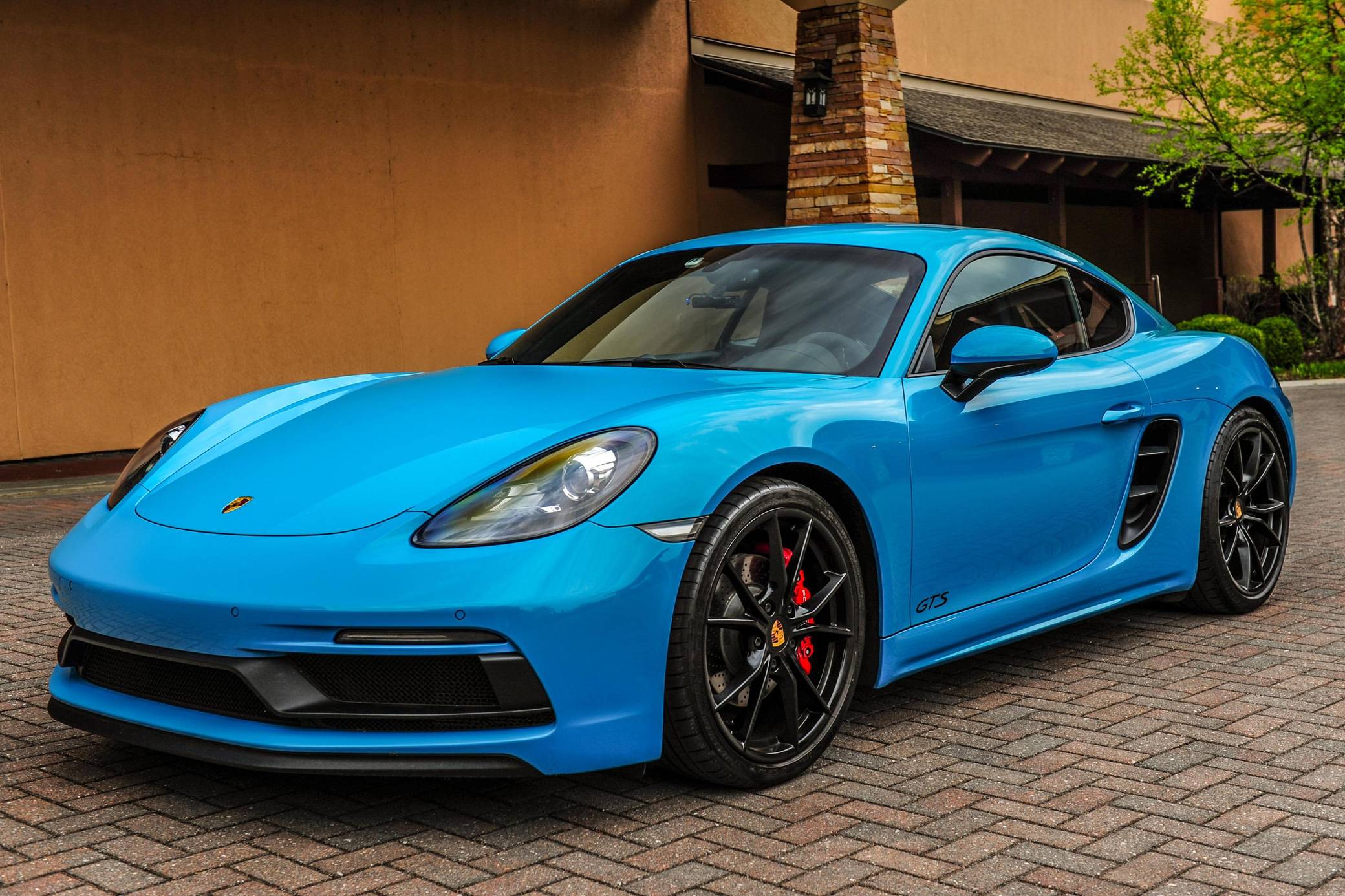
2. Porsche 718 Cayman S (982 Generation, 2019 to 2024)
Balanced mid-engine dynamics define the Porsche 718 Cayman S, a coupe designed around agility, precision handling, and driver-centered performance. In Honolulu, it delivers strong responsiveness on coastal roads where quick steering input and controlled cornering matter more than passenger capacity or storage flexibility.
Steering calibration is direct and highly responsive, allowing smooth transitions through traffic-heavy beachfront corridors. Short wheelbase design enhances maneuverability, especially in tight urban environments near Waikiki, where parking and lane spacing can become restrictive during peak hours.
Interior design prioritizes driver focus. Seating position, instrument layout, and cabin orientation support concentrated driving engagement. Rear passenger space is absent, confirming its role as a two-seat performance coupe with no capacity for group transport.
Cargo storage is split between front and rear compartments, yet total volume remains limited. Beach equipment cannot be carried in a meaningful quantity without external carriers. This restricts practicality for group outings requiring chairs, coolers, and recreational gear.
Suspension tuning emphasizes stability during cornering and road precision. Feedback from road surfaces remains clear, supporting driver awareness during coastal drives. Comfort is secondary, particularly when compared with vehicles designed for multiple passengers.
Parking capability is strong due to compact dimensions. The Cayman S fits easily into standard urban parking spaces near beachfront locations, making it convenient for short individual visits. Low ride height requires attention in uneven parking areas. Fuel efficiency remains moderate for a performance coupe, with consumption rising during aggressive driving.
Steady cruising along coastal routes provides balanced efficiency suitable for daily personal use. The Porsche 718 Cayman S operates strictly as a personal driving machine. Its engineering prioritizes responsiveness and precision, while its limited space eliminates suitability for group beach transport in Honolulu.
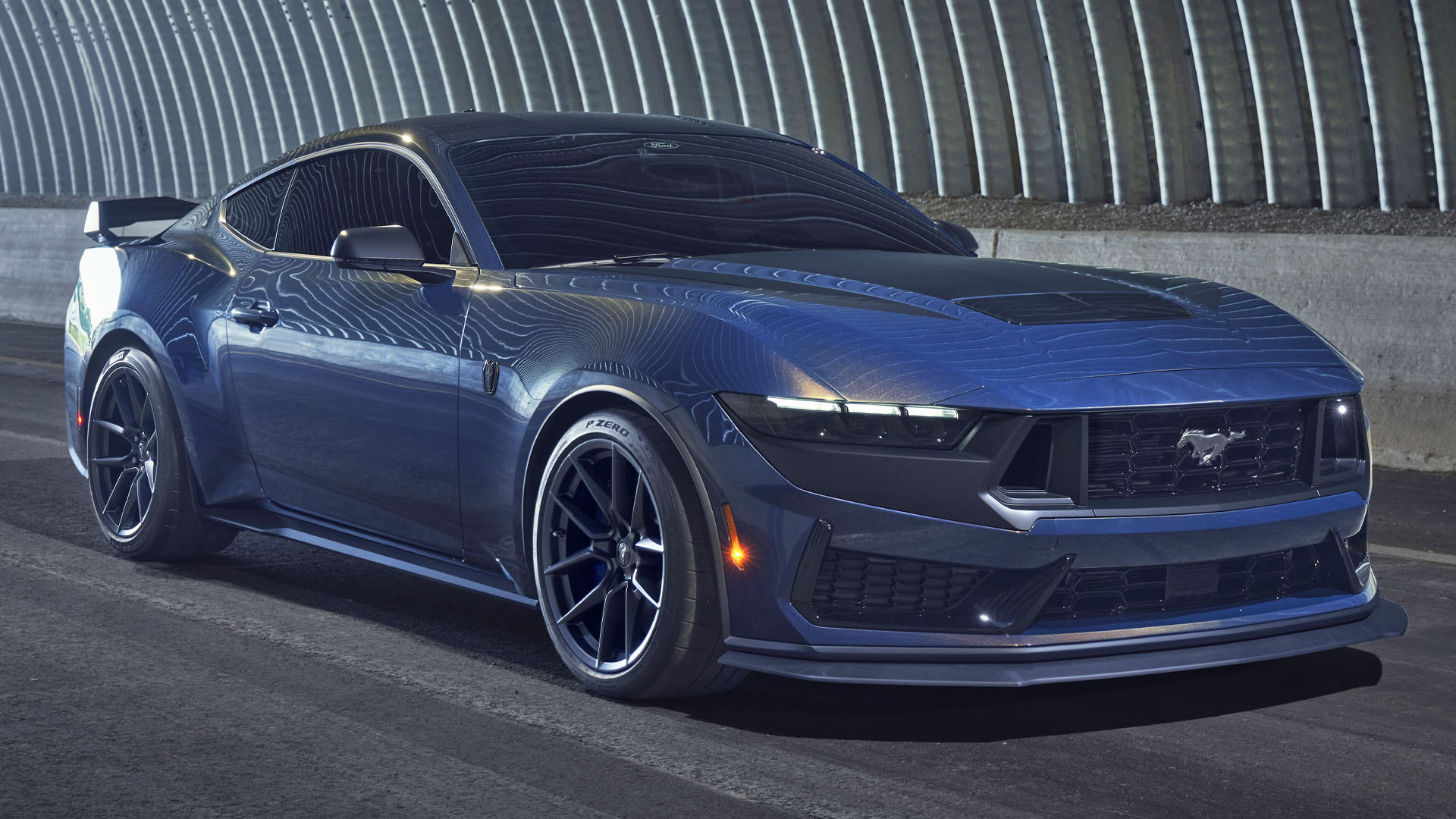
3. Ford Mustang EcoBoost Fastback Coupe (S650 Generation, 2024 to 2025)
American muscle styling defines the Ford Mustang EcoBoost Fastback Coupe, blending turbocharged performance with compact coupe practicality. In Honolulu, it delivers strong acceleration and responsive handling suited for solo coastal drives rather than coordinated group beach travel.
Steering feel balances stability with responsiveness, allowing controlled movement through busy beachfront traffic zones. Wide stance supports cornering confidence along coastal roads, while compact cabin proportions maintain manageable urban driving behavior.
Interior layout centers on the driver, with front seating designed for comfort and control. Rear seating exists but remains limited in practicality for adult passengers, reducing suitability for group transport during beach outings.
Cargo space in the fastback trunk provides moderate storage for personal items, yet falls short when handling group beach equipment. Folding rear seats extend usable space slightly, though not enough for multiple passengers’ gear requirements.
Suspension tuning leans toward sporty firmness, delivering controlled handling during acceleration and cornering. Road feedback remains present, especially on uneven coastal surfaces, reinforcing its performance-focused identity.
Parking performance benefits from relatively compact dimensions compared with larger muscle cars. The Mustang fits into standard urban parking spaces near Honolulu beaches, though longer doors require careful spacing in tight lots.
Fuel consumption depends on driving style. Gentle cruising provides reasonable efficiency, while aggressive throttle use increases consumption due to turbocharged output. The Mustang EcoBoost Fastback Coupe performs best as a personal performance vehicle.
Its design emphasizes driving enjoyment and road presence, while passenger and cargo limitations place it outside practical use for group beach transportation in Honolulu.
Also Read: 5 Convertibles for Ocean Drive In Miami vs. 5 Interiors That Melt in Florida Heat
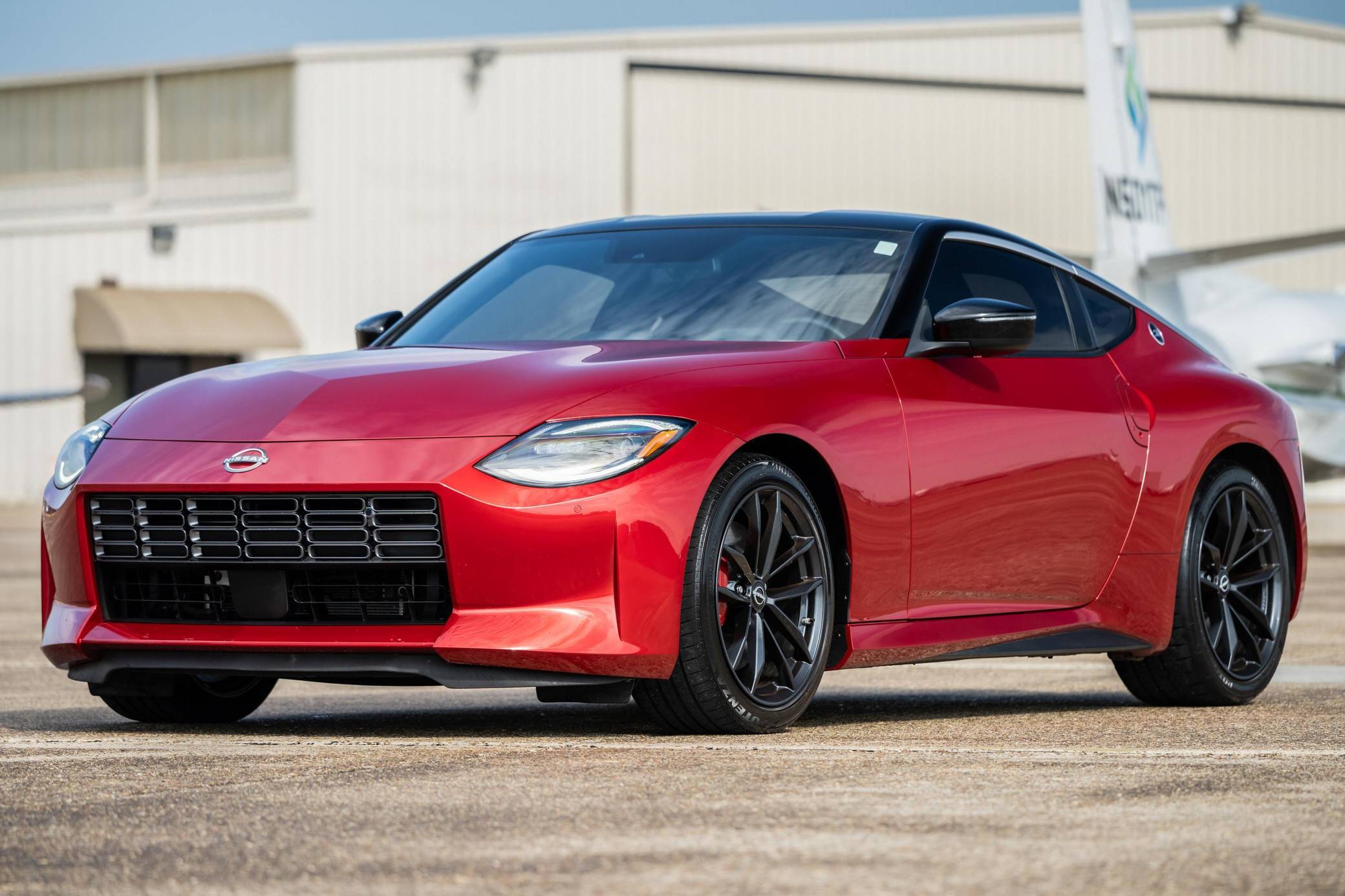
4. Nissan Z Performance Coupe (RZ34 Generation, 2023 to 2024)
Modern retro-inspired engineering defines the Nissan Z Performance Coupe, built around rear-wheel-drive behavior and a driving experience centered on precision rather than utility. In Honolulu, this coupe feels most at home during solo coastal drives where road flow, ocean views, and steady traffic patterns allow the driver to appreciate its controlled acceleration and responsive handling.
It performs best in situations where individual travel is the priority, especially along shoreline routes that connect Waikiki, Diamond Head, and other scenic corridors. Steering input responds with direct feedback, giving the driver a strong sense of connection to the road surface.
This responsiveness supports confident lane changes in dense traffic conditions common around Waikiki, where hotel traffic, ride-share movement, and pedestrian crossings create constant motion. The compact wheelbase contributes to agility, making short urban trips feel efficient and controlled even when traffic density increases during peak beach hours.
Interior arrangement focuses entirely on the driver. The cockpit layout positions controls within close reach, reinforcing a driver-centered environment. Seating supports a two-person arrangement, though rear seating space is absent, reinforcing its role as a personal vehicle rather than a shared transport option. Passenger capacity limitations place clear boundaries on its use during group beach outings, since it cannot accommodate additional riders beyond the front seats.
Cargo capacity remains restricted to a small rear storage area. This space is suitable for light personal items such as a backpack, small cooler, or beach towel set. Group beach requirements, including umbrellas, folding chairs, snorkeling equipment, and larger coolers, exceed what the trunk can handle.
Suspension tuning prioritizes road connection and cornering stability. Ride comfort exists at a secondary level compared to performance response. On Honolulu’s coastal roads, especially those with gentle curves and consistent pavement quality, the vehicle maintains strong composure during directional changes. This supports a driving experience that emphasizes engagement rather than relaxation.
Parking convenience benefits from compact exterior dimensions. The Nissan Z Performance Coupe fits into standard urban parking spaces near beachfront areas and commercial zones around Honolulu. This allows quick stops for individuals visiting the beach, dining areas, or scenic viewpoints without difficulty in locating a parking space.
Fuel consumption depends heavily on driving behavior. Controlled driving keeps usage within moderate levels, while aggressive acceleration increases fuel demand due to turbocharged engine output. This creates a direct relationship between driving style and efficiency, rewarding smooth operation during relaxed coastal travel.
The Nissan Z Performance Coupe remains a focused driver-oriented vehicle designed for performance enjoyment. Its structure, seating limitation, and restricted cargo capacity position it firmly as a personal-use coupe rather than a suitable option for group beach transportation across Honolulu’s coastal environment.
