A shrinking group of vehicles still offers manual gearboxes in the United States, standing in sharp contrast to a growing list of modern automatics that prioritize complexity over feel. This comparison highlights two very different philosophies in automotive engineering: one focused on direct driver involvement, and the other on efficiency, software control, and convenience.
Manual transmissions in performance cars, sports cars, and rugged trucks continue to deliver precise engagement, allowing drivers to feel every shift and manage power with intent. Meanwhile, many modern automatics and CVTs, despite their technological advancement, often introduce hesitation, abrupt shifts, or artificial behavior that can make everyday driving less predictable.
The divide between these six remaining manual setups and six widely criticized automatic systems shows how far the industry has moved toward automation, sometimes at the cost of tactile feedback. Enthusiasts still gravitate toward manuals for their honesty and mechanical connection, even as automatics dominate production and sales.
6 Manual Gearboxes Left In the USA
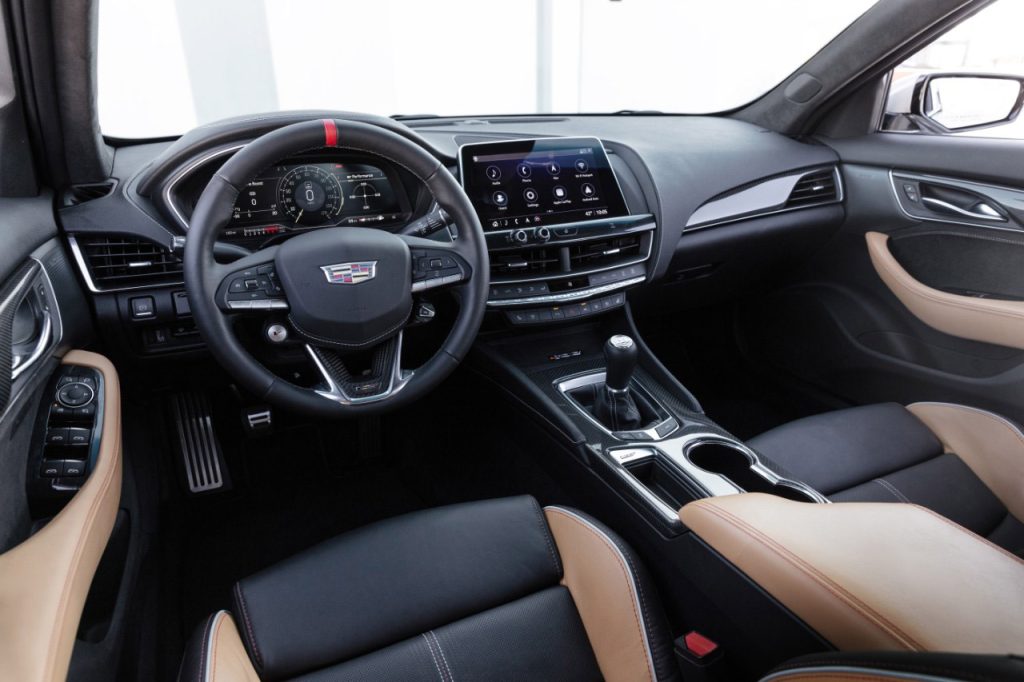
1. Cadillac CT5-V Blackwing (Tremec TR-6060): The Pinnacle of Modern Manual Performance
The Cadillac CT5-V Blackwing, equipped with the Tremec TR-6060 six-speed manual, stands as a benchmark for high-performance American sedans, blending raw power with refined driver engagement.
At its core is a 668-horsepower supercharged 6.2L V8, paired with a transmission engineered to handle immense torque while delivering a precise, mechanical, and deeply satisfying shift feel. This combination has earned it a reputation as one of the best manual driving experiences ever offered in a production sedan.
What sets the TR-6060 apart is its balance of durability and finesse. Built for high-torque applications, it offers crisp, short-throw shifts and a well-weighted clutch with a clearly defined bite point, making it surprisingly manageable for daily driving despite its performance focus.
The gearbox also features advanced technologies like “No-Lift Shift,” which allows drivers to keep the accelerator fully pressed during gear changes to maintain boost, and Active Rev Matching, which ensures smooth, perfectly timed downshifts. These features enhance both speed and control, whether on the road or track.
Driver-focused engineering is evident throughout. The shifter design, developed with Tremec, includes thoughtful details such as optimized ratios for quicker acceleration and even a 3D-printed metal medallion to maintain a comfortable touch temperature.
Additionally, the transmission incorporates track-ready enhancements like improved cooling systems and a robust twin-disc clutch, ensuring consistent performance under demanding conditions.
Beyond its technical excellence, the CT5-V Blackwing represents the end of an era. As one of the last V8-powered, rear-wheel-drive luxury sedans available with a manual transmission, it symbolizes the “save the manuals” movement. It delivers a rare blend of luxury, practicality, and old-school driving engagement that is increasingly disappearing in today’s shift toward automation and electrification.
While its tall gearing and immense power can occasionally limit frequent shifting or challenge traction in lower gears, these are minor trade-offs. Ultimately, the Tremec TR-6060 in the CT5-V Blackwing offers an unmatched combination of performance, precision, and emotional connection, solidifying its place as a modern icon for driving enthusiasts.
2. Mazda MX-5 Miata (Skyactiv-MT): Precision, Simplicity, and Pure Driving Feel
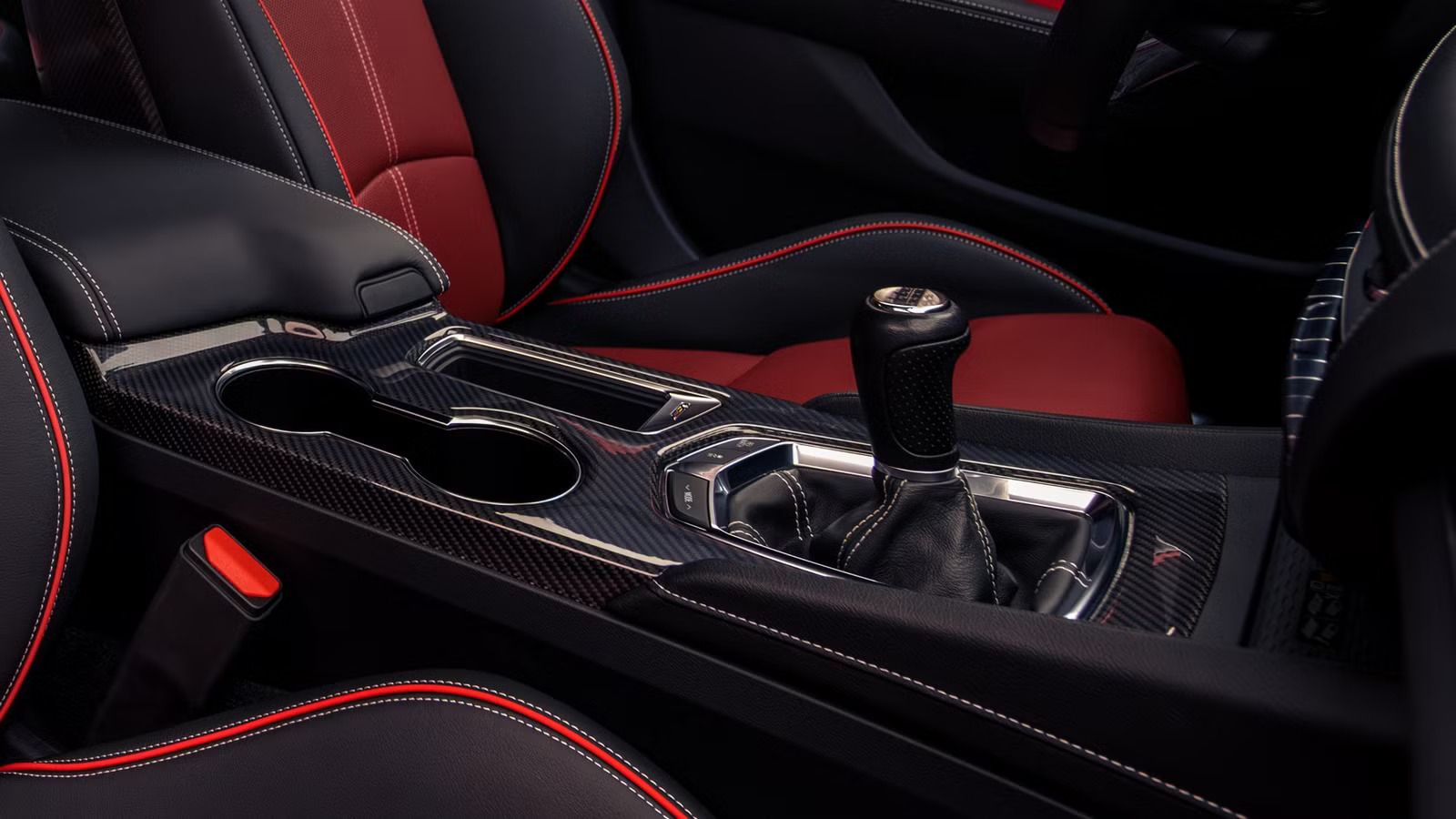
The Mazda MX-5 Miata’s Skyactiv-MT 6-speed manual transmission is widely celebrated as one of the best driver-focused gearboxes available. Known for its iconic “snick-snick” action, it delivers short, crisp throws and a direct mechanical linkage that creates a strong sense of connection between driver and drivetrain.
Each shift feels precise and satisfying, achieved through meticulous engineering that fine-tunes internal friction and even the weight of the shift knob for consistent, tactile feedback.
This transmission is specifically designed to complement the Miata’s lightweight and balanced nature. With a curb weight of roughly 2,300 pounds and an output of about 181 horsepower, the car does not rely on brute force. 4
Instead, the gearbox enables quick, effortless shifts that can be executed with minimal movement, making it ideal for both spirited driving and daily use. The result is a responsive, agile experience that feels lively at any speed.
A key strength of the Skyactiv-MT lies in how it enhances driver engagement. Built around Mazda’s “Jinba Ittai” philosophy, the transmission fosters a sense of unity between driver and machine.
The clutch pedal is light yet predictable, allowing for smooth engagement in traffic while still offering the feedback enthusiasts expect. The pedal layout is also well-suited for techniques like heel-and-toe downshifting, giving drivers greater control during performance driving.
The gearing is carefully configured to keep the engine within its optimal power range, encouraging higher revs and a more involved driving style. A slightly longer first gear adds to the car’s energetic character, while the precise shifter ensures accurate gear selection every time. This balance of usability and excitement makes the transmission equally suited for everyday commutes and track sessions.
Reliability is another strong point. The Skyactiv-MT is known for its durability and straightforward design, which helps reduce maintenance complexity over time. Affordable and accessible, it reinforces the Miata’s reputation as a true enthusiast’s sports car. In a market increasingly dominated by automatic transmissions, this gearbox remains a standout feature that delivers unmatched driver satisfaction.
3. Honda Civic Type R / Si: Precision-Engineered Manuals for Everyday Performance
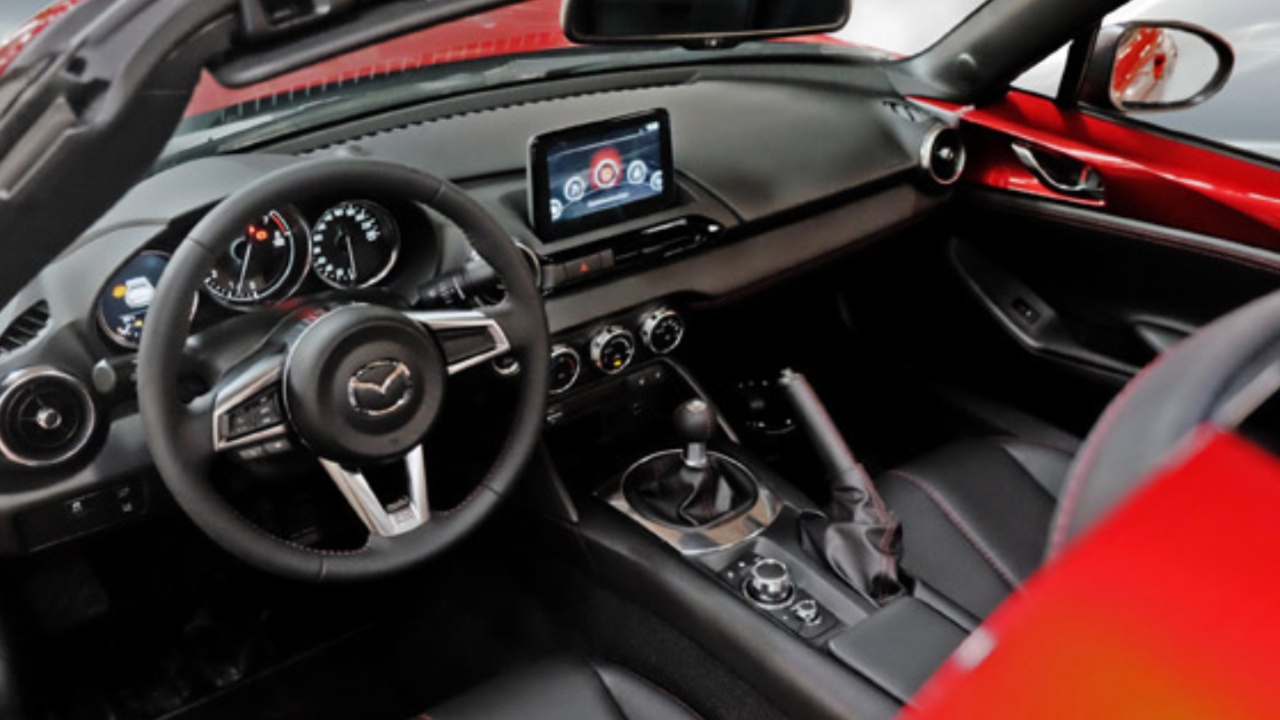
The Honda Civic Type R and Civic Si are widely regarded as benchmarks for front-wheel-drive manual transmissions, offering a rare combination of precision, engagement, and everyday usability. Honda has built a strong reputation for crafting some of the best manual gearboxes in the industry, and these two models continue that legacy with highly refined six-speed transmissions designed for both enthusiasts and daily drivers.
A defining feature of these gearboxes is their exceptional shift quality. The throws are short, tight, and mechanical, delivering a crisp, metallic feel that avoids the vague or rubbery sensation often found in less performance-focused cars.
The Type R in particular uses a weighted aluminum teardrop shift knob that enhances tactile feedback, allowing each gear change to feel deliberate and precise. This level of accuracy transforms the driving experience, making even routine shifts satisfying.
Both models also feature advanced rev-match control systems that automatically adjust engine speed during downshifts. This ensures smooth gear changes and helps maintain stability, especially during aggressive driving or cornering.
The system is among the quickest and most responsive available, making it valuable for both track use and everyday traffic situations. In addition, a helical limited-slip differential is standard in both the Type R and Si, improving traction and reducing wheel spin when accelerating out of corners.
Despite their performance focus, these transmissions remain accessible and easy to use. The clutch in both cars has a well-defined bite point and is relatively light, especially in the Civic Si, which is tuned for comfort and daily drivability.
The Type R offers a slightly heavier, more performance-oriented feel, suited for high-speed driving and track conditions. Pedal placement in both models is excellent, allowing for techniques like heel-and-toe shifting.
The distinction between the two lies in their character. The Type R, with its higher power output, is built for aggressive performance and track precision, while the Si provides a more affordable and approachable experience without sacrificing engagement. Both models stand out in a market shifting toward automatics, preserving the joy of manual driving through thoughtful engineering and driver-focused design.
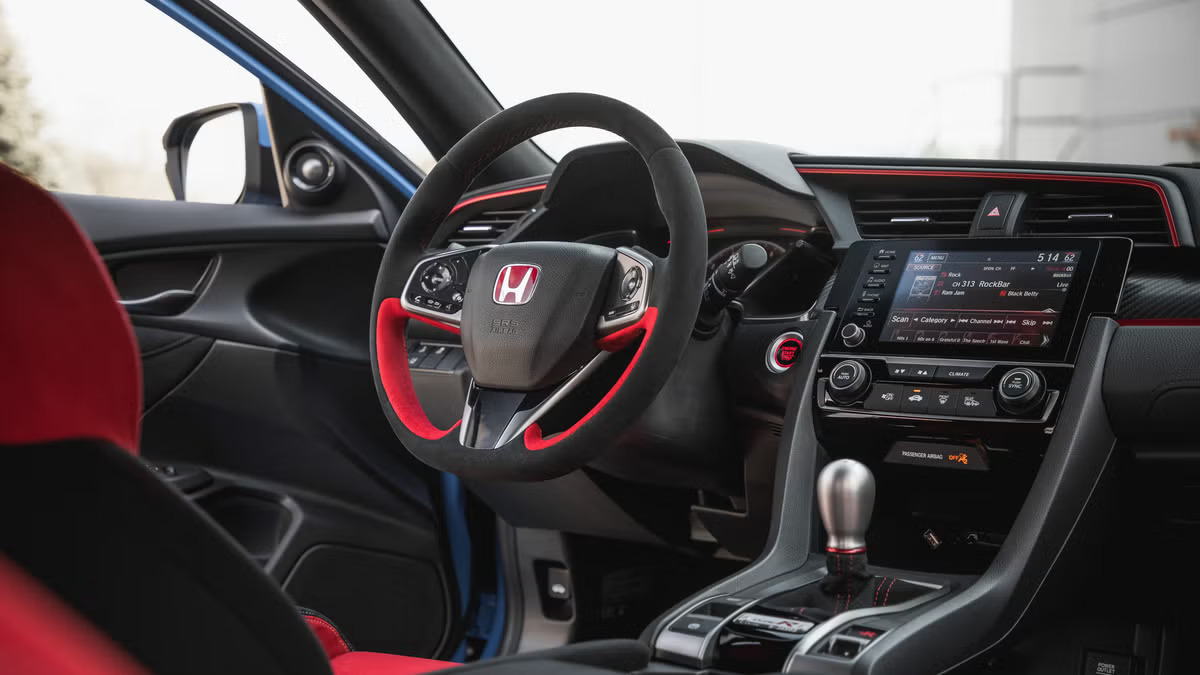
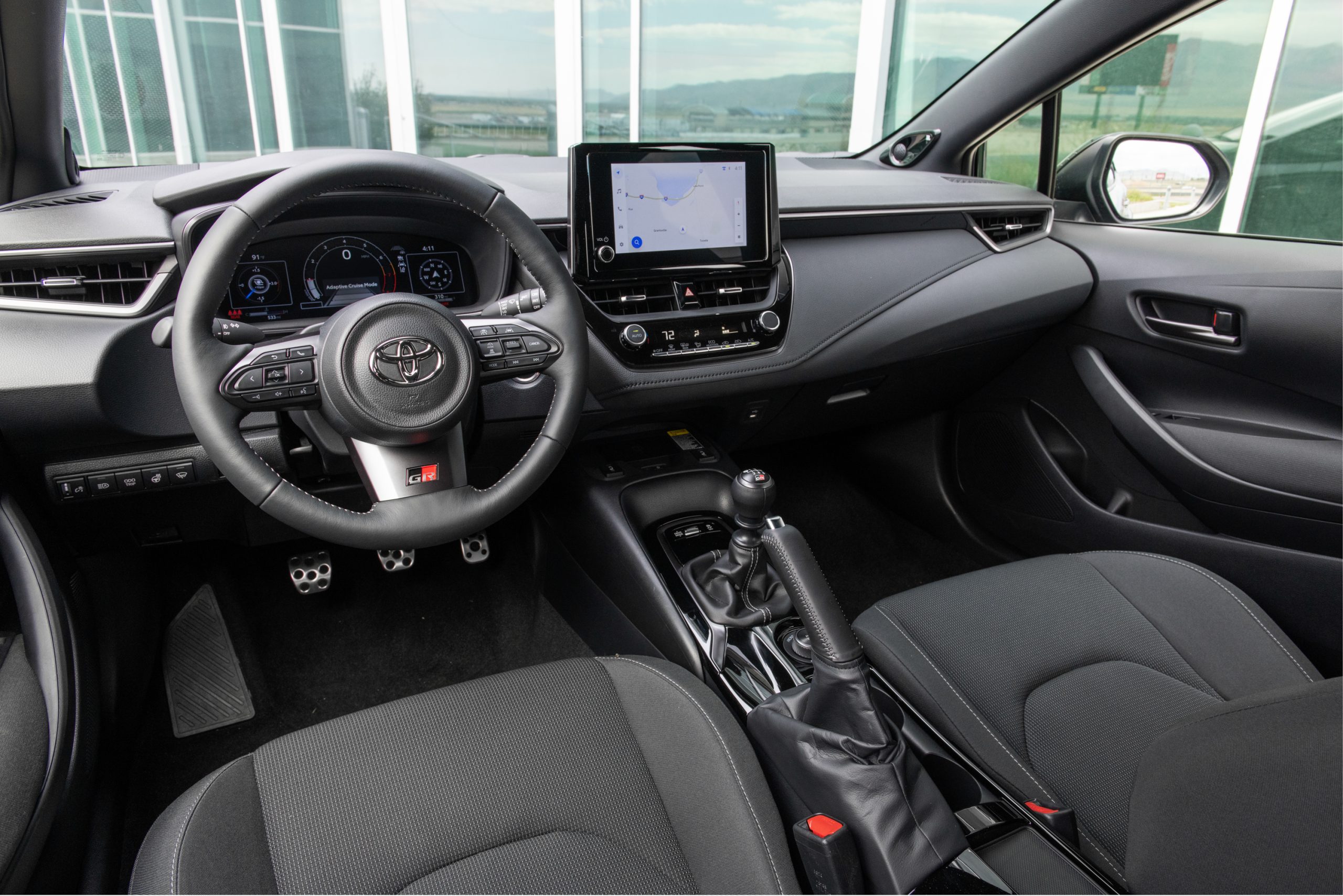
4. Toyota GR Corolla / GR86: Raw, Mechanical Manuals for Modern Enthusiasts
Toyota’s GR performance lineup has reintroduced a focus on driver engagement, and the manual transmissions in the GR Corolla and GR86 stand out as some of the most exciting options available today. Both cars deliver a raw, mechanical feel that prioritizes connection and control, offering a refreshing alternative in a market increasingly dominated by automatics.
The GR Corolla features a six-speed intelligent Manual Transmission, or iMT, designed to handle the demands of its rally-inspired all-wheel-drive system and turbocharged three-cylinder engine. This gearbox combines durability with usability, offering precise yet slightly notchy shifts that emphasize its rugged character.
The iMT system includes automatic rev-matching, helping drivers achieve smooth downshifts while maintaining stability during aggressive driving. Despite its performance focus, the transmission remains approachable, making it suitable for both experienced drivers and newcomers to manual cars.
In contrast, the GR86 delivers a more traditional rear-wheel-drive sports car experience. Its six-speed manual gearbox is tuned for balance and feedback, with a short-throw shifter that feels direct and engaging.
Compared to competitors, the GR86’s transmission has a slightly more mechanical and tactile nature, encouraging deliberate and precise inputs. Paired with a naturally aspirated flat-four engine, the gearbox invites drivers to stay high in the rev range, rewarding them with a lively and responsive driving experience.
Both transmissions share a distinct personality. They are more notchy and mechanical than some rivals, which adds to their appeal for enthusiasts who prefer a more involved driving style.
This character suits the “tossable” nature of both cars, making them ideal for spirited driving on twisty roads or track use. The manual option in each model is also widely considered superior to the automatic, offering better responsiveness and a stronger sense of control.
Another key strength is accessibility. The GR Corolla and GR86 remain relatively affordable compared to other performance cars, making them some of the few modern vehicles that still prioritize manual driving enjoyment. Together, they represent Toyota’s commitment to keeping enthusiast-focused engineering alive, delivering engaging, durable, and highly rewarding manual experiences.
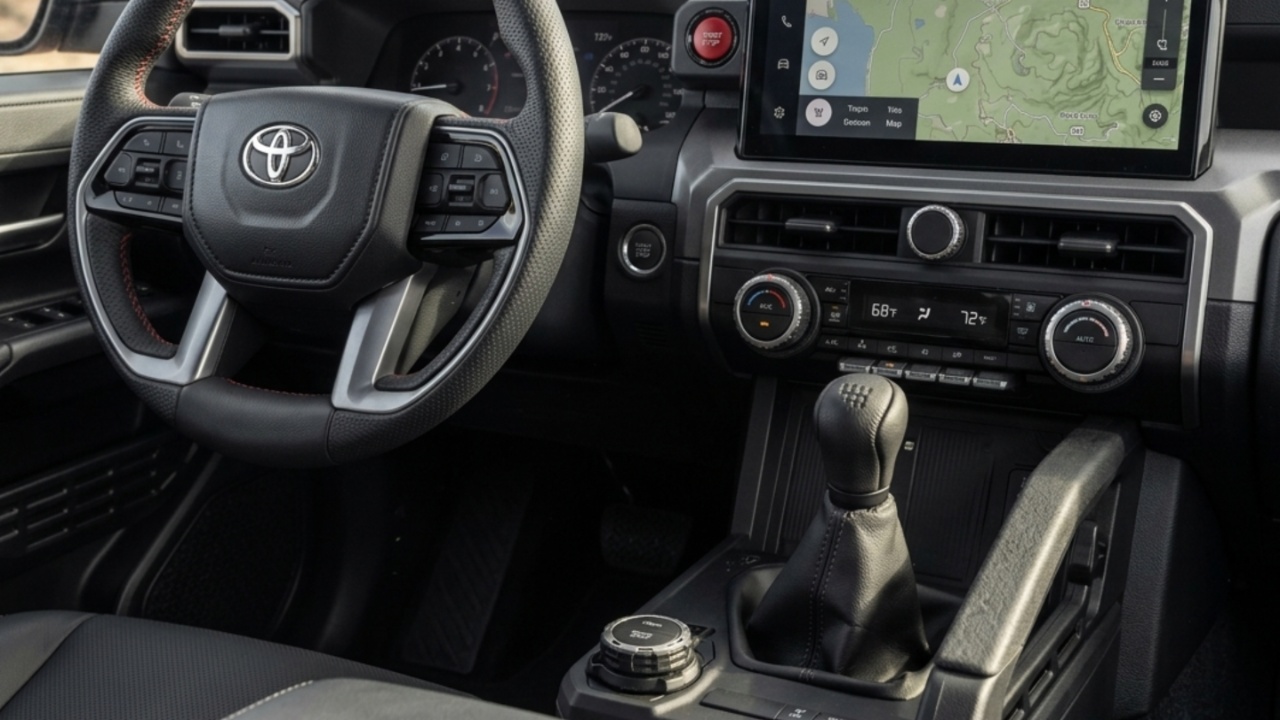
5. Toyota Tacoma (6-Speed AC60): A Rugged Manual Focused on Control and Durability
The Toyota Tacoma 6-speed AC60 manual transmission is one of the last remaining manual options in the midsize truck segment, offering a driving experience centered on mechanical control, durability, and off-road capability. In a market dominated by automatic transmissions, it continues to serve drivers who value direct engagement and traditional three-pedal operation.
This gearbox is built as a rugged utility unit rather than a performance-oriented transmission. It features long shifter throws and a heavier clutch, which create a deliberate and mechanical feel. Gear changes require more effort compared to modern sports-focused manuals, but this adds to its sturdy and purposeful character. The result is a transmission that feels robust and well-suited to demanding use.
A major strength of the Tacoma manual is its off-road performance. It provides precise low-speed control, which is especially useful in rock crawling and steep descents. Engine braking is more effective than in automatic-equipped models, giving drivers greater stability and control on difficult terrain.
Toyota also includes modern assists such as Intelligent Manual Transmission rev-matching for smoother downshifts, an anti-stall system to prevent stalling in tough conditions, and a clutchless start feature that helps the truck move forward on steep or uneven surfaces with less effort.
Durability is another key advantage. The AC60 transmission is designed to withstand high torque and long-term use, making it dependable for both work applications and off-road adventures. Its simpler mechanical construction also supports strong reliability and easier maintenance compared to more complex automatic systems.
There are some drawbacks. The long clutch travel and less precise shifter feel can make everyday driving less refined, especially in heavy traffic. Acceleration is generally slower than the automatic version, and fuel efficiency is slightly reduced. Gear changes can also feel less smooth during stop-and-go conditions.
Despite these compromises, the Tacoma manual remains highly valued for its engagement and control. For drivers who prioritize durability, mechanical connection, and off-road capability, it continues to be a rare and meaningful option in today’s truck market.
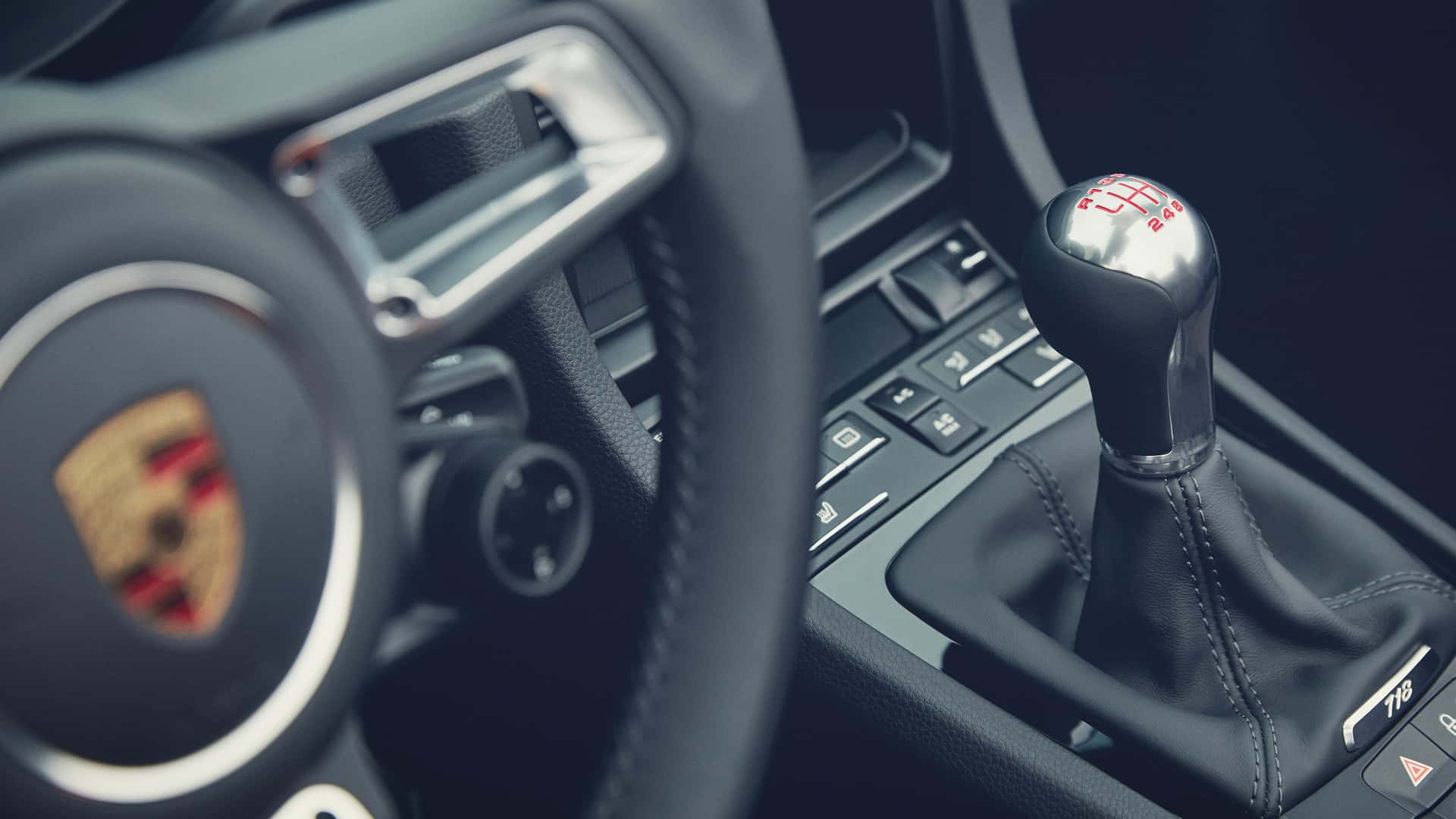
6. Porsche 718 and 911 Manual Gearboxes: Precision, Balance, and Driver Focus
The Porsche 718 and 911 manual transmissions are widely regarded as some of the most refined and technically advanced manual gearboxes available today. Offered as six-speed units in the 718 Cayman and Boxster, and as both six-speed and unique seven-speed configurations in the 911, they are engineered to deliver a highly precise and engaging driving experience for enthusiasts who value direct mechanical interaction.
A standout feature of these gearboxes is their exceptional shift quality. The throws are short, accurate, and distinctly mechanical, with clearly defined gates that make gear selection confident even during aggressive driving.
A dual-mass flywheel helps balance smoothness with responsiveness, ensuring that the drivetrain remains refined without losing immediacy. The clutch is consistently praised for its predictable engagement and well-balanced weight, contributing to a highly controlled and satisfying driving feel.
The seven-speed manual found in the 911 adds versatility by blending performance with long-distance usability. Gears one through six are closely spaced for spirited driving and track use, while seventh gear is designed for relaxed highway cruising and improved fuel efficiency. The six-speed version in the 718 lineup is often favored for its more direct and traditional mechanical feel, offering slightly more raw engagement.
Driver involvement is a core strength of Porsche manuals. They provide a more emotional and tactile experience compared to the faster PDK automatic.
While PDK delivers quicker acceleration and sharper track performance, the manual transmission emphasizes connection, rhythm, and control. Many enthusiasts also appreciate the reduced weight of manual-equipped models, which enhances balance and responsiveness during spirited driving.
Porsche continues to offer manual options in select high-performance trims, including GT models, where they are intentionally retained for purists. This ensures that a deeply engaging analog driving experience remains available alongside advanced automated systems.
The Porsche 718 and 911 manual gearboxes stand out for their precision, usability, and strong driver feedback. They combine engineering sophistication with a rewarding sense of control, making them some of the most respected manual transmissions in modern performance cars.
Also read: 6 Cars for Small American Garages vs 6 Trucks That Won’t Fit
6 Clunky Automatics
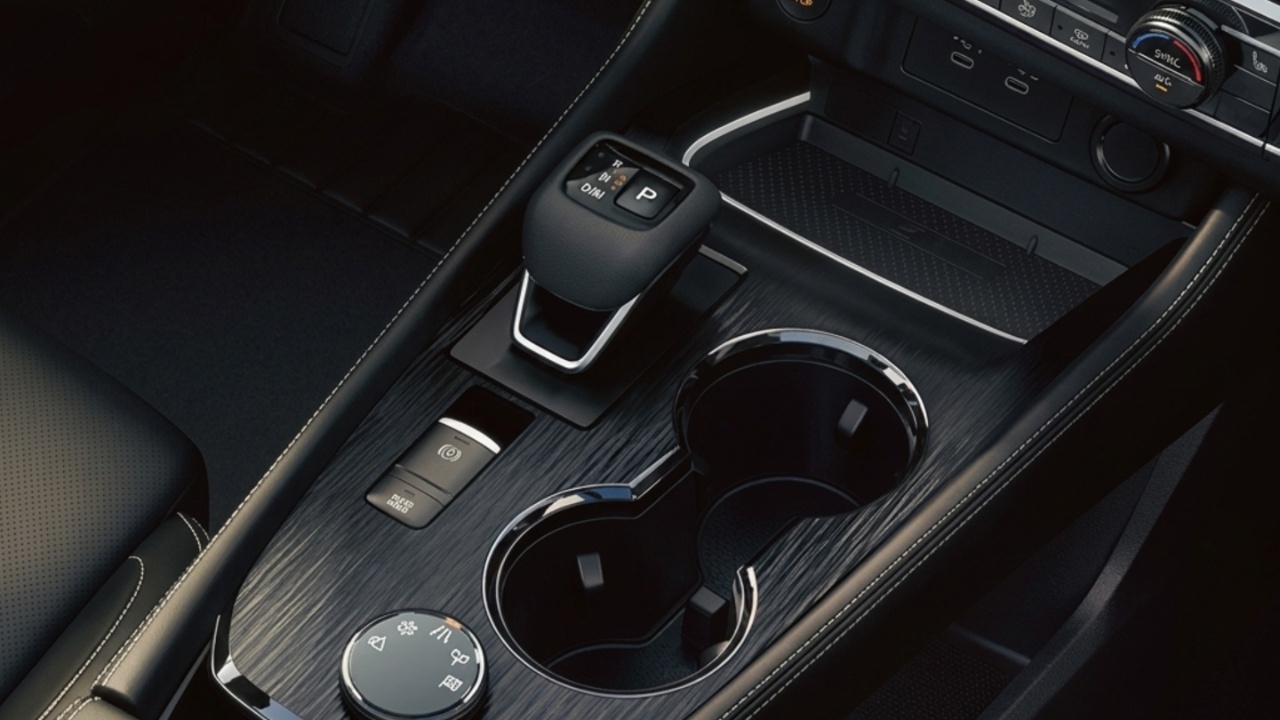
1. Nissan Xtronic CVT: Smooth Intent, Troubled Execution
The Nissan Xtronic CVT (Continuously Variable Transmission) is widely known in the United States for its controversial driving feel and reliability concerns. Unlike traditional automatic gearboxes that use fixed gears, this CVT relies on a belt-and-pulley system.
While the design aims to deliver smooth and efficient acceleration, many drivers describe the experience as disconnected and unresponsive, often comparing it to a “rubber band” effect where engine speed rises before the vehicle speed catches up.
One of the most common complaints is the lack of direct mechanical engagement. During acceleration, especially when merging or overtaking, the engine can hold high RPMs with little immediate increase in speed. This creates a sensation of delay followed by sudden movement, which can feel inconsistent in real-world driving conditions.
Early versions of the transmission also gained a reputation for reliability issues, including overheating, belt slipping, and internal pulley damage, which in some cases led to early transmission failure and large-scale warranty extensions and legal action.
Mechanical wear has been a key problem area. Belt slippage can cause vibration or “judder” at low speeds, while damaged pulley surfaces worsen performance over time. Overheating has also been a recurring issue, particularly in older models or under heavy driving conditions. In extreme cases, the transmission may enter a reduced-power safety mode, limiting acceleration to prevent damage.
Drivers have also reported hesitation during throttle input, followed by abrupt acceleration, which makes smooth traffic driving more difficult. Additional characteristics include a constant engine drone at higher RPMs and a noticeable lack of shift points, which some drivers find unsettling compared to conventional automatics.
Although Nissan has improved newer versions with better cooling systems and revised components, the earlier reputation continues to influence perceptions. Despite its intended efficiency benefits, the Xtronic CVT is often remembered more for its inconsistent driving behavior than for its smoothness advantage.
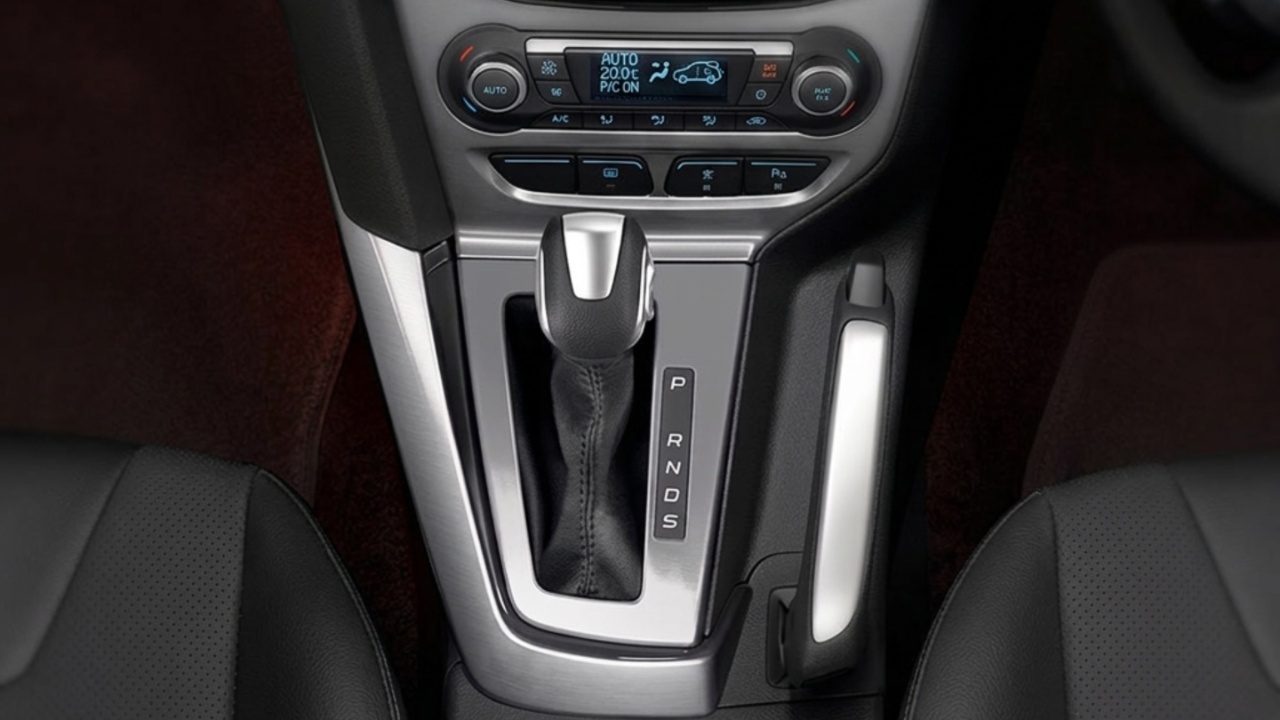
2. Ford PowerShift DCT: Efficiency Goal, Execution Failure
The Ford PowerShift dual-clutch transmission (DCT), used in 2011–2016 Fiesta and 2012–2016 Focus models in the United States, is widely regarded as one of the most problematic automatic transmissions of its era. Designed to combine manual transmission fuel efficiency with automatic convenience, it instead delivered inconsistent performance, especially in stop-and-go traffic.
At the core of the issue is its dry-clutch design. Unlike wet-clutch systems that use fluid for cooling and lubrication, the PowerShift relies on dry clutches that are more prone to heat buildup and wear. This makes the system particularly vulnerable in urban driving conditions. Over time, excessive heat leads to clutch warping, slippage, and premature wear, often resulting in shuddering and jerking during acceleration.
Another major problem lies in software calibration. The Transmission Control Module frequently mismanages clutch engagement, causing delayed shifts, abrupt gear changes, and unpredictable hesitation. Drivers often experience a noticeable vibration when moving off from a stop, followed by uneven acceleration that feels unstable and inconsistent.
Mechanical reliability issues further worsened its reputation. Faulty seals allowed fluid contamination of the dry clutches, accelerating failure. In some cases, the transmission would unexpectedly slip into neutral or hesitate during acceleration, creating safety concerns in situations such as merging into traffic. When overheating occurred, the system could enter a protective limp mode, reducing performance to prevent damage.
These issues were especially pronounced in U.S. driving conditions, where frequent stop-and-go traffic placed heavy stress on the transmission. Multiple software updates and warranty extensions were introduced, but many problems persisted due to the underlying design limitations.
Compared to traditional torque-converter automatics or wet-clutch DCT systems, the PowerShift’s dry-clutch architecture proved less durable and less forgiving. Its combination of jerky behavior, reliability issues, and inconsistent shifting led to widespread consumer dissatisfaction and legal action, cementing its reputation as one of Ford’s most criticized transmissions.
3. Early ZF 9-Speed Automatic: Complexity That Compromised Smoothness
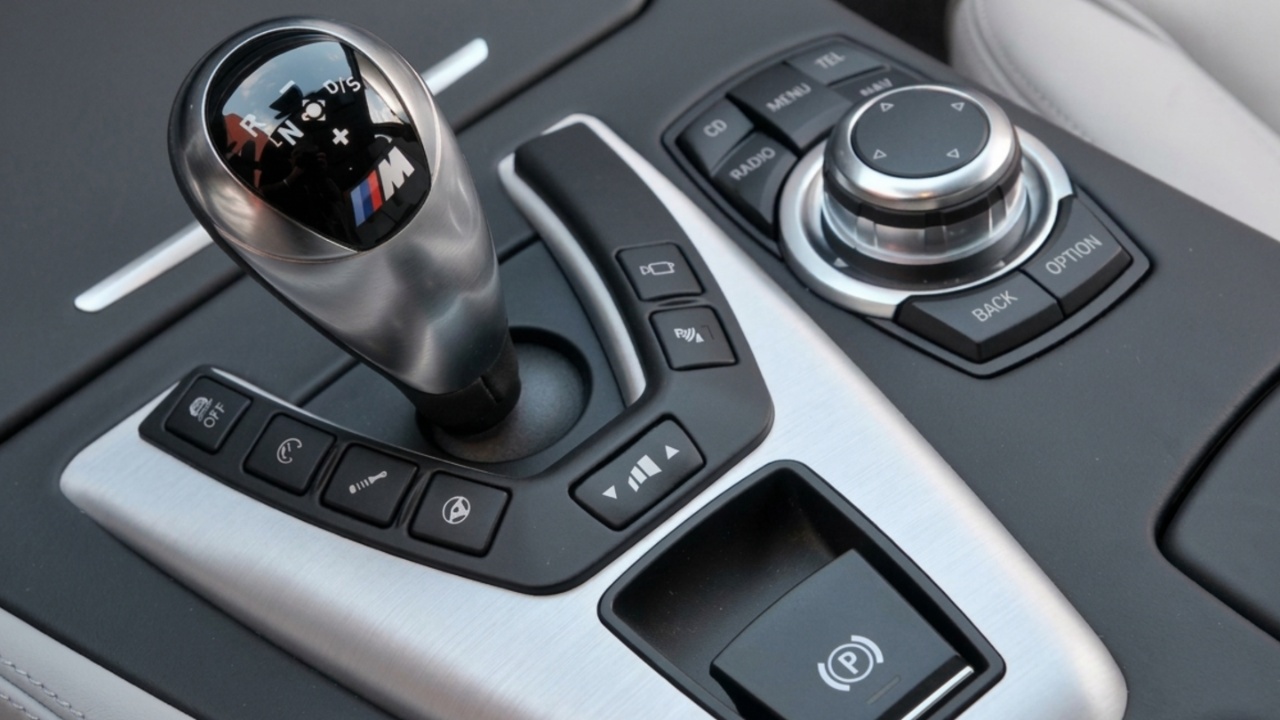
The early ZF 9-speed automatic transmission, particularly the 9HP units introduced around 2014 to 2016, gained a strong reputation in the United States for being unrefined and inconsistent in real-world driving.
Used in vehicles such as the Jeep Cherokee, Chrysler 200, Jeep Renegade, and later some Honda and Acura models, it was designed to improve fuel efficiency through a wide gear range. However, the complexity of its design often led to poor drivability and unpredictable shifting behavior.
A major source of criticism comes from its internal architecture. The transmission uses a combination of planetary gearsets, multi-plate clutches, and two dog clutches. While this design helps reduce size and weight, the dog clutches require brief interruptions in power delivery during gear changes.
This creates a sensation similar to the transmission briefly going into neutral, resulting in hesitant or jerky shifts, especially during low-speed driving or quick acceleration.
Software calibration issues further worsened performance. The transmission control logic often struggled to select the correct gear at the right time, leading to delayed throttle response and inconsistent acceleration.
Drivers frequently experienced gear hunting, where the transmission rapidly switched between gears at steady speeds, creating a rough and unsettled driving feel. Cold-weather operation also highlighted sluggish response and harsh engagement.
Reliability concerns added to its reputation. Some early units suffered from electrical wiring issues that could cause sudden shifts into neutral while driving, raising safety concerns. Other problems included parking pawl failures and overheating under demanding conditions, such as towing or steep inclines.
In the U.S. market, these issues became widely reported across several high-volume vehicles, resulting in customer complaints, dealership repairs, and legal action. Many owners required repeated software updates, recalibrations, or even full transmission replacements to address persistent problems.
Although later revisions improved refinement through updated software and mechanical adjustments, early versions of the ZF 9-speed remain known for prioritizing efficiency over smooth, predictable performance.
4. Hyundai/Kia Dry DCT: Efficiency-Focused Design with Urban Driving Trade-Offs
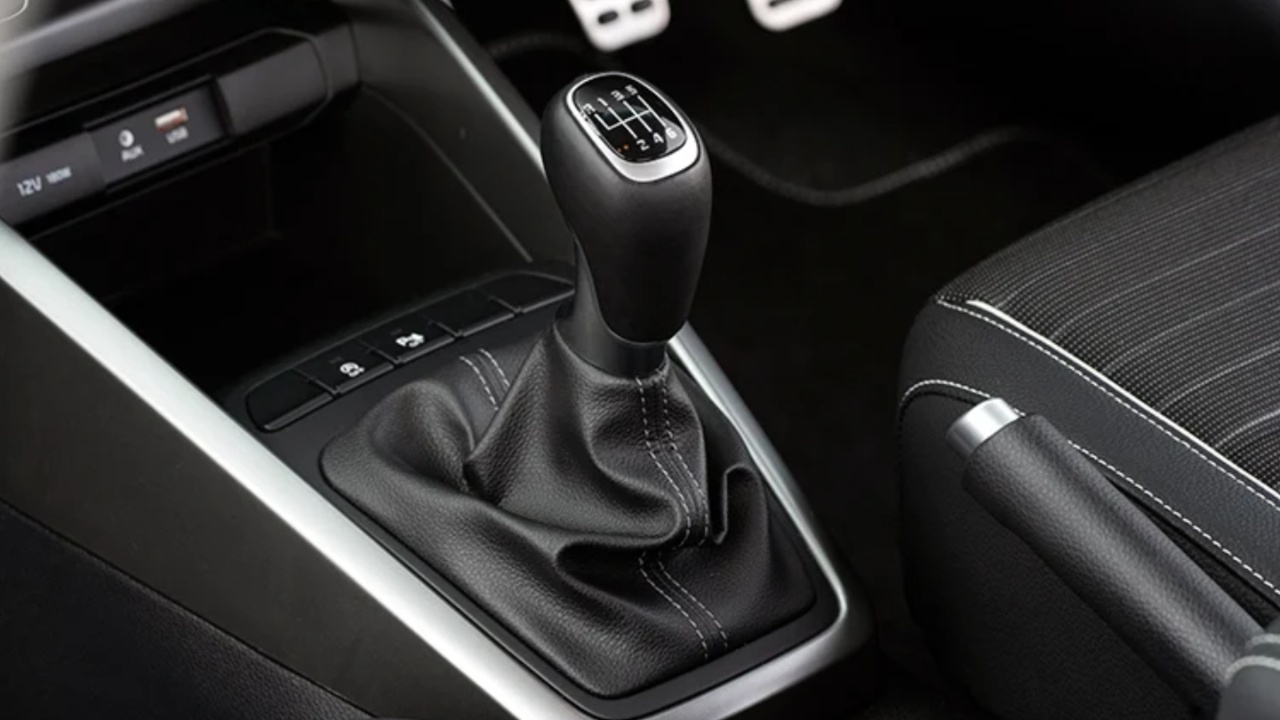
Hyundai and Kia’s early 7-speed dry dual-clutch transmissions (DCTs) were developed with a strong focus on fuel efficiency and quick gear changes. However, in real-world urban driving conditions, particularly in the United States, these transmissions gained a reputation for being jerky, inconsistent, and less refined compared to traditional automatic systems. Found in models such as the Hyundai Tucson, Kia Seltos, Hyundai Santa Cruz, and Kia Sorento, the dry DCT setup has been widely discussed for its driving compromises.
The core issue lies in the use of dry clutch packs instead of the wet-clutch systems found in more refined DCTs. Dry clutches operate without oil cooling, which makes them more efficient but also more vulnerable to heat buildup.
In stop-and-go traffic, frequent clutch slipping causes overheating, resulting in shuddering, hesitation, and uneven power delivery. This creates a sensation similar to a manual transmission being poorly managed, but without the driver’s ability to control the clutch directly.
Low-speed performance is one of the most commonly criticized aspects. Drivers often experience a delay when pulling away from a stop, followed by abrupt engagement once the clutch finally connects. This can make city driving feel unpredictable and less smooth.
Repeated creeping in traffic can worsen heat buildup, increasing wear on the clutch components and sometimes triggering limp mode, where engine power is reduced to protect the system.
Reliability concerns have also been reported. In some cases, faulty electric oil pumps or software calibration issues have contributed to overheating, sudden power loss, or transmission hesitation. These problems have required software updates, recalls, or component replacements in certain models. The system is also less suited for heavy loads or towing, as the added stress accelerates clutch wear and heat generation.
Despite these drawbacks, the dry DCT does offer faster and more efficient gear changes during normal driving conditions. However, its behavior in congested traffic and its sensitivity to heat make it less refined than conventional automatic transmissions, which remain preferred for comfort and consistency in everyday driving environments.
5. GM/Ford 10R80 10-Speed Automatic: Advanced Engineering with Complexity Trade-Offs
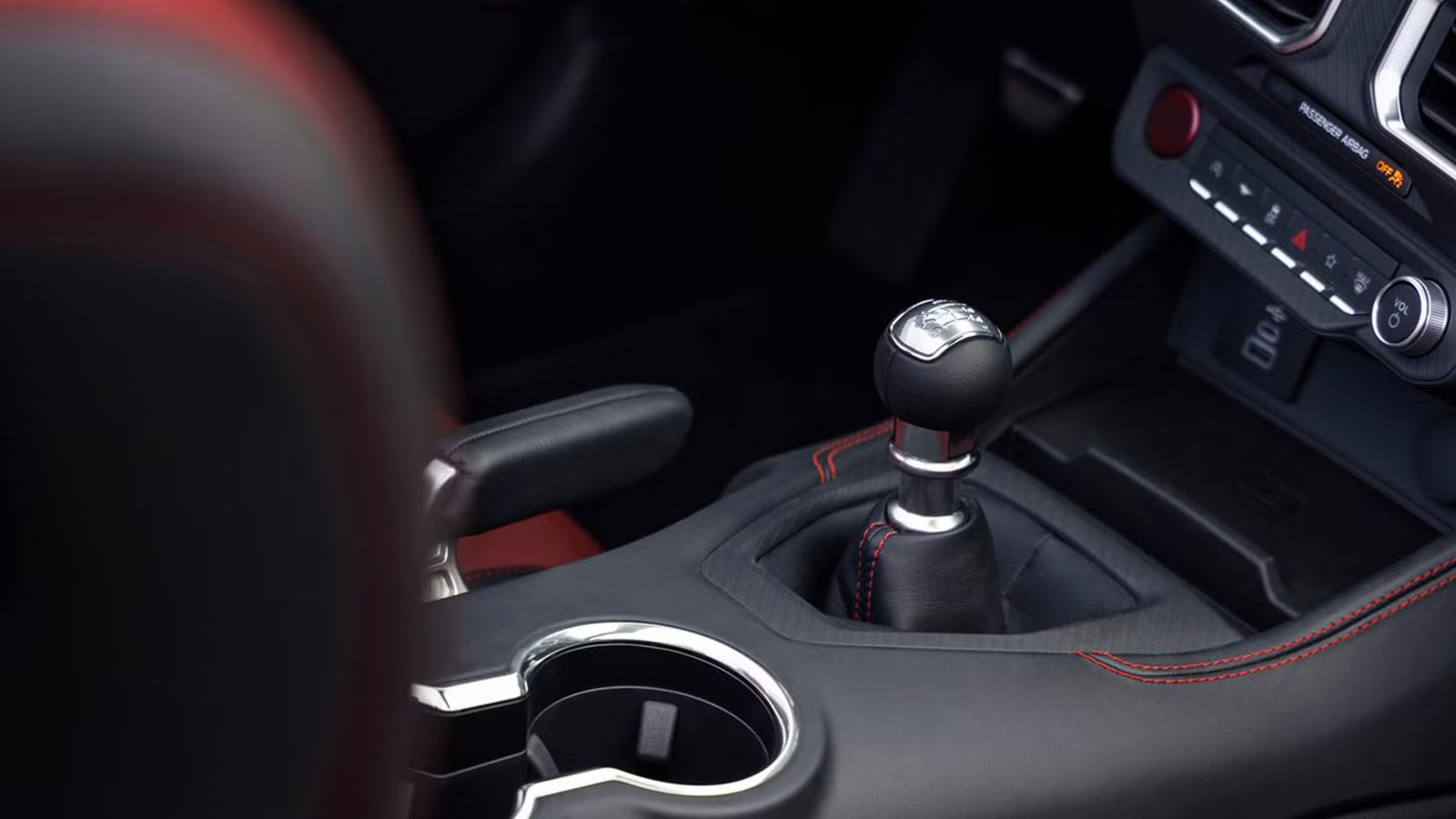
The GM/Ford 10R80 (and GM 10L80) 10-speed automatic transmission is an advanced system designed to improve fuel efficiency, towing capability, and performance through a wide range of closely spaced gears. While it delivers strong technical capability, especially in highway cruising and load management, earlier versions from roughly 2017 to 2023 gained a reputation for inconsistent and sometimes harsh behavior in everyday driving.
A defining feature of the 10R80 is its frequent shifting and skip-shift strategy. To maximize efficiency, it often jumps multiple gears at once, such as moving from 1st to 3rd or from 7th to 10th. While this helps reduce fuel consumption, it can also result in abrupt gear changes, “bang shifts,” and gear hunting when throttle input is not steady. In city traffic, this can make the transmission feel busy and less predictable.
Mechanical issues have also been widely reported. The CDF drum assembly is a known weak point, where a misaligned bushing can disrupt hydraulic pressure and lead to delayed engagement or harsh mid-gear shifts. Valve body wear, particularly in aluminum components, can also reduce hydraulic precision over time, causing inconsistent shift quality. These issues are often more noticeable when the transmission is cold.
Another common complaint is torque converter shudder, felt as a vibration during steady cruising speeds. This is typically linked to clutch slippage or fluid degradation. Combined with frequent shifting in stop-and-go traffic, the driving experience can feel less smooth than expected from a modern 10-speed system.
Safety concerns have included reports of sudden downshifts and park-related failures, leading to recalls and legal action. While software updates and recalibration have improved some behavior, underlying design limitations remain in early units.
Despite its efficiency and engineering ambition, the 10R80 highlights how extreme transmission complexity can sometimes reduce smoothness and consistency in real-world use.
6. Subaru Lineartronic CVT: Improved Efficiency with Lingering Refinement Issues
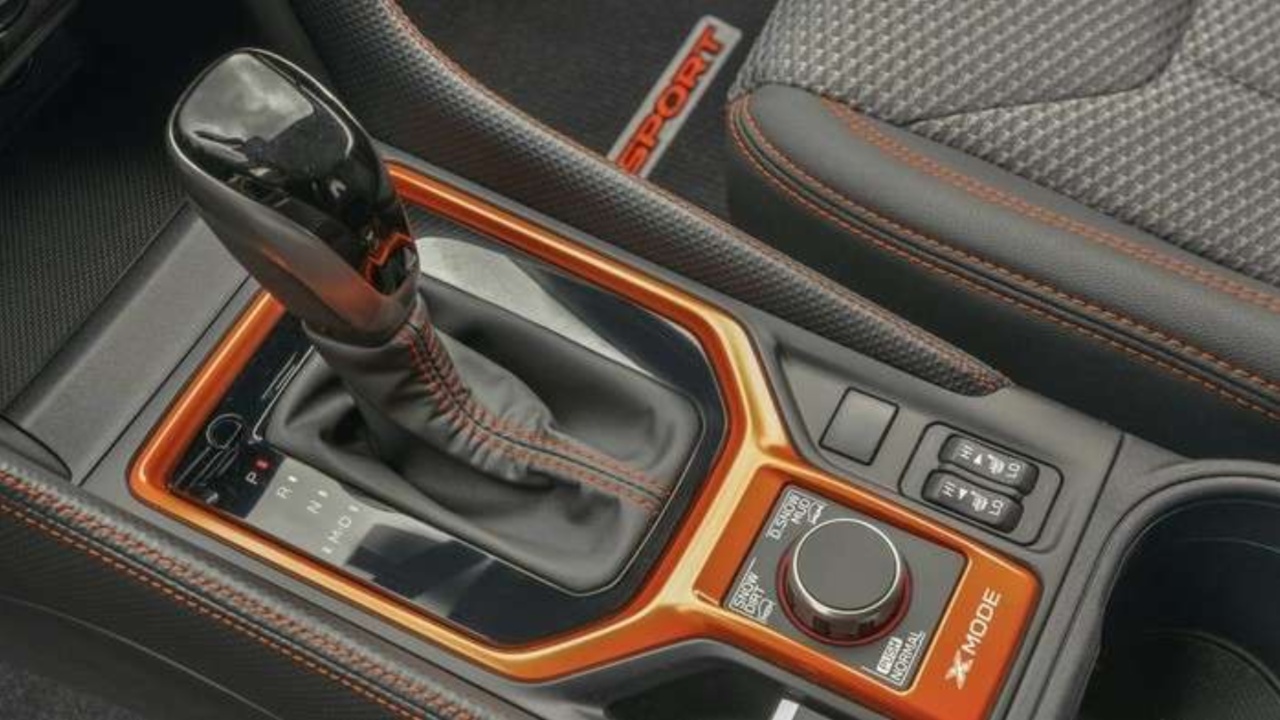
The Subaru Lineartronic CVT is one of the more refined continuously variable transmissions available, but it still carries several characteristics that lead many U.S. drivers to describe it as “clunky” or inconsistent. Designed to maximize fuel efficiency and smooth acceleration, it replaces traditional gears with a belt-and-pulley system. While effective in efficiency-focused driving, its behavior can feel artificial compared to conventional automatics.
To make the driving experience more familiar, Subaru programs simulated gear shifts into the CVT. These artificial shift points are intended to mimic traditional transmission behavior, but they can feel abrupt or mistimed, particularly under hard acceleration.
Instead of a smooth, uninterrupted rise in speed, the system may introduce noticeable step-like changes that interrupt the flow of power delivery. This contributes to the commonly reported “rubber band” sensation, where engine speed rises before the vehicle fully responds.
At low speeds, some drivers experience shuddering or hesitation, often linked to torque converter engagement or fluid condition. A high-pitched whine or humming noise is also common, especially at higher speeds, which can reduce cabin comfort. In some cases, valve body wear or internal chain issues can lead to delayed engagement, vibration, or RPM fluctuations without corresponding acceleration.
Heat management is another concern. The CVT system can become stressed during towing, sustained highway driving, or steep climbs, occasionally triggering reduced-power limp mode to protect internal components. Maintenance sensitivity also plays a role, as fluid quality and change intervals are critical. Early misconceptions about “lifetime fluid” contributed to premature wear in some older models.
Earlier versions, particularly from 2010 to 2015, were more prone to these issues, leading to warranty extensions and customer complaints. Newer iterations introduced improved cooling, stronger components, and better software tuning, resulting in greater reliability.
Despite these improvements, the Lineartronic CVT still reflects the inherent trade-offs of CVT design, balancing efficiency with a driving experience that some find less natural than traditional automatic transmissions.
Also Read: 10 Cars With Intuitive Physical Controls That Reduce Modern Driver Distraction