
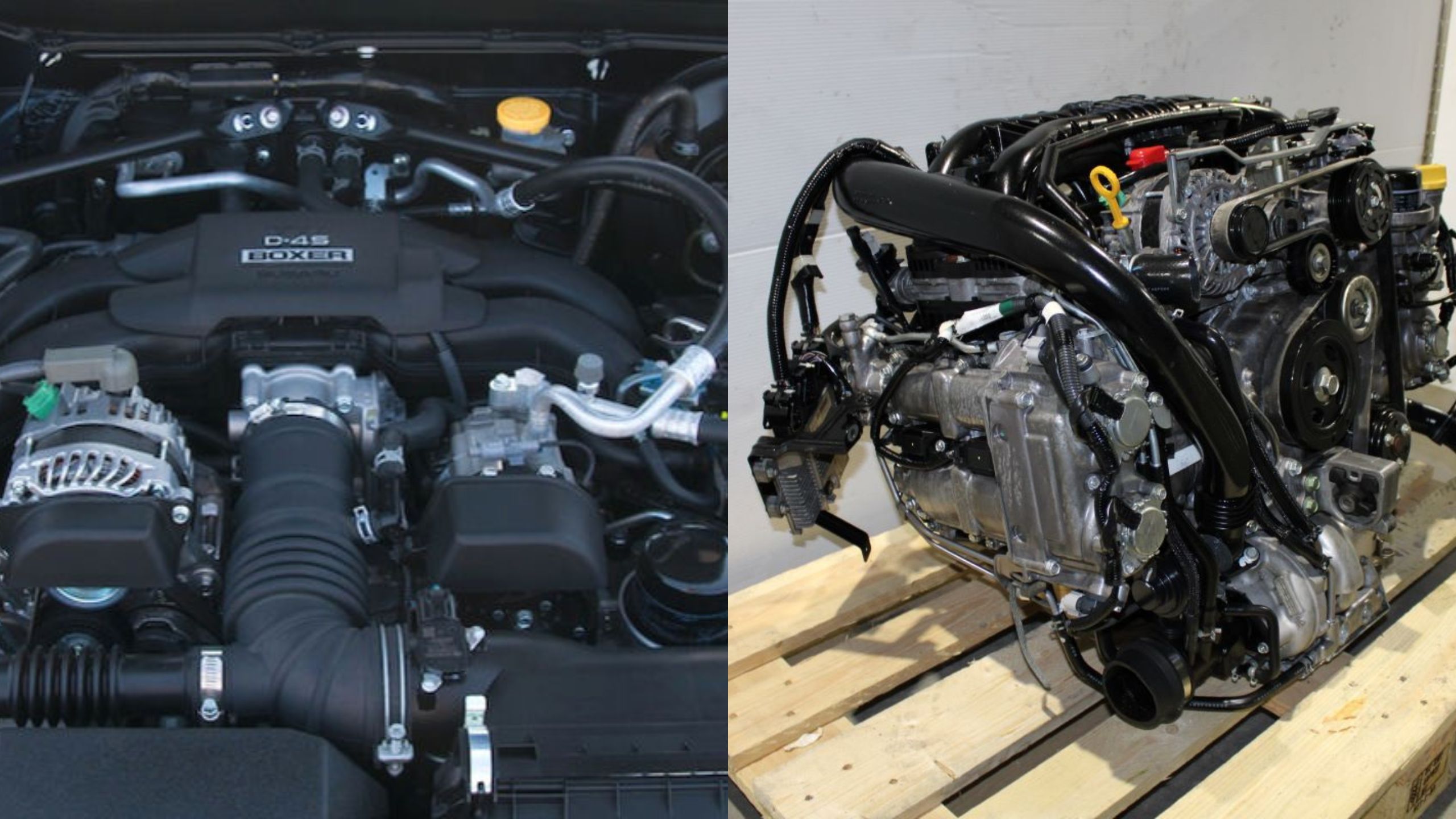
Subaru has always marched to the beat of its own drum. The Japanese automaker built its identity around the horizontally-opposed boxer engine, a unique layout that no other mainstream manufacturer dared to embrace. For decades, Subaru loyalists swore by the smooth power delivery, low center of gravity, and distinctive exhaust rumble that only a boxer could provide.
But there was a shadow looming over Subaru’s golden reputation. The head gasket failures of the 1990s and early 2000s became legendary for all the wrong reasons. Owners dreaded the repair bills. Mechanics recognized the symptoms instantly. The EJ-series engines, despite their charm and character, carried a flaw that haunted the brand for years.
Subaru engineers refused to accept defeat. They went back to the drawing board, redesigned cooling passages, rethought gasket materials, and overhauled entire engine architectures. The result was a generation of boxer engines that not only fixed the infamous weakness but raised performance to new heights.
These eight engines represent Subaru’s redemption story. Each one proved that the boxer layout could be both reliable and thrilling. Each one helped rebuild trust with a skeptical public. This is the story of how Subaru finally silenced the critics.
1. FA20D (2012–Present)
The FA20D arrived in 2012 inside the BRZ and Toyota 86, and it changed everything Subaru critics believed about reliability. This 2.0-liter naturally aspirated flat-four was built from a clean-slate design philosophy. Subaru engineers deliberately stepped away from the EJ-series architecture that had caused so many problems.
The FA20D featured a direct injection and port injection dual-system, a technology borrowed from premium European manufacturers. This twin-injection setup ensured precise fuel delivery at all RPM ranges. It eliminated the carbon buildup issues that had plagued earlier direct-injection engines elsewhere.
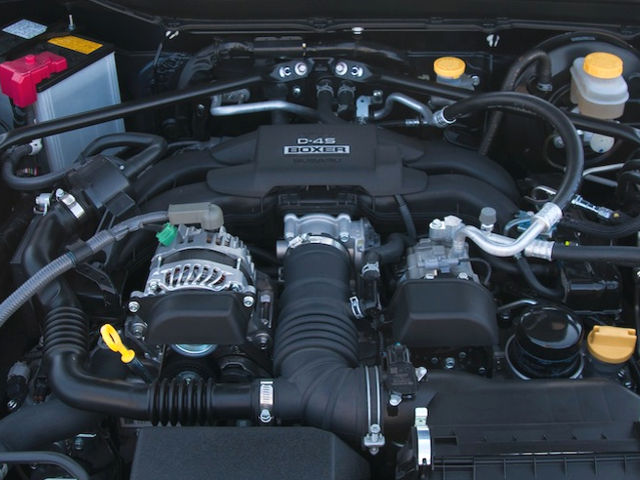
The cooling system received a complete redesign from the ground up. Engineers widened the coolant passages around the cylinder head gaskets specifically. This addressed the fundamental heat-related failure mode that had destroyed the reputation of its predecessors.
New multi-layer steel head gaskets replaced the outdated composite designs of the EJ era. These MLS gaskets could handle thermal cycling far more effectively. They maintained a consistent seal even during aggressive high-RPM driving sessions.
The engine produced 200 horsepower in its standard tune, impressive for a 2.0-liter naturally aspirated unit. It revved freely and enthusiastically to its 7,400 RPM redline. Drivers immediately noticed the difference in character compared to older Subaru engines.
Oil consumption rates were dramatically reduced compared to EJ-series benchmarks. Independent long-term tests confirmed the FA20D maintaining healthy oil levels across 5,000-mile service intervals. This alone represented a massive leap forward in everyday ownership experience.
The aluminum block construction kept weight impressively low. Combined with the boxer’s inherent low center of gravity, handling dynamics were transformed. The BRZ became one of the most celebrated driver’s cars of its generation.
Thermal management was the FA20D’s greatest achievement under the hood. Engineers placed the exhaust ports on the inboard side of the engine. This centralized heat away from the cylinder head gasket contact zones.
Reliability reports from long-term owners told a convincingly positive story. High-mileage FA20D examples commonly crossed the 150,000-mile mark without major internal issues. The engine proved that Subaru had genuinely learned from its past mistakes.
The FA20D also benefited from a longer, more thorough pre-production testing cycle. Subaru subjected prototype engines to extreme thermal stress tests before approval. This rigorous validation process ensured real-world durability matched engineering targets.
2. FA24F (2020–Present)
The FA24F turbocharged engine debuted in the 2020 Legacy and Outback, representing Subaru’s most ambitious reliability engineering effort. This 2.4-liter turbocharged boxer produced 260 horsepower with effortless refinement. It replaced the aging EJ255 in Subaru’s mid-range lineup with a thoroughly modern architecture.
Subaru engineers increased the bore spacing significantly compared to older EJ designs. This wider spacing allowed for improved coolant flow between cylinders. Hotspots that had historically caused head gasket failures simply could not develop in this layout.
The turbocharger placement was strategically repositioned on the FA24F. Engineers mounted it closer to the engine for faster spool-up response. This also improved thermal management by shortening exhaust routing distances.
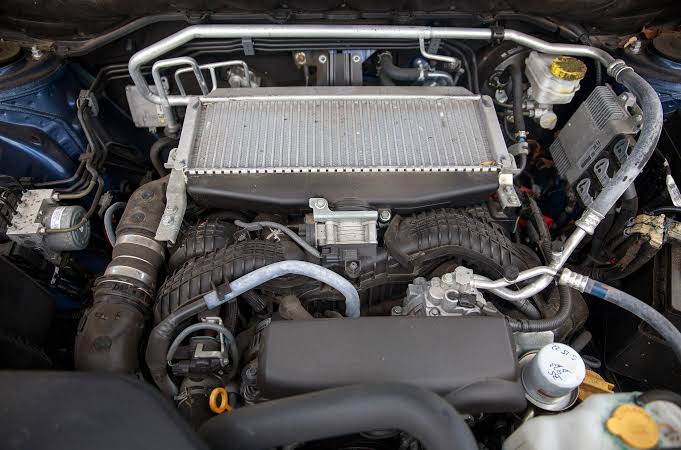
Forged internals were fitted as standard equipment in the FA24F’s production specification. The connecting rods and crankshaft were built to handle substantial power increases. This gave aftermarket tuners confidence to push beyond stock power figures safely.
The cylinder head gasket specification was upgraded to a five-layer multi-layer steel design. Previous Subaru turbocharged engines had used three-layer gaskets that proved inadequate under boost pressure. This two-additional-layer improvement dramatically increased clamping force retention.
Water-cooled cylinder liners were integrated directly into the FA24F block casting. This innovation maintained consistent temperatures across all four cylinders simultaneously. Temperature uniformity is the single most important factor in gasket longevity.
Direct injection technology was refined over the FA20D’s implementation in the FA24F. Fuel injector positioning was optimized using computational fluid dynamics software. This resulted in a cleaner combustion chamber with fewer carbon deposits over time.
The oil system received equally serious attention during development. An increased oil pump capacity ensured adequate lubrication during cold starts specifically. Cold-start oil starvation had been a contributing factor in some earlier EJ engine failures.
Owners who migrated from EJ-powered Subarus reported dramatically different ownership experiences. Service costs dropped substantially across the first 100,000 miles. The FA24F began establishing a reputation for quiet, trouble-free operation.
Independent engine teardowns at high mileage revealed impressively clean internals. Bearing surfaces showed minimal wear patterns even beyond 100,000 miles. This validated Subaru’s claim that the FA-series represented a generational improvement in build quality.
3. EJ257 Revised Edition (2004–2021)
The EJ257 carries the weight of Subaru’s most storied motorsport history. It powered the WRX STI through multiple World Rally Championship campaigns and countless privateer victories. But early versions carried the same gasket vulnerabilities as other EJ-series engines.
Subaru addressed the EJ257’s weaknesses through several targeted mid-cycle revisions. The 2006 model year brought updated head gasket specifications with improved sealing materials. Composite gasket layers were replaced with more robust metallic alternatives at the critical sealing surfaces.
Cooling system modifications accompanied the gasket upgrades in the revised EJ257. Engineers added additional coolant passages near the number-four cylinder specifically. This cylinder had historically run hotter than its counterparts due to exhaust routing geometry.

The revised head bolt torque specifications were quietly updated in service documentation. Increased torque values ensured more consistent gasket compression across the sealing surface. This seemingly small change had a measurable impact on long-term reliability outcomes.
Cylinder head surface finish tolerances were tightened on post-2006 EJ257 production units. Improved machining accuracy reduced microscopic imperfections in the sealing surface. A flatter, smoother surface dramatically improved gasket seating effectiveness.
The intercooler cooling system was also upgraded alongside engine revisions. Better coolant temperature management under sustained boost pressure reduced thermal cycling stress. This protected gaskets during the repetitive heat cycles of performance driving.
Subaru’s motorsport program inadvertently accelerated the EJ257’s reliability improvements. Rally engineering teams identified failure points under extreme competition conditions. These findings directly influenced production engine modifications during development.
High-mileage examples of the revised EJ257 began appearing in reliability surveys with encouraging results. Owners following proper maintenance schedules reported trouble-free operation beyond 150,000 miles. This represented a significant improvement over first-generation EJ257 ownership experiences.
The engine’s fundamental character remained intact through all these improvements. It still produced that iconic flat-four turbocharged sound that enthusiasts adored. Reliability gains came without sacrificing the raw, engaging driving experience.
The EJ257’s legacy is complicated but ultimately triumphant. It started flawed and ended genuinely competitive with contemporary turbocharged four-cylinders. Subaru proved that incremental refinement could transform a troubled engine into a reliable performance icon.
4. FB20 (2011–Present)
The FB20 may lack the turbocharged drama of its siblings, but it quietly became Subaru’s most important reliability statement. This 2.0-liter naturally aspirated engine replaced the problematic EJ201 and EJ202 in mainstream Impreza and Forester models. It was designed specifically to address ownership cost concerns among everyday Subaru buyers.
Chain drive replaced belt drive in the FB20’s timing system, eliminating one major maintenance expense immediately. Belt replacement intervals had been a significant cost for EJ-engine owners every 60,000 miles. The chain system was designed to last the engine’s lifetime without replacement.

The cylinder block was completely redesigned with revised bore spacing for the FB20. Wider coolant passages surrounded each cylinder liner from the factory. This fundamental architectural change addressed the root cause of EJ-series cooling inadequacies.
Head gasket material specifications were upgraded to the same MLS standard used in FA-series engines. The gaskets featured laser-welded stopper layers for improved compression retention. Long-term sealing performance improved dramatically over previous composite gasket designs.
Engine height was reduced by 20mm compared to equivalent EJ engines through design optimization. This lowered the center of gravity further, benefiting handling without performance compromises. The packaging improvements also simplified maintenance access for routine service procedures.
Fuel economy improved substantially with the FB20’s adoption of Subaru’s new AVCS variable valve timing. Both intake and exhaust camshaft timing could be adjusted independently for optimization. This dual-AVCS system improved efficiency across a wider range of operating conditions.
Thermal management philosophy changed fundamentally with the FB20’s introduction. The exhaust ports were relocated to the inside of the cylinder head. This mirrored the approach that had worked so effectively in the FA20D design.
Consumer reliability surveys began showing markedly different results for FB20-powered vehicles. Repair frequency ratings dropped significantly compared to EJ-powered equivalents. Owner satisfaction scores climbed consistently across multiple model years.
The FB20 proved that Subaru’s reliability improvements weren’t limited to performance applications. Everyday commuter cars deserved the same engineering attention as sports models. This democratization of reliability improvements strengthened the entire brand’s reputation.
Long-term ownership costs for FB20-powered vehicles dropped to competitive levels with Japanese rivals. Toyota and Honda owners could no longer claim a clear reliability advantage. Subaru had entered the reliability conversation as a genuine competitor.
Also Read: 6 Best Tactile Dashboards In the USA vs 6 Touchscreen Disasters
5. FB25 (2012–Present)
The FB25 expanded the FB-series philosophy into larger displacement territory with impressive results. This 2.5-liter naturally aspirated boxer serves as the standard engine in the Forester, Outback, and Legacy. It became the engine that convinced the largest segment of Subaru buyers to trust the brand again.
Displacement grew from 2.0 to 2.5 liters through a longer stroke rather than increased bore diameter. This undersquare configuration prioritized low-end torque over high-revving power delivery. The result perfectly matched the needs of family SUV and wagon buyers.
The FB25 used the same MLS head gasket technology pioneered across the FB and FA families. Gasket compression was carefully calibrated for the increased thermal loads of the larger displacement. Engineers validated these specifications through extensive dynamometer testing before production approval.
Updated piston ring specifications reduced oil consumption to near-zero levels in normal operation. Earlier Subaru engines had developed a reputation for above-average oil burning between changes. The FB25 largely eliminated this concern for mainstream buyers.
Bore spacing improvements in the FB25 allowed significantly larger coolant passages compared to the old EJ253. These passages maintained consistent cylinder wall temperatures across all driving conditions. Temperature consistency remains the most critical factor in preventing head gasket failure.
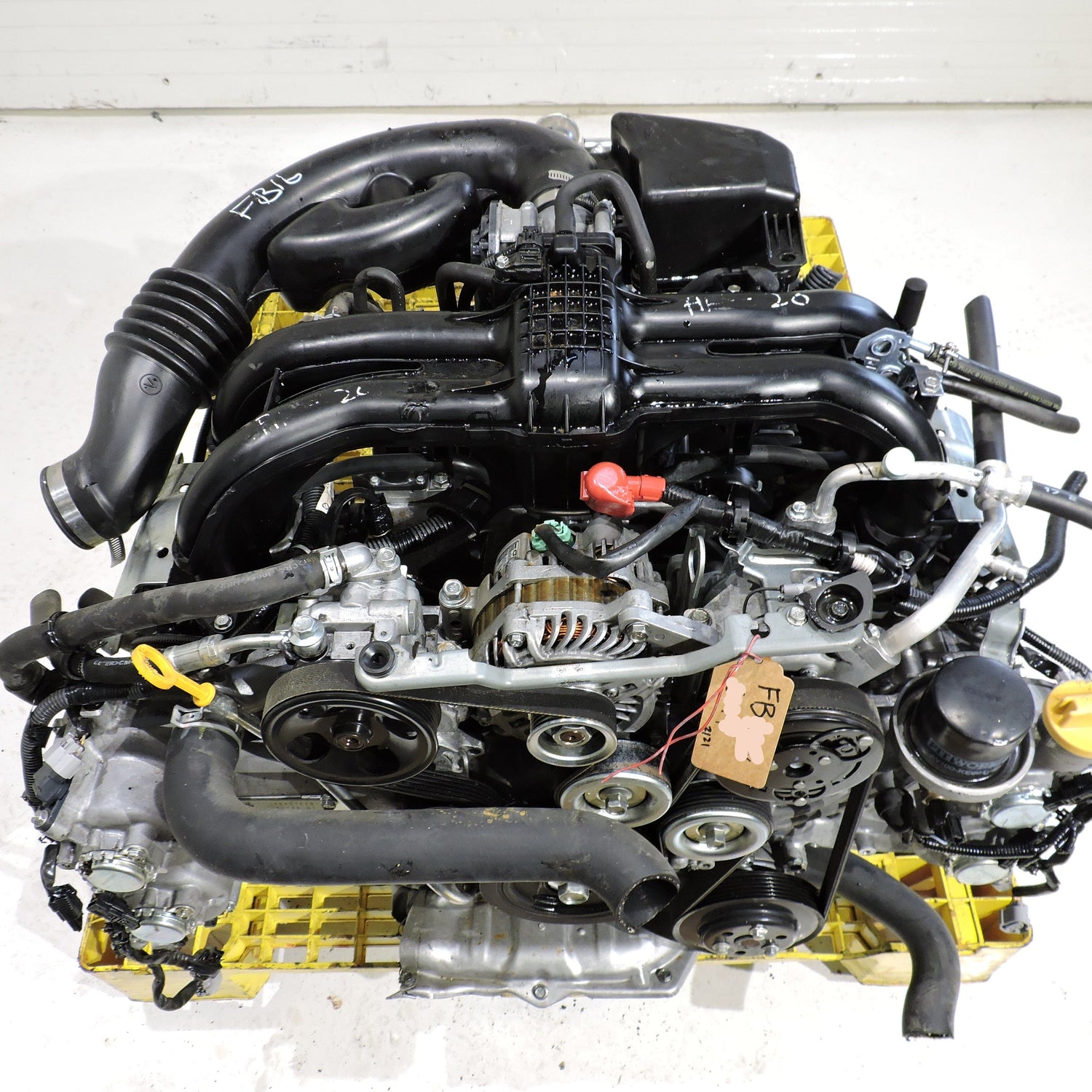
The FB25’s timing chain system was designed with a more robust tensioner than the FB20. Engineers studied real-world failure data from early chain-drive implementations globally. The revised tensioner design eliminated the occasional cold-start chain rattle reported on some early units.
Subaru introduced a sodium-filled exhaust valve design in the FB25 during its development. Sodium-filled valves conduct heat away from the valve head more effectively. This reduced combustion chamber temperatures and protected surrounding gasket surfaces from excessive heat.
Forester owners, historically the most vocal critics of EJ-series reliability issues, embraced the FB25 enthusiastically. Forum discussions that once centered on gasket failures shifted to discussing modifications and accessories instead. This cultural shift within the Subaru community reflected genuine confidence in the new engine.
The FB25 also demonstrated improved longevity in taxi and fleet applications globally. Australian taxi operators, known for their brutally demanding duty cycles, reported significantly fewer engine-related issues. Real-world fleet data provided compelling evidence beyond controlled testing environments.
By 2018, the FB25 had accumulated enough long-term field data to confirm its reliability credentials. High-mileage examples routinely exceeded 200,000 miles with only routine maintenance. Subaru’s mainstream lineup had genuinely solved the gasket problem.
6. FA20DIT (2014–Present)
The FA20DIT turbocharged variant brought performance credibility to Subaru’s new engine family. Producing 250–268 horsepower depending on application, it replaced the aging EJ255 in the WRX. It combined the FA-series’ reliability improvements with turbocharged excitement that WRX buyers demanded.
The FA20DIT’s direct injection system was calibrated specifically for turbocharged operation. Fuel delivery timing was optimized to suppress detonation under boost conditions. This careful calibration prevented the knock events that had accelerated wear in earlier EJ turbocharged engines.
Turbocharger lubrication received special attention during the FA20DIT’s development phase. An auxiliary oil feed was incorporated to maintain bearing lubrication during hot-soak conditions. Hot-soak oil coking had been implicated in turbocharger failures on some previous Subaru applications.
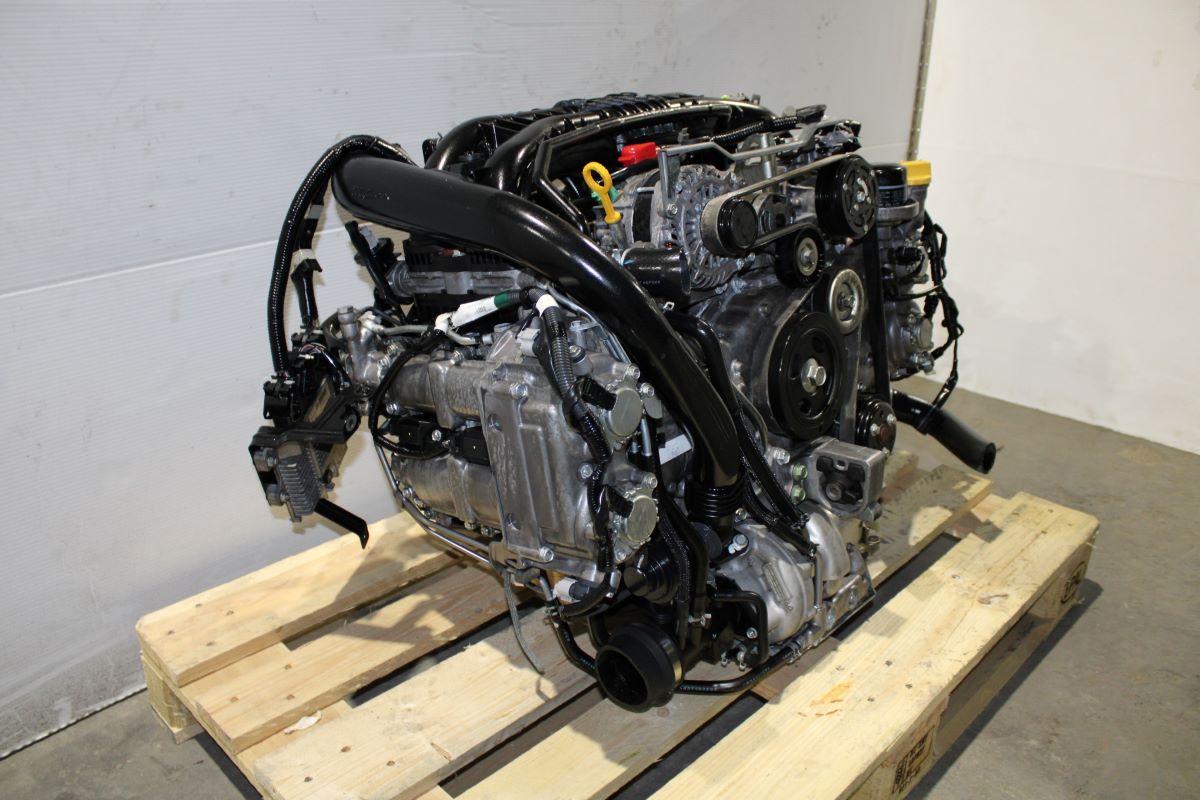
The intercooler efficiency was substantially improved over EJ255 applications. Better charge air cooling kept intake temperatures lower during sustained performance driving. Lower intake temperatures directly reduced thermal stress on head gaskets and combustion chamber components.
Head gasket specifications in the FA20DIT were upgraded beyond even the standard FA-series implementation. The increased cylinder pressure from turbocharging demanded additional sealing capability. Engineers added a fourth sealing bead to the MLS gasket design for critical locations.
Block rigidity improvements accompanied the FA20DIT’s development with structural reinforcements. Additional webbing was cast into the block structure around the main bearing saddles. This reduced engine flex under high-power conditions, protecting gasket sealing interfaces from distortion forces.
The crankcase ventilation system was completely redesigned for the FA20DIT’s boosted application. Improved PCV design prevented pressure buildup that could force oil past gasket seals. This addressed a failure mode that had caused oil leaks in some high-mileage EJ-series applications.
WRX owners who transitioned from EJ255-powered models reported significantly improved long-term reliability. The dramatic reduction in coolant system issues was the most frequently mentioned improvement. Turbocharged Subaru ownership had become a genuinely different proposition.
Motorsport applications of the FA20DIT revealed impressive durability under extreme conditions. Time attack competitors reported reliable power output across demanding multi-day events. The engine’s durability under competition stress validated its everyday reliability credentials convincingly.
The FA20DIT established that Subaru could build a reliable turbocharged performance engine. It demonstrated that reliability and excitement were not mutually exclusive goals. This was perhaps the most important reputation milestone in Subaru’s modern engineering history.
7. FA24DIT (2022–Present)
The FA24DIT represents the pinnacle of Subaru’s turbocharged boxer engineering currently. Producing 275 horsepower in the WRX and available in various states of tune, it builds on every lesson learned from previous generations. This engine arrived as definitive proof that Subaru had permanently resolved its reliability challenges.
Displacement expansion to 2.4 liters provided additional thermal headroom compared to the FA20DIT. Larger displacement meant lower specific output per cubic centimeter of displacement. This reduced thermal and mechanical stress on every internal component simultaneously.
The FA24DIT’s cylinder head design incorporated computational fluid dynamics optimization throughout. Coolant passage geometry was digitally modeled across thousands of simulated operating conditions. Real-world thermal performance matched the CFD predictions with remarkable accuracy.
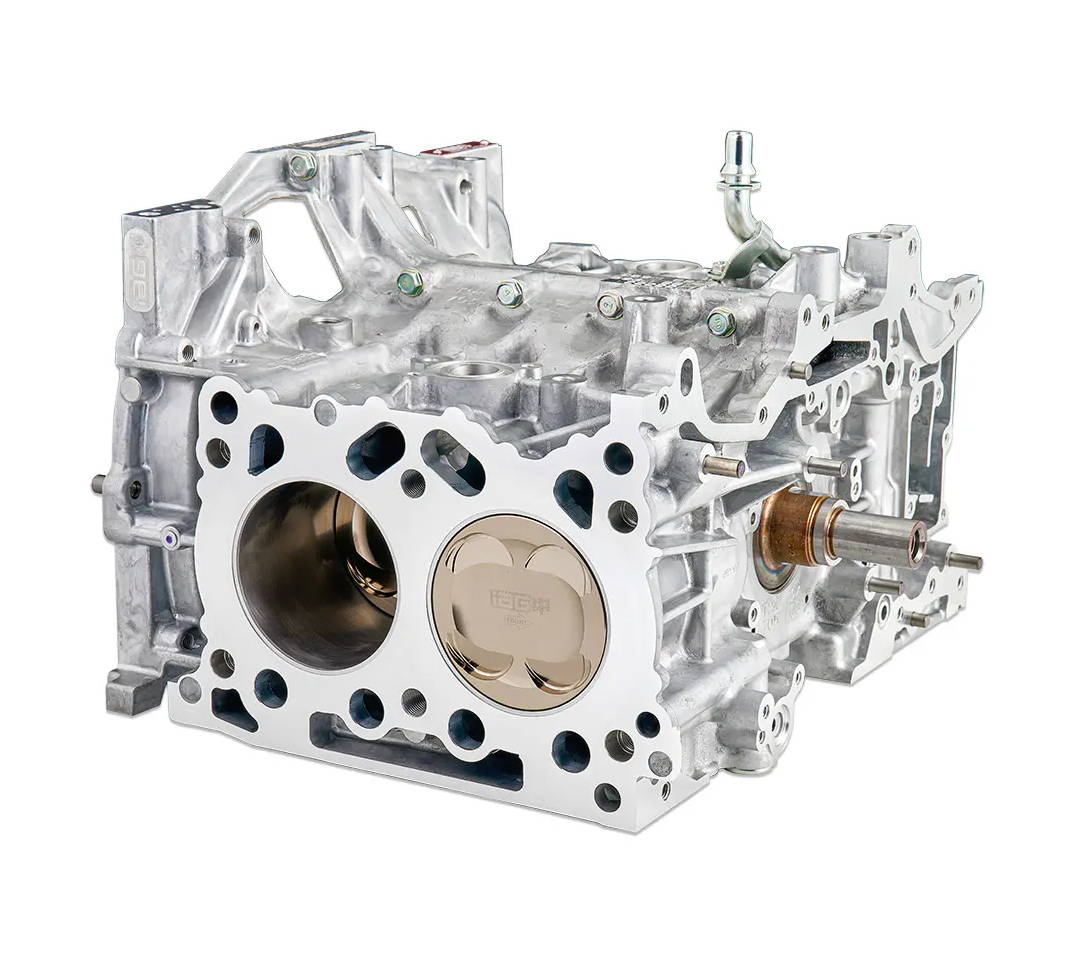
Sodium-filled exhaust valves were adopted as standard specification in the FA24DIT. These valves transferred heat away from the combustion chamber 40 percent more effectively. Reduced valve temperatures directly protected the surrounding head gasket from thermal degradation.
The oil cooling system in the FA24DIT was upgraded to a separate oil-to-water heat exchanger. This maintained consistent oil viscosity across a wider range of operating temperatures. Consistent lubrication quality protected bearing surfaces during the most thermally demanding driving conditions.
Piston design featured an oil gallery cooling channel machined into each piston crown. Oil jets beneath each piston directed cooling oil through these internal channels continuously. Piston temperature reduction was a critical factor in preventing pre-ignition and protecting ring seals.
The FA24DIT’s turbocharger specification was developed with long-term durability as a primary criterion. Bearing specifications exceeded those of the previous FA20DIT application. Extended oil change intervals were certified based on validated long-term durability testing.
Subaru’s quality control processes were simultaneously upgraded alongside the FA24DIT’s introduction. New precision measurement protocols verified cylinder head surface finish on every production unit. Statistical process control eliminated the manufacturing variability that had contributed to early EJ-series problems.
Early owner feedback on FA24DIT-powered WRX models validated the engineering investment. Oil consumption remained within negligible parameters even during spirited driving. Coolant system stability confirmed that thermal management goals had been achieved in real-world conditions.
The FA24DIT also demonstrated impressive durability in the Wilderness-edition Outback application. These vehicles faced demanding off-road thermal cycles and sustained low-speed high-load operation. Reliable performance under these conditions represented the most comprehensive durability test imaginable.
8. EZ36D (2008–2019)
The EZ36D horizontally-opposed six-cylinder stands as perhaps the most underappreciated engine in Subaru’s modern lineup. This 3.6-liter naturally aspirated boxer powered the top-specification Legacy, Outback, and Tribeca models. It demonstrated that Subaru’s engineering improvements extended beyond the popular four-cylinder applications.
Six cylinders spread thermal loads across a wider combustion area compared to four-cylinder designs. Each individual cylinder experienced lower peak temperatures relative to its displacement contribution. This inherent thermal advantage gave the EZ36D a strong foundation for long-term gasket reliability.
The EZ36D used updated head gasket materials derived from Subaru’s extensive failure analysis research. Both cylinder banks received identical gasket specifications for consistent thermal behavior. Matching thermal expansion rates across both banks prevented the asymmetric stress that had caused failures elsewhere.
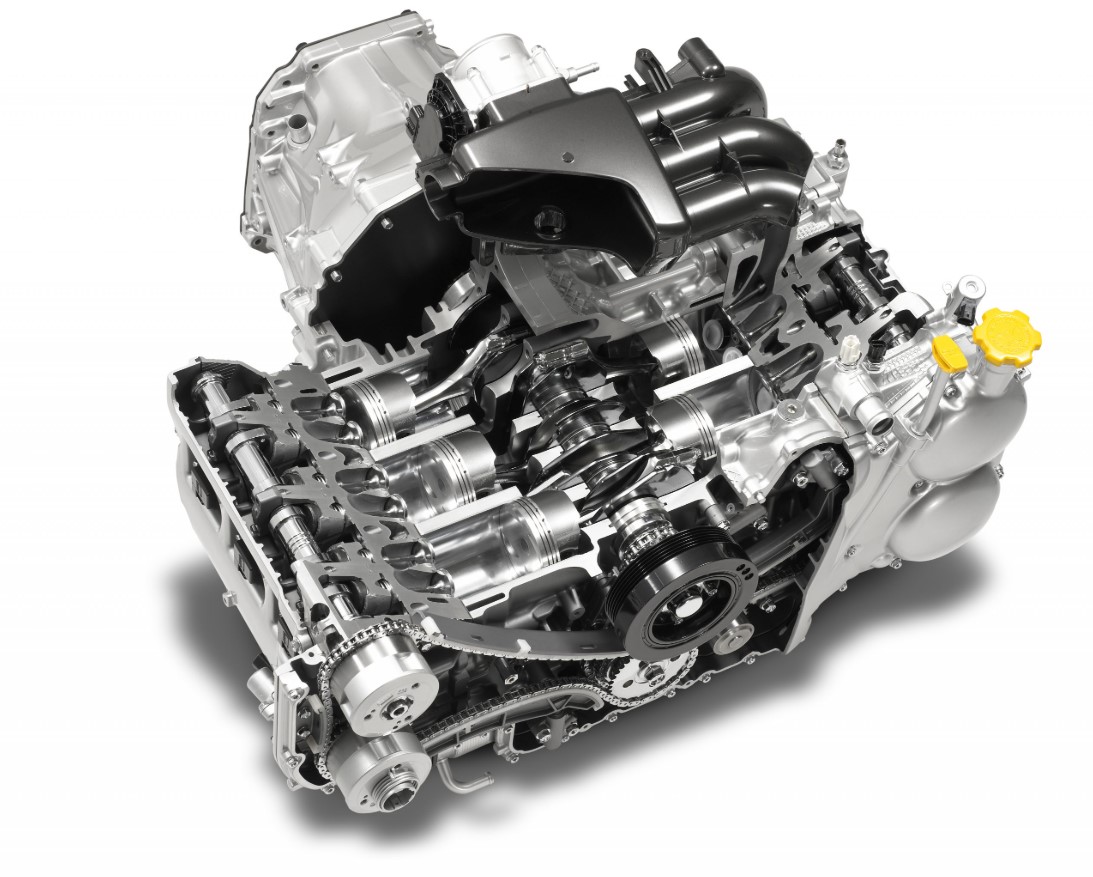
Coolant system capacity was significantly larger in the EZ36D than any four-cylinder Subaru application. Greater coolant volume provided superior thermal buffering during temperature fluctuations. This reduced the severity of thermal cycling events that degrade head gasket integrity over time.
The dual overhead camshaft design in the EZ36D allowed more precise valve timing control. AVCS variable valve timing operated on all four camshafts simultaneously. This optimization reduced pumping losses and combustion temperatures across the engine’s entire operating range.
Oil system capacity was increased proportionally with the EZ36D’s larger displacement. Increased oil volume maintained film thickness on bearing surfaces more consistently. Bearing longevity in high-mileage EZ36D examples exceeded expectations established by earlier Subaru six-cylinder applications.
The EZ36D’s engine bay packaging required innovative cooling system routing solutions. Engineers developed a crossflow coolant circulation pattern that balanced temperatures across both cylinder banks. Thermal imaging during development confirmed uniform temperature distribution that previous designs had never achieved.
Smoothness became the EZ36D’s most celebrated characteristic among owners and automotive journalists. Six cylinders firing in the boxer configuration virtually eliminated the vibration inherent in four-cylinder designs. This refinement raised the ownership experience beyond what four-cylinder Subarus could offer.
Long-term reliability data for EZ36D-powered vehicles consistently exceeded industry benchmarks. Consumer Reports reliability surveys placed EZ36D-equipped Outbacks among the top-rated vehicles in their segments. This represented a complete reversal of the reliability narrative that had defined Subaru in the early 2000s.
The EZ36D’s production run ended in 2019 as turbocharged four-cylinders offered comparable performance with better efficiency. But its legacy endures as proof that Subaru’s engineering philosophy had fundamentally matured. It showed the world that a Subaru boxer engine could be both distinctive and dependably reliable in equal measure.
Also Read: 6 Cars with Great Factory Undercoating In the USA vs 6 Rust Magnets
