
Marketing budgets in the automotive industry are enormous, and the SUVs that receive the most aggressive off-road promotion are often not the ones doing the most impressive work when pavement ends. Manufacturers who sell lifestyle imagery invest heavily in mud-splattered photography and rugged wilderness backdrops, while some of the genuinely capable vehicles on the market receive comparatively quiet advertising that undersells what their engineering actually delivers on a dirt road, a rocky trail, or a rutted forest service route.
This creates a specific and frustrating knowledge gap for buyers who are actually planning to use their SUVs off-road rather than simply park them in suburban driveways looking capable. Buyers drawn in by heavy marketing campaigns sometimes end up with vehicles whose real-world off-road limitations become apparent on the first serious trail, while buyers who research quietly capable alternatives sometimes find vehicles that exceed everything their modest marketing suggested they could do.
This page is specifically for the second category of buyer. The person who wants to know which SUVs actually deliver serious off-road performance, regardless of whether they got a flashy launch campaign or a celebrity endorsement. Some of the vehicles on this list are from brands that barely mention their off-road capability in advertising, yet consistently outperform celebrated competitors on actual trails.
Others received off-road marketing that was solid but understated relative to what the engineering actually supports when pushed by a capable driver on demanding terrain. Nine SUVs, each one examined for what it actually delivers off the pavement rather than what its marketing department decided to emphasize in glossy brochures.
If you have been told a particular SUV is just a highway machine, you might be surprised to find it on this list. And if you have been wondering which capable vehicles are hiding in plain sight while louder competitors get all the trail cred, you are about to find out.
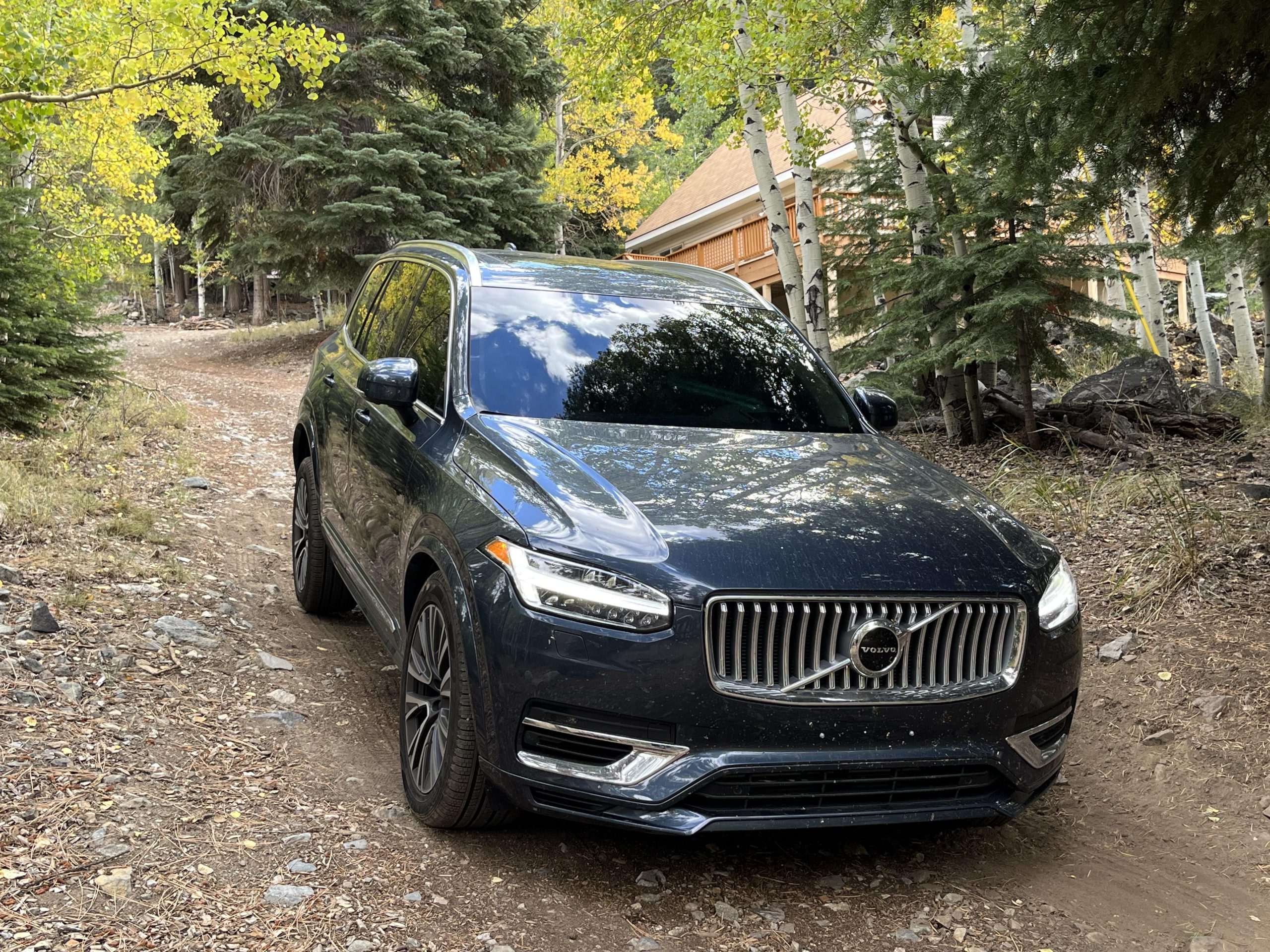
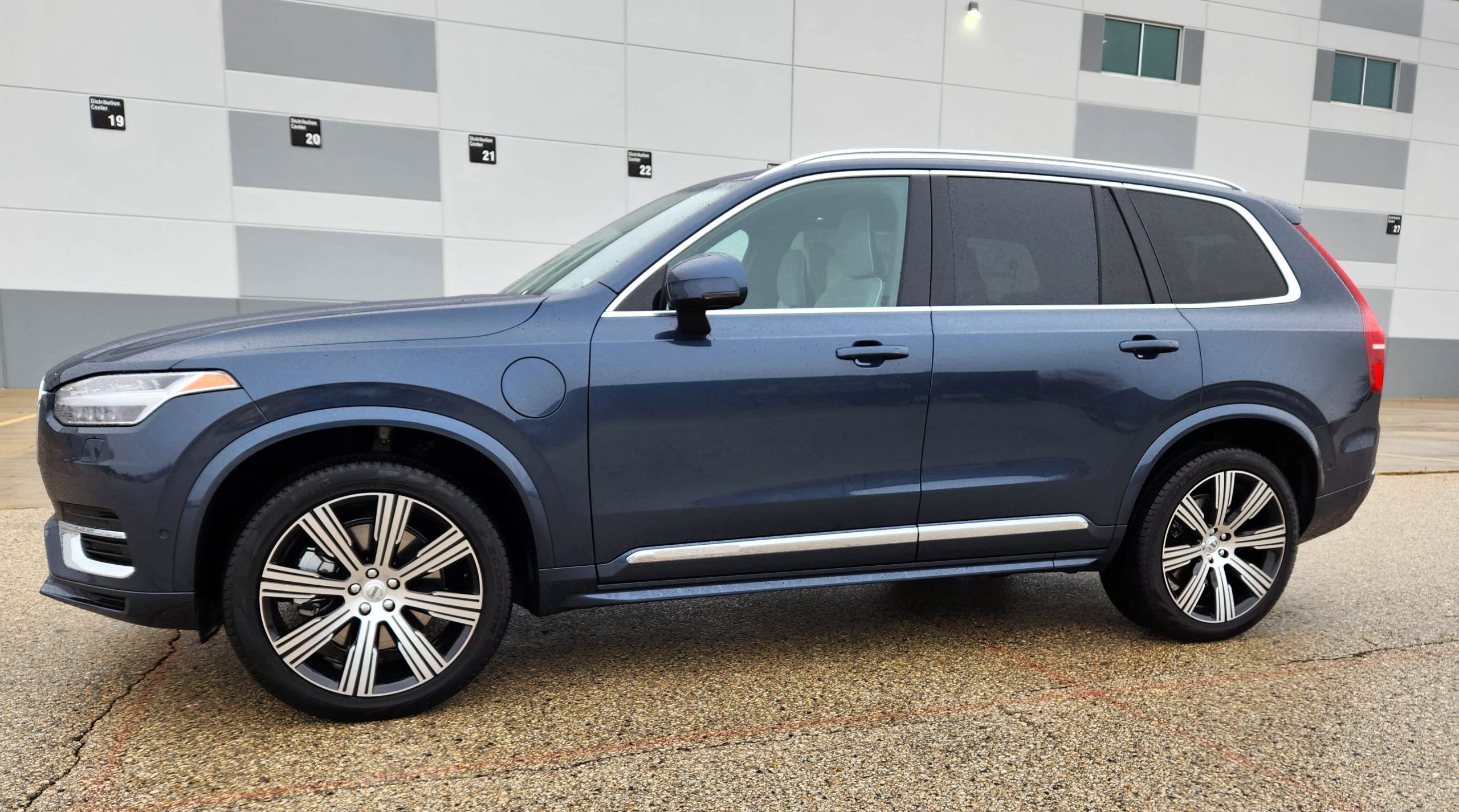
1. Volvo XC90 Recharge T8 AWD Ultimate (Second Generation, 2022 to 2024)
Volvo’s marketing for the XC90 Recharge T8 AWD focuses almost entirely on luxury, sustainability, and safety technology. You will see pristine interior photography, climate discussions, and city driving scenarios in Volvo’s advertising materials. What you will rarely see is a genuine examination of what the T8’s AWD system, air suspension, and ground clearance actually enable when the road surface changes from asphalt to something more demanding.
XC90 Recharge T8 AWD provides a Twin Engine setup combining a turbocharged and supercharged 2.0-liter gasoline engine with a rear electric motor that delivers independent torque to the rear axle. This architecture is not just about fuel efficiency.
The rear electric motor provides instant torque to the rear wheels independently of the front drive system, enabling a torque vectoring capability across the front-rear axis that improves traction management on loose, uneven, or slippery surfaces.
On a muddy forest road or a gravel mountain track, the rear motor’s ability to deliver specific torque independently gives the XC90 T8 a traction management capability that most buyers never use and few even know exists. Air suspension on appropriately equipped XC90 T8 models raises ground clearance meaningfully beyond the standard ride height, providing an additional buffer against ground contact on rutted surfaces that can catch lower-slung crossovers by surprise.
Volvo’s Off-Road mode adjusts throttle response, AWD torque distribution, and stability control thresholds for demanding surface conditions, activating a set of calibration changes that make the vehicle meaningfully more effective on difficult surfaces than normal drive mode settings provide.
Hill Descent Control, often absent from marketing discussions about the XC90 but standard equipment, manages brake application on steep descents to maintain controlled, driver-selected speeds without requiring constant brake pedal management. This feature is specifically valuable on loose surface descents where brake-initiated wheel lock would reduce steering control at the worst possible moment.
Volvo does not put the XC90 T8 in head-to-head trail comparisons or publicize its off-road metrics with the same enthusiasm that more obviously positioned competitors receive. The result is that buyers who need an all-conditions family SUV with genuine off-road competence sometimes overlook the XC90 T8 entirely, ending up with more aggressively marketed vehicles whose actual trail capability is demonstrably less impressive than the Volvo’s. This gap between image and substance defines exactly the kind of underappreciated capability this article identifies.
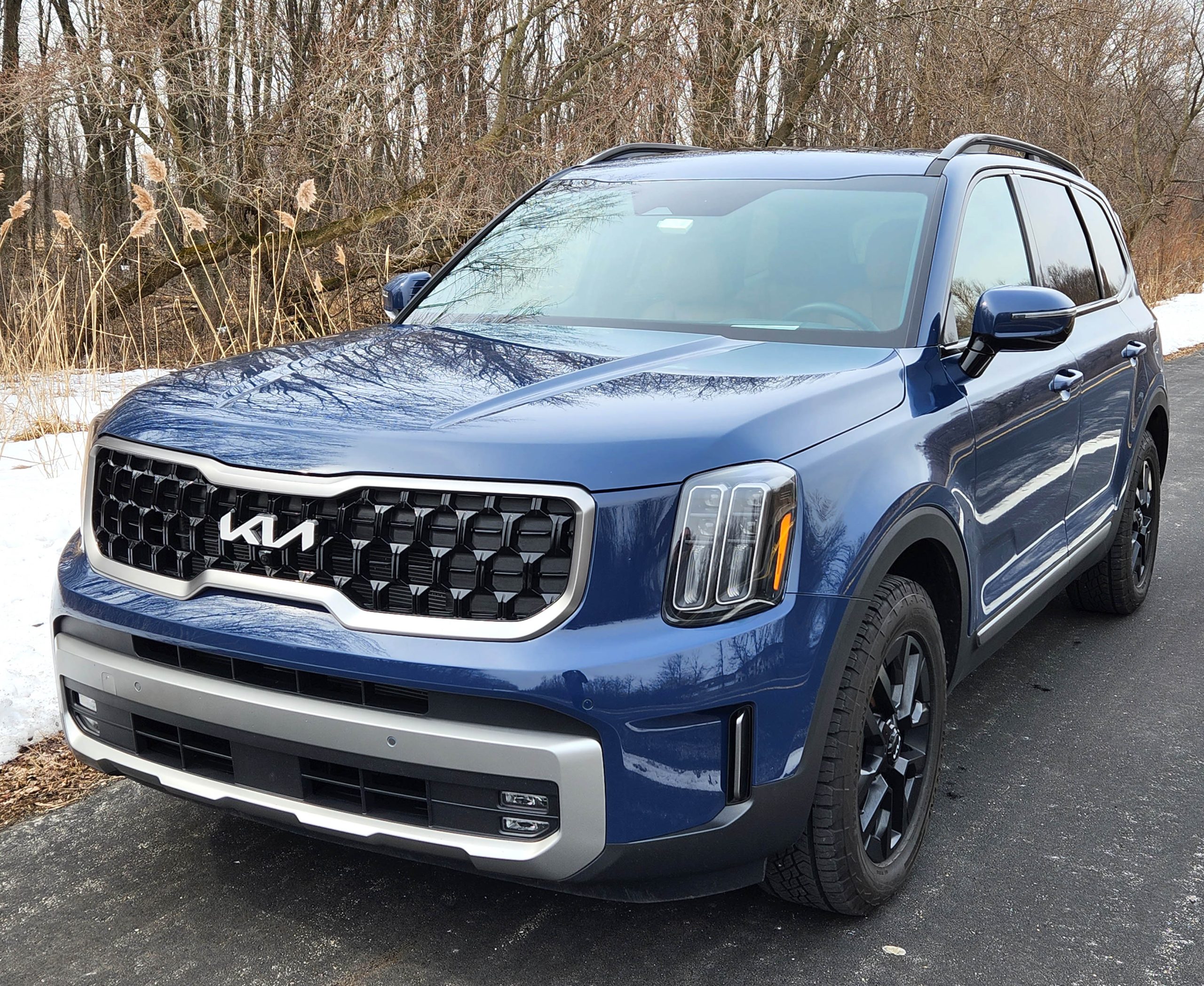
2. Kia Telluride SX-Prestige X-Pro AWD (Second Generation, 2023 to 2024)
Kia positioned the Telluride X-Pro as a more capable variant of an already popular family SUV, but the marketing for this vehicle leans heavily on style, family functionality, and value rather than on the specific trail capabilities that the X-Pro’s engineering actually delivers.
Buyers who investigate the X-Pro’s specifications discover a set of off-road hardware that is genuinely impressive for the segment, supported by Kia’s own technical acknowledgment of what the vehicle can accomplish, even if that acknowledgment does not appear prominently in consumer-facing advertising.
X-Pro-specific hardware includes Bilstein dampers tuned for variable road surface conditions, all-terrain tires as standard equipment, an electronic locking rear differential that provides positive traction at both rear wheels when traction differentiation would otherwise allow a spinning wheel to waste power, and a terrain mode selector providing calibrated settings for sand, snow, mud, and deep snow conditions.
An electronic locking rear differential is a piece of hardware that genuinely hardcore trail vehicles carry, and finding it on a three-row family SUV in a package priced within mainstream purchasing reach is one of the more surprising discoveries available in the current SUV market.
Ground clearance on the Telluride X-Pro is 8.0 inches, which is adequate for the majority of Forest Service roads, graded dirt routes, and mild trail conditions that most buyers who identify as off-road users actually encounter on typical adventure trips. Combined with the all-terrain tires’ improved off-road grip and the locking rear differential’s positive traction advantage, the X-Pro handles conditions that crossover competitors without equivalent hardware struggle with noticeably.
Kia’s decision to focus X-Pro marketing on lifestyle appeal and family value rather than on trail-specific capability measurements means that serious off-road buyers sometimes dismiss the Telluride X-Pro as a style package rather than investigating the hardware beneath the exterior treatments.
This dismissal leaves capable vehicles undiscovered and allows more aggressively marketed competitors with less capable engineering to capture the attention of buyers who would be better served by Kia’s actual capability.
Also Read: 6 Sand-Ready 4x4s for Beach Access In Jacksonville vs. 6 Luxury SUVs That Hate Salt
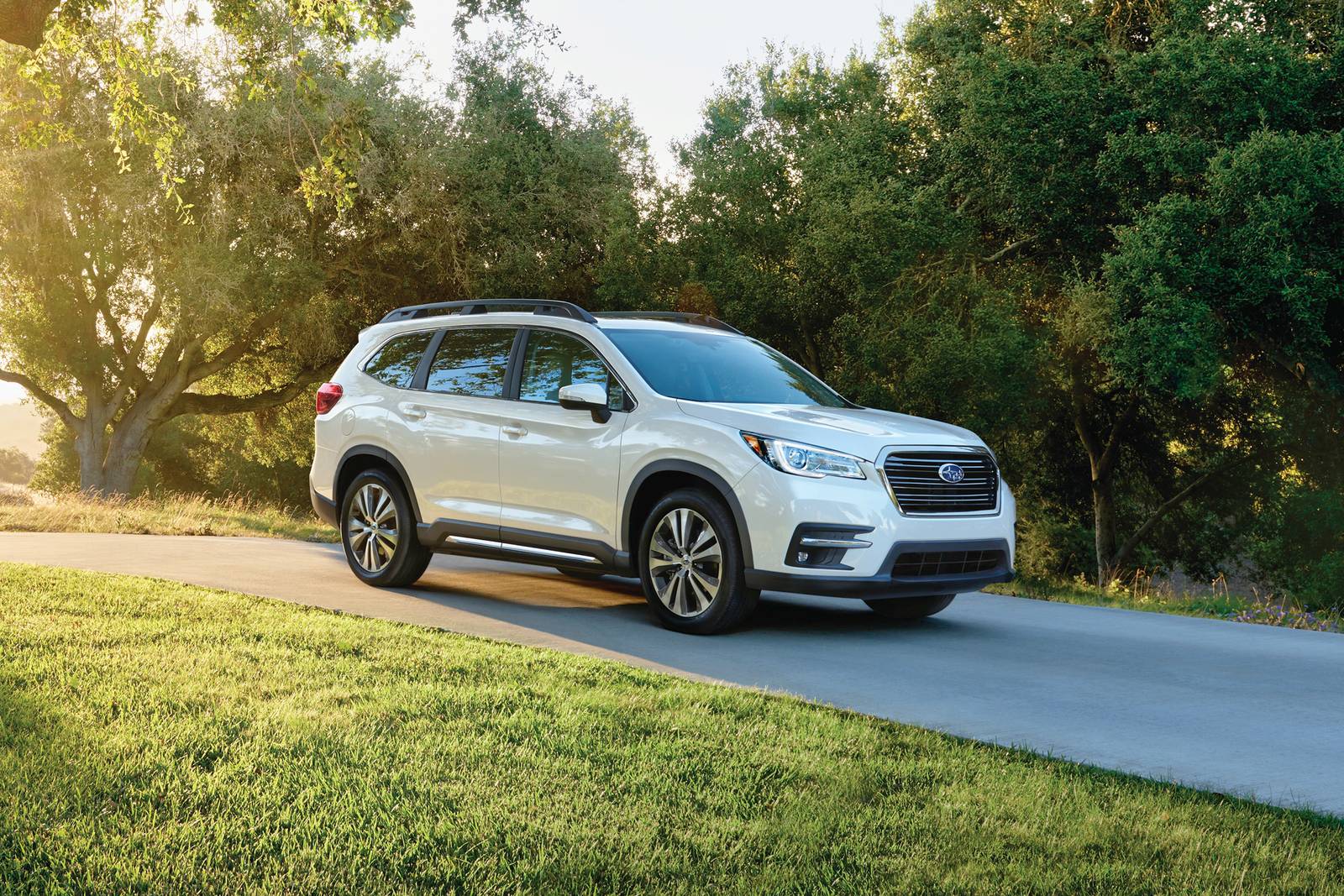
3. Subaru Ascent Premium AWD (Second Generation, 2019 to 2023)
Subaru’s Ascent marketing emphasizes family functionality, three-row seating, and the brand’s general outdoor lifestyle association without drilling into the specific technical capabilities that make the Ascent genuinely more capable on challenging surfaces than most three-row SUV competitors.
Buyers evaluating three-row family haulers often overlook the Ascent in favor of more fashionably styled alternatives, and some who do consider it underestimate what Symmetrical AWD and specific chassis tuning actually deliver when roads deteriorate. Subaru’s Symmetrical AWD in the Ascent uses full-time torque distribution with active management rather than the on-demand rear drive systems that many competitors use to achieve nominal AWD claims.
Full-time systems maintain constant torque distribution to all four wheels rather than waiting for front wheel slip before engaging rear drive, providing proactive traction management that handles surface transitions more smoothly and more effectively than reactive systems that engage after slip has already begun.
X-Mode terrain management in the Ascent adjusts throttle input, transmission behavior, AWD torque distribution, and stability control calibration for low-speed off-road use conditions, with a Dual Function X-Mode on newer Ascent examples providing separate calibrations for mud and snow versus deep snow and dirt conditions.
Hill Descent Control supplements X-Mode’s low-speed capability by managing braking on steep descents, allowing the driver to focus on steering rather than brake management on loose surfaces where simultaneous braking and steering demands can exceed driver capacity at challenging angles.
Ground clearance of 8.7 inches on the Ascent is genuinely adequate for the Forest Service roads, campground access routes, and mild trail conditions that most buyers who call themselves outdoor enthusiasts actually drive. This clearance, combined with X-Mode’s capability management, gives the Ascent a real off-road performance ceiling that Subaru’s family-focused advertising does not fully communicate to buyers who are specifically evaluating off-road potential.
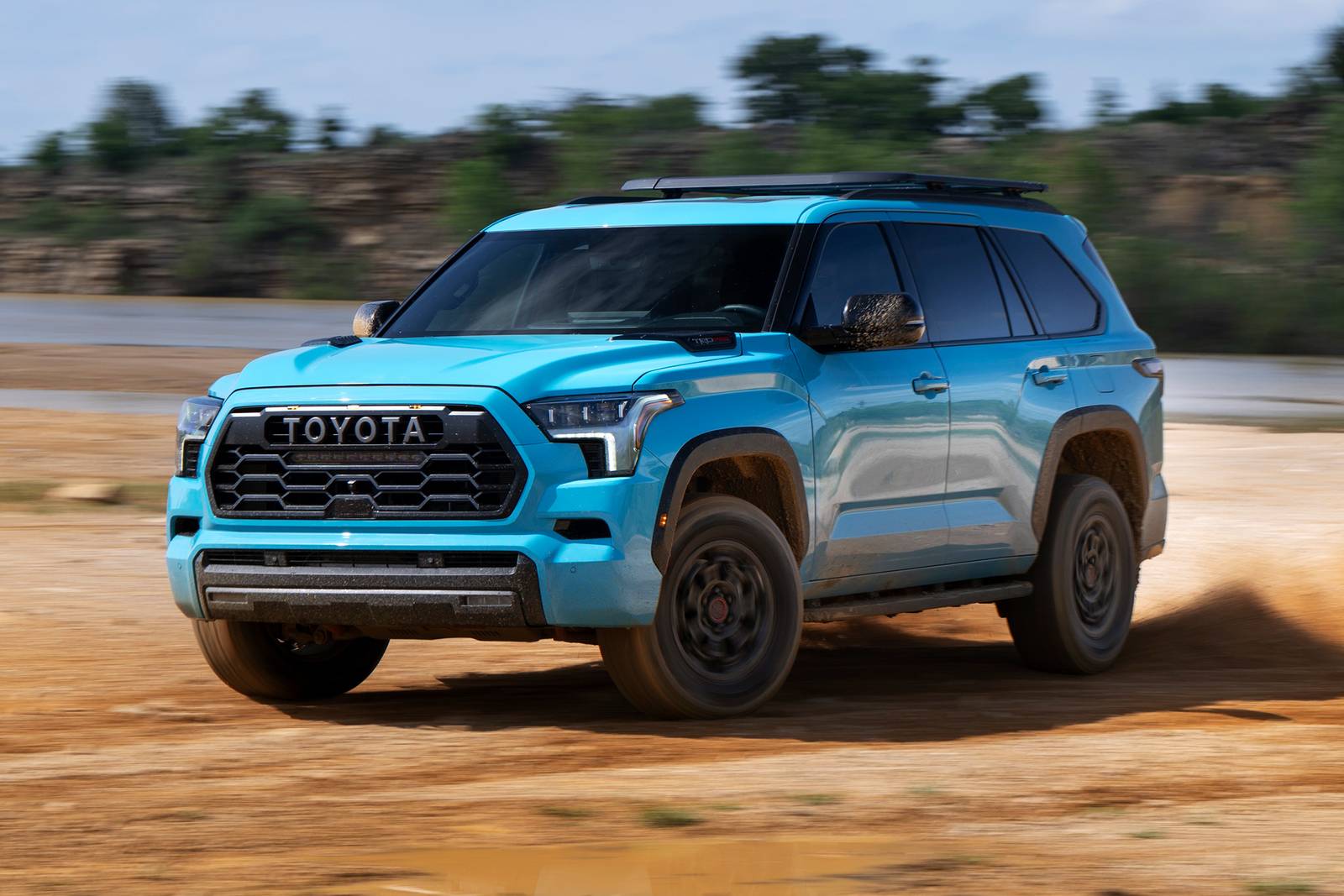
4. Toyota Sequoia TRD Pro 4WD (Third Generation, 2022 to 2024)
Toyota’s marketing for the third-generation Sequoia TRD Pro presents a visually distinctive vehicle with a lifted stance and off-road aesthetics, but the advertising rarely quantifies what the TRD Pro’s specific hardware combination actually enables on trails where full-size SUV capability is tested seriously. Buyers who investigate the TRD Pro’s specifications find an engineering package whose capability exceeds what the lifestyle-forward marketing typically communicates.
TRD Pro-specific hardware on the third-generation Sequoia includes Fox internal bypass shocks with 2.5-inch diameter bodies, providing damping capability that absorbs large off-road impacts without bottoming out in ways that stock SUV shocks cannot manage. Fox shocks of this specification appear on vehicles positioned as serious off-road competitors, and their presence in the Sequoia TRD Pro is a hardware indicator of genuine capability rather than cosmetic differentiation.
Active height control suspension on the third-generation Sequoia TRD Pro allows ride height adjustment that raises clearance for trail use and lowers it for highway efficiency and easier loading access. This electronically controlled suspension adds an adaptive clearance capability that compensates for one of full-size SUVs’ traditional limitations on trails where ground contact with vehicle underbody components limits progress that a vehicle with adequate tires and drivetrain could otherwise manage.
Multi-terrain select mode provides calibrated settings for dirt, sand, mud, deep snow, and rock conditions, adjusting traction control thresholds and throttle response for each surface type. Toyota’s crawl control manages throttle and braking automatically on low-speed demanding surfaces, allowing the driver to focus entirely on steering during technical sections where simultaneous input management exceeds driver multitasking capacity.
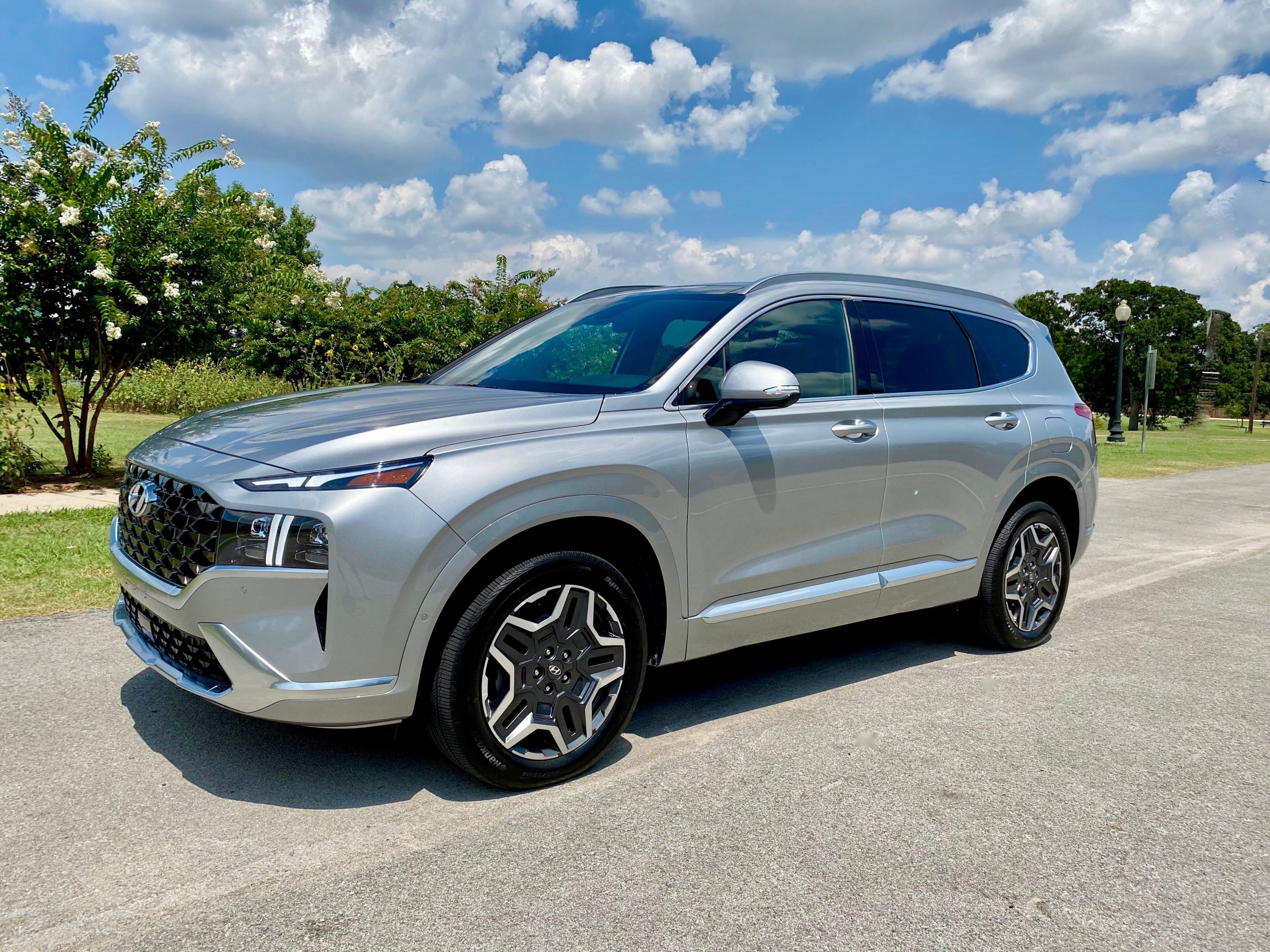
5. Hyundai Santa Fe XRT AWD (Fifth Generation, 2021 to 2023)
Hyundai’s marketing for the Santa Fe XRT positions it as a stylish outdoor lifestyle vehicle without extensively documenting the specific capability hardware that differentiates the XRT from standard Santa Fe configurations. Buyers who investigate what the XRT actually offers in terms of AWD system, terrain management, and ground clearance find a vehicle whose real-world capability in variable road conditions is meaningfully better than the modest marketing positioning suggests.
Hyundai’s all-terrain mode in the Santa Fe XRT adjusts AWD torque distribution to provide more rear axle torque contribution on loose surfaces where front-biased distribution would produce wheel spin that reduces forward progress. This mode calibration is a genuine capability differentiator rather than a marketing feature, providing measurable traction improvement on gravel, mud, and loose dirt that buyers who have driven the Santa Fe XRT on these surfaces consistently confirm through real-world experience.
Snow mode adjustment of throttle response and AWD calibration for winter traction and Mud mode optimization for loose surface performance provide specific calibrations that acknowledge the range of conditions that active buyers encounter rather than treating off-road capability as a single setting applied to all challenging conditions. Terrain-specific calibration that distinguishes between surface types reflects Hyundai’s engineering investment in real-world capability rather than providing a single “off-road” button that applies identical settings to fundamentally different surface conditions.
Ground clearance of 8.5 inches on the Santa Fe XRT provides adequate protection for most real-world off-road use patterns, including graded dirt roads, campground access routes, and the kind of mild trail conditions that most buyers who describe themselves as outdoor enthusiasts actually drive through. Combined with AWD terrain mode management and the XRT’s specific suspension tuning, this clearance is adequate for a capability ceiling that Hyundai’s understated marketing never fully exploits.
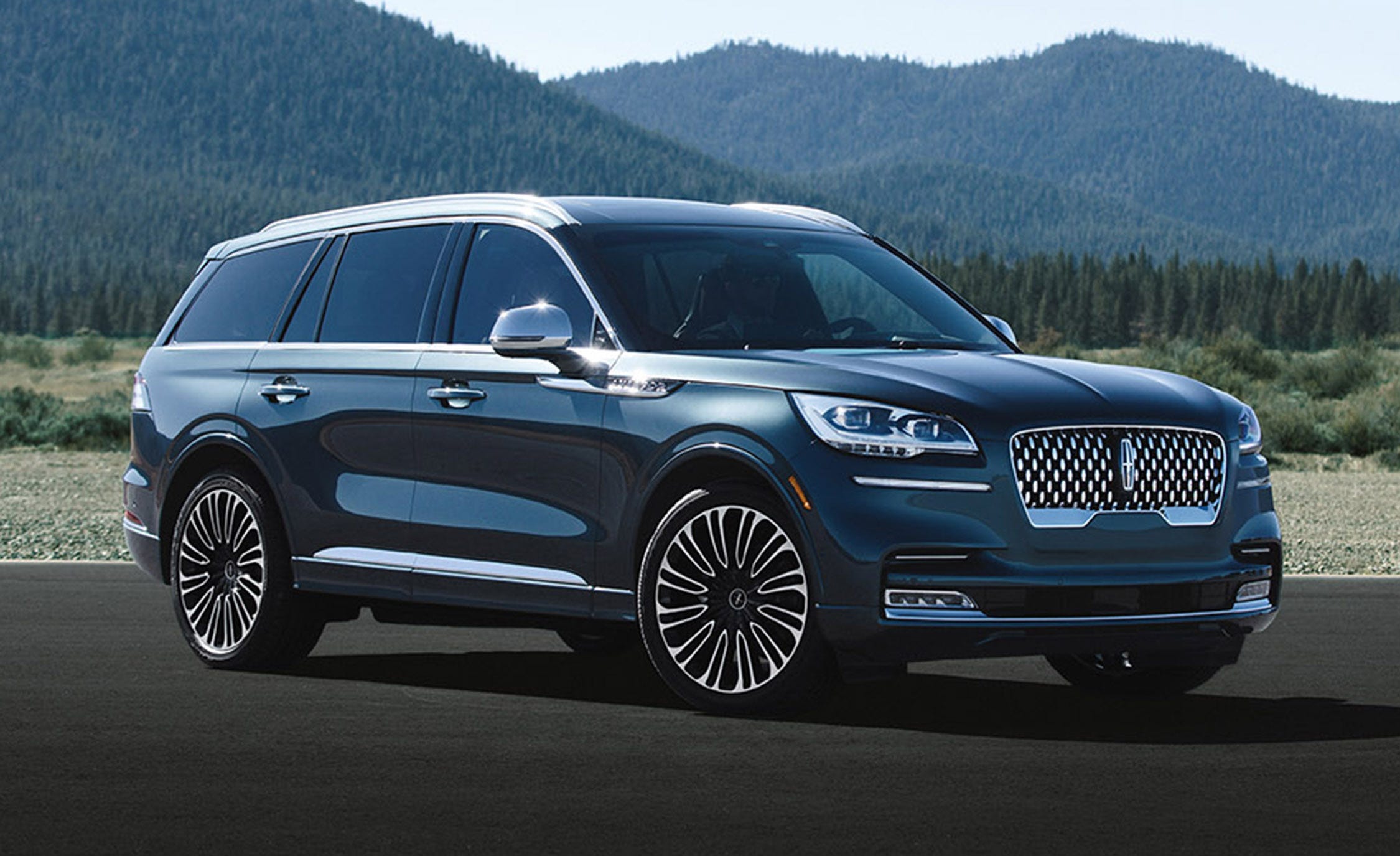
6. Lincoln Aviator Grand Touring Reserve AWD (Second Generation, 2020 to 2024)
Lincoln’s marketing for the Aviator Grand Touring Reserve focuses almost entirely on luxury, technology, and comfort appointments that appeal to premium buyers in the full-size luxury SUV segment. Off-road capability is not a primary theme in Lincoln’s Aviator communications, and most dealership discussions of the vehicle prioritize massaging seats, ambient lighting, and audio system quality over the hardware that makes this vehicle genuinely capable when pavement ends.
Terrain Management System in the Aviator Grand Touring Reserve provides four selectable terrain modes: Normal, Slippery, Deep Conditions, and Extreme Conditions, each of which adjusts AWD torque distribution, transmission movement behavior, throttle mapping, and stability control thresholds for specific surface conditions.
Deep Conditions mode in particular provides calibrated settings for mud, sand, and rough trail surfaces that the Aviator’s engineering can handle despite its luxury positioning. Buyers who never access this system because they assume luxury SUVs cannot genuinely handle difficult terrain are leaving capability on the table that the vehicle’s engineers specifically provided for their use.
Air suspension on the Aviator Grand Touring Reserve provides normal ride height for highway use and the option to raise ride height for off-road clearance needs when drivers activate the appropriate setting. Available clearance adjustment in an SUV at this price point and positioning is hardware that would be heavily marketed in a trail-positioned vehicle, but that receives minimal attention in Lincoln’s consumer communications because the brand’s luxury focus considers off-road capability a secondary interest for most of its buyer demographic.
All-terrain tire fitment is not standard on the Aviator Reserve, which represents a genuine limitation relative to vehicles specifically positioned for trail use. However, the fundamental AWD system capability, the terrain management programming, and the air suspension’s clearance adjustment combine to produce a vehicle that performs meaningfully better on dirt roads, forest access routes, and moderate trail conditions than most luxury SUV competitors at the same price level, and almost all of those competitors with more conservative marketing.
Lincoln owners who have taken their Aviator Grand Touring Reserve vehicles on camping trips and accessed destinations via graded gravel or Forest Service road have consistently reported that the vehicle performed better than their pre-trip expectations, and those expectations were shaped by the luxury-forward marketing that never suggested serious off-road competence was part of what they had purchased.
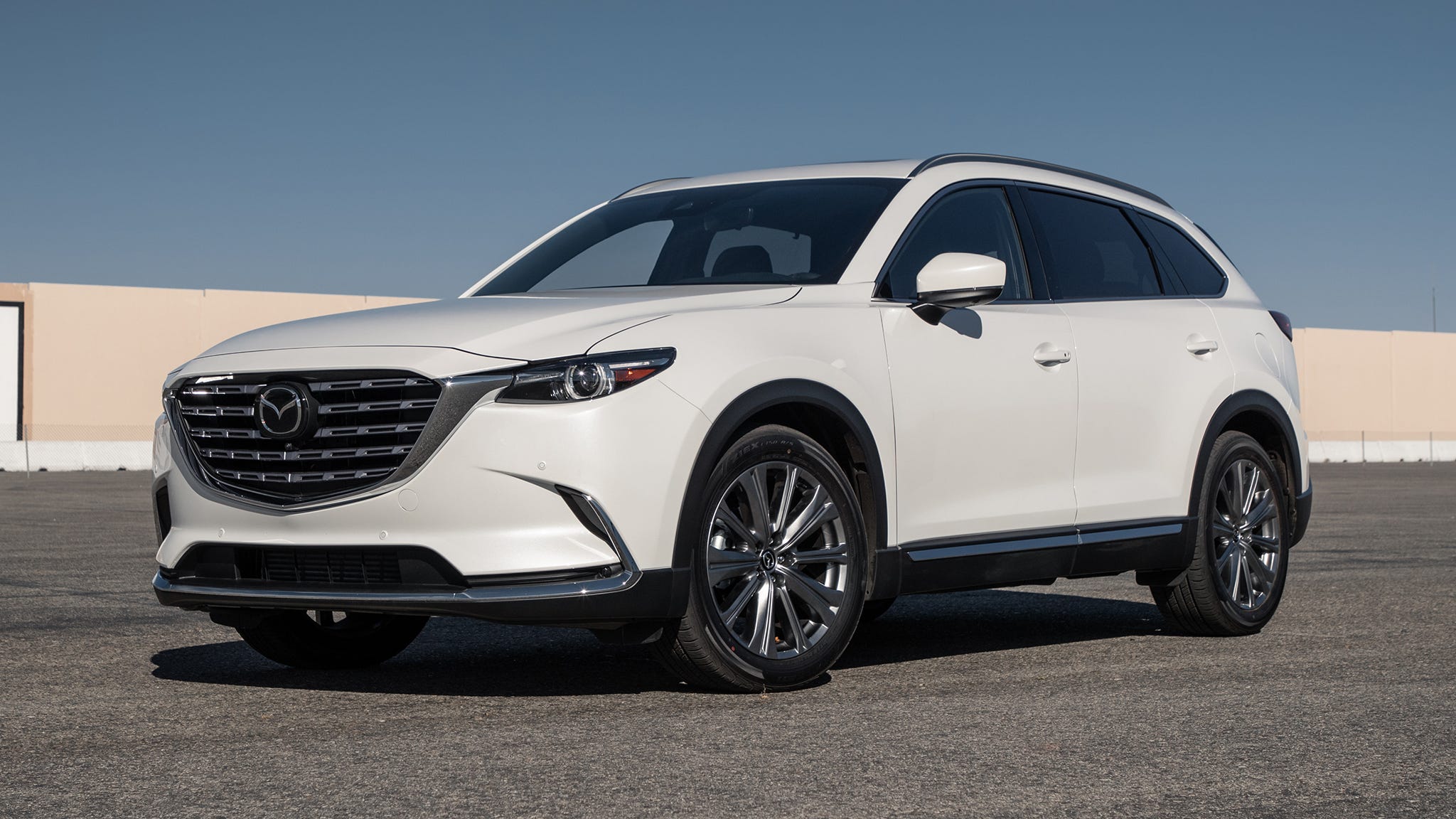
7. Mazda CX-9 Touring Plus AWD (Second Generation Facelift, 2021 to 2023)
Mazda’s CX-9 marketing emphasizes premium interior quality, driving refinement, and the brand’s human-centric design philosophy rather than off-road capability that might seem inconsistent with the sophisticated, urban professional positioning that Mazda has carefully built.
Buyers who evaluate the CX-9 Touring Plus AWD for family transportation and prioritize on-road refinement over trail performance often discover after purchase that their vehicle handles dirt road adventures with a competence that nothing in the buying process had suggested.
i-Activ AWD, Mazda’s all-wheel-drive system in the CX-9, uses a predictive management approach that monitors 27 vehicle parameters at 200 times per second to anticipate traction loss before it occurs and redistribute torque proactively rather than reactively.
This predictive management philosophy reflects Mazda’s engineering priority of preventing loss of control rather than recovering from it, which in practice produces AWD behavior that handles surface transitions smoothly and maintains vehicle stability on loose or variable surfaces in ways that less sophisticated on-demand systems cannot replicate.
Off-Road Traction Assist in the CX-9 Touring Plus uses selective brake application to wheels that have lost traction, effectively creating a virtual limited-slip differential effect without the mechanical complication of an actual locking differential. For the conditions that most CX-9 buyers actually encounter when they take family adventures on unpaved roads, this brake-based traction assistance is adequate to prevent the wheel spin stalls that less capable AWD systems produce on inclines and loose surfaces where traction is unevenly distributed.
Ground clearance of 8.8 inches positions the CX-9 favorably for its segment, providing adequate protection for gravel roads, campground access routes, and the typical real-world off-road conditions that buyers encounter on outdoor recreation trips. Combined with the predictive i-Activ AWD and the Off-Road Traction Assist, the CX-9 Touring Plus handles these conditions with a confidence and competence that Mazda’s understated, refinement-focused marketing never communicates explicitly.
Mazda’s engineering-first culture produces vehicles whose capabilities sometimes exceed their marketing positioning because the brand invests in engineering substance rather than in translating every engineering achievement into marketing language that buyers can immediately evaluate.
The CX-9 Touring Plus AWD is a clear example of this pattern, delivering off-pavement capability that consistent owner feedback confirms as better than expected from a vehicle that was purchased primarily for highway comfort and family practicality.
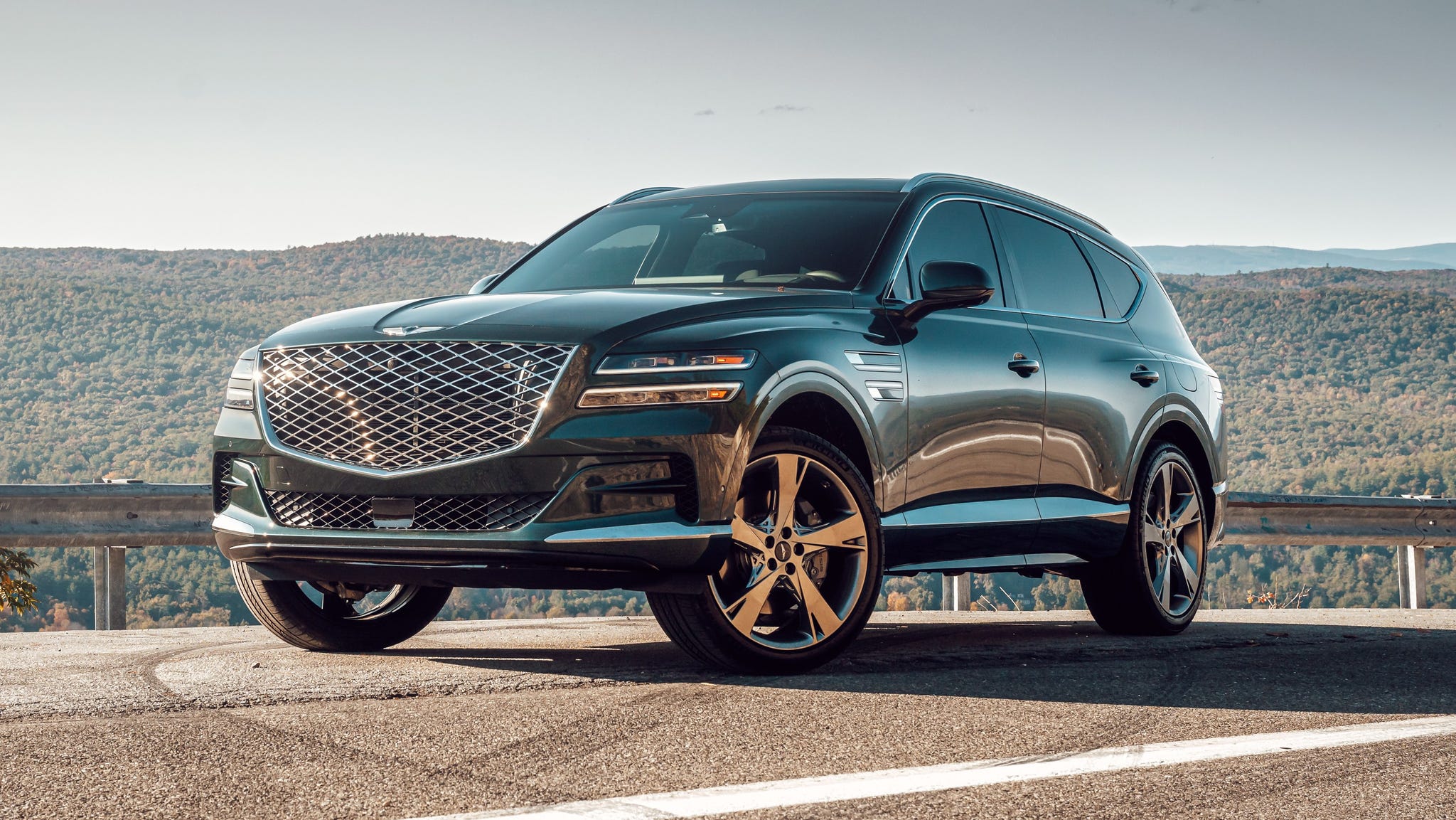
8. Genesis GV80 3.5T Sport Prestige AWD (First Generation Facelift, 2022 to 2024)
Genesis entered the full-size luxury SUV segment with the GV80, and the brand’s marketing has consistently positioned the vehicle as a design and luxury story rather than a capability story. This focus is commercially understandable for a brand establishing its luxury credentials, but it results in buyers forming no expectation of off-road competence from a vehicle whose AWD system and terrain management capabilities are genuinely impressive relative to the segment.
HTRAC AWD in the GV80 3.5T uses a multi-plate clutch coupling that allows torque distribution across a continuous range from full front-drive to near-equal front-rear distribution, providing management flexibility that adapts to surface conditions across a broader range than simpler on-off rear engagement systems.
Terrain Mode selection between Eco, Comfort, Sport, and Smart modes and dedicated Off-Road mode provides calibrated settings that adjust AWD torque distribution, throttle response, and transmission behavior for off-road conditions, with the Off-Road mode specifically tuned for loose surface driving that the GV80’s engineering can genuinely handle.
Air suspension in higher GV80 trim levels provides ride height adjustment that allows clearance increase for off-road use, addressing the limitation that a fixed-height luxury SUV would face on rocky or rutted access roads. The ability to raise the vehicle before entering a challenging section and return to normal height for highway driving afterward is a practical capability that experienced off-road drivers value and that most buyers who purchase the GV80 for its luxury positioning never discover they own.
Standard Downhill Brake Control manages descent speed on steep grades without driver brake intervention, providing stable, controlled descent behavior on loose-surface slopes where driver brake application would create wheel lock that reduces steering effectiveness.
This feature, standard equipment on the GV80 Prestige but unmentioned in Genesis’s luxury-focused marketing, represents genuinely useful off-road hardware embedded in a vehicle whose advertising would never suggest it was relevant to its intended buyer.
Genesis’s decision to build genuine capability into the GV80 while marketing primarily the vehicle’s luxury and design credentials primarily reflects a brand philosophy of delivering more than promised, but it also results in buyers who purchased the vehicle for its looks and interior quality later discovering that they own a genuinely capable all-conditions SUV that can accompany them on adventures their purchase decision never specifically planned for.
Also Read: 6 Cars for Narrow Colonial Streets In Richmond vs. 6 Large SUVs That Can’t Turn
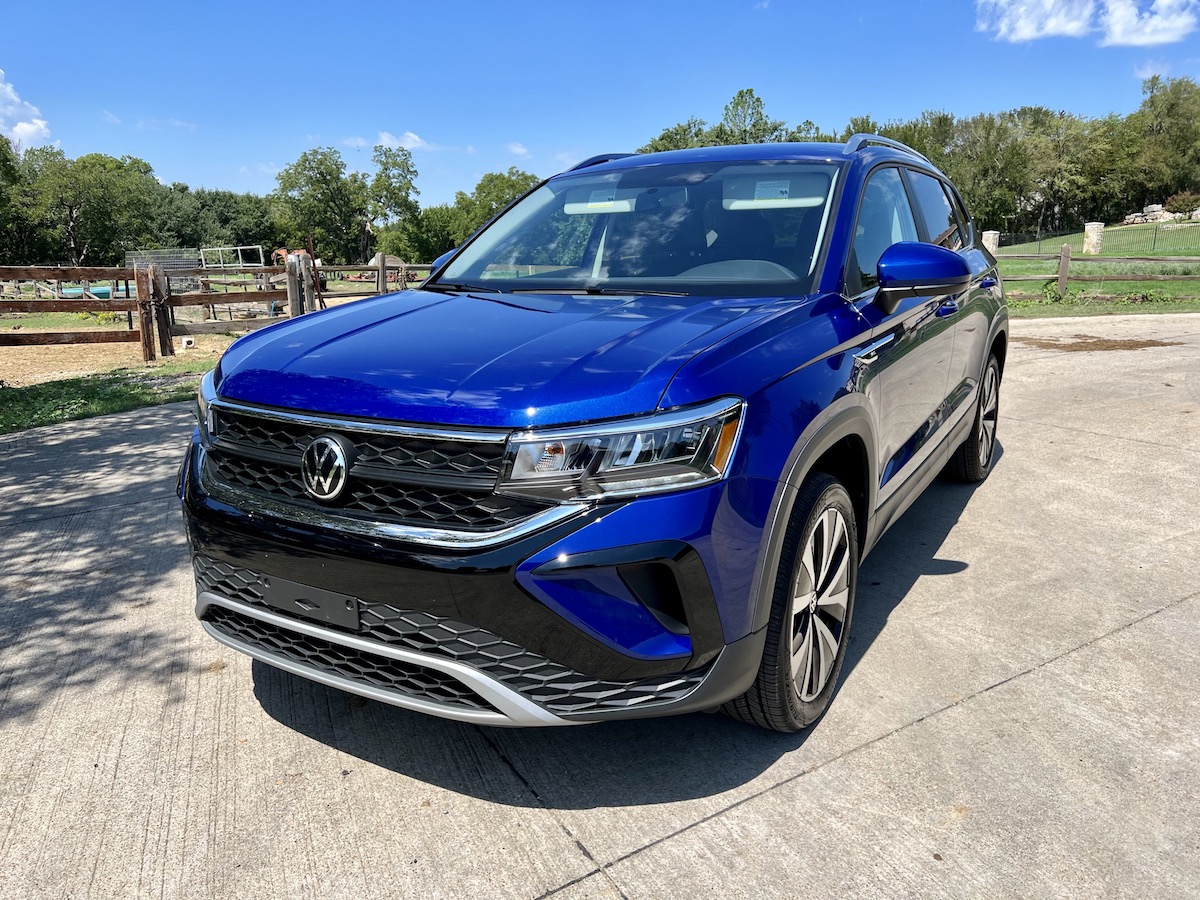
9. Volkswagen Taos SE 4Motion AWD (First Generation, 2022 to 2024)
Volkswagen’s marketing for the Taos SE 4Motion targets value-conscious compact SUV buyers with messaging about practicality, VW quality, and available AWD for all-season confidence. Off-road marketing for the Taos is minimal, which accurately reflects the vehicle’s primary positioning as a practical urban and suburban transportation choice.
What the minimal marketing fails to communicate is that the Taos SE 4Motion’s AWD system provides genuinely useful capability on unpaved surfaces that compact SUV buyers who occasionally venture off pavement find more effective than competitor systems at similar price points.
4Motion AWD in the Taos uses an electro-hydraulic rear axle coupling that provides on-demand rear drive engagement when front traction is insufficient, with a system response speed that Volkswagen’s engineering team calibrated specifically for proactive engagement rather than delayed reactive response.
Faster engagement means the 4Motion system detects impending front wheel slip earlier and begins distributing torque to the rear before visible wheel spin develops, producing smoother traction management transitions on gravel, wet dirt, and loose surface conditions than systems with slower coupling response.
Off-Road driving mode in the Taos SE 4Motion adjusts throttle sensitivity and AWD engagement characteristics for loose surface use, raising the traction control intervention threshold to allow a small degree of wheel movement that helps dig through loose material for forward progress while preventing the uncontrolled spin that would reduce traction entirely.
This mode calibration demonstrates that Volkswagen’s engineering team built genuine off-pavement use into the Taos’s capability consideration despite the marketing’s complete silence on the subject. Ground clearance of 8.0 inches on the Taos is adequate for typical unpaved road conditions that compact SUV buyers actually encounter, including graded gravel roads, unimproved campground access routes, and the kind of light off-pavement driving that an occasional adventure weekend generates.
For buyers who need a compact SUV that handles mixed surface conditions competently without the size, weight, and fuel consumption of a larger vehicle, the Taos SE 4Motion’s capability-to-price ratio is one of the better propositions in the current compact SUV segment, regardless of how rarely its marketing acknowledges this.
