
Over the past decade, the American automotive market has undergone a dramatic shift in consumer preferences, with SUVs and crossovers almost completely overshadowing traditional station wagons.
Once considered the backbone of family transportation in the United States, wagons have steadily disappeared from mainstream showrooms, replaced by taller, more aggressive-looking vehicles that promise similar practicality with a more modern appeal.
However, in this transition, many exceptional wagons were overlooked, undervalued, or simply forgotten by mainstream buyers who were more focused on trends than driving dynamics, efficiency, or long-term practicality. What makes this shift particularly interesting is that it did not happen because wagons became worse, but because SUVs became more fashionable and heavily marketed, creating a perception shift rather than a true functional necessity.
Despite their decline in popularity, wagons have always offered a unique blend of sedan-like handling and SUV-like cargo space, making them one of the most balanced vehicle types ever created. Between roughly 2016 and 2026, several manufacturers continued to produce wagons for niche audiences, especially in Europe and limited North American markets.
These vehicles often featured advanced safety systems, refined interiors, and powerful yet efficient engines, but they failed to achieve mass adoption in the United States due to shifting consumer demand and marketing priorities. In many cases, these wagons were technically superior to the SUVs that replaced them, yet they were overshadowed by styling trends and consumer psychology that favored taller driving positions.
The irony is that while buyers were chasing larger SUVs, they often ignored wagons that delivered better fuel economy, lower center of gravity handling, and more engaging driving experiences. Vehicles like Volvo’s estate lineup, Audi’s Allroad series, and even performance-oriented wagons from BMW and Mercedes-Benz offered a level of versatility that rivaled or exceeded many crossovers.
Yet, cultural perception played a significant role in their decline, with wagons increasingly seen as outdated or less fashionable compared to modern SUV silhouettes. Over time, this perception became self-reinforcing, leading manufacturers to gradually reduce wagon offerings in the U.S. market.
Today in 2026, enthusiasts are only beginning to recognize what was lost during this transition. Many of these wagons are now considered cult classics or future collectibles, especially as manufacturers phase them out in favor of electric SUVs.
This article explores nine wagons from the last decade that American buyers largely slept on, highlighting why they mattered, what made them special, and why they deserved more attention than they received.
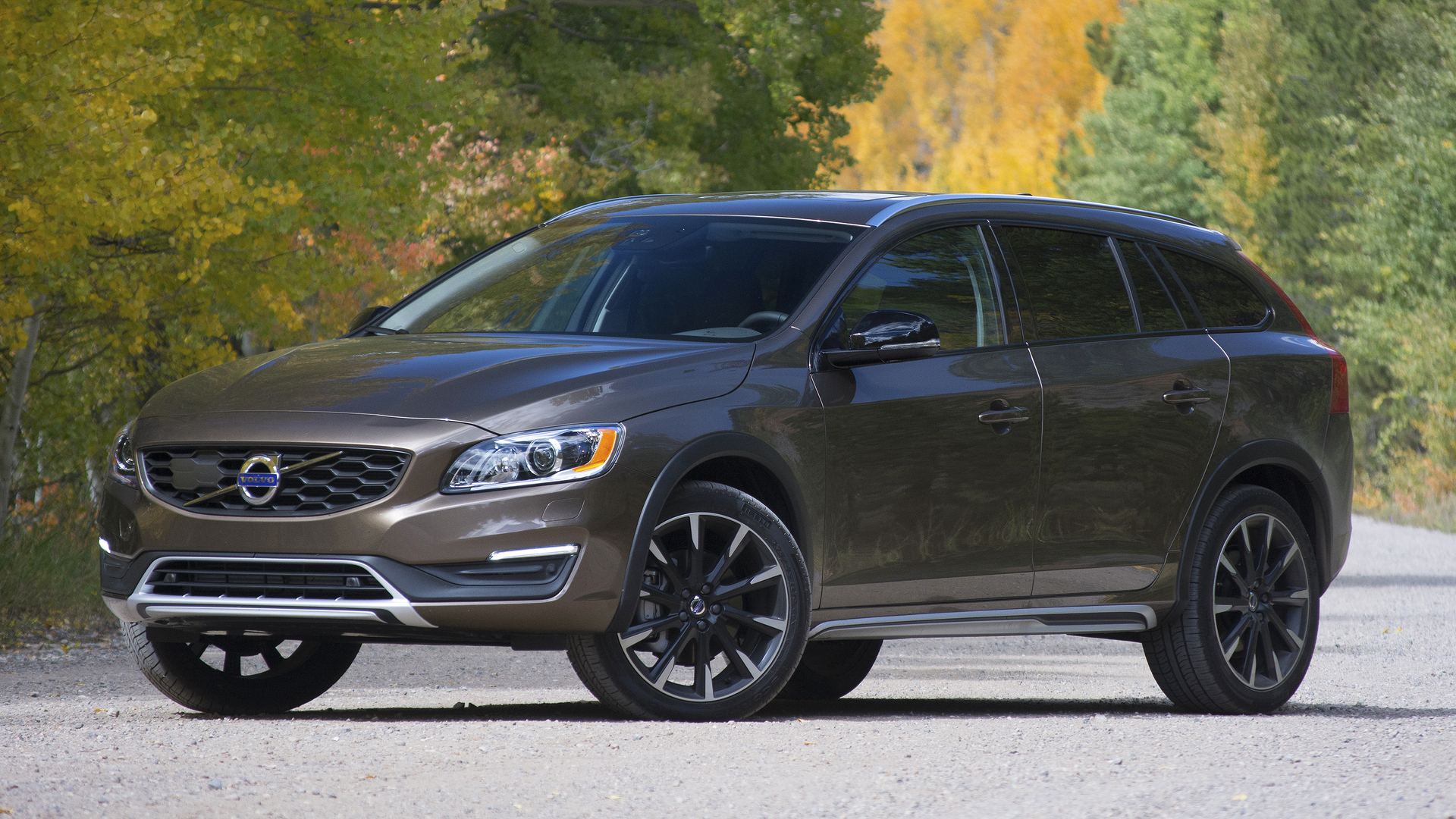
Volvo V60 Cross Country
The Volvo V60 Cross Country represents one of the final chapters of Volvo’s long wagon legacy in the United States, and it stands as a perfect example of how a deeply refined vehicle can still fail in a market driven more by perception than engineering merit.
Known for its safety-focused engineering and minimalist Scandinavian design philosophy, the V60 Cross Country blended practicality with premium comfort in a way very few competitors could match during its production run.
Volvo has always prioritized human-centered design, and this model reflected that approach with a cabin that felt calm, uncluttered, and intentionally designed to reduce driver fatigue during long journeys. Despite these strengths, it remained a niche choice in a market dominated by SUVs, which led to its discontinuation in the U.S. by 2026.
Inside, the V60 Cross Country offered a clean and functional cabin with high-quality materials, soft-touch surfaces, and intuitive technology that did not overwhelm the driver with unnecessary complexity. The seating position was carefully engineered for long-distance comfort, with ergonomic support that made highway driving particularly relaxing.
Many owners appreciated how the interior avoided the excessive visual noise found in some competitors, instead focusing on usability and comfort. Even the infotainment system, while not the flashiest, was designed to be logical and easy to use, reinforcing Volvo’s commitment to safety and simplicity.
Performance-wise, it delivered a turbocharged engine paired with All Wheel Drive, giving it confidence in all weather conditions and making it particularly well-suited for regions with snow or rough terrain.
While not a performance wagon in the traditional sense, it struck an excellent balance between efficiency and capability, something many modern crossovers still struggle to replicate. The chassis tuning also gave it a composed ride quality that absorbed road imperfections effectively while maintaining stability at highway speeds.
Its biggest downfall was timing and perception rather than capability. By the time it matured into a highly refined product, consumer demand had already shifted heavily toward SUVs, and wagons were increasingly viewed as outdated despite their advantages. As a result, it became one of the most overlooked premium wagons of the decade, even though it arguably represented one of Volvo’s most complete all-round packages.
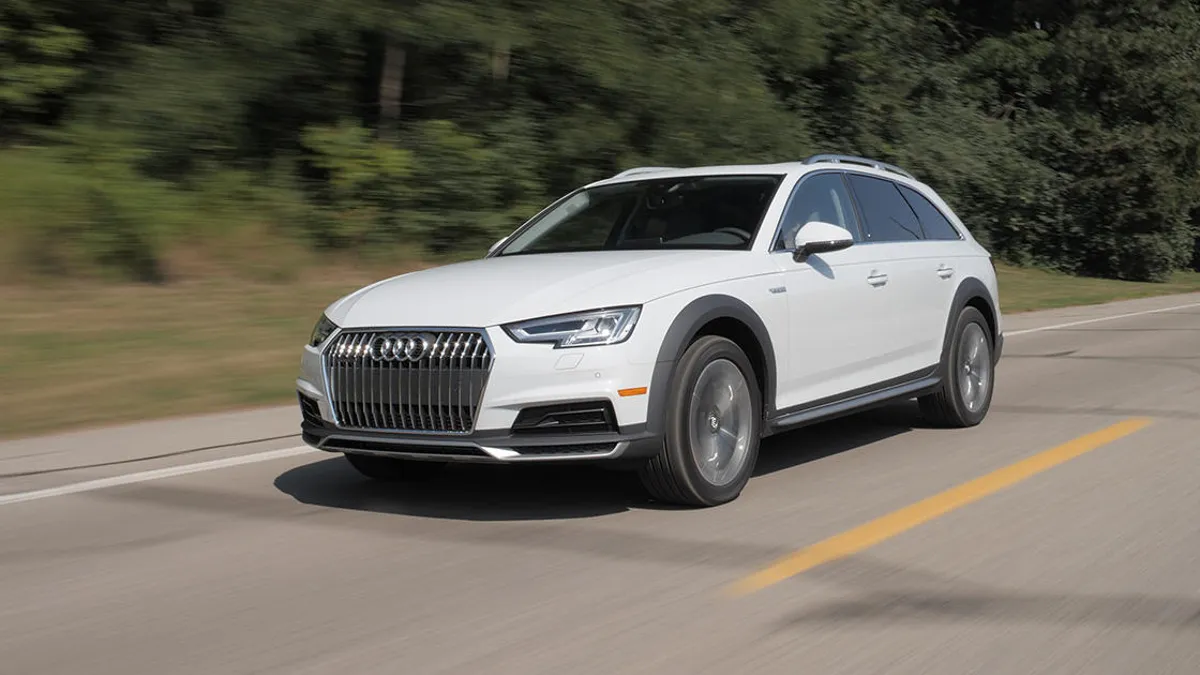
Audi A4 Allroad
The Audi A4 Allroad is a fascinating case study in how automakers attempted to preserve the wagon segment by blending it with SUV-inspired design elements. Rather than positioning it as a traditional wagon, Audi elevated the suspension, added protective body cladding, and emphasized its All Wheel Drive capability to align it more closely with crossover expectations.
This strategy allowed the A4 Allroad to survive in markets where wagons were declining, but it also meant that its true identity as a refined performance wagon often went unnoticed by mainstream buyers.
Inside, it featured Audi’s signature interior design philosophy, which combined precision engineering with minimalist aesthetics and premium materials. The cabin felt modern and technologically advanced, with a digital instrument cluster and a clean dashboard layout that prioritized driver focus.
Seating comfort was excellent, and the cargo space remained highly practical for families or individuals who valued versatility. Audi also ensured that noise insulation and ride refinement were top priorities, making the cabin feel insulated from road imperfections even at higher speeds.
On the road, the A4 Allroad stood out for its composed handling and smooth ride quality. Unlike many SUVs in its class, it felt planted and responsive due to its lower center of gravity, which is a natural advantage of wagon-based platforms.
Steering feedback was precise, and the vehicle maintained a sense of agility that made it enjoyable to drive on both urban roads and highways. It effectively bridged the gap between comfort-oriented luxury cars and practical family vehicles.
Despite its strengths, many American buyers dismissed it as simply a niche European option, often misunderstanding its purpose or failing to recognize its long-term value proposition. Over time, it became one of the most underrated luxury wagons available in the U.S. market, especially among enthusiasts who appreciated driving dynamics over styling trends.
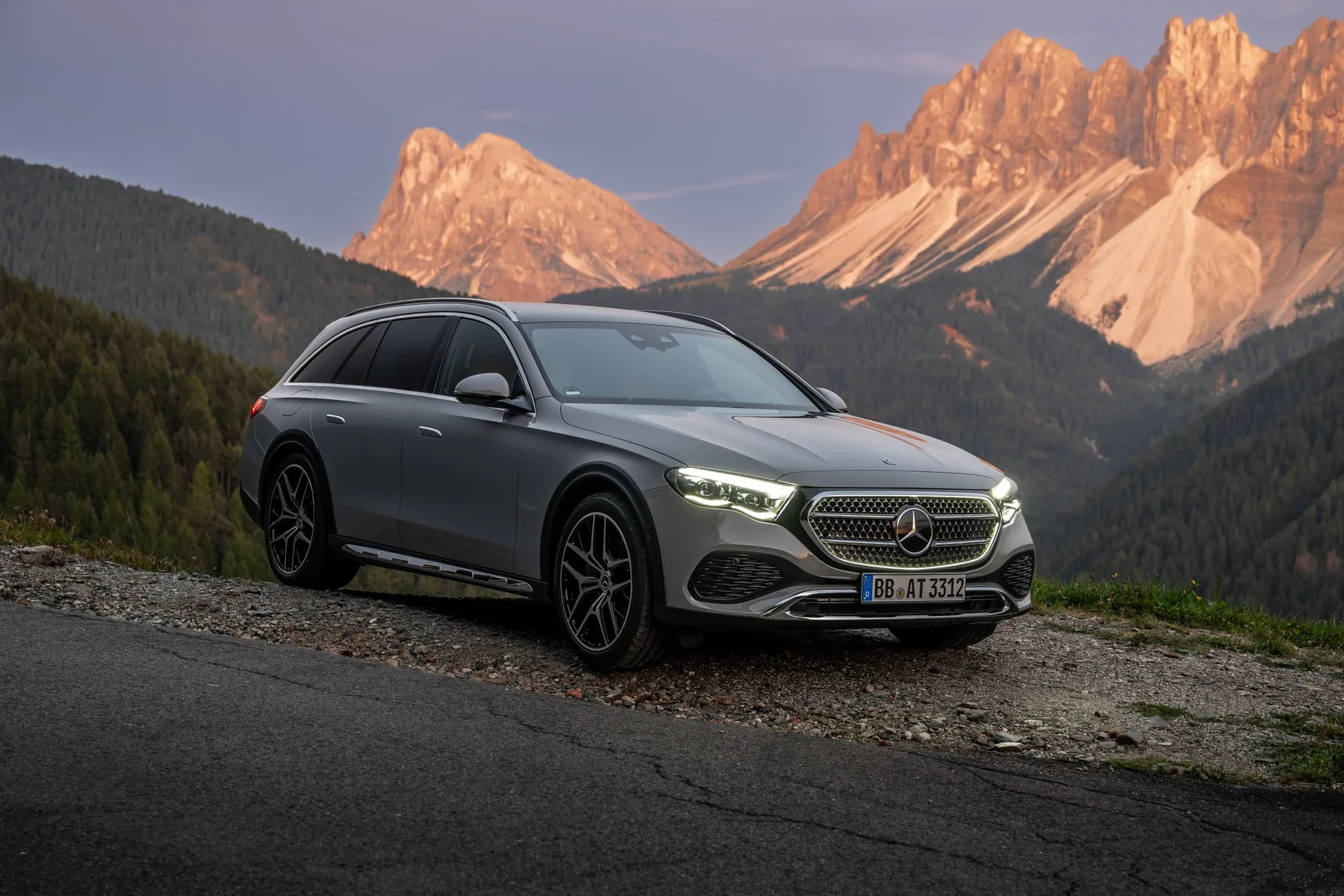
Mercedes-Benz E-Class
The Mercedes-Benz E-Class All-Terrain represents the brand’s strategic attempt to keep the luxury wagon segment alive in a market increasingly dominated by SUVs. Built on the highly respected E-Class platform, it combined traditional wagon proportions with SUV-inspired styling cues and advanced off-road-oriented features.
Mercedes positioned it as a premium family vehicle capable of handling both urban environments and light off-road conditions, making it a direct competitor to luxury SUVs without abandoning the wagon format entirely.
The interior was one of its strongest selling points, featuring dual high-resolution screens, ambient lighting that could be customized across multiple settings, and high-end materials that reinforced its luxury identity. The cabin design emphasized both comfort and technological sophistication, offering a driving environment that felt futuristic yet familiar.
Rear seat space was generous, and cargo capacity was impressive, making it highly practical for long-distance travel or family use.
Its driving experience was equally impressive, offering a smooth and controlled ride thanks to advanced air suspension systems that adapted continuously to road conditions. Engine performance was strong and refined, delivering effortless acceleration and highway cruising capability. Mercedes engineered it to prioritize comfort above all else, ensuring that passengers experienced minimal fatigue even on extended journeys across varying road surfaces.
However, its high price point significantly limited its appeal in the United States. Many buyers opted for similarly priced SUVs instead, often driven by perception rather than practicality. This resulted in the E Class All Terrain being overlooked despite offering superior driving refinement, stability, and cargo efficiency in a lower and more balanced vehicle layout.
Also read: 6 Tech-Integrated EVs for Research Triangle In Raleigh vs. 6 Cars with Outdated Software
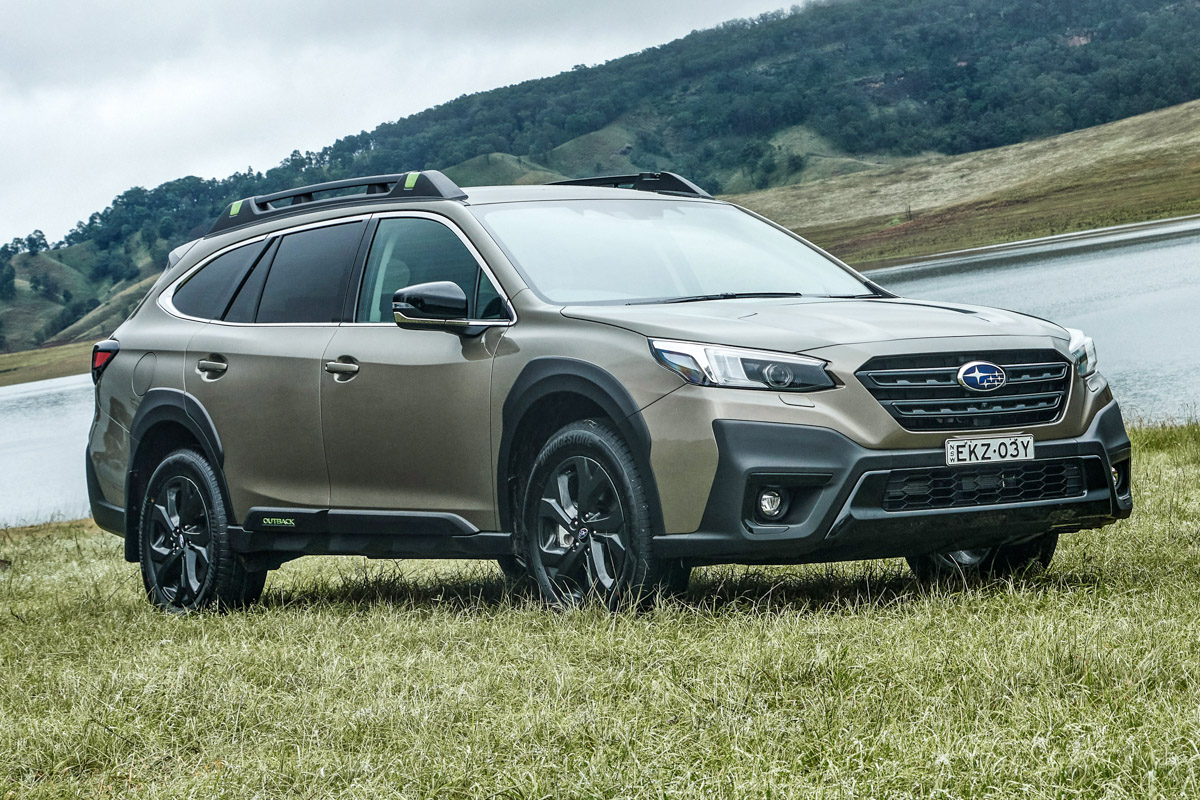
Subaru Outback
The Subaru Outback occupies a unique position in automotive history because it began as a true wagon and gradually evolved into something closer to a crossover SUV over time. Earlier generations were significantly lower in stance and more closely aligned with traditional wagon design, offering a driving experience that emphasized practicality, simplicity, and reliability. It quickly became popular among outdoor enthusiasts, families, and drivers living in regions with challenging weather conditions.
Its standard All Wheel Drive system made it exceptionally capable in snow, rain, and uneven terrain, while its lightweight construction contributed to predictable handling and strong fuel efficiency for its class.
The interior design prioritized functionality, with durable materials and a straightforward layout that made it easy to use in everyday conditions. Cargo space was generous, and the flexible seating configurations made it suitable for a wide variety of use cases.
Over time, however, Subaru gradually increased the size, ride height, and visual ruggedness of the Outback, effectively transitioning it into the crossover category while still marketing it as a wagon. This evolution helped it achieve massive commercial success in the United States, but it also contributed to the disappearance of traditional wagons from mainstream consumer awareness.
Today, older Outback models are often remembered as some of the most practical and dependable wagons ever sold in the U.S., representing a bridge between classic wagon design and modern SUV expectations.
BMW 3 Series Touring
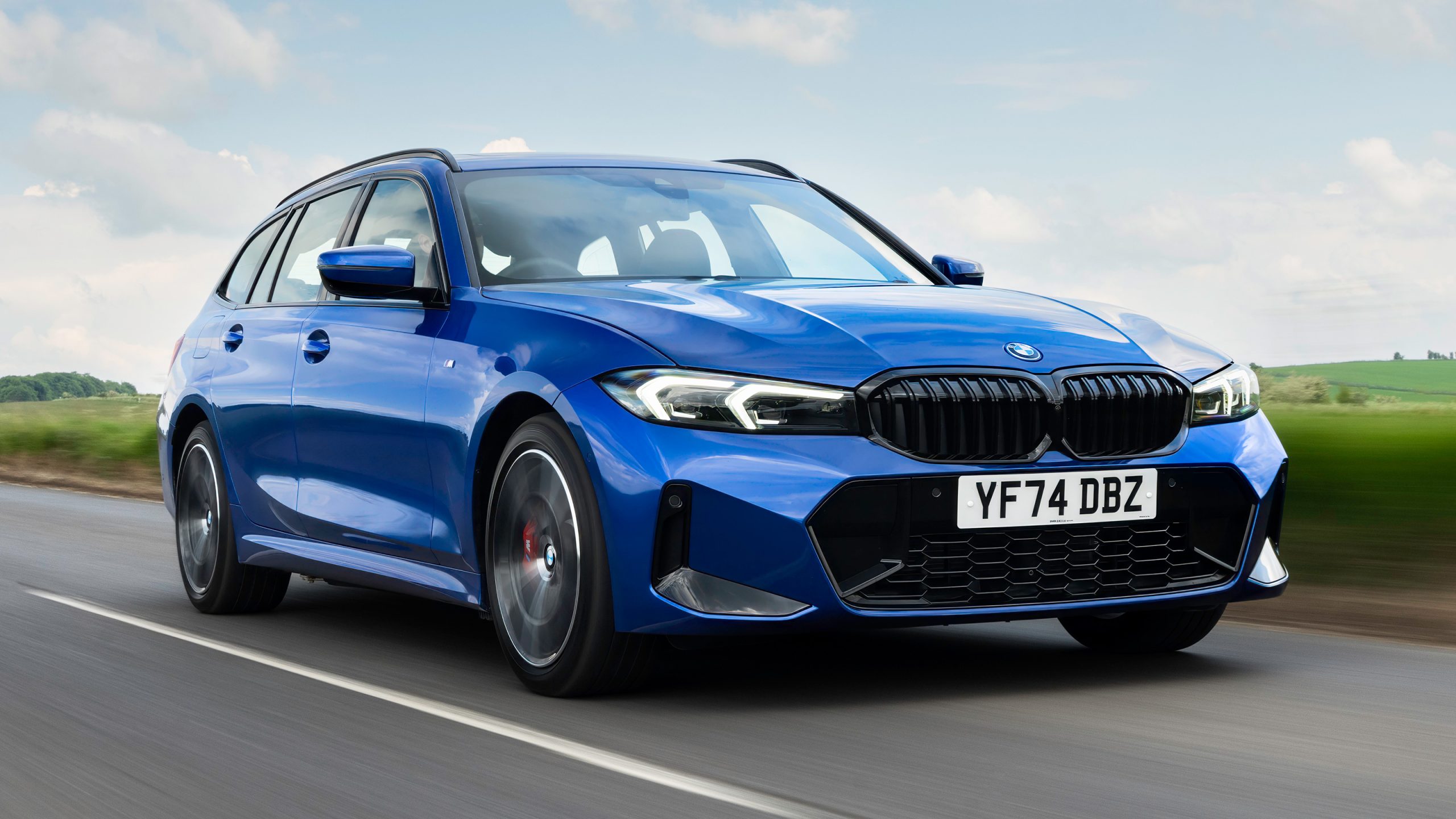
The BMW 3 Series Touring is one of the most engaging wagons ever engineered, yet its availability in the United States has always been extremely limited, which significantly reduced its visibility among American buyers. Built on BMW’s iconic 3 Series platform, it combined sports sedan performance with the practicality of a long roof design, making it one of the most well-balanced vehicles in its segment.
Inside, it featured a driver-focused cockpit that emphasized control, visibility, and premium materials. The layout was clean and functional, with modern infotainment systems integrated seamlessly into the dashboard. Cargo capacity was generous enough for families or active lifestyles, making it far more versatile than its sedan counterpart without compromising on driving dynamics.
On the road, it delivered precise steering, balanced chassis dynamics, and strong engine performance that made it feel exceptionally engaging even during everyday driving. Unlike many practical vehicles, it retained a strong sense of athleticism, allowing drivers to enjoy both spirited driving and long-distance comfort in the same package. This dual personality made it particularly appealing to enthusiasts who needed practicality without sacrificing driving enjoyment.
Unfortunately, limited marketing and low availability in the United States meant that very few buyers were even aware of its existence, leading it to remain one of the most underrated performance wagons of the last decade.
Audi A6 Allroad
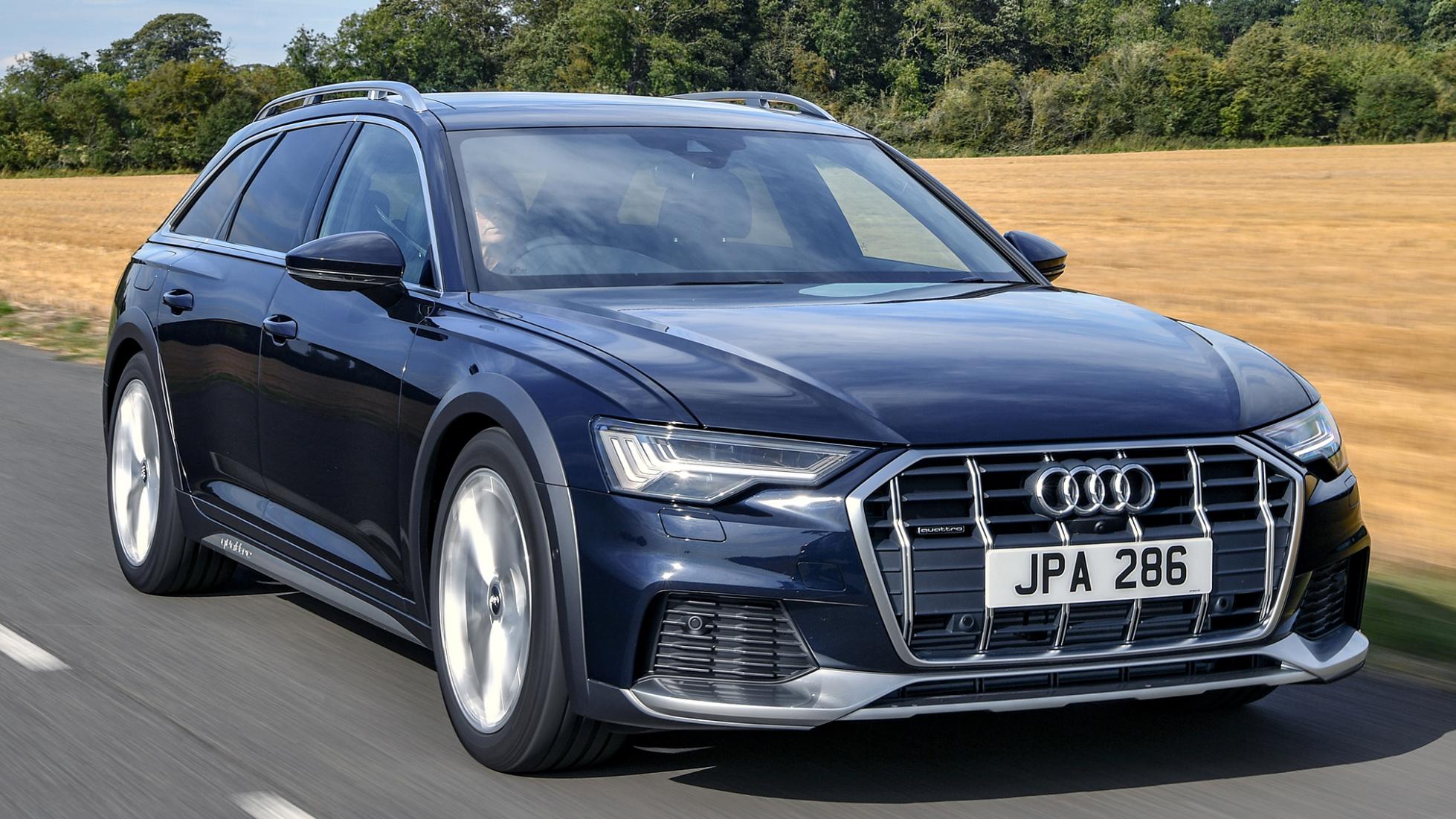
The Audi A6 Allroad sits at the higher end of the wagon spectrum and represents one of the most complete expressions of what a modern luxury wagon can achieve when engineered without compromise.
Built on the refined A6 platform, it was designed for buyers who wanted the practicality of an SUV without the bulk, inefficiency, or handling disadvantages that typically come with taller vehicles.
Audi positioned it as a long-distance luxury cruiser that could handle everything from daily commuting to cross-country road trips with ease, comfort, and confidence. Despite these strengths, it remained relatively niche in the United States, largely due to the overwhelming dominance of luxury SUVs in the same price bracket.
Inside, the A6 Allroad delivered one of the most refined interiors in its class, featuring premium leather upholstery, soft touch materials throughout, and a dual screen infotainment system that integrated navigation, media, and vehicle controls seamlessly.
The cabin was designed with a strong emphasis on acoustic insulation, creating a quiet and calming environment even at highway speeds. Rear passengers benefited from generous legroom, while cargo space was both deep and flexible, making it highly practical for long trips, airport runs, or family travel. Audi’s attention to detail ensured that every surface and control felt purposeful and high quality.
On the road, the A6 Allroad stood out for its exceptional ride comfort and composure. Its turbocharged engine delivered smooth and consistent power, while the adaptive air suspension system adjusted automatically to road conditions, providing a near-seamless driving experience across different surfaces.
Whether driving through rough city streets or cruising on highways, it maintained a sense of stability and refinement that few SUVs could match. The lower center of gravity inherent in its wagon design also contributed to more confident handling and reduced body roll.
Despite being one of the most capable luxury wagons ever produced, it struggled to gain mainstream traction in the U.S. market. Buyers in this segment increasingly gravitated toward SUVs, often prioritizing perceived status and ride height over driving dynamics and efficiency.
As a result, the A6 Allroad became one of the most overlooked premium wagons of its generation, appreciated mostly by enthusiasts and long-distance drivers who understood its true value.
Volkswagen Golf SportWagen
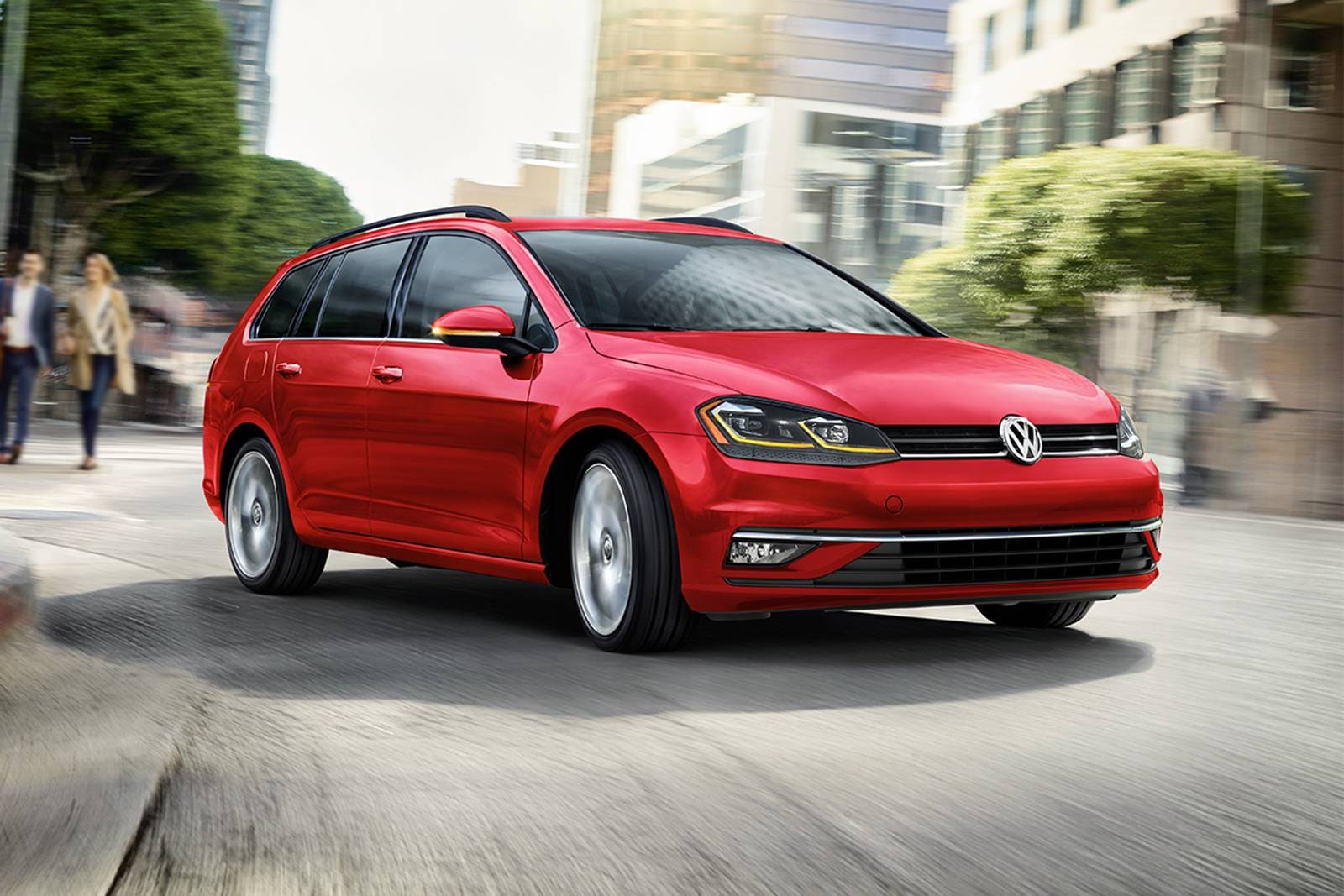
The Volkswagen Golf SportWagen was one of the most practical and intelligently designed compact wagons available in the United States, yet it never achieved the recognition it truly deserved. Built on the highly successful Golf platform, it carried forward Volkswagen’s reputation for producing well-balanced, efficient, and driver-friendly vehicles.
It was introduced as a more spacious alternative to hatchbacks, offering significantly more cargo room while maintaining the compact dimensions and easy maneuverability that made the Golf family so popular globally.
Inside, the SportWagen featured a clean and functional cabin layout that emphasized usability over unnecessary complexity. Materials were solid for its price range, and the seating position offered excellent visibility for both city and highway driving.
The cargo area was one of its strongest selling points, providing a flat loading floor, wide opening hatch, and enough space to handle everything from grocery runs to weekend travel gear. Rear seats folded down easily, transforming it into a highly versatile small utility vehicle.
On the road, the Golf SportWagen delivered a driving experience that was both refined and engaging. Its compact size made it ideal for urban environments, while its suspension tuning provided a comfortable ride on longer journeys.
Engine options focused on efficiency without sacrificing responsiveness, making it a strong choice for drivers who valued low running costs and practicality. Steering was precise, and the driving feel retained the familiar European hatchback character that Volkswagen is known for.
Despite these strengths, the SportWagen suffered from poor marketing and the rapid rise of compact SUVs, which overshadowed it in dealership showrooms. Many buyers defaulted to crossover alternatives without fully considering the advantages of a lower, lighter, and more efficient wagon. Today, it is widely regarded as one of the most underrated affordable wagons of the last decade.
BMW 5 Series Touring
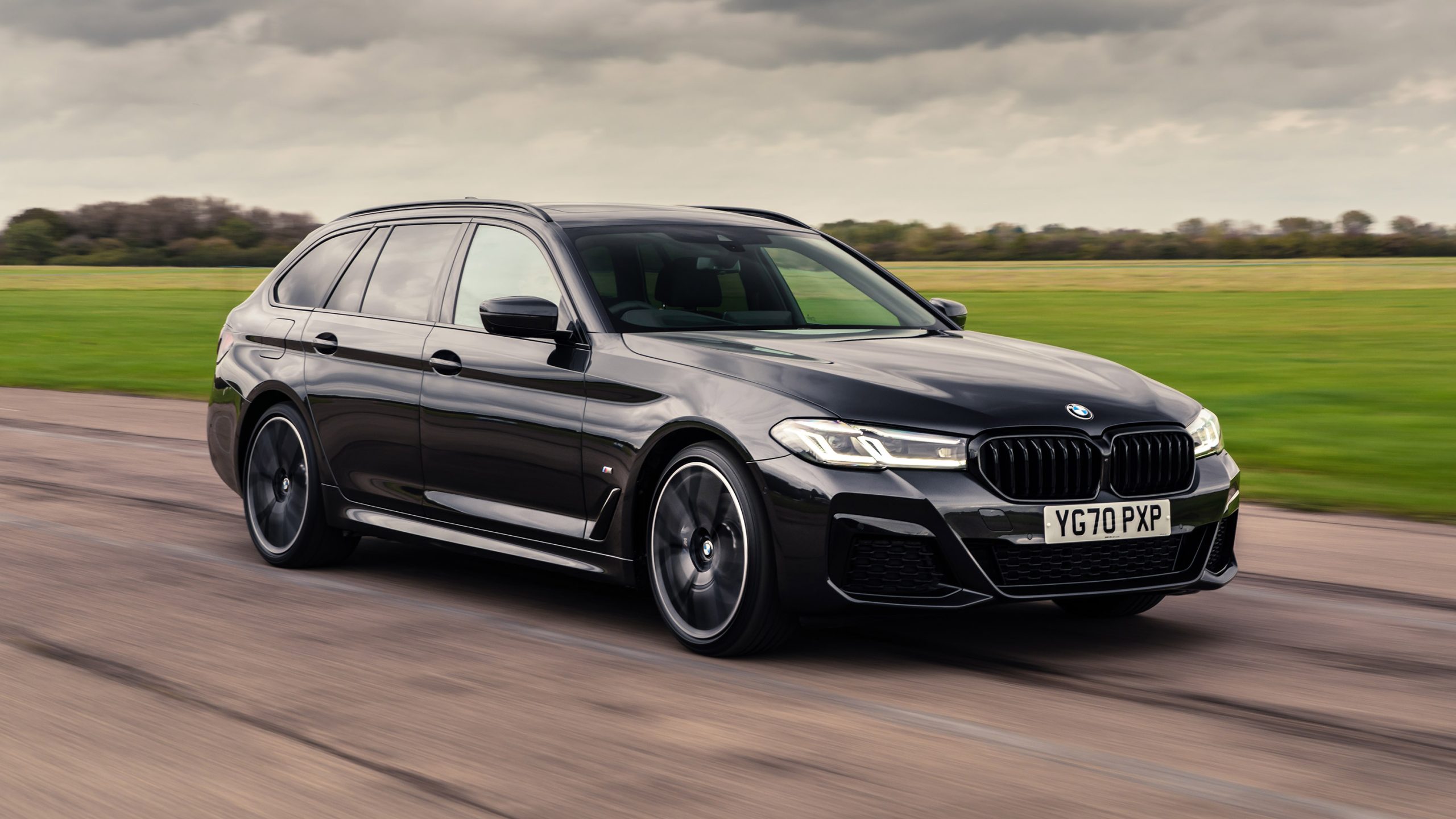
The BMW 5 Series Touring represents the executive level of wagon engineering and stands as one of the most sophisticated long-roof vehicles ever produced by the brand. Built on the renowned 5 Series platform, it combined luxury sedan comfort with the practicality of a wagon body style, creating a vehicle that was equally suited for business professionals, families, and driving enthusiasts.
While it enjoyed strong popularity in European markets, its presence in the United States remained limited, which significantly reduced its visibility among American luxury car buyers.
Inside, the 5 Series Touring delivered a premium cabin experience defined by high-quality materials, advanced technology, and exceptional comfort. The dashboard layout was clean and modern, featuring a large infotainment display, digital instrument cluster, and intuitive controls that minimized driver distraction.
Seating comfort was exceptional, with multi-adjustable seats designed for long-distance fatigue reduction. Cargo space was generous and highly adaptable, allowing users to carry large luggage, business equipment, or recreational gear without compromising passenger comfort.
On the road, the 5 Series Touring excelled as a true driver’s wagon. It offered precise steering, strong engine options, and a chassis that balanced comfort with athleticism.
Even at highway speeds, it felt stable and composed, while still maintaining the agility expected from BMW vehicles. Suspension tuning varied depending on driving mode, allowing it to transition from relaxed cruising to more dynamic driving with ease. This versatility made it one of the most complete executive vehicles available in wagon form.
Despite its strengths, it remained largely absent from mainstream American showrooms, where SUVs dominated the executive vehicle segment. Many buyers simply never considered it as an option, leading to its status as a hidden gem among luxury wagons and a favorite among enthusiasts who valued performance and practicality equally.
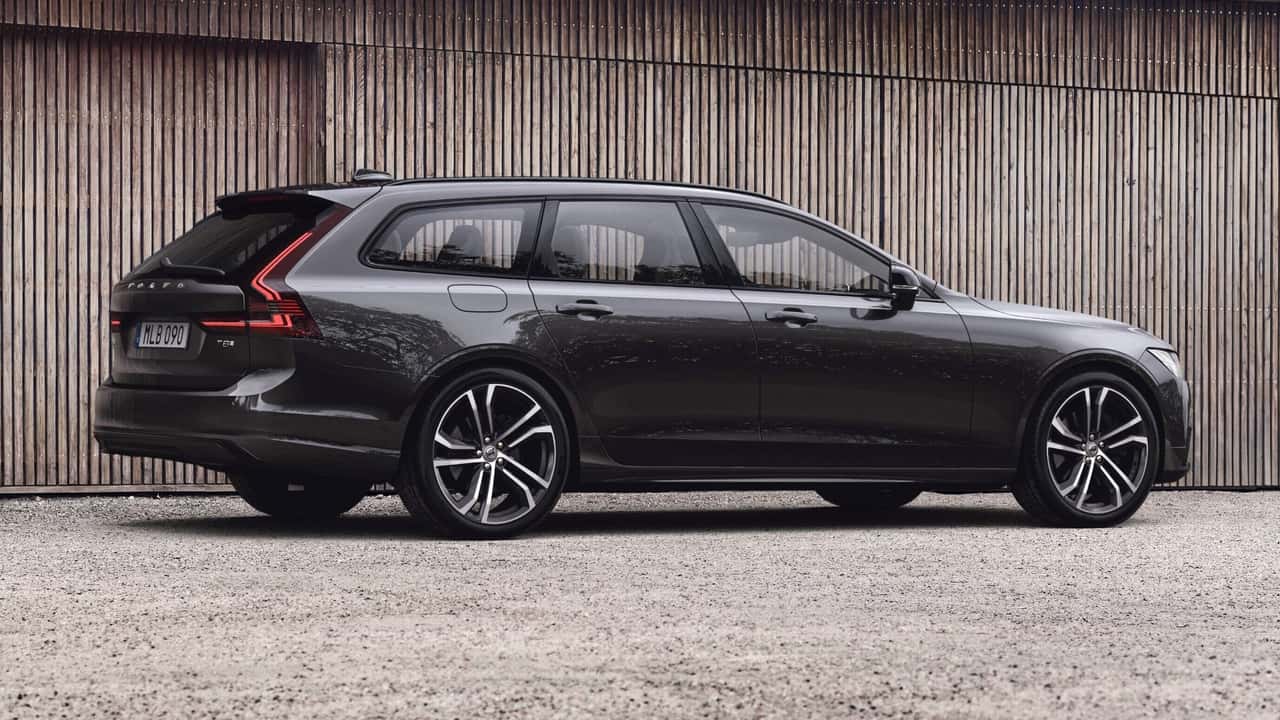
Volvo V90
The Volvo V90 stands as one of the most elegant and thoughtfully designed wagons of the modern era, representing the peak of Volvo’s estate vehicle philosophy. Built as the flagship wagon in Volvo’s lineup, it combined long, flowing Scandinavian design with advanced safety technology and a strong emphasis on comfort and simplicity.
While it was highly regarded in enthusiast circles and international markets, it struggled to maintain strong sales in the United States, where consumer preference had shifted heavily toward SUVs.
Inside, the V90 featured one of the most serene and beautifully designed interiors in the automotive world. The cabin followed Volvo’s minimalist design language, with clean lines, natural materials, and an uncluttered dashboard that prioritized calmness and usability.
High-quality leather, wood accents, and soft ambient lighting created a premium environment that felt both modern and timeless. The infotainment system was vertically oriented and designed for simplicity, allowing drivers to access key functions without distraction.
On the road, the V90 delivered an exceptionally smooth and refined driving experience. Its suspension system absorbed road imperfections with ease, while its turbocharged engines provided strong and consistent power delivery.
The long wheelbase contributed to excellent stability at highway speeds, making it particularly well-suited for long-distance touring. Despite its size, it remained composed and easy to drive, offering a level of comfort that rivaled many luxury sedans.
The V90’s decline in the U.S. market was not due to a lack of quality, but rather a shift in consumer perception and demand. As SUVs became the dominant luxury vehicle choice, even highly refined wagons like the V90 were pushed into niche status. Today, it is remembered as one of the most beautiful and underrated luxury wagons of its era, representing the quiet end of Volvo’s large wagon tradition in North America.
Also read: 5 Pothole-Resistant Suspensions In Milwaukee vs. 5 Cars with Low-Profile Tires That Will Pop
