
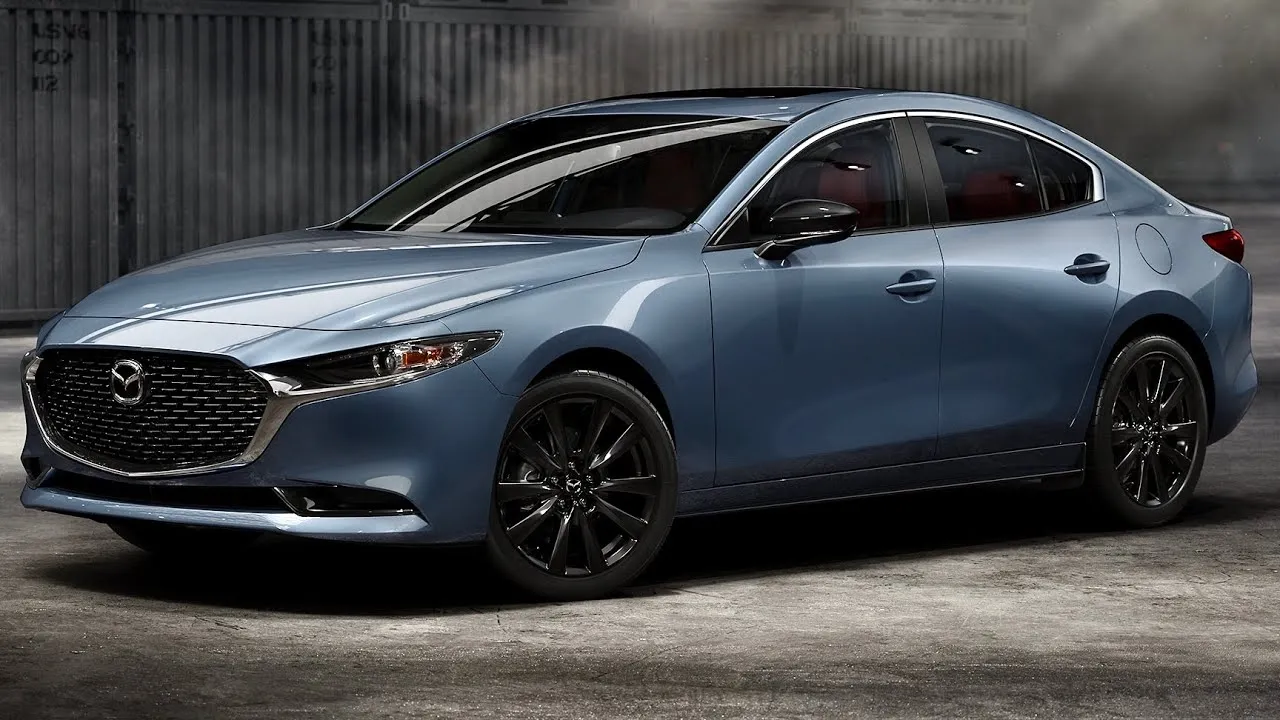
Silence inside a car is something most drivers do not fully appreciate until they experience it. In a world filled with constant noise from traffic, construction, and crowded streets, stepping into a quiet cabin can completely change how a journey feels.
For sedan buyers in 2026, this quality is becoming more important than ever, especially for those who spend long hours commuting or frequently travel on highways.
A quiet cabin is not just about comfort. It reduces fatigue, improves focus, and creates a more relaxed driving environment. Conversations become easier, music sounds clearer, and even short drives feel less stressful.
This is why more manufacturers are investing in better insulation, improved aerodynamics, and advanced sound-dampening materials.
What makes this even more interesting is that you no longer need to spend a fortune to enjoy a refined interior. Several sedans under $25,000 now offer impressive noise control, combining affordability with thoughtful engineering. These cars use a mix of structural design, better sealing, and, in some cases, acoustic glass to keep unwanted sound out.
Another factor influencing cabin quietness is how well a car handles road imperfections. Suspension tuning plays a key role, as smoother ride quality often results in less vibration and noise entering the cabin.
Tire selection and wheel design also contribute, showing that achieving silence is not dependent on a single feature but rather a combination of multiple elements working together.
It is also worth noting that modern buyers expect more from entry-level and mid-range sedans. Features that were once reserved for premium vehicles are now finding their way into more accessible options. This shift has made it possible to find cars that deliver a near-luxury level of quietness without stretching the budget.
In this list, each sedan has been selected for its ability to create a calm and composed cabin environment while staying within an affordable price range. They approach the challenge differently; some focus on refined engines, others rely on insulation and design, but all of them deliver a noticeably quieter driving experience.
If peace and comfort matter to you just as much as practicality and value, these sedans are worth serious attention. They prove that a calm driving experience is no longer limited to expensive luxury models.
Also Read: 8 Grand Tourers Built for Autobahn Sustained High-Speed Use
1. Honda Civic
The Honda Civic has evolved significantly over the years, and one of its most noticeable improvements is how much quieter the cabin has become. It is no longer just known for reliability and efficiency, it now delivers a level of refinement that feels well above its price point.
Step into the car and the first impression is how controlled the environment feels. External noise, whether from traffic or rough road surfaces, is kept at a surprisingly low level. This is largely due to improved body rigidity and better sealing around doors and windows, which prevent unwanted sound from entering the cabin.
The engine also contributes to this calm experience. It operates smoothly and does not produce excessive noise even when pushed harder. During city driving, the sound remains subtle, and on highways, it settles into a quiet rhythm that does not interfere with conversation or music.
Another area where the Civic stands out is its suspension tuning. It absorbs road imperfections effectively, reducing vibrations that often translate into cabin noise. The result is a more composed ride, especially on uneven surfaces where cheaper sedans tend to feel unsettled.
Interior materials have also improved. Surfaces are designed to minimize sound reflection, which helps maintain a quieter atmosphere. The layout itself feels thoughtfully arranged, allowing occupants to enjoy a more peaceful space without distractions.
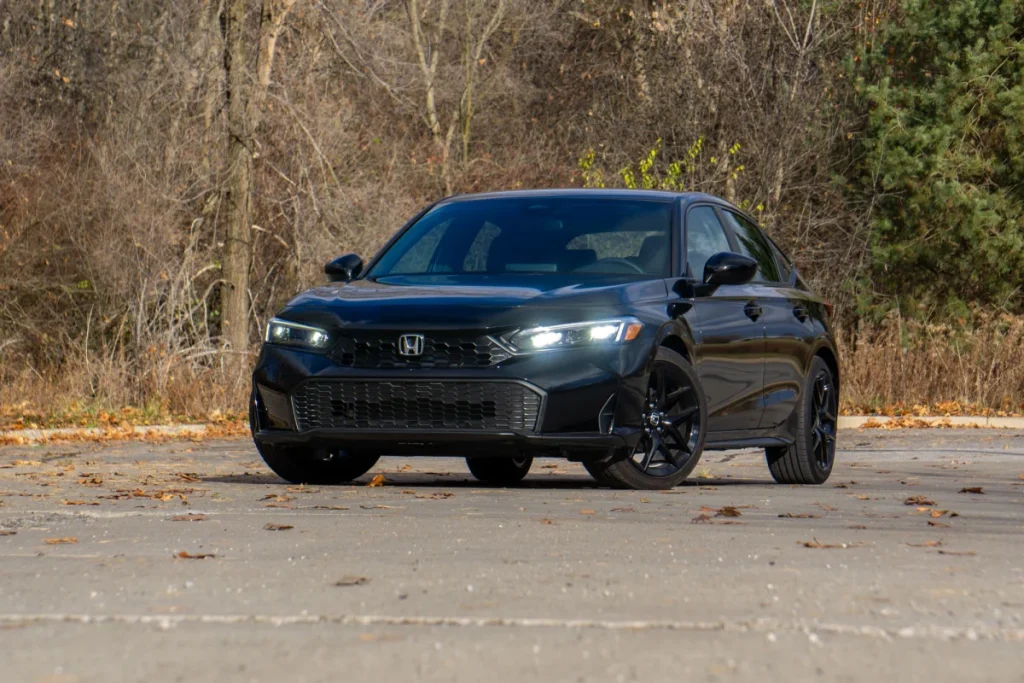
Long drives highlight these strengths even more. Fatigue is reduced because the constant background noise found in many cars is significantly lower here. This makes it a strong option for commuters who spend hours behind the wheel.
There is a sense of balance in how the Civic achieves this quietness. It does not rely on a single feature but combines multiple elements to create a consistent experience. This approach ensures that the cabin remains calm across different driving conditions.
For buyers seeking a dependable sedan that also delivers a refined and quiet interior, the Civic continues to set a high standard in its segment.
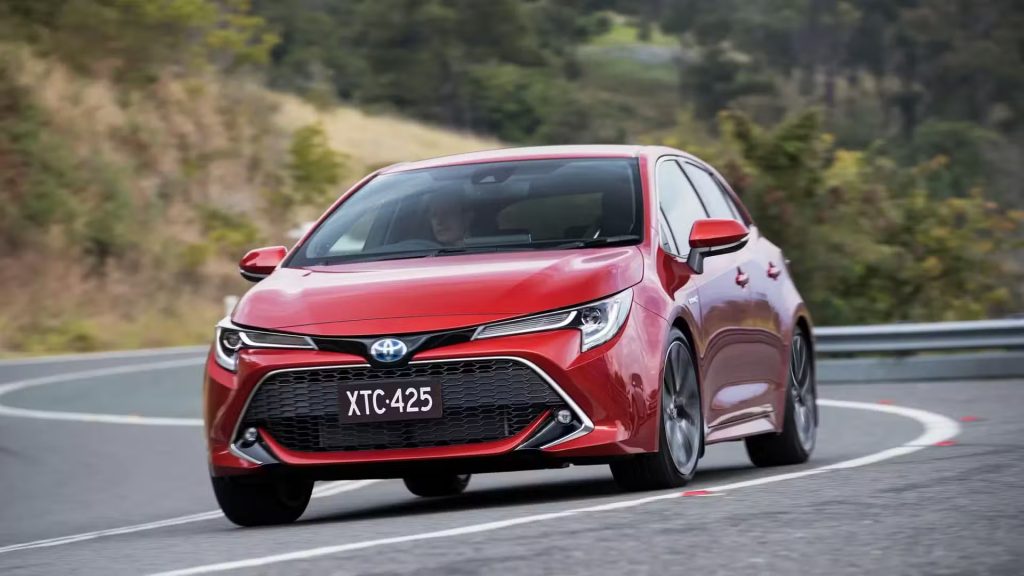
The Toyota Corolla approaches cabin quietness with a focus on consistency and comfort. It may not try to impress with dramatic changes, but the way it maintains a stable and calm environment makes it a strong contender in this category.
From the moment the doors close, there is a noticeable reduction in outside noise. The insulation works effectively to block out common disturbances such as traffic and wind, creating a space that feels more controlled than expected at this price level.
Its engine behavior plays a key role in maintaining this atmosphere. The power delivery is smooth, and the sound remains restrained even during acceleration. This helps keep the cabin environment relaxed, especially during daily commuting where frequent stops and starts are common.
Where the Corolla takes a slightly different approach is in how it manages long term comfort. Instead of focusing only on immediate silence, it ensures that noise levels remain steady over time. This consistency prevents the cabin from becoming tiring, even during extended drives.
The ride quality complements this philosophy. The suspension is tuned to handle a variety of road conditions without transmitting excessive noise into the cabin. Whether driving on city streets or highways, the experience remains composed and predictable.
Interior design also contributes to the quietness. Materials are selected to reduce unwanted sound, and the layout feels cohesive. There are no distracting elements that take away from the sense of calm, which enhances the driving experience.
Another important factor is reliability. Knowing that the car will maintain its performance and comfort over time adds to its appeal. Buyers can expect the same quiet experience even after years of use, which is not always the case with some competitors.
The Corolla proves that achieving a quiet cabin does not require complex solutions. By focusing on refinement, consistency, and thoughtful engineering, it delivers an experience that feels both comfortable and dependable.
3. Mazda3 Sedan
The Mazda3 Sedan approaches cabin quietness in a way that feels intentional from the ground up. Instead of simply adding insulation after the fact, Mazda engineered this car with noise control as part of its core philosophy. The result is a driving environment that feels calm, controlled, and unusually refined for its price range.
Start with how the car isolates sound. The structure itself has been designed to minimize the pathways through which noise typically enters.
This means fewer vibrations traveling from the road into the cabin, which immediately changes how the car feels over uneven surfaces. Even when driving on rough pavement, the interior remains composed rather than restless.
Then there is the way Mazda has tuned the engine and transmission. The power delivery is smooth and predictable, and more importantly, the sound it produces is subdued. It does not disappear completely, but it stays in the background, never becoming intrusive. This subtle presence adds a sense of connection without compromising comfort.
A different way to understand the Mazda3’s quietness is by paying attention to how it behaves at varying speeds. In city conditions, where stop and go traffic can create constant noise fluctuations, the cabin remains stable. Move onto the highway, and the transition is equally impressive. Wind noise is kept in check through careful aerodynamic shaping, allowing conversations to continue without raising voices.
Inside the cabin, the design plays a major role in reinforcing this experience. Mazda has taken a minimalist approach, reducing unnecessary elements that could contribute to acoustic clutter. The materials used absorb sound effectively, preventing echoes and keeping the interior atmosphere soft and controlled.
Seating comfort also contributes indirectly to noise reduction. The seats are designed to support posture in a way that minimizes fatigue, and when combined with the quiet cabin, the result is a driving experience that feels less demanding over time. This becomes especially noticeable during long journeys.
Another detail worth noting is how the car handles external disturbances. Passing trucks, uneven roads, and sudden changes in surface texture often introduce sharp noises in many sedans. In the Mazda3, these sounds are softened, entering the cabin as muted background elements rather than disruptions.
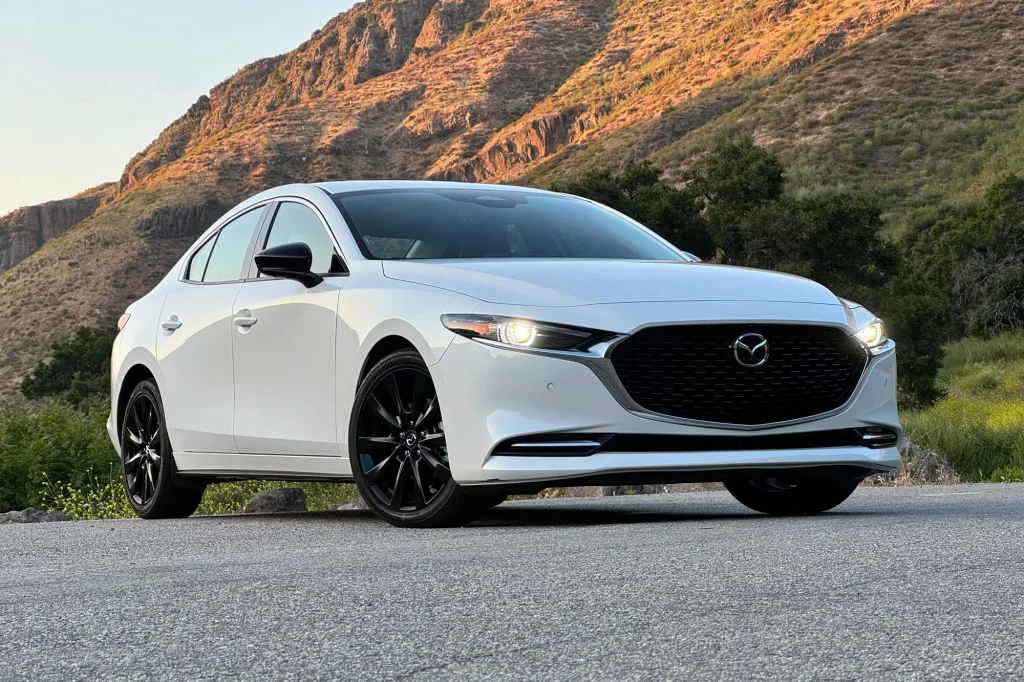
What makes this car stand out is not just how quiet it is, but how naturally it achieves that quietness. There is no sense of over engineering or artificial isolation. Instead, everything works together in a balanced way, creating an environment that feels both engaging and peaceful.
For buyers who want a sedan that offers a near premium level of refinement without stepping into a higher price bracket, the Mazda3 presents a compelling choice. It shows that thoughtful engineering and attention to detail can make a significant difference, even in an affordable segment.
4. Hyundai Elantra
The Hyundai Elantra takes a slightly different route toward achieving a quiet cabin, focusing on technology, design, and smart material use to create a comfortable driving environment. It does not rely on a single standout feature, but rather a combination of improvements that work together seamlessly.
One of the first things you notice is how effectively it manages everyday noise. Urban environments can be unpredictable, with constant changes in sound levels. The Elantra handles this by maintaining a consistent cabin atmosphere, reducing the impact of sudden external noises and creating a more stable experience.
Engine refinement plays a significant role here. The powertrain is tuned to operate smoothly, and the sound it produces remains controlled even during acceleration. This helps maintain a calm interior, especially during daily commutes where frequent speed changes are unavoidable.
The way the car deals with wind noise is another strong point. At higher speeds, many sedans begin to introduce a noticeable level of sound from airflow around the body. In the Elantra, aerodynamic improvements help reduce this effect, allowing the cabin to remain relatively quiet even on open highways.
Interior construction adds another layer of refinement. Hyundai has paid attention to how different materials interact with sound, using surfaces that absorb rather than reflect noise. This results in a softer acoustic environment, making the cabin feel more comfortable and less harsh.
Unlike some cars that prioritize isolation at the expense of feedback, the Elantra maintains a balance. Drivers still feel connected to the road, but without the constant intrusion of noise. This makes it suitable for those who want a quiet ride without losing a sense of engagement.
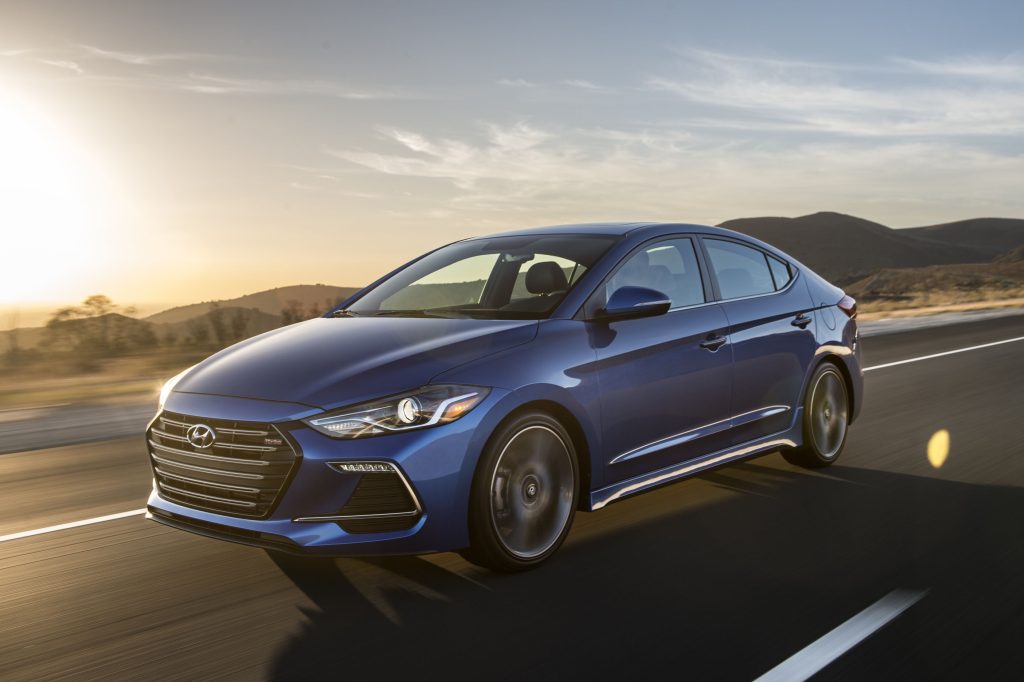
Another aspect that deserves attention is how the car performs over time. Noise levels remain consistent even after extended use, which is important for buyers looking for long-term value. The build quality supports this stability, ensuring that the cabin does not develop unwanted sounds as the car ages.
The seating and layout further enhance the experience. The interior feels open and well-organized, which contributes to a sense of calm. When combined with the reduced noise levels, it creates an environment that feels more relaxed than what is typically expected in this segment.
Driving the Elantra in mixed conditions highlights its strengths. Whether handling busy city streets or cruising on highways, the cabin maintains its composure. This adaptability makes it a practical choice for a wide range of drivers.
For those who prioritize a quiet and comfortable driving experience without stretching their budget, the Elantra offers a well-rounded solution. It demonstrates how modern design and thoughtful engineering can deliver refinement in an accessible package.
5. Nissan Sentra
The Nissan Sentra delivers its quietness in a way that feels subtle at first, then increasingly impressive the longer you spend behind the wheel. It does not try to isolate the driver completely from the outside world, yet it carefully filters out the harshness that usually defines budget-friendly sedans.
A useful way to understand this car is to imagine daily commuting at its most demanding. Traffic noise, uneven road surfaces, constant braking, and acceleration.
In such conditions, the Sentra manages to maintain a sense of calm that feels intentional rather than accidental. It absorbs the chaos and presents a more controlled version of it inside the cabin.
The suspension plays a surprisingly important role in shaping this experience. Instead of transmitting every bump directly into the interior, it softens the impact and reduces the vibration that often leads to additional noise. This leads to a smoother interaction between the car and the road, which in turn contributes to a quieter atmosphere.
Engine sound is handled with restraint. It is present, but it does not dominate the cabin. During steady cruising, the engine fades into the background, allowing other aspects of the driving experience to take priority. Even under heavier acceleration, the sound remains composed rather than intrusive.
Another interesting aspect is how the Sentra deals with imperfect surfaces. Roads that would typically introduce a mix of rattles and tire noise are handled with more control here. The cabin does not feel completely sealed, but the noise that enters is softened, making it easier to ignore over time.
Inside, the design supports this approach to quietness. The layout is clean, and the materials are chosen to reduce sound reflection. There is a sense of cohesion in how everything comes together, creating an environment that feels stable rather than fragmented.
Consider also how the car behaves during longer drives. Fatigue often builds not just from physical strain, but from constant exposure to noise. The Sentra reduces this effect by maintaining a steady acoustic environment, allowing drivers to remain more relaxed over extended periods.
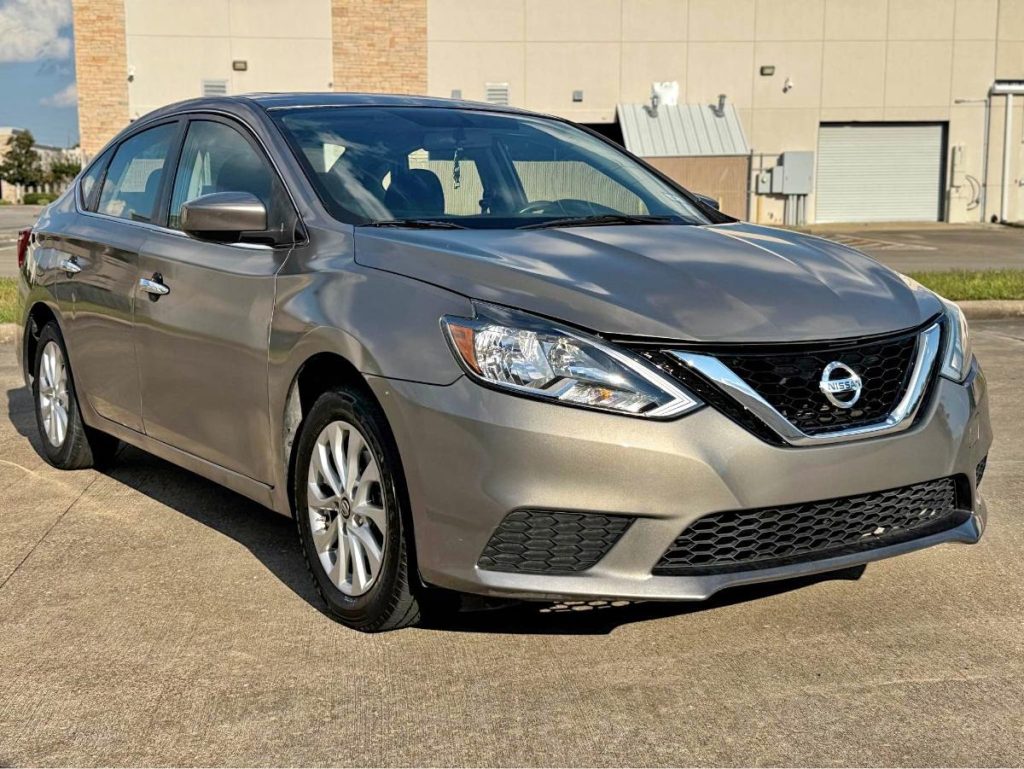
There is a practical advantage here as well. A quieter cabin improves the clarity of conversations and enhances the audio experience, making everyday driving more enjoyable. These small improvements add up, especially for those who spend significant time in their cars.
Rather than relying on premium features or complex systems, the Sentra achieves its quietness through balance. It combines suspension tuning, engine refinement, and thoughtful design to create a result that feels consistent and dependable.
For buyers who want a sedan that handles real world conditions without turning every drive into a noisy experience, the Sentra offers a calm and composed alternative that fits comfortably within an affordable budget.
6. Kia Forte
The Kia Forte approaches cabin quietness with a focus on refinement that feels deliberate and layered. Instead of trying to eliminate every sound completely, it works on reducing the intensity and sharpness of external noise, creating an interior that feels controlled without becoming disconnected.
Begin with how the car handles city driving, where unpredictability defines the environment. Sudden honks, uneven surfaces, and constant movement often make it difficult for a cabin to remain stable. The Forte responds by smoothing out these variations, keeping the interior sound level more uniform rather than allowing it to fluctuate constantly.
This sense of consistency continues as speeds increase. On highways, wind noise is managed effectively through careful shaping of the body and attention to sealing. The result is a cabin that does not suddenly become louder as the car moves faster, which is a common issue in many vehicles within this price range.
The engine contributes in a measured way. It does not attempt to be completely silent, but it avoids producing harsh or distracting sounds. This creates a background tone that is easy to live with, allowing drivers to focus on the road rather than the mechanics of the car.
Interior construction adds another dimension to the experience. Materials are selected not just for appearance but for how they interact with sound. Surfaces absorb rather than reflect, preventing the cabin from feeling echo-filled or harsh. This gives the interior a softer, more refined character.
The Forte also benefits from a well-structured cabin layout. Controls are positioned logically, reducing the need for unnecessary movement and helping maintain a calm driving environment. This may seem unrelated to noise at first, but a well-organized space contributes to the sense of quietness.
Another angle to consider is how the car handles long-term use. Many sedans start quietly but develop additional noise as components wear over time. The Forte is designed to maintain its composure, ensuring that the cabin remains stable even after extended ownership.
Driving across different road types highlights its adaptability. Whether on smooth highways or slightly rough urban streets, the car maintains a consistent acoustic profile. This reliability makes it easier for drivers to trust the experience, knowing that the cabin will remain comfortable regardless of conditions.
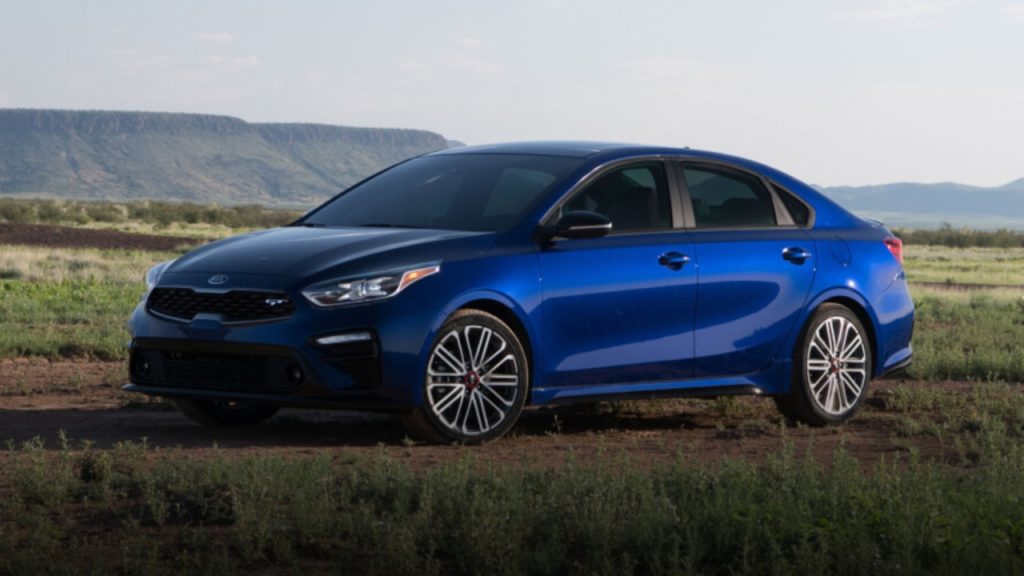
The Forte does not try to imitate luxury sedans directly. Instead, it creates its own version of refinement, one that fits within its price range while still delivering meaningful improvements in comfort.
For those looking for an affordable sedan that offers a composed and predictable cabin environment, the Forte provides a strong balance of practicality and quietness without unnecessary complexity.
7. Volkswagen Jetta
The Volkswagen Jetta brings a distinctly European approach to cabin quietness, focusing on structural integrity, highway composure, and a sense of stability that becomes more noticeable the longer you drive it. It does not try to isolate every sound completely, instead it filters noise in a way that feels controlled and refined.
To understand its character, imagine extended highway travel where consistency matters more than initial impressions. The Jetta excels in this setting.
As speeds increase, the cabin does not become unsettled or noisy. Wind and road sounds are managed carefully, allowing the interior to maintain a steady and composed atmosphere.
This behavior is closely tied to how the car is built. The body structure feels solid, which reduces vibrations that typically translate into unwanted noise. When the chassis remains stable, the cabin benefits directly, creating an environment that feels planted rather than reactive.
The engine plays a supporting role in this experience. It operates with a restrained tone, particularly during cruising. Instead of drawing attention to itself, it blends into the background, allowing the cabin’s quietness to stand out. Even when acceleration is required, the sound remains controlled and does not disrupt the calm environment.
Another way to look at the Jetta’s quietness is through its predictability. Noise levels do not fluctuate dramatically with changes in speed or road conditions. This consistency is important because it reduces mental fatigue, making longer drives feel less demanding.
Inside, the design reinforces this sense of order. The layout is straightforward, and the materials are chosen to support a more subdued acoustic profile. There are no distracting elements that amplify sound or create unnecessary reflections. Everything feels measured and intentional.
The suspension tuning adds further refinement. It absorbs minor imperfections without allowing them to translate into sharp cabin disturbances. This contributes to a smoother and quieter ride, especially on imperfect roads where some competitors struggle.
Consider also how the Jetta handles external interruptions. Passing vehicles, changes in road texture, and environmental noise are all present, but they are softened before reaching occupants. This filtering effect creates a more relaxed driving experience without completely disconnecting the driver from the surroundings.
Over time, this approach proves its value. The car does not rely on a single standout feature to achieve quietness. Instead, it builds a cohesive system where structure, engineering, and design work together to maintain a calm interior.
For drivers who spend a significant amount of time on highways or value a steady and composed driving experience, the Jetta offers a level of refinement that feels mature and well considered within its segment.
A quiet cabin is not just a luxury anymore; it has become an essential part of what defines a good driving experience. The sedans listed here show that it is possible to achieve impressive levels of refinement without moving into higher price brackets.
Each car approaches the challenge differently. Some rely on structural strength and suspension tuning, while others focus on insulation, aerodynamics, or engine refinement. This variety ensures that buyers have options that suit different preferences and driving habits.
What stands out is how these vehicles manage to balance affordability with comfort. They do not eliminate every sound completely, but they reduce noise in a way that makes daily driving more enjoyable and less tiring. This balance is what makes them practical choices rather than just impressive on paper.
Another important takeaway is consistency. A truly quiet car is not just silent at low speeds or on smooth roads.
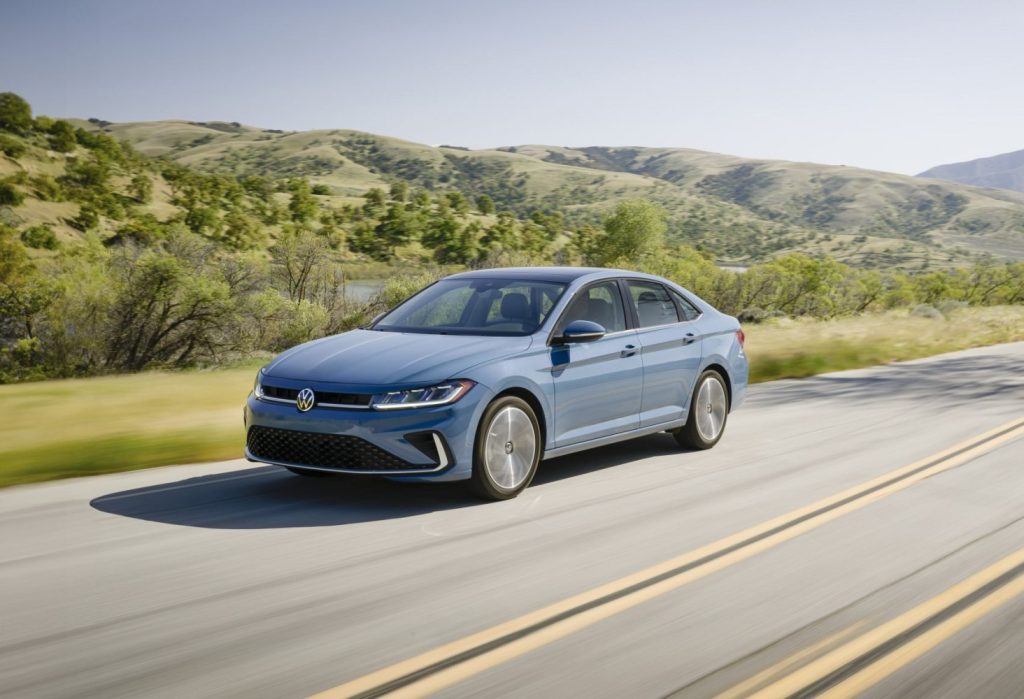
It maintains that calm environment across different conditions, whether in city traffic or on long highway journeys. The models in this list deliver that reliability, making them dependable companions for everyday use.
As expectations continue to rise, manufacturers are paying more attention to details that were once overlooked.
Better materials, improved engineering, and smarter design choices are helping create cabins that feel more refined than ever before in this segment.
For buyers working within a budget, this is good news. It means that comfort, reduced fatigue, and a more peaceful driving experience are no longer limited to premium vehicles.
Choosing the right sedan ultimately comes down to personal preference, but if a calm and quiet interior is high on your priority list, these options provide a strong starting point. They prove that even in an affordable category, driving can feel composed, controlled, and genuinely comfortable.
Also Read: 8 Engines Where a Single Failed Sensor Triggers $5,000 in Damage
