
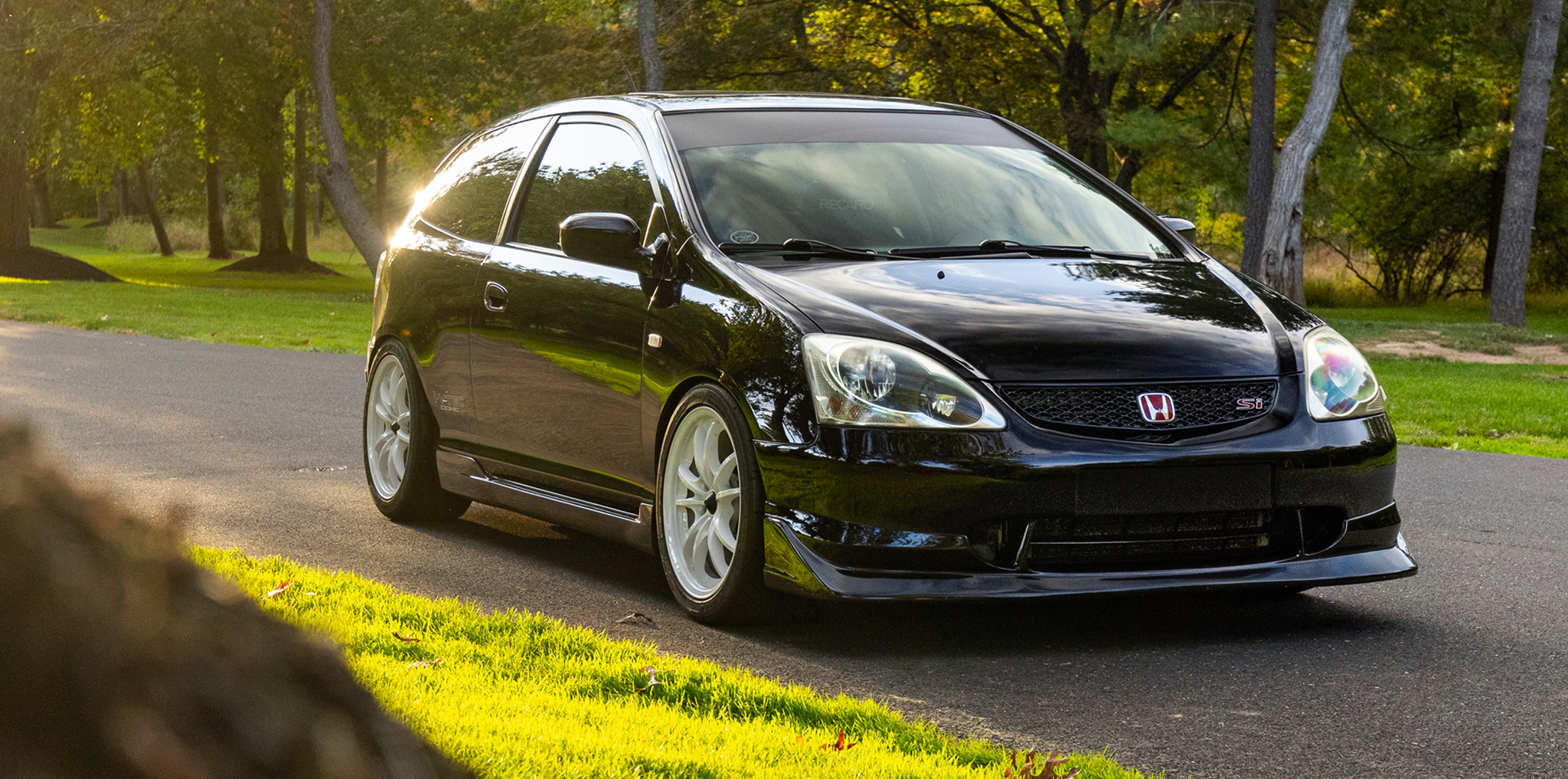
If you were a car-obsessed teenager or young adult between 2001 and 2009, you know exactly what the tuner era felt like. It was everywhere. Import showrooms, parking lot meets, Fast and Furious posters on bedroom walls, and a genuine cultural obsession with modifying compact Japanese and European cars into machines that made no apologies for their loud exhausts, body kits, and stickered-up personalities.
It was a specific moment in automotive culture that felt like it would last forever. It did not. By 2026, the evidence of that era’s decline is visible in every salvage yard, every used car listing with tired engines and half-finished builds, and most clearly in the raw production data on surviving examples.
Cars that were built in the hundreds of thousands are now findable only in the tens of thousands in drivable condition, and that number drops every year as rust claims the rust-belt cars, modifiers destroy engines with builds that exceeded the platform’s limits, and neglected examples simply stop running and get junked. What makes this disappearance particularly interesting in 2026 is that it is happening at different rates for different cars.
Some 2000s tuner cars have already crossed into genuine rarity territory, with clean examples commanding prices that nobody in 2005 would have predicted for what were then considered disposable economy cars. Others are right at the tipping point where the surviving population is shrinking fast enough that buyers who want a clean example are beginning to realize that the window for finding one at a reasonable price is closing.
This page covers seven specific cars from the 2000s tuner era that are disappearing at accelerating rates in 2026, with honest assessments of why each one is declining, how many clean examples likely remain, and what the surviving examples are worth to the market that still wants them.
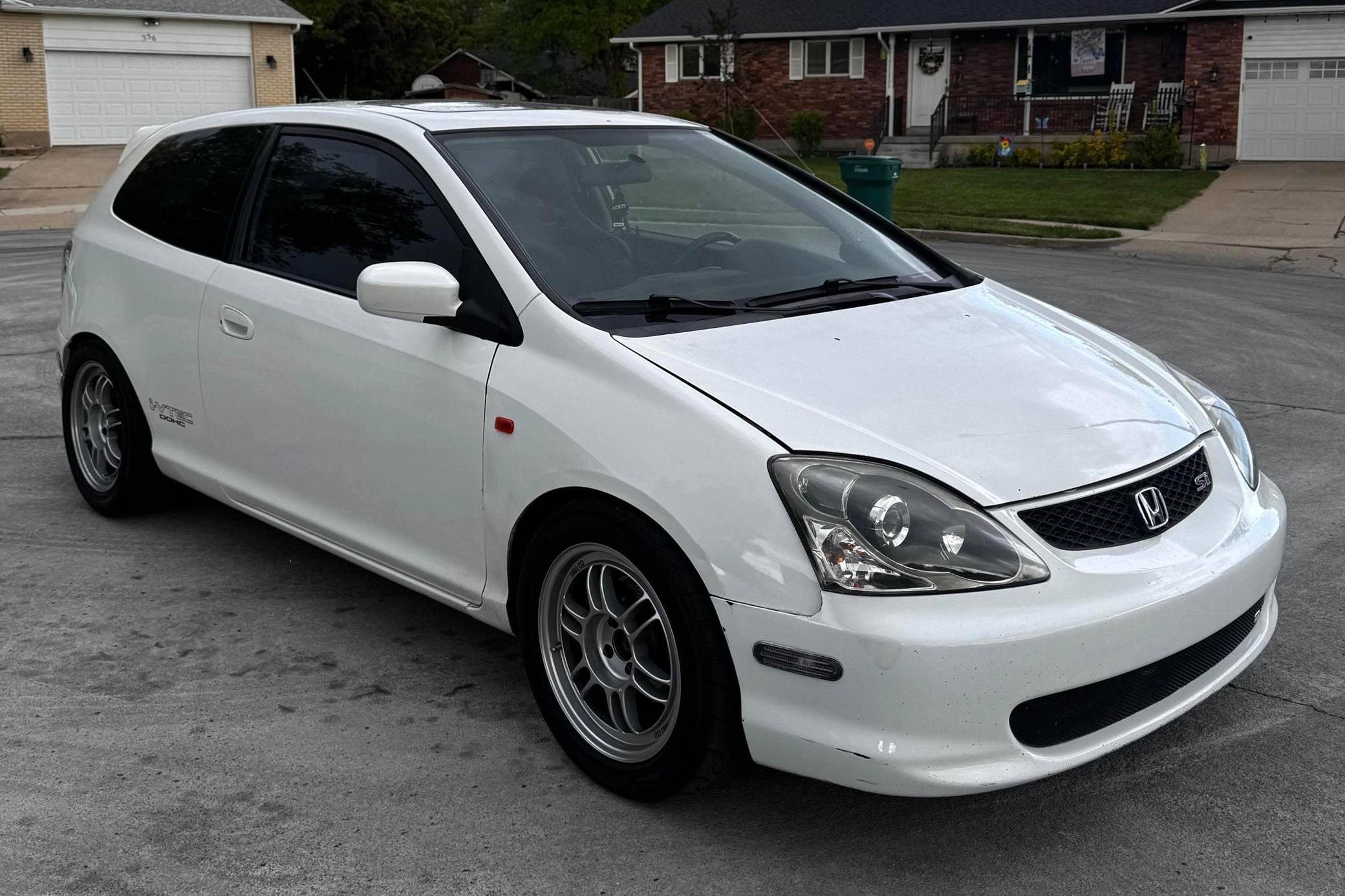
1. Honda Civic Si Coupe (EP3 Generation, 2002 to 2005)
Honda’s EP3 Civic Si served as an entry point into serious performance driving for many young buyers during the early two thousand period. By 2026, the long-term effects of that role will be clearly reflected in the remaining vehicles still in serviceable condition.
Original, unmodified EP3 Civic Si cars have become scarce, despite production volumes that once suggested long-term abundance. The difference between initial availability and present survival highlights how intensely this model was used by owners who were learning vehicle limits while also developing mechanical confidence through trial and error.
Honda sold the EP3 Civic Si in the United States between 2002 and 2005. It arrived as a Front Wheel Drive hatchback coupe powered by the K20A3 two-litre naturally aspirated four-cylinder engine, producing one hundred and sixty horsepower. At launch, this output placed the car among the quicker options in its segment, especially when paired with a relatively light body.
The K series engine family already carried a growing reputation for durability and modification potential, making the EP3 Civic Si appealing to buyers interested in aftermarket tuning rather than factory refinement alone. That reputation shaped ownership behaviour in ways that later reduced the surviving population. Many early owners viewed the car as a learning platform rather than a long-term asset.
Basic bolt on modifications often escalated into more aggressive projects, including forced induction attempts that exceeded the stock engine’s design tolerance. While the K20A3 responds well to careful tuning within its limits, numerous engines failed after being pushed without adequate supporting upgrades. These failures removed many vehicles from circulation once repair costs surpassed resale value.
Environmental exposure also played a major role in attrition. Cars operated in regions with heavy road salt experienced corrosion that Honda’s protective measures of that era struggled to resist. Lower door sills, rear wheel arches, and underbody mounting points suffered progressive deterioration.
Once structural rust reached suspension or chassis components, owners frequently chose disposal rather than restoration. This pattern was particularly evident in northern states, where climate accelerated body degradation. Routine maintenance neglect further reduced survival rates. As the cars aged and market values declined, some owners deferred essential servicing.
Extended oil change intervals, low oil operation, and delayed timing chain inspection became common among later owners. Although the K20A3 uses a timing chain rather than a belt, chain wear and tensioner failure still occur when lubrication standards are ignored. Engines subjected to repeated cold starts without adequate oil pressure developed internal wear that shortened service life.
By 2026, the remaining EP3 Civic Si cars will occupy a different market position from their original role. Clean examples with factory specifications or mild period-appropriate upgrades are no longer found easily through general listings. These cars circulate within specialist communities where buyers understand their historical importance and mechanical requirements.
Pricing reflects reduced availability rather than raw performance metrics, with buyers paying premiums for originality, service documentation, and structural integrity. Professional evaluation is essential before purchase. Timing chain condition, oil service history, and signs of prior engine stress must be assessed carefully.
A car presenting well cosmetically can still hide mechanical fatigue from years of misuse. Buyers who rely solely on appearance risk acquiring vehicles near the end of their dependable service life. Patience during the search process increases the likelihood of securing a sound example.
For many buyers in 2026, the EP3 Civic Si represents more than transportation. It reflects a formative period in performance car culture and personal automotive ambition. Well-preserved cars now reward attentive ownership with reliability and engagement that justify their growing appeal.
As availability continues to decline, these vehicles are moving steadily toward recognised collector status within the community that understands what they represented and why so few remain in proper condition today.
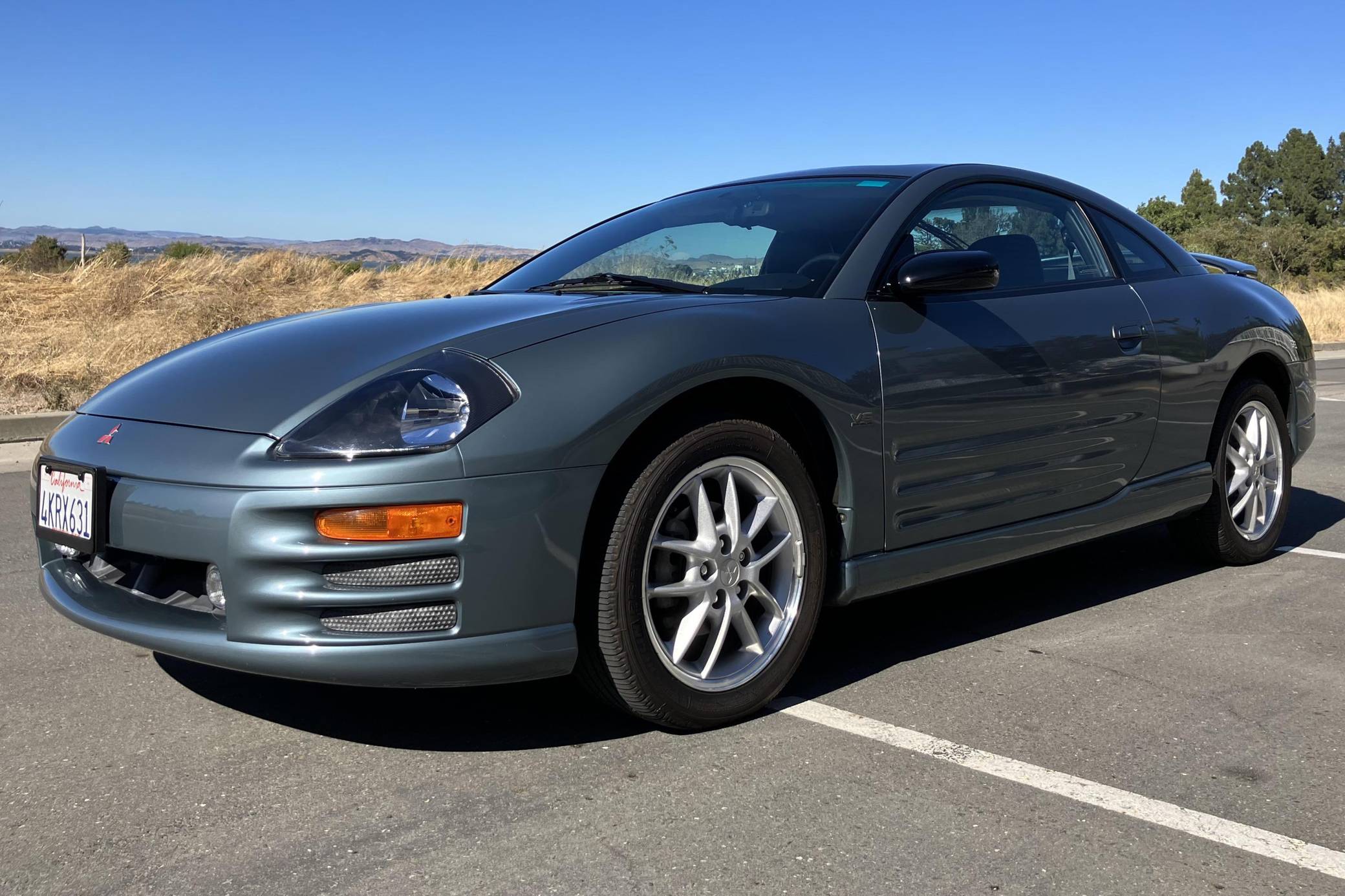
2. Mitsubishi Eclipse GT Coupe (Third Generation, 2000 to 2005)
Mitsubishi’s third-generation Eclipse GT sits in a specific and somewhat tragic position in 2026: a car that was central to 2000s tuner culture through its film appearances and strong visual identity, yet whose surviving population has declined faster than almost any equivalent platform because the combination of body rust, neglected drivetrains, and the attrition of being a popular second-hand purchase for buyers who did not always take the best care of what they bought has reduced clean examples to a fraction of what the production numbers once suggested should be available.
Mitsubishi built the third-generation Eclipse GT with the 6G72 3.0-liter V6 producing 210 horsepower in a package that looked fast, sounded reasonably aggressive, and occupied the specific visual space of a sports coupe that the Fast and Furious era demanded.
What it was not, critically, was as driveline-robust or as rust-resistant as the Honda and Toyota equivalents that have survived the same period in better numbers. Mitsubishi’s corrosion protection on the third-generation Eclipse was adequate for moderate climate use but insufficient for the salt-road conditions of America’s northern states, where a large proportion of the production volume was sold and operated.
Body rust on surviving third-generation Eclipse GT examples in 2026 is present on a substantial majority of rust-belt cars and on a meaningful proportion of southern cars, where moisture from improper storage and infrequent operation has attacked floor pans and structural sections that visual inspection from the outside does not fully reveal. Buyers examining Eclipse GTs in 2026 need to know specifically where to look and need to be willing to reject cars with structural rust, regardless of how good the bodywork looks from ten feet away.
Transmission survival on the third-generation Eclipse GT is a specific concern that reduces the viable pool further. F5M41 manual transmission failures from synchro wear and seal deterioration have eliminated many otherwise viable examples, and finding cars with functioning original transmissions in good condition requires searching through a population that has already lost many of its best examples to these specific failures.
Clean third-generation Eclipse GT coupes in 2026 are approaching genuine rarity status among the subset of cars that were central to 2000s tuner culture without being from the most mechanically resilient platforms. Their value to collectors who specifically want a piece of that era is real, but the search for clean examples is genuinely difficult in a way that was not true even five years ago.
Also Read: 10 Pro-Touring Conversions That Outperform Modern Sports Cars
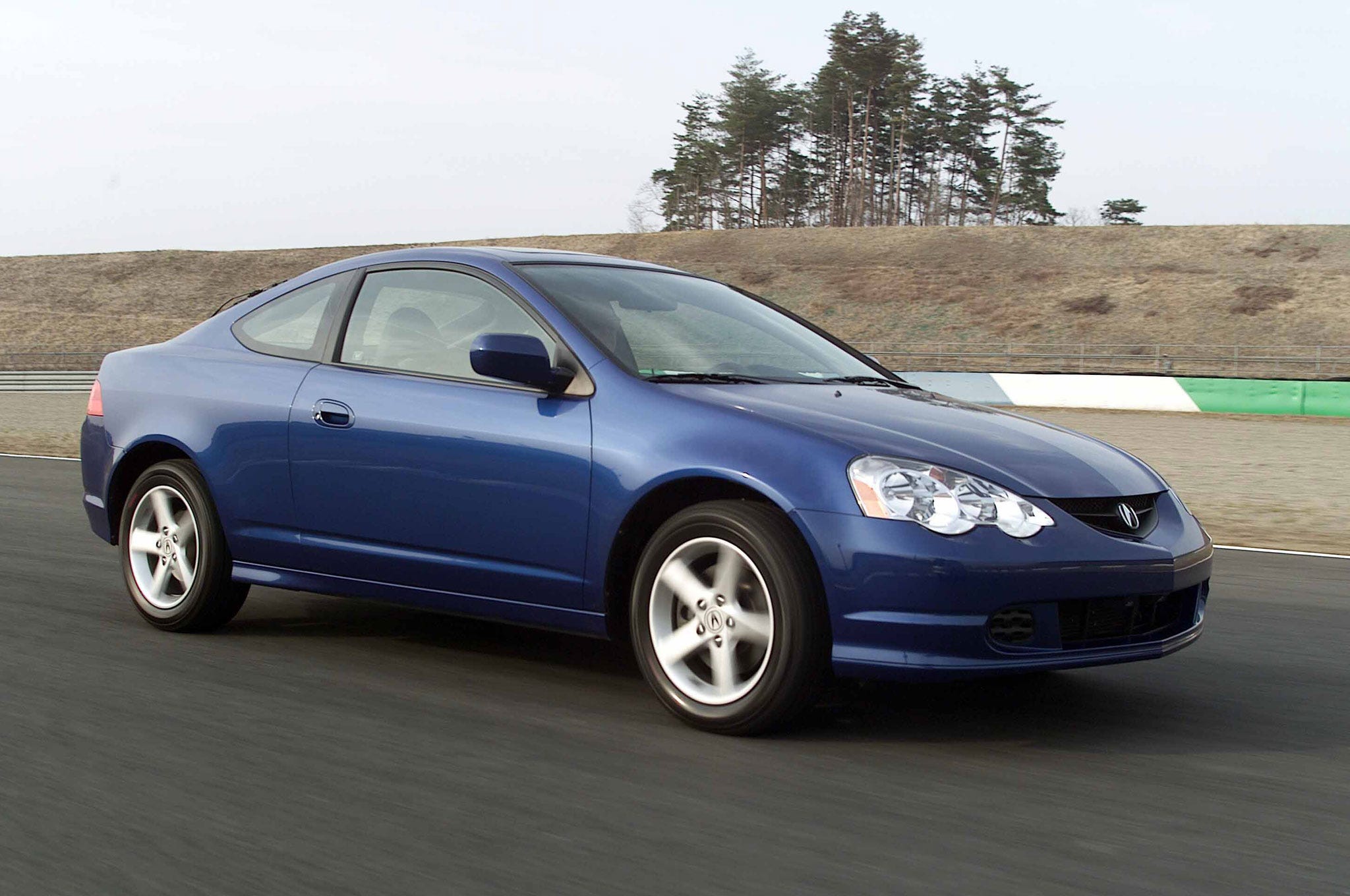
3. Acura RSX Type-S Manual (DC5 Generation, 2002 to 2006)
Acura’s RSX Type-S occupies a specific tier within 2000s tuner culture that is distinct from the base Civic and entry-level import platforms: it was the car that buyers chose when they had slightly more money to spend or were specifically seeking the K20A2 engine’s higher output specification for a more serious performance build.
That specific positioning meant the RSX Type-S attracted a more mechanically knowledgeable owner base on average, and the survival rate in 2026 reflects this somewhat, with RSX Type-S examples in better average condition than some comparable-era platforms that were more widely purchased as first cars and learning-project vehicles.
However, better average condition relative to the most abused comparable platforms is not the same as abundant clean supply, and the DC5 RSX Type-S is genuinely disappearing in 2026 at a rate that buyers who put off searching for one are beginning to feel in the pricing and availability data.
Approximately 60,000 RSX Type-S models were sold in the United States across the production run, and the portion of those that survive in 2026 with original engines, unmodified body structure, and service-documented mechanical condition is small enough that finding a specific color and configuration requires extended searching rather than selecting from available options.
K20A2 engine health is the central valuation question for any DC5 RSX Type-S evaluation in 2026. Properly maintained K20A2 engines with documented oil service histories and original internal specifications can show excellent compression and oil control at high mileage, confirming the K-series architecture’s genuine longevity when treated correctly.
Engines with gaps in service documentation, indications of extended oil change intervals, or evidence of previous builds using the engine as a core deserve skepticism about their remaining service life, regardless of how smoothly they currently run at idle. DC5 RSX Type-S prices in 2026 for clean, low-mileage, original-specification examples have reached levels that would have been dismissed as optimistic speculation a decade ago, and prices for high-mileage but well-maintained, honest driver examples have followed proportionally.
This pricing trajectory reflects a market that is correctly identifying shrinking supply against sustained demand from buyers who know exactly what they want and have enough experience to evaluate what they are looking at.
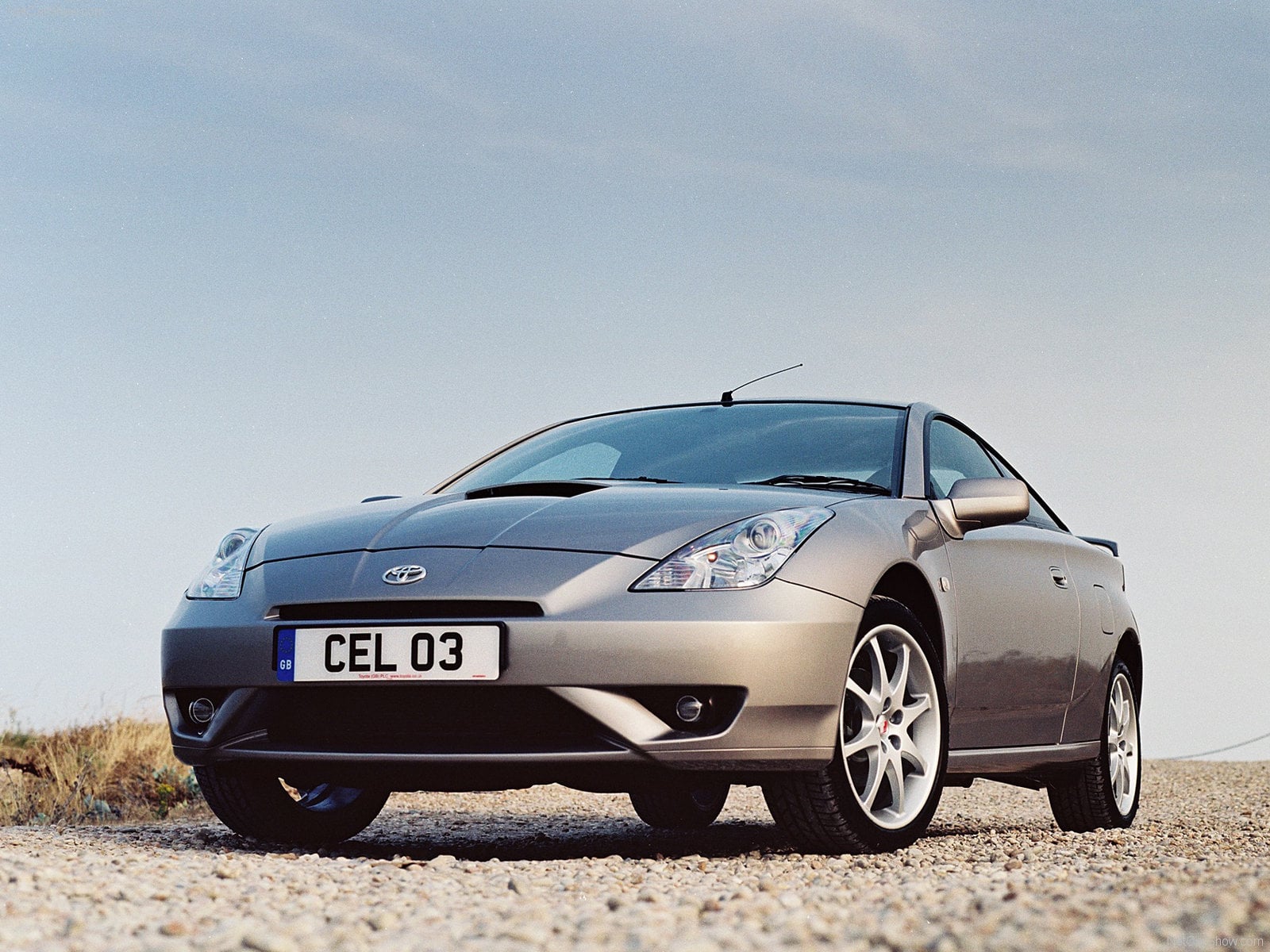
4. Toyota Celica GT-S Coupe (ZZT231, 2000 to 2005)
Toyota’s seventh-generation Celica GT S occupied a clearly defined position within the early two-thousand-performance-car culture. It emerged as a lightweight Front Wheel Drive sports coupe powered by a naturally aspirated 1.8-litre 2ZZ-GE engine designed to deliver its output at very high engine speeds.
With one hundred and eighty horsepower produced near eight thousand two hundred revolutions per minute and a curb weight close to two thousand four hundred pounds, the Celica GT S appealed to drivers who valued precision, balance, and mechanical discipline rather than effortless acceleration. This engineering direction rewarded attentive driving and placed the car outside the preferences of buyers seeking easy power increases through simple modifications.
That buyer profile influenced the model’s long-term survival. Early owners were often individuals who intentionally selected a high-revving naturally aspirated engine and were prepared to follow the servicing routines required to preserve such a design. These custodians typically allowed proper warm-up, monitored oil levels carefully, and adhered to regular maintenance schedules.
As the vehicles moved into later ownership cycles, technical understanding became less consistent. Some later owners were drawn by affordability or appearance rather than engineering philosophy, and this change in stewardship exposed durability limits when operating guidelines were ignored.
The 2ZZ GE engine requires strict attention to lubrication and temperature control. Sustained high engine speeds place continuous stress on internal components, and the design depends on consistent oil quality and correct viscosity. Extended service intervals or low oil levels accelerate wear rapidly.
Cold operation at high revolutions further increases risk by placing load on components before stable oil pressure develops. These patterns led to mechanical failures that were foreseeable but costly enough to remove many cars from service once repair costs exceeded resale value.
By 2026, body condition among ZZT231 Celica GT S examples remains comparatively strong. Toyota’s corrosion protection during this period proved effective, and many vehicles were sold in regions with limited exposure to road salt. As a result, a fair number of surviving cars retain sound structural integrity and present well externally, even when mechanical condition varies widely.
Engine health, therefore, stands as the primary quality divider for buyers. Oil consumption behaviour demands careful assessment, as measurable usage can fall within manufacturer tolerance yet still require regular monitoring. Excessive consumption, exhaust smoke, or evidence of oil starvation signals wear that reduces dependability and value.
A Celica GT S with thorough service records and responsible prior use continues to deliver engaging performance and reliability in 2026, while neglected examples pose financial risk despite low entry prices.
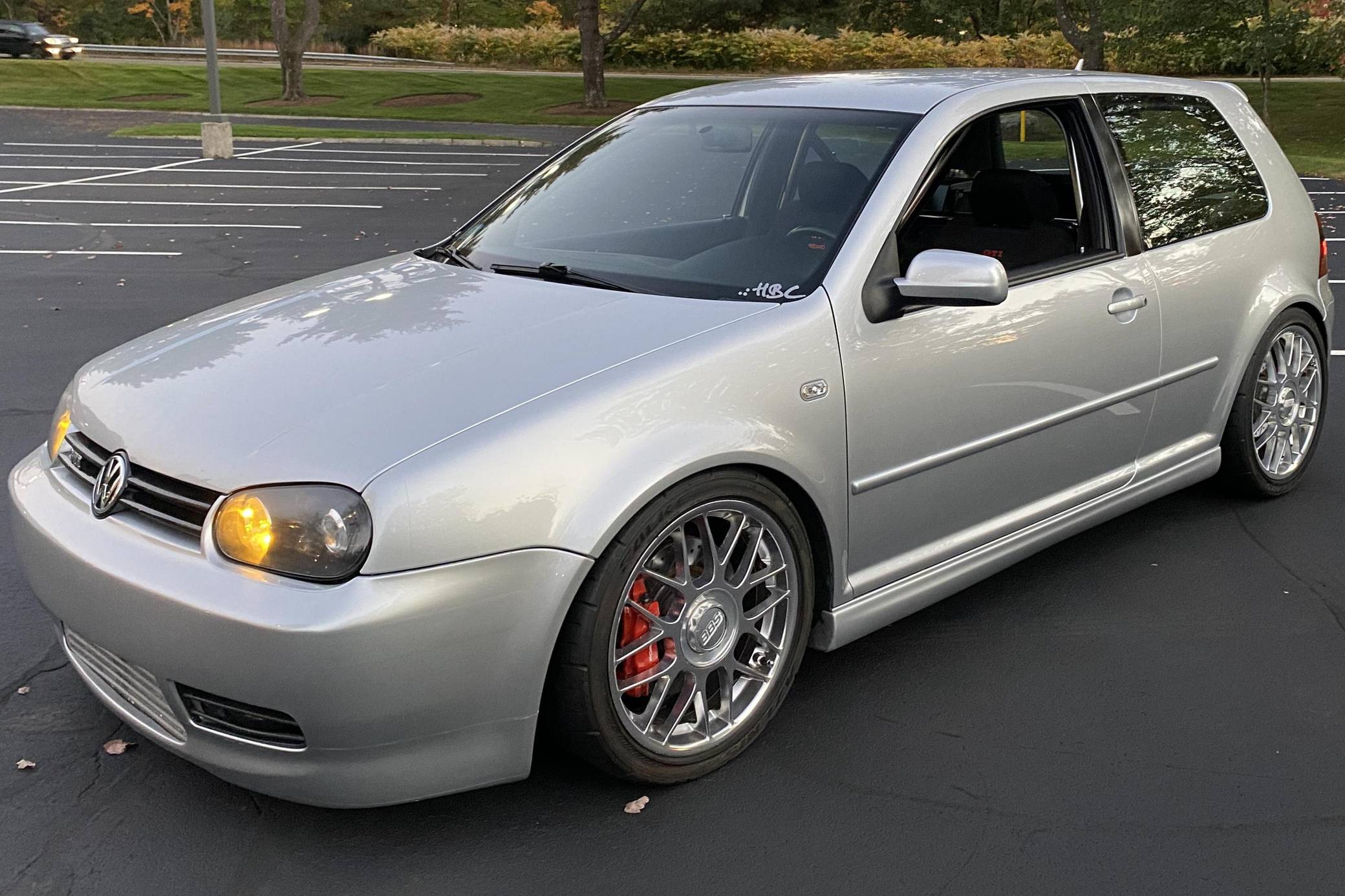
5. Volkswagen GTI 337 Edition and 20th Anniversary Edition (MK4, 2002 to 2003)
Volkswagen’s MK4 GTI 337 Edition and 20th Anniversary Edition occupied a defined position within early 2000s European tuner culture, appealing to buyers who preferred German engineering values to the lighter, lower-cost Japanese platforms that dominated enthusiast discussion at the time.
These models attracted owners prepared to accept higher service expenditure in exchange for refined chassis tuning, restrained exterior presentation, and interior materials that felt closer to premium segments than mainstream hot hatch competitors.
By 2026, the number of surviving examples that still reflect their factory specification has reduced sharply, with attrition driven by maintenance economics, ageing components, and ownership decisions made during periods when these cars were treated as depreciated daily transport rather than future collector assets.
Production numbers for the 337 Edition in 2002 and the 20th Anniversary Edition in 2003 were limited relative to standard MK4 GTI output, and each variant carried equipment that separated it clearly from ordinary trims. Factory Recaro seating, distinctive wheel designs, revised exhaust hardware, and suspension tuning calibrated specifically for these editions formed part of a package that buyers paid a premium for when new.
In 2026, the presence or absence of this equipment defines market value. Cars that retain their original seats, wheels, suspension components, and trim command higher prices than examples that were modified during earlier ownership periods and later returned only partially to standard form. Mechanical condition remains the decisive factor in evaluating any surviving example.
The 1.8 litre twenty valve turbocharged petrol engine fitted to these cars can deliver long service life when maintained correctly, yet it is unforgiving of neglected oil servicing. Sludge formation caused by extended oil change intervals and incorrect oil specification has ended the service life of many engines, often without immediate warning.
Buyers place strong emphasis on written service records showing frequent oil changes carried out with approved lubricants, as these documents assure that turbocharger bearings and internal oil passages were protected during the engine’s most vulnerable years.
Cooling system durability represents another critical area. Thermostats, water pumps, plastic coolant flanges, and expansion tanks deteriorate with age, and failure in any of these components can cause overheating that damages cylinder head gaskets.
During the period when market values were low, many owners chose not to fund corrective repairs, leading to vehicles being dismantled for parts or abandoned entirely. Each such decision permanently reduced the population of restorable cars.
In the 2026 market, buyers seeking these editions are motivated by authenticity and documentation rather than mileage alone. A higher mileage example with complete records, intact special edition equipment, and evidence of preventative maintenance is often valued above a lower mileage car lacking proof of careful ownership.
Prices reflect scarcity, condition, and confidence in mechanical integrity, and informed purchasers recognise that paying more for a correct example reduces long-term ownership risk while preserving the character that defined these editions when new.
Prospective owners also account for parts availability, specialist labour requirements, and the declining number of technicians familiar with early twenty-first-century Volkswagen electrical systems. Age-related wiring insulation issues, window regulator failures, and instrument cluster faults increase ownership demands even when engines remain sound.
Buyers who budget for the preventative replacement of vulnerable components experience steadier ownership than those who react only after failure occurs. This reality influences purchasing decisions in 2026, as informed buyers calculate total cost across several years rather than focusing solely on entry price.
Cars supported by recent invoices for electrical, suspension, and cooling work inspire greater confidence and sustain value. Such preparation protects ownership satisfaction and preserves the qualities that justified premium status originally produced at launch.
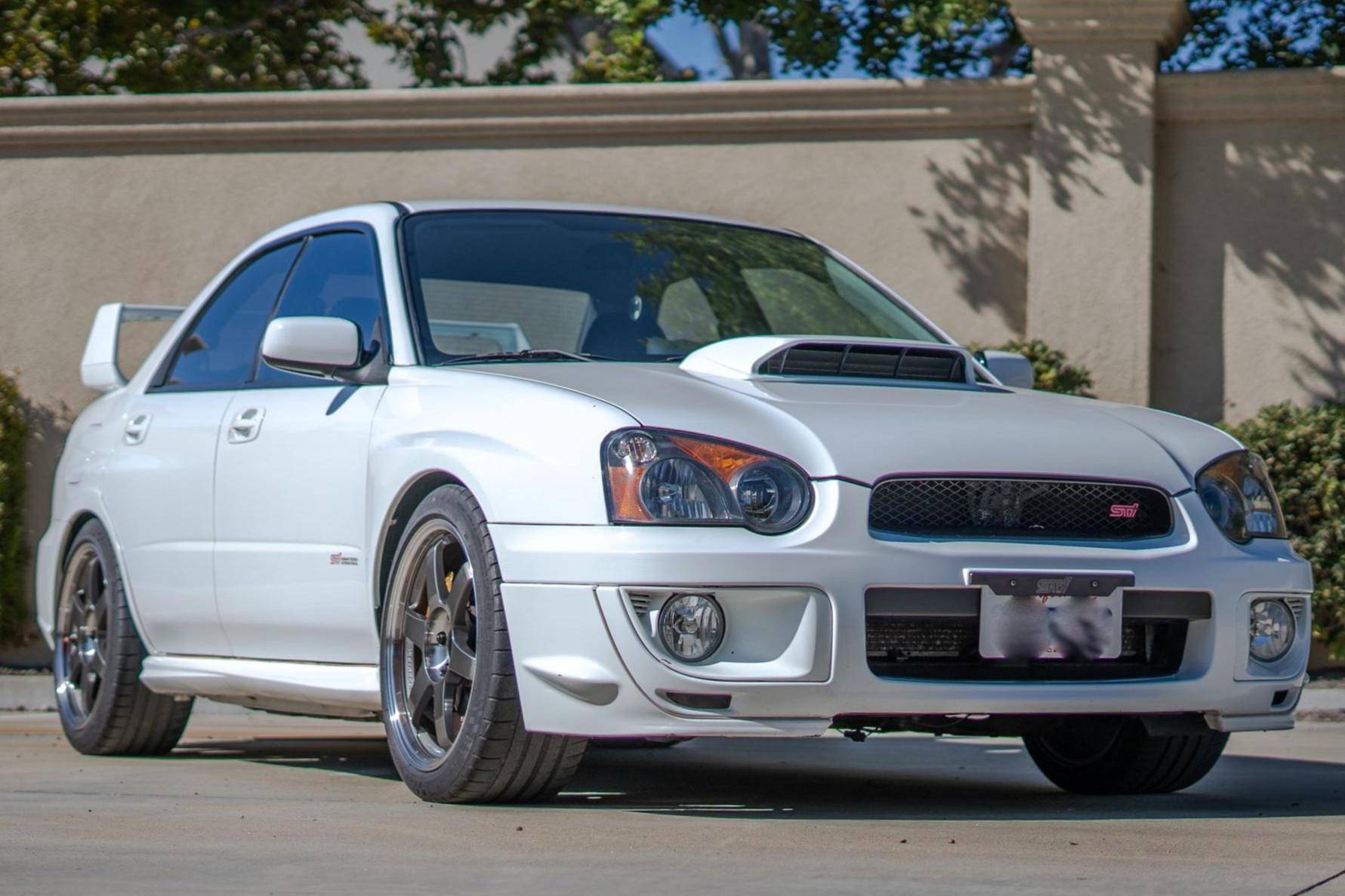
6. Subaru WRX Sedan (GD/GG Generation, 2002 to 2005)
Subaru’s GD and GG generation WRX sedan and wagon introduced American buyers to a turbocharged All Wheel Drive performance formula previously associated with rally competition rather than showroom purchases. Priced near twenty-five thousand dollars at launch, the vehicle delivered accessible performance and year-round usability that appealed strongly to enthusiastic owners interested in modification.
By 2026, the surviving population reflects the long-term effects of that appeal, as heavy usage, inconsistent servicing, and extensive aftermarket changes reduced the number of original examples to a small fraction of initial sales figures. Models produced between 2002 and 2005 relied on the EJ205 two-litre turbocharged flat four engine rated at two hundred and twenty-seven horsepower in factory form.
Within intended operating limits and supported by disciplined maintenance, this engine performs reliably. Its tolerance for additional boost encouraged owners to pursue higher output without equal attention to cooling efficiency, lubrication discipline, or drivetrain reinforcement. Many vehicles received components installed by owners with uneven mechanical skill, creating wear patterns that complicate accurate evaluation in the present market.
In 2026, service documentation influences pricing more than claimed performance figures. Sedans and wagons retaining original engine blocks, factory calibration, and unmodified drivetrains occupy the highest pricing tier. These cars attract buyers seeking authenticity supported by confidence in mechanical condition.
Vehicles rebuilt to stock specification by reputable workshops form a secondary tier, assessed through invoices and build quality rather than assumption. Cars lacking records or showing evidence of repeated high-output tuning draw limited buyer interest regardless of appearance.
Chassis balance and drivetrain layout remain appealing when properly maintained. Age-related issues include worn differentials, fatigued bushings, and corrosion in salt-exposed regions. Addressing such concerns requires investment that many owners delayed during years of lower market value.
Demand in 2026 is driven by buyers who value originality, verifiable history, and responsible ownership. Rising prices reflect competition for preserved cars rather than speculation, rewarding careful inspection and realistic expectations among informed purchasers.
Also Read: 9 Supercars Priced to Compete With Luxury Sedans
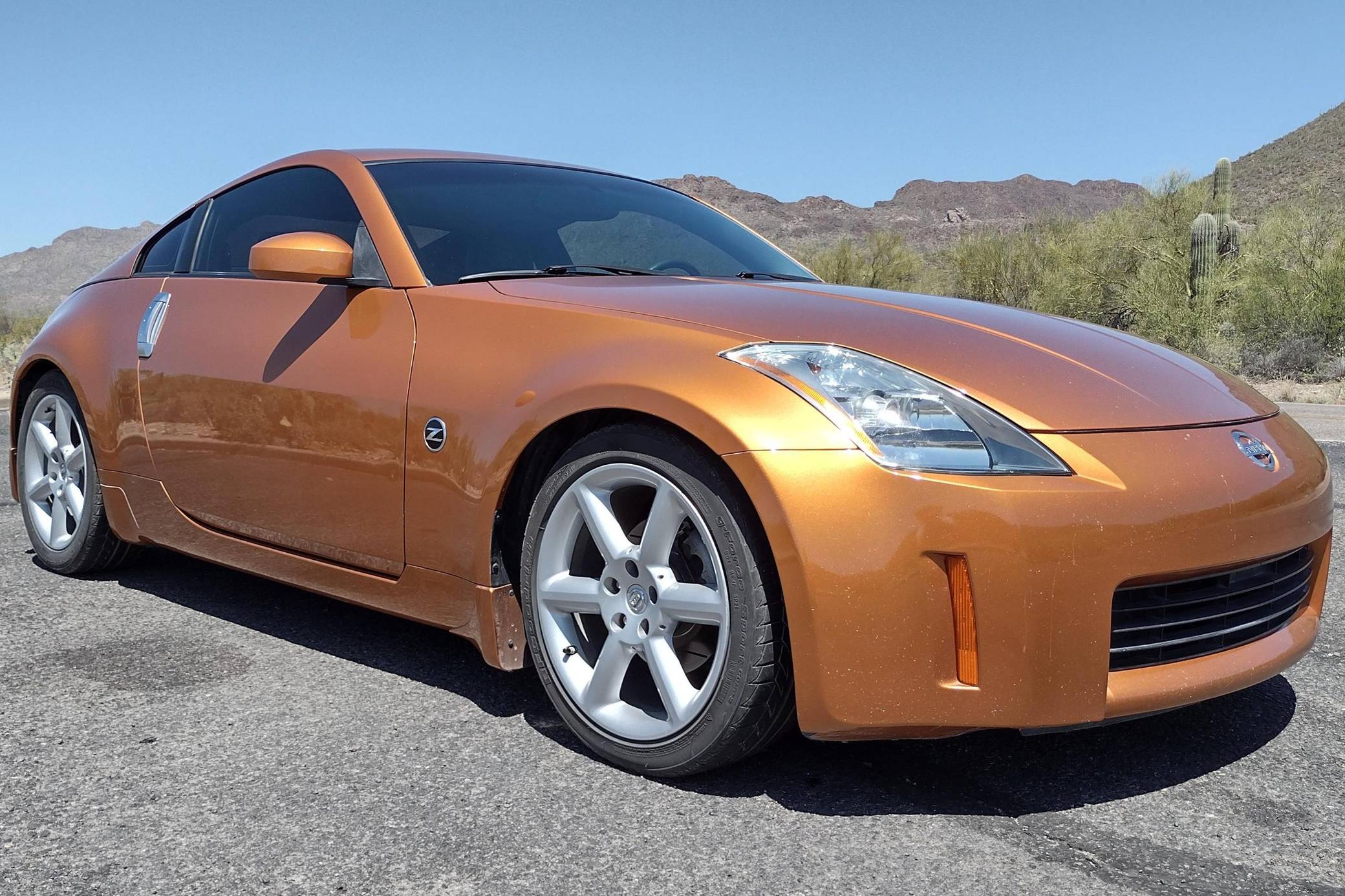
7. Nissan 350Z Touring Coupe (Z33 Generation, 2003 to 2008)
Nissan’s Z33 350Z entered the American market in 2003 as a Rear Wheel Drive sports coupe that delivered strong performance at a price point many buyers could realistically reach. Its appeal rested on a clear mechanical formula: a naturally aspirated 3.5 litre VQ35DE V6 engine, a six-speed manual gearbox option, and a chassis tuned to reward driver input.
For buyers who had grown tired of Front Wheel Drive performance cars dominating the early two-thousand-tuning scene, the 350Z provided power delivery and handling balance that felt closer to traditional sports car values. By 2026, the remaining Z33 population shows clear separation between neglected examples and preserved cars. High mileage vehicles with poor service histories have exited the usable market as engine wear became too costly to correct.
Extended oil change intervals and repeated high RPM use without proper lubrication have led to oil consumption problems and rod bearing deterioration. These failures usually develop gradually, meaning some owners continued driving until repair costs exceeded the car’s market value, leading to abandonment or dismantling.
At the opposite end of the spectrum, clean low-mileage cars in Touring or Track trim have moved into enthusiast ownership circles. These examples are often supported by service records and careful use, and pricing reflects that scarcity. As a result, such cars are no longer easy choices for daily transport and now appeal mainly to buyers who understand their mechanical requirements and long-term value potential.
Engine assessment remains central to any purchase decision. Subtle knocking sounds at idle, unstable oil pressure readings, and excessive oil usage signal internal wear that inexperienced buyers may overlook. Structural inspection is equally important, especially around the rear subframe mounting points, where cracking can develop after repeated aggressive driving. Properly documented repairs are acceptable, while undisclosed damage presents a serious risk.
In 2026, the Nissan 350Z still offers access to genuine rear wheel drive sports car ownership from the early two thousand era. That opportunity exists within a narrowing window, as surviving cars either deteriorate beyond recovery or move into collector hands, leaving fewer balanced examples available to informed buyers.
