
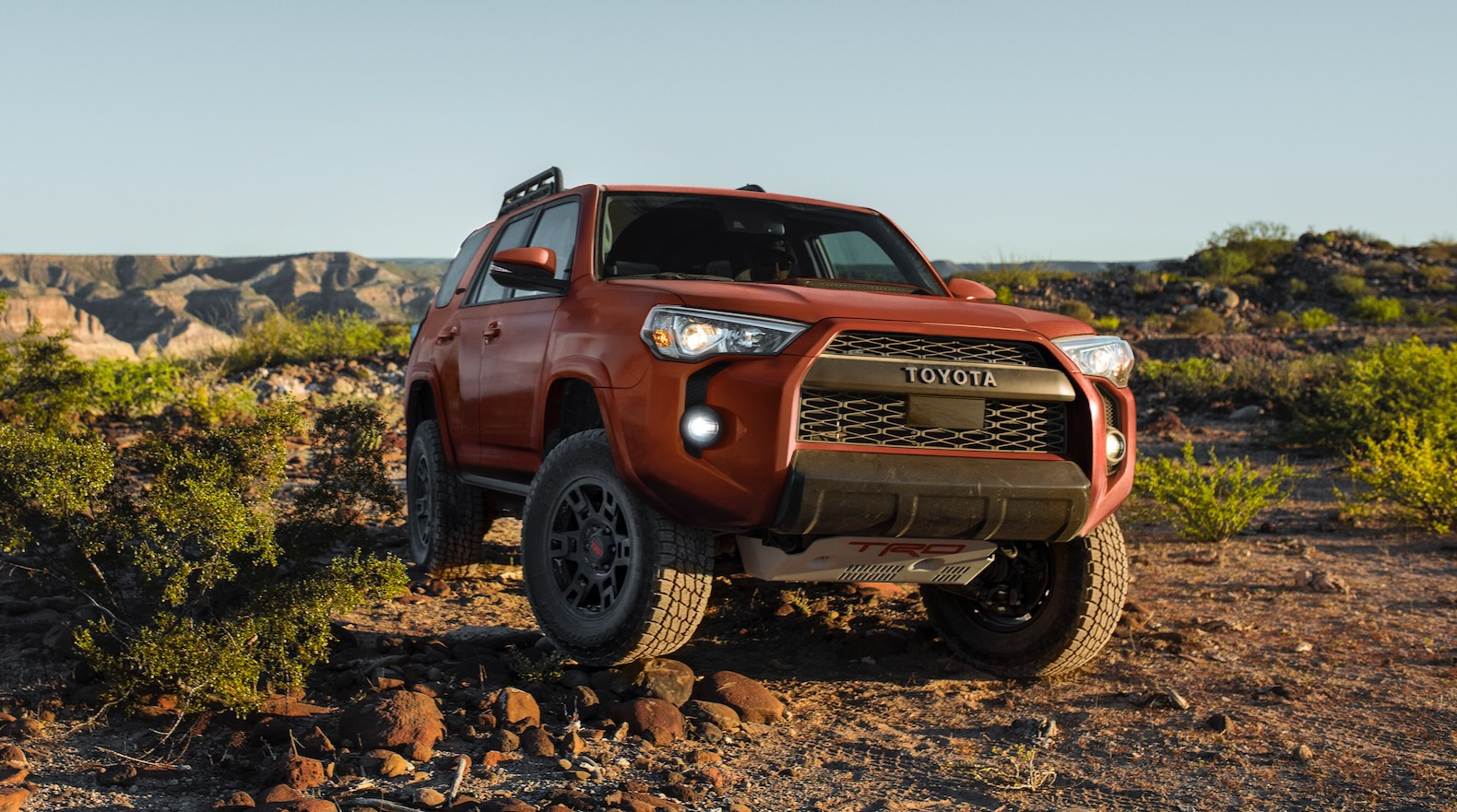
When shopping for an SUV in 2026, many buyers assume that every vehicle marketed as “rugged,” “adventure-ready,” or “off-road capable” comes equipped with serious underbody protection. However, the reality is far more nuanced.
While most modern SUVs do include some form of shielding beneath the chassis, a large percentage of these are not true skid plates but rather lightweight plastic or composite covers designed primarily for aerodynamics, noise reduction, and minor debris protection.
This distinction becomes extremely important when the vehicle is taken beyond smooth pavement and exposed to rocky terrain, uneven trails, or off-road environments where impacts are unavoidable.
Real skid plates are typically made from steel or aluminum and are engineered to withstand direct hits from rocks, stumps, and road debris. They protect vital components such as the oil pan, transmission housing, transfer case, fuel tank, and differentials. In contrast, plastic underbody covers are often referred to as splash shields or aero trays.
These are not designed to bear heavy loads or absorb significant impacts. Instead, they serve to improve airflow, reduce drag, and prevent light debris from reaching the engine bay. As noted in automotive engineering discussions, most passenger vehicles use these plastic panels rather than structural skid plates because they are cheaper, lighter, and more fuel-efficient, but they offer limited protection in demanding conditions.
For serious off-road driving, overlanding, or even frequent travel on rough rural roads, the difference between real skid plates and plastic covers can determine whether a vehicle continues driving or ends up with costly mechanical damage. Steel skid plates, for instance, are designed to distribute impact force across the chassis, reducing the risk of punctured oil pans or damaged driveline components.
Plastic panels, on the other hand, can crack or shatter under similar stress, leaving critical systems exposed. Some composite materials exist that improve upon basic plastic designs, but they still do not match the durability of metal protection systems.
This distinction is why off-road enthusiasts and automotive engineers consistently emphasize underbody protection when evaluating SUVs for durability. Even within the SUV category, there is a major gap between lifestyle crossovers that only resemble off-road vehicles and body-on-frame SUVs that are genuinely built for rugged terrain.
Vehicles with real skid plates tend to share common traits: higher ground clearance, reinforced frames, off-road suspension tuning, and drivetrain systems designed for torque-heavy environments.
In this article, we explore 11 SUVs in 2026 that are known for having real skid plates instead of simple plastic underbody covers. These vehicles are chosen based on their factory-installed metal protection systems, off-road reputation, and engineering focus on durability. Whether you are planning overland expeditions, mountain driving, or simply want a vehicle that can survive harsh conditions without underbody vulnerability, these SUVs represent some of the strongest options available today.
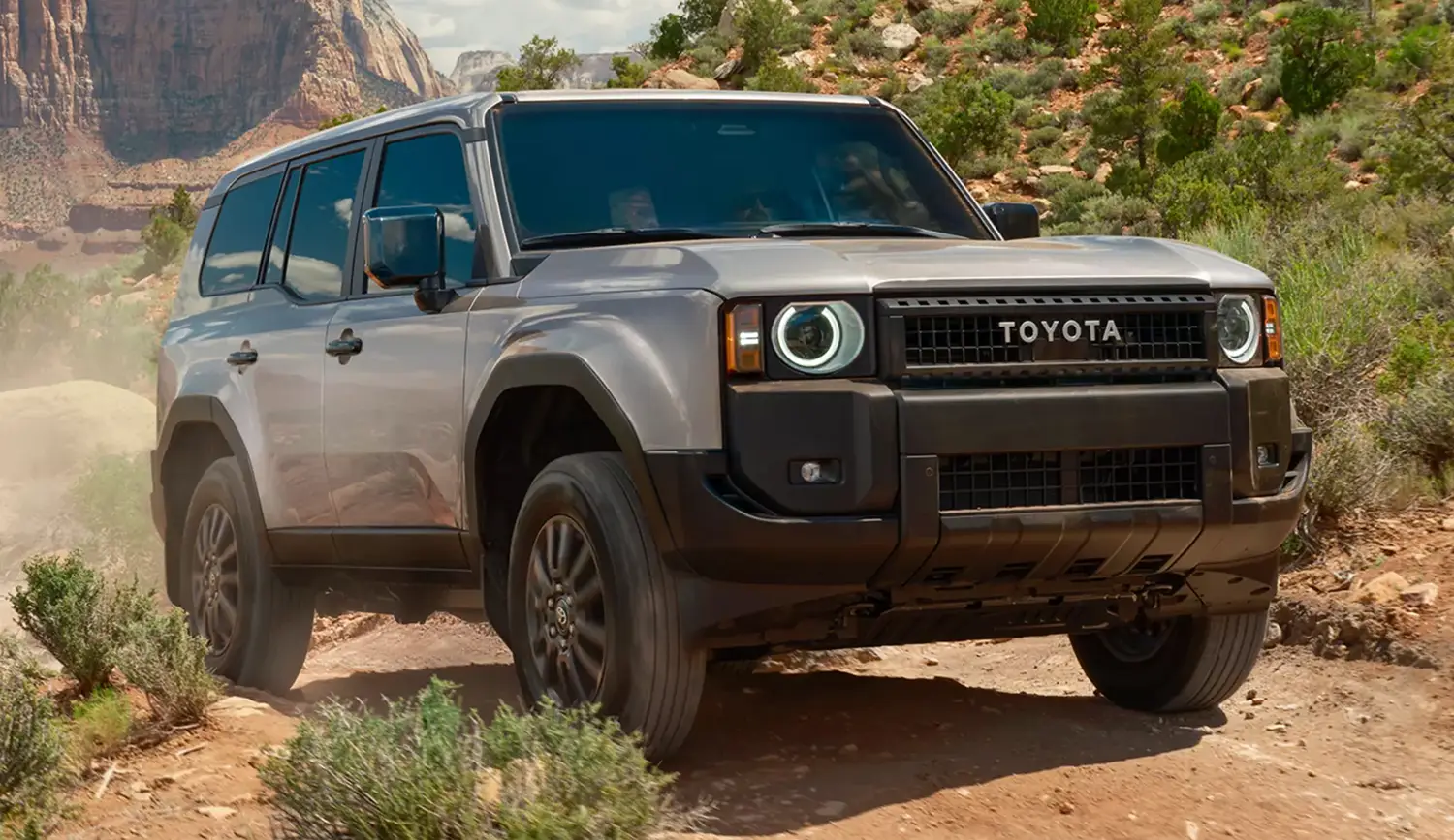
1. Toyota Land Cruiser
The Toyota Land Cruiser is widely regarded as the benchmark for durability in the SUV world, and its underbody protection system is one of the main reasons for its legendary reputation. Unlike many modern SUVs that rely on lightweight plastic shields for aerodynamic efficiency, the Land Cruiser is engineered with genuine steel skid plates that are designed to survive harsh environments.
These skid plates are strategically placed beneath the most vulnerable mechanical components, including the engine oil pan, transmission housing, transfer case, and fuel tank. In real-world off-road conditions, such as rocky desert trails, river crossings, and steep mountain paths, these components are constantly exposed to potential damage from uneven terrain, and the Land Cruiser’s protective system is built specifically to eliminate that risk.
One of the key engineering strengths of the Land Cruiser is how its skid plates integrate with its body-on-frame construction. Instead of acting as isolated protective covers, the skid plates are mounted in a way that allows impact forces to be distributed across the ladder frame chassis.
This design reduces stress concentration and prevents catastrophic damage to essential driveline components. When the vehicle scrapes against rocks or ground obstacles, the skid plates absorb and redirect the force rather than allowing it to reach sensitive mechanical systems. This is particularly important in expedition driving, where recovery options may be limited and mechanical failure can be extremely costly.
Another important factor is long-term durability under extreme environmental exposure. The Land Cruiser is often used in regions with high heat, sand abrasion, salt exposure, and freezing conditions, all of which can accelerate corrosion and material fatigue.
Toyota addresses this by using high-grade steel and protective coatings that resist rust and maintain structural integrity over time. This ensures that the skid plates continue performing effectively even after years of use in harsh conditions. In many cases, these components outlast the lifespan of other off-road modifications on the vehicle.
Maintenance accessibility is another area where the Land Cruiser’s skid plate design stands out. Unlike heavily sealed plastic undertrays found in crossovers, the skid plates are engineered with service access points that allow technicians to perform oil changes, inspections, and repairs without completely removing the protective structure. This is a critical advantage for long-distance travelers and overlanders who may need quick servicing in remote locations.
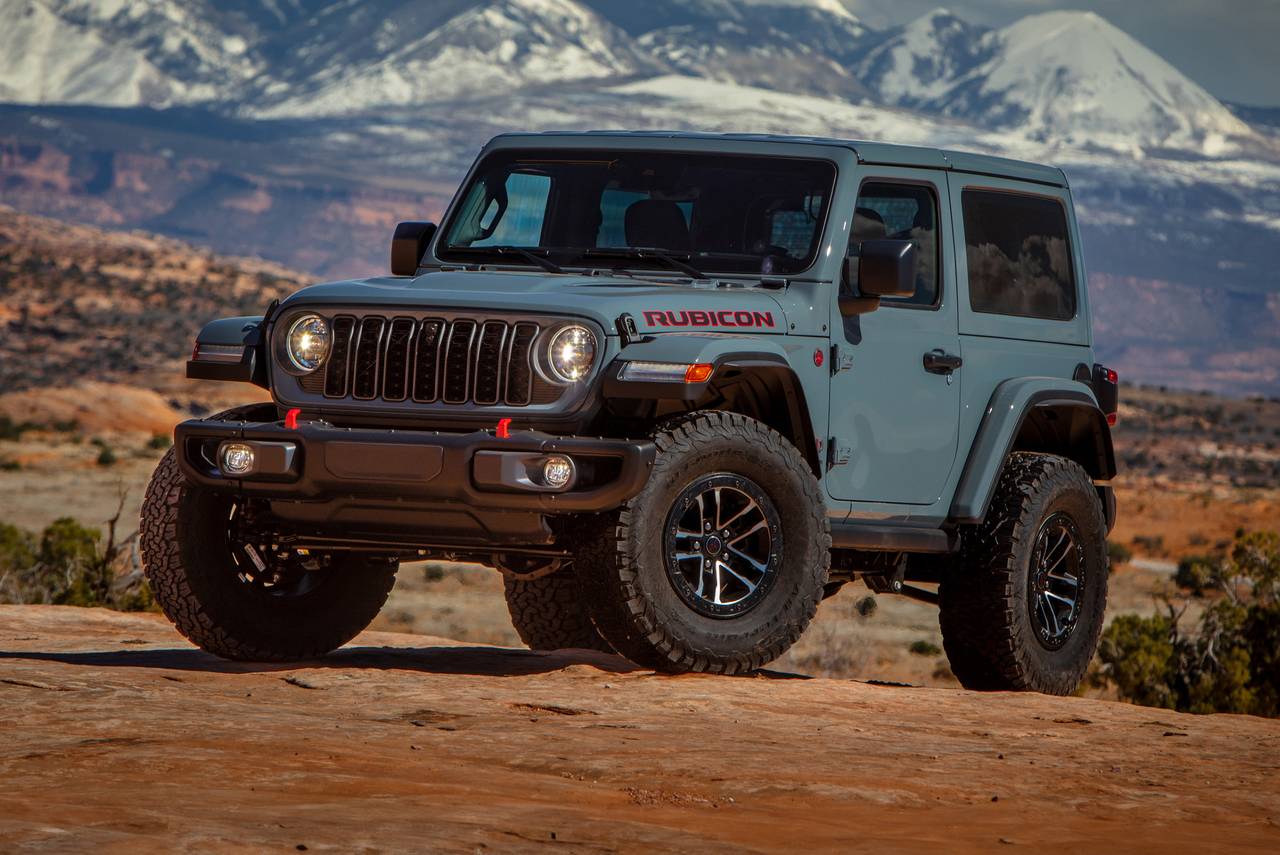
2. Jeep Wrangler Rubicon
The Jeep Wrangler Rubicon is one of the most capable factory-built off-road SUVs in the world, and its skid plate system plays a central role in that capability. Unlike urban SUVs that prioritize comfort and fuel efficiency, the Rubicon is designed from the ground up for extreme terrain challenges.
Its underbody protection consists of heavy-duty steel skid plates that cover critical mechanical components, including the engine oil pan, transmission, transfer case, and fuel tank. These components are especially vulnerable during rock crawling, where the vehicle frequently comes into direct contact with uneven surfaces, sharp rocks, and steep inclines.
What makes the Rubicon’s skid plate system particularly effective is its ability to handle repeated high-impact scenarios. Rock crawling is not about avoiding contact with terrain but managing it safely, and the Rubicon is engineered to slide over obstacles rather than get stuck or damaged by them.
The steel skid plates are thick enough to withstand repeated scraping and impact without deforming in a way that compromises protection. This allows drivers to confidently navigate trails that would be damaging or impossible for standard SUVs.
Another important aspect of the Rubicon’s design is how its skid plates work in combination with its solid axle suspension system. The suspension allows for significant wheel articulation, which helps maintain tire contact with uneven surfaces.
Meanwhile, the skid plates ensure that even when the underbody comes into contact with obstacles, the critical drivetrain components remain shielded. This synergy between suspension geometry and underbody protection is what gives the Rubicon its legendary trail performance.
The aftermarket ecosystem surrounding the Wrangler further enhances its skid plate capabilities. Many owners upgrade to thicker steel or even reinforced alloy skid plates for more extreme expeditions.
This flexibility is a major advantage, as it allows the vehicle to evolve with the driver’s off-road needs. Whether used for recreational trail driving or serious expedition work, the Rubicon’s underbody protection system can be scaled accordingly.
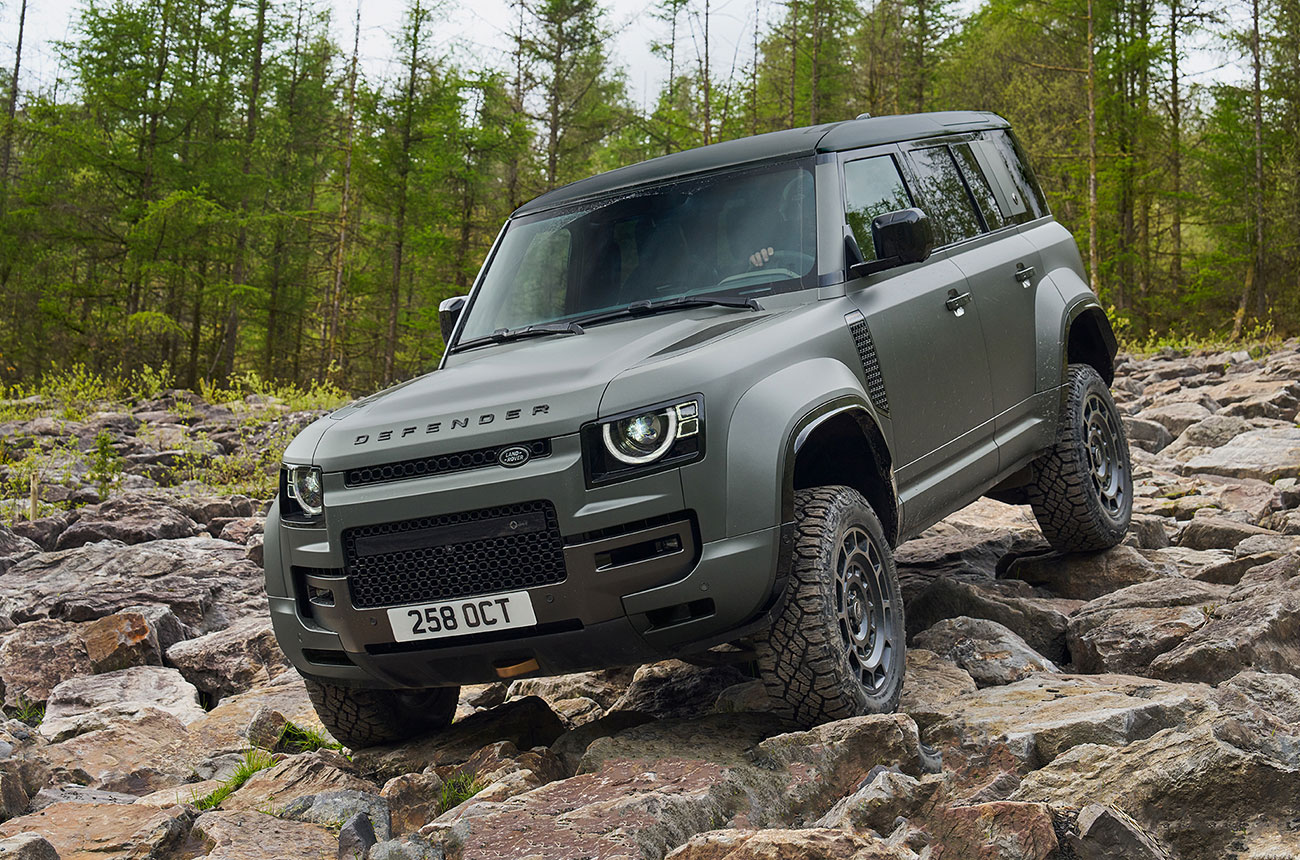
3. Land Rover Defender
The modern Land Rover Defender successfully blends luxury with serious off-road engineering, and its skid plate system reflects this dual identity. Unlike older assumptions that luxury SUVs are not built for rugged use, the Defender proves otherwise with a robust set of aluminum and steel skid plates designed to protect essential mechanical systems.
These include the engine, transmission, front and rear differentials, and fuel tank. In demanding environments such as rocky trails, muddy forests, and alpine routes, these components are constantly exposed to impact risks, making underbody protection a critical requirement rather than an optional feature.
One of the most impressive engineering aspects of the Defender is how its skid plates are integrated into a rigid monocoque-style structure. While traditional off-road vehicles rely on ladder frames, the Defender uses a highly reinforced unibody platform that is engineered to handle torsional stress efficiently.
The skid plates are not simply attached underneath but are structurally aligned to distribute forces across reinforced mounting points. This allows the vehicle to absorb impacts without compromising chassis integrity or cabin comfort.
The Defender’s Terrain Response system also plays a significant role in maximizing skid plate effectiveness. By adjusting throttle response, traction control, and drivetrain behavior depending on terrain type, the system reduces unnecessary underbody stress.
For example, in rock crawl mode, the vehicle maintains controlled low-speed torque delivery, minimizing harsh impacts that could otherwise damage the underbody. This intelligent integration between software and hardware is a key factor in the Defender’s modern off-road capability.
Despite its premium interior and luxury positioning, the Defender does not compromise on durability. Its skid plates are designed for global expedition use, meaning they must perform reliably in deserts, snowfields, wetlands, and mountain terrain. This makes it one of the few luxury SUVs that genuinely retains its off-road identity while offering high levels of comfort.
4. Toyota 4Runner TRD Pro
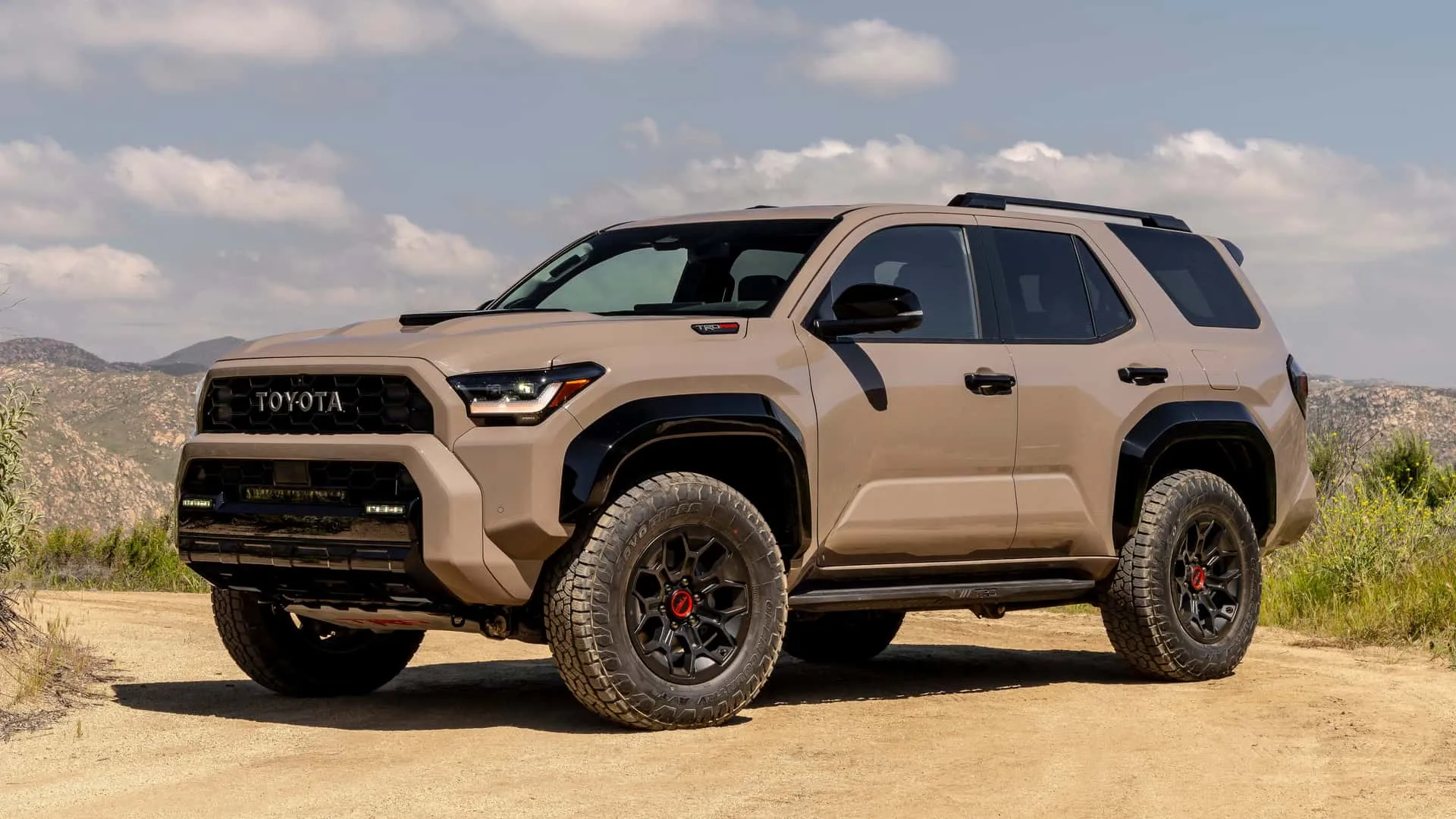
The Toyota 4Runner TRD Pro is built with a clear focus on off-road performance, and its skid plate system reflects that philosophy in every detail. Unlike standard SUV variants that rely on lightweight plastic shields, the TRD Pro features thick steel skid plates that protect vital components such as the engine, transfer case, and fuel tank. These plates are designed specifically for high-impact environments where rocks, tree roots, and uneven terrain are common hazards.
What makes the TRD Pro particularly capable is the way its skid plates are tuned for real-world trail use rather than just theoretical protection. Off-road driving often involves unpredictable terrain where the vehicle’s underbody may repeatedly make contact with obstacles.
The TRD Pro’s skid plates are engineered to handle this repetitive stress without cracking, bending excessively, or transferring damaging force to the drivetrain. This makes the SUV highly reliable in environments where mechanical failure is not an option.
The suspension system also plays a critical role in how the skid plates function. With upgraded shocks and increased articulation capability, the TRD Pro reduces the severity of underbody impacts by allowing the wheels to adapt more effectively to uneven surfaces. This means that while the vehicle is designed to handle contact with terrain, the frequency and intensity of those impacts are significantly reduced.
Another strength of the 4Runner TRD Pro is its reputation for long-term reliability in off-road conditions. Many owners use these vehicles for overlanding, where extended travel through remote areas demands a strong combination of durability and self-sufficiency. The skid plates contribute directly to this reliability by ensuring that essential systems remain protected even after years of heavy use.
5. Ford Bronco
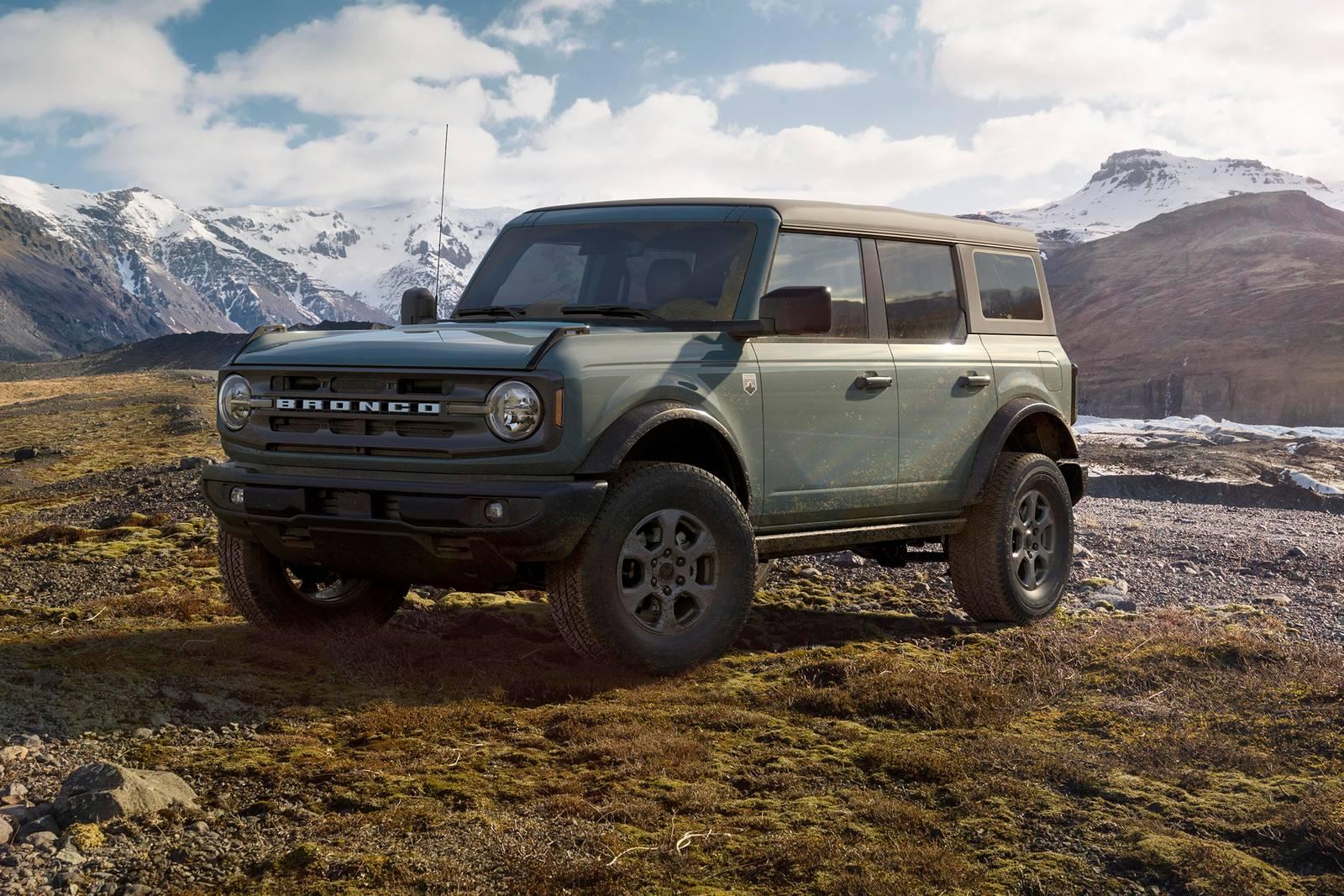
The Ford Bronco, particularly in its Badlands and Sasquatch configurations, represents Ford’s serious return to the off-road SUV segment, and its skid plate system is a core part of that mission.
Unlike crossover SUVs that prioritize styling over durability, the Bronco is engineered with real steel skid plates that protect essential components, including the engine, transmission, transfer case, and fuel system. These plates are designed specifically for trail environments where rocks, ruts, and uneven terrain are constant challenges.
A key design advantage of the Bronco’s skid plate system is its geometry. Ford engineers positioned the plates in a way that allows the vehicle to slide over obstacles instead of catching on them. This “glide over impact” approach reduces the likelihood of getting stuck or suffering underbody punctures. In combination with the vehicle’s high ground clearance, this makes the Bronco highly effective in technical off-road scenarios.
The Sasquatch package enhances this capability further by adding larger tires, improved suspension travel, and reinforced underbody protection. These upgrades work together to reduce stress on skid plates by increasing obstacle clearance and improving wheel articulation. As a result, the Bronco can maintain better stability and protection even in highly uneven terrain.
Another important aspect is Ford’s focus on modularity and aftermarket support. The Bronco’s skid plate system is designed to be upgraded or replaced depending on driving conditions. This allows owners to adapt the vehicle for mild trail use or extreme expedition environments without compromising safety or reliability.
Also read: 5 Cars for Urban Delivery In the USA vs 5 Cars with Huge Blind Spots
6. Chevrolet Tahoe Z71
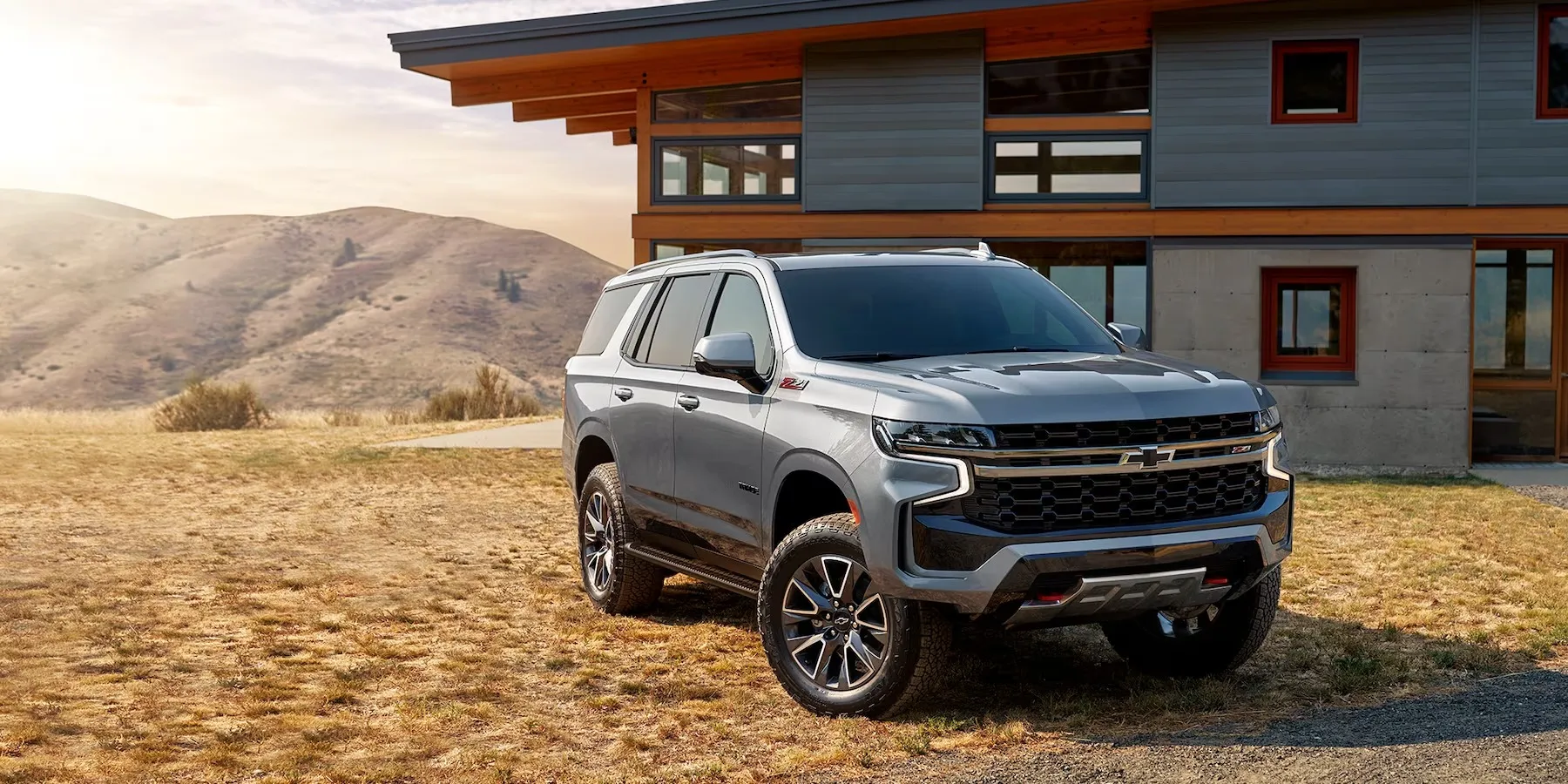
The Chevrolet Tahoe Z71 is one of the few full-size American SUVs that successfully bridges the gap between family comfort and genuine off-road capability, and its skid plate system is a key part of that balance.
Unlike standard Tahoe trims that focus primarily on road comfort and towing performance, the Z71 package includes real metal skid plates that are designed to protect essential mechanical components such as the engine oil pan, transmission housing, transfer case, and portions of the front suspension.
These components are especially vulnerable in off-road environments where uneven terrain, deep ruts, and debris can easily cause serious underbody damage if left unprotected.
One of the strongest engineering advantages of the Tahoe Z71 is how its skid plates are integrated into its large body-on-frame architecture. This construction allows the SUV to handle heavy loads and absorb impacts more effectively than unibody crossovers.
When the underbody comes into contact with obstacles such as rocks or uneven ground, the steel skid plates act as a first line of defense, dispersing force across the frame rather than allowing it to concentrate on a single vulnerable component. This design is particularly important for a vehicle of its size, as the Tahoe’s weight increases both the potential impact force and the need for strong structural protection.
Another important aspect is the Tahoe Z71’s suitability for mixed terrain use. While it is not a dedicated rock crawler like the Jeep Wrangler, it is frequently used in rural environments, construction zones, snow-covered roads, and light trail conditions.
In these scenarios, the skid plates provide essential protection against unexpected obstacles such as large rocks, deep potholes, or fallen debris. The durability of these plates ensures that the SUV can continue operating reliably even when driven far from paved infrastructure.
Chevrolet also engineered the Z71 skid plate system with practicality in mind. The design allows for relatively straightforward maintenance access, which is important for a vehicle often used in long-distance travel or utility applications. Serviceability ensures that routine maintenance can be performed without removing excessive protective components, saving time and effort.
The Chevrolet Tahoe Z71 demonstrates that full-size SUVs can still offer meaningful off-road protection when properly equipped. Its skid plates are not cosmetic additions but functional armor designed to expand the vehicle’s usability beyond urban environments.
7. Nissan Patrol
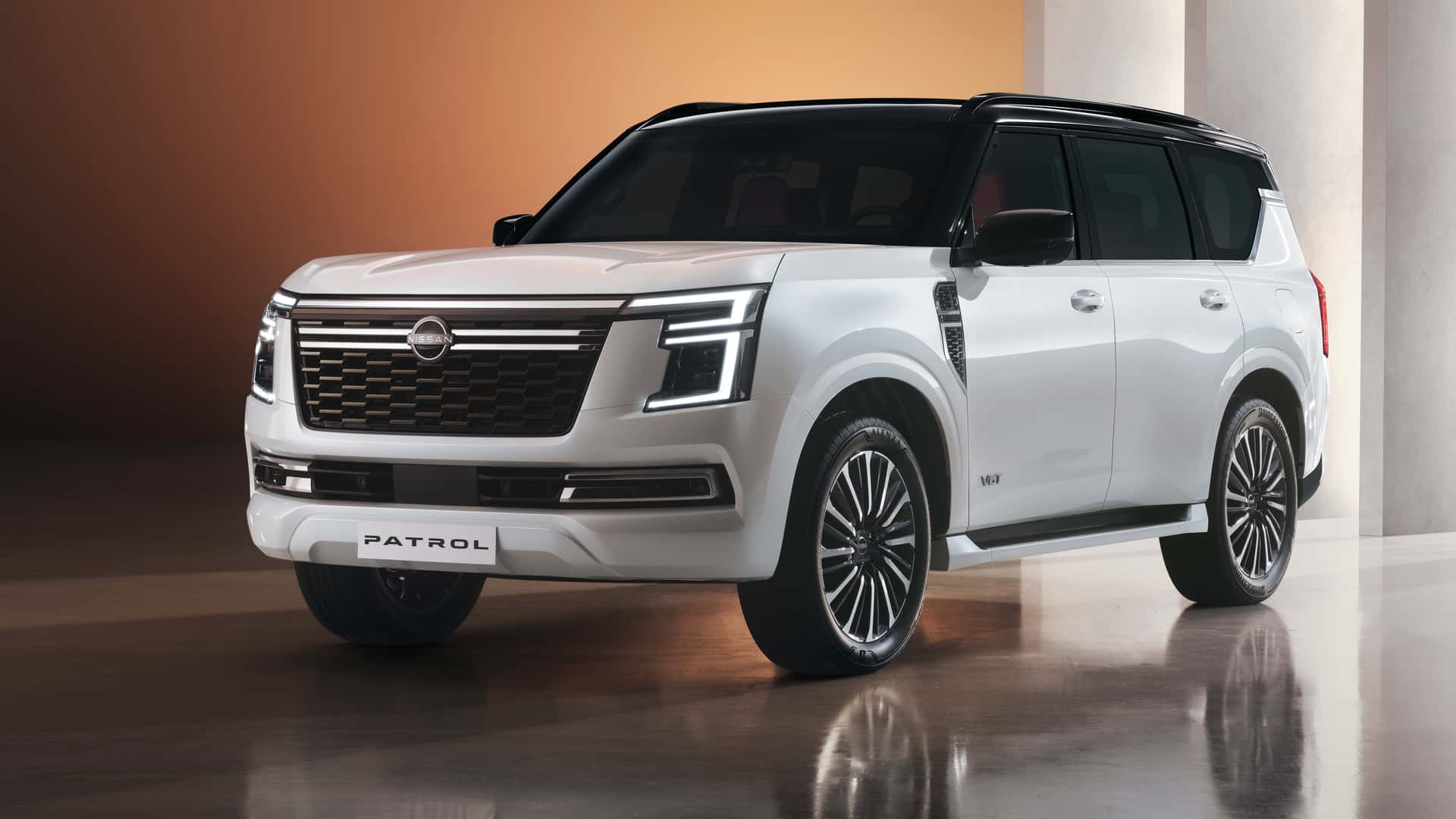
The Nissan Patrol has earned a global reputation as one of the most durable and reliable off-road SUVs ever produced, and its skid plate system plays a major role in that legacy. Built with serious off-road engineering in mind, the Patrol features heavy-duty steel skid plates that protect key components such as the engine, transmission, transfer case, and fuel tank.
These parts are particularly exposed during desert driving and long-distance expedition travel, where terrain conditions can shift rapidly and unpredictably.
One of the defining characteristics of the Patrol’s underbody protection is its ability to withstand extreme environmental conditions. In regions such as the Middle East, Australia, and parts of Africa, the Patrol is frequently driven across sand dunes, rocky deserts, and unmarked wilderness trails.
In these environments, underbody impacts are common, and the steel skid plates are designed to absorb repeated stress without compromising structural integrity. This makes the vehicle highly dependable in situations where mechanical failure could leave occupants stranded in remote areas.
The Patrol’s skid plate system also benefits from its robust ladder-frame construction. This chassis design allows the vehicle to distribute impact forces more evenly, reducing the likelihood of localized damage to critical components. When the vehicle scrapes over rocks or uneven ground, the skid plates act as a sacrificial barrier that takes the brunt of the force while preserving the drivetrain beneath.
Another key advantage is the Patrol’s cooling and airflow management system, which works in coordination with its underbody protection.
Engineers designed the skid plates to maintain adequate airflow while still offering maximum coverage, ensuring that engine and transmission temperatures remain stable even under heavy load in hot climates. This balance between protection and performance is essential for long-distance desert driving.
In essence, the Nissan Patrol is a globally proven off-road SUV, and its skid plates are a fundamental part of why it continues to be trusted in some of the harshest driving environments on Earth.
8. Lexus GX 550
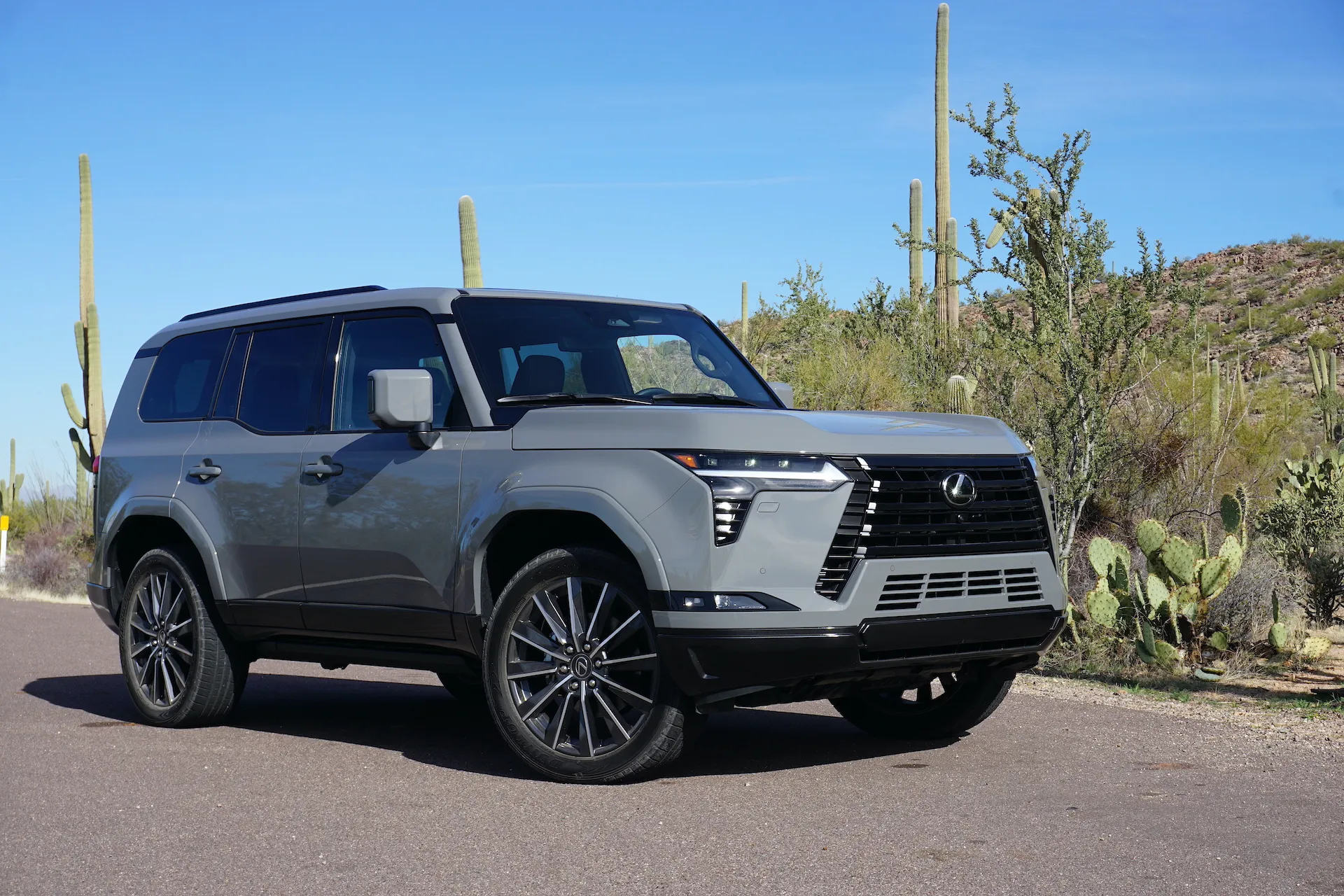
The Lexus GX 550 represents a rare combination of luxury refinement and genuine off-road capability, and its skid plate system reflects this dual-purpose design philosophy. Built on Toyota’s proven body-on-frame platform, the GX 550 includes real aluminum and steel skid plates that protect critical components such as the engine, transmission, and transfer case.
These systems are essential for maintaining reliability in off-road environments where rocks, uneven terrain, and debris can cause significant underbody damage.
The GX 550 also benefits from advanced suspension systems that work alongside its skid plates. With adaptive damping and improved articulation, the vehicle is able to reduce the severity of impacts transmitted to the underbody. This means the skid plates are less frequently subjected to extreme force, which enhances their longevity and effectiveness.
Another important factor is the GX 550’s intended use in global markets. It is commonly used in regions where road infrastructure varies significantly, requiring a vehicle that can transition between highways and rough terrain without modification. The skid plate system ensures that this transition can occur without risking damage to essential drivetrain components.
9. Jeep Grand Cherokee Trailhawk
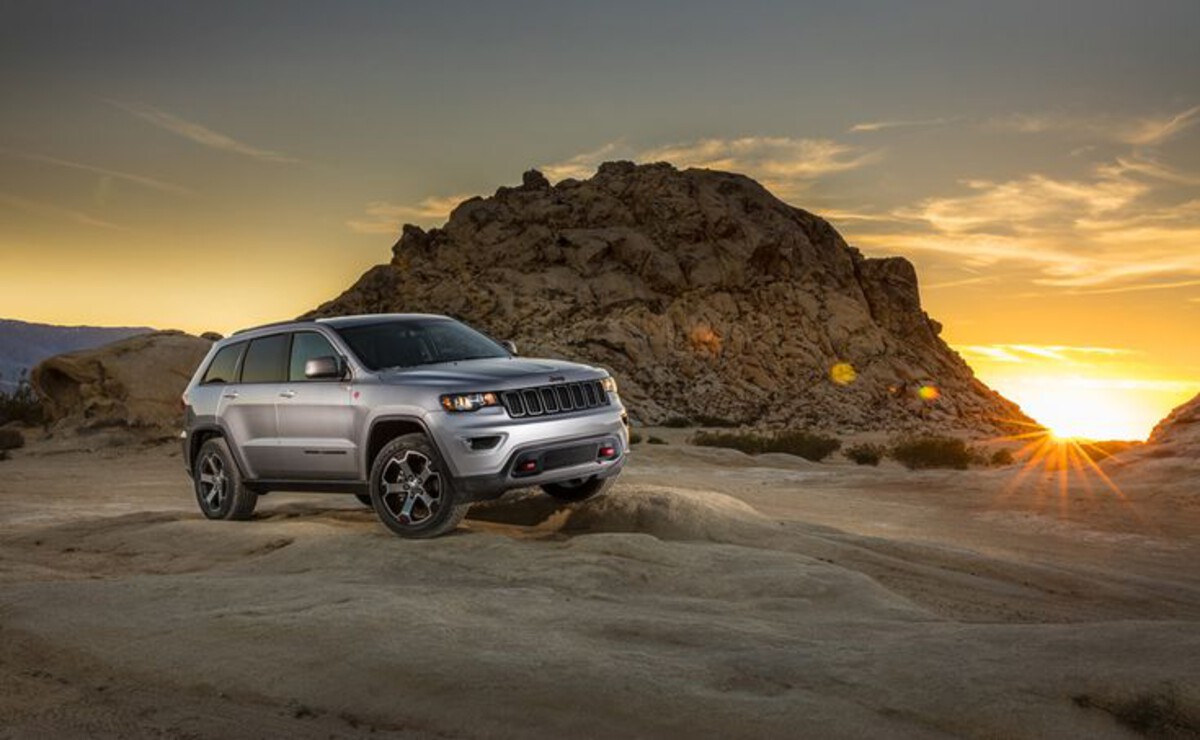
The Jeep Grand Cherokee Trailhawk is designed as the more refined sibling of the Wrangler, but it still retains serious off-road capability, largely due to its reinforced skid plate system.
Unlike base Grand Cherokee models that may include lighter protective coverings, the Trailhawk features steel skid plates that protect critical areas such as the engine, transfer case, and fuel tank. These components are essential for off-road driving, especially in environments where the terrain is unpredictable and impact risks are high.
A major strength of the Trailhawk’s skid plate system is its integration with Jeep’s Quadra-Drive and Quadra-Trac systems. These advanced four-wheel-drive setups are designed to optimize traction in difficult conditions, and the skid plates ensure that mechanical components remain protected while the system distributes torque effectively. This combination allows the vehicle to maintain stability even when traveling over rocky trails or steep inclines.
The Trailhawk is also engineered for versatility, meaning it performs well both on highways and off-road terrain. Its skid plates are designed to provide protection without significantly affecting ground clearance or aerodynamics. This balance makes it suitable for drivers who want off-road capability without sacrificing daily usability.
Another advantage is the vehicle’s suspension tuning, which helps reduce harsh impacts during trail driving. By absorbing much of the terrain irregularity, the suspension reduces stress on the skid plates, allowing them to function more as a safety layer rather than a constantly stressed component.

10. Mercedes-Benz G-Class
The Mercedes-Benz G-Class, often referred to as the G-Wagon, is one of the most iconic luxury off-road vehicles in the world, and its skid plate system is a key reason for its enduring capability. Unlike many luxury SUVs that prioritize appearance over durability, the G-Class retains a traditional body-on-frame structure combined with heavy-duty steel skid plates that protect essential drivetrain components.
These skid plates are engineered to handle extreme conditions, including rocky terrain, deep mud, and steep off-road gradients. They provide protection for the engine, transmission, and differentials, ensuring that the vehicle remains operational even in highly demanding environments. This is particularly important for a vehicle that has both civilian and military origins, where reliability is a core requirement.
The G-Class also benefits from its rigid ladder-frame chassis, which works in tandem with its skid plates to distribute impact forces efficiently. When the vehicle encounters obstacles, the skid plates absorb the initial contact while the frame prevents structural deformation. This makes the G-Class exceptionally durable compared to most luxury SUVs.
Another important factor is its long production evolution. Despite modern upgrades in technology and comfort, Mercedes-Benz has preserved the G-Class’s off-road DNA, ensuring that its skid plates remain functional rather than decorative.
11. Ineos Grenadier
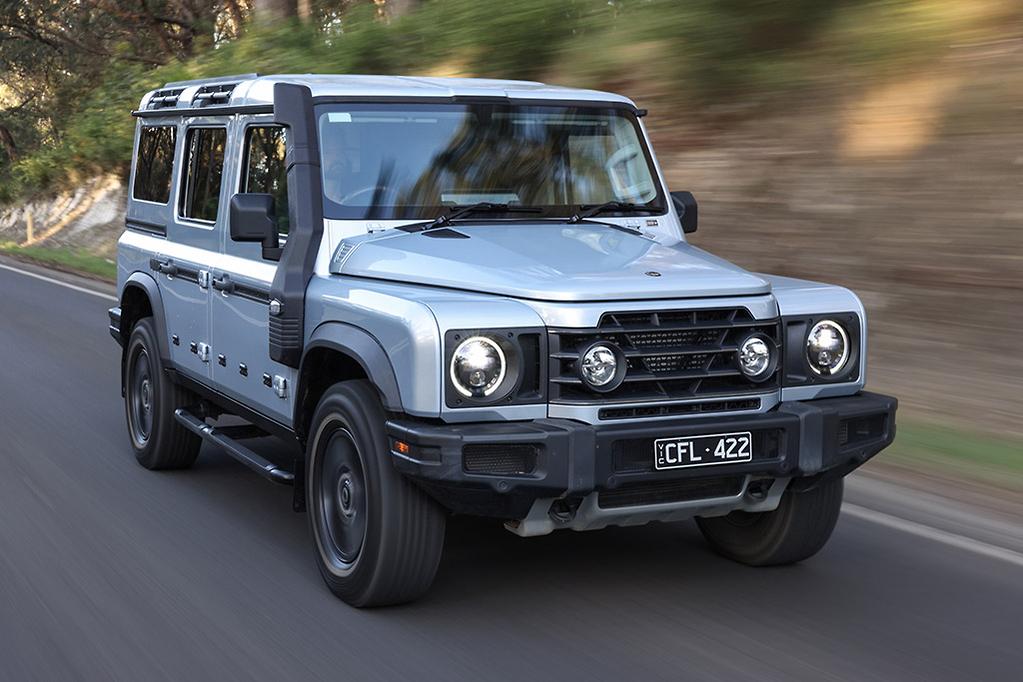
The Ineos Grenadier is one of the newest entrants in the serious off-road SUV segment, designed with a clear focus on mechanical simplicity and durability. Unlike many modern SUVs that prioritize electronics and lightweight construction, the Grenadier uses a traditional body-on-frame architecture paired with heavy-duty steel skid plates designed for global expedition use.
These skid plates are engineered to protect all major drivetrain components, including the engine, transmission, transfer case, and fuel system. They are particularly important for remote travel where terrain conditions are unpredictable and mechanical failure is not an option. The design emphasizes repairability and resilience, ensuring that the vehicle can continue operating even after sustained off-road abuse.
One of the key strengths of the Grenadier’s skid plate system is its modular design. The plates are easy to inspect, replace, or upgrade, depending on the type of terrain the vehicle is expected to encounter. This makes it highly suitable for overlanding, commercial fieldwork, and expedition driving in remote regions.
The vehicle’s suspension and chassis systems are also designed to complement the skid plates by reducing unnecessary stress during impacts. This integrated engineering approach ensures that protection is not just passive but part of a broader durability strategy.
Also read: 10 Cars With Intuitive Physical Controls That Reduce Modern Driver Distraction
