
Buying a used car is often seen as a smart financial decision because it allows buyers to avoid the steep depreciation that comes with new vehicles. In theory, you pay less up front, get a functional vehicle, and save money. However, the reality of used car ownership is far more complex.
While the purchase price might look like a bargain, the true cost of ownership often reveals itself only after months of driving, when mechanical issues begin to surface. In many cases, the cost of repairing an aging or poorly maintained vehicle can rival or even exceed the original purchase price, turning what seemed like a good deal into a financial burden.
Modern vehicles are mechanically complex, and even relatively minor components such as sensors, suspension parts, or transmission systems can be expensive to repair. Major failures like engine or transmission breakdowns are even more severe, often costing thousands of dollars.
For example, engine replacements commonly range between $3,000 and $7,000, while transmission repairs can reach similar or higher amounts depending on the model and severity of damage. Suspension overhauls, electrical system faults, and air conditioning compressor failures also add up quickly, especially in older vehicles where multiple systems may fail simultaneously.
A low-cost used car can quickly turn into a high-cost liability. Certain vehicles are widely known for frequent repairs or expensive components, leading buyers to spend as much on maintenance and fixes as they originally paid for the car itself.
These issues are often not obvious at the time of purchase, especially if the car has been cosmetically maintained or if problems appear only after extended use.
In this article, we explore 10 used cars that are known for this exact problem. These are vehicles where the repair bill can realistically equal or exceed the purchase price within a short period of ownership. We will break down why these cars are prone to high repair costs, what specific issues commonly occur, and what buyers should watch out for when considering them in the used car market.
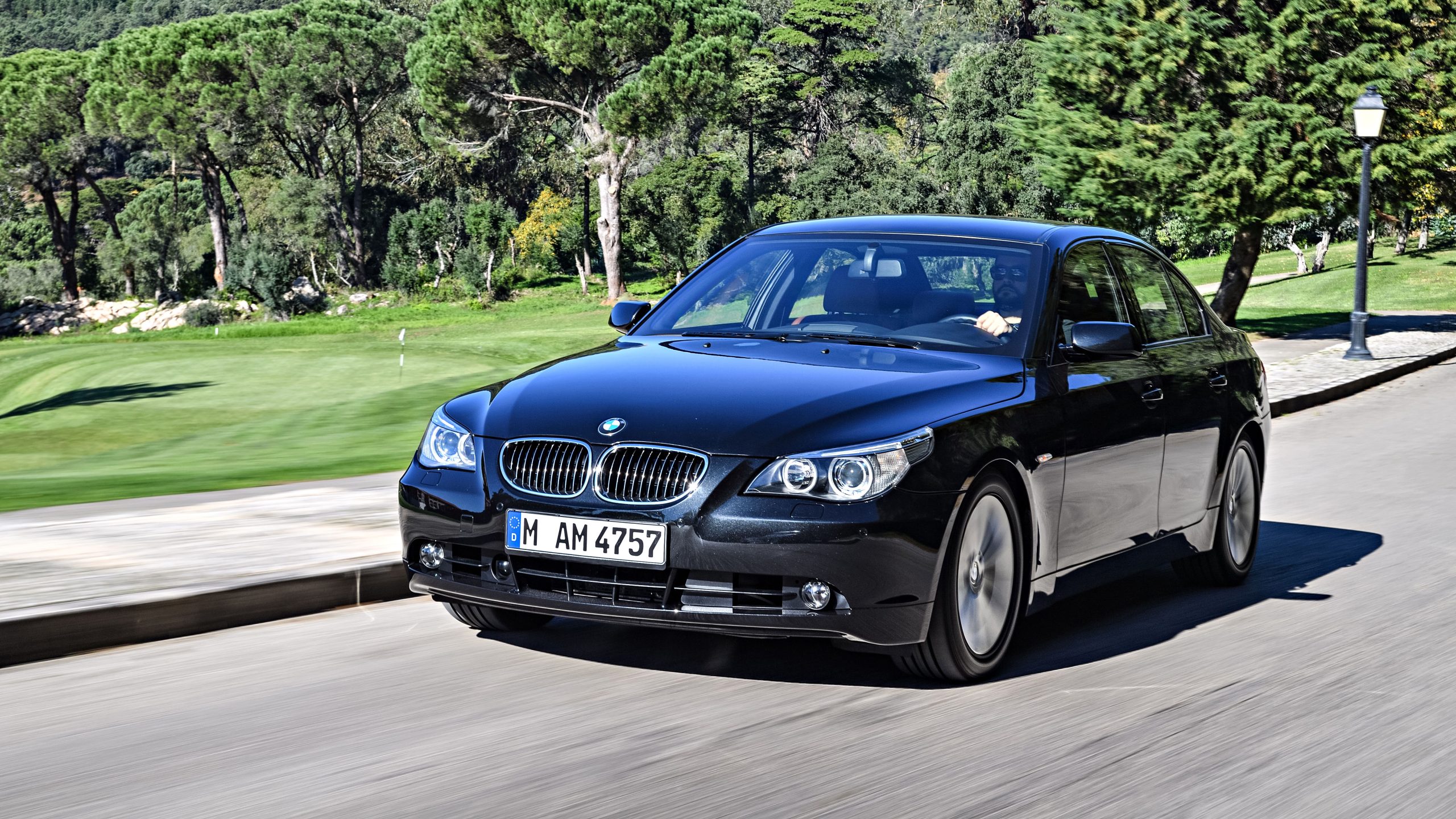
1. BMW 5 Series
The BMW 5 Series is widely regarded as one of the most refined executive sedans ever produced, offering a blend of performance, luxury, and driving precision that has made it a favorite among enthusiasts and professionals alike.
However, when these vehicles enter the used car market and age beyond their prime years, they often become financially demanding in ways that many first-time buyers do not anticipate. While the initial purchase price of an older 5 Series may appear attractive compared to other luxury sedans, the long-term maintenance reality tells a very different story.
One of the most persistent issues in older BMW 5 Series models is the failure of the cooling system. Components such as the water pump, thermostat housing, expansion tank, and radiator are known to degrade over time.
When any of these parts fail, the engine is at immediate risk of overheating, which can cause severe internal damage. In many cases, a simple cooling system repair can escalate into a full engine rebuild if the problem is not addressed quickly. This alone can push repair costs into thousands of dollars, often rivaling the vehicle’s purchase price.
Electrical system complexity is another major concern. BMWs are equipped with advanced electronics, including multiple control modules that manage everything from engine performance to infotainment systems. As the vehicle ages, these modules can begin to fail unpredictably, leading to warning lights, sensor errors, and system malfunctions.
Diagnosing these issues often requires specialized equipment, and even minor electrical faults can result in expensive labor charges due to the diagnostic time involved.
Suspension wear is also a common issue, especially in models equipped with adaptive suspension systems. Components such as control arms, bushings, and electronic dampers wear out faster under real-world driving conditions, particularly on rough roads. Replacing these parts is not only costly in terms of materials but also labor-intensive due to the complexity of BMW’s engineering design.
When all these issues combine, an older BMW 5 Series can quickly transition from a premium driving experience to a continuous cycle of repairs. It is not uncommon for owners to spend several thousand dollars within a short period, effectively matching or exceeding the original purchase price of the car.
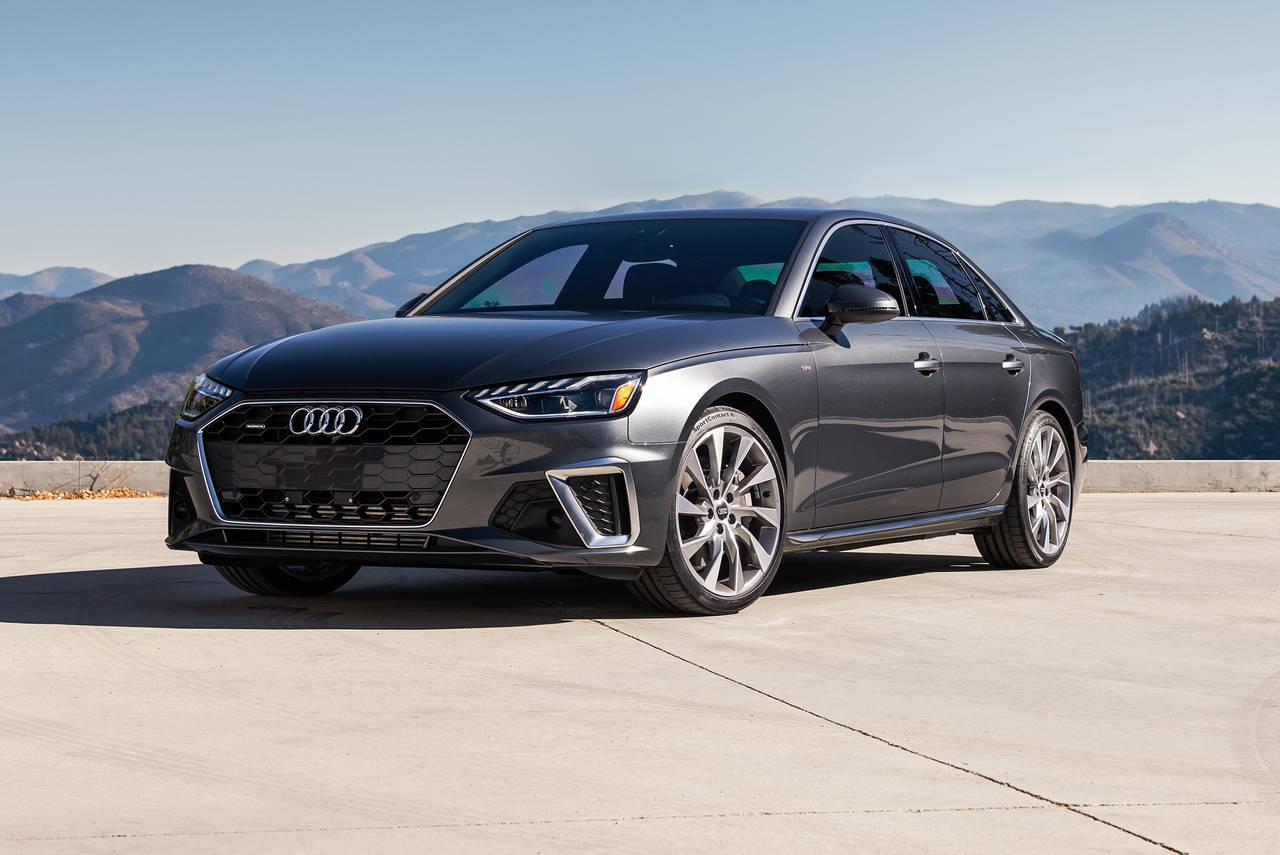
2. Audi A4
The Audi A4 is one of the most popular entry-level luxury sedans, known for its refined interior, quattro all-wheel-drive system, and strong turbocharged engine performance. However, once these vehicles cross into high-mileage territory, typically beyond 100,000 miles, they begin to develop mechanical and maintenance challenges that can significantly increase ownership costs.
One of the most widely reported issues in older Audi A4 models is excessive oil consumption. Certain engine generations are known to burn oil at a higher rate than normal, requiring frequent top-ups and potentially indicating deeper internal engine wear. If ignored, this can lead to engine damage that requires costly repairs or even full engine replacement.
Timing chain tensioner failure is another serious concern. The timing system in many Audi engines is located at the rear of the engine, making repairs labor-intensive and expensive. When the timing chain system fails or stretches, it can cause catastrophic engine damage. Repairing this issue often requires removing the engine, which significantly increases labor costs and pushes total repair expenses into the range of several thousand dollars.
Turbocharger wear is also common in higher-mileage units. Since the turbocharger operates under high-pressure and temperature conditions, it naturally degrades over time. When it fails, acceleration performance drops significantly, and replacement costs are high due to both the part price and installation complexity.
Beyond engine-related issues, suspension components and electronic systems also begin to fail as the vehicle ages. Audi’s advanced infotainment and driver assistance systems can develop faults that require specialized diagnostic tools. Combined with premium parts pricing, these issues contribute to a situation where repair bills can quickly equal the original purchase price of the vehicle.
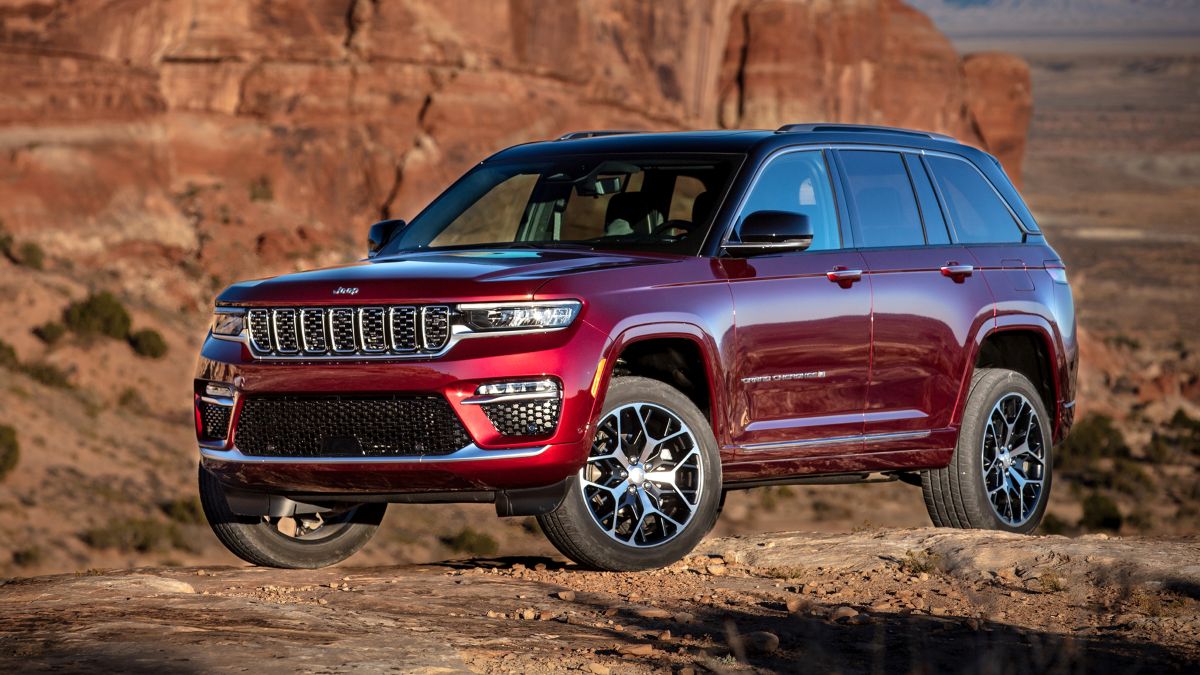
3. Jeep Grand Cherokee
The Jeep Grand Cherokee is a well-known midsize SUV that balances comfort, off-road capability, and American-style ruggedness. It is widely used for both urban commuting and outdoor adventures. However, in the used car market, especially for older or higher-mileage models, the Grand Cherokee can become surprisingly expensive to maintain.
One of the most significant issues with this vehicle is transmission failure. Many older models are prone to automatic transmission problems, including slipping gears, delayed shifting, and complete breakdowns. Transmission replacement is one of the most expensive repairs a vehicle can require, and in the case of the Grand Cherokee, it can often cost several thousand dollars, sometimes exceeding the market value of the vehicle itself.
Another major concern is the air suspension system found in certain trims. While air suspension provides a smooth and adjustable ride height, it is also highly complex and prone to failure. Air springs, compressors, and height sensors can all degrade over time. When one component fails, it can trigger a chain reaction that affects the entire system. Repairing or replacing air suspension components is significantly more expensive than standard coil spring systems.
Electrical system issues also appear frequently in older models. These can include malfunctioning dashboard displays, faulty sensors, and problems with the vehicle’s onboard computer systems. While not always mechanically critical, these issues require diagnostic work and replacement parts that add to the cost of ownership.
When combined, these problems mean that a used Jeep Grand Cherokee can quickly become expensive to maintain. Many owners find that after a few major repairs, the total investment in maintenance and repairs begins to match the original purchase price of the vehicle.

4. Land Rover Discovery
The Land Rover Discovery is a premium SUV designed for luxury travel and serious off-road performance. It is known for its commanding driving position, advanced terrain management systems, and high-end interior comfort. However, it is also widely recognized in the automotive world as one of the most expensive vehicles to maintain once it enters the used market.
One of the most common and costly issues is air suspension failure. The Discovery relies heavily on its air suspension system to provide both comfort and off-road capability. However, components such as air struts, compressors, and height sensors are prone to wear and failure. When the system malfunctions, the vehicle may sag on one side or become undrivable. Repairing this system can cost thousands of dollars and often requires multiple components to be replaced at once.
Electrical system complexity is another major challenge. The Discovery is equipped with numerous electronic control units that manage everything from drivetrain settings to infotainment features. As the vehicle ages, electrical faults can become frequent and difficult to diagnose. These issues often require specialized diagnostic tools and dealership-level expertise, which significantly increases labor costs.
Engine-related problems also contribute to high ownership costs. Cooling system leaks, gasket failures, and turbocharger issues are not uncommon in older models. If these problems are not addressed promptly, they can lead to severe engine damage, which may require full engine replacement.
Because of these combined issues, the Land Rover Discovery often becomes a vehicle where repair costs accumulate rapidly. It is not unusual for owners to face repair bills that approach or exceed the original purchase price within a relatively short ownership period.
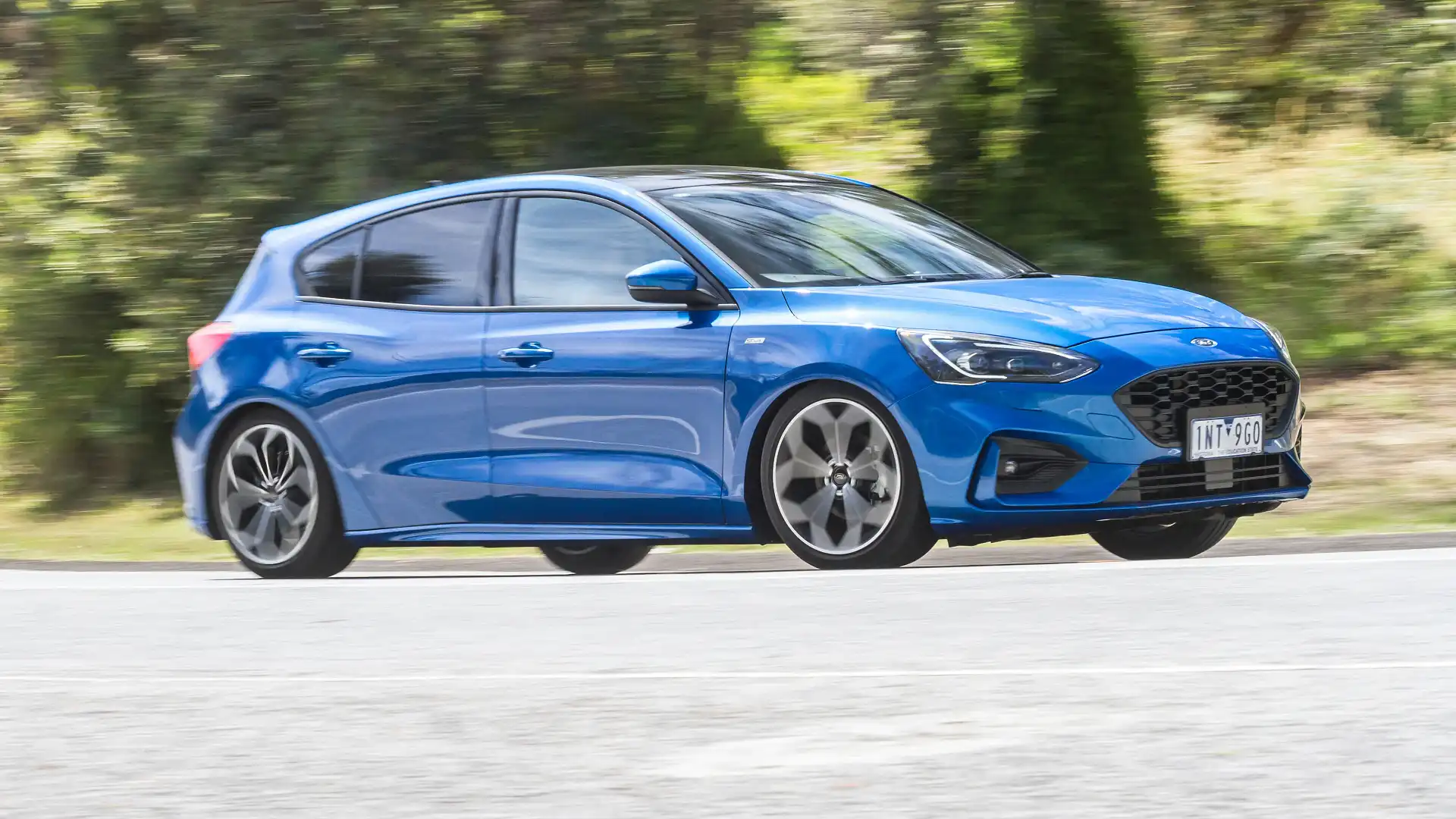
5. Ford Focus
The Ford Focus, particularly models equipped with the PowerShift dual-clutch automatic transmission, has gained a controversial reputation in the used car market. While the vehicle itself is affordable, fuel-efficient, and practical for daily use, the transmission system has been a major source of long-term reliability concerns.
The PowerShift transmission was designed to combine the efficiency of a manual gearbox with the convenience of an automatic. However, in real-world use, it has been widely reported to suffer from issues such as shuddering, hesitation during acceleration, jerky gear changes, and premature clutch wear. These problems are not minor inconveniences; they often indicate deeper mechanical flaws within the transmission system.
Repairing or replacing the PowerShift transmission is extremely costly relative to the value of the car. In many cases, owners are faced with repair bills that approach or exceed the vehicle’s resale price, making it financially impractical to proceed with repairs. The cost of repairing the car can end up matching or even exceeding the cost of replacing it altogether.
In addition to transmission issues, the Ford Focus can also experience electrical system faults and suspension wear over time. While these problems are less severe individually, they contribute to the cost burden when combined with transmission failures.
The Ford Focus with PowerShift transmission is often cited as one of the clearest examples of a used car where repair expenses can quickly equal the purchase price, making it a high-risk option for budget-conscious buyers.
Also read: 5 Cars That Feel Like A Luxury Car For Half The Price And 5 Luxury Cars That Feel Cheap
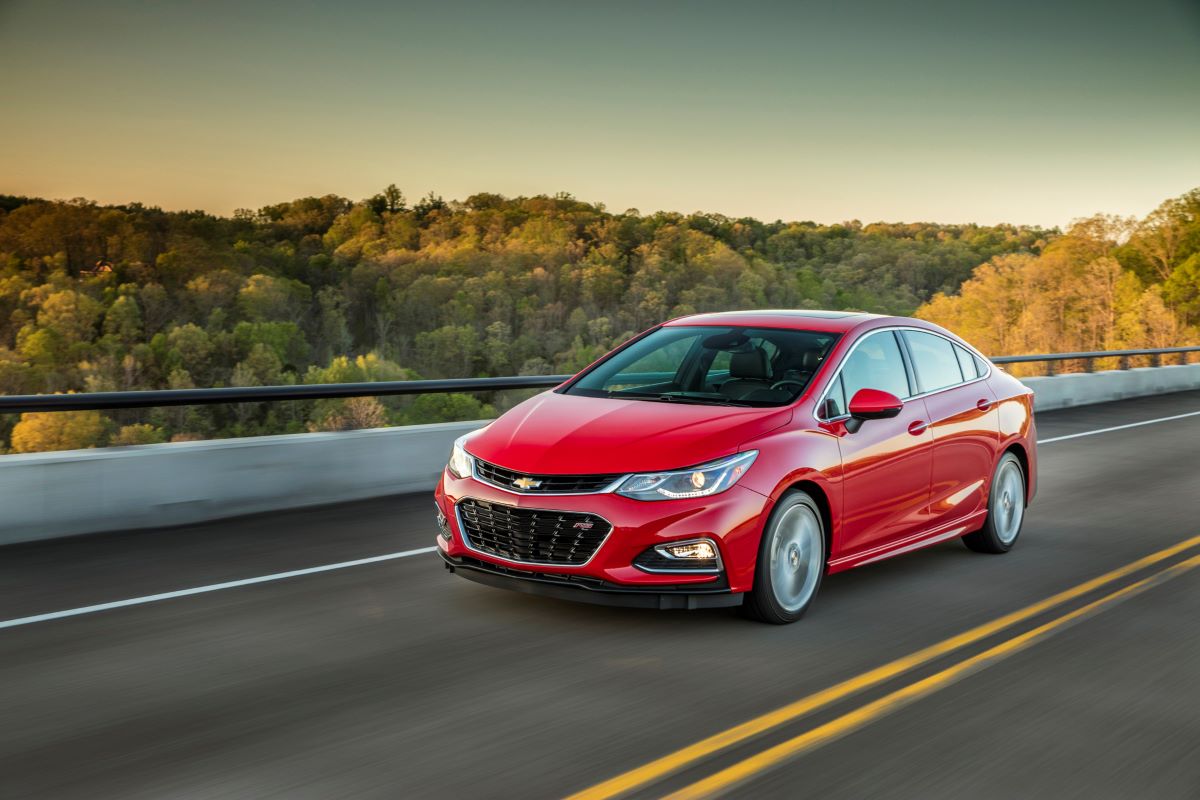
6. Chevrolet Cruze
The Chevrolet Cruze entered the compact sedan market as a practical, fuel-efficient, and budget-friendly option aimed at young professionals and small families. On paper, it offers good value, modern styling, and decent driving comfort.
However, in the used car market, especially for older turbocharged variants, the Cruze has developed a reputation for being far more expensive to maintain than its purchase price would suggest. While the upfront cost of buying a used Cruze is often attractive, the long-term repair reality can quickly change that perception.
One of the most significant issues in the Chevrolet Cruze is related to its turbocharged engine system. Turbochargers operate under extreme heat and pressure, and over time, they are prone to wear and failure. When a turbo begins to fail, drivers may notice reduced power, poor acceleration, excessive smoke, or engine warning lights.
Replacing a turbocharger is not a minor repair; it often requires specialized labor and can cost a substantial portion of the car’s market value. In many cases, this single repair can already approach the original purchase price of a low-cost used Cruze.
Cooling system problems are another frequent concern. The Cruze is known for coolant leaks caused by failing water outlets, hoses, and thermostat housings. If coolant loss goes unnoticed, it can lead to overheating, which may cause head gasket damage or even full engine failure. Once engine damage occurs, repair costs escalate dramatically and can easily exceed the value of the vehicle itself.
Electrical system issues also contribute to the Cruze’s long-term maintenance burden. Faulty sensors, malfunctioning dashboard warnings, and infotainment glitches are commonly reported. While these issues may not always affect drivability, they still require diagnostic work and replacement parts, both of which add to ongoing expenses.
When all these factors are combined, the Chevrolet Cruze often becomes a vehicle where small issues accumulate into major financial stress. For many owners, the cost of keeping the car reliably running ends up being comparable to, or even greater than, what they initially paid for it.

7. Mini Cooper
The Mini Cooper is widely admired for its distinctive design, sporty handling, and premium branding. It has a strong enthusiast following and is often seen as a stylish urban car with a fun driving experience. However, older generations of the Mini Cooper, especially those produced under early BMW ownership, are known for being mechanically complex and expensive to maintain once they age.
One of the most common and costly issues in older Mini Cooper models is engine-related problems, particularly oil leaks and timing chain failures. The compact engine bay design makes repairs difficult, meaning that even relatively simple jobs require significant labor time.
Timing chain tensioner issues are especially serious because if the timing system fails, it can lead to catastrophic engine damage. Repairing or replacing these components often costs several thousand dollars, which can quickly match the price paid for the car in the used market.
Cooling system failures are also common. Components such as water pumps, thermostats, and radiator hoses tend to wear out prematurely. When these parts fail, the engine is at risk of overheating, which can cause severe internal damage if not addressed immediately. Because of the tight engine layout, even cooling system repairs are labor-intensive and costly.
Suspension components and steering system parts also tend to wear faster than expected. Given the Mini Cooper’s sporty tuning and compact size, bushings, control arms, and struts often require replacement earlier than in standard economy cars. Each repair adds to the maintenance cost burden.
As a result, many Mini Cooper owners find themselves facing repair bills that accumulate rapidly over time. In some cases, a series of engine and suspension repairs can easily equal or exceed the original purchase price of the vehicle, making long-term ownership financially challenging.
8. Volkswagen Passat
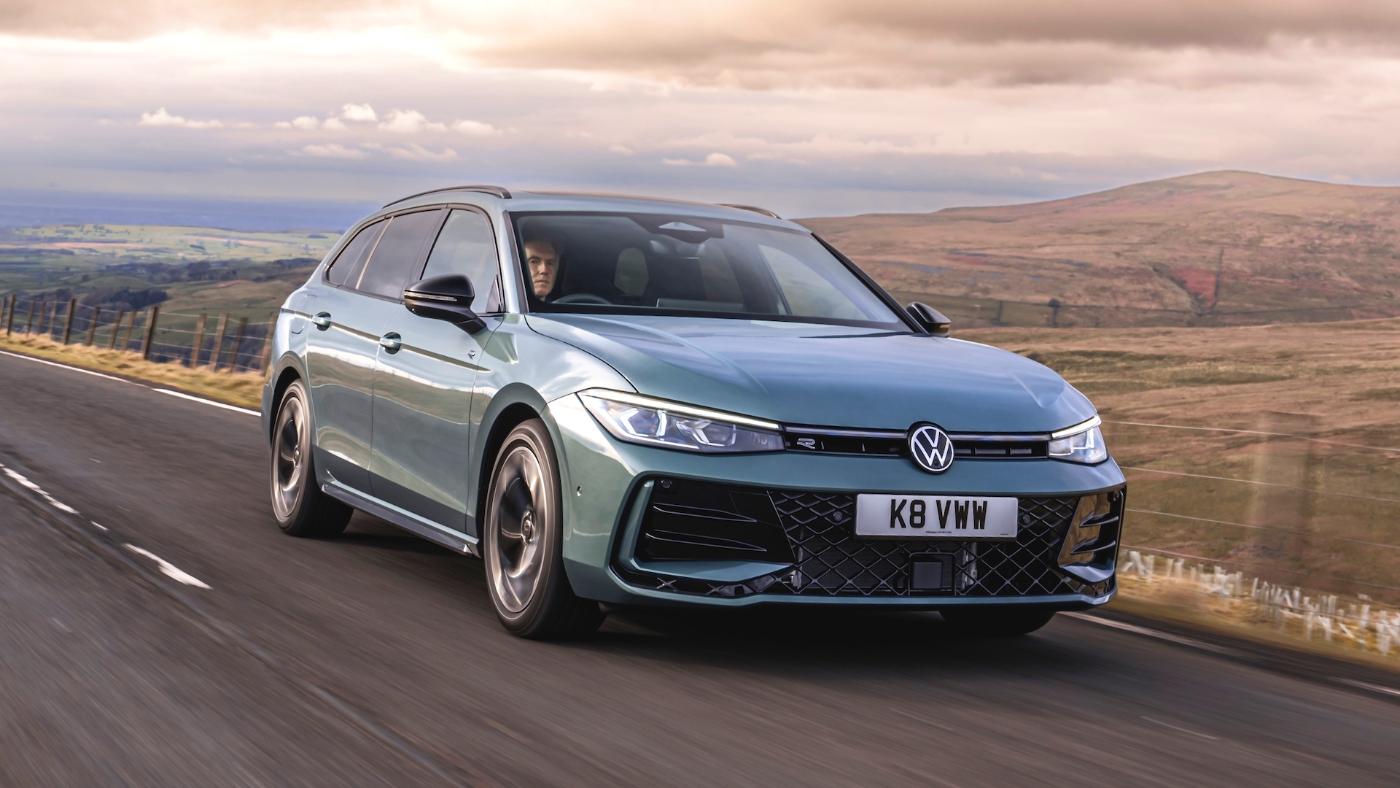
The Volkswagen Passat is a midsize sedan known for its European engineering, comfortable ride quality, and solid highway performance. It has long been a popular choice for families and professionals seeking a refined yet practical vehicle. However, in the used car market, especially for turbocharged and DSG-equipped models, the Passat can become a costly ownership experience once it reaches higher mileage.
One of the most well-known issues in the Passat is related to its timing chain system. In certain engine generations, timing chain tensioners can fail prematurely, leading to engine noise, poor performance, and in severe cases, engine failure. Because the timing chain is often located in a difficult-to-access position, repairs are labor-intensive and expensive. In some cases, the cost of fixing this issue alone can approach the resale value of the car.
The DSG dual-clutch transmission, while praised for its performance and efficiency, is another potential source of high repair costs. Over time, DSG systems can develop issues such as jerky shifting, clutch wear, and mechatronic unit failure. Replacing or repairing these components requires specialized expertise and can result in repair bills that are disproportionately high compared to the car’s market value.
Electrical system issues also become more common as the Passat ages. These can include sensor failures, malfunctioning infotainment systems, and electronic control module errors. While not always catastrophic, these problems often require diagnostic procedures that add labor costs to repairs.
When combined, these mechanical and electrical issues make the Volkswagen Passat a vehicle where long-term ownership costs can escalate quickly. Many owners discover that the total cost of repairs over time can match or exceed what they originally paid for the car in the used market.
9. Chrysler 200
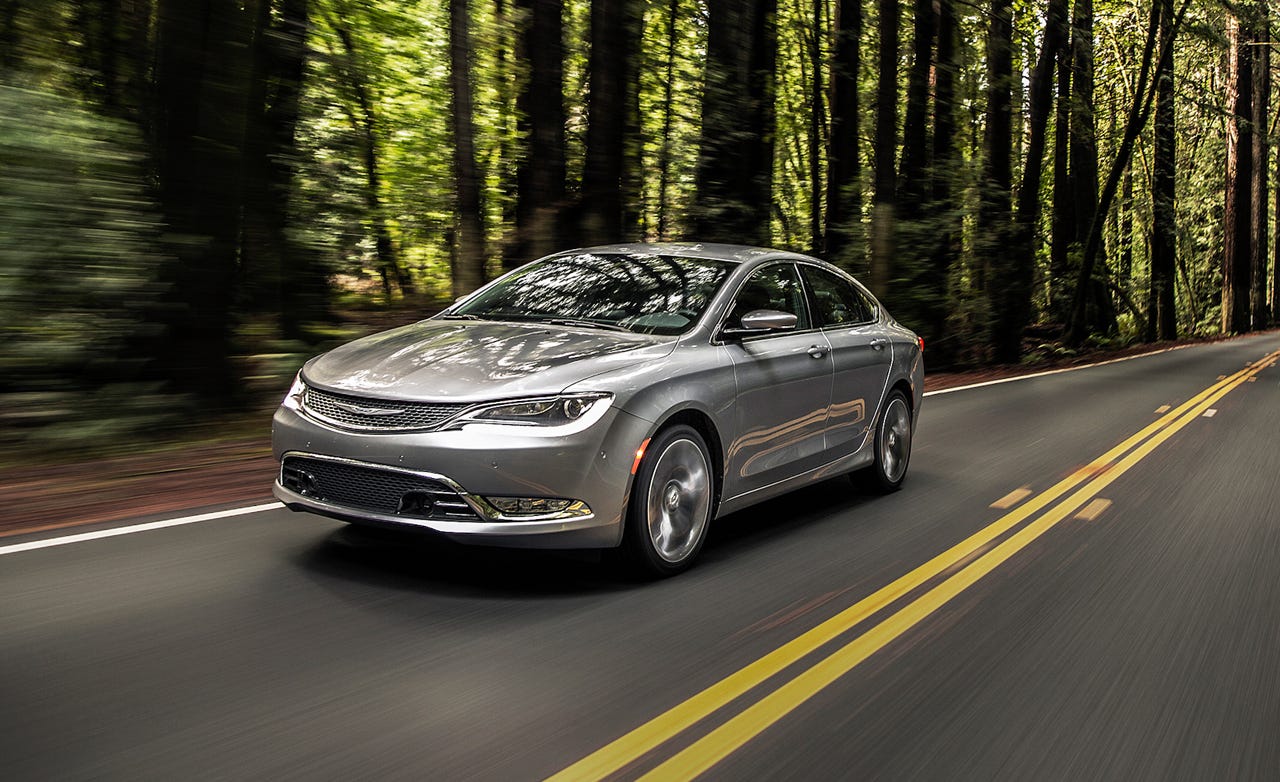
The Chrysler 200 was introduced as a midsize sedan aimed at offering comfort, modern styling, and affordability. While it initially attracted buyers due to its competitive pricing and sleek design, it has since developed a reputation in the used car market for being one of the more problematic vehicles in terms of long-term reliability.
The most significant issue with the Chrysler 200 is its automatic transmission, particularly in earlier model years. Many owners have reported transmission failures, including slipping gears, delayed engagement, and complete breakdowns. Transmission replacement is one of the most expensive repairs a vehicle can require, and in the case of the Chrysler 200, it often exceeds the resale value of the car itself. Repairing the vehicle can become financially impractical when compared to replacing it outright.
Engine performance issues also contribute to its maintenance burden. Some models experience rough idling, stalling, and sensor-related engine warning lights. While these issues may initially seem minor, they often require multiple repairs and diagnostic work to fully resolve.
Electrical system faults are another recurring concern. Problems with dashboard electronics, power accessories, and control modules are commonly reported. While these issues may not always prevent the car from functioning, they still require repairs that add to ownership costs.
Due to the combination of transmission, engine, and electrical problems, the Chrysler 200 frequently becomes a vehicle where repair costs quickly accumulate. For many owners, the total investment in repairs can easily equal or surpass the original purchase price of the car.
10. Nissan Altima
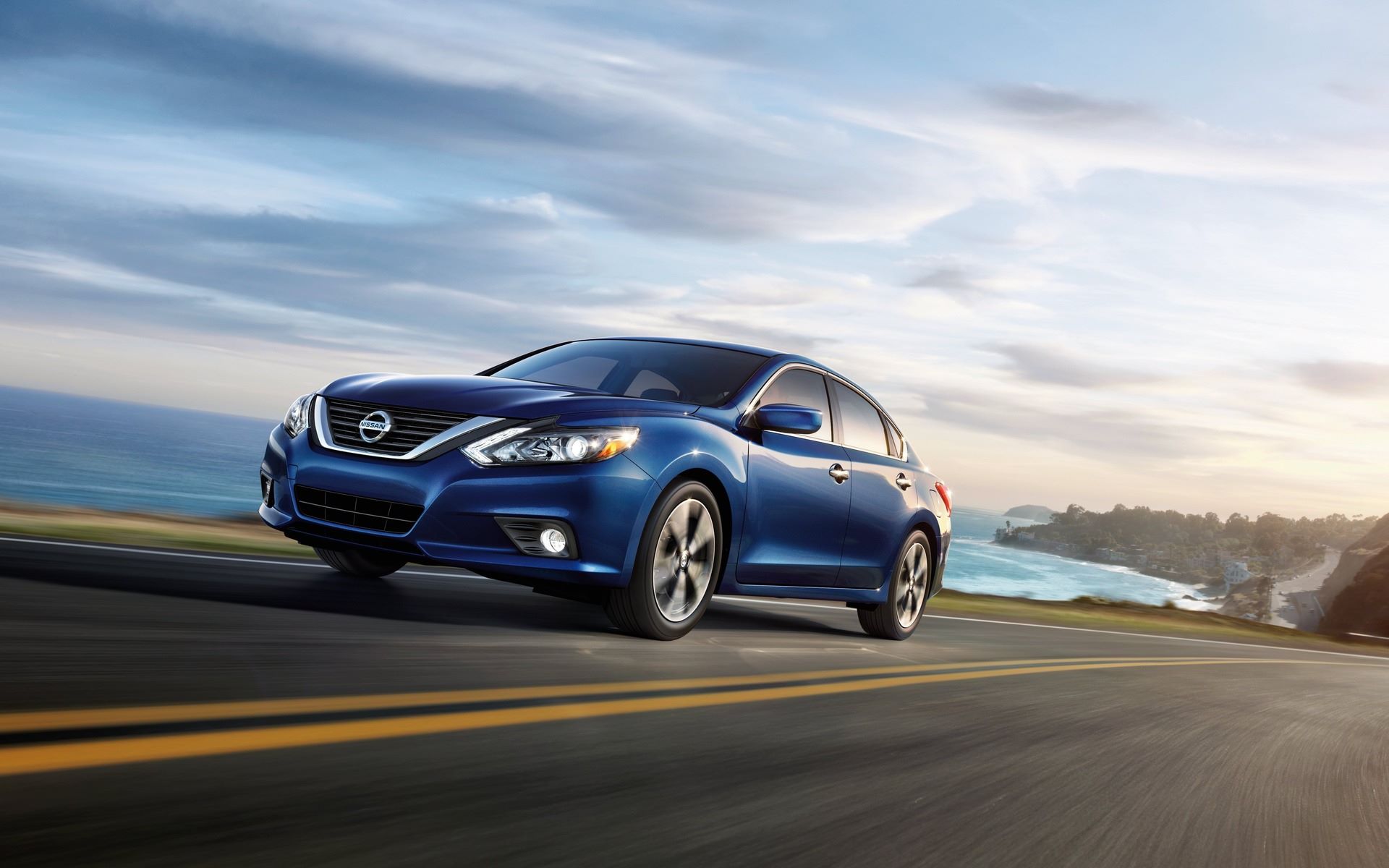
The Nissan Altima is one of the most popular midsize sedans in the used car market, known for its comfortable ride, fuel efficiency, and affordability. However, certain model years equipped with continuously variable transmissions (CVT) have developed a reputation for long-term reliability issues that can significantly impact ownership costs.
The CVT transmission is the primary concern in these models. While CVTs are designed to improve fuel efficiency and provide smooth acceleration, they are also known to be less durable under long-term stress compared to traditional automatic transmissions. Over time, many Nissan Altima CVT systems develop issues such as slipping, shuddering, overheating, and complete failure. Once a CVT begins to fail, repair options are limited, and replacement is often the only viable solution. This repair can be extremely expensive and may equal or exceed the value of the vehicle in the used market.
Engine-related issues also appear in some versions, including excessive oil consumption and performance degradation. If not properly maintained, these issues can lead to further mechanical damage, increasing repair costs over time.
Suspension wear and minor electrical faults also contribute to maintenance expenses. While these issues are not always severe individually, they add to the cumulative cost burden when combined with transmission problems.
As a result, the Nissan Altima CVT models are frequently cited as examples of vehicles where repair costs can quickly escalate to match or exceed the original purchase price. For many owners, what begins as an affordable sedan can become a costly long-term financial commitment.
