
Modern vehicles rely heavily on electronics, and at the centre of that digital ecosystem sits the engine control unit, often called the ECU. While engines are mechanical by nature and subject to wear, heat cycles, and friction, the ECU operates in a very different way.
It processes data, adjusts fuel delivery, manages ignition timing, and constantly adapts to changing driving conditions. What surprises many drivers is that these computers often remain functional long after the engine itself has begun to deteriorate.
This contrast between mechanical ageing and electronic resilience creates an interesting reality in the automotive world. Engines develop issues like worn piston rings, carbon buildup, or oil consumption as mileage increases.
Meanwhile, the ECU quietly continues doing its job, rarely failing unless exposed to extreme conditions such as water damage or electrical faults. In many cases, technicians find themselves replacing or rebuilding engines while the original ECU remains perfectly usable.
The durability of these engine computers comes down to how they are designed and protected. Manufacturers seal them against moisture, isolate them from vibration, and program them with conservative tolerances.
Unlike moving parts, there is no direct friction involved, which significantly reduces the rate of physical degradation. As long as voltage remains stable and the wiring harness stays intact, the ECU can keep functioning for decades.
Another factor is how rarely these systems are pushed beyond their limits. Engines deal with combustion forces thousands of times per minute, but ECUs simply interpret signals and send commands. This lighter workload, combined with robust engineering, means that even high-mileage vehicles often retain their original control modules without issue.
In this article, we will look at nine vehicles known for having engine computers that tend to outlast the engines they control.
These are not just reliable cars in general, but models where the ECU has proven to be exceptionally durable even when the mechanical side starts to show its age. Each example highlights a different reason behind this longevity, from engineering philosophy to real-world usage patterns.
To keep things structured and detailed, we will go through two vehicles at a time, examining how their ECUs perform over the long run and why they continue working even when the engine itself begins to struggle. Let’s begin with the first pair.
Also Read: 8 Trucks With Door Seals That Don’t Crack After 15 Winters
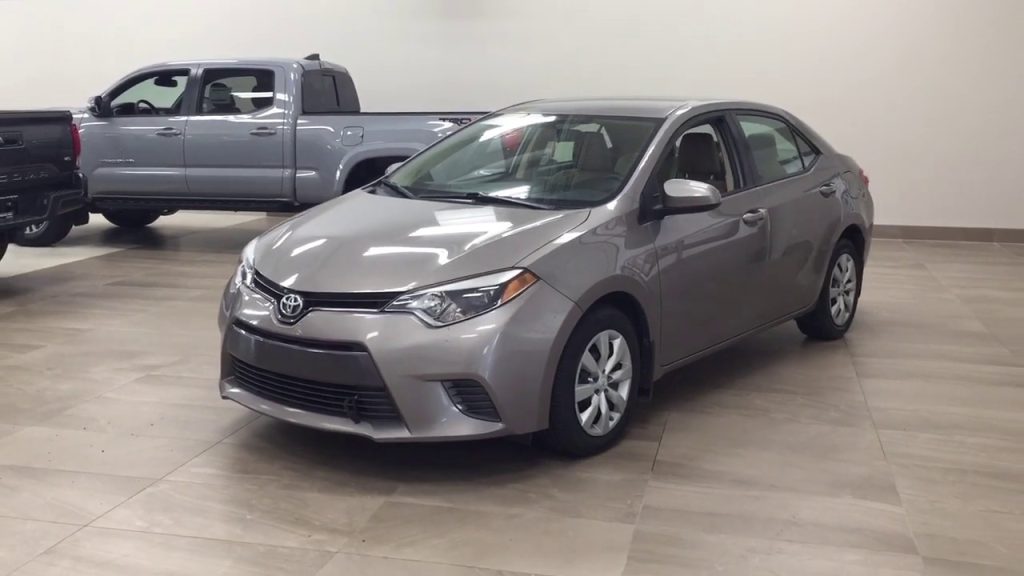
1. Toyota Corolla (2003–2008)
The early 2000s Toyota Corolla built its reputation on simplicity, and that philosophy extended directly to its engine control unit.
While the 1.8-litre engine in these models can eventually develop oil consumption issues or minor wear-related inefficiencies at higher mileage, the ECU rarely becomes part of the problem.
It continues operating quietly in the background, managing fuel and ignition with the same precision it had when the car was new.
What makes this ECU particularly durable is its conservative programming and low-stress environment. Toyota engineered the system to prioritise stability rather than aggressive performance tuning.
That means fewer fluctuations, fewer edge-case scenarios, and less strain on the internal circuitry. Even when sensors begin to age or readings become slightly inconsistent, the ECU adapts rather than fails.
Another interesting aspect is how well this system tolerates neglect. Many of these Corollas have lived through years of minimal maintenance, yet the ECU still functions correctly.
It compensates for worn spark plugs, ageing oxygen sensors, and even minor vacuum leaks without shutting down or producing erratic behaviour. This level of tolerance reduces the likelihood of electronic failure, even when the engine itself starts to lose efficiency.
Technicians often point out that when these cars come into workshops with high mileage, the issues are almost always mechanical. You will see valve cover leaks, timing chain noise, or reduced compression, but the ECU remains untouched.
In fact, it is common for rebuilt engines to be paired with the original ECU without any need for replacement or reprogramming.
There is also a physical durability factor at play. The ECU in this generation is well-protected from heat and vibration, positioned in a way that minimises exposure to engine bay extremes. This placement helps preserve the internal components over long periods, especially in climates with fluctuating temperatures.
In practical terms, owners benefit from this reliability by avoiding one of the more expensive types of failures. Engine repairs can be anticipated with age, but ECU replacement is rarely needed, keeping long-term ownership costs predictable.
The Corolla’s reputation for longevity is not just about the engine lasting a long time, but also about the electronics refusing to quit even when the engine begins to show its age.
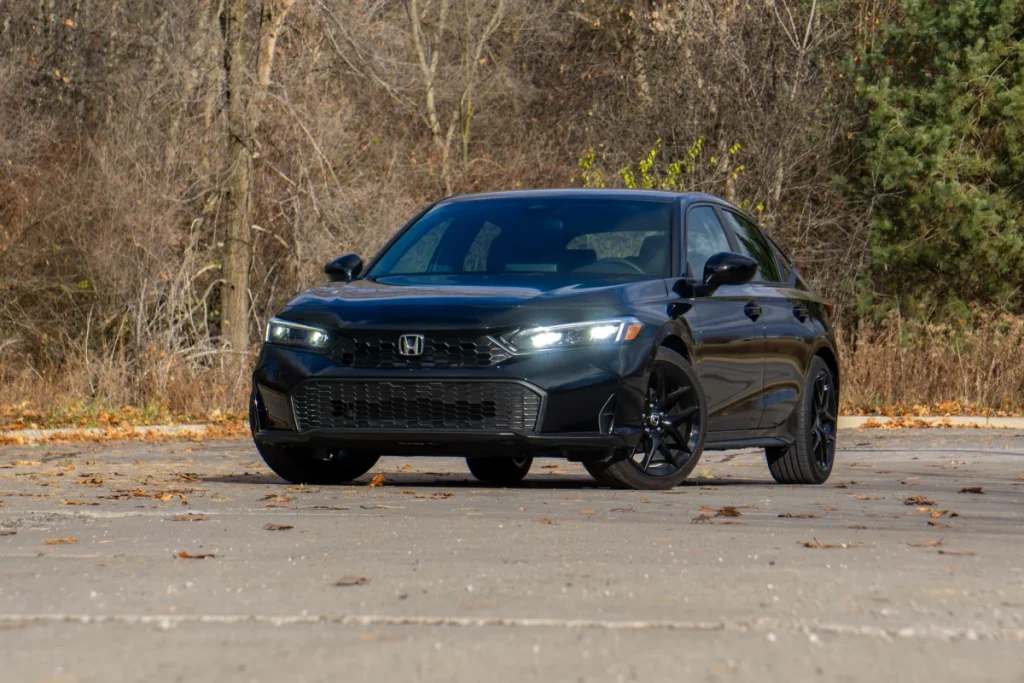
2. Honda Civic (2006–2011)
The Honda Civic from this era presents a slightly different story, one where the engine can face issues like block cracking in certain models or gradual wear after extensive use, yet the ECU remains consistently dependable.
Honda’s approach to engine management during this period leaned heavily on precision and efficient calibration, which resulted in a system that rarely experiences failure.
Rather than focusing solely on durability through simplicity, Honda engineered an ECU that thrives on accuracy. It continuously monitors a wide range of inputs and adjusts performance in real time.
Despite this higher level of activity compared to more basic systems, the unit maintains impressive longevity. It handles years of constant adjustments without degradation in its core functionality.
One reason behind this resilience is the quality of internal components used in the ECU. Honda invested in robust circuit boards and stable connectors, reducing the risk of electrical inconsistencies over time. Even as the vehicle ages and external components begin to wear, the ECU maintains steady communication across the system.
Another notable trait is how the ECU behaves when the engine starts to decline. Instead of failing or becoming erratic, it often compensates for the engine’s imperfections.
For example, if fuel delivery becomes less efficient due to injector wear, the ECU adjusts timing and mixture to keep the engine running smoothly. This adaptability allows the electronic system to remain relevant long after the engine has lost some of its original performance.
Mechanics frequently encounter high-mileage Civics where the engine requires significant work, yet the ECU shows no signs of failure.
It continues to process data accurately, making it one of the last components that would ever need replacement. In many cases, even after engine swaps, the original ECU is retained because it remains fully functional.
The placement and protection of the ECU also contribute to its long life. It is shielded from excessive heat and environmental exposure, which are two of the most common causes of electronic failure in vehicles.
Combined with Honda’s engineering standards, this results in a component that can easily outlast the engine it controls.
For owners, this translates into a level of confidence that the vehicle’s brain will not become a weak point. While the engine may eventually require attention due to wear and tear, the ECU continues to perform reliably, reinforcing the Civic’s long-standing reputation for dependable engineering.
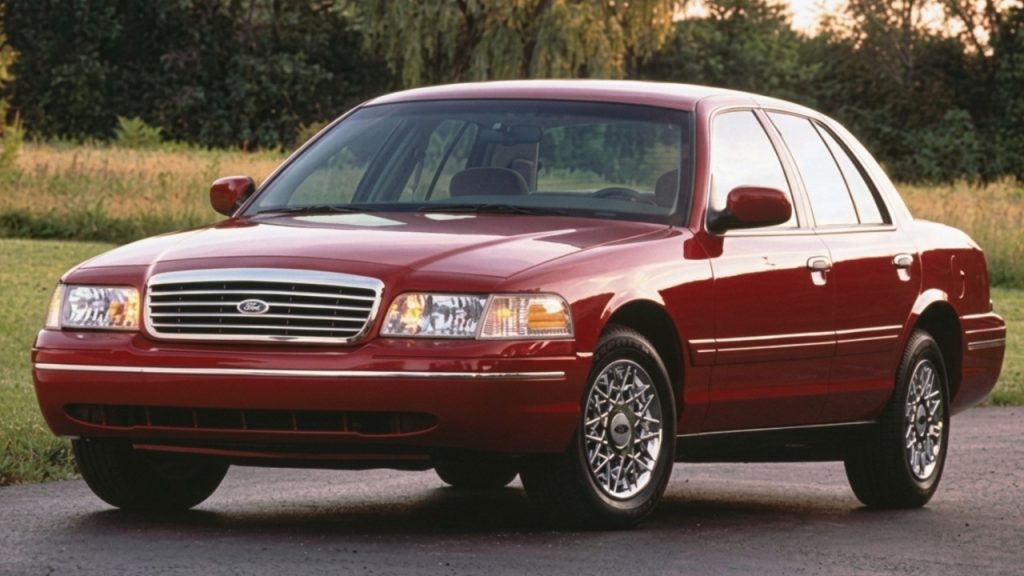
3. Ford Crown Victoria (1998–2011)
If there is one vehicle that proves how long an engine computer can last, it is the Ford Crown Victoria. These cars spent years in police fleets, taxi services, and government duty, often idling for hours and accumulating extreme mileage.
Engines in these conditions inevitably wear down, showing fatigue through reduced compression, oil leaks, or timing component wear. Yet the ECU in these vehicles rarely becomes the weak link.
The reason lies in how Ford engineered the system for durability under constant operation. Unlike private-use vehicles, fleet cars experience prolonged idle times and repeated heat cycles.
The ECU in the Crown Victoria was built with this in mind, using stable calibration strategies that avoid unnecessary stress on internal components. It does not chase performance gains or aggressive tuning; instead, it prioritises consistency.
Another factor is how predictable the engine setup is. The 4.6-litre V8 paired with this ECU operates within well-understood parameters.
Because of that, the ECU rarely needs to handle extreme variations. This steady workload contributes to its long lifespan, allowing it to function reliably even after hundreds of thousands of kilometres.
What stands out is how the ECU behaves in ageing vehicles. When the engine begins to lose efficiency, the ECU continues to manage fuel delivery and ignition without interruption. It does not become erratic or fail under pressure.
In many cases, mechanics rebuilding these engines simply reconnect the original ECU and move on, confident it will continue working.
The physical design also deserves attention. The ECU is mounted in a location that minimises exposure to engine heat and vibration. Combined with solid wiring and connectors, this reduces the risk of electrical degradation over time. Even in harsh service environments, these components hold up remarkably well.
From a real-world perspective, it is common to find retired fleet Crown Victorias with worn-out engines but fully functioning ECUs.
This separation between mechanical wear and electronic longevity highlights just how overbuilt the system is. For owners and fleet managers alike, it means one less major component to worry about during the vehicle’s lifecycle.
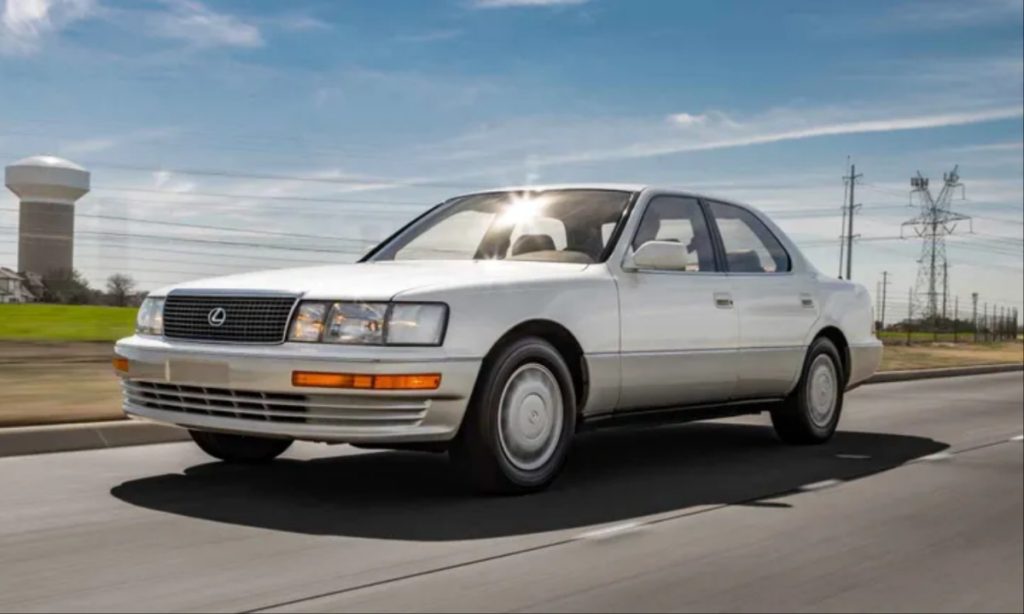
4. Lexus LS400 (1990–2000)
The Lexus LS400 represents a completely different approach, one rooted in precision engineering and long-term refinement.
While the V8 engine in this luxury sedan is known for durability, it still experiences the natural effects of age, such as gasket wear, sensor degradation, and gradual efficiency loss. The ECU, however, remains remarkably resilient even decades after production.
Toyota’s luxury division invested heavily in electronic reliability during this era. The ECU was designed not just to function, but to do so with exceptional consistency over time. Instead of pushing boundaries, it operates within carefully controlled limits, ensuring that internal components are never overstressed.
One of the defining characteristics of this ECU is its smooth control strategy. It does not make abrupt adjustments or aggressive changes. Instead, it delivers gradual, calculated responses to engine conditions. This gentle approach reduces internal strain and helps preserve the circuitry over long periods.
Another reason for its longevity is the quality of materials used. Lexus focused on high-grade components, from circuit boards to connectors, ensuring resistance to corrosion and electrical instability. Even after years of use, these ECUs rarely show signs of deterioration.
When LS400 engines begin to age, the ECU continues to function with the same level of precision. It compensates for minor inefficiencies without becoming unreliable. Mechanics often note that even in vehicles requiring engine resealing or internal work, the ECU remains untouched because it simply does not fail.
The placement of the ECU further enhances its durability. It is positioned away from excessive heat and environmental exposure, which protects it from common failure triggers. This careful placement, combined with robust design, allows it to operate reliably for decades.
Owners of these vehicles often find that while they may invest in maintaining or restoring the engine, the ECU never enters the conversation as a replacement item. It continues to perform its role quietly and effectively, reinforcing the LS400’s reputation as a benchmark for long-term engineering excellence.
These two vehicles demonstrate that whether designed for heavy-duty service or luxury refinement, a well-built ECU can easily outlast the mechanical components it controls.
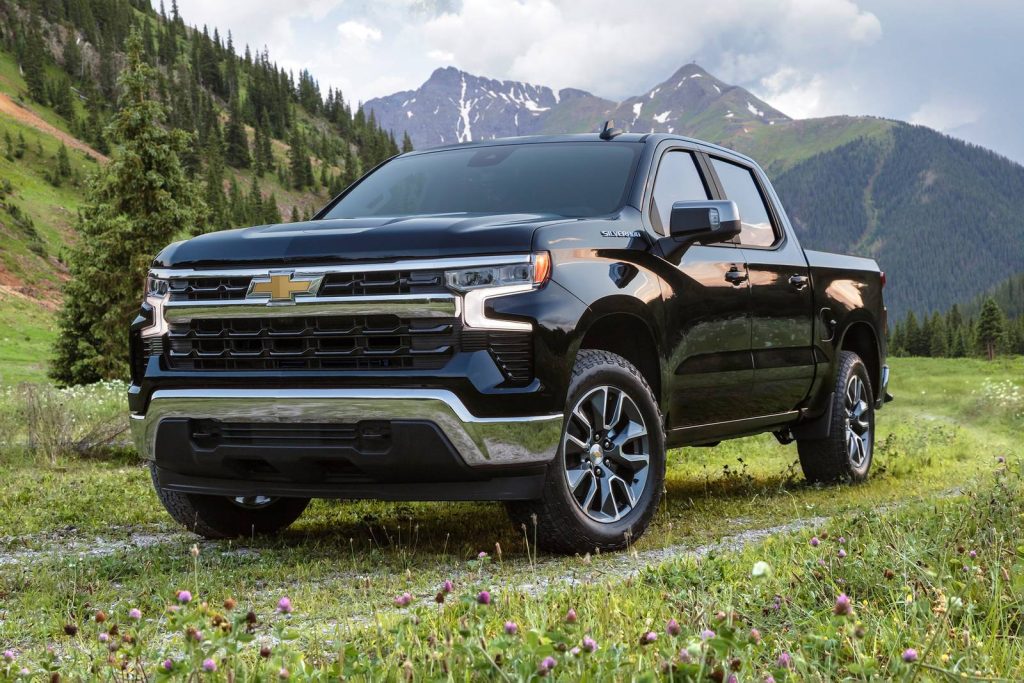
5. Chevrolet Silverado 1500 (2007–2013)
The Chevrolet Silverado from this generation tells a story rooted in real-world usage rather than laboratory precision. These trucks are often used for towing, hauling, and long-distance driving, which naturally puts significant stress on the engine over time.
Components like lifters, valves, and cylinder walls begin to show wear after years of hard work. Despite that, the ECU continues to function with impressive consistency.
General Motors designed the engine management system in these trucks with adaptability in mind. Instead of relying on rigid programming, the ECU constantly learns and adjusts based on driving conditions. This flexibility allows it to maintain stable performance even as the engine begins to age and drift away from factory specifications.
A key strength of this ECU is how it handles imperfect conditions. Trucks are not always driven gently, and many experience inconsistent maintenance schedules. Even under these circumstances, the ECU keeps operating without failure.
It compensates for issues like uneven fuel delivery or sensor drift, ensuring the engine remains usable even when it is no longer at peak efficiency.
There is also a practical aspect tied to how these trucks are serviced. Mechanics often focus on mechanical repairs such as replacing worn camshafts or addressing oil consumption problems, while leaving the ECU untouched. It rarely enters diagnostic discussions unless there is an obvious external issue like wiring damage.
The durability of the ECU is supported by its physical construction. It is built to withstand vibration and temperature fluctuations that are common in truck applications. Whether the vehicle is towing heavy loads or idling at a job site, the ECU maintains stable operation without showing signs of fatigue.
Another point worth noting is the long-term compatibility of this system. Even when engines are rebuilt or replaced, the original ECU often continues to work seamlessly. There is no need for frequent recalibration or replacement, which simplifies repairs and reduces costs.
For owners, this reliability translates into fewer electronic concerns over the life of the truck. While the engine may eventually require attention due to the demands placed on it, the ECU remains a dependable constant. It quietly supports the vehicle through years of heavy use, reinforcing the Silverado’s reputation as a durable workhorse.
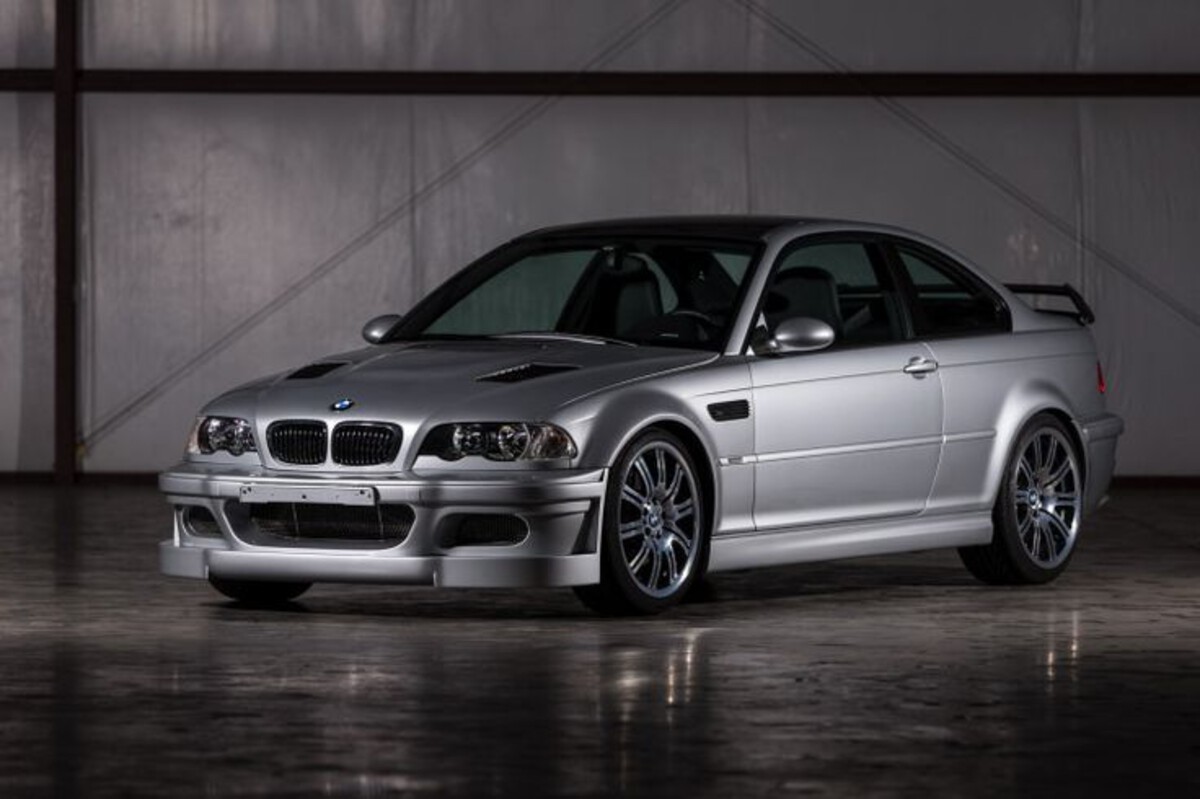
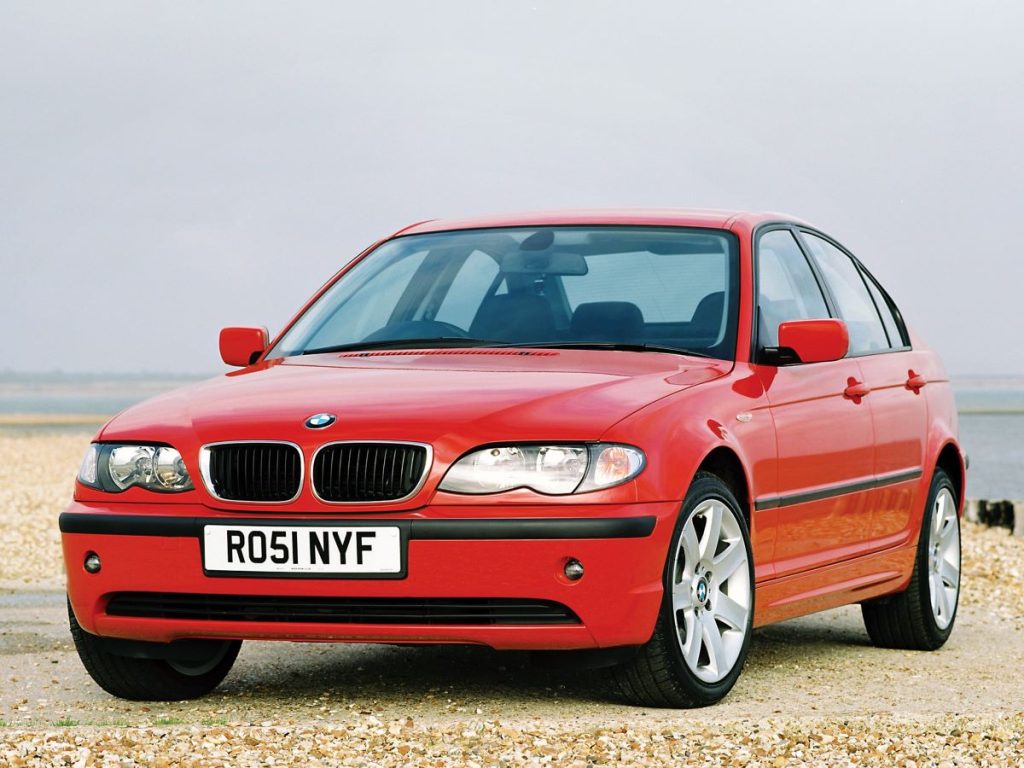
6. BMW E46 3 Series (1999–2006)
The BMW E46 introduces a more performance-oriented perspective, where the engine is designed to deliver a responsive driving experience.
Over time, these engines can develop issues such as cooling system failures, oil leaks, or internal wear, especially if maintenance is inconsistent. Yet the ECU in these vehicles remains surprisingly resilient despite operating in a more demanding environment.
BMW’s approach to engine management during this era focused on precision and responsiveness. The ECU processes a wide range of inputs and makes rapid adjustments to maintain performance. Despite this complexity, it rarely becomes a point of failure, which speaks to the quality of its design.
One of the reasons behind its longevity is how well it manages heat and electrical stability. Performance-oriented engines generate more heat, but the ECU is carefully shielded and insulated. This protection ensures that internal components are not exposed to conditions that could accelerate degradation.
Another interesting trait is the ECU’s ability to remain functional even when other systems begin to fail. For example, cooling system issues are common in these cars, yet the ECU continues to operate normally unless directly affected. It does not become unreliable simply because the engine is experiencing problems.
The structure of the system also plays a role. BMW used well-engineered connectors and wiring, reducing the chances of communication breakdowns over time. This attention to detail ensures that the ECU maintains consistent interaction with sensors and actuators, even as the vehicle ages.
From a service standpoint, technicians often diagnose mechanical or peripheral issues while leaving the ECU untouched. It is not seen as a wear component, and in most cases, it does not need replacement even in high-mileage examples. Many enthusiasts rebuilding engines in these cars retain the original ECU without hesitation.
There is also a subtle advantage in how the ECU handles ageing engines. It continues to deliver smooth performance by adapting to gradual changes, rather than reacting abruptly. This behaviour helps maintain drivability and reduces the perception of engine wear.
In the long run, the E46 demonstrates that even in a more complex and performance-focused vehicle, a well-designed ECU can outlast the engine itself. It remains a reliable core component, supporting the driving experience long after the mechanical elements begin to show their age.
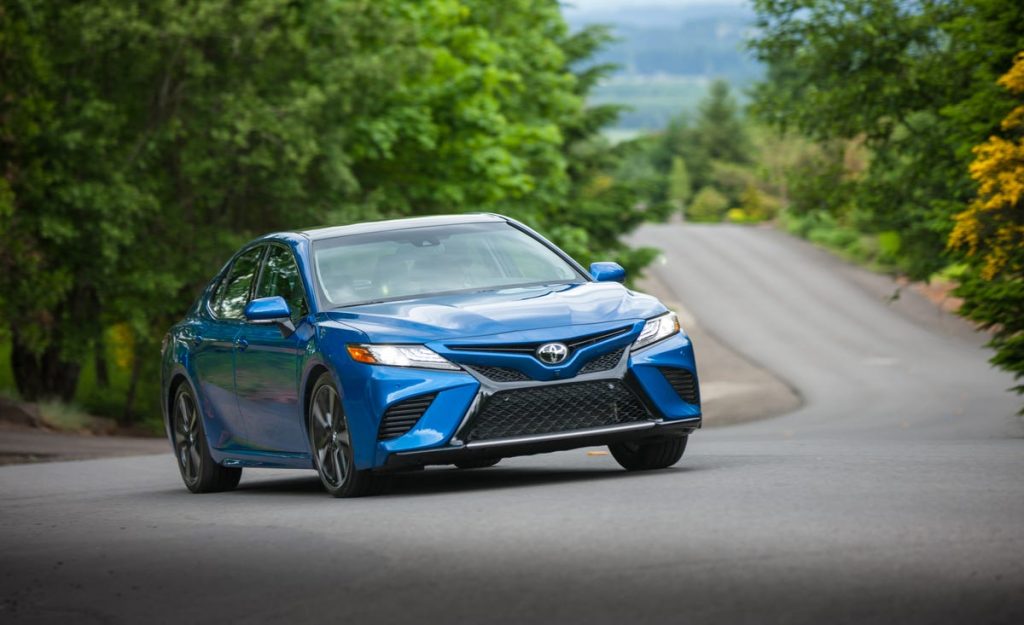
7. Toyota Camry (2007–2011)
The Toyota Camry from this period reflects a philosophy centred on long-term dependability, and that mindset extends clearly to its engine control unit.
While the 22.4-litreengine in some models is known to develop oil consumption issues as mileage climbs, the ECU remains unaffected by these mechanical shortcomings. It continues to manage engine operations with the same calm precision it had when the vehicle left the factory.
What sets this ECU apart is its predictability. Toyota avoided pushing aggressive tuning or complex behaviour into the system. Instead, the calibration focuses on smooth, steady operation.
This approach limits internal stress on the circuitry, allowing it to operate for years without degradation. It does not chase performance peaks, which in turn protects it from unnecessary workload spikes.
Another angle to consider is how the ECU reacts when the engine starts to show wear. Rather than becoming unstable, it adapts quietly in the background.
As combustion efficiency drops or minor imbalances develop, the ECU adjusts fuel trims and timing in a controlled manner. This keeps the car usable and smooth even when the engine is no longer in perfect condition.
The reliability of this system is also supported by its resistance to external issues. Electrical faults are rare, and the connectors maintain strong communication over time. Even in regions with extreme temperatures or heavy traffic conditions, the ECU holds up without interruption. This consistency is one of the reasons why high-mileage Camrys remain easy to live with.
From a maintenance perspective, the ECU rarely enters the discussion. Mechanics dealing with ageing Camrys typically focus on mechanical fixes such as piston ring wear or gasket replacement. The ECU stays in place, continuing to function without requiring updates or replacements.
There is also a quiet efficiency in how this ECU handles its workload. It does not overcomplicate tasks or process unnecessary data. This streamlined operation contributes to its longevity, as fewer processes mean fewer opportunities for failure.
For owners, the benefit is clear. Even when the engine begins to consume oil or lose some of its original strength, the ECU remains a stable and dependable component. It keeps the vehicle running in a predictable manner, reinforcing the Camry’s image as a car built to last beyond expectations.
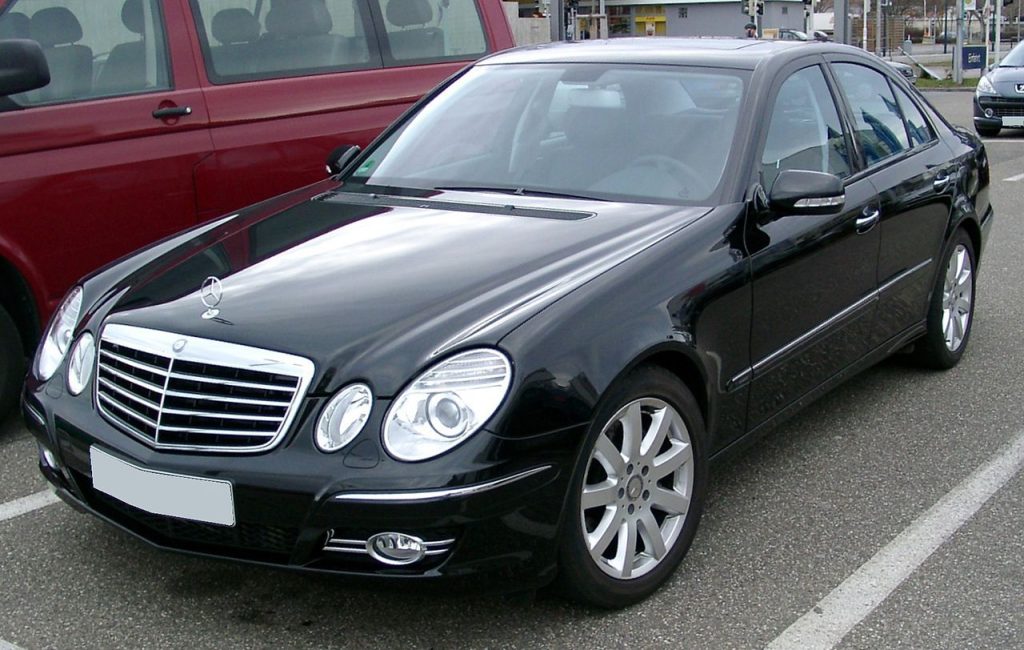
8. Mercedes-Benz W211 E-Class (2003–2009)
The Mercedes-Benz W211 E-Class approaches durability from a different direction, blending advanced engineering with long-term reliability.
The engines in these vehicles can develop issues such as balance shaft wear or gasket leaks over time, particularly if maintenance schedules are not followed closely. Despite this, the ECU stands out as a consistently reliable element within the system.
Mercedes designed the ECU in this generation to handle complexity without compromising durability. It manages a wide range of engine functions while maintaining stable operation over extended periods. Even with a higher level of sophistication compared to simpler systems, it rarely becomes a failure point.
A defining characteristic of this ECU is its resilience under varying conditions. Whether the car is used for long highway drives or short urban trips, the system adapts without strain. It processes data efficiently and avoids unnecessary stress on its internal components, which helps preserve its functionality over time.
Another important aspect is how well the ECU integrates with the rest of the vehicle. Communication between systems remains strong even as the car ages. This stability reduces the likelihood of electronic issues that could otherwise arise from degraded connections or inconsistent signals.
When the engine begins to show signs of wear, the ECU continues to perform with accuracy. It does not become erratic or unreliable. Instead, it maintains smooth operation, allowing the vehicle to remain comfortable and predictable despite mechanical ageing.
The physical construction of the ECU also contributes to its longevity. It is protected from environmental factors such as heat and moisture, both of which can shorten the lifespan of electronic components. This protection ensures that the unit remains functional even after years of exposure to real-world conditions.
In workshops, it is common to see W211 models requiring engine-related repairs while the ECU remains untouched. Technicians rarely consider it a source of problems, which speaks to its durability. Even in higher-mileage vehicles, it continues to operate as intended.
For drivers, this means that while the engine may require attention as the vehicle ages, the ECU remains a dependable foundation. It supports the car’s performance and refinement long after the mechanical components begin to show their limitations.
These two vehicles highlight how different engineering philosophies can still lead to the same result: an engine computer that outlasts the engine itself.
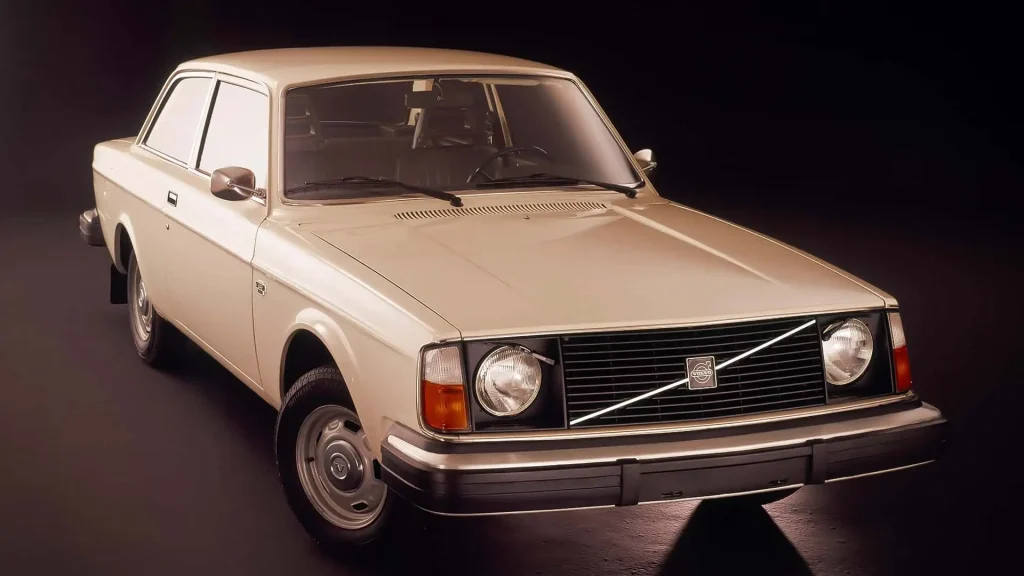
9. Volvo 240 (1985–1993)
The Volvo 240 represents an older generation of automotive engineering, yet its engine control system proves that durability is not limited to modern technology.
These cars are known for engines that can last a very long time, but even they eventually face wear, such as declining compression, ageing seals, and reduced efficiency. What stands out is that the ECU, despite its simpler design, often continues working without interruption.
Unlike newer vehicles with highly complex software, the ECU in the Volvo 240 operates with a straightforward logic structure. This simplicity becomes a strength over time.
With fewer variables to process and less dependency on intricate algorithms, the chances of internal failure are significantly reduced. It performs its engine consistently without being pushed into demanding computational scenarios.
Another important factor is how well the system tolerates ageing components. As sensors begin to lose accuracy or respond more slowly, the ECU continues to interpret signals in a stable manner. It does not become overly sensitive or prone to errors.
This tolerance allows the electronic system to remain functional even when the engine is no longer operating at its original level.
The physical build quality also plays a major role. Volvo designed these components to handle harsh conditions, including temperature changes and long periods of use. The ECU is well-protected and not easily affected by environmental factors that typically shorten the lifespan of electronics.
In real-world ownership, it is common to see Volvo 240 models with engines that need rebuilding while the ECU remains untouched. Mechanics rarely consider it a failure point, which is remarkable given the age of these vehicles.
For drivers, this creates a sense of confidence. Even as the engine shows its age, the ECU continues to provide stable operation, proving that a well-designed electronic system can endure far beyond the mechanical limits of the engine it controls.
