

Reaching one million miles on a single engine sounds almost unreal in a world where many vehicles struggle to cross a fraction of that distance without major repairs. Yet there are documented cases where cars have achieved this milestone without ever needing a full engine replacement.
These machines are not just lucky exceptions. They are the result of engineering discipline, consistent maintenance, and driving habits that respect mechanical limits.
At its core, engine longevity is about balance. Every engine experiences stress from heat, friction, and combustion pressure. Over time, these forces wear down internal components such as piston rings, bearings, and valves.
However, when an engine is designed with conservative tolerances and paired with proper care, that wear can be slowed dramatically.
One of the most important factors behind extreme mileage is maintenance consistency. Regular oil changes, timely replacement of filters, and attention to cooling systems make a massive difference.
Engines that fail early are often victims of neglect rather than poor design. On the other hand, engines that reach extraordinary mileage are usually maintained with discipline over many years.
Driving style also plays a major role. Smooth acceleration, steady cruising, and avoiding constant high-rev operation reduce internal stress. Vehicles that spend a lot of time on highways tend to last longer because they operate under stable conditions.
Stop-and-go driving, by contrast, increases wear due to frequent temperature changes and repeated load cycles.
Another key element is engineering philosophy. Some manufacturers build engines with durability as the top priority. These engines may not deliver the highest performance numbers, but they operate within safe limits that extend their lifespan.
Strong internal components, efficient cooling systems, and reliable fuel delivery all contribute to this longevity.
It is also important to recognise that reaching one million miles does not mean the engine remains in perfect condition. These engines often show signs of ageing, such as reduced efficiency or minor oil consumption. What makes them remarkable is that they continue to function without catastrophic failure.
In this article, we will look at nine cars that have achieved the rare milestone of one million miles on their original engines. Each example highlights a different path to longevity, showing how design, maintenance, and usage come together to create something truly exceptional.
We will go through them in pairs, examining what allowed each engine to endure for such an incredible distance.
Also Read: 9 Vehicles Where the Owner’s Manual Is the Size of a Phone Book
1. Volvo P1800 (1966)
Some cars last a long time, and then some cars completely redefine what longevity means. The Volvo P1800 driven by Irv Gordon stands as one of the most famous examples of extreme endurance, having surpassed one million miles on its original engine.
What makes this achievement remarkable is not just the number itself, but how consistently the engine performed across decades of use.
The foundation of this longevity begins with the engine’s design. Volvo built the P1800’s inline four-cylinder engine with durability as a primary goal. It was not engineered to chase high-performance figures.
Instead, it focused on strong internal components, conservative tuning, and stable operation. This approach reduced stress on moving parts, allowing them to wear at a much slower rate.
Maintenance played a central role in this story. The engine was not left to survive on luck. It received regular oil changes, careful monitoring, and timely servicing.
This level of attention ensured that small issues never developed into major problems. Over time, that consistency preserved the internal condition of the engine far beyond typical expectations.
Driving conditions also contributed significantly. Much of the mileage was accumulated on highways, where the engine could run at steady speeds for long periods.
This kind of operation is far less stressful than constant stop-and-go driving. Stable temperatures and reduced load fluctuations helped protect critical components such as bearings and piston rings.
Another aspect worth noting is how the car was driven. Smooth acceleration and mechanical sympathy reduced unnecessary strain. The engine was never pushed beyond its comfort zone, which allowed it to maintain its structural integrity over an extended period.

Even as the miles increased, the engine continued to operate reliably. It may not have delivered the same level of performance as it did when new, but it remained functional without requiring a full rebuild. That is what truly defines this achievement.
The Volvo P1800 demonstrates that longevity is not about a single factor. It is the result of thoughtful engineering, disciplined maintenance, and a driving style that respects the limits of the machine.
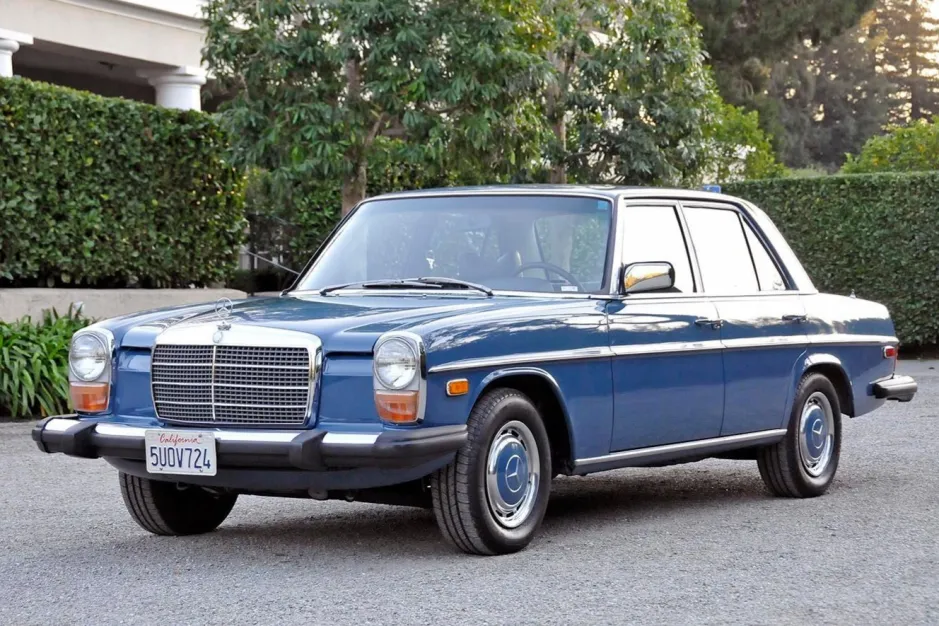
2. Mercedes-Benz 240D (1976)
If the Volvo represents precision and care, the Mercedes-Benz 240D tells a story of rugged endurance. These diesel-powered sedans are known for their ability to accumulate massive mileage, and several examples have crossed the one-million-mile mark without engine replacement.
The key lies like the diesel engine itself. The 240D’s engine operates at lower revolutions compared to gasoline engines, which reduces internal stress. Lower engine speeds mean fewer cycles of wear over time, allowing components to last longer.
Construction quality is another major factor. Mercedes built these engines with heavy-duty materials and tight tolerances. The internal components are designed to handle prolonged use without significant degradation. This robustness allows the engine to endure conditions that would shorten the lifespan of less durable designs.
Unlike high-performance engines, the 240D prioritises reliability over speed. Acceleration is modest, and power delivery is steady. This controlled output prevents sudden stress on internal parts, which contributes to long-term durability.
Maintenance requirements are straightforward but important. Regular oil changes and proper fuel system care keep the engine running efficiently. Diesel engines are particularly sensitive to fuel quality, and maintaining clean fuel delivery helps preserve injector performance over time.
The driving experience also encourages longevity. The car is not designed for aggressive driving. Its character promotes steady and consistent operation, which aligns perfectly with the goal of minimising wear.
Real-world usage often involves long-distance travel. Many of these vehicles spend their lives on highways, where the engine can operate under stable conditions. This reduces thermal cycling and mechanical strain, both of which are common causes of engine wear.
Even after reaching extraordinary mileage, these engines continue to run with a level of reliability that is difficult to match. They may show signs of age, but they do not fail catastrophically.
The Mercedes-Benz 240D proves that when an engine is built with durability in mind and used in a way that supports that design, it can achieve mileage that seems almost impossible.
3. Toyota Land Cruiser (1990s 1HZ Diesel)
Imagine an engine designed with one priority above all else: survival in the harshest conditions. The Toyota Land Cruiser equipped with the 1HZ diesel engine has repeatedly proven that it can cross the one-million-mile mark without requiring a replacement. This is not a rare fluke tied to one owner. It is a pattern seen across different regions and use cases.
The strength of this engine begins with its simplicity. It does not rely on complex electronics or high-pressure systems. Instead, it uses a naturally aspirated diesel setup that operates under controlled stress levels. With fewer components working at extreme limits, the chances of catastrophic failure are significantly reduced.
There is also a deliberate lack of urgency in how the engine behaves. It produces torque steadily rather than aggressively. Drivers are not encouraged to push it hard, and the engine responds best to calm, consistent inputs. This creates a natural alignment between how the engine is designed and how it is typically used.
Cooling plays a critical role in its longevity. The Land Cruiser is built to operate in environments where temperatures can be extreme.
A strong cooling system ensures that the engine maintains stable operating conditions, even during long drives or heavy loads. Keeping temperatures in check protects internal components from accelerated wear.
Another factor is serviceability. These engines are easy to maintain, and parts are accessible. Owners can keep them in good condition without needing specialised tools or complicated procedures. Regular oil changes and basic upkeep go a long way in preserving engine health.
Usage patterns often involve long-distance travel across open terrain. This type of driving reduces the number of cold starts and minimises stop-and-go stress. The engine spends more time in a stable operating range, which significantly extends its lifespan.

In many documented cases, these engines continue running even when other parts of the vehicle show clear signs of ageing. That contrast highlights the resilience built into the design.
This is not an engine that achieves longevity through precision alone. It does so through rugged simplicity, consistent operation, and the ability to function reliably in conditions that would challenge most others.
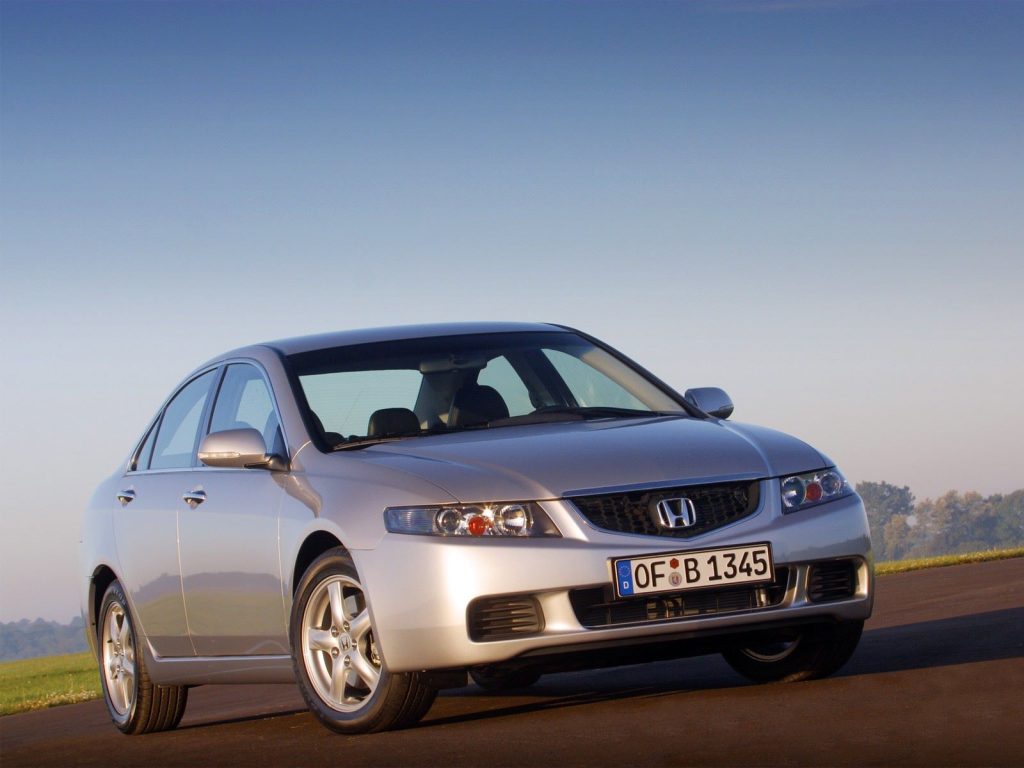
4. Honda Accord (1990s F-Series Engine)
The Honda Accord from the 1990s offers a completely different path to extreme mileage, one rooted in refinement and efficiency.
Unlike heavy-duty diesel engines, this gasoline-powered four-cylinder achieves longevity through balance rather than brute strength. Yet, there are documented examples that have reached one million miles without engine replacement.
At the heart of this success is Honda’s engineering philosophy. The F-series engine is designed to operate smoothly and efficiently, with minimal internal stress. It does not rely on excessive power output. Instead, it maintains a controlled environment where each component works within safe limits.
Precision manufacturing plays a significant role. Tight tolerances ensure that parts fit and function exactly as intended. This reduces unnecessary friction and allows the engine to maintain efficiency over time. When components move smoothly, they wear more slowly.
Another important aspect is how the engine handles daily use. It warms up quickly and maintains stable operating temperatures, which helps reduce wear during cold starts. Consistent temperature management is one of the most overlooked factors in engine longevity.
Driver behaviour also contributes to this achievement. Many Accord owners adopt a steady and predictable driving style. The car itself encourages smooth acceleration and calm cruising, which aligns with the engine’s design. This reduces stress on internal components over long periods.
Maintenance is straightforward and effective. Regular oil changes, proper timing belt replacement, and attention to basic service intervals keep the engine in good condition. There are no overly complicated systems that require constant adjustment.
Highway usage is another common factor in these high-mileage examples. Long-distance driving allows the engine to operate in a stable range, minimising the impact of frequent starts and stops.
Even after reaching extraordinary mileage, these engines continue to function reliably. They may lose some efficiency or develop minor oil consumption, but they do not fail.
The Honda Accord shows that an engine does not need to be heavy-duty or oversized to achieve extreme longevity. With the right balance of design, maintenance, and usage, even a modest four-cylinder can reach milestones that seem impossible.
5. Ford F-250 (7.3L Power Stroke Diesel, 1994–2003)
There is a certain kind of engine that earns its reputation not through speed or refinement, but through sheer persistence. The 7.3L Power Stroke diesel in the Ford F-250 belongs to that category. It has powered trucks past the one million-mile mark while remaining internally untouched, and that kind of endurance is rooted in how it was built from the start.
The architecture of this engine favours strength over complexity. Thick internal components, conservative tuning, and a relatively low-stress operating range allow it to handle long hours of use without wearing itself down quickly. It does not chase efficiency at the cost of durability. Instead, it operates within a comfortable margin that protects its internals.
Another defining trait is how it handles workload. These trucks are often used for towing and hauling, yet the engine rarely feels strained when operating within its intended range. Torque delivery is steady, which reduces sudden pressure spikes inside the cylinders. That consistency helps preserve piston rings, bearings, and other critical components.
Maintenance routines tend to be more disciplined with vehicles like this. Owners who rely on these trucks for work often stay on top of oil changes, fuel system care, and cooling system checks. Diesel engines, especially this one, respond well to regular attention. When properly maintained, they can continue operating far beyond typical expectations.
Long-distance driving plays a major role as well. Many of these trucks accumulate miles on highways rather than in urban traffic. Fewer cold starts and more time at stable temperatures reduce internal wear significantly.

There is also a tolerance for imperfection built into the design. Even as the engine ages, it continues to function without sudden failure. It may lose some efficiency, but it does not collapse under pressure. That resilience is a key part of its longevity.
In real-world cases, it is common to see trucks with worn interiors or ageing suspensions while the engine continues to run reliably. This separation between the condition of the vehicle and the engine highlights how overbuilt the system is.
The 7.3L Power Stroke demonstrates that when an engine is designed to endure heavy use and maintained consistently, it can achieve mileage that seems almost beyond belief.
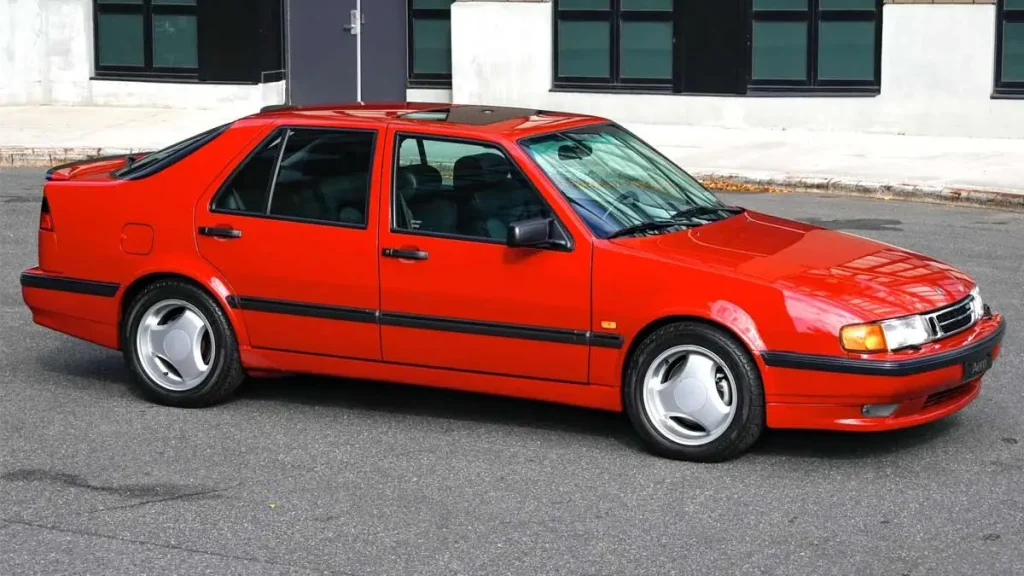
6. Saab 900 (1989–1993)
The Saab 900 takes a different approach to longevity, one that combines unconventional engineering with careful usage. While it may not be the first car that comes to mind when thinking about extreme mileage, there are documented cases where these engines have reached one million miles without needing replacement.
The engine design is compact and efficient, with a focus on smooth operation rather than aggressive performance. Even in turbocharged variants, the power delivery is controlled, avoiding sudden stress on internal components. This measure helps extend the life of the engine.
One of the more interesting aspects is how the car encourages attentive driving. The controls feel deliberate, and the driver becomes more aware of how the engine responds. This awareness often leads to smoother inputs, which reduces long-term wear.
Cooling and lubrication systems are also well thought out. Maintaining stable temperatures and consistent oil flow is critical for engine longevity, and the Saab 900 manages both effectively. When these systems are kept in good condition, they protect the engine from common causes of failure.
Maintenance culture plays a significant role here. Saab owners tend to be detail-oriented, often following service schedules closely. Regular oil changes, proper turbo care, and timely replacement of wear items contribute to the engine’s ability to last.
Driving patterns often include a mix of highway and moderate urban use. The engine benefits from extended periods of steady operation, which reduces stress compared to constant stop-and-go conditions.
Even after accumulating massive mileage, these engines continue to operate with surprising reliability. They may require attention in peripheral systems, but the core engine remains intact.
The Saab 900 proves that longevity does not always come from heavy-duty construction. Sometimes it comes from a balanced design, thoughtful engineering, and drivers who understand how to work with the machine rather than against it.
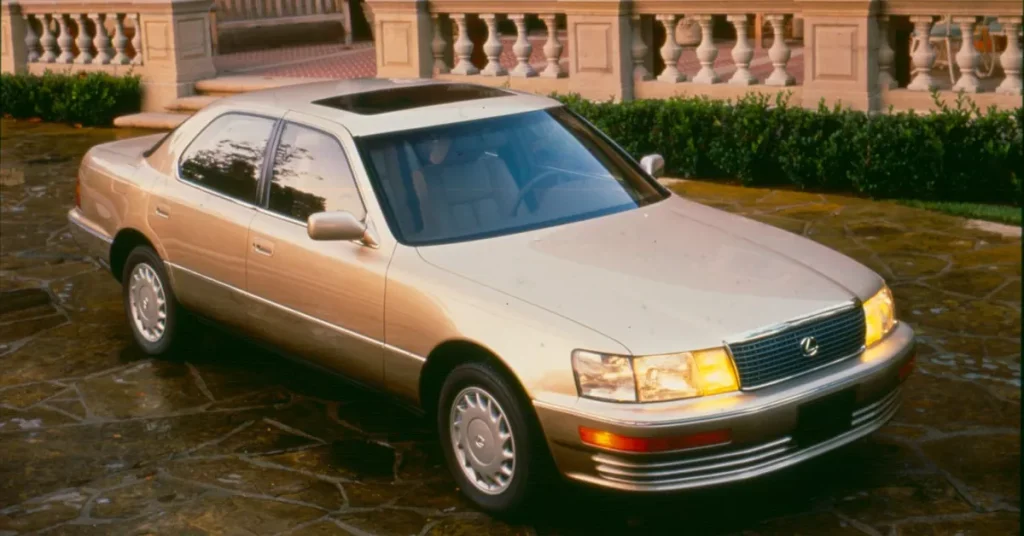
7. Lexus LS400 (1990–1994)
Luxury cars are not usually associated with extreme mileage records, yet the Lexus LS400 quietly built a reputation for endurance that rivals some of the toughest vehicles ever made. There are verified cases where these cars have crossed one million miles on the original V8 engine, which speaks volumes about how carefully they were engineered.
The story begins with refinement, but not in the way most people think. This engine was designed to be smooth, but that smoothness is a direct result of balance. Internal components are precisely matched, reducing vibration and uneven wear. When an engine operates without unnecessary movement or imbalance, it preserves itself over time.
Another important factor is how conservatively the engine is tuned. It produces strong performance, yet it never feels stressed.
Power delivery is linear and controlled, which means the engine is rarely pushed into extreme conditions during normal driving. That restraint helps protect critical components such as bearings and valve train parts.
Temperature management is another area where this engine excels. The cooling system maintains stable operating conditions, preventing overheating and reducing thermal stress. Consistent temperatures allow metal components to expand and contract in a controlled manner, which slows down long-term wear.
Ownership patterns often involve careful maintenance. Many LS400 owners treat their cars with a high level of attention, ensuring that oil changes, fluid replacements, and routine checks are never skipped. This consistency plays a crucial role in reaching extraordinary mileage.
Highway driving is a common theme in these long-lived examples. Smooth cruising at steady speeds allows the engine to operate in an optimal range for extended periods. This reduces the impact of frequent load changes and helps maintain internal stability.
Even after reaching such high mileage, the engine continues to run with impressive smoothness. It may not deliver the same efficiency as it once did, but it remains functional without requiring a full rebuild.
The LS400 shows that luxury and durability can coexist. With precise engineering and disciplined care, an engine designed for comfort can also achieve remarkable longevity.
8. Peugeot 504 (1970s Diesel)
The Peugeot 504 diesel represents a completely different philosophy, one built around simplicity and endurance rather than refinement. These cars have been used in some of the toughest conditions around the world, and there are multiple accounts of them reaching one million miles on their original engines.
At the heart of this durability is a straightforward diesel engine that avoids unnecessary complexity. It operates at low speeds and produces power in a steady, predictable manner. This reduces stress on internal components and allows them to last longer.
The engine’s design prioritises reliability over performance. It is not fast, and it does not attempt to deliver high output. Instead, it focuses on consistent operation, which is exactly what is needed for extreme longevity.
One of the most important aspects is its ability to handle poor conditions. These engines often run on varying fuel quality and in challenging environments, yet they continue to operate. This tolerance reduces the risk of failure caused by external factors.
Maintenance requirements are simple, making it easier for owners to keep the engine in good condition. Regular oil changes and basic care are often enough to ensure long-term reliability.
Driving conditions frequently involve long-distance travel in open areas. Like many high-mileage vehicles, the Peugeot 504 benefits from extended periods of steady operation. This minimises wear caused by frequent starts and stops.
Another key point is how forgiving the engine is. Even when it begins to show signs of age, it continues to function without sudden breakdowns. This resilience allows it to keep going long after many other engines would have failed.
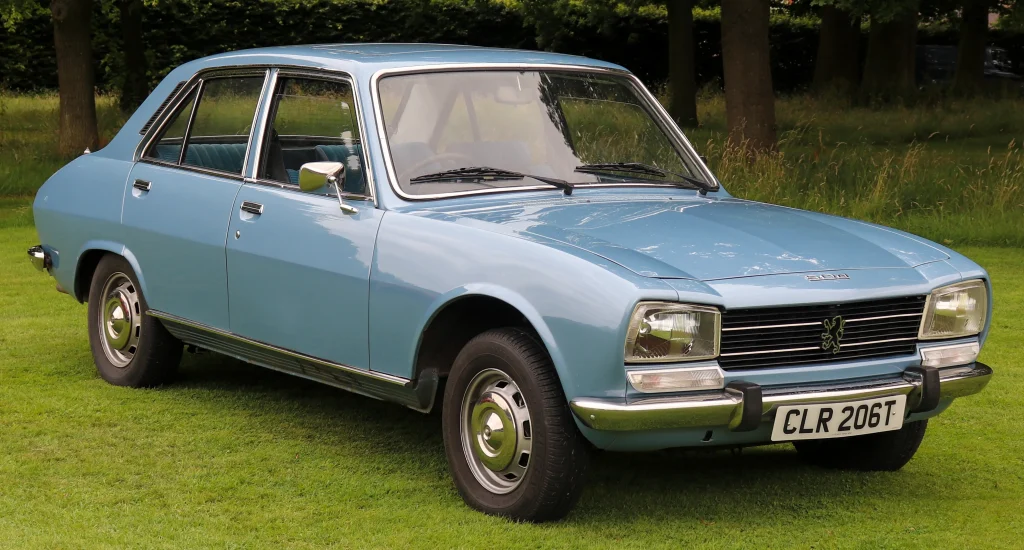
In real-world scenarios, these cars often outlast multiple generations of drivers. The engine becomes the defining feature of the vehicle, continuing to run despite the passage of time.
The Peugeot 504 demonstrates that simplicity, when executed correctly, can lead to extraordinary results. It is a reminder that an engine does not need advanced technology to achieve incredible mileage.
9. Chevrolet Silverado 2500 (Duramax Diesel, Early 2000s)
The final example brings together modern diesel engineering and real-world endurance in a way that feels both impressive and believable.
The early 2000s Chevrolet Silverado 2500 equipped with the Duramax diesel engine has, in several documented cases, crossed the one million mile mark without requiring a full engine replacement. What makes this particularly interesting is that it achieves this while delivering far more power and refinement than older diesel designs.
The Duramax engine was built with a clear focus on strength and efficiency. Internally, it uses robust components that can handle sustained load without excessive wear.
Unlike older diesel engines that rely purely on simplicity, this one combines durability with advanced fuel delivery systems, allowing it to operate efficiently while still maintaining long-term reliability.
Power delivery is a major factor in its longevity. Despite producing strong torque, the engine does not overwhelm itself with sudden stress. Acceleration feels controlled, and the torque curve is shaped in a way that reduces sharp pressure spikes inside the cylinders. This helps protect internal components from extended use.
Another important element is thermal management. Diesel engines generate significant heat, especially under load, but the Duramax is equipped with a cooling system designed to maintain stable temperatures. Keeping heat under control is essential for preserving engine integrity over hundreds of thousands of miles.
Usage patterns often involve heavy-duty applications such as towing and long-distance hauling. While this may seem like it would shorten engine life, the opposite can happen when the engine is used within its designed capacity.
Long highway runs at steady speeds allow the engine to operate in a consistent range, reducing wear caused by constant variation.

Maintenance practices are typically strict with these trucks. Owners who depend on them for work tend to follow service schedules closely. Regular oil changes, proper filtration, and attention to fuel quality all contribute to the engine’s ability to last.
Even as mileage climbs into extraordinary territory, the engine continues to perform reliably. It may show signs of ageing, but it does not fail catastrophically. That resilience is a defining characteristic of engines that reach this level of longevity.
In many high-mileage examples, other parts of the truck,k such as the transmission, suspension, or interior components, ts may require attention long before the engine does. This contrast highlights how well the engine is built.
The Duramax-powered Silverado 2500 represents a modern interpretation of durability. It proves that with the right combination of engineering, maintenance, and usage, even a powerful and sophisticated engine can achieve the kind of mileage that once seemed impossible.
Also Read: 9 Supercars Engineers Consider Genuine Masterpieces
