

Car auctions are often seen as treasure hunts where buyers can score vehicles at significantly reduced prices compared to dealerships or private sellers. However, not every car on the auction floor attracts attention. In fact, some models consistently get overlooked, even when their starting bids are extremely low.
The reasons behind this hesitation are not always about appearance alone. Instead, they often stem from a combination of reliability concerns, high maintenance costs, poor resale value, outdated technology, known mechanical issues, or expensive parts availability.
Auction buyers, especially experienced dealers and resellers, tend to evaluate cars very quickly and make decisions based on potential profit margins rather than emotional appeal. If a vehicle is known to bring unexpected repair costs or long holding times before resale, it is usually passed over without hesitation.
Another major factor influencing auction behavior is market reputation. Some cars develop a history of transmission failures, electrical faults, or engine issues that become widely known in the used car ecosystem. Even if individual units are in decent condition, the badge itself can reduce buyer interest.
Additionally, vehicles with poor fuel economy or outdated safety ratings struggle to compete in modern resale markets where buyers expect efficiency and advanced safety features as standard. Auction environments amplify these preferences because buyers are looking for quick turnover opportunities.
Documentation and ownership history also play a critical role. Cars with unclear service records, multiple ownership transfers, or previous accident history often get ignored unless priced extremely low. Even then, the risk may outweigh the reward.
The psychology of auction buying is fast-paced and cautious, meaning bidders prefer predictable winners over uncertain bargains. This leads to certain models repeatedly being left behind, regardless of their condition or price.
In this article, we will explore 10 car models that auction buyers frequently avoid. Each model has earned a reputation in the used car market for one reason or another, whether it is reliability concerns, high repair costs, or weak resale demand.
These insights are not meant to criticize the vehicles themselves but to explain real-world buying behavior in auction environments. Understanding these patterns can help both buyers and sellers make more informed decisions in the used car marketplace.
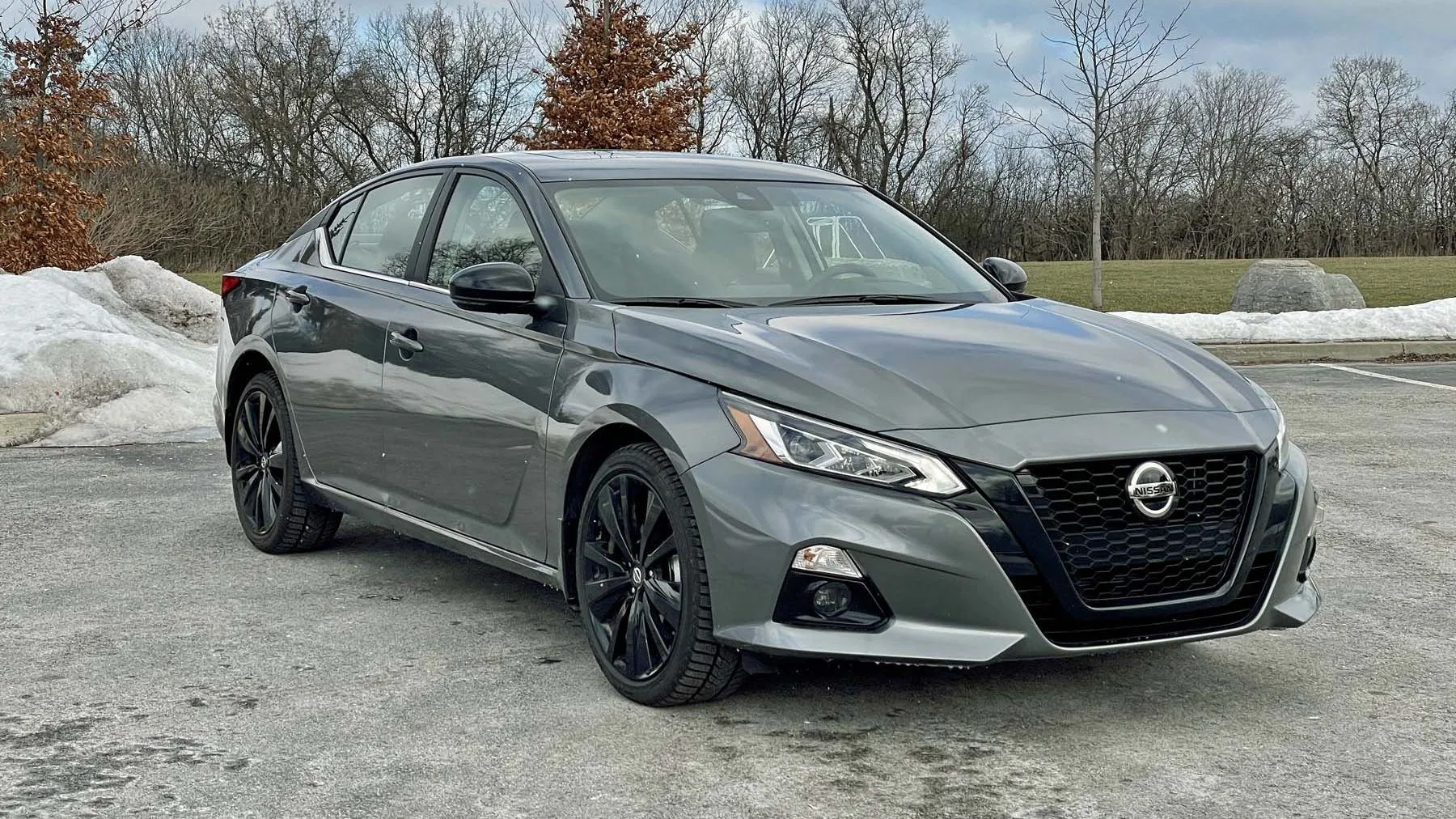
1. Nissan Altima
The Nissan Altima, especially older models equipped with early CVT transmissions, is one of the most frequently overlooked sedans at auctions. While the car offers comfortable seating, decent fuel efficiency, and a smooth driving experience when new, its long-term reputation in the used market has been significantly affected by transmission-related concerns.
Auction buyers are extremely sensitive to drivetrain risk, and the CVT history attached to this model creates immediate hesitation. Even before inspecting the vehicle in detail, many bidders already factor in potential transmission failure costs, which can heavily impact profitability.
Another major issue is uncertainty. Auction buyers typically have limited time to evaluate vehicles, and CVT transmissions are difficult to assess fully during a short inspection. A car may appear to shift smoothly during a brief test, but underlying wear can still exist.
This uncertainty discourages competitive bidding, especially among professional dealers who rely on predictable repair costs to maintain margins. The risk of sudden failure after resale makes it less attractive compared to more conventional automatic transmissions.
Maintenance perception also plays a major role. Even though not every Altima experiences transmission problems, the reputation alone influences buyer psychology. Once a model becomes associated with expensive drivetrain repairs, it tends to lose trust in the auction environment. Buyers often assume worst-case scenarios, pricing potential repairs into their bids, which reduces interest.
Market competition further weakens the Altima’s position. In the same price range, auction buyers often find alternatives from Toyota or Honda, which are widely regarded as more reliable in long-term use. This comparison disadvantage means the Altima must be priced significantly lower to attract attention. Even then, it often competes only in low bid pools where profit margins are thin.
As a result, older Nissan Altima models frequently pass through auctions with minimal bidding activity. Many units are either sold at reduced prices or remain unsold until a very low reserve is accepted. The combination of transmission concerns, resale uncertainty, and strong competition keeps this model consistently underappreciated in auction environments.
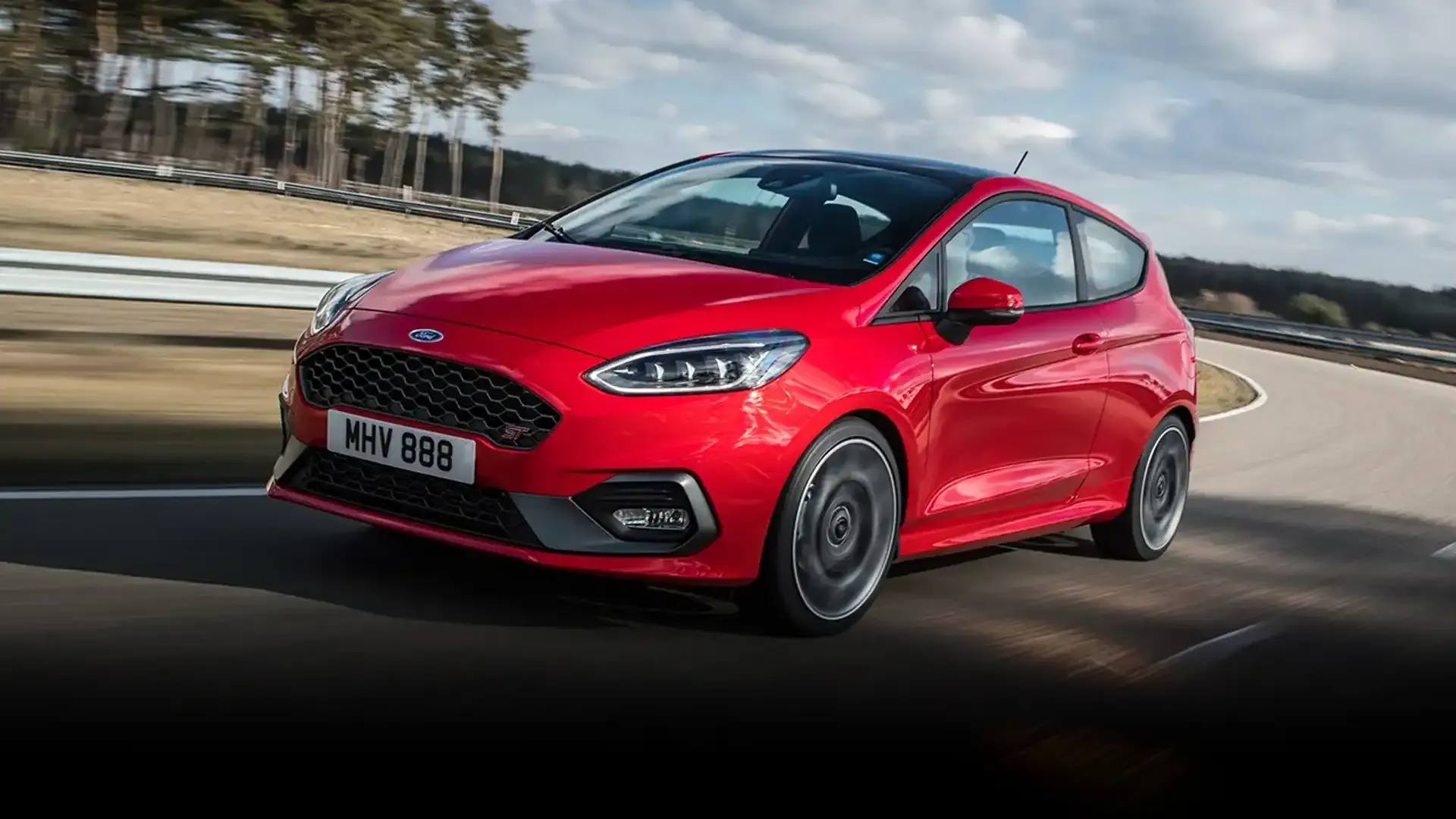
2. Ford Fiesta
The Ford Fiesta, particularly versions equipped with the PowerShift dual clutch transmission, is another car that auction buyers regularly avoid. On paper, the Fiesta is an attractive compact vehicle with good fuel efficiency, easy handling, and affordable running costs.
However, its transmission reputation has had a long-lasting impact on its desirability in the used market, especially in fast-paced auction settings where buyer confidence plays a major role.
The PowerShift system is widely known among buyers, and this awareness significantly affects bidding behavior. Reports of jerky acceleration, delayed gear engagement, and inconsistent performance have created a strong perception of risk. Even though not every vehicle experiences these issues, auction buyers tend to generalize based on model history. This creates an environment where hesitation outweighs interest, and many Fiests are skipped entirely during bidding rounds.
Repair complexity is another major concern. Dual clutch transmissions require specialized diagnostics and parts, which can be both expensive and time-consuming to fix. Auction buyers, especially dealers, prefer vehicles that can be quickly repaired and resold. A car that may require extended workshop time reduces turnover efficiency, making it less appealing even if its purchase price is low.
The resale market for the Fiesta has also weakened due to shifting consumer preferences. Compact hatchbacks face increasing competition from compact SUVs, which offer more space, higher seating positions, and improved perceived value. This shift reduces the expected resale demand for the Fiesta, making it less attractive from a business perspective.
Additionally, parts availability and service familiarity vary by region. In some areas, fewer mechanics are comfortable working extensively on dual clutch systems, further increasing repair risk. Auction buyers often factor in these regional limitations when deciding whether to bid.
The Ford Fiesta with PowerShift transmission struggles in auctions because it combines mechanical reputation issues with declining market demand. Even well-maintained units are frequently passed over in favor of simpler, more predictable alternatives.
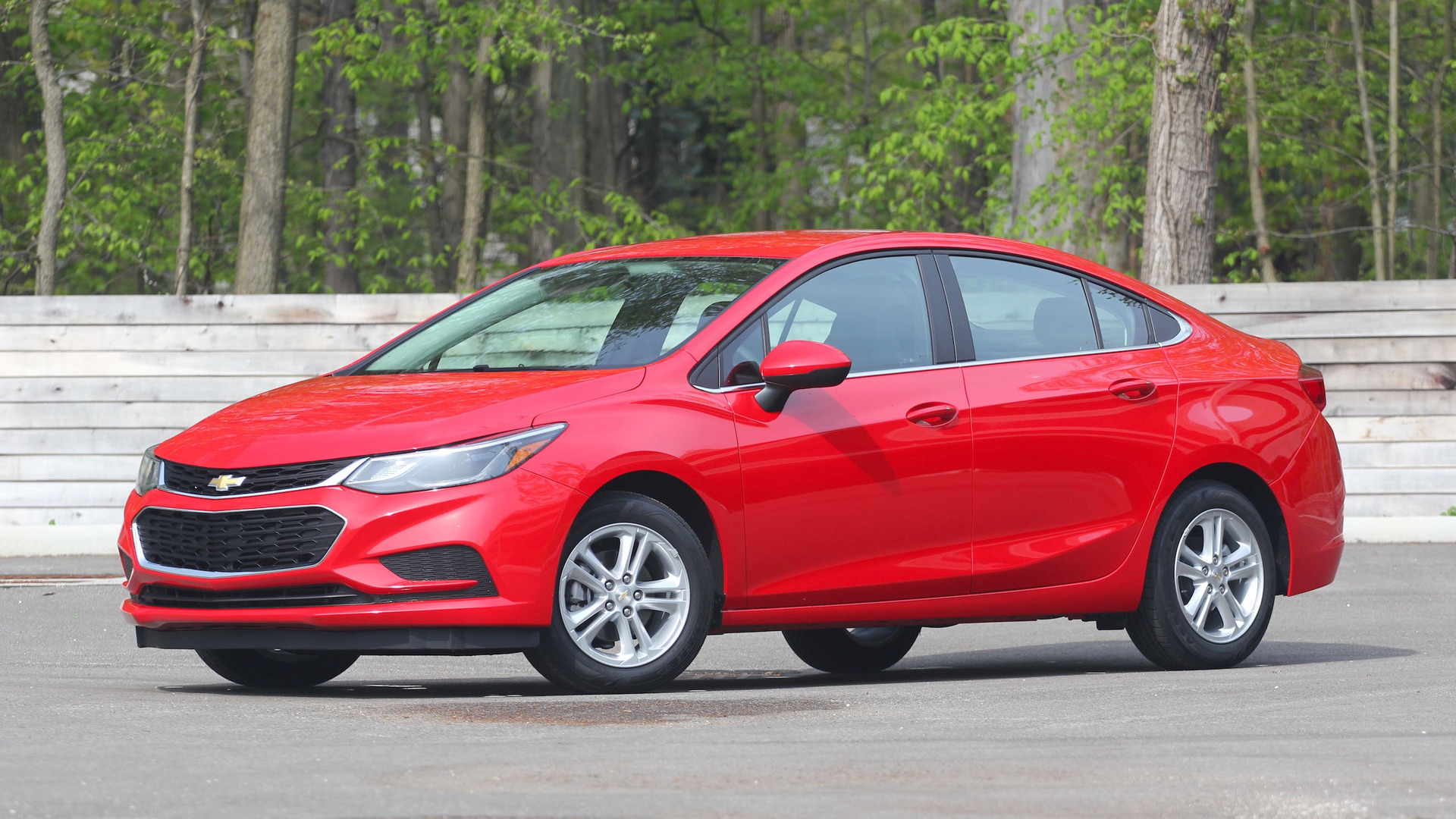
3. Chevrolet Cruze
The Chevrolet Cruze, especially diesel and early turbocharged petrol variants, is another model that tends to receive limited attention at auctions. While it was initially appreciated for its stylish design, comfortable ride, and solid highway performance, long-term ownership concerns have influenced its standing in the used car market.
One of the main reasons auction buyers hesitate is engine complexity. Turbocharged diesel engines require consistent maintenance and high-quality fuel systems to remain reliable. In auction environments, where service history is often incomplete or unavailable, this creates uncertainty. Buyers must assume potential neglect, which increases perceived risk and lowers bidding enthusiasm.
Another concern is parts availability. In regions where Chevrolet has reduced its presence, sourcing replacement parts can be more difficult and time-consuming. This directly affects repair timelines and resale readiness, both of which are critical factors for auction buyers. A car that cannot be quickly repaired is less attractive, even if its purchase price is low.
Electrical system issues have also been reported in some Cruze models, particularly in older units. While not universal, these issues contribute to the model’s cautious perception. Electrical faults are often difficult to diagnose and can become costly if multiple components are affected.
Despite these concerns, the Cruze still offers a comfortable driving experience and decent fuel efficiency. However, auction buyers prioritize reliability over comfort features. A vehicle that may require unpredictable repairs is generally avoided in favor of simpler mechanical designs.
As a result, Chevrolet Cruze models often attract limited bidding activity unless they are priced significantly below market value. Even then, they appeal mainly to buyers willing to take higher risks for lower acquisition costs.
Also read: 5 Cars That Feel Like A Luxury Car For Half The Price And 5 Luxury Cars That Feel Cheap
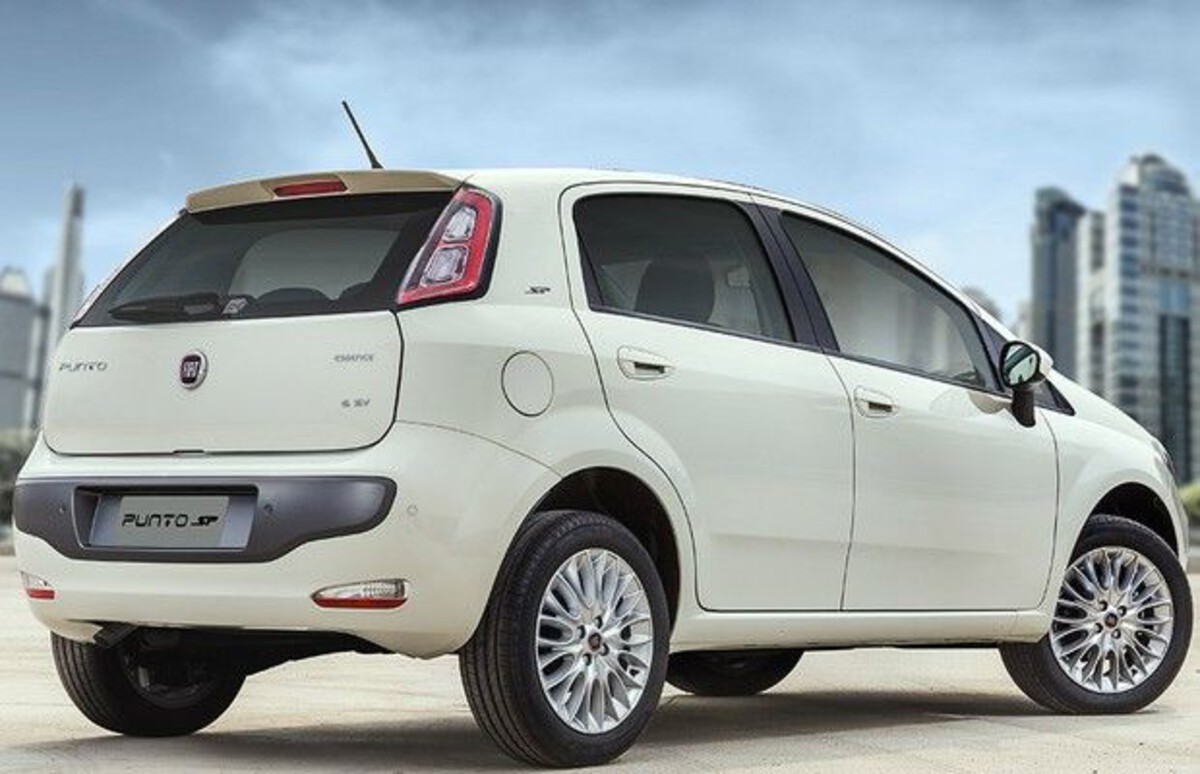
4. Fiat Punto
The Fiat Punto is a compact hatchback that often struggles to gain attention in auction environments. While it has been appreciated in certain markets for its European design, handling characteristics, and compact practicality, its long-term resale performance is relatively weak compared to more mainstream competitors.
One of the primary issues affecting the Punto is market demand. Auction buyers prioritize vehicles that can be resold quickly, and the Punto does not consistently attract strong consumer interest in many regions. This limits its resale liquidity, making it a less attractive investment for dealers.
Maintenance perception also plays a role. Although the Punto is not necessarily unreliable, its parts availability and service familiarity are not as widespread as those of more common brands. In some areas, this leads to longer repair times and higher perceived ownership costs, which reduces auction interest.
Another factor is outdated positioning. Compared to newer hatchbacks, the Punto lacks modern design updates, advanced infotainment systems, and improved fuel efficiency standards. Buyers often prefer newer alternatives that offer better features for similar resale potential.
Insurance and resale valuation also influence auction behavior. Vehicles with lower resale predictability are generally avoided because they increase financial uncertainty for buyers. Even a well-maintained Punto may struggle to achieve strong resale pricing.
The Fiat Punto is frequently passed over in auctions because it does not align with the fast turnover expectations of dealers. Its limited demand and weaker resale ecosystem make it a low-priority choice.
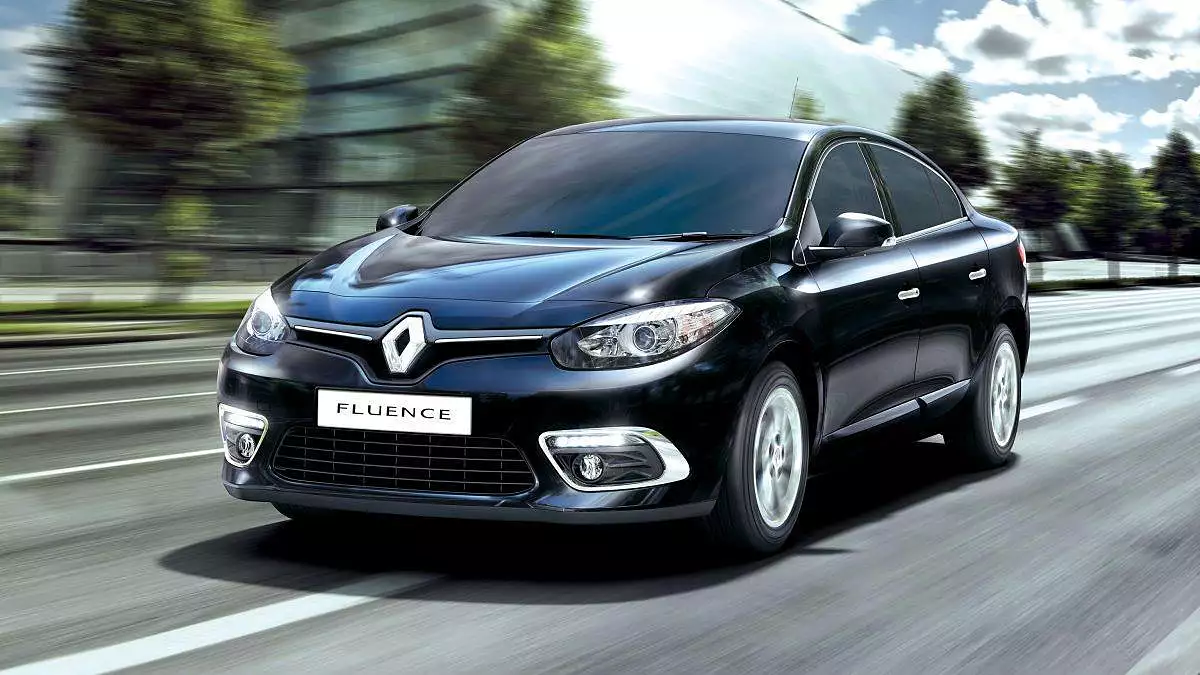
5. Renault Fluence
The Renault Fluence is a mid-size sedan that often goes unnoticed in auction settings, largely due to limited brand pull and weak resale visibility in many used car markets. While it was designed to offer comfort, European styling, and a relaxed driving experience, these strengths do not always translate into strong auction demand where liquidity and turnover speed are more important than comfort features.
One of the most significant issues affecting the Fluence is low consumer recognition in the used car space. Auction buyers are highly dependent on predictable resale outcomes, and vehicles that do not have strong brand awareness among general buyers are considered risky. Even if the Fluence is mechanically in good condition, uncertainty about who will purchase it later reduces bidding enthusiasm.
Parts availability and service infrastructure also influence auction decisions. In several regions, Renault does not have the same widespread service network as more dominant brands. This can lead to longer repair times and increased maintenance planning complexity, both of which are undesirable for dealers who rely on quick turnaround cycles.
Another factor is competition within the sedan segment. The Fluence competes with more established models that have stronger resale histories, making it harder for buyers to justify choosing it unless the price is significantly lower. In auctions, where margins are already tight, this becomes a major disadvantage.
Fuel efficiency and performance are generally adequate, but not strong enough to create a standout advantage. Auction buyers tend to prioritize vehicles that either offer exceptional reliability or exceptional resale demand. The Fluence sits in the middle, which is often the weakest position in auction economics.
Because of these combined factors, the Renault Fluence is frequently passed over unless heavily discounted. Even then, it typically attracts niche interest rather than competitive bidding.
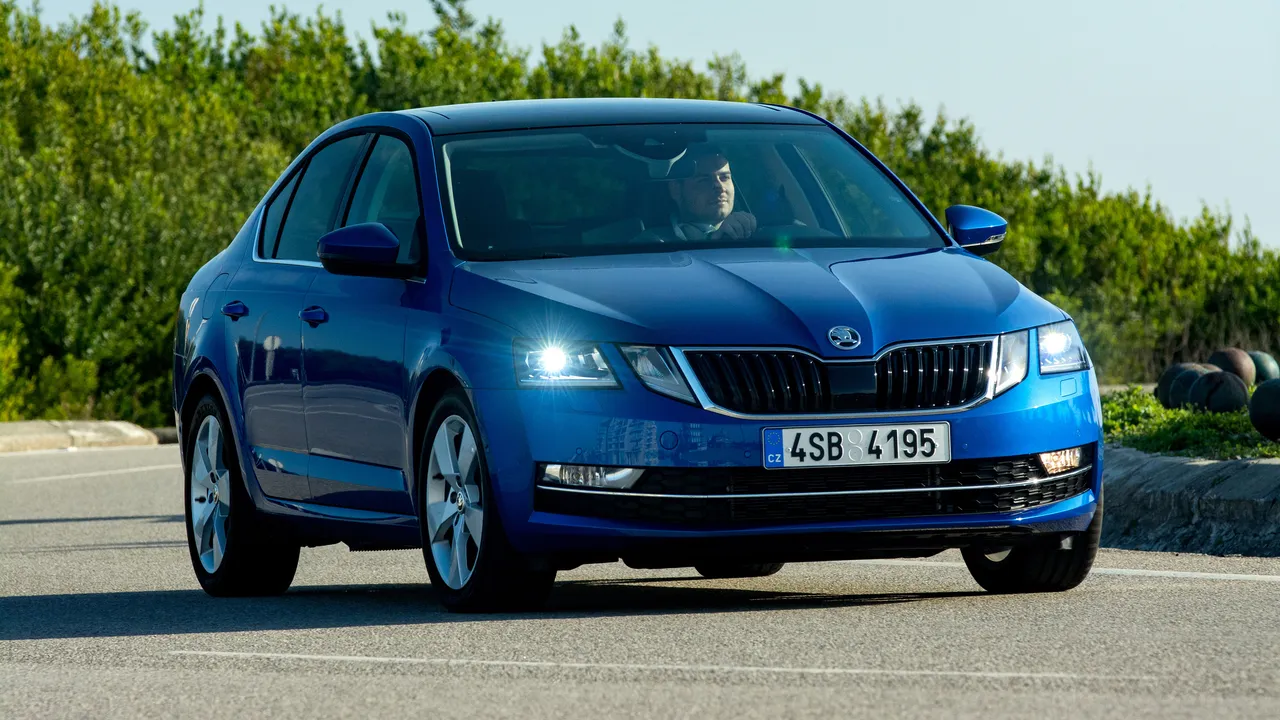
6. Skoda Octavia
Older Skoda Octavia TSI models are known for strong driving performance and a premium feel, but in auction environments, they often face cautious buyer behavior due to long-term maintenance concerns associated with earlier turbocharged petrol engines. While the Octavia has a strong reputation in enthusiast circles, auction buyers operate with a different mindset focused on predictable ownership costs and fast resale potential.
One of the primary concerns is engine reliability perception. Earlier TSI engines, while powerful and refined, have been associated with issues such as carbon buildup, timing-related concerns in certain batches, and higher sensitivity to maintenance quality. In an auction setting where service history may be incomplete, buyers often assume worst-case scenarios when evaluating risk.
European engineering complexity also influences bidding behavior. The Octavia is a well-built vehicle, but its systems are more complex than simpler mass market alternatives. Auction buyers must consider potential diagnostic costs, specialized repair requirements, and longer workshop turnaround times, all of which reduce profitability in resale operations.
Another major factor is repair cost expectations. Even minor issues in European vehicles can become expensive compared to Japanese or domestic alternatives. This creates a natural hesitation among dealers who rely on tight cost control to maintain margins.
However, the Octavia still has a strong appeal among informed buyers who understand its driving dynamics and build quality. The challenge is that auction environments are not always dominated by enthusiasts. Instead, they are driven by commercial logic, where simplicity and speed matter more than performance.
As a result, older Octavia TSI models often receive limited bidding interest unless their condition is exceptionally well documented and pricing is attractive enough to offset perceived risk.
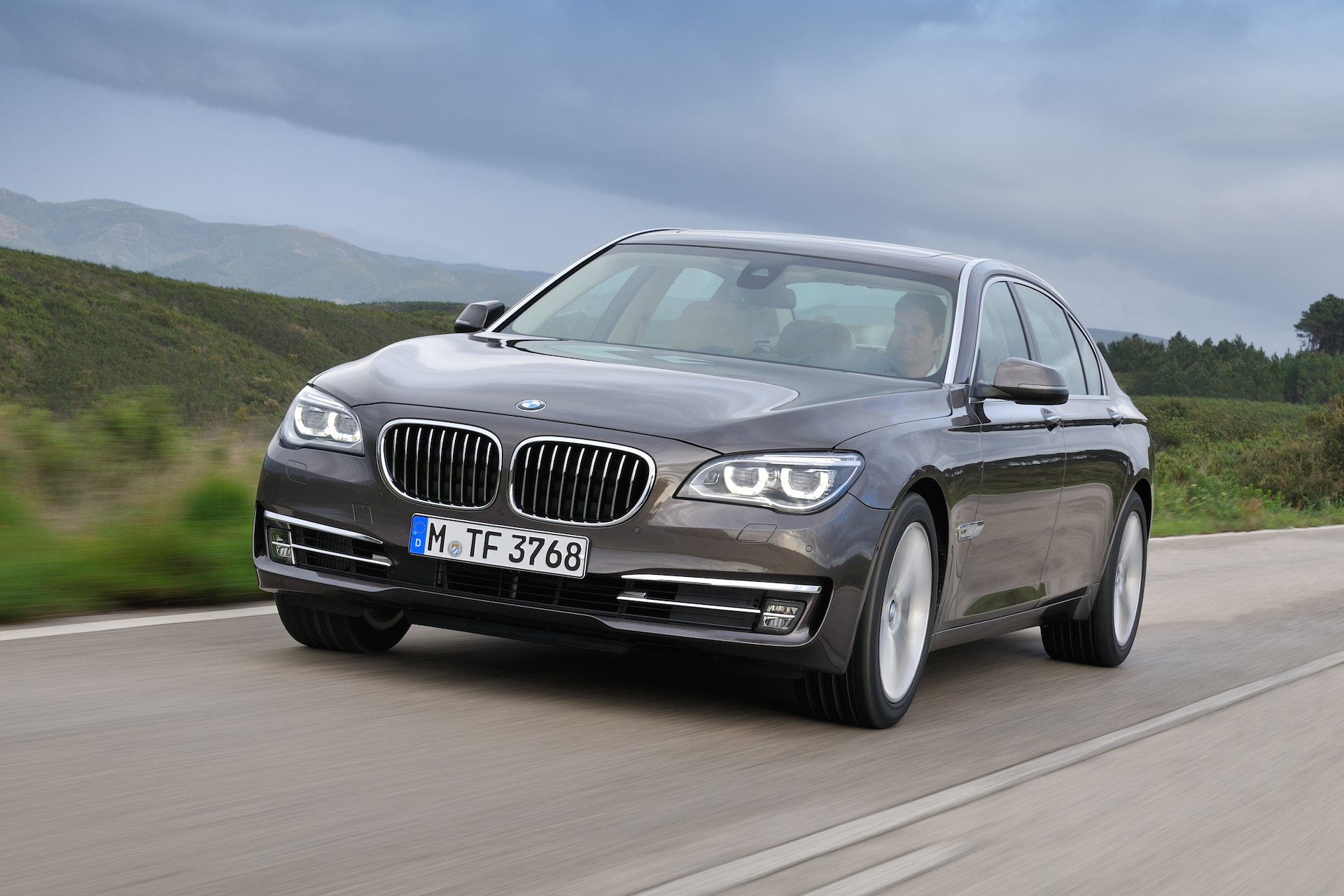
7. BMW 7 Series
Older BMW 7 Series models frequently struggle in auctions despite being luxury flagships when new. The primary issue is not desirability in terms of comfort or prestige, but rather the extremely high cost of ownership that becomes more apparent in second-hand markets. Auction buyers are highly sensitive to this, especially dealers who must account for repair exposure before resale.
One of the biggest concerns is system complexity. The 7 Series is equipped with advanced electronics, adaptive systems, air suspension, and luxury features that enhance the driving experience but significantly increase maintenance risk. When these systems age, repair costs can escalate quickly, and diagnosing issues often requires specialized equipment.
Depreciation is another major factor. Luxury sedans lose value rapidly, and older 7 Series models are often already deep into depreciation curves. This leaves limited room for profit in resale, especially after factoring in refurbishment costs.
Auction buyers also consider the buyer pool size. The number of individuals willing to purchase an older luxury sedan with potential maintenance costs is relatively small. This directly impacts how quickly the vehicle can be resold, making it less attractive compared to mainstream cars.
Even though the driving experience and interior comfort remain impressive, these qualities are not enough to offset financial risk in auction logic. Buyers tend to prioritize predictable vehicles that can be sold quickly to a wide audience.
For these reasons, older BMW 7 Series models are often only purchased by specialized dealers or enthusiasts who are comfortable managing higher maintenance exposure.
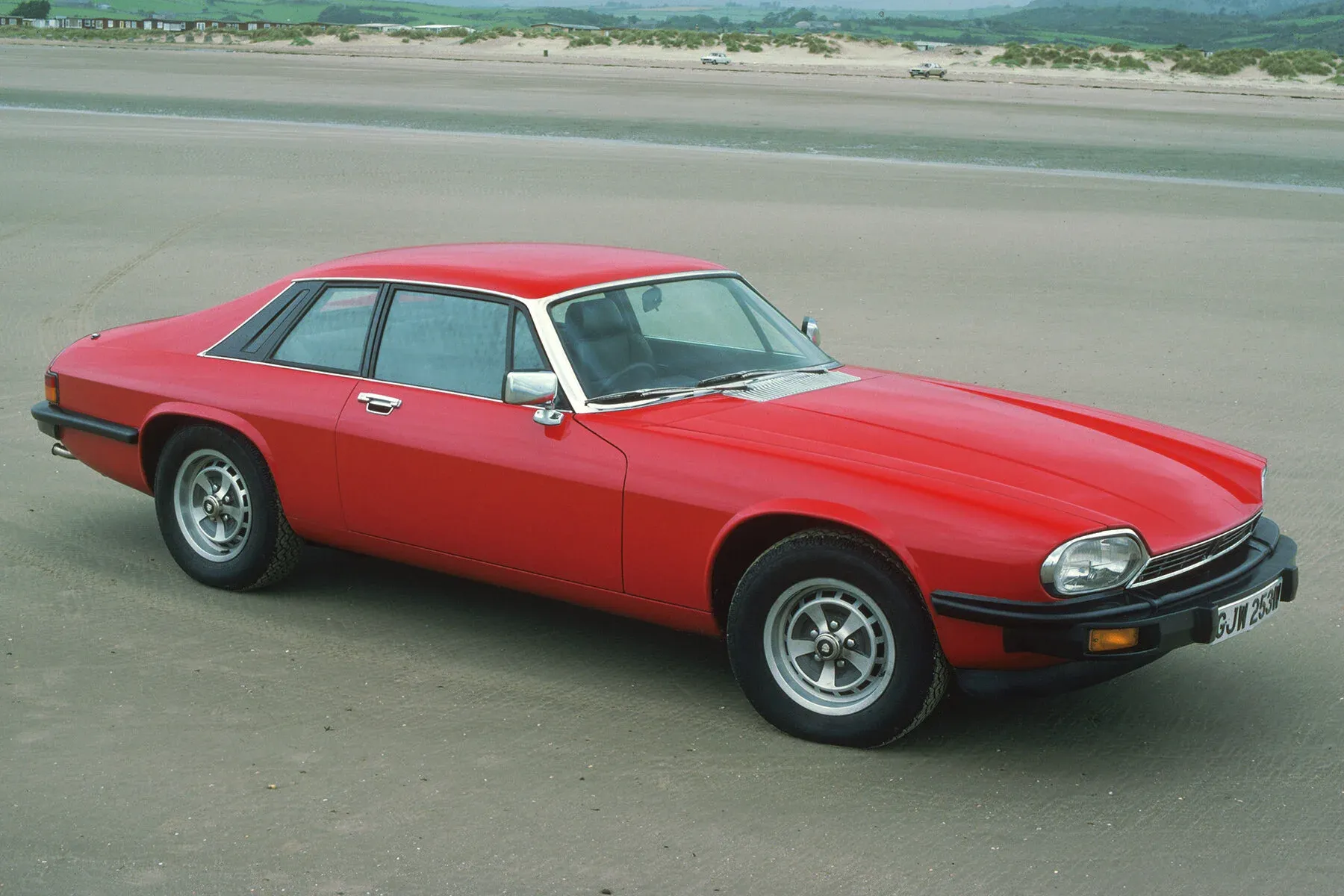
8. Jaguar XJ
Older Jaguar XJ models are frequently overlooked in auction environments due to a combination of high maintenance costs, complex electronics, and limited resale demand compared to more established luxury competitors. While the XJ offers exceptional styling, comfort, and driving refinement, these strengths are often overshadowed by ownership risk concerns in the used market.
One of the primary issues is reliability perception. Jaguar vehicles, particularly older generations, have historically been associated with electrical system issues and unpredictable maintenance needs. Even if a specific unit is well-maintained, the brand reputation influences buyer psychology significantly in auctions.
Repair costs are another major deterrent. Luxury components, specialized parts, and complex engineering all contribute to higher-than-average maintenance expenses. Auction buyers, who typically aim for quick resale, view this as a financial risk that can reduce profit margins or extend holding periods.
Resale demand is also limited compared to other luxury brands. While Jaguar has strong prestige appeal, the second-hand market for older XJ models is relatively niche. This means fewer potential buyers, slower turnover, and increased risk for dealers.
Additionally, depreciation has already heavily impacted these vehicles by the time they reach auction. This creates a situation where the purchase price may be low, but refurbishment costs and resale uncertainty still outweigh potential profit.
Despite all this, the Jaguar XJ remains a highly desirable vehicle in terms of comfort and driving experience. However, in auction environments, practical financial considerations dominate over luxury appeal.
Also read: 10 Cars That Are Cheapest To Fix At Any Mechanic in the United States
