
Auto shop owners are often assumed to drive flashy cars or heavily modified vehicles, but the reality on the ground is far more practical. Most workshop owners prioritize reliability, low maintenance costs, strong resale value, and the ability to handle rough usage over status symbols.
Their daily routines involve constant movement between suppliers, customer sites, and workshops, which means their personal vehicles often double as workhorses. These vehicles must withstand frequent short trips, occasional heavy loads, and unpredictable road conditions while still remaining comfortable enough for long days behind the wheel. In many cases, the vehicle they choose reflects the same philosophy they apply to their business: durability first, unnecessary complexity last.
In India and similar automotive markets, auto shop owners tend to prefer vehicles that have proven themselves over time. They are not easily swayed by marketing hype because they understand vehicles from a mechanical perspective. Instead, they look at long-term ownership costs, availability of spare parts, ease of repair, and mechanical simplicity.
A car that spends more time in the workshop than on the road is not just inconvenient; it directly affects their business operations. That is why you will often find them driving models that are known for rugged performance, even if they are not the newest or most luxurious options available.
Another important factor is firsthand diagnostic experience. Auto shop owners work with hundreds of vehicles over time, giving them deep insight into which engines last, which gearboxes fail early, and which suspension setups hold up under abuse.
This constant exposure creates a natural filtering system in their mind. Vehicles that repeatedly show up with major issues are mentally rejected, while those that rarely come in for serious repairs gain long-term trust. Their personal vehicle choices are therefore heavily influenced by real-world reliability rather than advertisements or brand perception.
Comfort and practicality also play a big role. Since many shop owners spend long hours driving, they prefer vehicles with supportive seating, stable ride quality, and dependable air conditioning systems. However, luxury features are rarely a priority unless they contribute directly to durability or usability. A tough suspension for bad roads, good ground clearance for uneven surfaces, and simple electronics that do not fail easily often matter more than touchscreen size or ambient lighting.
In this article, we explore nine vehicles that auto shop owners quietly prefer and often drive themselves. These are not necessarily the most advertised or trendy cars, but they consistently earn respect in real-world usage. Each of these vehicles has built a reputation for reliability, practicality, and long-term value, making them ideal companions for people who understand automobiles better than most.
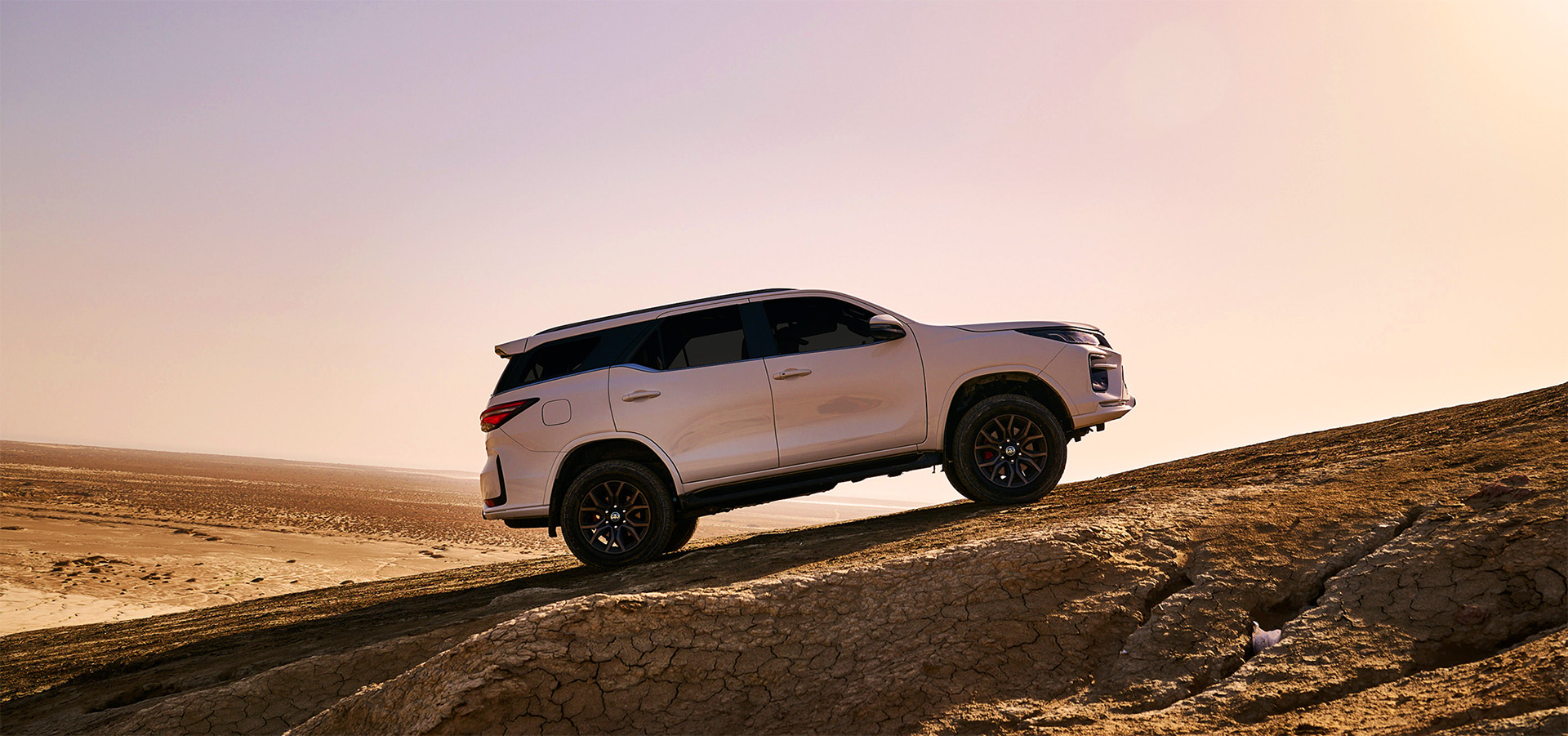
Toyota Fortuner
The Toyota Fortuner is widely regarded as one of the most dependable full-size SUVs in markets where ruggedness and reliability matter more than luxury features. It is a popular choice among industry professionals for its consistent performance across a wide range of conditions, from rough rural roads to highways and dense city traffic.
Built on a strong ladder frame chassis, it is engineered to handle stress that would typically wear down softer monocoque SUVs. This structural toughness makes it a natural fit for professionals who cannot afford unexpected breakdowns during busy schedules.
What truly sets the Fortuner apart in the eyes of auto professionals is its proven mechanical simplicity combined with long-term durability. The engine and transmission systems are designed to last hundreds of thousands of kilometers when maintained properly.
Workshop owners, who regularly inspect failed vehicles, rarely see catastrophic issues in well-maintained Fortuners, which builds a strong sense of trust. Even after high mileage usage, the SUV continues to perform reliably, which is a critical factor for someone whose livelihood depends on mobility and punctuality.
Another major advantage is its adaptability to mixed usage patterns. Auto shop owners frequently switch between personal travel, business errands, and occasional long-distance highway trips. The Fortuner handles all these scenarios without requiring adjustments in driving style or comfort expectations.
Its suspension setup is firm enough for load handling yet comfortable enough for long journeys. The high seating position also provides excellent visibility, which is particularly useful in heavy traffic or uneven terrain conditions.
Maintenance accessibility is another reason behind its popularity. While it is not the cheapest SUV to service, it benefits from widespread Toyota service networks and predictable maintenance schedules. Mechanics already understand the engineering well, which reduces diagnostic time and repair complexity.
For auto shop owners, this translates into reduced downtime and fewer surprises, both of which are highly valuable in a service-driven profession.
Finally, the Fortuner holds a strong resale market presence, which further strengthens its appeal. Auto shop owners think long-term about asset value, and the Fortuner consistently retains its price better than many competitors. Combined with its rugged image and proven dependability, it becomes more than just a vehicle; it becomes a reliable business tool that supports both personal and professional mobility needs.
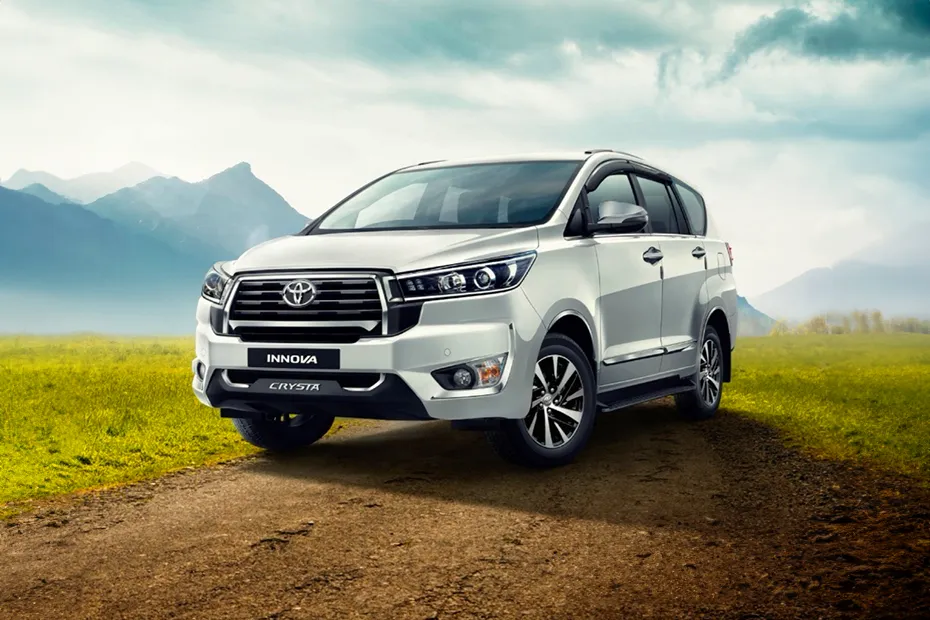
Toyota Innova Crysta
The Toyota Innova Crysta is often considered the gold standard for reliability in the multi-purpose vehicle category, especially among professionals who depend heavily on consistent road performance. Auto shop owners value it for its unmatched ability to operate continuously without major mechanical issues.
It is one of those rare vehicles that can handle high daily usage cycles, making it ideal for individuals who spend most of their working hours traveling between clients, suppliers, and workshop locations.
Its mechanical reputation is built on decades of proven performance across earlier Innova generations. The Crysta continues this legacy with improved refinement and stronger components. Auto shop owners, who regularly witness vehicle failures in other models, often highlight the Innova’s resistance to major breakdowns.
Even when used intensively, its engine and drivetrain remain stable for years, provided basic maintenance is followed. This reliability reduces stress and operational uncertainty, which is extremely important for business continuity.
Space and practicality further strengthen its position. The cabin is designed to accommodate both passengers and equipment comfortably. Many shop owners use it not just for family travel but also for transporting tools, spare parts, or even small groups of technicians when needed. The flexible seating arrangement allows easy adaptation to different workloads, which makes it more useful than standard sedans or compact SUVs in real-world business environments.
Ride comfort is another major factor contributing to its popularity. Indian road conditions can be unpredictable, with potholes, uneven surfaces, and extended highway stretches. The Innova Crysta’s suspension system is specifically tuned to absorb these variations effectively, reducing fatigue during long journeys.
This becomes especially valuable for auto shop owners who often work extended hours and need comfortable driving experiences to maintain productivity.
Finally, its resale value remains one of the strongest in its segment. The Innova Crysta is consistently in demand in the used vehicle market due to its reputation for longevity. Auto shop owners understand this financial advantage well, as it ensures their investment retains value over time. This combination of durability, comfort, and strong resale performance makes it one of the most trusted vehicles in its professional ecosystem.
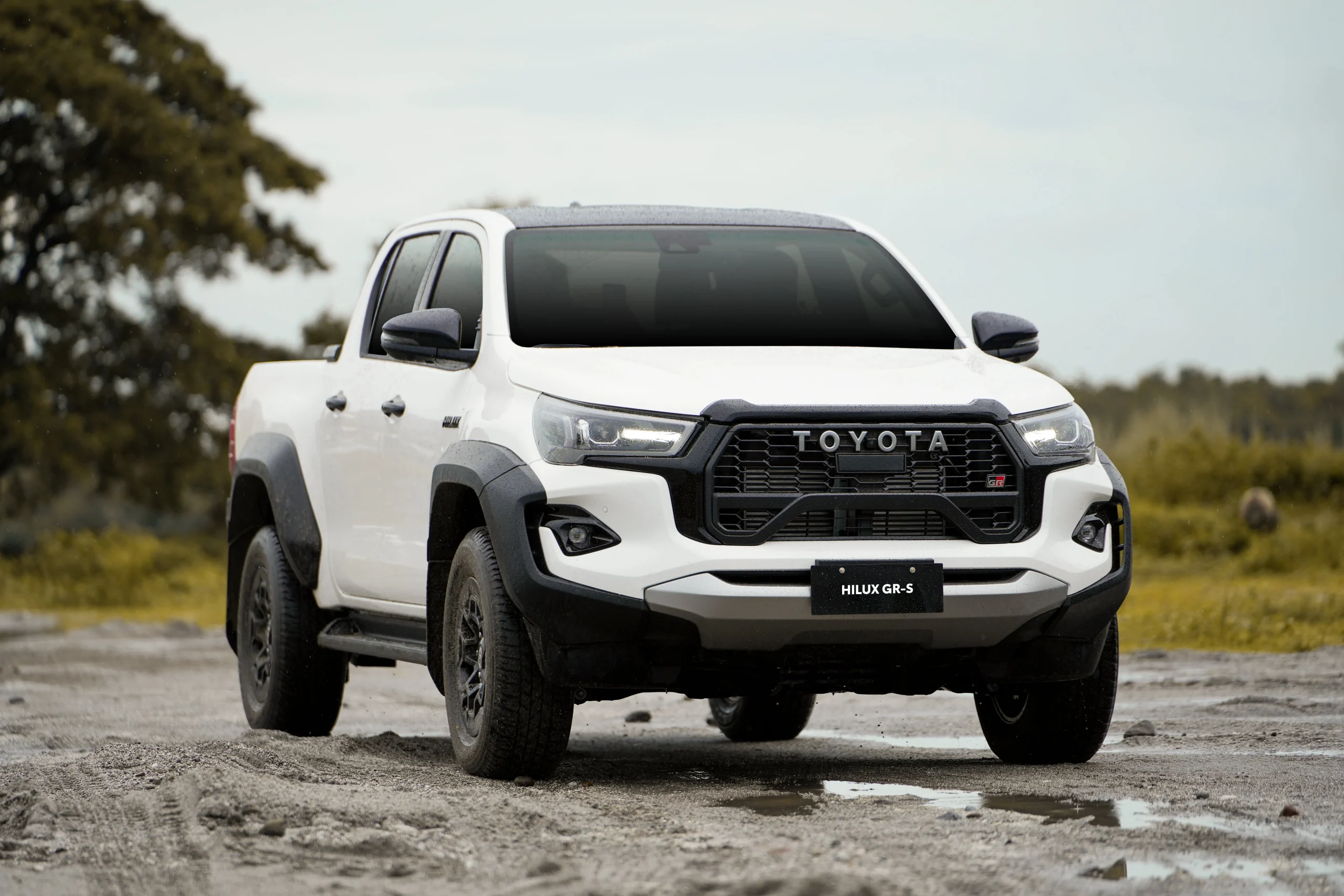
Toyota Hilux
The Toyota Hilux is globally recognized as one of the most durable pickup trucks ever built, and this reputation strongly influences its adoption among auto shop owners who require extreme utility. It is engineered to endure heavy-duty usage scenarios, including towing, off-road travel, and continuous cargo transport. For professionals dealing with large automotive components or workshop logistics, this level of capability is extremely valuable.
One of its defining strengths is its near-legendary mechanical endurance. The Hilux is known for withstanding conditions that would leave many other vehicles inoperable. It has earned a reputation for durability across decades of global use, with a drivetrain and chassis built to handle significant stress, making it well-suited for demanding commercial environments.
The cargo bed is another major functional advantage. Unlike SUVs or sedans, the Hilux offers open load capacity, which is extremely practical for transporting engines, machinery, or bulk parts. This eliminates the need for additional transport arrangements, saving both time and operational costs for workshop-related tasks.
Despite its rugged focus, the Hilux provides acceptable comfort for long-distance travel. The cabin is designed to reduce fatigue while maintaining utility-oriented durability. Auto shop owners appreciate this balance because it allows them to use the same vehicle for both professional transport and extended travel without discomfort.
Finally, its global reputation ensures strong resale value and long-term demand. Even after years of usage, the Hilux remains desirable in commercial markets, reinforcing its position as a smart long-term asset.
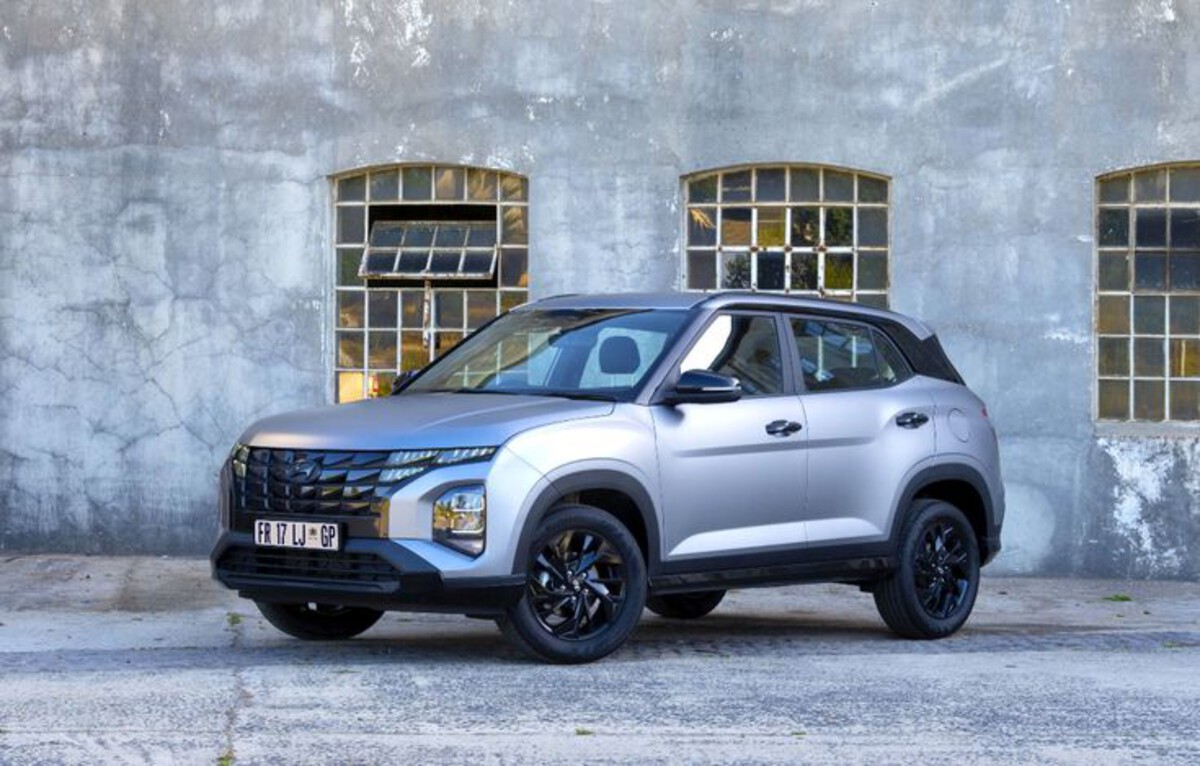
Hyundai Creta
The Hyundai Creta has become one of the most popular compact SUVs among urban auto shop owners due to its balance of comfort, efficiency, and practicality. Unlike heavy-duty SUVs, it is designed for smooth city usage while still offering enough versatility for occasional long-distance travel. This makes it ideal for workshop owners operating in densely populated urban environments.
Ease of driving is one of its strongest attributes. The Creta is designed for comfort in traffic-heavy conditions, offering light steering, smooth gear transitions, and manageable dimensions. Auto shop owners who frequently navigate congested city roads appreciate how effortlessly it handles stop-and-go traffic situations.
Maintenance affordability is another significant advantage. Hyundai’s extensive service network ensures that spare parts are readily available and repairs are relatively quick. This reduces operational downtime and keeps the vehicle consistently usable, which is essential for business-oriented users.
Comfort levels inside the cabin are also well above average in its segment. The interior is designed with ergonomics in mind, making long daily drives less tiring. While it is not built for extreme rugged conditions, it provides sufficient space and comfort for professional use.
Finally, its strong resale value and steady market demand make it a financially stable choice. It appeals to those who prioritize vehicles that retain value, offering a balanced mix of affordability, comfort, and reliability.
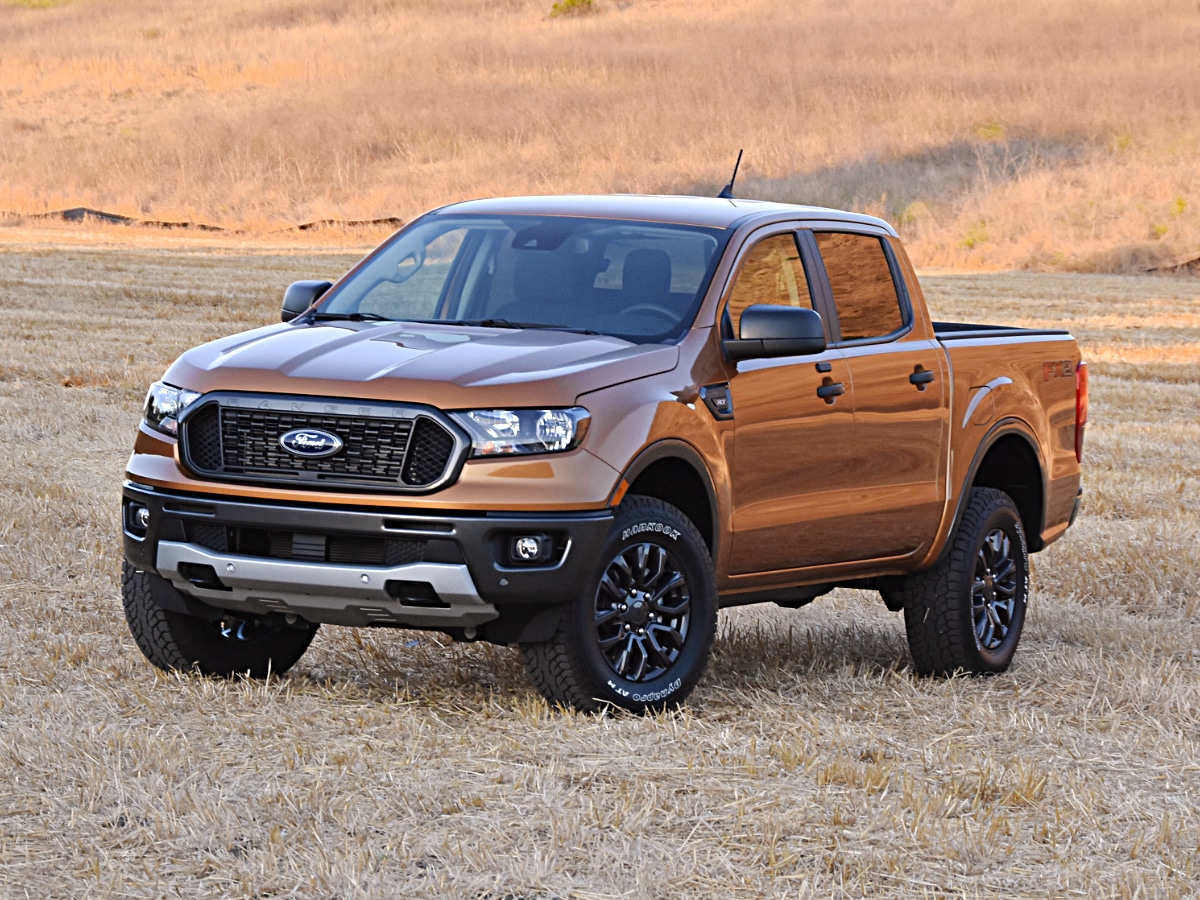
Ford Ranger
The Ford Ranger is a globally respected midsize pickup truck that has earned a strong reputation among auto shop owners who require serious utility combined with dependable mechanical strength. Unlike conventional passenger vehicles, the Ranger is engineered with a work-first mindset, meaning every part of its design prioritizes load-carrying ability, durability, and resistance to harsh operating conditions.
For auto shop owners who regularly deal with heavy components such as engines, transmissions, body panels, or workshop equipment, this level of practicality becomes extremely valuable in daily operations.
One of the most important reasons the Ford Ranger is preferred is its exceptional structural strength. It is built to endure continuous stress, including heavy payloads, uneven terrain, and long operational hours.
Vehicles that fail under repetitive load conditions are a common sight in workshops, which builds trust in models that consistently prove their resilience. The Ranger’s chassis and suspension system are designed to absorb heavy use without compromising stability, making it well-suited for both urban logistics and semi-off-road transport tasks.
Another key advantage is its versatility in real-world usage scenarios. The Ranger is not just a commercial pickup; it also functions effectively as a personal vehicle for long-distance travel. Many auto shop owners use it during the day for business-related hauling and later for highway driving or intercity trips.
Its ability to transition between professional and personal use without performance loss makes it a practical investment rather than a single-purpose vehicle.
Comfort levels in newer versions of the Ranger have also improved significantly. While it remains utility-focused, the cabin offers better seating ergonomics, improved insulation from road noise, and more refined driving dynamics compared to older-generation pickups. This is important for auto shop owners who spend extended hours behind the wheel and require a balance between ruggedness and comfort to avoid fatigue.
Finally, the Ford Ranger maintains strong long-term value in global markets due to its reputation for durability. Even after years of heavy use, it continues to attract buyers who need a reliable work vehicle. This resale stability, combined with its proven toughness, makes it a quiet but highly respected choice among automotive professionals.
Also read: 5 Cars Boomers Got Right And 5 They Got Wrong
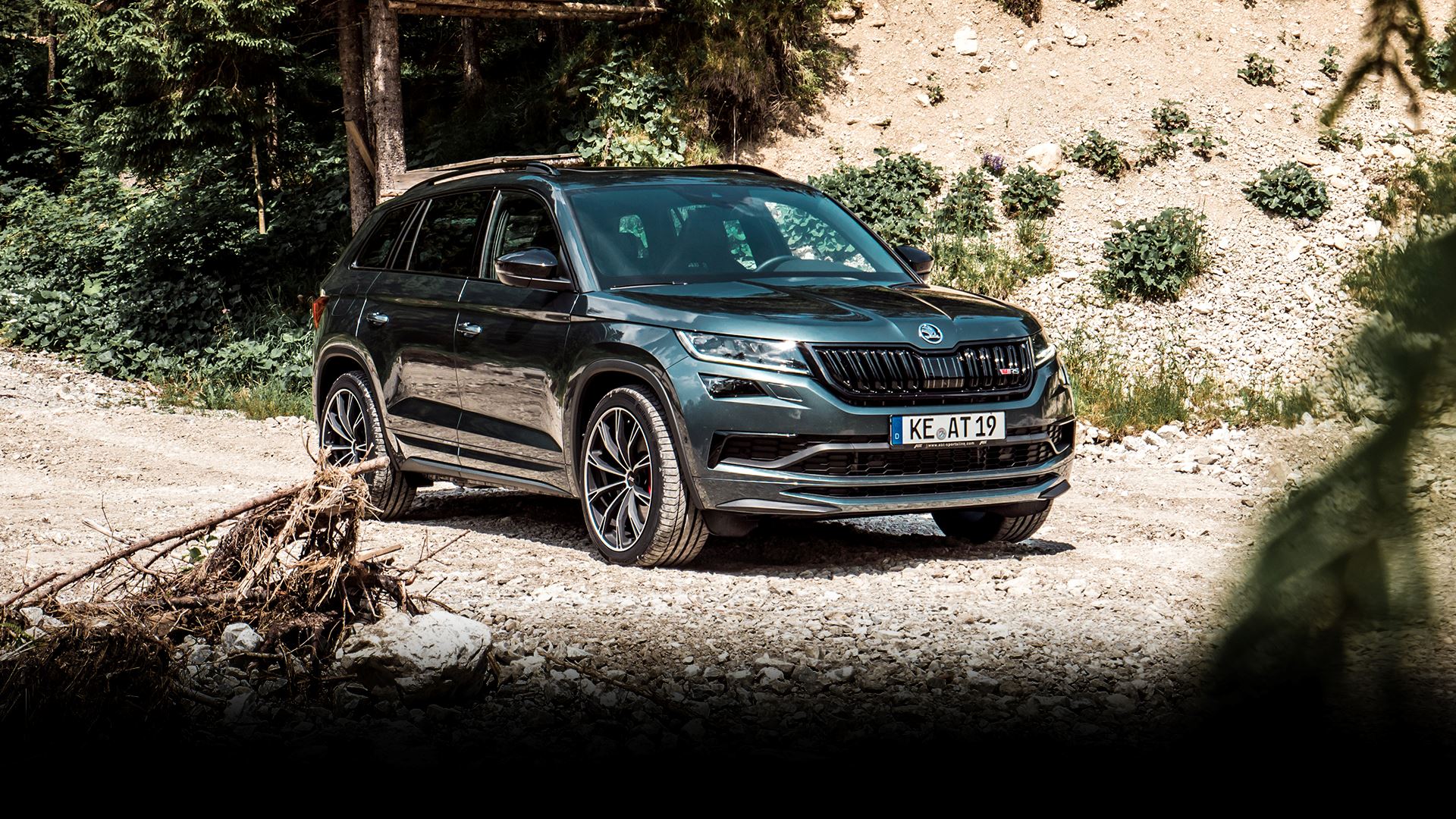
Skoda Kodiaq
The Skoda Kodiaq is a premium SUV that appeals to auto shop owners who want a refined driving experience without sacrificing practicality or engineering reliability. Unlike traditional rugged SUVs, the Kodiaq focuses on delivering a balanced combination of comfort, performance, and European build quality. This makes it particularly attractive to workshop owners who have moved beyond purely utilitarian needs and now seek a more sophisticated yet still functional vehicle for daily use.
One of the strongest aspects of the Skoda Kodiaq is its solid engineering feel. The vehicle is designed with precision, offering a planted driving experience at high speeds and excellent stability on highways.
Auto shop owners, who are highly familiar with vehicle dynamics, often appreciate this level of refinement because it reflects well-engineered suspension tuning and chassis balance. It feels composed even during long-distance travel, which is important for professionals who frequently move between cities for business purposes.
Interior comfort is another defining feature. The Kodiaq offers a spacious cabin with high-quality materials, ergonomic seating, and advanced climate control systems. This makes long working days significantly more comfortable, especially for owners who spend several hours traveling to meet suppliers or customers.
The third-row seating option also adds flexibility for carrying additional passengers or staff when required, enhancing its practicality beyond a typical SUV.
However, what truly sets it apart is its dual personality. While it delivers premium comfort, it still maintains enough practicality to support business-related usage. The boot space is generous, allowing transportation of tools, small equipment, or automotive parts when needed. This makes it more useful than luxury SUVs that prioritize style over functionality.
Finally, although maintenance costs are higher compared to mass-market vehicles, owners who choose the Kodiaq typically value refinement and driving experience over minimal servicing expenses. Its strong build quality and stable performance make it a preferred choice among auto shop owners who want a premium yet dependable upgrade from mainstream SUVs.
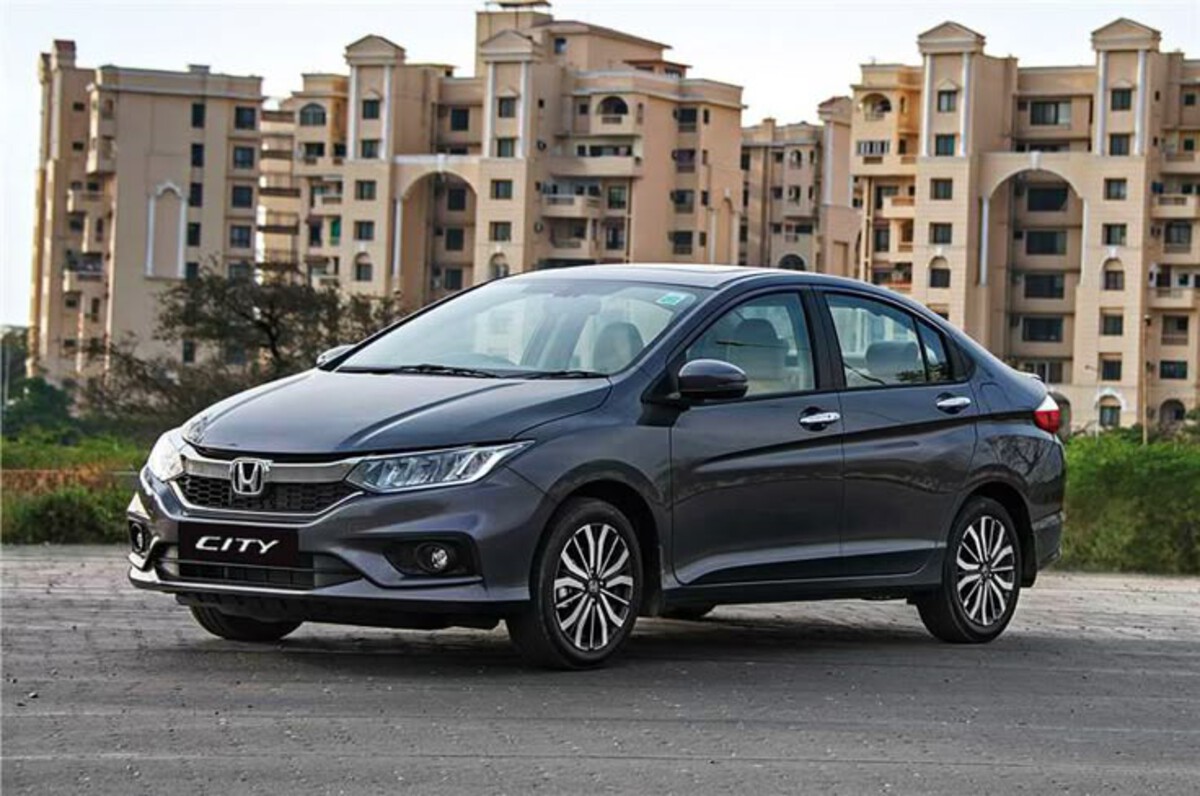
Honda City
The Honda City is one of the most iconic sedans in the automotive industry and remains a trusted choice among auto shop owners who prioritize smooth performance, long-term reliability, and efficient daily usage.
It has built its reputation over decades as a vehicle that delivers consistent mechanical performance without unnecessary complications. For professionals who depend on predictable transportation, this reliability is one of its most valuable characteristics.
One of the key strengths of the Honda City is its refined engine performance. It offers a smooth and responsive driving experience that is particularly well-suited for highway travel. Auto shop owners often need to travel between cities to source parts or meet clients, and the City’s stable highway system makes these journeys less tiring and more efficient. The engine is known for its durability when maintained properly, which adds to its long-term appeal.
Fuel efficiency is another major advantage that significantly influences purchasing decisions. Compared to larger SUVs, the Honda City delivers superior mileage, making it cost-effective for frequent travel. This becomes especially important for auto shop owners who accumulate high daily running distances as part of their business operations. Over time, fuel savings contribute meaningfully to reduced operational expenses.
Comfort is also a standout feature of the Honda City. The cabin is spacious, well-designed, and ergonomically suited for long drives. The seating position is comfortable, and the suspension system is tuned to absorb road imperfections effectively. Even after years of usage, the vehicle maintains a smooth ride quality, which is essential for reducing driver fatigue during extended working hours.
Lastly, the Honda City enjoys strong resale demand due to its reputation for reliability and low maintenance requirements. Auto shop owners understand the importance of asset retention, and the City consistently performs well in this regard. Its balance of efficiency, comfort, and mechanical dependability makes it one of the most sensible sedan choices in its segment.
Also read: 10 Cars That Are Cheapest To Fix At Any Mechanic in the United States
