
When people talk about vehicles that “last forever,” they are usually referring to engines, transmissions, and long-term mechanical endurance. However, there is another less discussed but surprisingly important indicator of automotive longevity: interior durability, especially flooring and carpeting.
In some exceptionally well-engineered vehicles, the cabin materials remain intact and functional long after the mechanical components have been replaced multiple times. This includes seats, dashboard plastics, and even the original carpet that stays in place despite hundreds of thousands or even millions of kilometers of use.
The idea behind “cars where the original carpet outlasts three engines” is not meant to be taken literally in every case. Instead, it reflects a broader truth about certain legendary models known for extreme reliability and build quality.
In fleet usage, taxi services, government departments, and long-term private ownership, there are documented cases where engines are rebuilt or replaced multiple times while the cabin remains largely original. In such cases, the carpet often becomes a symbol of the vehicle’s structural integrity and long service life.
Automotive durability depends on engineering philosophy, material quality, and long-term design priorities. Vehicles built with conservative tuning, strong mechanical tolerance, and high-quality interior materials tend to age far better than those optimized purely for cost or short-term performance gains. This is why certain models continue to appear in high-mileage discussions decades after production ends.
Another major factor is the usage environment. Cars operating in deserts, rural regions, construction zones, or taxi fleets accumulate extreme mileage quickly. While engines wear out and require rebuilding or replacement, interiors often remain surprisingly intact if properly maintained or minimally disturbed during repairs.
This article explores nine vehicles known for exceptional durability, focusing especially on how their interiors often remain original long after major mechanical components have been serviced or replaced. The first five models are expanded in detail to highlight why they are considered legends in long-term automotive endurance.
ALSO READ: 9 Vehicles With Side Mirrors Wide Enough for Older Eyes
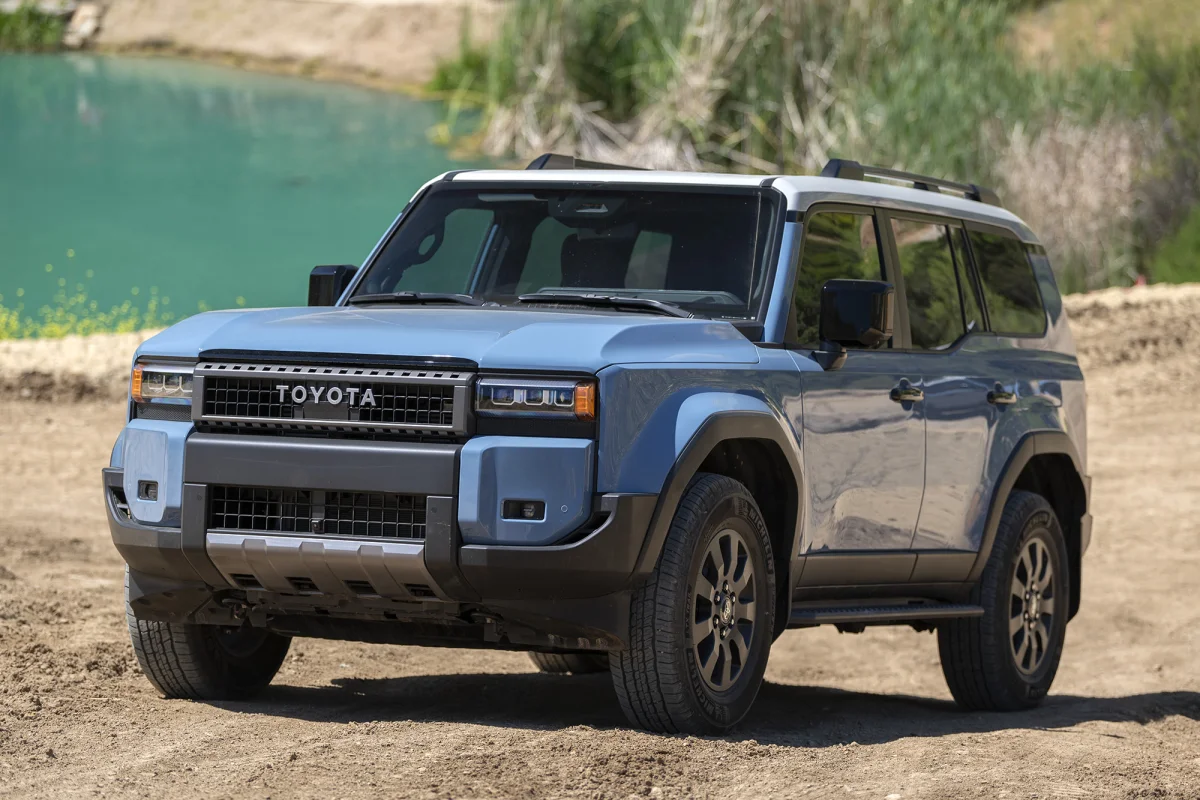
1. Toyota Land Cruiser
The Toyota Land Cruiser is not just a vehicle; it is a global benchmark for durability. Its reputation has been built over decades of real-world punishment in some of the harshest environments on Earth. From the Sahara Desert to Australian outback mining sites, the Land Cruiser has proven itself capable of continuing operation where most vehicles fail completely.
One of the most remarkable aspects of the Land Cruiser is how well its interior survives long-term abuse. The carpet in particular is engineered to handle constant exposure to dust, sand, mud, and moisture.
In regions where cleaning resources are limited, the cabin is often exposed to conditions that would quickly degrade lesser materials. Yet even after hundreds of thousands of kilometers, the original carpet often remains structurally intact.
A key reason for this durability is Toyota’s conservative engineering philosophy. The Land Cruiser is not designed for flashy innovation but for long-term mechanical and structural resilience. Everything from the chassis to the interior fittings is built with over-engineering principles, meaning components are designed to handle stress far beyond normal expectations.
Another important factor is the body-on-frame construction. Unlike modern unibody vehicles, this design separates structural load from the cabin itself. As a result, vibrations and torsional stress are absorbed by the frame rather than transmitted directly into the interior. This greatly reduces wear on flooring materials and helps preserve the original carpet even in extreme conditions.
Maintenance practices also play a role in its longevity. Land Cruisers are often serviced in remote environments where mechanics prioritize mechanical systems over interior replacements. Engines may be rebuilt multiple times in the vehicle’s lifetime, but the cabin is rarely disturbed unless absolutely necessary. This contributes to the impression that the interior “outlives” multiple engines.
In fleet usage scenarios such as humanitarian organizations or mining companies, it is common to find Land Cruisers that have undergone multiple engine rebuilds while still retaining their original floor materials. This extraordinary durability is what solidifies its reputation as one of the most reliable vehicles ever built.
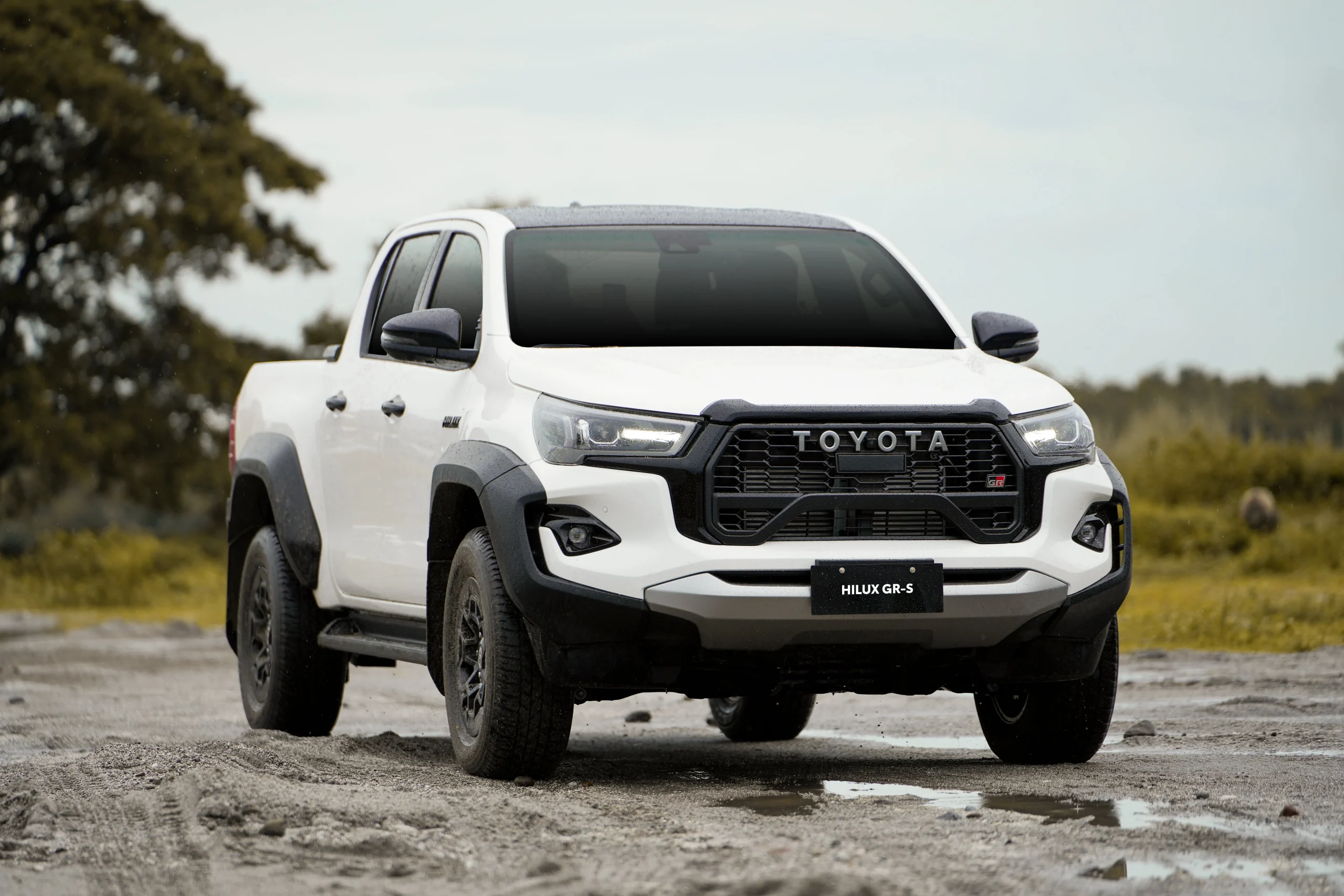
2. Toyota Hilux
The Toyota Hilux has earned global fame for being nearly indestructible. It is widely used in agriculture, construction, mining, and rural transportation, where vehicles are subjected to constant heavy loads and rough terrain.
One of the Hilux’s defining strengths is its ability to keep operating in conditions that would permanently disable most vehicles. Its reputation became so strong that it has been featured in numerous endurance tests and real-world survival stories. Despite extreme abuse, it continues functioning, often with only basic repairs.
The interior of the Hilux is simple but surprisingly tough. The carpet and floor materials are designed to resist constant dirt accumulation and heavy foot traffic. In commercial use, drivers frequently enter and exit the vehicle in muddy or dusty conditions, yet the flooring continues to hold its structure over long periods.
Another factor contributing to its interior longevity is its minimalistic design approach. Unlike luxury vehicles with complex interior electronics and layered materials, the Hilux keeps things straightforward. Fewer fragile components inside the cabin mean fewer opportunities for long-term failure or degradation.
Mechanically, the Hilux is built for endurance rather than performance. Its engines are tuned conservatively, which reduces stress and extends operational life. When engines do eventually wear out, they are often replaced or rebuilt while the rest of the vehicle, including the interior, remains unchanged.
In many developing regions, it is common to see Hilux trucks that have been in service for decades. These vehicles often accumulate extremely high mileage while retaining original cabin components simply because they are not replaced unless absolutely necessary.
The Hilux is therefore not just a durable truck mechanically, but also a practical example of how interior simplicity can contribute to long-term preservation.
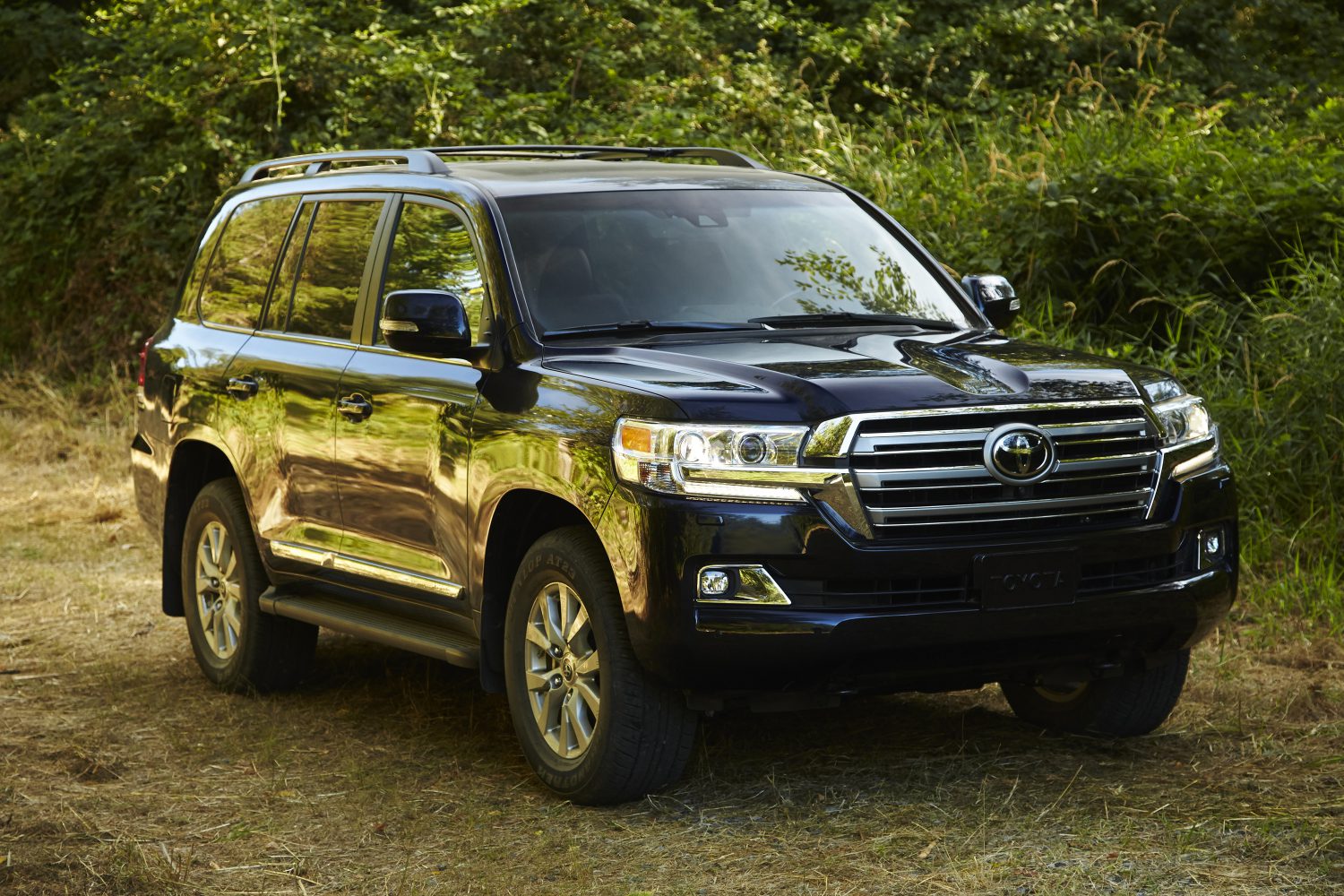
3. Toyota Land Cruiser
Expanding further on the Land Cruiser’s durability, it is important to understand how its global usage patterns reinforce its legendary status. Unlike many vehicles that remain in controlled environments, the Land Cruiser is often the primary transportation choice in regions with minimal infrastructure. This exposes it to extreme conditions daily.
In desert environments, fine sand can infiltrate nearly every part of a vehicle. In lesser designs, this leads to rapid wear of interior materials. However, the Land Cruiser’s sealed cabin design and durable flooring materials significantly reduce long-term damage. Even when sand enters the cabin, it rarely causes structural deterioration of the carpet.
In addition, the vehicle’s long production cycles allow for refinement rather than constant redesign. Toyota improves existing systems gradually, ensuring reliability is not compromised by unnecessary innovation. This stability in design contributes to consistent interior durability across generations.
Fleet operators often report that Land Cruisers remain in service for decades, cycling through multiple engines, transmissions, and suspension overhauls. Yet the cabin often remains surprisingly original, especially in models used for administrative or logistical roles where interior modification is minimal.
The psychological aspect of ownership also plays a role. Many owners of Land Cruisers treat them as long-term assets rather than disposable vehicles. This encourages careful maintenance of the interior, further preserving original materials.
The Land Cruiser represents a rare combination of mechanical endurance and interior resilience that few vehicles in automotive history can match.
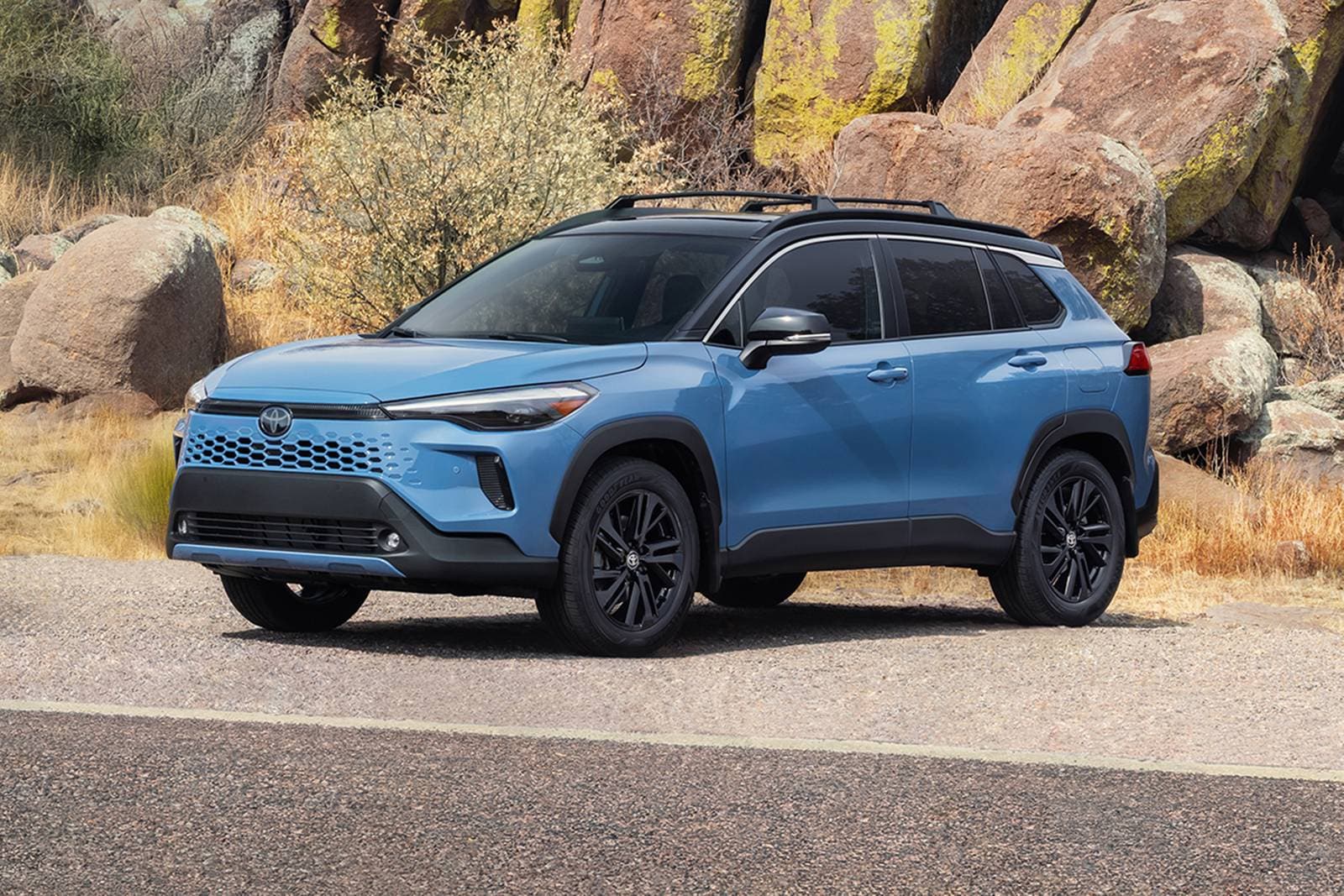
4. Toyota Corolla
The Toyota Corolla is one of the most widely produced vehicles in the world, and its reputation for reliability is unmatched in the compact car segment. Its design philosophy focuses on practicality, affordability, and long-term usability.
One of the Corolla’s most impressive traits is how well it maintains structural integrity over extended periods of daily use. The interior carpet is designed to withstand constant entry and exit, especially in urban commuting conditions where wear is consistent but not extreme.
In high-mileage examples, especially taxis and ride-sharing vehicles, Corollas frequently surpass hundreds of thousands of kilometers. In many cases, engines are rebuilt or replaced due to natural wear, yet the interior remains largely original due to its low maintenance requirements.
The simplicity of the Corolla’s interior design plays a major role in its longevity. There are fewer decorative elements and complex layered materials, which reduces the likelihood of peeling, cracking, or separation over time.
Toyota’s focus on cost efficiency does not compromise durability in the Corolla. Instead, it ensures that every component serves a long-term functional purpose rather than a purely aesthetic one.
Even after years of heavy use, it is not uncommon to find Corollas with original flooring still intact, demonstrating how practical engineering can lead to exceptional interior longevity.
ALSO READ: 10 Cars Mechanics Often Advise Against for Their Own Families
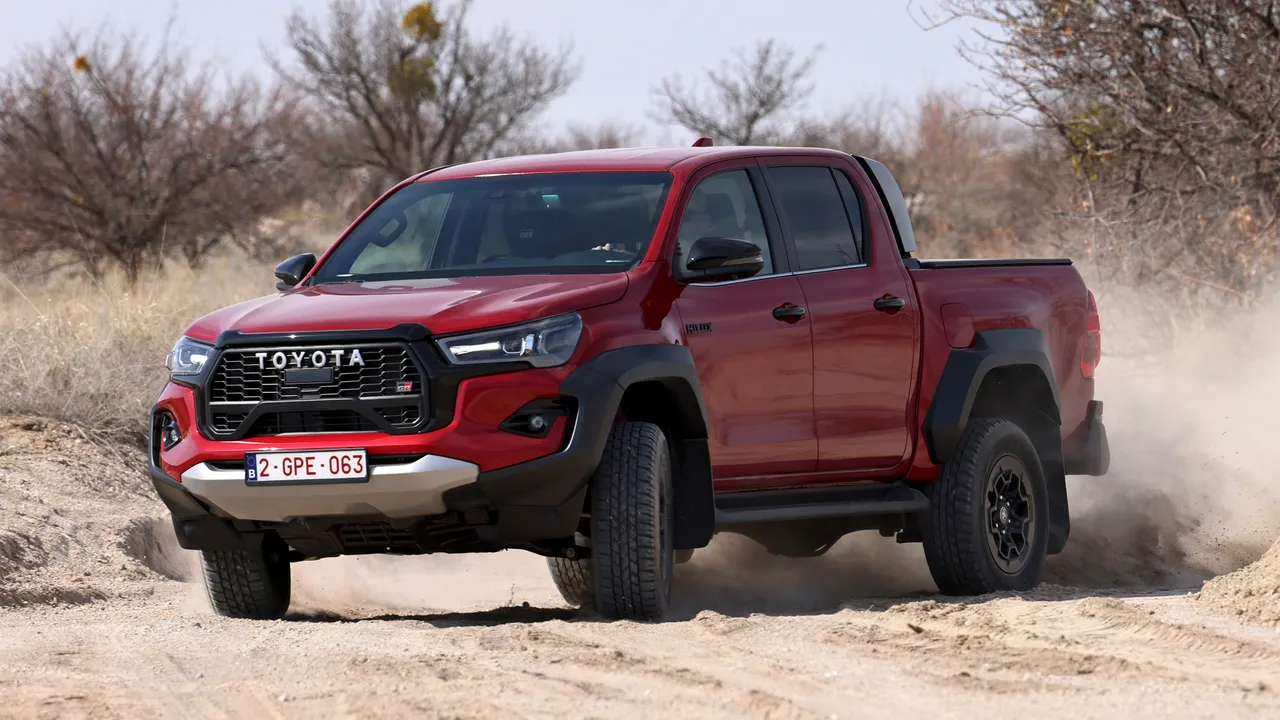
5. Toyota Hilux
The Hilux also stands out due to its global adaptability. It is sold and used across vastly different climates, from freezing temperatures to tropical humidity. This environmental versatility requires interior materials that can withstand thermal expansion, moisture, and continuous vibration.
In agricultural use, the Hilux often serves as a multi-purpose tool rather than just transportation. Workers frequently carry equipment, soil, and materials inside the cabin, which places additional stress on the flooring. Despite this, the carpet often remains functional for years without replacement.
Another contributing factor is the vehicle’s high tolerance for neglect. While proper maintenance extends its life significantly, the Hilux is known to continue functioning even under poor maintenance conditions. This resilience ensures that interior components are often the least of the owner’s concerns.
The truck’s mechanical layout also ensures that interior systems are rarely disturbed during repairs. Most servicing occurs in the engine bay or underneath the chassis, leaving the cabin untouched for long periods.
This combination of mechanical toughness and interior simplicity makes the Hilux one of the best examples of a vehicle where the cabin often outlives major drivetrain components.
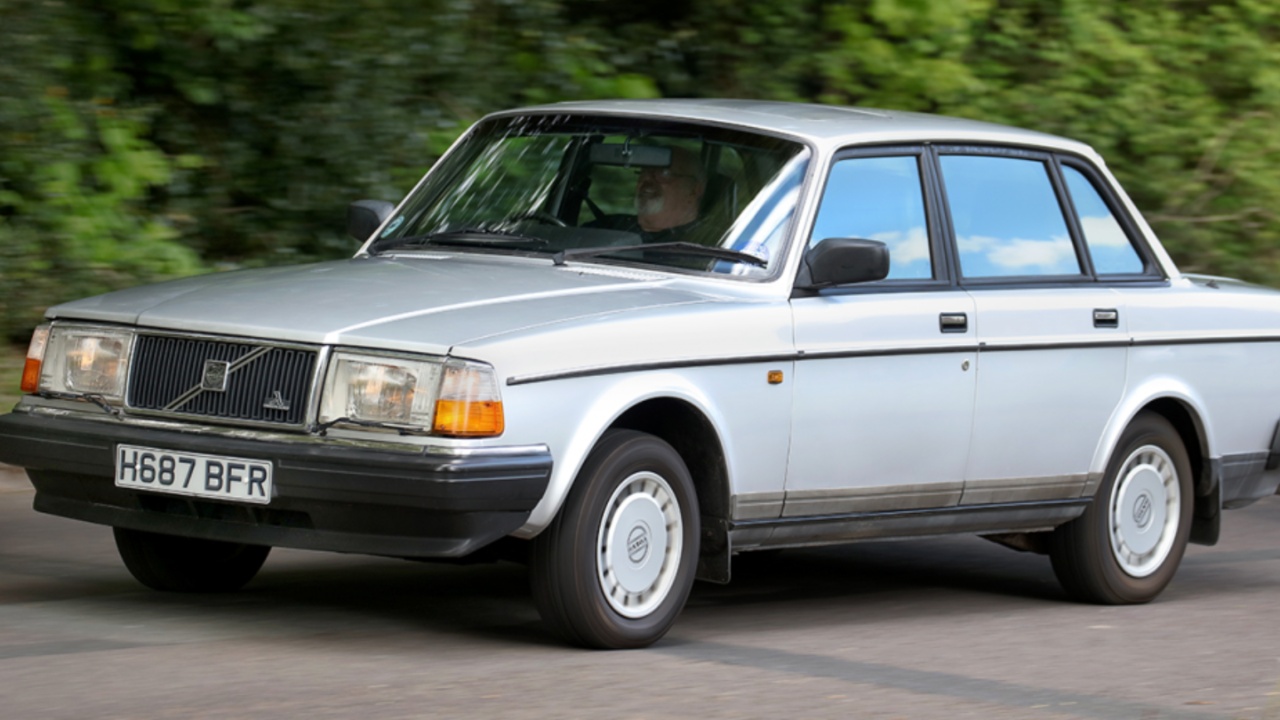
6. Volvo 240
The Volvo 240 is one of the most iconic examples of long lasting automotive engineering from Europe. Produced between the mid 1970s and early 1990s, it was designed during an era when Volvo prioritized durability, safety, and mechanical simplicity above all else. This philosophy resulted in a vehicle that has become legendary for its ability to survive decades of continuous use.
One of the most impressive aspects of the Volvo 240 is how well its interior materials age over time. The carpet, seat fabrics, and dashboard components were not designed to be luxurious in a fragile sense but to be functional for the long term. As a result, even high-mileage examples often retain their original flooring with surprisingly little degradation.
The flat and boxy interior design also plays a significant role in preserving structural integrity. Unlike modern cars with complex curves and layered interior architecture, the Volvo 240’s simple geometry reduces stress concentration points. This means that the carpet and underlying flooring are less likely to warp, tear, or separate over time.
Mechanically, the Volvo 240 is equally impressive. Its engines, particularly the inline four and inline six variants, are known for extreme longevity when properly maintained. In many real-world cases, these engines have been rebuilt or replaced while the rest of the vehicle, including the interior, remains untouched.
Another factor contributing to interior preservation is its widespread use as a family vehicle and taxi in Europe. These applications involved high mileage over long periods, but also consistent maintenance practices that prevented unnecessary interior replacement. Owners often prioritized mechanical upkeep over cosmetic changes, allowing original carpets to remain intact for decades.
The Volvo 240 stands as a symbol of Scandinavian engineering discipline, where functionality and durability take precedence over aesthetics. This is why it remains one of the most respected examples of a vehicle where the interior often outlives multiple mechanical lifespans.
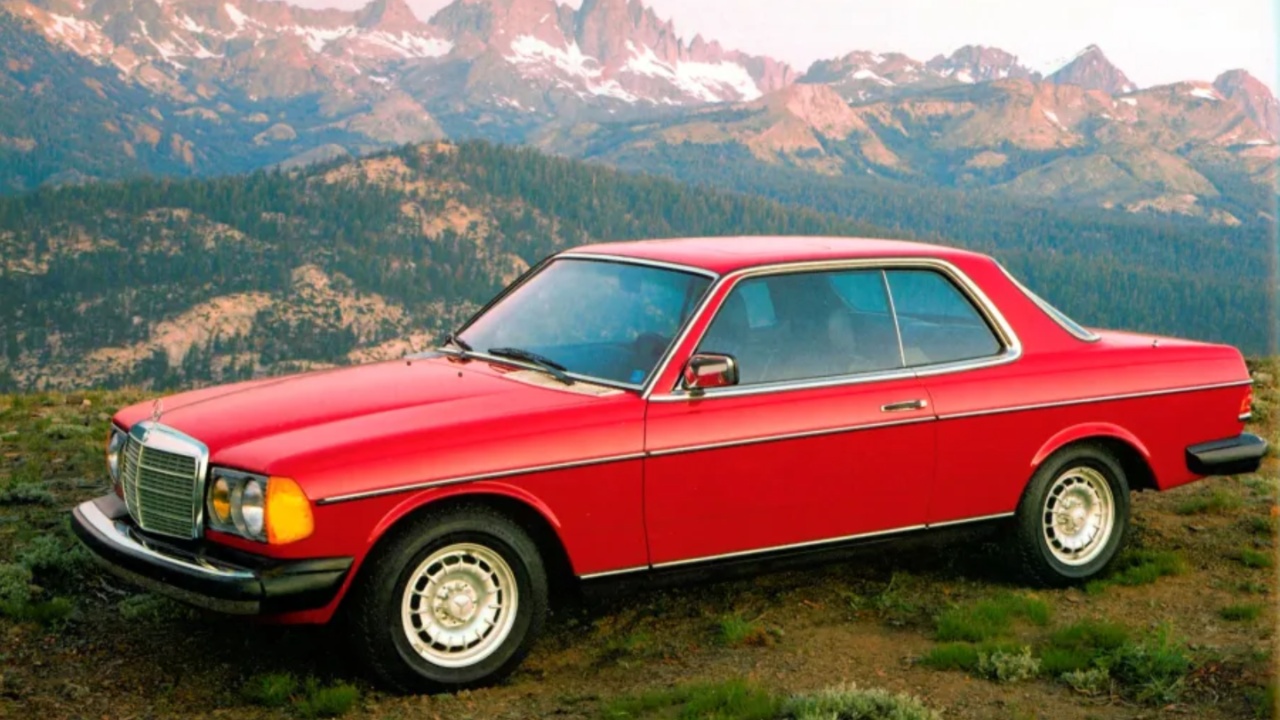
7. Mercedes-Benz W123
The Mercedes-Benz W123 is widely regarded as one of the most over-engineered vehicles ever produced. Built between the mid 1970s and mid 1980s, it was designed during a period when Mercedes-Benz focused heavily on long-term reliability and mechanical perfection.
One of the defining characteristics of the W123 is its exceptional interior build quality. The carpet, upholstery, and trim materials were engineered to withstand decades of continuous use without significant deterioration. Even today, many surviving examples still retain their original interior flooring, which is a testament to the quality of materials used.
The W123 was built with a philosophy that prioritized longevity over cost efficiency. Components were intentionally over-engineered, meaning they were designed to last far beyond typical usage expectations. This includes not only mechanical systems but also interior components that were often reinforced and designed for extended service life.
In terms of real-world usage, the W123 became extremely popular as a taxi in Europe, Africa, and the Middle East. These vehicles were subjected to extremely high mileage conditions, often exceeding hundreds of thousands of kilometers without major structural issues. During this time, engines were frequently rebuilt or replaced, but interior components were rarely changed unless absolutely necessary.
The cabin design of the W123 also contributed to its durability. The materials used in the flooring and insulation were selected for their resistance to wear, heat, and long-term compression. This ensured that even under heavy usage, the carpet maintained its structure and functionality.
Another important factor is the simplicity of the vehicle’s construction. With fewer electronic systems and minimal interior complexity compared to modern luxury cars, there are fewer points of failure. This makes it easier for the interior to remain intact even after extensive mechanical servicing.
The Mercedes-Benz W123 remains a benchmark in automotive durability, especially when considering how often its interior has survived multiple mechanical lifespans in real-world fleet operations.
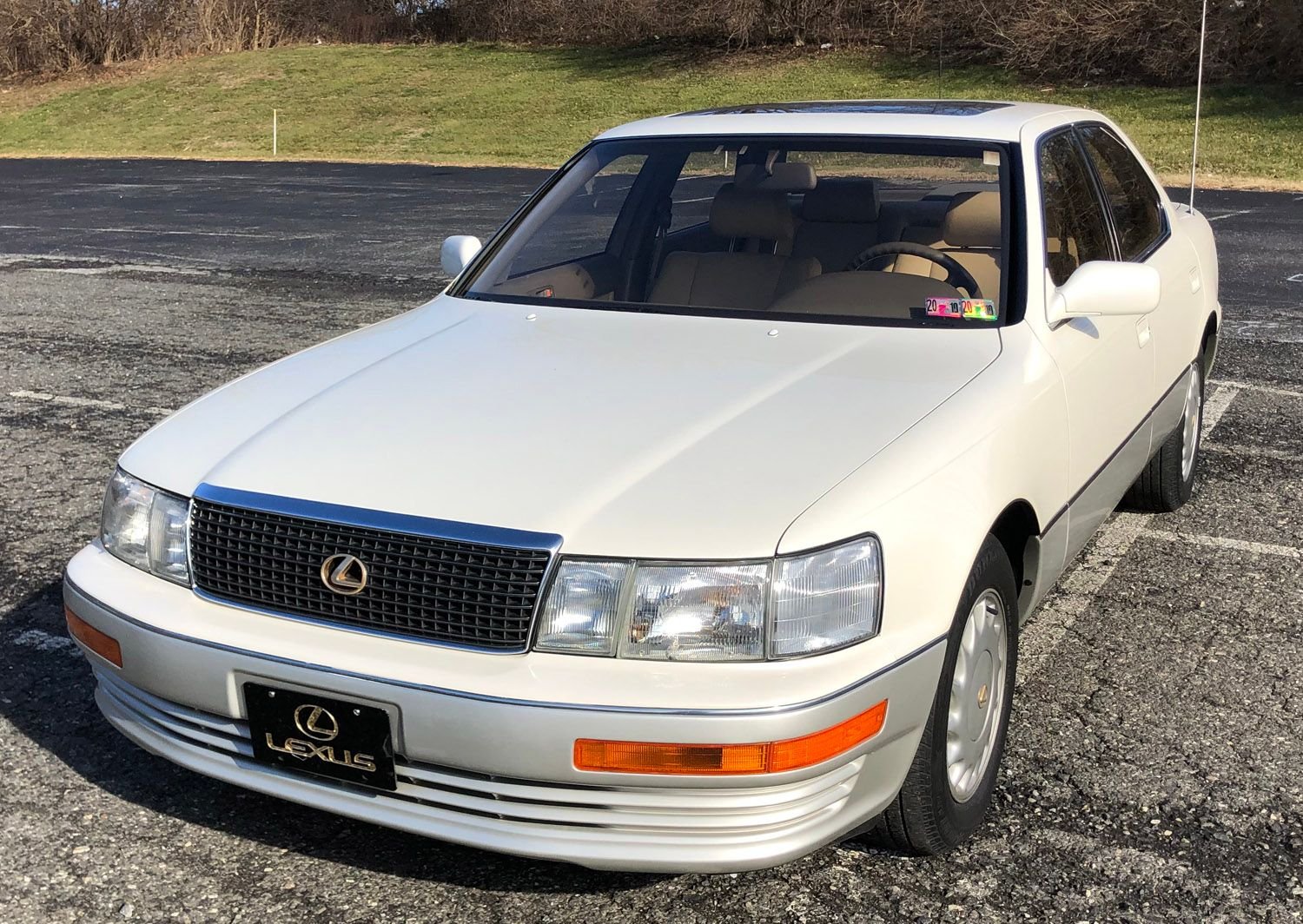
8. Lexus LS400
The Lexus LS400 represents a major milestone in automotive history as Toyota’s entry into the luxury sedan market. Introduced in the late 1980s, it was engineered to compete directly with established European luxury brands, and it succeeded by combining refinement with exceptional reliability.
One of the standout features of the LS400 is its interior durability. The cabin was designed with premium materials that age gracefully over time. The carpet, in particular, is known for retaining its structure and appearance even after decades of use.
The LS400’s engineering philosophy was centered around quiet operation, long-term reliability, and minimal maintenance requirements. This meant that interior components were designed not just for luxury but also for endurance. Materials were selected to resist fading, wear, and compression over extended periods.
Mechanically, the LS400 is powered by a highly reliable V8 engine that is known for its smoothness and longevity. While these engines can last extremely long with proper maintenance, there are cases where major repairs or replacements occur due to age and usage. Even in such cases, the interior often remains untouched, highlighting its durability.
Another important factor is the vehicle’s relatively simple electronic architecture compared to modern luxury cars. With fewer complex systems integrated into the cabin, there is less risk of interior degradation due to electrical or mechanical failure.
The LS400 also benefits from strong build quality in its chassis and insulation systems. This reduces vibration and road noise, which in turn minimizes wear on interior materials such as carpet and trim.
The Lexus LS400 demonstrates that luxury and durability can coexist, and it remains one of the best examples of a premium vehicle where the interior often outlasts major mechanical systems.
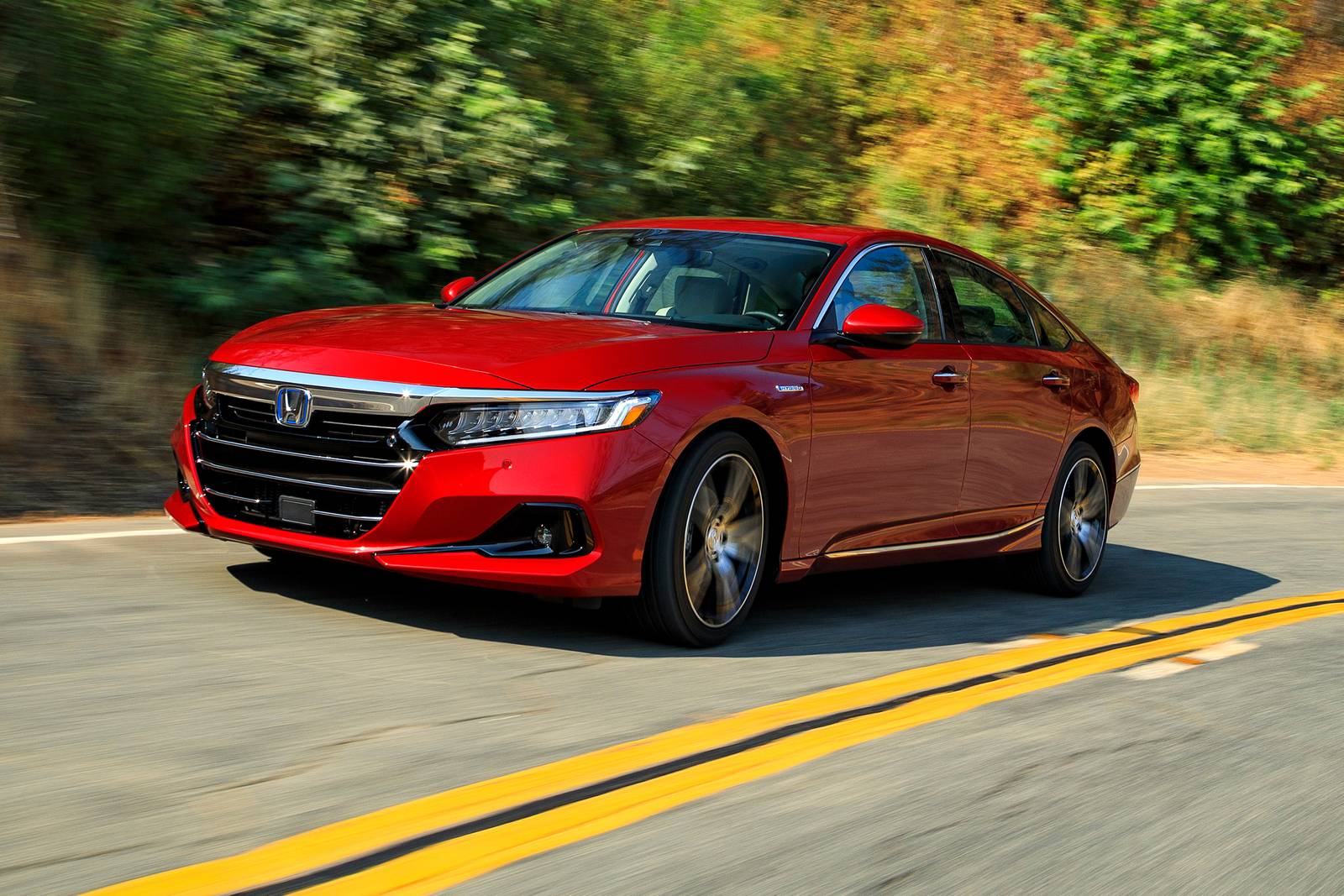
9. Honda Accord
The Honda Accord has long been one of the most trusted mid-size sedans in the world. Known for its balance of reliability, affordability, and practicality, it has served millions of drivers across multiple generations.
One of the key strengths of the Accord is its ability to withstand long-term daily use without significant interior degradation. The carpet and flooring materials are designed for constant entry and exit, making them highly suitable for commuting and family use.
In many high-mileage Accords, particularly those used as taxis or ride-sharing vehicles, engines may eventually require rebuilding or replacement after extensive use. However, the interior often remains in surprisingly good condition due to Honda’s focus on material durability and efficient design.
The interior layout of the Accord is simple and functional, which helps reduce long-term wear. There are fewer decorative layers or fragile materials compared to luxury vehicles, meaning less risk of peeling, cracking, or separation over time.
Honda’s engineering philosophy emphasizes efficiency and long-term reliability. This extends to interior design choices that prioritize durability over unnecessary complexity. As a result, even older Accords often retain their original carpet and flooring despite heavy usage.
Another factor contributing to its longevity is global popularity. The Accord is used in a wide range of environments, from urban commuting to long-distance travel. This versatility requires materials that can withstand varying levels of stress, temperature, and humidity.
The Honda Accord remains one of the most practical examples of a vehicle where interior durability often matches or exceeds mechanical longevity.
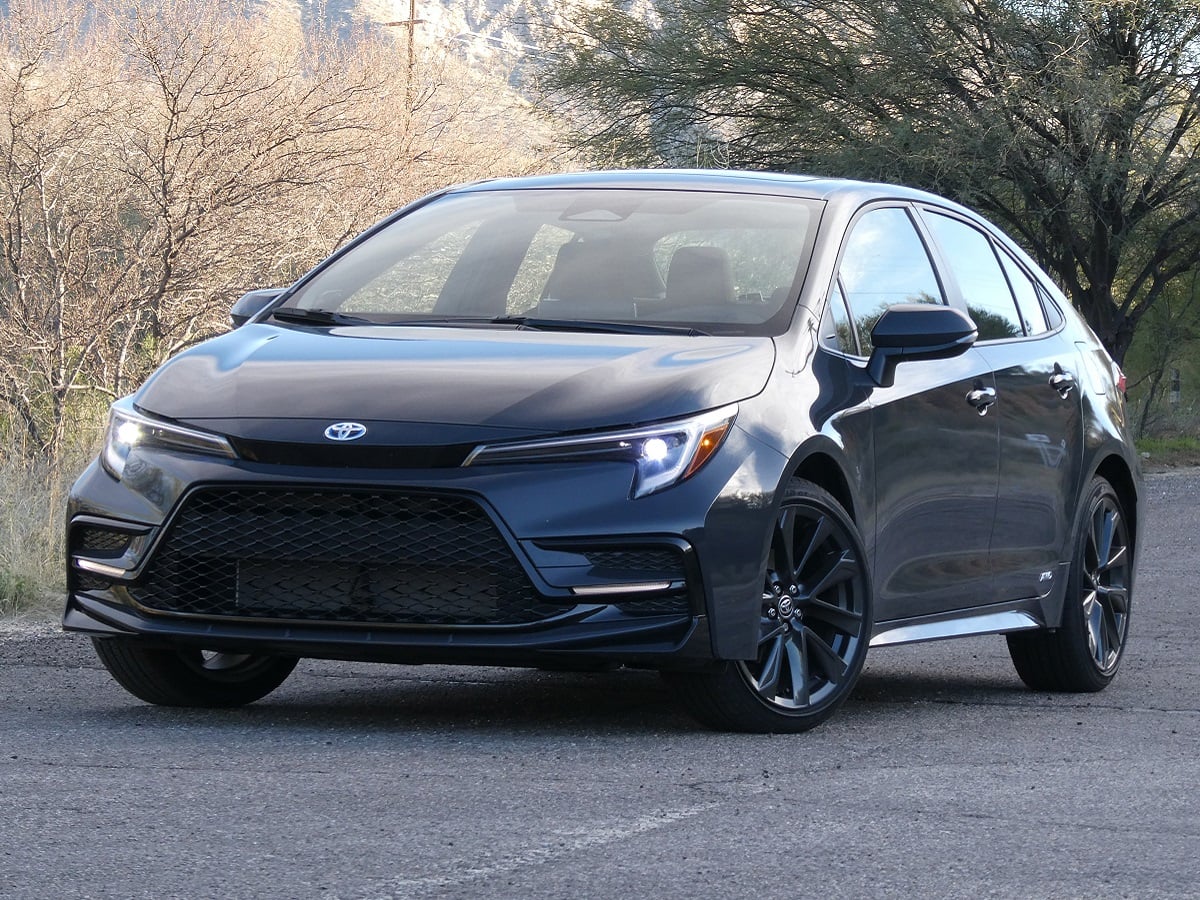
10. Toyota Corolla
The Toyota Corolla is one of the most successful and widely produced vehicles in automotive history. Its reputation is built on simplicity, reliability, and extremely low maintenance costs.
One of the Corolla’s strongest features is its ability to maintain interior integrity over long periods of use. The carpet and flooring are designed for practicality, allowing them to withstand daily commuting, family use, and even commercial applications such as taxis.
In many real-world cases, Corollas have exceeded extremely high mileage thresholds. While engines are often the first major components to require attention, the interior frequently remains original due to its minimal wear design and durable materials.
The Corolla’s interior philosophy is based on function rather than luxury. This means that materials are selected for their ability to last rather than their visual complexity. As a result, the flooring system remains stable and resistant to long-term damage.
Another contributing factor is Toyota’s consistent engineering approach. Across generations, the Corolla has maintained a focus on durability, ensuring that even older models benefit from strong structural integrity.
Fleet usage further demonstrates its longevity. In taxi services around the world, Corollas are often kept in operation for years beyond typical ownership cycles, with interiors remaining surprisingly intact even after mechanical replacements.
The Toyota Corolla stands as a global symbol of practical engineering, where interior durability plays a major role in its legendary reputation.
