
When you ask what Toyota mechanics actually drive in their personal lives, you’re really asking a deeper question about trust. Mechanics see cars at their worst. They deal with breakdowns, worn-out engines, neglected maintenance, and expensive design flaws every single day.
So when they choose a vehicle for themselves, they are not influenced by marketing hype, flashy interiors, or brand prestige. Their decisions are shaped by experience, pattern recognition, and long-term reliability. This makes their choices incredibly valuable for anyone trying to understand which vehicles truly hold up over time.
Toyota mechanics in particular have a unique perspective because they specialize in one of the most reliability-focused automakers in the world. Over years of working on hundreds or even thousands of vehicles, they begin to notice trends.
Certain models come in frequently with recurring problems, while others seem to run almost indefinitely with minimal issues. These patterns heavily influence what they choose to drive after work hours. It is not about luxury or performance for them. It is about dependability, low maintenance costs, and peace of mind.
Across interviews, reports, and mechanic discussions, a consistent theme emerges. Many mechanics choose simple, proven Toyota models with long track records. Vehicles like the Corolla, Camry, Prius, and RAV4 are repeatedly mentioned as personal favorites. The reasoning is straightforward. These cars are known for lasting hundreds of thousands of miles with basic maintenance, and they are easy and affordable to repair when something does go wrong.
Another interesting factor is that mechanics often prefer vehicles that require the least amount of attention. After spending all day fixing other people’s cars, the last thing they want is to come home and work on their own. This is why reliability is not just a preference; it is a priority. Toyota, as a brand, consistently ranks highly among mechanics for its straightforward engineering, durable components, and low failure rates.
This article explores what Toyota mechanics actually drive when they are off the clock, why they make those choices, and what it reveals about the best Toyota models for everyday use. By understanding their perspective, you gain insight into which vehicles are truly built to last and which ones are worth your money in the long run.
Also Read: 10 Cars With Insurance Premiums Lower Than a Compact Sedan
Mechanics Choose Reliability Over Everything
The most important factor influencing what Toyota mechanics drive is reliability. This might sound obvious, but it goes deeper than simply wanting a car that does not break down. Mechanics have firsthand experience with failure patterns.
They know which engines develop problems at 100,000 miles, which transmissions wear out early, and which electrical systems become nightmares over time. This knowledge shapes their buying decisions in a way that most consumers simply cannot replicate.
Reliability also translates into predictability. Mechanics value cars that behave consistently over long periods. A vehicle that starts every morning, runs smoothly, and does not develop unexpected issues is far more valuable to them than one packed with advanced features.
This is one reason why models like the Toyota Corolla are so commonly chosen. They are engineered conservatively, prioritizing durability over innovation, which results in fewer surprises.
Another reason reliability matters so much is time. Mechanics already spend long hours working on vehicles. The last thing they want is to spend their personal time diagnosing and fixing their own car. A reliable vehicle reduces this burden significantly. It allows them to focus on their personal lives instead of dealing with mechanical problems outside of work.
Cost is also closely tied to reliability. A dependable car requires fewer repairs, which means lower long-term ownership costs. Even when repairs are needed, Toyota vehicles are generally easier and cheaper to fix due to widely available parts and a straightforward design. This makes them especially appealing to mechanics, who understand the true cost of ownership better than most people.
Finally, reliability provides peace of mind. Mechanics know exactly how inconvenient and expensive car problems can be. By choosing a vehicle with a proven track record, they minimize risk and ensure that their daily transportation remains dependable. This is why reliability is not just one factor among many; it is the foundation of their decision-making process.
The Most Common Toyota Models Mechanics Drive
When you look at the specific Toyota models mechanics tend to drive, a clear pattern emerges. They consistently favor vehicles that have been proven over time rather than newer or more complex models. Among these, a few names stand out repeatedly.
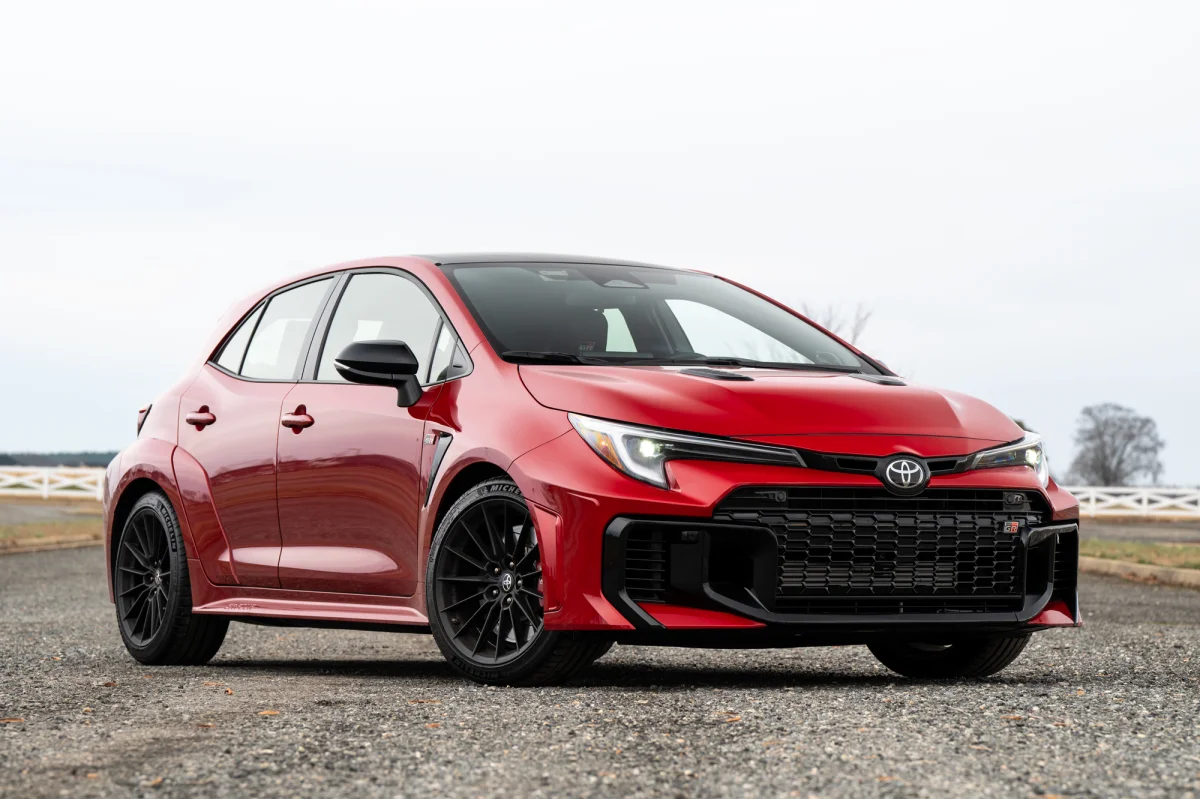
The Toyota Corolla is perhaps the most frequently mentioned choice. It is widely regarded as one of the most reliable cars ever built, with many examples exceeding 200,000 miles with minimal issues. Mechanics appreciate its simple design, durable engine, and low maintenance requirements. It is not flashy, but it is dependable, which is exactly what they want.
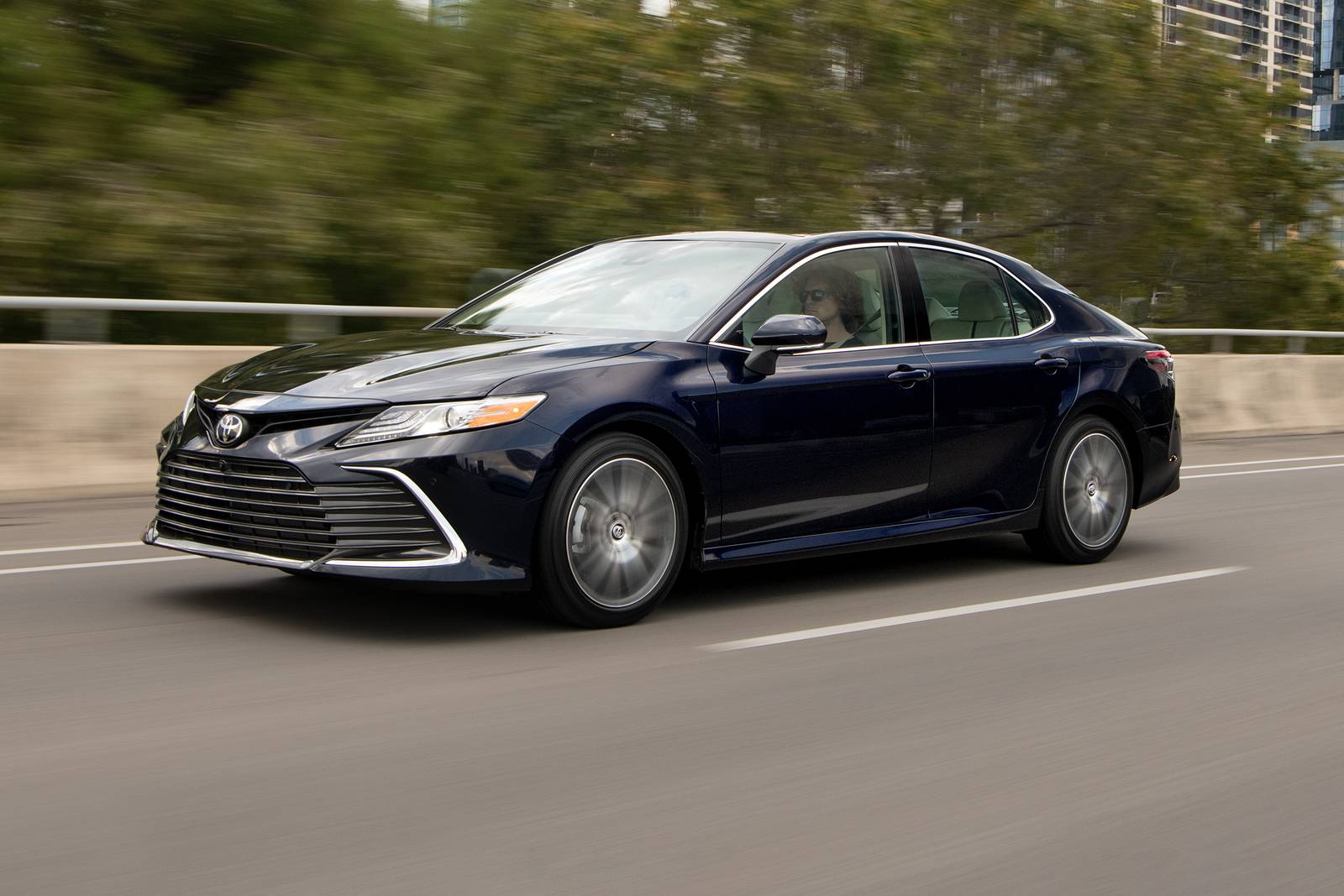
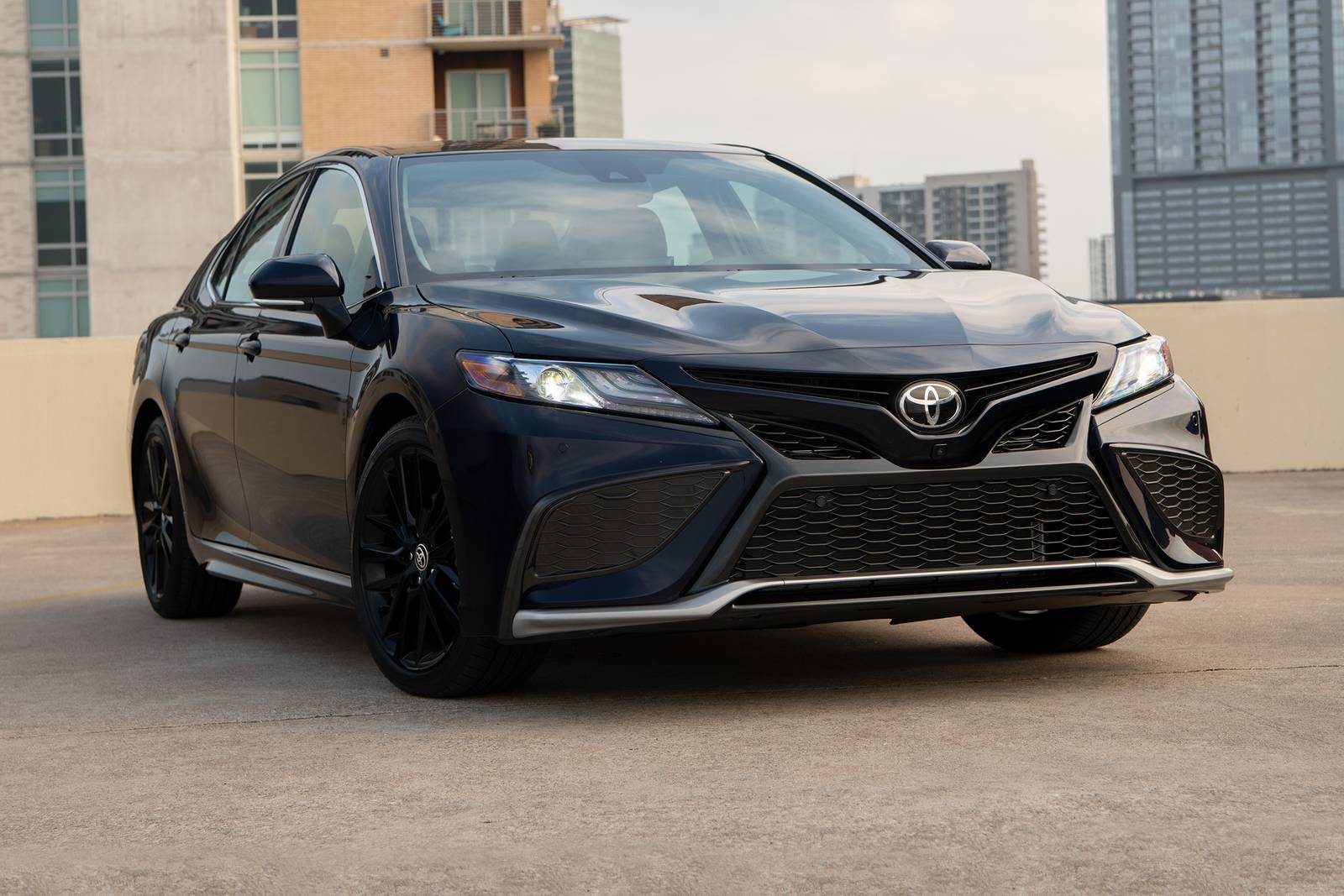
Another popular option is the Toyota Camry. Known for its smooth ride and long-term durability, the Camry offers a slightly larger and more comfortable alternative to the Corolla while maintaining similar reliability. Mechanics often recommend it because it rarely requires major repairs and has a strong track record of longevity.
The Toyota Prius is also a favorite among mechanics, especially those who value fuel efficiency. Despite being a hybrid, it has proven to be extremely reliable over the years. Its low maintenance costs and excellent fuel economy make it a practical choice for daily driving.
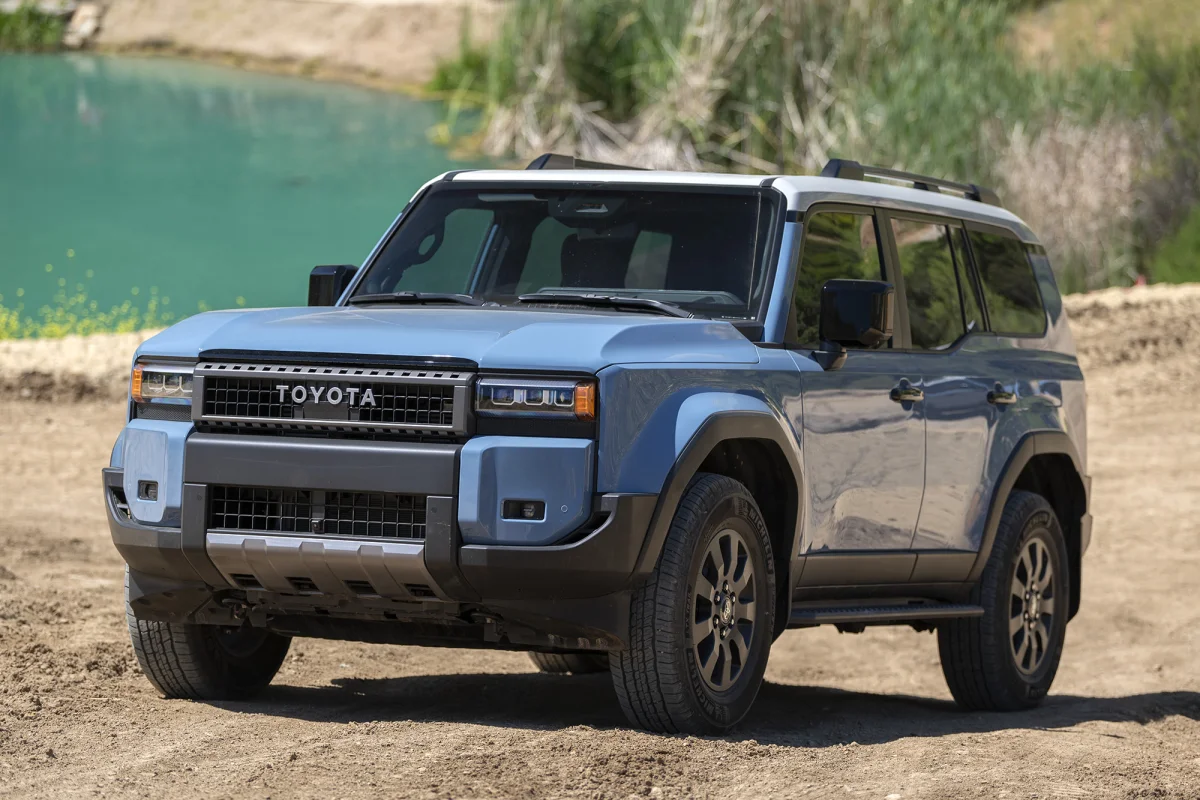
For those who need more space or capability, the Toyota RAV4 and Toyota 4Runner are common picks. The RAV4 is appreciated for its balance of reliability, safety, and practicality, while the 4Runner is known for its rugged construction and off-road capability. These vehicles offer versatility without sacrificing the dependability that mechanics prioritize.
What all these models have in common is a focus on durability, simplicity, and long-term value. They are not necessarily the most exciting vehicles on the market, but they are among the most trustworthy, which is why mechanics choose them.
Simplicity Matters More Than Advanced Features
One of the biggest differences between how mechanics choose cars and how the average consumer chooses cars is their attitude toward technology. While many buyers are drawn to advanced features, large touchscreens, and complex driver assistance systems, mechanics often prefer simpler vehicles.
The reason is straightforward. More complexity means more potential points of failure. Modern vehicles are packed with electronic systems that can be expensive and difficult to diagnose when something goes wrong. Mechanics deal with these issues daily, so they are fully aware of the downsides.
Toyota has built its reputation on maintaining a balance between innovation and simplicity. Many of its most reliable models use proven technology rather than constantly introducing new and untested systems. This approach reduces the likelihood of unexpected problems and makes repairs easier when they are needed.
Simplicity also makes maintenance more straightforward. Vehicles with easy access to components and logical design are quicker and cheaper to service. This is another reason why models like the Corolla and Camry are so popular among mechanics. Their layouts are familiar, their parts are widely available, and their systems are easy to understand.
There is also a long-term perspective at play. Advanced features may be appealing when a car is new, but they can become liabilities as the vehicle ages. Expensive repairs and outdated technology can reduce the overall value of the car. By choosing simpler models, mechanics avoid these issues and ensure that their vehicles remain practical and affordable over time.
In short, while modern technology has its benefits, mechanics tend to prioritize durability and ease of maintenance over cutting-edge features. This preference plays a significant role in shaping what they drive.
Also Read: 10 Cars That Survive Being Used as Daily Uber Vehicles
What This Means for Everyday Car Buyers
Understanding what Toyota mechanics drive can provide valuable insights for everyday car buyers. These professionals have no incentive to follow trends or marketing campaigns. Their choices are based purely on experience and practicality, which makes them a reliable source of advice.
One of the key takeaways is the importance of long-term thinking. Instead of focusing on initial purchase price or features, mechanics consider the total cost of ownership. This includes maintenance, repairs, fuel efficiency, and resale value. Vehicles like the Corolla, Camry, and Prius consistently perform well in all these areas, which is why they are so highly regarded.
Another lesson is the value of proven designs. New models and technologies can be appealing, but they often come with unknown risks. Mechanics tend to stick with vehicles that have established track records, reducing the likelihood of unexpected problems. This approach can save buyers a significant amount of money and stress over time.
It is also worth noting that reliability is not just about avoiding breakdowns. It is about consistency and peace of mind. A reliable car allows you to focus on your daily life without worrying about unexpected issues. This is something mechanics understand deeply, and it heavily influences their choices.
Finally, the fact that many mechanics choose Toyota vehicles themselves speaks volumes about the brand’s reputation. Toyota’s emphasis on durability, simplicity, and quality has earned the trust of professionals who work with cars every day.
For buyers, this means that choosing a vehicle with a strong reputation among mechanics is often a smart decision. It may not always be the most exciting option, but it is likely to be one of the most dependable.
