
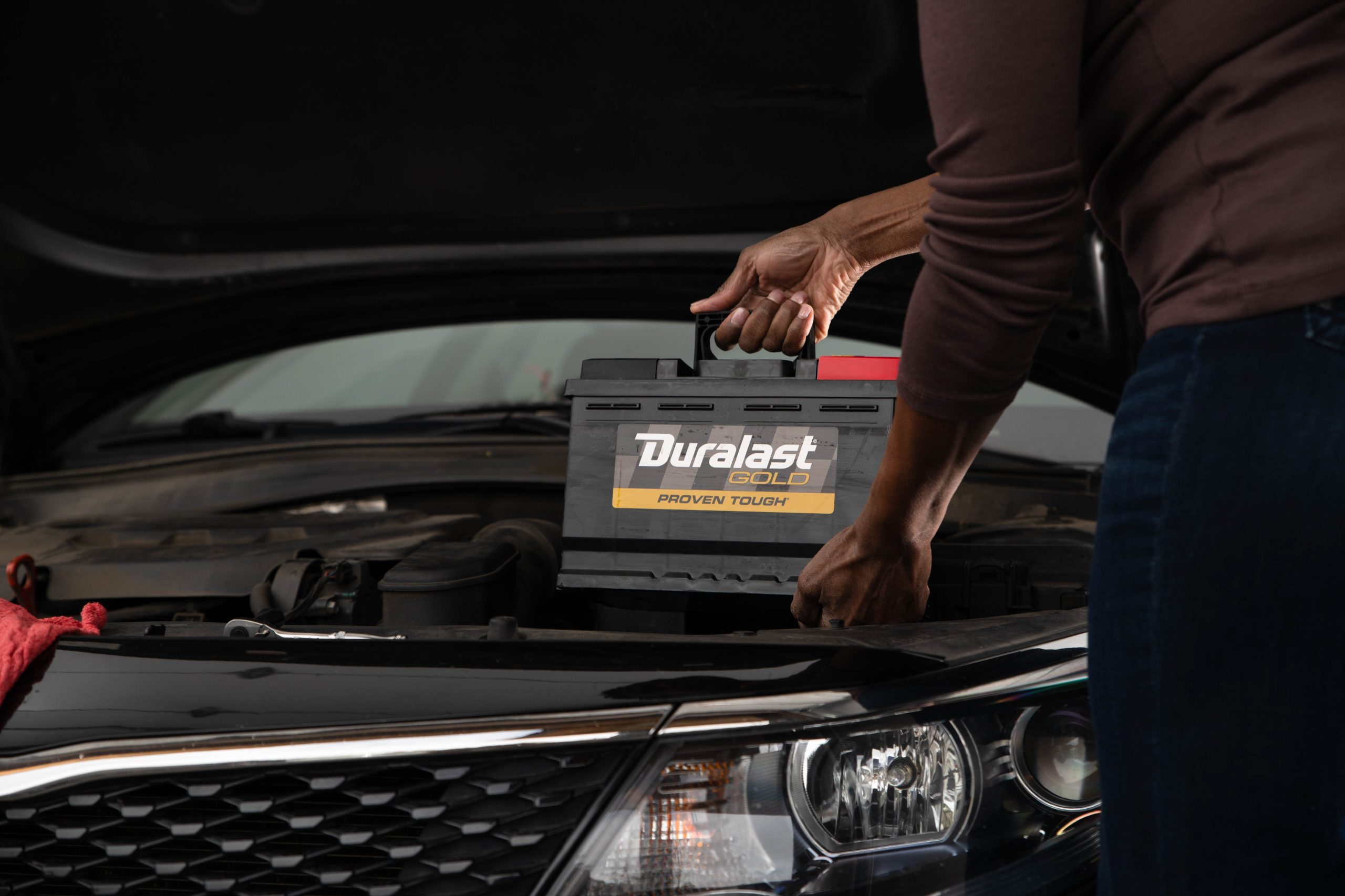
Curiosity around hybrid ownership has changed tone as 2026 arrives. Earlier conversations centered on fuel savings and quiet driving. Recent questions focus on long-term ownership math, especially the moment when a hybrid battery reaches the end of its service life.
For shoppers considering a used hybrid or owners planning to keep one for years, replacement cost sits high on the list of concerns. Sticker prices found online often spark anxiety, yet those figures rarely tell the full story. Labor rates vary widely. Battery chemistry continues to improve.
Warranty coverage still applies to many vehicles on the road. Reconditioning and remanufacturing options now play a larger role than in past years. All these factors shape what drivers actually pay rather than what headline numbers suggest.
Hybrid batteries no longer represent a mysterious expense reserved for dealerships alone. Independent shops, specialized rebuilders, and regional installers now compete in this space. Access to accurate information matters more than fear-driven estimates. Knowing how specific models behave over time helps owners budget with clarity rather than guesswork.
This guide breaks down real replacement-cost behavior across 10 hybrid vehicles using up-to-date data from 2026. Each section focuses on a single model, explaining price ranges, failure patterns, warranty realities, and ownership expectations. Instead of alarmist claims, attention stays on what drivers can reasonably expect when the battery question becomes unavoidable.
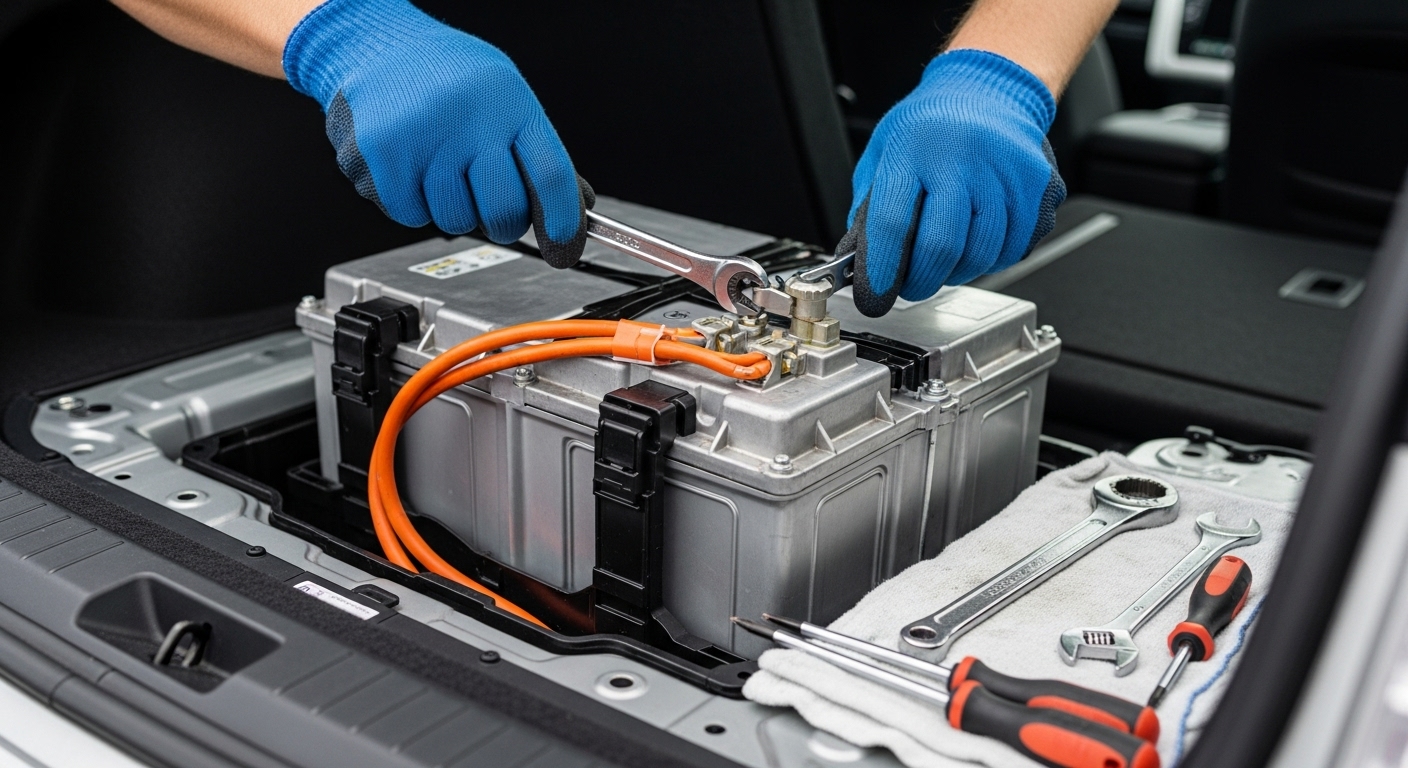
1. Toyota Prius 2018 Hybrid
Longevity defines the Toyota Prius more than any marketing promise. Owners frequently cross high mileage thresholds before battery performance raises concern. That reputation continues into 2026, shaping replacement pricing uniquely. Demand for Prius batteries stays high, yet failure rates remain low, creating a stable aftermarket rather than a volatile one.
Battery replacement costs for the 2018 Toyota Prius typically fall between two thousand and three thousand dollars when choosing a remanufactured unit installed by an independent shop. New factory batteries still command higher pricing, often landing closer to four thousand dollars with labor included. These figures surprise drivers expecting larger bills based on early hybrid myths.
Warranty coverage reduces stress for many owners. Toyota originally offered extended hybrid battery coverage in several regions, and many 2018 models remain protected depending on service history and registration location. That coverage moves financial responsibility away from owners who maintain documentation and meet eligibility rules.
Reconditioning options add flexibility. Specialized hybrid shops now replace individual battery modules rather than the full pack. That approach lowers upfront cost, sometimes dipping below two thousand dollars. Longevity varies based on module matching quality, yet many drivers report multiple additional years of service.
Labor accessibility also influences pricing. Prius familiarity among technicians shortens installation time. Reduced labor hours keep invoices predictable. This model benefits from a mature ecosystem where parts availability, technician skill, and resale demand align smoothly.
Ownership planning becomes easier with this model. Drivers choosing a Prius face fewer surprises, predictable pricing, and multiple repair paths rather than a single expensive solution.
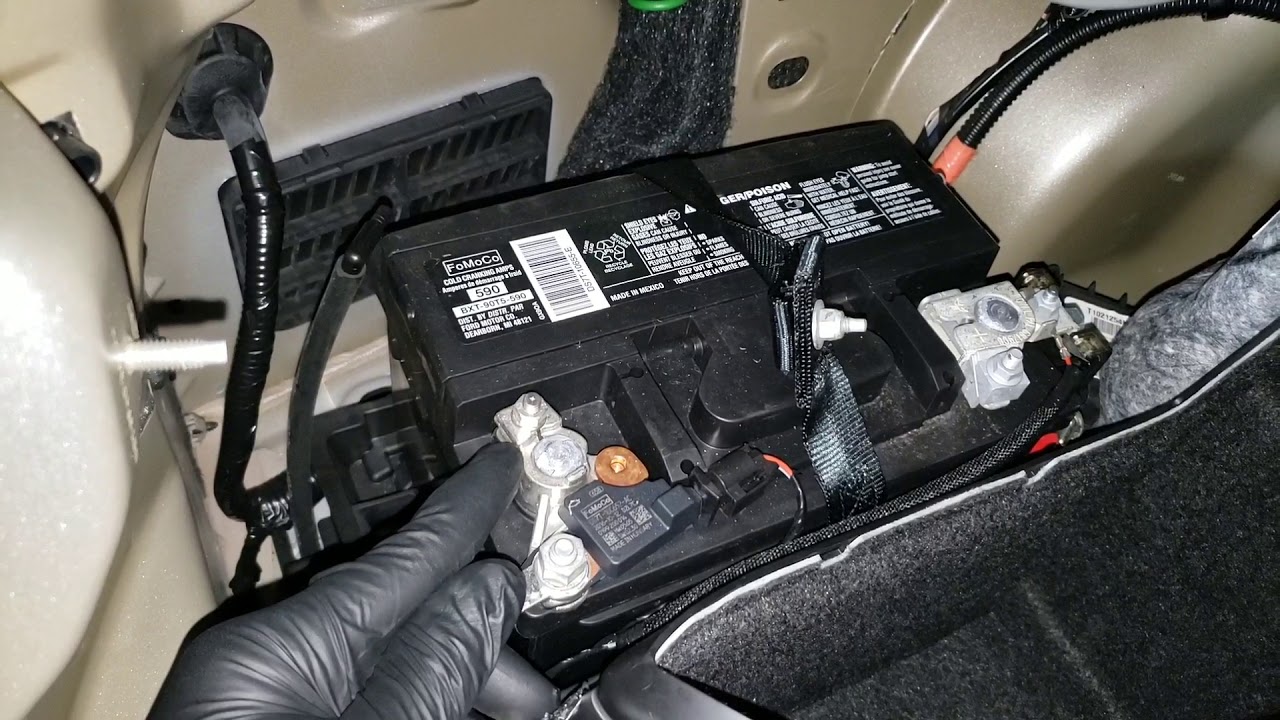
2. Ford Fusion Hybrid 2019
Different design priorities shape the Ford Fusion Hybrid experience. This sedan balances performance and efficiency, yet battery replacement follows a different pricing curve than long-standing hybrid icons. In 2026, replacement cost expectations sit slightly higher than compact hybrids but remain manageable.
Owners replacing a battery in a 2019 Ford Fusion Hybrid often encounter quotes ranging from three thousand to four thousand five hundred dollars for a new unit installed at a dealership. Independent shops using remanufactured packs can lower that figure closer to twenty five hundred dollars, depending on regional labor rates.
Battery pack design affects labor time. Placement within the trunk area simplifies access compared to under-floor layouts found in some competitors. Shorter installation time reduces labor charges and improves turnaround speed. That advantage offsets slightly higher part costs.
Warranty considerations still matter. Many Fusion Hybrid models carried an eight-year battery coverage at launch. Vehicles approaching that threshold in 2026 require careful record review. Owners who qualify avoid replacement costs entirely, making documentation a valuable asset.
Driving patterns influence longevity more than mileage alone. Consistent highway use tends to preserve battery health longer than frequent short trips. That behavior pattern explains why some Fusion Hybrid batteries exceed expectations while others require earlier attention.
Resale value responds favorably to documented battery replacement. Buyers show confidence when presented with invoices and warranty paperwork. This transparency helps owners recover part of their investment when selling or trading.
Also Read: 8 Tips for Negotiating the Lowest Interest Rate on a Car Loan in 2026
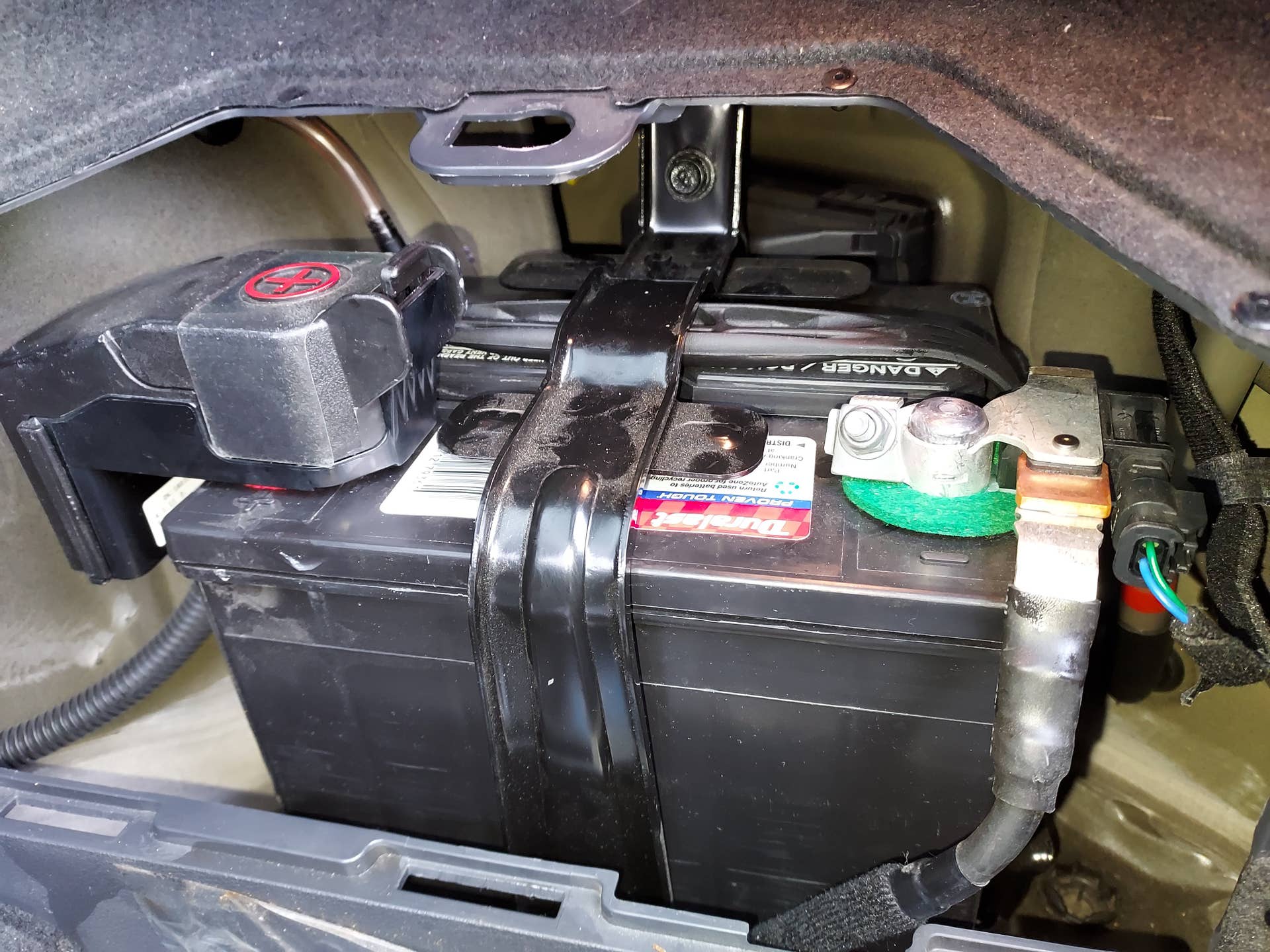
3. Hyundai Ioniq Hybrid 2020
Efficiency-driven engineering defines the Hyundai Ioniq Hybrid, and this guiding principle extends directly to how its hybrid battery system was designed. Battery capacity, chemical composition, and cooling architecture were selected with restraint, prioritising durability and controlled performance rather than excess output.
These engineering choices strongly influence replacement costs in 2026, positioning this model within a balanced and predictable cost bracket for long-term ownership. For a 2020 Hyundai Ioniq Hybrid, battery replacement pricing in 2026 commonly falls between two thousand eight hundred dollars and four thousand dollars. Pricing variation depends largely on the source of the replacement unit.
Manufacturer-supplied batteries tend to sit near the upper range, reflecting factory certification and warranty alignment. Reconditioned battery packs, offered by experienced hybrid specialists, frequently reduce costs while still meeting reliability expectations when sourced responsibly.
Warranty coverage remains a defining advantage. Hyundai introduced extended hybrid battery protection for this model year, and many vehicles remain covered provided ownership history and service compliance meet stated conditions. Importantly, this coverage often transfers to secondary owners, improving confidence within the used vehicle market. Buyers entering ownership after the first cycle benefit from reduced exposure to sudden battery expenses.
Cooling efficiency plays a critical role in extending service life. The Ioniq Hybrid uses an active air cooling strategy that regulates internal battery temperature during daily operation. By limiting heat accumulation, cell degradation progresses at a slower pace.
This design decision delays the point at which replacement becomes necessary, lowering cumulative ownership cost for drivers who follow recommended usage practices. Parts availability continues to improve steadily. Global adoption of the Ioniq Hybrid has increased the circulation of compatible components.
Independent installers now maintain access to certified replacement packs, shortening repair timelines and preventing supply-driven price inflation. Increased competition among suppliers supports cost control for owners planning extended retention.
Diagnostic transparency benefits financial planning. Battery health data can be assessed well before performance decline becomes disruptive. Early identification of capacity reduction allows owners to plan repairs strategically rather than react under pressure. Budgeting becomes structured instead of reactive, a quality valued by financially conscious drivers.
This model suits buyers seeking efficiency without uncertainty. Repair options remain flexible, warranty coverage offers reassurance, and replacement pricing remains grounded. These characteristics allow owners to approach long-term ownership with clarity rather than concern.
4. Honda Accord Hybrid 2021
Sedan buyers drawn to the Honda Accord Hybrid often prioritise refinement, predictable ownership, and mechanical dependability. Battery replacement costs in 2026 reflect those expectations, presenting a clearer financial picture than what early hybrid adopters once encountered.
Honda’s measured approach to electrification supports confidence rather than apprehension. Replacing the hybrid battery in a 2021 Honda Accord Hybrid typically costs between three thousand dollars and four thousand five hundred dollars when manufacturer components are selected.
Independent replacement alternatives exist and may reduce expenditure by several hundred dollars, depending on market availability and installer expertise. Pricing consistency stems from controlled battery sizing and standardised component architecture.
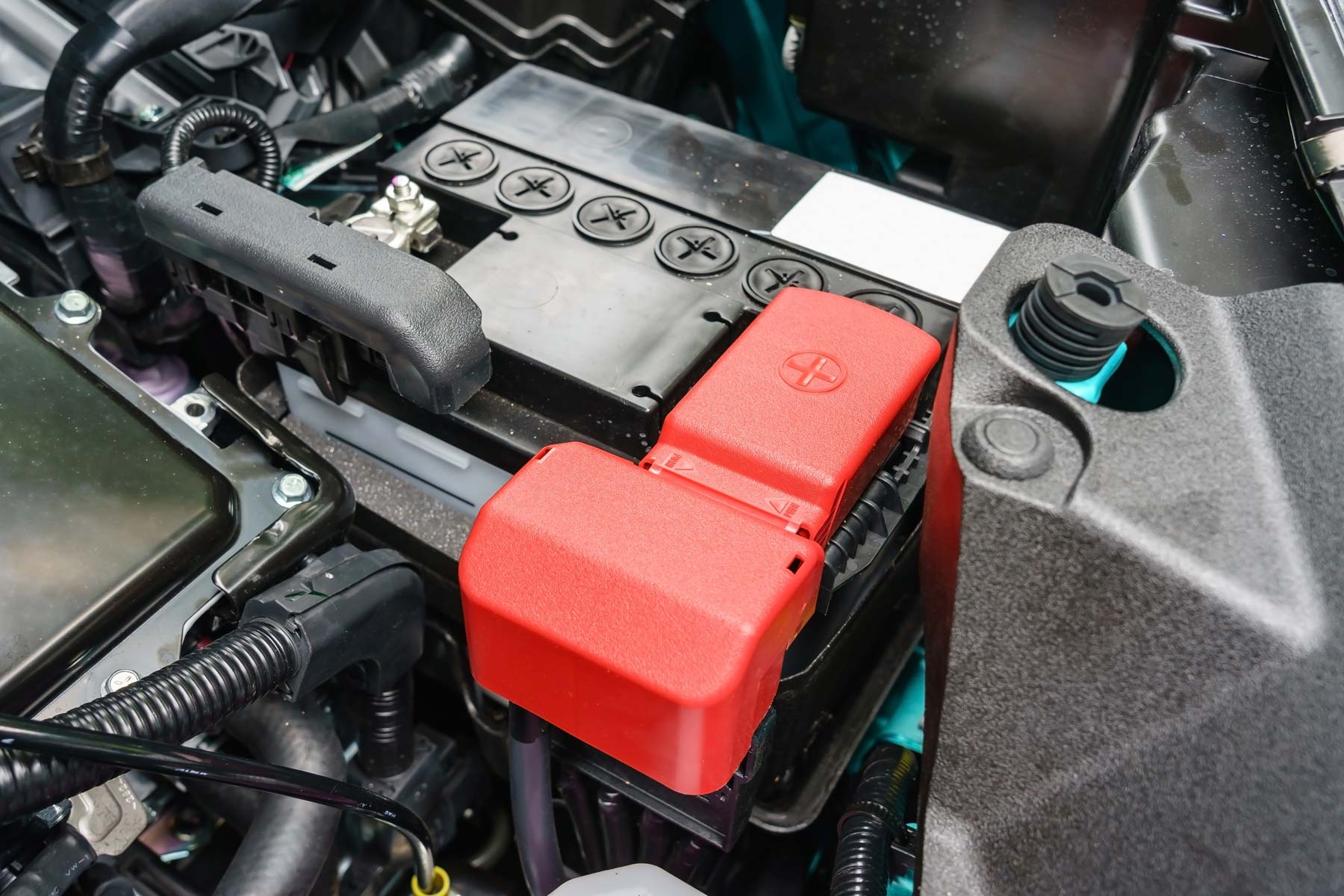
Battery placement beneath the rear seating area affects labour requirements. Access involves partial interior disassembly, which extends installation time compared to hatchback hybrids with external access points. Labour cost, therefore, contributes meaningfully to final pricing, though procedures remain routine for technicians familiar with Honda hybrid systems.
Warranty protection continues to shield many owners. Hybrid battery coverage remains active for most 2021 models, provided scheduled servicing standards have been maintained. Claims processing tends to proceed smoothly when records remain complete and accurate. This protection limits financial exposure during early ownership years.
Driving behaviour influences battery lifespan. Smooth throttle application, consistent cruising patterns, and moderate urban usage reduce cell strain. Reports of accelerated degradation often correlate with aggressive stop-and-go routines or repeated high-load demand. Owners who adopt measured driving habits generally experience extended battery performance.
Resale implications remain favourable. Prospective buyers view documented battery condition as reassurance rather than liability. Clear service records and health diagnostics support strong transaction confidence. Accord Hybrid models continue to retain value when battery status appears transparent and supported by credible documentation.
Ownership appeal rests in balance. Replacement pricing stays within an anticipated range, repair pathways remain established, and service infrastructure remains widespread. These attributes allow owners to enjoy hybrid benefits without uncertainty surrounding long-term battery obligations.
5. Kia Niro Hybrid 2020
Compact crossover hybrids continue gaining traction among buyers seeking efficiency paired with versatility, and the Kia Niro Hybrid occupies a prominent position within this category. Battery replacement pricing in 2026 reflects this balanced design philosophy, delivering clarity rather than unpredictability for owners considering extended use.
For the 2020 Kia Niro Hybrid, battery replacement costs generally range from two thousand seven hundred dollars to four thousand dollars. Manufacturer-supplied batteries command higher pricing, while reconditioned units installed by qualified specialists offer lower entry points without compromising operational integrity when sourced correctly.
Warranty coverage aligns closely with Hyundai’s structure due to shared engineering foundations. Many Niro Hybrid vehicles remain protected under extended hybrid battery terms. This coverage often extends beyond initial ownership, easing concern for used vehicle buyers evaluating long-term expenses.
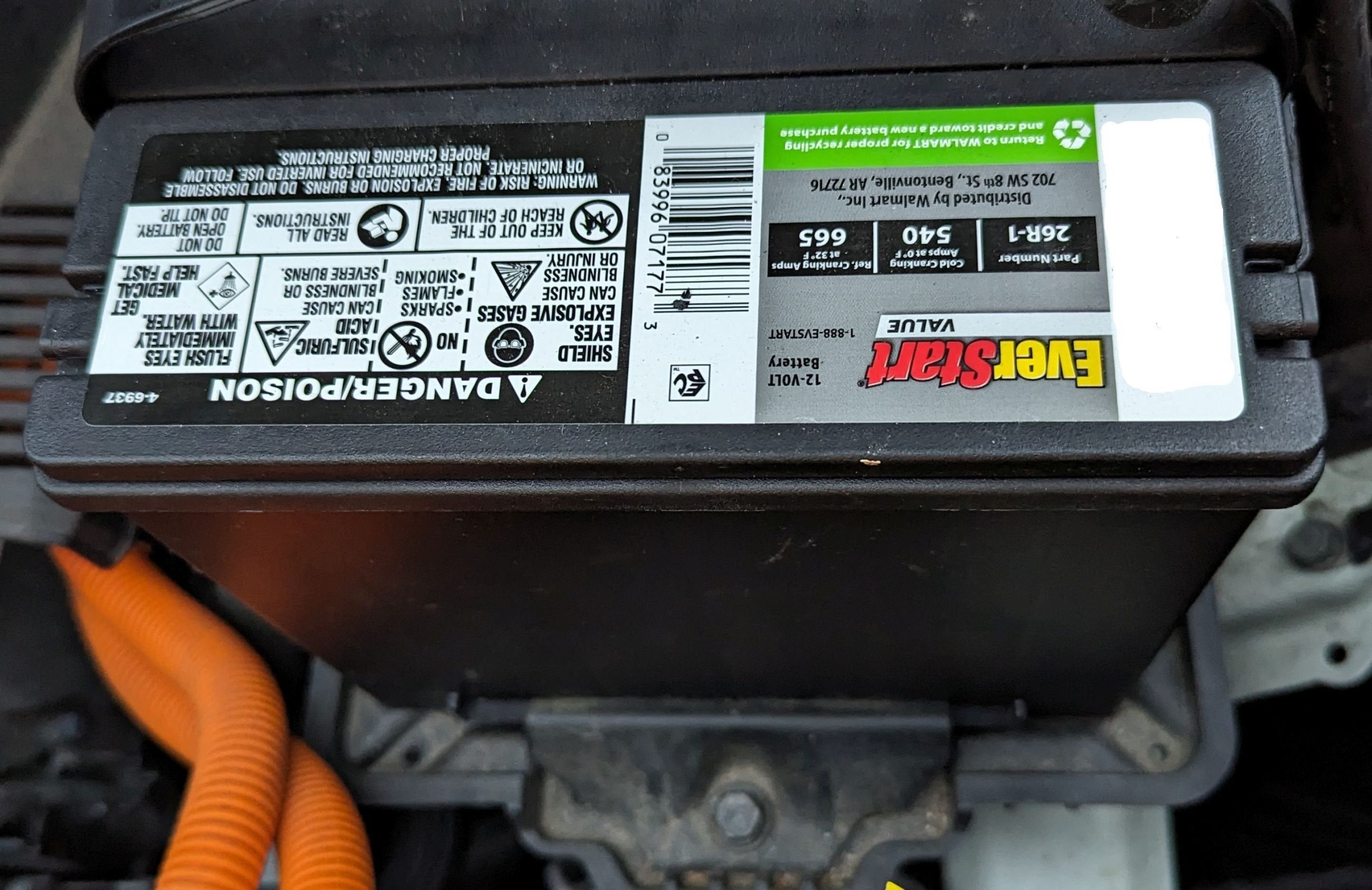
Battery pack placement beneath the rear seat enhances weight distribution and structural safety. Installation complication remains moderate, allowing technicians to complete replacement without excessive disassembly. Labour hours remain controlled, preventing unnecessary cost escalation.
Aftermarket participation continues expanding. Rising sales volume supports broader supplier involvement, increasing component availability. Competitive pressure among providers stabilises pricing rather than encouraging upward movement. Owners benefit from improved access and reduced delays during repair scheduling.
Usage patterns influence longevity. Consistent charging habits, moderate acceleration, and routine servicing preserve battery capacity. Drivers adhering to manufacturer guidance typically experience gradual performance change rather than abrupt failure. Predictability defines ownership experience.
Repair pathways remain clear, pricing remains accessible, and support networks continue maturing. For drivers seeking efficiency without financial ambiguity, this model presents a structured and dependable battery cost profile.
6. Lexus ES 300h
Luxury buyers often assume hybrid repairs carry premium pricing simply because of the badge. The Lexus ES 300h challenges that assumption in several ways. Sharing core hybrid architecture with long-running Toyota platforms changes the cost equation more than most drivers expect.
Battery replacement pricing for a 2019 to 2021 Lexus ES 300h in 2026 typically falls between three thousand five hundred and five thousand dollars for a brand new factory pack installed by a dealer. Independent hybrid specialists frequently quote lower numbers when remanufactured options are selected, with totals landing closer to three thousand dollars, depending on labor rates and regional supply.
Warranty coverage remains one of the strongest advantages. Lexus hybrid battery protection often extends beyond basic expectations, and many ES 300h models still qualify. Owners who retain service documentation usually experience smooth approval when claims arise. This coverage softens ownership anxiety even as vehicles accumulate mileage.
Battery placement improves thermal stability. Engineers prioritized temperature control, which slows cell degradation and extends usable life. As a result, many ES 300h batteries last longer than comparable luxury hybrids, reducing how often replacement enters the conversation.
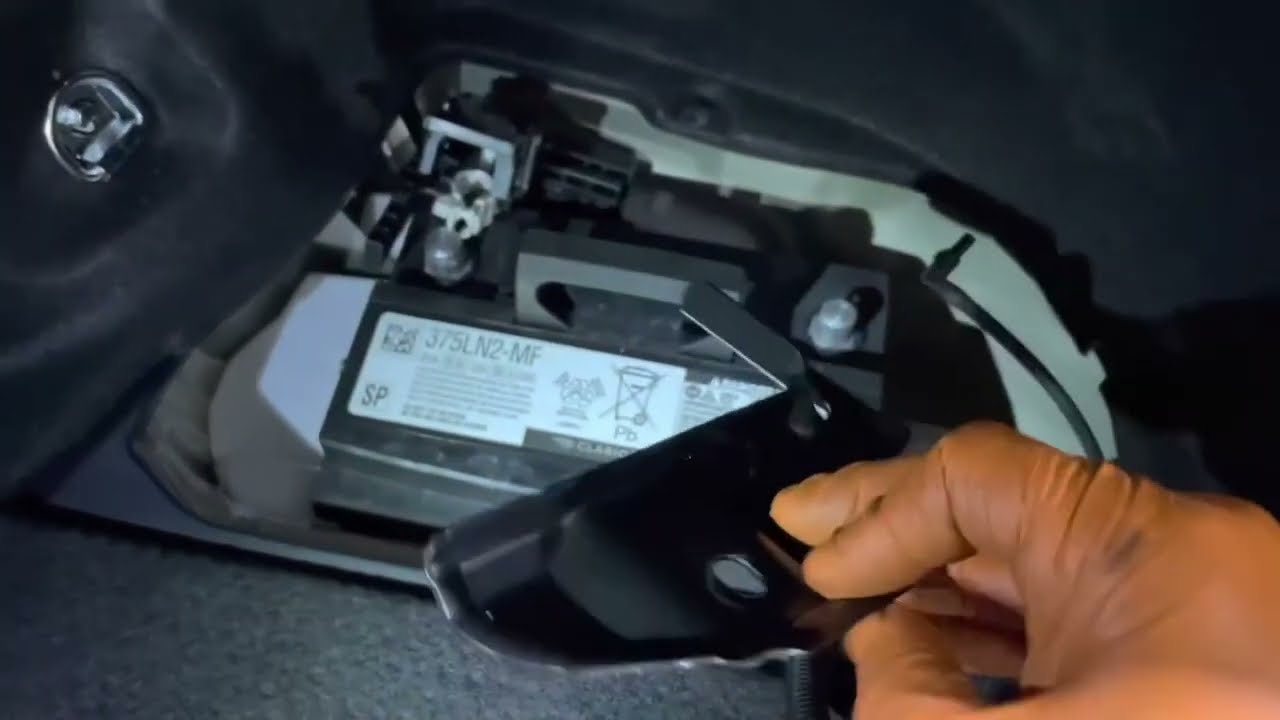
Labor complication remains moderate. Installation requires interior access but avoids extensive underbody removal. Skilled technicians familiar with Toyota hybrid systems complete the job efficiently, keeping labor hours predictable. Resale confidence stays high when battery service records are clear.
Buyers recognize shared Toyota engineering beneath the luxury finish, which supports stronger market value even after replacement. For drivers seeking refinement without unpredictable repair exposure, this model maintains a steady ownership profile.
7. Chevrolet Malibu Hybrid
The Chevrolet Malibu Hybrid occupies a quieter corner of the hybrid market, yet its battery economics deserve attention. Limited production volume shapes both pricing and availability in 2026, creating a different ownership experience than high-volume competitors.
Battery replacement for the 2018 Chevrolet Malibu Hybrid often ranges from three thousand to four thousand five hundred dollars when sourced new. Remanufactured options exist but remain less common due to lower sales volume. That scarcity influences pricing consistency more than battery design itself.
Warranty terms vary based on original sale region and ownership history. Some vehicles remain covered, while others fall outside protection earlier than expected. Owners benefit from reviewing documentation carefully before assuming out-of-pocket responsibility.
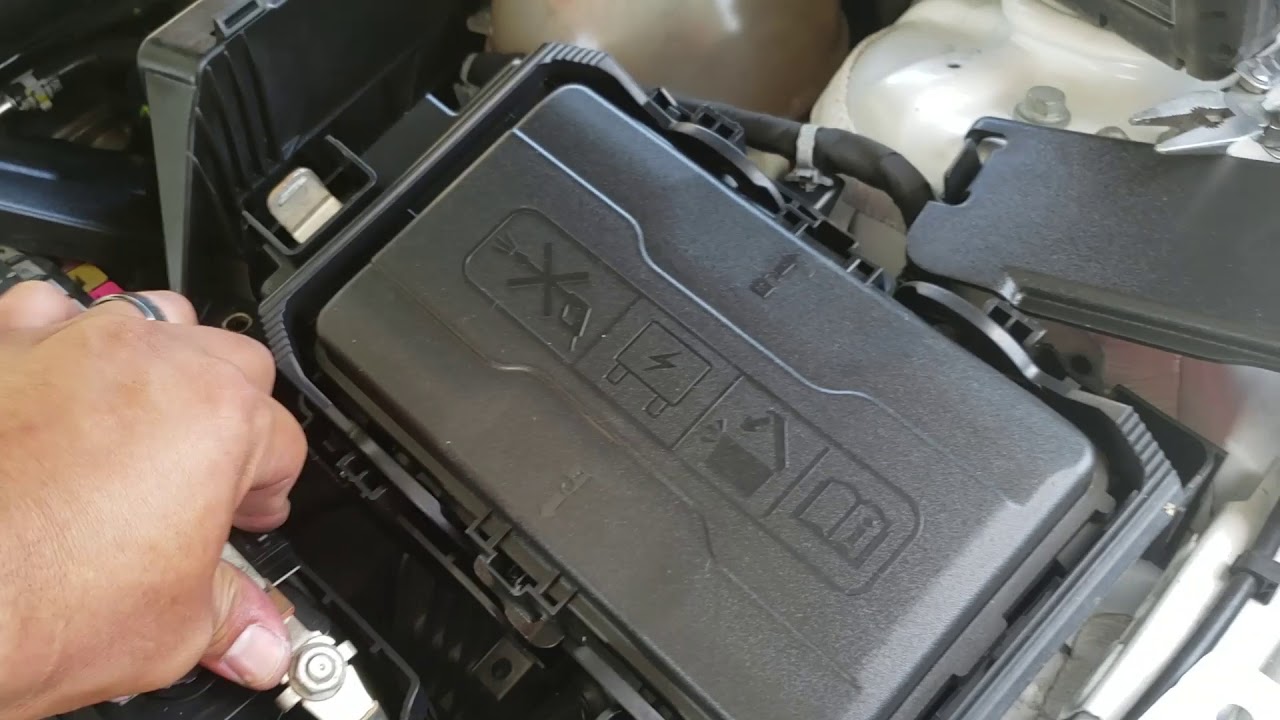
Battery access proves straightforward. Placement beneath the rear seat reduces labor complications and keeps installation time within reasonable limits. That factor helps offset part sourcing challenges. Driving behavior affects longevity noticeably. Malibu Hybrid batteries respond well to steady commuting patterns and controlled acceleration.
Vehicles used primarily in urban stop traffic show earlier degradation compared to highway-oriented usage. Resale value depends heavily on battery status transparency. Buyers unfamiliar with this model often ask direct questions about replacement history. Providing invoices and diagnostic reports builds confidence and supports smoother transactions.
This sedan suits drivers who prioritize comfort and fuel savings while accepting a narrower support network. Planning reduces uncertainty when battery service becomes necessary.
8. Toyota RAV4 Hybrid
Compact hybrid sport utility vehicles continue to attract strong buyer attention, and the Toyota RAV4 Hybrid occupies a very visible position within this category. Its wide acceptance across different markets has a direct effect on ownership costs, especially where high-voltage battery replacement is concerned. Demand volume encourages steady parts circulation, which supports price stability and repair accessibility for owners planning extended use.
By 2026, replacement of the hybrid battery in a 2019 Toyota RAV4 Hybrid usually falls within the range of two thousand eight hundred dollars to four thousand dollars. The final figure depends on whether the owner selects a manufacturer-supplied battery or a reconditioned unit installed by a certified independent workshop.
Factory-sourced batteries attract higher pricing, while approved reconditioned packs help reduce financial exposure without compromising operational reliability when properly installed. Warranty coverage continues to influence cost expectations for many owners.
A considerable number of RAV4 Hybrid vehicles still qualify for extended hybrid battery protection, provided service records meet manufacturer requirements. This protection removes immediate payment responsibility in many cases and supports confidence among buyers who intend to retain the vehicle beyond the initial ownership cycle.
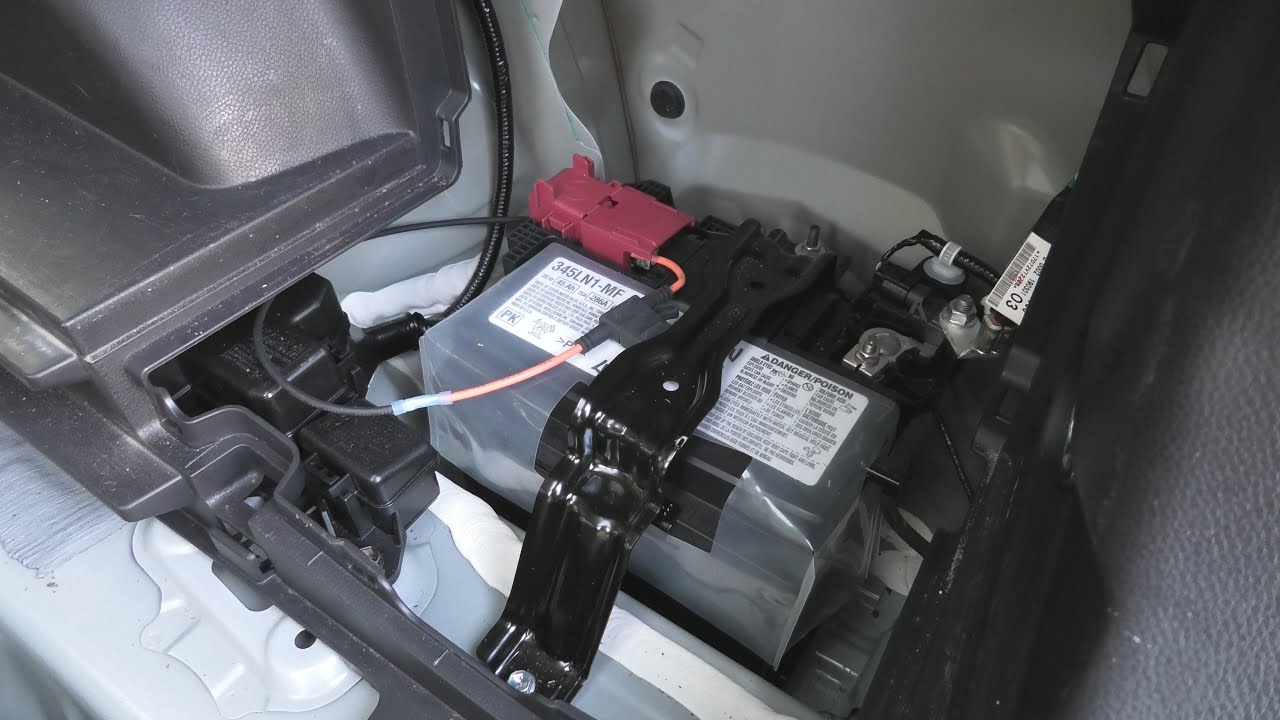
Battery placement beneath the rear seating area contributes to improved thermal regulation and occupant safety. This layout allows technicians to access the battery without dismantling major vehicle systems, which keeps labour hours within reasonable limits. Repair procedures follow well-documented steps, reducing uncertainty during installation.
Parts availability benefits from a strong sales history. Multiple suppliers stock compatible battery assemblies due to sustained demand. This availability limits delays and discourages inflated pricing. Independent workshops familiar with Toyota hybrid systems further support cost control through competitive labour rates.
Durability forms part of the design philosophy. Electrical output is managed conservatively, prioritising longevity rather than aggressive performance. This approach slows cell degradation and delays the point at which replacement becomes necessary. Ownership flexibility stands out.
Buyers may choose between dealership service and qualified independent specialists without facing compatibility concerns. Clear maintenance documentation supports resale interest, allowing owners to recover value even after high mileage usage.
9. BMW 330e
Plug-in hybrid vehicles introduce a different financial structure to battery ownership, and the BMW 330e reflects this clearly. The vehicle combines electric driving capability with performance-focused engineering, and this combination influences battery replacement pricing as vehicles mature.
In 2026, replacing the high-voltage battery in a 2019 BMW 330e commonly ranges between five thousand dollars and seven thousand dollars when factory components are used. Pricing reflects battery size, system integration, and manufacturer-specific design standards. Reconditioned alternatives remain limited due to proprietary software controls and restricted third-party access.
Warranty coverage remains a decisive factor for many owners. Vehicles serviced consistently through authorised channels often retain battery protection, reducing out-of-pocket expense. Eligibility depends on compliance with service schedules and approved charging practices. Documentation accuracy plays a decisive role during claim assessment.
Battery capacity supports extended electric-only operation, which increases replacement cost. Thermal management systems are advanced, regulating temperature and charge cycles effectively. These systems reduce degradation rates and help many batteries maintain usable capacity for longer periods.
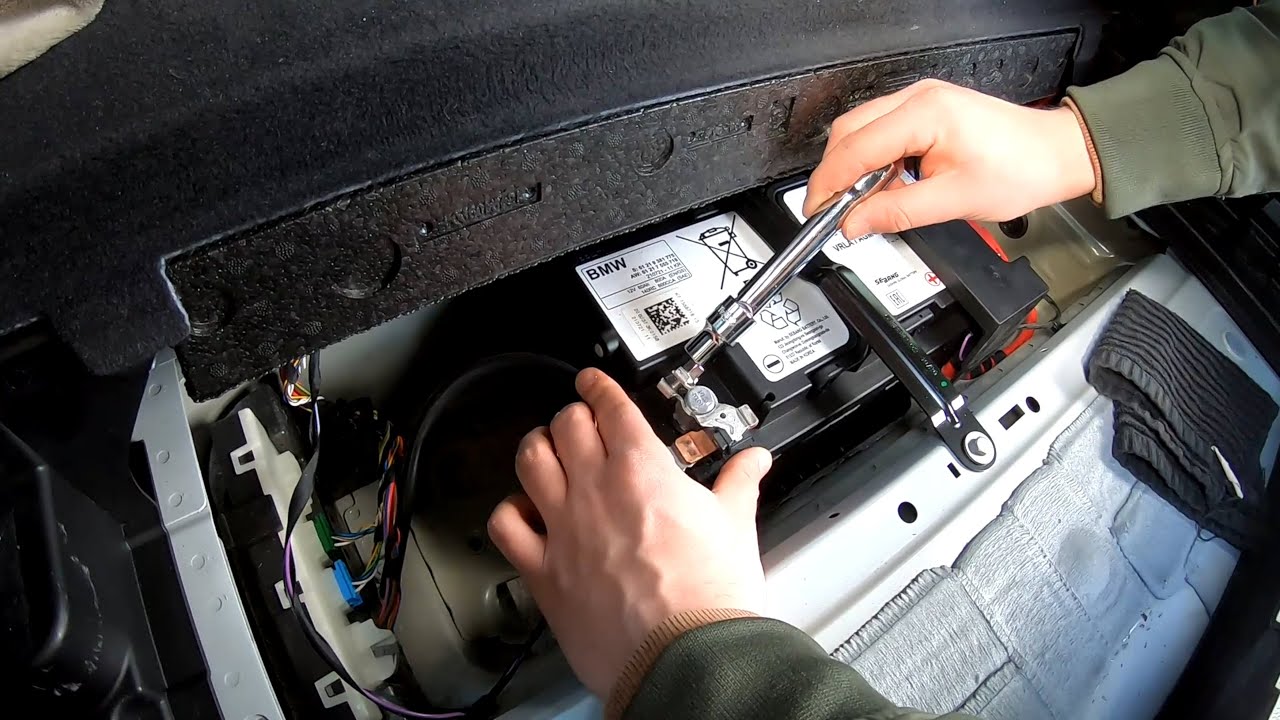
Installation procedures require specialised diagnostic equipment. Programming and system calibration add to labour time, pushing service costs above those of non-plug-in hybrids. Workshops without appropriate certification are unable to complete the process. Resale outcomes depend on transparency.
Buyers attracted to performance-oriented hybrids often accept higher service costs when battery condition reports are available. Detailed service history and battery health diagnostics support pricing stability during resale discussions. Ownership suits drivers who value electric flexibility alongside traditional driving engagement.
Financial planning benefits from awareness of replacement cost structure rather than reliance on assumptions associated with conventional hybrids.
Also Read: 8 Tips for Organizing Your Truck Bed to Maximize Daily Utility and Storage
10. Chrysler Pacifica Hybrid
Family-oriented plug-in hybrids prioritise interior space and fuel efficiency, and the Chrysler Pacifica Hybrid demonstrates how these priorities influence battery replacement expectations. Usage patterns, passenger load, and charging behaviour shape long-term cost outcomes for owners.
By 2026, replacing the hybrid battery in a 2020 Chrysler Pacifica Hybrid typically costs between six thousand dollars and eight thousand dollars when manufacturer-approved components are selected. Battery size and vehicle integration contribute heavily to pricing. Reconditioned alternatives remain scarce due to pack dimensions and installation requirements.
Warranty protection continues to play a vital role. Many Pacifica Hybrid vehicles still qualify for battery coverage, shielding eligible owners from immediate financial responsibility. Approval depends on accurate service documentation and adherence to charging guidelines.
Battery placement beneath the vehicle floor preserves cabin space but increases labour involvement during replacement. Technicians require underbody access, which extends service time and raises installation costs. Certified facilities remain essential for safe handling and system calibration.
Driving habits influence battery lifespan. Regular short electric trips supported by disciplined charging practices help preserve capacity. Heavy load operation combined with inconsistent charging accelerates wear, increasing the likelihood of earlier replacement.
Resale expectations differ among family buyers. Clear battery condition records reassure prospective owners concerned about long-term expenses. Documented service history supports smoother transactions and protects resale value. This model suits households committed to plug-in operation and fuel savings. Financial preparation and proper maintenance allow owners to manage battery replacement responsibly while enjoying the practical benefits the vehicle provides.
