
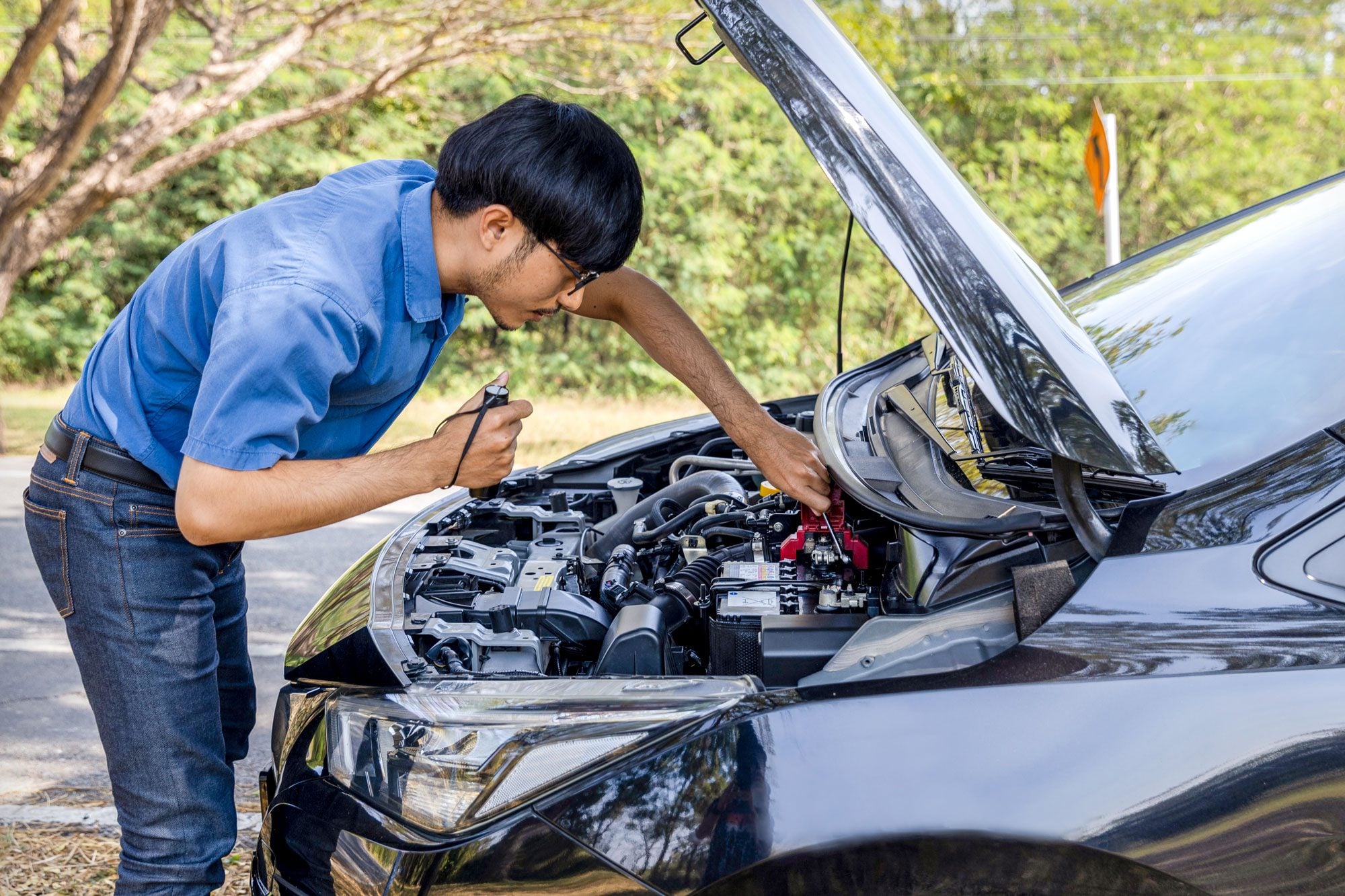
A car battery is one of the most critical yet often overlooked components of any vehicle. It quietly powers everything from the ignition system to the lights, infotainment, and onboard electronics. However, when a car is left unused for an extended period, such as 30 days, the battery begins to undergo a series of changes that can significantly affect its performance and longevity.
Many vehicle owners assume that a parked car remains in the same condition as when it was last driven, but this is far from the truth. Even when the engine is off, the battery continues to supply small amounts of power to various systems such as the clock, security system, and computer modules.
Over time, this slow and steady drain can reduce the battery’s charge level to a point where it may struggle to start the engine or fail completely.
Modern vehicles are particularly susceptible to this issue because they rely heavily on electronics. Unlike older cars, which had minimal electrical demands, today’s vehicles maintain multiple background systems that remain active even when the car is turned off.
This means that a battery in a modern car may discharge faster than one in an older model. Environmental factors also play a significant role. Extreme temperatures, whether hot or cold, can accelerate battery degradation and increase the rate of discharge. In hotter climates, the chemical reactions inside the battery can speed up, leading to quicker depletion, while cold temperatures can reduce the battery’s ability to deliver power effectively.
Another important factor to consider is the age and health of the battery before the car was left idle. A new and fully charged battery can typically withstand a month of inactivity better than an older or partially worn one. If the battery was already weak, sitting unused for 30 days could push it past the point of recovery.
Additionally, the type of battery matters. Conventional lead acid batteries, which are common in most vehicles, tend to self discharge over time. On the other hand, advanced battery types like AGM batteries generally hold their charge longer but are still not immune to gradual depletion.
Understanding what happens to a car battery after sitting for 30 days is essential for preventing inconvenient breakdowns and costly replacements. By knowing the underlying processes and risks, vehicle owners can take proactive steps to maintain their battery’s health during periods of inactivity.
This article explores the science behind battery discharge, the factors that influence it, and practical strategies to keep your car ready to go even after a month of sitting idle.
Also Read: 10 Cars With Insurance Premiums Lower Than a Compact Sedan
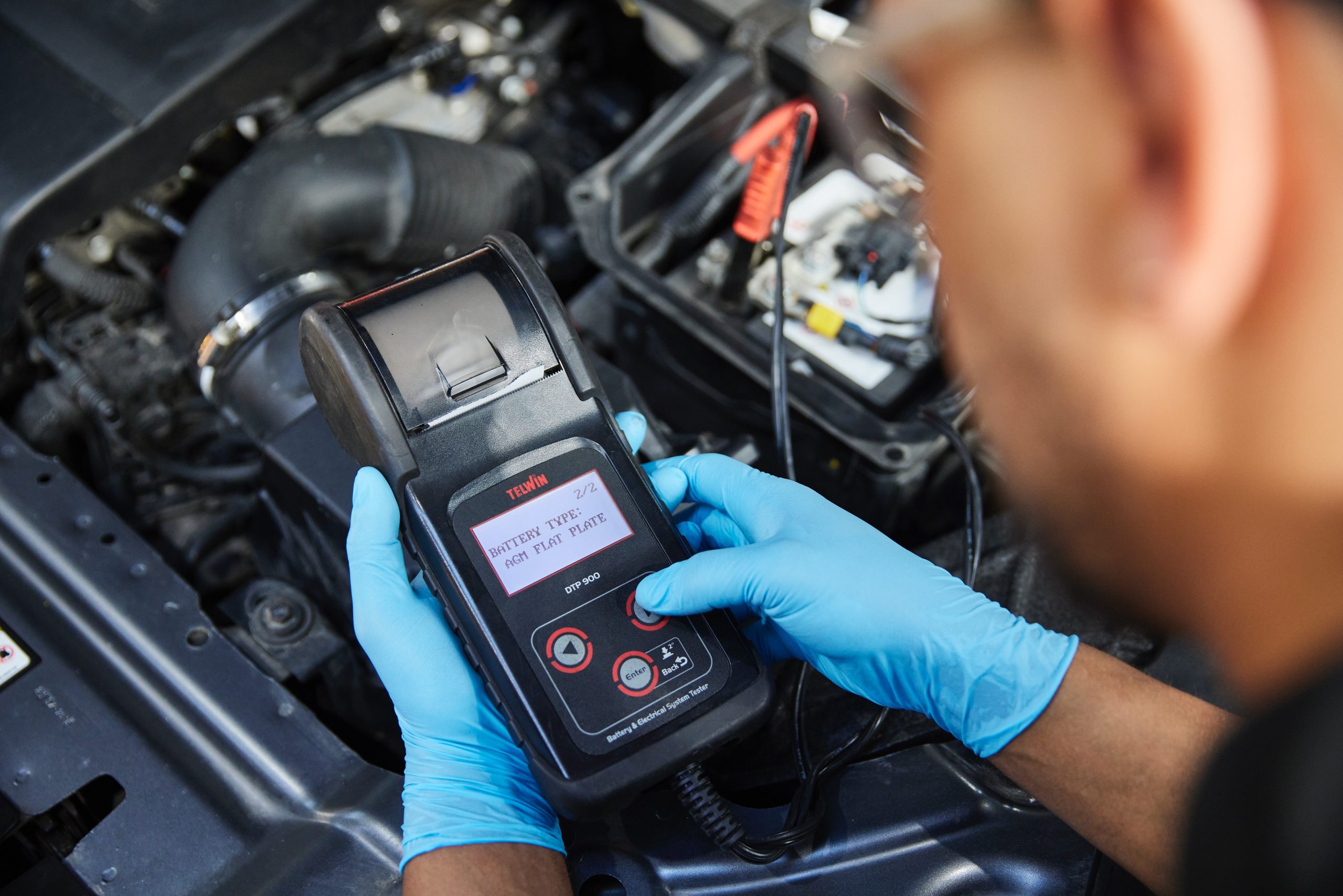
Natural Self Discharge of Car Batteries
Car batteries naturally lose charge over time, even when they are not connected to any external load. This phenomenon, known as self discharge, is a fundamental characteristic of all batteries, particularly lead acid batteries commonly used in vehicles.
Inside the battery, chemical reactions continue to occur even when the battery is not actively powering anything. These reactions gradually reduce the stored energy, leading to a slow but steady decline in voltage. Over a period of 30 days, this self discharge can become noticeable, especially if the battery is not in optimal condition.
The rate of self discharge depends on several factors, including the battery’s design, age, and environmental conditions. A newer battery typically has a lower self discharge rate compared to an older one, which may have developed internal inefficiencies.
Temperature also plays a crucial role. Higher temperatures tend to accelerate chemical reactions within the battery, increasing the rate of energy loss. Conversely, cooler temperatures slow down these reactions, but they also reduce the battery’s ability to deliver power when needed. This means that while a battery may retain more charge in colder conditions, it may still struggle to start the engine.
Another aspect of self discharge is the buildup of sulfate crystals on the battery plates, a process known as sulfation. When a battery remains partially discharged for an extended period, these crystals can harden and reduce the battery’s capacity. Over 30 days, mild sulfation can begin to develop, especially if the battery’s charge level drops significantly. If left unaddressed, this can lead to permanent damage and reduced performance.
It is important to note that self discharge alone is usually not enough to completely drain a healthy battery within 30 days. However, when combined with other factors such as parasitic loads and environmental conditions, it can contribute significantly to the loss of charge. This is why even a car that appears to be completely turned off can experience battery issues after sitting idle for a month.
Understanding self discharge helps vehicle owners recognize that battery maintenance is necessary even when the car is not in use. Regular monitoring and preventive measures can minimize the effects of this natural process and ensure that the battery remains in good condition over time.
Parasitic Drain and Electronics Impact
Even when a car is turned off, it is never truly inactive. Modern vehicles are equipped with numerous electronic systems that continue to draw power from the battery. This ongoing power consumption is known as parasitic drain, and it plays a significant role in battery depletion over a 30 day period.
Common sources of parasitic drain include the clock, alarm system, keyless entry system, and onboard computers that maintain memory settings. While each of these systems consumes only a small amount of power individually, their combined effect over time can lead to a substantial reduction in battery charge.
The extent of parasitic drain varies depending on the make and model of the vehicle. Luxury and technologically advanced cars often have higher baseline power consumption due to the presence of additional features such as remote connectivity, GPS tracking, and advanced security systems.
In some cases, faults or malfunctions in the electrical system can cause excessive parasitic drain, leading to faster battery depletion. For example, a stuck relay or a malfunctioning module may continue to draw power even when it should not, significantly accelerating the discharge process.
Over a period of 30 days, parasitic drain can reduce a battery’s charge to a level where it may no longer be able to start the engine. This is particularly true if the battery was not fully charged to begin with. In extreme cases, the battery may become completely discharged, requiring a jump start or replacement. Additionally, repeated deep discharges can shorten the battery’s lifespan by causing internal damage and reducing its capacity.
It is also worth noting that aftermarket accessories can contribute to parasitic drain. Devices such as dash cams, phone chargers, and audio systems may continue to draw power even when the vehicle is not in use. If these accessories are not properly installed or configured, they can significantly increase the rate of battery depletion.
To mitigate the effects of parasitic drain, vehicle owners should be aware of their car’s electrical systems and take steps to minimize unnecessary power consumption.
This may include disconnecting certain accessories, using a battery maintainer, or periodically starting the car to recharge the battery. By understanding the impact of parasitic drain, drivers can better protect their battery from the effects of prolonged inactivity.
Also Read: 10 Cars That Survive Being Used as Daily Uber Vehicles
Effects of Temperature and Environment
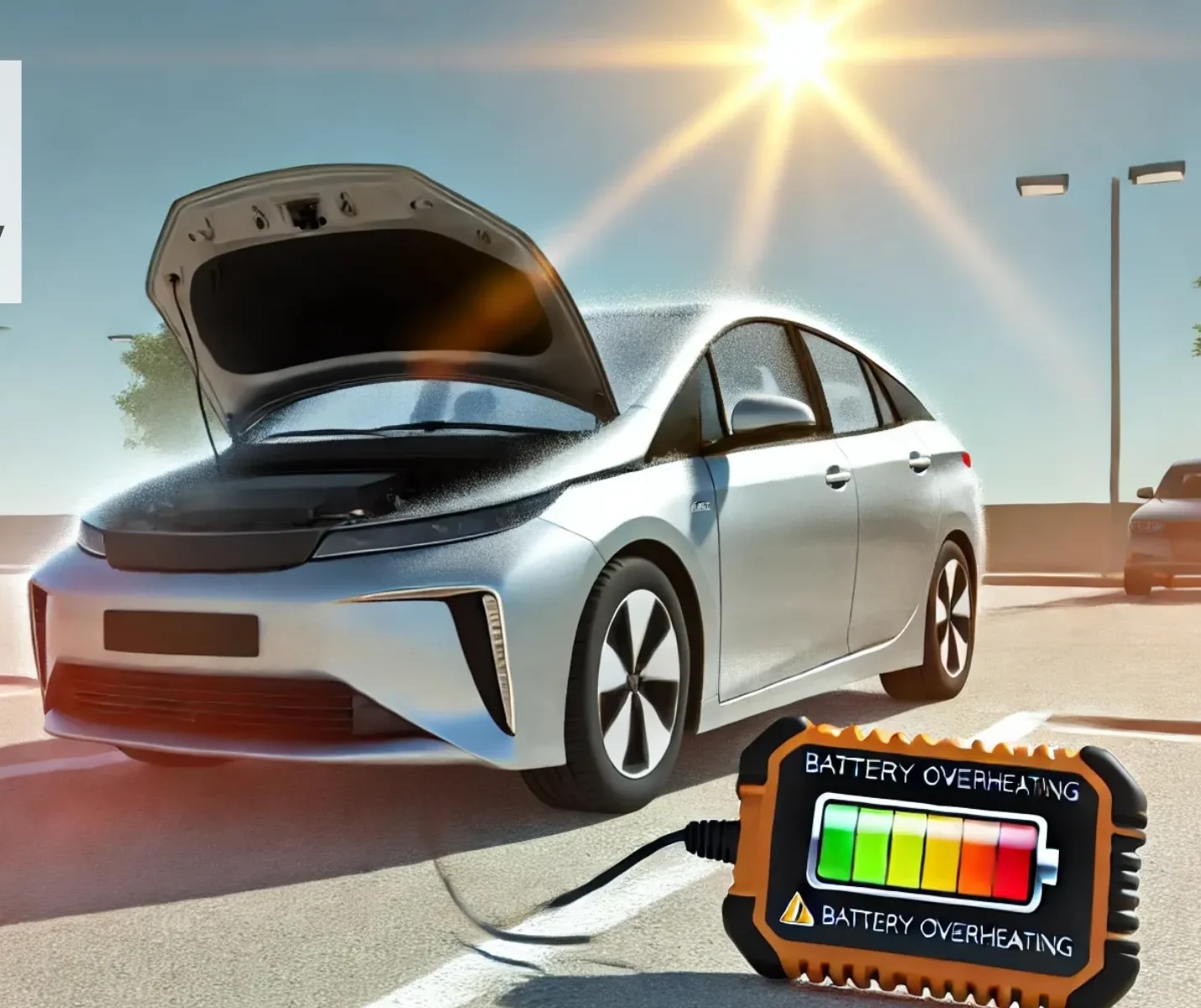
Environmental conditions have a profound impact on how a car battery behaves when left unused for 30 days. Temperature, in particular, plays a critical role in determining both the rate of discharge and the battery’s ability to function effectively. In hot climates, the chemical reactions inside the battery accelerate, leading to faster energy loss.
This increased activity can cause the battery to discharge more quickly than it would under moderate conditions. Over time, excessive heat can also lead to the evaporation of electrolyte fluid, which is essential for the battery’s operation.
Cold temperatures, on the other hand, present a different set of challenges. While cooler conditions may slow down the rate of self discharge, they also reduce the battery’s ability to deliver power. This is because the chemical reactions within the battery become less efficient at lower temperatures.
As a result, a battery that appears to have sufficient charge may still struggle to start the engine in cold weather. After 30 days of sitting in a cold environment, the battery may not provide the necessary cranking power, especially if it was already partially discharged.
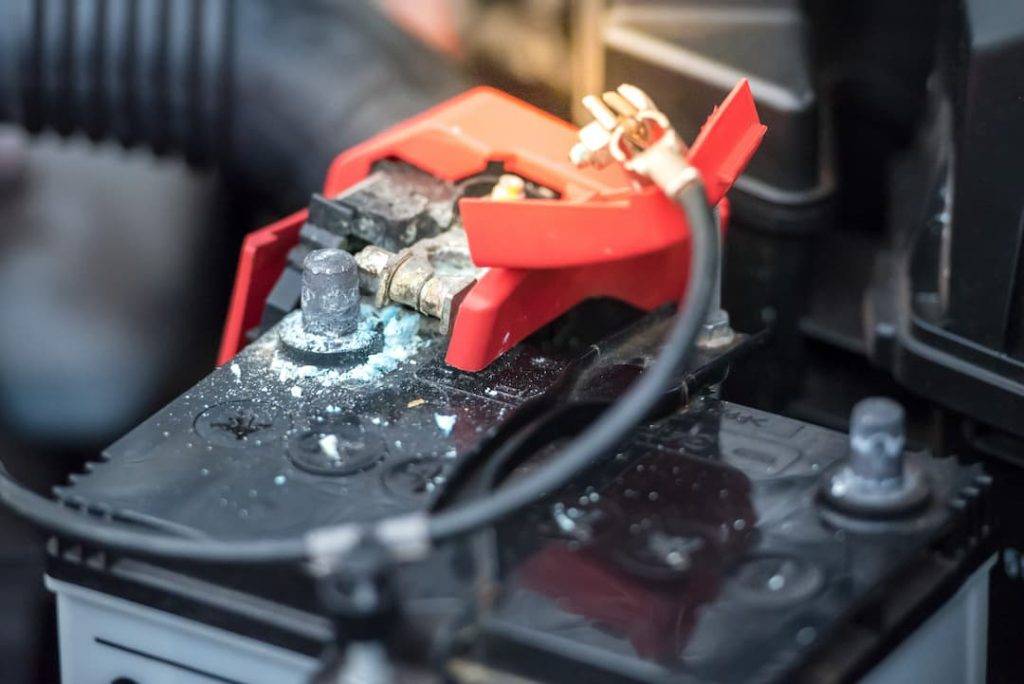
Humidity and exposure to the elements can also affect battery performance. Moisture can lead to corrosion on the battery terminals, which can interfere with the flow of electricity. Corroded terminals can increase resistance and reduce the efficiency of power transfer, making it more difficult for the battery to start the engine. Over time, this can contribute to further battery degradation.
Another environmental factor to consider is the location where the car is stored. Vehicles parked outdoors are more exposed to temperature fluctuations and environmental hazards compared to those kept in a garage. A car stored in a controlled environment is likely to experience less stress on the battery, helping it retain its charge more effectively over a 30 day period.
Understanding the impact of temperature and environment is essential for maintaining battery health. By taking steps such as parking in a shaded or covered area and protecting the battery from extreme conditions, vehicle owners can reduce the risk of battery failure during periods of inactivity.
Long Term Battery Damage
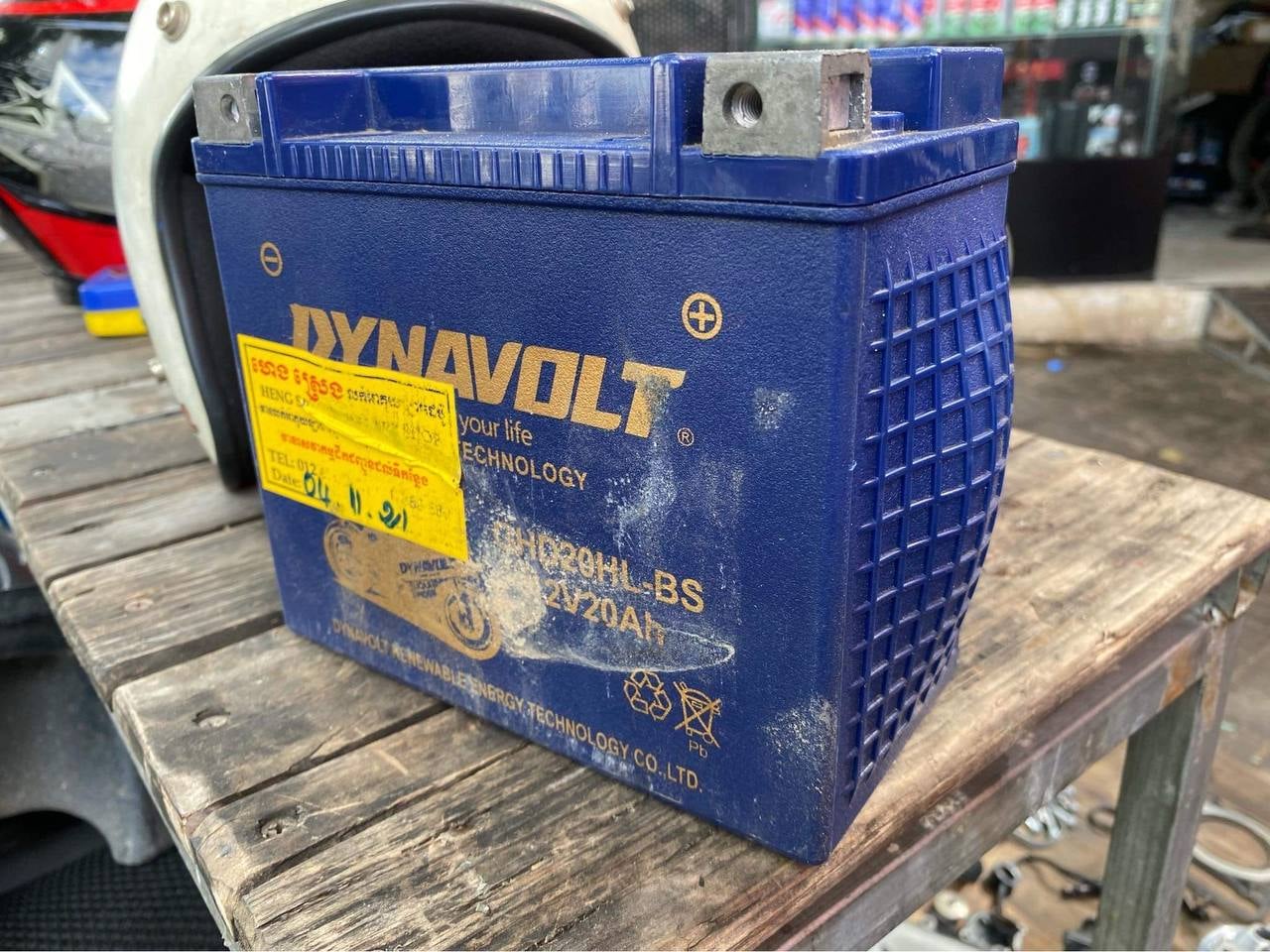
When a car battery sits unused for 30 days, the effects go beyond temporary discharge. Prolonged inactivity can lead to long term damage that affects the health and lifespan of the battery. One of the most significant issues is sulfation, which occurs when lead sulfate crystals form on the battery plates.
While this is a normal part of the battery’s operation, extended periods of low charge can cause these crystals to harden and become difficult to reverse. This reduces the battery’s ability to hold a charge and deliver power effectively.
Repeated cycles of deep discharge and recharge can also contribute to battery degradation. When a battery is allowed to discharge too much, it places additional stress on its internal components. Over time, this can lead to a loss of capacity, meaning the battery can store less energy than it originally could. After sitting for 30 days, especially if the battery becomes significantly discharged, this process may begin to take its toll.
Another aspect of long term damage is the potential for internal corrosion. As the battery ages, the materials inside it can deteriorate, leading to reduced efficiency and performance. This process can be accelerated by factors such as high temperatures, overcharging, and prolonged inactivity. In some cases, the damage may be severe enough to require a complete battery replacement.
It is also important to consider the impact on the vehicle’s electrical system. A weak or failing battery can place additional strain on components such as the alternator, which may have to work harder to recharge the battery. This can lead to further mechanical issues and increased maintenance costs.
Maintaining battery health during periods of inactivity is crucial for avoiding long term damage. By keeping the battery properly charged and taking preventive measures, vehicle owners can extend the life of their battery and ensure reliable performance. Regular maintenance and monitoring can make a significant difference in preserving battery health over time.
Tips to Prevent Battery Drain
Preventing battery drain during a 30 day period of inactivity requires a combination of awareness and proactive measures. One of the simplest and most effective strategies is to start the car periodically. Running the engine for a short period allows the alternator to recharge the battery and maintain its charge level. Ideally, the car should be driven for at least 15 to 20 minutes to ensure a proper recharge, as simply idling may not be sufficient.
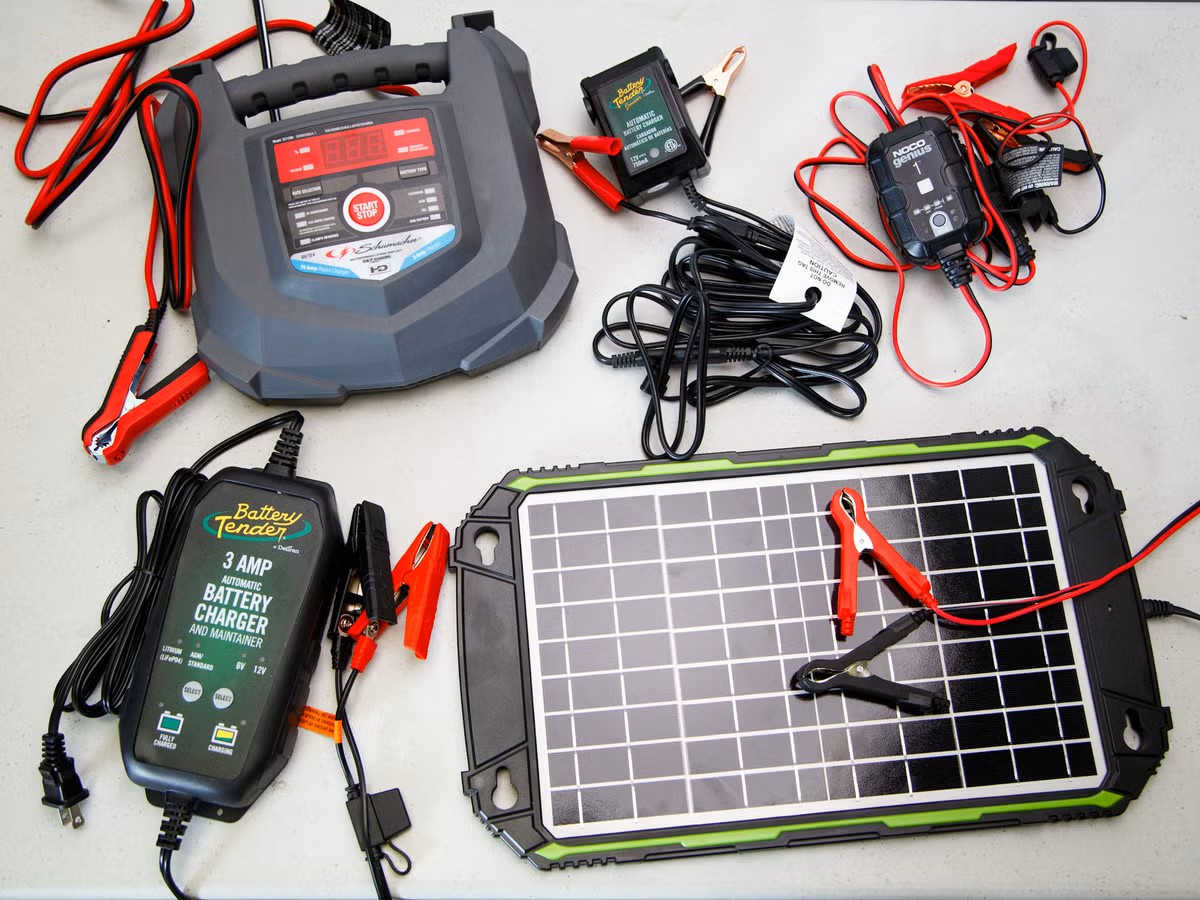
Using a battery maintainer or trickle charger is another highly effective solution. These devices are designed to keep the battery at an optimal charge level without overcharging it. They are particularly useful for vehicles that are not used frequently or are stored for extended periods. By providing a steady and controlled flow of electricity, a maintainer can prevent the battery from discharging and reduce the risk of damage.
Disconnecting the battery is another option, especially for long term storage. By removing the negative terminal, vehicle owners can eliminate most sources of parasitic drain. However, this approach may reset certain electronic systems and settings, so it should be used with caution. It is also important to ensure that the battery is fully charged before disconnecting it.
Keeping the battery clean and well maintained is also essential. Regularly checking for corrosion on the terminals and cleaning them if necessary can help ensure efficient power transfer. Applying a protective coating can further reduce the risk of corrosion and prolong the battery’s lifespan.
Finally, storing the vehicle in a suitable environment can make a significant difference. Parking in a garage or shaded area can protect the battery from extreme temperatures and environmental factors. By taking these practical steps, vehicle owners can minimize battery drain and ensure that their car is ready to start even after sitting idle for 30 days.
