
Most vehicle owners assume that maintenance is straightforward: follow the manual, visit a trusted mechanic, and keep the car running smoothly for years. In reality, the gap between what manufacturers recommend and what actually gets done in workshops can be surprisingly wide.
Your owner’s manual is written by engineers who design the vehicle with long-term reliability in mind under ideal conditions. Mechanics, on the other hand, work in real-world conditions where time constraints, customer budgets, and perceived necessity often shape what services are suggested or skipped. This mismatch leads to certain maintenance items being quietly ignored, delayed, or replaced with “as needed” advice rather than strict adherence to the manual.
Another reason these services get skipped is that many of them are not immediately noticeable when neglected. Unlike an oil change light or worn brake pads, issues like degraded transmission fluid or old coolant develop slowly.
The car continues to operate normally for a long time, which makes it easy for both owners and even some mechanics to deprioritize them. However, these “invisible” maintenance items often determine the long-term lifespan of critical components, especially in modern vehicles where systems are more sensitive and tightly engineered than older models.
Cost also plays a significant role. Preventive maintenance items that seem unnecessary in the short term are often the first to be removed when a customer tries to reduce service bills. Some mechanics, consciously or unconsciously, avoid recommending services that may be questioned or declined, especially if the vehicle shows no immediate symptoms.
This creates a culture where only urgent repairs get attention, while preventive maintenance is pushed aside until a failure occurs.
It is also important to understand that not all maintenance schedules are equally aggressive. Manufacturers often provide “severe duty” and “normal duty” schedules, and many drivers unknowingly fall into severe duty conditions such as stop-and-go traffic, high temperatures, and short trips. When mechanics default to a relaxed interpretation of maintenance intervals, important services may be delayed far beyond what is ideal for long-term health.
In this article, we will explore eight maintenance items that your manual typically recommends but many mechanics tend to skip or postpone.
These are not unnecessary services. Instead, they are often overlooked despite having a strong impact on performance, reliability, and repair costs over time. Understanding them will help you make more informed decisions and keep your vehicle in better condition for longer.
Also Read: 10 Cars With Insurance Premiums Lower Than a Compact Sedan
1. Cabin Air Filter Replacement
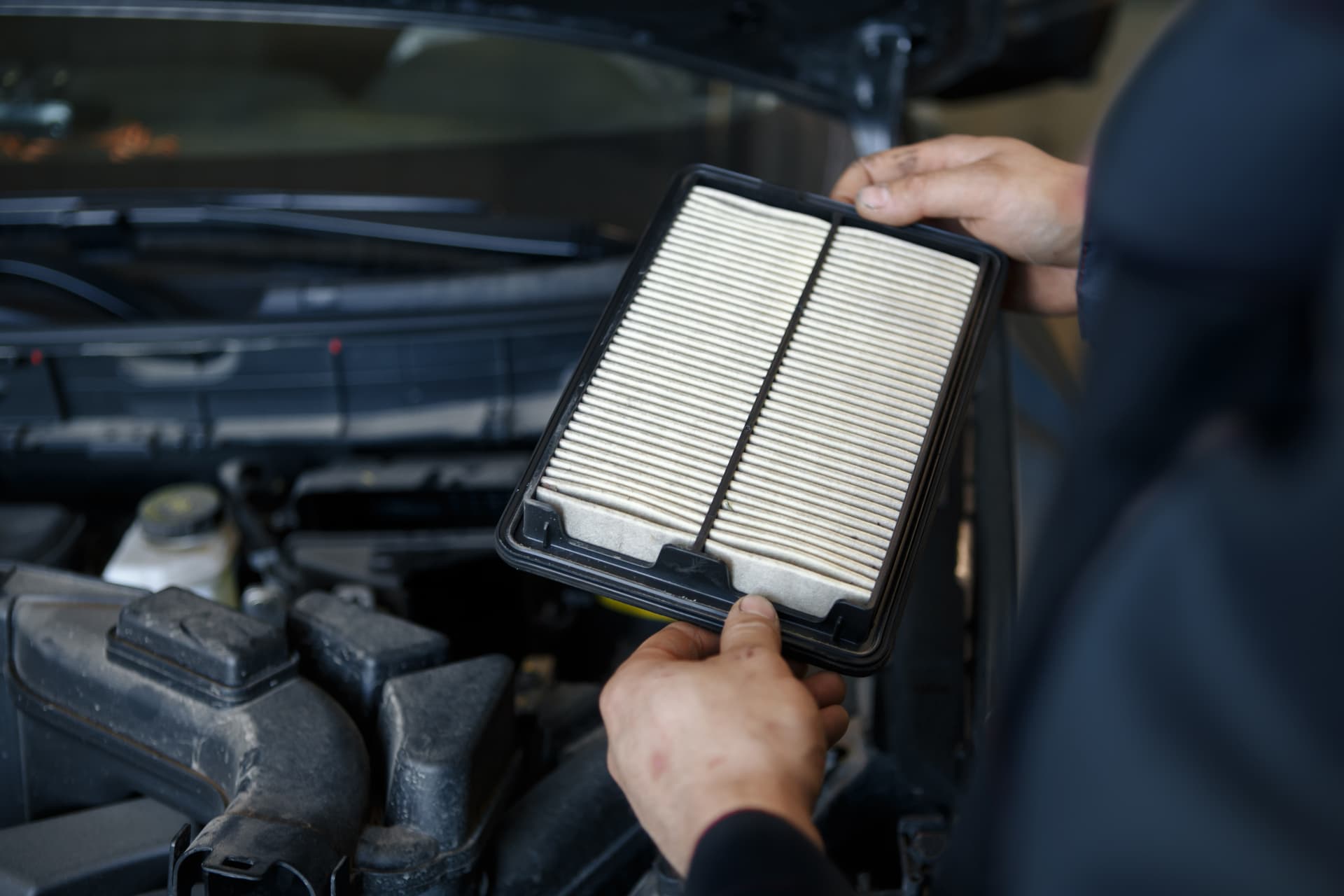
The cabin air filter is one of the most commonly overlooked maintenance items, despite being one of the simplest and most affordable to replace. Its job is to filter dust, pollen, pollution, and debris from the air entering your vehicle’s interior through the ventilation system.
Over time, this filter becomes clogged, reducing airflow and forcing the HVAC system to work harder than necessary. Many owner manuals recommend replacing it every 12,000 to 20,000 kilometers, yet it is often ignored unless the airflow becomes noticeably weak.
Mechanics sometimes skip cabin air filter replacement during routine servicing because it is not critical to engine performance. Since it does not affect drivability, it is often seen as optional rather than essential. In busy workshops, technicians may prioritize engine-related services and overlook components that do not directly impact mechanical operation.
This leads many drivers to continue using heavily clogged filters without realizing the impact on air quality and system efficiency.
A dirty cabin air filter can also contribute to unpleasant odors inside the vehicle. Moisture and trapped organic material can lead to mold growth, especially in humid climates. This not only affects comfort but can also cause allergic reactions or respiratory irritation for passengers. Despite these effects, many drivers do not associate these symptoms with the filter and instead assume the air conditioning system is failing.
Another overlooked consequence is increased strain on the blower motor. When airflow is restricted, the motor must work harder, potentially shortening its lifespan. Replacing a cabin air filter is significantly cheaper than repairing or replacing a blower motor, yet the preventive maintenance is frequently delayed or skipped entirely.
Cabin air filter replacement is a small maintenance task with outsized benefits. It improves air quality, protects HVAC components, and enhances driving comfort. Even though mechanics may not always emphasize it, your manual includes it for a reason, and skipping it consistently can lead to avoidable discomfort and additional repair costs.
2. Brake Fluid Flush
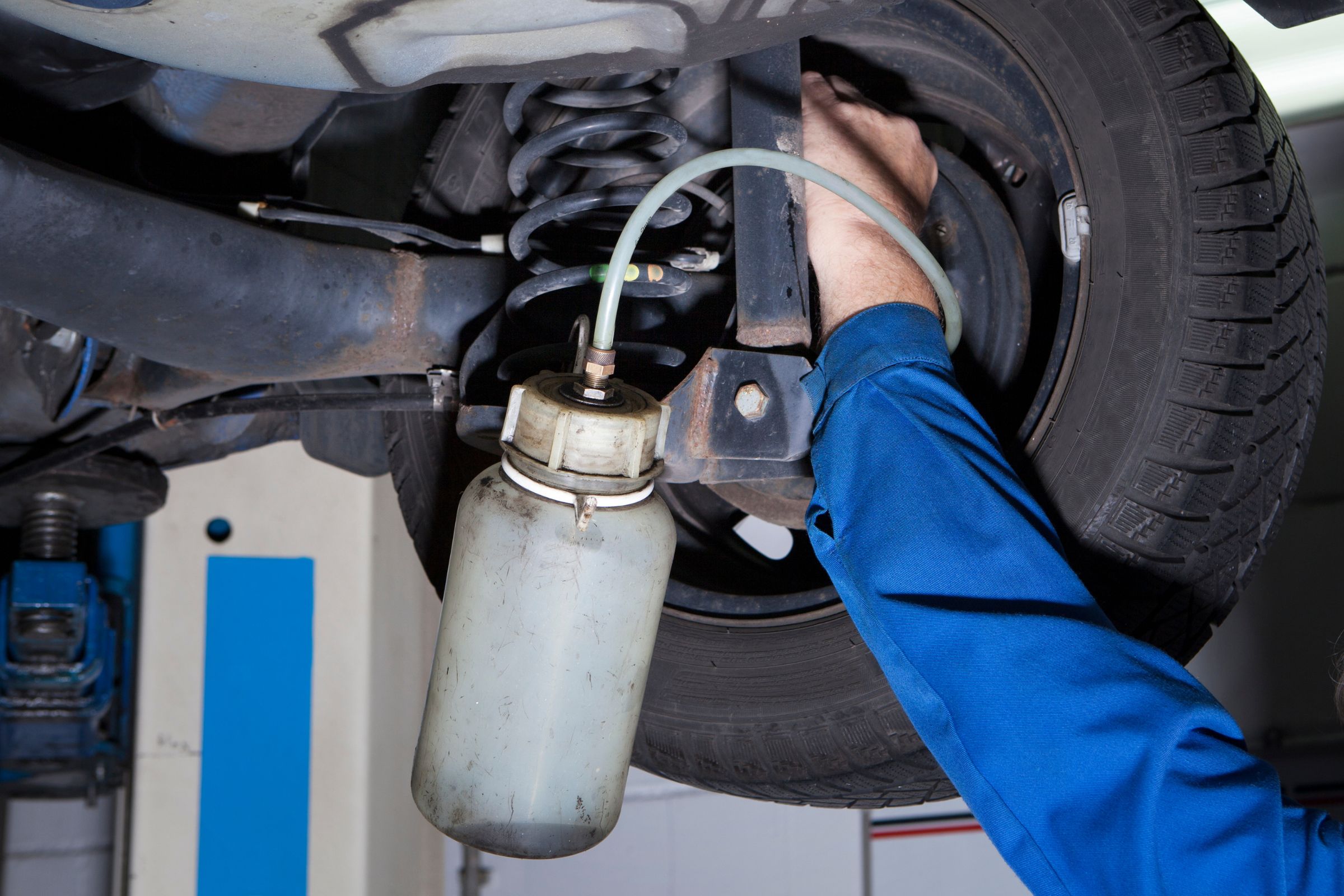
Brake fluid is essential for transferring force from your brake pedal to the braking system. Over time, it absorbs moisture from the air, which reduces its effectiveness and lowers its boiling point. This can lead to reduced braking performance, especially under heavy use or high temperature conditions.
Most manufacturers recommend replacing brake fluid every two to three years, yet it is one of the most commonly skipped services in routine maintenance.
One reason mechanics often skip brake fluid flushes is that braking systems rarely show obvious symptoms until degradation is advanced. Unlike worn brake pads that produce noise, old brake fluid quietly loses performance. Because customers rarely complain about braking issues until a serious problem arises, this service is often postponed indefinitely.
Another factor is the perception that brake fluid is “lifetime” in normal driving conditions. Some modern vehicles promote extended service intervals, which can be misleading. While the system may function for years without a flush, internal corrosion can gradually develop in brake lines, calipers, and the master cylinder due to moisture contamination.
Failing to replace brake fluid can lead to a spongy brake pedal feel and reduced stopping efficiency. In extreme cases, boiling fluid can cause temporary brake failure during heavy braking, such as driving downhill or emergency stops. These risks are well documented in automotive engineering, yet still frequently overlooked in regular maintenance routines.
A proper brake fluid flush helps maintain consistent braking performance and extends the life of braking components. Even though it may not feel urgent, it is one of the most important preventive maintenance tasks for vehicle safety, and skipping it can have serious consequences over time.
3. Transmission Fluid Service
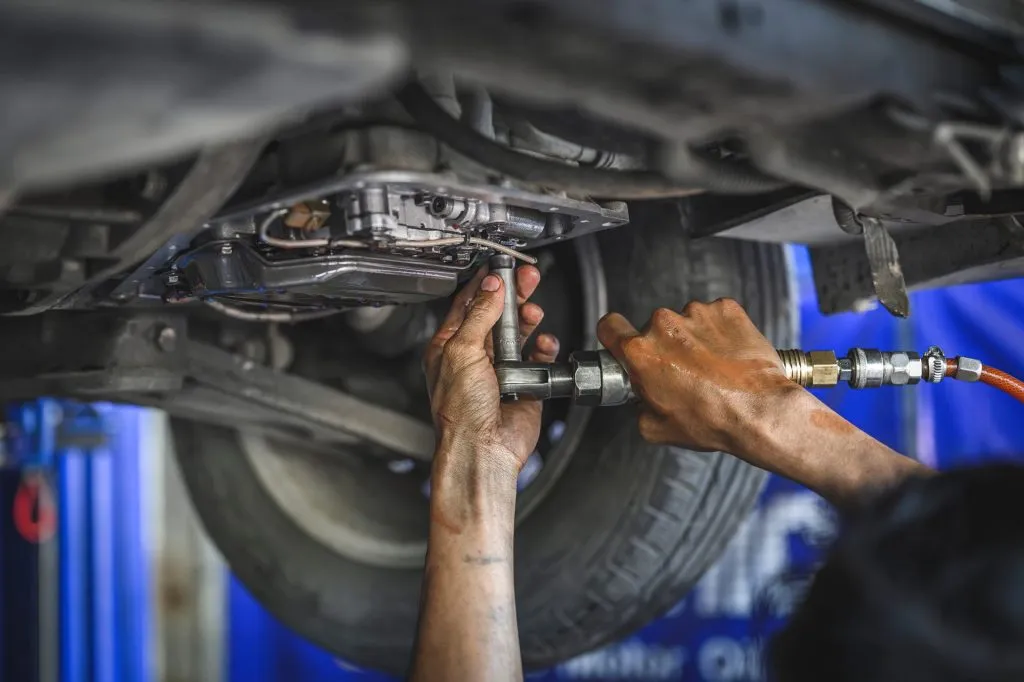
Transmission fluid plays a crucial role in lubricating, cooling, and enabling smooth gear shifts in both automatic and manual transmissions. Many manuals recommend periodic fluid changes, yet this service is frequently delayed or ignored, especially in vehicles marketed with “lifetime fluid” claims.
Mechanics sometimes avoid recommending transmission service because it is sensitive. In older or high-mileage vehicles, flushing fluid can sometimes reveal or accelerate existing transmission issues, which may lead to customer dissatisfaction. As a result, some workshops prefer a cautious approach, especially when no obvious symptoms are present.
However, transmission fluid degrades over time due to heat and mechanical stress. In automatic transmissions, this can lead to rough shifting, slipping gears, or overheating. Even if the vehicle appears to drive normally, internal wear can increase significantly when fluid is not maintained properly.
Another issue is that transmission repairs are expensive. Because of this, both owners and mechanics may adopt a “if it is not broken, do not touch it” mindset. Unfortunately, this approach often leads to failure at a much higher cost than routine fluid maintenance would have required.
Regular transmission fluid service helps preserve smooth performance, extend transmission life, and prevent costly repairs. It is one of those maintenance items that may not feel urgent, but becomes critical once problems begin to appear.
Also Read: 10 Cars That Survive Being Used as Daily Uber Vehicles
4. Coolant Flush
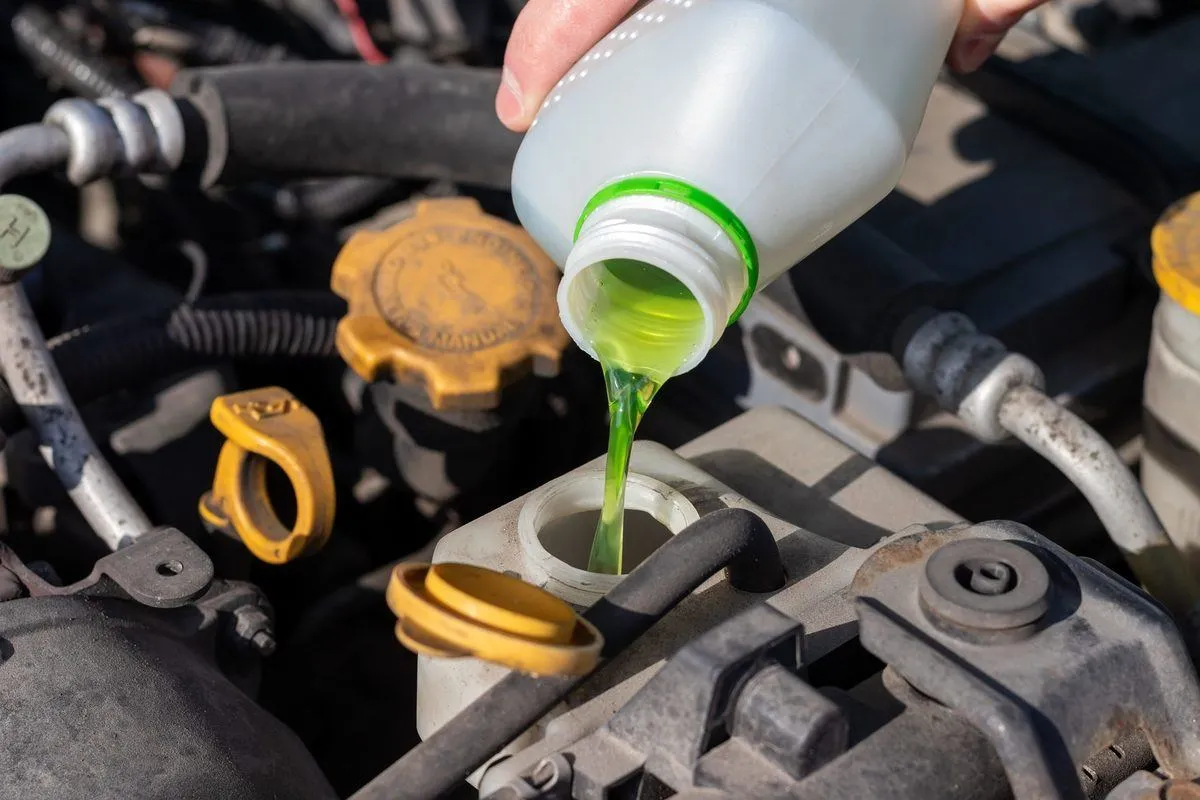
Coolant, or antifreeze, regulates engine temperature and prevents overheating or freezing, depending on climate conditions. Over time, coolant loses its chemical effectiveness and becomes contaminated with rust particles and deposits. Despite this, coolant flushes are often delayed far beyond recommended intervals.
Mechanics may skip coolant flush recommendations when the engine temperature appears stable. Since overheating is an obvious symptom, the absence of problems is often mistaken for healthy coolant. However, internal corrosion can still develop slowly within the radiator, water pump, and engine passages.
Old coolant can become acidic, which accelerates wear on metal components inside the cooling system. This can lead to leaks, reduced cooling efficiency, and eventually overheating under load. These issues often appear suddenly, even though the degradation process takes years.
Another reason coolant maintenance is overlooked is that it does not directly affect drivability in the short term. Drivers rarely notice performance changes until a failure occurs, making it easy to deprioritize.
Regular coolant replacement ensures stable engine temperatures and protects critical components from corrosion. It is a preventive measure that significantly reduces the risk of expensive engine damage.
5. Differential Oil Change
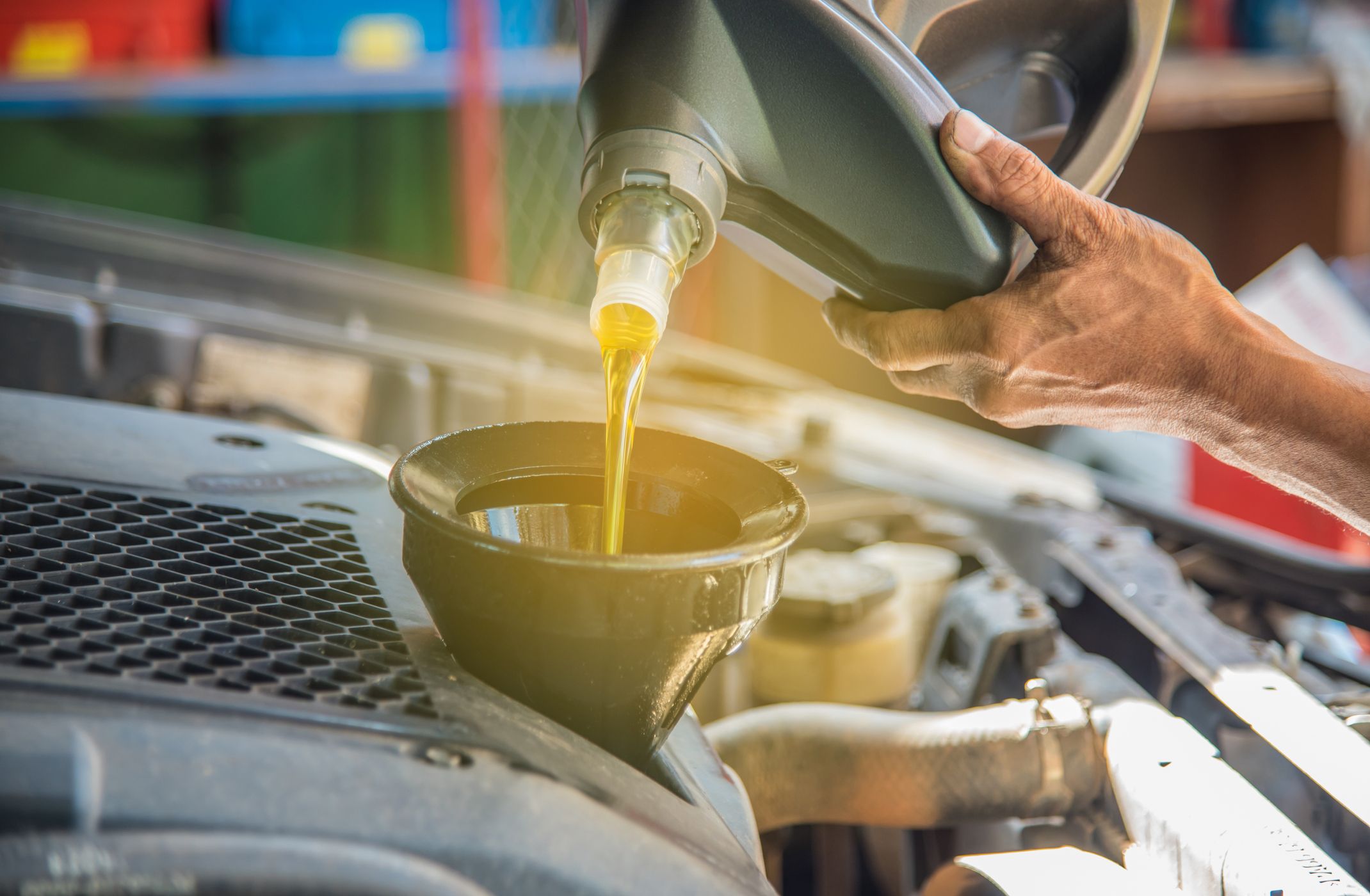
Differential oil lubricates the gears that allow wheels to rotate at different speeds, especially during turns. It operates under high pressure and temperature, yet is often forgotten in regular maintenance schedules.
Mechanics may skip differential service because it is not part of standard oil change routines and requires additional labor. Many drivers are unaware that it even needs maintenance unless they drive performance or off-road vehicles.
Over time, differential oil breaks down and loses its lubricating properties. This increases friction and wear on gears, potentially leading to noise, vibration, and eventual mechanical failure.
Since differential issues develop slowly, they are often ignored until symptoms become severe. By then, repairs are significantly more expensive than preventive maintenance.
Routine differential oil changes help ensure smooth power transfer and extend drivetrain life, especially in vehicles subjected to heavy loads or rough driving conditions.
6. Spark Plug Replacement
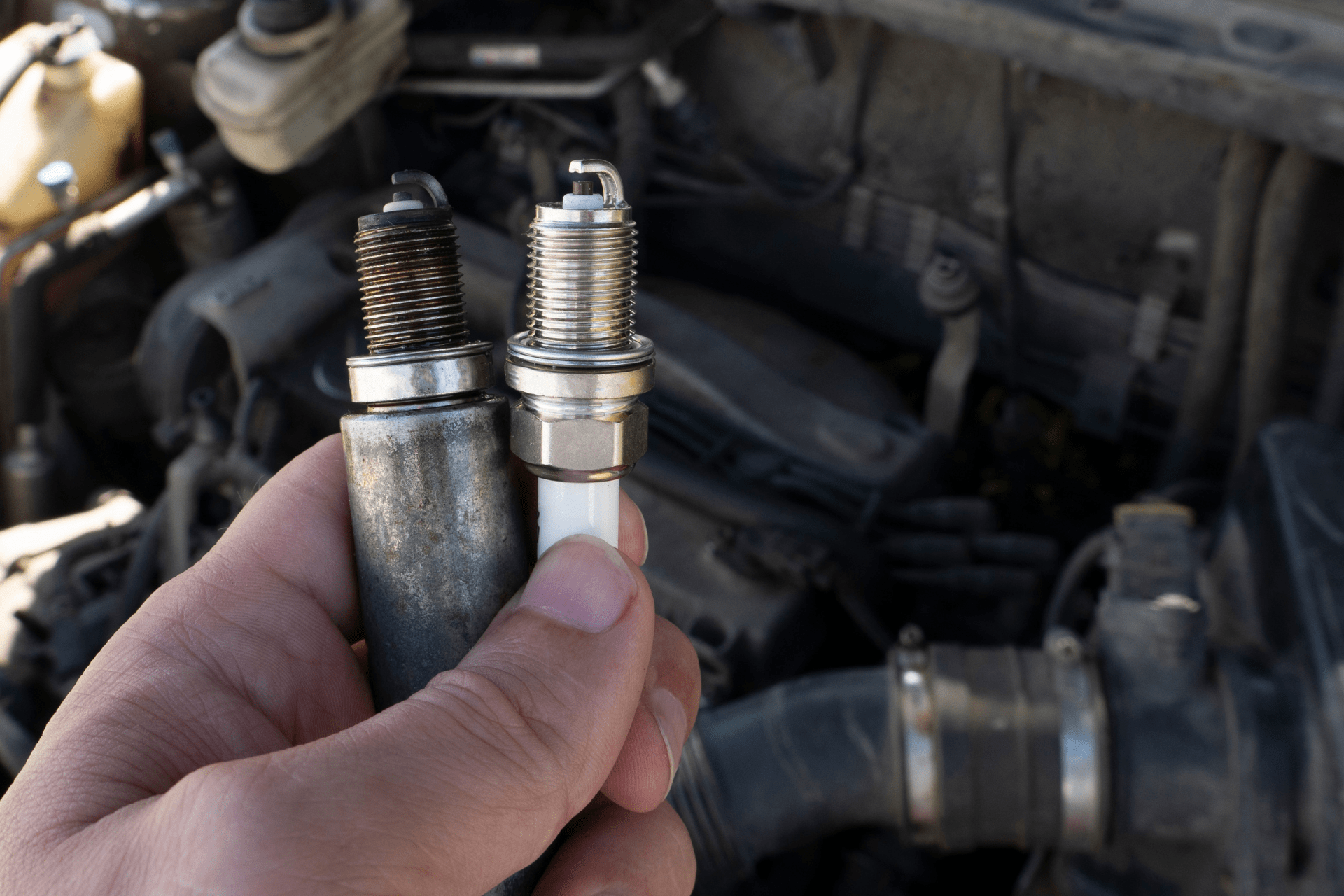
Spark plugs are essential for ignition in gasoline engines. They create the spark that ignites the air-fuel mixture. Over time, they wear down and lose efficiency, affecting engine performance and fuel economy.
Mechanics sometimes delay spark plug replacement if the engine is still running smoothly. Misfires or rough idling are typically required before action is taken, even though performance degradation begins earlier.
Worn spark plugs can lead to poor fuel combustion, reduced acceleration, and increased fuel consumption. In modern engines, they can also strain ignition coils and other related components.
Many drivers overlook spark plugs because they are not part of frequent service intervals like oil changes. As a result, they are often replaced too late.
Replacing spark plugs at recommended intervals ensures efficient combustion, smoother engine performance, and better fuel efficiency.
7. Fuel System Cleaning
Fuel system cleaning helps remove carbon deposits from injectors and intake components. Over time, fuel quality and combustion byproducts lead to buildup that reduces efficiency.
Many mechanics skip this service unless there are clear symptoms such as rough idling or reduced power. However, deposits can build gradually without noticeable early signs.
A dirty fuel system can reduce engine responsiveness and increase fuel consumption. In advanced cases, it may cause misfires or hesitation during acceleration.
Because modern fuels contain detergents, some assume additional cleaning is unnecessary. While this reduces buildup, it does not eliminate it entirely.
Periodic fuel system cleaning helps maintain optimal engine performance and efficiency, especially in high-mileage vehicles.
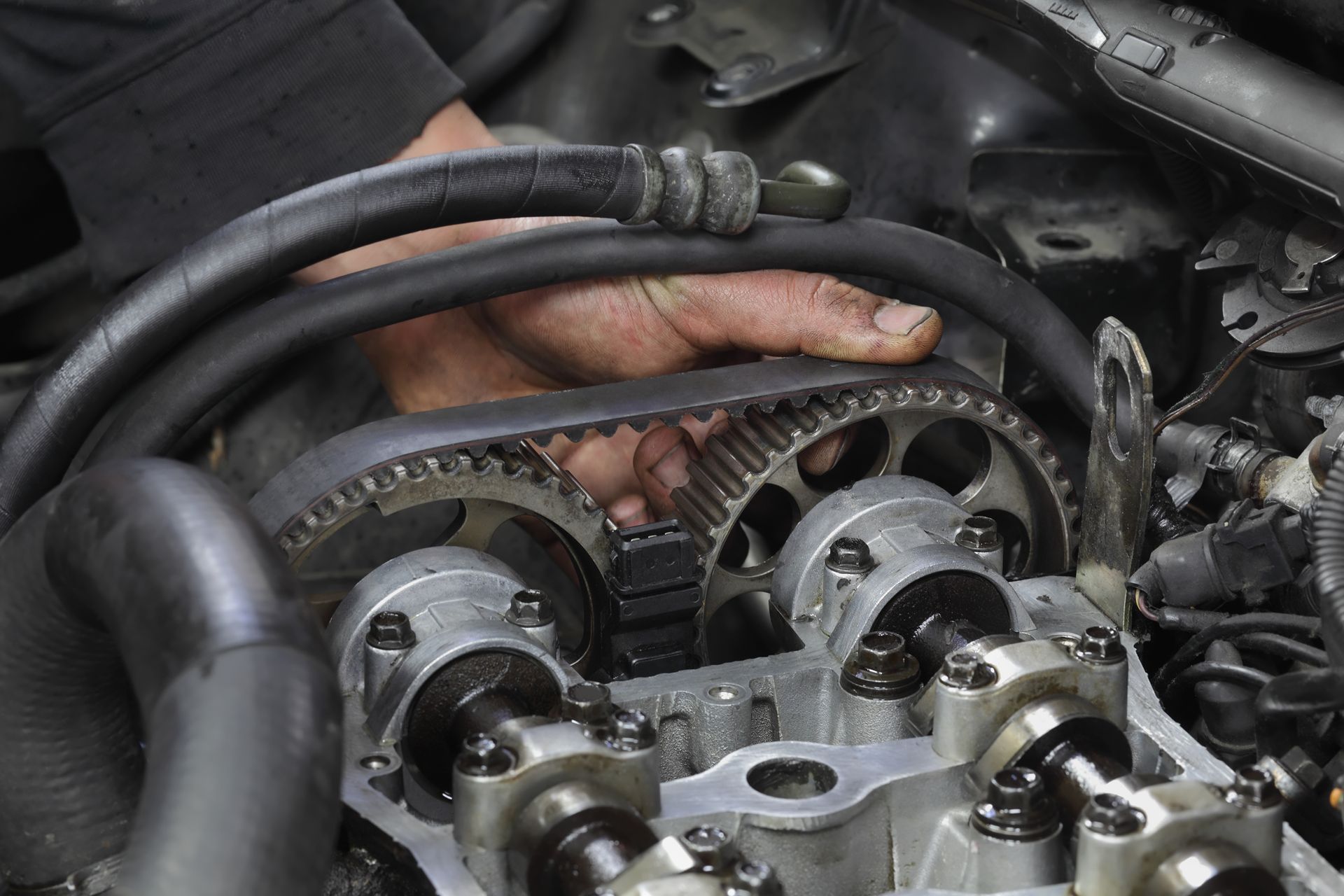
8. Timing Belt or Serpentine Belt Inspection
Timing belts and serpentine belts are critical for engine operation. The timing belt synchronizes engine components, while the serpentine belt powers accessories like the alternator and air conditioning.
Mechanics may delay replacement if the belts appear visually intact. However, internal wear is not always visible, making this a risky assumption.
A failed timing belt can cause severe engine damage in interference engines, often requiring major repairs. Serpentine belt failure can leave the vehicle stranded without electrical charging or cooling.
Because belts do not always show warning signs before failure, they are sometimes overlooked until a breakdown occurs.
Following replacement intervals strictly is essential to avoid catastrophic engine damage or unexpected roadside failures.
