
Modern cars are packed with giant touchscreens, semi-autonomous driving aids, digital dashboards, and software-driven features that promise to make driving easier than ever. Yet despite all this progress, many drivers in 2026 are quietly returning to older designs that feel simpler, sturdier, and more dependable in daily life.
A vehicle does not suddenly become useless just because it lacks flashy lighting animations, massive infotainment displays, or subscription-based technology. In fact, some outdated cars continue to age better than the newer machines replacing them.
There is a major difference between a car being old-fashioned and a car being obsolete. Plenty of vehicles released years ago still deliver excellent reliability, comfortable driving manners, practical interiors, and affordable ownership costs.
These are the kinds of cars people continue recommending to friends and family because they solve real transportation needs without unnecessary complexity. Their cabins may look dated beside modern rivals, their engines may not produce record-breaking power, and their technology may feel basic, but they still succeed where it matters most.
Another reason these older vehicles remain respected is their durability. Many newer cars rely heavily on electronics, turbocharged engines, and interconnected systems that can become expensive once warranties expire. Older models often avoid those complications.
They may use proven naturally aspirated engines, traditional automatic transmissions, and physical controls that are easier to repair. That simplicity creates trust among long-term owners who care more about dependability than trend-chasing design.
Some outdated vehicles also benefit from strong parts availability and huge owner communities. Mechanics understand them well, repairs are predictable, and maintenance costs stay manageable even after years of ownership.
Drivers who spend time researching long-term ownership patterns frequently discover that these cars hold up better than many newer alternatives filled with experimental technology.
This list is not about nostalgia alone. These are cars that still make logical sense in 2026 despite their age, outdated cabins, or old-school engineering. Each one continues earning recommendations because it provides something valuable that modern replacements sometimes fail to deliver.
Whether the advantage is reliability, comfort, practicality, low ownership costs, or driving confidence, these vehicles still deserve attention from buyers who prioritize substance above trends.
Also Read: 7 Best SUVs for Dog Walkers Who Haul Five Dogs at Once
1. Toyota 4Runner
The Toyota 4Runner feels almost frozen in time compared with modern crossovers, and that is exactly why many drivers still trust it in 2026.
While competitors moved toward turbocharged engines, car-based platforms, and heavily digital interiors, the 4Runner stayed committed to body-on-frame construction, a naturally aspirated V6 engine, and rugged mechanical simplicity.
Critics often call it outdated, but thousands of owners consider those traits strengths rather than weaknesses.
One of the biggest reasons the 4Runner remains recommendable is durability. Few SUVs on the market have built a reputation for surviving high-mileage abuse quite like this one.
It is common to see older examples crossing 250,000 miles while still functioning reliably with basic maintenance. That reputation matters in an era where many buyers worry about expensive long-term repairs tied to complicated electronics and turbocharged drivetrains.
The driving experience is undeniably old school. The steering feels heavier than modern crossovers, the ride can feel truck-like on rough pavement, and fuel economy trails nearly every rival. Yet people buying a 4Runner usually understand these compromises before signing paperwork.
They are not looking for a sporty urban commuter. They want a dependable SUV capable of road trips, towing, camping, snow driving, and years of hard use without constant mechanical drama.
Inside the cabin, the age becomes obvious quickly. The dashboard design looks conservative, and some materials feel behind current class standards. However, the controls are straightforward and refreshingly easy to use.
Physical buttons still dominate important functions, which many drivers prefer after growing frustrated with touch-sensitive climate controls in newer vehicles. The visibility is also excellent compared with many modern SUVs that sacrifice practicality for dramatic styling.
Off-road capability remains another major reason the 4Runner refuses to fade away. Even base trims can handle rough conditions better than most crossovers pretending to be adventure vehicles.
Higher trims equipped with advanced four-wheel-drive systems, locking differentials, and off-road suspension setups continue attracting outdoor enthusiasts who value capability more than luxury.
The resale market tells an important story, too. Despite being older in design, used 4Runners continue to hold strong values because buyers trust them.

Vehicles that lose relevance usually depreciate heavily once newer models arrive, but the 4Runner has avoided that pattern for years. That strong resale performance lowers ownership risk and keeps demand surprisingly high.
In a marketplace obsessed with futuristic technology and giant screens, the 4Runner succeeds because it delivers honesty. It knows exactly what it is supposed to do and rarely pretends to be something else. For drivers wanting long-term reliability and proven toughness rather than trendy innovation, it still deserves serious consideration in 2026.
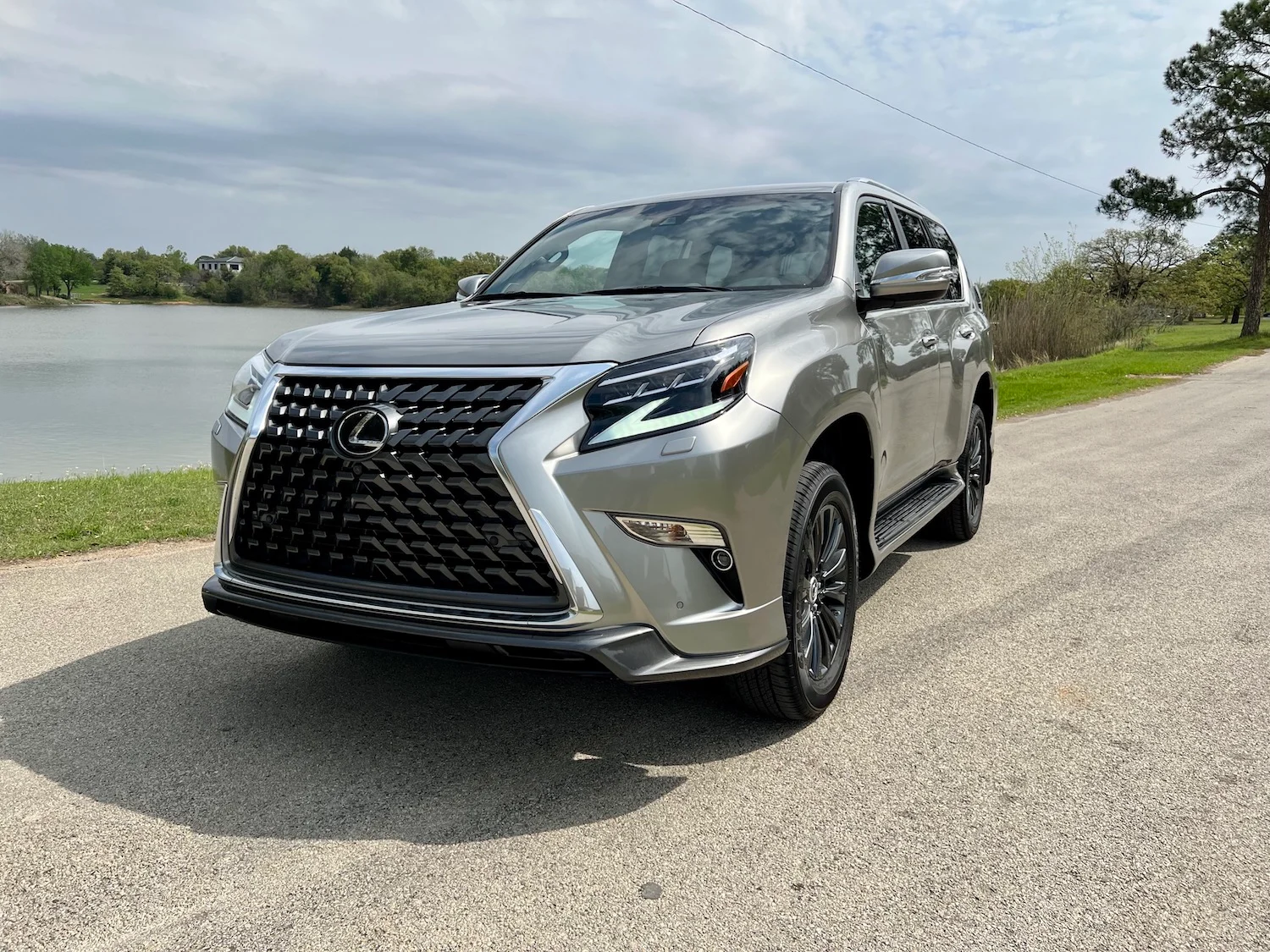
2. Lexus GX 460
The Lexus GX 460 is one of the strangest luxury SUVs still sold in recent years because it never truly followed luxury market trends. While rivals chased sleek styling, downsized turbo engines, and futuristic interiors, the GX 460 stayed stubbornly committed to traditional SUV engineering.
By 2026, it already looks old-fashioned beside newer competitors, yet it continues earning recommendations from buyers who value longevity more than showroom excitement.
Its biggest advantage begins with the mechanical foundation. Underneath the luxury badge sits an extremely robust body-on-frame platform closely related to global Toyota off-road vehicles known for surviving brutal environments.
That architecture gives the GX a sense of solidity many modern luxury crossovers simply cannot replicate. Doors close with heavy confidence, the suspension absorbs punishment without feeling fragile, and the drivetrain has decades of proven reliability behind it.
Power comes from a naturally aspirated V8 engine, something becoming increasingly rare in modern SUVs. It is not especially fuel efficient, nor is it designed to produce dramatic acceleration figures.
Instead, the engine delivers smooth, predictable power and long-term dependability. Owners regularly praise how relaxed the vehicle feels at highway speeds, especially during long road trips where comfort matters more than aggressive performance.
The cabin reveals the SUV’s age almost immediately. Infotainment technology feels behind newer luxury standards, and the design lacks the minimalist styling dominating newer interiors.
Yet the GX compensates with comfort, visibility, and physical controls that remain intuitive after years of use. There is a certain honesty to the layout. Drivers spend less time learning hidden touchscreen menus and more time simply driving.
Another reason people still recommend the GX 460 is its versatility. It functions as a comfortable family vehicle during the week while remaining capable enough for mountain trails, snowy conditions, and towing duties on weekends. Very few luxury SUVs balance these roles effectively without sacrificing reliability somewhere along the way.
The ownership experience also tends to be calmer than with many European competitors. Maintenance costs are usually more predictable, and catastrophic reliability stories appear far less frequently. Buyers planning to keep a vehicle for ten years often view the GX as a safer long-term investment because it prioritizes proven engineering over constant innovation.
Interestingly, the outdated nature of the GX has become part of its charm. Many buyers are tired of luxury vehicles that feel more like rolling computers than dependable transportation. The GX delivers luxury in a more traditional way through comfort, durability, quiet highway cruising, and confidence-inspiring construction rather than flashy software demonstrations.
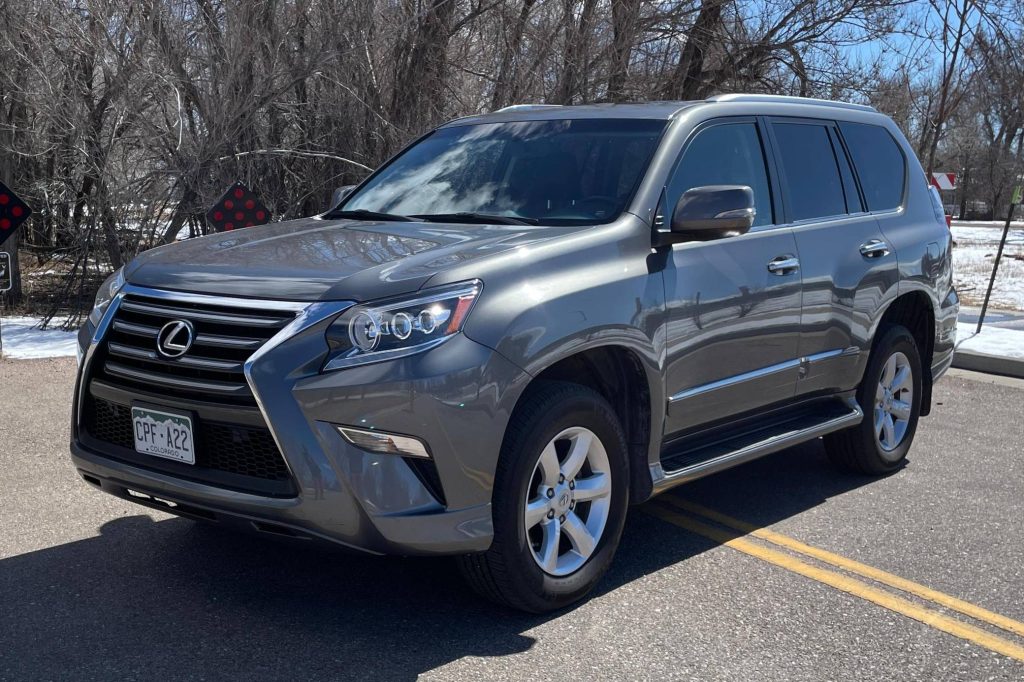
Resale values remain strong because the SUV has developed a loyal following that understands its strengths. People searching for dependable luxury SUVs with genuine off-road ability often discover there are surprisingly few alternatives left. That scarcity keeps the GX relevant despite its age.
In 2026, the GX 460 still appeals to buyers who want substance instead of constant technological experimentation. Its formula may look outdated on paper, but real-world ownership continues proving why so many drivers refuse to stop recommending it.
3. Honda Fit
Small cars have changed dramatically during the past decade. Many became heavier, more expensive, and overloaded with technology meant to imitate larger vehicles. The Honda Fit came from a very different philosophy.
Even in 2026, long after many markets moved away from practical hatchbacks, the Fit still earns recommendations because it solves daily transportation needs better than countless newer cars trying too hard to feel premium.
What makes the Fit special is not horsepower or flashy styling. Its brilliance comes from packaging efficiency. Few small cars use interior space as intelligently.
From the outside, the Fit appears compact and city-friendly, but the cabin feels shockingly roomy once people step inside. Honda designed the seating and cargo layout with unusual creativity, allowing the car to carry bulky items that many larger sedans struggle to accommodate.
The famous Magic Seat system deserves special mention because it transformed the car into something far more versatile than a basic commuter. Owners could fold, flip, and configure the rear seats in multiple ways depending on cargo needs.
Bicycles, furniture, plants, and tall boxes fit into the cabin with surprising ease. That practicality gave the Fit an identity distinct from nearly every rival in its segment.
Driving dynamics also helped the car age gracefully. Despite modest power output, the Fit feels nimble and responsive in urban traffic. The steering remains light without feeling disconnected, visibility is excellent, and parking in crowded areas is effortless.
Many modern vehicles prioritize isolation to the point where drivers feel detached from the road, but the Fit maintains a sense of engagement that keeps daily commuting from becoming dull.
Fuel efficiency continues to be another reason people recommend it. In an era where rising ownership costs concern many households, the Fit remains economical to operate and maintain. Repairs are usually straightforward, parts availability remains strong, and independent mechanics understand the platform well.
Buyers searching for low-stress ownership often appreciate how uncomplicated the car feels compared with newer models loaded with fragile electronic systems.
The interior design now looks clearly outdated beside modern competitors with giant digital displays and ambient lighting. However, the simplicity works in the car’s favor. Physical buttons are easy to locate while driving, the controls respond predictably, and the dashboard avoids unnecessary distractions. There is a very small learning curve for new owners.
Safety technology may not match the newest standards either, but the Fit compensates through visibility and maneuverability. Drivers can actually see out of the vehicle clearly, which remains surprisingly rare in modern automotive design.
Thick pillars and tiny rear windows have become common elsewhere, yet the Fit keeps the driving experience approachable and confidence-inspiring.
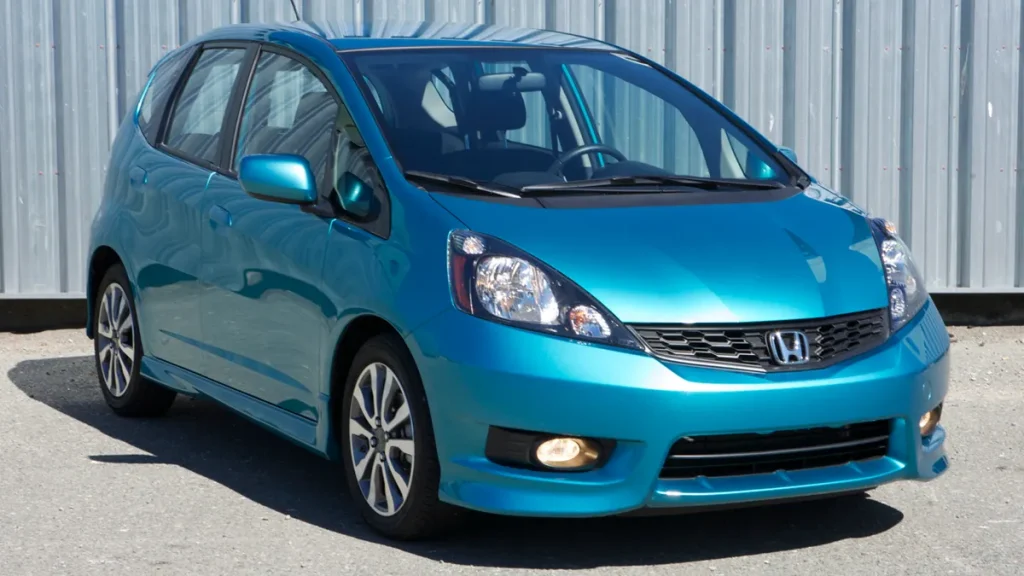
Another factor supporting the Fit’s reputation is reliability and consistency. Many owners report years of dependable operation with only routine maintenance. That reliability became increasingly valuable as some newer compact vehicles introduced small turbocharged engines and more complicated electronics that raised long-term repair concerns.
The Honda Fit never tried to impress people with luxury pretensions or exaggerated styling. Instead, it focused relentlessly on usability, efficiency, and smart engineering. In 2026, that straightforward formula still feels refreshing.
Drivers wanting affordable, practical transportation without unnecessary complexity continue finding reasons to recommend this outdated little hatchback.
4. Chevrolet Express
The Chevrolet Express looks like something preserved from another automotive era, and in many ways, it truly is. By 2026 standards, its design feels ancient.
The dashboard layout appears dated, the driving position reminds people of older commercial vehicles, and the exterior styling has hardly changed for years. Yet despite all that, the Express continues surviving because it fulfills practical needs better than many modern replacements.
Unlike newer vans focused heavily on technology and aerodynamic styling, the Express built its reputation around simplicity and work ethic. Contractors, delivery operators, shuttle businesses, and fleet managers continue trusting it because the formula has remained dependable for decades.
When people rely on a vehicle to generate income every day, flashy innovation matters less than consistent reliability and repair familiarity.
One reason the Express still earns recommendations is its powertrain durability. The available V8 engines became known for toughness under heavy loads and demanding conditions. They may not deliver exceptional fuel economy, but they handle towing, hauling, and long-distance highway work with reassuring consistency.
Mechanics across North America understand these engines thoroughly, which helps keep repairs manageable compared with newer commercial vehicles using more complex systems.
The van’s old-school construction also creates advantages for long-term ownership. Many modern commercial vans integrate advanced driver assistance technology, electronic interfaces, and complicated packaging that can become expensive after years of hard use. The Express remains comparatively straightforward.
Owners often appreciate being able to service and maintain it without dealing with endless electronic complications.
Cargo capability remains another major strength. The boxy design maximizes usable interior volume, allowing businesses to transport tools, equipment, or passengers efficiently. While newer vans may offer more refined interiors or improved maneuverability, the Express compensates through sheer practicality and proven dependability.
Interestingly, the outdated driving feel is not always viewed negatively. Some drivers prefer the traditional truck-based character because it feels sturdy and predictable. Steering feedback, seating position, and road presence all contribute to a sense of toughness missing from many newer vehicles designed primarily for comfort.
Inside the cabin, expectations must stay realistic. Materials feel utilitarian, technology is limited compared with contemporary vans, and the ergonomics reveal the vehicle’s age quickly.
Yet for many commercial buyers, that simplicity becomes a benefit rather than a flaw. Easy-to-clean surfaces, straightforward controls, and durable construction matter more than decorative design details.
Another reason the Express remains relevant is the availability of replacement parts. Because the platform stayed in production for such a long period, parts supply networks became extensive.
Independent repair shops know the vehicle well, used components are easy to source, and downtime can often be minimized. Businesses value that predictability because vehicle interruptions directly affect productivity and income.
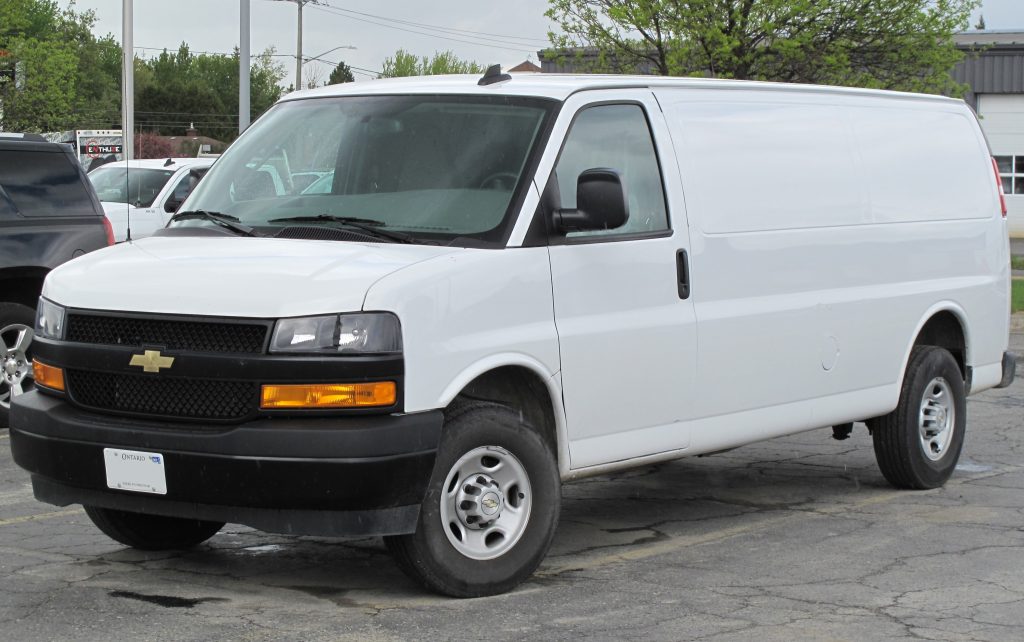
Passenger versions of the Express also developed a niche following among large families, church organizations, and transportation services needing substantial seating capacity without luxury pricing. Very few vehicles now offer that kind of old-fashioned people-moving capability.
The Chevrolet Express may never win awards for innovation or modern design sophistication, but it continues proving that dependable utility still matters. In 2026, many buyers continue recommending it because it prioritizes function, durability, and long-term serviceability above trends that may not age nearly as well.
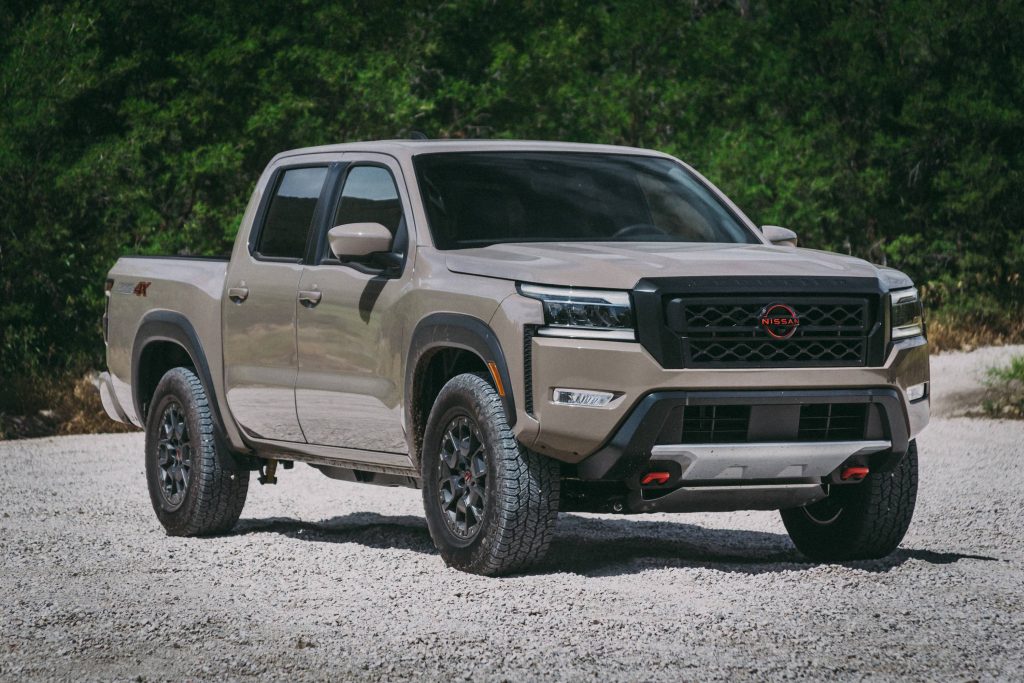
5. Nissan Frontier
Not every outdated vehicle survives because of nostalgia. Some survive because manufacturers accidentally created something durable enough to outlast changing trends. The Nissan Frontier fits that description perfectly.
For years, critics mocked it for aging slowly while competitors introduced modern interiors, advanced technology, and redesigned platforms. Yet in 2026, the Frontier still earns respect because it stayed dependable while many newer trucks became increasingly expensive and complicated.
The older Frontier built its reputation through mechanical honesty. It never pretended to be a luxury vehicle disguised as a pickup.
Instead, it focused on practical truck duties like hauling equipment, towing small trailers, and surviving difficult work conditions without excessive maintenance headaches. That straightforward mission continues attracting buyers who prioritize usefulness above image.
One of the strongest qualities of the Frontier is how approachable it feels. The controls are simple, visibility is decent, and the truck avoids overwhelming drivers with endless menus and electronic settings.
Many modern pickups feel enormous and intimidating, especially in urban environments, but the Frontier maintains dimensions that remain manageable for daily driving.
Reliability also became a major reason people continue recommending it. While no vehicle is perfect, the Frontier developed a reputation for solid long-term durability once Nissan resolved earlier transmission-related concerns from older generations.
Owners frequently describe the truck as dependable transportation that requires routine maintenance rather than constant troubleshooting.
The suspension setup deserves attention, too. Unlike some modern trucks that chase ultra-stiff sporty handling, the Frontier balances work capability with reasonable ride comfort. It still feels rugged enough for rough roads and light off-road use while remaining civilized during regular commuting. That versatility helps broaden its appeal beyond traditional truck buyers.
Interior quality clearly shows the truck’s age in certain areas. Materials can feel plain beside newer rivals, and the infotainment system lacks the futuristic presentation found in more expensive competitors.
Yet many drivers appreciate the absence of excessive digital clutter. Physical buttons and straightforward layouts reduce distraction and make the cabin easier to live with during long ownership periods.
Affordability plays another major role in the Frontier’s continued relevance. Full-size trucks have become shockingly expensive in recent years, with some higher trims approaching luxury car pricing.
The Frontier often delivers enough capability for average owners without forcing them into enormous monthly payments. Buyers wanting a practical pickup without financial strain continue finding value in its simpler formula.
There is also a rugged personality to the Frontier that many newer trucks struggle to replicate authentically. It feels like a machine designed for real work rather than social media appearances. Scratches in the bed, muddy tires, and heavy cargo do not seem out of place on a Frontier because the truck embraces utility naturally.
Another underrated advantage involves maintenance and repair familiarity. Since the platform remained consistent for a long time, technicians became comfortable servicing it, and aftermarket support expanded steadily. Long-term
owners benefit from predictable ownership costs instead of experimental systems that may become problematic years later.
The Frontier may lack the glamorous image of newer trucks packed with luxury features and giant digital screens, but it continues succeeding in areas that matter deeply to practical buyers. Dependability, manageable size, usable capability, and mechanical simplicity keep it relevant long after many expected it to disappear.
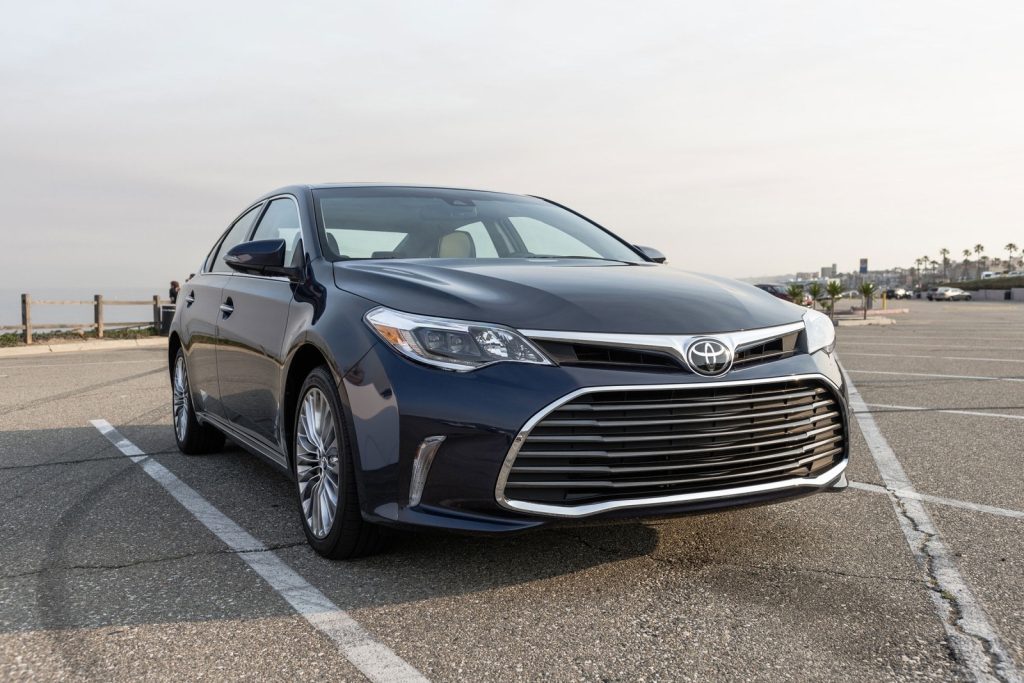
6. Toyota Avalon
Large sedans have steadily disappeared as buyers shifted toward SUVs and crossovers, yet the Toyota Avalon continues to stand as proof that traditional comfort still has value in 2026.
Even though its design philosophy feels increasingly old-fashioned beside modern utility vehicles, many drivers still recommend the Avalon because few cars deliver such effortless long-distance comfort with so little ownership stress.
The Avalon was never designed to attract attention through aggressive styling or high-performance marketing. Its purpose centered around refinement, quietness, and smooth transportation.
In many ways, it succeeded so well at those goals that owners became fiercely loyal to it. People who spend hours on highways frequently describe the Avalon as calming rather than exciting, which is precisely what many commuters and older drivers prefer.
Ride quality remains one of its defining strengths. The suspension absorbs rough pavement gracefully without excessive harshness, and cabin noise stays impressively controlled even at highway speeds.
While many newer vehicles prioritize sporty handling characteristics, the Avalon focuses on comfort first. That decision helped it age well because comfort rarely goes out of style.
Toyota’s reputation for reliability further strengthens the Avalon’s standing. Buyers looking for a vehicle they can keep for years without constant repair anxiety often gravitate toward proven Toyota engineering.
The naturally aspirated engines used in many Avalons earned praise for longevity and smooth operation, avoiding some of the concerns associated with smaller turbocharged powertrains becoming common elsewhere.
Step inside the Avalon, and the outdated nature becomes visible, especially compared with heavily digitized modern interiors. Still, the cabin remains functional and welcoming.
Seats are supportive during long trips, controls are logically placed, and visibility stays better than in many newer sedans with aggressive rooflines. Drivers who dislike touchscreen-heavy interfaces often appreciate the Avalon’s more traditional layout.
There is also something increasingly rare about Avalon’s personality. It does not try to imitate an SUV, nor does it pretend to be a sports sedan.
Instead, it embraces being a comfortable full-size car. That confidence in its identity helped create a loyal customer base that continues recommending it even after production changes and shifting market trends.
Fuel efficiency is respectable for such a spacious sedan, particularly in hybrid versions that gained strong popularity among drivers wanting low operating costs without sacrificing comfort. Long-range cruising ability became another hidden strength because the Avalon combines efficiency with a large, relaxed cabin ideal for road trips.
Resale values have remained relatively healthy because dependable large sedans are becoming harder to find. As competitors exited the segment, the Avalon gained additional appeal among buyers who still prefer traditional cars over taller crossovers.
Some drivers simply enjoy sitting lower to the ground and experiencing smoother highway dynamics than many SUVs can provide.
The Avalon’s outdated image actually works in its favor for certain buyers. It represents an era when automakers focused on making sedans exceptionally comfortable rather than turning every vehicle into a technology showcase.
In 2026, that philosophy still resonates with drivers who value quiet reliability, spacious interiors, and stress-free ownership more than modern automotive trends.
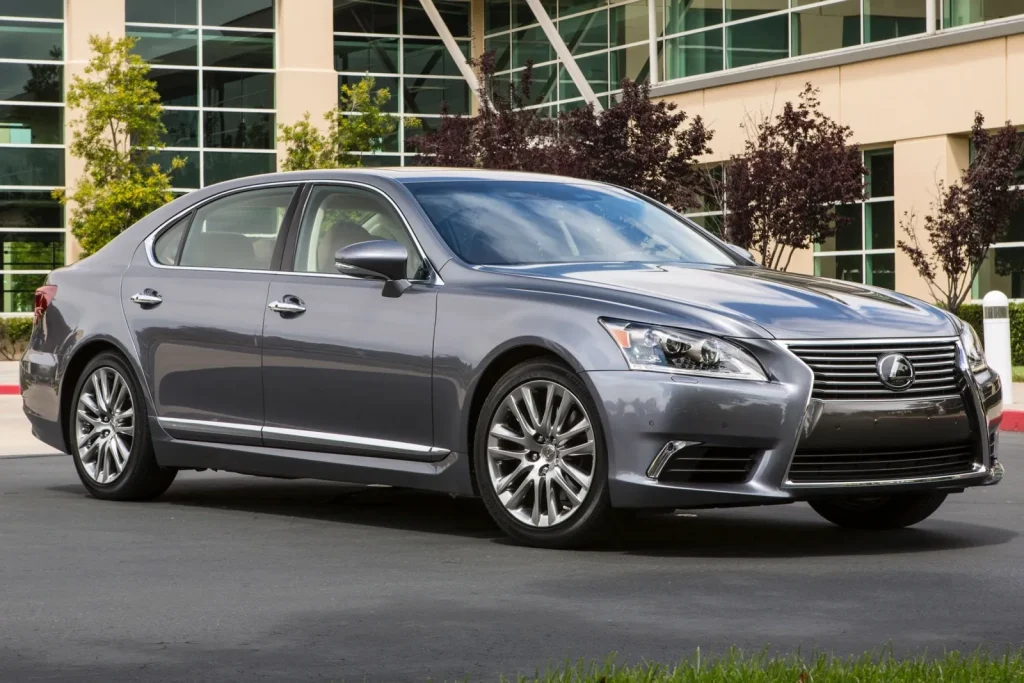
7. Lexus LS 460
Luxury cars often age badly because technology moves quickly. Screens become outdated, software feels slow, and expensive electronic systems turn into long-term repair concerns. The Lexus LS 460 somehow avoided many of those problems by focusing on timeless comfort and engineering discipline instead of chasing trends aggressively.
Even in 2026, years after newer luxury sedans introduced giant displays and semi-autonomous features, the LS 460 still earns recommendations from people who value refinement that lasts.
The first thing many drivers notice about the LS 460 is how solid it feels. Doors shut with heavy precision, the cabin remains impressively quiet at highway speeds, and the suspension isolates passengers from rough pavement with remarkable smoothness.
Modern luxury cars sometimes overwhelm occupants with flashy interfaces and constant alerts, but the LS creates a calmer environment centered around relaxation.
Its naturally aspirated V8 engine plays a major role in that character. Power delivery feels smooth and linear without the sudden surges common in turbocharged setups.
The engine is not designed to produce dramatic exhaust noise or aggressive performance theatrics. Instead, it delivers effortless acceleration with minimal vibration, perfectly matching the sedan’s refined personality.
Many enthusiasts continue recommending the LS 460 because of its reliability reputation. European luxury sedans often dominate conversations about prestige, but they can become financially exhausting once warranties expire.
The LS developed a different identity by combining luxury with long-term dependability. Owners regularly report high-mileage examples remaining comfortable and mechanically healthy years after purchase.
Inside the cabin, the design now looks clearly tied to an earlier automotive era. Infotainment graphics appear dated beside current systems, and some controls reflect older luxury trends. Yet the materials themselves aged beautifully.
Real wood trim, soft leather surfaces, and carefully assembled panels give the interior an enduring sense of craftsmanship. Rather than feeling cheap or temporary, the cabin still feels expensive in a traditional sense.
Another reason the LS continues to hold relevance is seat comfort. Lexus engineered the seats for long-distance relaxation rather than aggressive cornering support.
Drivers who spend hours commuting or traveling often praise how comfortable the sedan remains even after extended time behind the wheel. That comfort extends to rear passengers as well, making the LS feel genuinely luxurious instead of merely premium.
The driving experience prioritizes serenity above excitement. Steering feels smooth and predictable, the suspension glides over uneven roads, and cabin insulation keeps outside noise under control. Some reviewers criticize the LS for lacking sporty character, but many owners specifically choose it because they are tired of luxury cars pretending to be race cars.
Maintenance costs also tend to stay more manageable than those of many competing flagship sedans. While repairs on any luxury vehicle can become expensive, the LS generally avoids the catastrophic reliability reputation associated with several rivals. That stability makes it appealing for buyers seeking used luxury without constant financial anxiety.
There is also a timeless elegance to the LS 460’s styling. It avoids excessive design gimmicks, allowing it to age more gracefully than many competitors filled with trendy visual details that quickly became dated. The car communicates sophistication quietly rather than demanding attention.
In 2026, the Lexus LS 460 still represents an increasingly uncommon philosophy in the luxury world. It focuses on comfort, durability, refinement, and long-term ownership satisfaction instead of temporary technological spectacle. For drivers wanting a luxury sedan that still feels trustworthy years later, this outdated flagship remains surprisingly easy to recommend.
Cars do not lose value simply because they become old-fashioned. In many cases, aging designs reveal which vehicles were engineered with long-term usability in mind and which relied too heavily on trends that faded quickly.
The seven vehicles here continue earning recommendations because they still perform their intended roles exceptionally well despite lacking the latest styling or technology.
Some provide legendary durability, others deliver unmatched practicality, and a few simply offer a calmer, more honest driving experience than many modern alternatives.
Their cabins may look dated, their fuel economy may not lead the segment, and their dashboards may lack giant digital displays, but they continue satisfying owners in ways newer vehicles sometimes fail to achieve.
In 2026, many buyers are discovering that proven engineering, physical controls, straightforward maintenance, and dependable drivetrains can matter far more than fashionable technology packages. These outdated cars remind people that a good vehicle does not need to feel futuristic to remain worth recommending years later.
Also Read: The Top 8 Honda Engines Ever Built, Ranked by Mileage Records
