
Some cars spend years fighting against unfair reputations created by internet jokes, outdated reviews, or isolated reliability stories that continue spreading long after the truth becomes more balanced.
Once a vehicle earns a negative image, it can be surprisingly difficult for public opinion to catch up with reality. That is why many genuinely good cars remain overlooked while buyers chase trendier alternatives with stronger marketing.
In some cases, a car launches during a difficult period for its manufacturer and unfairly inherits criticism aimed at older models. Other vehicles suffer because reviewers compare them against unrealistic expectations instead of judging what they actually do well.
Sometimes the problem comes from enthusiasts dismissing practical cars simply because they are not exciting enough, while ordinary drivers quietly enjoy years of dependable ownership without problems.
The automotive world also changes quickly. A car criticized heavily when new may later prove far more durable or practical than people originally expected. Meanwhile, competitors once praised endlessly can age poorly and expose weaknesses over time. Long-term ownership often tells a very different story from first impressions.
Another important factor is online exaggeration. One mechanical issue repeated constantly across forums can make an entire vehicle seem unreliable, even when most owners experience few serious problems.
Negative reputations spread faster than positive ownership stories, especially on social media, where dramatic complaints attract attention more easily than quiet satisfaction.
The cars on this list are not perfect machines without flaws. Every vehicle has compromises involving comfort, styling, performance, or maintenance costs.
However, these models consistently deliver better ownership experiences than their reputations suggest. Some are more reliable than critics admit, others drive better than expected, and a few provide exceptional value precisely because so many buyers underestimate them.
For drivers willing to ignore internet stereotypes and judge vehicles more fairly, these cars often become surprisingly smart choices. Their reputations may still lag behind reality, but experienced owners frequently understand something casual critics missed completely.
Also Read: 10 Cars That Pass Emissions Without a Single Tune-Up
1. Chrysler 300
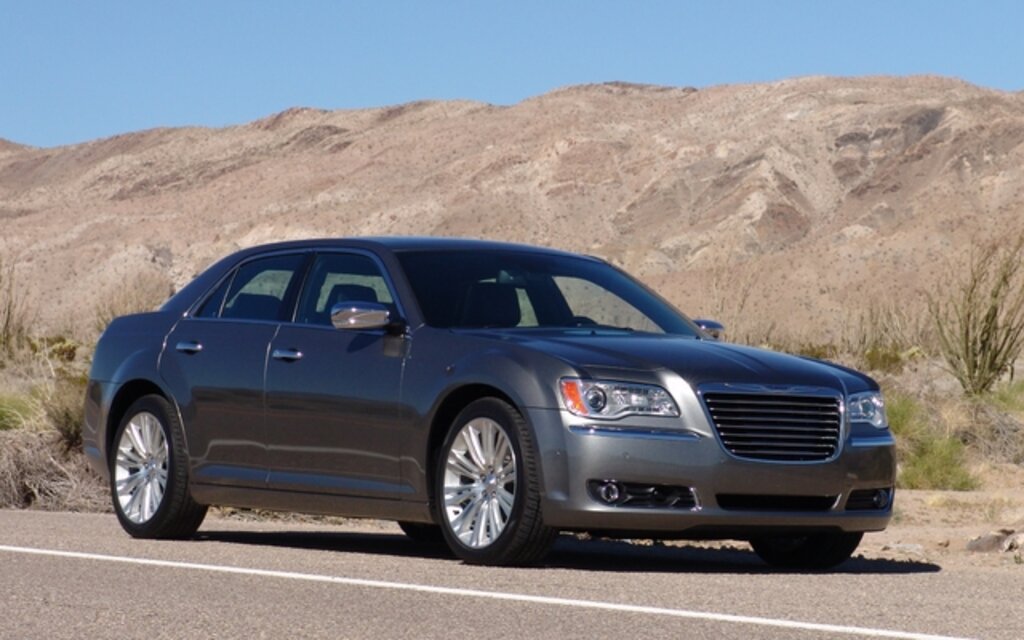
The Chrysler 300 spent years dealing with criticism tied to Chrysler’s older quality reputation, yet many owners discovered the car delivered far more comfort, style, and durability than people expected.
While internet discussions often focused on outdated stereotypes surrounding the brand, the 300 quietly became one of the most comfortable and distinctive American sedans available during its era.
One reason the car deserves more respect is highway comfort. The suspension favors smooth cruising, the cabin remains impressively quiet on long trips, and the seats provide excellent support for extended driving. Drivers wanting relaxed road trip capability often found the 300 far more satisfying than smaller, sport-focused sedans.
The available V8 engines also changed perceptions for many buyers. Hemi-powered versions delivered strong acceleration and effortless highway passing power without sacrificing the car’s calm personality. Even the V6 models offered respectable performance for daily commuting and family use.
Styling became another underrated advantage. While many sedans gradually blend visually, the Chrysler 300 maintained bold proportions and a commanding road presence. The design looked upscale enough that some casual observers confused it for far more expensive luxury sedans.
Interior quality improved substantially through later production years as well. Early criticism surrounding materials and technology lingered long after Chrysler upgraded cabins with better finishes, larger screens, and more refined layouts. Buyers who actually spent time inside newer models often came away pleasantly surprised.
Another factor helping the 300 age better than expected is mechanical simplicity in certain trims. Rear-wheel-drive layouts, naturally aspirated engines, and proven transmissions gave some versions strong long-term durability compared with more complicated rivals.
The car also benefited from practicality. Large trunk space, spacious rear seating, and comfortable ride quality made it a genuinely useful family sedan despite its aggressive appearance. Owners frequently praised how versatile the car felt during everyday use.
Fuel economy never led the segment, and some interior plastics still reminded drivers of Chrysler’s mainstream roots. Yet many criticisms aimed at the 300 became exaggerated compared with actual ownership experiences.
For buyers wanting a spacious sedan with personality, comfort, and available V8 power, the Chrysler 300 often delivered far more satisfaction than its mixed reputation suggested.
2. Pontiac Vibe
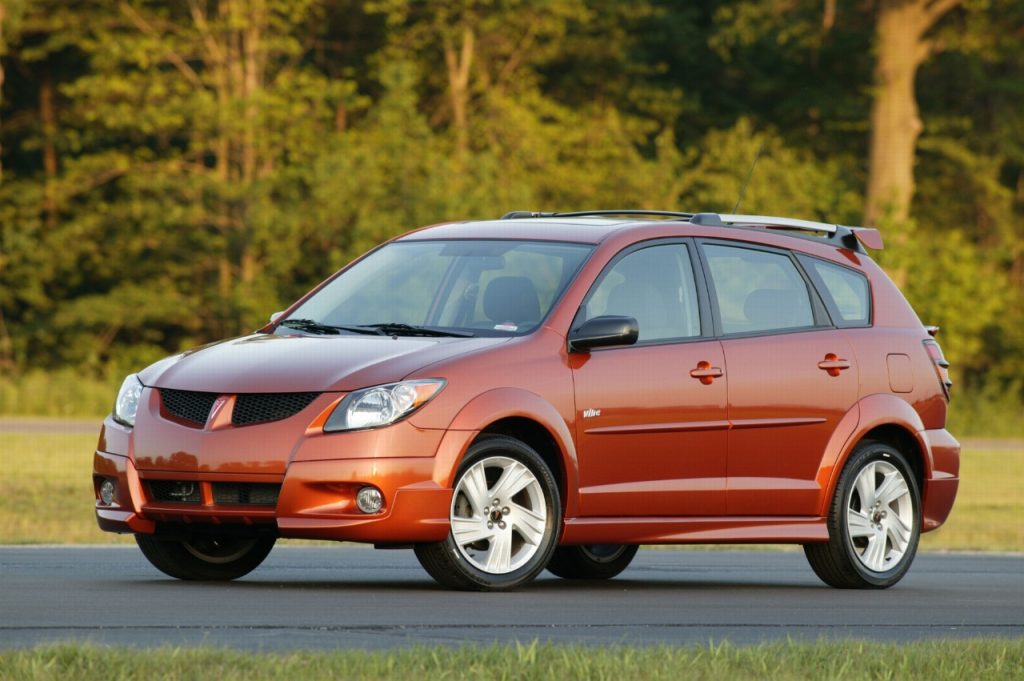
The Pontiac Vibe suffered largely because of its badge. Many buyers dismissed it immediately simply because Pontiac developed a reputation for inconsistent quality during its later years.
What countless people failed to realize was that the Vibe shared most of its engineering with the highly respected Toyota Matrix, making it one of the smartest hidden-value cars on the used market.
Underneath the styling sat dependable Toyota mechanical components known for strong reliability and low maintenance costs. Owners frequently drove these cars for huge mileage totals with little more than routine servicing.
Yet because the Pontiac name remained attached to the vehicle, resale prices often stayed lower than equivalent Toyota-branded alternatives.
Practicality became one of the vibe’s strongest qualities. The hatchback layout provided excellent cargo flexibility, while fold-flat seating created far more usable space than many compact sedans. Drivers transporting bicycles, furniture, camping gear, or work equipment often appreciated how versatile the interior felt.
Fuel economy also impressed many owners. The lightweight design and efficient four-cylinder engines helped keep operating costs low, making the Vibe attractive for commuters and students needing affordable transportation.
Another underrated strength involved visibility. Modern cars increasingly suffer from thick pillars and tiny windows, but the Vibe maintained an airy cabin with clear outward sightlines that made parking and city driving easier.
The driving experience remained simple and predictable. Steering felt light, controls were straightforward, and the car avoided unnecessary complexity. Some reviewers criticized the interior for looking plain, yet many owners later appreciated the durable materials and easy-to-use layout.
All-wheel-drive versions added even more usefulness for drivers living in snowy climates. While not intended for serious off-road driving, these models provided extra confidence during difficult weather without sacrificing practicality.
The Vibe also benefited from low ownership stress. Parts remained widely available because of Toyota component sharing, and many independent mechanics understood the platform thoroughly. That combination kept repair costs manageable long after production ended.
Because Pontiac disappeared entirely, some people assumed every vehicle wearing the badge must have been flawed. The vibe proved the opposite. Quietly dependable, efficient, and practical, it became one of the clearest examples of a car dramatically better than the reputation attached to its manufacturer.
3. Nissan Xterra
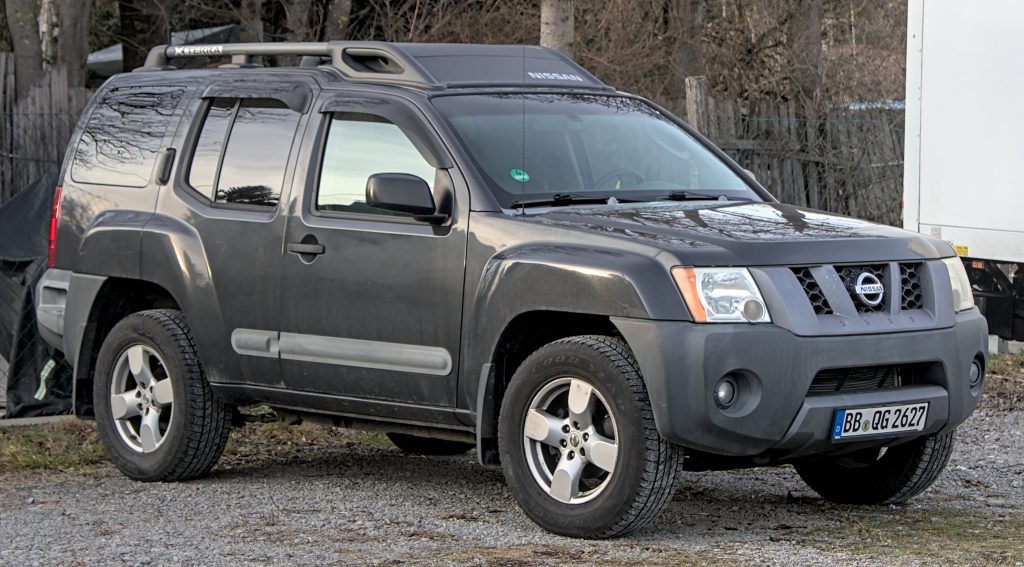
The Nissan Xterra often gets overshadowed by vehicles like the Toyota 4Runner and Jeep Wrangler, which causes many buyers to underestimate how capable and durable it truly is.
Some people dismissed it as outdated or crude, but owners who actually used the Xterra regularly discovered a rugged SUV with genuine utility and far more personality than many modern crossovers.
One of the Xterra’s greatest strengths was honesty. Nissan never tried turning it into a luxury vehicle pretending to be adventurous.
The SUV embraced practicality with roof-mounted storage areas, easy-to-clean cargo surfaces, sturdy body-on-frame construction, and real off-road capability. Buyers wanting a useful outdoor-oriented vehicle often found the Xterra refreshingly straightforward.
The driving experience felt old school in a good way. Visibility remained excellent, steering felt predictable, and the elevated seating position created confidence on rough roads or snowy highways. While the ride quality could feel firm compared with softer crossovers, many owners appreciated the sense of durability that came with it.
Another reason the Xterra deserved better recognition involved long-term reliability. Certain early automatic transmission issues hurt the vehicle’s reputation badly, especially radiator-related failures in specific years.
However, many examples outside those affected ranges proved extremely dependable when maintained properly. Unfortunately, internet discussions often exaggerated the problem to the point where people assumed every Xterra was doomed mechanically.
The available V6 engine also deserves more credit. It delivered strong low-end torque and respectable towing capability while remaining relatively simple compared with newer turbocharged SUVs. Drivers using the Xterra for camping, hauling gear, or light trail use appreciated how durable the drivetrain felt.
Interior design was functional rather than luxurious, but that practicality aged well. Durable materials, large controls, and useful storage compartments suited the SUV’s purpose perfectly. Owners frequently mentioned how easy the cabin was to live with during outdoor activities or messy weather conditions.
Another underrated advantage involved affordability. Used Xterras often cost far less than equivalent off-road-oriented competitors despite offering similar capability. Smart buyers realized they could get a dependable adventure vehicle without paying inflated prices tied to more fashionable badges.
The Xterra may never have delivered luxury, comfort, or cutting-edge technology, but it succeeded where many modern SUVs struggle.
It felt tough, useful, and genuinely capable. For drivers wanting substance instead of image-focused marketing, the Xterra consistently proved far better than the reputation surrounding it.
4. Buick LaCrosse
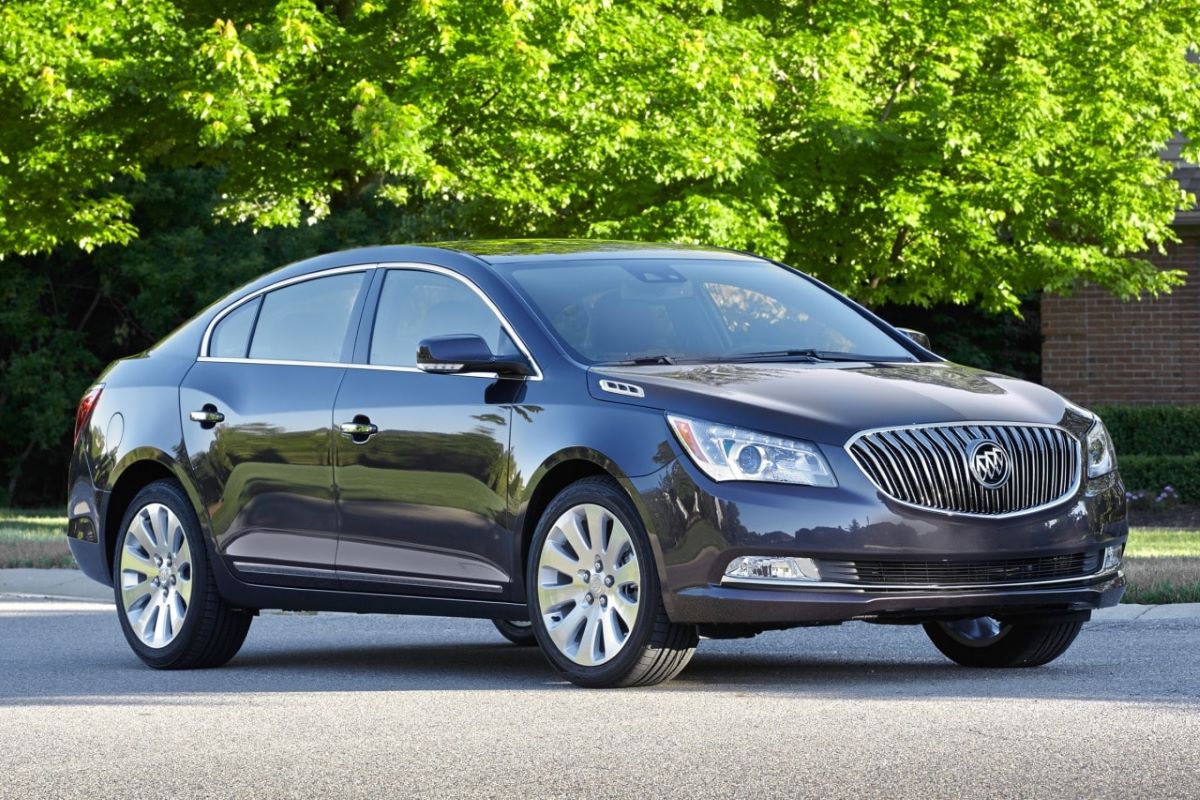
The Buick LaCrosse spent much of its life battling stereotypes attached to the Buick brand. Many younger buyers dismissed it automatically as a car designed only for retirees, which caused countless people to overlook how refined and comfortable the LaCrosse actually became in later generations.
One area where the LaCrosse consistently exceeded expectations was ride quality. Buick tuned the suspension for comfort instead of aggressive handling, creating a sedan exceptionally well-suited for long highway trips and rough pavement.
Drivers who spent serious time commuting often found the LaCrosse far more relaxing than sportier competitors constantly chasing sharp handling characteristics.
Cabin quietness became another standout trait. Buick invested heavily in noise reduction technology, and the results were impressive. Wind noise, road vibration, and engine harshness remained extremely controlled, giving the car a more expensive feel than many buyers expected from the badge.
The interior also aged better than critics admitted. Soft-touch materials, supportive seats, and clean dashboard layouts helped later LaCrosse models feel genuinely upscale. While some automotive enthusiasts ignored Buick completely, ordinary owners frequently praised the comfort and refinement during daily use.
Another reason the LaCrosse deserves more appreciation is its value. Depreciation hit these sedans hard because of the brand’s outdated image, which created excellent opportunities for used car buyers.
People could often purchase a well-equipped LaCrosse for significantly less money than comparable Japanese or European sedans offering similar comfort levels.
The available V6 engines proved reasonably dependable as well. Maintenance costs generally stayed manageable, and many owners reported years of reliable service without major mechanical drama. That dependability contrasted sharply with the assumption that Buick products were automatically problematic or outdated.
Practicality also helped the car succeed quietly. Rear seat space remained generous, trunk capacity was useful for travel, and the relaxed driving character appealed strongly to drivers prioritizing comfort over sporty image.
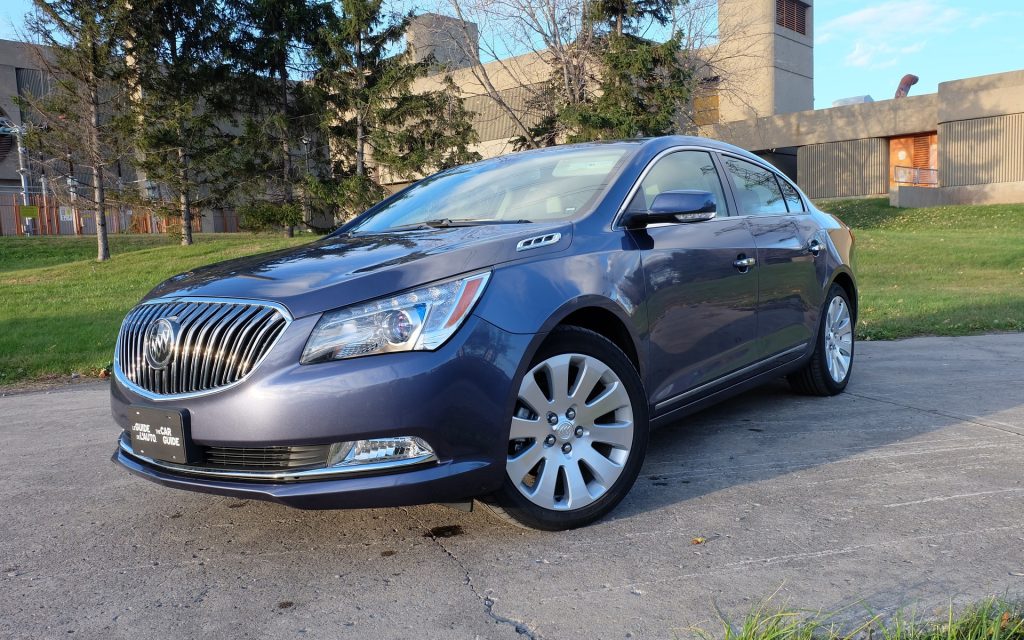
Fuel economy was respectable for such a spacious sedan, especially on highways, where the LaCrosse excelled as a long-distance cruiser. Drivers frequently mentioned arriving after long trips feeling less fatigued compared with former riding competitors.
The LaCrosse never generated excitement on social media or among performance enthusiasts, but that lack of hype became part of its hidden appeal. Buyers willing to ignore stereotypes often discovered a refined, comfortable sedan offering much more luxury and value than its reputation suggested.
5. Chevrolet Avalanche
The Chevrolet Avalanche confused many buyers when it first arrived because it blurred the line between SUV and pickup truck. Critics often mocked the unusual styling and plastic body cladding, causing the Avalanche to develop a reputation as an awkward compromise rather than a serious utility vehicle.
Years later, many owners realized the truck was far more practical and capable than people originally believed.
One of the Avalanche’s smartest features was the midgate system. This design allowed the rear cabin wall to fold down, extending cargo space into the passenger area when needed.
Owners could carry long items while still maintaining secure storage and comfortable seating. At the time, many people dismissed the concept as gimmicky, but drivers who actually used the truck regularly appreciated how flexible it made daily life.
Ride comfort also separated the Avalanche from traditional pickups. Since it shared much of its platform with Chevrolet SUVs, the suspension delivered smoother road manners than many body-on-frame trucks from the same era.
Long highway drives felt calmer and more comfortable, especially for families using the vehicle as both transportation and work equipment.
The V8 engines earned strong reliability reputations, too. Properly maintained, avalanches frequently accumulated high mileage without major drivetrain failures. Parts availability remained excellent because of shared GM truck components, helping keep ownership costs manageable even years after production ended.
Another underrated advantage involved interior practicality. The cabin offered generous passenger room, useful storage compartments, and comfortable seating layouts that made the truck easier to live with daily compared with some traditional pickups focused purely on work use.
Critics often focused too heavily on styling instead of functionality. The plastic body cladding especially became a target for jokes, yet it also protected lower panels from scratches and dents during rough use. Owners who used their trucks actively often appreciated that durability.
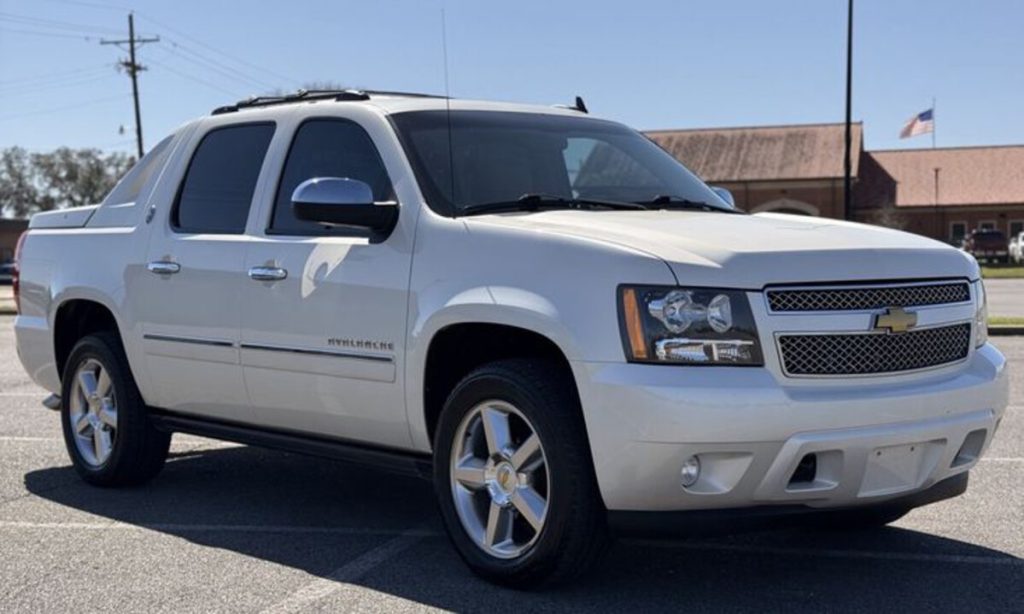
The Avalanche also proved surprisingly versatile for outdoor lifestyles. Towing capability, weather-protected cargo flexibility, and SUV-like comfort created a unique package still difficult to replace today. Modern trucks increasingly became either luxury-focused or oversized, while the Avalanche balanced utility and comfort in a more approachable way.
Resale values improved later because buyers slowly realized the truck offered something genuinely useful and different. Clean examples now attract loyal fans specifically because few vehicles copied the formula successfully.
The Avalanche may have looked strange to some people, but real-world ownership experiences proved it deserved far more respect than the reputation surrounding it during its production years.
6. Suzuki SX4
The Suzuki SX4 disappeared quietly from many markets, which caused countless drivers to forget it entirely. During its time on sale, many people dismissed the SX4 because Suzuki lacked a strong brand presence and dealership networks in several countries.
Yet owners who spent years driving these small hatchbacks often discovered dependable, practical transportation that exceeded expectations consistently.
One of the SX4’s strongest advantages was all-wheel-drive availability at a relatively affordable price. Few compact cars in its class offered that feature without moving into much higher price ranges.
Drivers living in snowy regions appreciated the extra confidence during winter conditions, especially combined with the car’s manageable size and good visibility.
The SX4 also delivered impressive practicality. The hatchback design created useful cargo flexibility, while the upright seating position improved comfort and outward visibility. For urban commuting and daily errands, the compact dimensions made parking easy without sacrificing interior usability.
Reliability turned out better than many people expected, too. The naturally aspirated engines were relatively simple, fuel-efficient, and durable when maintained properly. Since the SX4 avoided excessive technological complexity, ownership costs often remained manageable compared with competitors loaded with expensive electronic systems.
Another overlooked quality involved ride comfort. While not luxurious, the SX4 handled rough roads surprisingly well for a small car. Drivers frequently described it as sturdy and composed rather than fragile or cheaply built.
Fuel economy remained competitive, especially considering the available all-wheel drive system. Buyers wanting year-round practicality without SUV-level operating costs often found the SX4 a smart compromise.
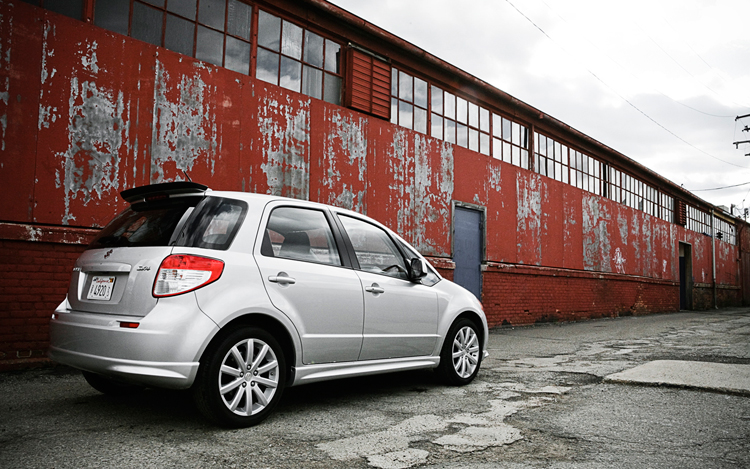
The interior design looked basic compared with trendier rivals, but the controls were straightforward and functional. Durable materials held up reasonably well over time, helping the cabin age better than some flashier competitors with more complicated layouts.
Suzuki’s weak market presence hurt resale values, which ironically made the SX4 an excellent used car bargain. Smart buyers realized they could purchase dependable transportation cheaply simply because the brand lacked prestige.
Another reason the car deserved better recognition was its versatility. The SX4 handled commuting, winter driving, road trips, and light outdoor use more confidently than many ordinary compact sedans. It never tried pretending to be sporty or luxurious. Instead, it focused on practical usefulness and dependable operation.
The SX4 may not have generated excitement in automotive conversations, but owners who lived with the car often understood something critics overlooked completely. It was a simple, capable, affordable vehicle that quietly performed its job extremely well despite the weak reputation attached to the Suzuki name.
7. Ford Flex
The Ford Flex spent much of its life being ignored because buyers could not decide what it was supposed to be. Some people thought it looked awkward, others considered it too boxy, and many shoppers simply chose more conventional SUVs instead.
Yet drivers who actually owned a Flex often became extremely loyal because the vehicle delivered practicality and comfort far beyond what its strange reputation suggested.
One of the biggest strengths of the Flex was interior space. The long, squared-off body created an exceptionally roomy cabin with generous legroom across all three rows. Adults could actually sit comfortably in the rear seats, something many midsize crossovers still struggle to provide.
Visibility also benefited from the upright design. Large windows and a relatively low beltline gave drivers a clear view outward, making parking and city driving easier than in many modern SUVs with tiny rear windows and thick pillars.
Ride quality surprised many owners, too. The Flex prioritized smoothness and highway comfort instead of sporty handling, which made long trips relaxing. Families appreciated how calm and quiet the cabin remained during extended travel.
Another underrated feature involved cargo flexibility. Fold-flat seating and the boxy shape allowed the Flex to carry large items much more easily than sleeker crossovers, sacrificing practicality for styling trends.
The available EcoBoost V6 engine added strong performance as well. Turbocharged power made the large vehicle feel much quicker than people expected while still maintaining decent highway manners.
Because the styling divided opinions so heavily, resale values often stayed lower than those of comparable family SUVs. That created excellent value for used buyers willing to ignore appearances and focus on functionality instead.
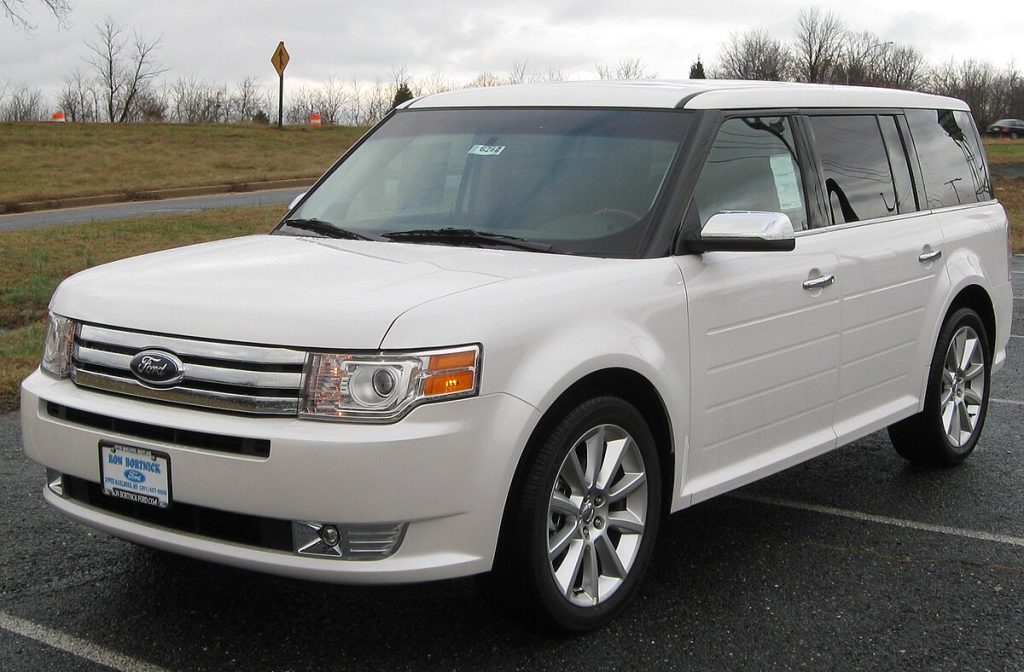
The Flex never became fashionable, but many owners discovered it solved real family transportation needs better than far more popular SUVs.
8. Saab 9-5
The Saab 9-5 carried the burden of Saab’s complicated financial history, which caused many buyers to assume every model from the brand would become unreliable or impossible to maintain. While ownership certainly required some dedication, the 9 5 delivered far more refinement and character than its reputation suggested.
One reason enthusiasts continue respecting the car is comfort. Saab designed seats specifically for long-distance support, and many owners still describe them as some of the best-fitted to a sedan. Highway cruising felt relaxed and composed rather than harsh or tiring.
Turbocharged engines gave the 9-5 a unique driving personality, too. Instead of chasing aggressive sports sedan behavior, the car delivered smooth midrange power ideal for effortless highway acceleration and daily driving confidence.
Safety engineering became another hidden strength. Saab invested heavily in occupant protection, strong structural design, and visibility. Drivers often praised how secure and stable the car felt during difficult weather conditions.
Interior design also stood apart from mainstream luxury sedans. The cockpit-style dashboard, ignition placement near the center console, and aviation-inspired details gave the cabin a genuine personality. Some people found it unusual initially, but owners frequently grew attached to the distinctive layout.
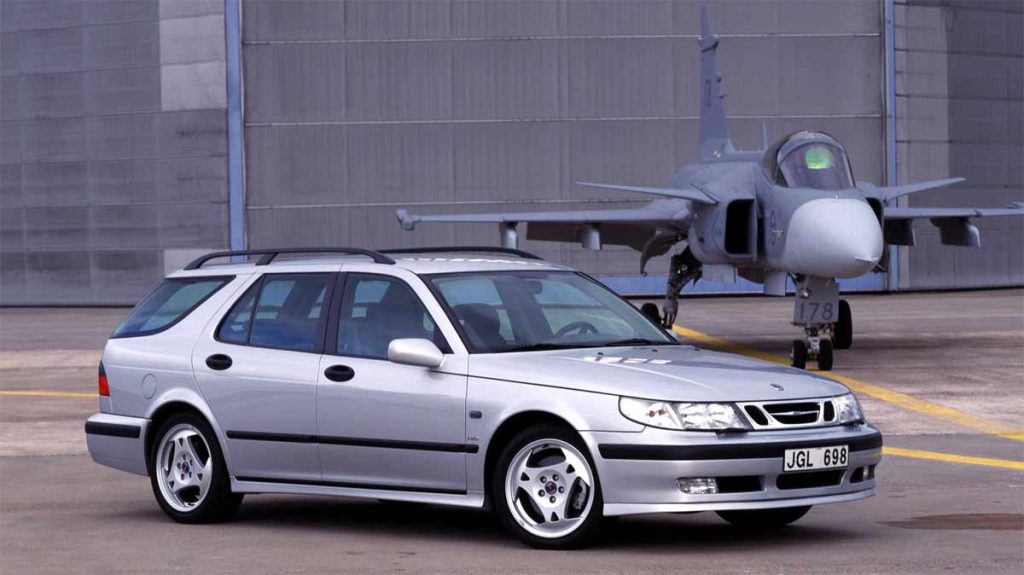
Reliability concerns became exaggerated online because Saab’s bankruptcy overshadowed the actual ownership experience. Properly maintained examples often proved dependable, especially later models benefiting from years of development improvements.
Another advantage involved exclusivity. The 95 looked different from endless German luxury sedans, allowing owners to drive something more individual without sacrificing comfort or practicality.
Parts availability requires more patience today, yet strong enthusiast communities and aftermarket support still help keep these cars running successfully.
The Saab 9-5 never received the widespread recognition of its German rivals, but drivers willing to understand the brand often discovered a comfortable, intelligent sedan with far more charm and capability than critics admitted.
9. Dodge Magnum
The Dodge Magnum developed a mixed reputation partly because people could not decide whether it was a muscle car, family wagon, or styling experiment. Yet beneath the unusual image sat one of the most interesting and practical American performance wagons of its era.
The Magnum immediately stood out because of its aggressive styling. Long proportions, bold front-end design, and available Hemi V8 engines gave it road presence few wagons ever achieved. Some critics mocked the shape, but many owners loved driving something practical that still looked muscular.
Performance became a huge selling point in V8 trims. Hemi-powered versions delivered strong acceleration and rear-wheel-drive dynamics rarely found in family-oriented vehicles. Drivers wanting muscle car character without sacrificing cargo space found the Magnum surprisingly appealing.
Practicality also exceeded expectations. The wagon body created a large cargo area useful for road trips, pets, sports equipment, and family hauling duties. Fold-flat seats added even more flexibility for everyday life.
Ride comfort remained respectable, too. The Magnum balanced highway stability with enough softness to remain comfortable during long drives. Owners frequently praised how usable the car felt compared with smaller performance vehicles.
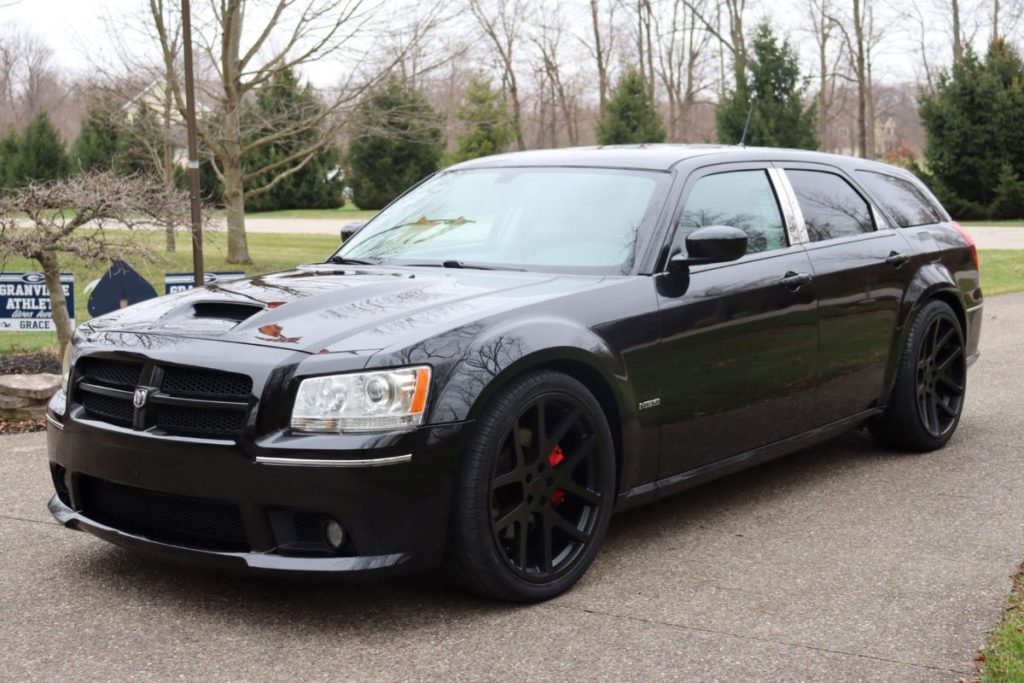
The interior quality was not perfect, and some early materials aged poorly. However, later models improved significantly, and the spacious cabin remained one of the vehicle’s strongest qualities.
Another reason the Magnum deserved more appreciation involved its uniqueness. Modern performance wagons are extremely rare, especially affordable American ones. The Magnum offered something different in a market increasingly dominated by ordinary SUVs.
Because the car never achieved massive mainstream success, used prices often stayed reasonable. Enthusiasts eventually realized they could purchase V8-powered practicality for far less money than comparable European performance wagons.
The Magnum may have confused critics during its production years, but owners who understood its blend of practicality and performance often viewed it far more positively than the reputation suggested.
10. Mitsubishi Montero
The Mitsubishi Montero spent years living in the shadow of more famous off-road SUVs like the Toyota Land Cruiser and Jeep Cherokee. Because Mitsubishi gradually lost market visibility in several countries, many buyers overlooked the Montero completely.
That lack of attention caused the SUV to develop an unfairly weak reputation despite being one of the most capable and durable vehicles Mitsubishi ever produced.
One of the Montero’s biggest strengths was genuine off-road engineering. Unlike many modern crossovers pretending to be adventurous, the Montero used serious four-wheel-drive hardware designed for rough terrain and difficult weather conditions.
Drivers who actually took these SUVs onto trails frequently discovered capability matching or even exceeding more celebrated competitors.
Ride comfort also surprised many owners. While body-on-frame SUVs often feel clumsy or harsh on pavement, the Montero balanced off-road toughness with respectable road manners. Long highway trips remained comfortable, and the suspension handled uneven roads without excessive harshness.
Another underrated advantage involved reliability. Properly maintained Monteros often accumulated very high mileage with relatively few major mechanical problems.
The engines were generally durable, and the drivetrain systems proved capable of handling years of demanding use. Unfortunately, weak brand perception caused many people to assume the vehicle must be unreliable simply because it wore a Mitsubishi badge.
Interior practicality helped the SUV age well, too. Seating layouts were flexible, cargo space remained useful, and visibility stayed excellent compared with many modern SUVs featuring tiny windows and bulky styling.
The Montero also benefited from strong structural durability. Owners in harsh climates often praised how solid and confidence-inspiring the SUV felt during snow, rain, and rough-road driving. That rugged character created loyal long-term owners who continued defending the vehicle years after production ended.
Another reason the Montero deserved better recognition involved value. Used examples frequently sold for much lower prices than comparable Toyota or Jeep SUVs despite offering serious capability and dependable engineering.
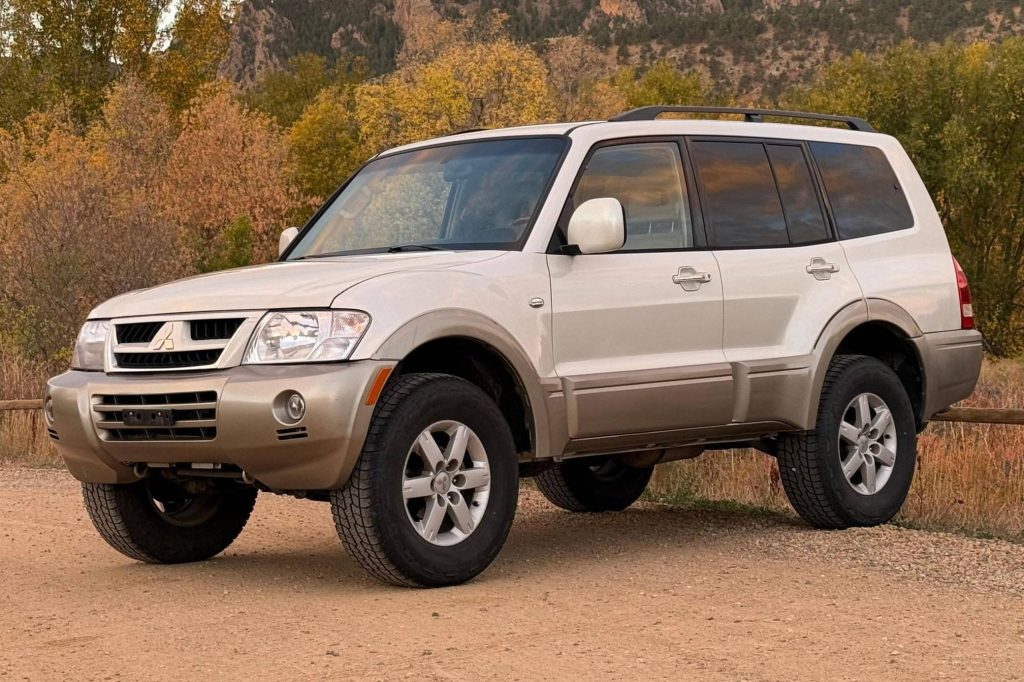
Smart buyers who researched the platform carefully often realized they were getting far more SUV for the money than public perception suggested.
The styling may not have attracted huge attention, and Mitsubishi’s declining popularity hurt the brand badly in later years. Still, drivers willing to ignore stereotypes often discovered a capable, durable, and comfortable SUV hidden behind an undeservedly weak reputation.
Cars develop reputations for many reasons, but public perception does not always match long-term ownership reality. Some vehicles become unfairly criticized because of branding problems, outdated stereotypes, or isolated mechanical issues exaggerated endlessly online.
Meanwhile, owners quietly continue driving and enjoying these overlooked cars for years without understanding why critics dismissed them so quickly.
The ten vehicles here prove that smart buyers sometimes benefit most from ignoring internet trends and judging cars based on real-world experience instead. Comfort, practicality, durability, and value often matter far more than reputation alone.
Also Read: 10 Cheap Cars That Are More Reliable Than Most Luxury SUVs
