
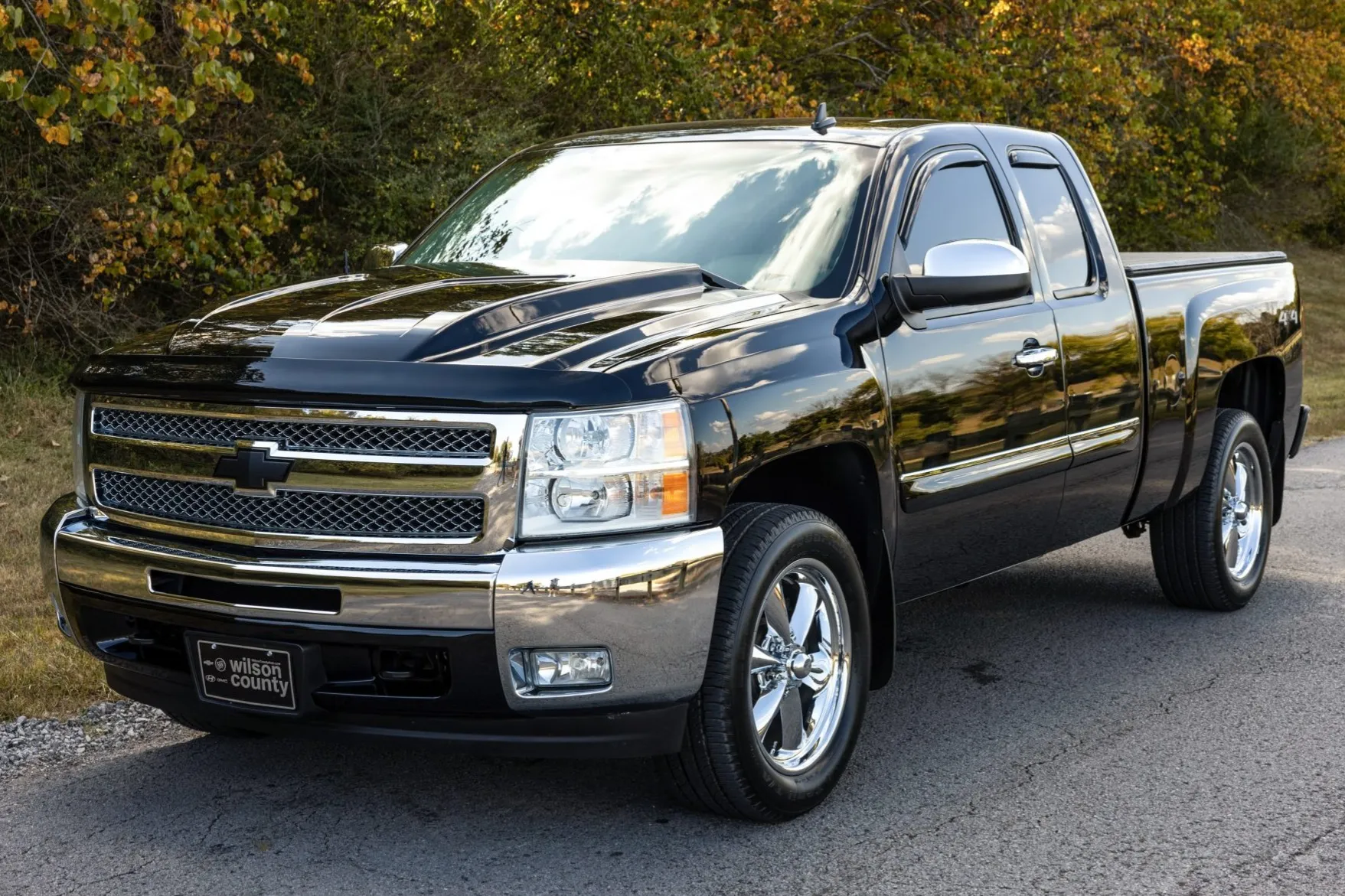
Pickup truck buyers usually focus on towing numbers, payload ratings, engine durability, and off-road ability. Yet one of the most expensive long-term road problems often starts in a place many owners ignore until it is too late: the truck bed.
Rust in the bed area can quietly spread beneath liners, around wheel arches, under tie-down points, and along seams where moisture becomes trapped for years.
Once corrosion takes hold, repairs become difficult because truck beds are constantly exposed to water, road salt, gravel, mulch, tools, and construction materials. A powerful engine means very little if the body surrounding it slowly dissolves.
Some manufacturers have done an impressive job engineering beds that resist corrosion even after years of abuse. Better drainage systems, stronger paint protection, aluminum construction, composite materials, and smarter undercoating methods have helped certain trucks maintain clean, solid beds deep into old age.
Owners in snowy states and coastal regions regularly praise these trucks because they survive punishing winters without developing severe rust bubbles or structural decay. These pickups become trusted long-term workhorses that can remain useful for decades.
At the same time, there are trucks with beds that have gained a reputation for rusting far earlier than expected. In some cases, the corrosion appears around the wheel wells within only a few winters. Other trucks develop rust beneath bed liners where trapped moisture quietly eats through the metal from underneath.
Poor factory coatings, weak drainage design, and thin paint protection often accelerate the damage. Once corrosion spreads across the bed floor or bed supports, owners face costly repairs that can exceed the truck’s resale value.
This comparison matters because truck ownership is usually a long-term investment. Buyers want a pickup that can survive hard labor, weather exposure, and years of outdoor parking without looking destroyed. A rust-free term bed is not only about appearance. It affects structural integrity, resale value, cargo safety, and long-term maintenance costs.
The trucks on this list show both extremes. Some have beds that seem nearly immune to corrosion under normal use, while others developed rust issues quickly enough to frustrate loyal owners. Understanding which trucks handle corrosion properly can save buyers thousands of dollars and years of headaches.
Also Read: 10 Used SUVs Under $10,000 That Still Run Better Than New Ones
1. Ford F-150
The Ford F-150 earns a place among trucks with beds that resist rust because Ford made one of the boldest engineering decisions in the pickup market. Starting with the 2015 redesign, the company switched the body and bed construction to military-grade F-150 aluminum alloy.
Many traditional truck buyers doubted the idea at first because steel had defined pickups for generations. Yet years later, the decision proved highly effective in fighting corrosion.
Truck beds suffer constant punishment. Rainwater sits beneath cargo mats, road salt sticks to the floor, and scratches expose bare surfaces. Steel beds often begin corroding at impact points where protective coatings fail. Aluminum behaves differently.
While it can oxidize, it does not rust in the same destructive way steel does. That distinction dramatically changed how modern F-150-grade beds aged in harsh climates.
Owners in northern states quickly noticed something unusual. Trucks several winters old still had clean wheel arches and solid bed floors. F-150, while competing with steel-body floors, trucks already showed bubbling paint and brown corrosion spreading around seams.
Contractors who carried heavy equipment daily also found that the aluminum beds remained structurally healthy despite years of abuse.
Another reason this truck deserves recognition is Ford’s attention to drainage and coatings. Water does not remain trapped as easily as it did in older truck designs. Combined with corrosion-resistant-body fasteners and improved paint application, the bed survives weather exposure far better than many rivals.
This does not mean the F-150-resistant bed is indestructible. Aluminum dents differently from steel, F-150, and repairs can cost more after accidents. Some owners also dislike how scratches appear on aluminum. Yet when the discussion focuses strictly on corrosion resistance, the truck stands near the top of the modern pickup segment.
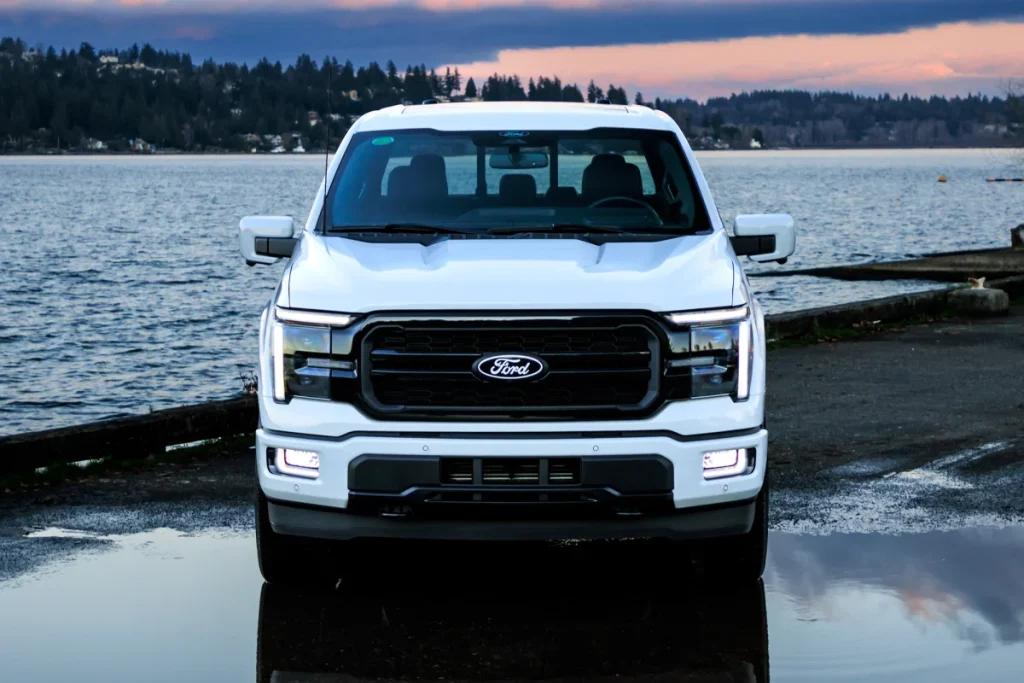
Ford changed the direction of the industry with this design choice. Skeptics eventually admitted the aluminum bed solved one of the biggest long-term steel ownership frustrations facing pickup trucks.
Years after purchase, many F-150 owners still have beds that remain clean, solid, and free from the severe rust damage commonly seen on aging work trucks.
2. Honda Ridgeline
The Honda Ridgeline approaches truck design from a completely different angle than traditional body-on-frame trucks, and that unusual strategy helped create one of the most corrosion-resistant on-frame beds in the segment.
Instead of using a separate steel cargo bed mounted behind the cab, Honda engineered a composite bed integrated into the truck’s unibody structure. That single decision changed how the Ridgeline ages.
Rust usually begins where steel panels trap water, salt, or mud. Scratches eventually expose bare metal, and corrosion slowly spreads beneath paint layers. The Ridgeline avoids much of this problem because the bed itself uses a durable composite material that simply does not rust like steel.
Owners can toss landscaping tools, bicycles, generators, and construction gear into the back without constantly worrying about exposed metal surfaces.
The design became especially appreciated in areas with harsh winters. Many truck owners know the frustration of watching wheel wells and bed seams rot after years of road salt exposure. Ridgeline owners often report something very different.
Even older trucks frequently maintain clean bed interiors with minimal corrosion concerns compared to traditional pickups from the same era.
Honda also designed the Ridgeline with practicality in mind. The bed includes excellent drainage, a weather-resistant in-bed trunk, and durable surface materials that handle moisture far better than painted steel floors. These features reduce standing water, which is one of the main contributors to long-term bed-bed rust development in trucks.
Another reason the Ridgeline stands out is that many owners use it as a daily driver rather than a dedicated work truck.
That means the bed experiences varied conditions ranging from groceries and sports equipment to camping gear and home improvement supplies. Despite this mixed use, the bed often ages gracefully with fewer corrosion headaches than rivals.
Traditional truck enthusiasts sometimes criticize the Ridgeline because it lacks the heavy-duty identity of larger pickups. Still, when corrosion resistance becomes the focus, the truck deserves serious credit. Honda quietly solved a major ownership problem by building a bed that avoids many of the weaknesses that plague conventional steel pickups.
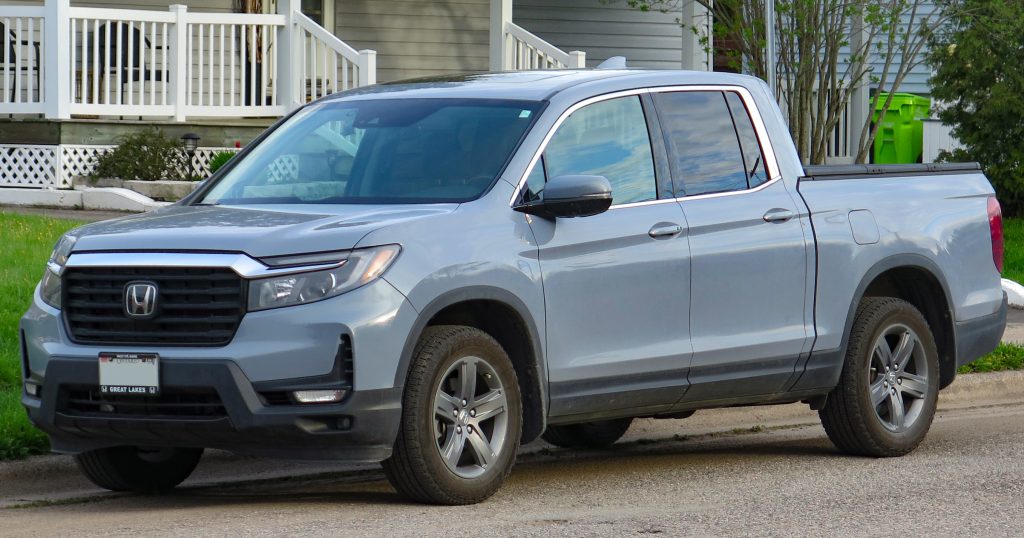
The Ridgeline may not dominate towing competitions, but its smart bed construction gives it remarkable long-term-duty durability where many trucks struggle most.
3. Toyota Tundra
The Toyota Tundra built its reputation around durability, and that reputation extends to how well many of its beds resist corrosion compared to full-size trucks.
Toyota learned painful lessons from earlier rust controversies involving older truck frames, so the company invested heavily in stronger corrosion protection for later generations of the Tundra. Those improvements became noticeable to owners who kept their trucks for the long haul.
One reason the Tundra performs well against rust is the quality of its factory coatings. Toyota applies corrosion-resistant treatments beneath the bed and around vulnerable seams where moisture usually accumulates.
This matters because truck beds constantly face exposure to rainwater, road salt, sand, gravel, and chemical residue from construction materials. Weak protection in these areas often leads to bubbling paint and rust holes after years of use.
The bed design itself also contributes to longevity. Drainage is handled more effectively than on several competing trucks from the same period.
Water and debris are less likely to remain trapped in corners for extended periods, reducing the chance of hidden corrosion spreading underneath the bed floor. Owners who regularly wash the truck often report remarkably clean bed structures even after a decade of ownership.
Another strength comes from Toyota’s conservative engineering philosophy. The Tundra was never designed to chase flashy innovations or extreme styling trends. Instead, long-term resistant dependability. That practical mindset helped the truck age gracefully in harsh climates where corrosion destroys many work pickups.
Farmers, contractors, and outdoor enthusiasts often praise older Tundras because they continue looking respectable long after competitors begin showing severe rust damage around wheel arches and tailgate seams.
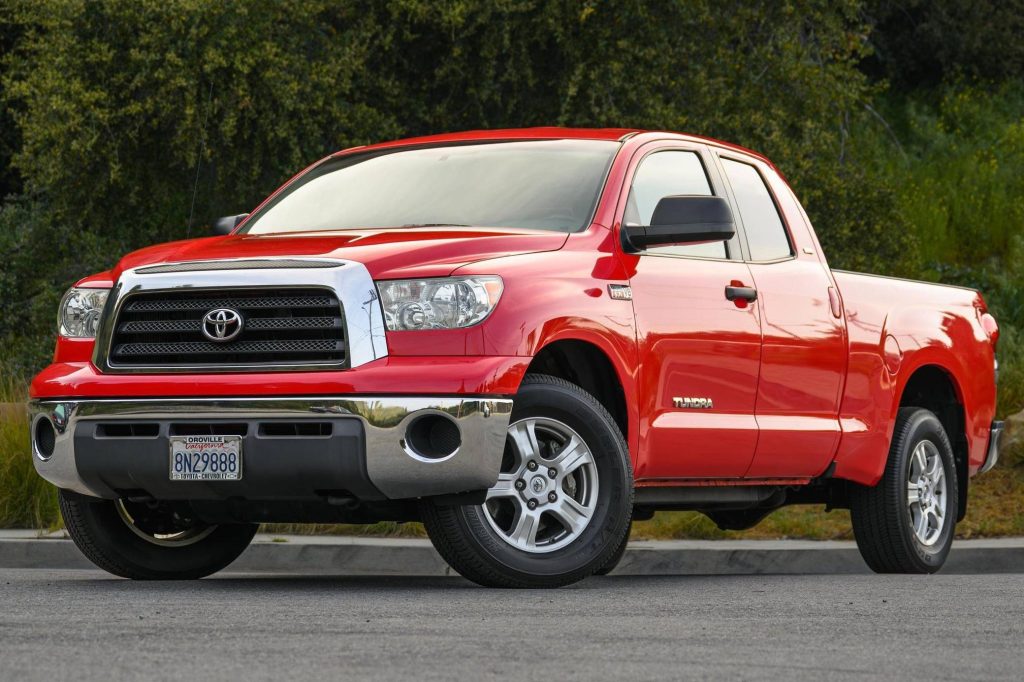
Even trucks used for towing boats or hauling landscaping equipment frequently maintain solid beds with minimal corrosion concerns.
No steel truck is completely immune to rust, especially if neglected in snowy regions. Still, the Tundra earned a strong reputation because its bed usually survives years of hard use without developing the rapid corrosion issues seen in some rivals.
That consistency made it a trusted option for buyers wanting durability beyond just the engine and transmission.
4. Chevrolet Avalanche
The Chevrolet Avalanche deserves attention because it approached truck bed durability in a very unconventional way.
While many pickups relied entirely on exposed painted steel beds, the Avalanche combined body cladding, composite materials, and clever engineering choices that helped reduce corrosion problems in key areas. As a result, many Avalanches aged better than expected despite years of demanding use.
One major advantage came from the composite cargo bed panels. Unlike traditional steel beds that easily chip and expose bare metal, the Avalanche uses plastic-based materials in several high-impact zones.
This reduced the risk of scratches turning into rust spots over time. Owners could load tools, lumber, camping equipment, or motorcycles without constantly damaging painted metal surfaces.
The integrated bed design also helped protect vulnerable seams from excessive moisture buildup. Traditional truck beds often develop corrosion where wheel wells meet the bed floor or where water becomes trapped beneath liners. The Avalaminimised these weak points through its unique structure and protective materials.
Another factor worth mentioning is the truck’s famous midgate system. Because the bed and cabin could partially connect for hauling long cargo, Chevrolet engineered the rear section with added sealing and drainage considerations. That reduced some of the water intrusion problems commonly found in older pickups with poorly protected seams.
The Avalanche became especially popular among suburban truck owners who wanted pickup-truck utility without the harsh work-truck feel. Many of these vehicles spent years exposed to weather while still maintaining beds in surprisingly good condition.
Rust could still appear on neglected examples, particularly around lower-body sections in salty climates, but the bed itself often held up better than many conventional trucks from the same era.
Critics sometimes dismissed the Avalanche because of its unusual styling, yet owners who kept them long-term frequently appreciated how well the cargo area survived daily wear. The composite protection reduced corrosion worries while also limiting cosmetic damage from hauling heavy items.
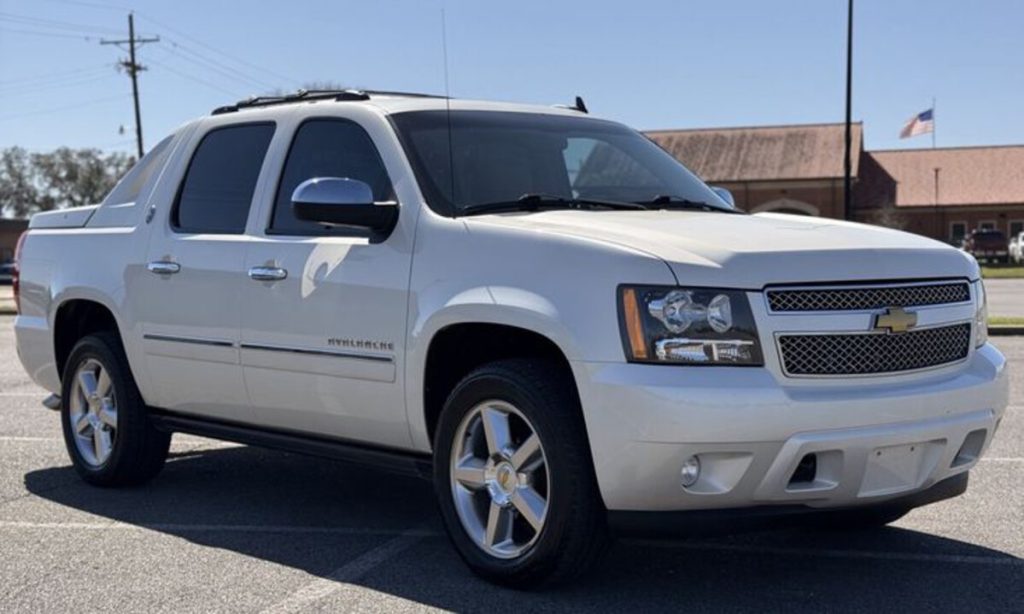
Chevrolet may not have intended the Avalanche to become a standout rust-resistant truck, but its creative design accidentally solved several common pickup bed corrosion problems. Years later, that smart engineering continues to safeguard it from many aging competitors whose beds deteriorated far more quickly.
5. Nissan Titan
The Nissan Titan rarely receives the same level of attention as America’s best-selling full-size trucks, yet it quietly developed a reputation for respectable corrosion resistance in the bed area.
Nissan focused heavily on protective coatings and durable construction, which helped many Titans avoid the severe rust issues that affected certain competitors during the same period.
One reason the Titan performs well is its strong factory paint and undercoating application. Truck beds endure constant punishment from shifting cargo, tools, gravel, and exposure to moisture.
Once paint chips appear, corrosion usually spreads quickly on poorly protected steel. The Titan’s coatings generally held up better than expected, especially on trucks that received basic washing and maintenance.
The truck also benefits from a straightforward bed design with fewer complicated seams where water can collect unnoticed.
Simple construction may sound unexciting, but it often improves long-term durability because fewer moisture traps exist beneath the bed floor and wheel arches. Owners in snowy regions frequently reported that their Titans stayed structurally healthy even after years of winter driving.
Another point worth noting is that many Titans were purchased by private owners rather than large commercial fleets. As a result, these trucks were often treated with greater care and received routine cleaning, which helped preserve the beds even longer.
Used examples today still commonly show solid bed floors and cleaner wheel wells compared to similarly aged rivals.
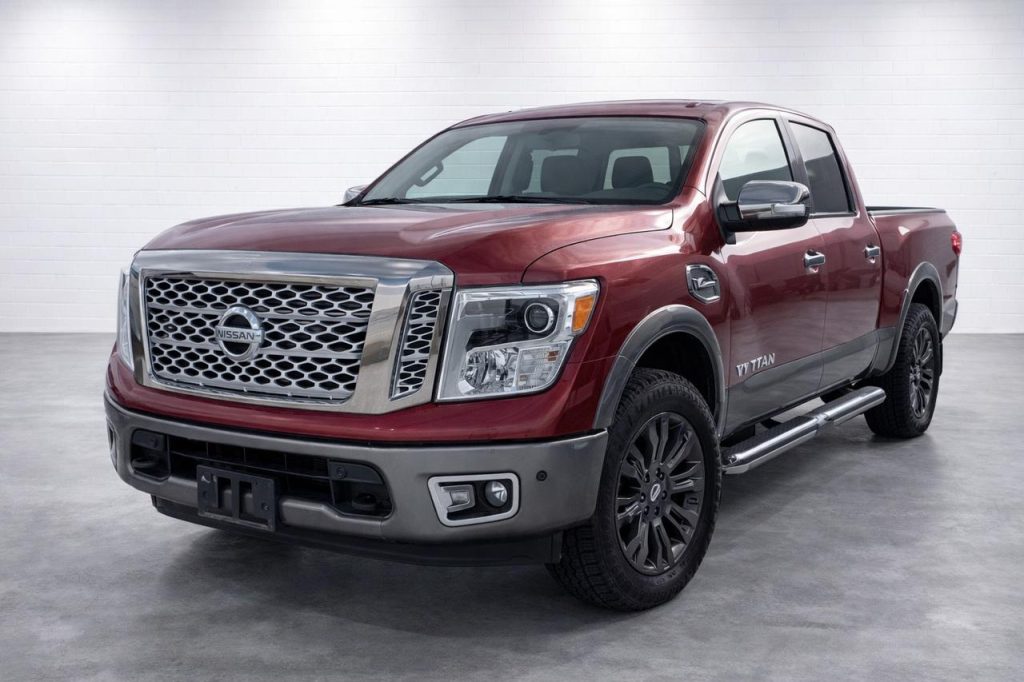
The Titan never dominated sales charts, but its corrosion resistance became one of its underrated strengths. Buyers searching for a dependable used truck often discover that older Titans age more gracefully than expected.
While no steel pickup completely escapes rust forever, the Titan’s bed usually survives years of work without developing major structural decay or widespread corrosion damage.
6. GMC Sierra 1500
The GMC Sierra 1500 deserves recognition because it combined work truck toughness with improved corrosion protection during several important generations. GMC refined bed coatings, drainage systems, and steel treatments over time, helping many Sierras maintain solid cargo beds even after years of demanding use.
One of the Sierra’s biggest advantages comes from its attention to detail around vulnerable areas. Wheel wells, tailgate edges, and bed seams are common rust starting points on pickups. GMC strengthened protection in these sections with better paint application and corrosion-resistant materials, reducing the speed at which rust could spread.
Owners who regularly used the Sierra for towing and hauling often noticed that the bed retained its structural strength well into high mileage ownership. Construction equipment, landscaping supplies, and heavy cargo naturally create scratches and dents, yet the bed generally resisted severe corrosion better than several competing trucks from the same era.
The Sierra also benefited from improved drainage beneath the bed. Moisture buildup destroys many pickups slowly from underneath, especially in places where mud and road salt remain trapped for long periods. GMC’s engineering reduced these hidden trouble spots, allowing the bed structure to stay cleaner over time.
Another reason the Sierra stands out is its balance between durability and comfort. Many trucks designed for heavy labor sacrifice refinement, but the Sierra appealed to both work truck buyers and families. Because of this mixed ownership, numerous examples received careful maintenance that further preserved the bed condition.
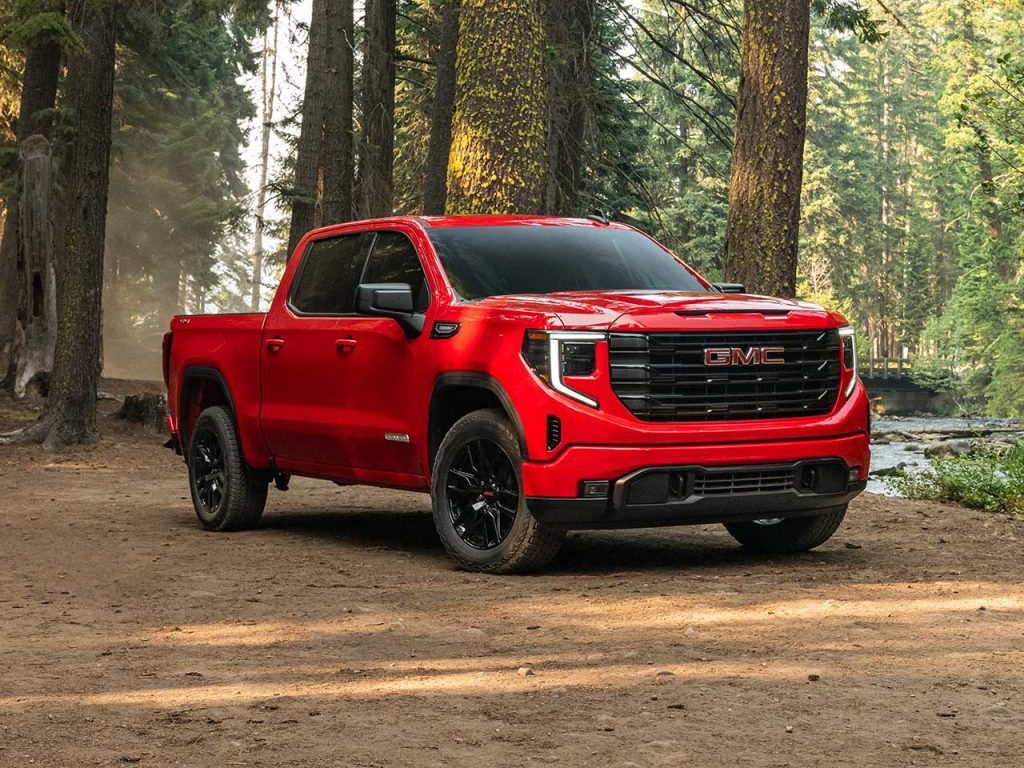
Older Sierras can still develop rust if neglected in harsh climates, particularly in regions with aggressive road salt use. Even so, the truck earned a far stronger reputation for bed durability than several rivals known for rapid corrosion problems.
For buyers wanting a pickup that could survive years of hauling without the bed falling apart, the Sierra proved to be a dependable choice.
6 That Corrodes Fast
Truck buyers usually expect a pickup bed to survive years of abuse. These vehicles haul lumber, gravel, tools, motorcycles, machinery, and everything else owners can throw at them. Because of that expectation, rust becomes especially frustrating when it appears early and spreads aggressively.
A corroded bed is more than an ugly cosmetic problem. Rust weakens mounting points, damages structural supports, lowers resale value, and creates expensive repair bills that many owners never anticipated.
Some trucks developed unfortunate reputations because their beds seemed unable to withstand harsh climates or heavy use for very long. In snowy regions where road salt covers highways for months, these weaknesses became painfully obvious.
Moisture trapped beneath bed liners or inside poorly protected seams quietly ate through metal panels year after year. Many realized they did not even realize the damage until bubbling paint or holes suddenly appeared around wheel wells and bed floors.
In several cases, the issue was not owner neglect but factory protection that simply failed too soon. Thin paint, weak undercoating, poor drainage, and vulnerable weld points allowed corrosion to spread much faster than expected.
Certain trucks became notorious in used vehicle markets because buyers specifically checked for bed rust before considering a purchase.
This section focuses on pickups that earned criticism for corrosion problems in the cargo bed area. Some of these trucks remained mechanically dependable despite their rust issues, while others suffered damage serious enough to shorten their usable lifespan.
The goal is not to attack these vehicles unfairly; many still offered strong engines or good towing performance. Instead, this comparison highlights how poor corrosion resistance can overshadow otherwise capable trucks.
Understanding which models struggled with rust helps buyers make smarter long-term decisions. A powerful drivetrain means little if the truck bed deteriorates after only a few winters.
These pickups remind owners that body durability matters just as much as horsepower and towing numbers when choosing a truck built to last.
1. Dodge Ram 1500 (Early 2000s)
The early 2000s Dodge Ram 1500 became famous for bold styling and strong engine choices, but it also developed one of the worst reputations for bed corrosion among full-size pickups of its era. Owners across northern states and coastal regions frequently reported severe rust appearing far earlier than expected, especially around rear wheel arches and bed corners.
One major issue involved the truck’s weak rust protection from the factory. Paint quality and corrosion-resistant coatings often failed after only a few winters in harsh climates.
Once moisture and salt penetrated vulnerable sections, rust spread rapidly beneath the surface. Many owners first noticed small bubbles forming around the wheel wells before entire sections of metal eventually rotted away.
The design of the bed also contributed to the problem. Dirt, mud, and salty slush easily became trapped in tight areas near the wheel arches and lower seams.
Because moisture remained there for extended periods, corrosion accelerated quickly. Trucks used for construction or winter driving suffered especially badly because debris constantly collected underneath the bed.
What frustrated owners most was how common the issue became. Perfectly functioning Rams with reliable engines and transmissions often looked badly deteriorated on the outside because of severe bed rust. Some trucks developed visible holes before reaching old age, damaging resale value and forcing owners into costly body repairs.
Bed liners occasionally made the situation worse by trapping moisture under the owner, not realizing it. Water hid in the den between the liner and the bed floor, quietly destroying the metal over several years. By the time the liner was removed, extensive corrosion had already spread across the cargo area.
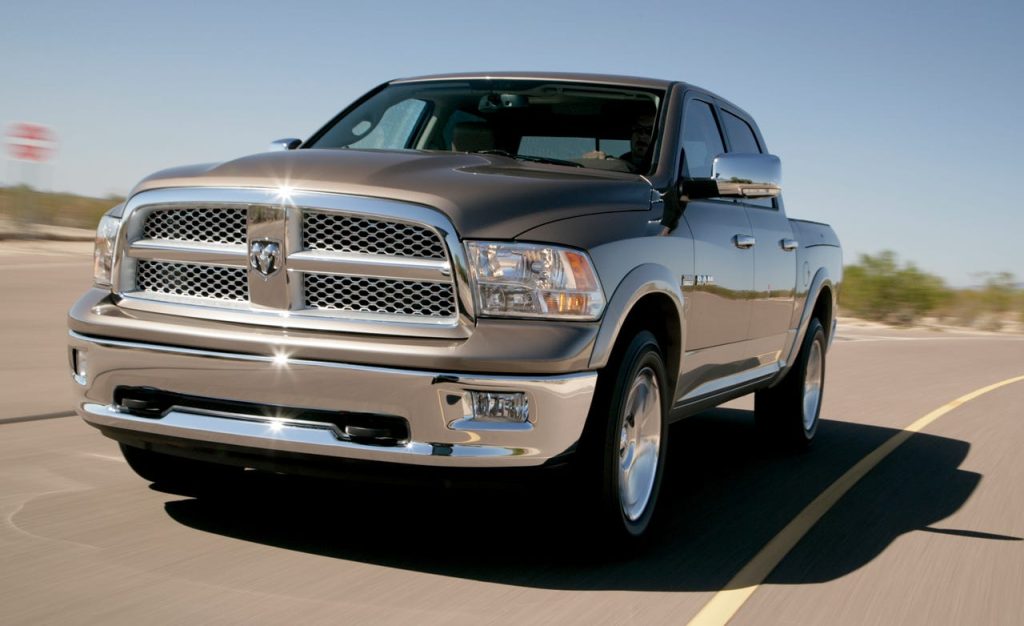
The Ram 1500 remained popular because of its comfortable ride and strong V8 performance, but rust became impossible to ignore on many examples. Even loyal Dodge owners admitted that bed corrosion was one of the truck’s biggest weaknesses during this generation.
2. Chevrolet Silverado 1500 (1999 to 2006)
The Chevrolet Silverado from the early 2000s earned praise for its dependable V8 engines and comfortable driving manners, yet the bed corrosion problems became difficult to ignore as these trucks aged.
In regions with heavy winter salt use, rust frequently appeared around the wheel arches, tailgate edges, and crossmembers beneath the bed. Many owners were shocked by how quickly otherwise reliable trucks began showing visible decay.
A major weakness involved the protective coatings used during production. Once paint chipped from gravel in the act of cargo damage, the exposed metal became vulnerable almost immediately.
Moisture and road debris gathered in hidden seams near the bed floor, allowing rust to spread underneath the surface long before owners could see the damage. Trucks used for towing boats or hauling landscaping materials often suffered even faster deterioration because constant moisture exposure accelerated corrosion.
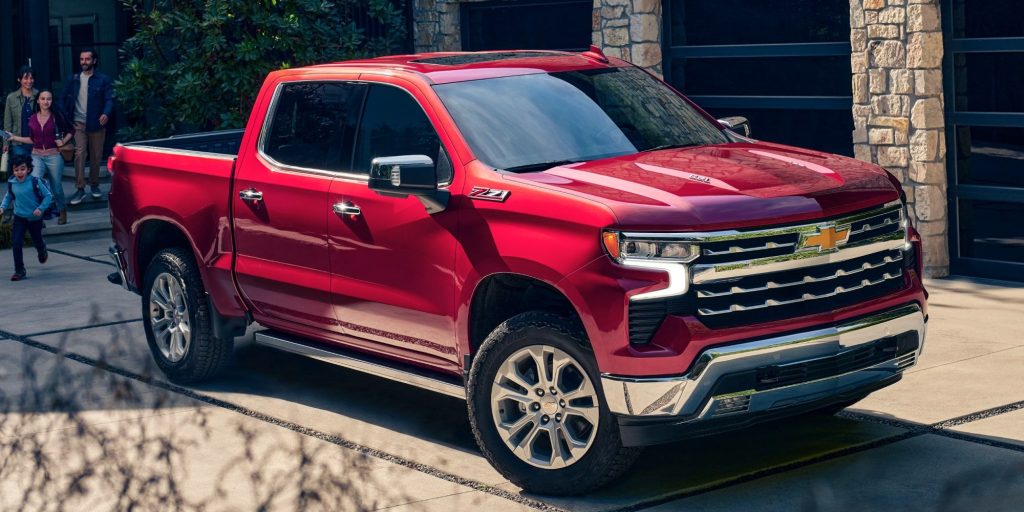
Another frustration came from how widespread the issue became. Used truck buyers learned to inspect Silverado beds carefully because severe rust was so common.
Some trucks looked solid mechanically but had bed supports weakened by corrosion underneath. Repair costs rose quickly once rust reached structural sections, and many owners eventually abandoned restoration because replacing entire bed panels became too expensive.
3. Ford Ranger (1990s and Early 2000s)
The older Ford Ranger built a reputation as a simple and dependable compact truck, but bed rust became recognized as its most common long-term problem. These trucks handled daily work surprisingly well for their size, though many eventually suffered corrosion around the rear wheel wells and bed supports.
One problem was the thin metal and limited corrosion protection used during that period. Rangers driven through snowy winters often developed bubbling paint relatively early in life.
The corrosion usually started in small areas but spread steadily as moisture entered exposed seams and weld points. Owners frequently discovered rust hiding beneath plastic trim pieces and mud buildup around the wheel arches.
The compact design also worked against the Ranger in some situations. Dirt collects easily underneath the bed structure, especially on trucks used for off-road driving or construction work. Once trapped debris stayed wet for extended periods, rust advanced quickly underneath the truck.
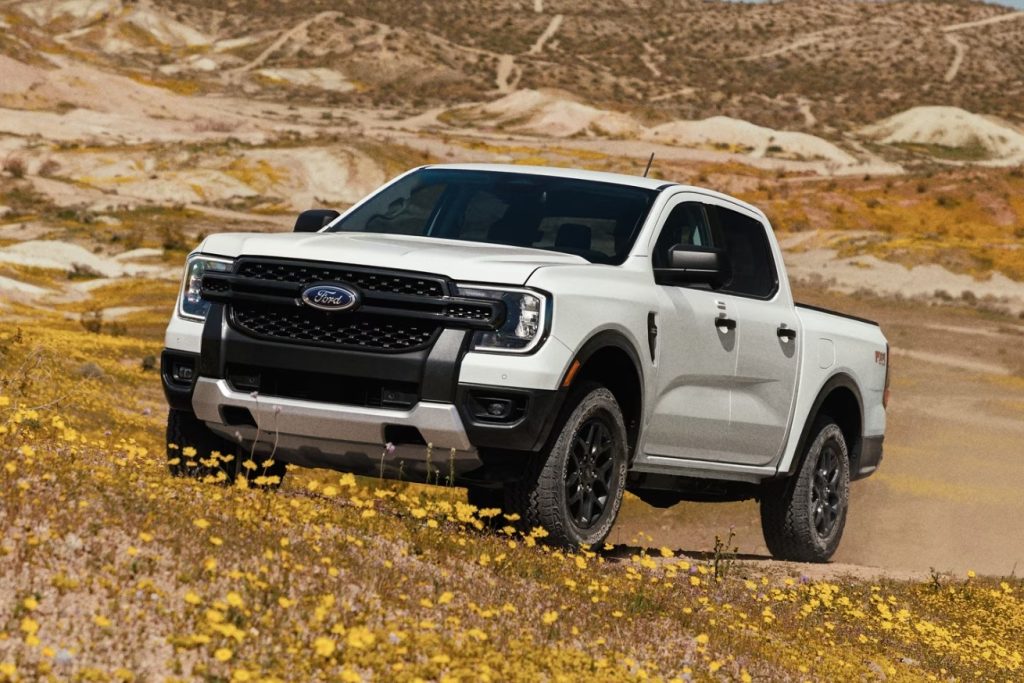
Despite these issues, the Ranger remained mechanically durable, which made the corrosion even more disappointing. Many trucks still ran reliably while the beds deteriorated badly enough to create safety concerns. Some owners patched holes repeatedly just to keep the truck usable for a few more years.
4. Nissan Frontier (Early 2000s)
The early 2000s Nissan Frontier faced serious criticism for corrosion issues that affected not only the frame but also the bed structure. While the truck delivered practical size and solid reliability in many areas, rust became a major concern for owners living in humid or snowy climates.
The bed suffered because moisture often became trapped around mounting points and lower seams. Once corrosion began, it spread aggressively beneath the paint. Wheel arches were particularly vulnerable, with many Frontiers developing visible rust bubbles before reaching high mileage.
Nissan’s protective coatings during that era did not hold up as well as buyers expected. Trucks exposed to road salt frequently showed advanced corrosion underneath the bed despite regular maintenance. Some owners attempted rustproofing treatments early in ownership, but others still struggled to stop the damage once it started.
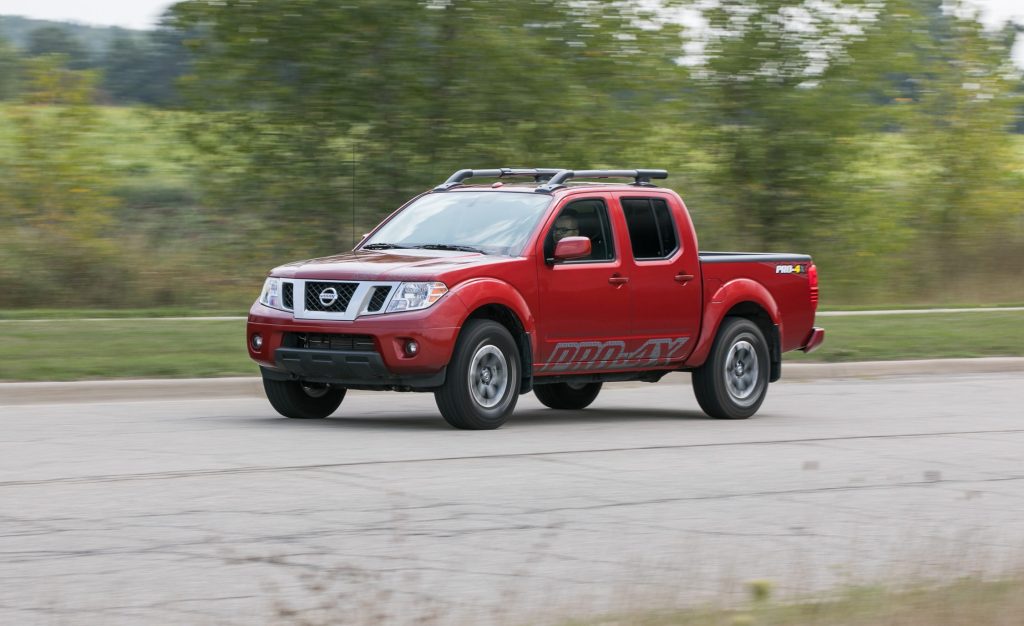
The problem became serious enough that buyers in the used market grew cautious about inspecting Frontiers carefully before purchase. A truck could appear clean from a distance while hiding major corrosion underneath the cargo bed. This hurt resale value and damaged the model’s reputation for long-term durability.
5. Toyota Tacoma (1995 to 2010)
The Toyota Tacoma is widely respected for reliability, but older generations became heavily associated with rust controversies that affected frames and bed areas alike. Many owners trusted these trucks for extreme longevity, which made the corrosion problems especially disappointing.
In harsh climates, bed rust often appeared around wheel wells and lower seams where road salt accumulated.
The issue was severe enough that Toyota eventually faced major public criticism and conducted buyback programs for some affected trucks due to frame corrosion concerns. Although the frame received most of the attention, the beds frequently showed damage as well.
Another factor involved the way moisture collected beneath bed liners and around mounting hardware. Owners who used the Tacoma for outdoor activities or construction work often exposed the bed to mud, wet gear, and debris that accelerated corrosion. Once rust formed, it spread steadily beneath the paint and became difficult to stop.
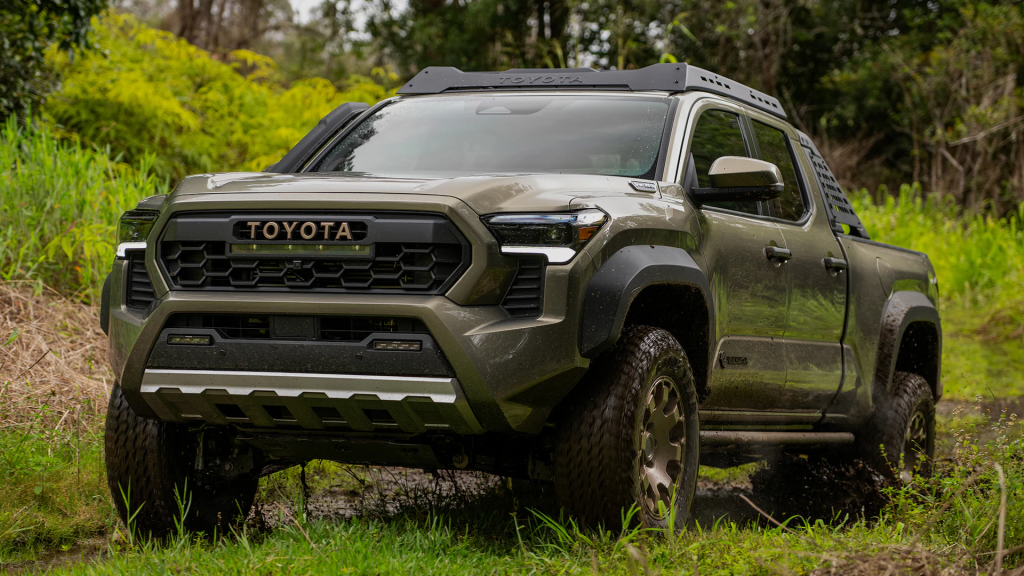
The Tacoma still maintained a loyal following because of its strong mechanical dependability and off-road capability. Yet many buyers searching for older examples now inspect the bed condition carefully before making a purchase. A rust-damaged Tacoma can require major repairs despite running perfectly otherwise.
6. Mazda B Series
The Mazda B Series shared much of its design with older Ford Rangers, which meant it inherited many of the same corrosion weaknesses. These compact trucks were affordable and practical, but the beds often struggled against long-term rust exposure.
Wheel arches and lower bed corners became common trouble spots, particularly in northern climates. Paint protection wore down quickly after years of cargo use, allowing moisture to attack exposed steel. Once corrosion started, the thin metal panels deteriorated rapidly.
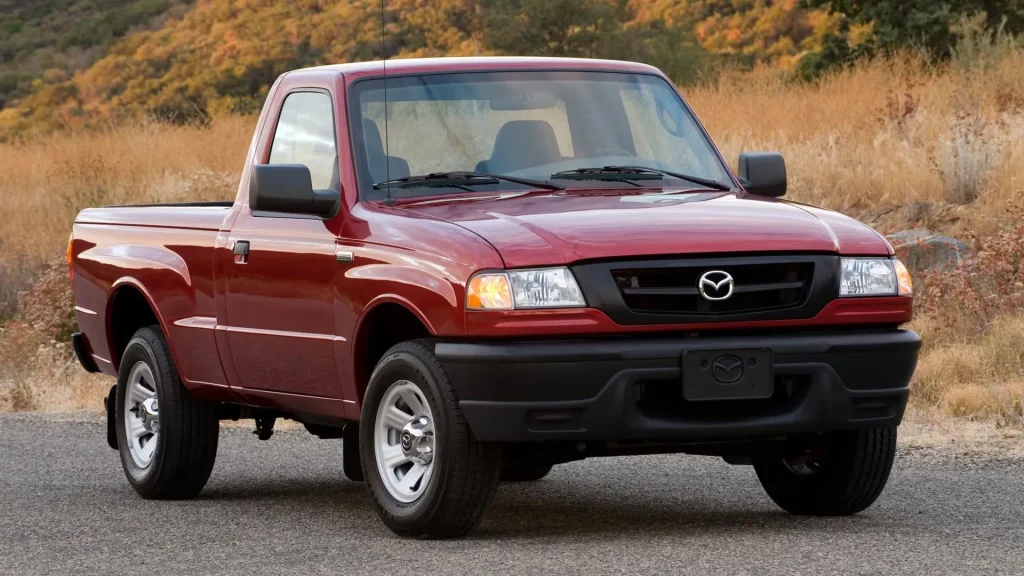
Owners who used the B Series as a daily work truck often discovered severe rust underneath the bed supports after years of winter driving. Because these trucks were usually inexpensive, many owners avoided expensive body repairs and simply drove them until the corrosion became too serious to ignore.
Although the B Series offered dependable transportation for many years, bed rust prevented countless examples from surviving long-term. Today, clean, rust-free trucks are becoming increasingly rare because so many eventually succumb to corrosion damage.
Also Read: 6 Cars That Are Easy on Brakes vs 6 That Eat Pads Every 25,000 Miles
