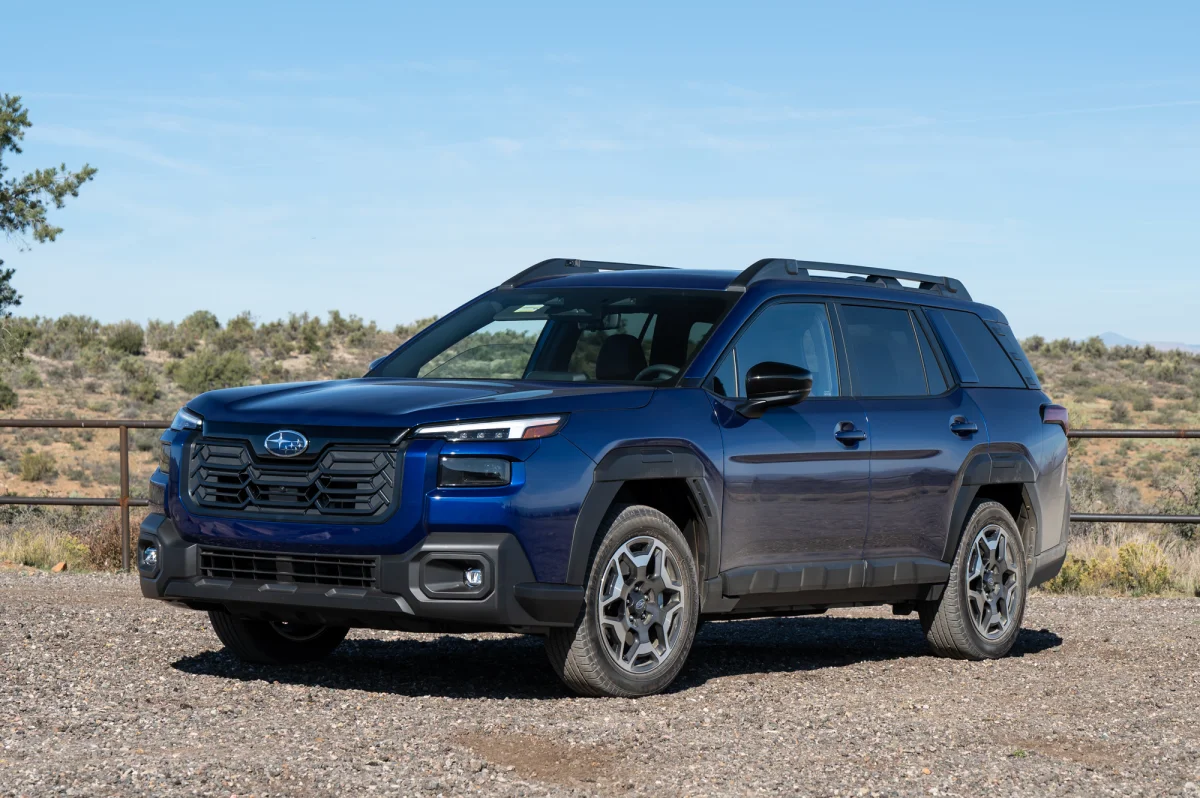
Windshield wipers are often overlooked, yet they play an important role in everyday safety and visibility. In many modern vehicles, manufacturers have begun engineering wiper systems that last far longer than the traditional six to twelve-month replacement cycle.
Across different categories such as SUVs, pickups, sedans, and luxury models, improved blade designs, better rubber compounds, and smarter aerodynamic shaping all contribute to extended service life. Some vehicles use beam-style blades that maintain even pressure across the glass, while others rely on protective parking positions or refillable inserts that reduce waste and wear.
Environmental protection also plays a role, with certain designs shielding blades from UV exposure, ice buildup, and road debris. As a result, several vehicles can maintain effective wiping performance for up to three years under normal conditions with basic care. This collection highlights nine models that stand out for their ability to deliver long-lasting, reliable windshield clarity without frequent blade replacement.
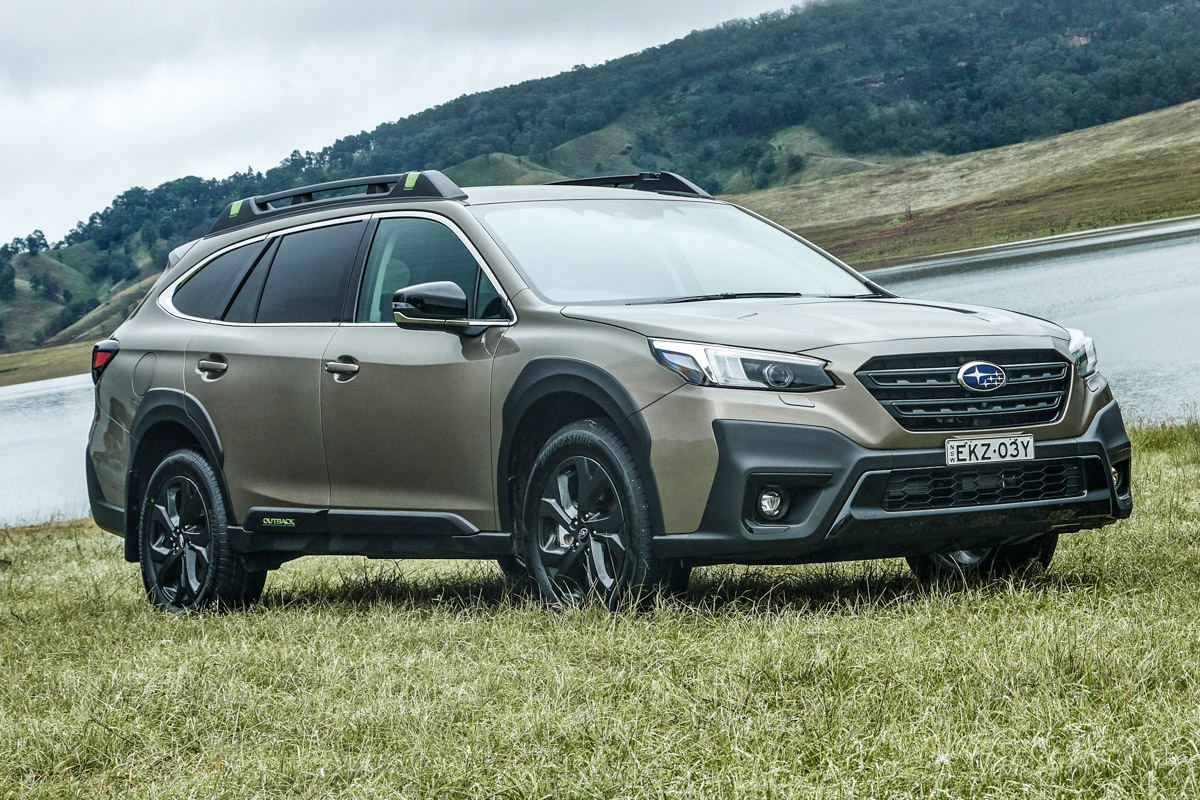
1. Subaru Outback
Built for long-term reliability and everyday practicality, the Subaru Outback is widely appreciated for how well its components hold up over time, especially in demanding weather conditions. One of its most praised details is the durability of its windshield wiper system.
Many owners report that the original equipment manufacturer (OEM) blades last significantly longer than typical industry replacements. This is supported by Subaru’s 3-year/36,000-mile limited warranty, which often includes coverage for wiper wear, reflecting confidence in their longevity and performance.
A key reason for this extended lifespan is the vehicle’s design and engineering approach. The wipers are positioned in a way that reduces direct exposure to sunlight when not in use, helping slow down rubber degradation caused by UV rays.
In addition, Subaru uses beam-style wiper blades that maintain even pressure across the windshield, improving consistency in rain and snow while also reducing uneven wear. Some models also include a windshield wiper de-icer, which helps prevent ice buildup and keeps the rubber flexible in freezing conditions.
Maintenance practices can further extend usability. Instead of replacing entire blade assemblies, many owners choose high-quality silicone refills, which help preserve visibility for longer periods, often up to three years under favorable conditions. While standard recommendations suggest replacing wipers every 6 to 12 months, the combination of OEM quality, design protection, and optional warranty coverage allows for much longer effective use.
Beyond maintenance components, this vehicle is also known for its balanced performance and versatility. It offers two engine options: a 2.5-liter 180-horsepower engine for efficiency and a 2.4-liter turbocharged 260-horsepower engine for stronger performance.
Both are paired with a continuously variable transmission and standard all-wheel drive. Ground clearance ranges from 8.7 inches to 9.5 inches in off-road-focused variants, enhancing capability on rough terrain. Fuel economy remains competitive, while towing capacity reaches up to 3,500 pounds depending on configuration.
Inside, it features a modern, spacious cabin with improved cargo capacity, a large infotainment system with smartphone integration, and advanced driver-assistance technologies such as adaptive cruise control and lane-keeping support, making it a practical and well-rounded choice.
2. Toyota Land Cruiser
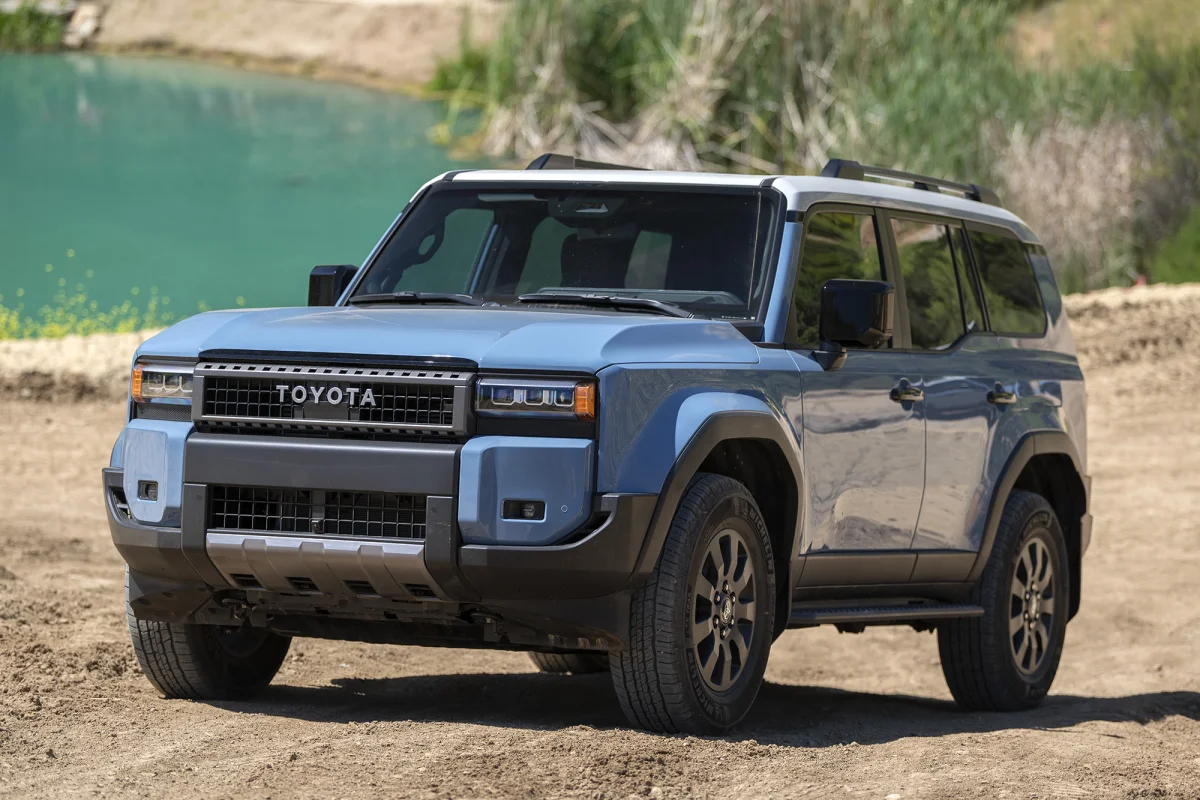
Few SUVs are as closely associated with durability and long-term reliability as this model, which is built to handle everything from daily driving to extreme off-road expeditions. That rugged engineering philosophy extends even to smaller components like the windshield wiper system, which is designed for sustained performance in harsh environments.
It uses heavy-duty OEM blades, often supplied by NWB (Nippon Wiper Blade), made from high-grade rubber that resists UV damage, heat, and abrasive dust. Strong, reinforced wiper arms maintain steady pressure across the wide windshield, helping prevent streaking or skipping even under heavy rainfall or off-road grime.
A major contributor to its long service life is Toyota’s SightLine™ wiper design, which is precisely shaped to match the windshield’s curvature. This ensures consistent blade contact, reduces uneven wear, and improves cleaning efficiency over time. In optimal conditions and with regular care, these wipers can remain effective for up to three years. Certain configurations also benefit from multi-wiper layouts, which distribute wiping workload more evenly and further enhance durability.
Beyond its components, the SUV is engineered for serious capability. It features a hybrid-assisted 2.4-liter turbocharged four-cylinder engine producing 326 horsepower, paired with an eight-speed automatic transmission. A sophisticated four-wheel-drive system includes low-range gearing, a locking center differential, crawl control, and hill-descent assist, ensuring strong performance on technical terrain. While acceleration is moderate at roughly 7.7 seconds from 0–60 mph, the emphasis is on torque delivery, stability, and control rather than speed.
Fuel efficiency is estimated at around 22 mpg in the city and 25 mpg on the highway, with real-world figures varying slightly depending on conditions. Towing capacity reaches up to 6,000 pounds, making it suitable for hauling trailers and equipment.
Inside, the cabin seats five and prioritizes practicality and comfort, offering improved cargo space and a range of modern amenities depending on trim level. Technology includes Toyota’s infotainment system with Apple CarPlay and Android Auto, larger touchscreen options, and wireless charging.
Safety is supported by Toyota Safety Sense 3.0, which bundles adaptive cruise control, lane-keeping assist, and automatic emergency braking. Combined with strong warranty coverage and hybrid component protection, it remains a highly durable and capable SUV built for long-term use.
3. Lexus RX
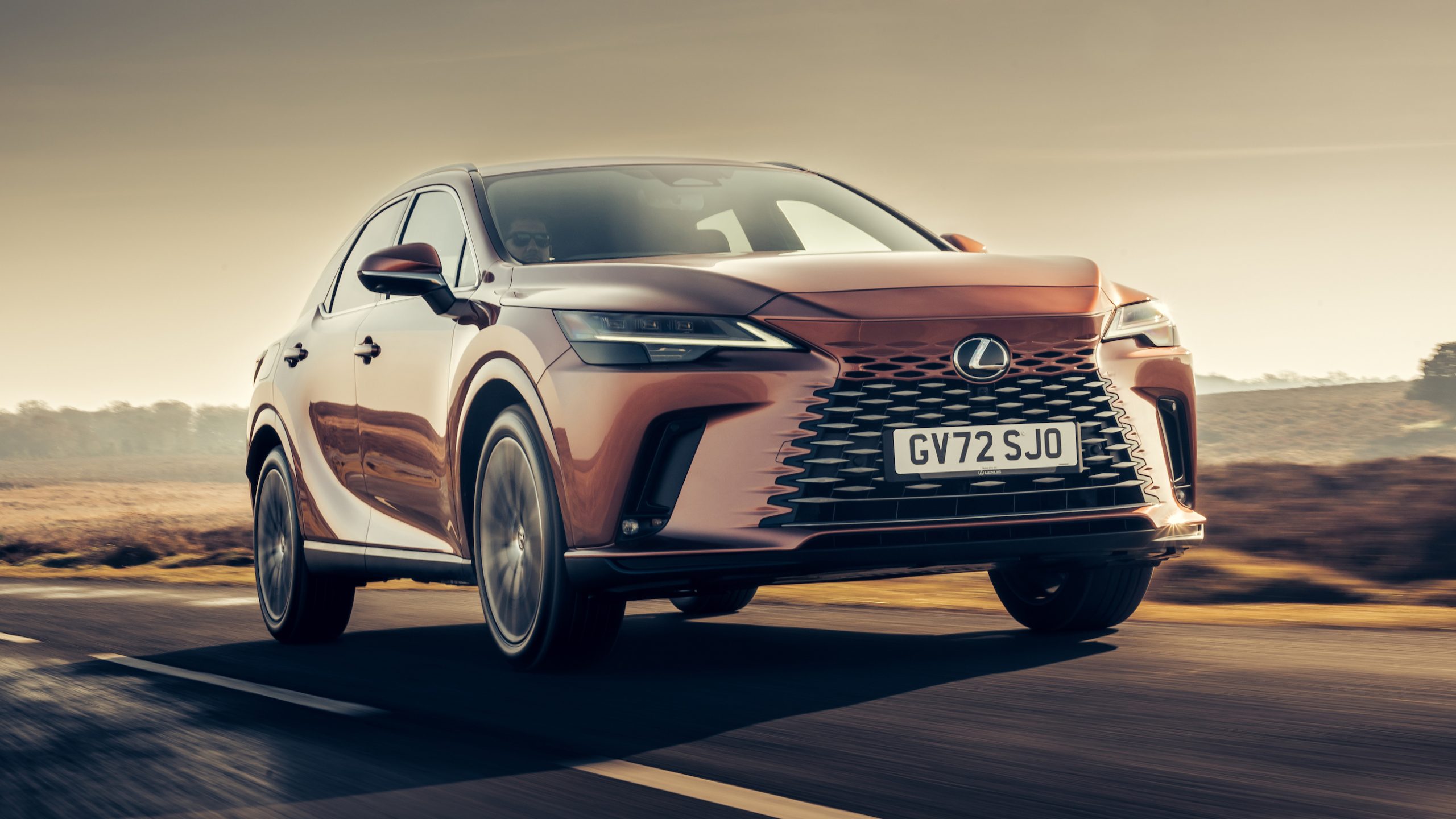
Blending luxury comfort with long-term reliability, this SUV is designed to deliver a refined driving experience while maintaining practical durability in everyday use. One often overlooked example of its thoughtful engineering is the windshield wiper system, which prioritizes both quiet operation and extended service life.
It typically uses hybrid-style OEM blades, combining a sturdy frame with an aerodynamic cover that protects the rubber from sunlight, debris, and environmental wear. This design helps reduce noise while improving durability and consistency in all weather conditions.
A major advantage of this system is its use of high-quality OEM rubber or silicone inserts, often produced by manufacturers like Denso. Instead of replacing the entire blade assembly, owners can simply replace the refill strip, making maintenance more cost-effective while preserving the original factory performance.
These refills are engineered to maintain smooth, streak-free wiping and often last significantly longer than typical aftermarket alternatives. In many cases, Lexus RX wiper systems are known to perform effectively for up to three years, especially in moderate climates.
The hybrid blade design further enhances performance by combining the pressure consistency of a traditional framed blade with the aerodynamic efficiency of modern beam-style designs. This ensures strong windshield contact, reduced lift at higher speeds, and quieter operation. High-grade rubber materials also resist hardening and cracking, which helps maintain clarity over extended use.
Beyond its maintenance components, the vehicle is powered by a 275-horsepower turbocharged 2.5-liter four-cylinder engine paired with an eight-speed automatic transmission. Buyers can choose between front-wheel drive and all-wheel drive configurations. Performance is tuned more for comfort than aggression, with acceleration estimated at around 7.0 seconds from 0–60 mph, making it smooth but not sport-focused.
Fuel economy is competitive for its class, with ratings around 21–22 mpg in the city and up to 29 mpg on the highway. Towing capacity reaches up to 3,500 pounds when properly equipped. Inside, the cabin emphasizes premium materials, spacious seating, and flexible cargo capacity, supported by split-folding rear seats and generous storage space.
Technology includes a standard touchscreen infotainment system with wireless Apple CarPlay and Android Auto, optional larger displays, and a premium audio system. Safety is comprehensive, with features such as adaptive cruise control, lane-keeping assist, and advanced emergency braking. Combined with strong warranty coverage and efficient maintenance design, it delivers a balanced mix of luxury, comfort, and long-term dependability.
4. Ford F-150 Lightning
Designed as an all-electric full-size pickup, this model focuses on combining strong work capability with reduced long-term maintenance needs. Even smaller components like the windshield wiper system reflect this engineering approach. It uses a powerful wiper motor sized for its large windshield, paired with balanced arms that work best with premium beam-style blades such as Bosch ICON or Rain-X Silicone Endura.
These blades avoid exposed hinges, reducing risks of freezing, rust, and mechanical wear. With routine cleaning and occasional use of windshield treatments like Rain-X or Aquapel, owners commonly report reliable wiping performance lasting up to three years.
Maintenance demands are significantly lower compared to traditional trucks. With no engine oil, spark plugs, or exhaust system servicing required, upkeep is mostly limited to consumables like wiper blades and cabin air filters. Regenerative braking reduces brake pad wear, while the absence of a combustion engine reduces heat stress on surrounding components. This streamlined system helps extend service intervals and simplifies ownership.
Performance is delivered through dual electric motors with standard all-wheel drive. Output measures 452 horsepower in standard-range models and rises to 580 horsepower with the extended-range battery, both producing 775 lb-ft of torque. Acceleration is strong for a vehicle of its size, reaching 0–60 mph in about 4.0 seconds in testing. A low-mounted battery pack improves balance and reduces body roll, while independent rear suspension enhances ride comfort.
Capability remains a key focus. The truck can tow up to 10,000 pounds when equipped with the extended-range battery, while payload capacity reaches around 2,000 pounds depending on configuration. Driving range varies from roughly 230 to 320 miles per charge, and fast charging allows significant recovery in under an hour. It can also act as a mobile energy source, capable of powering a home during outages.
Inside, the cabin features a modern layout with large touchscreen displays, advanced connectivity, and optional premium audio systems. A front trunk adds secure extra storage space. Safety technology includes automatic emergency braking, lane-keeping assist, adaptive cruise control, and available hands-free driving assistance. Combined with long battery warranty coverage, it delivers a durable, technology-focused pickup experience suited for both work and daily use.
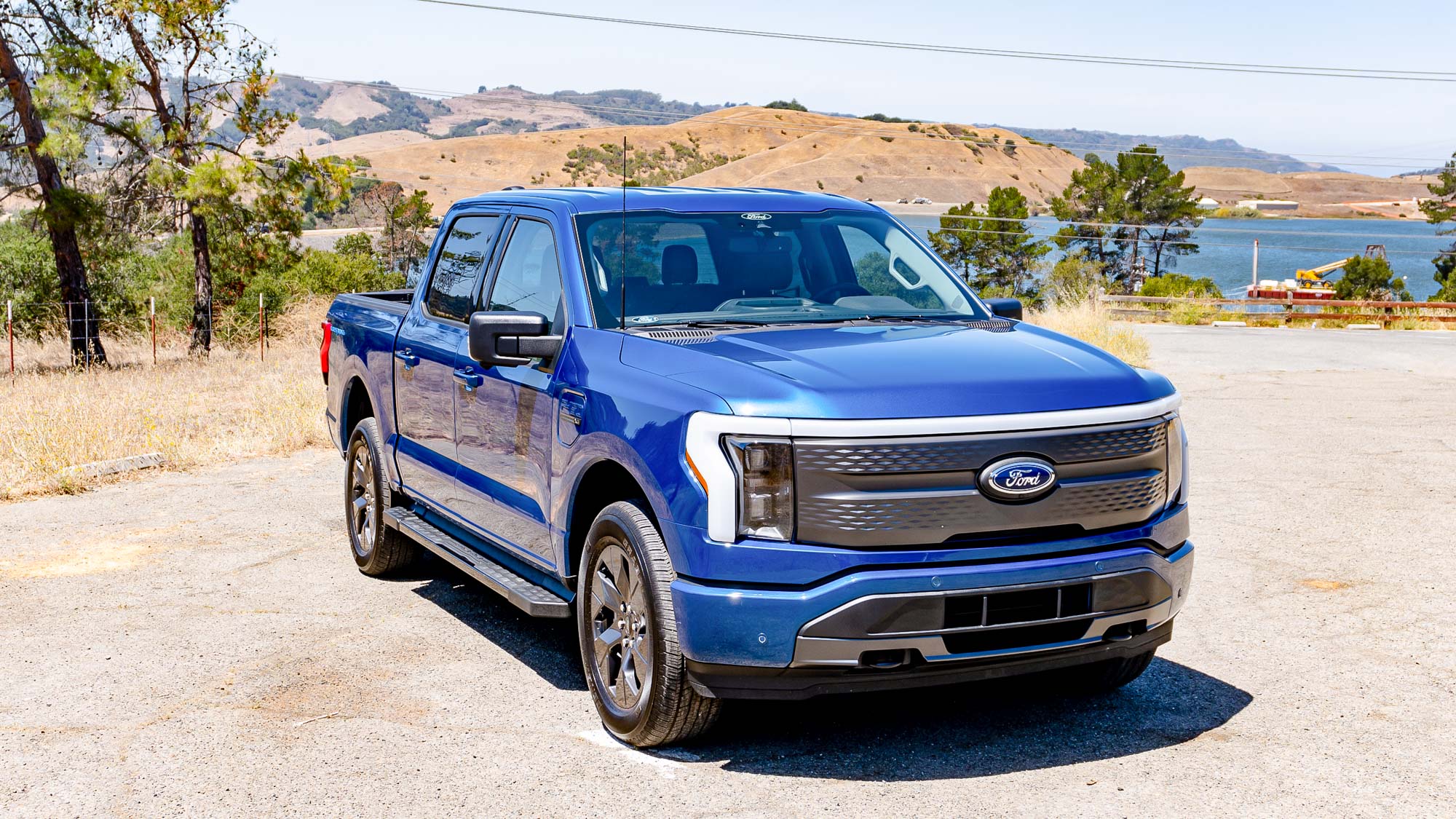
5. Honda CR-V
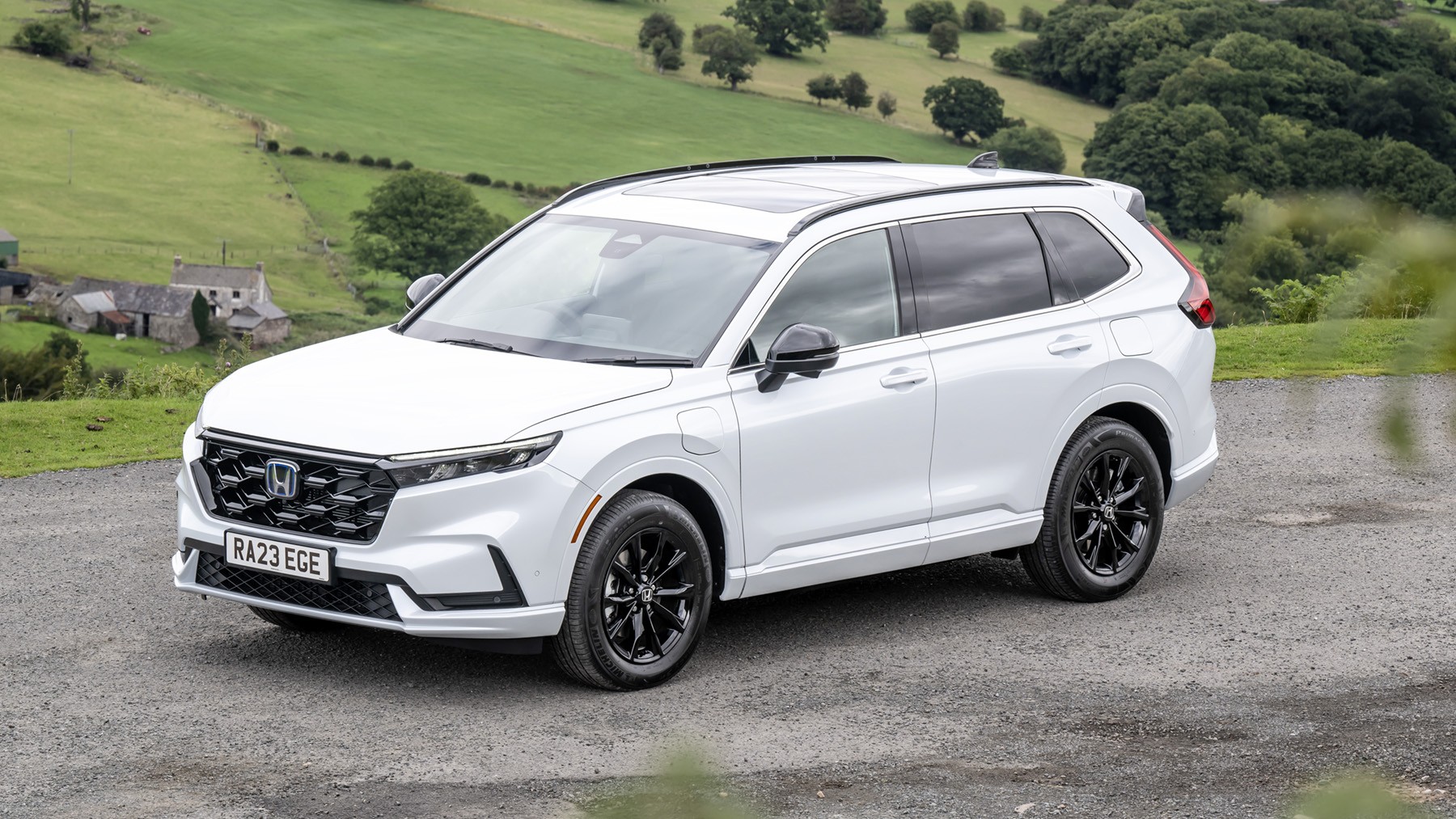
Reliability and ease of ownership are central to this compact SUV’s reputation, and even its smaller components are engineered with the same long-term mindset. The windshield wiper system is a good example of this approach, using an OEM insert design that allows only the rubber strip to be replaced rather than the full blade assembly. The rubber is made from a durable compound designed to resist heat, UV exposure, and environmental wear, helping extend service life while keeping maintenance costs low.
Another factor that improves longevity is the vehicle’s aerodynamic front-end shape, which helps manage airflow across the windshield and reduces wind lift at higher speeds. This decreases friction on the wiper blades and slows down wear over time. On newer models, the wipers are also positioned beneath the hood line when not in use, offering added protection from sunlight, snow, and debris that typically accelerate rubber deterioration. With routine cleaning during washes and proper upkeep, factory or genuine replacements can often remain effective for up to three years.
Durability can be further improved by using premium silicone-based inserts or higher-quality aftermarket blades, which tend to perform better under extreme heat and cold. The windshield geometry also supports efficient water dispersion, reducing strain on the blade edges and contributing to more consistent wiping performance.
Performance is handled by a 190-horsepower turbocharged 1.5-liter four-cylinder engine paired with a continuously variable transmission and available front- or all-wheel drive. The driving experience prioritizes smoothness and efficiency over speed, with acceleration measured at around 8.1 seconds from 0–60 mph. Fuel economy remains strong for the segment, reaching up to 33 mpg on the highway in front-wheel-drive configurations.
Inside, the cabin is designed for comfort and usability, featuring a modern dashboard layout, supportive seating, and ample rear passenger space. Cargo capacity is generous, offering around 39 cubic feet behind the second row, making it highly practical for travel and daily use. Technology includes a 9-inch touchscreen with smartphone integration, wireless charging, and rear-seat USB-C ports.
Safety remains a strong point, with standard driver-assistance features such as adaptive cruise control, lane-keeping assist, and automatic emergency braking. Warranty coverage follows standard industry terms, with newer models also including limited complimentary maintenance for added convenience.
Also read: 10 Cars Where the Original Tires Lasted Over 80,000 Miles
6. BMW 3 Series
Engineered for performance and precision, this compact luxury sedan also benefits from carefully designed components that emphasize durability and long-term consistency. Its windshield wiper system is a strong example, featuring flat-blade technology integrated into the vehicle’s aerodynamic profile to maintain firm contact with the glass even at high speeds.
The blades are coated with a friction-reducing layer that helps minimize noise and prevent sticking, which is a common cause of rubber tearing. Designed to match the exact curvature of the windshield, they wear evenly across their length and can maintain effective performance for up to three years under proper care.
Durability across the vehicle is supported by high-quality materials and a strong engineering focus on longevity. BMW’s maintenance philosophy encourages regular servicing and the use of premium fluids, which helps preserve the integrity of systems such as the wiper motor and blade assemblies.
The rubber compounds used are designed to resist rapid degradation, contributing to extended service life compared to lower-cost alternatives. Many recent model years also show strong reliability ratings, reinforcing confidence in everyday wear components.
Performance is a defining characteristic of this sedan. It is offered with a 255-horsepower turbocharged 2.0-liter four-cylinder engine or a 386-horsepower turbocharged 3.0-liter inline-six, both paired with an eight-speed automatic transmission and mild-hybrid assistance. Rear-wheel drive comes standard, with all-wheel drive available.
Acceleration ranges from about 5.2 seconds to 3.7 seconds for 0–60 mph, depending on configuration, placing it among the quicker vehicles in its class. The chassis is tuned to balance comfort and agility, allowing it to transition smoothly between relaxed cruising and spirited driving.
Fuel efficiency remains strong, with highway ratings reaching up to 35 mpg for four-cylinder models and solid real-world results even in more powerful variants. Inside, the cabin features premium materials, supportive seating, and a driver-focused layout. Rear seating is adequate for adults, while cargo space measures about 17 cubic feet, expandable through folding seats.
Technology includes a large curved display combining a digital instrument cluster and infotainment system with wireless smartphone integration, navigation, and optional premium audio. Safety features include automatic emergency braking and lane-keeping assist, with additional systems available as options. Warranty coverage is competitive, complemented by extended complimentary maintenance compared to many rivals.
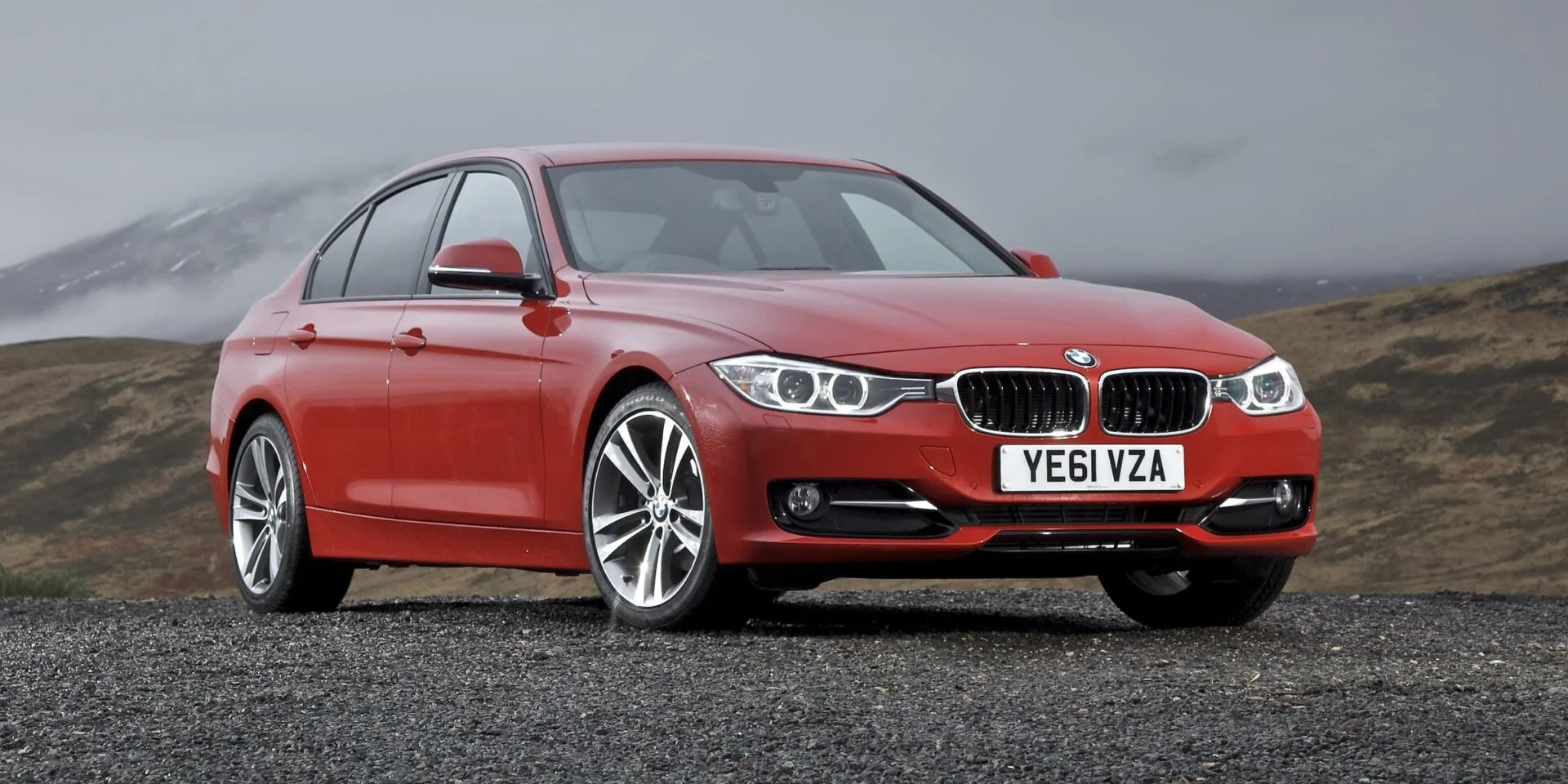
7. Mercedes-Benz GLA
This compact luxury SUV is designed with a strong focus on refinement and long-term component reliability, extending even to everyday systems like its windshield wipers. It uses advanced one-piece beam blade technology that removes traditional metal brackets, reducing points where snow, ice, or debris can accumulate.
This design also helps protect the rubber element from corrosion caused by road salt. Many versions use Bosch-manufactured OEM blades made from high-quality synthetic rubber compounds, engineered for consistent wiping performance and extended service life, often lasting up to three years with proper maintenance.
In select configurations, Mercedes-Benz incorporates intelligent features such as Magic Vision Control. This system integrates heated wipers with precision-engineered fluid channels that spray washer fluid directly onto the windshield ahead of the blade.
This improves cleaning efficiency, reduces fluid waste, and helps maintain visibility in demanding weather conditions. The beam-style structure ensures even pressure distribution across the windshield, which supports streak-free operation and stable performance at highway speeds.
Durability is further supported by advanced rubber compounds that resist hardening in freezing temperatures and deformation in high heat. The system is also built to withstand a high number of wiping cycles, helping maintain performance over extended use. The wiper motor and linkage systems are engineered for reliability, reflecting a strong emphasis on long-term durability.
Power comes from a 221-horsepower turbocharged 2.0-liter four-cylinder engine paired with an eight-speed dual-clutch automatic transmission. A 48-volt mild hybrid system enhances responsiveness by reducing turbo lag and improving low-speed smoothness. The driving character prioritizes composure and comfort, with stable handling and predictable road behavior rather than aggressive performance. Acceleration reaches about 6.3 seconds from 0 to 60 mph in all-wheel-drive models.
Fuel efficiency is competitive for the segment, with up to 34 mpg on the highway depending on drivetrain configuration. Inside, the cabin features a modern dual-screen layout running Mercedes-Benz’s MBUX system, along with wireless Apple CarPlay and Android Auto support. Passenger space is comfortable for the class, though cargo capacity is more modest compared to some rivals.
Safety equipment includes standard automatic emergency braking and blind-spot monitoring, with optional systems such as adaptive cruise control and lane-keeping assist available. Warranty coverage aligns with typical luxury segment terms but does not include complimentary maintenance.
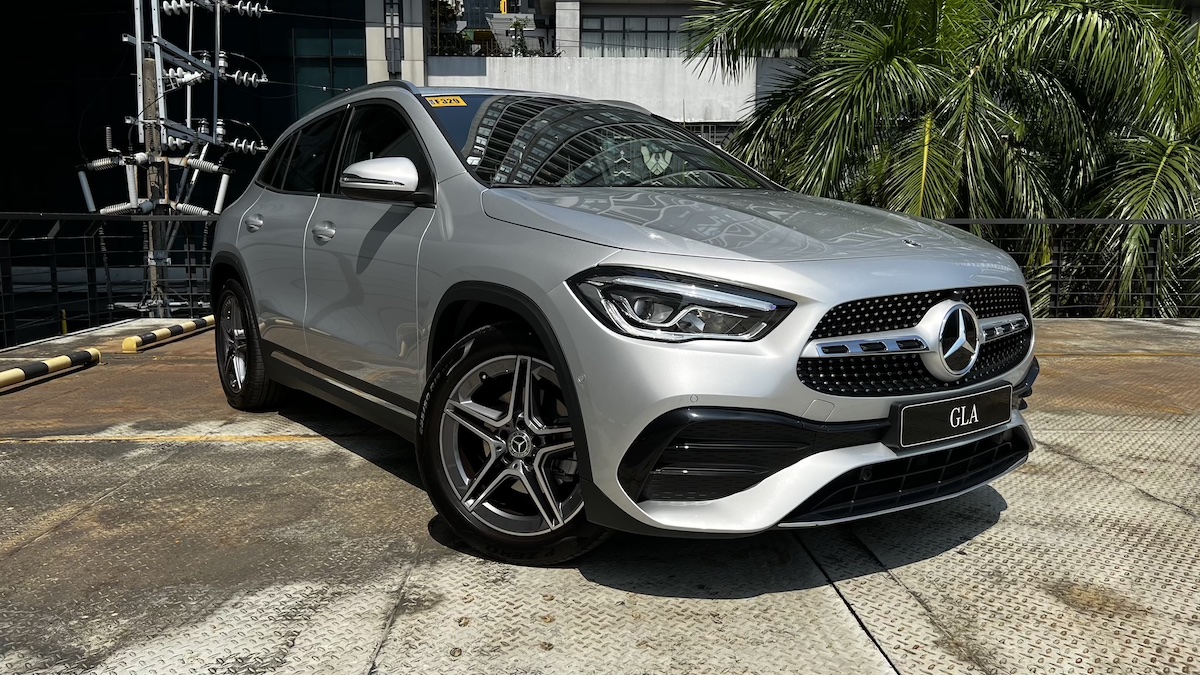
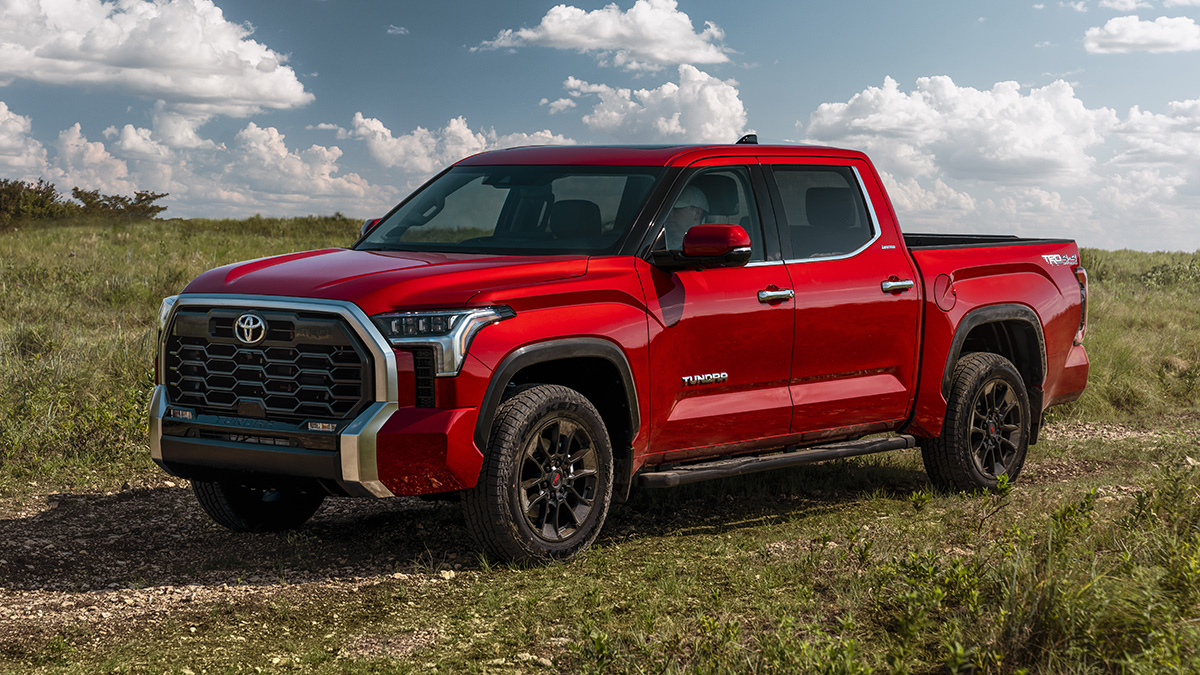
8. Toyota Tundra
Built for durability and long-term dependability, this full-size pickup is engineered to handle demanding work environments while maintaining consistent everyday usability. Even smaller systems, such as the windshield wiper setup, reflect this heavy-duty approach.
It uses Toyota’s SightLine™ blades with a reinforced spoiler design that channels airflow to keep the blade pressed firmly against the glass, improving wiping consistency in rain, dust, and grime-heavy conditions. This setup is especially effective for worksite and off-road use, where debris exposure is frequent.
OEM wiper blades are made from high-quality rubber compounds designed to resist UV exposure, cracking, and hardening over time. Because of this, they often last significantly longer than typical aftermarket alternatives, sometimes reaching or exceeding three years of service with proper care.
Many owners further extend lifespan by switching to silicone aftermarket blades, which are more resistant to sun damage and environmental wear. The truck’s design also helps reduce unnecessary stress on the windshield area, supporting longer component life.
Power comes from a twin-turbo 3.4-liter V6 engine offered in two outputs: 348 horsepower in base trims and 389 horsepower in higher versions, paired with a smooth 10-speed automatic transmission. Four-wheel-drive models use a part-time system, and coil-spring rear suspension improves ride comfort compared to traditional leaf-spring setups. Acceleration is solid for its class, with 0–60 mph times around 6.1 seconds depending on configuration.
Capability remains a key strength, with towing capacity reaching up to 12,000 pounds and payload capacity up to 1,940 pounds. While competitive, these figures sit below some segment leaders. Fuel economy ranges from 17 to 23 mpg, depending on drivetrain, with real-world highway testing averaging around 19 mpg.
Inside, the cabin prioritizes function and space, offering strong front-row comfort and a practical layout. Rear seating is adequate but not class-leading, while storage solutions throughout the cabin add versatility. Cargo bed options include multiple lengths, and the bed design supports large sheet materials with ease.
Technology includes an 8-inch or optional 14-inch touchscreen with wireless Apple CarPlay and Android Auto, multiple USB ports, and available premium audio systems. Safety is handled by Toyota Safety Sense 2.5, which includes adaptive cruise control, lane-keeping assist, and automatic emergency braking, with additional driver-assist features available on higher trims.
9. Hyundai Sonata
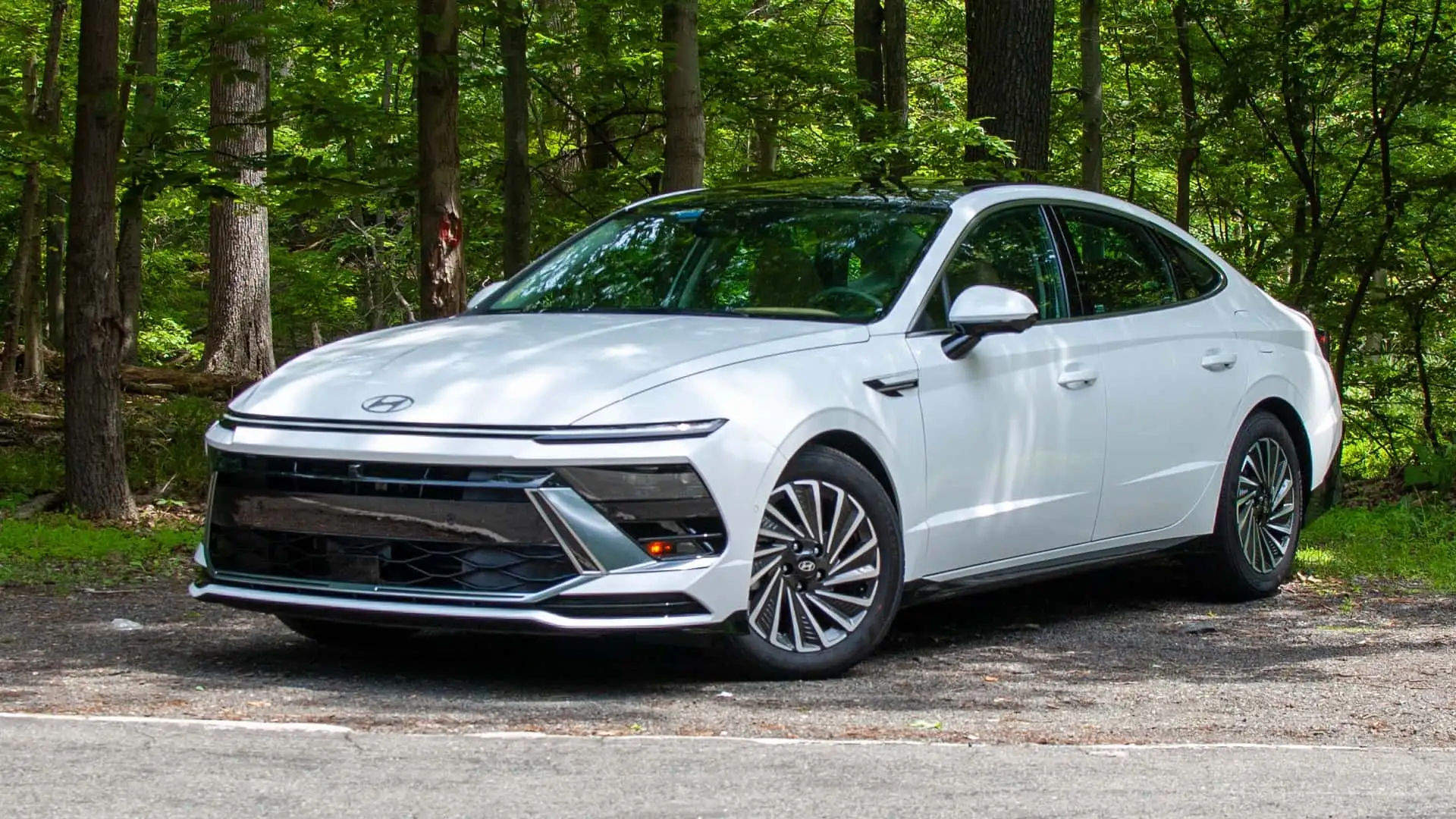
Designed with efficiency and long-term usability in mind, this midsize sedan also benefits from thoughtful engineering in smaller components such as its windshield wiper system. The aerodynamic windshield shape reduces drag on the blades, allowing smoother movement with less resistance and slower rubber wear.
Hyundai equips the vehicle with flat-blade OEM wipers that distribute pressure evenly across the glass, preventing uneven “hot spots” that typically cause early deterioration. With regular cleaning and basic upkeep, many owners report that factory or premium replacement blades can remain effective for up to three years.
Durability is further supported by high-quality rubber compounds used in OEM blades, which resist UV damage, cracking, and hardening over time. A hidden “wiper park” position helps protect the blades from extreme heat and cold when not in use, extending their lifespan. Hyundai’s maintenance program and optional extended care packages also encourage long-term component reliability, contributing to consistent performance over extended ownership periods.
Performance varies across multiple powertrains. The standard model uses a 191-horsepower 2.5-liter engine paired with an 8-speed automatic transmission, offering smooth but modest acceleration.
A hybrid version combines a 2.0-liter engine with an electric motor for improved efficiency, while the N Line variant delivers 290 horsepower from a turbocharged 2.5-liter engine paired with an 8-speed dual-clutch transmission for stronger performance. Acceleration ranges from about 7.8 seconds in the hybrid to around 5.4 seconds in the N Line, making it the most engaging version to drive.
Fuel efficiency is a key strength, especially in hybrid form, which can achieve up to 56 mpg highway. Nonhybrid models remain competitive, while the performance variant prioritizes power over economy. Inside, the cabin offers generous front-seat space, comfortable seating, and solid material quality for the price. Rear seating is adequate for average passengers, and trunk space measures about 16 cubic feet with a wide loading opening for practicality.
Technology includes a 12.3-inch infotainment display with wireless Apple CarPlay and Android Auto, along with optional premium audio systems. Safety equipment is extensive, featuring adaptive cruise control, lane-keeping assist, blind-spot monitoring, and automated emergency braking as standard. Warranty coverage is among the strongest in its class, including long powertrain protection and extended complimentary maintenance.
The vehicles featured here show that durable windshield wipers are not simply a matter of aftermarket upgrades but the result of thoughtful factory engineering. Across the lineup, manufacturers use different strategies to extend blade life, including aerodynamic windshield layouts, beam blade technology, high-quality rubber compounds, and protective design features that reduce environmental stress.
Rugged models like the Toyota Tundra and Ford F-150 Lightning focus on heavy-duty durability for work and harsh conditions, while SUVs such as the Subaru Outback, Honda CR-V, and Lexus RX emphasize protection from weather and low-maintenance ownership. Luxury and performance vehicles like the BMW 3 Series and Mercedes-Benz GLA highlight precision engineering that maintains consistent contact and reduces wear at higher speeds.
Meanwhile, efficient sedans like the Hyundai Sonata combine streamlined design with practical maintenance systems. Together, these models demonstrate that with the right combination of design and materials, windshield wipers can remain effective for up to three years, improving convenience and long-term value for drivers.