
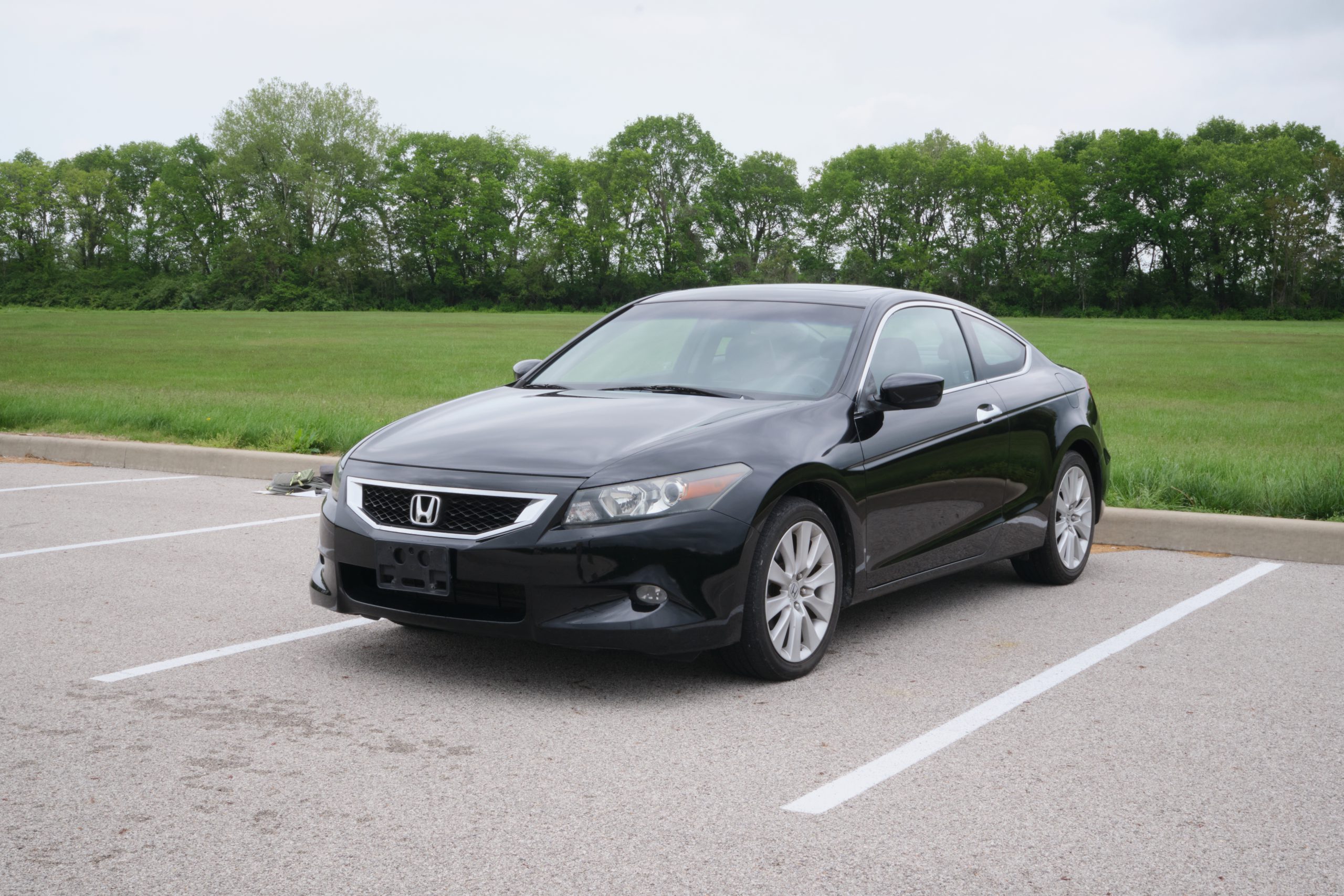
In today’s automotive market, buyers are often faced with a difficult decision: should they spend their money on a brand-new compact sedan loaded with modern features, or should they consider a well-maintained 15-year-old Honda that has already proven itself on the road?
On the surface, the new car seems like the obvious choice. It comes with a fresh warranty, updated styling, advanced safety systems, improved fuel efficiency, and the psychological comfort of being the first owner.
However, when you look deeper into long-term ownership costs, reliability trends, depreciation curves, and real-world usability, the picture becomes far more interesting. For a large number of practical buyers, the older Honda often emerges as the smarter financial and functional decision.
Honda has built a global reputation over decades for engineering vehicles that prioritize durability, simplicity, and consistent performance. Many models from the early 2010s and even late 2000s are still running today with high mileage and relatively low maintenance costs.
At the same time, modern compact sedans, while more technologically advanced, often come with increased complexity, higher repair costs, and faster depreciation. This creates a situation where the value proposition of a used Honda becomes extremely strong compared to a new entry-level sedan.
Another important factor is how people actually use their vehicles. Most buyers do not push their cars to the limits of performance or require cutting-edge infotainment systems every day. Instead, they prioritize reliability, fuel economy, comfort, and affordability. A well-maintained 15-year-old Honda often continues to deliver on these core needs without the financial burden of steep depreciation or expensive financing.
In addition, insurance costs, registration fees, and taxes are typically much lower for older vehicles. This can significantly reduce the total cost of ownership over several years. While a new compact sedan may appear attractive in showroom condition, its long-term cost structure can make it far less economical than expected.
This article explores in detail why, for most practical buyers, a 15-year-old Honda can outperform a new compact sedan in value, usability, and long-term ownership satisfaction.
Also Read: 10 Cars With Insurance Premiums Lower Than a Compact Sedan

1. Depreciation and Value Retention
Depreciation is the single largest cost factor in vehicle ownership, and it heavily favors older Honda models over new compact sedans. The moment a new car leaves the showroom, it begins to lose value rapidly. In many markets, a new compact sedan can lose 20 to 30 percent of its value within the first year alone.
Over five years, this loss can reach 50 percent or more, depending on the brand and model. This means the owner is effectively paying a large premium for the privilege of driving a brand-new vehicle.
A 15-year-old Honda, on the other hand, has already gone through the steepest part of its depreciation curve. Most of its value loss has already occurred, which stabilizes its resale price. This creates a financial advantage for buyers who prioritize value retention. Instead of absorbing the massive depreciation hit, they purchase a vehicle that has already settled into its long-term market value.
Another important aspect is market demand. Used Honda models, especially popular ones like the Civic and Accord, tend to maintain steady demand due to their reputation for reliability. This demand helps stabilize prices and makes resale easier compared to some new compact sedans that may lose appeal quickly once newer models are released.
Furthermore, depreciation affects financing decisions. A new car purchased on loan may end up with negative equity if its value drops faster than the loan balance. A used Honda purchased outright or with a smaller loan reduces this risk significantly. Buyers gain more financial stability and flexibility.
Finally, the psychological factor of value perception plays a role. Owners of older Hondas often feel less pressure about minor wear and tear because the vehicle is no longer in its peak value phase. This reduces ownership stress and encourages practical usage rather than overly cautious behavior.
2. Reliability and Mechanical Simplicity
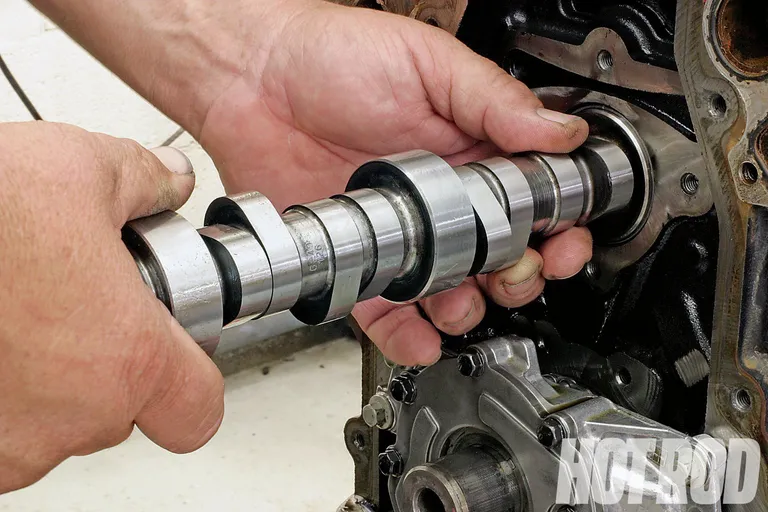
One of the strongest reasons a 15-year-old Honda often outperforms a new compact sedan is reliability. Honda’s engineering philosophy has historically emphasized long-lasting engines, conservative tuning, and durable components. Many engines from older models are known to run well beyond 200,000 kilometers with basic maintenance. This kind of longevity is not accidental but the result of simplified mechanical design and proven technology.
Older Hondas generally lack the excessive electronic complexity found in modern compact sedans. While new cars come with advanced driver assistance systems, touchscreen infotainment, and multiple sensors, these features introduce additional points of potential failure.
A malfunctioning sensor or software issue in a new car can lead to expensive diagnostics and repairs, something far less common in a simpler older Honda.
Mechanical simplicity also makes repairs easier and more affordable. Independent mechanics are often more familiar with older Honda platforms, and replacement parts are widely available and relatively inexpensive. This reduces downtime and repair costs significantly compared to newer vehicles that may require specialized diagnostic tools or dealership servicing.
Another important factor is long-term durability under varied driving conditions. Older Hondas were designed in an era when vehicles were expected to withstand harsher maintenance schedules. This gives them an advantage in environments where road conditions or service quality may not always be ideal. They continue to perform reliably even when not meticulously maintained.
Finally, reliability contributes directly to peace of mind. Owners of 15-year-old Hondas often report fewer unexpected breakdowns compared to owners of new vehicles dealing with early production issues or software glitches. This consistent performance builds trust and makes older Hondas a dependable daily transportation choice.

3. Real World Ownership Costs
When evaluating total ownership costs, a 15-year-old Honda consistently proves more economical than a new compact sedan. The most obvious savings come from the purchase price. A used Honda can often be acquired for a fraction of the cost of a new car, freeing up capital for other financial priorities or reducing the need for long-term loans.
Insurance is another major cost difference. Insurance premiums are typically based on the current market value of the vehicle. Since older Hondas have significantly lower market values, their insurance costs are much cheaper. Over several years, this difference can add up to substantial savings.
Maintenance costs also tend to be lower for older Hondas, provided they are well maintained. Routine services such as oil changes, brake replacements, and suspension work are generally affordable due to widely available parts and straightforward mechanical design. In contrast, new compact sedans may have higher service costs, especially when dealer servicing is required to maintain warranties.
Fuel efficiency is another factor worth considering. While newer compact sedans may have slight improvements in fuel economy, the difference is often not large enough to offset the higher purchase and depreciation costs. Many older Honda models still deliver competitive mileage that meets the needs of average daily driving.
Lastly, registration fees and taxes are often lower for older vehicles in many regions, which further reduces the financial burden. When these factors are combined, the lifetime cost of ownership for a 15-year-old Honda is often significantly lower than that of a new compact sedan.

4. Driving Feel and Practical Usability
Driving experience is often assumed to favor new cars, but many drivers find older Hondas more enjoyable in practical everyday conditions. The steering feedback, lightweight design, and mechanical connection to the road in older Honda models create a driving feel that many modern compact sedans lack due to increased electronic filtering and comfort tuning.
Older Hondas often have simpler suspension setups that, while not as refined as modern systems, provide predictable handling and a sense of control. For city driving and moderate highway use, this balance is more than sufficient for most drivers.
Practical usability is another area where older Hondas excel. Despite lacking modern infotainment systems, they offer straightforward interiors with easy controls and fewer distractions. This simplicity can make driving more focused and less cognitively demanding.
Space efficiency is also a strong point. Many older Honda sedans were designed with practical cabin layouts that maximize passenger comfort and trunk space. Even by today’s standards, they remain highly usable for families and daily commuting.
Finally, the absence of overly complex technology reduces frustration. While modern compact sedans offer more features, they also introduce learning curves and potential technical issues. A 15-year-old Honda provides a more straightforward ownership experience that many buyers still prefer.
5. Parts Availability and Repair Cost
One of the most underrated advantages of a 15-year-old Honda is the ease of finding spare parts. Honda’s global popularity means that replacement components are widely available in both official and aftermarket markets. Whether it is brake pads, suspension components, engine mounts, or electrical parts, most items can be sourced quickly and at reasonable prices. This reduces downtime and ensures that the vehicle can stay on the road without long waiting periods.
In contrast, newer compact sedans sometimes use model-specific or electronically integrated parts that are harder to source outside authorized service centers. This can lead to longer repair times and higher costs, especially when waiting for imported components or specialized modules. For budget-conscious buyers, this difference is significant.
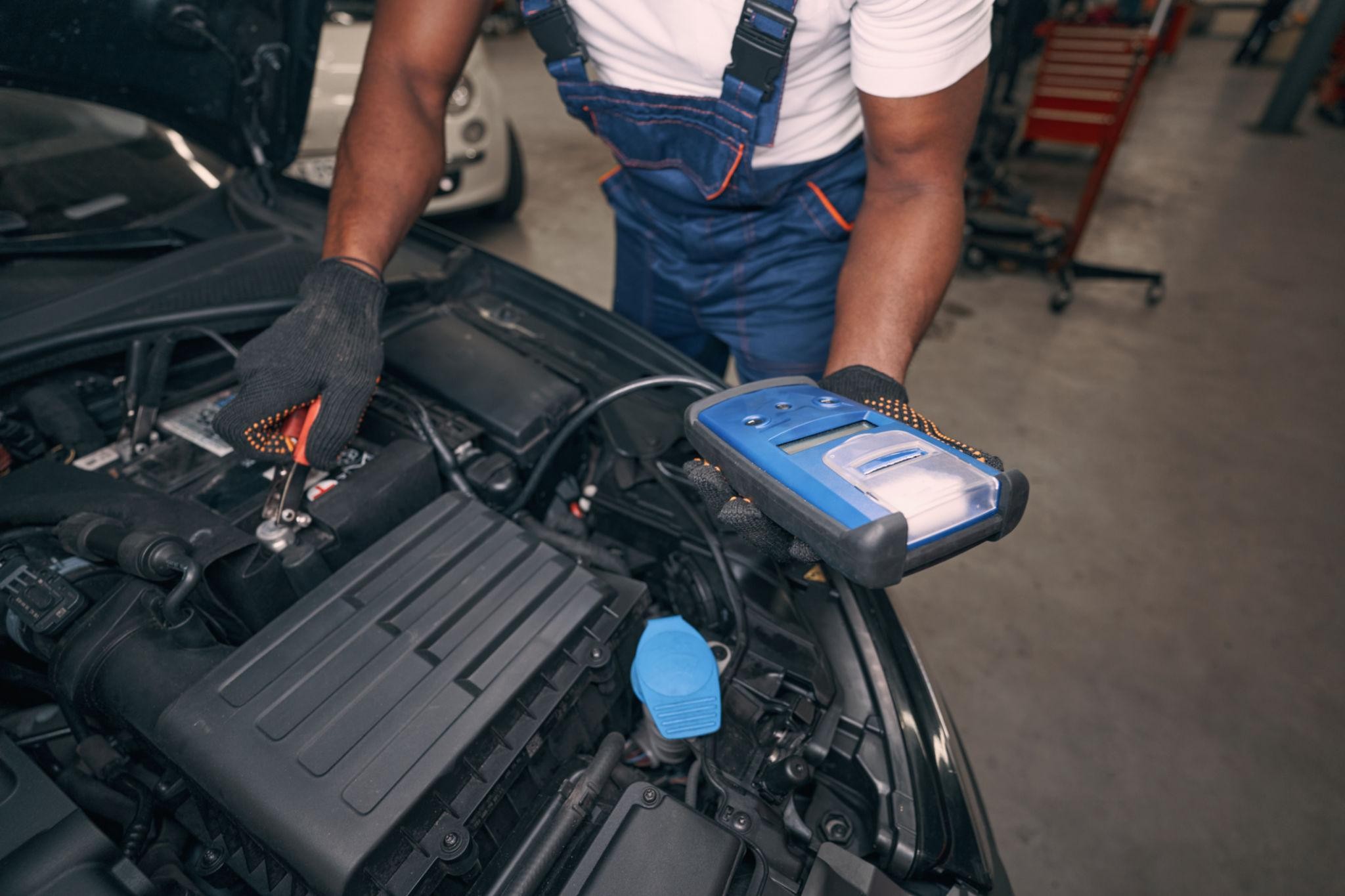
Another important factor is the strength of the independent mechanic ecosystem. Older Honda models are extremely familiar to most local mechanics due to their long presence in the market. This means repairs can often be done outside dealerships, saving money on labor charges. Many mechanics can diagnose issues quickly without advanced proprietary diagnostic tools.
The availability of refurbished and used parts also adds to the cost advantage. In many cases, owners of older Hondas can choose between new, aftermarket, or refurbished components depending on their budget. This flexibility is rarely available with newer vehicles that depend heavily on brand-specific parts.
Finally, the simplicity of older Honda engineering means fewer specialized repairs. This keeps long-term maintenance predictable and affordable, making ownership far less stressful compared to newer compact sedans with more complex systems.

6. Lower Financial Risk and Practical Freedom
Owning a 15-year-old Honda significantly reduces financial risk compared to purchasing a new compact sedan. Since the initial investment is much lower, the buyer is not exposed to large loan obligations or long-term financial commitments. This creates greater flexibility in personal budgeting and reduces pressure on monthly income.
Another key advantage is reduced dependency on insurance claims or financing agreements. New cars often require comprehensive insurance coverage due to their high value, which increases annual expenses. Older Hondas, with their lower market value, can be insured at much lower premiums, or even with basic coverage in some cases.
Practical freedom is another overlooked benefit. Owners of older vehicles tend to worry less about minor scratches, dents, or cosmetic wear. This makes everyday usage more relaxed and less stressful. In contrast, new car owners often feel compelled to protect their investment carefully, which can limit practical usage in crowded or rough driving environments.
There is also greater flexibility in upgrading or modifying older vehicles. Owners can choose to improve comfort, audio systems, or minor performance aspects without worrying about voiding warranties. This level of customization is often restricted or discouraged in new compact sedans.
Finally, the lower financial exposure allows owners to allocate resources to other priorities such as savings, investments, or family needs. This makes a 15-year-old Honda not just a transportation choice, but also a financially strategic decision for many buyers.
