
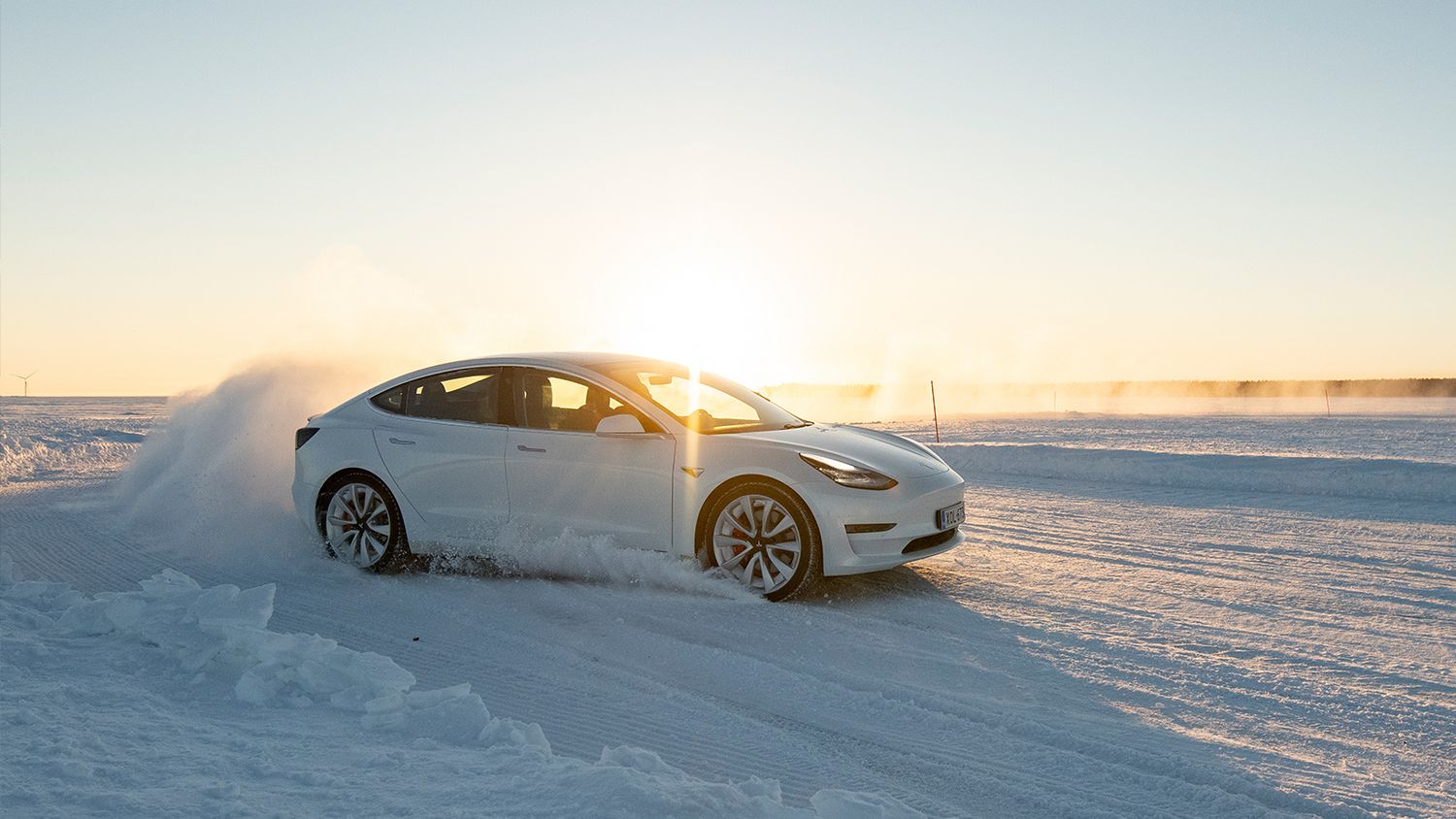
Electric vehicles are often positioned as the future of transportation, promising lower running costs, reduced emissions, and simpler maintenance compared to traditional petrol or diesel cars. In many marketing narratives, EVs are portrayed as almost universally cheaper to operate, especially because electricity is typically less expensive than fuel per kilometer.
While this is often true in moderate climates, the reality becomes more complex when we examine EV ownership in cold regions. Winter conditions introduce a series of physical and mechanical limitations that significantly alter how efficiently electric vehicles operate, and these changes directly impact the total cost of ownership.
At the heart of the issue is the behavior of lithium-ion batteries in low temperatures. These batteries rely on chemical reactions that slow down when the temperature drops. As a result, the battery cannot release or accept energy as efficiently as it does in warmer conditions.
This leads to a noticeable reduction in usable range, even when the battery is fully charged. In many real-world cases, EV owners experience a reduction in range anywhere between 15 percent and 40 percent during winter months, depending on how cold the environment becomes, whether the vehicle is equipped with thermal management systems like heat pumps, and how the vehicle is driven.
However, reduced range is only part of the problem. Cold weather also increases the amount of energy required to operate the vehicle itself. Heating the cabin, defrosting windows, and maintaining battery temperature all consume electricity directly from the battery pack.
Unlike internal combustion engine vehicles, which can reuse waste engine heat to warm the cabin, EVs must generate all heat electrically. This means that a significant portion of the stored energy is diverted away from driving and instead used simply to keep passengers comfortable and systems functional.
Charging behavior is also affected in cold climates. When a battery is cold, it cannot safely accept high charging speeds. This leads to slower charging times, especially at fast charging stations, because the battery must first be warmed before it can charge efficiently.
In some cases, a portion of the incoming electricity is used just to heat the battery itself, which increases energy loss and reduces charging efficiency. This results in longer charging sessions and, in many cases, higher costs because drivers may rely more heavily on public fast charging rather than cheaper home charging.
The combined effect of reduced range, increased energy consumption, and slower charging creates a very different ownership experience compared to what is often advertised. Cold climates expose the true operational limitations of EV technology and introduce hidden costs that are not always obvious during purchase decisions.
This article explores those costs in detail, breaking down exactly where money is lost, how significant the impact is, and whether EV ownership remains economically practical in cold environments.
Also Read: 10 Cars With Insurance Premiums Lower Than a Compact Sedan
1. How Cold Weather Reduces Range and Increases Costs?
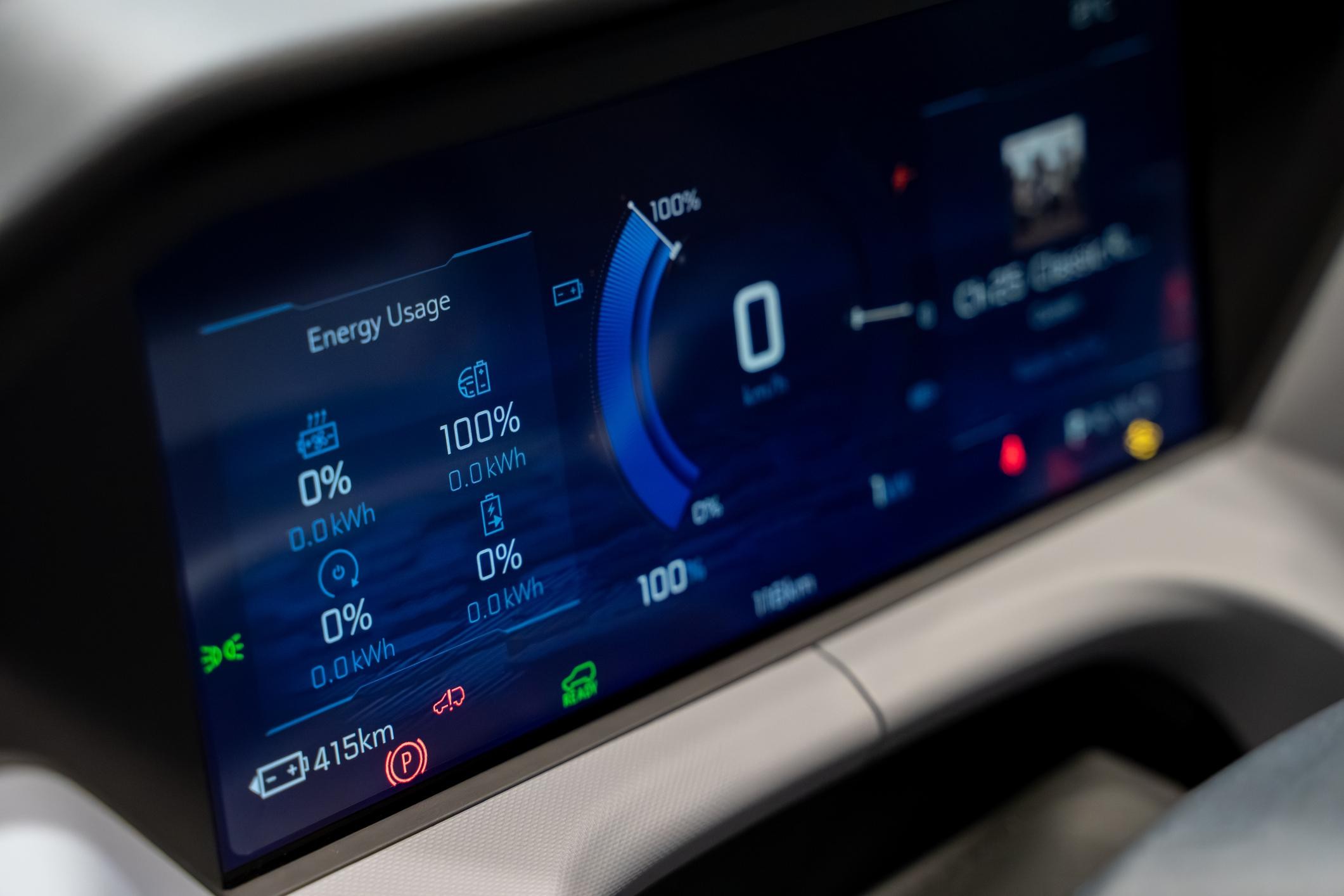
Cold weather has a direct and measurable impact on electric vehicle range, and this is one of the most important factors influencing the real cost of EV ownership in winter climates. The reduction in range is not caused by a single issue but by a combination of chemical, mechanical, and environmental factors that work together to reduce efficiency.
At low temperatures, the lithium ions inside the battery move more slowly, which reduces the battery’s ability to deliver power efficiently. This results in lower usable capacity even if the battery is fully charged.
In practical terms, this means that an EV that might normally deliver 400 kilometers of range in moderate weather may only deliver between 240 and 320 kilometers in freezing conditions.
The exact reduction depends on temperature severity, driving behavior, and whether the vehicle has advanced thermal systems such as heat pumps or preconditioning features. This reduction forces drivers to charge more frequently, which increases electricity consumption and operational cost per kilometer.
Another major factor contributing to increased energy costs is cabin heating. In gasoline vehicles, engine waste heat is used to warm the cabin, but EVs must generate heat using electricity from the battery.
Electric heaters can consume several kilowatts of power continuously during driving, especially in very cold weather. Over a long journey, this constant energy drain significantly reduces driving range. Even vehicles equipped with heat pumps, which are more efficient, still experience noticeable energy consumption for climate control.
Regenerative braking efficiency also declines in cold conditions. When batteries are cold, they cannot accept high levels of charge quickly, which means the regenerative braking system becomes less effective. As a result, more energy is lost as heat during braking rather than being recovered. This is especially noticeable in city driving, where frequent braking would normally help extend range in warmer conditions.
All of these factors combine to increase the effective cost of driving an EV in winter. Since the same amount of electricity produces fewer kilometers of travel, the cost per kilometer increases even if electricity prices remain unchanged. This makes cold weather one of the most significant variables in determining real EV operating costs.
2. Why Electricity Bills Increase in Winter?
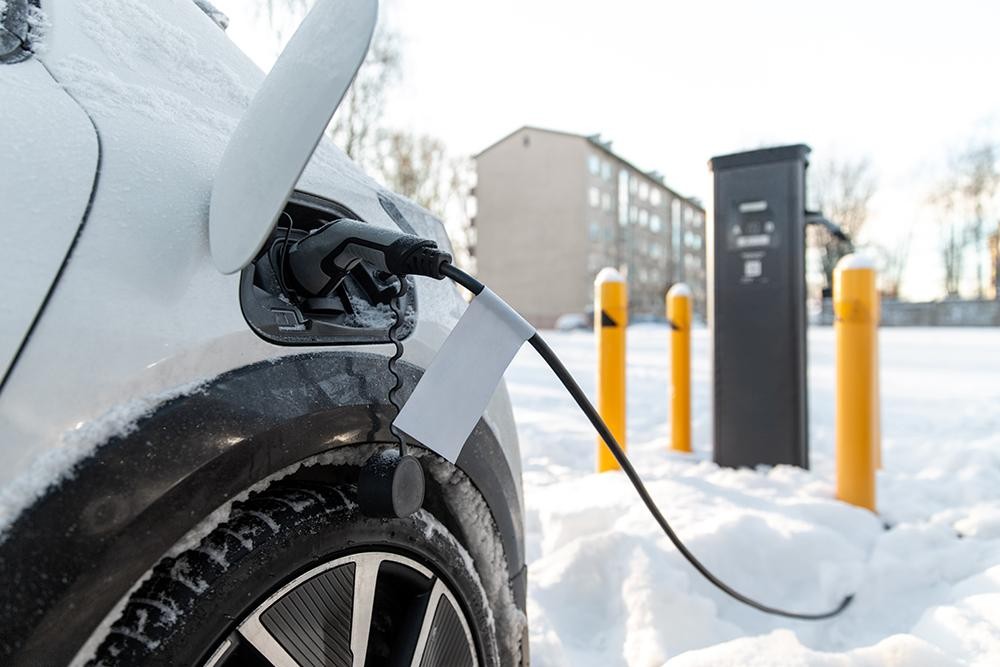
Charging an electric vehicle in cold climates becomes more expensive in practical terms even when electricity rates remain constant. The main reason is inefficiency in how energy is transferred into and stored within the battery. When a battery is cold, it cannot safely accept a high rate of charge. As a result, part of the incoming energy is used not for storage but for warming the battery to a temperature where efficient charging is possible.
This process reduces charging efficiency, especially at fast charging stations where high power delivery is expected. Instead of immediately storing energy, the vehicle prioritizes thermal management. This leads to longer charging sessions, and in many charging networks where billing is based on time or peak power usage, this directly increases cost.
Even in systems billed strictly per kilowatt hour, inefficiency still results in more total energy consumed for the same usable driving range.
Home charging is generally more efficient and cost-effective, but even here, cold weather introduces additional energy loss. Many EV owners preheat their vehicles while still connected to home power, which helps reduce battery drain. However, if preconditioning is not used or scheduled correctly, the battery may rely on stored energy to warm itself, effectively reducing the net energy available for driving.
Another hidden cost arises from behavioral changes in winter. Because the range becomes less predictable, drivers tend to rely more on public fast charging infrastructure. Public charging is typically more expensive per kilowatt hour compared to home electricity rates, and frequent use of these stations significantly increases monthly operating costs. In colder regions, this shift in charging behavior can become one of the largest contributors to higher winter EV expenses.
Research from automotive efficiency studies shows that EV energy consumption and operating costs can rise significantly in cold temperatures due to reduced efficiency and increased auxiliary energy demands. This increase is not marginal; in some cases, winter driving can cost noticeably more per kilometer than driving in mild weather conditions, even for the same vehicle and driving route.
3. Battery Degradation and Long-Term Costs
Battery degradation is one of the most important long-term cost factors in electric vehicle ownership, and cold climates influence this in subtle but meaningful ways. While lithium-ion batteries generally degrade faster in high temperatures than in cold ones, the combination of cold weather and operational demands creates conditions that can still impact long-term performance and cost.
In low temperatures, the internal resistance of the battery increases. This makes it harder for energy to flow in and out of the battery efficiently. While this does not immediately damage the battery, it does force the vehicle’s thermal management system to work harder to maintain safe operating conditions. Over time, this increased use of heating systems adds to total energy consumption and slightly increases lifetime operating costs.
A more important factor is the interaction between cold temperatures and fast charging. In winter conditions, drivers are more likely to rely on fast charging due to reduced range and travel unpredictability.
Fast charging generates more heat and stress inside the battery compared to slow home charging. When combined with cold ambient temperatures, this creates repeated cycles of heating and cooling that can contribute to gradual long-term wear.
Another indirect cost is the reduction in usable battery capacity over time. Even if degradation rates are not dramatically higher in cold climates, the perception of reduced range is compounded by seasonal losses. This often leads drivers to feel the need for earlier battery replacement or accept lower resale value compared to vehicles used in moderate climates.
Thermal management systems such as coolant pumps, heating elements, and sensors also experience increased usage in cold environments. While these systems are designed for durability, their higher workload in winter climates can contribute to additional long-term maintenance considerations that are less pronounced in warmer regions.
4. Dependence and Hidden Costs of Cold Weather
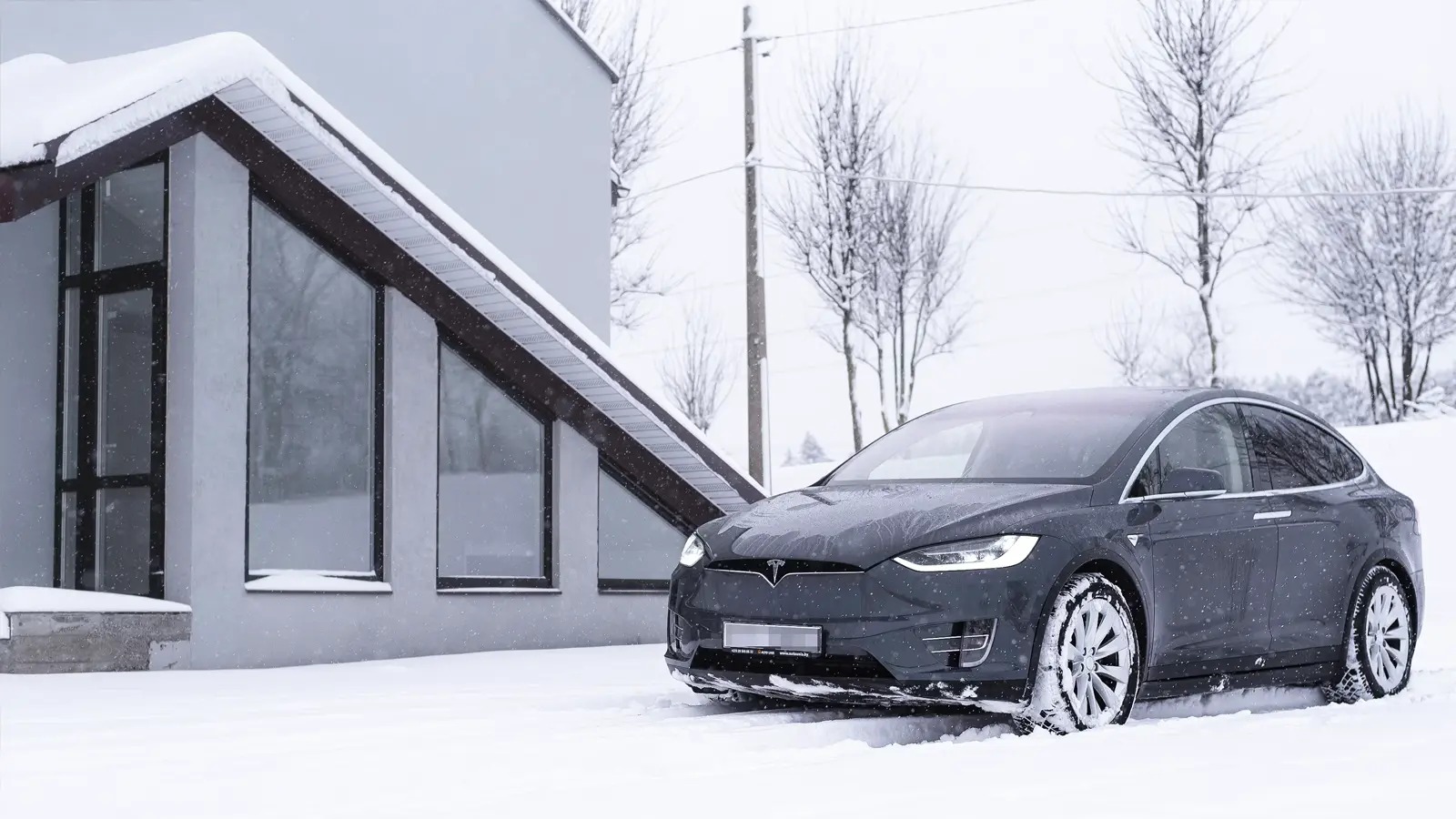
Cold climates expose a critical dependency in electric vehicle ownership, which is reliance on charging infrastructure. In ideal conditions, most EV owners charge at home overnight, which is both convenient and cost-efficient. However, winter conditions disrupt this balance by increasing energy consumption and reducing range predictability.
As range decreases and energy usage increases, drivers often find themselves needing to charge more frequently than expected.
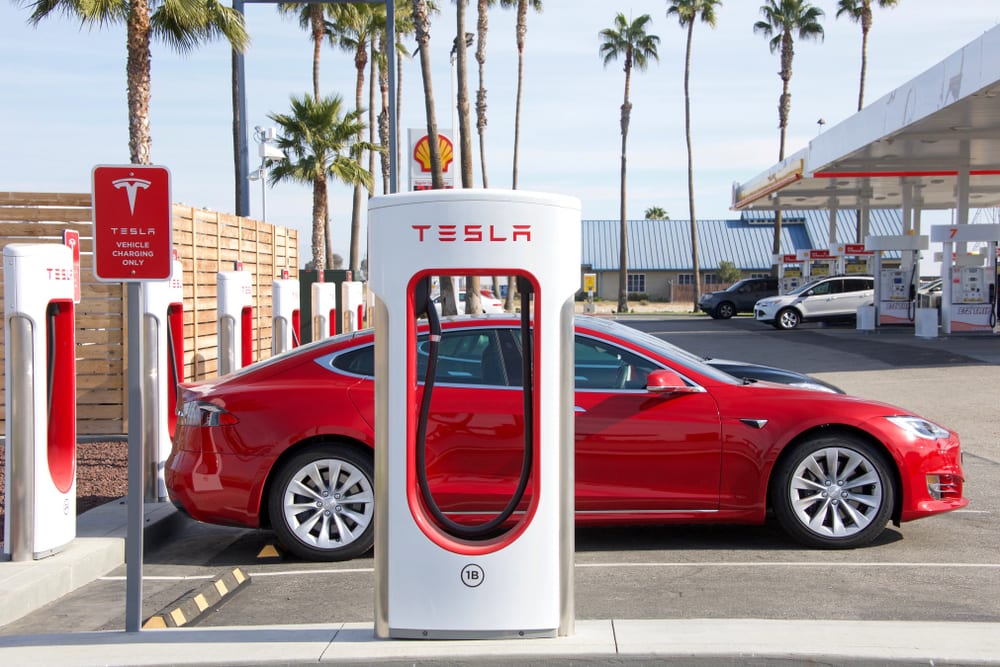
This leads to greater reliance on public charging networks, especially fast chargers that can replenish energy quickly during cold-weather travel. While these stations are essential, they are significantly more expensive than home charging, which increases the cost of ownership during the winter months.
The availability and reliability of charging infrastructure also become more important in cold regions. Charging stations may experience higher demand during winter travel periods, leading to congestion and longer wait times. Additionally, extremely low temperatures can reduce charging efficiency at the station itself, further increasing the time required to complete a charge.
Another hidden cost is the increased mental and logistical planning required for EV ownership in winter. Drivers often need to carefully plan routes around charging availability, weather conditions, and expected range loss. This planning overhead does not have a direct financial cost, but it adds complexity to daily use and can influence the perceived value of the vehicle.
In regions with severe winters, these infrastructure dependencies highlight one of the key differences between EVs and traditional vehicles. While EVs can be extremely efficient in controlled conditions, they are more sensitive to environmental variables, which translates into indirect costs during cold-weather operation.
5. The True Total Cost of EV Ownership
When all factors are combined, the total cost of EV ownership in cold climates becomes a balance between lower maintenance advantages and higher winter energy and infrastructure costs. On one hand, EVs still benefit from fewer mechanical components, no oil changes, and reduced brake wear due to regenerative braking. These advantages continue to provide long-term savings compared to internal combustion engine vehicles.
However, winter conditions introduce consistent cost increases that cannot be ignored. Reduced range forces more frequent charging, increased energy consumption for heating raises electricity usage, and reliance on public charging infrastructure increases per unit energy cost. Over time, these factors accumulate into a noticeable seasonal increase in operating expenses.
The extent of this increase depends heavily on user behavior. Drivers with access to home charging, moderate travel distances, and vehicles equipped with efficient thermal systems experience relatively manageable cost increases. In contrast, drivers in extremely cold regions or those relying heavily on public charging can experience significantly higher winter operating costs that narrow the financial advantage of EV ownership.
EVs remain a viable and often efficient transportation option in cold climates, but their true cost structure is more dynamic than in mild weather regions. Understanding these seasonal variations is essential for making informed ownership decisions and setting realistic expectations about long-term costs.
