
Your vehicle’s transmission is one of the most complex and expensive systems under the hood. Whether you drive an automatic, manual, or continuously variable transmission vehicle, the transmission is responsible for transferring engine power to the wheels and ensuring smooth gear changes while driving.
When this critical system begins to fail, the warning signs are often subtle at first. Many drivers ignore these early symptoms because the vehicle still appears to run normally. Unfortunately, delaying repairs can turn a minor issue into a catastrophic transmission failure that costs thousands of dollars to fix or replace.
In many modern vehicles, a complete transmission replacement can easily exceed $6,000 once labor, parts, diagnostics, and programming fees are included. Luxury and performance vehicles can cost even more.
Understanding the early signs of transmission problems can help drivers avoid financial stress, dangerous breakdowns, and unnecessary vehicle damage. Unlike sudden engine failures, transmission problems usually develop gradually over time. The vehicle may hesitate while shifting, produce unusual noises, leak fluid, or struggle to accelerate.
These symptoms are the vehicle’s way of warning you that internal components are wearing out or malfunctioning. Catching these issues early gives mechanics a better chance to repair individual components before the entire system fails.
Modern transmissions are highly advanced and controlled by electronic systems, sensors, hydraulic pressure, and computer modules. Because of this complexity, even a small problem such as dirty transmission fluid or a faulty sensor can affect performance.
Drivers who recognize these warning signs and seek a professional diagnosis quickly can often save thousands of dollars in repair costs. Preventive maintenance also plays a major role in extending transmission life. Routine fluid changes, proper driving habits, and timely inspections can help a transmission last well beyond 150,000 miles.
This guide explains how to spot a failing transmission before it becomes a major financial burden. You will learn about the most common warning signs, the causes behind transmission failure, the importance of maintenance, and the steps you can take to prevent expensive repairs.
By paying attention to how your vehicle behaves and acting quickly when problems appear, you can protect your investment and keep your car running safely for years to come.
Also Read: 10 Cars With Insurance Premiums Lower Than a Compact Sedan
How a Transmission Works?
The transmission is responsible for transferring power from the engine to the wheels while controlling speed and torque. In simple terms, it allows your car to operate efficiently at different speeds without overworking the engine.
Automatic transmissions use hydraulic systems, planetary gear sets, clutches, and torque converters to shift gears automatically. Manual transmissions rely on a clutch pedal and gear selector controlled by the driver. Continuously variable transmissions use pulleys and belts instead of traditional gears to provide smooth acceleration. Although each system works differently, they all serve the same basic purpose of delivering controlled power to the drivetrain.
A healthy transmission changes gears smoothly and efficiently. Drivers should barely notice gear shifts in most modern vehicles. When internal components begin to wear out, however, the transmission struggles to maintain proper gear engagement and hydraulic pressure.
This can cause slipping, jerking, delayed acceleration, or unusual noises. Many transmission failures begin with something relatively minor, such as low fluid levels or overheating. If ignored, these small issues can lead to severe internal damage affecting gears, bearings, clutches, and valve bodies.
Transmission fluid plays a critical role in keeping the system functioning correctly. It lubricates moving parts, cools internal components, and helps create hydraulic pressure for shifting gears. Dirty or degraded fluid loses its protective properties and allows friction and heat to build up inside the transmission.
Over time, this excess heat can damage seals, warp metal components, and destroy clutch materials. Heat is one of the leading causes of transmission failure, especially in vehicles used for towing, heavy traffic, or aggressive driving conditions.
Electronic systems also influence modern transmission performance. Sensors monitor vehicle speed, throttle position, engine load, and temperature. The transmission control module uses this information to determine shift timing and pressure.
If sensors or software malfunction, the transmission may shift unpredictably or enter a protective limp mode. Drivers often mistake these electronic problems for complete transmission failure, but early diagnosis can sometimes prevent unnecessary replacement costs.
Understanding how your transmission operates makes it easier to recognize abnormal behavior. A vehicle owner who notices shifting problems, unusual vibrations, or fluid leaks early has a much better chance of preventing catastrophic failure. Familiarity with normal transmission performance is one of the most effective ways to identify issues before they become expensive emergencies.
Early Warning Signs of Transmission Trouble
One of the earliest signs of transmission trouble is delayed gear engagement. Drivers may notice a pause when shifting from park into drive or reverse. Instead of engaging immediately, the vehicle hesitates for several seconds before moving. This delay often indicates low fluid pressure, worn clutch packs, or internal hydraulic issues. Although the car may still drive normally afterward, delayed engagement should never be ignored because it frequently worsens over time.
Transmission slipping is another major warning sign. A slipping transmission struggles to stay in the correct gear and may suddenly change gears unexpectedly while driving. Drivers often notice the engine revving higher without corresponding acceleration. In severe cases, the vehicle may feel as though it momentarily loses power before catching the gear again.
Slipping can result from worn internal components, low fluid levels, overheating, or damaged clutch materials. Continuing to drive with a slipping transmission can rapidly accelerate internal wear.
Strange noises are also common indicators of transmission problems. Automatic transmissions may produce whining, humming, or buzzing sounds, while manual transmissions often create grinding noises during gear changes. These sounds typically indicate worn bearings, damaged gears, or inadequate lubrication.
A healthy transmission should operate quietly under normal conditions. Any new or unusual sound deserves immediate attention, especially if it becomes louder over time.
Burning smells coming from the vehicle may signal overheated transmission fluid. Fresh transmission fluid usually has a slightly sweet or neutral odor.
When it overheats, the fluid develops a burnt smell caused by excessive friction and heat buildup. Overheating can damage seals, clutch plates, and internal metal components. Drivers who detect a burning odor should stop driving and inspect the vehicle as soon as possible to prevent severe damage.
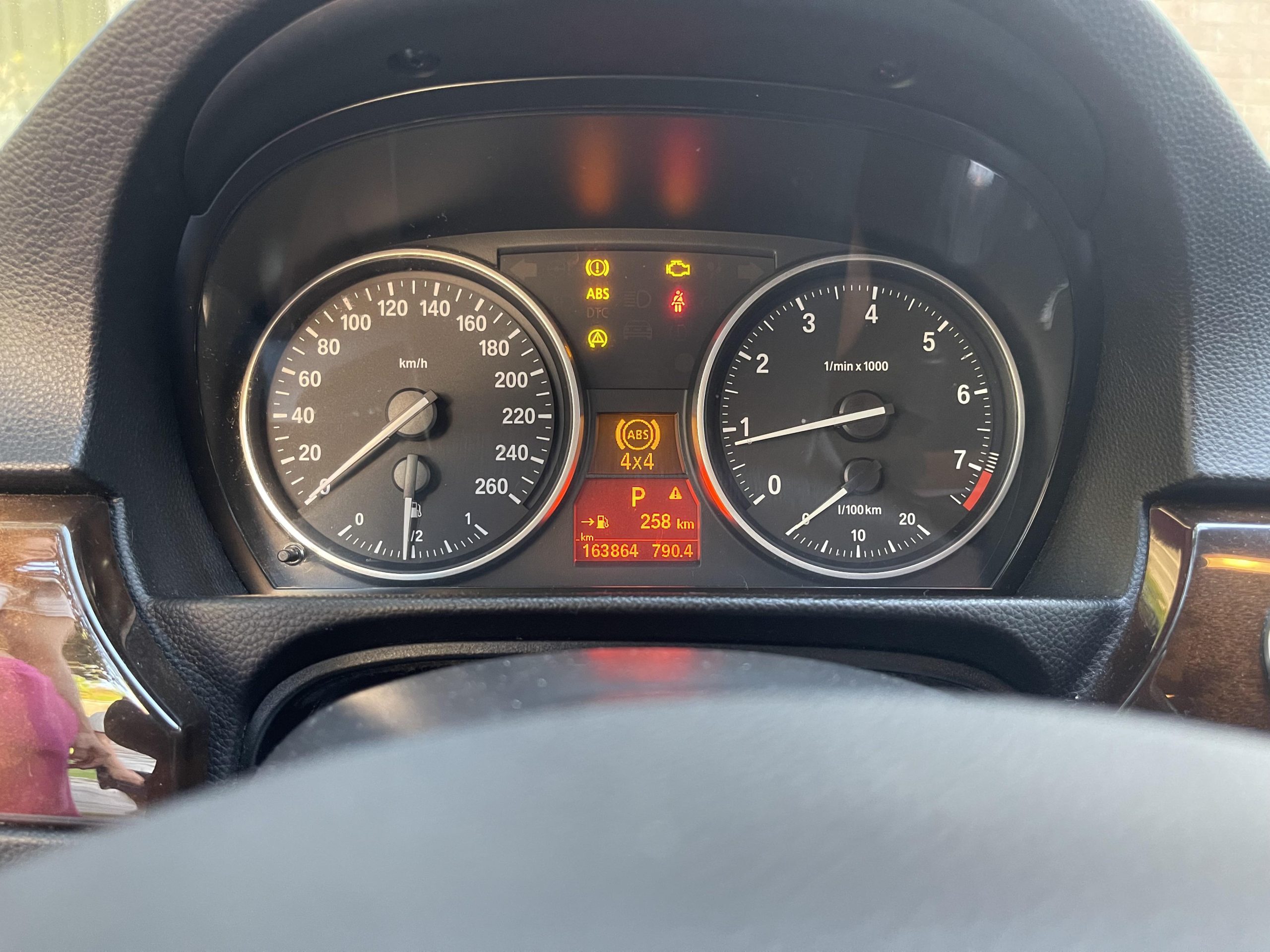
Dashboard warning lights should also never be ignored. Many modern vehicles include transmission temperature warnings or check engine lights linked to transmission faults.
Although these lights can indicate many different issues, professional diagnostics can quickly identify whether the transmission is involved. Waiting too long after warning lights appear often leads to more expensive repairs. Paying attention to these early symptoms gives drivers the best chance of resolving transmission issues before replacement becomes necessary.

Causes of Transmission Failure
Poor maintenance is one of the leading causes of transmission failure. Many drivers neglect routine transmission fluid changes because the system appears to function normally. Over time, however, transmission fluid breaks down due to heat and contamination.
Dirty fluid loses its ability to lubricate and cool internal components effectively. This leads to increased friction, overheating, and accelerated wear. Manufacturers often recommend fluid service intervals, but severe driving conditions may require more frequent maintenance.
Overheating is another major factor behind transmission damage. Excessive heat can destroy seals, harden rubber components, and damage clutch materials inside the transmission. Vehicles used for towing heavy loads, driving in mountainous terrain, or sitting in stop-and-go traffic are particularly vulnerable to overheating.
Even short periods of extreme temperature can shorten transmission lifespan significantly. Installing an auxiliary transmission cooler can help reduce heat in high-stress driving situations.
Driving habits also affect transmission longevity. Aggressive acceleration, sudden braking, and rapid gear changes place unnecessary stress on internal components.
Drivers who frequently shift between drive and reverse without fully stopping can damage gears and clutch packs. Riding the clutch in manual vehicles accelerates wear and increases heat generation. Smooth and controlled driving habits help reduce strain on the transmission and improve long-term reliability.
Fluid leaks are another common cause of transmission failure. Transmission systems rely on precise hydraulic pressure to operate correctly. Even small leaks can lower fluid levels enough to affect shifting performance and lubrication.
Common leak sources include worn seals, damaged transmission pans, loose drain plugs, and cracked cooling lines. Drivers may notice red or brown fluid underneath the vehicle. Addressing leaks early prevents further damage and protects internal components from overheating.
Electronic and sensor failures can also contribute to transmission problems. Modern vehicles depend heavily on electronic controls to manage shifting behavior and hydraulic pressure. A faulty speed sensor, transmission control module, or solenoid can cause erratic shifting and poor performance.
Although electronic failures may not always require a complete rebuild, ignoring them can create additional stress on mechanical components. Early diagnostics and repairs are essential for preventing more serious transmission damage.
The Importance of Transmission Fluid Inspection
Transmission fluid is often called the lifeblood of the transmission because it performs several critical functions simultaneously. It lubricates gears and bearings, cools internal parts, creates hydraulic pressure, and helps maintain smooth gear changes.
Without clean and properly maintained fluid, the transmission cannot operate efficiently. Regular fluid inspections are one of the easiest and most effective ways to detect early transmission problems before they become expensive repairs.
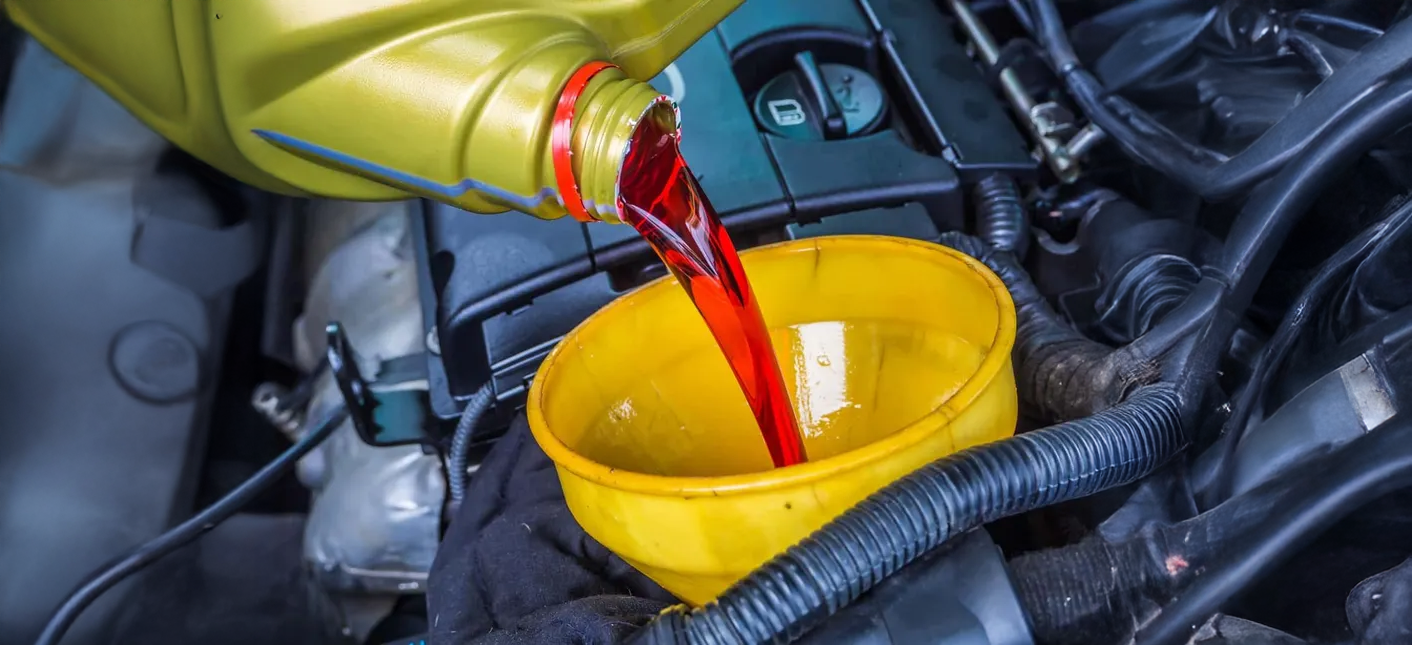
Healthy transmission fluid typically appears bright red or pink and has a relatively clean smell. As fluid ages, it darkens and becomes contaminated with debris from normal wear.
Burnt or dirty fluid may appear brown or black and develop a strong burnt odor. These changes indicate excessive heat or internal wear inside the transmission. Drivers who regularly inspect transmission fluid can often identify problems before major symptoms appear.
Low transmission fluid levels can cause serious performance issues. When fluid levels drop, hydraulic pressure decreases, and internal components may not receive proper lubrication. This can result in slipping gears, delayed shifting, overheating, and increased wear. Leaks are a common reason for low fluid levels, but improper maintenance or neglected servicing can also contribute. Even small fluid losses can affect transmission performance over time.
Contaminated transmission fluid may also indicate internal damage. Metal shavings or debris found in the fluid often suggest excessive wear of gears, bearings, or clutch materials. Some contamination is normal in older transmissions, but large amounts of debris usually point to developing problems. Mechanics often inspect fluid condition during routine maintenance because it provides valuable insight into the health of the transmission.
Changing transmission fluid at recommended intervals helps extend transmission life significantly. Fresh fluid restores lubrication and cooling performance while removing harmful contaminants.
Drivers should always use the correct type of transmission fluid specified by the manufacturer because different systems require specific formulations. Routine fluid service costs far less than transmission replacement and remains one of the best preventive maintenance investments vehicle owners can make.
Also Read: 10 Cars That Survive Being Used as Daily Uber Vehicles
What to Do When You Notice Transmission Problems
The moment you notice unusual transmission behavior, it is important to take action quickly. Many drivers continue operating their vehicles despite slipping gears, delayed shifting, or warning lights because the car still moves.
Unfortunately, transmission damage tends to worsen rapidly once symptoms appear. Early intervention can often mean the difference between a minor repair and a complete replacement costing thousands of dollars.
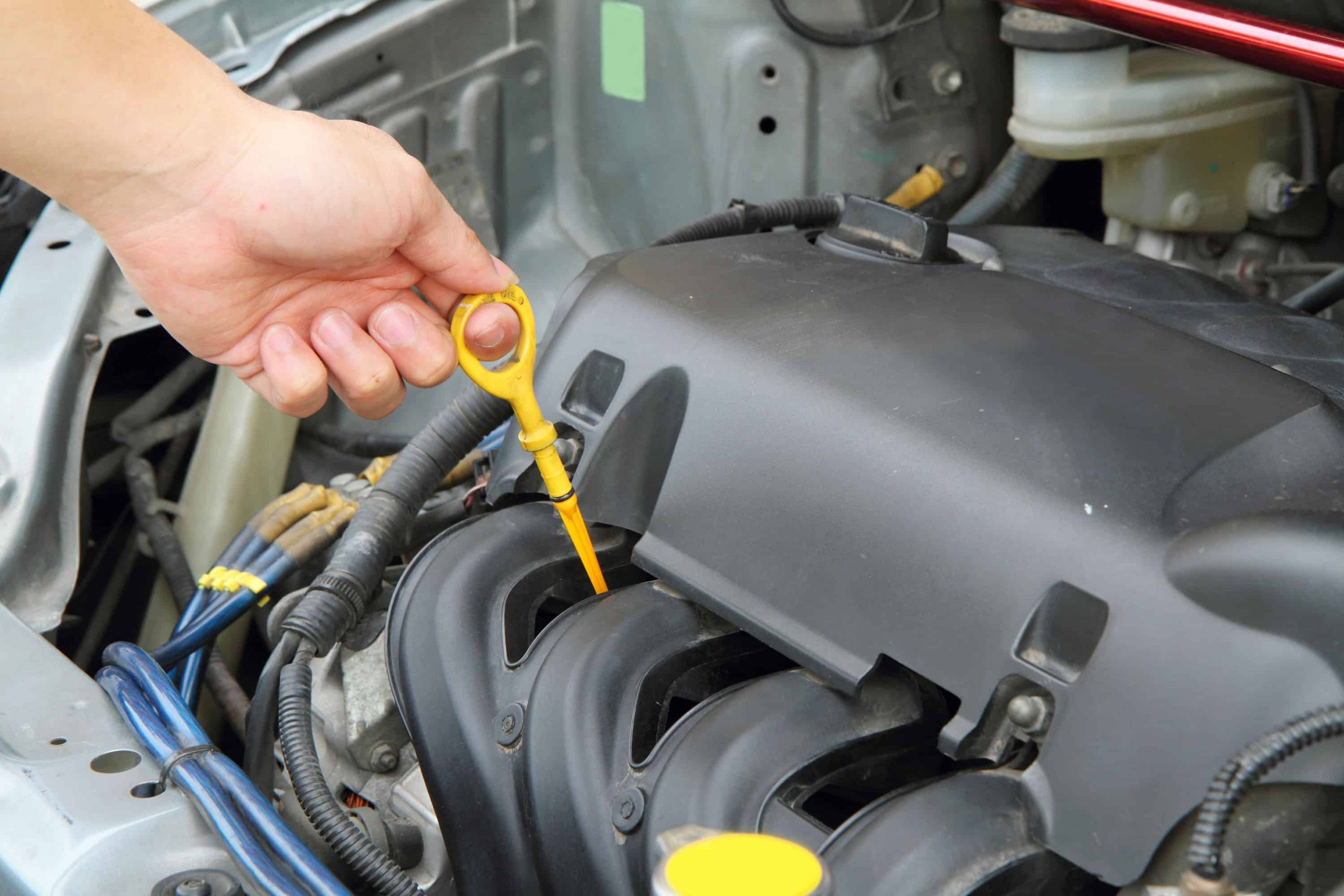
Start by checking the transmission fluid level and condition if your vehicle allows manual inspection. Low or dirty fluid may explain certain symptoms and could indicate a leak or overdue maintenance. However, adding fluid without identifying the underlying cause may only provide temporary improvement. If the fluid appears burnt, contaminated, or significantly low, professional inspection is strongly recommended.
Avoid aggressive driving if transmission problems are present. Hard acceleration, towing, or high-speed driving places additional stress on already damaged components.
Driving gently may help reduce further wear until the vehicle can be inspected by a mechanic. In severe cases involving slipping gears or overheating, it may be safer to stop driving altogether and arrange for towing to prevent catastrophic damage.
Professional diagnostics are essential because modern transmissions involve both mechanical and electronic systems. Mechanics use specialized scanners to retrieve transmission fault codes and monitor sensor data.
They may also perform pressure tests and inspect the fluid condition to determine the source of the problem. Accurate diagnosis prevents unnecessary repairs and helps identify issues before they spread throughout the transmission system.
Vehicle owners should never ignore transmission warning signs due to fear of repair costs. Delaying service almost always increases expenses because small problems eventually damage additional components. Replacing a sensor, seal, or solenoid early may cost only a few hundred dollars, while complete transmission rebuilds can exceed several thousand dollars. Acting quickly remains the most effective way to minimize repair costs and protect the vehicle’s long-term reliability.
Preventing Expensive Transmission Repairs
Preventive maintenance is the best defense against costly transmission repairs. Many transmission failures are avoidable when drivers follow proper maintenance schedules and pay attention to vehicle performance. Although transmissions are designed to last many years, neglect and harsh driving conditions can dramatically shorten their lifespan. Consistent care and early problem detection can save vehicle owners thousands of dollars over time.
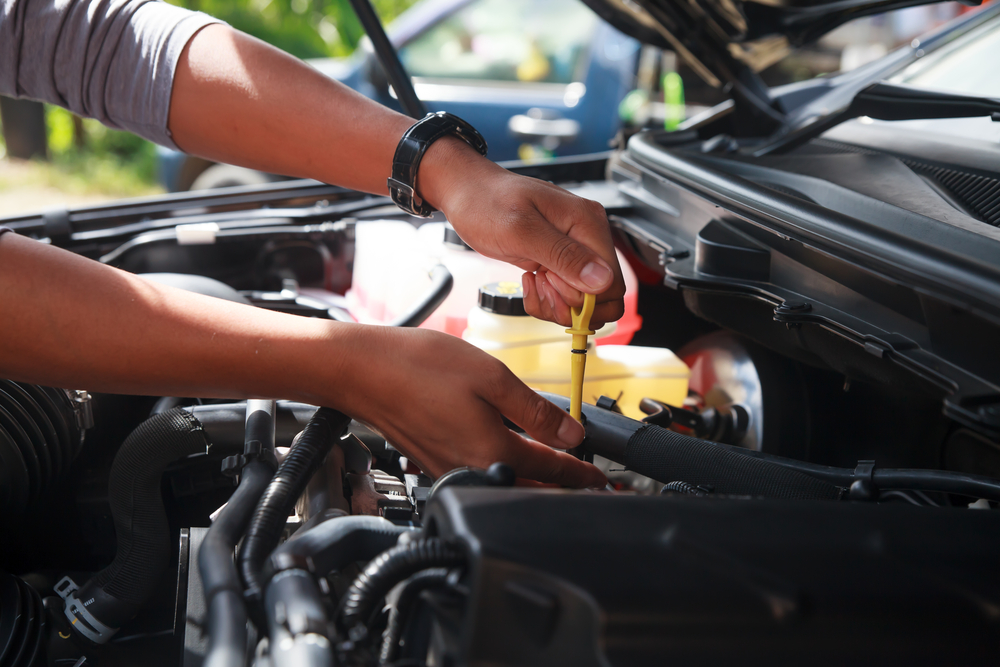
Routine transmission fluid service should be considered essential maintenance rather than optional maintenance. Fresh fluid helps maintain proper lubrication, cooling, and hydraulic pressure inside the transmission.
Drivers should consult their owner’s manual for recommended service intervals, but vehicles exposed to heavy towing, frequent stop-and-go traffic, or extreme temperatures may require more frequent servicing. Preventive fluid changes are far less expensive than rebuilding or replacing a damaged transmission.
Drivers should also avoid habits that place unnecessary strain on the transmission. Sudden acceleration, excessive speeding, and shifting between drive and reverse while moving create additional wear on gears and clutch components.
Manual transmission drivers should avoid riding the clutch and should use smooth shifting techniques whenever possible. Gentle driving habits reduce stress on internal parts and contribute to longer transmission life.
Monitoring vehicle behavior regularly can help identify issues before major damage occurs. Drivers should pay attention to unusual noises, vibrations, shifting delays, fluid leaks, or warning lights.
Even minor changes in transmission performance deserve investigation because early symptoms often indicate developing problems. Regular inspections by qualified mechanics can also reveal hidden issues before they become severe.
Cooling systems play a critical role in transmission health. Engines and transmissions both generate significant heat during operation, and excessive temperatures accelerate wear dramatically. Ensuring that the radiator and transmission cooler function correctly helps prevent overheating.
Some drivers who tow heavy loads or drive in hot climates choose to install additional transmission coolers for extra protection. Preventive maintenance and responsible driving remain the most effective ways to avoid a devastating $6,000 transmission replacement bill.

Transmission failure is one of the most expensive automotive problems drivers can face, but it rarely happens without warning. In most cases, vehicles provide clear signs that something is wrong long before complete failure occurs.
Delayed shifting, slipping gears, unusual noises, fluid leaks, burning smells, and dashboard warning lights are all indicators that deserve immediate attention. Recognizing these symptoms early allows drivers to address problems before severe internal damage develops.
Understanding the causes of transmission failure is equally important. Poor maintenance, overheating, aggressive driving, fluid leaks, and electronic malfunctions all contribute to transmission wear and damage. Regular fluid inspections and timely servicing help keep the system operating efficiently while reducing the risk of catastrophic failure.
Since transmission fluid plays such a vital role in cooling and lubrication, maintaining proper fluid condition remains one of the simplest and most effective preventive measures.
Drivers who respond quickly to transmission symptoms often save substantial amounts of money. Small repairs involving sensors, seals, or fluid leaks are significantly less expensive than full transmission rebuilds or replacements.
Ignoring warning signs may temporarily delay repair costs, but it almost always results in more severe damage and higher expenses later. Early diagnostics and professional inspections provide the best opportunity for affordable repairs.
Good driving habits also contribute significantly to transmission longevity. Smooth acceleration, proper shifting techniques, and avoiding excessive stress help reduce wear on internal components.
Vehicles that receive regular maintenance and responsible operation often achieve transmission lifespans exceeding 150,000 miles or more. Preventive care is far more affordable than emergency repairs and helps maintain vehicle reliability.
Spotting a failing transmission before it costs you $6,000 requires awareness, consistency, and quick action. Drivers who understand the warning signs and prioritize maintenance can avoid many of the most common transmission problems.
By paying close attention to how your vehicle performs and addressing issues early, you can extend transmission life, improve driving safety, and protect yourself from one of the automotive industry’s most expensive repair bills.
