
Buying a used hybrid battery can save a significant amount of money compared to purchasing a brand new replacement pack from a dealership. Hybrid vehicles rely heavily on battery performance for fuel efficiency, acceleration, smooth operation, and reliability.
Because hybrid battery replacement can be one of the most expensive maintenance costs associated with owning a hybrid car, many buyers look for used or refurbished battery packs as a cost-effective alternative. However, purchasing a used hybrid battery without proper inspection can lead to major financial losses, reduced vehicle performance, and repeated repair expenses.
A battery that appears functional on the surface may already be suffering from degraded cells, overheating damage, internal corrosion, or voltage imbalance. These issues may not become obvious until the battery is installed and used for several weeks or months.
Understanding how to inspect a used hybrid battery before buying is essential for anyone planning to repair or maintain a hybrid vehicle economically. Whether you own a Toyota Prius, Honda Insight, Hyundai Ioniq, Ford Fusion Hybrid, or another hybrid model, battery inspection principles remain largely similar across most systems.
Hybrid batteries consist of multiple modules or cells that work together as one energy storage unit. Even if only a few modules are weak, the entire battery pack can experience poor performance, reduced fuel economy, warning lights, and charging problems. This makes detailed inspection critical before making a purchase.
Many sellers advertise hybrid batteries as tested, low mileage, or reconditioned, but not all claims are trustworthy. Some batteries may come from accident-damaged vehicles, flooded cars, or high-mileage fleets. Others may have been sitting unused for years, causing deep discharge and permanent degradation.
Buyers who understand voltage testing, physical inspection, diagnostic scanning, temperature monitoring, and battery history verification have a much higher chance of finding a reliable unit. Proper inspection also helps determine whether the asking price matches the battery’s actual condition.
In addition to technical testing, buyers should also consider warranty coverage, compatibility with their vehicle, manufacturing dates, storage conditions, and signs of previous repairs. Hybrid battery technology is sophisticated, and poor handling can shorten the lifespan dramatically.
Learning how to inspect a used hybrid battery not only protects your investment but also improves long-term vehicle reliability and driving efficiency. This guide explains every major step involved in evaluating a used hybrid battery so you can make an informed buying decision with confidence.
Also Read: 10 Cars With Insurance Premiums Lower Than a Compact Sedan

Understanding How Hybrid Batteries Work
Hybrid batteries are very different from standard car batteries. Traditional lead-acid batteries mainly provide enough power to start the engine and operate electrical accessories. Hybrid batteries, on the other hand, are designed to store and deliver large amounts of energy continuously during driving.
They assist the gasoline engine, power electric motors, recover braking energy, and improve fuel efficiency. Understanding this basic functionality is essential before inspecting a used battery because it helps buyers recognize what factors affect performance and lifespan.
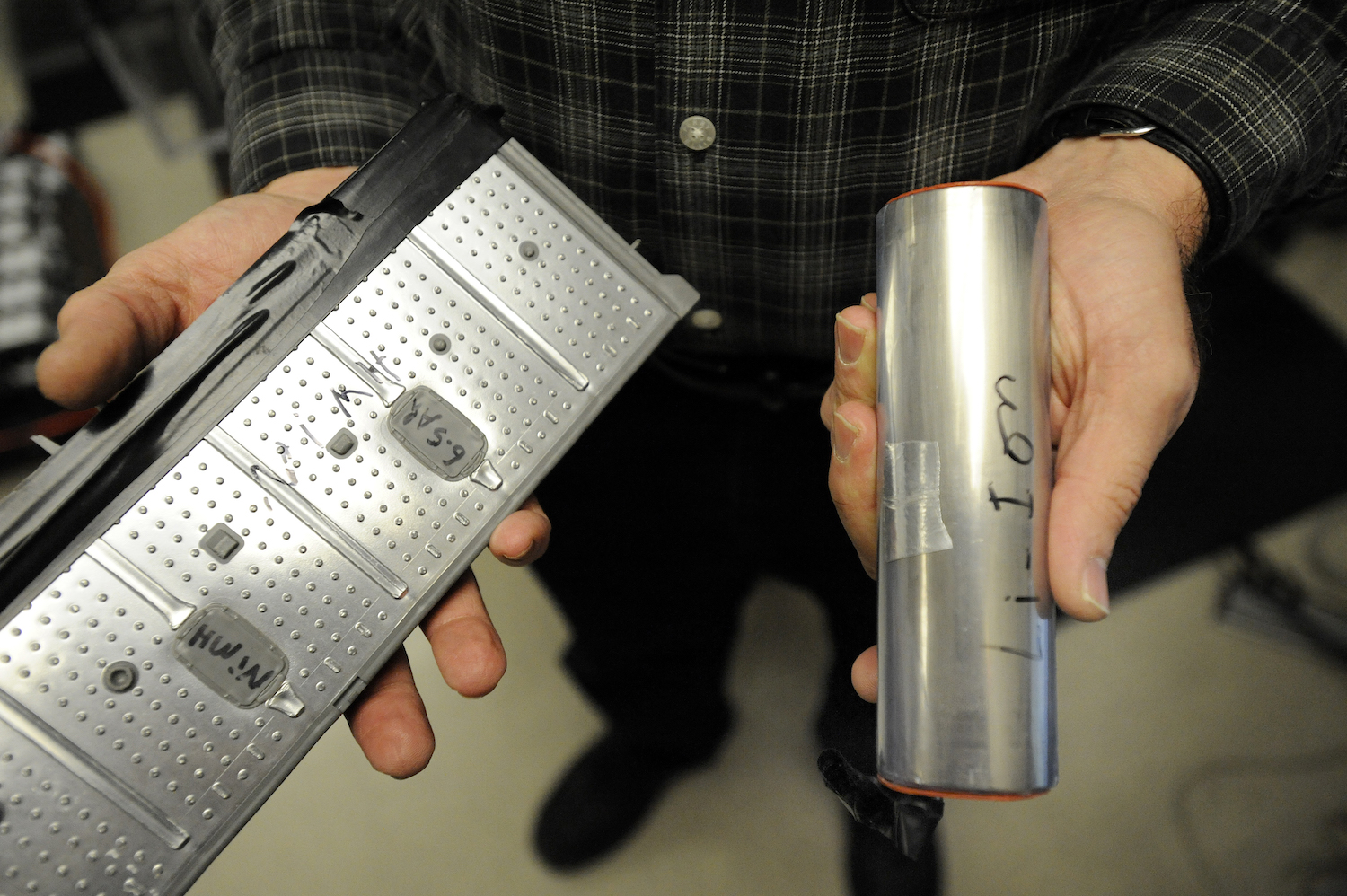
Most hybrid vehicles use either nickel metal hydride batteries or lithium-ion batteries. Older and highly popular hybrid models, such as the Toyota Prius, often use nickel metal hydride technology due to its durability and thermal stability.
Newer hybrids increasingly rely on lithium-ion batteries because they are lighter, more compact, and capable of storing more energy. Regardless of chemistry, every hybrid battery pack contains multiple modules connected together to create a high-voltage system. If one module weakens significantly, it can negatively impact the entire pack’s operation.
Hybrid batteries operate under demanding conditions. They constantly charge and discharge during acceleration, braking, and cruising. This repeated cycling gradually reduces their capacity over time. Heat is another major factor influencing battery degradation.
Vehicles driven in extremely hot climates often experience faster battery wear because elevated temperatures accelerate chemical breakdown inside battery cells. Poor cooling system maintenance can also contribute to premature battery failure. Understanding these stress factors helps buyers evaluate whether a used battery may have hidden problems.
Battery management systems monitor temperature, voltage, charging rates, and module balance. When a battery starts failing, the system may trigger warning lights, reduced fuel economy, weak acceleration, or engine overuse.
Some sellers erase diagnostic trouble codes before selling batteries, making inspection even more important. Buyers should never assume a battery is healthy simply because it powers on or starts the vehicle. Proper evaluation requires examining voltage consistency, charge retention, module balance, and physical condition.
Knowing how hybrid batteries age also helps set realistic expectations. Even a well-maintained hybrid battery gradually loses capacity after years of use. A used battery will rarely perform exactly like a new one.
The goal is not necessarily to find a perfect battery but to identify one with stable performance, balanced modules, minimal degradation, and reasonable remaining lifespan. Understanding these principles provides the foundation for every inspection step discussed later in this article.

Checking the Battery’s Age and Vehicle History
One of the first things buyers should inspect before purchasing a used hybrid battery is its age and origin. Battery age significantly affects performance because chemical degradation occurs naturally over time, even when the battery is not actively used.
Most hybrid batteries have a lifespan ranging between eight and fifteen years, depending on climate, driving habits, maintenance, and battery chemistry. Knowing the production date helps estimate remaining service life and potential reliability.
Battery manufacturing dates are often printed on labels attached to the battery pack or individual modules. Some manufacturers use coded serial numbers that can be decoded to determine production year and month.
Buyers should research the coding system specific to their battery model before inspection. A battery that is several years old but has relatively low mileage may still have degradation if it has sat unused for long periods. Long-term storage without proper maintenance can damage cells through self-discharge and voltage imbalance.
Vehicle history is equally important because the battery’s condition often reflects how the original vehicle was used. A hybrid battery removed from a low-mileage personal vehicle may be in much better condition than one taken from a taxi, rideshare fleet, or delivery vehicle.
Heavy daily driving subjects the battery to constant charge and discharge cycles, accelerating wear. Similarly, vehicles operated in hot desert climates may experience faster degradation than those driven in cooler regions.
Buyers should ask sellers detailed questions about the donor vehicle. Information such as mileage, accident history, flood exposure, maintenance records, and storage conditions can reveal important clues about battery health.
Flood-damaged vehicles deserve particular caution because moisture exposure can corrode electrical components and create safety hazards. Accident-damaged vehicles may also have experienced impact forces affecting the battery structure or internal connections.
Another important step is verifying whether the battery has been previously repaired or rebuilt. Some used hybrid batteries contain mixed modules taken from multiple battery packs. While rebuilding can sometimes restore temporary functionality, poor-quality repairs often lead to inconsistent performance and early failure.
Buyers should inspect for mismatched serial numbers, inconsistent module dates, damaged fasteners, or signs of non-factory repairs. A transparent seller willing to provide detailed history and testing information is usually a safer choice than one avoiding technical questions.
Performing a Physical Inspection of the Battery Pack
A careful physical inspection is one of the most important steps when evaluating a used hybrid battery. Visual signs often reveal hidden damage, neglect, or improper storage conditions that may not appear during a brief electrical test.
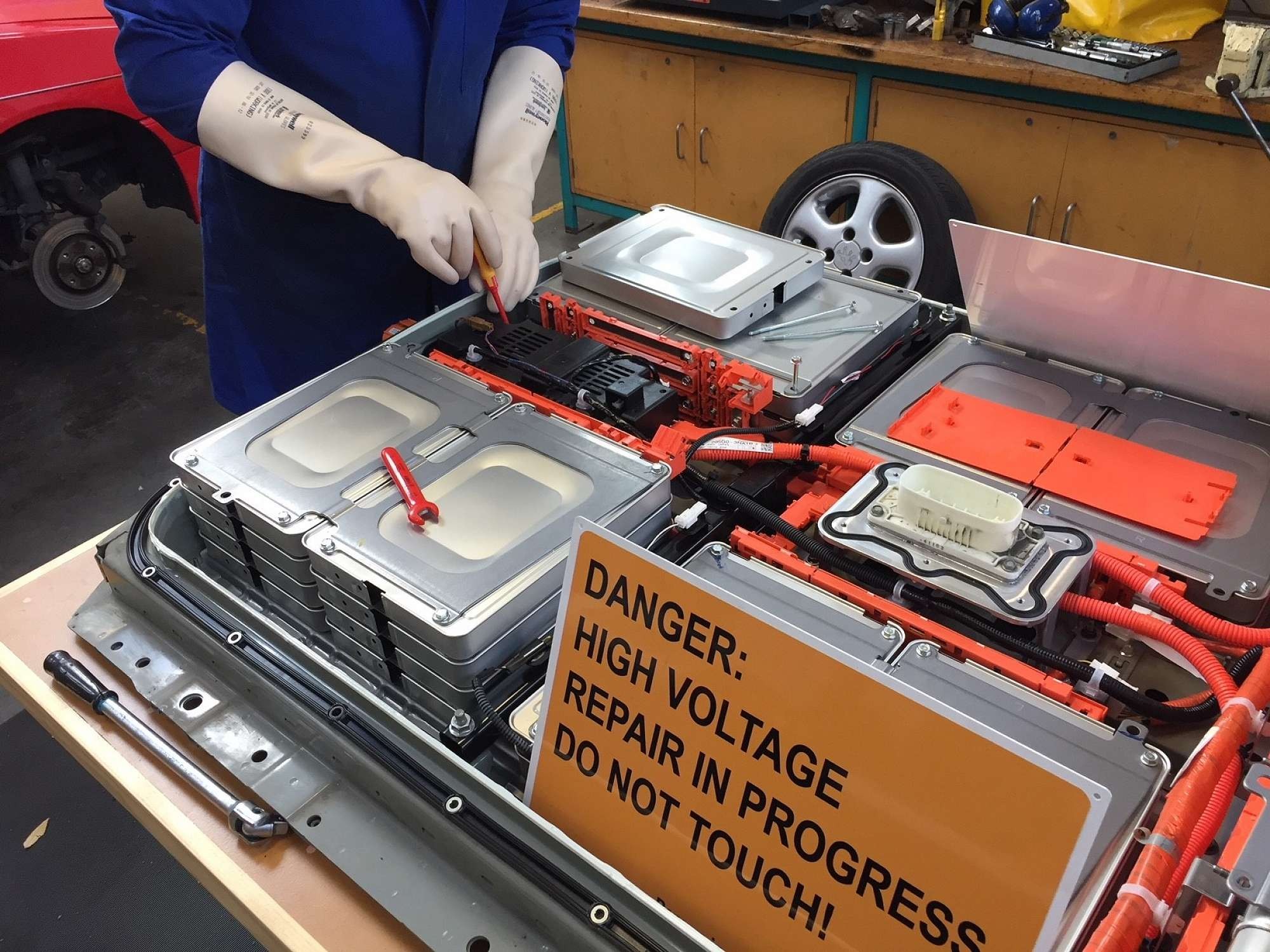
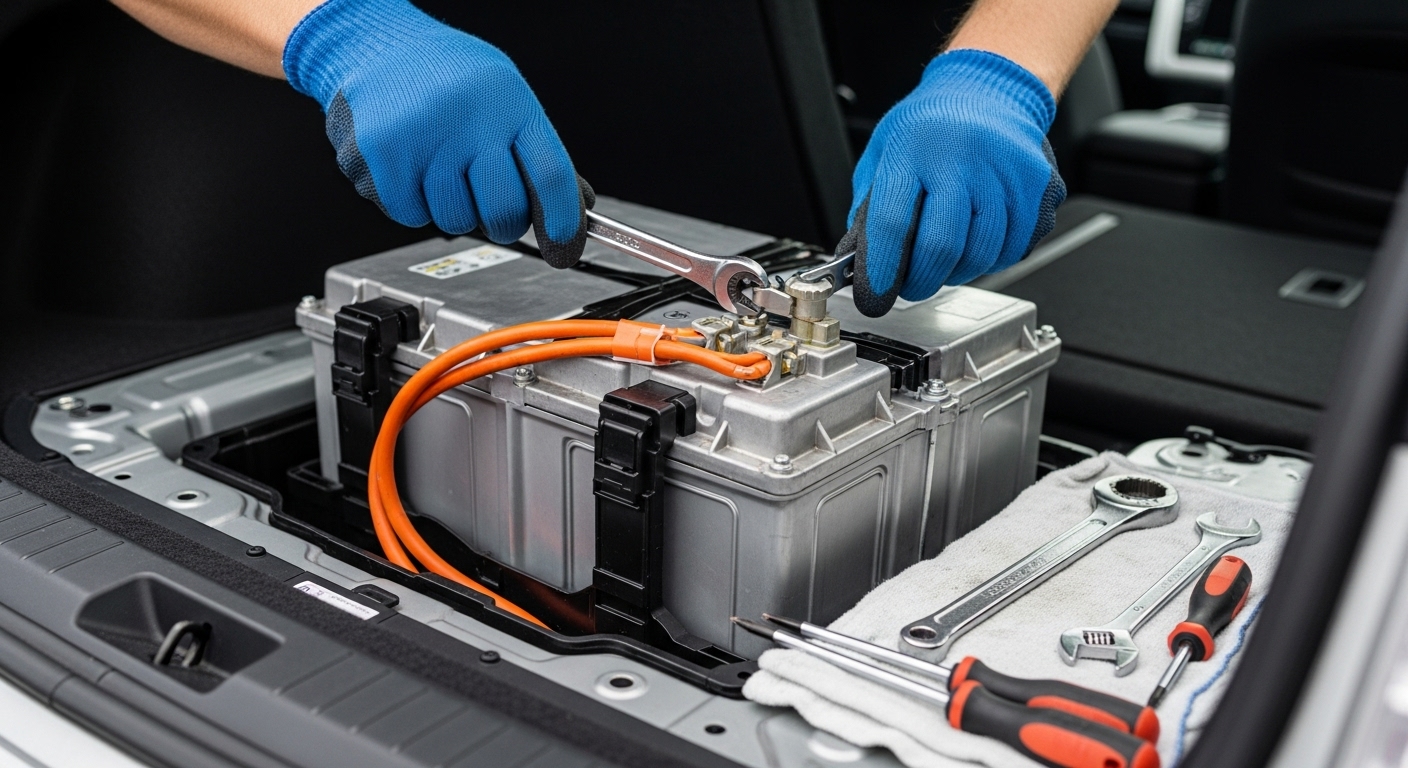
Before handling any hybrid battery, safety precautions are essential because these systems operate at dangerous voltages. Wearing insulated gloves and following manufacturer safety procedures helps reduce risk during inspection.
The outer battery casing should be examined thoroughly for dents, cracks, corrosion, or impact damage. A damaged case may indicate the battery was dropped, involved in a collision, or exposed to harsh environmental conditions.
Corrosion around terminals and connectors is particularly concerning because it can interfere with electrical conductivity and signal moisture exposure. Severe corrosion may also indicate electrolyte leakage or long-term humidity damage.
Inspecting wiring harnesses and connectors is equally important. Burn marks, melted insulation, loose connections, or brittle wiring can indicate overheating or electrical faults. Hybrid batteries generate heat during operation, and poor cooling can damage internal components over time.
Buyers should inspect cooling vents and fans for dirt buildup, debris, or blockages. Excessive dust accumulation may suggest poor maintenance and overheating history.
Another important inspection point is module swelling or deformation. Battery modules should appear uniform in size and shape. Swollen modules can indicate internal gas buildup caused by overcharging, overheating, or chemical failure. Any signs of leaking fluids, unusual odors, or discoloration should be treated as serious warning signs. Hybrid batteries should never emit strong chemical smells or show evidence of liquid leakage.
Fasteners and seals should also be checked carefully. Missing bolts, damaged clips, or broken seals may indicate previous disassembly or improper repairs. Some sellers attempt temporary fixes to make failing batteries appear functional during sale. A battery showing multiple signs of tampering deserves extra caution.
Buyers should also inspect labels and serial numbers to ensure they appear original and unaltered. A clean, structurally intact battery pack with consistent module appearance is generally a much safer investment than one showing physical damage or repair evidence.
Testing Voltage and Module Balance
Voltage testing is one of the most effective methods for evaluating the condition of a used hybrid battery. Since hybrid battery packs contain many interconnected modules, pack voltage alone does not provide enough information.
A battery may show acceptable total voltage while still containing weak or failing modules. Proper testing requires examining individual module voltages and identifying imbalances that may indicate degradation.
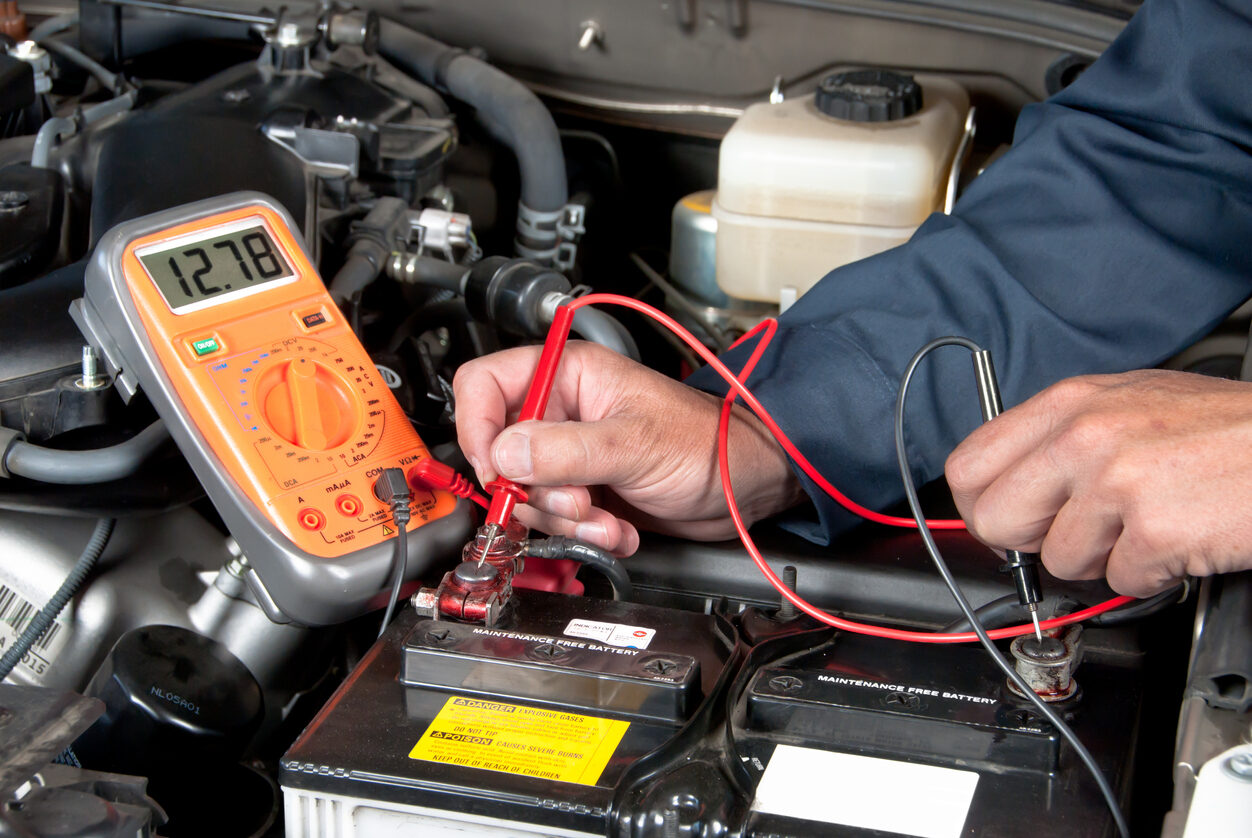
Using a quality multimeter is essential for accurate readings. Buyers should first measure the total pack voltage and compare it with the manufacturer’s specifications. If the voltage is significantly lower than expected, the battery may have self discharged, deteriorated, or developed internal faults. However, individual module testing provides much more valuable information about actual battery health.
Each module should be tested separately to determine voltage consistency across the pack. Healthy modules typically show very similar voltage readings. Large variations between modules can indicate imbalance, reduced capacity, or failing cells.
Even small differences may become problematic under load because weaker modules discharge faster than stronger ones during operation. This imbalance places additional stress on the entire battery pack.
Load testing can reveal issues that static voltage readings may not detect. Some modules maintain normal voltage when idle but drop rapidly under electrical load due to reduced internal capacity. Specialized battery analyzers can simulate operating conditions and measure how modules respond during charging and discharging. A module showing rapid voltage decline or abnormal heat generation during testing may be nearing failure.
Temperature monitoring during voltage testing is also valuable. Weak modules often generate more heat than healthy ones due to increased internal resistance. Infrared thermometers or thermal cameras can help identify hotspots within the battery pack. Uneven temperature distribution may signal failing modules or poor electrical connections.
Buyers should remember that perfectly balanced voltage readings do not guarantee a battery is like new. Capacity degradation still occurs naturally with age. However, consistent module voltages and stable load performance strongly suggest the battery remains functional and reliable.
Batteries with major voltage imbalances or unstable readings should generally be avoided because they are more likely to trigger warning codes and fail prematurely after installation.

Using Diagnostic Tools and Software
Modern hybrid vehicles rely heavily on electronic monitoring systems, making diagnostic tools extremely valuable during battery inspection.
While visual checks and voltage testing provide important information, advanced diagnostics can reveal hidden performance issues that are difficult to detect manually. Using proper scan tools allows buyers to evaluate battery health more accurately and identify potential problems before purchase.
Many hybrid vehicles store battery related fault codes in the onboard computer system. Diagnostic scanners compatible with hybrid systems can access these codes and display information about voltage levels, charging behavior, temperature readings, and module balance. Common trouble codes may indicate weak cells, overheating, cooling fan problems, or communication faults within the battery management system.
Professional grade diagnostic software provides even deeper analysis. Some programs can display live data for individual modules while the vehicle is running. This allows buyers to observe how voltage changes during acceleration, braking, and charging cycles. Healthy batteries maintain relatively stable performance across operating conditions, while failing batteries may show sudden voltage drops or irregular fluctuations.
State of charge readings are another useful diagnostic feature. The battery management system estimates how much energy the battery can store and deliver. A battery with severely reduced capacity may charge and discharge unusually quickly during driving. Buyers should pay attention to erratic charge behavior because it often signals degraded modules or imbalance problems.
Internal resistance measurements also help evaluate battery condition. As batteries age, internal resistance increases, reducing efficiency and generating excess heat. Diagnostic tools capable of measuring resistance can identify modules that are deteriorating even if voltage readings still appear acceptable. Lower and more consistent resistance values generally indicate healthier modules.
Buyers should also inspect freeze frame data when available. Freeze frame records capture operating conditions at the moment a fault code was triggered. This information can reveal whether problems occurred during heavy acceleration, high temperatures, or charging events.
Sellers who recently cleared codes may attempt to hide battery issues, so checking system readiness monitors can help identify recently erased diagnostic history.
Although professional diagnostic tools may require investment or technical knowledge, they greatly improve inspection accuracy. Buyers uncomfortable using scanners themselves may benefit from hiring a qualified hybrid technician for pre purchase evaluation. The cost of professional inspection is often far lower than replacing a failed battery shortly after purchase.

Evaluating Battery Performance During a Test Drive
A test drive is one of the best opportunities to evaluate how a used hybrid battery performs under real world conditions. Even if a battery passes visual inspection and voltage testing, actual driving behavior can reveal hidden weaknesses that static checks may miss. Buyers should pay close attention to vehicle responsiveness, charging patterns, fuel economy behavior, and warning indicators throughout the drive.
One of the first things to observe is how smoothly the vehicle transitions between gasoline and electric power. Healthy hybrid batteries provide consistent electrical assistance during acceleration and allow smooth switching between operating modes. Hesitation, jerking, or delayed power delivery may indicate battery imbalance or weak modules struggling to maintain output.
Battery charge levels should also behave predictably during driving. In most hybrids, the battery charge indicator rises gradually during regenerative braking and decreases steadily during acceleration or electric driving. Rapid swings between high and low charge levels often signal reduced capacity. A degraded battery may lose charge unusually quickly because it cannot store energy efficiently anymore.
Acceleration performance provides another important clue about battery condition. Hybrid systems rely on battery power to support the gasoline engine during acceleration.
Weak batteries may cause sluggish response, excessive engine revving, or reduced electric motor assistance. Buyers should test the vehicle under different driving conditions including city traffic, moderate acceleration, and uphill driving if possible.
Cooling system operation is equally important during a test drive. Hybrid batteries generate heat, especially under heavy load. Loud cooling fan noise, overheating warnings, or excessive heat near the battery compartment can indicate thermal management problems or internal battery stress. Some failing batteries force cooling fans to operate continuously in an attempt to control rising temperatures.
Fuel economy can also reflect battery health. One of the primary benefits of hybrid technology is improved efficiency through energy recovery and electric assistance.
A failing battery often causes lower than expected fuel economy because the gasoline engine must compensate for reduced electrical support. While short test drives may not provide exact mileage calculations, unusually poor efficiency compared to similar vehicles deserves attention.
Warning lights should never be ignored during inspection. Hybrid system warnings, check engine lights, or battery indicators may signal serious underlying problems. Some issues appear only after extended driving when the battery reaches operating temperature. Buyers should drive long enough to allow the hybrid system to cycle through normal charging and discharging conditions before making discussions about battery performance.
Also Read: 10 Cars That Survive Being Used as Daily Uber Vehicles
Understanding Refurbished Hybrid Batteries
Many buyers encounter terms such as reconditioned, refurbished, or rebuilt when shopping for used hybrid batteries. Understanding what these labels actually mean is essential because quality standards vary widely between sellers. While some refurbished batteries offer excellent value and reliable performance, others receive only temporary repairs that fail quickly after installation.
A reconditioned hybrid battery typically undergoes testing, balancing, and partial restoration before resale. This process may involve replacing weak modules, cleaning corrosion, balancing charge levels, and testing capacity. Proper reconditioning can extend battery life and improve performance significantly when performed by experienced technicians using professional equipment.
Refurbished batteries often contain a mixture of old and replacement modules. The goal is to create a balanced pack with acceptable voltage and capacity.
However, matching modules with different ages and wear levels can be challenging. Poorly matched modules may degrade unevenly, causing imbalance and future failures. Buyers should ask detailed questions about how the battery was rebuilt and whether modules were capacity tested individually.
Some sellers use the term rebuilt very loosely. In certain cases, only obviously failed modules are replaced while the remaining modules receive minimal testing. These low quality rebuilds may function temporarily but often experience repeated breakdowns because aging modules continue deteriorating. Buyers should be cautious of unusually cheap batteries advertised with vague claims and limited documentation.
Warranty coverage is extremely important when purchasing reconditioned batteries. Reputable rebuilders usually provide warranties ranging from several months to multiple years depending on battery condition and testing procedures. A meaningful warranty suggests the seller has confidence in the product’s reliability. Buyers should read warranty terms carefully to understand what failures are covered and whether labor costs are included.
Another important consideration is balancing methodology. Professional refurbishing companies use advanced equipment to equalize module charge levels and measure capacity accurately. This balancing process improves pack consistency and reduces stress during operation. Batteries rebuilt without proper balancing are more likely to experience voltage irregularities and warning codes shortly after installation.
Buyers should also consider the reputation of the rebuilder. Established hybrid specialists with positive customer feedback generally offer more reliable products than unknown sellers operating through classified ads.
Although professionally refurbished batteries may cost more initially, they often provide better long term value through improved reliability and warranty support.
Common Warning Signs of a Used Hybrid Battery
Recognizing warning signs can help buyers avoid purchasing a failing hybrid battery. Some problems are obvious during inspection, while others require closer attention to vehicle behavior and diagnostic information. Understanding these red flags reduces the risk of expensive repairs and unexpected battery replacement shortly after purchase.
One of the most common warning signs is rapid battery charge fluctuation. If the charge indicator rises and falls unusually quickly during driving, the battery may have reduced storage capacity. Healthy batteries charge and discharge gradually under normal conditions. Sudden swings often indicate worn modules unable to hold energy efficiently.
Frequent cooling fan operation is another concerning symptom. Hybrid battery cooling fans normally activate during heavy use or warm weather, but constant loud fan noise may suggest overheating or excessive internal resistance. Overheating accelerates battery degradation and may signal failing modules struggling under load.
Poor fuel economy can also point to battery problems. Hybrid systems depend on efficient energy storage and recovery to reduce fuel consumption. A weak battery forces the gasoline engine to work harder, reducing efficiency. Buyers comparing similar hybrid vehicles should be cautious if one shows noticeably worse mileage.
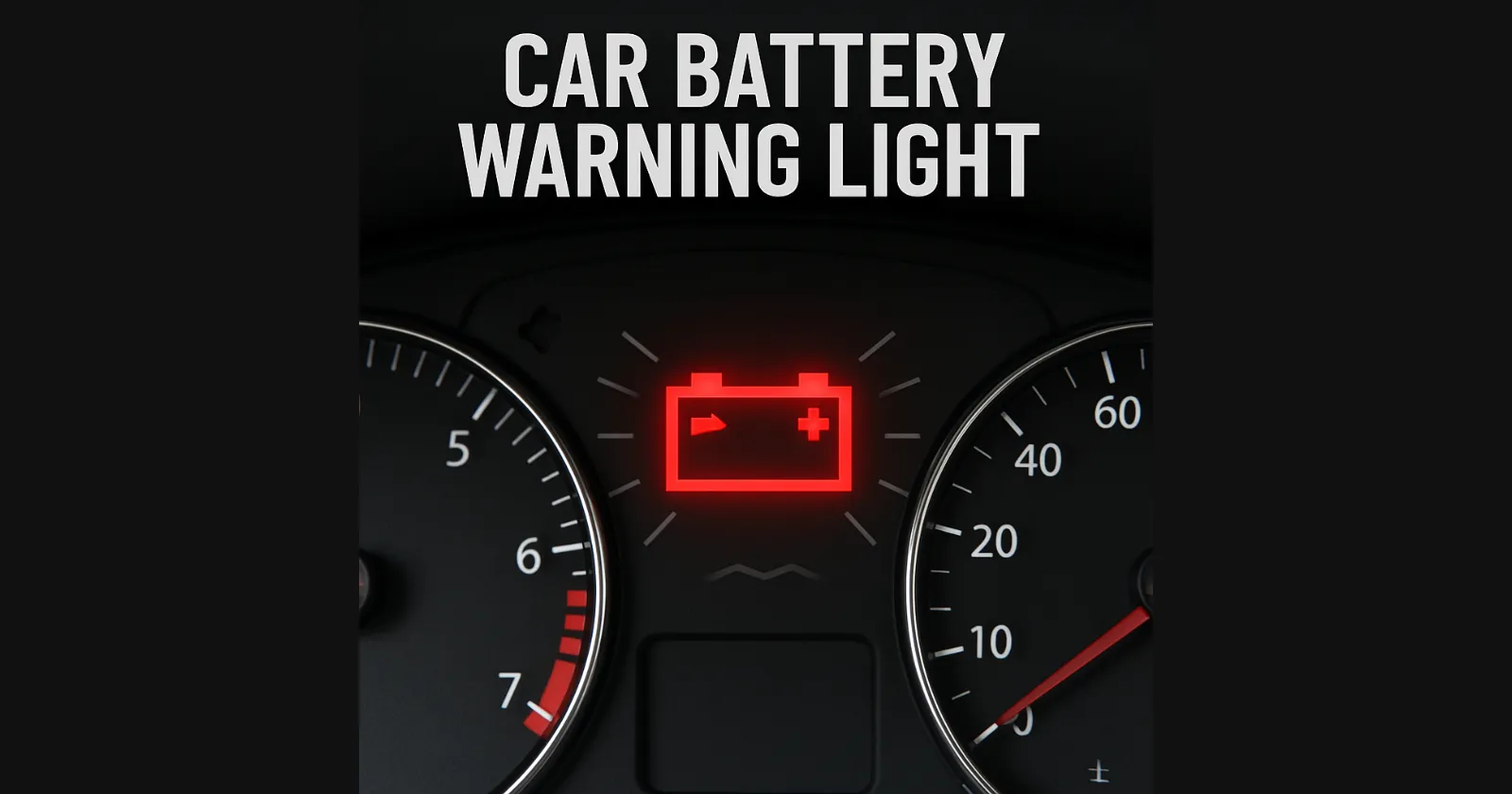
Dashboard warning lights deserve immediate attention. Hybrid system alerts, check engine lights, or battery icons often indicate underlying electrical or performance issues. Even if the seller claims the warnings are minor, buyers should verify codes using diagnostic tools before proceeding with purchase.
Voltage imbalance between modules is another major warning sign. Significant differences in module voltage suggest uneven wear or failing cells. Imbalanced batteries experience greater stress during operation and are more likely to trigger system errors or fail completely.
Excessive corrosion, leaking fluids, or swollen modules indicate physical deterioration and possible safety hazards. Batteries showing these symptoms should generally be avoided regardless of price. Structural damage may compromise both reliability and electrical safety.
Another red flag is recently cleared fault codes. Some sellers erase diagnostic history to hide problems temporarily. Vehicles with incomplete readiness monitors or recently reset systems may require additional caution because hidden issues could reappear after purchase.
Finally, vague seller answers or missing documentation should not be ignored. Trustworthy sellers are usually willing to provide detailed testing information, donor vehicle history, and warranty terms. Sellers avoiding technical questions or rushing the sale may be hiding battery problems. Careful attention to these warning signs greatly improves the chances of buying a reliable used hybrid battery.
Tips for Buying a Reliable Used Hybrid Battery
Purchasing a reliable used hybrid battery requires patience, research, and careful inspection. Buyers who rush the process or focus only on price often end up spending more money later on repairs and replacements. Following practical buying strategies can significantly increase the likelihood of finding a dependable battery with good remaining lifespan.
One of the best approaches is purchasing from reputable hybrid specialists rather than unknown private sellers. Established businesses typically perform more thorough testing, provide warranties, and maintain quality standards. Although prices may be slightly higher, the additional reliability and customer support often justify the cost.
Buyers should always request detailed testing documentation before purchase. Reliable sellers usually provide voltage readings, module balance reports, capacity measurements, and diagnostic scan results. Documentation helps verify battery condition and demonstrates transparency. Sellers unwilling to share testing information should be approached cautiously.
Comparing multiple batteries before making a decision is also important. Prices, condition, warranties, and rebuild quality can vary widely between sellers. Buyers should avoid choosing solely based on the lowest price because extremely cheap batteries may contain heavily degraded modules or temporary repairs.
Climate compatibility is another factor worth considering. Batteries from cooler regions often experience slower degradation than those used in extreme heat. If possible, buyers should ask where the donor vehicle was operated because temperature history influences battery lifespan significantly.
Installation quality matters as much as battery condition. Improper installation can damage even a healthy battery through loose connections, cooling problems, or electrical faults. Buyers lacking hybrid repair experience should consider professional installation to ensure safe and correct setup.
Understanding return policies is equally important. Some sellers offer limited testing periods allowing buyers to verify battery performance after installation. Clear return procedures provide additional protection if unexpected issues arise shortly after purchase.
Buyers should also budget realistically. While used batteries save money compared to new ones, extremely old or heavily worn batteries may not provide long term value. In some cases, investing slightly more in a professionally refurbished unit with warranty coverage offers better reliability and lower ownership costs.
