
Buying a cheap new car is no longer just about finding the lowest sticker price. In today’s market, budget-conscious buyers want fuel efficiency, reliability, safety technology, low maintenance costs, and decent resale value without stretching their finances.
A cheap car that constantly needs repairs or loses value quickly can become far more expensive than a slightly pricier model with better engineering and long-term durability. That is why shoppers should look beyond monthly payments and focus on ownership experience.
Many affordable vehicles now come with advanced driver assistance systems, modern infotainment screens, excellent fuel economy, and surprisingly refined interiors. At the same time, some low-priced cars still suffer from weak engines, outdated cabins, poor reliability records, or uncomfortable driving dynamics that make them difficult to recommend even at a bargain price.
The best cheap new cars deliver value in multiple areas. They provide dependable transportation, practical cargo space, strong fuel economy, and enough comfort for daily commuting. In many cases, compact sedans and hatchbacks outperform more expensive vehicles in reliability and efficiency.
Some automakers have mastered the formula by combining simple engineering with proven technology, creating vehicles that stay affordable while remaining dependable for years. These cars appeal to students, first-time buyers, families on a budget, and commuters who prioritize low running costs over luxury features.
However, not every inexpensive car deserves your money. Certain models cut too many corners in order to reach a low base price. Weak powertrains, noisy cabins, poor crash test performance, cheap materials, and outdated technology can make ownership frustrating.
Some vehicles also suffer from historically poor reliability or rapid depreciation, making them poor long-term investments. Buyers who focus only on the initial price may overlook these problems until they begin dealing with costly repairs or disappointing resale value.
This guide highlights six affordable new cars that are genuinely worth buying and six that are better skipped. The goal is not simply to rank vehicles by price, but to evaluate them based on value, ownership satisfaction, comfort, reliability, efficiency, and practicality.
Every recommendation here is aimed at helping budget-minded shoppers make smarter purchasing decisions. Whether you need an economical commuter car, a practical family sedan, or a versatile hatchback, there are excellent, affordable options available today.
Likewise, there are several models that may look attractive in advertisements but fail to deliver where it matters most. Understanding the difference can save buyers thousands of dollars and years of frustration.
Also Read: 10 Cars With Insurance Premiums Lower Than a Compact Sedan
6 Cheap Cars Worth Buying New and 6 to Skip
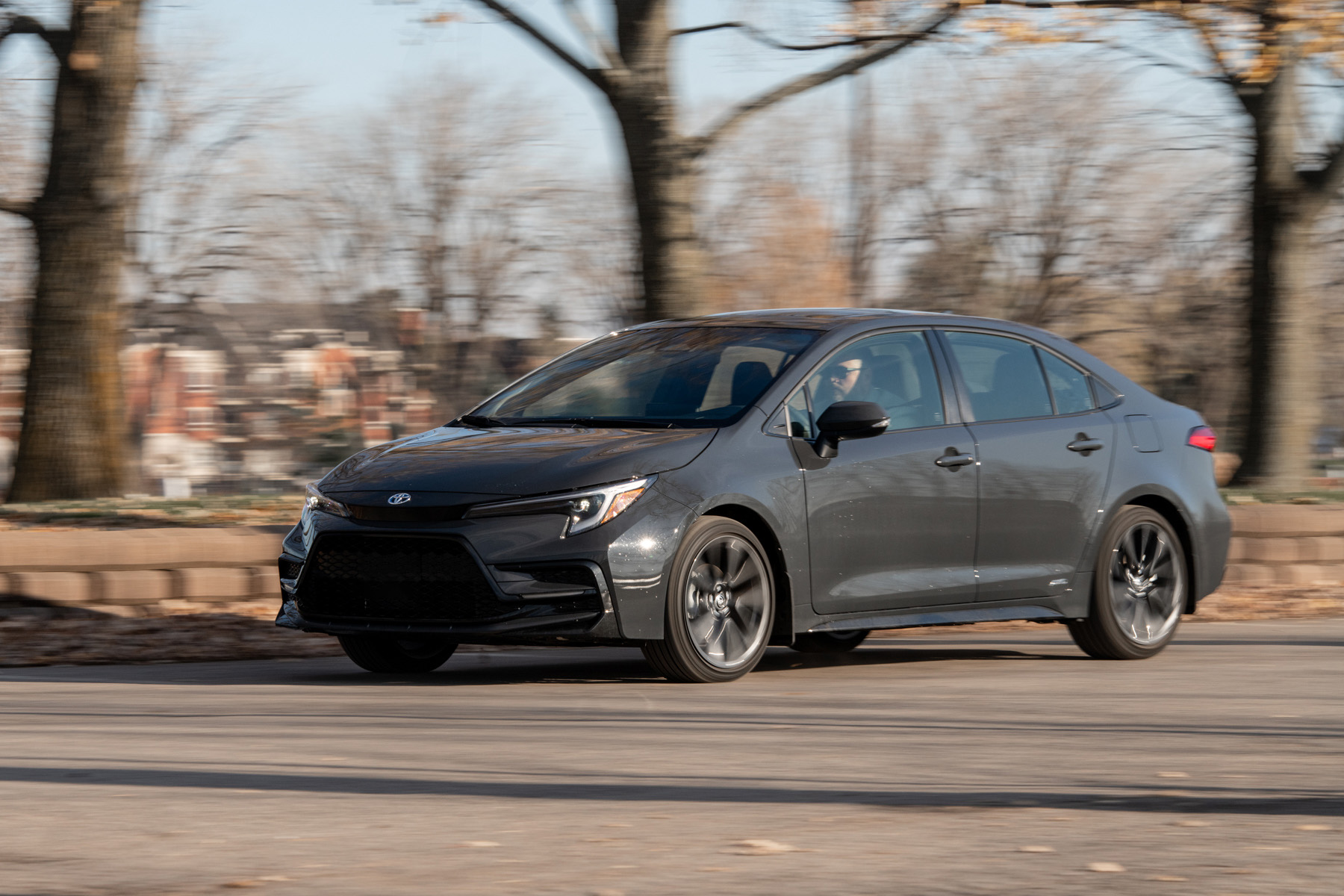
1. Toyota Corolla
The Toyota Corolla remains one of the most trusted compact cars in the world, and its reputation is built on decades of consistent performance, durability, and low ownership costs. One of the key reasons buyers continue to choose the Corolla is its ability to deliver stress-free driving over the long term.
Unlike many budget vehicles that may require frequent repairs or suffer from inconsistent build quality, the Corolla is engineered for stability and longevity. This makes it especially appealing for buyers who want a car they can rely on for daily commuting without worrying about unexpected expenses.
Another important advantage of the Corolla is its exceptional fuel efficiency. Toyota has refined its engine technology over many years, allowing even the standard petrol versions to deliver impressive mileage in both city and highway conditions.
The hybrid variant takes efficiency even further, making it one of the most economical cars to run in its segment. For drivers dealing with rising fuel prices, this efficiency translates into meaningful long-term savings.
Safety is another area where the Corolla performs strongly. Toyota equips it with a wide range of advanced safety systems as standard in most trims. Features such as automatic emergency braking, lane departure alert, adaptive cruise control, and pedestrian detection help reduce accident risk and increase driver confidence. These systems are not only useful for experienced drivers but also make the Corolla a great option for beginners and families.
Inside the cabin, the Corolla offers a clean and functional design that prioritizes usability. While it may not feel luxurious, the materials are durable, and the layout is intuitive. Controls are easy to understand, and the infotainment system supports modern smartphone integration.
The seats are comfortable enough for long drives, and the cabin remains relatively quiet even at highway speeds, contributing to a relaxed driving experience.
The Toyota Corolla stands out because it delivers consistency across all key areas. It may not be the most exciting compact car, but it excels in dependability, efficiency, and safety. For buyers who prioritize long-term value over flashy features, the Corolla remains one of the strongest choices in the affordable car market.
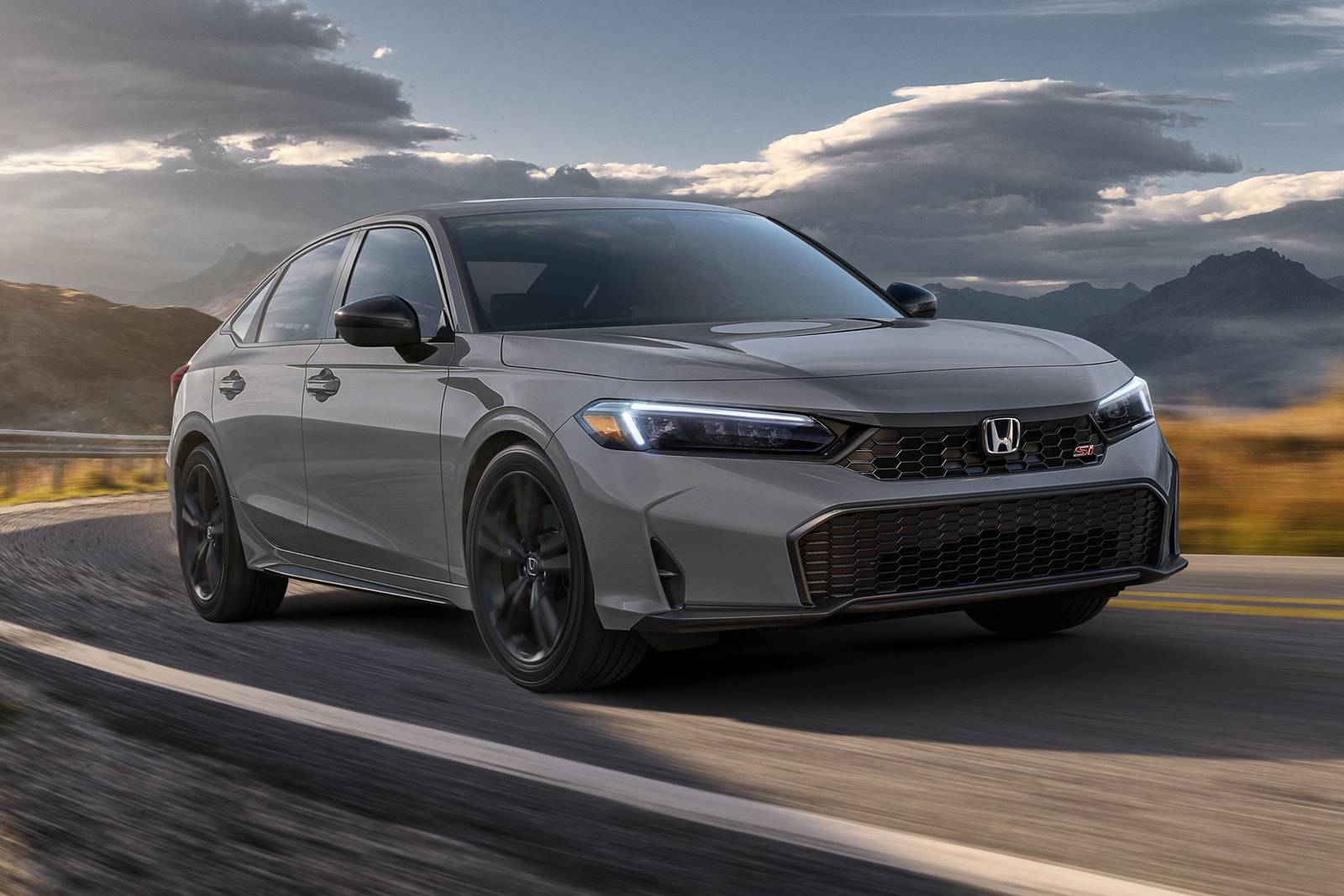
2. Honda Civic
The Honda Civic has long been considered one of the most well-balanced compact cars available, combining practicality, driving enjoyment, and reliability in a single package. One of the most noticeable strengths of the Civic is how refined it feels compared to many other budget-friendly vehicles. Honda has focused heavily on improving interior quality and ride comfort, making the Civic feel more premium than its price suggests.
Driving performance is a major highlight of the Civic. The steering is precise, the suspension is well-tuned, and the car feels stable in both city traffic and highway conditions.
Unlike many affordable sedans that prioritize softness over control, the Civic manages to strike a balance between comfort and engagement. This makes it enjoyable for drivers who want a car that feels responsive without being harsh or uncomfortable.
Fuel efficiency is another area where the Civic performs extremely well. Whether equipped with the standard engine or the turbocharged option, it offers excellent mileage that helps reduce daily running costs. The hybrid variant further enhances efficiency, making it one of the most economical choices in its category. For commuters covering long distances, this can significantly reduce fuel expenses over time.
The interior of the Civic is one of the best in its class. Honda has used a minimalist yet modern design approach that improves usability and visual appeal. Materials feel solid and well assembled, and the infotainment system is easy to operate.
Rear seat space is generous for a compact car, making it suitable for small families or passengers who regularly travel in the back seat.
Reliability is another major reason the Civic continues to be a top recommendation. Honda has a strong track record of building engines and transmissions that last for many years with minimal issues.
Combined with strong resale value, the Civic offers excellent long-term ownership benefits. Buyers who want a car that is both practical and enjoyable to drive often find the Civic to be one of the best packages available.
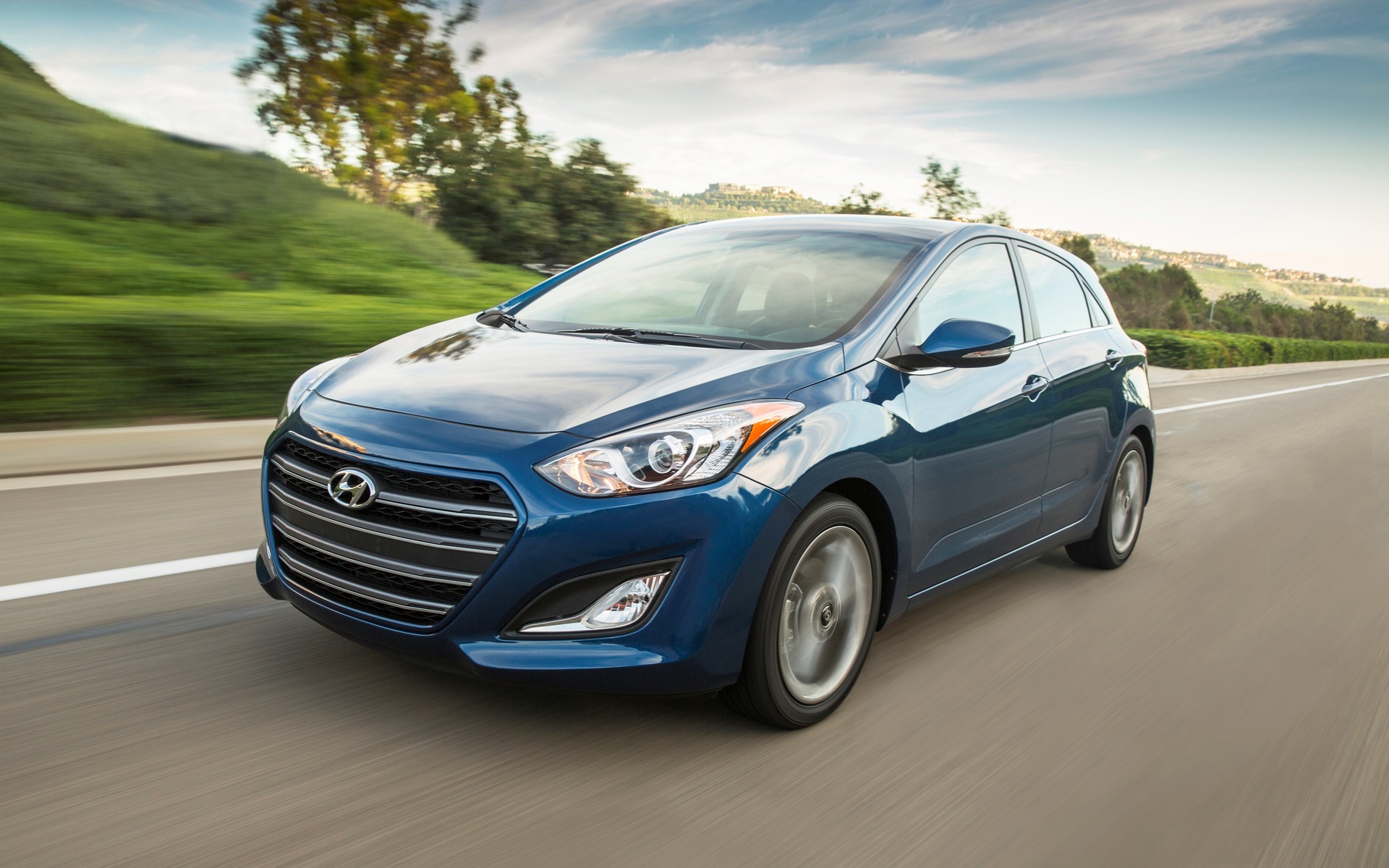
3. Hyundai Elantra
The Hyundai Elantra has transformed into one of the most competitive compact sedans in the budget segment, offering a combination of modern design, strong features, and excellent value. Hyundai has invested heavily in improving both aesthetics and technology, making the Elantra feel far more advanced than many older economy cars still on the market.
One of the standout features of the Elantra is its bold exterior styling. It has a sharp, futuristic design that helps it stand out from more conservative competitors. Inside, the cabin continues this modern theme with a driver-focused layout, digital displays in higher trims, and a clean dashboard design. This gives the Elantra a more premium feel compared to many similarly priced vehicles.
Fuel efficiency is another strong point. The Elantra offers excellent mileage across its engine lineup, making it a practical choice for daily commuting. The hybrid variant is especially efficient and competes strongly with other fuel-saving leaders in the segment. For drivers who prioritize low running costs, the Elantra provides a very balanced solution.
Comfort is also well addressed in the Elantra. The suspension is tuned for smooth rides, absorbing bumps and rough roads effectively. This makes it particularly suitable for city driving and longer highway trips. Cabin noise is kept relatively low, contributing to a more relaxed driving experience compared to some budget competitors.
Hyundai also provides one of the best warranties in the automotive industry, which adds significant peace of mind for buyers. This long-term coverage helps reduce concerns about unexpected repair costs and makes the Elantra especially appealing for first-time car owners. Combined with strong features and good efficiency, it remains a very competitive option in the affordable car category.
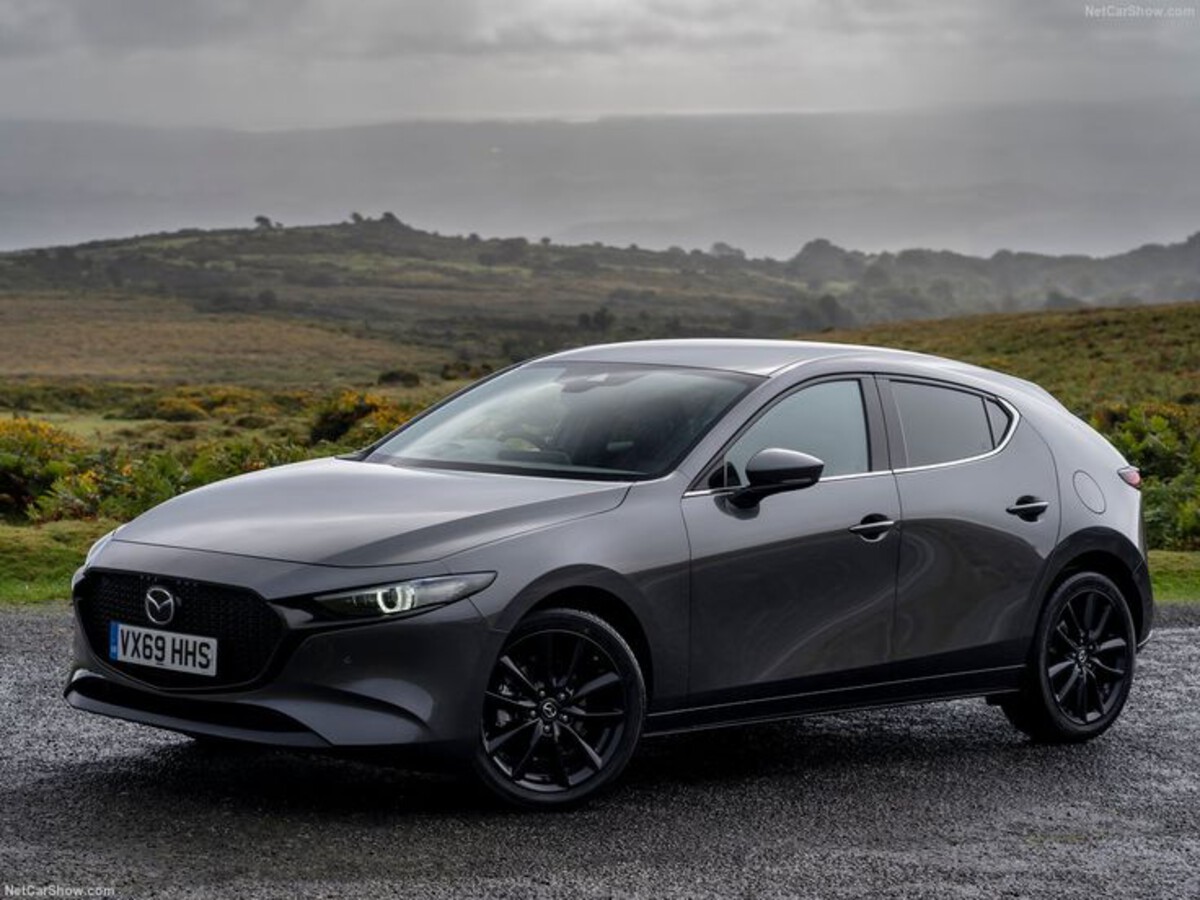
4. Mazda3
The Mazda3 is widely recognized for offering a more premium driving experience than most vehicles in its price range. Mazda has focused on creating a compact car that feels refined, stylish, and enjoyable to drive, making it a strong choice for buyers who want more than just basic transportation.
One of the most impressive aspects of the Mazda3 is its interior quality. The cabin design is elegant and minimalist, with high-quality materials that give it a near-luxury feel. Surfaces are soft to the touch, controls are well-positioned, and the layout feels carefully thought out. This attention to detail sets it apart from many competitors in the same price range.
Driving dynamics are another major strength. The Mazda3 offers sharp steering response and balanced handling, making it one of the most engaging compact cars to drive. It feels stable and controlled on highways while remaining agile in city traffic. This makes it appealing to drivers who value driving enjoyment as much as practicality.
Comfort has also been prioritized. The suspension system is tuned to absorb road imperfections while maintaining stability, resulting in a smooth and composed ride. Even during longer journeys, the Mazda3 remains comfortable and quiet, reducing driver fatigue.
While it may not be the most spacious car in its segment, it compensates with a premium feel and strong build quality. Reliability has also improved significantly in recent years, and ownership costs remain reasonable. For buyers seeking a compact car that feels more refined and engaging, the Mazda3 is one of the strongest contenders.
5. Kia Forte
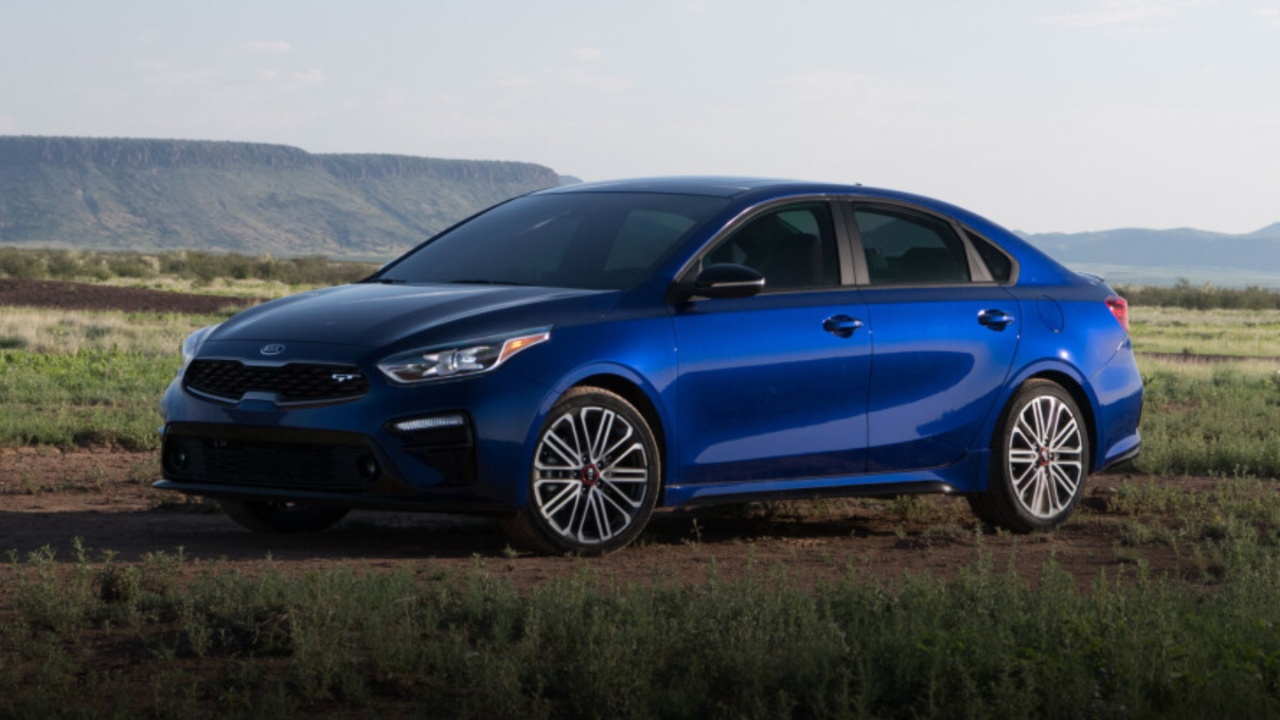
The Kia Forte has built a strong reputation as one of the best value-focused compact sedans available today. Kia has positioned the Forte as a feature-rich, affordable option that delivers more equipment than many competitors at a similar price point. This makes it especially attractive to budget-conscious buyers.
One of the biggest advantages of the Forte is its generous list of standard features. Even base models often include touchscreen infotainment systems, smartphone connectivity, and advanced safety features. This level of equipment is impressive for its price category and helps the Forte stand out in a crowded segment.
Fuel efficiency is another strong aspect of the Forte. It delivers consistent mileage that keeps running costs low, making it a practical choice for daily commuting. Whether driving in urban traffic or on highways, the Forte remains economical and easy to manage.
Interior space is also well designed. The cabin offers good headroom and legroom for both front and rear passengers, making it comfortable for everyday use. The trunk provides useful storage space, making it suitable for shopping, luggage, or small family needs.
Kia’s strong warranty coverage further enhances the Forte’s value proposition. This long-term protection helps reduce ownership worries and adds confidence for first-time buyers. Combined with its affordability, features, and practicality, the Forte remains one of the most sensible budget sedan options available.
6. Nissan Versa
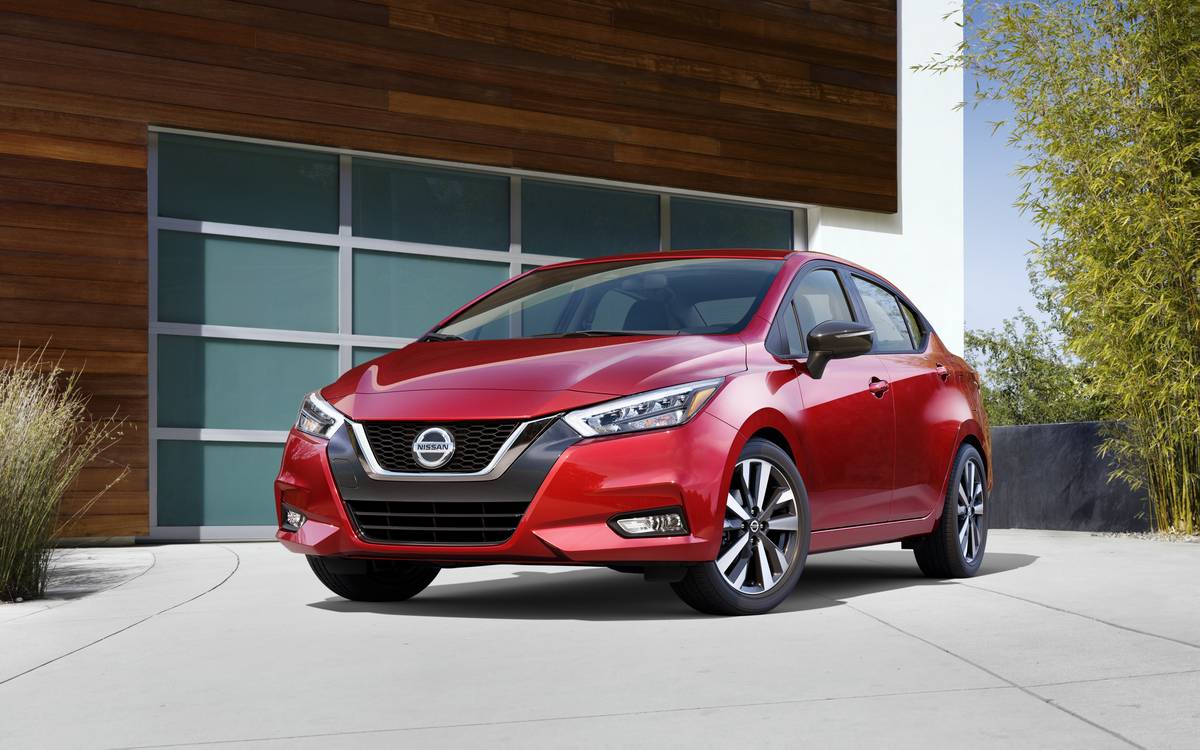
The Nissan Versa stands out as one of the most affordable new cars on the market while still offering a reasonable level of comfort and features. It is designed for buyers who prioritize low-cost transportation without completely sacrificing modern essentials.
Affordability is the strongest selling point of the Versa. It consistently ranks among the lowest-priced new cars, making it accessible for students, first-time buyers, and anyone on a tight budget. Despite its low price, it still includes useful features that improve everyday usability.
Fuel efficiency is excellent, helping owners keep running costs very low. The compact size of the Versa also makes it easy to drive in crowded urban areas and simple to park in tight spaces. This makes it especially practical for city-based drivers.
Ride comfort is decent for its category. While it is not a premium experience, the suspension handles everyday road conditions adequately. The cabin is functional, with reasonable seating comfort for short to medium trips.
Although it lacks the refinement and performance of higher-priced competitors, the Versa succeeds in its main purpose: providing simple, affordable, and efficient transportation. For buyers who want the lowest possible entry cost into a new car, it remains a practical option.
Also Read: 10 Cars That Survive Being Used as Daily Uber Vehicles
Cheap Cars to Skip
1. Mitsubishi Mirage
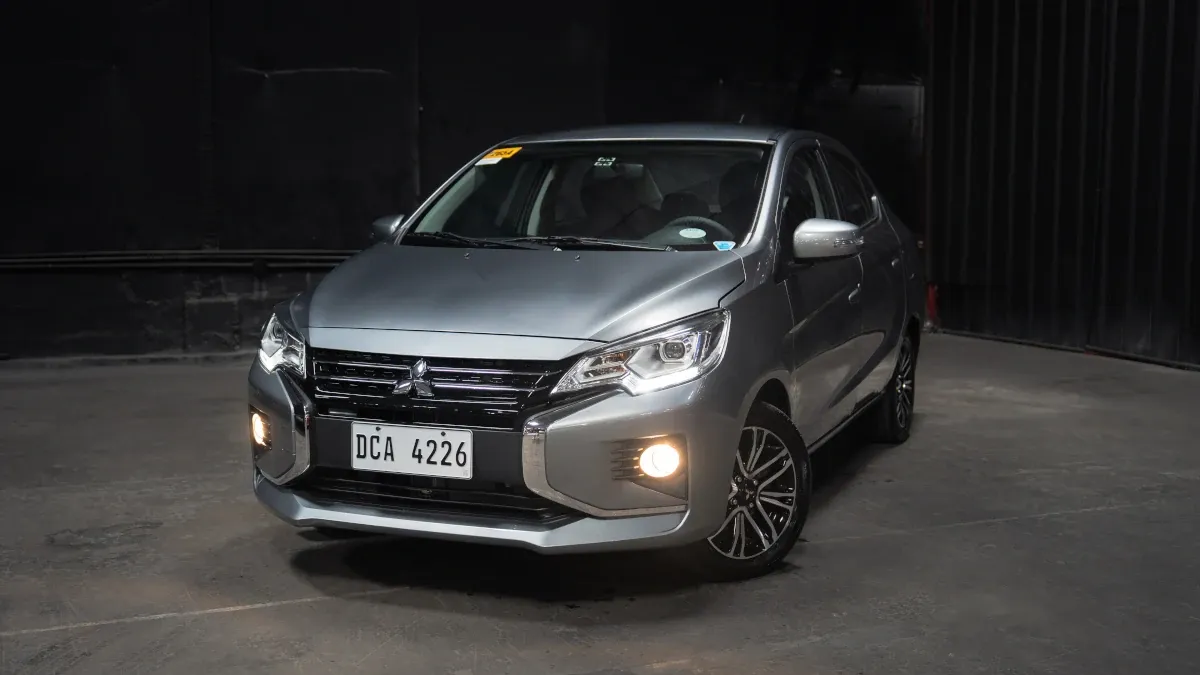
The Mitsubishi Mirage is often marketed as one of the most affordable new cars available, and on paper, that low price can seem very attractive. However, once you look beyond the sticker cost, the compromises become very clear. The Mirage prioritizes affordability above almost everything else, which results in a driving experience that feels noticeably underdeveloped compared to most modern compact cars.
One of the biggest drawbacks is performance. The small three-cylinder engine struggles in many real-world driving situations, especially on highways or when carrying passengers. Acceleration is slow, and the car often feels strained when trying to merge into faster traffic. While it may be manageable in strict city use, it quickly becomes limiting in mixed driving conditions.
Ride quality is another weak point. The suspension is basic and does not absorb road imperfections very well, which leads to a choppy and sometimes uncomfortable experience on rough surfaces. At higher speeds, stability becomes less reassuring, especially in windy conditions. This can reduce driver confidence during longer trips.
Interior refinement is also limited. The cabin feels very basic, with hard plastics dominating most surfaces. Road noise and engine vibration are more noticeable than in many competitors, which can make long journeys tiring. While budget cars are expected to be simple, the Mirage feels closer to an entry-level design than a modern compact vehicle.
Although fuel economy is a positive aspect, it is not enough to offset the lack of comfort, performance, and refinement. For most buyers, spending slightly more on a better-rounded compact car leads to significantly better long-term satisfaction and value.
2. Nissan Sentra
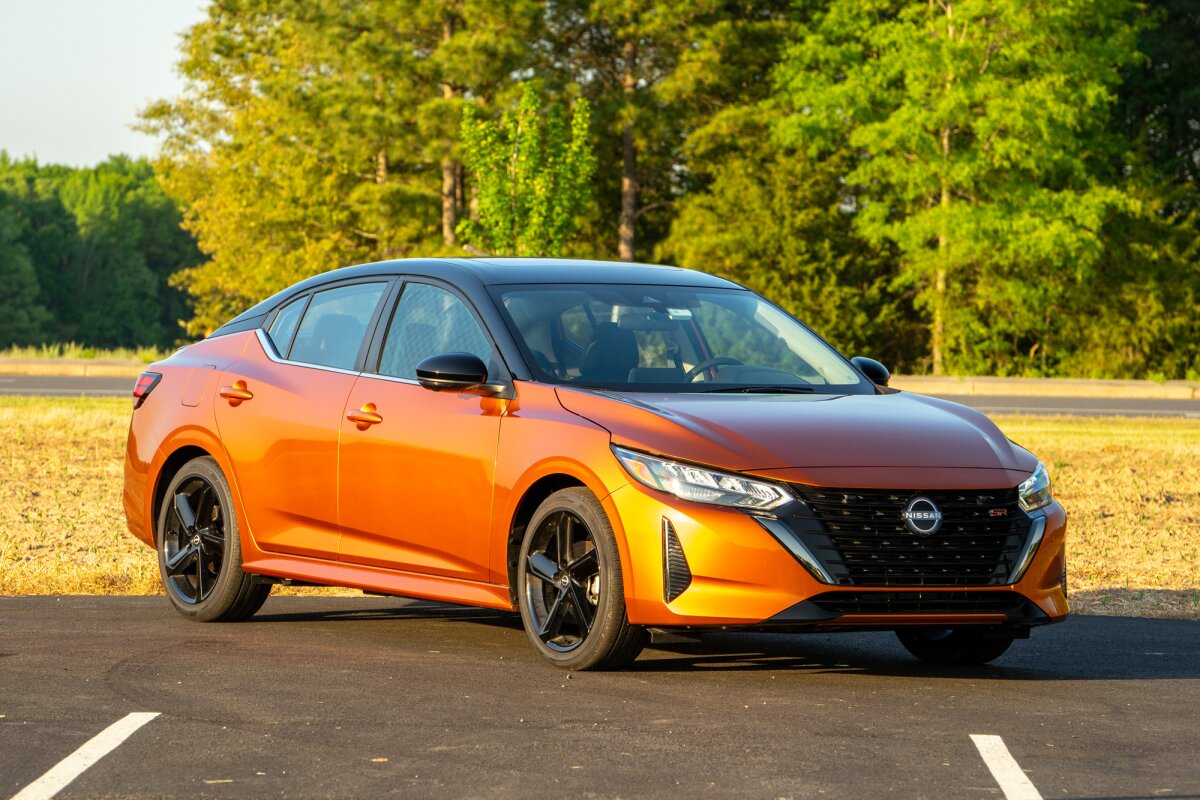
The Nissan Sentra has improved in recent years, but it still struggles to fully compete with the strongest options in the compact sedan segment. While it offers good styling and a comfortable ride, several underlying issues reduce its appeal compared to rivals like the Honda Civic or Toyota Corolla.
One of the main concerns is the driving experience. The Sentra uses a continuously variable transmission that can feel unresponsive under acceleration. While it helps improve fuel efficiency, it often results in sluggish performance during highway merging or overtaking situations. Drivers who prefer smooth and predictable power delivery may find this frustrating.
Interior quality is acceptable but not exceptional. The cabin design is modern, and higher trims offer improved materials, but some surfaces still feel less durable compared to class leaders. Over time, wear and tear can become more noticeable, especially in frequently used areas.
Comfort is a mixed area. The Sentra offers a soft ride that works well for city driving, but it does not feel as composed at higher speeds as some competitors. Road noise is also more noticeable than expected, which can reduce refinement during longer journeys.
Reliability is another factor that has affected Nissan’s reputation in recent years. While improvements have been made, some buyers remain cautious due to past transmission issues in other Nissan models. This can impact long-term confidence when compared to brands with stronger consistency.
The Sentra is not a bad car, but it lacks the standout strengths needed to justify choosing it over more proven competitors in the same price range.
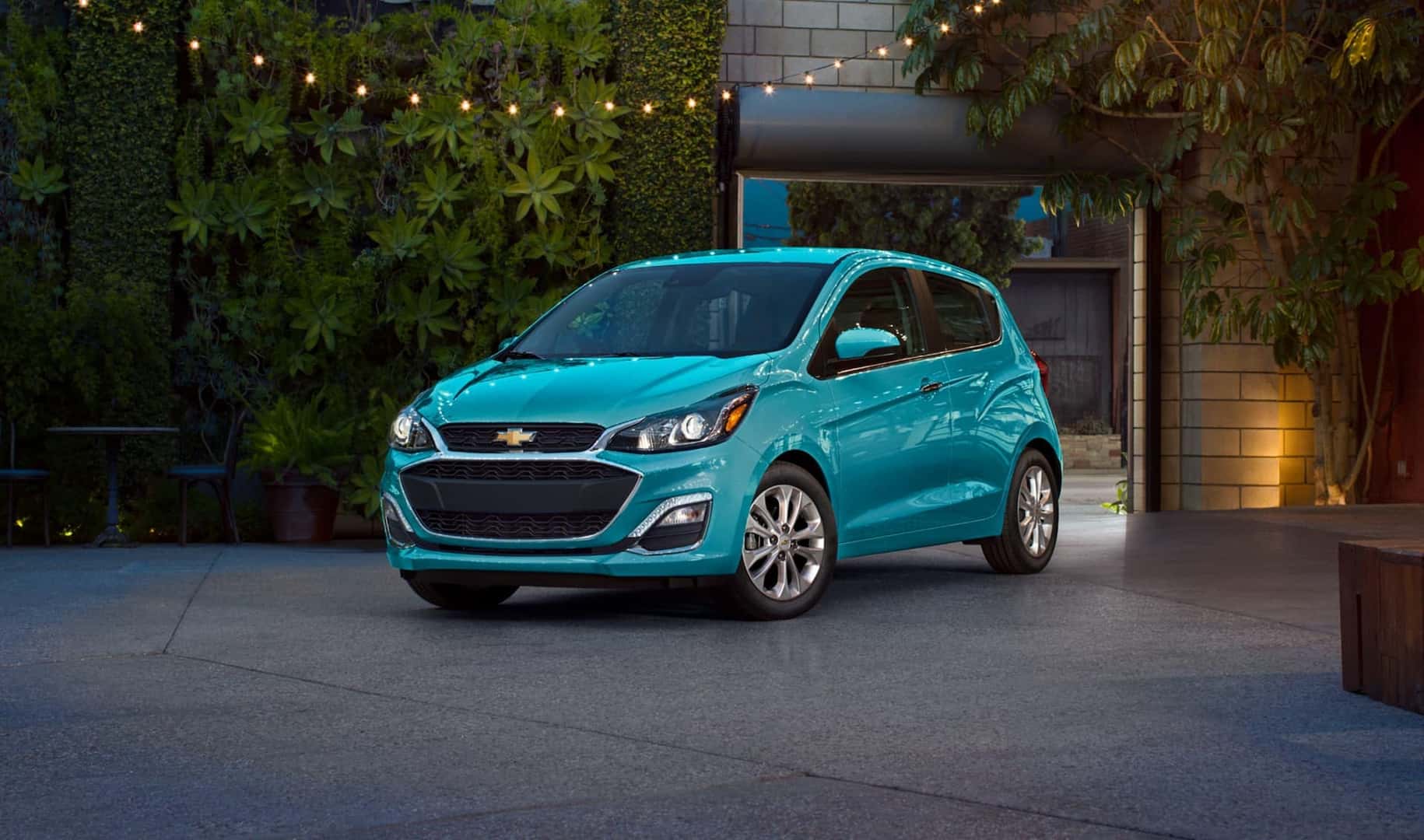
3. Chevrolet Spark
The Chevrolet Spark is designed as an ultra compact city car aimed at buyers who want the lowest possible entry price into new car ownership. While it succeeds in affordability and urban convenience, it makes several compromises that limit its practicality and comfort.
One of the biggest limitations is interior space. The Spark is very small, which means the rear passenger room is tight and the cargo capacity is minimal. While this may be acceptable for solo drivers or very short trips, it quickly becomes restrictive for anyone with passengers or storage needs.
Performance is modest at best. The small engine is sufficient for city speeds but feels underpowered on highways. Acceleration is slow, and maintaining higher speeds requires more effort from the engine, which can make driving less comfortable over longer distances.
Ride quality is another area where the Spark falls short. The short wheelbase and basic suspension system result in a bouncy ride on uneven roads. Cabin noise is also quite noticeable, especially at highway speeds, which reduces comfort.
Technology and interior features are basic compared to newer compact cars. While essential infotainment and safety features are present, the Spark lacks the more advanced systems found in slightly more expensive competitors. This makes it feel outdated in comparison to modern budget-friendly options.
While the Spark can still serve as a low-cost urban commuter, its limitations in comfort, performance, and space make it less appealing for most buyers seeking long-term value.
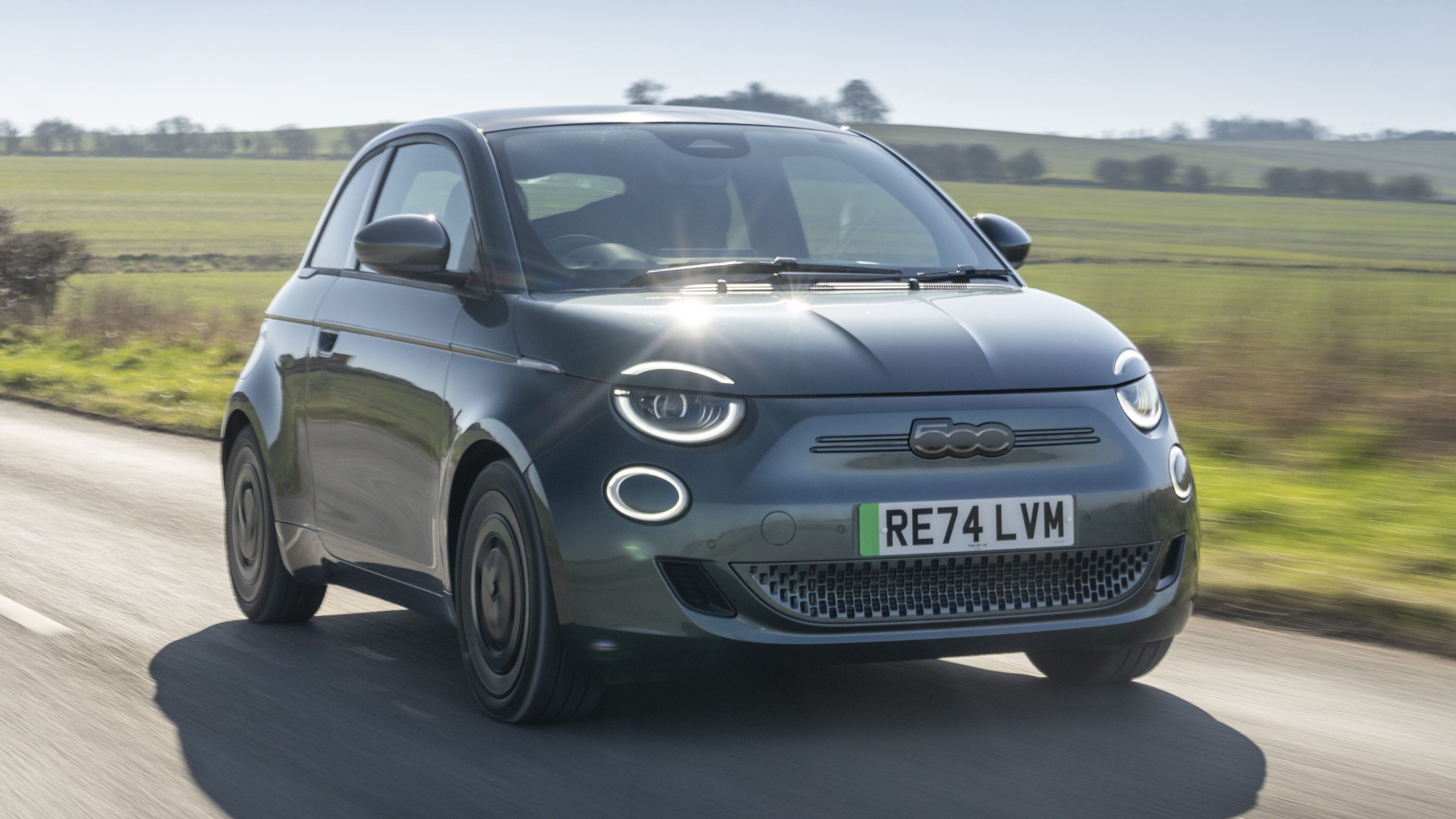
4. Fiat 500
The Fiat 500 is a stylish and compact city car that gained popularity for its retro-inspired design and small footprint. While it stands out visually, it struggles to deliver the level of practicality, reliability, and refinement that most modern buyers expect.
One of the main concerns is reliability. Fiat has faced mixed reviews in several markets, and the 500 has been associated with inconsistent build quality and occasional mechanical and electrical issues. These concerns can lead to higher long-term maintenance costs and reduced ownership confidence.
Space is another major limitation. The Fiat 500 is very compact, which means rear seating is extremely tight and not suitable for regular adult passengers. Cargo space is also minimal, making it less practical for shopping trips, travel, or family use.
Ride comfort and highway stability are not strong points either. The car feels best in short city drives but becomes noisy and less stable at higher speeds. Road imperfections are easily felt inside the cabin, and long-distance travel can become tiring.
Performance varies depending on engine choice, but even stronger versions cannot fully overcome the limitations of its small size and design focus. While it can be fun to drive at low speeds, it lacks the refinement and stability of more modern compact hatchbacks.
Although the Fiat 500 has strong visual appeal, it is often better suited as a secondary city car rather than a primary daily vehicle.
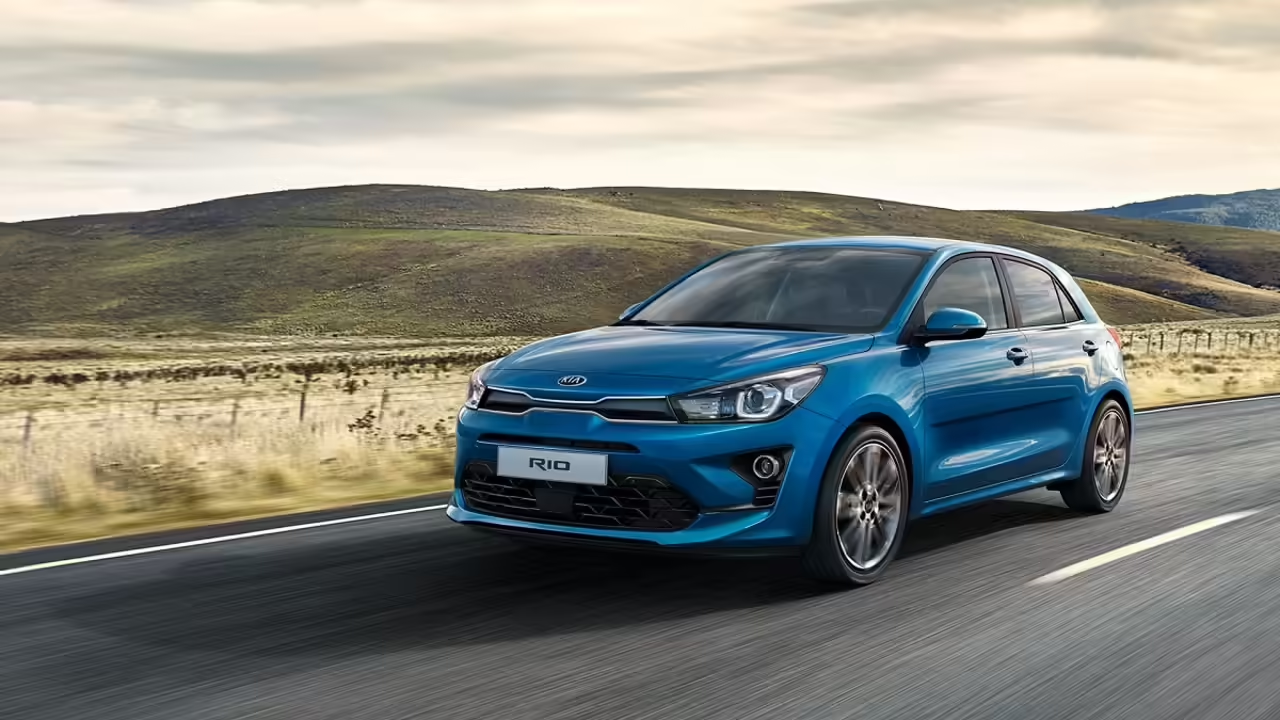
5. Kia Rio
The Kia Rio is a budget-friendly compact car that offers basic transportation at an affordable price. While it provides decent reliability and efficiency, it struggles to stand out in a segment filled with stronger and more modern competitors.
One of the main drawbacks is that the Rio feels outdated compared to newer Kia models. Interior design is simple and lacks the modern features found in vehicles like the Kia Forte. While functional, the cabin does not offer a particularly engaging or premium experience.
Performance is adequate for city use but uninspiring. Acceleration is slow compared to rivals, and highway driving requires more effort. While it is not uncomfortable, it does not deliver the smooth or responsive feel found in better-engineered competitors.
Ride quality is acceptable but not exceptional. The suspension handles city roads reasonably well but becomes less refined on rough surfaces or longer highway journeys. Cabin noise is also more noticeable compared to newer compact sedans.
Space is another limitation. While the Rio works as a basic commuter car, rear seating and cargo capacity are not as generous as larger or more modern alternatives. This reduces flexibility for families or frequent travelers.
The Rio remains a simple and affordable option, but for buyers willing to spend slightly more, there are significantly better choices available in the compact car market.
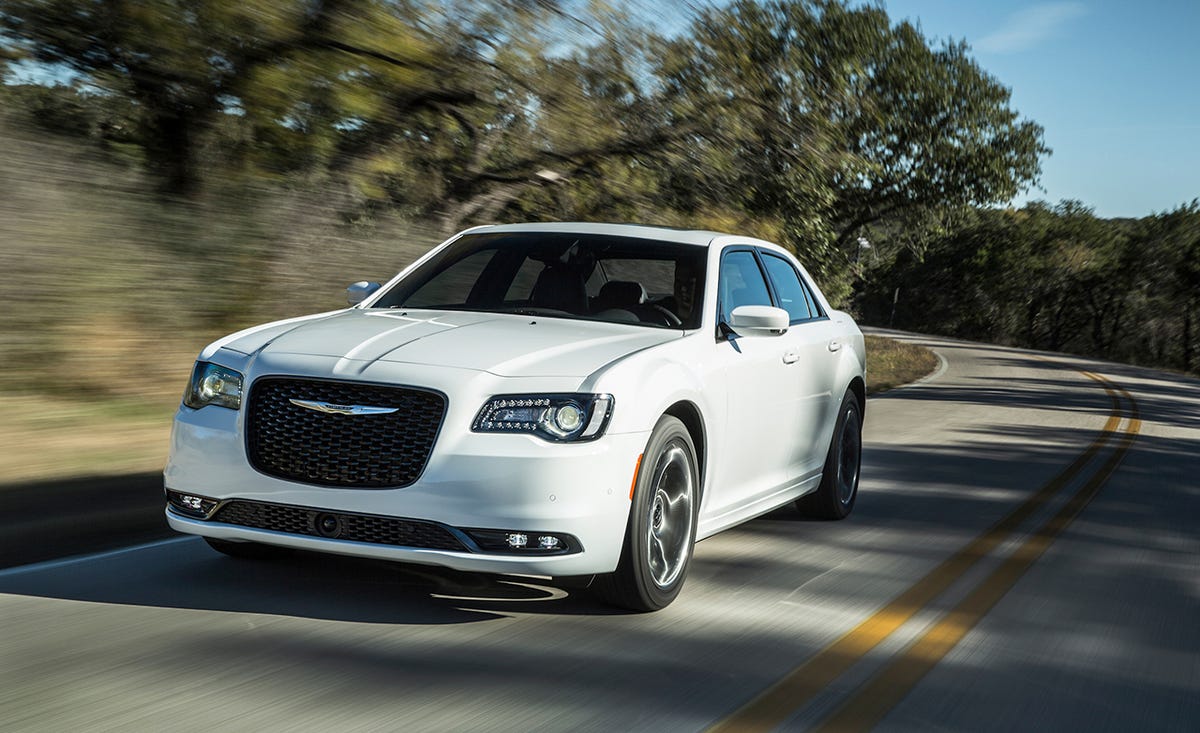
6. Chrysler 300
The Chrysler 300 is a large sedan known for its bold styling and spacious interior, but it has become increasingly outdated compared to modern competitors. While it still offers comfort and presence on the road, several weaknesses limit its appeal in today’s market.
One of the biggest issues is its aging platform. The design has remained largely unchanged for many years, which means it lacks many of the modern technologies and refinements found in newer vehicles. This includes outdated infotainment systems and fewer advanced driver assistance features.
Fuel efficiency is another major drawback. Compared to modern sedans that prioritize economy, the Chrysler 300 consumes significantly more fuel, especially in higher-performance versions. This increases long-term running costs and reduces its appeal for budget-conscious buyers.
Interior quality is mixed. While the cabin is spacious and comfortable, the materials and design feel dated compared to newer competitors. Technology integration also lags behind modern standards, making the interior feel less advanced than expected for its price range.
Ride comfort is one of its strengths, especially on highways where it feels smooth and stable. However, this advantage alone is not enough to offset its other limitations, particularly in efficiency and modern features.
In today’s market, the Chrysler 300 is often overshadowed by more efficient, better-equipped, and more technologically advanced sedans. While it still has character, it is no longer the most practical choice for most buyers.
