

If it feels like getting a car repaired now takes far longer than it did a decade ago, you are not imagining it. Across cities, suburbs, and small towns, vehicle owners are facing growing delays at repair shops, dealerships, collision centers, and independent garages.
What used to be a same-day oil leak repair or a two-day brake service can now stretch into weeks, especially for complicated diagnostics, transmission issues, electrical faults, or collision repairs. Many drivers blame supply chain problems, parts shortages, or rising vehicle complexity, and while those issues are real, the biggest reason behind extended repair wait times is something much deeper and more serious: a severe shortage of skilled automotive technicians.
The modern automotive industry is facing a labor crisis that has been building quietly for years. Experienced mechanics are retiring in large numbers, fewer young workers are entering the trade, and the cars themselves are becoming more advanced with every passing year.
Shops are overwhelmed with demand while struggling to hire qualified technicians capable of repairing today’s technology-heavy vehicles. This imbalance has created a bottleneck that affects nearly every car owner.
The shortage is not limited to one region or one type of repair facility. Luxury dealerships, independent repair shops, fleet maintenance centers, and collision repair businesses all report difficulty finding and keeping trained technicians. At the same time, the average age of vehicles on the road continues to rise, meaning more cars require maintenance and repairs.
Consumers are also keeping vehicles longer because new car prices have surged dramatically in recent years. Older cars naturally require more service work, placing additional pressure on an already strained repair ecosystem.
Meanwhile, modern vehicles contain sophisticated electronics, advanced driver assistance systems, turbocharged engines, hybrid components, and complex computer networks that demand specialized training and diagnostic equipment. Repairing a modern vehicle is no longer just about turning wrenches. It increasingly requires software knowledge, electrical expertise, and constant technical education.
The consequences are visible everywhere. Customers wait weeks for appointments. Repairs that once took days now take much longer because one technician may be handling far more vehicles than before. Labor rates continue rising as shops compete for scarce talent.
Vehicle downtime affects families, businesses, delivery drivers, and commuters who depend on transportation for work and daily life. Insurance companies also face higher costs and longer claim cycles because collision repair centers cannot process vehicles quickly enough. In some areas, shops are forced to decline work entirely because they simply do not have enough qualified staff.
This mechanic shortage is more than an inconvenience. It reflects broader economic, educational, and cultural changes affecting skilled trades across society. Understanding why it happened requires looking at vocational education, wage expectations, industry reputation, technological transformation, and generational shifts in career preferences.
The problem did not emerge overnight, and it will not disappear quickly. However, recognizing the causes behind these delays helps explain why your car may be sitting untouched in a repair lot while overworked technicians struggle to keep pace with growing demand.
Also Read: 10 Cars With Insurance Premiums Lower Than a Compact Sedan
The Industry Is Facing a Workforce Crisis
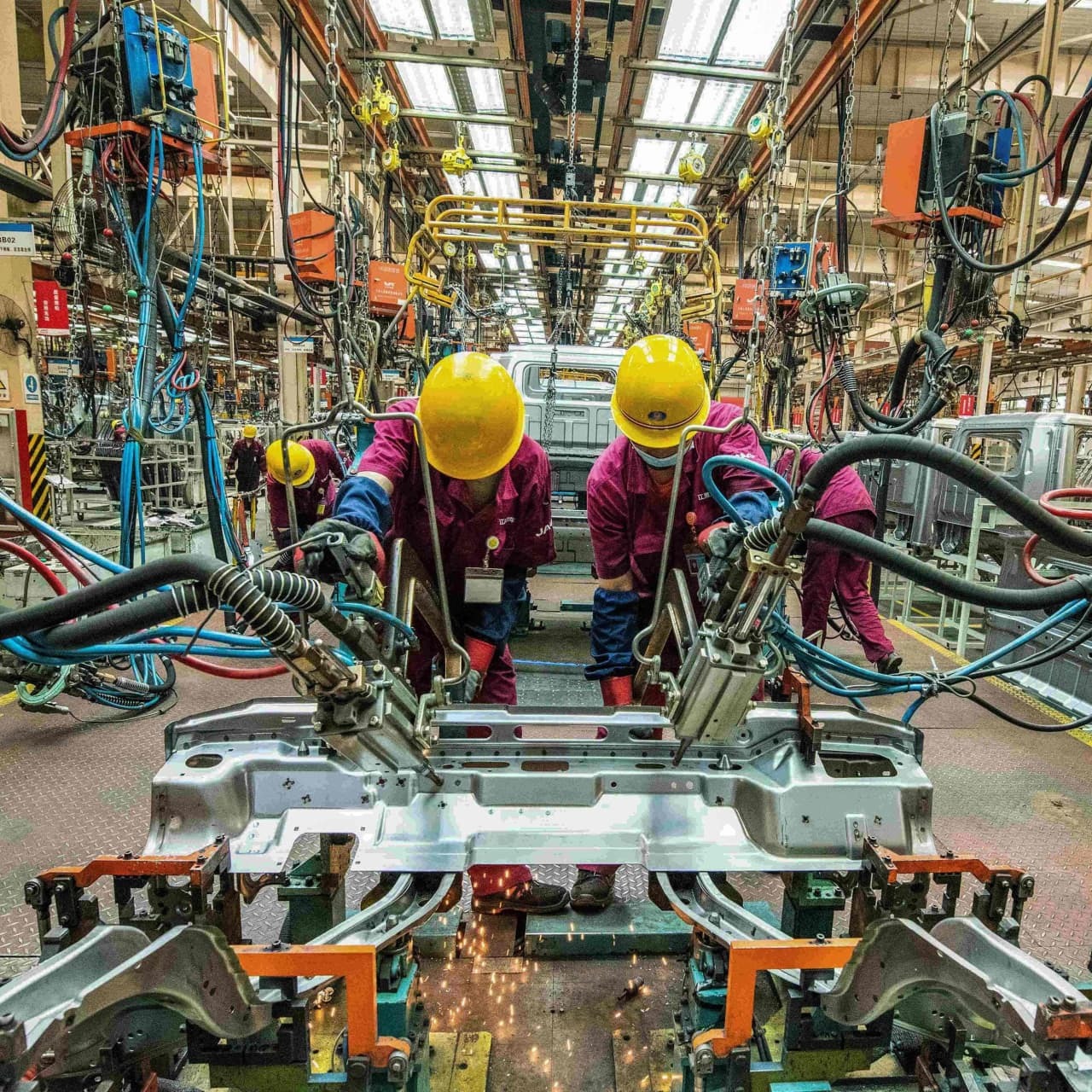
The automotive repair industry has been warning about a technician shortage for years, but the issue accelerated dramatically during the past decade. Many experienced mechanics who entered the trade during the 1980s and 1990s are now approaching retirement age or have already left the workforce.
These workers carried decades of practical knowledge involving diagnostics, engine rebuilding, electrical troubleshooting, and drivability repair. As they retire, the industry is losing a generation of highly skilled professionals faster than new workers can replace them. Repair shops that once relied on veteran technicians now struggle to maintain productivity because younger workers entering the trade are fewer in number and often less experienced with complex repairs.
One major reason for the shortage is the decline of vocational education in schools. For many years, educational systems pushed students heavily toward four-year university degrees while reducing investment in skilled trades programs.
High schools eliminated automotive workshops, shop classes, and technical education pathways that once introduced students to mechanical careers. As a result, many younger people grew up viewing automotive repair as a less desirable career option compared to technology, finance, healthcare, or office-based professions.
The cultural message was clear: success meant attending university, not becoming a technician. This shift created a long-term pipeline problem that the industry is now struggling to reverse.
The nature of the job itself also contributes to worker shortages. Automotive repair is physically demanding, mentally exhausting, and increasingly technical. Technicians often work long hours under productivity-based pay systems where income depends on completed labor hours rather than fixed salaries.
This structure can create financial instability, especially for less experienced workers. Additionally, mechanics must invest heavily in their own tools, sometimes spending tens of thousands of dollars over their careers. Younger workers comparing career options may view the automotive industry as offering lower long-term rewards relative to the effort and investment required.
Another challenge is competition from other industries seeking technically skilled workers. Modern vehicles rely heavily on electronics, software systems, sensors, and computerized diagnostics.
The same individuals capable of mastering automotive electrical systems may also qualify for careers in industrial automation, information technology, aviation maintenance, renewable energy, or manufacturing. Many of those sectors offer higher pay, cleaner work environments, stronger benefits, or more predictable schedules. As a result, the automotive repair industry struggles to attract talent in an increasingly competitive labor market.
The pandemic intensified existing workforce problems. Many technicians left the industry during economic shutdowns or reassessed career priorities altogether. Some older workers retired early, while others transitioned into less physically demanding roles.
Repair demand recovered quickly as people resumed travel and kept older vehicles longer, but staffing levels did not recover at the same pace. Shops now operate in an environment where customer demand consistently exceeds labor capacity, leading directly to longer repair times, appointment delays, and overburdened service departments.

Modern Vehicles Are Much Harder to Repair
The days when most car problems could be solved with basic hand tools and mechanical knowledge are largely gone. Modern vehicles are sophisticated machines packed with computers, sensors, cameras, electronic modules, and interconnected systems that require specialized training and diagnostic equipment.
This technological evolution has fundamentally changed automotive repair, making the work more difficult and increasing the demand for highly skilled technicians. Unfortunately, the number of workers capable of handling this complexity has not kept pace with industry needs.
Today’s vehicles may contain dozens of onboard computers controlling everything from fuel injection and braking to lane keeping assistance and adaptive cruise control. Diagnosing a problem often involves interpreting software codes, testing electrical circuits, analyzing data streams, and understanding manufacturer-specific programming systems.
A repair that once required replacing a simple mechanical component may now involve recalibrating sensors, updating software, or integrating new modules into the vehicle’s network. Even relatively common repairs can become time-consuming because technicians must follow precise procedures to ensure systems function correctly.
Electric and hybrid vehicles have added another layer of complexity. High-voltage battery systems require specialized safety training and equipment. Technicians working on electric vehicles must understand battery management systems, regenerative braking, thermal control systems, and advanced electrical architecture.
Many independent shops are still adapting to this transition because training and equipment costs are substantial. As electric vehicles become more common, the demand for technicians with electrical expertise continues to grow faster than the available workforce.
Advanced driver assistance systems have also transformed collision repair. Modern bumpers, windshields, mirrors, and body panels often contain cameras, radar sensors, and safety technology that must be recalibrated after repairs.
Even a relatively minor accident can require detailed electronic calibration procedures to restore safety systems properly. This increases repair times and requires specialized equipment that many smaller shops may not possess. Collision centers capable of handling these repairs often face overwhelming demand because qualified technicians are scarce.
Manufacturers continuously introduce new technology, meaning technicians must engage in ongoing education throughout their careers. Unlike some trades where core skills remain stable for decades, automotive technicians must constantly update their knowledge.
New engines, transmission systems, software platforms, and electronic features require regular training. Shops that cannot provide sufficient training opportunities may struggle to keep workers current with industry changes, further reducing repair efficiency and accuracy.
The growing complexity of vehicles means fewer technicians can diagnose and repair problems quickly. A difficult electrical issue may occupy an experienced technician for hours or even days. Since highly skilled diagnosticians are especially scarce, vehicles often wait in line for the attention of the few workers capable of solving advanced problems. This creates bottlenecks throughout repair facilities and contributes significantly to the extended repair timelines customers now experience.

Why Repair Shops Cannot Hire Enough Technicians
Many repair shop owners say the biggest challenge they face today is not finding customers but finding workers. Demand for automotive repair remains strong because people depend on personal transportation and are holding onto vehicles longer than ever before.
However, hiring qualified technicians has become increasingly difficult. Job openings remain unfilled for months, and shops often compete aggressively for experienced workers by raising wages, offering signing bonuses, or improving benefits packages. Despite these efforts, the labor shortage persists across the industry.
One issue is that fewer young people view automotive repair as an attractive long-term career. Many students and parents still associate mechanic work with outdated stereotypes involving dirty garages and low wages.
In reality, modern automotive technicians often work with advanced technology and sophisticated diagnostic systems, but public perception has not fully caught up with industry changes. Schools and career counselors frequently emphasize university education over skilled trades, leaving many students unaware of the opportunities available in technical careers.
Compensation structures within the industry can also discourage potential workers. Many repair shops use flat-rate pay systems where technicians earn money based on labor hours assigned to jobs rather than actual time spent working.
Skilled workers can perform well under this model, but beginners may struggle financially while building experience. Slow periods, warranty work, or difficult diagnostics can reduce earnings unpredictably. Younger workers seeking stable income may prefer industries with fixed salaries and clearer career progression.
Tool costs present another barrier to entry. Automotive technicians are often expected to purchase and maintain their own tools, which can require a major financial investment. Professional-grade diagnostic equipment, power tools, specialty sockets, lifts, and electronic testing devices are expensive.
Young workers entering the field may hesitate to take on significant debt for tools while also facing training expenses and uncertain income growth. Other technical professions may offer employer-provided equipment, making them more appealing.
Workplace conditions also affect recruitment and retention. Repair work can be physically demanding, involving repetitive motions, heavy lifting, uncomfortable positions, and exposure to heat or chemicals. Long hours during busy periods can contribute to burnout.
Experienced technicians sometimes leave the industry because of physical strain accumulated over decades. Shops that fail to modernize working conditions may struggle even more to attract younger employees seeking better work-life balance.
Immigration and labor market trends have added pressure as well. In some regions, industries historically relied on immigrant labor to fill technical and manual jobs. Changes in labor availability and demographic trends have tightened the pool of potential workers across many skilled trades, including automotive repair.
Combined with rising demand for vehicle maintenance, these workforce shortages create a persistent imbalance that repair shops cannot easily solve.

Supply Chain Problems Made Everything Worse
Although the mechanic shortage is a major cause of long repair delays, supply chain disruptions have significantly amplified the problem. During recent years, global manufacturing disruptions have affected the production and distribution of automotive parts across the industry.
Repair shops often found themselves waiting days or weeks for components that were once readily available. When combined with labor shortages, these delays created a perfect storm for extended repair timelines.
Modern vehicles depend on complex international supply chains involving thousands of components sourced from multiple countries. Semiconductor shortages disrupted vehicle electronics production, while shipping delays slowed the movement of replacement parts.
Even basic components such as sensors, control modules, body panels, and wiring harnesses became difficult to obtain. Repair shops frequently had vehicles occupying service bays while waiting for critical parts to arrive, reducing shop capacity and creating scheduling backups.
Collision repair centers were hit especially hard because many damaged components became difficult to source quickly. Insurance claim processing slowed as repair estimates changed repeatedly based on parts availability. Customers often blamed repair shops for delays, even when technicians were ready to complete repairs but lacked necessary components. This created frustration for both consumers and service providers, already struggling with staffing shortages.
The shortage of original equipment manufacturer parts pushed some shops toward aftermarket alternatives, but those supplies were not always consistent either.
Certain electronic modules require manufacturer-specific programming or compatibility standards that limit replacement options. In some cases, shops removed parts from salvage vehicles to complete repairs faster. While this helped reduce delays occasionally, it also introduced additional complexity and uncertainty into the repair process.
Parts shortages increased pressure on technicians because workflows became less predictable. A mechanic might begin disassembling a vehicle only to discover a required component was unavailable for several weeks. That vehicle would then remain partially repaired while the technician moved to another job.
Managing these interruptions complicated scheduling, reduced productivity, and increased administrative workload for service departments. Shops already operating with limited staff faced additional strain coordinating repairs around uncertain supply timelines.
Although some supply chain conditions have improved, the effects continue lingering throughout the industry. Backorders still affect certain components, especially for newer vehicles with advanced electronics. Combined with ongoing labor shortages, these disruptions contribute to the long wait times many customers experience when seeking automotive repairs today.
Also Read: 10 Cars That Survive Being Used as Daily Uber Vehicles
Consumers Are Keeping Cars Longer Than Ever
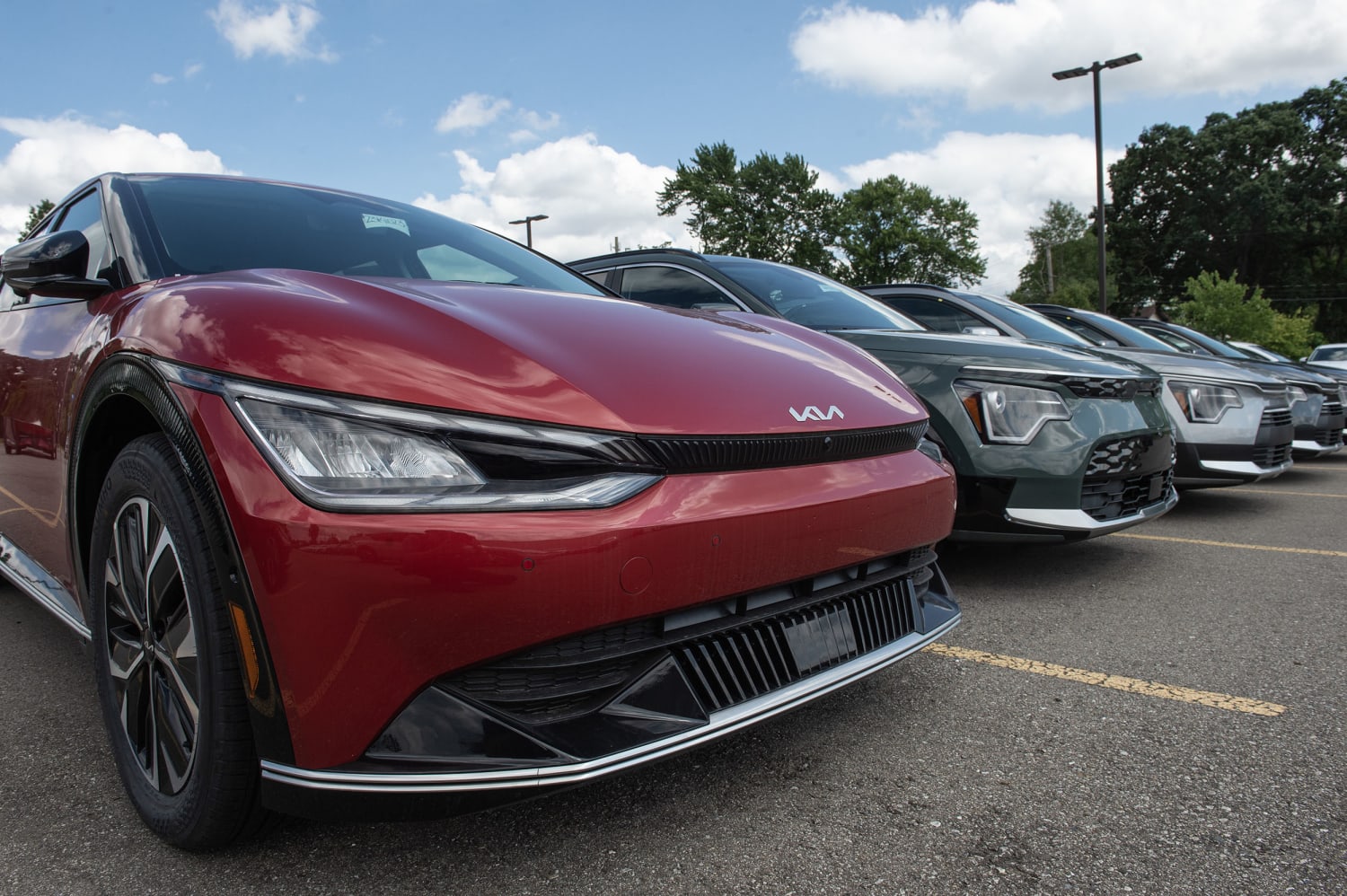
One of the less discussed factors behind repair delays is the increasing age of vehicles on the road. Consumers are keeping their cars longer than previous generations, which means repair shops face higher demand for maintenance and mechanical work.
Economic conditions, rising vehicle prices, and improved manufacturing durability have all contributed to this trend. While longer vehicle ownership can be financially beneficial for consumers, it places additional pressure on an already strained repair industry.
New vehicle prices have risen dramatically in recent years due to inflation, technology costs, supply constraints, and changing consumer preferences toward larger vehicles and trucks. Many buyers who once replaced cars every few years now choose to maintain existing vehicles longer because purchasing a new vehicle has become significantly more expensive.
High interest rates on auto loans further discourage frequent vehicle replacement, especially for middle-income households balancing other financial pressures.
Modern vehicles are also built to last longer than older generations. Engines, transmissions, and drivetrains can often exceed 200,000 kilometers or more with proper maintenance. While this durability is beneficial for consumers, aging vehicles naturally require more repairs over time.
Suspension components wear out, seals deteriorate, electrical systems fail, and sensors malfunction as vehicles age. Repair shops, therefore, face growing workloads not only from routine maintenance but also from increasingly complex age-related repairs.
The rise of used vehicle prices has reinforced this trend. During periods of inventory shortages and economic uncertainty, used cars became much more expensive, making replacement less attractive. Owners who might otherwise trade in aging vehicles often choose instead to invest in repairs. This keeps repair bays full and increases competition for available technician time. Shops must balance quick maintenance services with time-consuming diagnostic work on older vehicles requiring extensive repairs.
Fleet operators, delivery companies, and small businesses are also extending vehicle lifecycles to control costs. Commercial vehicles accumulate high mileage quickly and require frequent maintenance. As more businesses delay fleet replacement, repair demand rises further. Since commercial downtime directly affects revenue, fleet operators often compete aggressively for service appointments, adding pressure to repair shop schedules.
The result is a repair ecosystem facing sustained high demand without sufficient labor capacity. Even if supply chain issues improve, the growing number of aging vehicles on the road ensures repair shops will remain busy for years to come. Unless the industry can attract and train significantly more technicians, extended wait times are likely to remain common.
How the Mechanic Shortage Affects Everyday Drivers
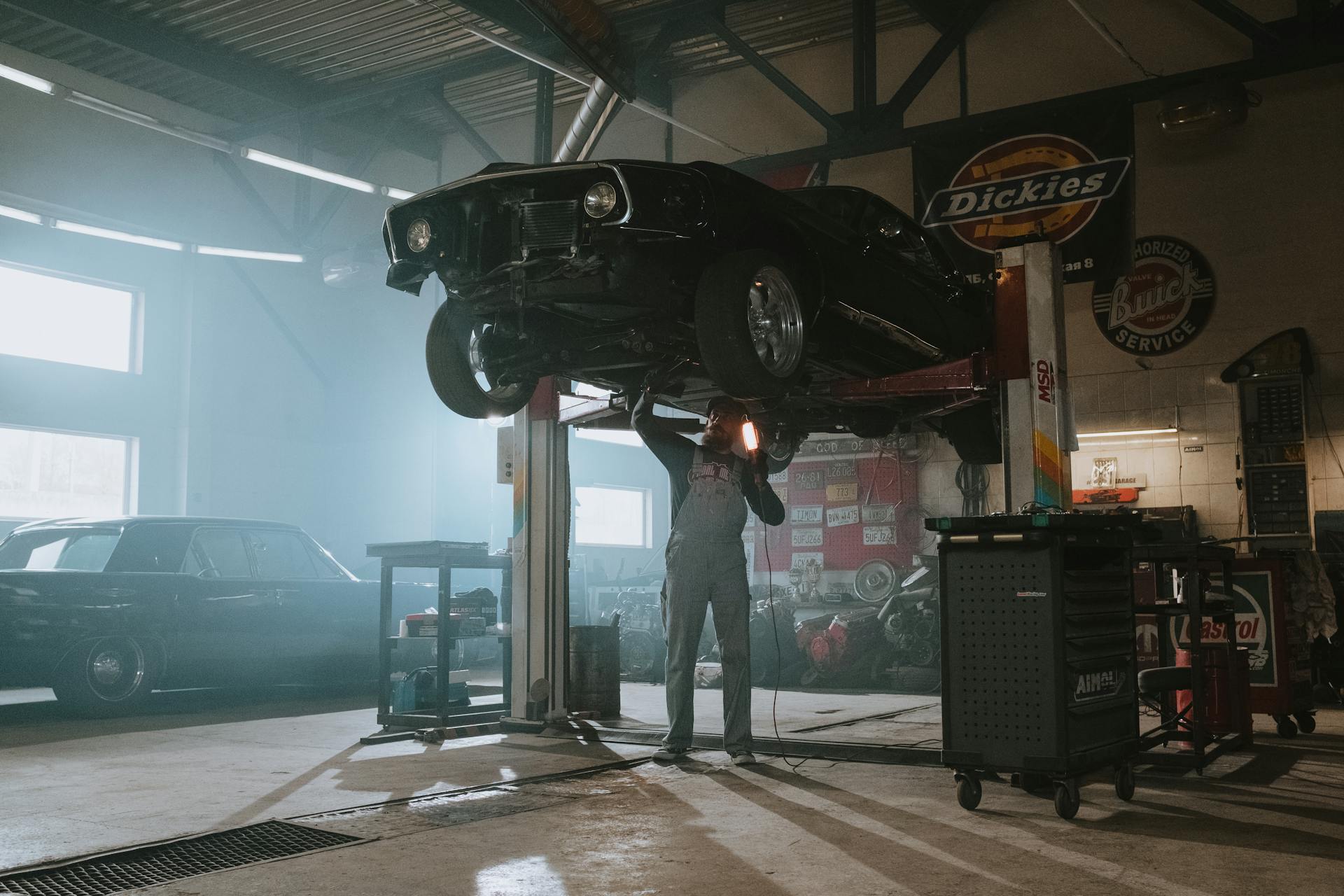
For most consumers, the mechanic shortage becomes visible the moment they try scheduling a repair appointment. Many shops now book appointments weeks in advance, especially for diagnostics, transmission work, or collision repairs.
Customers accustomed to fast turnaround times often feel shocked when told their vehicle cannot even be inspected for several days. These delays disrupt daily routines and create financial stress for families dependent on reliable transportation.
Long repair timelines can become especially difficult for people without access to backup vehicles. In many regions, public transportation options are limited, making personal vehicles essential for commuting, childcare, shopping, and medical appointments.
When repairs take weeks instead of days, consumers may need rental cars, rideshare services, or borrowed transportation, all of which increase expenses. Insurance coverage for rental vehicles may also expire before repairs are completed, leaving customers responsible for additional costs.
Rising labor rates are another consequence of technician shortages. Repair shops compete for scarce skilled workers by offering higher wages and incentives, and those costs are often passed on to customers through increased labor charges. Advanced diagnostic equipment, training expenses, and specialized tools further contribute to rising service costs. Consumers therefore face both longer wait times and more expensive repairs than in previous years.
The shortage also affects repair quality in some cases. Overworked technicians managing excessive workloads may experience fatigue, stress, or burnout. Shops under pressure to complete repairs quickly may struggle with quality control or customer communication.
While most professionals work hard to maintain standards, staffing shortages can create conditions where mistakes become more likely. Customers may experience delays in updates, difficulty reaching service advisors, or inconsistent repair experiences.
Rural communities often face even greater challenges because fewer repair facilities are available. Small towns may have only one or two qualified shops serving large geographic areas. If those businesses cannot hire technicians, customers may need to travel long distances for specialized repairs.
Electric vehicle owners in rural areas sometimes face particularly limited service options because high-voltage training and equipment are concentrated in larger urban centers.
Despite these frustrations, many consumers underestimate the complexity of modern automotive repair and the strain facing technicians. Repair delays are rarely caused by laziness or poor management alone.
In many cases, shops are operating at maximum capacity with employees handling overwhelming workloads. Understanding the broader labor shortage helps explain why obtaining timely vehicle repairs has become increasingly difficult across the automotive industry.

The Future of Automotive Repair
The automotive industry is undergoing one of the most significant technological transformations in its history, and this shift will reshape technician careers for decades to come. Electric vehicles, autonomous systems, advanced connectivity, and software-driven features are changing the skills required for automotive repair. While these changes create challenges, they also present opportunities for workers willing to enter and adapt to the field.
Demand for skilled technicians is expected to remain strong because vehicles will continue requiring maintenance, diagnostics, and repairs regardless of powertrain type.
Electric vehicles generally have fewer moving mechanical parts than internal combustion vehicles, but they still depend heavily on electronics, software systems, suspension components, climate control systems, brakes, and tires. Battery diagnostics, charging infrastructure maintenance, and software troubleshooting may become increasingly important specialties within the industry.
Training programs are beginning to adapt to changing industry needs. Community colleges, technical schools, manufacturers, and independent organizations are expanding automotive technology programs focused on electronics, hybrid systems, and electric vehicle service.
Some employers now partner directly with schools to create apprenticeship pathways that help students gain hands-on experience while earning income. These initiatives aim to rebuild the technician pipeline and attract younger workers interested in technology-focused careers.
Improving public perception of skilled trades will also be essential. Modern automotive repair involves advanced diagnostics, computer systems, engineering knowledge, and technical problem-solving.
The stereotype of mechanics performing only greasy manual labor no longer reflects the reality of much of the industry. Communicating these changes to students, parents, and educators may help attract more talent into automotive careers over time.
Shops themselves may need to evolve workplace practices to improve retention. Competitive wages, better benefits, modern facilities, structured career development, and healthier work environments could help attract younger workers.
Some businesses are moving away from traditional flat-rate compensation models in favor of more stable pay structures designed to reduce burnout and financial uncertainty. Employers who invest in technician training and support may gain significant advantages in recruiting talent.
Automation and artificial intelligence may eventually assist technicians with diagnostics and repair planning, but human expertise will remain critical for the foreseeable future.
Vehicles operate in unpredictable real-world conditions that often require judgment, experience, and creative troubleshooting. While technology can improve efficiency, the need for skilled human technicians is unlikely to disappear anytime soon.
