
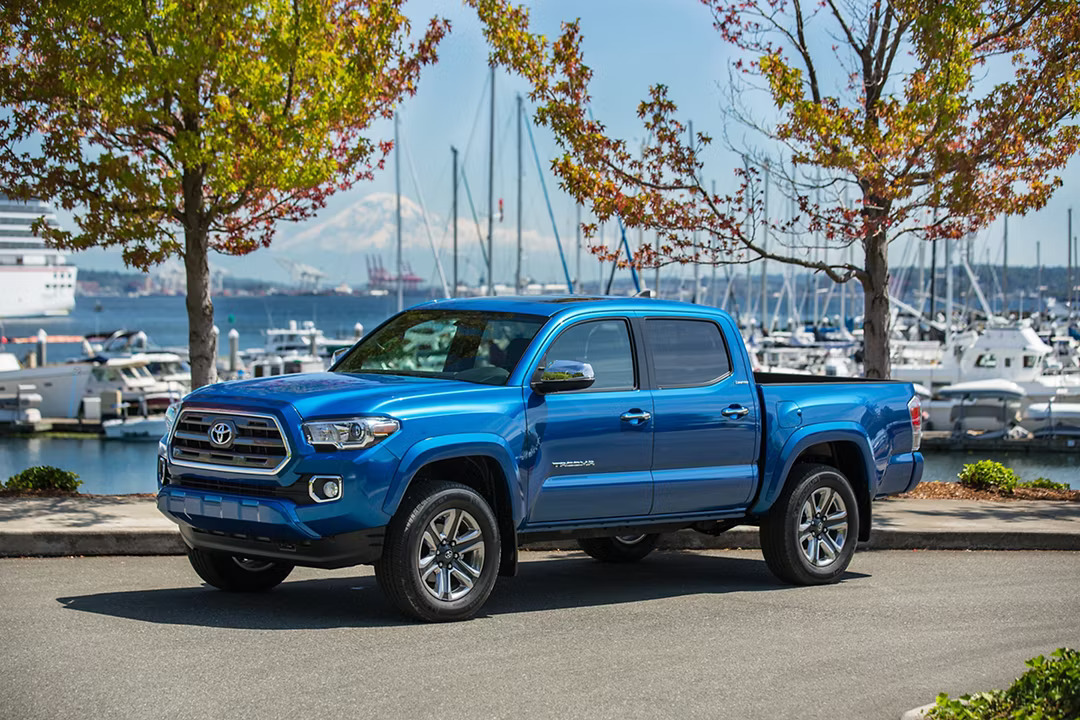
Toyota has built one of the strongest reputations in the automotive world for reliability, longevity, and resale value. For decades, truck buyers across North America, Australia, the Middle East, and many other regions have trusted Toyota pickups for their ability to survive extreme weather, heavy workloads, rough terrain, and high mileage without major mechanical failure.
Whether used as work trucks, family vehicles, off-road machines, or daily commuters, Toyota trucks often become long-term investments rather than short-term purchases. Many owners proudly report odometer readings that exceed 300,000 miles with only routine maintenance.
That level of durability is not accidental. Toyota has historically focused on conservative engineering, proven powertrains, and long-term dependability instead of chasing flashy innovations that may compromise reliability.
However, not every Toyota truck deserves legendary status. While several models have become icons of durability, others have struggled with costly transmission issues, rust problems, oil consumption, frame corrosion, or underpowered drivetrains that failed to meet owner expectations.
Some trucks earned poor reputations because of specific model years, while others suffered from design flaws that affected the entire generation. Buyers searching the used market often assume every Toyota truck is bulletproof, but that assumption can lead to expensive mistakes.
Understanding which trucks consistently deliver exceptional longevity and which ones should be approached carefully can save thousands of dollars in repair costs and frustration.
The used truck market has become increasingly competitive as prices continue to rise. Reliable trucks are now viewed as valuable assets because modern replacements are expensive and packed with complex technology. Older Toyota trucks with strong reputations often command surprisingly high resale prices because buyers know they can still provide years of dependable service.
At the same time, problematic models may appear attractive due to lower prices, but hidden mechanical problems can quickly erase any savings. Choosing wisely requires understanding the strengths and weaknesses of each truck generation, engine option, and production period.
This article explores four Toyota trucks that have consistently proven themselves as dependable long-term vehicles and four that buyers should think twice about before purchasing. The focus is on reliability history, maintenance costs, owner satisfaction, durability, mechanical design, and common long-term issues.
While no truck is completely perfect or completely terrible, some Toyota pickups clearly stand above the rest, while others carry risks that prospective owners should not ignore. If you are considering buying a used Toyota truck or simply want to understand which models earned Toyota’s legendary reputation, this guide will help separate the best from the worst.
Also Read: 10 Cars With Insurance Premiums Lower Than a Compact Sedan
4 Toyota Trucks That Last
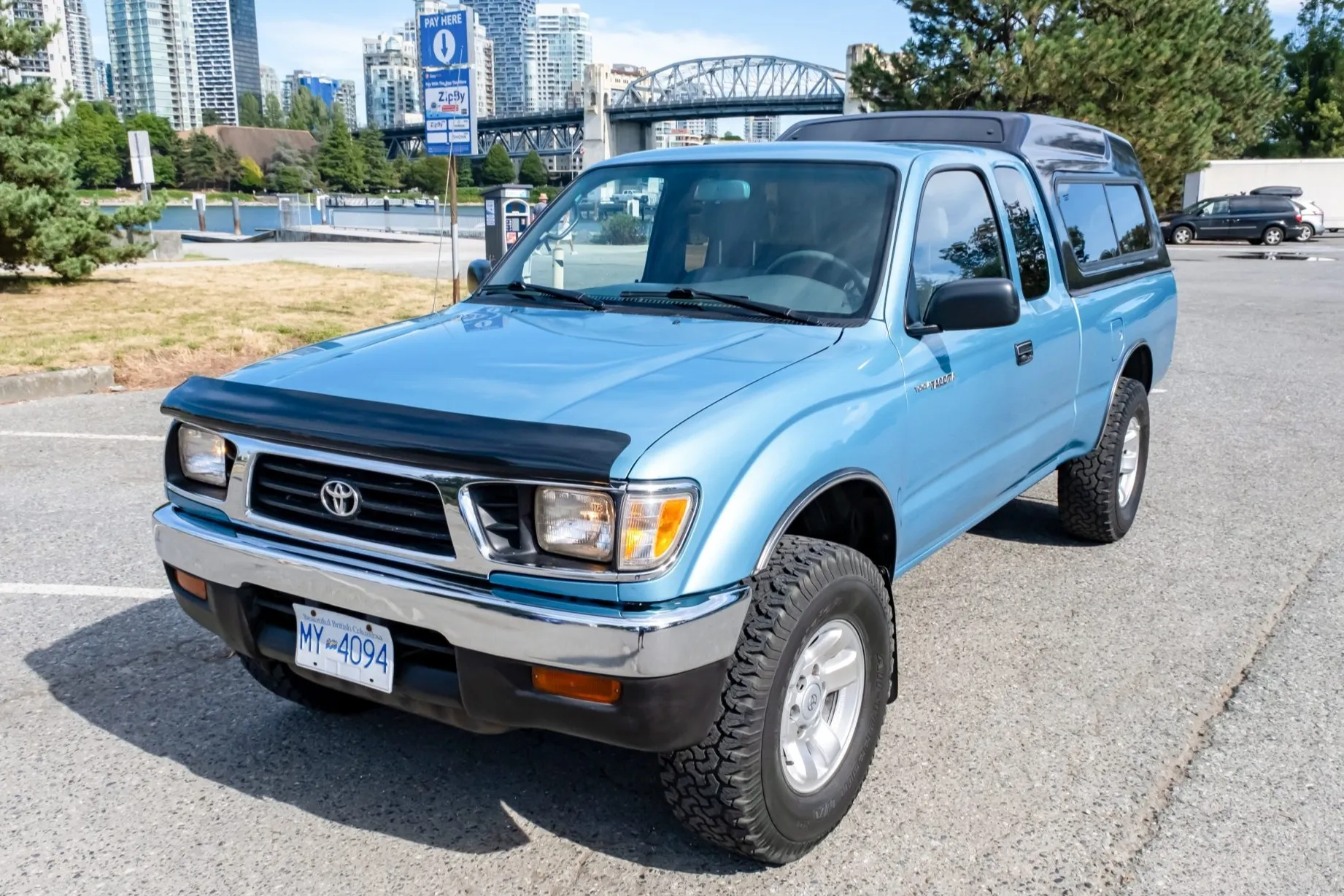
1. Toyota Tacoma First Generation (1995 to 2004)
The first-generation Toyota Tacoma remains one of the most respected compact trucks ever produced. Introduced in the mid 1990s, it replaced the older Toyota Pickup and quickly became known for its exceptional durability and simple mechanical design.
Unlike many modern trucks that rely heavily on electronics and turbocharged engines, the first-generation Tacoma emphasized proven engineering and reliability above everything else. Many examples from this era are still on the road today with extremely high mileage, which speaks volumes about the truck’s long-term dependability. Owners frequently report driving these trucks well past 300,000 miles with minimal major repairs.
One of the biggest strengths of the first-generation Tacoma is its engine lineup. The 2.7-liter four-cylinder and the 3.4-liter V6 are both considered among Toyota’s most reliable truck engines ever built. The 3.4-liter V6 in particular developed a reputation for smooth performance, durability, and relatively low maintenance costs.
Timing belt replacements were necessary, but catastrophic engine failures were rare when maintenance schedules were followed. The manual transmissions offered during this era were also highly durable and became favorites among off-road enthusiasts because of their simplicity and reliability.
Another major advantage of the early Tacoma is its manageable size. Unlike modern midsize trucks that have grown substantially larger, the original Tacoma remained compact enough for tight trails, urban parking, and efficient daily driving. Its lightweight construction also helped reduce stress on suspension and drivetrain components over time.
Off-road enthusiasts continue to seek out these trucks because they are relatively easy to modify and maintain. Their rugged ladder frame construction and solid engineering make them excellent choices for overlanding and recreational use, even decades after production ended.
Despite its legendary reliability, the first-generation Tacoma was not completely flawless. The biggest issue involved frame rust, especially in regions where road salt was heavily used. Toyota eventually issued recalls and frame replacement programs for many affected trucks.
Buyers today should inspect the frame carefully before purchasing one. A well-maintained Tacoma with minimal rust can still be an excellent investment, but severe corrosion can make repairs prohibitively expensive. Fortunately, trucks from dry climates often remain in remarkably good condition.
The first-generation Tacoma continues to command high resale values because of its reliability reputation. Even older examples with high mileage can sell for surprisingly strong prices compared to competitors from the same era. That market demand reflects decades of owner satisfaction and proven durability.
For buyers seeking a dependable used truck that can survive years of hard use, few options match the reputation and real-world longevity of the early Tacoma.
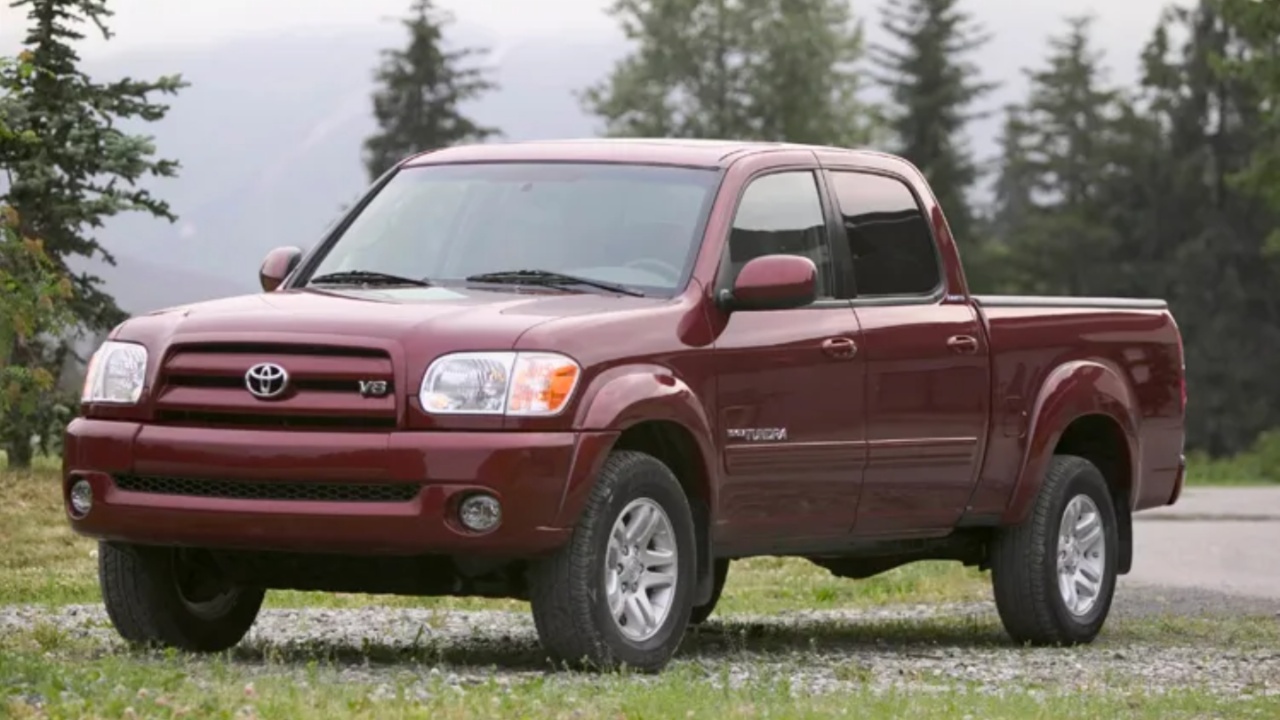
2. Toyota Tundra First Generation (2000 to 2006)
When Toyota entered the full-size truck market with the first-generation Tundra, many buyers were skeptical. American manufacturers had dominated the segment for decades, and Toyota faced enormous pressure to prove itself.
Instead of trying to reinvent the wheel, Toyota focused on building a truck with strong reliability, quality assembly, and long-term durability. The result was a truck that quickly earned respect from consumers who wanted full-size capability without the frequent repair problems associated with some domestic rivals.
The first-generation Tundra became especially famous for its V8 engines. The 4.7-liter i Force V8 is widely considered one of Toyota’s best truck engines ever produced. It delivered strong reliability, smooth operation, and excellent longevity when properly maintained.
Many examples have exceeded 400,000 miles with original drivetrains still functioning well. Unlike some competitors that suffered from transmission failures or severe engine problems, the early Tundra earned a reputation for consistency and dependability.
Build quality also played a major role in the Tundra’s success. Interior materials held up well over time, controls remained functional for years, and mechanical systems generally aged gracefully.
Owners appreciated the truck’s predictable reliability and relatively low maintenance costs compared to competing full-size pickups. While the first-generation Tundra did not offer the absolute highest towing capacity in its class, it excelled in real-world ownership experience by minimizing unexpected breakdowns and expensive repairs.
Another reason the first-generation Tundra remains highly respected is its balanced design philosophy. Toyota avoided overcomplicated technology and instead focused on practical engineering.
The suspension delivered a comfortable ride without sacrificing durability, and the truck’s drivetrain components were engineered for long-term use rather than maximum short-term performance. This conservative approach helped the Tundra develop a loyal following among buyers who valued reliability more than flashy features.
The main weakness of the early Tundra involved frame rust issues similar to those affecting the Tacoma. Certain trucks experienced significant corrosion, especially in colder climates.
Toyota addressed many cases through recalls and frame replacement programs, but buyers should still inspect used examples carefully. Aside from rust concerns, however, the first-generation Tundra remains one of the most dependable full-size trucks ever produced and continues to attract buyers searching for a long-lasting workhorse.
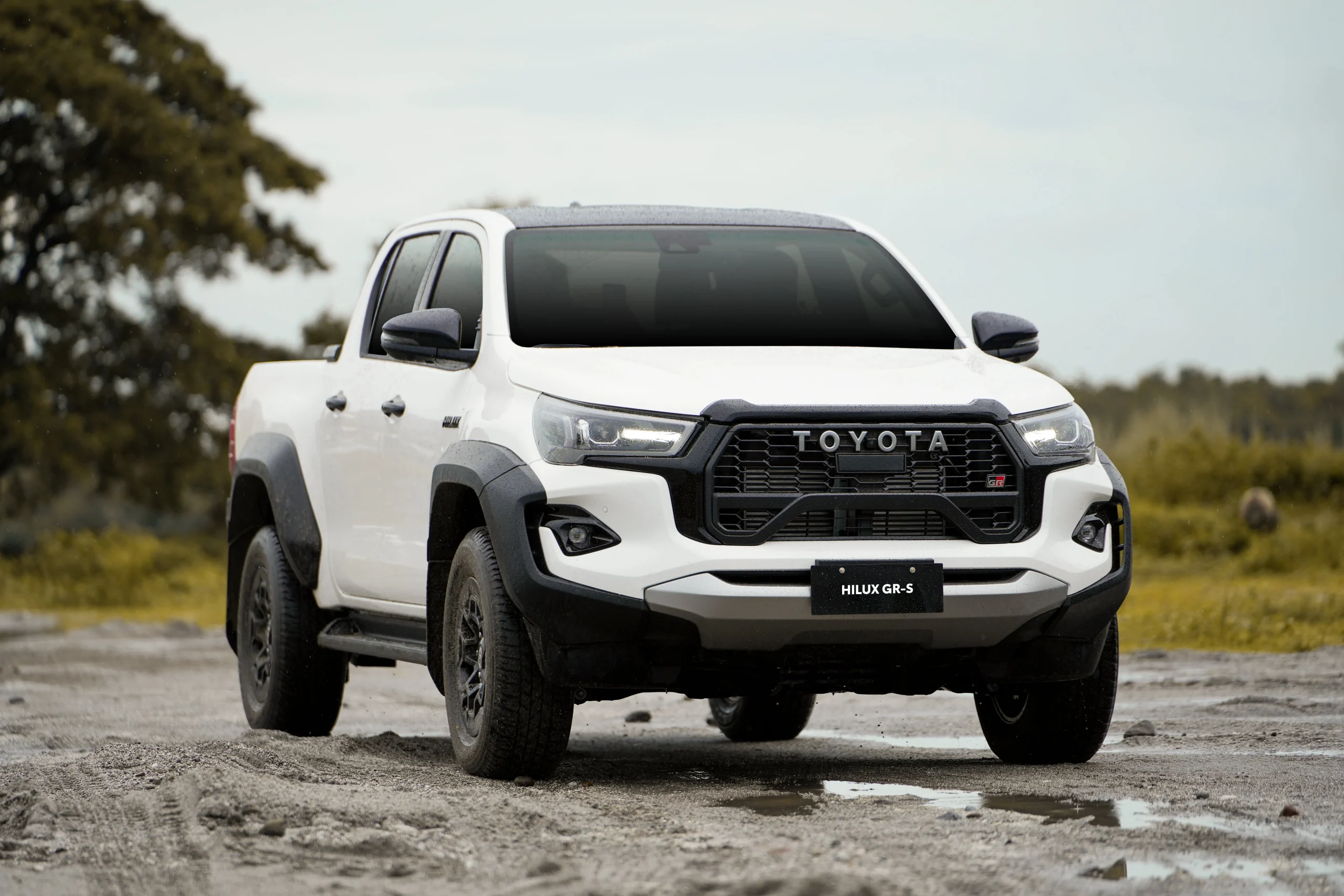
3. Toyota Hilux
Few trucks in automotive history have achieved the legendary status of the Toyota Hilux. Sold globally for decades, the Hilux became famous for surviving conditions that would destroy many other vehicles.
Farmers, contractors, military organizations, humanitarian groups, and off-road adventurers have relied on the Hilux because of its extraordinary toughness and reliability. In many parts of the world, the Hilux is viewed less as a consumer vehicle and more as an essential tool capable of handling extreme environments with minimal maintenance.
One reason for the Hilux’s incredible reputation is its simple and durable engineering. Toyota designed the truck to function reliably in remote areas where repair facilities and replacement parts might be scarce.
Engines were engineered for longevity rather than maximum horsepower, and many diesel variants became famous for running hundreds of thousands of miles with only routine maintenance. The truck’s body-on-frame construction, robust suspension, and rugged drivetrain made it ideal for rough terrain and heavy workloads.
The Hilux also earned global recognition because of its ability to withstand abuse. Television programs and independent tests famously demonstrated the truck surviving floods, fires, crashes, and severe off-road punishment while remaining operational.
Although these demonstrations were dramatic, they reflected real-world experiences from owners around the globe. In harsh climates and difficult working conditions, the Hilux consistently proved itself more durable than many competitors.
Another advantage of the Hilux is its versatility. Different generations and configurations have served countless purposes, from commercial hauling to recreational off-roading. The truck’s relatively compact dimensions compared to many full-size pickups also make it practical in crowded cities and narrow rural roads.
Owners appreciate the balance between durability, fuel efficiency, and utility. Even older Hilux models continue to operate reliably in developing countries long after comparable trucks have disappeared from the road.
The biggest downside for buyers in some regions is availability. The Hilux was never officially sold in the United States after the mid 1990s because Toyota shifted focus toward the Tacoma.
Imported models can also be expensive and difficult to source. However, among those who have owned or driven a Hilux, the truck’s reputation for unmatched durability remains nearly universal. It stands as one of Toyota’s greatest engineering achievements and one of the toughest trucks ever built.
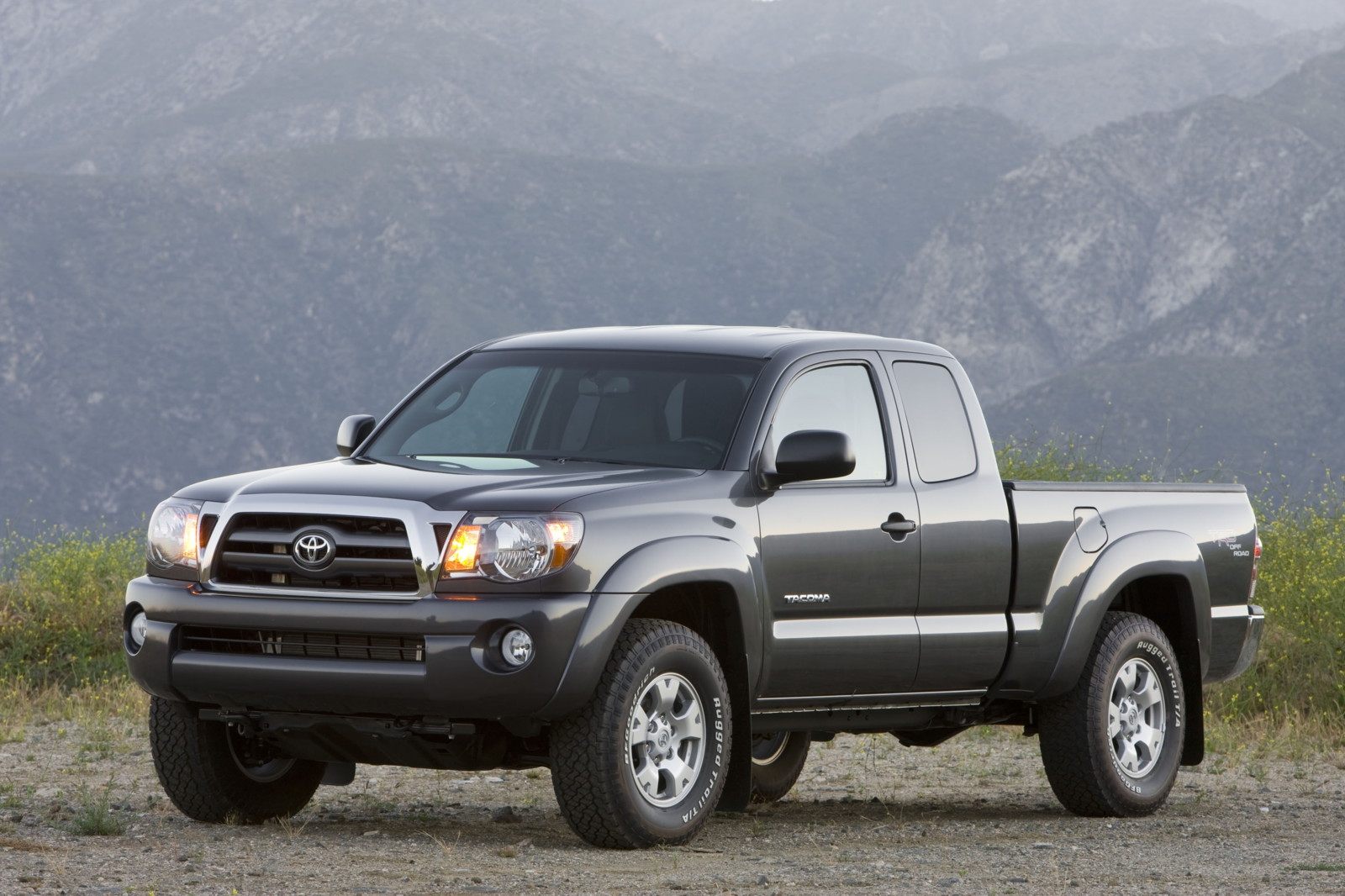
4. Toyota Tacoma Second Generation (2005 to 2015)
The second-generation Toyota Tacoma successfully modernized the midsize truck formula while preserving the reliability that made earlier Tacomas so respected. This generation became enormously popular among buyers who wanted a practical truck with excellent durability, off-road capability, and strong resale value.
Even today, used examples from this era remain highly sought after because they continue to provide dependable service with relatively few serious mechanical problems.
One of the most important strengths of the second-generation Tacoma is its powertrain reliability. The 4.0-liter V6 engine proved durable and capable, delivering enough power for towing, highway driving, and off-road use without sacrificing Toyota’s traditional dependability.
The available four-cylinder engine also earned praise for longevity and fuel economy. Automatic and manual transmissions generally held up well when properly maintained, further strengthening the truck’s reliability reputation.
The Tacoma’s off-road capability also became a major selling point during this generation. Models such as the TRD Off Road and later TRD Pro variants developed cult-like followings among outdoor enthusiasts.
Features such as locking differentials, skid plates, and upgraded suspension systems made these trucks highly capable in difficult terrain. Unlike some competitors that struggled with long-term durability under hard use, the Tacoma consistently handled demanding conditions while remaining mechanically dependable.
Interior quality and practicality improved significantly during this generation as well. The cabin offered more space and comfort than earlier Tacomas, making the truck more suitable for daily driving and long trips.
Owners appreciated the balance between ruggedness and usability. While the interior materials were not luxurious, they generally aged well and resisted wear better than many competing midsize trucks from the same period.
The second-generation Tacoma was not entirely free of issues. Some owners reported frame rust concerns, leaf spring recalls, and occasional transmission problems. However, these issues were relatively limited compared to the truck’s reliability record.
The Tacoma’s exceptional resale value reflects the market’s confidence in its durability. Even trucks with high mileage often sell quickly because buyers trust them to deliver years of additional service. For many consumers, the second-generation Tacoma represents the ideal blend of modern features and old-school Toyota reliability.
Also Read: 10 Cars That Survive Being Used as Daily Uber Vehicles
4 To Avoid
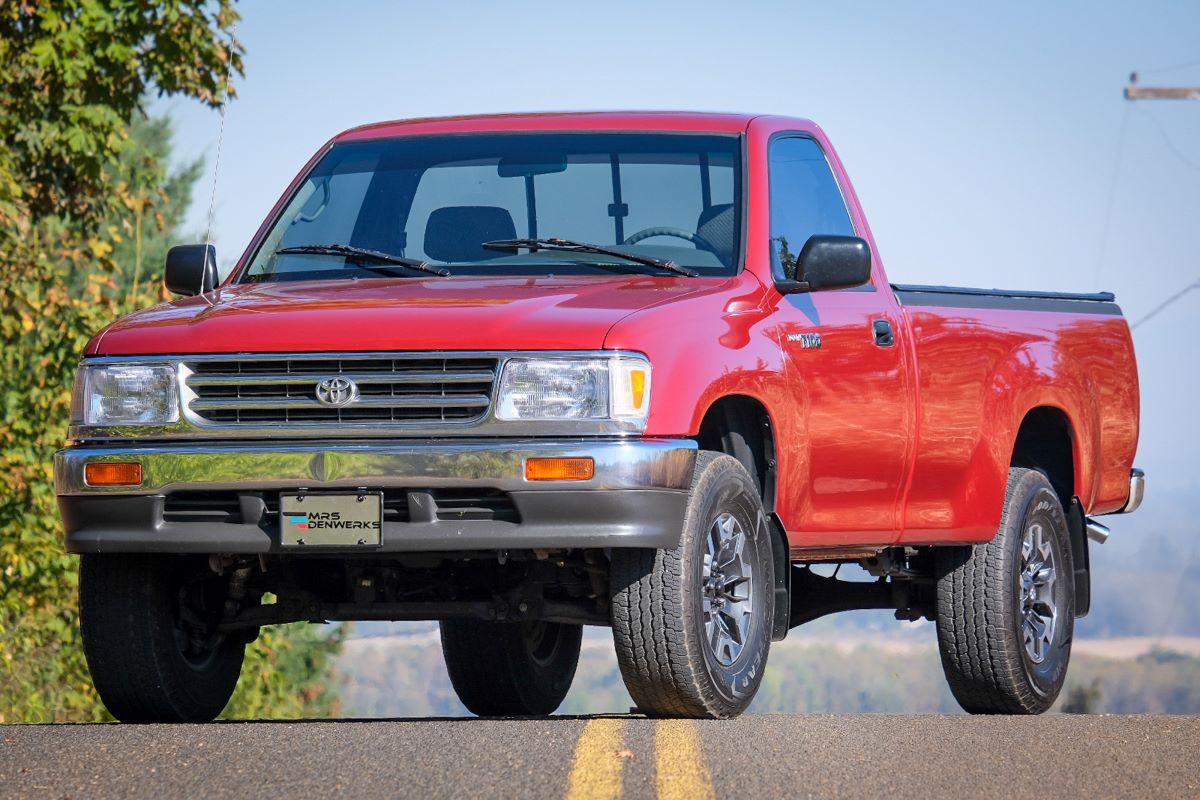
1. Toyota T100
The Toyota T100 occupies an unusual place in Toyota truck history. Commercially, it struggled because it was smaller and less powerful than many American full-size trucks during the 1990s. However, mechanically, the T100 proved to be one of Toyota’s most durable and dependable trucks ever built.
While it never achieved the sales success Toyota hoped for, owners who purchased the T100 often became fiercely loyal because of the truck’s exceptional reliability and build quality.
One of the defining characteristics of the T100 was its simplicity. Toyota focused heavily on durability rather than luxury or advanced technology. The engines, transmissions, and suspension components were designed to withstand long-term use with minimal maintenance. The available V6 engine became known for its reliability and smooth operation, while the truck’s construction reflected Toyota’s commitment to quality manufacturing during that era.
Another advantage of the T100 was its comfortable ride quality. Compared to many domestic trucks of the same period, the T100 offered a smoother and more refined driving experience.
The interior was simple but functional, and owners appreciated the truck’s quiet cabin and predictable handling. Although it lacked the heavy-duty towing capacity of some competitors, it excelled as a dependable daily work truck and personal vehicle.
The T100 also earned respect for its longevity. Many examples remain operational decades after production ended, often with remarkably high mileage. Toyota’s conservative engineering philosophy helped the truck avoid many of the catastrophic failures that affected competing models during the 1990s. Routine maintenance was usually straightforward and affordable, further contributing to the truck’s reputation for dependability.
Despite its strengths, the T100 struggled because it occupied an awkward middle ground between midsize and full-size trucks. Buyers who wanted a compact truck often chose smaller options, while those seeking maximum towing and hauling capability usually preferred domestic full-size pickups.
Nevertheless, the T100 laid important groundwork for the later Tundra and demonstrated Toyota’s ability to build durable trucks capable of competing in the American market.
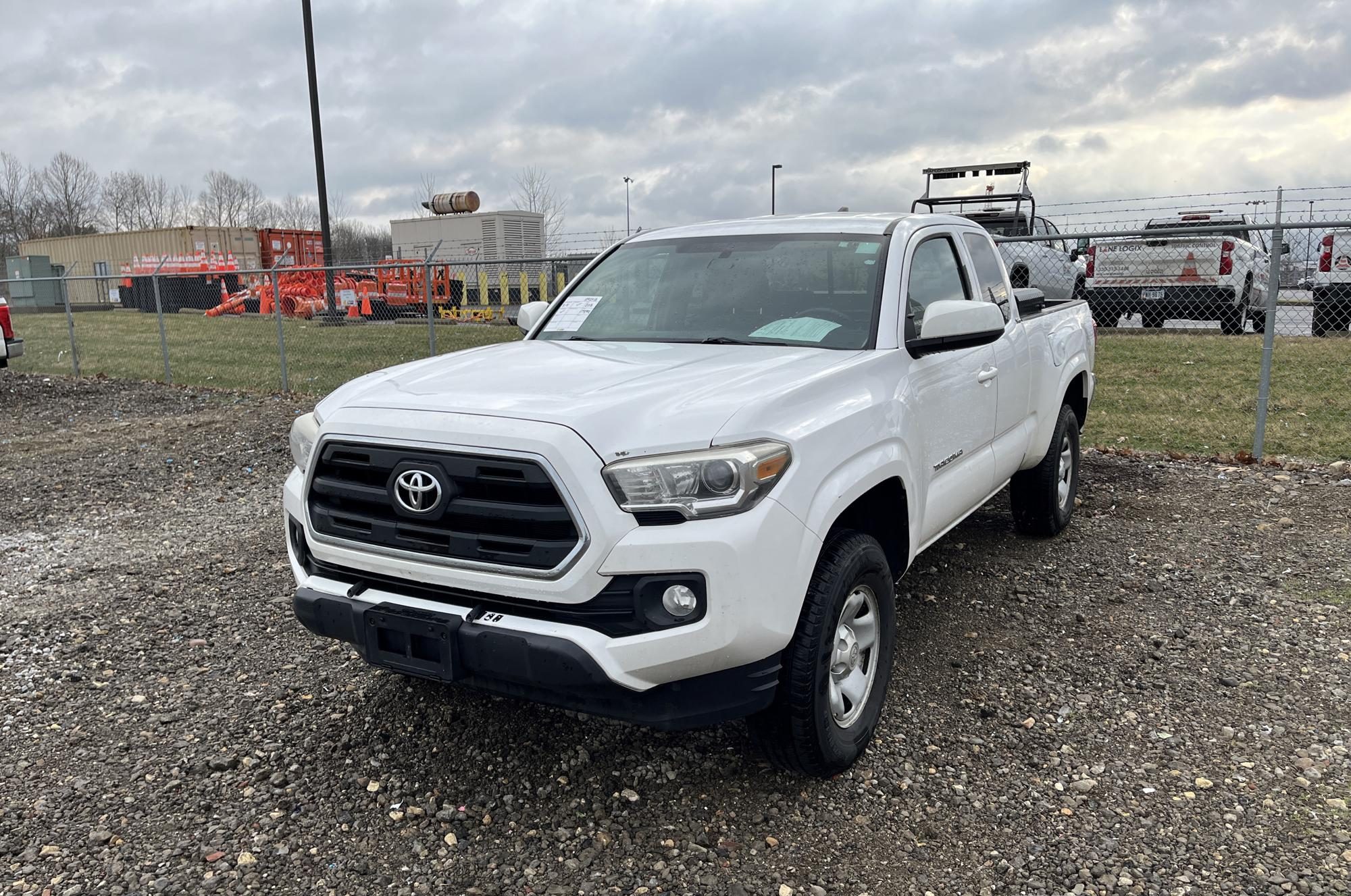
2. Toyota Tacoma Third Generation (2016 to 2017)
While the Toyota Tacoma remains one of the most respected midsize trucks, the early years of the third generation introduced several frustrations that disappointed longtime fans.
The 2016 redesign brought updated styling, new technology, and a revised powertrain, but many owners quickly discovered that the truck suffered from issues not commonly associated with earlier Tacomas. Although not completely unreliable, these early third-generation models developed enough complaints to make cautious buyers think twice.
One of the biggest criticisms involved the new six-speed automatic transmission. Many owners reported erratic shifting behavior, gear hunting, delayed downshifts, and awkward acceleration characteristics.
Toyota attempted software updates to improve transmission performance, but numerous drivers continued to complain about inconsistent drivability. Compared to the smoother and more predictable transmissions found in earlier Tacomas, the new setup felt less refined and sometimes frustrating in daily driving situations.
The updated 3.5-liter V6 engine also divided opinion among owners. While reasonably reliable, it lacked the straightforward character and low-end torque of the previous 4.0-liter V6. Some drivers felt the new engine required excessive revving to deliver power, especially when towing or climbing hills.
Fuel economy improvements existed, but were not dramatic enough to offset complaints about reduced driving satisfaction and transmission behavior.
Interior quality became another area of concern. While the third-generation Tacoma introduced more modern technology and infotainment features, some owners criticized the cabin materials and refinement.
Cheap plastics, noisy interiors, and occasional electronic glitches reduced the premium feel buyers expected, given the truck’s increasingly high price. The Tacoma still retained strong resale value, but owner satisfaction was less universally positive than during earlier generations.
Another issue involved the high market prices these trucks commanded. Because of Toyota’s strong reputation, used Tacomas often sold for prices close to new models. Buyers expecting flawless reliability sometimes became disappointed when faced with transmission quirks and other quality concerns.
While later model years improved in several areas, the early 2016 and 2017 trucks remain less desirable compared to the highly respected second-generation Tacoma.
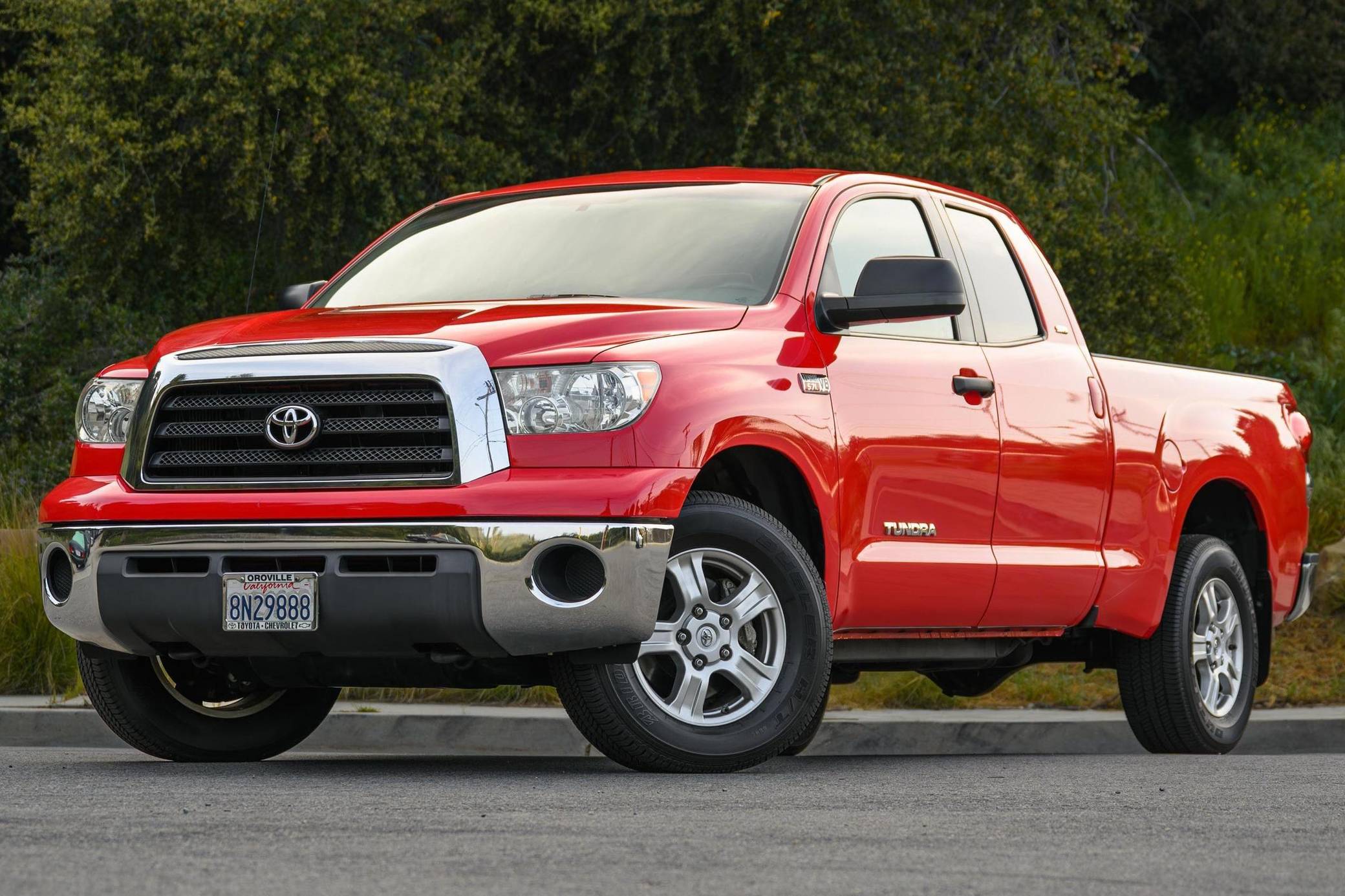
3. Toyota Tundra (2007 to 2008)
The second-generation Toyota Tundra introduced major improvements in size, towing capacity, and power, allowing Toyota to compete more directly with American full-size trucks. However, the earliest years of this generation experienced several issues that hurt the truck’s otherwise solid reputation.
Although these trucks still performed better than many competitors in long-term reliability, certain problems made the 2007 and 2008 Tundras less desirable than later versions.
One major concern involved the camshaft tower oil leaks affecting some 5.7-liter V8 engines. Repairing these leaks could become expensive because of the labor required to access affected components.
While not every truck experienced this issue, owners facing repairs often encountered high costs. Some trucks also developed secondary air injection pump failures, another expensive repair problem that became relatively common on early second-generation Tundras.
The larger dimensions of the new Tundra created mixed reactions among buyers. While increased size improved towing capability and cabin space, it also reduced maneuverability and fuel efficiency.
The truck became less practical for some drivers who previously appreciated Toyota’s more balanced approach to truck design. Combined with rising fuel prices during that period, the larger Tundra occasionally struggled to attract buyers seeking efficiency and practicality.
Interior quality also received criticism compared to some rivals. Although durable, certain materials and design choices felt less refined than expected for a modern full-size truck.
Some owners experienced rattles, dashboard issues, and wear problems earlier than anticipated. While the truck remained mechanically solid in many respects, these quality concerns prevented it from achieving the near-universal praise enjoyed by the first-generation Tundra.
Despite these issues, the early second-generation Tundra was not a terrible truck. Many examples continue to operate reliably today, especially when properly maintained.
However, buyers seeking the best version of the second-generation Tundra often prefer later model years that addressed several early production problems. Compared to Toyota’s strongest truck offerings, the 2007 and 2008 Tundra simply lacked the same level of long-term consistency and owner satisfaction.
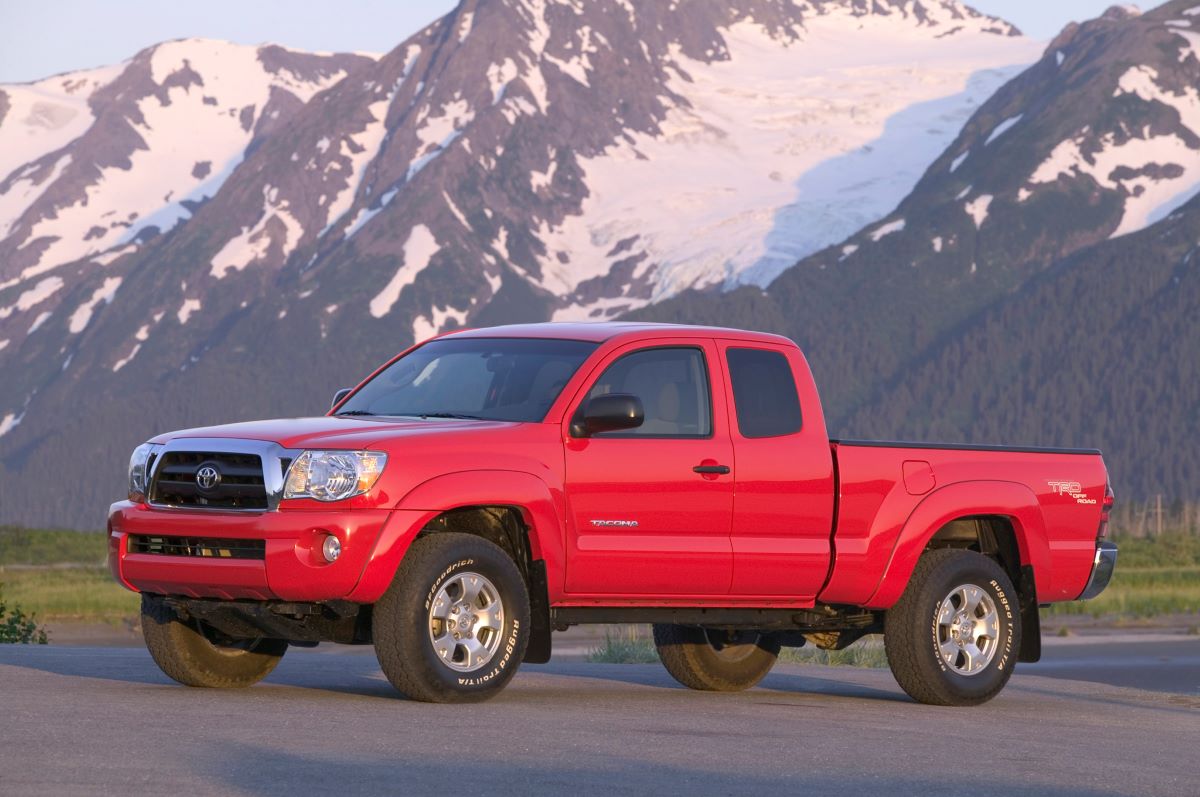
4. Toyota Tacoma (2005 to 2008)
The second-generation Tacoma generally deserves its reputation for reliability, but the early years were affected by severe frame rust problems, which deserve caution from used truck buyers. Toyota eventually issued major recalls and buyback programs because corrosion became so widespread and serious. Although the trucks remained mechanically dependable in many cases, frame deterioration created safety concerns significant enough to overshadow their otherwise excellent reputation.
The corrosion problem primarily affected trucks operated in regions with heavy road salt use. Frames could rust from the inside out, eventually weakening structural integrity and creating dangerous conditions.
Some owners discovered holes in the frame large enough to compromise suspension mounting points and crash safety. Toyota’s response included inspections, frame replacements, and, in some cases, complete vehicle buybacks.
What made this issue particularly frustrating was that the trucks often remained mechanically excellent aside from the frame problems. Engines, transmissions, and drivetrains continued performing reliably even as structural corrosion worsened underneath.
Owners who expected Toyota-level durability felt betrayed by the severity of the rust issue. For some buyers, the problem damaged confidence in Toyota’s quality control during that era.
Another complication involves identifying properly repaired trucks today. Some vehicles received complete frame replacements performed by Toyota dealerships, while others only underwent inspections or partial repairs.
Buyers must carefully review service records and inspect the frame thoroughly before purchasing any affected Tacoma. Trucks with documented frame replacement programs can still be excellent vehicles, but neglected examples may hide dangerous corrosion beneath the surface.
Despite the rust controversy, many second-generation Tacomas remain outstanding trucks. The key is avoiding neglected or unrepaired examples. Buyers willing to research vehicle history carefully can still find reliable Tacomas from this era, but caution is essential.
Among Toyota trucks, these rust-affected models represent a reminder that even highly respected vehicles can develop serious flaws under certain conditions.
