
Honda has built one of the strongest reputations in the automotive industry thanks to its long-standing focus on reliability, fuel efficiency, practicality, and strong resale value. For decades, buyers around the world have trusted Honda vehicles because they generally deliver low ownership costs, durable engineering, and comfortable everyday usability. However, not every Honda model has achieved the same level of success.
Some Honda vehicles became icons because they balanced performance, efficiency, and reliability exceptionally well, while others suffered from transmission issues, weak engines, poor value retention, or disappointing driving experiences. That means shoppers should not automatically assume every Honda model is a smart purchase simply because it carries the Honda badge.
The used car market especially highlights these differences. Certain Honda models continue to dominate recommendation lists because they consistently deliver excellent long-term ownership experiences. Vehicles like the Honda Accord and Honda CR V earned loyal followings thanks to dependable engines, practical interiors, and relatively inexpensive maintenance costs.
These models are often considered safe choices for commuters, families, and even first-time car buyers. On the other hand, some Hondas developed reputations for problematic transmissions, excessive oil consumption, outdated technology, or underwhelming build quality compared to rivals in the same segment. In those cases, buyers often discover that lower upfront pricing eventually leads to expensive repairs and frustrating ownership experiences.
Understanding which Honda models deserve consideration and which ones are better avoided can save buyers thousands of dollars over the life of a vehicle. Reliability data, owner satisfaction, maintenance history, fuel economy, safety ratings, and resale value all play major roles when determining whether a car is truly worth buying.
It is also important to separate individual bad production years from entire model lines because many Hondas improved significantly after redesigns or powertrain updates. A vehicle that struggled in one generation may have become excellent in another.
This article examines six Honda models that remain smart purchases because of their durability, efficiency, comfort, and value. It also covers six Honda models or generations that buyers should approach cautiously due to recurring reliability concerns, weak performance, or costly ownership issues.
The goal is not to criticize Honda as a brand because Honda still produces many excellent vehicles. Instead, this guide helps buyers make informed decisions by highlighting the difference between Honda’s best products and its most problematic offerings.
Whether someone is shopping for a dependable commuter car, a family SUV, or an affordable used vehicle, knowing which Honda models stand out for the right reasons can make the buying process much safer and far more rewarding.
Also Read: 10 Cars With Insurance Premiums Lower Than a Compact Sedan
5 Honda Car Models Worth Buying
1. Honda Accord
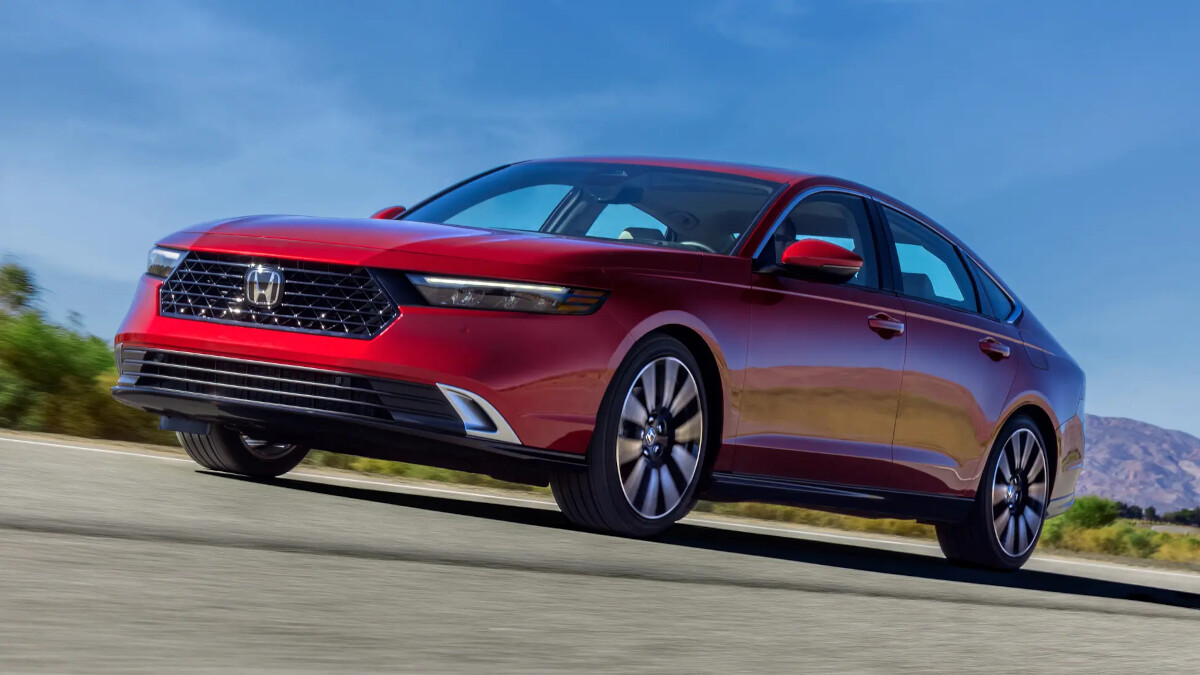
The Honda Accord remains one of the most dependable midsize sedans ever produced, which is why it consistently ranks among the best Honda vehicles worth buying. Across multiple generations, the Accord has earned praise for combining reliability, fuel efficiency, comfortable ride quality, and strong resale value into a single package.
Buyers looking for a practical daily driver often gravitate toward the Accord because it balances affordability with a surprisingly premium driving experience. Even older Accord models continue to perform well when properly maintained, making them attractive choices in both new and used markets.
One of the Accord’s greatest strengths is its powertrain durability. Honda’s naturally aspirated four-cylinder engines in particular have built a reputation for lasting hundreds of thousands of kilometers with routine maintenance. Many owners report minimal mechanical problems even after years of ownership.
The transmissions in newer Accord generations are also significantly more refined than some problematic Honda transmissions from the early 2000s. This long-term durability lowers ownership costs and gives buyers confidence that the vehicle can serve reliably for many years.
The Accord also stands out because of its spacious and well-designed interior. Unlike many midsize sedans that prioritize exterior styling over practicality, the Accord offers generous rear seat room and a large trunk. Families appreciate the comfortable cabin, while commuters enjoy supportive seating and excellent visibility.
Newer models include advanced safety technologies such as adaptive cruise control, lane keeping assistance, and collision mitigation systems. These features help the Accord remain competitive even against newer rivals from Toyota, Hyundai, and Kia.
Fuel efficiency is another major advantage. Honda engineered the Accord to deliver impressive mileage without sacrificing performance. Hybrid versions are especially efficient and have become increasingly popular among drivers looking to reduce fuel expenses.
At the same time, turbocharged variants provide strong acceleration and enjoyable highway performance. This balance of efficiency and responsiveness gives the Accord broad appeal among different types of buyers.
Perhaps most importantly, the Accord maintains excellent resale value. Used car buyers actively seek out clean Accord models because they trust the vehicle’s long-term reliability.
That demand keeps depreciation relatively low compared to many competing sedans. For shoppers wanting a vehicle that delivers practicality, efficiency, comfort, and long-term dependability, the Honda Accord remains one of the smartest automotive purchases available.
2. Honda CR-V
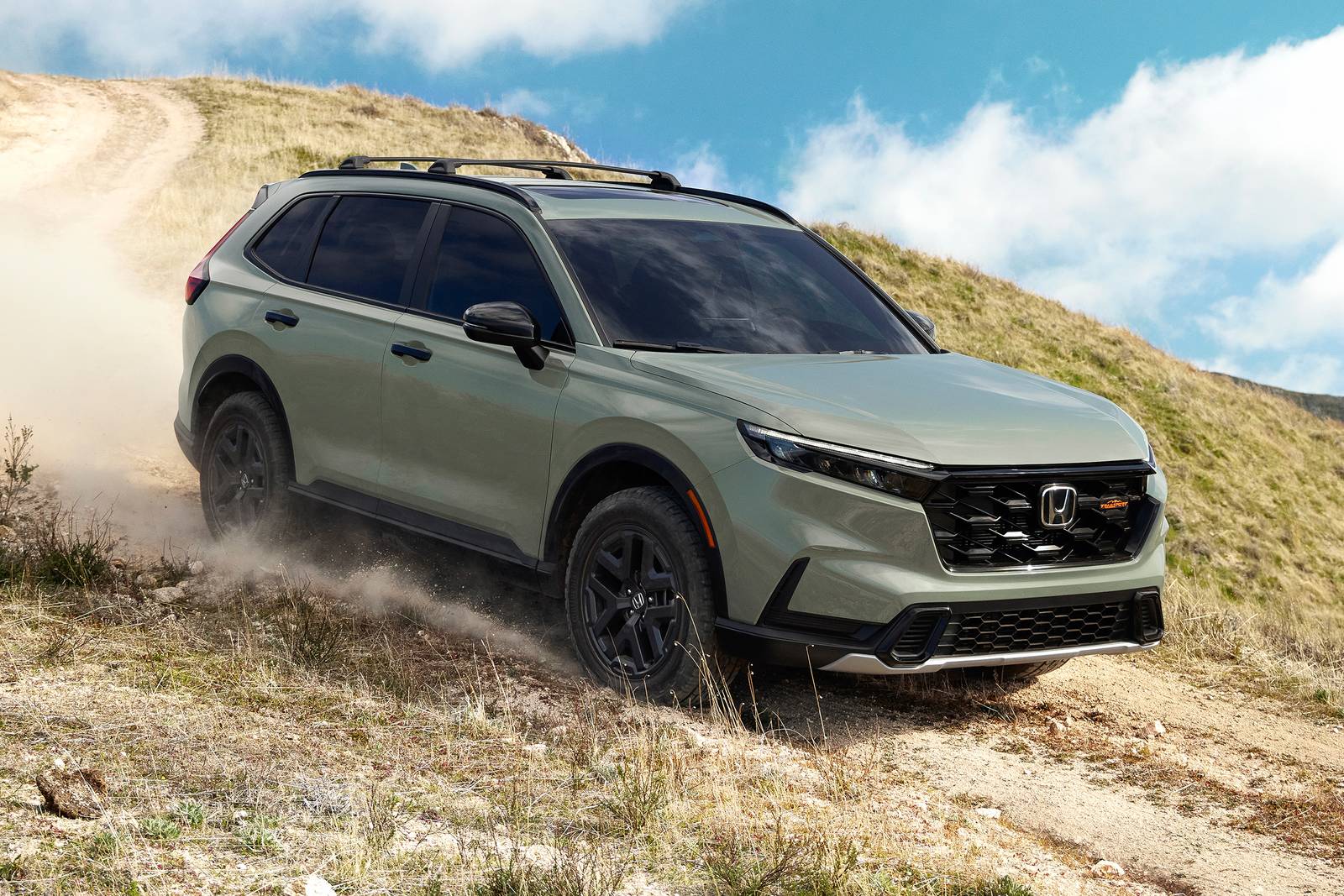
The Honda CR-V has become one of the best-selling compact SUVs in the world for good reason. It offers a combination of reliability, practicality, interior space, and fuel economy that appeals to families and commuters alike. Unlike some SUVs that emphasize aggressive styling or off-road capability at the expense of comfort, the CR-V focuses on everyday usability. That formula has helped it maintain strong popularity for decades.
A major reason the CR-V is worth buying is its exceptional practicality. The interior is intelligently designed with generous cargo space, comfortable seating, and easy access for passengers.
Reliability is another key strength. Most CR V generations have proven remarkably durable when maintained properly. The engines are generally efficient and dependable, and repair costs are usually lower than those associated with luxury SUVs.
Buyers often choose the CR V specifically because they want a stress-free ownership experience. Many examples continue running reliably even after accumulating very high mileage, which contributes to the vehicle’s excellent reputation in the used market.
Fuel economy is particularly impressive for an SUV. Honda managed to create a vehicle that delivers crossover practicality without consuming excessive fuel. Hybrid versions further improve efficiency while maintaining smooth performance.
This combination of economy and practicality is one reason the CR-V appeals to urban drivers and long-distance commuters alike. It provides SUV versatility without the financial burden often associated with larger vehicles.
Another reason the CR-V remains a smart purchase is its resale value. Compact SUVs continue to dominate the market, and the CR-V remains one of the most trusted options in the segment.
Strong consumer demand helps maintain high resale prices, making ownership financially attractive over the long term. For buyers seeking a dependable, spacious, efficient, and family-friendly SUV, the Honda CR-V continues to be one of the best choices available.
3. Honda Civic
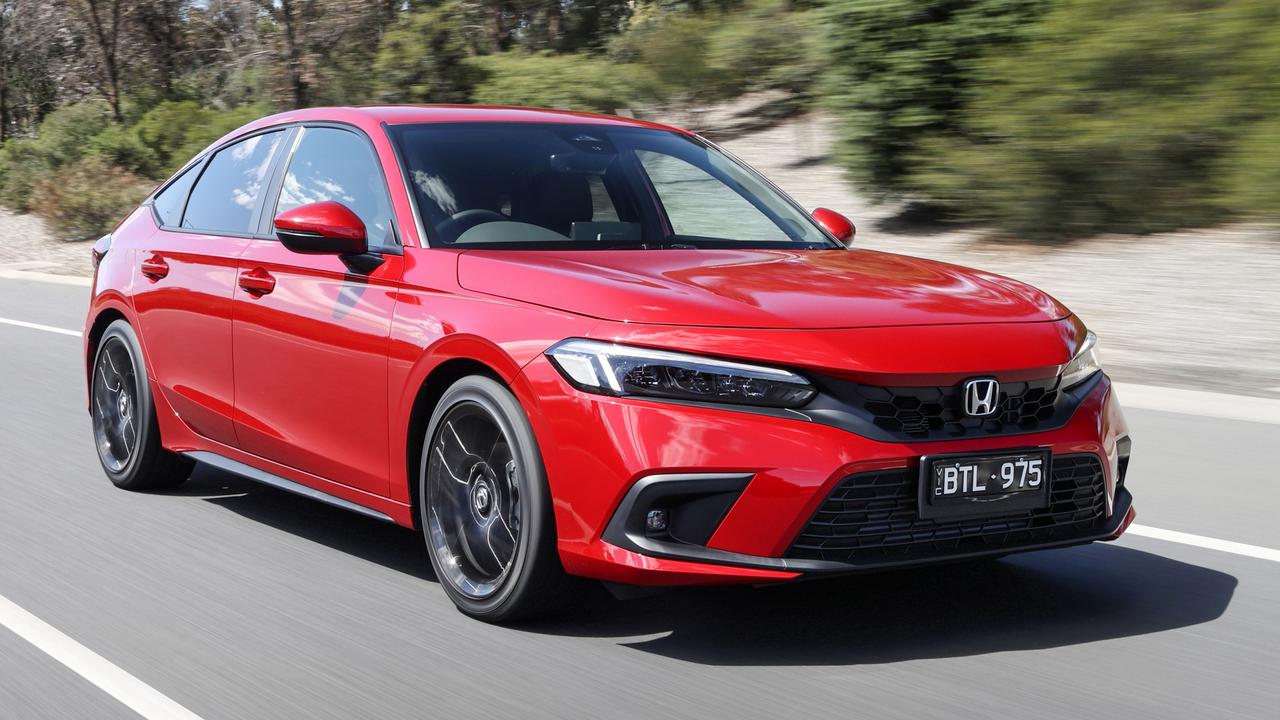
The Honda Civic has long been considered one of the most balanced compact cars ever built. It appeals to a wide range of buyers because it combines fuel efficiency, affordability, reliability, and surprisingly enjoyable driving dynamics. Whether purchased new or used, the Civic often delivers exceptional value compared to competitors in the compact car segment.
One of the Civic’s strongest qualities is its reliability record. Many Civic models are capable of running for decades with proper maintenance, which explains why older Civics remain common on roads worldwide.
Honda engineered the Civic with simplicity and durability in mind, especially in earlier generations. This reputation for longevity has made the Civic one of the safest choices for students, first-time buyers, and budget-conscious drivers.
Another major advantage is the Civic’s driving experience. Unlike many economy cars that feel uninspiring behind the wheel, the Civic offers precise steering, stable handling, and comfortable ride quality.
Enthusiasts especially appreciate performance variants like the Civic Si and Civic Type R, which demonstrate Honda’s engineering capabilities. Even standard models feel refined and enjoyable compared to many rivals.
Resale value remains another important strength. Civics retain value exceptionally well because demand remains consistently strong. Buyers trust the Civic brand, and used examples often sell quickly.
Low maintenance costs combined with strong resale prices make the Civic one of the most financially sensible vehicles available. For anyone seeking a reliable, economical, and enjoyable compact car, the Honda Civic remains an outstanding purchase.
4. Honda Pilot
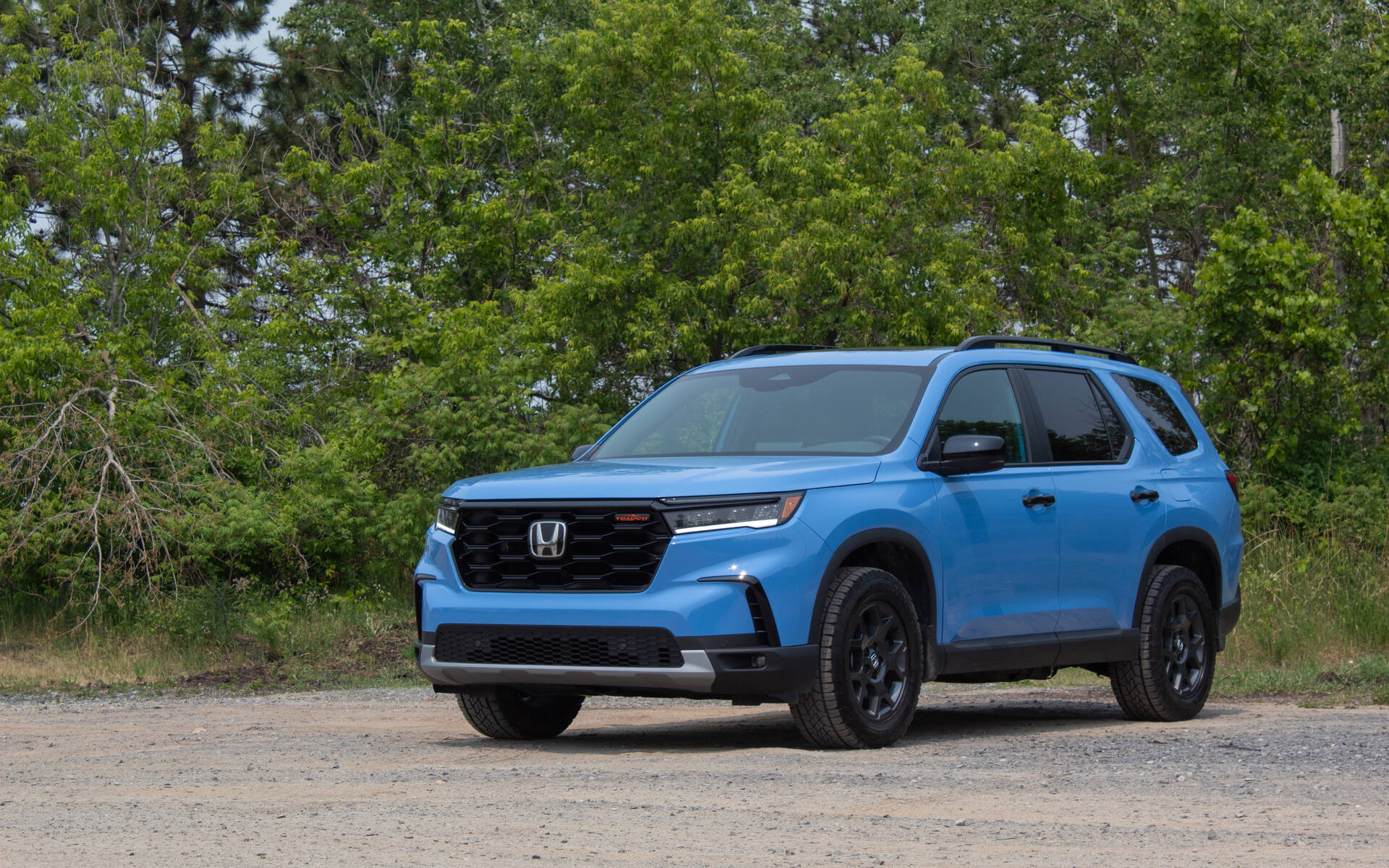
The Honda Pilot stands out as one of the best midsize family SUVs worth buying because it emphasizes comfort, practicality, and long-term dependability. Unlike some three-row SUVs that prioritize sporty styling or luxury branding, the Pilot focuses on delivering real-world family usability. This approach has helped it become a trusted choice for parents seeking a spacious and reliable vehicle.
Interior space is one of the Pilot’s biggest advantages. The SUV offers a generous seating capacity with comfortable accommodations for passengers in all three rows. Many competing midsize SUVs struggle to provide adequate third-row comfort, but the Pilot performs well in this area. Families with children appreciate the roomy cabin, while road trip travelers benefit from the large cargo area and numerous storage compartments.
The Pilot’s V6 engine also contributes to its strong reputation. Honda’s naturally aspirated V6 powertrains are generally durable and smooth, delivering enough power for highway driving, towing, and carrying passengers without feeling strained.
Maintenance costs are usually manageable, especially compared to luxury SUVs in the same size category. Buyers often choose the Pilot because they want dependable family transportation without excessive repair expenses.
Ride comfort is another major strength. The Pilot prioritizes smoothness and stability over aggressive handling characteristics. This makes it particularly well-suited for long-distance travel and daily commuting.
The suspension absorbs road imperfections effectively, creating a relaxed driving experience for both drivers and passengers. Families frequently value comfort more than sporty handling, and the Pilot addresses that need successfully.
For families wanting dependable transportation with spacious seating and strong reliability, the Honda Pilot remains a very smart purchase.
5. Honda Fit
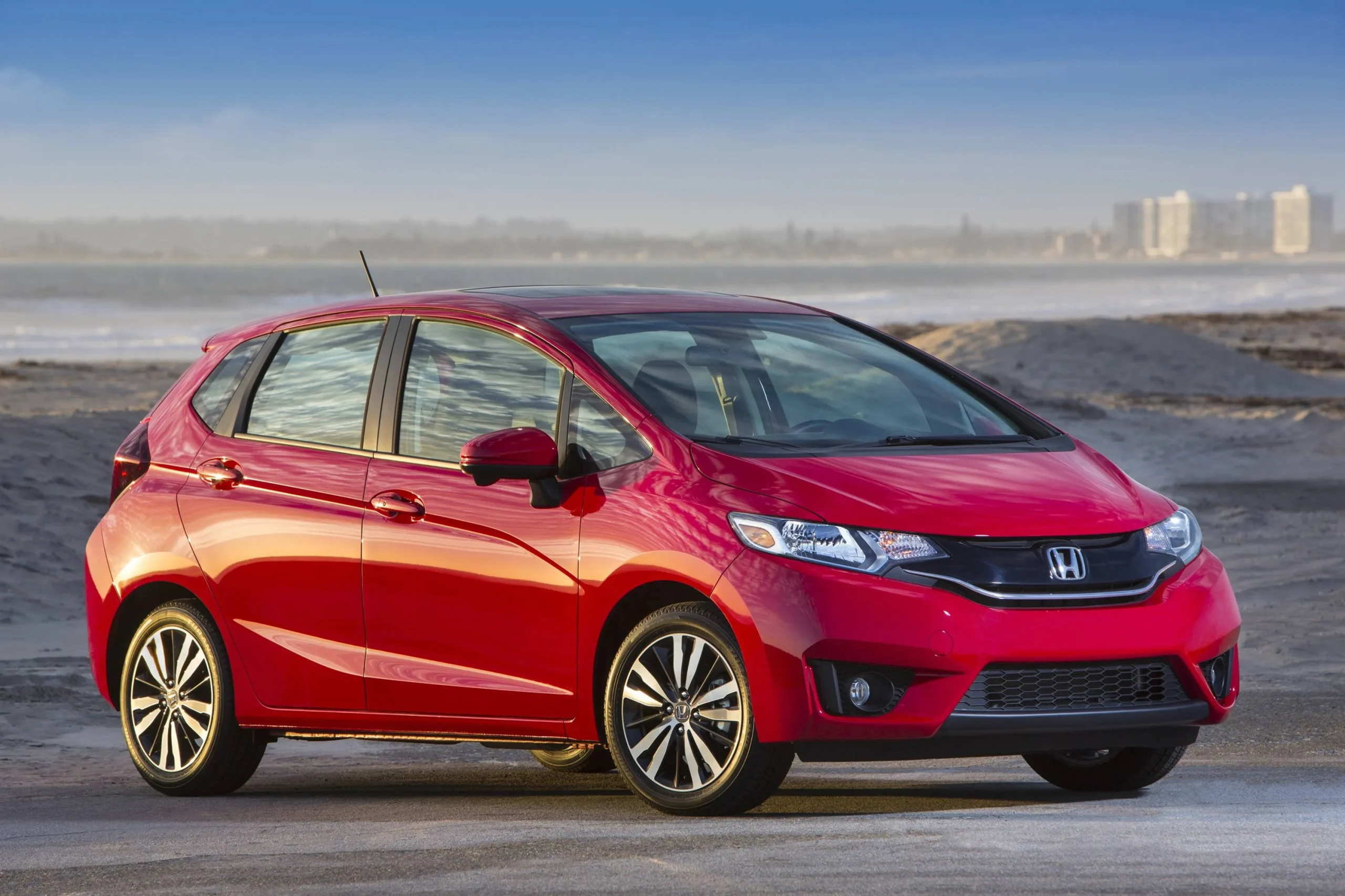
The Honda Fit deserves recognition as one of the most underrated small cars Honda has ever produced. Despite its compact size, the Fit delivers remarkable practicality, efficiency, and reliability. Many buyers initially underestimate the vehicle because of its small exterior dimensions, but the Fit consistently surprises owners with its interior versatility and low ownership costs.
One of the Fit’s most impressive features is its interior packaging. Honda engineered the cabin to maximize usable space, creating a vehicle that feels significantly larger inside than expected.
The rear seating system allows multiple cargo configurations, making it easy to transport larger items despite the car’s compact footprint. This versatility made the Fit especially popular among city drivers and younger buyers.
Reliability also contributes heavily to the Fit’s strong reputation. Honda’s engineering approach focused on simplicity and durability, resulting in a car that typically experiences few serious mechanical issues.
Owners often praise the Fit for delivering years of dependable service with relatively low maintenance expenses. This reliability makes it an attractive option for budget-conscious buyers seeking affordable transportation.
The driving experience is another pleasant surprise. The Fit feels agile and responsive thanks to its lightweight design and precise steering. Maneuvering through crowded urban streets and tight parking areas is easy, making the car highly practical for city environments. While it is not a performance vehicle, the Fit delivers more driving enjoyment than many small economy cars.
Resale value remains strong because the Fit has developed a loyal following among practical car buyers. Used examples are often in demand due to the vehicle’s reputation for reliability and efficiency.
Even though Honda discontinued the Fit in some markets, its popularity in the used car segment remains high. For drivers seeking affordable, dependable, and remarkably versatile transportation, the Honda Fit remains an excellent choice.
Also Read: 10 Cars That Survive Being Used as Daily Uber Vehicles
5 to Skip
1. Honda Odyssey
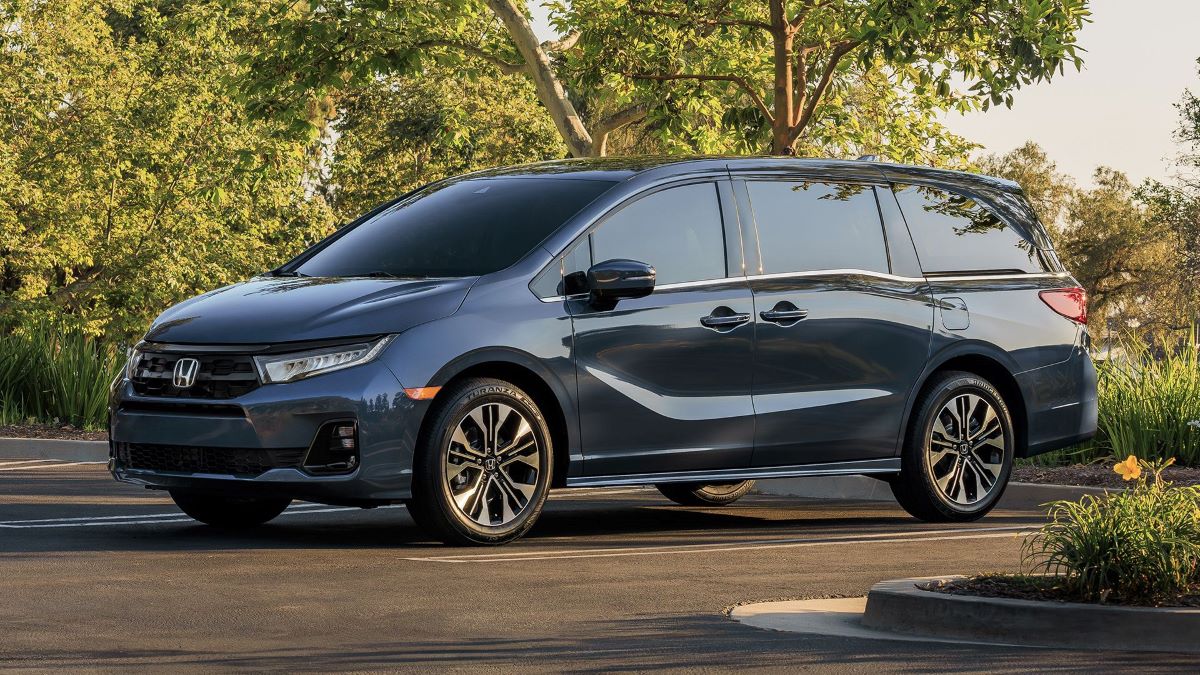
The Honda Odyssey continues to rank among the best minivans available because it combines family practicality with comfort, reliability, and smart engineering.
While SUVs dominate today’s market, the Odyssey demonstrates why minivans remain unmatched for large family transportation. Buyers needing maximum passenger space and convenience often find the Odyssey superior to many three-row SUVs.
Interior comfort is one of the Odyssey’s greatest strengths. Honda designed the cabin specifically for family use, incorporating spacious seating, numerous storage compartments, and flexible seating arrangements. The Odyssey can comfortably accommodate large families while still providing room for luggage and cargo. Sliding doors also make entry and exit much easier in crowded parking lots.
The Odyssey’s ride quality is another major advantage. Unlike truck-based SUVs that can feel stiff or cumbersome, the Odyssey delivers a smooth and refined driving experience. Long road trips become less tiring because the suspension absorbs road imperfections effectively. Families often prioritize comfort and convenience, and the Odyssey performs exceptionally well in both areas.
Honda also equipped the Odyssey with practical family-focused technology. Features such as rear entertainment systems, cabin communication tools, and advanced safety systems improve the ownership experience significantly. Parents especially appreciate the ease of managing children and passengers during long drives. These thoughtful features distinguish the Odyssey from many competitors.
Reliability has historically been another reason buyers trust the Odyssey. Although some older generations experienced transmission concerns, newer models improved substantially in terms of durability and engineering quality. Properly maintained Odyssey models often provide many years of dependable service. This reliability helps offset the higher initial cost often associated with minivans.
2. Honda Crosstour
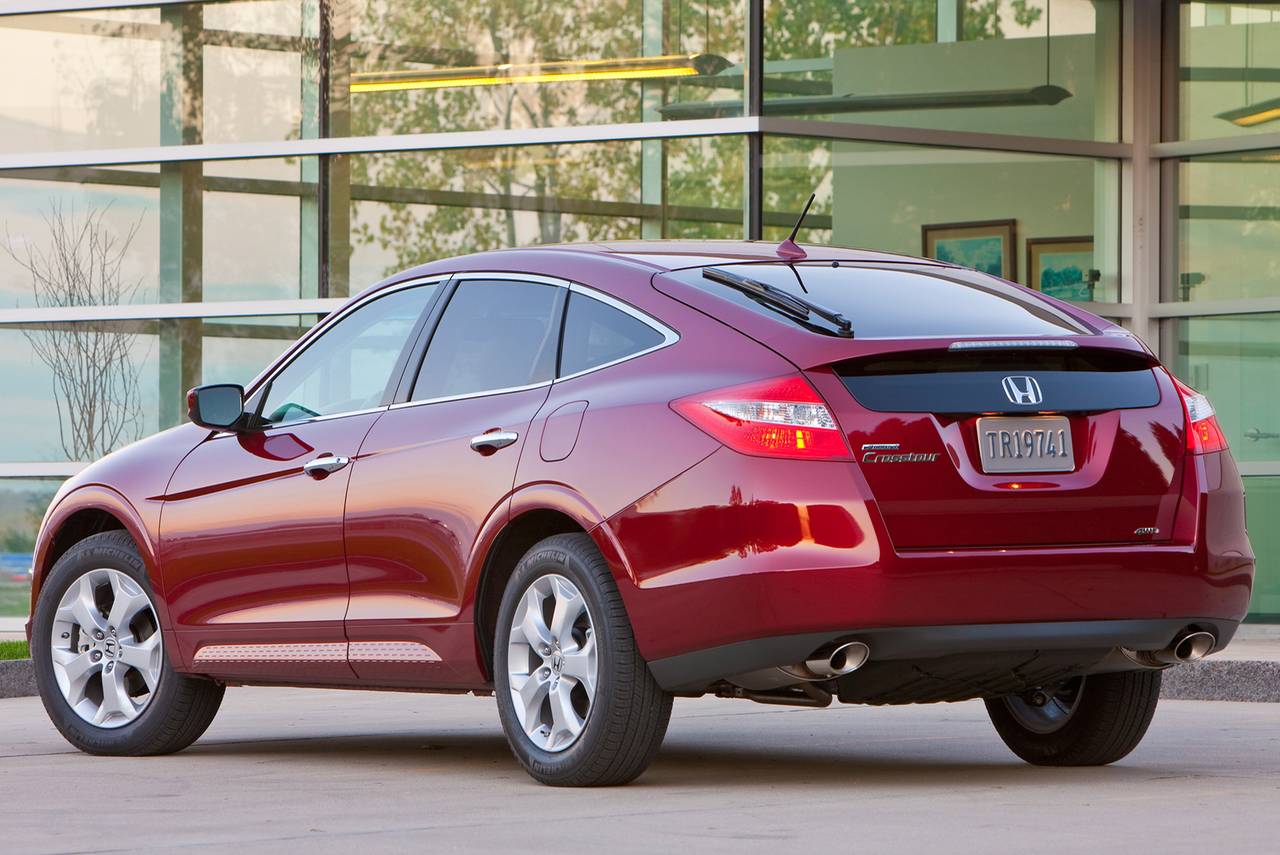
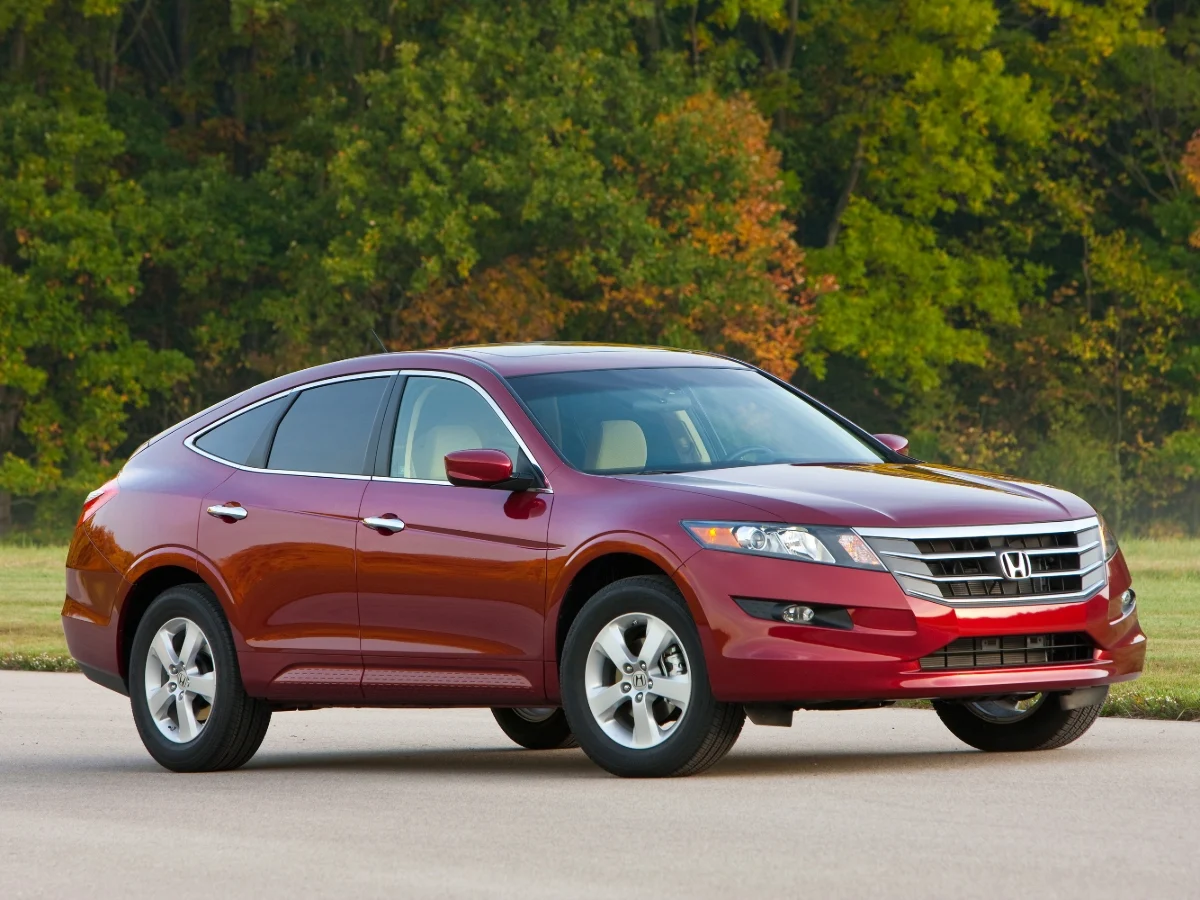
The Honda Crosstour represents one of Honda’s least successful vehicle concepts, and many buyers consider it a model worth skipping. Honda attempted to combine the practicality of a crossover with the driving characteristics of a sedan, but the final product struggled to appeal to either audience.
The unusual styling became one of the biggest criticisms because many consumers found the vehicle awkward and unattractive.
Practicality was also compromised despite the Crosstour’s larger size. While it offered more cargo room than a traditional sedan, it lacked the spaciousness and flexibility buyers expected from a true SUV or crossover. The sloping roofline reduced rear visibility and limited cargo usability. Buyers seeking maximum practicality often found better alternatives in the Honda CR-V or Pilot.
Fuel economy also disappointed compared to competing crossovers. The Crosstour’s heavier weight and available V6 engine reduced efficiency, making it less economical than many rivals. Buyers hoping for a balance between utility and fuel savings often felt underwhelmed by the vehicle’s real-world efficiency figures.
Although the Crosstour was not necessarily a terrible vehicle mechanically, it failed to deliver compelling advantages over other Honda offerings. Buyers could usually find better practicality, stronger resale value, and more appealing styling elsewhere in Honda’s lineup. For most shoppers, the Crosstour remains a model best avoided in favor of more successful alternatives.
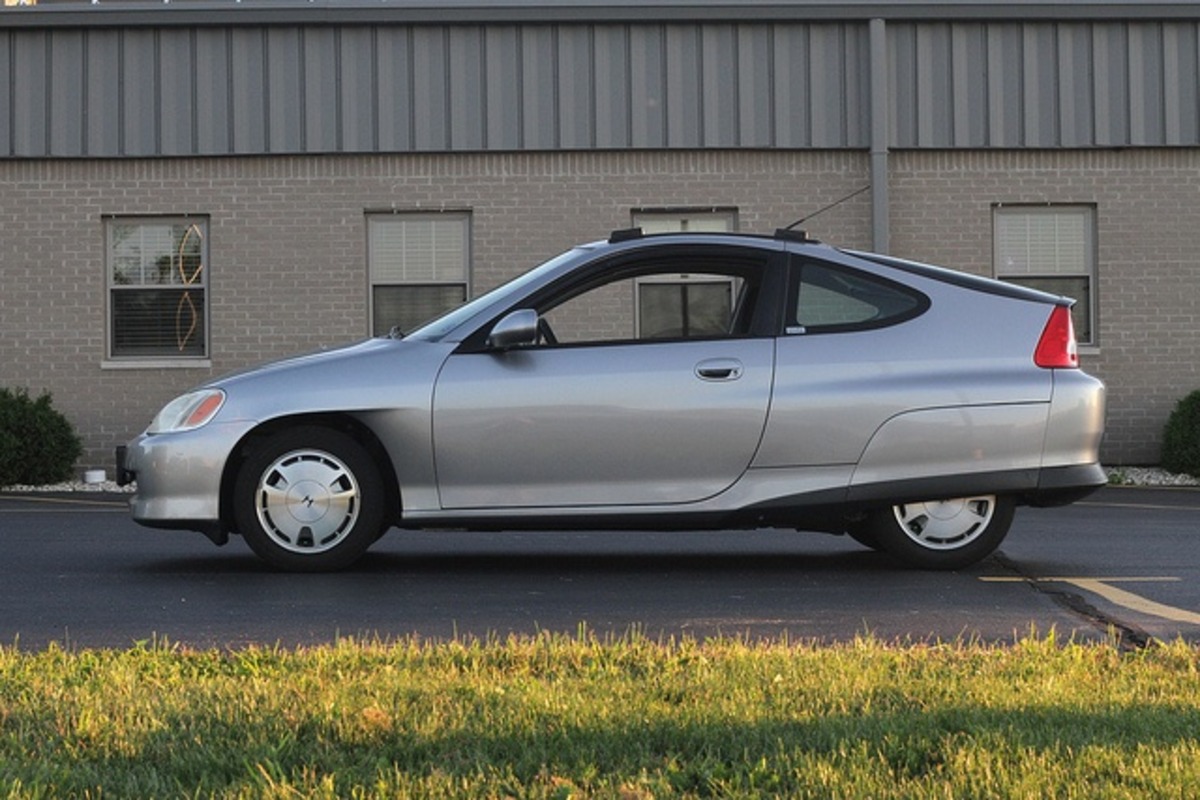
3. Honda Insight First Generation
The first-generation Honda Insight deserves credit for pioneering hybrid technology, but it remains a difficult recommendation for modern buyers. While innovative for its time, the original Insight suffered from several limitations that made it less practical and less appealing compared to later hybrid vehicles.
One of the biggest drawbacks was its extremely limited practicality. The Insight’s compact two-seat configuration significantly reduced its usefulness for families or daily transportation needs. Most buyers seeking fuel efficiency also wanted reasonable passenger capacity and cargo space, areas where the Insight struggled badly. Competing hybrids eventually offered far more versatile interiors.
The vehicle’s lightweight construction also created compromises in comfort and refinement. Road noise levels were relatively high, and the cabin felt minimalistic even by economy car standards. While this design helped maximize fuel efficiency, it made long drives less comfortable. Buyers expecting a more conventional driving experience often found the Insight disappointing.
Performance was another weak point. The small engine and hybrid system prioritized efficiency almost exclusively, resulting in slow acceleration and limited highway passing power. While fuel economy was impressive, many drivers found the vehicle underpowered for modern traffic conditions. Competitors eventually achieved better balances between efficiency and performance.
The Insight’s niche design also limited resale demand. Buyers seeking used hybrids generally preferred more practical models like the Toyota Prius or later Honda hybrids. As a result, the first-generation Insight never achieved widespread mainstream appeal. While historically significant, it remains more interesting as an automotive milestone than as a practical used car purchase today.
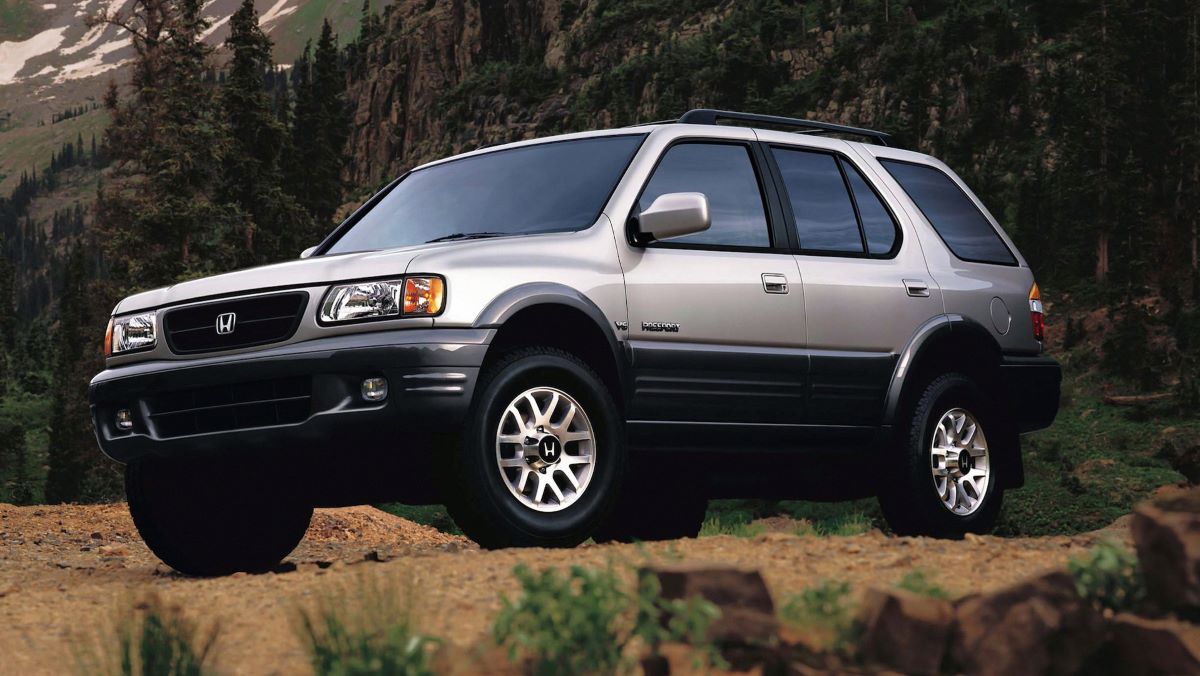
4. Honda Passport
The early Honda Passport models are generally considered vehicles worth skipping because they lacked the refinement and reliability standards buyers typically associate with Honda. Unlike most Honda products developed internally, the original Passport was essentially a rebadged Isuzu Rodeo. This partnership created a vehicle that felt noticeably different from traditional Honda engineering.
Reliability concerns became one of the biggest issues with early Passport models. Owners frequently reported transmission problems, suspension wear, and engine-related concerns. These issues contrasted sharply with the dependable reputation built by Honda sedans and compact SUVs. Buyers expecting classic Honda durability often ended up disappointed.
Interior quality also lagged behind Honda’s normal standards. Materials felt cheaper, cabin ergonomics were less refined, and build quality failed to match those of competitors from Toyota and Nissan. The Passport lacked the polished feel many consumers expected when purchasing a Honda-branded vehicle.
Ride comfort and driving refinement were additional weaknesses. The truck-based design created a rougher ride quality compared to more car-like Honda models. Handling felt less composed, and road noise levels were relatively high. While some buyers appreciated the Passport’s ruggedness, many found it less comfortable for everyday commuting.
The Passport eventually disappeared from Honda’s lineup for years before returning as a more refined modern SUV. However, the early generations remain difficult recommendations because they simply did not embody the qualities most buyers seek from Honda vehicles. Reliability concerns, mediocre refinement, and weak resale value make these early Passport models best avoided by most used car shoppers.
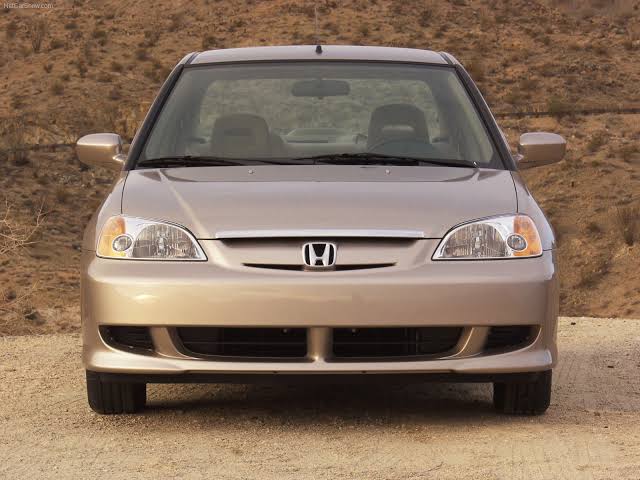
5. Honda Civic Hybrid Early Models
While the standard Honda Civic has long been praised for reliability, some early Civic Hybrid models developed problems that hurt their reputation. Buyers attracted by fuel savings sometimes discovered expensive maintenance and battery-related concerns that reduced the vehicle’s long-term value.
Battery degradation became one of the most common complaints. Over time, hybrid battery performance often declines significantly, reducing fuel economy and drivability. Replacing the battery pack could be expensive, especially as the vehicle ages and resale values drop. This created financial concerns for owners hoping to save money through improved fuel efficiency.
Performance was another weak area. Early Civic Hybrids prioritized economy heavily, resulting in sluggish acceleration and less engaging driving dynamics compared to standard Civic models. Many drivers found the hybrid system less refined than competing technologies from Toyota. The driving experience often felt compromised in pursuit of maximum efficiency.
Transmission issues also affected some early Civic Hybrid generations. Certain continuously variable transmissions developed reliability concerns that increased repair costs substantially. Transmission repairs combined with potential battery replacements created ownership expenses that surprised many buyers.
