Spark plugs may seem like small components, but they play a major role in engine efficiency, fuel economy, and long-term reliability. In many modern vehicles, advances in materials such as iridium and platinum, combined with smarter engine management systems, have pushed spark plug lifespans far beyond what was once standard.
Instead of frequent replacements every 30,000–60,000 miles, several well-engineered models now operate smoothly for 100,000 to 120,000 miles or more on factory-installed plugs. This shift is especially common in naturally aspirated engines and carefully tuned turbo or hybrid systems that maintain cleaner combustion and reduce electrode wear.
As a result, ownership costs drop while engine performance remains consistent over high mileage. From dependable family sedans and compact SUVs to rugged trucks built for heavy-duty use, these vehicles demonstrate how modern ignition technology can support long service intervals without sacrificing drivability or efficiency.
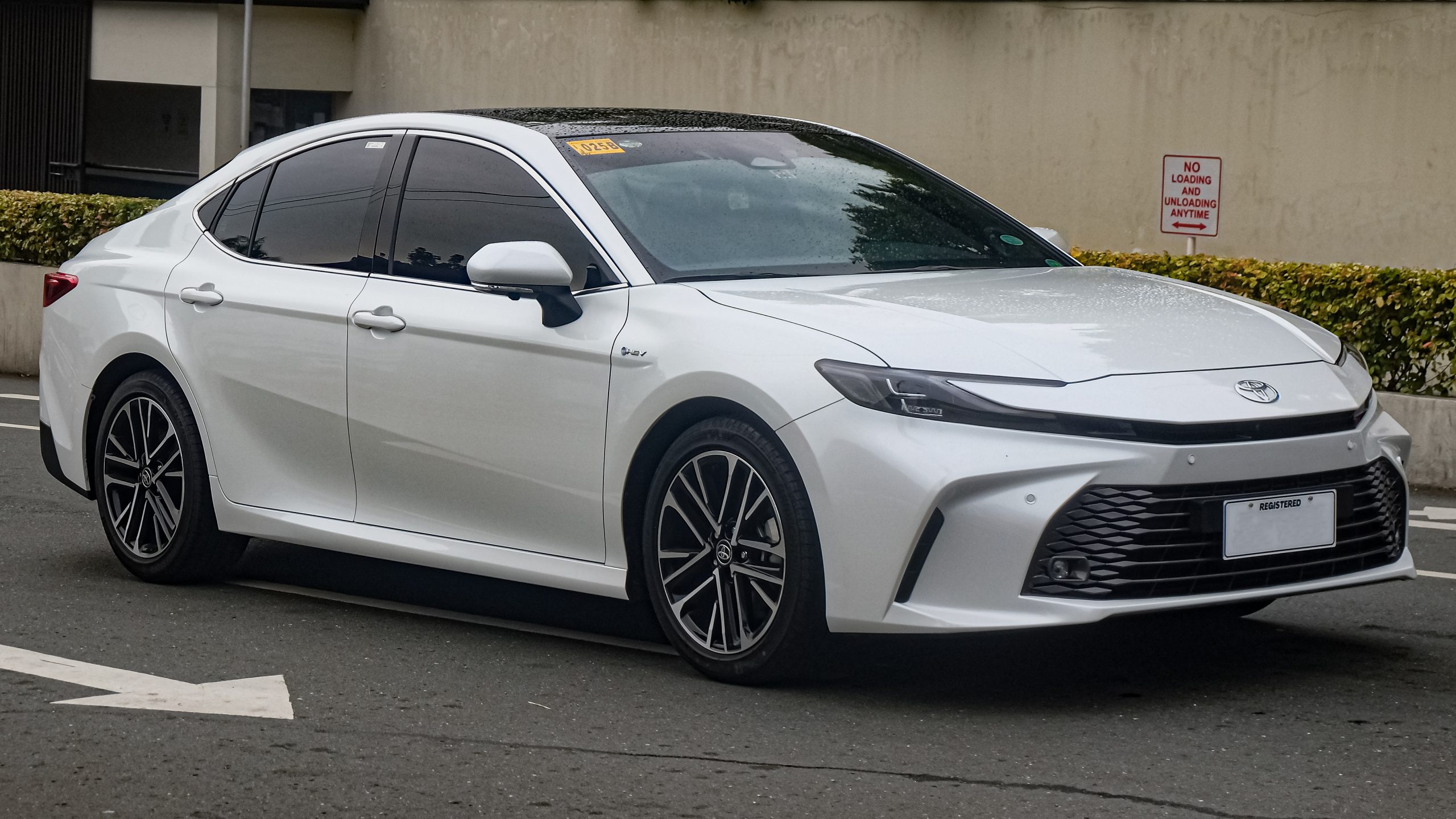
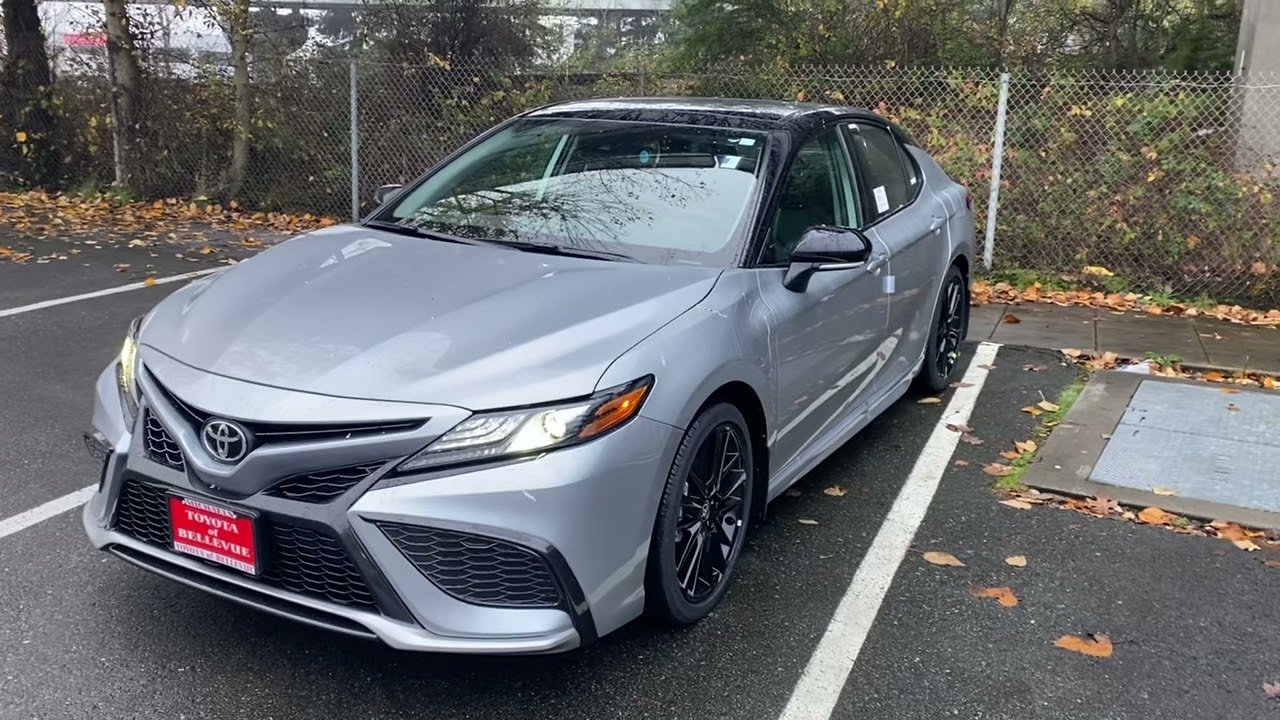
1. Toyota Camry
The Toyota Camry from the 7th generation onward is widely recognized for combining long-term reliability with low maintenance requirements. One of its most notable advantages is the extended lifespan of its spark plugs. Toyota recommends replacing the factory-installed iridium spark plugs at around 120,000 miles or 144 months under normal driving conditions.
These plugs, commonly produced by Denso or NGK, are engineered to resist wear and often remain in strong condition even at high mileage. For drivers in harsher environments, such as heavy traffic or frequent short trips, earlier inspection between 60,000 and 90,000 miles is sometimes advised.
This long service interval is made possible by the use of high-quality iridium material, which is more resistant to erosion than traditional metals. The Camry’s engines, including the 2.5-liter four-cylinder and 3.5-liter V6, are also designed for efficient combustion. This reduces carbon buildup and helps preserve spark plug integrity over time. As a result, owners benefit from reduced maintenance costs and dependable engine performance, with many Camry models lasting well beyond 200,000 miles.
In terms of performance, newer Camry Hybrid variants offer a balanced mix of power and efficiency. Their hybrid systems combine a 2.5-liter engine with electric motors to produce between 225 and 232 horsepower. Acceleration is solid for a midsize sedan, with 0 to 60 mph times ranging from about 6.8 to 7.0 seconds. Fuel efficiency is a major strength, reaching as high as 52 miles per gallon in city driving.
The interior provides ample space and comfort, along with modern infotainment features such as large touchscreen displays and wireless smartphone connectivity. Standard safety systems include adaptive cruise control, lane-keeping assist, and automatic emergency braking, reinforcing the Camry’s reputation as a practical and well-rounded vehicle.
2. Toyota 4Runner
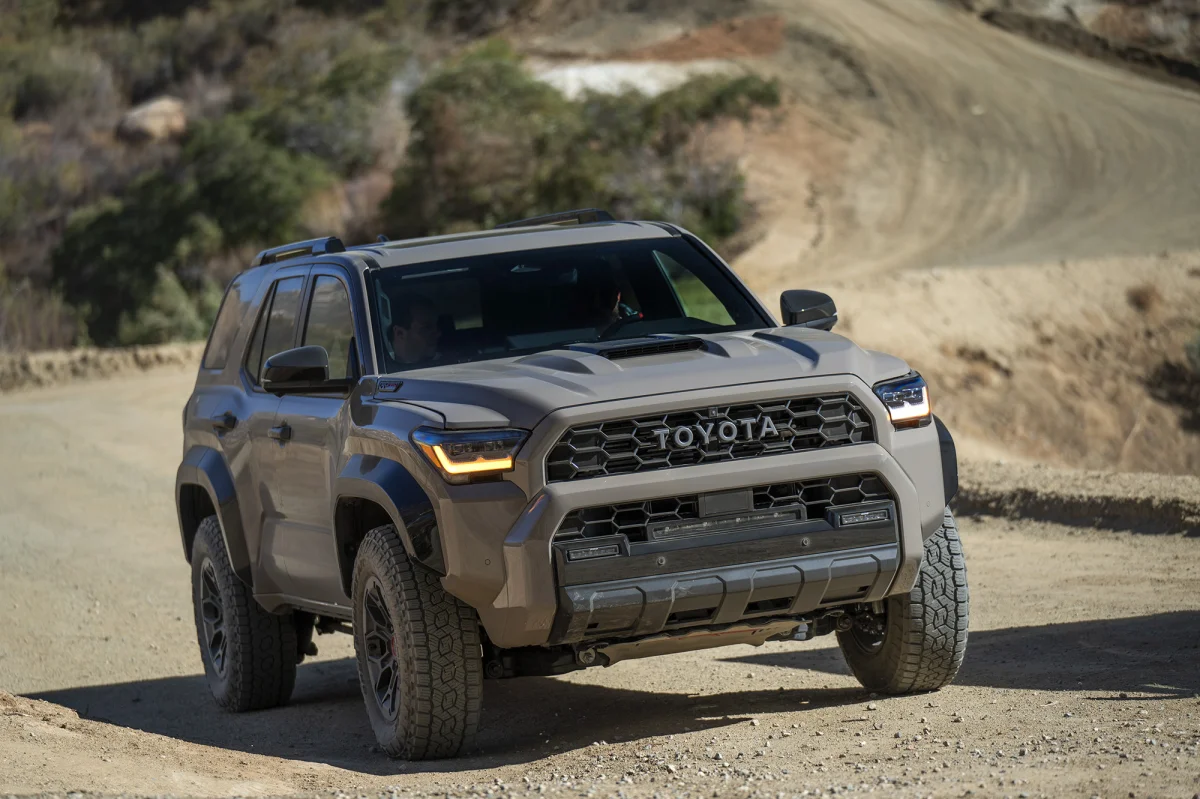
Built with durability as a priority, the Toyota 4Runner (5th generation, 2010–2024) stands out for its ability to go long distances with minimal maintenance demands. A key example is its spark plug service interval, which Toyota sets at 120,000 miles. The factory-installed iridium spark plugs, commonly supplied by Denso or NGK, are engineered to last this full interval while maintaining reliable ignition performance.
Although some technicians recommend checking them earlier at around 100,000 miles, most vehicles operating under normal conditions can safely follow the official schedule. In older V6 variants, using the correct resistor-type spark plugs remains important to avoid misfires and ensure proper engine function.
This extended lifespan is supported by the 4Runner’s proven 4.0-liter V6 engine, known as the 1GR-FE. Its design emphasizes durability over high output, operating at lower stress levels compared to many modern turbocharged engines. The absence of direct fuel injection also helps create a cleaner combustion process, reducing carbon buildup and prolonging spark plug life. Combined with the resilience of iridium materials, this setup allows for consistent performance over long mileage intervals.
In terms of driving capability, the 4Runner remains a strong performer both on and off the road. Newer versions are equipped with a 278-horsepower turbocharged 2.4-liter engine and an eight-speed automatic transmission. Buyers can choose between rear-wheel drive and a more capable four-wheel-drive system with low-range gearing for off-road use. Acceleration is moderate, reaching 60 mph in about 7.5 seconds, while towing capacity reaches up to 6,000 pounds.
The interior is functional and spacious, offering available third-row seating and modern infotainment systems with large touchscreens. Standard safety technologies such as adaptive cruise control and lane-keeping assist add to its practicality, making the 4Runner a dependable and versatile SUV.
3. Toyota Tundra
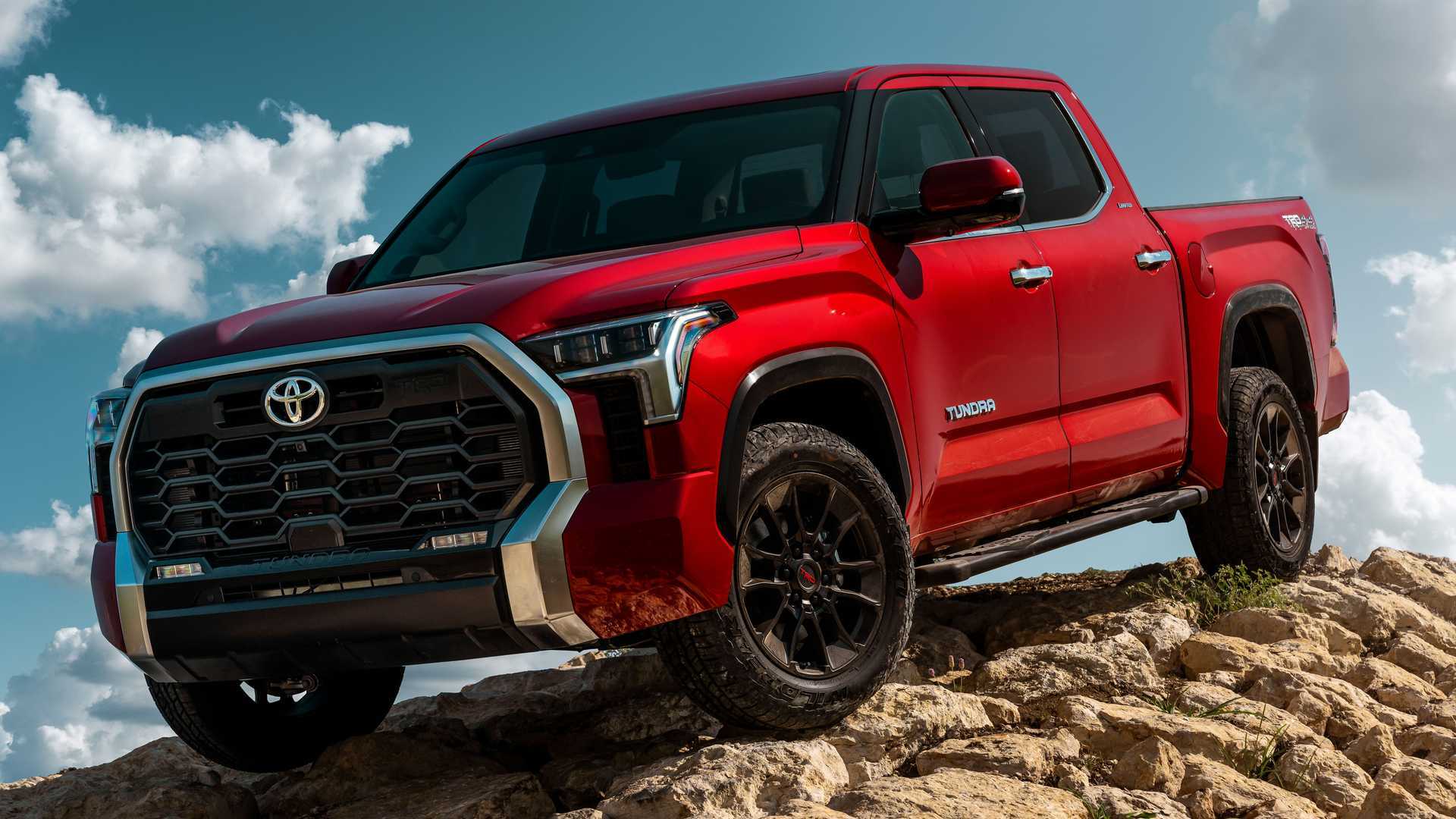
The Toyota Tundra equipped with the 5.7L i-Force V8 (2007–2021) is widely regarded as a benchmark for durability and long-term reliability in the full-size truck segment. A major contributor to its low maintenance requirements is its extended spark plug replacement interval.
Toyota specifies a 120,000-mile or 10-year interval, made possible by the use of long-life iridium spark plugs such as the Denso SK20HR11 or NGK IFR6T11. While trucks used for heavy towing or severe duty may benefit from earlier inspection, the 120,000-mile mark remains the standard guideline for typical driving conditions.
This longevity is driven by several engineering factors. The spark plugs themselves feature iridium center electrodes and platinum ground electrodes, which resist wear and maintain consistent performance over time. Advanced manufacturing methods, such as laser welding, ensure durability under high heat and pressure.
Additionally, the 5.7L V8 engine (3UR-FE) is naturally aspirated, meaning it operates under lower stress compared to turbocharged engines. This results in reduced heat and pressure inside the combustion chamber, allowing ignition components to last longer.
The Tundra also benefits from a stable coil-on-plug ignition system that delivers consistent spark energy, preventing premature fouling. Toyota’s conservative engineering approach further enhances reliability, with many owners reporting that original spark plugs remain in good condition even beyond 100,000 miles.
Beyond maintenance, the Tundra offers strong performance, producing 381 horsepower and achieving 0 to 60 mph in about 6.3 seconds. It excels in towing and hauling but comes with trade-offs such as lower fuel economy, typically around 13 to 17 mpg, and dated interior technology in later model years.
The 5.7L Tundra prioritizes durability, making it an excellent choice for those seeking long-term dependability and strong work capability.
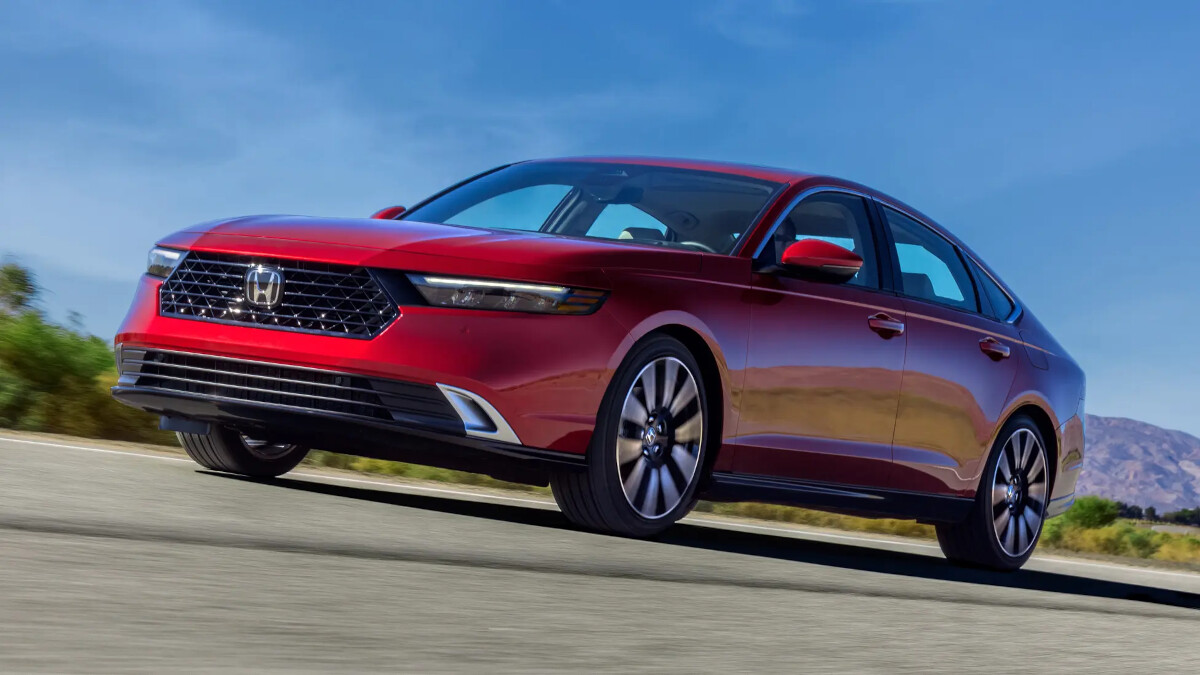
4. Honda Accord
A major reason this sedan is known for low maintenance costs is the durability of its ignition system, particularly the spark plugs. Most models from 2006 onward use iridium spark plugs designed to last between 100,000 and 120,000 miles under normal driving conditions.
Honda’s Maintenance Minder system supports this extended interval by tracking real-world driving patterns and recommending service only when needed. Using OEM-quality NGK or Denso iridium plugs is widely considered essential for maintaining efficiency and smooth engine performance over the long term.
The long lifespan of the spark plugs is largely due to advanced materials and efficient engineering. Iridium is significantly harder and more heat-resistant than platinum, allowing the fine-wire electrode to maintain its shape and spark consistency over very high mileage.
Many Honda OEM designs also incorporate double iridium or platinum reinforcement, which further improves durability. The coil-on-plug ignition system adds to this reliability by delivering a direct, high-energy spark to each cylinder, reducing electrical loss and minimizing wear on components.
Engine design also plays a critical role in extending spark plug life. Honda engines are engineered for clean combustion, which limits carbon buildup and keeps the plugs operating efficiently for longer periods.
This results in fewer misfires and more stable performance even at higher mileage. Factory service guidelines generally recommend replacement around 105,000 miles, although actual lifespan can vary depending on driving habits and conditions.
Performance remains balanced and efficient across the lineup. Powertrains include a 1.5-liter turbocharged engine producing 192 horsepower and a hybrid system that combines a 2.0-liter engine with electric motors for 204 horsepower. All variants use front-wheel drive and a continuously variable transmission, offering smooth and predictable acceleration, with 0 to 60 mph times ranging from about 6.7 to 7.3 seconds.
Strong fuel economy, a comfortable cabin, and modern safety systems further reinforce its reputation as a dependable and efficient long-term vehicle.
Also read: 10 Cars Where the 2026 Version Is More Reliable Than the 2024 Version
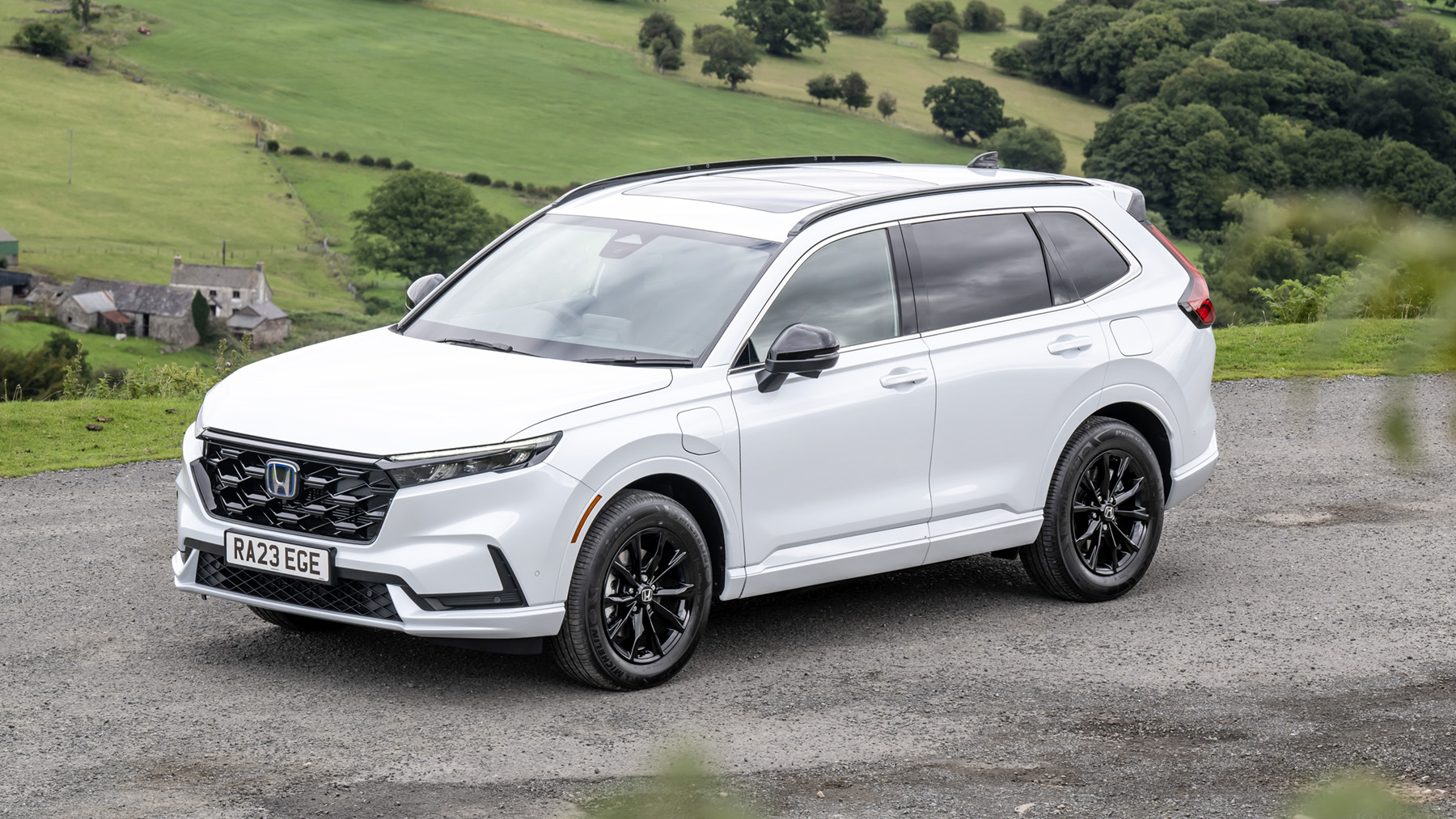
5. Honda CR-V
Recent generations of the Honda CR-V, especially 2017 and newer models, are built around long-life maintenance components that reduce ownership costs over time. One of the most important examples is the use of iridium-tipped spark plugs designed to last between 100,000 and 120,000 miles.
While some maintenance schedules suggest replacement closer to 90,000 to 100,000 miles, many owners extend service life up to 120,000 miles if the Maintenance Minder system does not indicate earlier replacement. The key factor is using OEM-spec fine-wire iridium plugs, which reduce voltage demand and limit wear on ignition coils across hundreds of thousands of combustion cycles.
This long lifespan is made possible by a combination of advanced materials and modern engine design. Iridium is extremely hard and resistant to heat, corrosion, and erosion, allowing the spark plug electrode to maintain consistent performance over time. The CR-V’s engines, including the 1.5-liter turbocharged and hybrid variants, use direct injection systems that promote cleaner combustion. This reduces carbon buildup on spark plugs and helps maintain efficient ignition for longer periods.
Engine management systems also play a major role. Sophisticated ECUs carefully control fuel and air mixtures, reducing thermal stress on ignition components and ensuring stable combustion. As a result, spark plugs in newer CR-V models can reliably function for 100,000 to 120,000 miles under normal driving conditions.
Despite this durability, regular maintenance remains important. Clean oil is especially critical for turbocharged engines with tight oil passages, and some drivers still prefer early inspection around 100,000 miles in demanding conditions.
Beyond maintenance, the CR-V delivers practical performance with a 190-horsepower turbocharged engine, smooth CVT transmission, and available all-wheel drive. It offers strong fuel efficiency, a comfortable ride, modern infotainment, advanced safety features, and class-leading cargo space, making it a well-rounded and dependable compact SUV.
6. Nissan Rogue
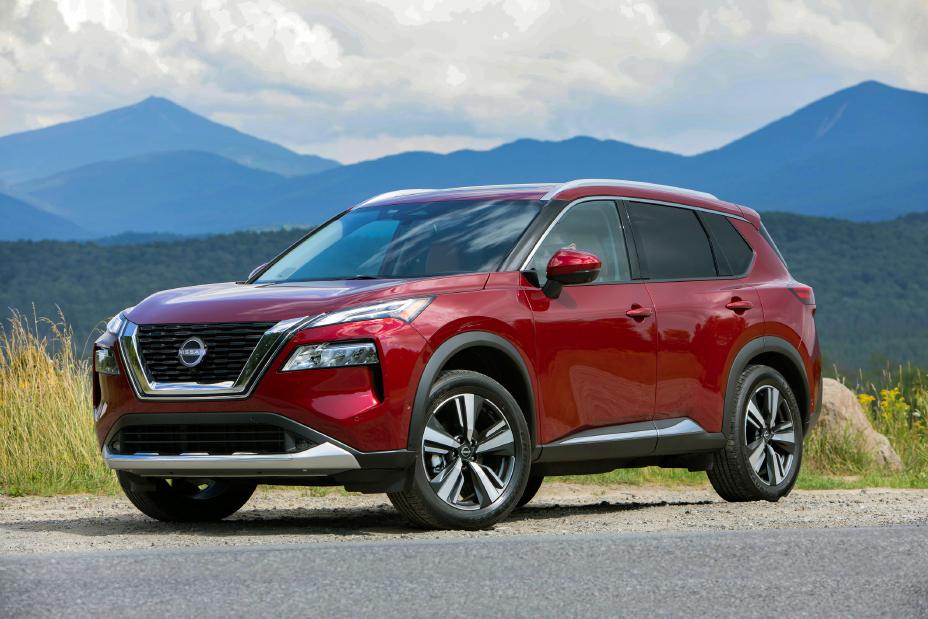
The Nissan Rogue (2014–2020) is often regarded as a practical, low-maintenance compact SUV, largely due to its simple engine design and durable ignition components. A key contributor to its longevity is the use of factory-installed iridium-tipped spark plugs, which are engineered to last between 100,000 and 120,000 miles under normal driving conditions. While Nissan may recommend earlier inspection intervals, many owners find that the original plugs continue performing effectively well past 100,000 miles, especially in standard highway use.
This long service life is made possible by several engineering factors. The Rogue’s 2.5-liter QR25DE engine is naturally aspirated, meaning it avoids the higher pressures and heat found in turbocharged systems. This creates a more stable combustion environment that reduces stress on spark plugs.
Iridium itself is extremely resistant to heat, corrosion, and electrode wear, allowing it to maintain a consistent spark gap over extended mileage. Combined with modern engine management systems, fuel delivery and ignition timing are optimized to reduce fouling and improve efficiency.
Despite the durability of its ignition system, the Rogue still requires consistent maintenance in other areas, particularly its continuously variable transmission (CVT), which is critical to long-term reliability. Well-maintained examples are often capable of exceeding 200,000 miles.
In terms of performance, the Rogue uses a 170-horsepower four-cylinder engine paired with a CVT, delivering smooth but modest acceleration. While fuel economy is competitive on paper, real-world results may fall slightly short of EPA estimates. Ride comfort is a strong point, but handling and acceleration feel less refined compared to rivals.
Inside, the Rogue offers a comfortable cabin with strong front-seat comfort and class-competitive cargo space, enhanced by flexible storage systems. However, rear-seat room and infotainment quality are less impressive. Safety features are comprehensive, though crash-test ratings have been average compared to top competitors. It remains a dependable and practical SUV with strong long-term maintenance advantages.
7. Jeep Liberty
The Jeep Liberty equipped with the 3.7L PowerTech V6 engine is known for its rugged construction and long-term durability when properly maintained. One of its notable maintenance traits is the extended spark plug lifespan, with many owners reporting service intervals reaching 100,000 to 120,000 miles, and in some cases even 150,000 miles under ideal driving conditions.
However, as mileage increases, spark plug gap widening can begin to place additional stress on ignition coils, making earlier replacement or inspection a safer long-term strategy. Upgrading to high-quality double-platinum or iridium spark plugs is often recommended to maintain consistent performance and reduce wear.
The durability of this engine comes from its solid engineering design. The 3.7L PowerTech V6 uses a cast-iron block paired with aluminum cylinder heads, creating a strong foundation built for longevity. This design allows many engines to exceed 200,000 miles when maintained properly. The ignition system is also relatively robust, supporting long service intervals for spark plugs compared to older Jeep engines.
Despite its durability, the engine requires consistent maintenance to perform reliably. Regular oil changes are essential to prevent sludge buildup, which can affect valvetrain operation. Cooling system health is also critical, as overheating issues can lead to valve seat failures or other internal damage over time.
In terms of performance, the engine produces around 210 horsepower and 235 lb-ft of torque, offering adequate low-end power for off-road driving. However, it is widely criticized for poor fuel economy and relatively slow on-road performance. Handling is improved compared to older Jeep models thanks to independent front suspension, but interior space and comfort remain limited.
Common issues include valve-related misfires, electrical component failures, and cooling system weaknesses. While capable as an off-road SUV, it is best suited for drivers who prioritize durability and trail performance over efficiency and refinement.

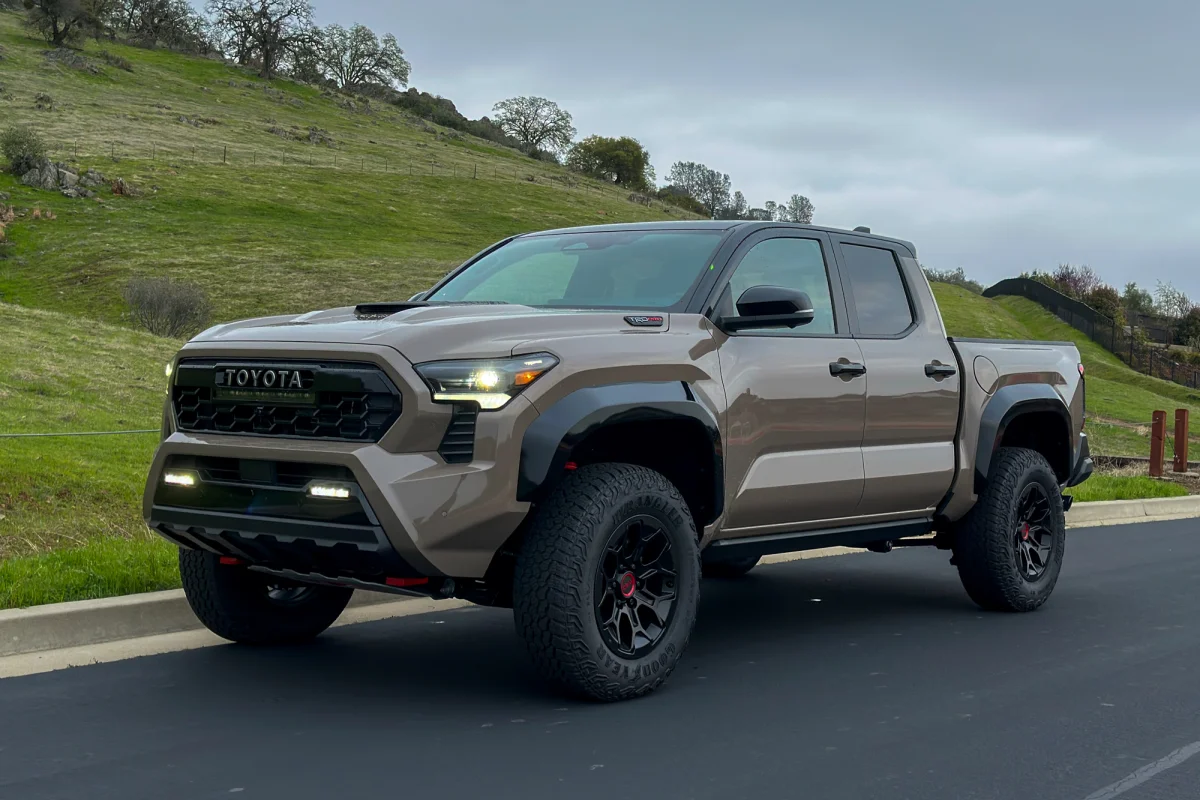
8. Toyota Tacoma
The Toyota Tacoma, especially in its 2nd and 3rd generation forms, is widely recognized for its long-lasting spark plug performance and strong reputation for high-mileage durability. Many owners refer to it informally as a “120,000-mile plug” vehicle because the factory-installed Denso iridium spark plugs often remain functional far beyond typical service expectations.
While official maintenance schedules vary by generation, real-world use commonly shows spark plug life extending from 100,000 to 120,000 miles, and sometimes beyond under normal driving conditions.
This extended lifespan is primarily due to advanced iridium spark plug technology. These plugs use iridium-tipped center electrodes and platinum-enhanced ground components, which resist erosion, corrosion, and gap widening far more effectively than older copper or basic platinum designs.
Combined with the Tacoma’s durable engine platforms, including the 4.0L V6 in the 2nd generation and the 3.5L V6 in the 3rd generation, combustion remains stable and relatively clean over long periods. This reduces carbon buildup on the spark plugs and helps maintain consistent ignition performance.
Ignition system design also supports longevity. High-quality coil packs deliver steady voltage to each spark plug, ensuring reliable combustion across hundreds of thousands of firing cycles.
Even in earlier wasted-spark systems, the iridium plugs are engineered to handle increased firing frequency without rapid wear. While the 2nd generation Tacoma commonly supports 100k to 120k mile intervals, the 3rd generation is sometimes scheduled for earlier replacement, though many removed plugs still show strong remaining life well past the recommended interval.
Beyond ignition durability, the Tacoma is known for strong mechanical capability, offering up to 278 horsepower, solid towing capacity, and dependable off-road performance. Fuel economy remains moderate, but long-term reliability is a defining trait. The combination of rugged engineering and extended spark plug life contributes to its reputation as a dependable high-mileage pickup.
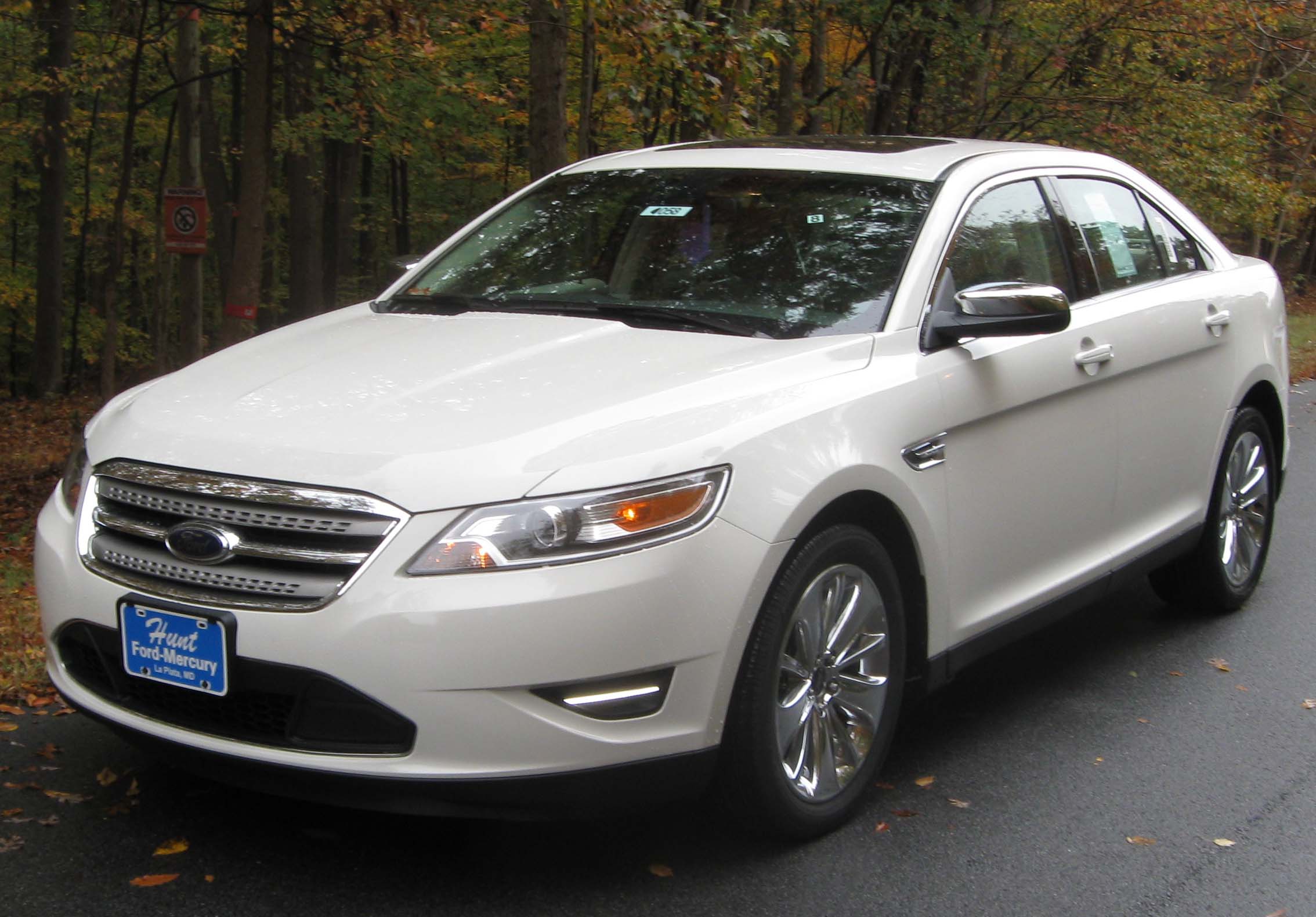
9. Ford Taurus
The 2010–2019 Ford Taurus is widely recognized for extended spark plug service life, particularly in models equipped with the 3.5L Ti-VCT V6 and 3.5L EcoBoost engines. These versions use Motorcraft iridium or platinum spark plugs designed to last between 100,000 and 120,000 miles under normal driving conditions. While Ford’s official maintenance schedule typically sets replacement around 100,000 miles, many owners report continued reliable operation well beyond that threshold when routine maintenance is followed.
This durability is made possible by advanced spark plug materials. Iridium and platinum are highly resistant to heat, corrosion, and electrode wear, allowing the plug gap to remain stable over long periods. The fine-wire design also reduces the voltage required for ignition, which helps limit strain on ignition coils and supports consistent combustion performance over time.
Engine design further contributes to this longevity. The 3.5L Duratec V6 and EcoBoost systems are engineered with efficient combustion control and modern engine management systems that regulate air-fuel mixtures precisely. This reduces carbon buildup on spark plugs and supports cleaner, more stable ignition cycles. As a result, spark plugs can maintain performance for extended mileage with fewer misfires or efficiency losses.
A key exception is the 3.5L EcoBoost variant, where higher cylinder pressures and turbocharging stress can shorten spark plug life. In these cases, many technicians recommend earlier replacement, often between 30,000 and 60,000 miles, to avoid misfire issues and maintain optimal performance.
Maintenance practicality is also influenced by design. Spark plug replacement on the V6 engines can be labor-intensive due to limited access, making long-life plugs a valuable cost-saving advantage.
Beyond ignition components, the Taurus offers a comfortable ride, strong highway stability, and available performance upgrades in the SHO trim. Fuel economy is modest, and interior design reflects an older platform, but safety features and available driver assistance systems remain competitive for its class.
Across these nine vehicles, long-life spark plug performance is not accidental but the result of deliberate engineering choices. High-grade iridium and platinum materials, precise engine calibration, and coil-on-plug ignition systems all work together to reduce wear and maintain stable combustion for extended periods.
Whether it is a fuel-efficient crossover, a dependable sedan, or a heavy-duty truck, each model benefits from reduced maintenance frequency and improved long-term consistency. However, achieving these extended intervals still depends on proper care, including timely oil changes and using OEM-spec components.
Driving conditions also matter, as frequent short trips or severe towing can shorten service life. Even so, the 120,000-mile spark plug benchmark has become a realistic expectation in many modern engines, reflecting how far automotive reliability has progressed. For owners, this means fewer maintenance interruptions, lower lifetime costs, and confidence that ignition systems can remain dependable well into high-mileage ownership.
Also read: 12 Cars That Fundamentally Changed How American Families Travel